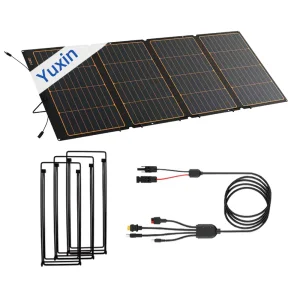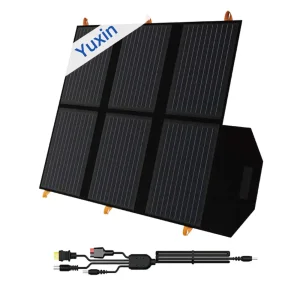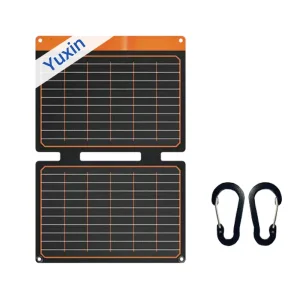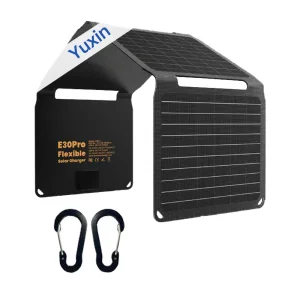
High-capacity energy configurations designed to optimize Levelized Cost of Energy (LCOE) and guarantee operational resilience.
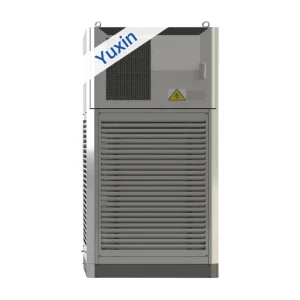
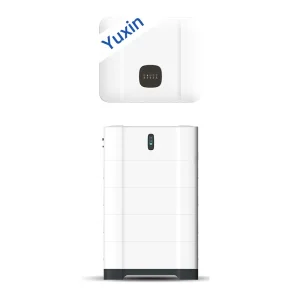
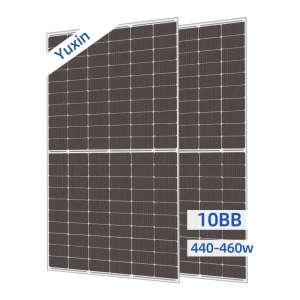
As the third-largest energy-consuming nation globally, India's push towards decarbonization is shifting from central utility scales down to distributed generation. The regulatory focus has intensified with schemes like PM-Surya Ghar: Muft Bijli Yojana for residential rooftops, targeting 10 million households. Concurrently, the commercial and industrial (C&I) sectors face steep grid tariffs alongside mandates to adopt clean energy. This convergence represents a major shift: local factories and global exporters must align their portfolios with dynamic national policies and rugged operational standards.
India’s unique solar landscape combines high solar insolation (averaging 4–7 kWh/m² per day) with challenging ambient conditions: extreme thermal peaks exceeding 45°C in regions like Rajasthan and Gujarat, and heavy dust load factors (soiling). To thrive under these conditions, solar power units require modules with low temperature coefficients and mounting frames that can withstand cyclic wind pressures and high humidity.
SEO Intent Focus: For Indian factory owners, solar systems are no longer just an ESG badge. They are a critical tool to hedge against rising utility tariffs, which can compromise the price competitiveness of global exports.
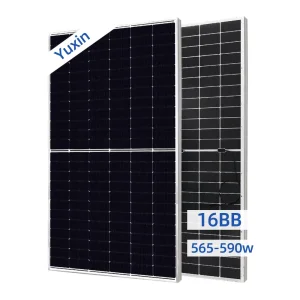
The global and local PV manufacturing segments are in transition. Standard p-type Passivated Transmitter and Rear Cell (PERC) technology is reaching its physical efficiency ceiling (~24.5%). The market is shifting to n-type architectures, specifically Tunnel Oxide Passivated Contact (TOPCon) and Heterojunction (HJT) cells.
For Indian installers and distributors, these advanced architectures offer several key performance benefits:
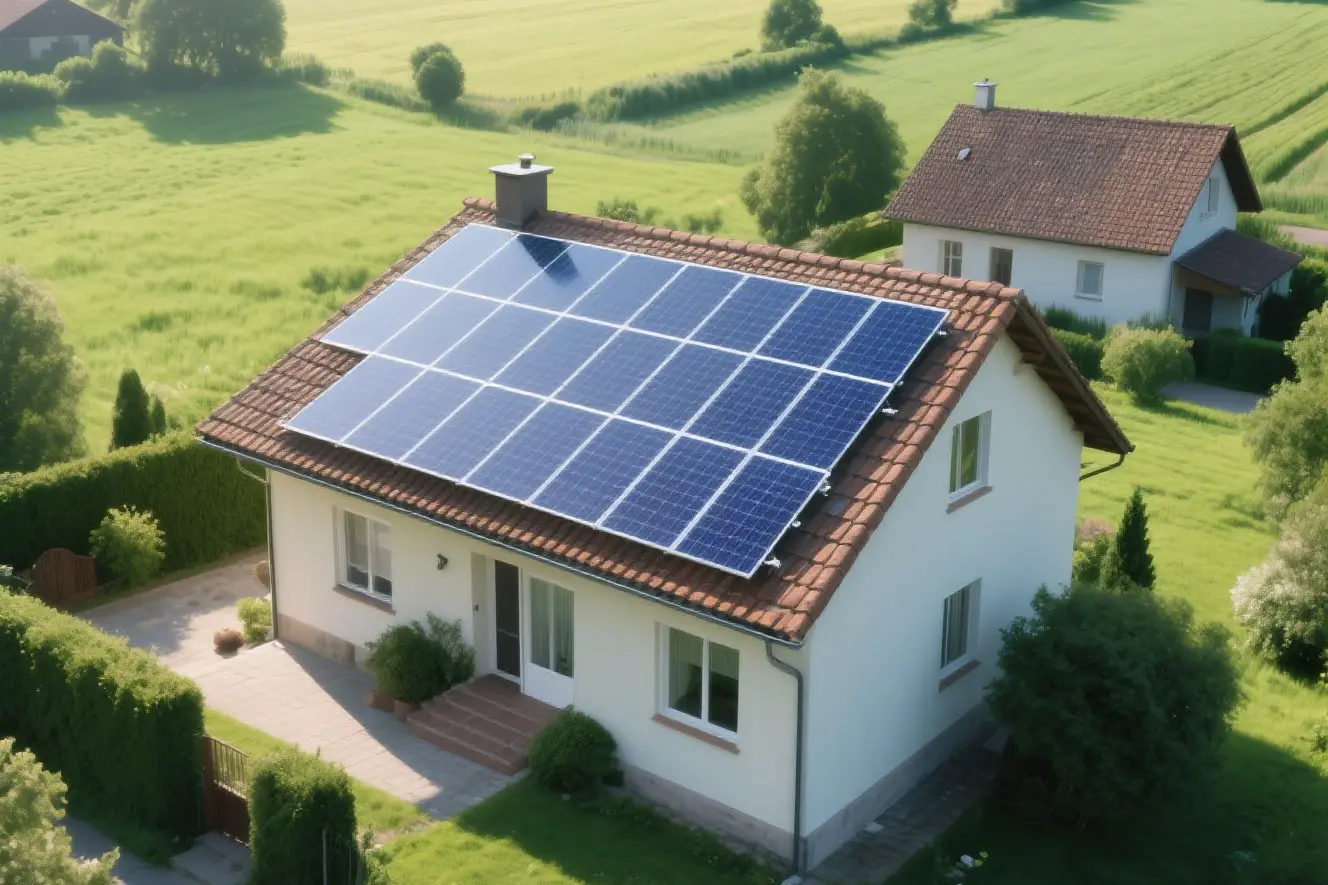
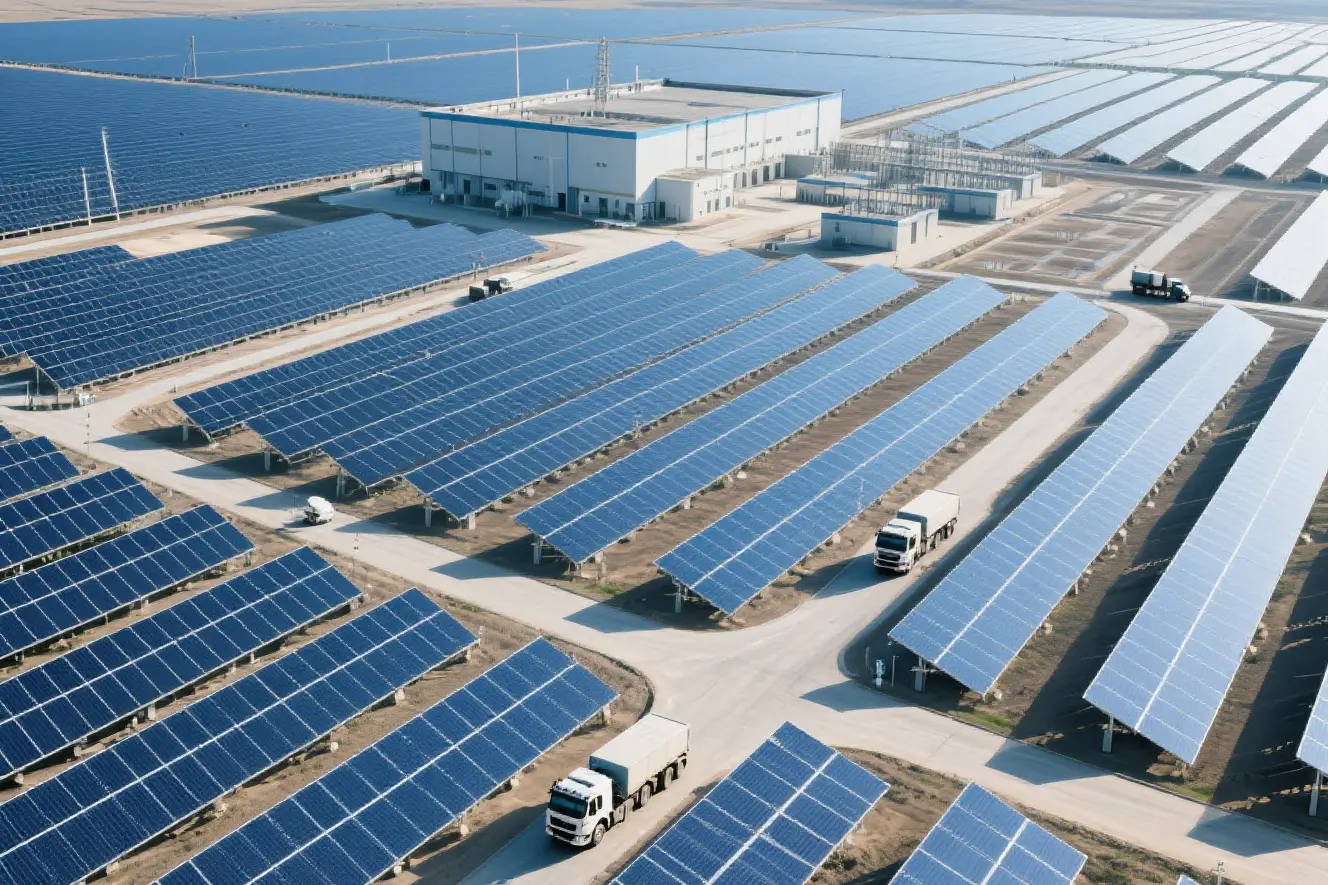
Commercial Rooftop Projects: In industrial centers like Pune, Chennai, and Morbi, grid-connected solar combined with battery backup (BESS) protects businesses against load shedding. Large manufacturing plants use CAPEX models to gain tax benefits through accelerated depreciation, or partner with RESCO developers to buy solar power with no upfront capital expense.
Residential Off-Grid & Hybrid Setups: In semi-urban and rural areas of Uttar Pradesh and Bihar, grid voltage swings can damage home appliances. High-efficiency hybrid systems with smart energy storage manage grid drops by transitioning to battery power in milliseconds, while using Net Metering to feed excess generation back to the local utility.
Verified components manufactured under strict QA controls to guarantee long-term stability.
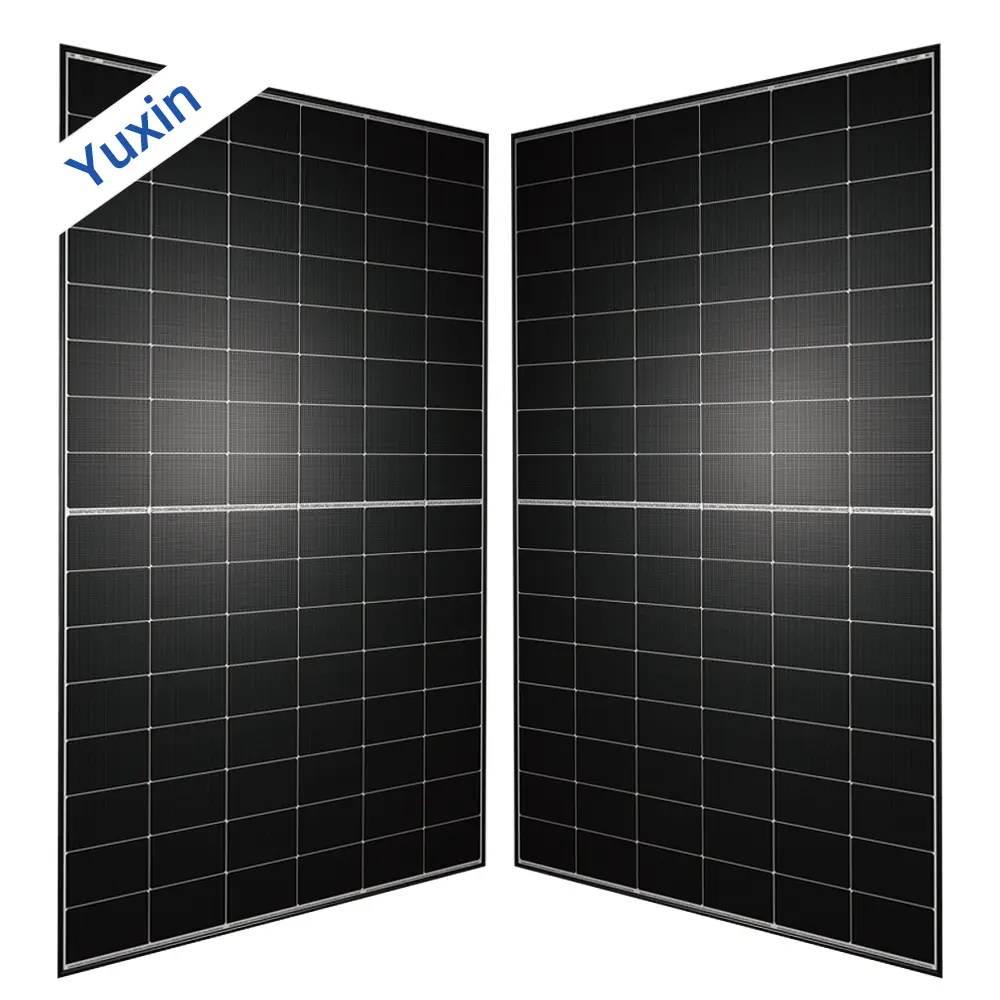
Lightweight design with transparent back panel for easy installation and reduced BOS costs.
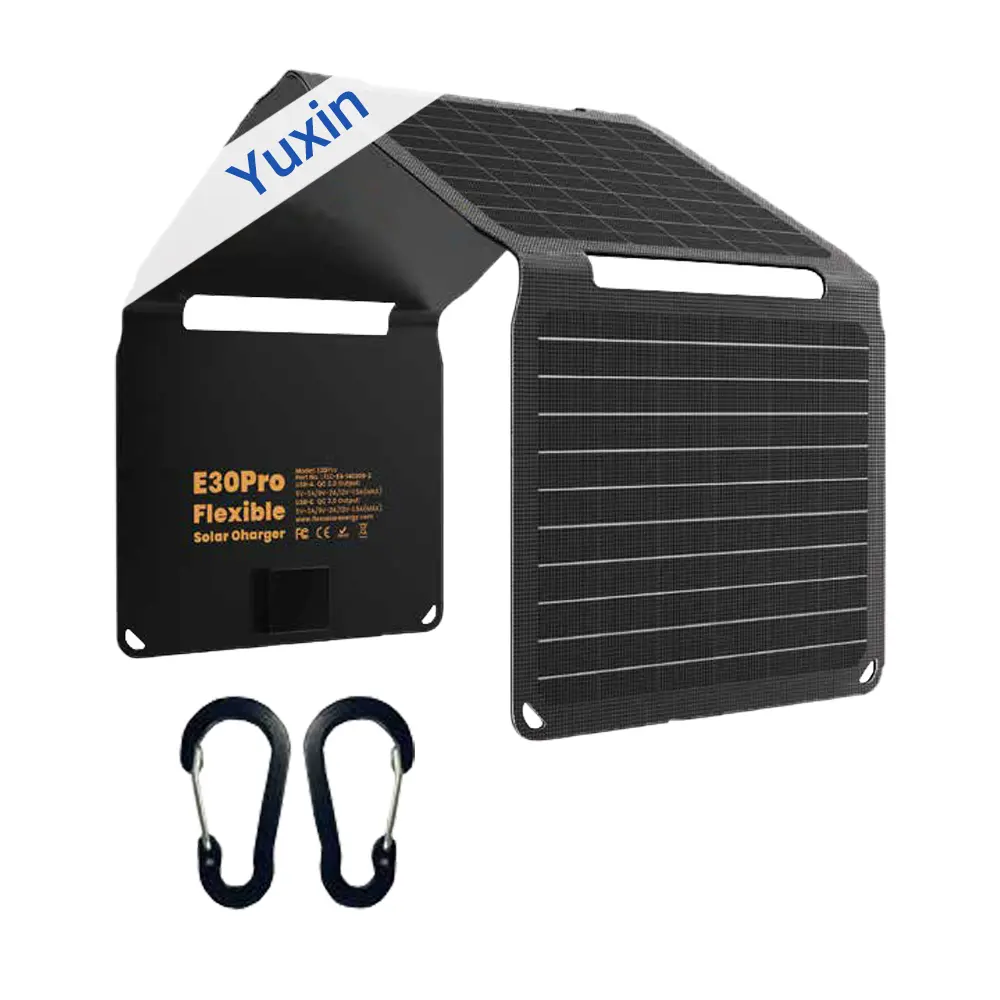
Utilizing advanced monocrystalline silicon cells, it achieves a high energy conversion efficiency of 24%.

Application modes include grid-connected mode, off-grid mode, and integrated grid-connected/off-grid mode.
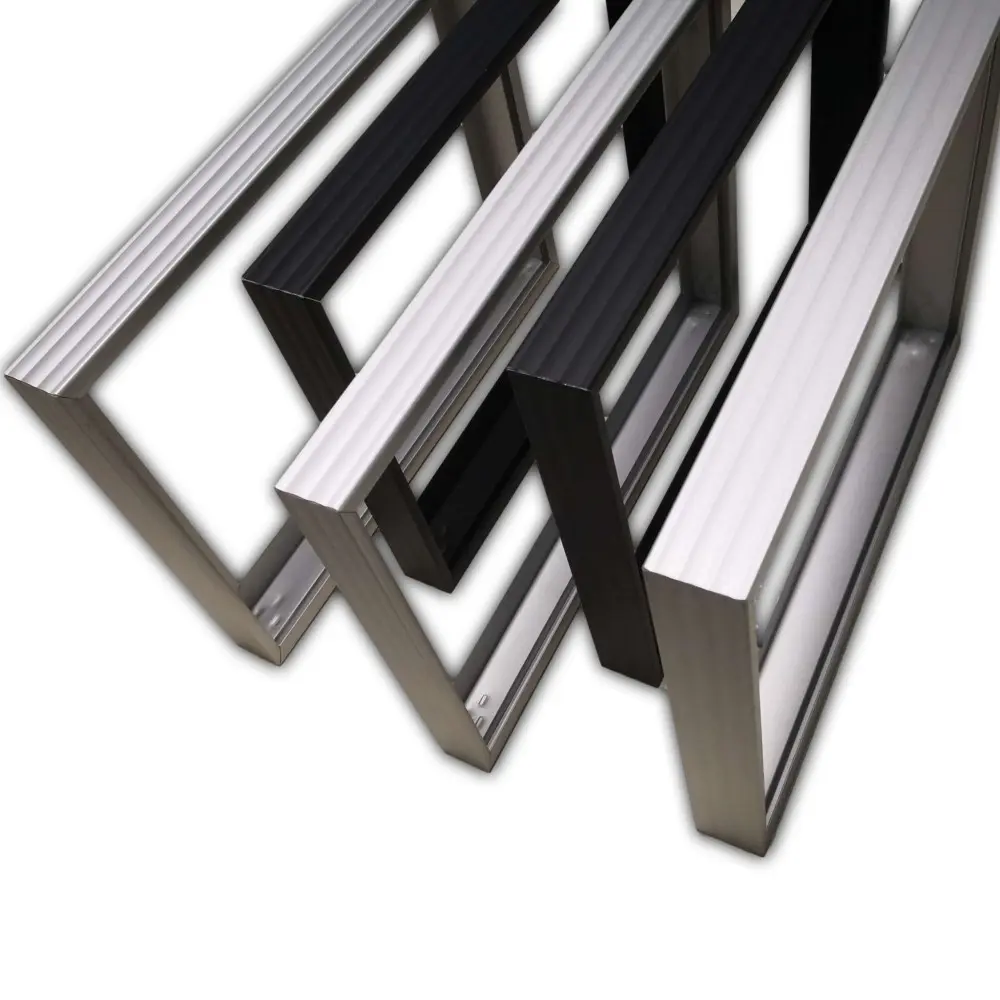
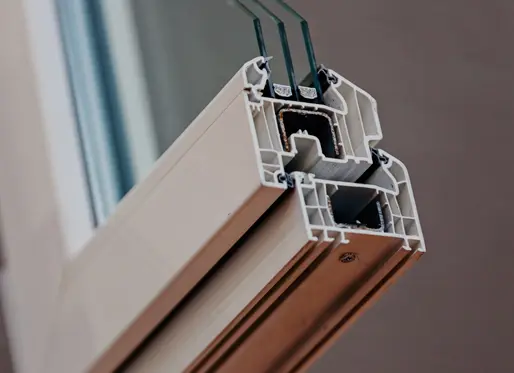
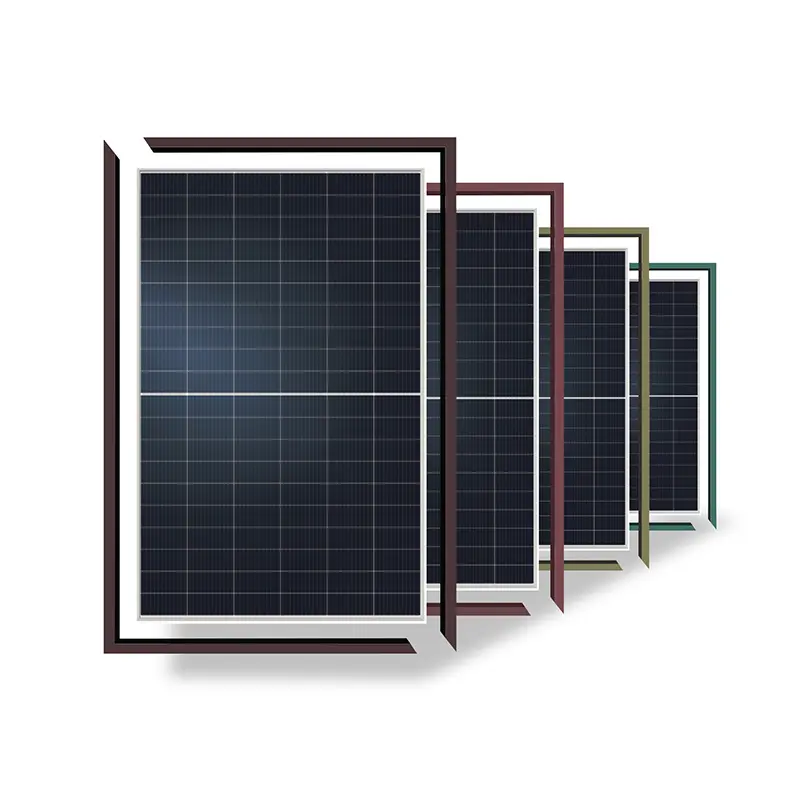
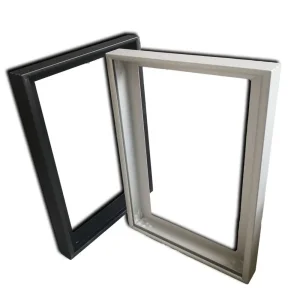
Made of high-quality anodized aluminum, it ensures superior weather resistance and a smooth, long-lasting finish.
Precision, Quality, and Safety - Your Photovoltaic Materials Expert
Located in the scenic historical and cultural ancient city of Yangzhou, close to the Beijing-Shanghai Expressway, Runyang Yangtze River Bridge, and Ningqi Railway, the group has a superior geographical location and convenient transportation. The group was established in 2008 and has 14 multi-field companies under its jurisdiction, including Jiangsu Yuxin New Energy Technology Co., Ltd., and has won many titles such as National High-tech Enterprise, Technology-based Enterprise, and Gaoyou City Top 100 Private Enterprises.
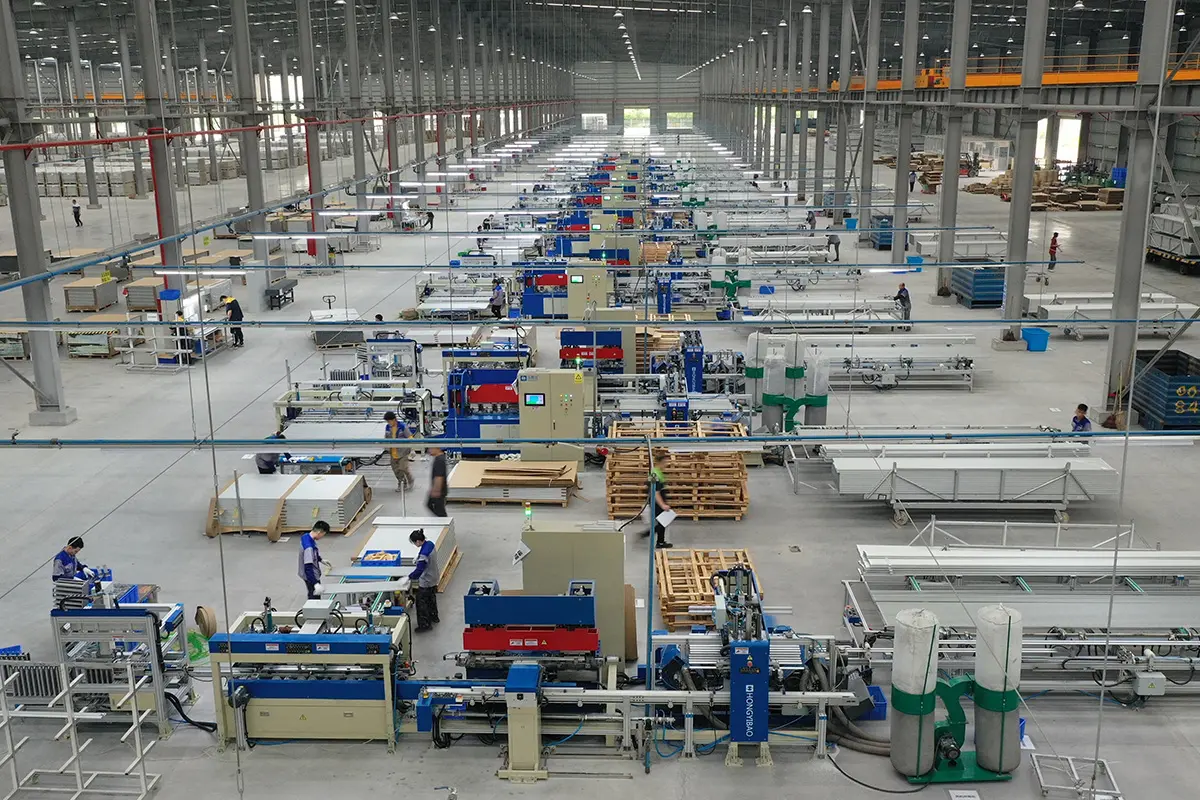
Our automated manufacturing plants run strict QC protocols to ensure mechanical strength and electrical safety in every panel, battery, and aluminum frame we ship to India and other global ports.
Meeting stringent global criteria to ensure reliability and simplify import procedures for international buyers.
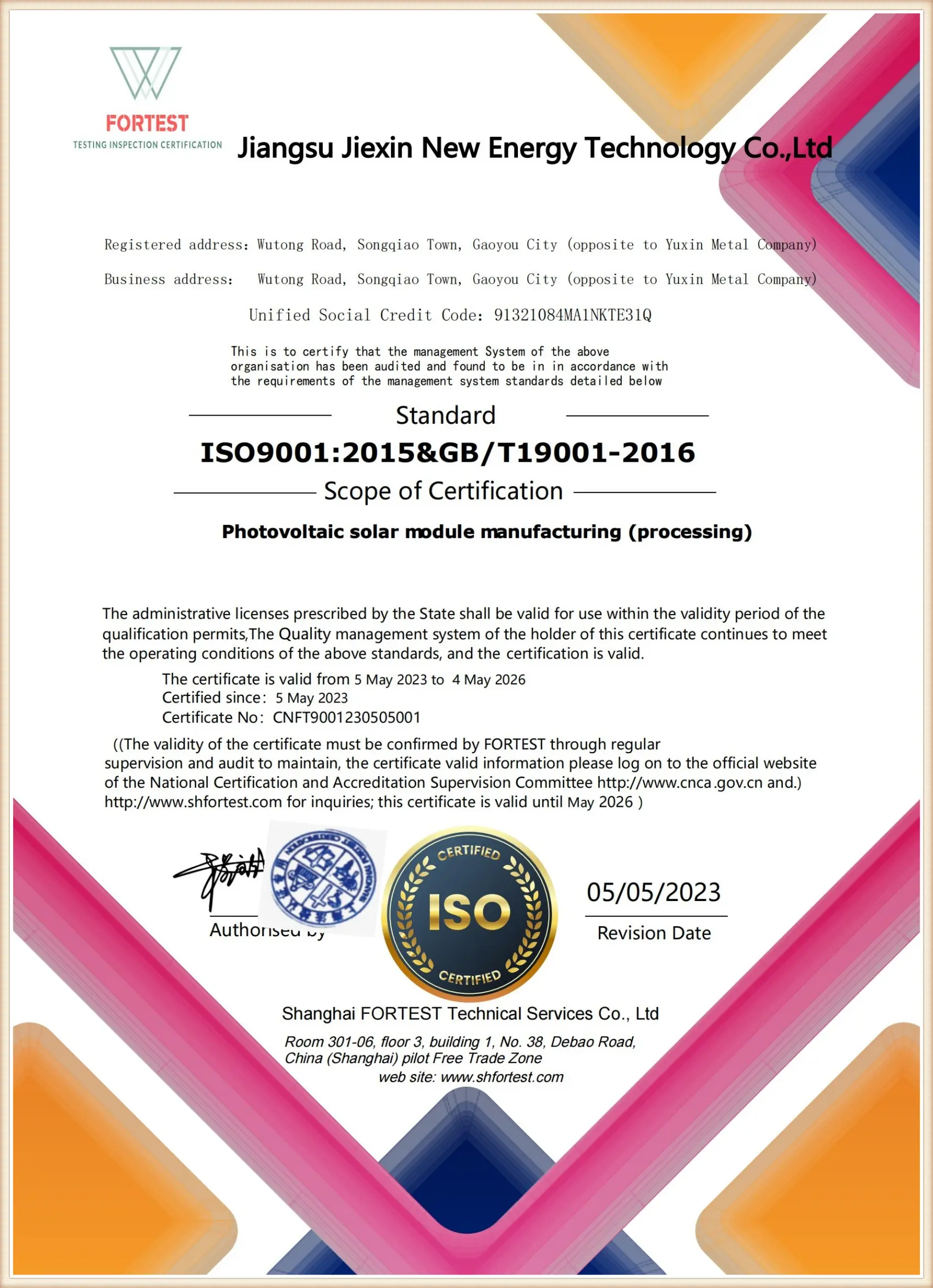
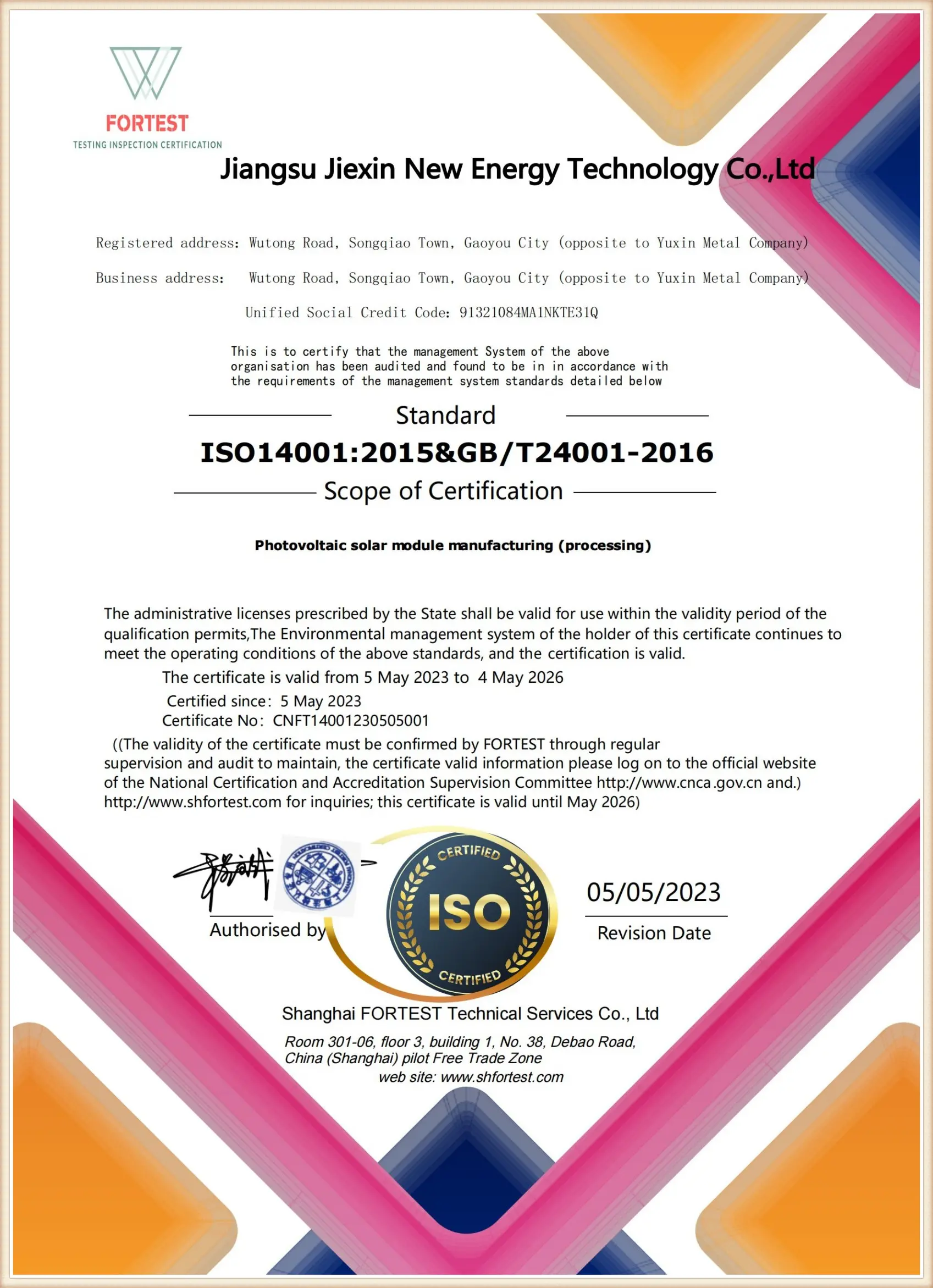
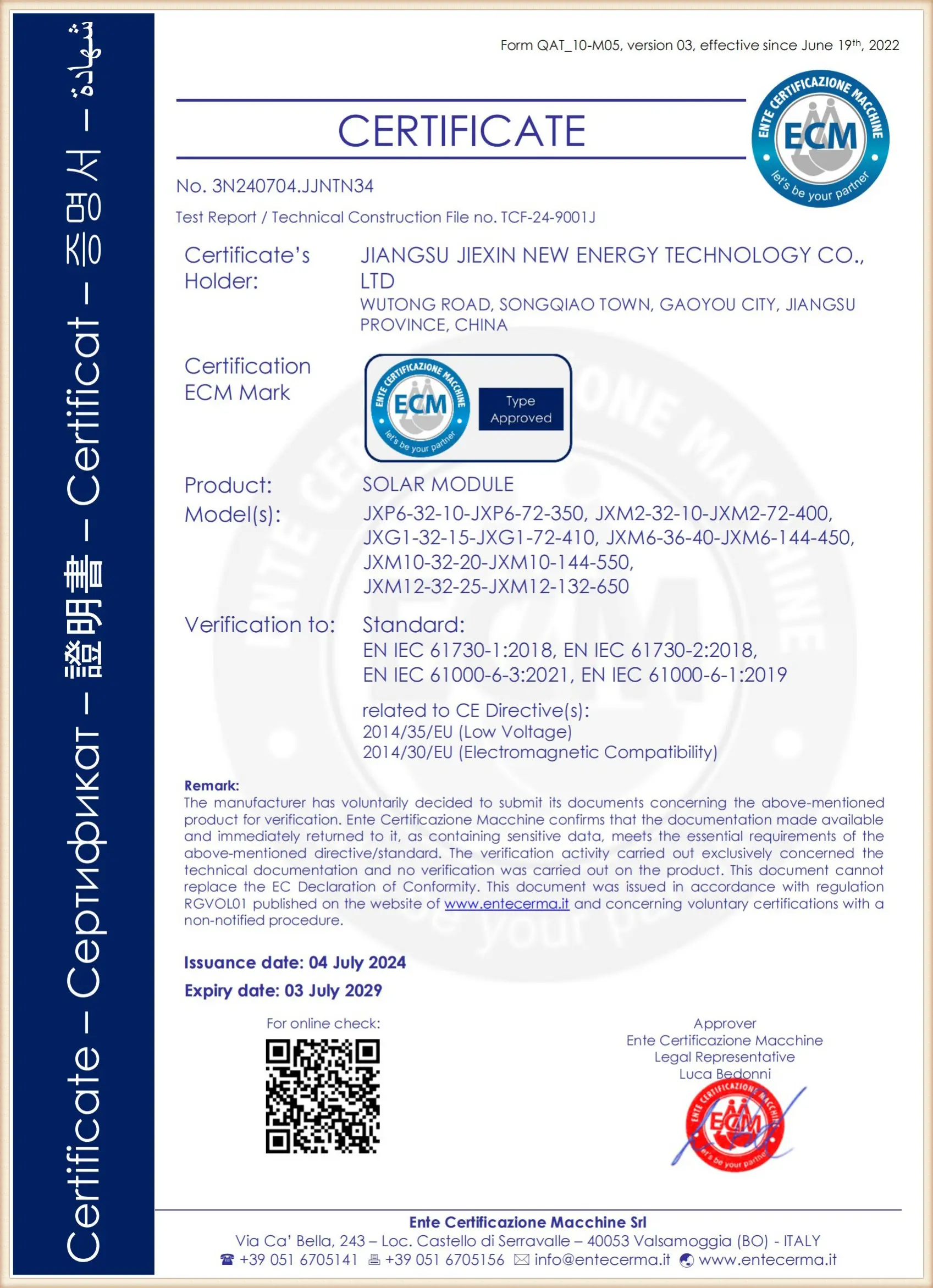
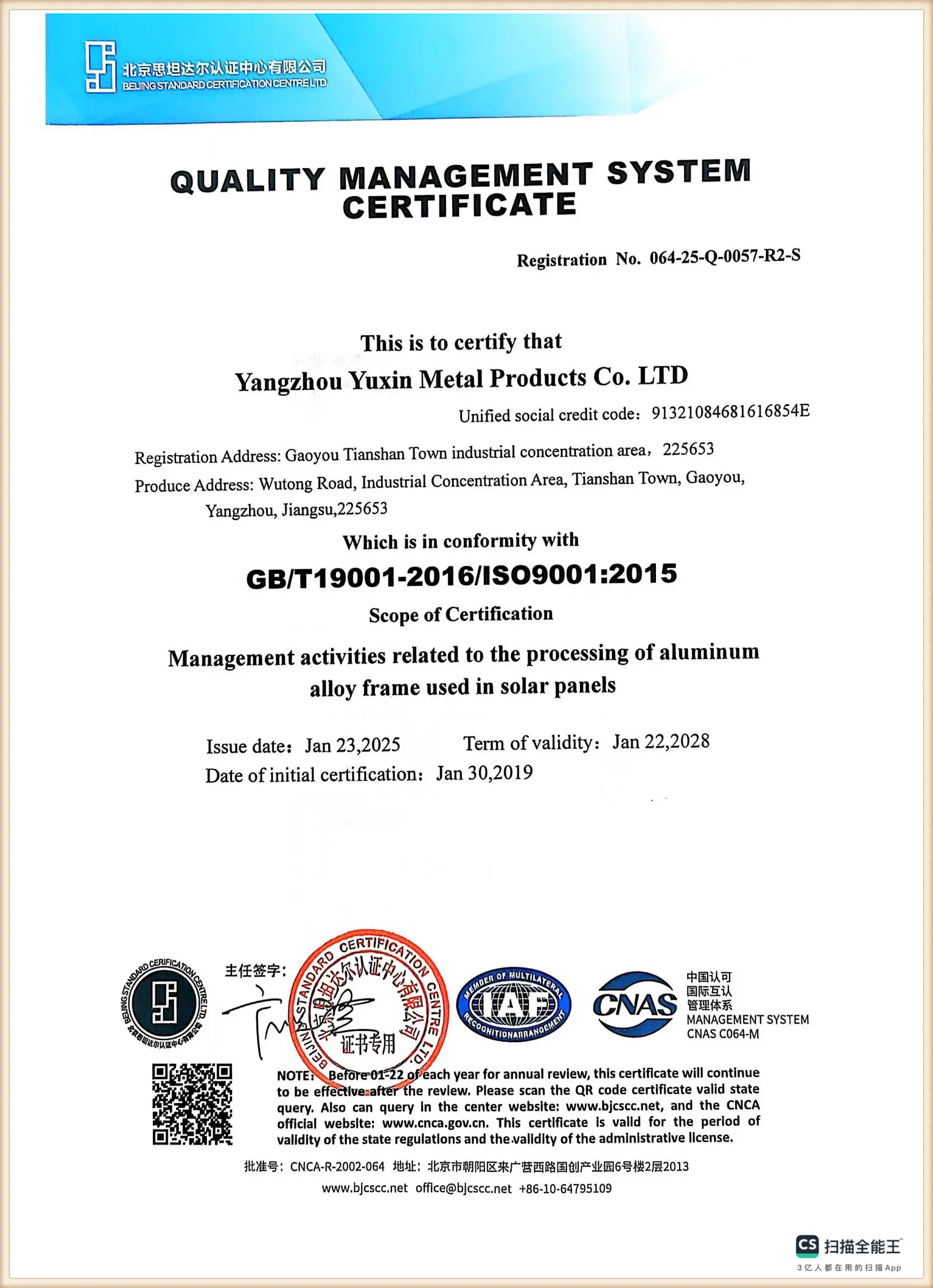
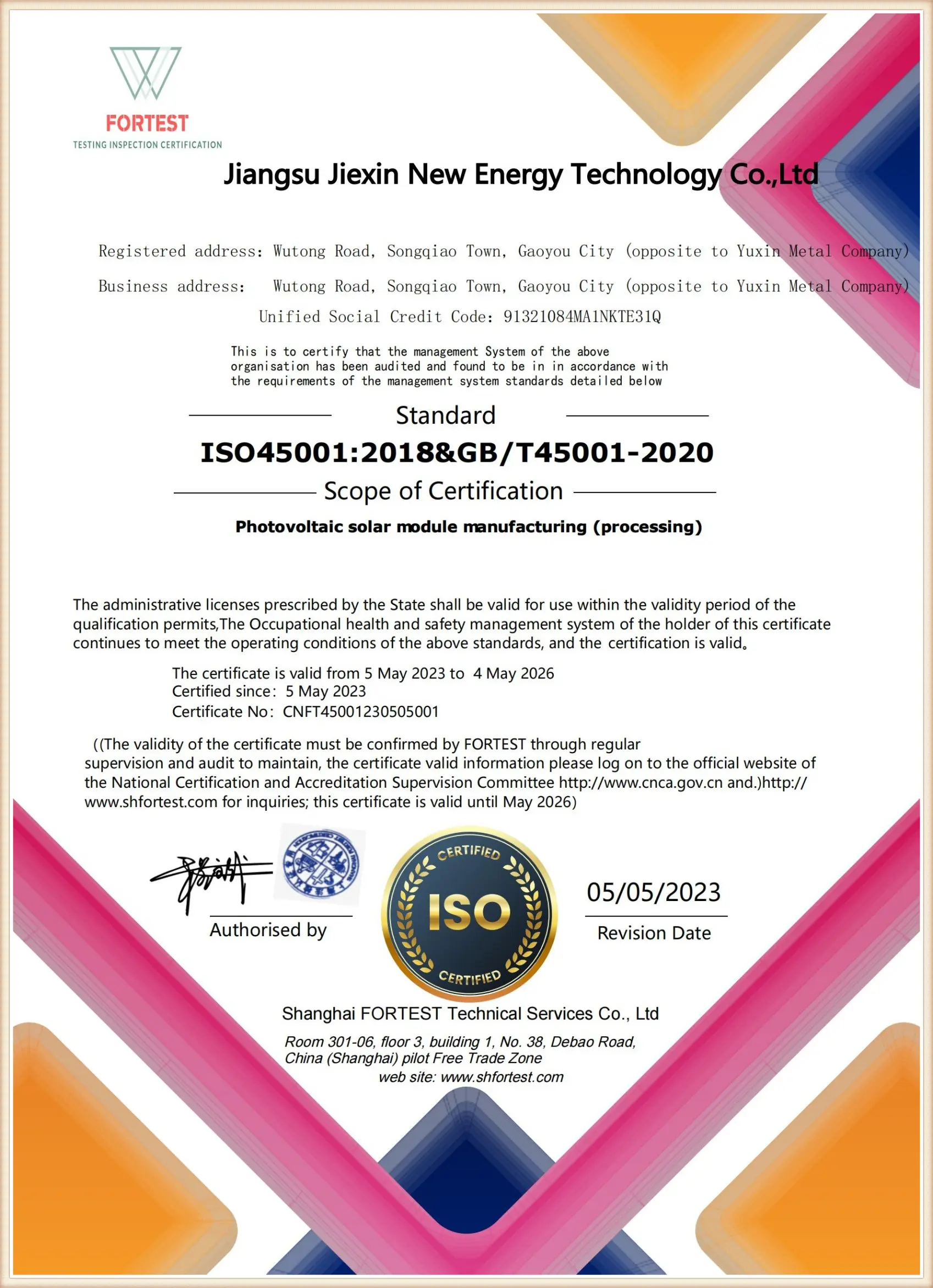
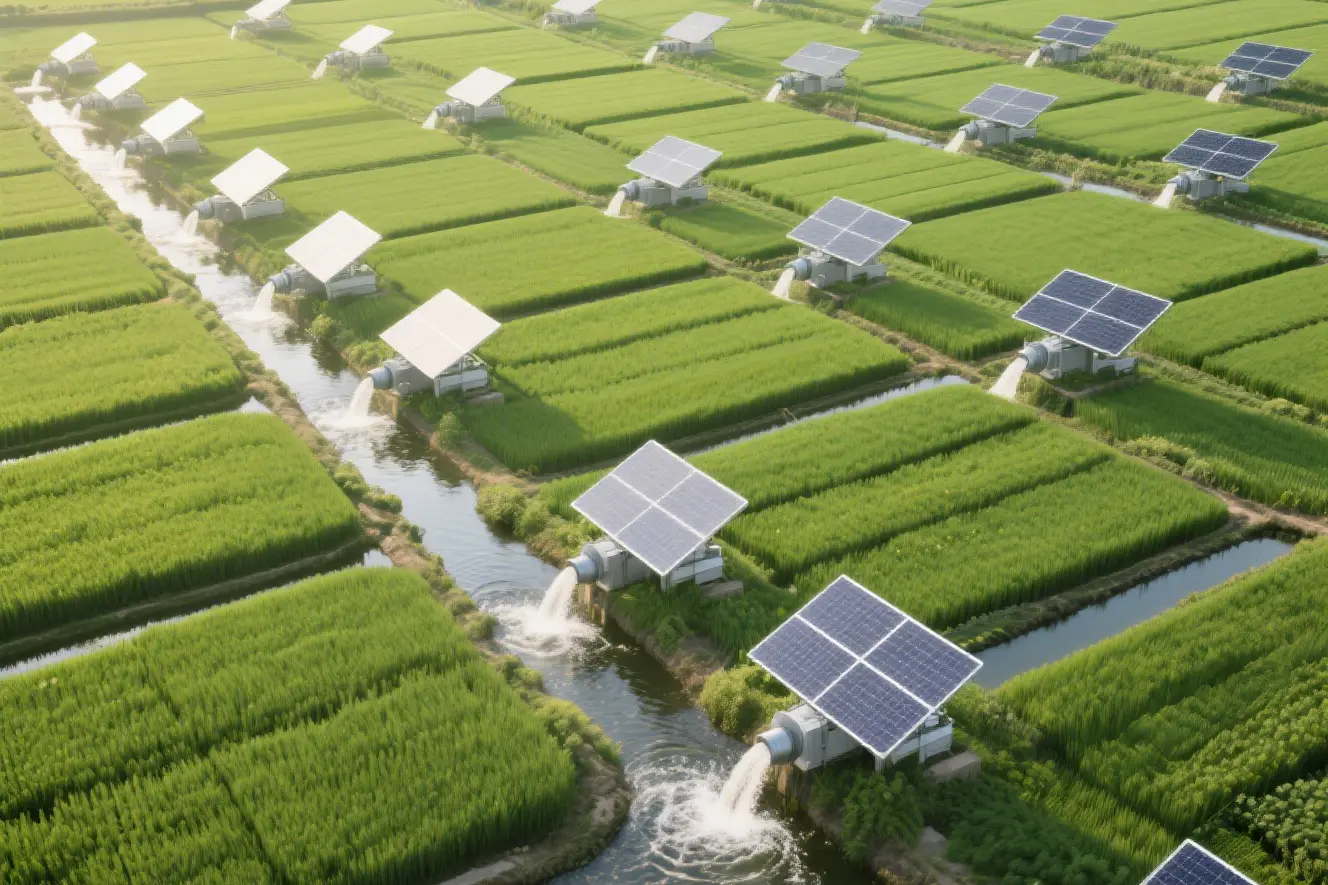
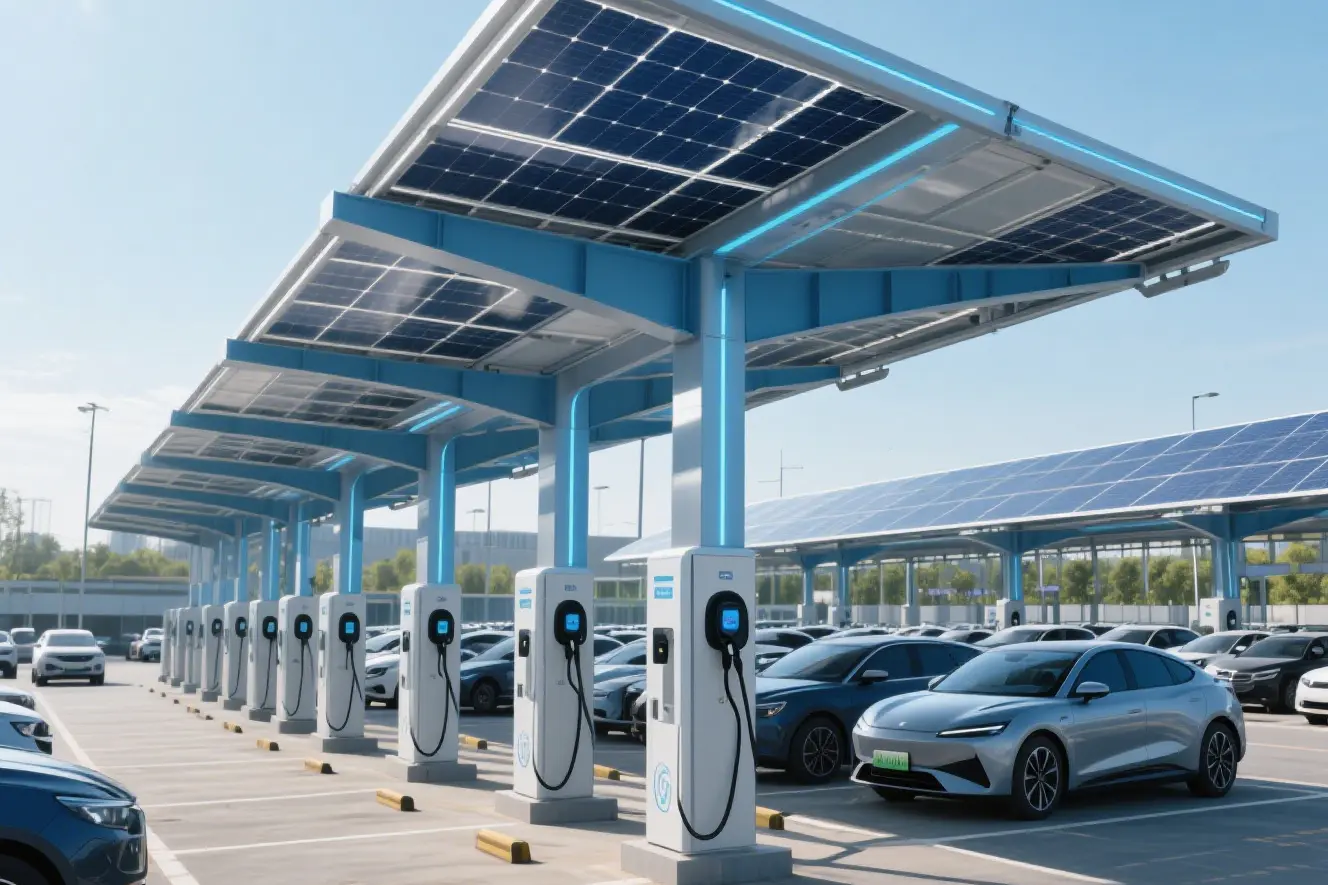
Flexible integration options for agricultural systems, commercial facilities, and off-grid utility markets.


We form long-term supply partnerships with industry leaders to deliver reliability and shared growth.

Mounting frameworks are critical for keeping residential and commercial systems secure. In India, wind zones vary widely: coastal regions in Odisha, Andhra Pradesh, and Gujarat experience winds up to 180 km/h during cyclones, while inland northern plains face high heat and dust. Installing arrays under these conditions requires frames designed to manage static loads and prevent thermal expansion stresses.
YUXIN uses anodized 6063-T5 and 6005-T6 aluminum profiles, which provide high corrosion resistance in salty marine air. Additionally, we are introducing polyurethane composite frames that improve insulation, reduce PID (Potential Induced Degradation), and lower overall system weight.
Exporters and energy developers must evaluate Levelized Cost of Energy (LCOE) to measure returns on solar investments. Using TOPCon bifacial modules helps lower BOS (Balance of System) costs by reducing the total racking, cabling, and land area required for a given system capacity. Combined with smart hybrid inverters and lithium storage batteries, industrial plants can run self-consumption models that reduce expensive peak-hour grid consumption and improve facility ROI.
Direct, technical answers regarding project planning, compatibility, and imports for the Indian market.
Technical articles and engineering guidelines to help optimize solar system installations.
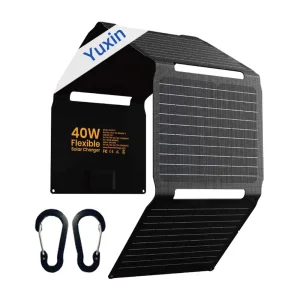
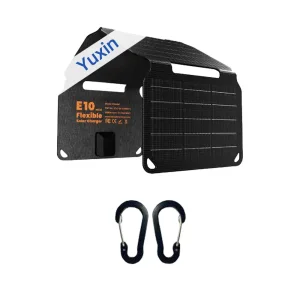
From light portable charging packs to heavy industrial framing, explore our full product range.
Consult with our engineering team to design custom solar mounting frames, choose high-efficiency panels, or configure commercial energy storage systems.
Send Inquiry Now