Advanced components specifically selected to meet the rigid environmental and architectural demands of metropolitan Kanto.
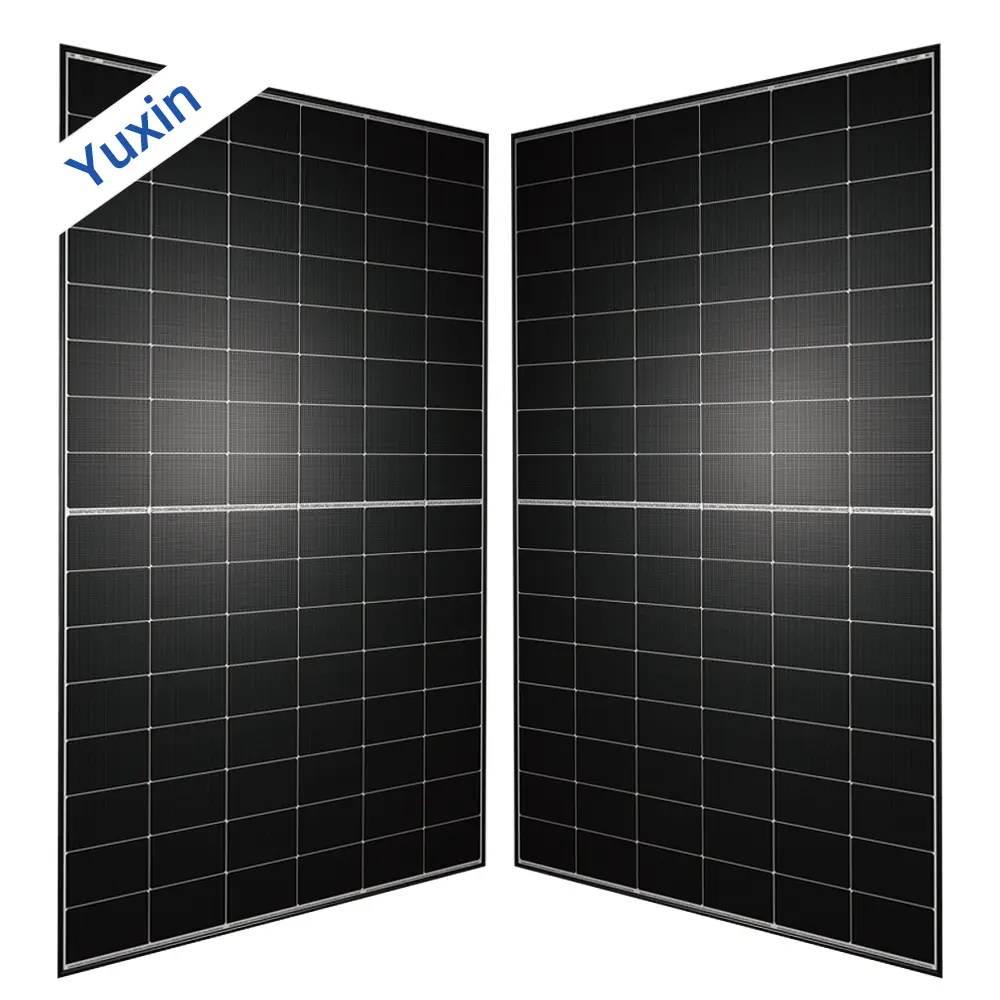
Designed with structural weight limitations in mind, this light-load system incorporates transparent backsheets to achieve minimized Balance of System (BOS) installation costs on Tokyo roofs.
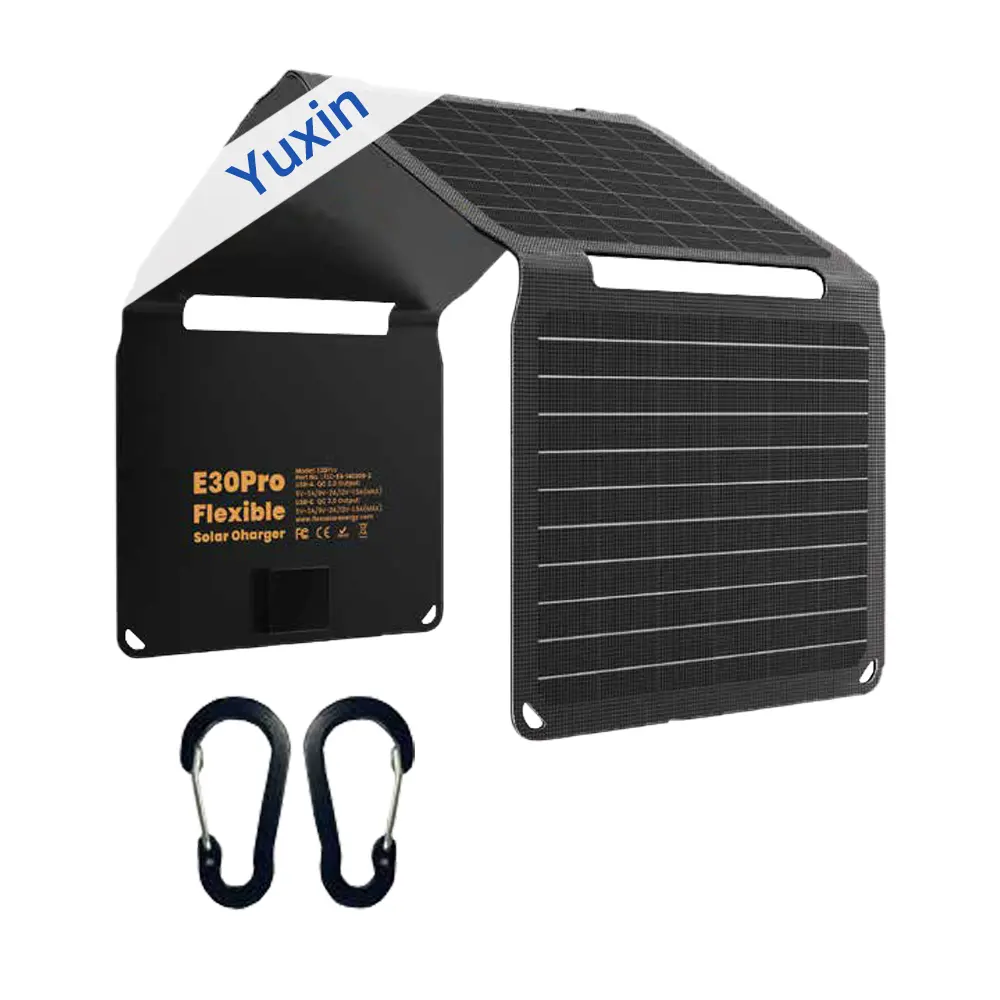
Utilizing state-of-the-art monocrystalline silicon technology to guarantee an ultra-high 24% conversion rates. Perfect for emergency backup power and decentralized emergency relief kits in Tokyo.
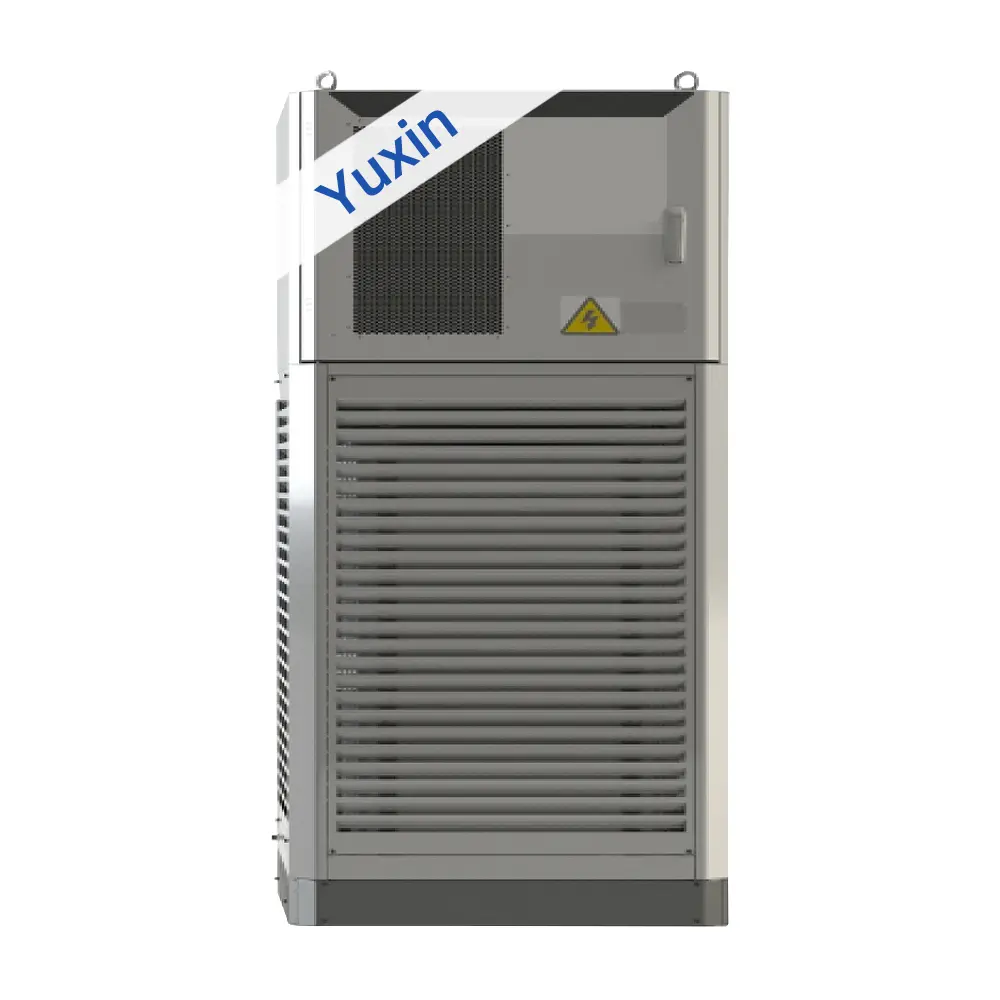
Multi-modal operating intelligence: seamlessly switch between grid-connected, off-grid self-consumption, and high-security hybrid backup modes tailored for Tokyo's local energy grid rules.
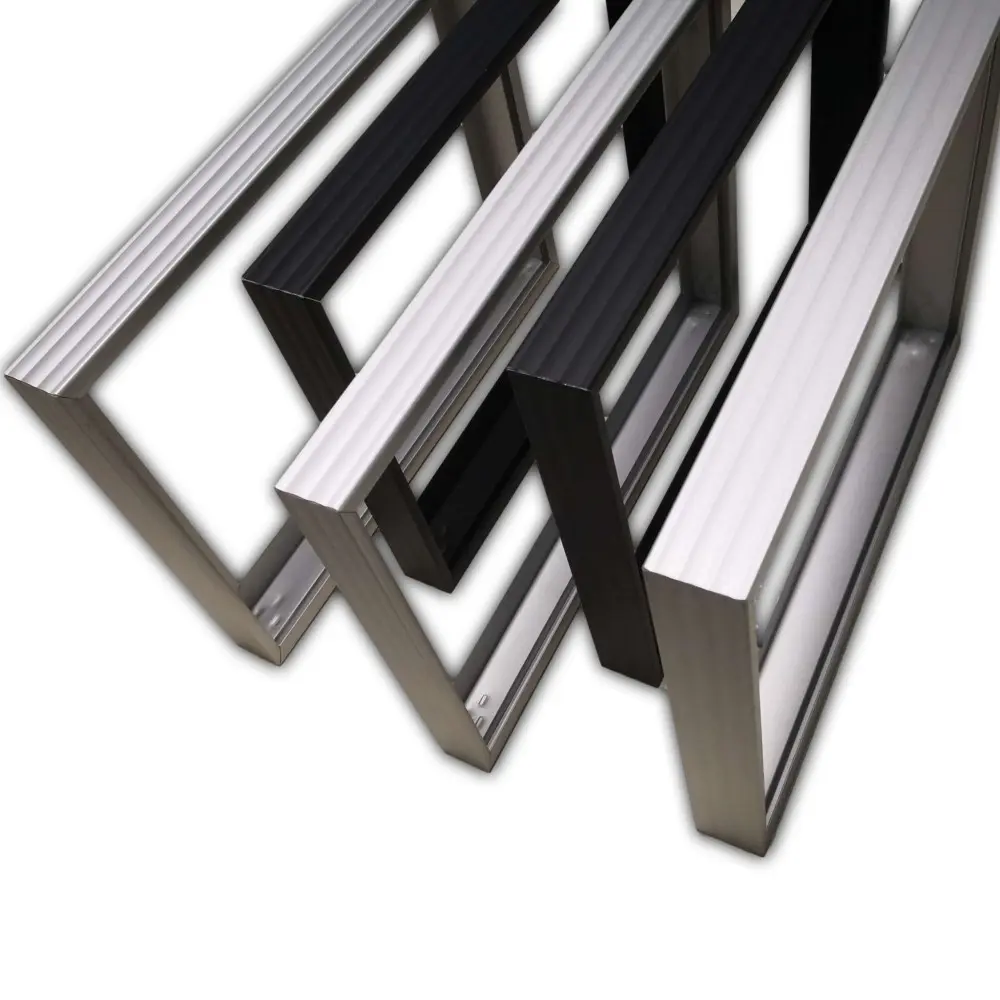
Manufactured using structural anodized aluminum profiles. Designed to withstand coastal corrosion and major typhoon winds conforming fully to Japanese JIS C 8955 construction directives.
The implementation of the 2025 solar mandate marks a profound transition in how energy is generated and stored in Tokyo. With over 70% of greenhouse gas emissions in Tokyo originating from the building sector, the urban transition relies heavily on localized power production. For Tokyo factories, small-to-medium enterprises (SMEs), and residential property developers, integrating smart, modular commercial energy storage systems alongside photovoltaic panels has become a legal baseline and structural necessity.
Unlike large-scale utility solar fields in regional prefectures, Tokyo’s solar integration is limited by severe spatial constraints, structural variations, and shading. Rooftops in urban neighborhoods like Shinjuku, Setagaya, and Ota City require highly customized technical strategies:
For industrial facilities operating in and near the Port of Tokyo or logistics hubs in Kawasaki and Yokohama, solar systems do more than lower electricity bills. They are the core of robust Business Continuity Planning (BCP). When seismic events threaten Tokyo's primary grid infrastructure (operated by TEPCO), factory systems seamlessly switch to off-grid modular battery storage backups (BESS). This ensures that cleanrooms, automated machinery, cold-chain operations, and telemetry lines stay active during extended grid blackouts.
Photovoltaic Frameworks & Energy Storage Integration Experts
Jiangsu Yuxin New Energy Technology Co., Ltd. (established in 2008) operates 14 specialized manufacturing companies. Strategically located near major highway and rail networks, we offer rapid logistics to Tokyo ports.
Recognized as a National High-Tech Enterprise, our facilities produce components engineered to meet the strict quality standards of the Japanese market. We supply Tokyo's residential developers and industrial installers with high-durability framing systems, hybrid household energy storage solutions, and monocrystalline solar modules.
Partner With UsThe solar power industry is transitioning from legacy p-type PERC cells to high-efficiency n-type technologies (including TOPCon and Heterojunction - HJT). These advancements offer lower degradation rates and superior temperature coefficients. In Tokyo, where hot summers regularly push ambient roof temperatures past 60°C, n-type panels maintain higher output rates compared to traditional panels.
Offering superior bifaciality, making them ideal for urban installations where ground-level reflection is high.
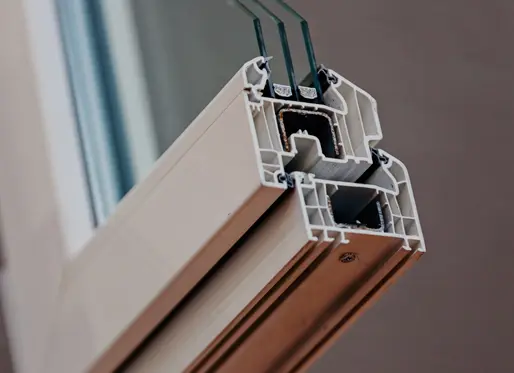
Replacing traditional aluminum with polyurethane pultruded frames to reduce structural weight loads on older Tokyo buildings.
Coupling residential PV with high-capacity hybrid energy storage systems for self-consumption and peak shaving.
Globally, supply chains are shifting toward local energy independence. Tokyo’s reliance on imported liquid natural gas (LNG) makes it vulnerable to international energy price shocks. By pairing high-capacity batteries with local rooftop solar systems, residential and industrial consumers can hedge against rising energy costs while contributing to Japan's target of carbon neutrality by 2050.
Our solar systems are manufactured under strict international quality, environmental safety, and performance standards.
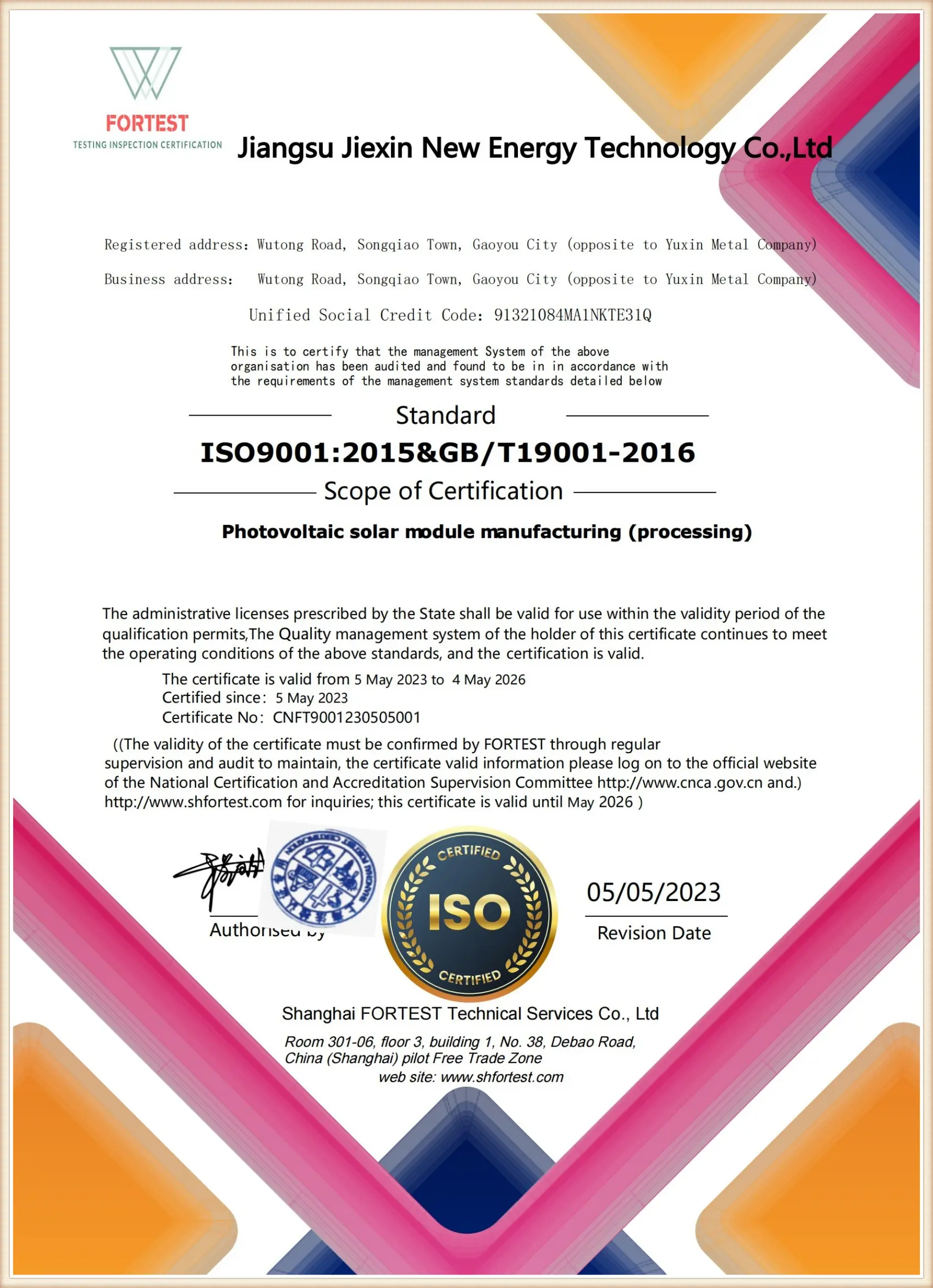
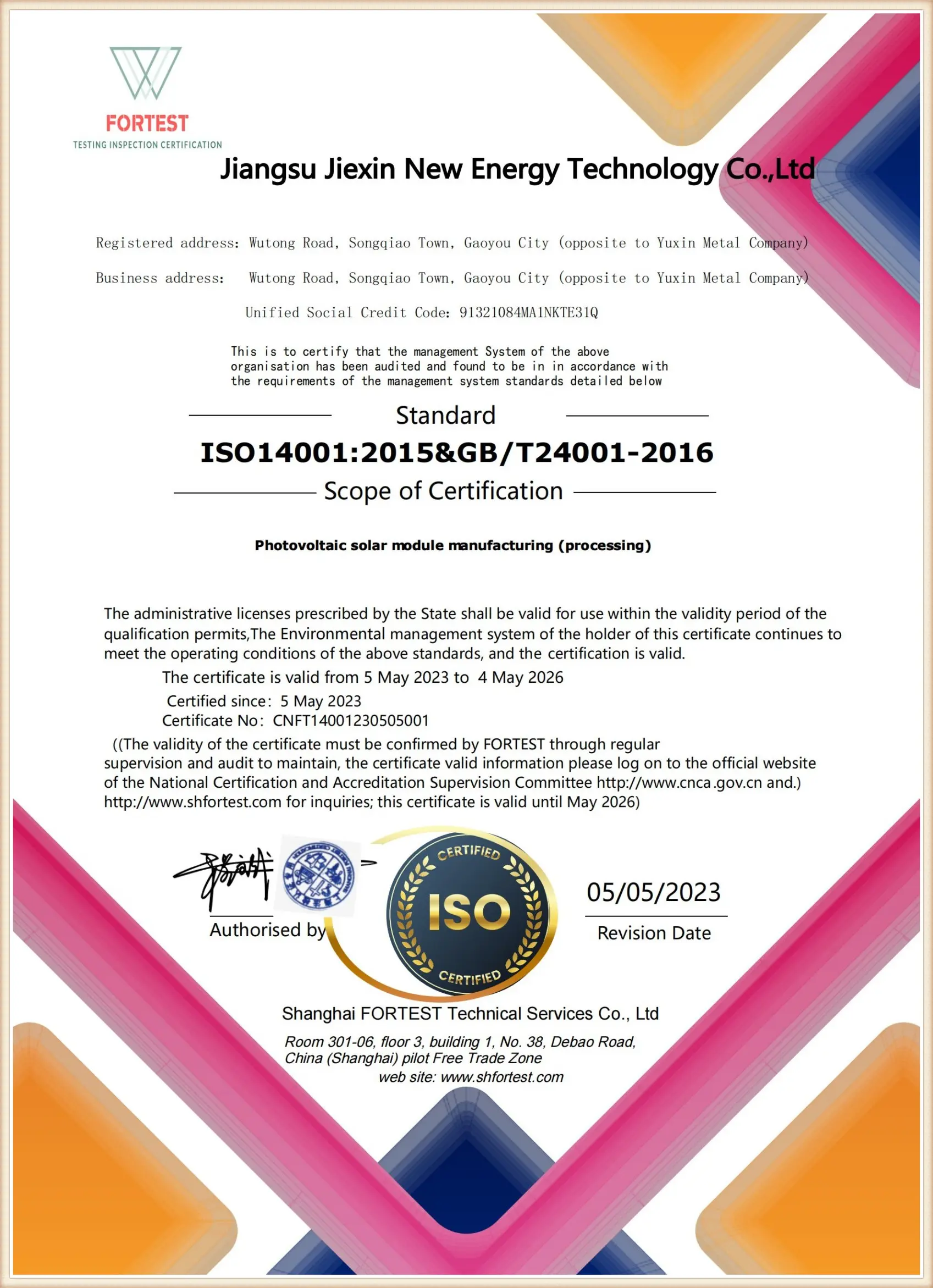
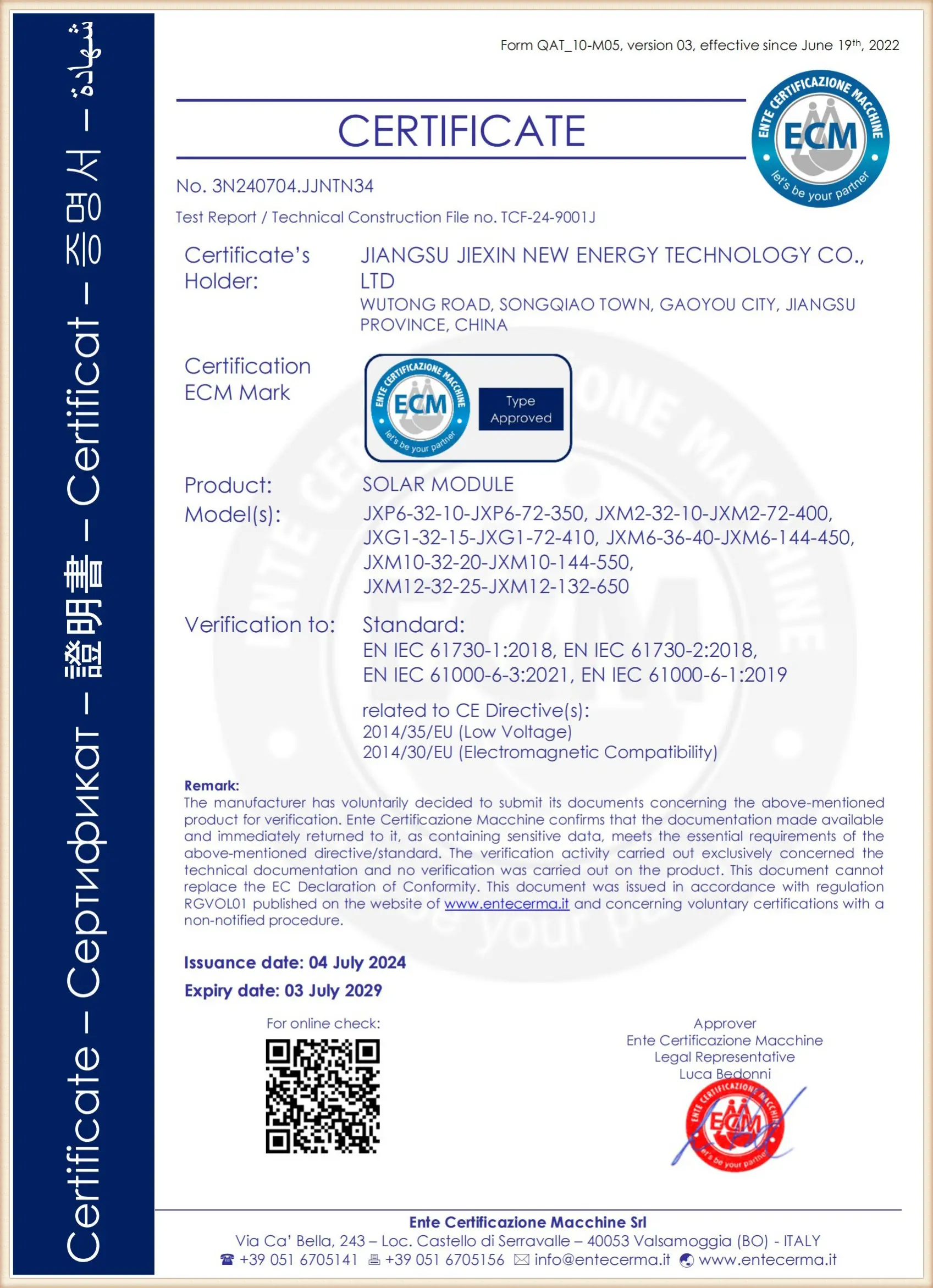
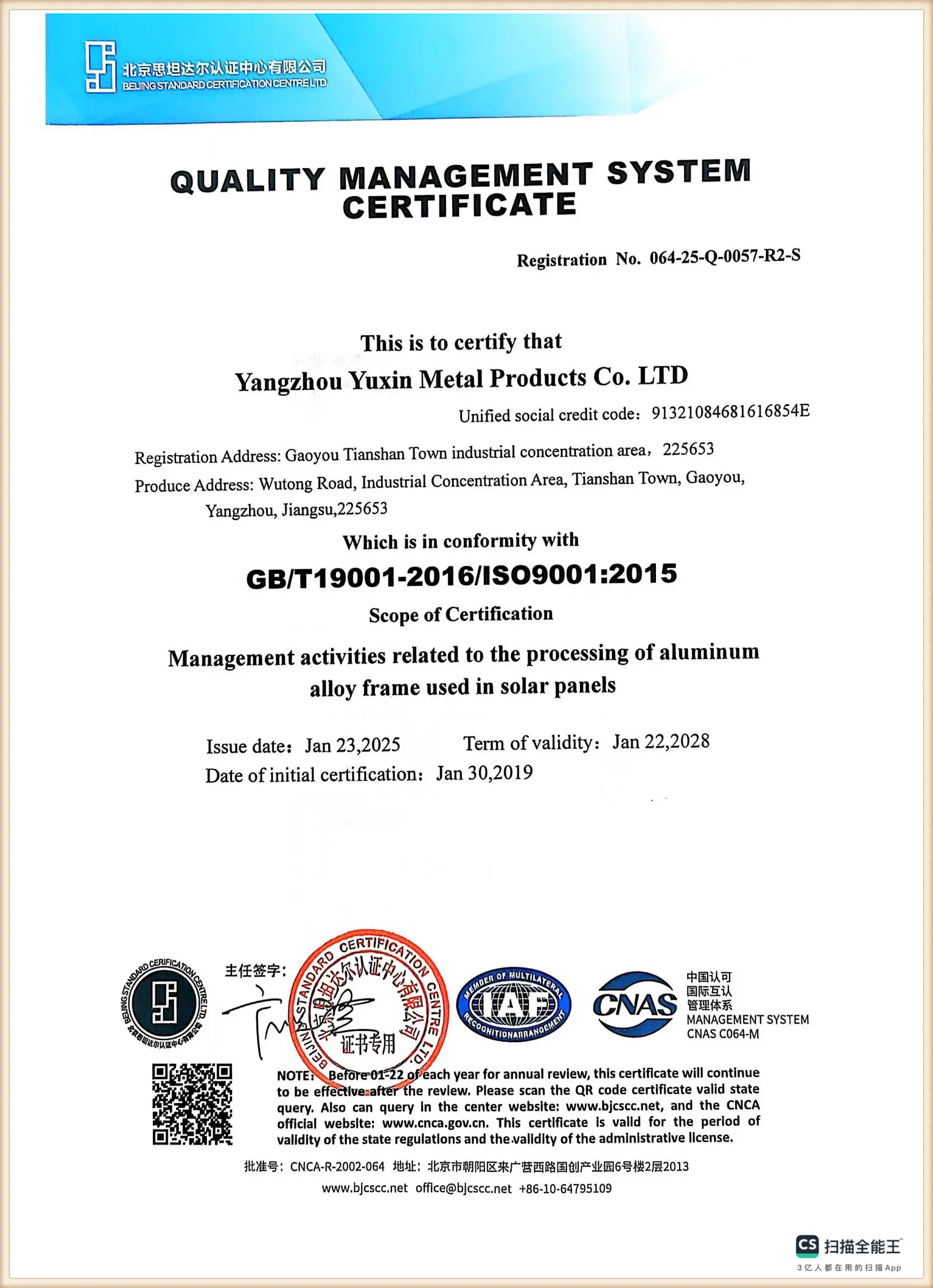
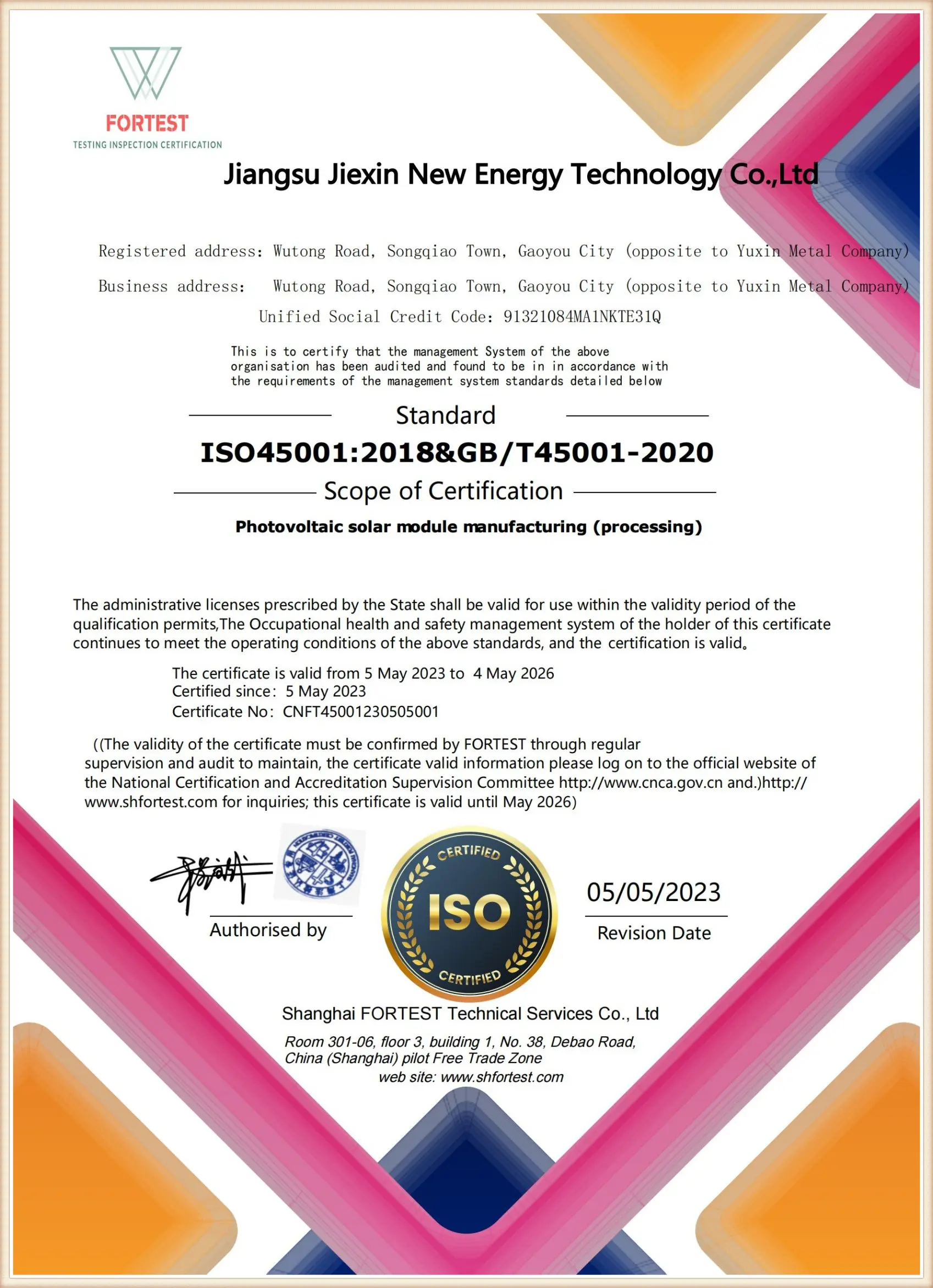
Tailored engineering strategies to deploy clean energy across diverse commercial and civil sectors.
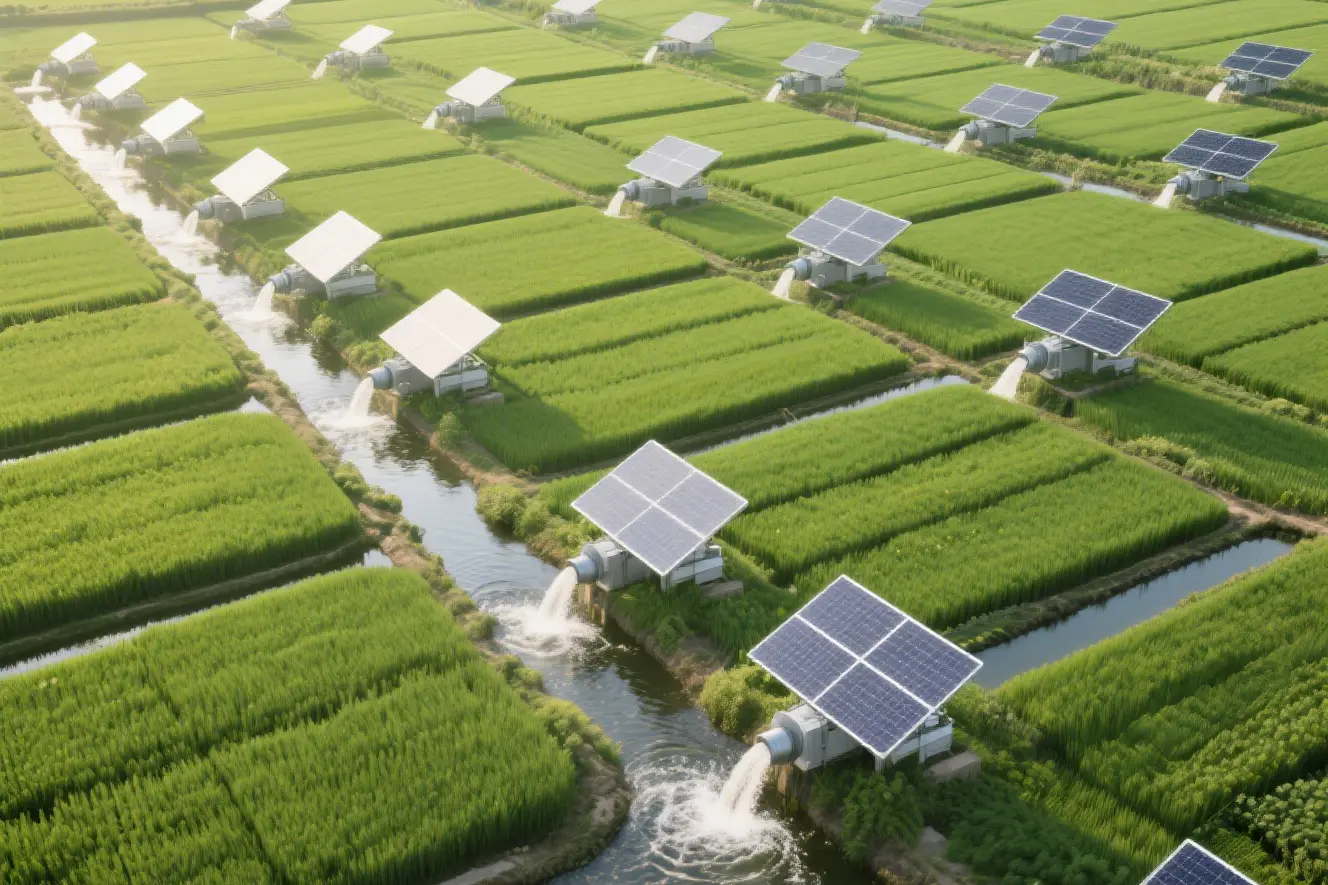
Combining agricultural production in Western Tokyo's Tama area with solar panels. Lightweight frames permit crop growth below while generating clean electricity.
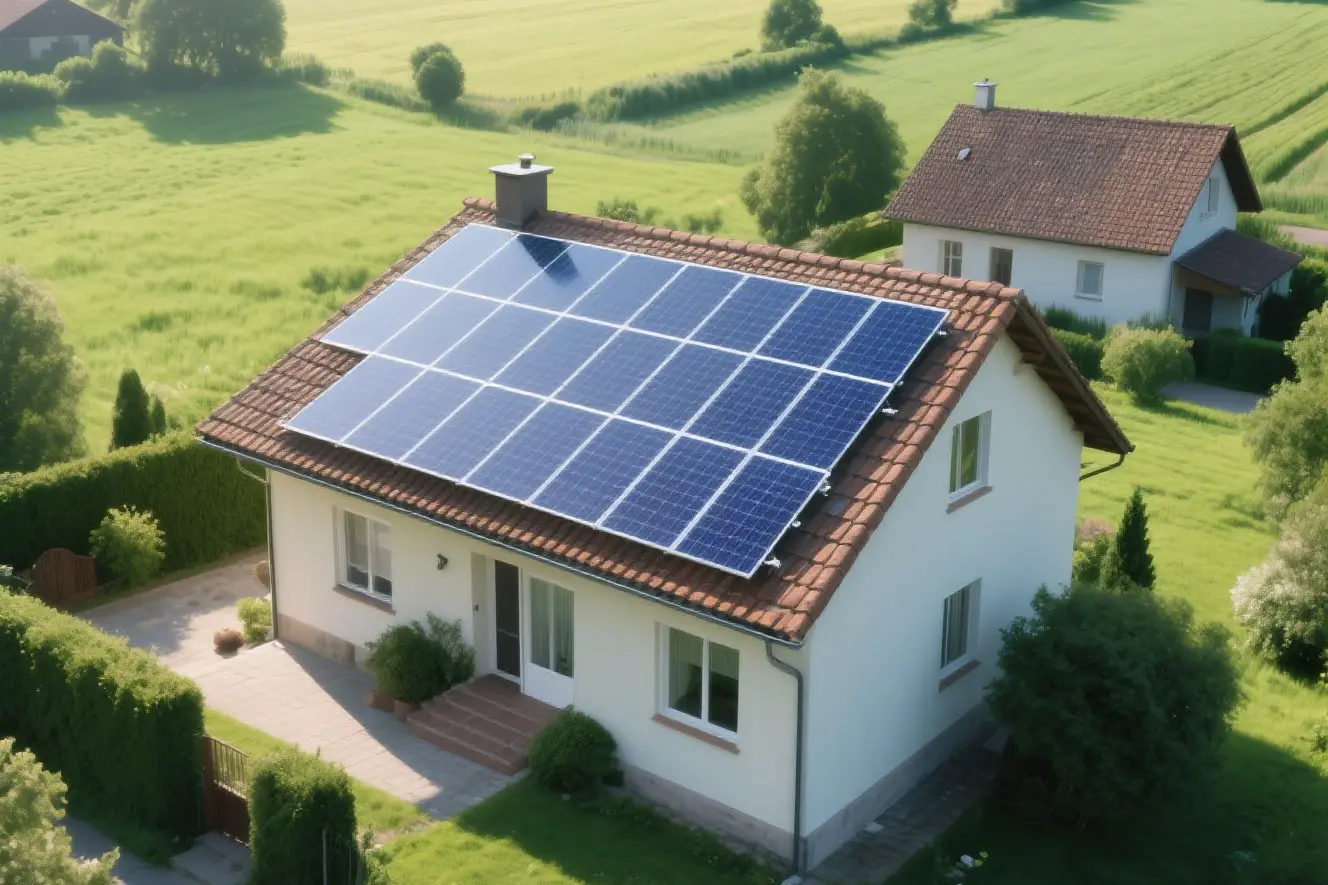
Integrating photovoltaic cells directly into building envelopes, facades, and roofs. Complies with Tokyo's green building codes.
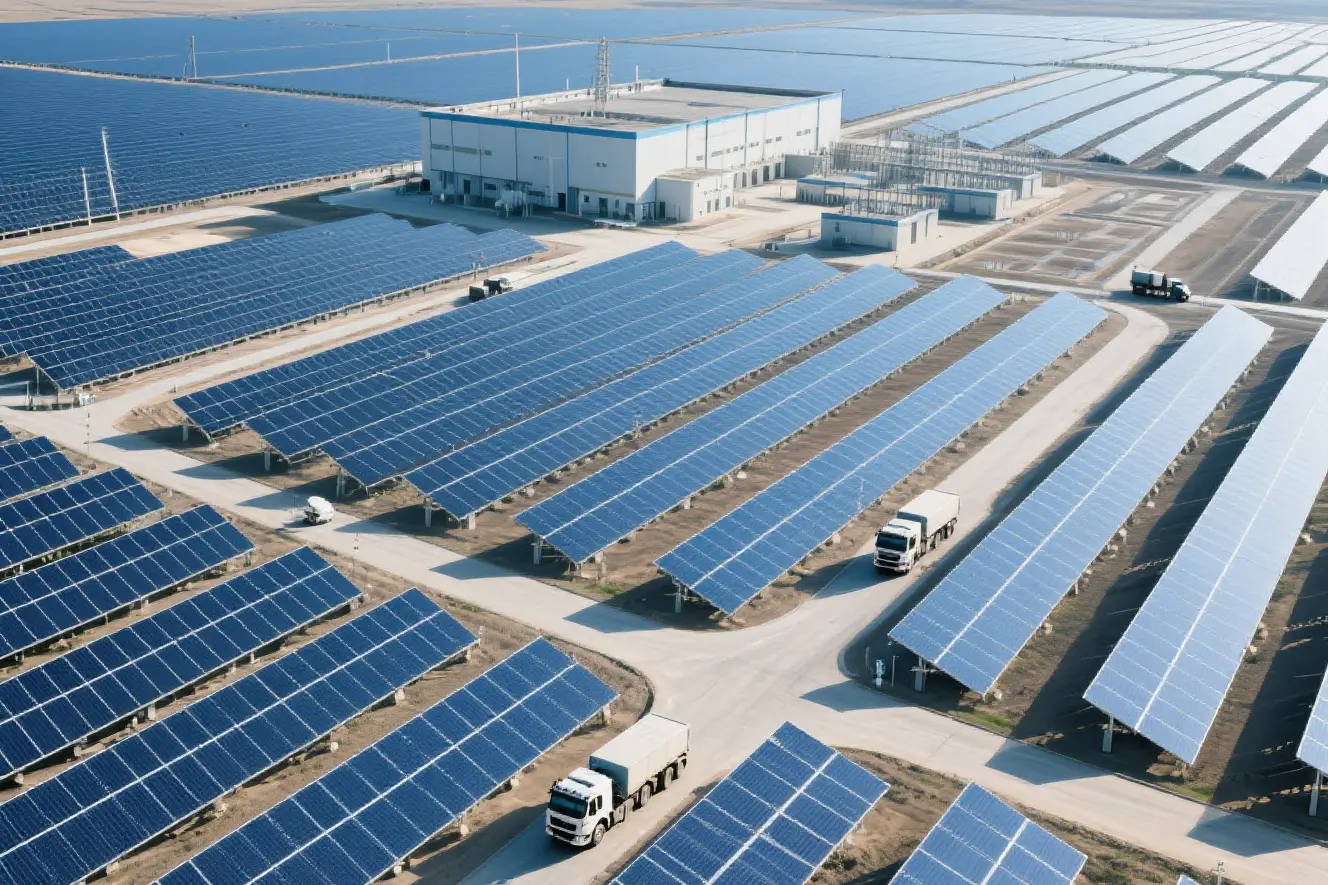
Connecting decentralized batteries and solar systems across Tokyo to form Virtual Power Plants, helping stabilize the TEPCO distribution grid.
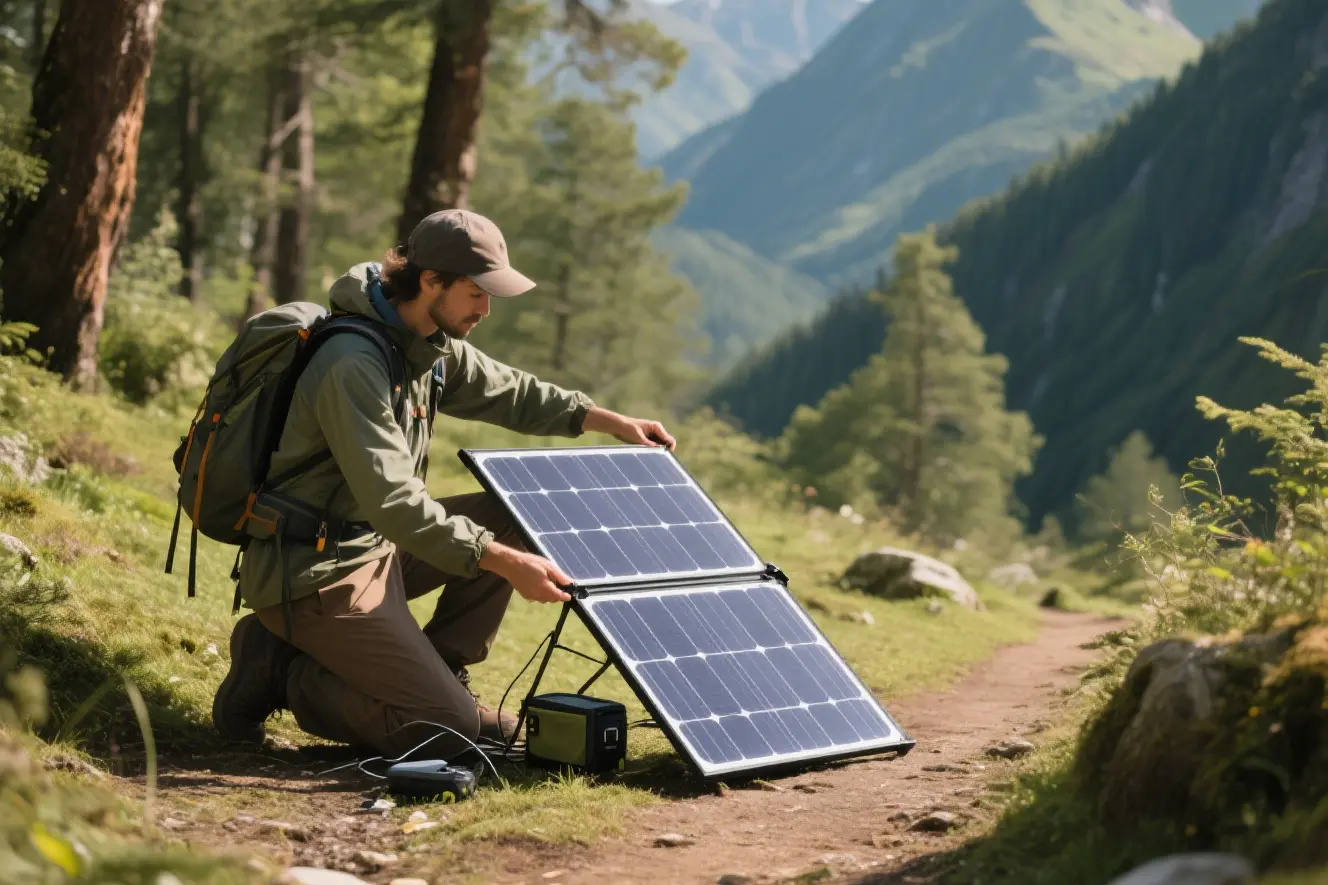
Supplying portable solar generators and solar chargers for public safety organizations, field operations, and disaster readiness kits.
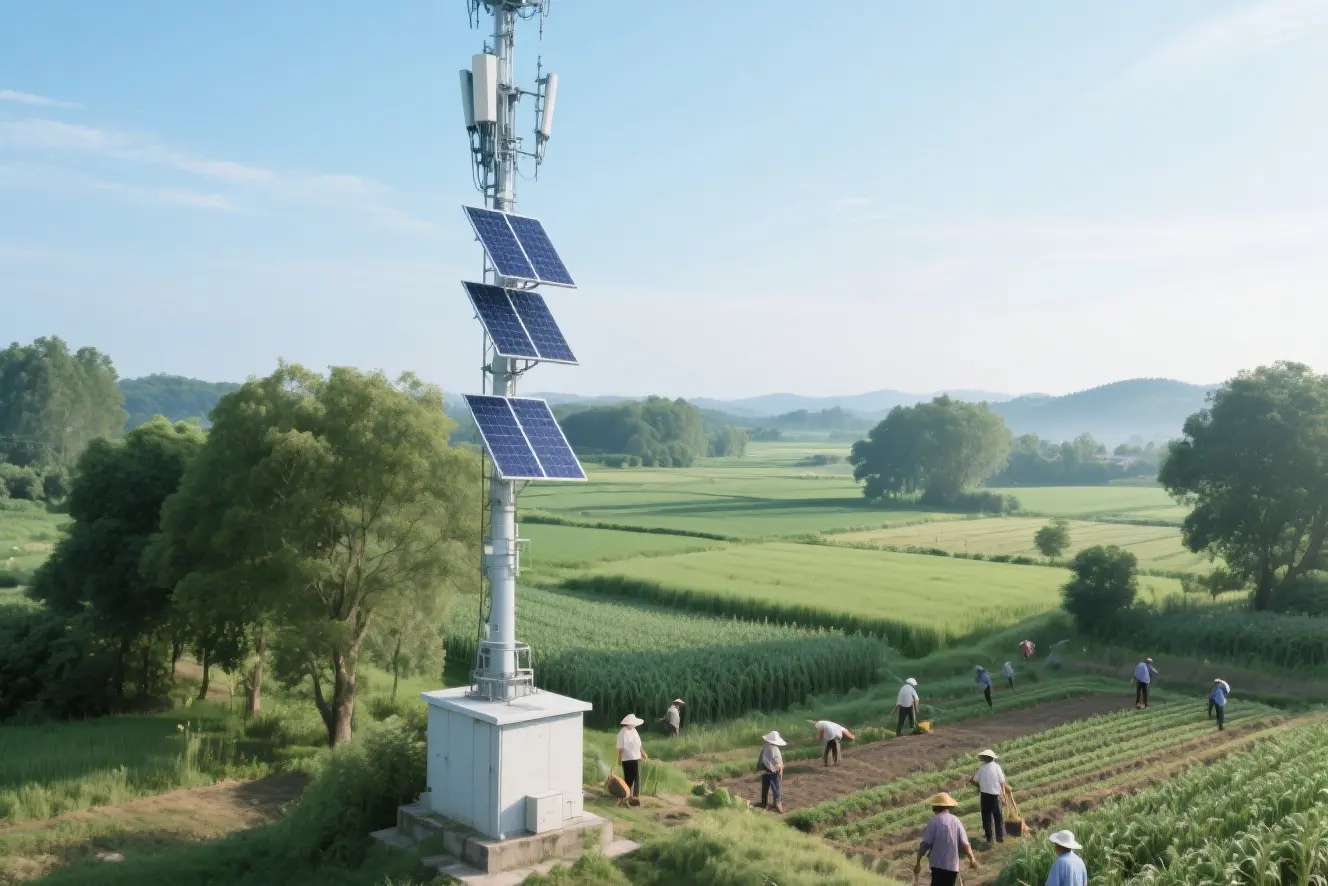
Powering isolated 5G microcells and emergency radio repeaters in Tokyo Bay and mountainous outer areas using reliable solar systems.
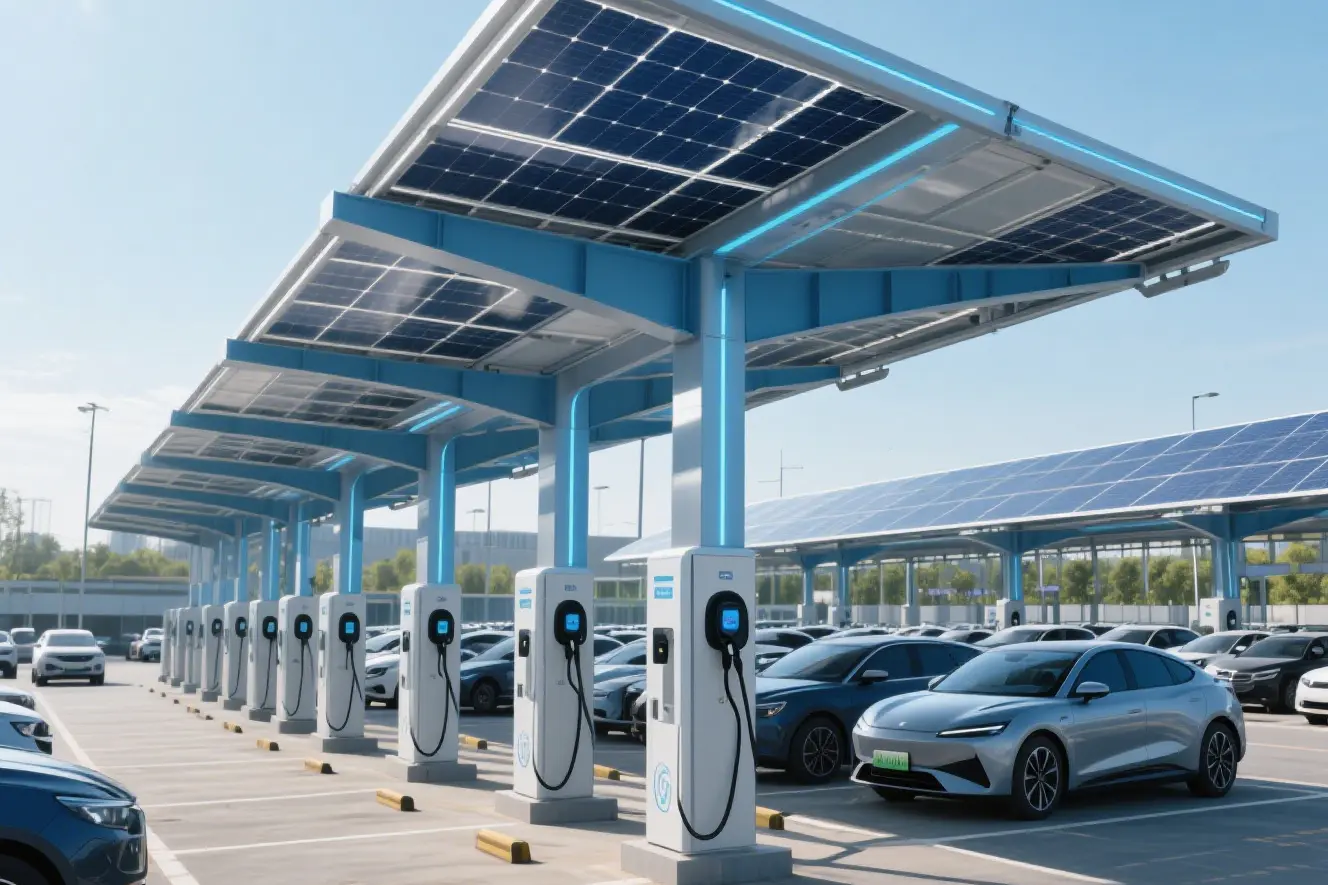
Integrating rooftop solar arrays with commercial EV fleet charging hubs in Tokyo's logistics parks to support carbon-neutral transport.
Working alongside international EPC contractors, developers, and component distributors to deliver quality products.
Keep pace with international standards and manufacturing innovations.
2026-06-16
Explore how mechanical design, structural anodization layers, and material purity impact solar panel performance in extreme weather conditions.
Read Full Report →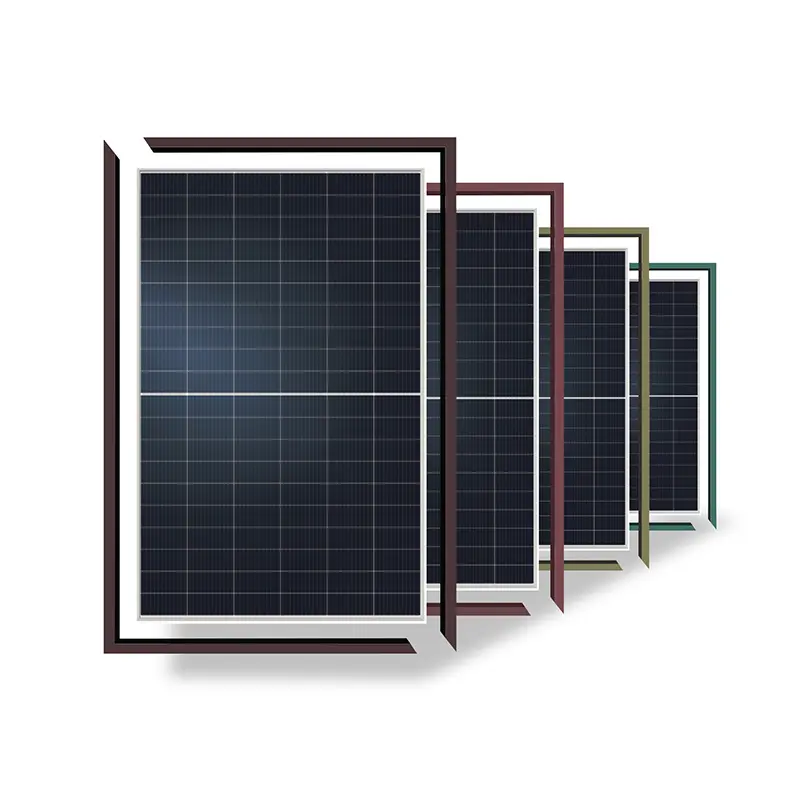
2026-06-15
Learn how to evaluate production capacities, ISO compliance, and cost efficiency when choosing an OEM partner for overseas manufacturing.
Read Full Report →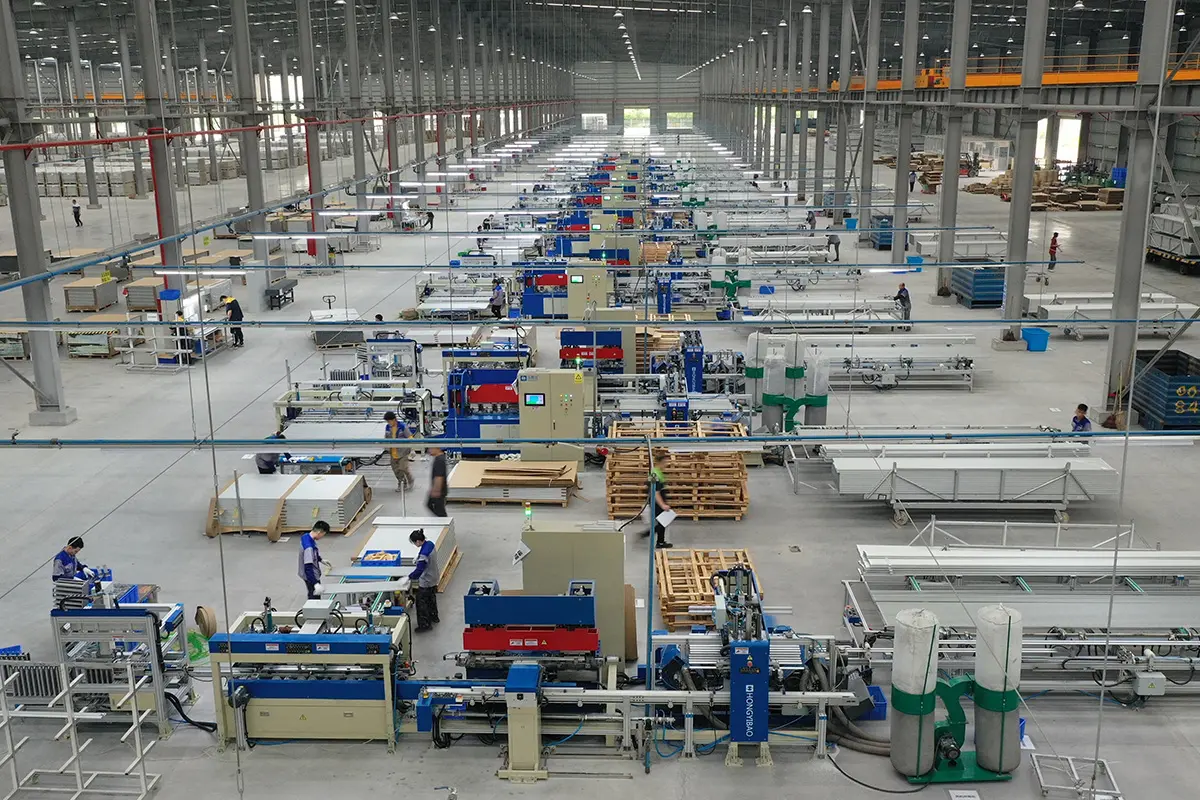
2026-06-14
A look at tolerance testing, salt spray testing, and stress testing methods used to ensure frames withstand coastal wind and moisture.
Read Full Report →Answers to technical, regulatory, and financial questions regarding residential and commercial solar installations in Tokyo.
High-capacity energy systems, raw materials, and structural frames optimized for Tokyo’s commercial and residential developers.
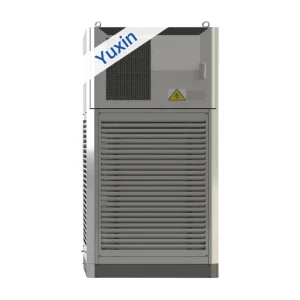
Scalable energy storage solution tailored for small factories and office facilities. Designed to meet local fire safety and space optimization requirements.
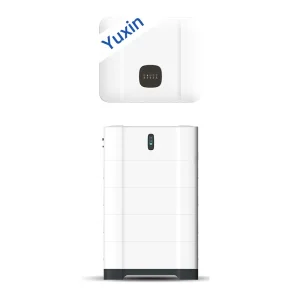
High-capacity household solar storage systems ideal for residential developments subject to Tokyo's zero-emissions mandates.
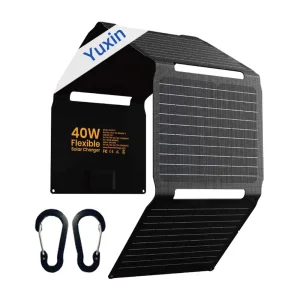
Designed for outdoor activities and emergency backup, featuring built-in solar panels to charge small electronics during off-grid operations.
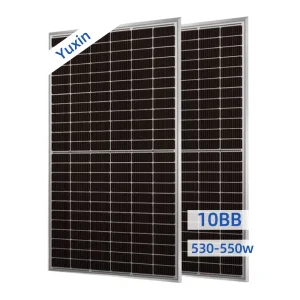
High-output monocrystalline PV modules designed to optimize efficiency in space-constrained industrial zones.
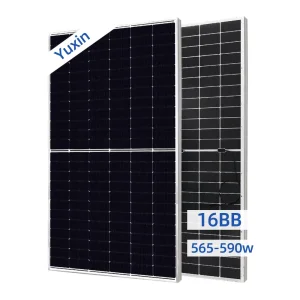
Featuring a dual-glass layout and high bifaciality to capture reflected light, maximizing energy yields in dense urban environments.
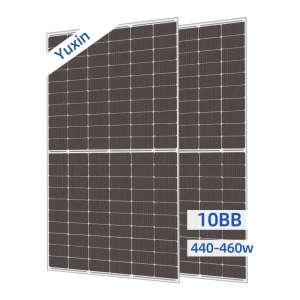
A balanced combination of cost and performance, ideal for extensive factory roof retrofits and commercial PV upgrades.
Lightweight, corrosion-resistant framing solutions designed to lower roof-weight loads on older building projects.
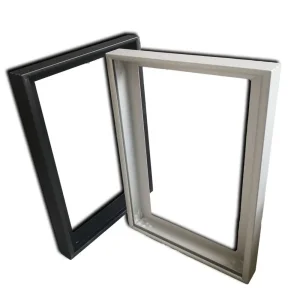
Precision-manufactured structural frameworks built to endure high wind pressures and typhoon conditions in the Kanto region.
Get in touch with our technical sales division to request detailed structural specifications, volume pricing, and custom configuration proposals.
Send Inquiry Now