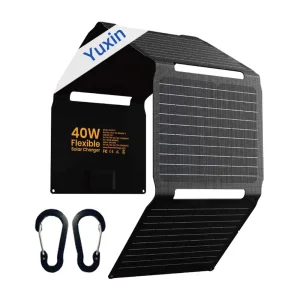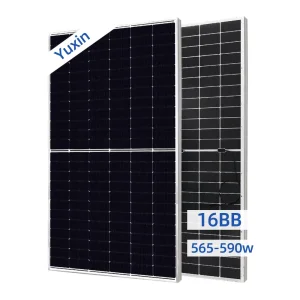
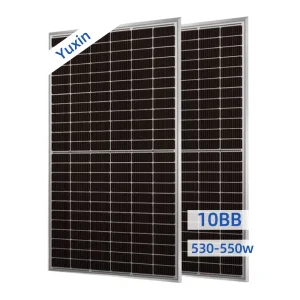
Engineered for high-yield performance in San José, Guanacaste, and coastal regions. Preserving original technical configurations with localized operational optimization.
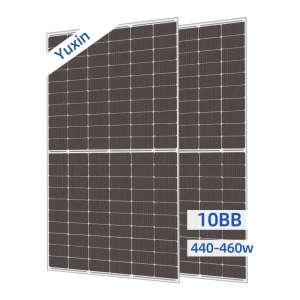
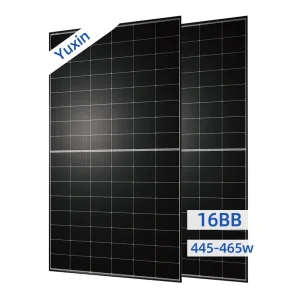
Costa Rica stands as a global beacon for renewable energy, generating over 98% of its electricity from green sources (hydro, geothermal, and wind) for several consecutive years. However, this macro-statistic masks a major challenge for local businesses: seasonal hydro fluctuations and a centralized grid system that experiences rising retail electrical tariffs (reaching $0.15 to $0.22 per kWh for Commercial and Industrial users). Under the national Plan Nacional de Descarbonización 2018-2050, solar photovoltaic technology has evolved from an experimental niche to a strategic necessity for operational cost control.
The regulatory framework governed by the Instituto Costarricense de Electricidad (ICE) and the regulatory authority ARESEP allows net metering (Generación Distribuida para Autoconsumo). C&I installations benefit significantly from offset energy charges, making high-efficiency Tier-1 PV modules the single most effective tool to secure predictable Levelized Cost of Energy (LCOE) over a 25-year operational lifecycle.
Operating solar arrays in Costa Rica requires addressing harsh micro-climates. The Pacific coast (Guanacaste, Puntarenas) experiences high ultraviolet (UV) indices, elevated ambient temperatures, and marine salt mist. Conversely, the Caribbean slope (Limón) and the Central Valley are prone to persistent relative humidity exceeding 85% and periodic volcanic ash exposure from active corridors like Poás and Turrialba.
These conditions demand modules with superior resistance to Potential Induced Degradation (PID) and Light and Elevated Temperature Induced Degradation (LeTID). The salt-spray corrosion tests (IEC 61701) and ammonia resistance testing (IEC 62716) are not just certifications—they are fundamental prerequisites for system longevity in these tropical zones.
High-reliability component modules optimized for C&I deployment and remote microgrids across Central America.
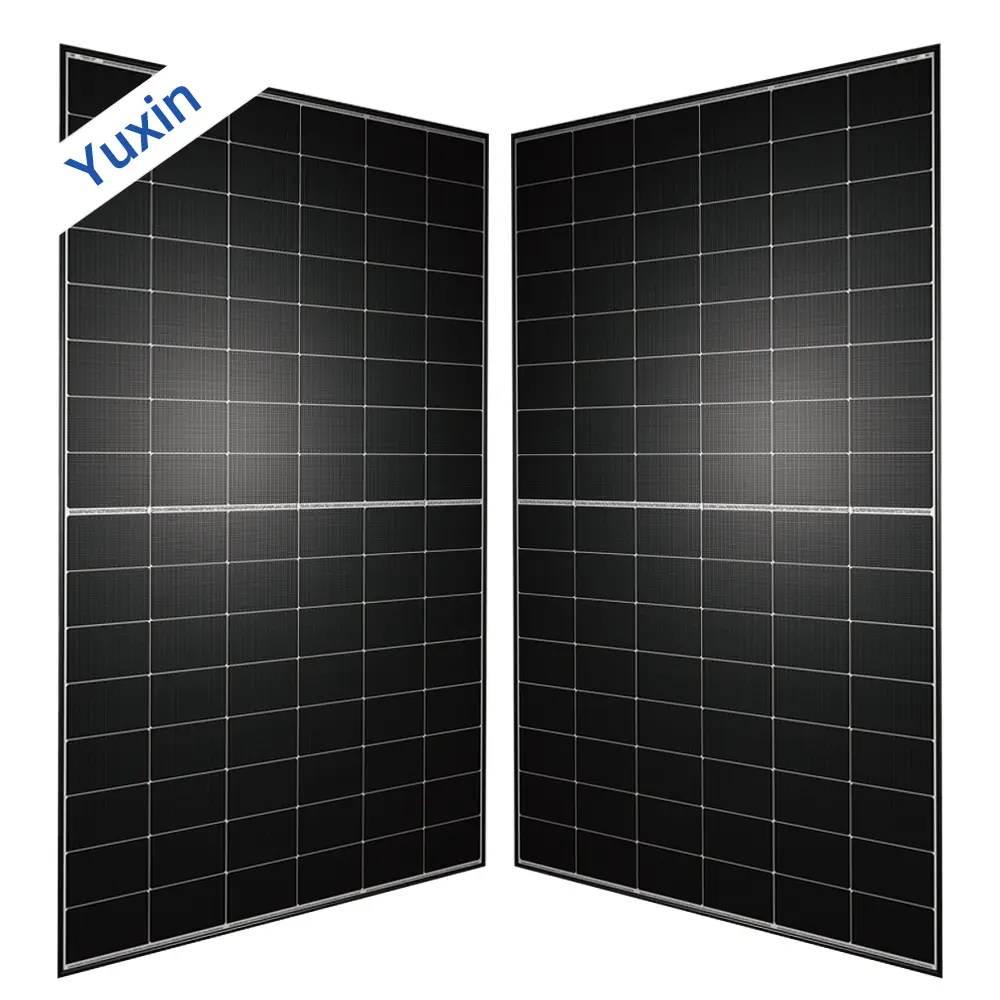
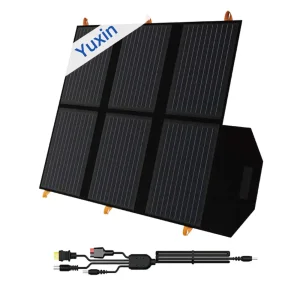
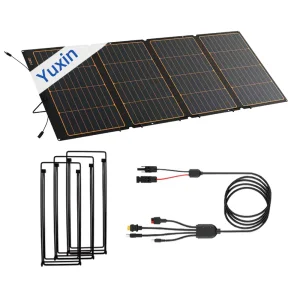
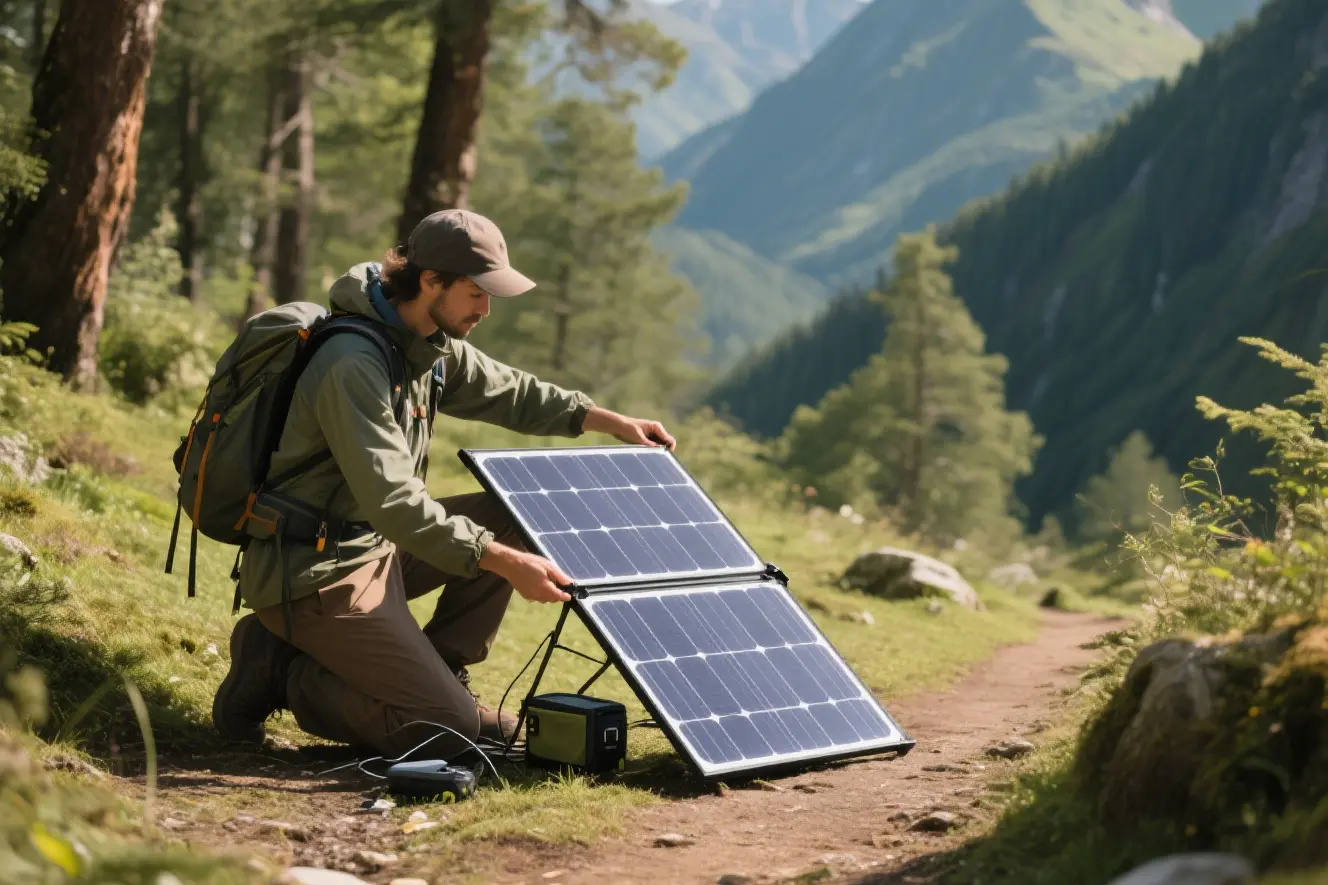
Lightweight design with transparent back panel for easy installation and reduced BOS costs.
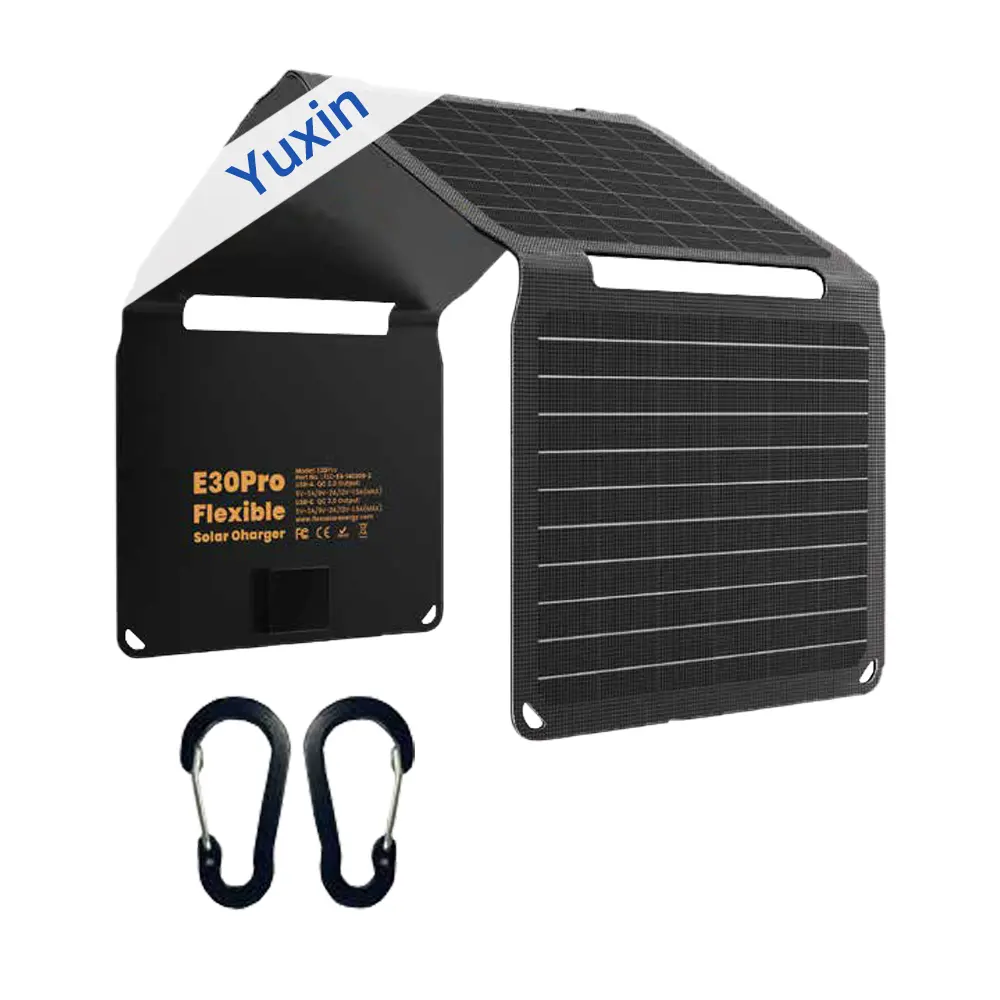
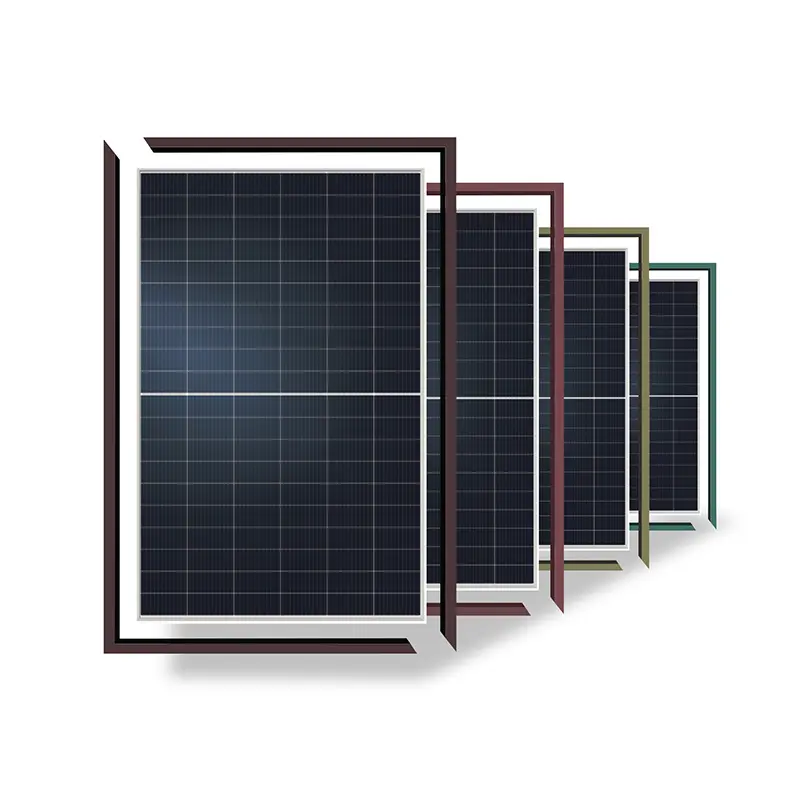
Utilizing advanced monocrystalline silicon cells, it achieves a high energy conversion efficiency of 24%.
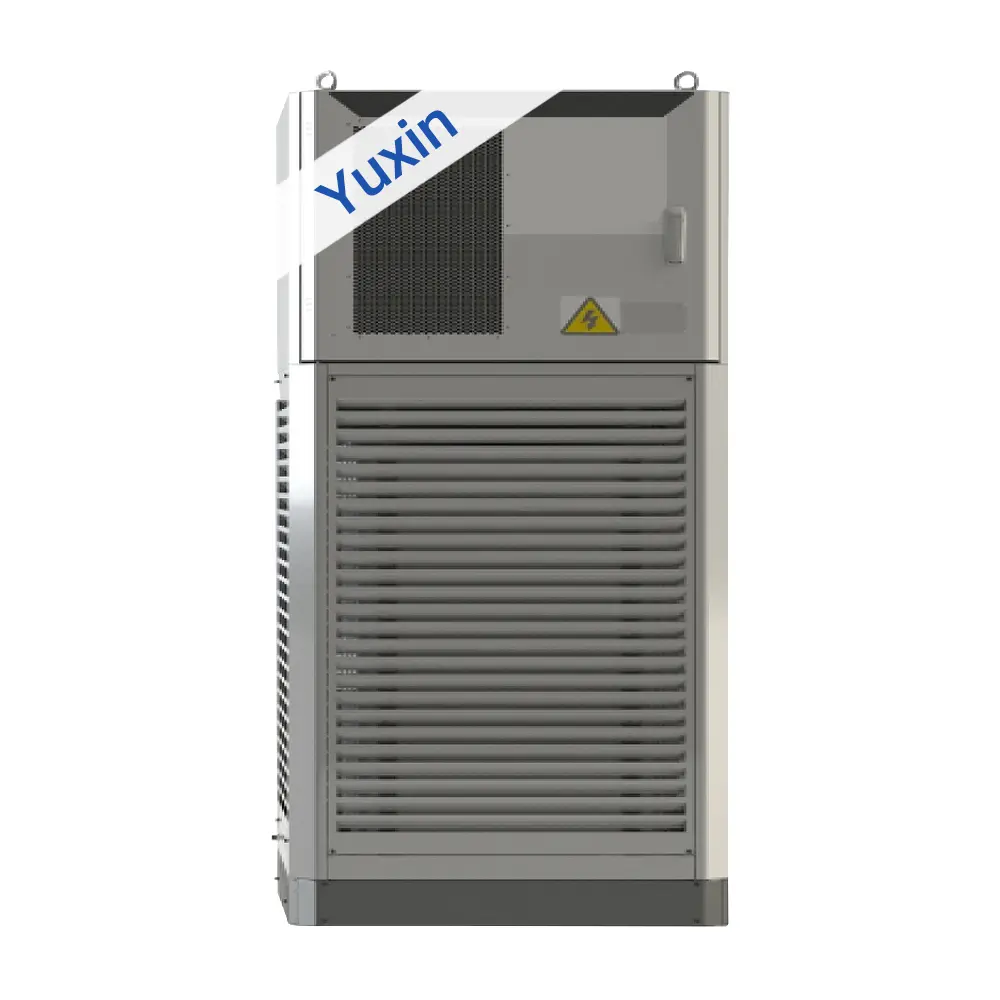
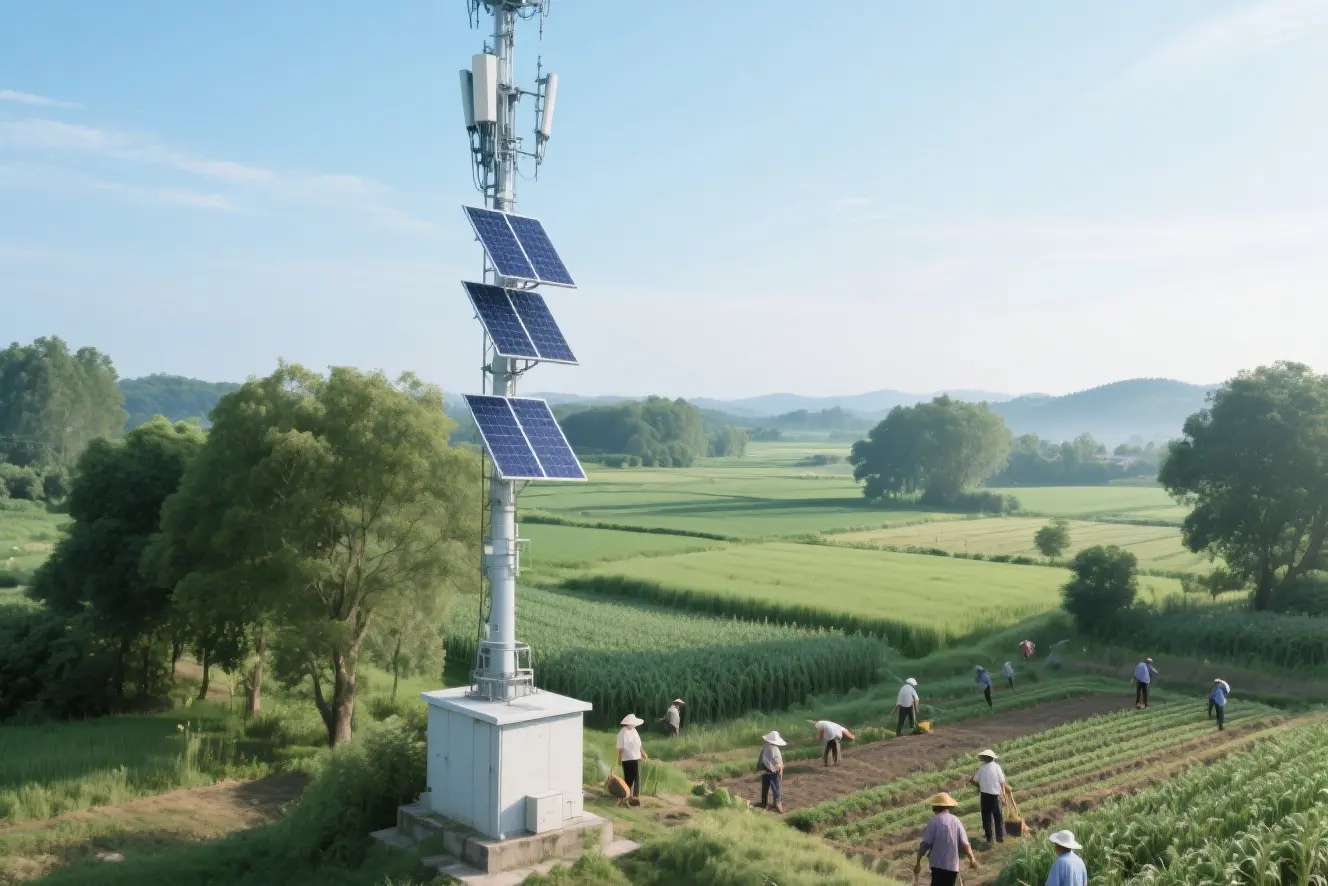
Application modes include grid-connected mode, off-grid mode, and integrated grid-connected/off-grid mode.
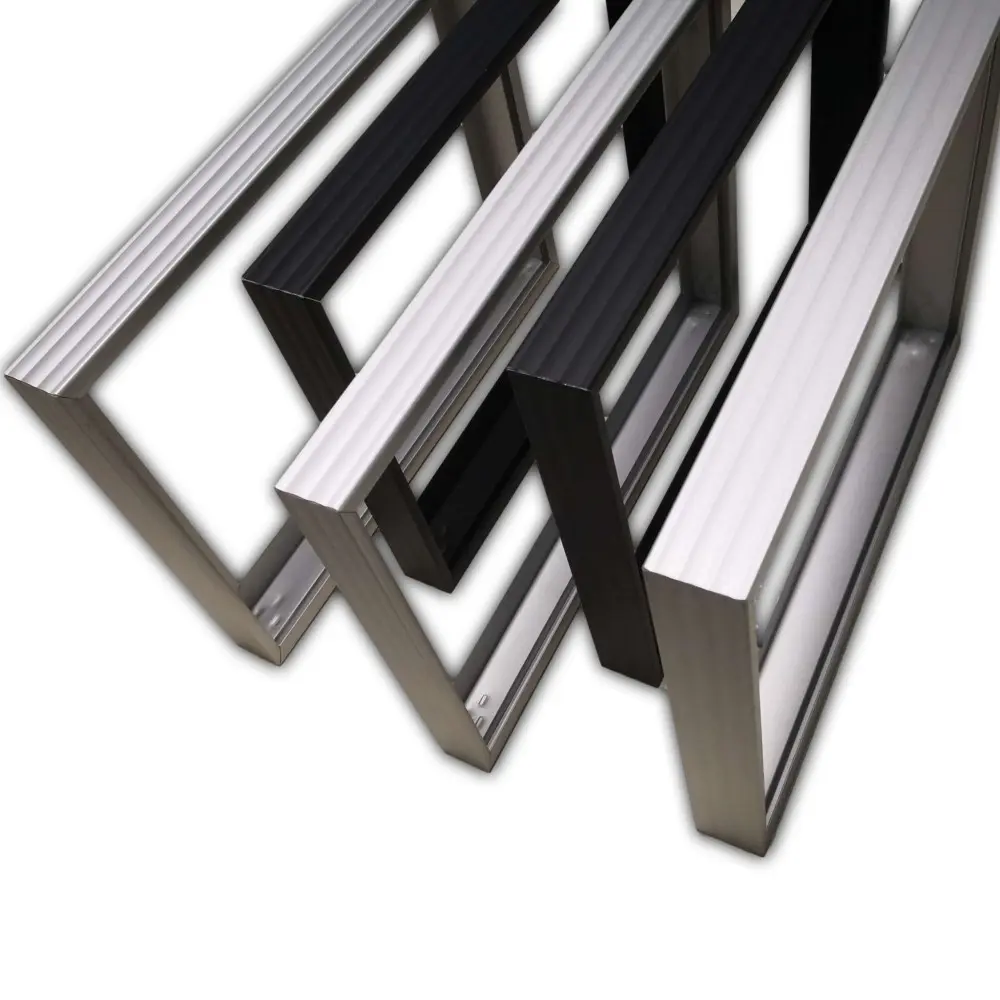
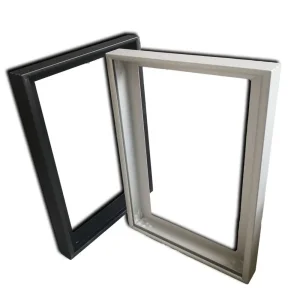
Made of high-quality anodized aluminum, it ensures superior weather resistance and a smooth, long-lasting finish.
Precision, Quality, and Safety - Your Photovoltaic Materials Expert
Located in the scenic historical and cultural ancient city of Yangzhou, close to the Beijing-Shanghai Expressway, Runyang Yangtze River Bridge, and Ningqi Railway, the group has a superior geographical location and convenient transportation. The group was established in 2008 and has 14 multi-field companies under its jurisdiction, including Jiangsu Yuxin New Energy Technology Co., Ltd., and has won many titles such as National High-tech Enterprise, Technology-based Enterprise, and Gaoyou City Top 100 Private Enterprises.
Our localized supply program for Central America addresses regional supply chain bottlenecks. By maintaining structural raw material controls, advanced quality management systems, and direct container shipping logistics from our dedicated deep-water port access, we guarantee consistent transit timelines to Puerto Caldera and Puerto Limón.
Connect With An EngineerThe global energy transition relies heavily on manufacturing scale and technology roadmaps originating in key industrial clusters. YUXIN’s manufacturing base in Yangzhou leverages a highly integrated local photovoltaic supply chain ecosystem. This proximity to raw materials, including high-purity polysilicon, metallurgical-grade aluminum extrusions, and specialized dual-glass encapsulation materials, allows us to insulate our customers from global price volatility and supply bottlenecks.
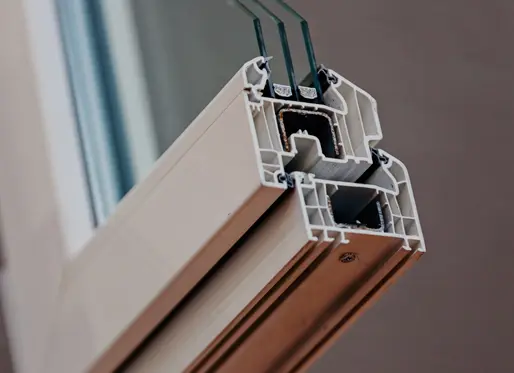
Furthermore, our integrated processing capabilities ensure strict quality controls. For our specialized anodized aluminum frames and polyurethane composite materials, we control the entire lifecycle—from raw alloy composition to precision extrusion, cutting, punch processing, and final surface treatment. This vertical integration guarantees dimensional tolerances within ±0.1mm, ensuring compatibility with international tracking and mounting systems like Nextracker and Soltec commonly used in Latin American utility projects.
A crucial technological inflection point in modern PV system design is the structural framing. In high-humidity coastal environments like Limón and Puntarenas, conventional aluminum frames can be subject to galvanic corrosion if they are paired with mismatched racking alloys. To solve this, YUXIN has developed Sustainable Polyurethane Pultruded Composite Frames. Polyurethane composites offer a thermal expansion coefficient highly aligned with the glass substrate itself, preventing thermal-cycling micro-stresses that can cause glass breakage or micro-cracks in the silicon cells. Furthermore, because polyurethane is an inherently insulating material, it reduces the risk of PID by eliminating leakage current pathways from the cells to the rack structure, drastically increasing system safety and reliability.
Engineered to meet IEC, CE, and ISO global criteria, ensuring project approvals by ICE, CNFL, and local engineering syndicates (CFIA) in Costa Rica.
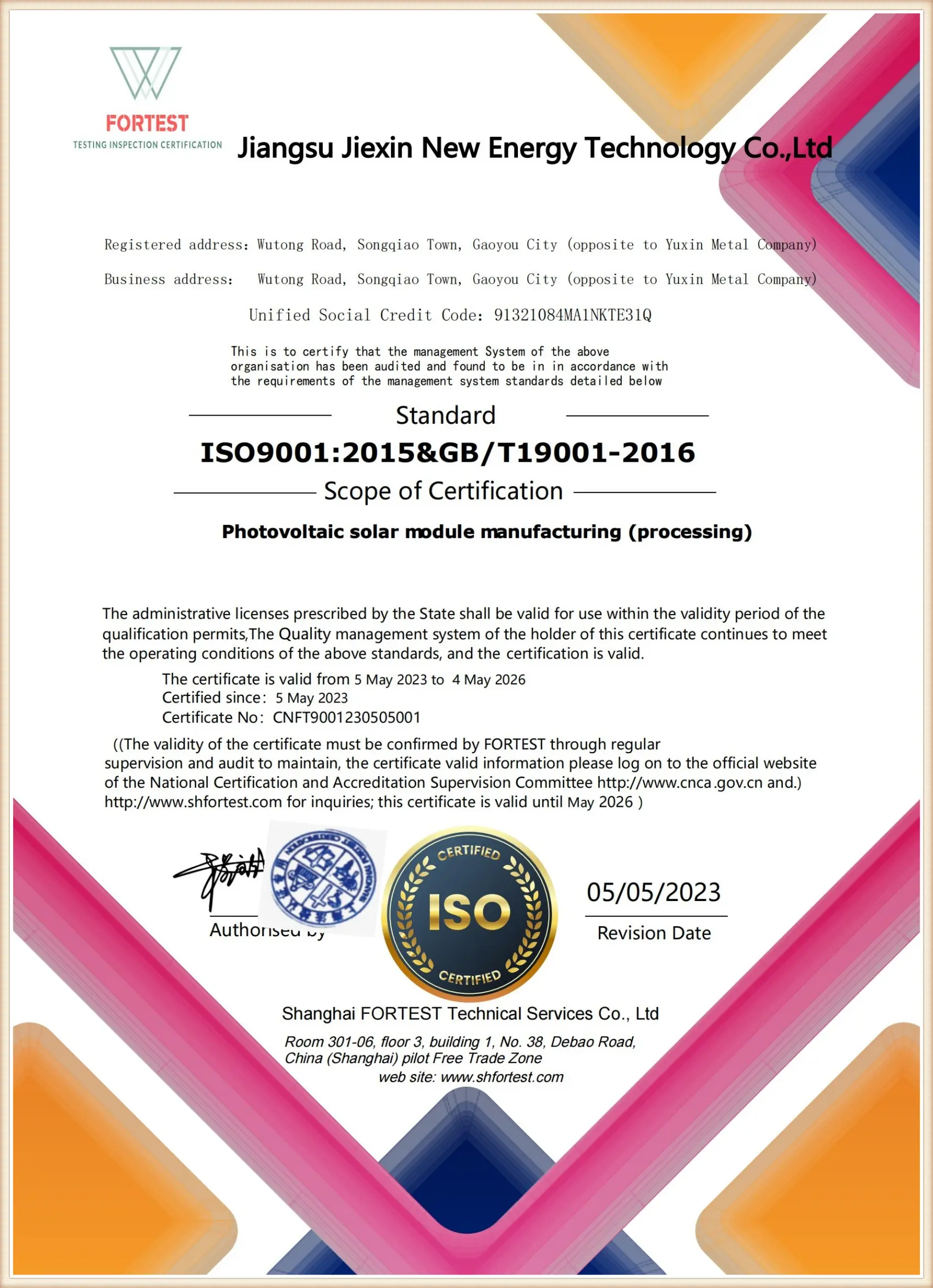
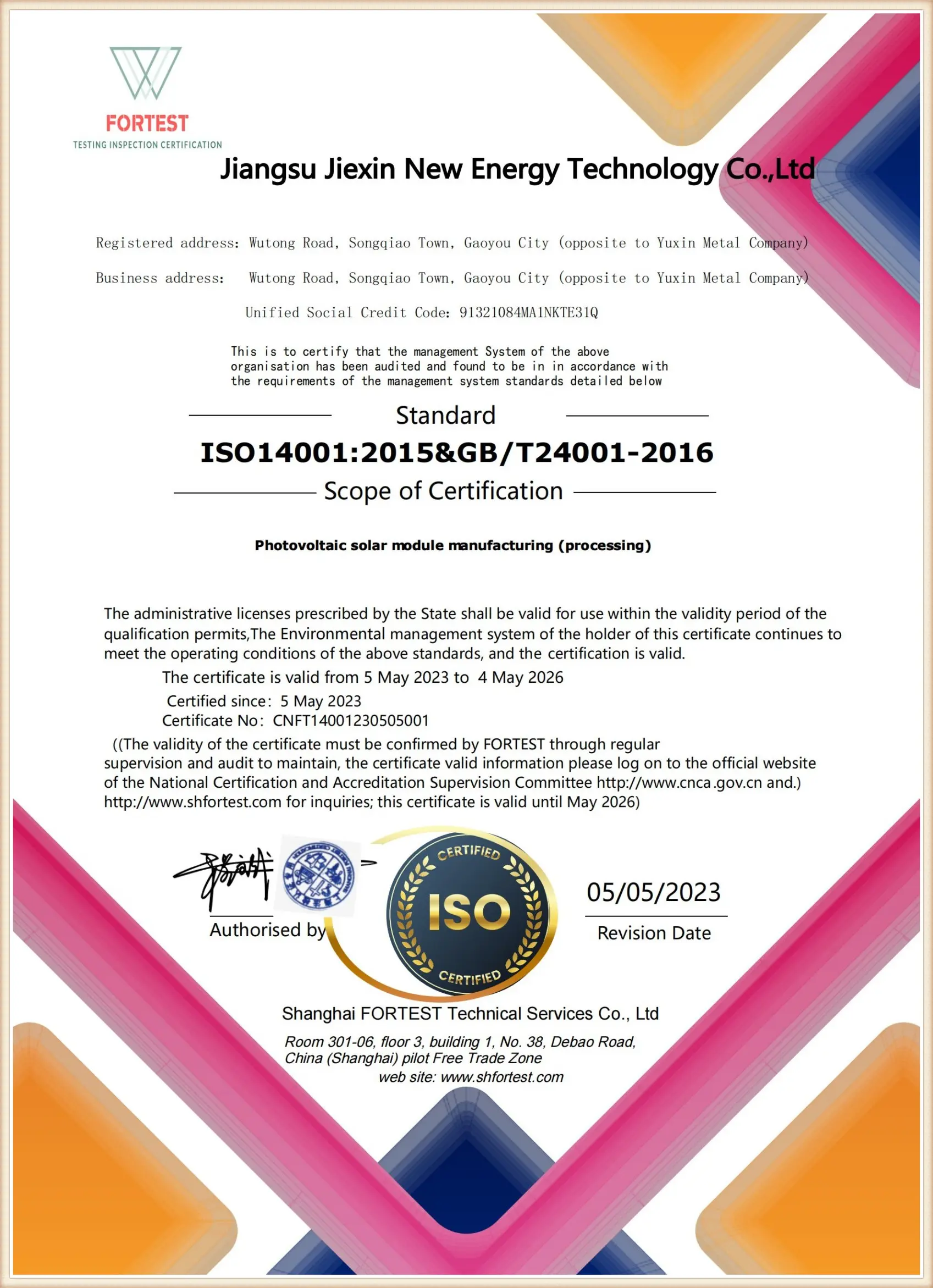
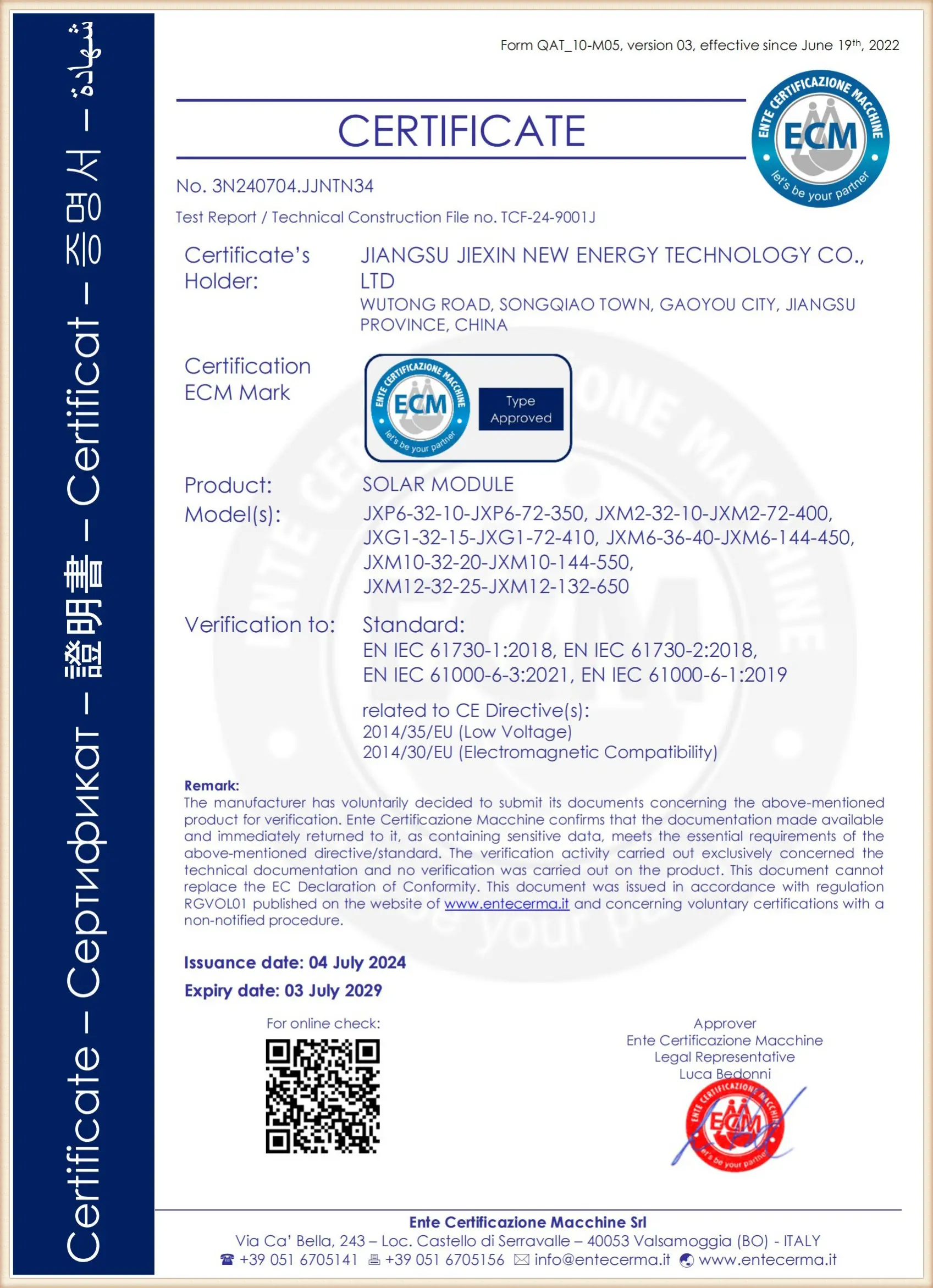
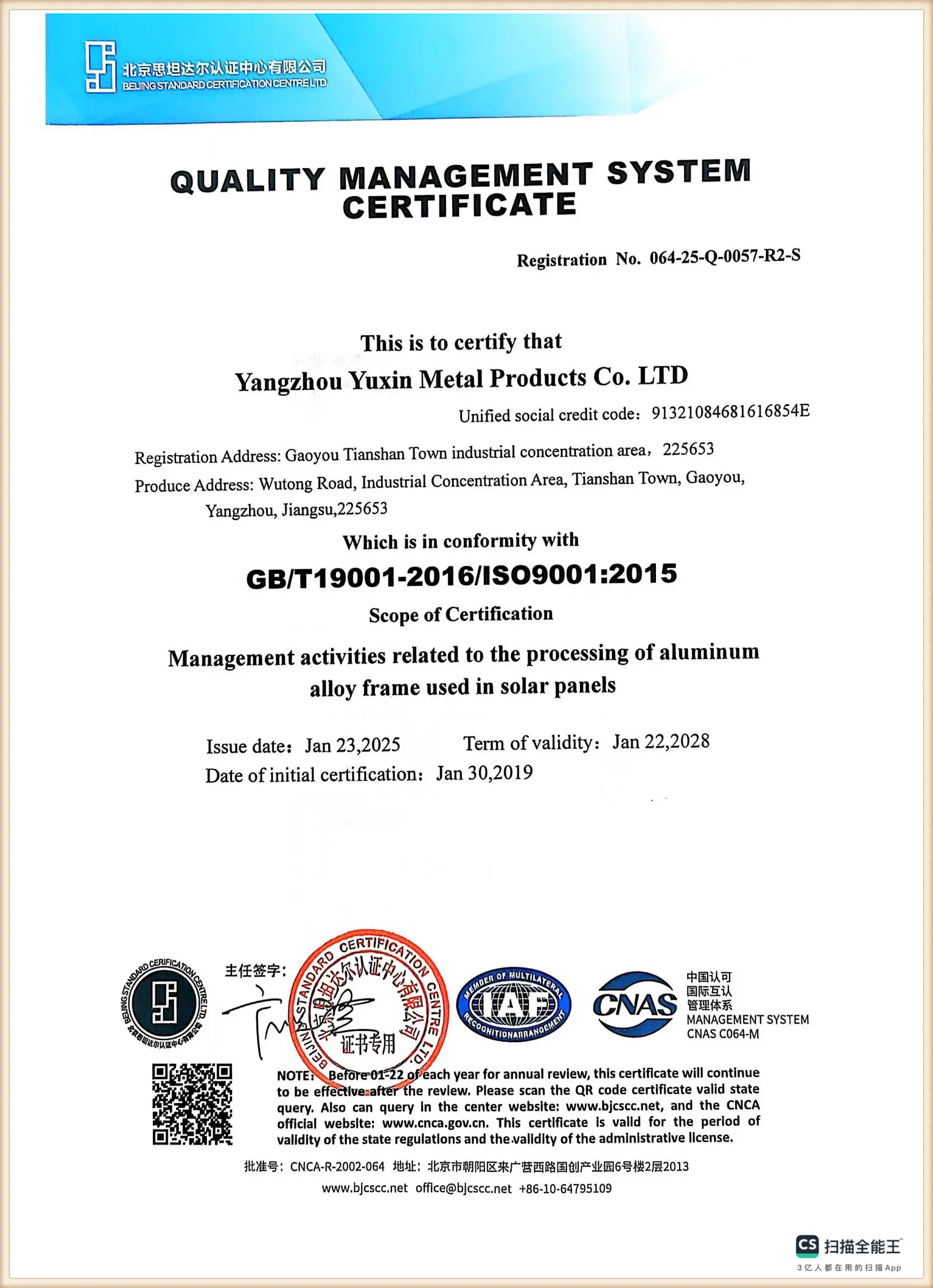
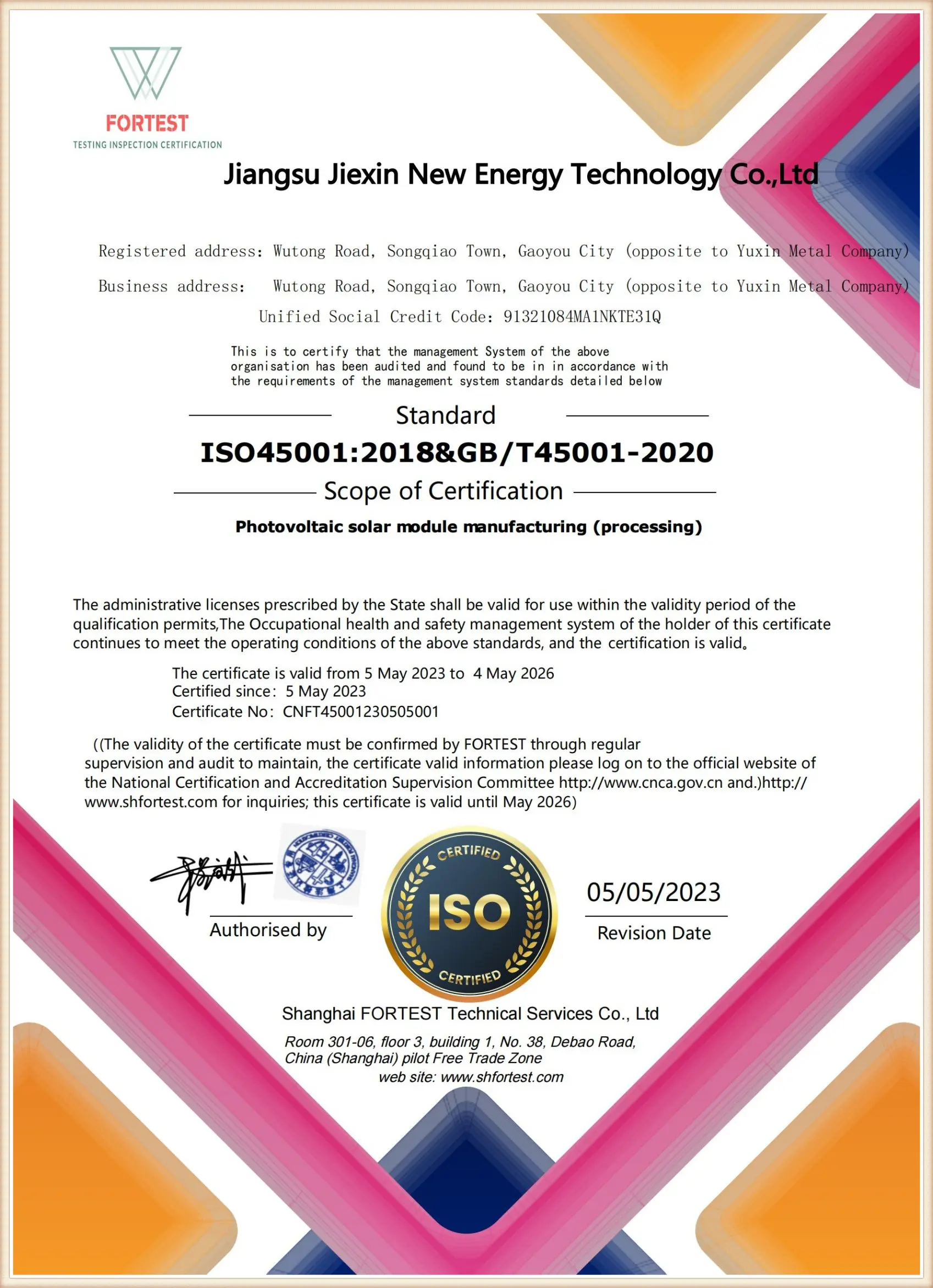
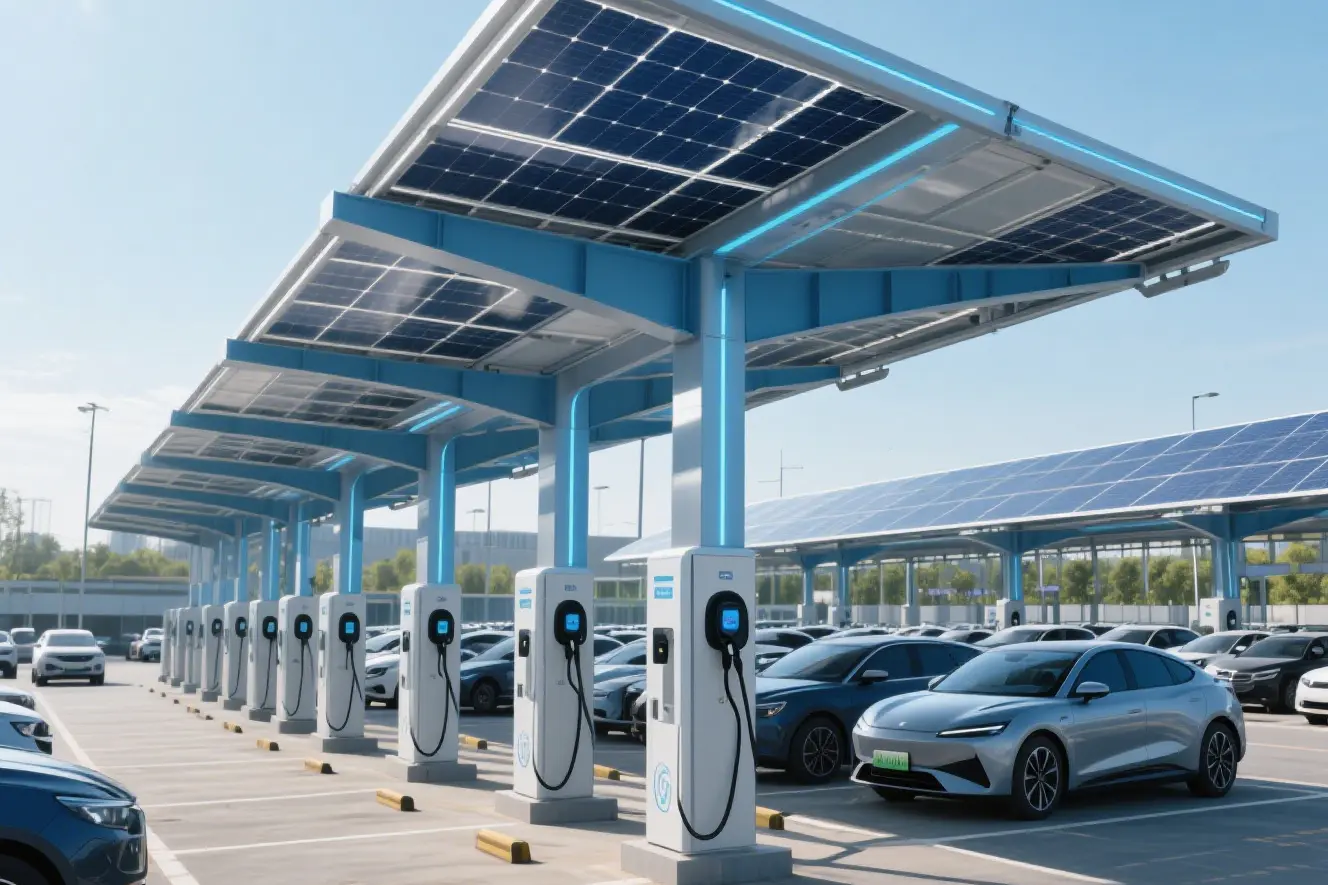
High-efficiency components customized to address the operational profiles of Costa Rica's key economic drivers.

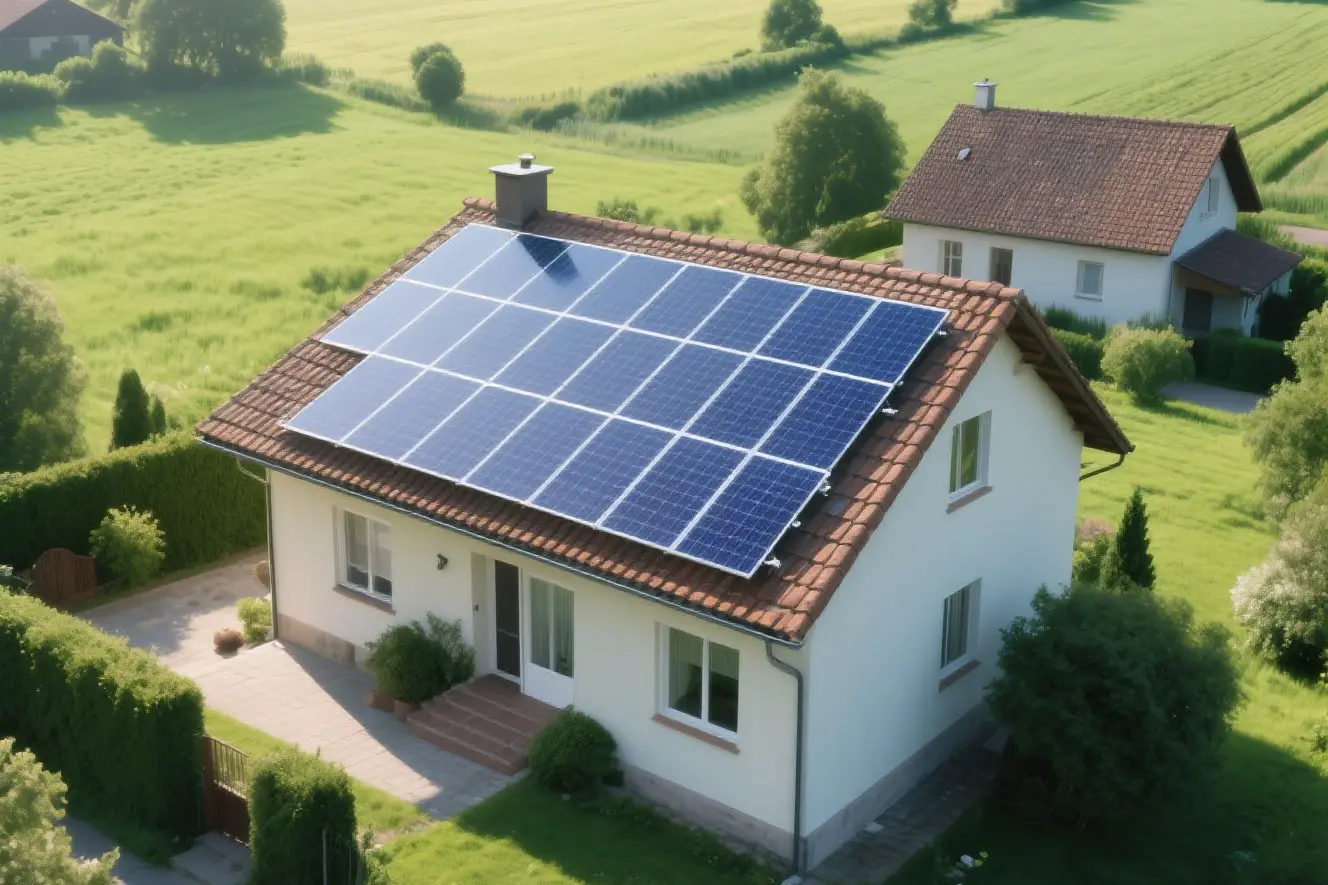
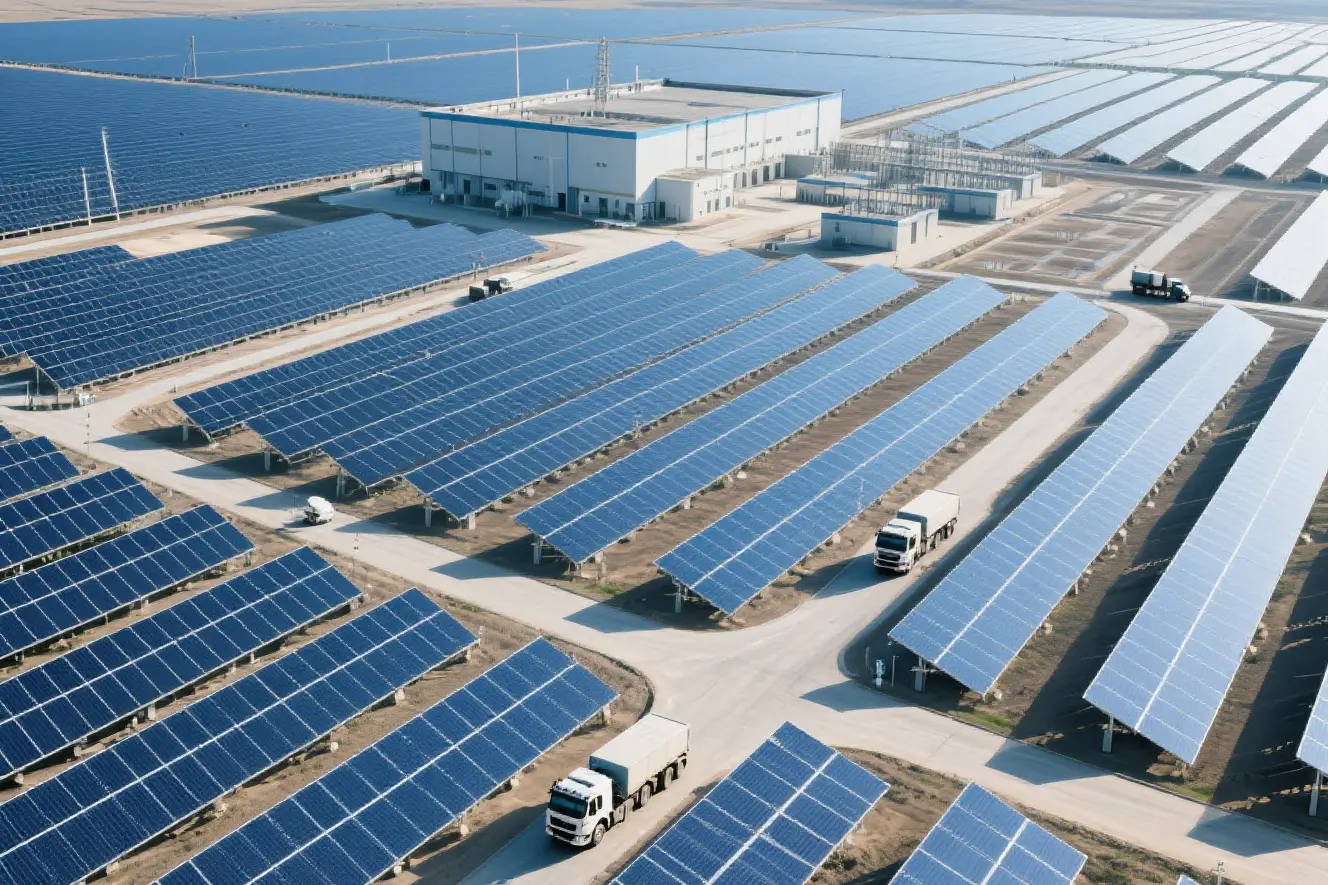
The global PV landscape has entered the N-Type era, dominated by TOPCon (Tunnel Oxide Passivated Contact) and HJT (Heterojunction) architectures. For Costa Rican C&I projects, the business case for N-type modules is compelling. These cells feature a significantly lower temperature coefficient (-0.30%/°C compared to -0.35%/°C for traditional P-type PERC panels), meaning they maintain a higher power output during peak midday heat in areas like Liberia or Santa Cruz.
Additionally, N-type TOPCon panels exhibit virtually zero light-induced degradation (LID) during the first year of operation. Combined with a bifaciality factor of up to 80-85%, these modules generate up to 10-15% more lifetime energy per watt installed, especially when deployed over high-albedo surfaces such as white gravel, commercial roof membranes, or sandy soils. YUXIN's forward technology roadmap incorporates these N-type architectures with smart bypass diode integrations to mitigate localized shading from tropical foliage or cloud cover.
We work closely with global engineering, procurement, construction (EPC) contractors, and distributors to supply certified PV materials.

Stay updated with regular technical briefings from our manufacturing plant and quality control laboratories.

Comprehensive solutions to engineering, regulatory, and shipping inquiries for utility developers and EPC entities in Costa Rica.
Premium frames, specialized outdoor power modules, and residential backup setups designed for off-grid eco-lodges and industrial installations.