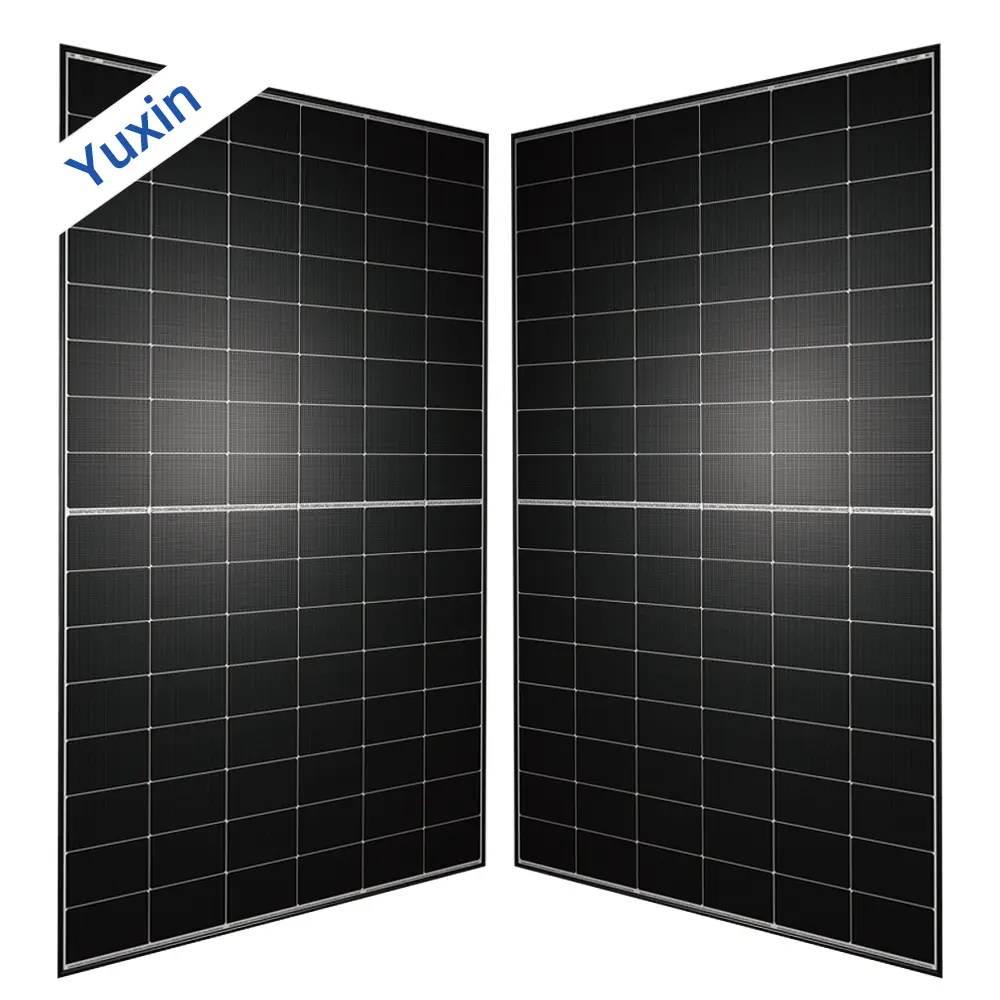
Engineered to deliver exceptional energy yields and handle the specific heat profiles and structural standards of Southern California installs.
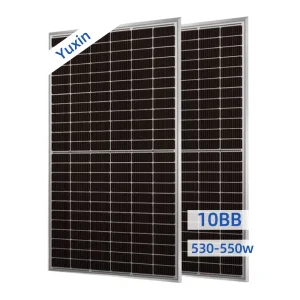
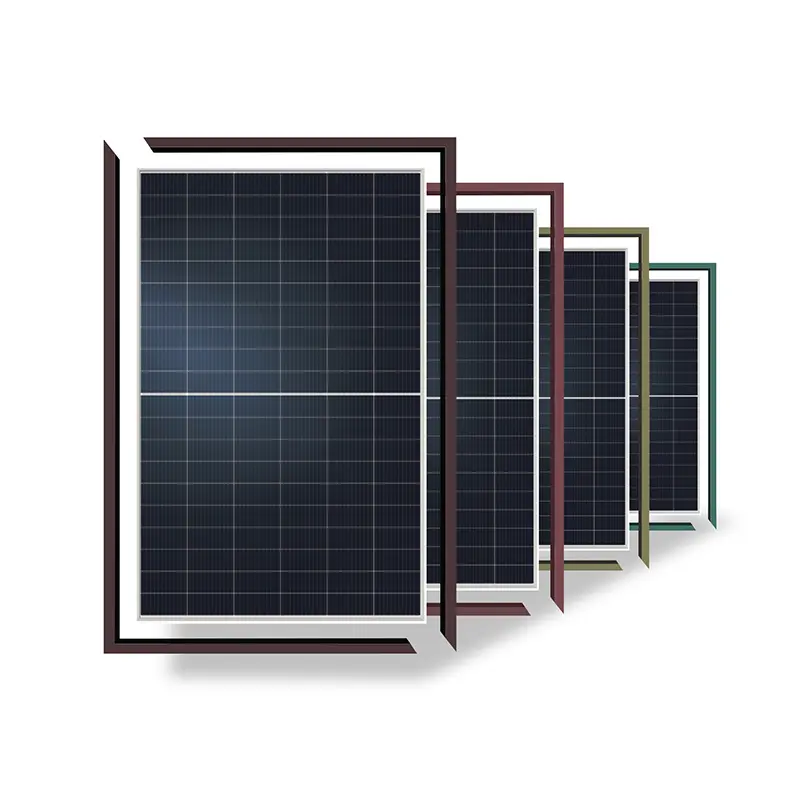
Engineered for utility-scale efficiency, this monocrystalline PERC module features multi-busbar technology to minimize resistance losses and maximize light absorption in SoCal high-irradiance zones.
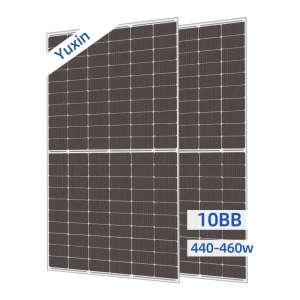
High-power density modules optimal for maximizing ROI on tight rooftop footprints. Features reduced hotspot risk and superior low-light spectral performance for LA marine layer mornings.
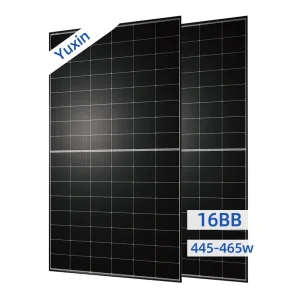
Built with advanced dual-glass encapsulation and N-type cells to ensure zero PID (Potential Induced Degradation). Perfect for harsh coastal or desert environments near Los Angeles.
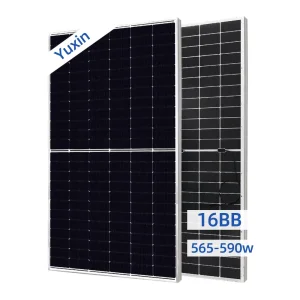
Top-tier tunnel oxide passivated contact (TOPCon) technology providing an industry-leading bifaciality factor. Maximizes energy generation via rear-side ground reflection (albedo).
Decarbonization, regulatory compliance, and high-performance module engineering in Southern California.
Navigating LADWP interconnection standards, Net Energy Metering (NEM 3.0), and California Energy Commission (CEC) listings for seamless project approval.
Utilizing N-type tunnel oxide passivated contact (TOPCon) systems to achieve lower levelized cost of energy in municipal microgrids and commercial projects.
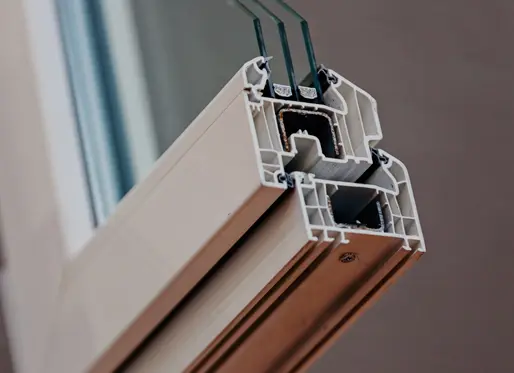
Anodized aluminum profiles and polyurethane composite frames designed to resist seismic activity, high wind loads (ASCE 7-16), and salt spray corrosion.
The City of Los Angeles has established one of the nation's most ambitious clean energy roadmaps. Driven by the LA100 study—conducted in partnership with the National Renewable Energy Laboratory (NREL)—the Los Angeles Department of Water and Power (LADWP) is legally bound to transition the municipal grid to 100% carbon-free energy by 2035. This policy shift directly impacts developers of commercial real estate, logistics warehouses, and heavy industrial facilities in the San Fernando Valley, the Port of Los Angeles, and inland shipping hubs.
For procurement officers and EPC (Engineering, Procurement, and Construction) firms operating in Los Angeles, this mandate creates two core business priorities: securing reliable solar equipment that meets strict local code standards, and optimizing real estate footprints. Ground-mount and commercial rooftop systems must deliver maximum power output per square meter. Standard modules are no longer sufficient; utility-grade projects require high-efficiency cell architectures (such as Mono-PERC and N-type TOPCon) coupled with specialized, durable framing components to secure long-term capital investments.
With California's transition to the Net Billing Tariff (NEM 3.0), the economics of solar projects are tied to high-efficiency production and local energy storage systems. Generating the highest amount of power during peak solar hours is essential to charging battery banks, making high-wattage (550W+) panels and robust storage options critical for maximizing commercial ROI.
Installing solar systems in the Los Angeles basin introduces unique environmental challenges. Systems located near coastal zones like Long Beach, Santa Monica, and El Segundo face persistent marine layers and salt-laden mist. Over time, this leads to electrochemical corrosion of solar frames and electrical connectors if the materials are not properly treated. To counter this, modules must utilize heavy anodized aluminum frames (6063-T5 or 6005-T6 alloys) or advanced polyurethane pultruded composite materials to prevent structural degradation.
Further inland, toward the Santa Clarita Valley and the Inland Empire, projects experience high ambient temperatures. This requires panels with an excellent temperature coefficient of Pmax (typically -0.30%/°C or better for TOPCon modules) to maintain target energy yields when ambient temperatures exceed 100°F (37.8°C). Additionally, structural engineers must design racking systems to withstand localized Santa Ana wind gusts. This means securing panels certified for high static wind loads (up to 5400 Pa front side, 2400 Pa rear side) in compliance with ASCE 7-16 structural loading standards.
For developers comparing technologies, the choice between traditional Passivated Emitter and Rear Cell (PERC) and Tunnel Oxide Passivated Contact (TOPCon) architectures is a primary factor in Levelized Cost of Energy (LCOE) calculations:
| Performance Parameter | Mono-PERC (182mm / 210mm Cells) | N-Type TOPCon (Bifacial Dual-Glass) | Project Impact (Los Angeles Region) |
|---|---|---|---|
| Module Efficiency Limit | ~21.5% - 22.0% | ~22.5% - 23.5% | Higher output in restricted rooftop spaces (such as urban LA warehouses). |
| Temperature Coefficient | -0.34% / °C to -0.36% / °C | -0.29% / °C to -0.31% / °C | TOPCon preserves higher output during summer temperature spikes in San Fernando Valley. |
| Bifaciality Factor | 70% ± 5% | 80% ± 5% | Substantial rear-side energy generation on high-albedo commercial roofs or sandy soils. |
| First-Year Degradation | < 2.0% | < 1.0% | Lower initial degradation preserves cash flows and enhances long-term ROI. |
| Annual Degradation Rate | 0.55% / Year | 0.40% / Year | Results in higher total lifetime energy yields over a typical 25-to-30 year PPA. |
While Mono-PERC technology remains a cost-effective choice for standard commercial projects, N-type TOPCon bifacial modules are increasingly specified for utility-scale developments. The double-glass design adds mechanical strength, while the higher bifaciality factor allows systems to capture reflected light from concrete warehouse roofs and sandy ground surfaces, boosting output by up to 25% depending on local albedo conditions.
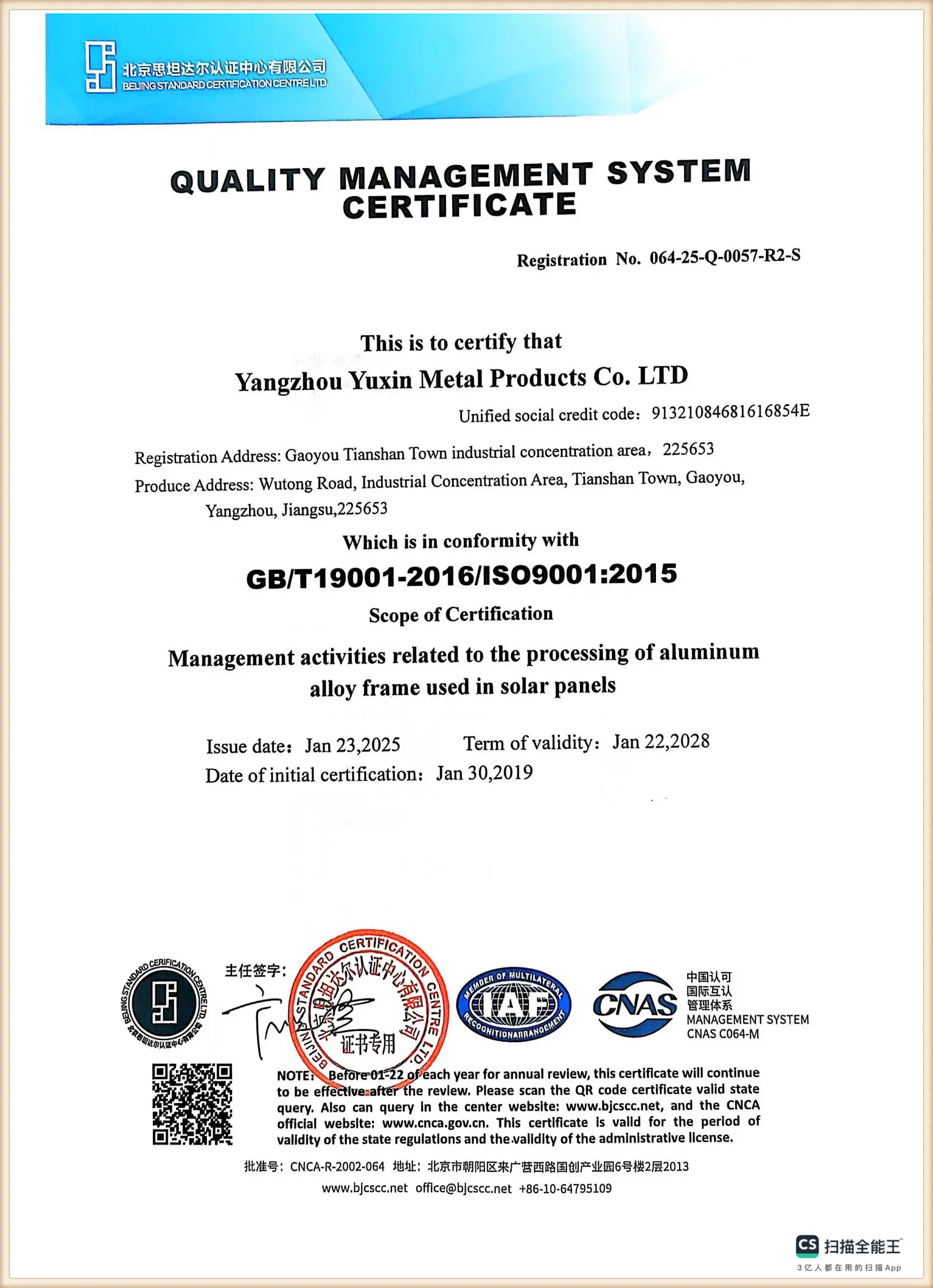
A solar module's long-term durability relies heavily on its framing. YUXIN's structural engineering focuses on two high-performance solutions:
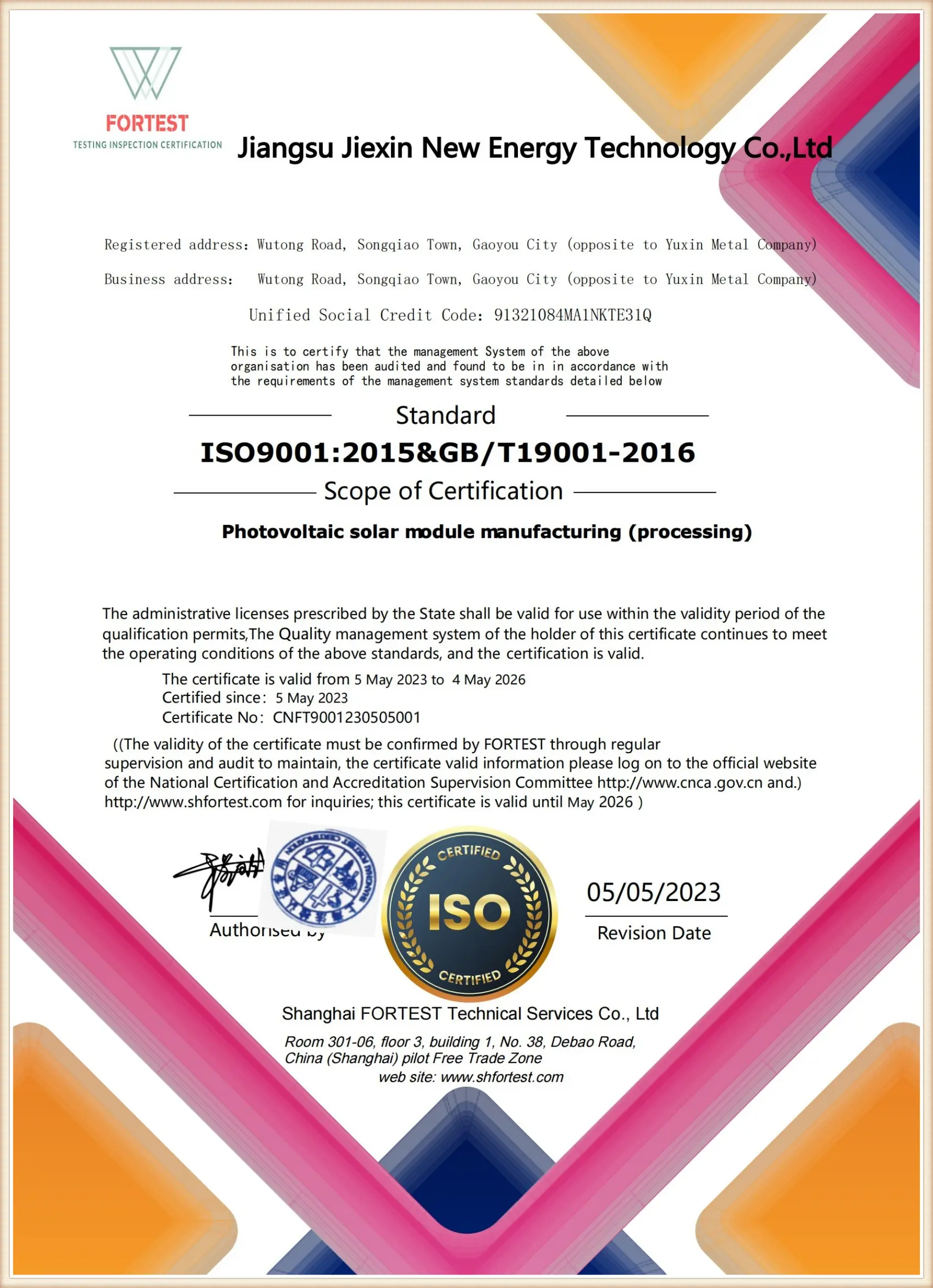
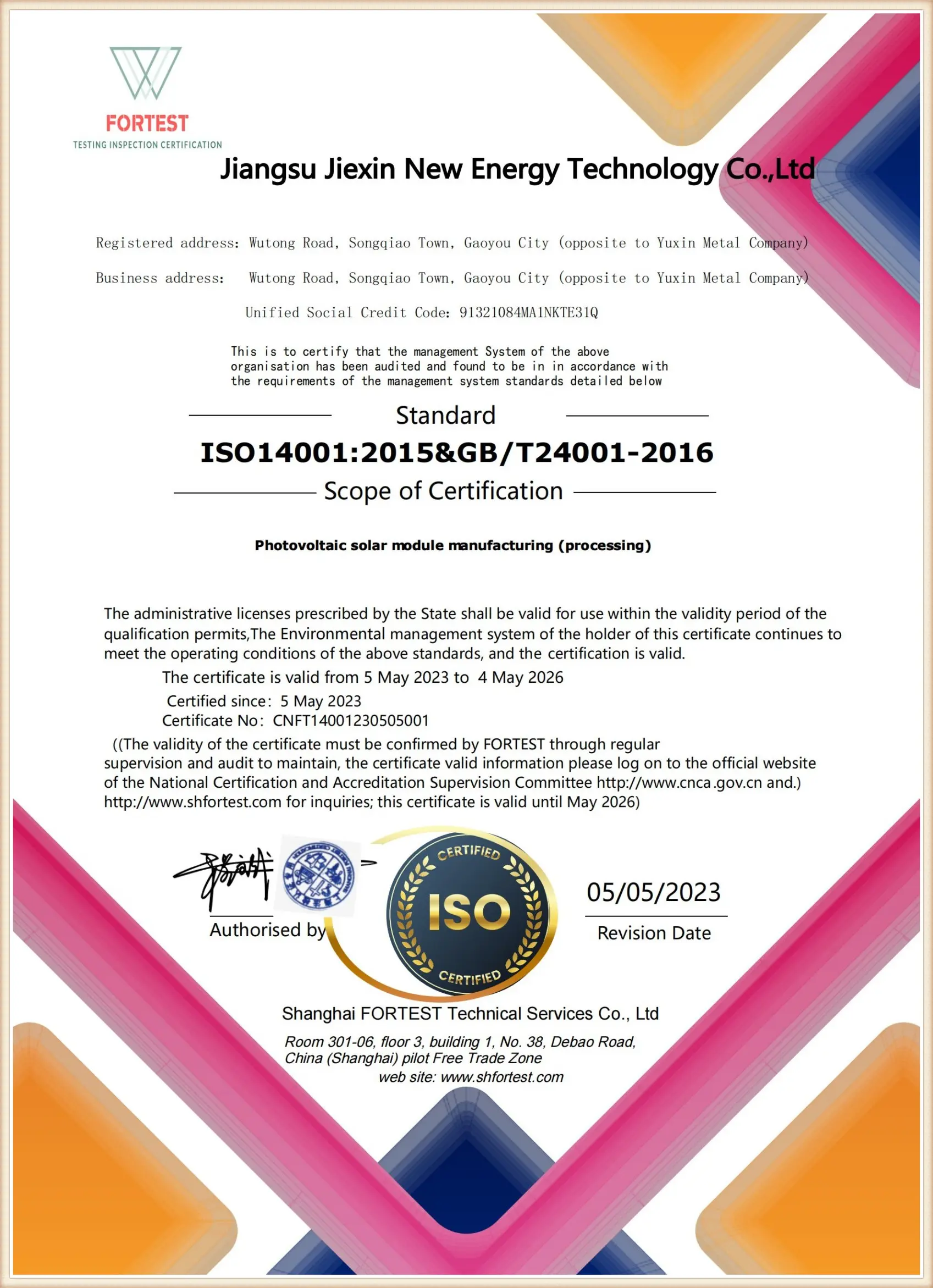
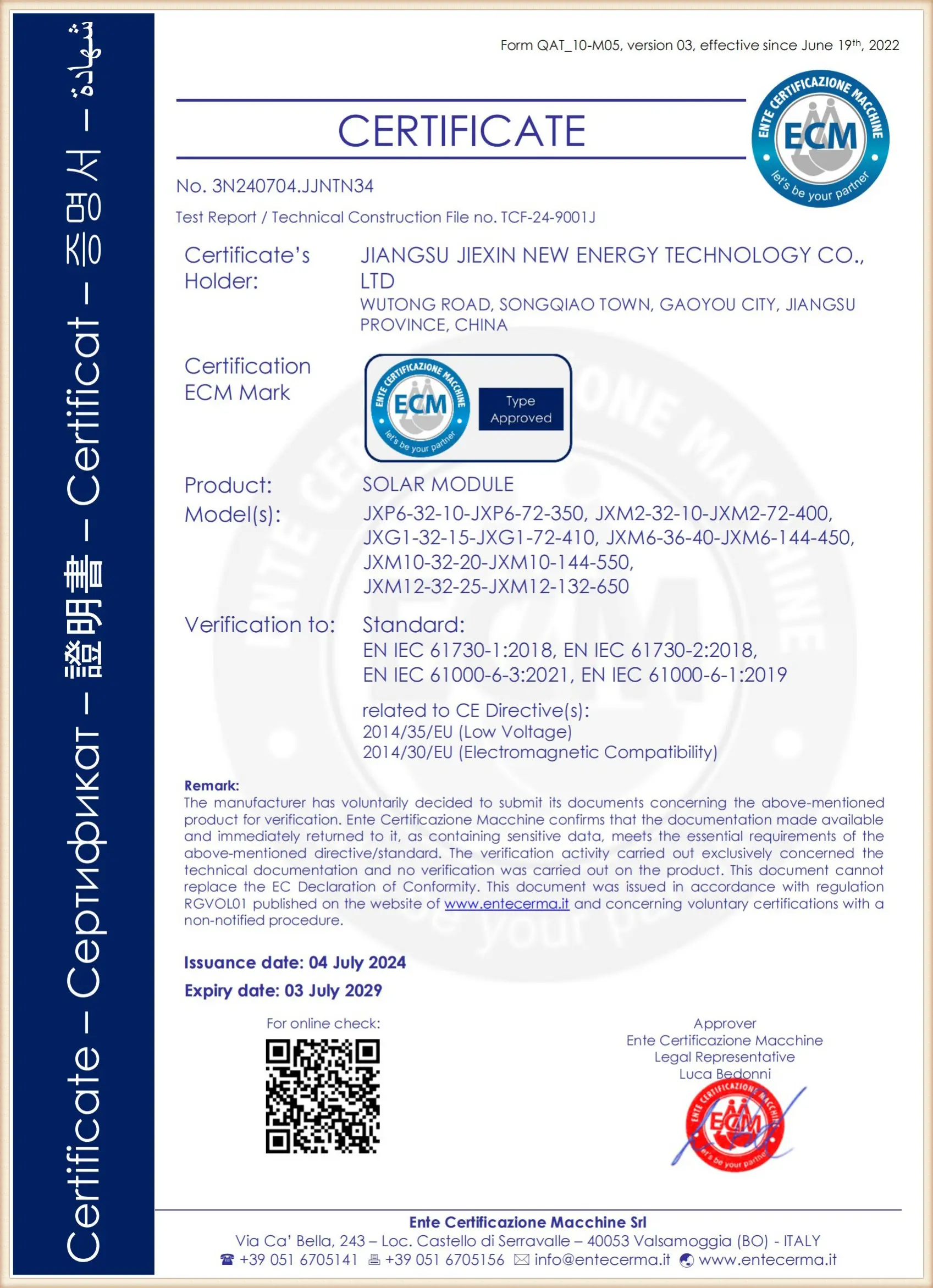
Deploying solar energy systems within the LADWP territory or under Southern California Edison (SCE) requires strict adherence to state and national standards. Key certifications include:
Precision, Quality, and Safety - Your Photovoltaic Materials Partner
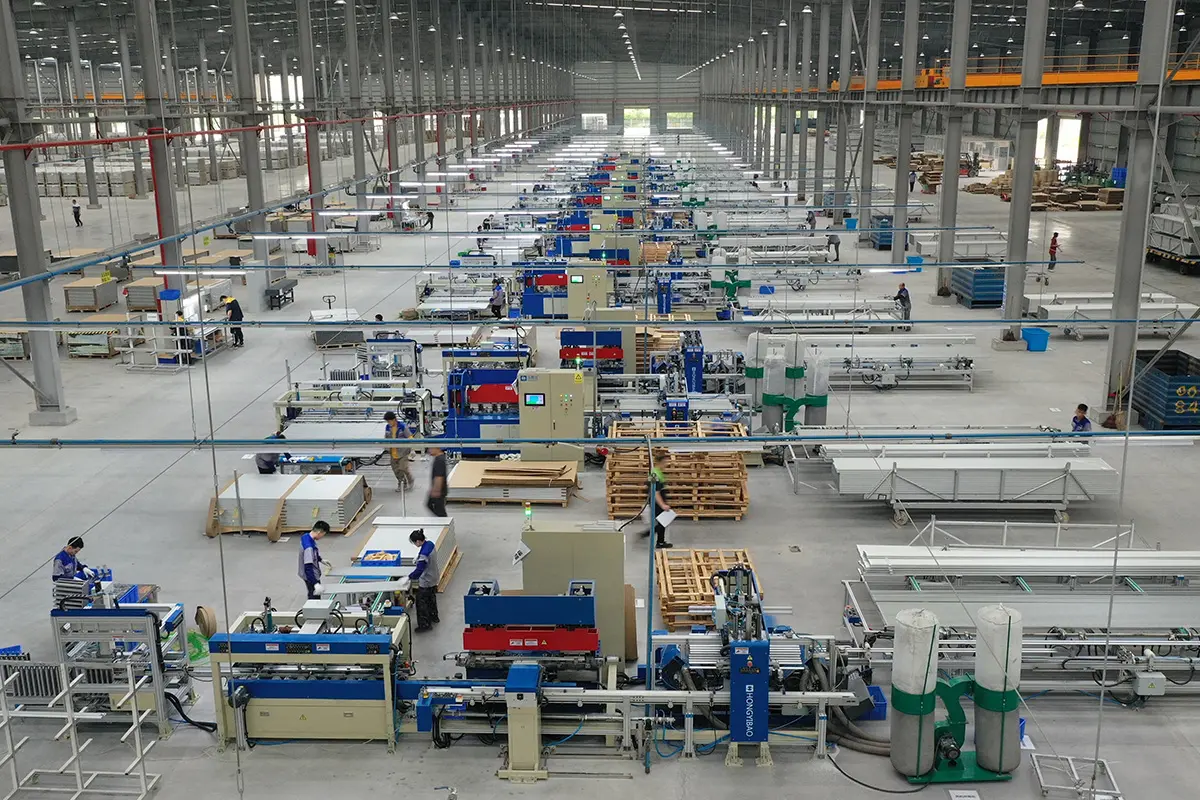
Located in the historic and cultural city of Yangzhou, near major expressways, the Runyang Yangtze River Bridge, and the Ningqi Railway, YUXIN New Energy is positioned for efficient regional and international shipping. Established in 2008, the group operates 14 specialized companies, including Jiangsu Yuxin New Energy Technology Co., Ltd. YUXIN is recognized as a National High-tech Enterprise and a top private enterprise, producing high-performance PV materials and energy systems for developers, installers, and distributors globally.
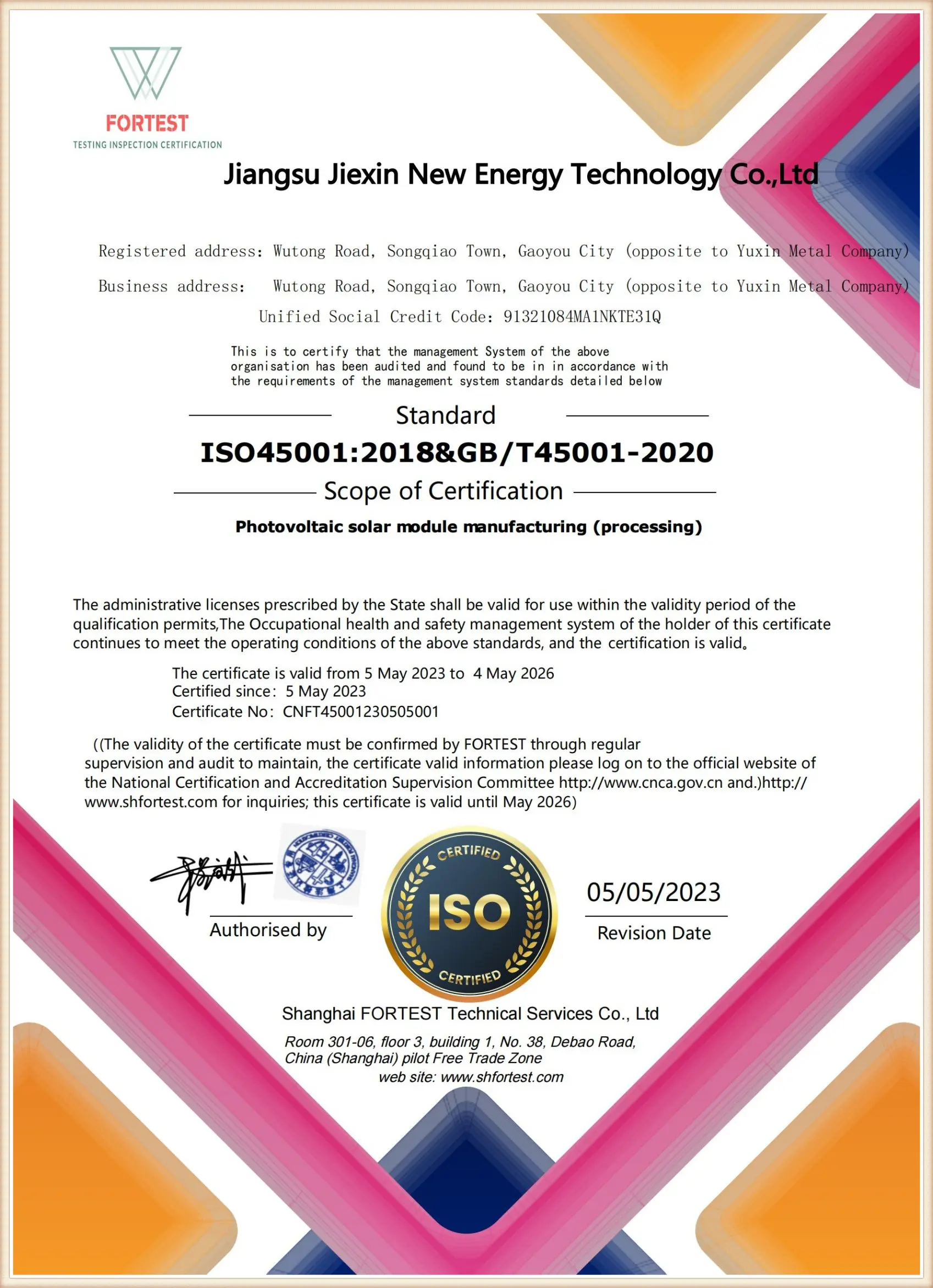
Rigorous quality testing and compliance tracking to guarantee performance and safety across global installations.
Adapting clean energy systems to meet the unique demands of multiple economic sectors.

Combining agricultural land-use with solar generation to optimize water consumption, protect crops, and create new revenue streams for farming operations.
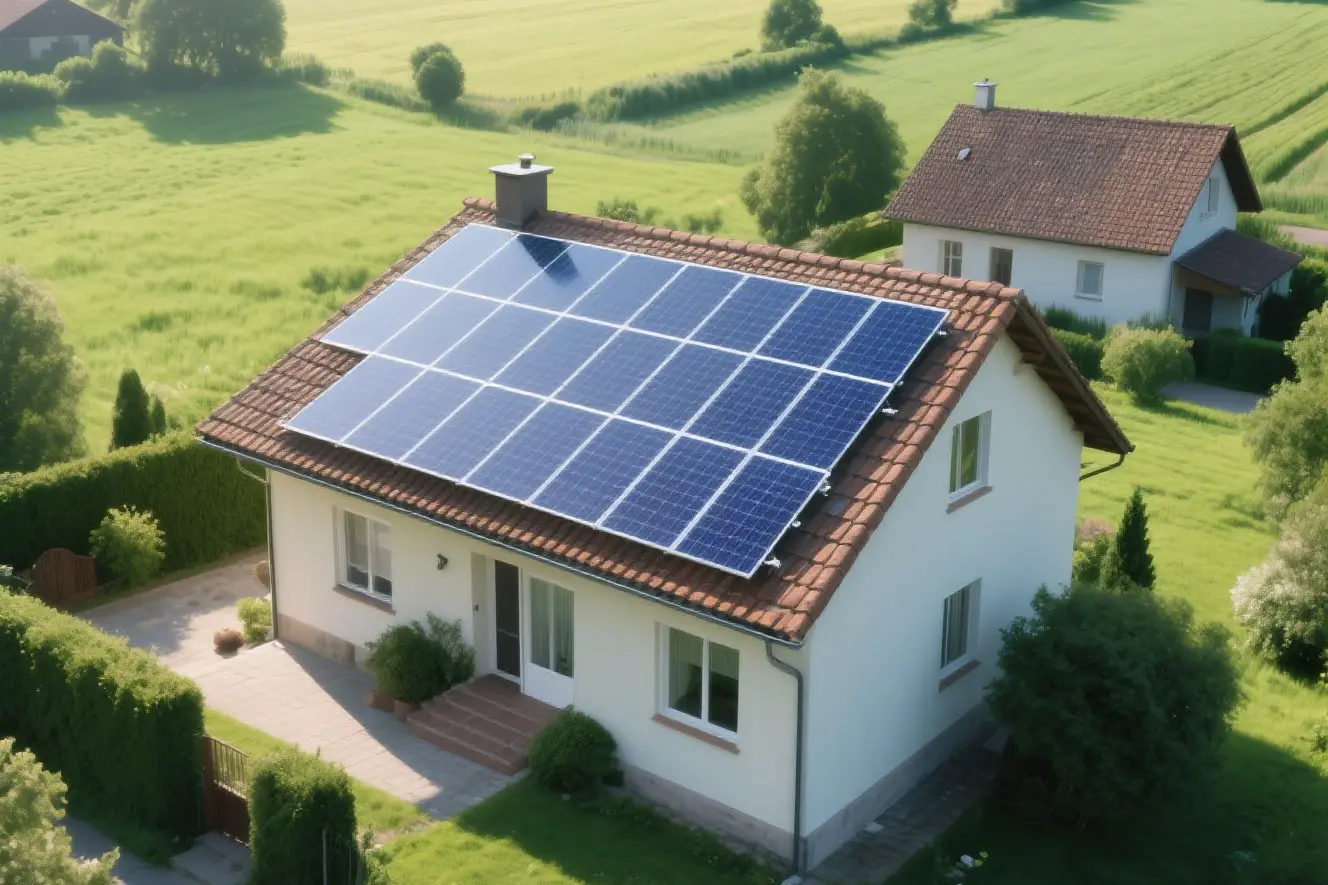
Structural and aesthetic integration of PV components into building envelopes, facilitating compliance with energy codes and zero-energy building standards.
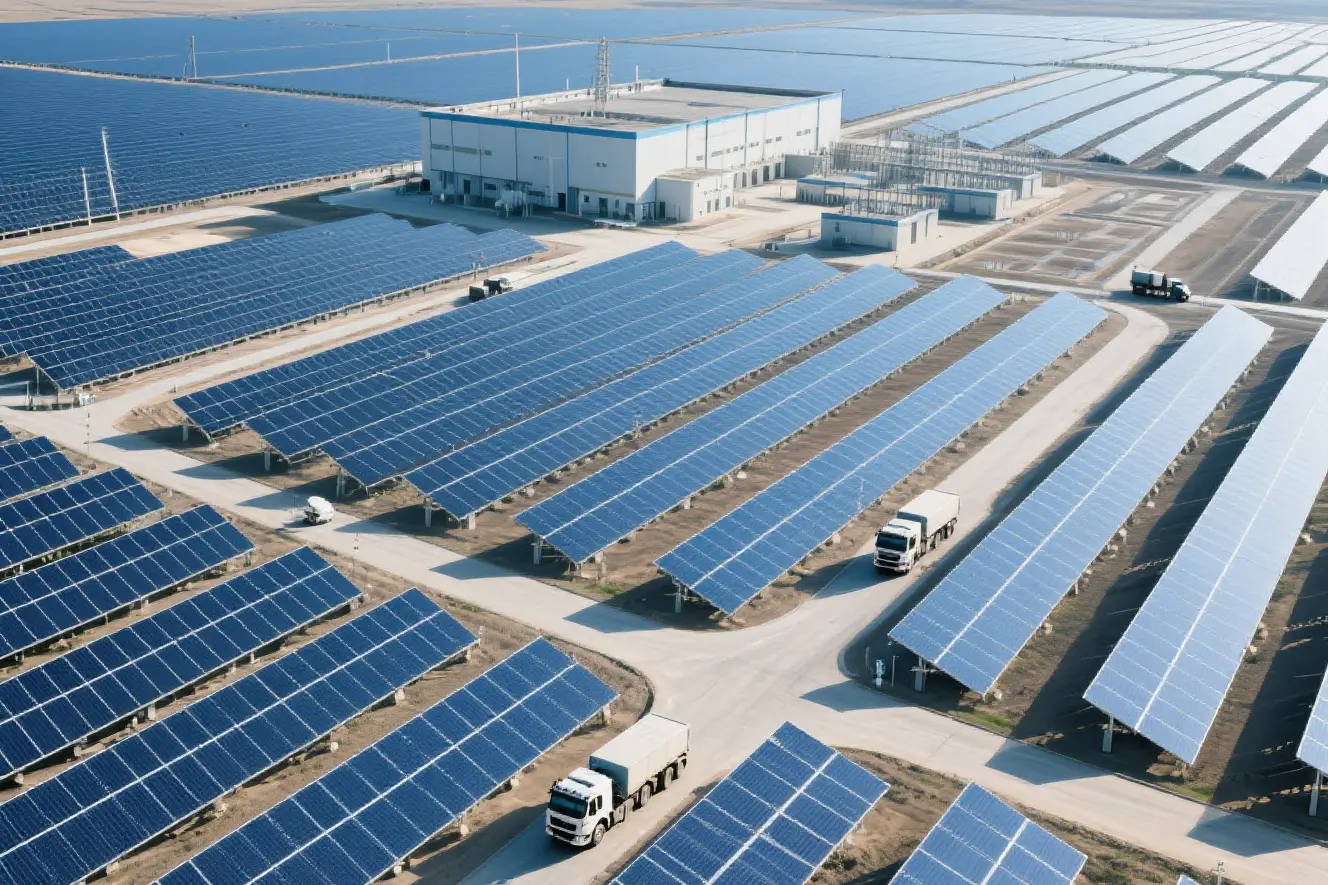
High-voltage, utility-scale deployments using bifacial modules and tracking systems to supply clean power directly to regional and municipal grids.
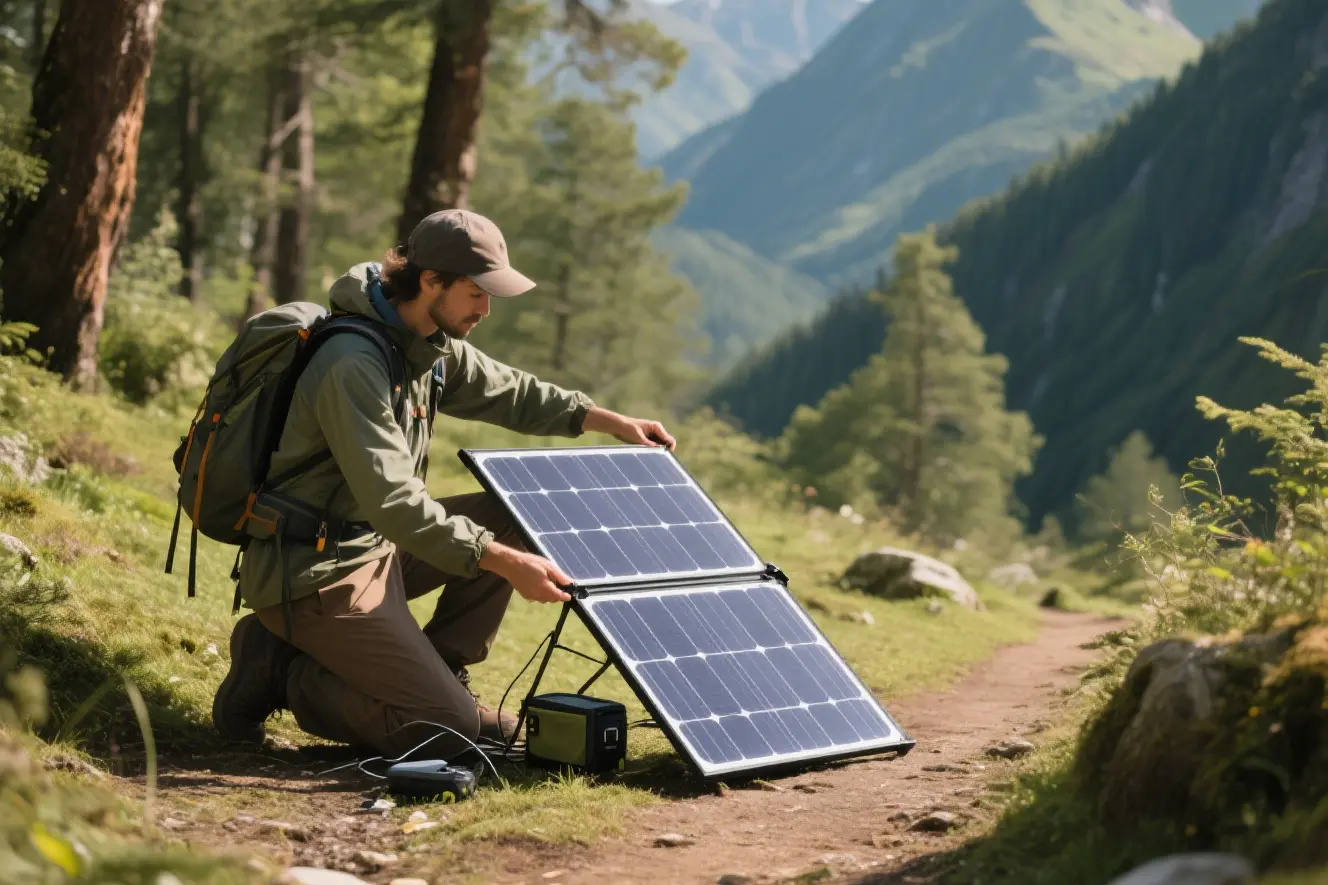
Lightweight, weather-resistant solar backpacks, mobile chargers, and portable power systems for off-grid operations and recreational outdoor use.
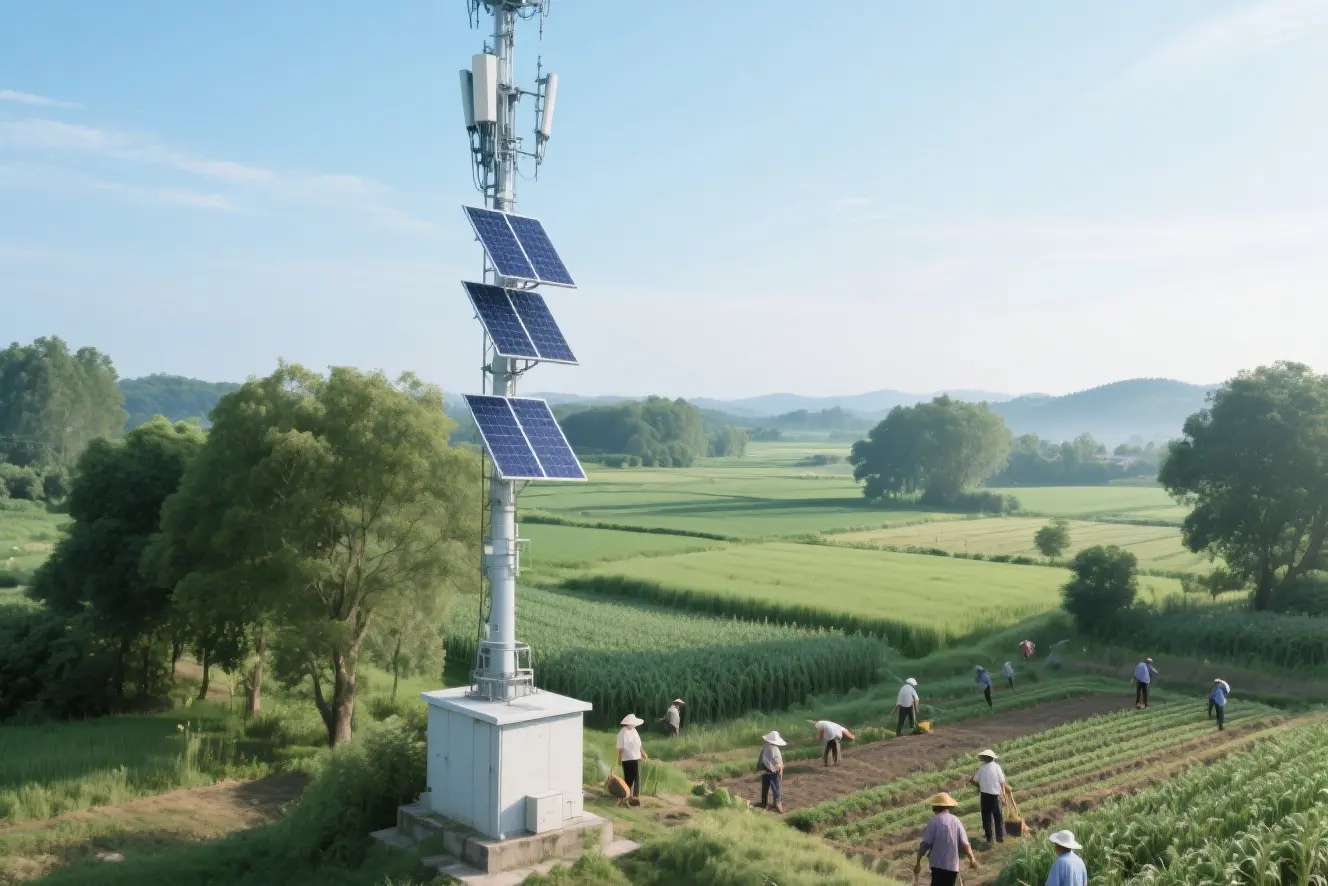
Reliable off-grid solar power paired with energy storage to keep critical remote telecommunications infrastructure operational 24/7/365.
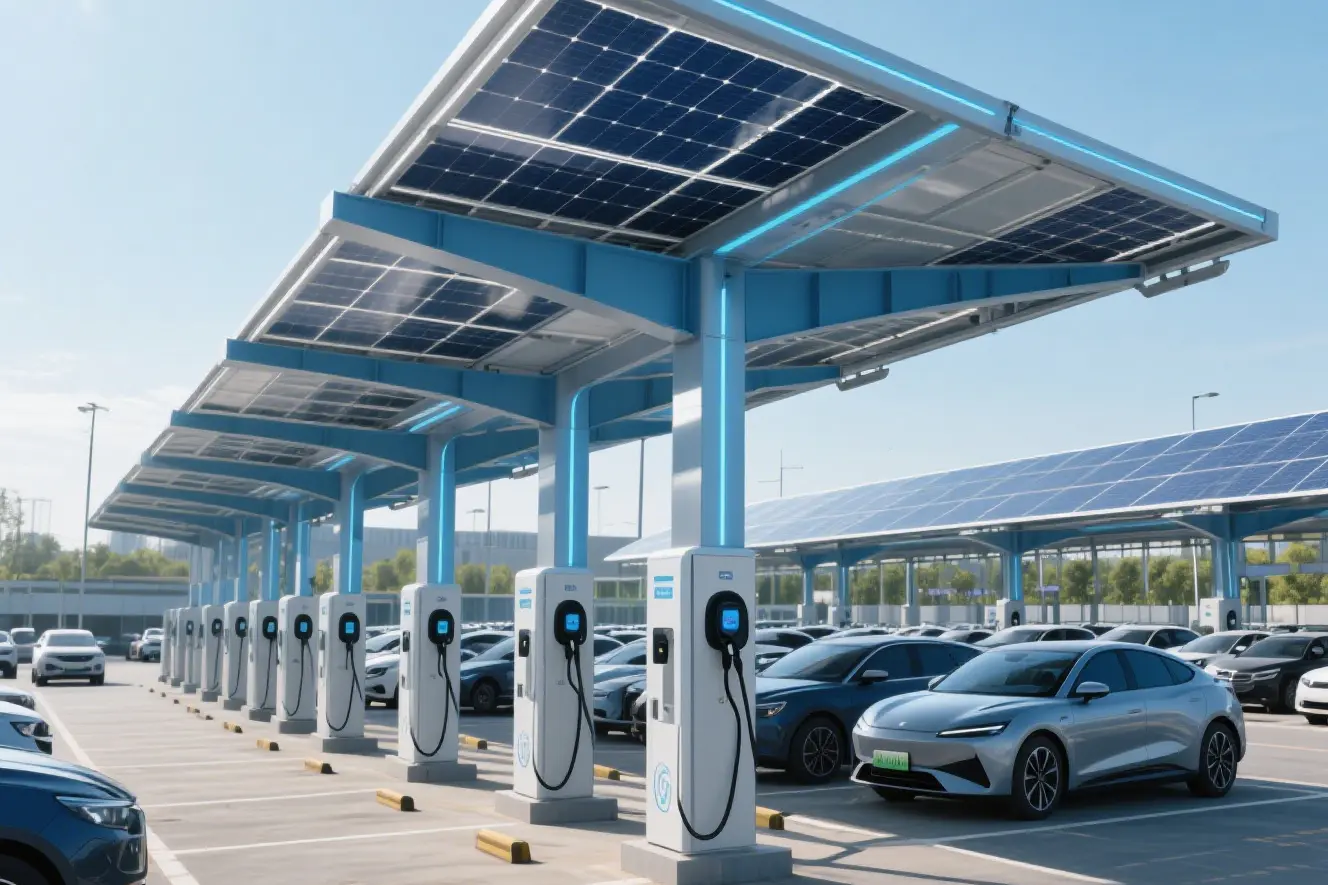
Powering traffic monitoring systems, railway signals, and EV charging stations with localized, independent solar energy arrays.
Collaborating with industry leaders to deliver integrated energy solutions worldwide.
Technical analyses, frame manufacturing standards, and quality control metrics.
An in-depth review of alloy composition, anodization thickness, and structural engineering designs required to survive demanding field conditions.
Evaluating supplier capabilities, equipment quality, testing procedures, and global shipping networks for solar framing materials.
Understanding tolerance standards, structural load testing, and corrosion testing protocols (such as salt spray chambers) to prevent field failures.
Explore our full line of anodized framing profiles, mobile charger kits, and commercial-grade storage systems.
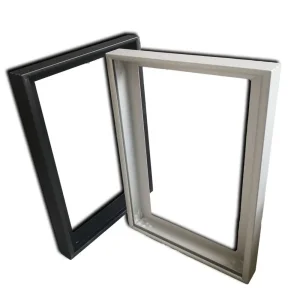
Corrosion-resistant anodized aluminum frames engineered to support solar panels in harsh, wind-prone environments like Southern California.
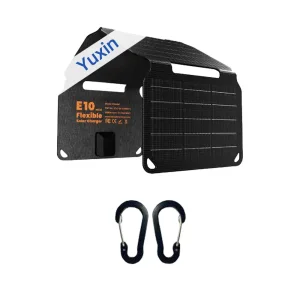
Designed for hikers, field engineers, and emergencies, this durable backpack features integrated solar cells and a water-resistant finish.
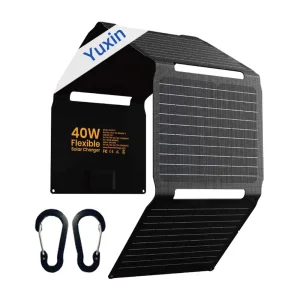
A heavy-duty solar charging backpack equipped with high-efficiency cells to supply portable power during remote installations and field visits.
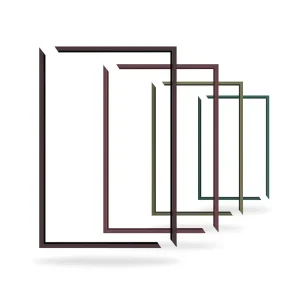
Low-carbon, pultruded polyurethane composite frames that provide high strength-to-weight ratios and built-in insulation to resist PID.
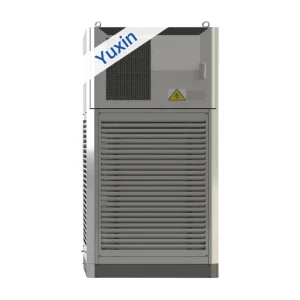
A modular energy storage solution designed for peak shaving, load management, and emergency backup power in commercial buildings.
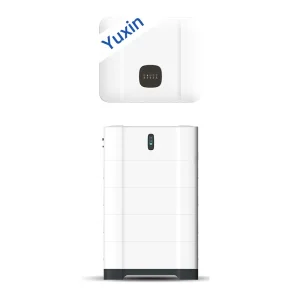
Smart residential energy storage systems designed to maximize self-consumption and provide backup power under CA's NEM 3.0 tariff.
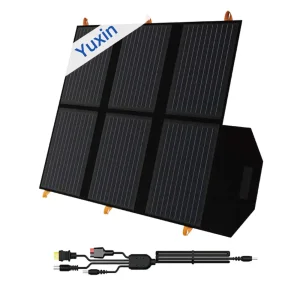
A high-output 60W solar charging backpack designed to power laptops, radios, and emergency equipment in remote locations.
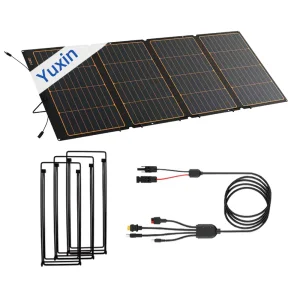
A portable, heavy-duty solar generator designed to provide emergency backup power for critical equipment and field operations.
Technical and regulatory answers for engineers, developers, and purchasing agents in Southern California.
Get in touch with our applications engineering department for direct factory pricing, structural design files, and complete technical specifications for your C&I and utility-scale projects.