Engineered for high desert temperatures, ambient dust resistance, and optimal yield. Explore our core range designed for the GCC energy landscape.
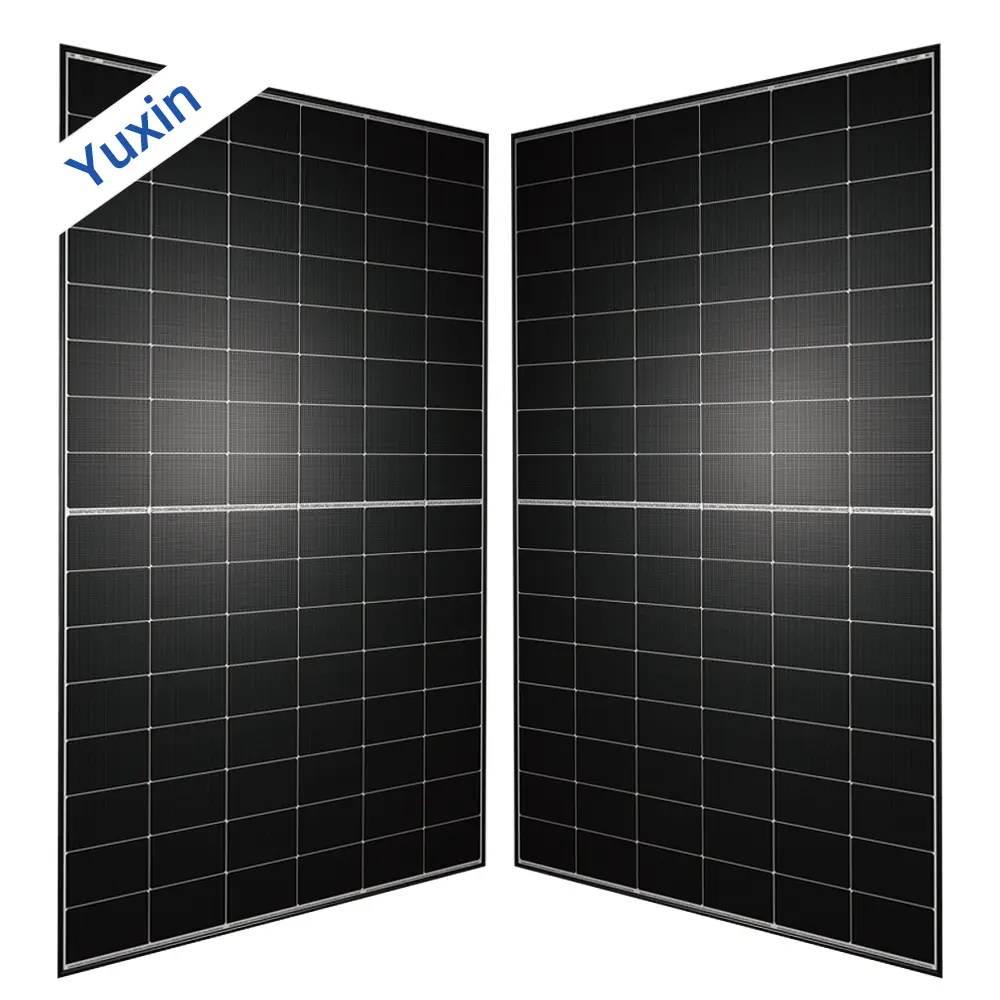
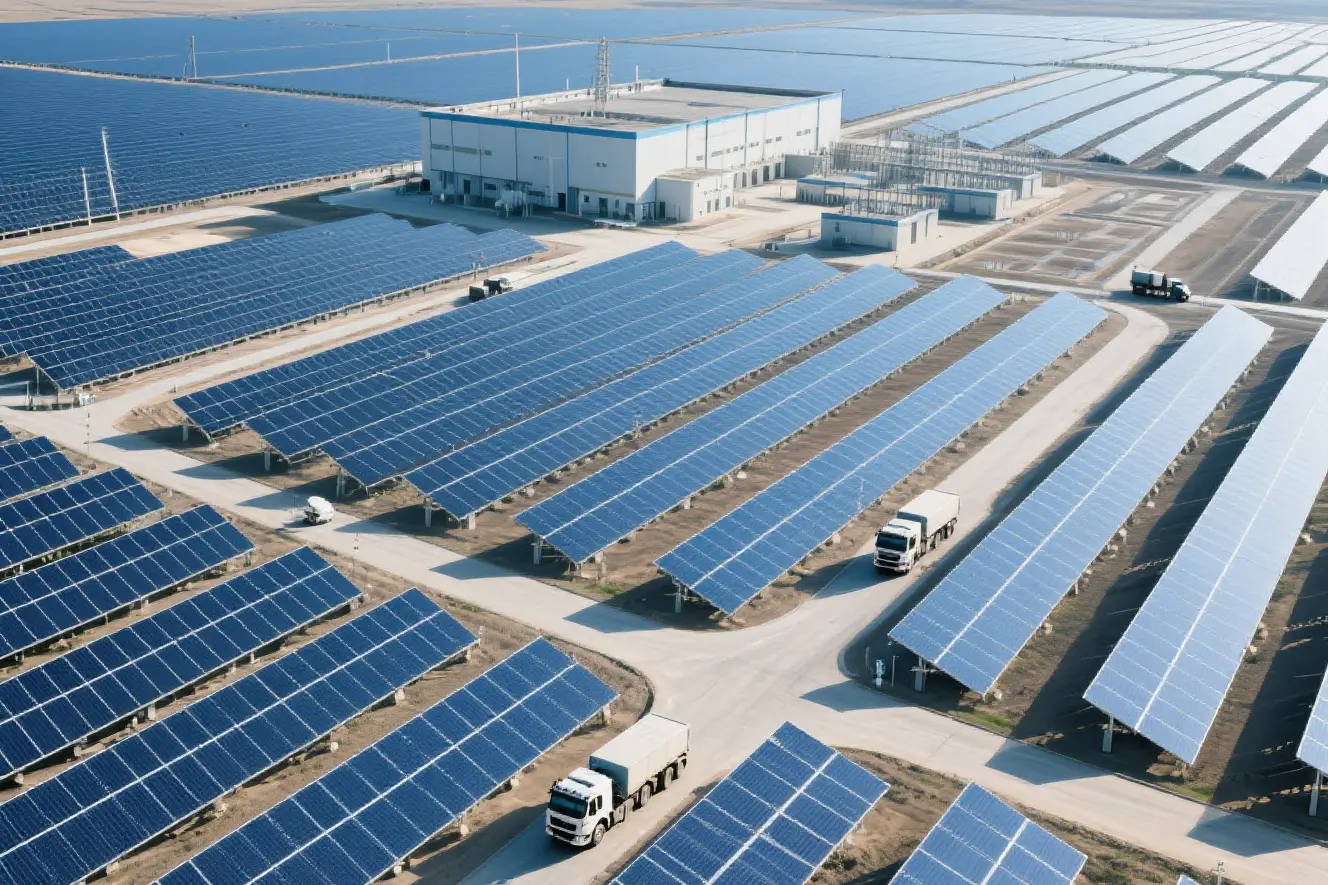
Lightweight design with transparent back sheet/dual-glass for high albedo desert surfaces. Designed to reduce balance of system (BOS) costs in utility projects.
Get Project Quote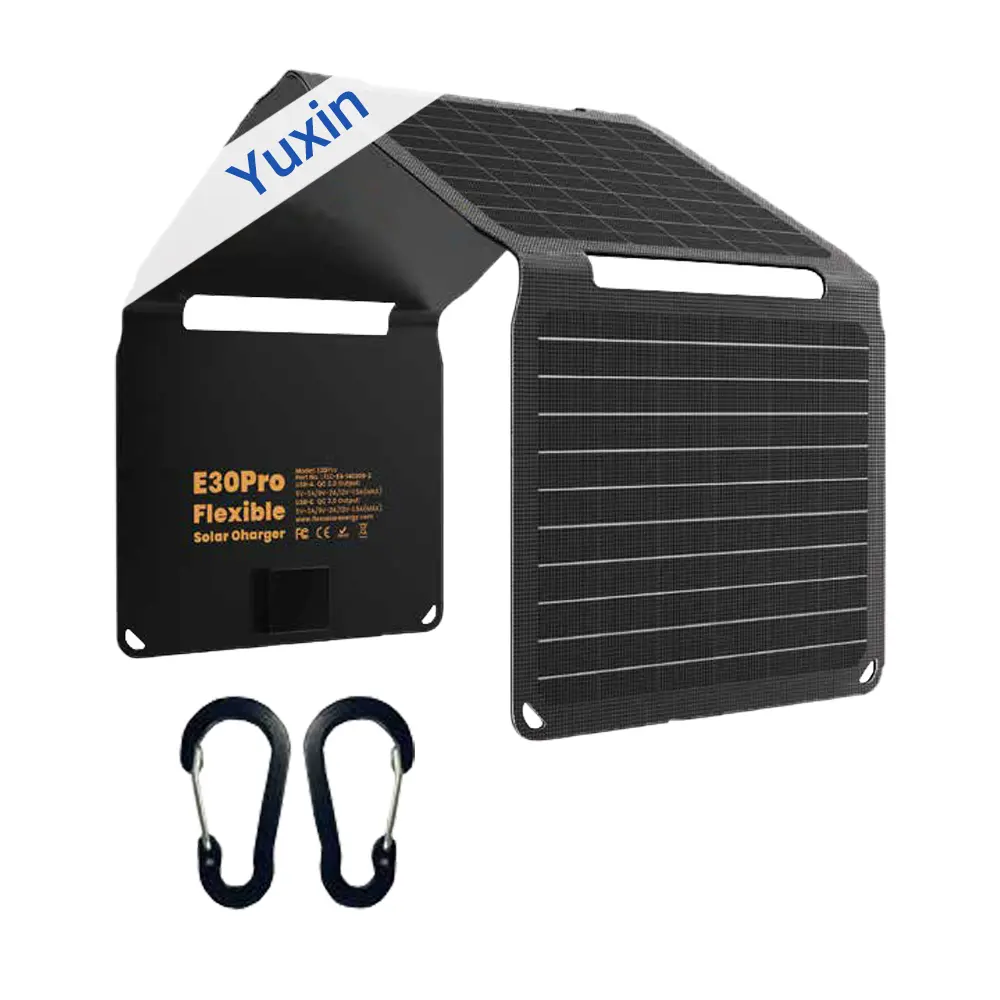
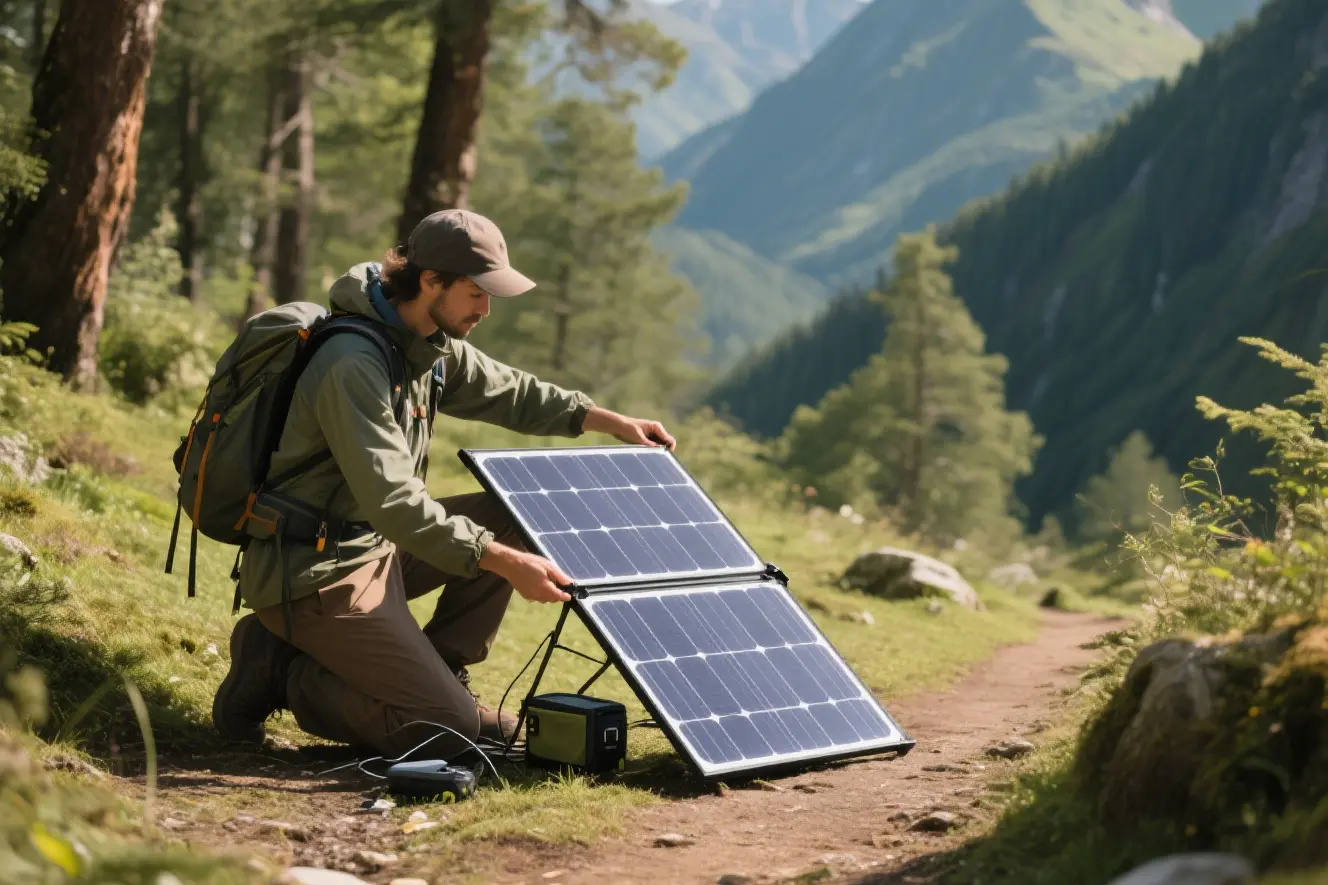
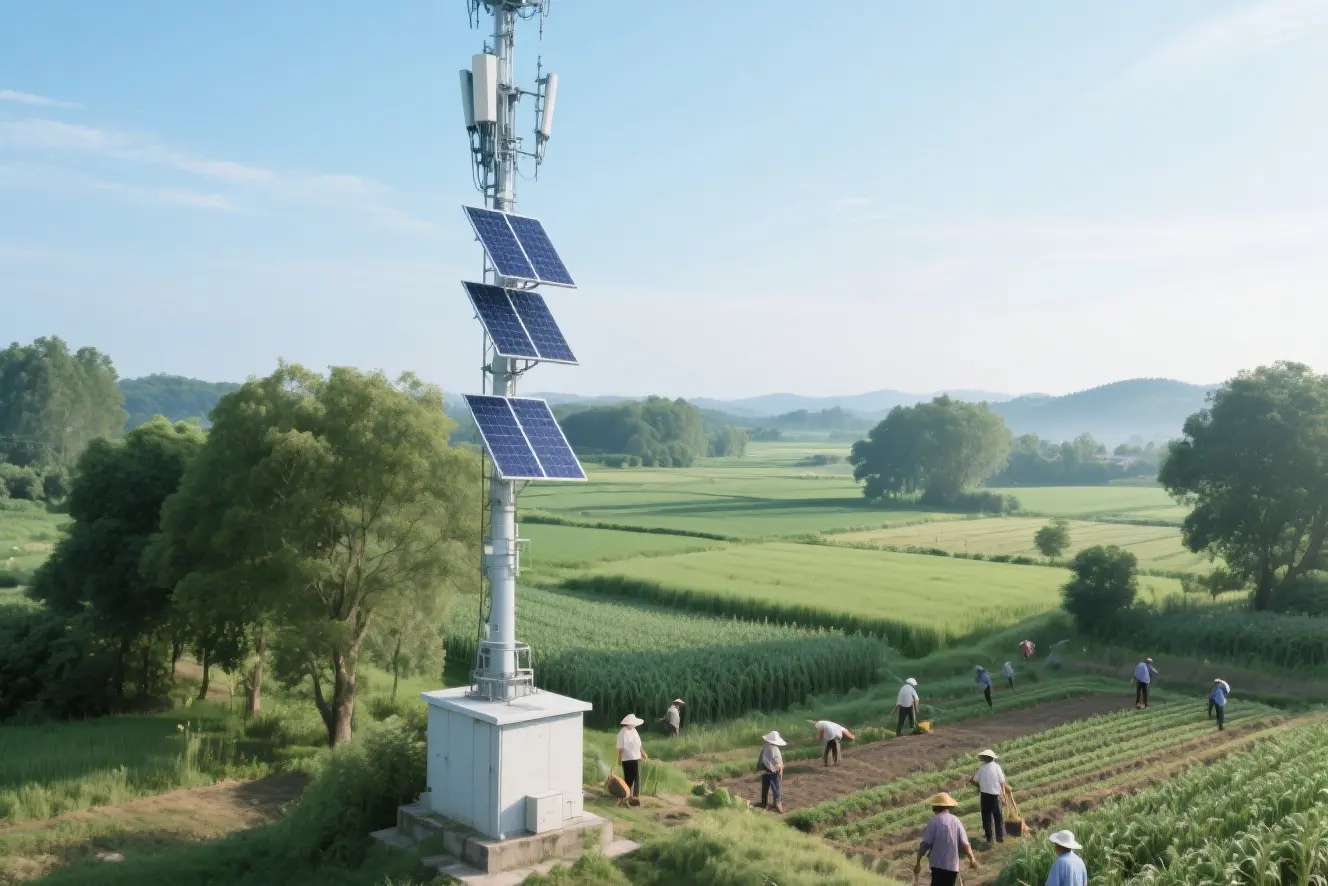
Utilizing advanced monocrystalline silicon cells, it achieves a high energy conversion efficiency of 24% for field exploration and desert telecommunication operations.
Request Wholesale Pricelist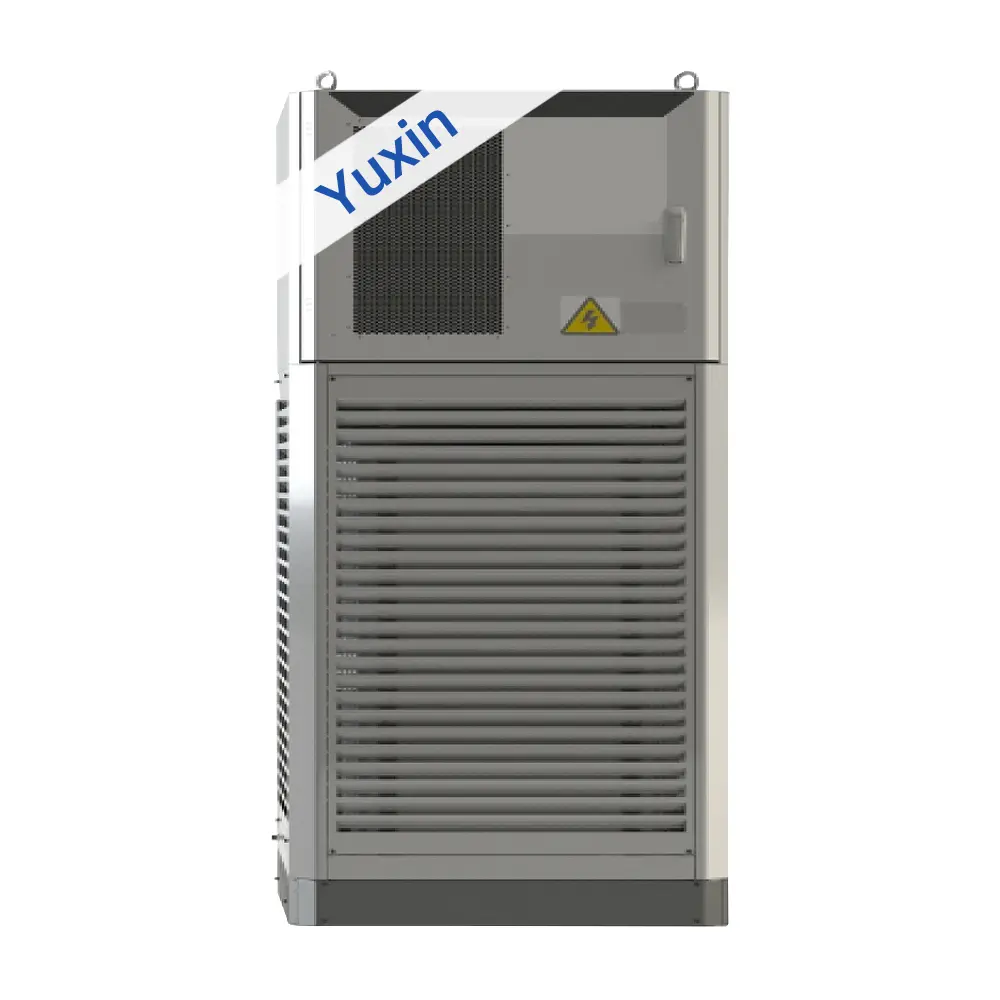
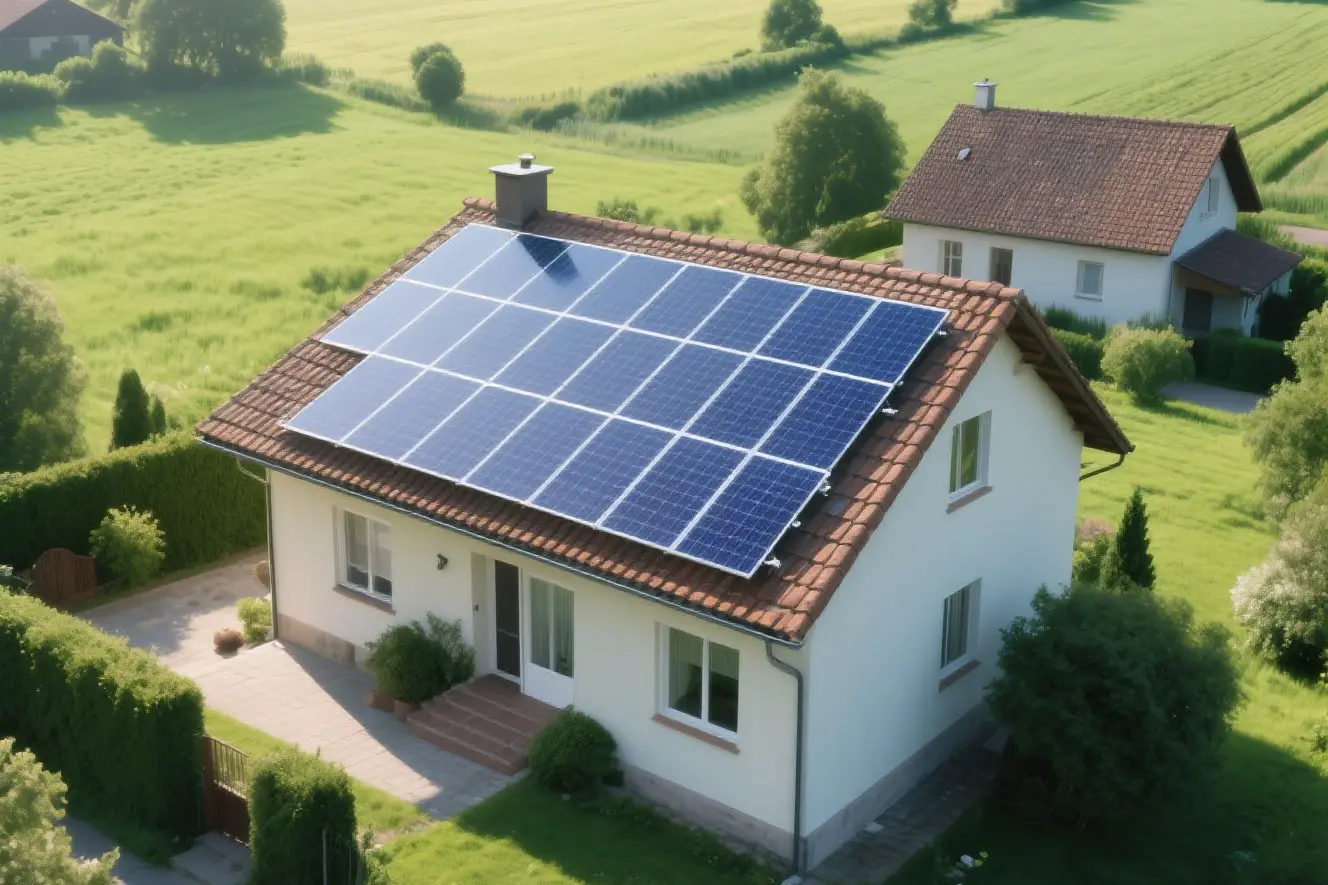
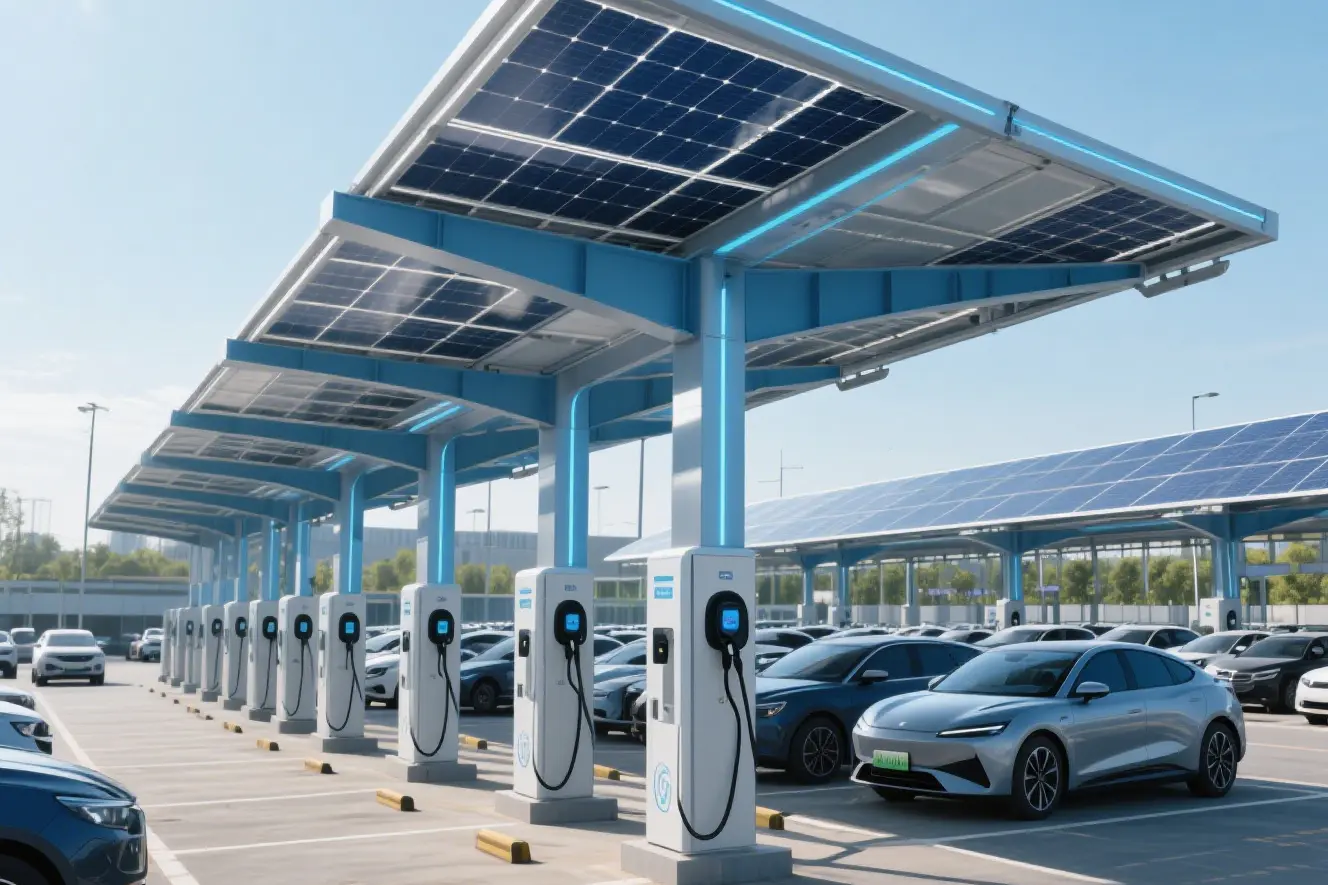
Multiple application modes including grid-tied, hybrid off-grid, and energy-storage configurations optimized for Doha's dynamic tariff structures.
Get Home System Cost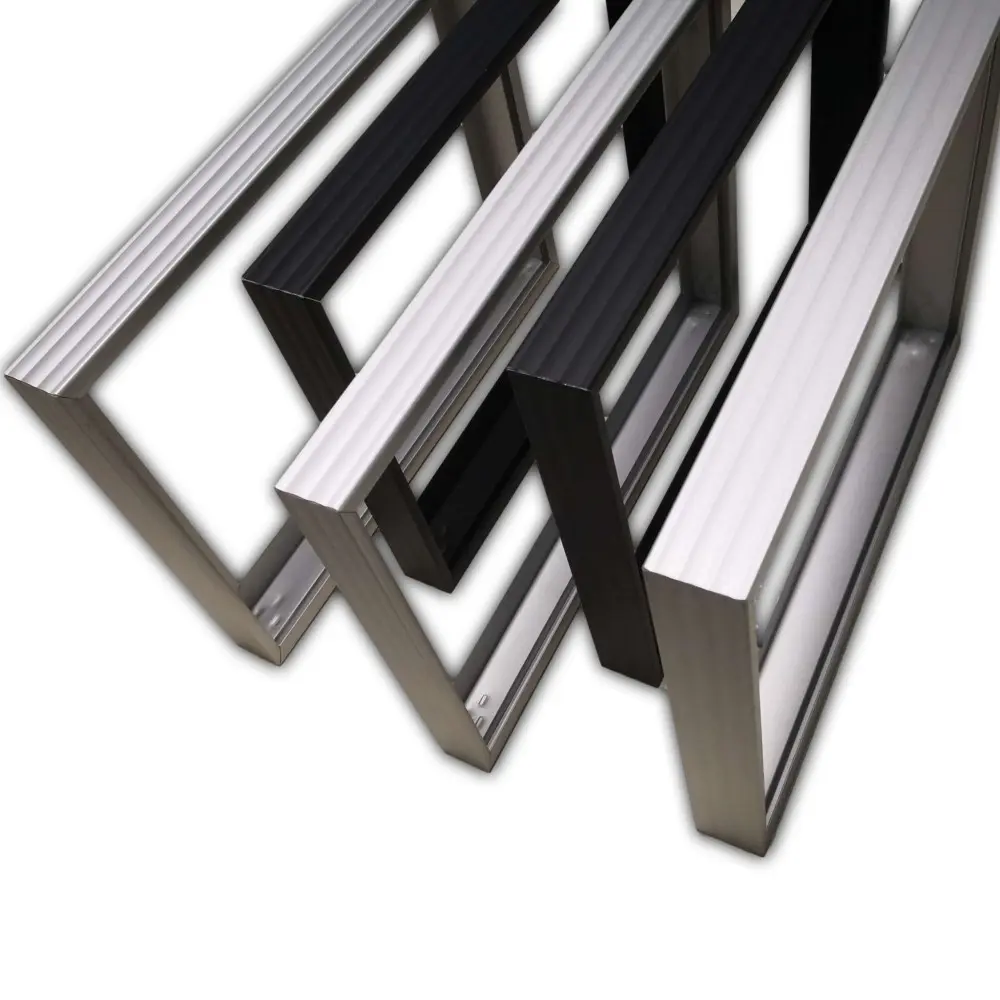
Made of premium 6063-T5/6005-T6 anodized aluminum, ensuring superior resistance to saline air, high humidity, and desert sandstorms.
Request Technical DrawingIn accordance with the Qatar National Vision 2030 and the National Environment and Climate Change Strategy (QNE), Qatar has committed to reducing its greenhouse gas emissions and diversifying its energy mix. Central to this strategy is the rapid adoption of solar photovoltaic (PV) systems across Doha and neighboring industrial areas like Mesaieed and Ras Laffan. Doha's solar landscape is unique: it experiences extremely high solar irradiance (global horizontal irradiance averages over 2,000 kWh/m² annually), but faces harsh environmental challenges such as severe dust accumulation (soiling), ambient temperatures exceeding 50°C, and high coastal humidity that accelerates material degradation.
For procurement managers, project developers, and EPC contractors operating in Doha, selecting the appropriate solar module components is not merely a matter of finding the lowest cost per watt. It requires a detailed calculation of the Levelized Cost of Energy (LCOE) under GCC conditions. Standard solar modules degrade rapidly when exposed to high ultraviolet radiation and high operating temperatures. This whitepaper analyzes pricing dynamics, technical requirements, and strategic sourcing options from Tier-1 China factories, offering localized solutions tailored for municipal, industrial, and utility-scale projects in Doha.
PV projects in Qatar must address three major environmental factors: high temperature coefficients, soiling degradation, and high humidity/salinity levels. Standard solar systems require structural and electrical modifications to guarantee a 25-to-30-year operational lifespan:
| Module Technology Type | Avg. Temperature Coefficient (Pmax) | Soiling Vulnerability Index | Bifaciality Factor Rating | Suitability for Doha C&I Projects |
|---|---|---|---|---|
| Standard Mono-PERC | -0.35% / °C | Medium-High | 70% ± 5% | Good (Cost-effective for moderate installations) |
| N-Type TOPCon (Double Glass) | -0.30% / °C | Low (Hydrophilic coated) | 80% ± 5% | Excellent (Recommended for optimal LCOE in Doha) |
| Heterojunction (HJT) | -0.26% / °C | Low | 85% ± 5% | Premium (Best performance, higher upfront cost) |
Utility-scale and distributed energy systems in Doha must comply with the strict connection standards set by Kahramaa (Qatar General Electricity & Water Corporation). This includes meeting specific power quality guidelines, grid synchronization rules, and safety protection requirements. All components must carry international certifications (such as IEC 61215, IEC 61730, and CE) and withstand harsh environmental stresses, verified through Salt Mist Corrosion Testing (IEC 61701) and Sand and Dust Testing (IEC 60068-2-68).
Delivering high-performance solar technologies to the global market with advanced automation and rigorous quality standards.
Founded in 2008, Yuxin has developed a diversified footprint in new energy manufacturing. Our main facility, Jiangsu Yuxin New Energy Technology Co., Ltd., is situated in Yangzhou with direct logistics links to major shipping ports. Recognized as a National High-tech Enterprise and listed among the top private enterprises in the region, the company specializes in manufacturing solar frames, structural mounting systems, and high-efficiency PV modules.
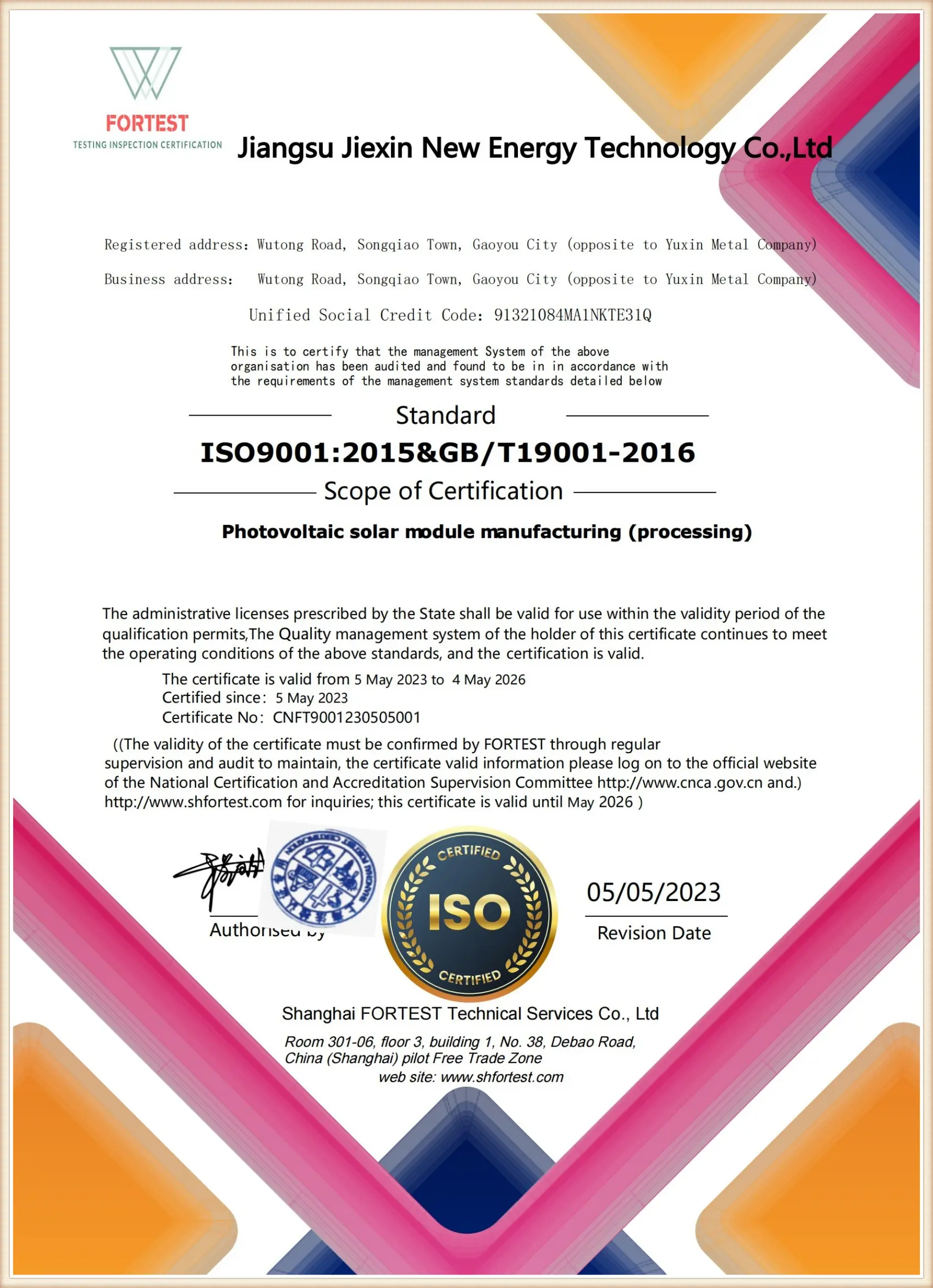
Our manufacturing and processing systems comply with ISO, CE, and international quality management standards to ensure field reliability.
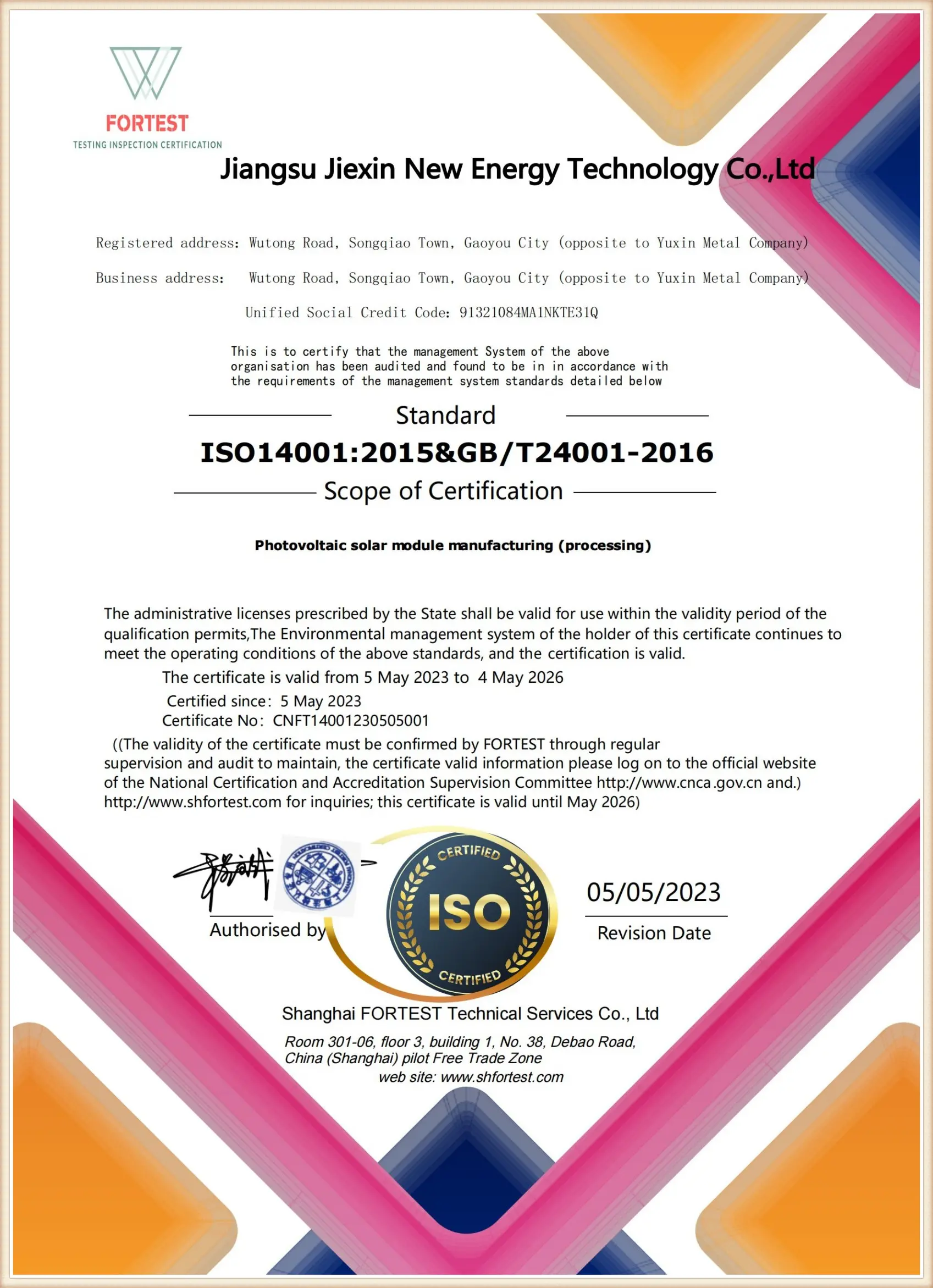
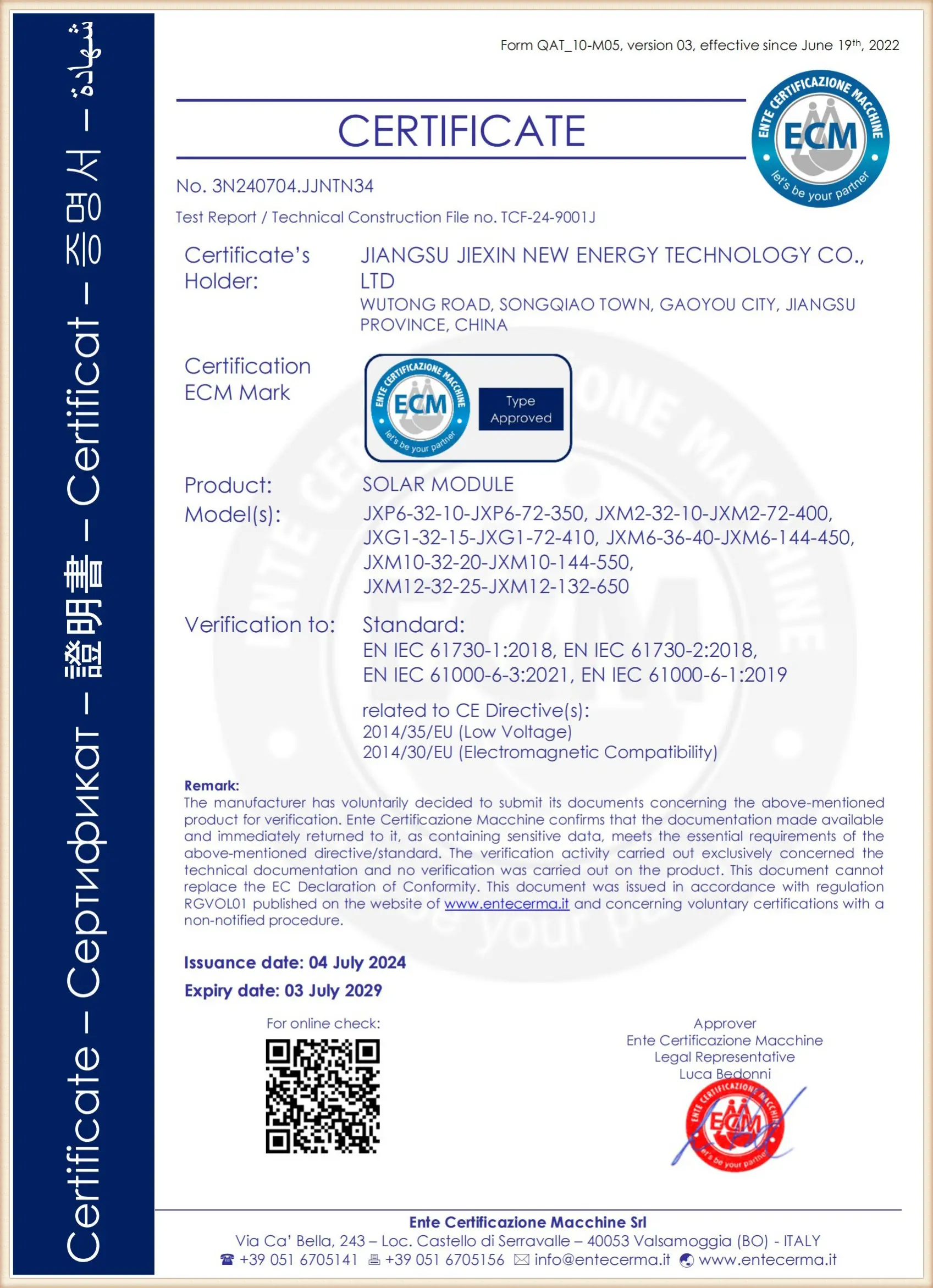
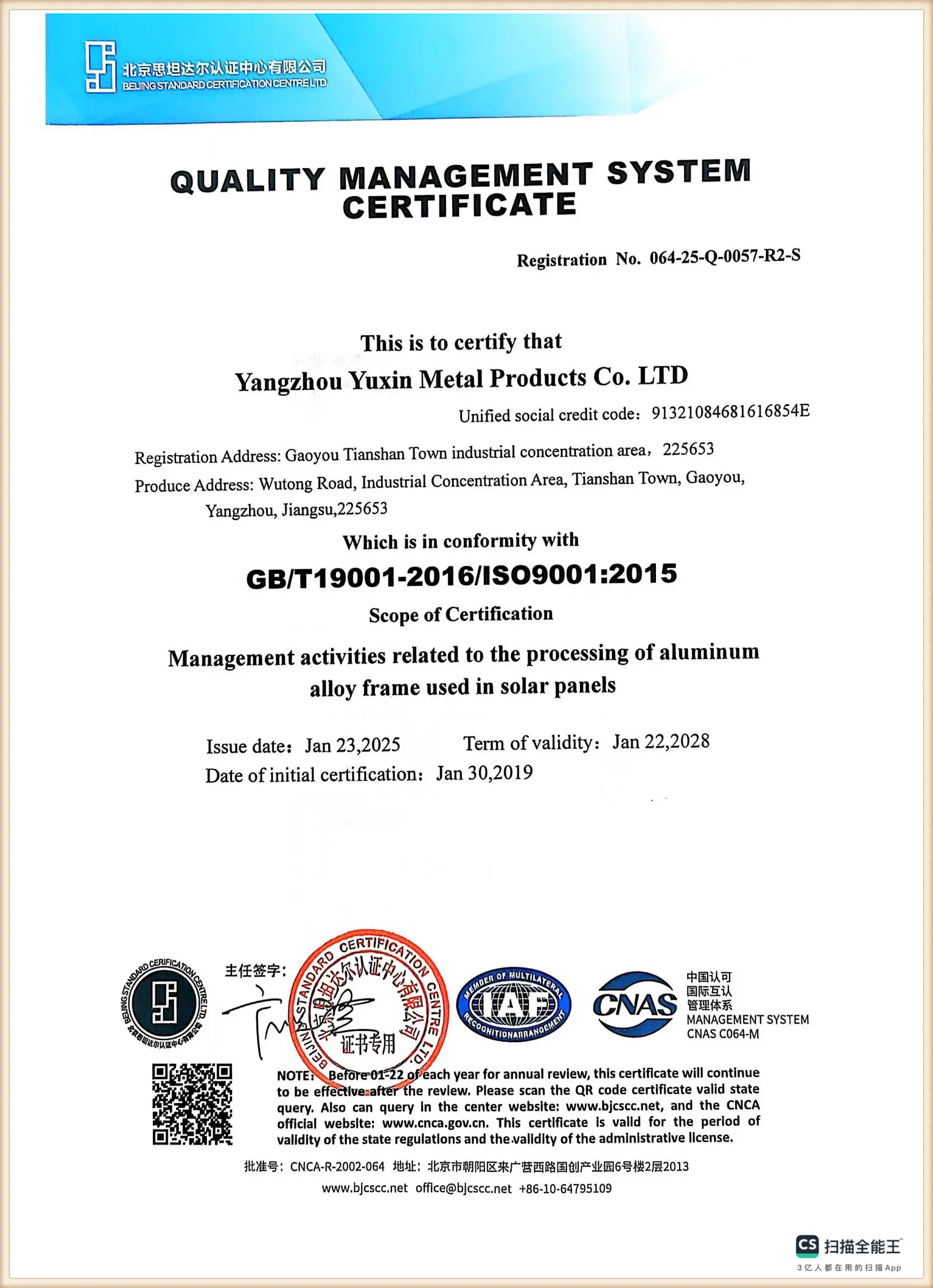
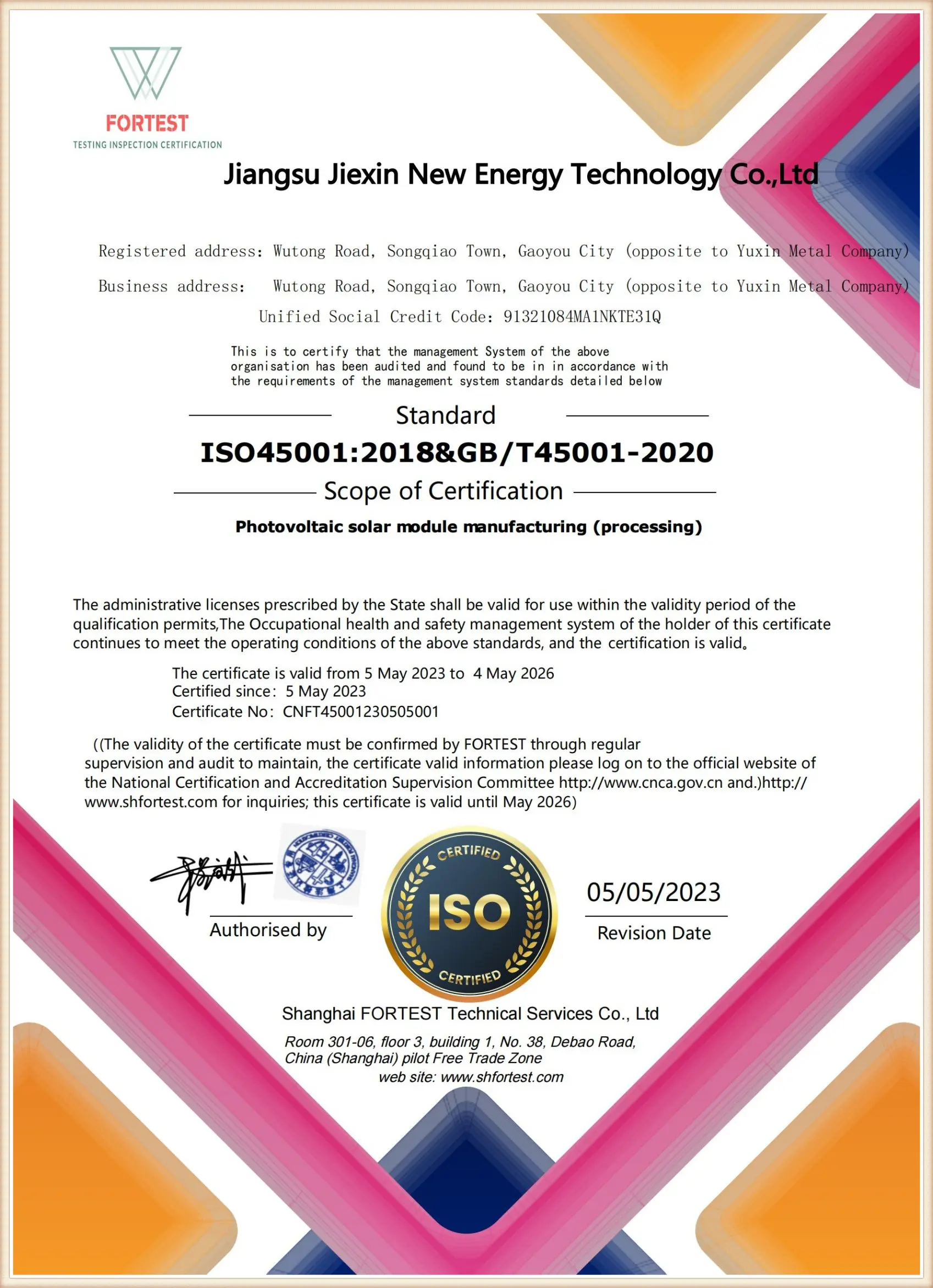

Sourcing directly from Chinese manufacturers provides significant advantages in terms of cost, capacity, and technology development. The Yangtze River Delta region is the world's largest industrial cluster for solar photovoltaics, offering unmatched integration of raw materials, silicon processing, and structural framing. By shipping directly to Hamad Port (Doha), we eliminate intermediary costs and optimize cargo configuration to minimize transport and handling fees.
Our logistics and supply chain systems offer several key benefits for large-scale operations in Doha:
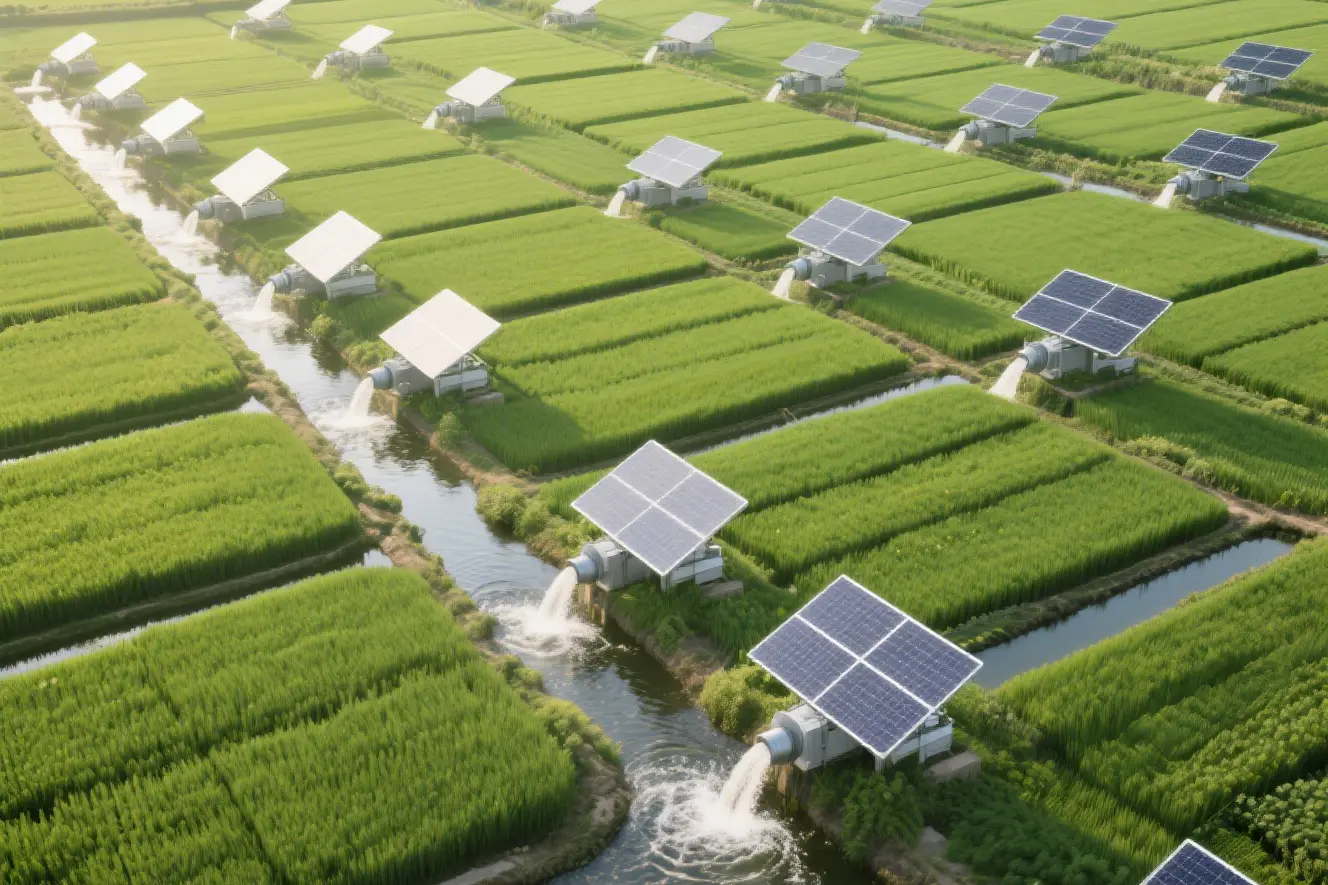
From commercial rooftops to agricultural projects, our customized systems are engineered to perform reliably across diverse settings in Qatar.
Explore technical analyses regarding structural designs, mounting frame requirements, and QA standards for Middle East installations.
Discover the key mechanical requirements, alloy composition, and anodization depths necessary to withstand salt air corrosion and physical wind loading.
Learn More →Practical advice for purchasing managers on assessing manufacturing equipment, quality management processes, and supply chain capacity.
Learn More →An in-depth look at typical inspection methodologies, thickness verification, tension limits, and packaging integrity standards.
Learn More →Select from our internationally certified components. Retaining original product configurations with specific optimization options for Middle East projects.
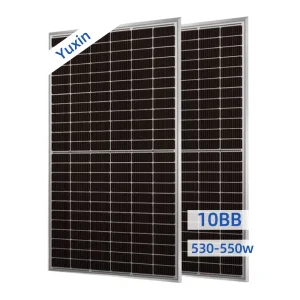
Designed for mid-to-large scale installations in industrial areas. Features high temperature resistance and optimized mechanical performance.
View Details & Request Quote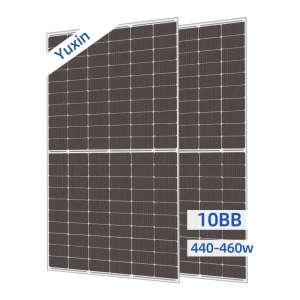
High value-to-cost configuration, suitable for commercial rooftop arrays and distributed energy projects requiring quick return on investment.
View Details & Request Quote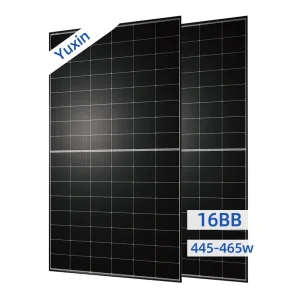
Premium N-type dual-glass structure with a black frame. Highly suitable for architectural integration and high-visibility urban projects.
View Details & Request Quote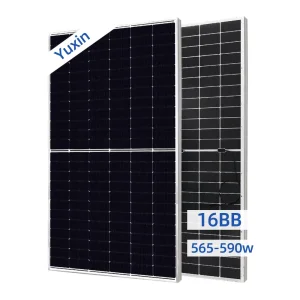
Utility-grade high-power module. Delivers improved performance under high temperature conditions, maximizing power generation per square meter.
View Details & Request Quote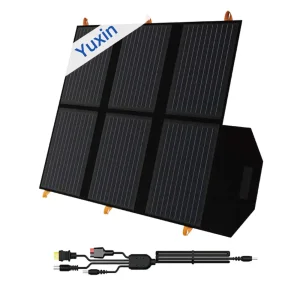
Designed for field operations, outdoor exploration, and utility inspection crews working in remote desert regions.
View Details & Request Quote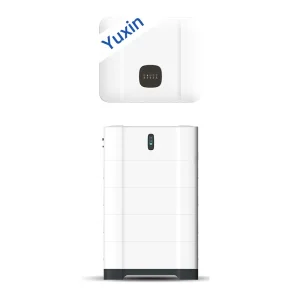
Integrated energy storage system designed to support residential loads, manage peak demands, and provide reliable backup power.
View Details & Request Quote
Non-conductive, pultruded composite framing materials designed to eliminate Potential Induced Degradation (PID) in high-temperature environments.
View Details & Request Quote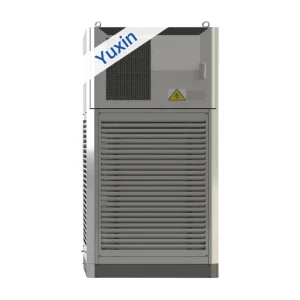
Scalable energy storage solution designed to support demand-charge management and local power distribution networks.
View Details & Request QuoteAddressing key engineering, regulatory, and logistics queries regarding solar component integration in the GCC region.
Doha's microclimate accelerates degradation via high ultraviolet (UV) exposure, thermal stress from extreme seasonal heat, and abrasive dust particles. High operating cell temperatures degrade standard PERC efficiency levels. To minimize this, we recommend N-type TOPCon modules with low temperature coefficients and robust dual-glass insulation to prevent moisture ingress in coastal areas.
Kahramaa requires all grid-connected inverters and solar PV modules to be certified by accredited laboratories to meet international standards (including IEC 61215 and IEC 61730). Systems must incorporate safety equipment such as rapid shutdown devices, specific anti-islanding protections, and harmonics controls. Our product configurations comply with these technical criteria to ensure a smooth grid integration process.
Coastal areas in Qatar combine high humidity with high salinity levels. Standard aluminum frames can experience galvanic corrosion if not properly treated. We offer 6063-T5/6005-T6 aluminum frames anodized to a thickness of >15μm, as well as advanced polyurethane pultruded composites that are inherently non-corrosive and non-conductive, minimizing potential induced degradation (PID).
Our typical manufacturing lead time for standard industrial sizes ranges from 15 to 20 days. Transit time via direct maritime shipping lines from major Chinese ports (such as Ningbo or Shanghai) to Hamad Port in Doha is approximately 22 to 28 days. In total, clients should allocate roughly 45 to 55 days from order confirmation to port arrival.
Dust accumulation (soiling) is a key factor affecting yield in desert areas. It can be addressed through design choices and maintenance programs: utilizing dual-glass bifacial modules that catch ground-reflected light, choosing panels with anti-soiling hydrophilic coatings, and setting up automated dry-cleaning robotic systems or routine washing schedules to maintain efficiency.
For import clearance, the consignee in Qatar must provide a commercial invoice, a detailed packing list, a Certificate of Origin (often legalized), a Bill of Lading, and conformity certificates for electrical equipment. Sourcing from certified manufacturers simplifies this compliance process, helping to avoid port delays.
Doha's sandy desert surfaces have a high albedo (reflectivity) rating, typically between 0.30 and 0.40. Bifacial solar modules generate power from both sides, capturing this reflected light on the rear surface to increase energy output by 15% to 25% compared to monofacial panels, depending on mounting height and ground conditions.
Our factory performs comprehensive testing throughout the manufacturing process, including multiple Electroluminescence (EL) imaging checks to detect micro-cracks, mechanical load testing, salt mist corrosion tests, sand/dust exposure tests, and precise coordinate measurements for frame profiles to ensure exact dimensions.
Get in touch with our engineering team for customized mechanical designs, detailed technical specifications, and bulk pricing quotes for your next project in Qatar.
Send Inquiry Now