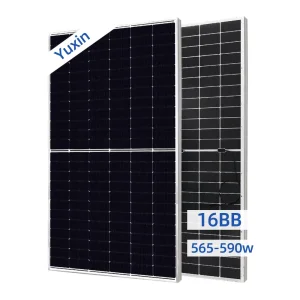
Engineered for high-yield performance in high-ambient-temperature, maritime-damp, and dust-prone Togolese environments.
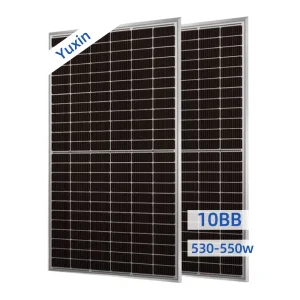
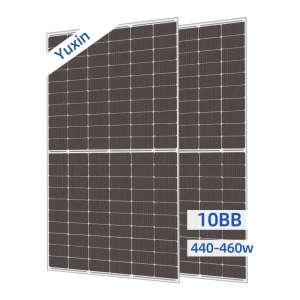
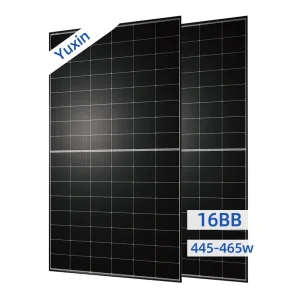
The Republic of Togo is experiencing a rapid energy transition, driven by the government's ambitious strategy to achieve 100% electricity access by 2030 (as outlined in the National Development Plan and the CIZO initiative). Historically dependent on biomass and energy imports from neighboring countries like Ghana and Nigeria, Togo's national utility, CEET (Compagnie d'Energie Electrique du Togo), is prioritizing decentralized photovoltaic (PV) generation to secure supply, stabilize the grid, and drive down localized electricity tariffs.
Togo enjoys excellent solar resources, with global horizontal irradiance (GHI) ranging from 4.8 kWh/m²/day in the southern coastal regions (near Lomé) to over 5.8 kWh/m²/day in the northern Savanes region. However, deploying solar arrays in Togo requires deep engineering adaptations. Coastal areas encounter high relative humidity, high salt spray (marine environments), and elevated temperatures that increase the risk of Potential Induced Degradation (PID) and accelerated backsheet weathering. Conversely, northern regions face intense dry dust loads (harmattan winds) and high ambient temperatures that raise the operating temperature of cells, resulting in heat-induced power losses.
By implementing advanced monocrystalline PERC (Passivated Emitter and Rear Cell) and N-Type TOPCon (Tunnel Oxide Passivated Contact) technologies, project developers can offset temperature-induced efficiency drops, optimize the Levelized Cost of Energy (LCOE), and guarantee long-term generation reliability.
The Togolese Ministry of Energy and Mines, through AT2ER (Agence Togolaise d’Electrification Rurale et des Energies Renouvelables), has established favorable framework conditions, including customs duty exemptions for imported solar panels, inverters, and battery systems. These tax incentives have reduced the capital expenditures (CAPEX) for grid-scale and industrial solar installations across Lomé, Kara, and Sokodé.
With Togo's urban grids suffering from voltage drops and load-shedding, large commercial and industrial (C&I) facilities are turning to hybrid solar-diesel-battery setups. Integrating smart battery storage systems ensures continuous operation of critical industrial processes while reducing diesel consumption by up to 65%.
Optimized solar system topologies designed for West Africa's leading industries, from coastal shipping hubs to inland agricultural centers.

Deploying off-grid solar-powered water pumping systems in the Savanes and Kara regions. Utilizing monocrystalline panels to drive high-capacity submersed pumps, replacing diesel generators for sustainable, year-round farming.
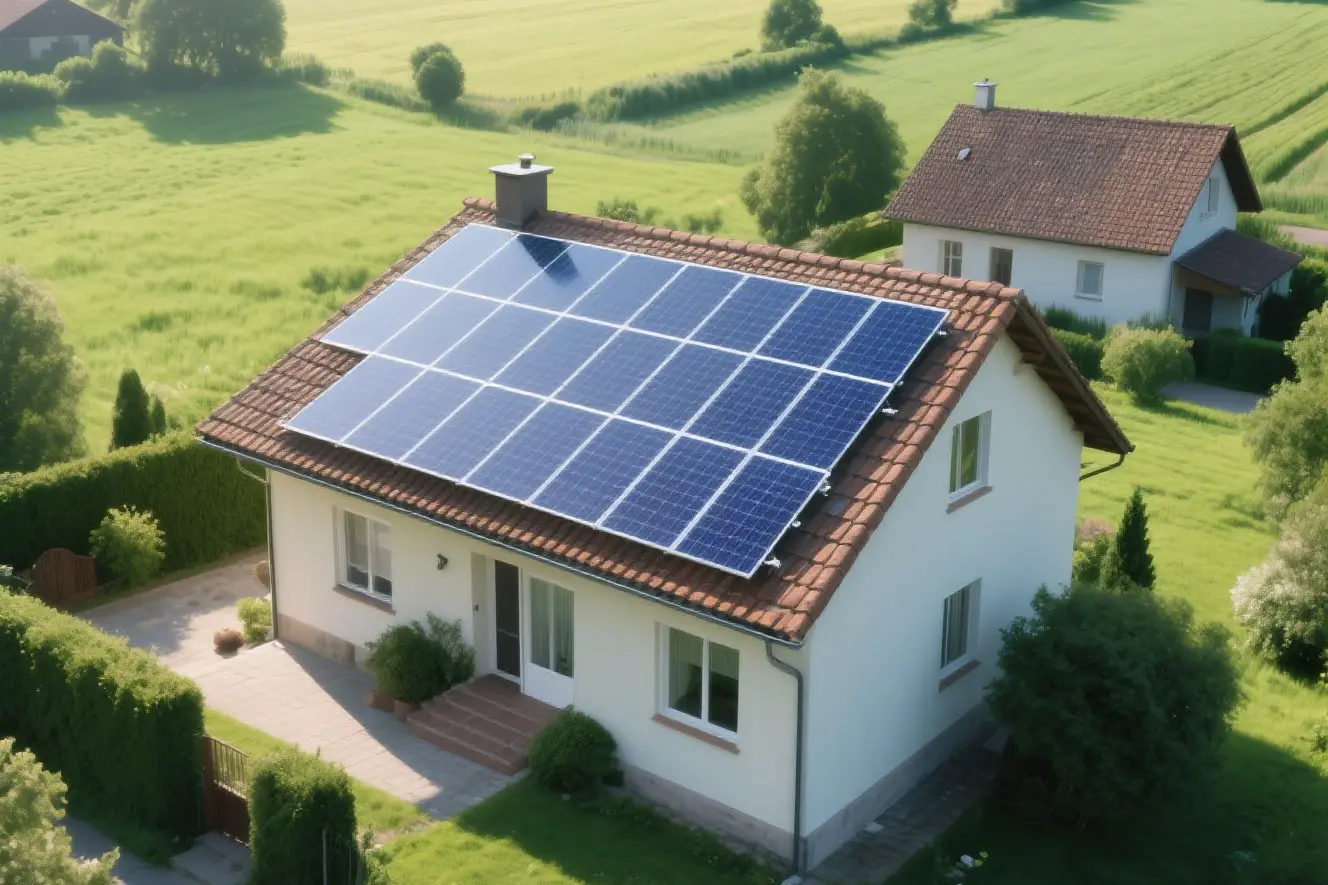
Rooftop grid-tied PV systems for logistics centers and free-zone industrial complexes in Lomé Port area. Reduces reliance on volatile grid tariffs while supplying peak load during daytime operational hours.
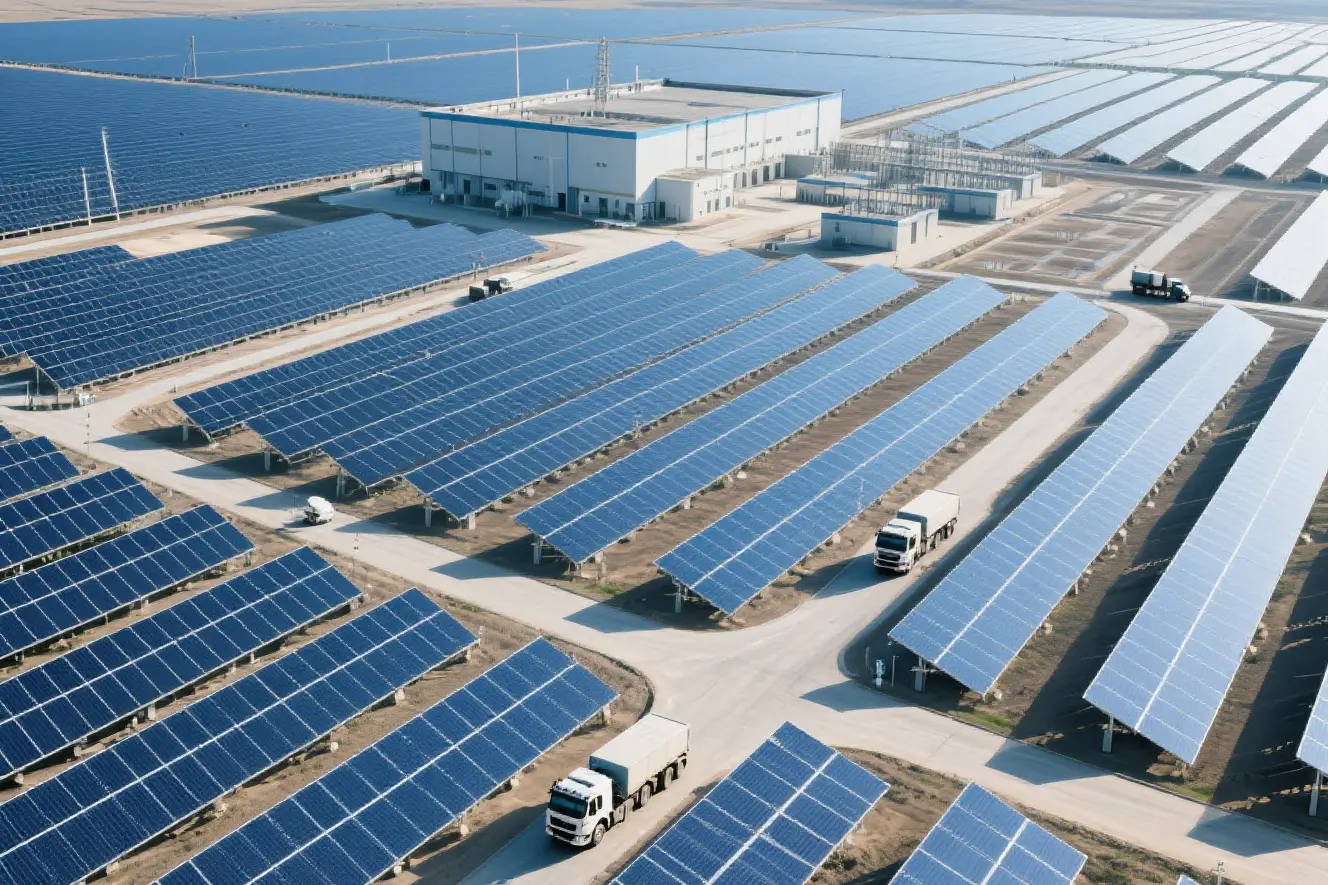
Megawatt-scale PV microgrids paired with modular commercial energy storage systems (BESS) for phosphate mining operations near Hahotoé, ensuring reliable grid stability and reducing carbon footprint.
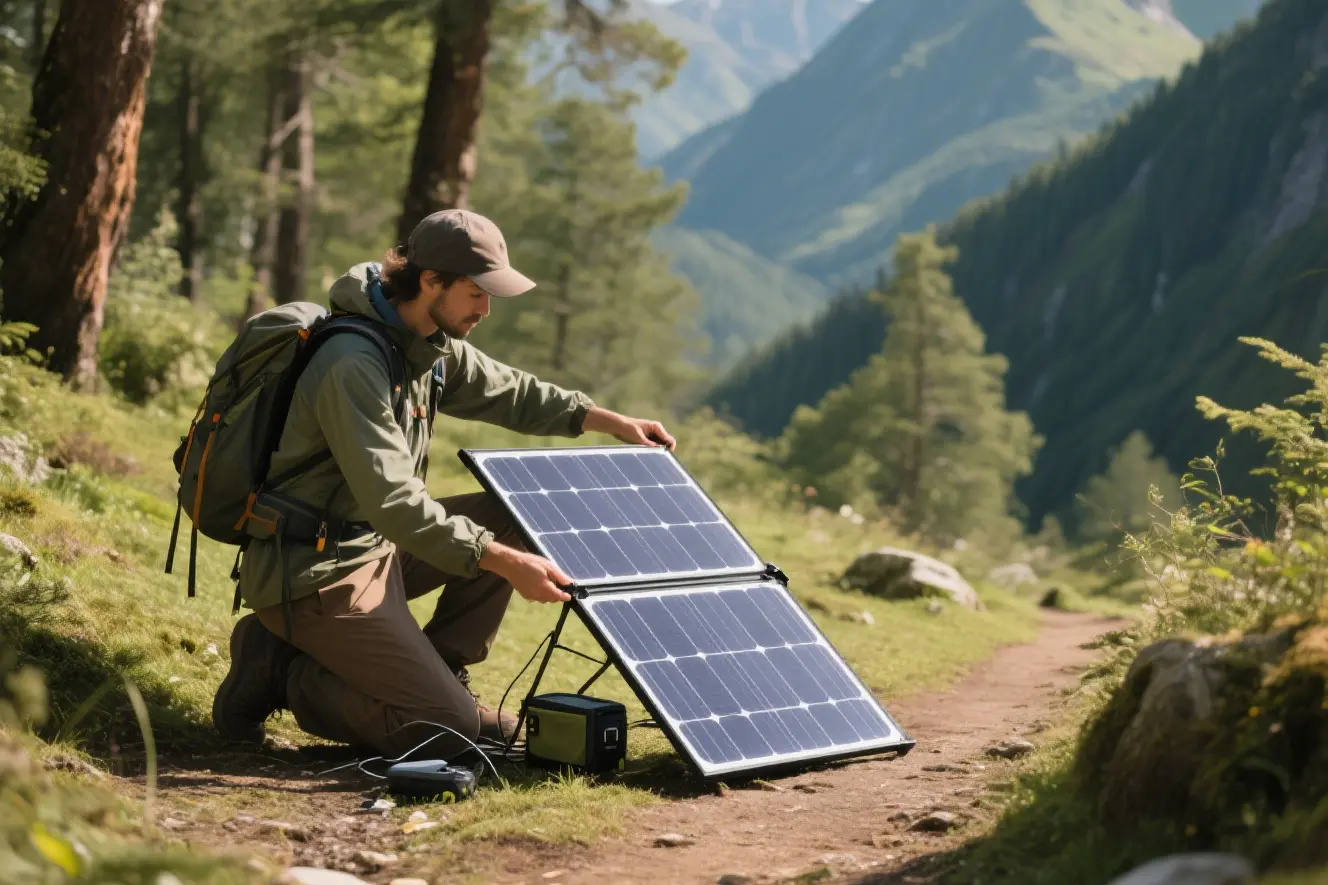
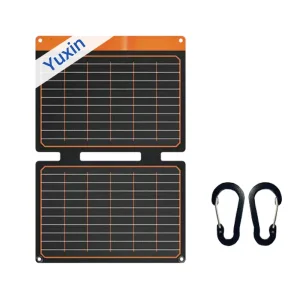
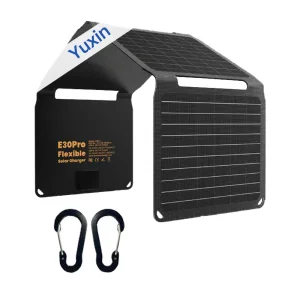
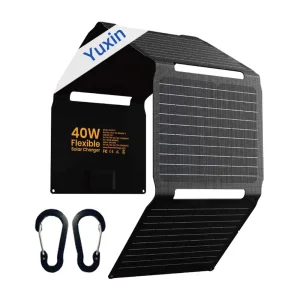
Integration of high-efficiency solar hiking backpacks and portable chargers for remote rural development workers, medical clinics, and off-grid field operations across remote regions.

Reliable power supplies for rural telecom base stations (BTS) managed by Togo Cellulaire and Moov Togo. Features hybrid battery storage to eliminate network downtime caused by regional power outages.
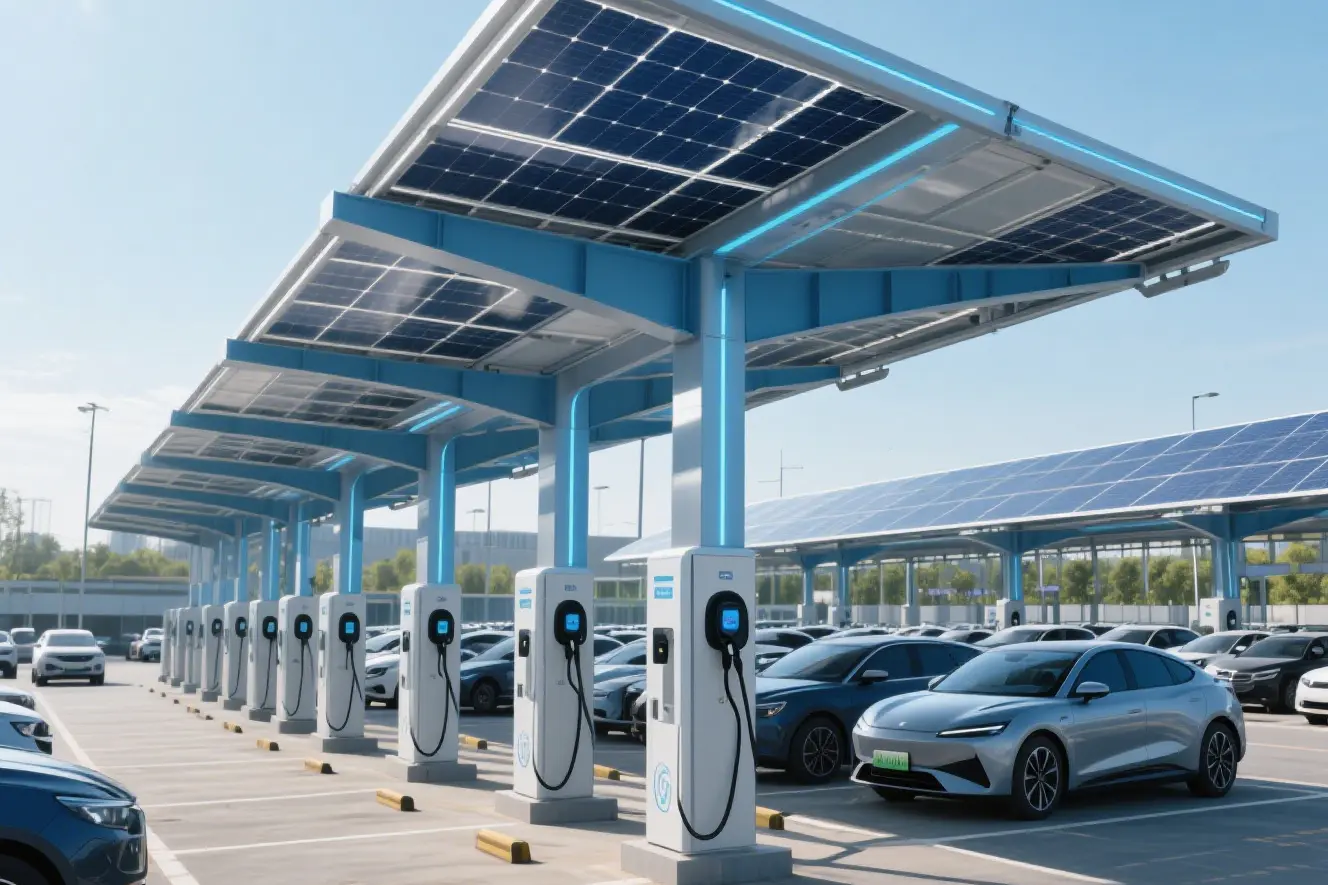
Solar street lighting and municipal mini-grids in urban fringes and rural market towns, supporting economic growth, community safety, and local commercial activities after dark.
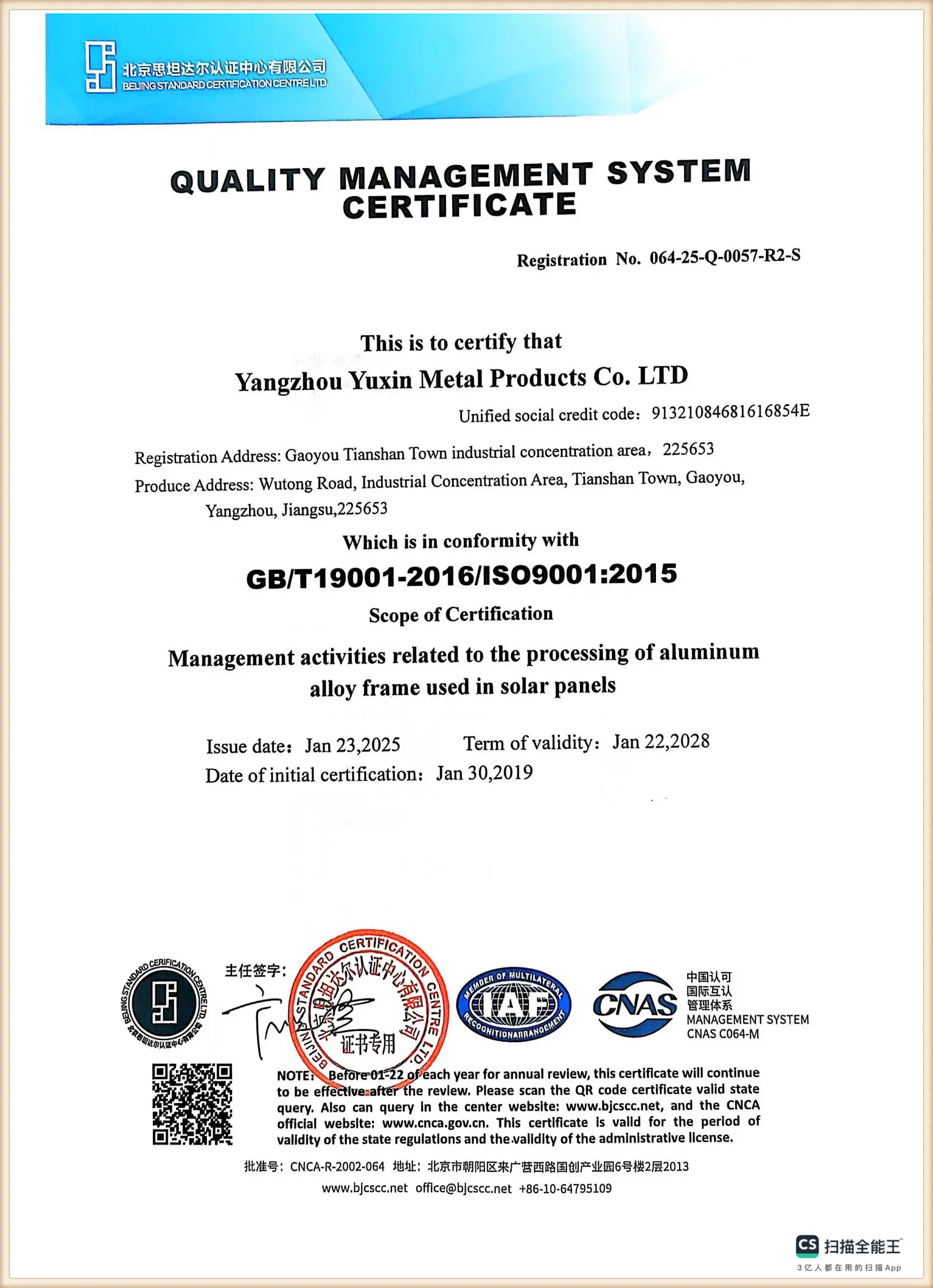
Jiangsu Yuxin New Energy Technology Co., Ltd. (YUXIN Group) was established in 2008 and has developed into a leading global clean energy manufacturer. Headquartered in the ancient cultural city of Yangzhou, China, close to the Beijing-Shanghai Expressway and deepwater ports, the group manages 14 specialized multi-field companies. Named as a National High-tech Enterprise and a top private enterprise, YUXIN has built a robust supply chain that delivers high-performance solar panels, structures, and storage solutions worldwide.
We supply high-efficiency photovoltaic materials to EPC developers, distributors, and governmental institutions across West Africa, focusing heavily on Togo, Benin, and Ghana. With a daily manufacturing volume that guarantees swift lead times, our systems represent the ideal fusion of advanced materials technology and robust structural stability.
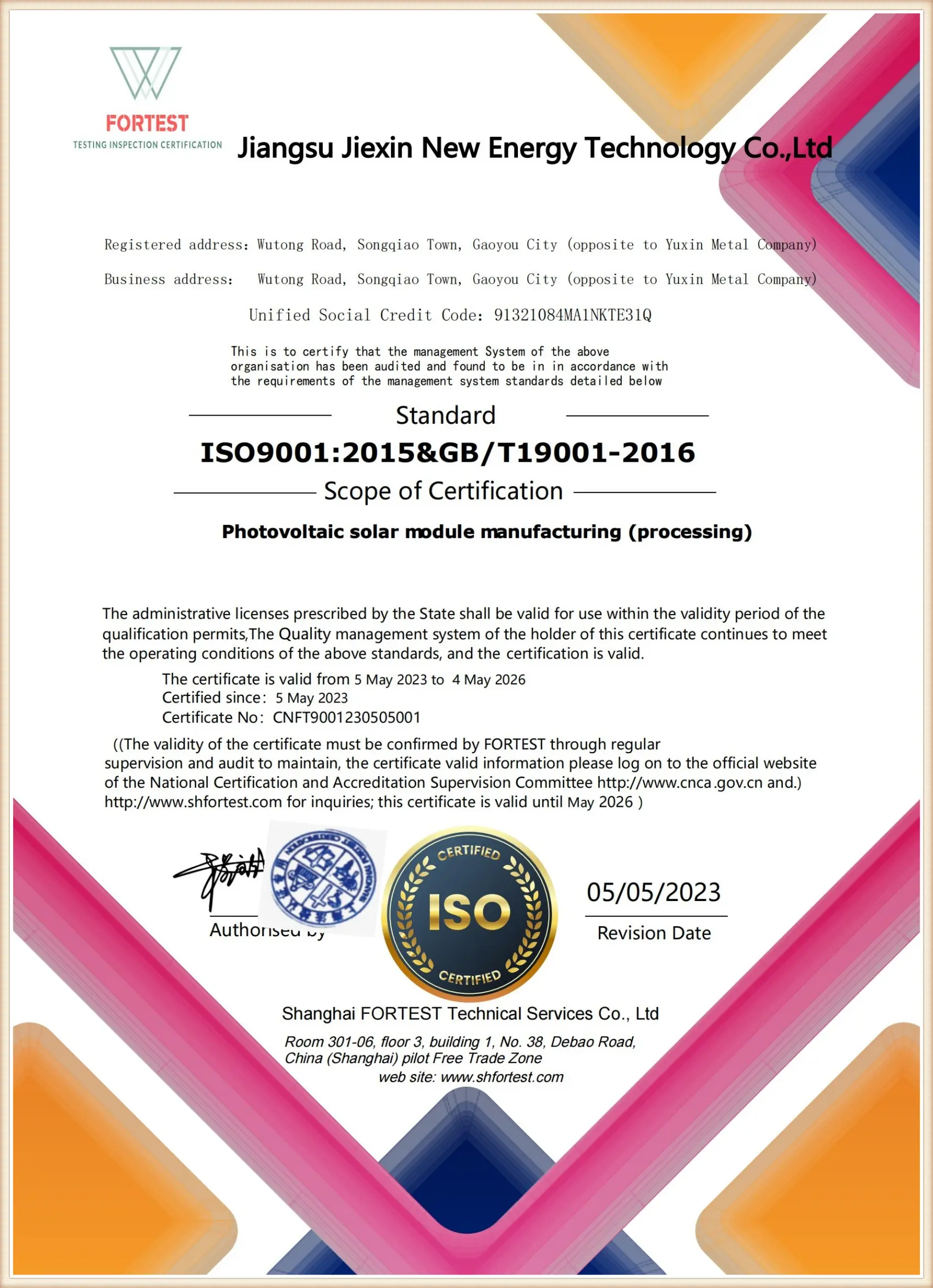
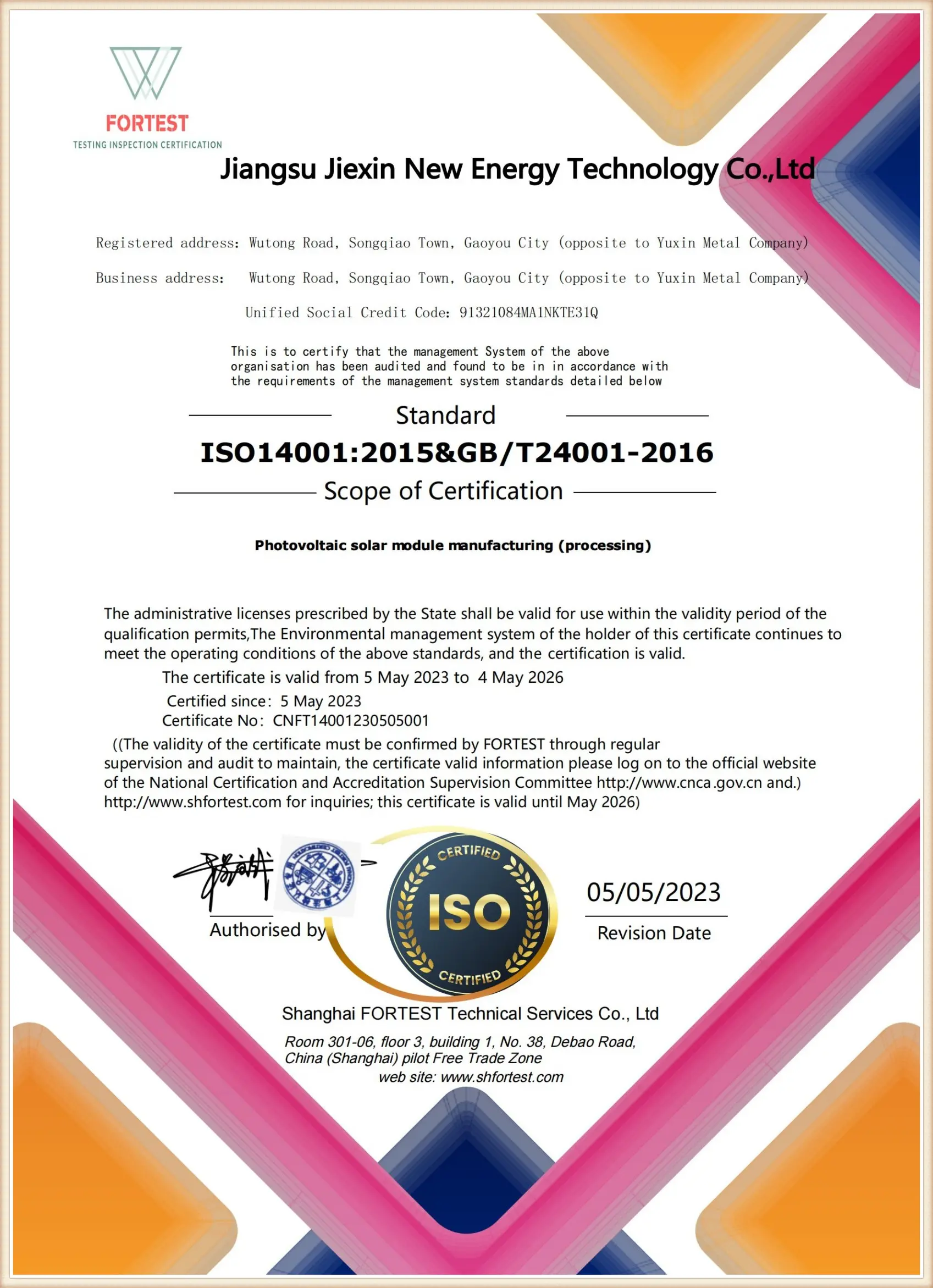
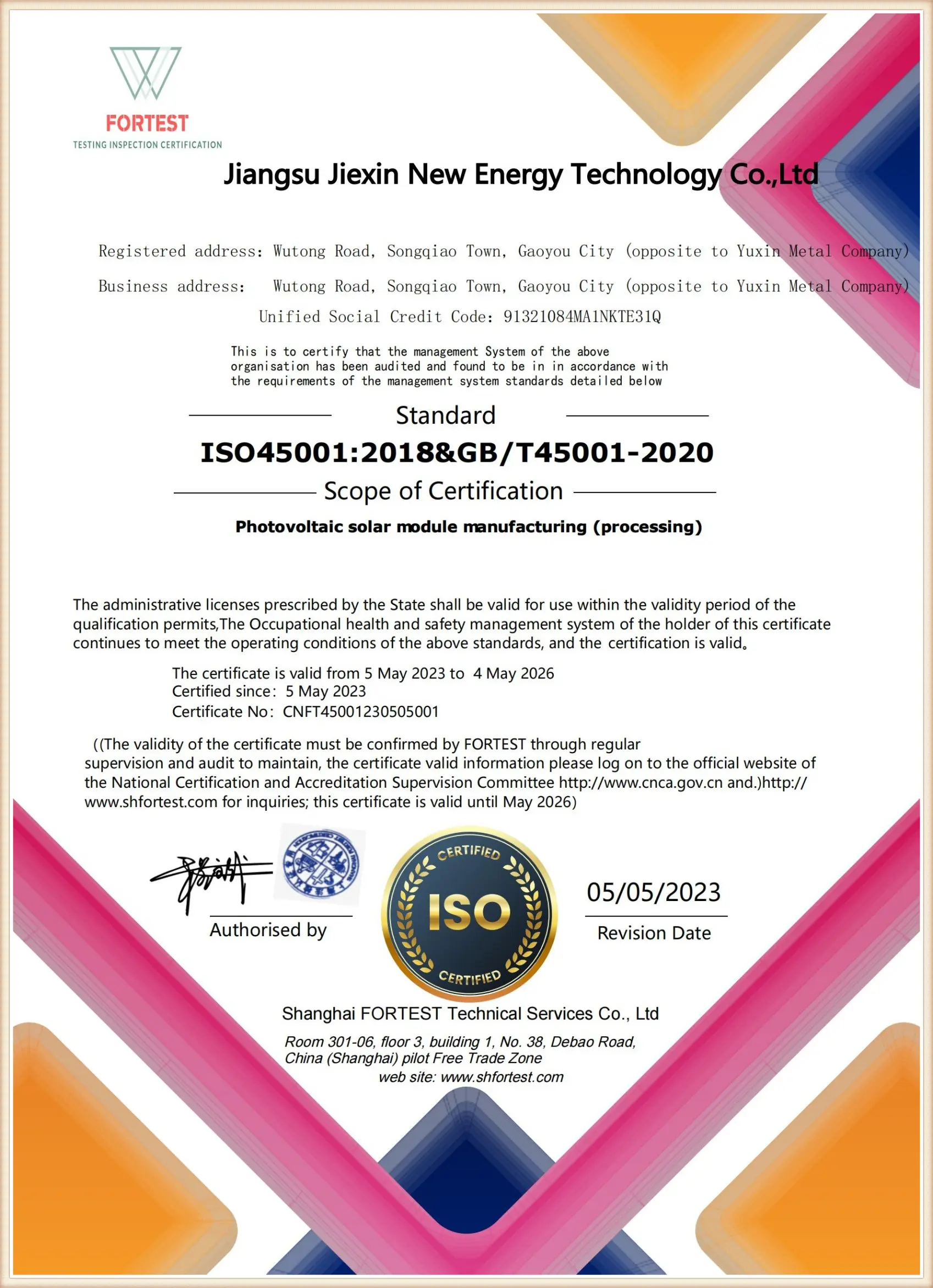
Tested under rigorous environments to guarantee international standard performance, matching AT2ER requirements in Togo.
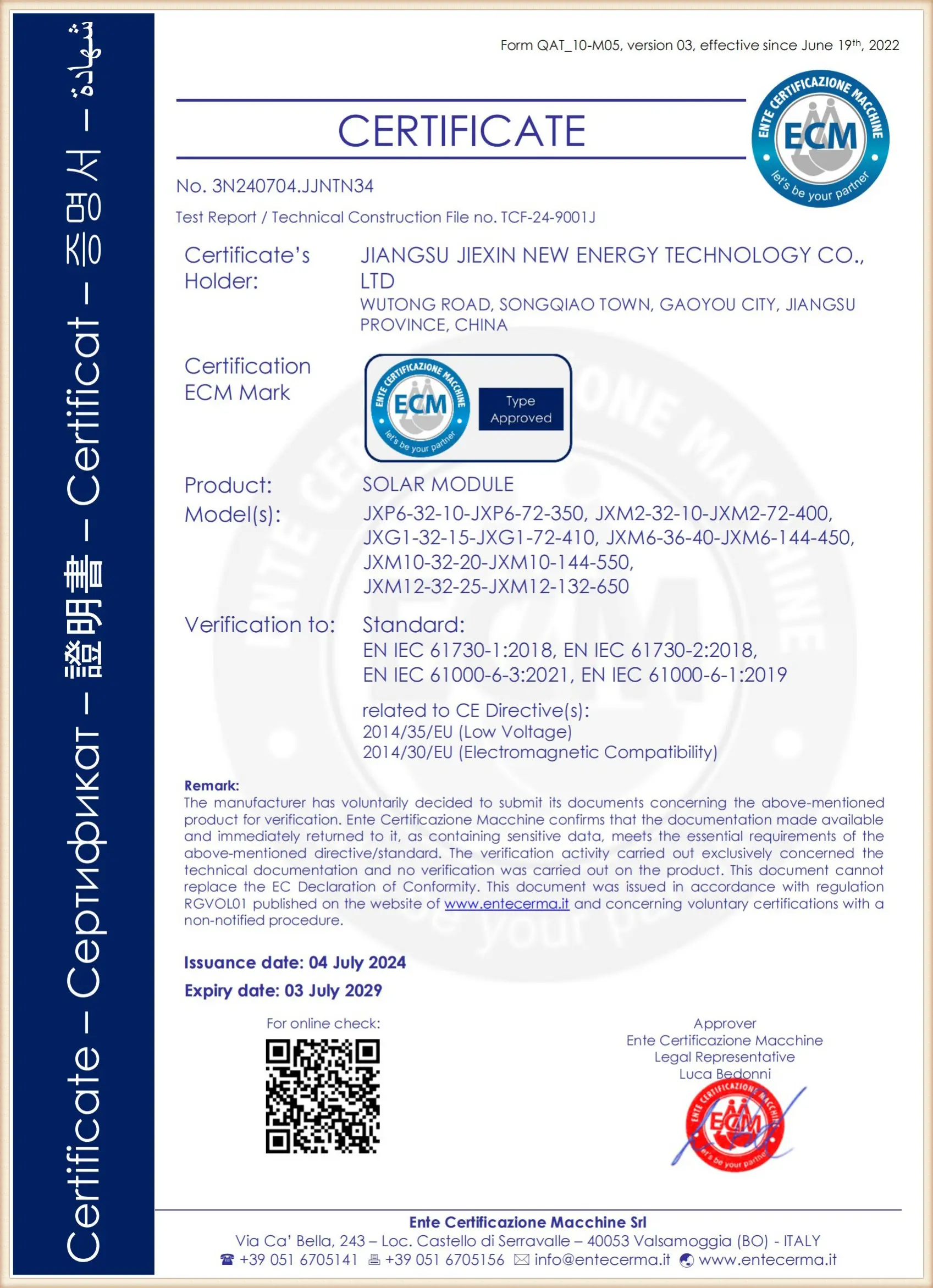
Determining the actual solar panel price in Lomé or other inland locations in Togo involves analyzing several distinct hardware components, logistics rates, and technology classes. Understanding this breakdown helps distributors and developers optimize procurement costs:
How next-generation material innovations are lowering LCOE in high-irradiance, harsh-weather zones.
TOPCon cells utilize an ultra-thin silicon oxide layer combined with heavily doped polycrystalline silicon. This design dramatically minimizes surface recombination, elevating theoretical cell efficiency limits beyond 28%. In Togo's high ambient temperatures, TOPCon modules operate cooler and maintain higher output voltage than traditional P-type panels.
Polyurethane composite frames represent a major materials breakthrough. Unlike aluminum, polyurethane pultruded composites are non-conductive, completely eliminating Potential Induced Degradation (PID) without requiring grounding. They are highly resistant to acid, alkali, and high-salinity air found in coastal Togo.
Bifacial panels capture light on both sides. In sandy northern Togo, where the soil (albedo effect) reflects significant sunlight, the rear side of a bifacial dual-glass module can generate an additional 10% to 25% power. Dual-glass encapsulation also withstands abrasive harmattan wind-blown sand.
Explore our full range of certified PV panels, structural composite components, energy storage units, and portable solar accessories.
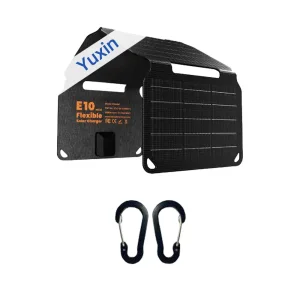
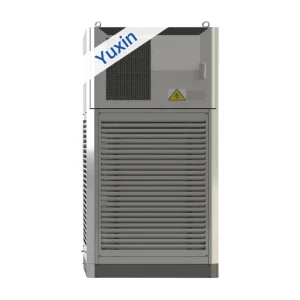
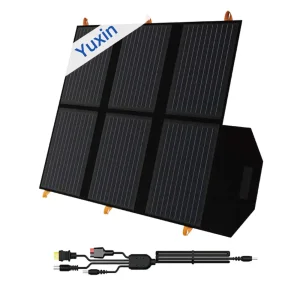
Yuxin works in close cooperation with leading EPC contractors, utilities, and developers to implement tier-1 PV infrastructure.

Insights into solar component design, frame manufacturing standards, and quality control systems.
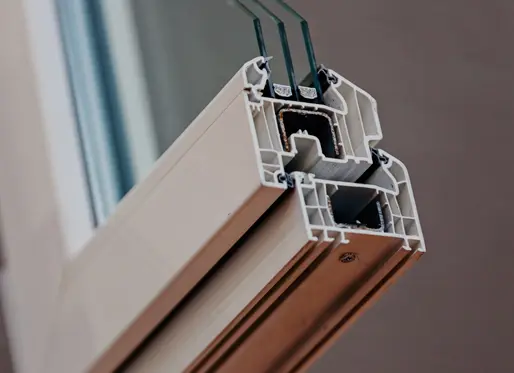
Discover the engineering differences between standard aluminum, anodized frames, and next-generation composite structures...
Read Article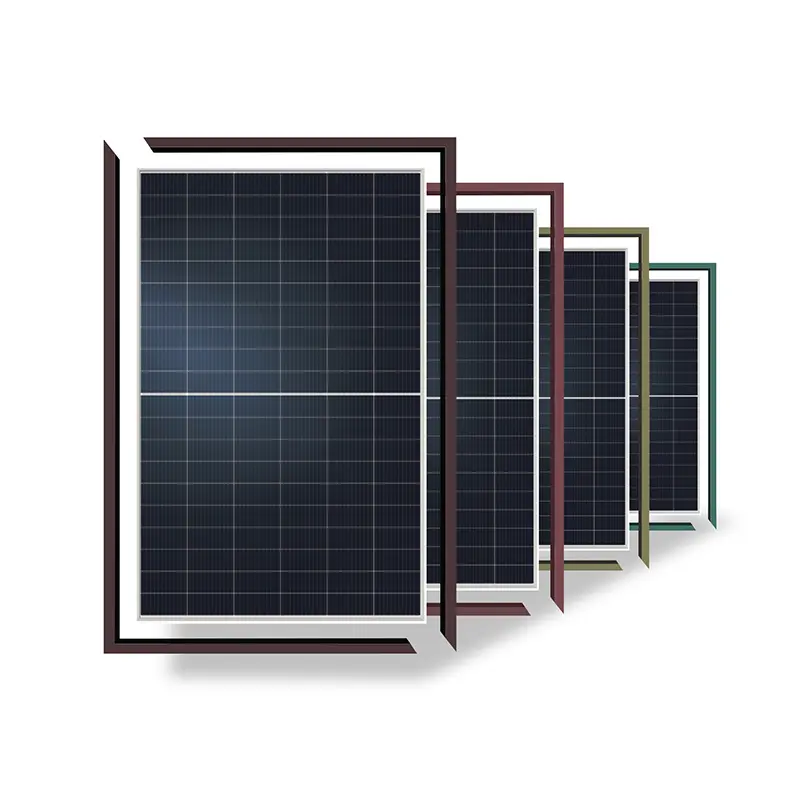
A procurement guide for international developers sourcing structural materials with strict UL, TUV, and ISO compliance...
Read Article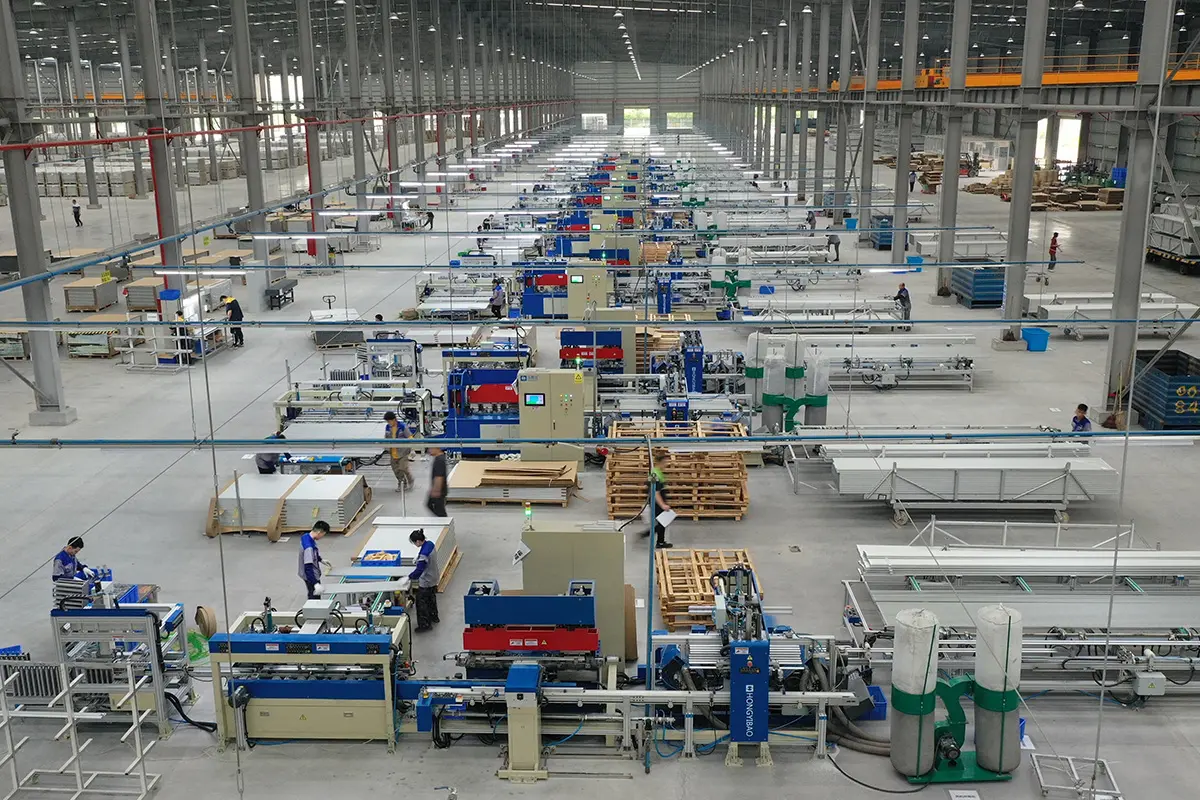
Analyzing tensile strength testing, corrosion resistance evaluations, and mechanical load limits for photovoltaic frames...
Read ArticleExpert engineering answers on solar module procurement, customs, local specifications, and installation in West Africa.
Typically, sea freight from Shanghai or Ningbo ports to the Port of Lomé takes between 35 and 45 days. Manufacturing lead times depend on order volume but generally range from 15 to 20 days for custom module dimensions or frame requests.
Yes. Under Togo's current renewable energy law framework managed by AT2ER, primary solar components (including solar modules and battery storage cells) are eligible for VAT and customs duty exemptions, provided they meet international safety standards (such as CE, IEC, or TUV) and are imported by registered renewable energy companies.
For northern Togo (regions like Savanes and Kara), N-Type TOPCon is highly recommended. The region exhibits high temperatures and strong reflections from dry soil. TOPCon's superior temperature coefficient (-0.30%/°C) ensures lower thermal losses during mid-day peak sunshine, and its higher bifaciality factor (up to 85%) captures more reflected light from the sandy ground.
In coastal areas like Lomé, the atmosphere contains high levels of moisture and salt. Traditional aluminum frames can undergo galvanic and pitting corrosion, especially when in contact with mounting structures. Polyurethane composite frames are completely corrosion-resistant, do not conduct electricity, and prevent Potential Induced Degradation (PID) without requiring complex grounding structures.
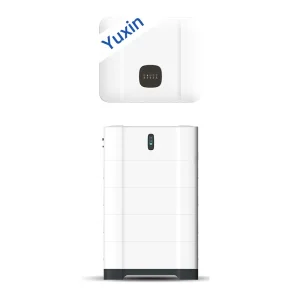
Yes. Yuxin supplies modular commercial and industrial energy storage systems (BESS), including our P01-EC60-30K systems. These modular units are designed for integration with existing PV generation plants to manage peak shaving, load-shedding compensation, and microgrid stabilization.
Contact our project engineering team today to receive a detailed technical quote, local feasibility advice, and custom logistics solutions for West African ports.
Send Inquiry Now