Premium grade solar modules engineered to withstand coastal salt mist, high humidity, and intensive industrial operating patterns.
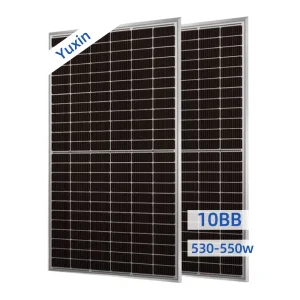
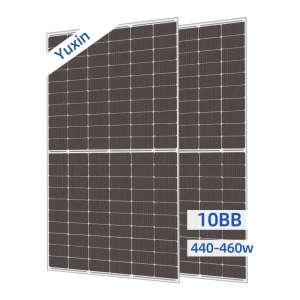
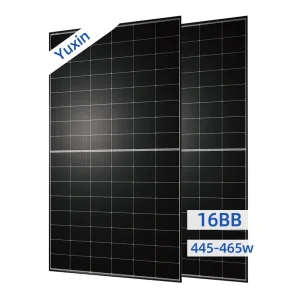
As the primary industrial port city in northern Vietnam, Hai Phong has witnessed unprecedented growth across its economic development zones, including the DEEP C Industrial Zones, Trang Due IP, VSIP Hai Phong, and Nam Cau Kien. With multinational electronic and automotive giants establishing manufacturing bases, the city faces two parallel challenges: rising grid electricity tariffs and stringent global net-zero regulations (such as RE100 and CBAM).
Transitioning to commercial rooftop photovoltaic (PV) solar systems has transitioned from an environmental milestone to a core financial necessity. Clean energy allows companies operating in Hai Phong to achieve substantial operational cost reductions while securing foreign direct investment (FDI) compliance.
Hai Phong's unique geographic situation brings high levels of relative humidity (often exceeding 85%), intense monsoon seasons, and direct exposure to marine salt mist. Standard solar installations face rapid degradation under these circumstances. To avoid Potential Induced Degradation (PID) and frame rust, regional developers must deploy specialized modules:
Initial system costs vary depending on capacity, racking materials, and frame treatments. Below is the updated Q2 2026 indicative pricing structure for project planning in the Hai Phong economic region.
| Module Tech | Nominal Capacity | Price Range (FOB China) | Local Est. Installed Price |
|---|---|---|---|
| PERC Mono 144 Half-Cell | 530W - 550W | $0.090 - $0.105 / W | $0.48 - $0.58 / W |
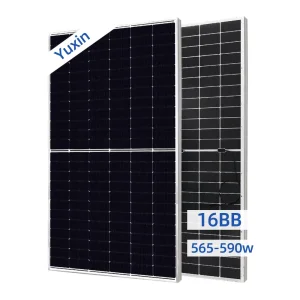
| N-Type TOPCon Dual Glass | 565W - 590W | $0.100 - $0.118 / W | $0.52 - $0.63 / W |
| Polyurethane Composite Frame | Premium Corrosive | +$0.012 / W premium | +$0.020 / W premium |
Established in 2008, Jiangsu Yuxin New Energy Technology Co., Ltd. (operating within the Yuxin Group) manages 14 multi-field subsidiary enterprises. Globally recognized as a National High-tech Enterprise and listed among the Top 100 Private Enterprises in Gaoyou City, Yuxin has spent nearly two decades refining the supply chain for international solar deployment.
Our location in Jiangsu Province provides immediate transport access to key international shipping routes. We supply highly durable frame components and advanced solar packages directly to developers, port operators, and EPC contractors in the Hai Phong logistics cluster via streamlined sea-freight lanes.
Vietnam's groundbreaking Direct Power Purchase Agreement (DPPA) mechanism, enacted under Decree 80/2024/ND-CP, completely transforms how large power consumers in Hai Phong acquire renewable energy. Multi-national factories no longer have to depend solely on local EVN grid connections for their sustainability mandates.
Industrial developers can structure physical or virtual power purchase agreements directly with solar farm operators. For on-site rooftop installations, understanding the current EVN grid-connection approvals is essential. Our technical teams coordinate directly with local utility offices in Hai Phong, preparing full regulatory dossiers to secure seamless net-metering approvals, zero-export configuration settings, or commercial rooftop operational licenses.
With Hai Phong's proximity to the Gulf of Tonkin, wind speeds and mechanical loads can exceed standard parameters. Our custom structural racking and high-tensile 6063-T5/6005-T6 aluminum frames are specifically designed to withstand typhoon conditions (up to Category 15 wind speeds). We provide specialized anodization coatings of 15μm or more, ensuring zero rust and structural integrity for a minimum of 25 years in highly corrosive seaside zones.
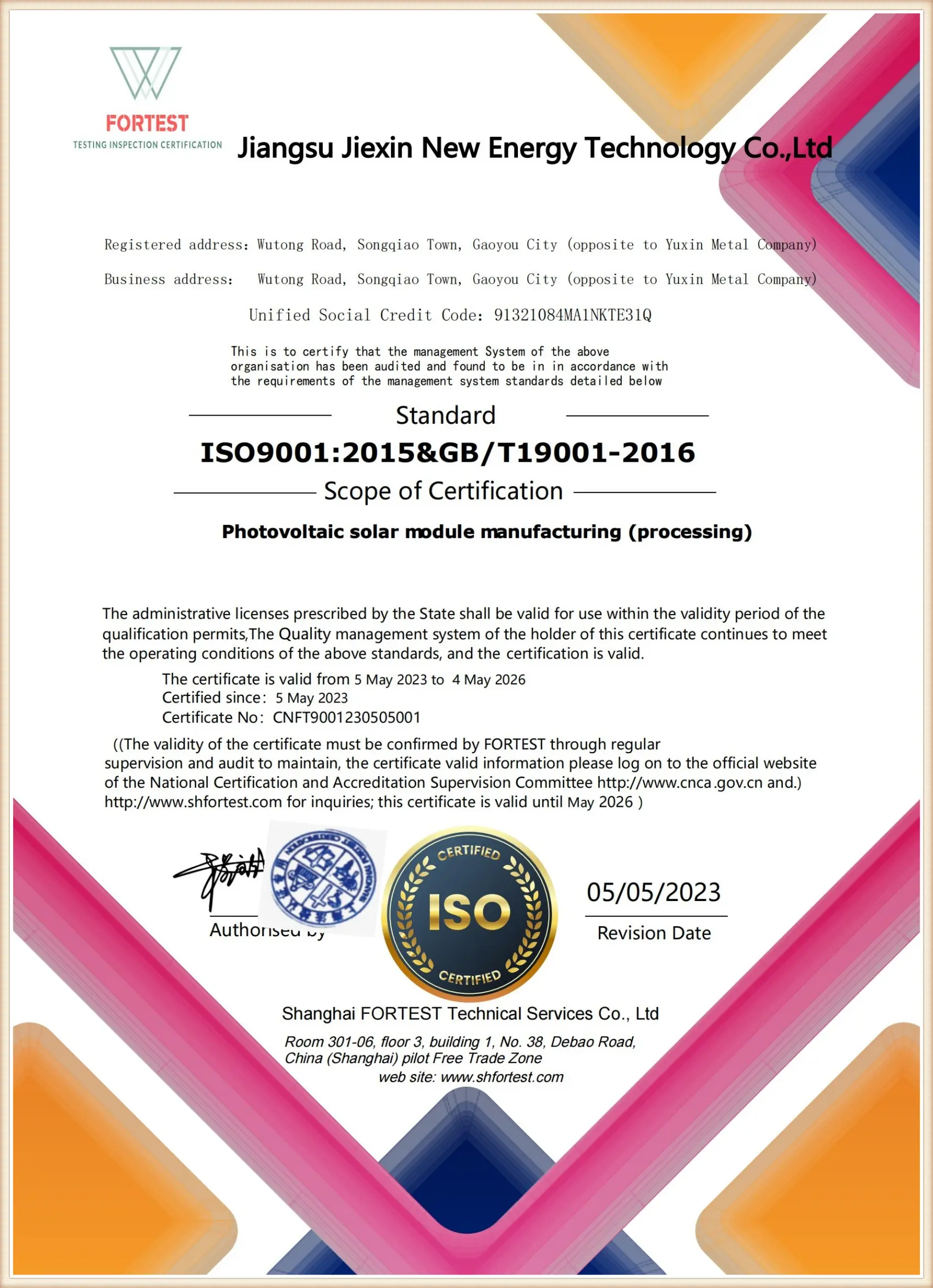
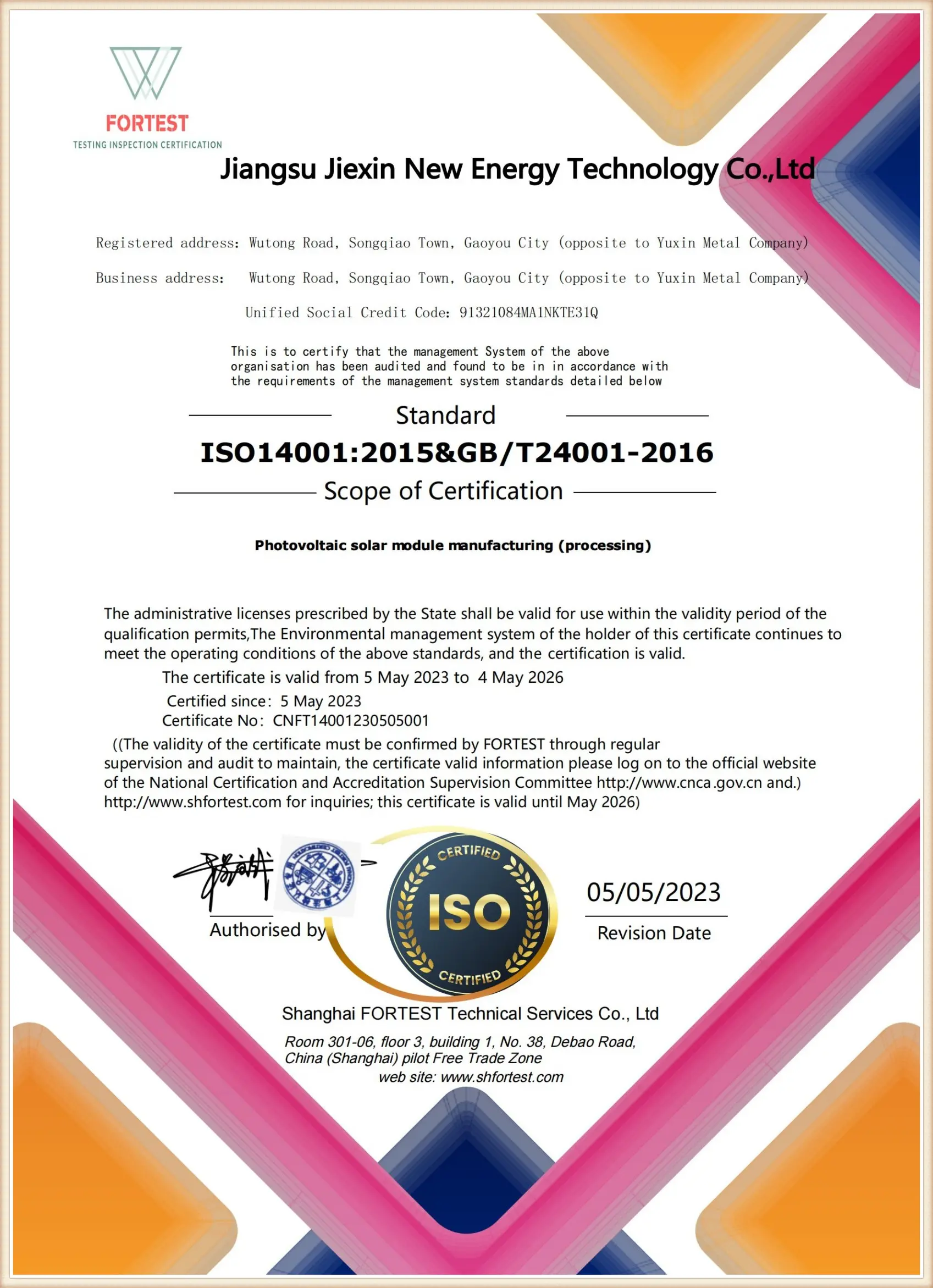
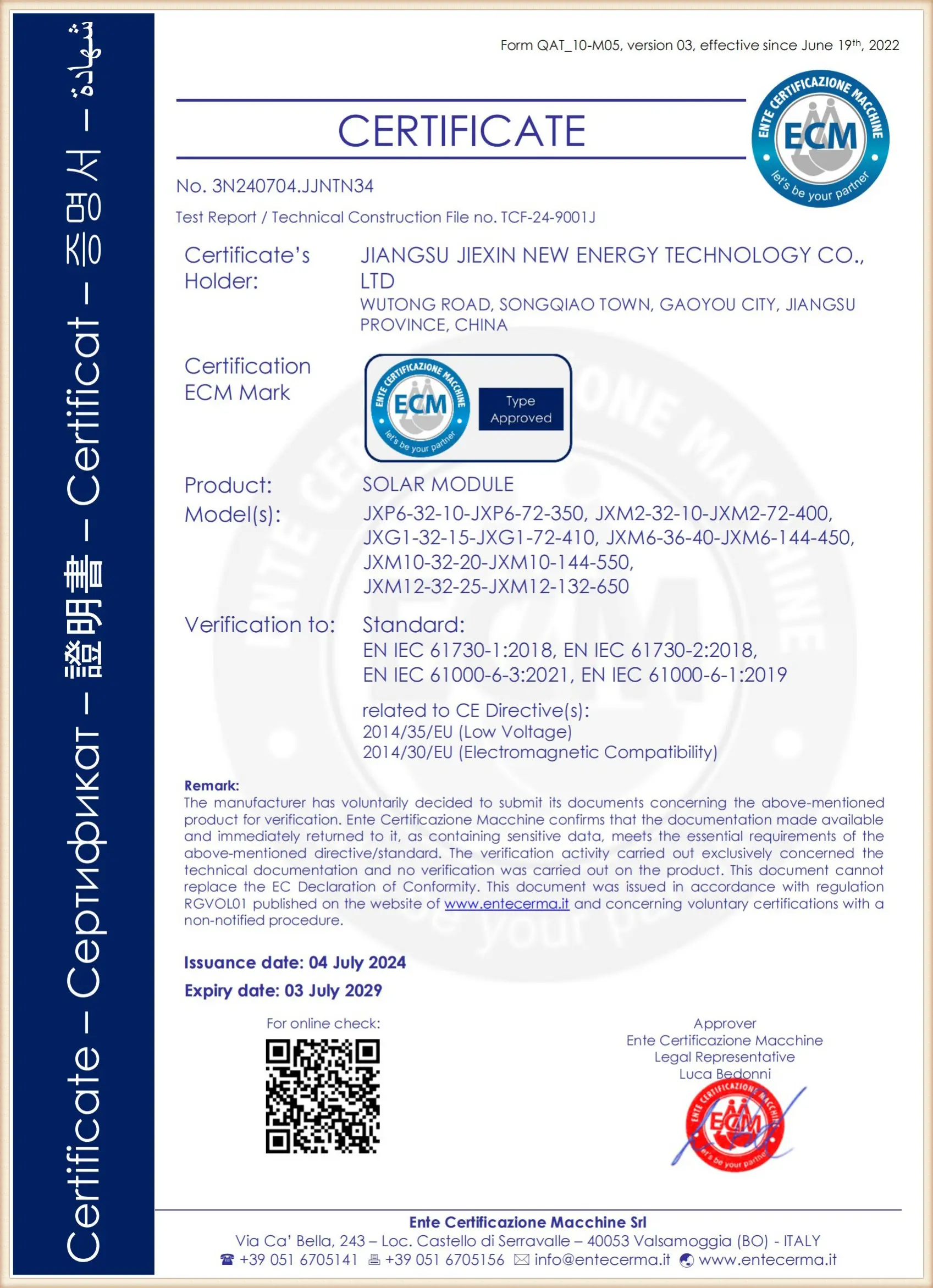
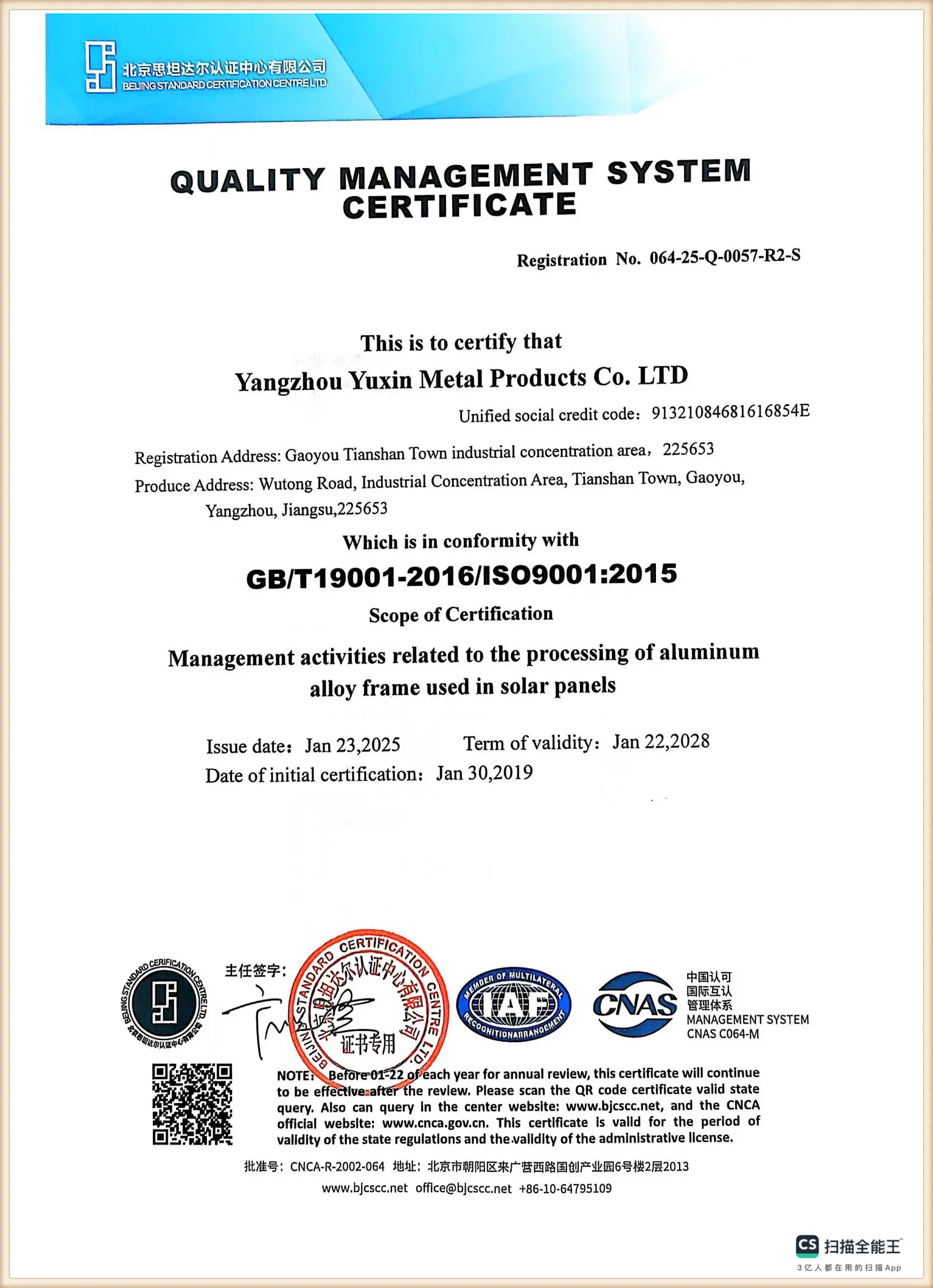
Our manufacturing and quality assurance frameworks align with rigorous global compliance targets, meeting the demands of top-tier PV developers.
Delivering reliable, clean power to different sectors through tailored solar applications.
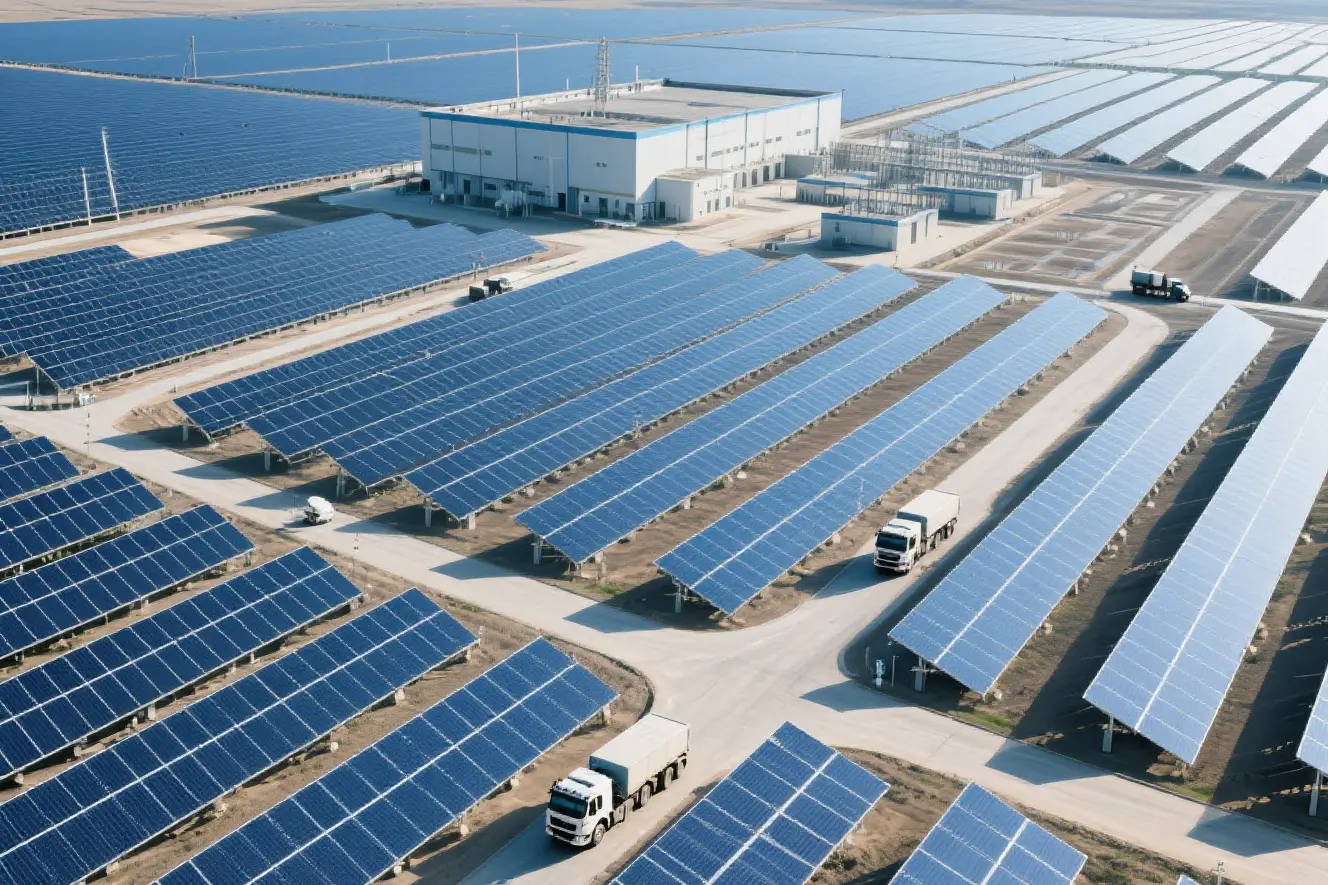
High-power TOPCon modules mounted on corrosion-resistant racking optimize power generation on extensive factory roofs in VSIP Hai Phong, reducing grid reliance by up to 40%.
Bifacial solar panels leverage reflective roof membranes to maximize albedo yield. This approach ensures steady, self-generated power for temperature-sensitive food and chemical storage hubs at Dinh Vu Port.
Solar-plus-storage mini-grids power monitoring stations, lighthouses, and remote port structures. These systems use weatherproof components and polyurethane frame modules to ensure long-term stability.
Lightweight design with transparent back sheet for easy installation and reduced Balance of System (BOS) costs.
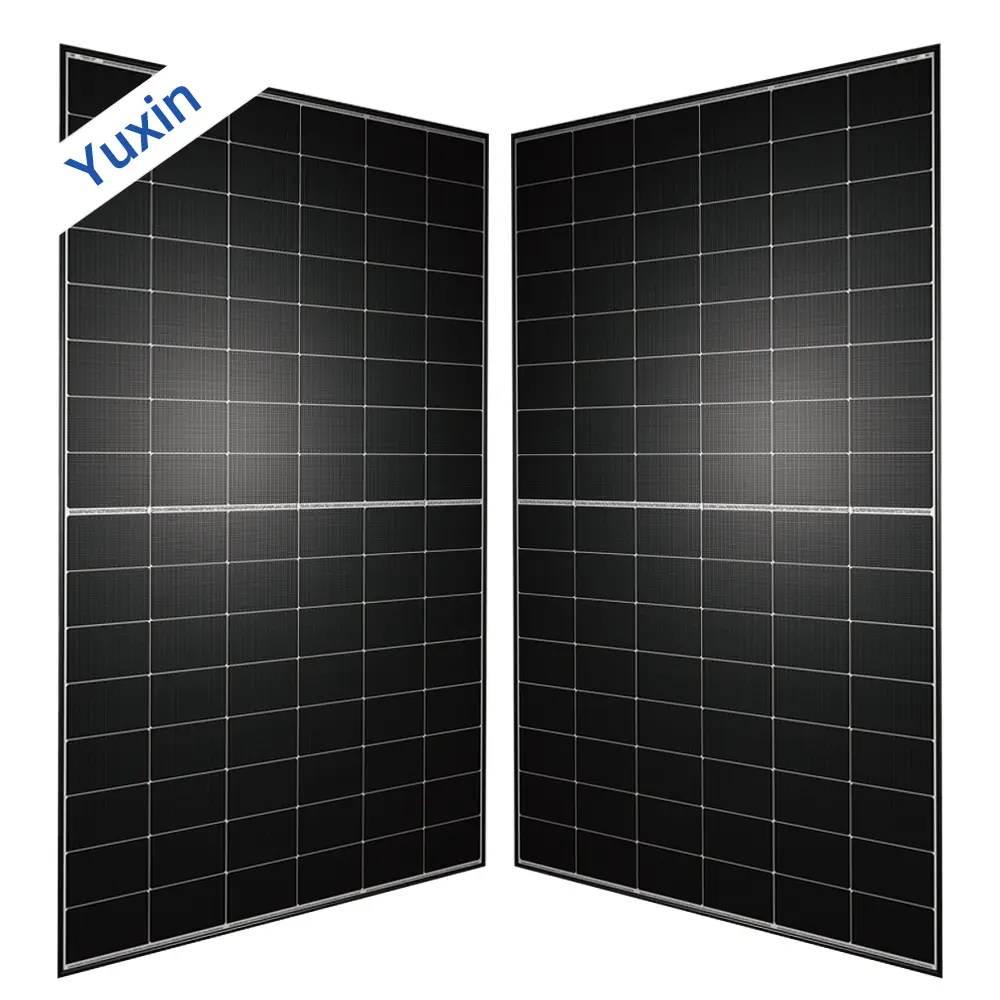
PV Modules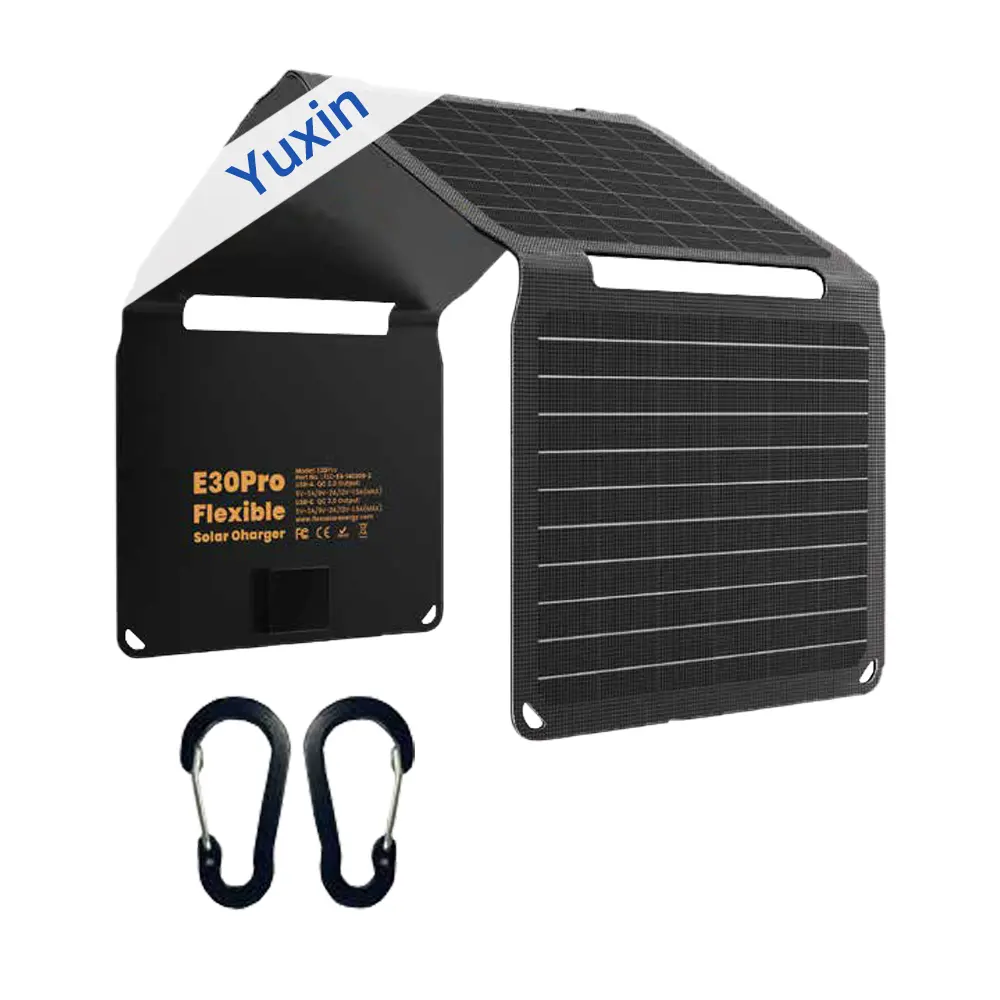
Utilizing advanced monocrystalline silicon cells, it achieves a high energy conversion efficiency of 24%.
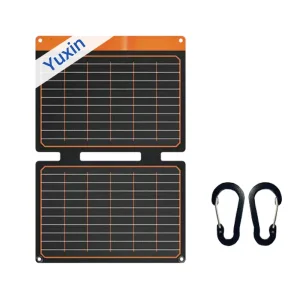
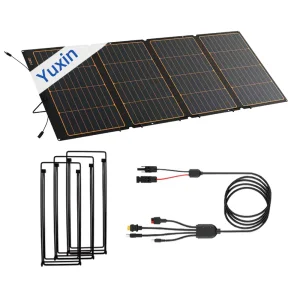
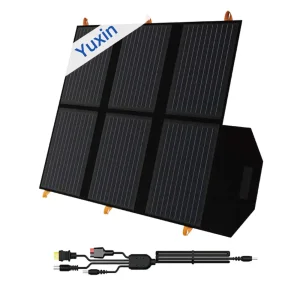
Portable Power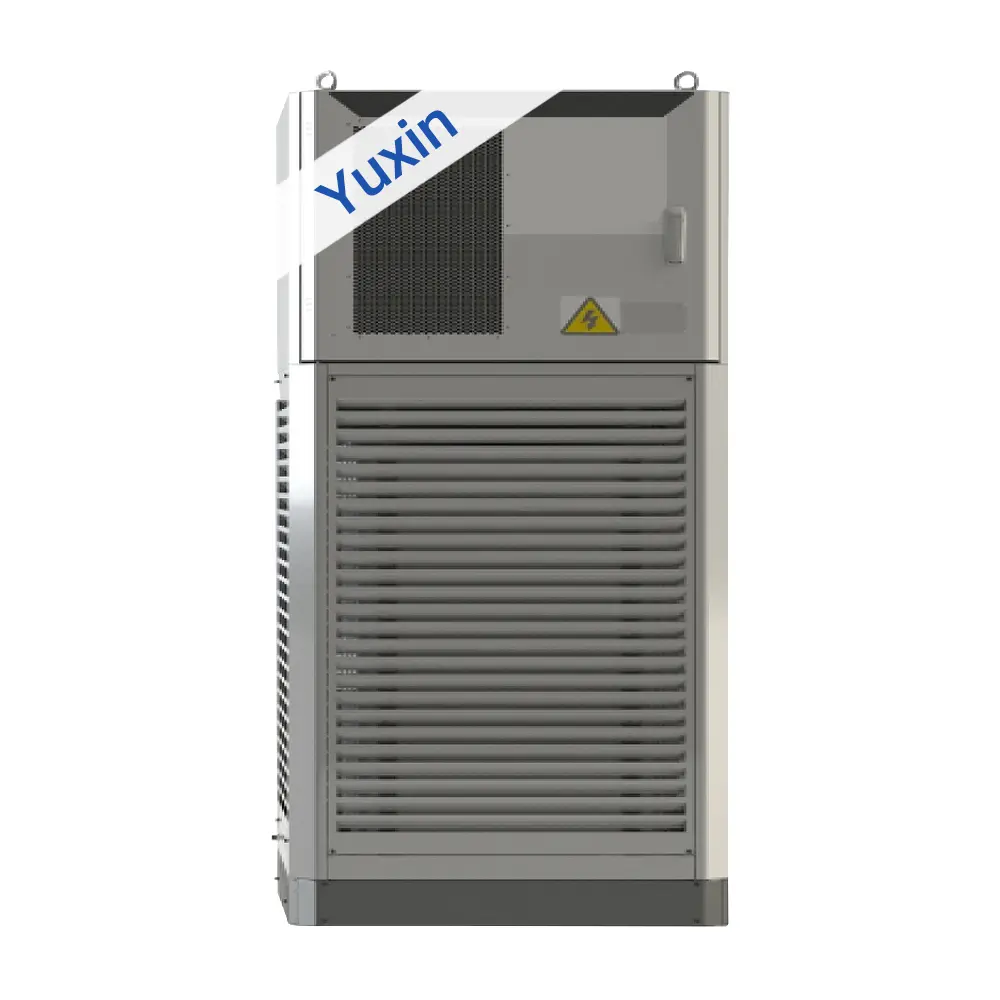
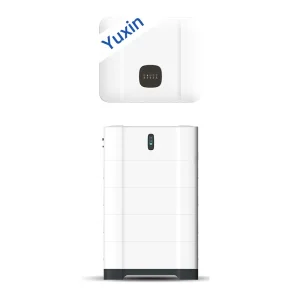
Application modes include grid-connected mode, off-grid mode, and integrated grid-connected/off-grid mode.
Residential Energy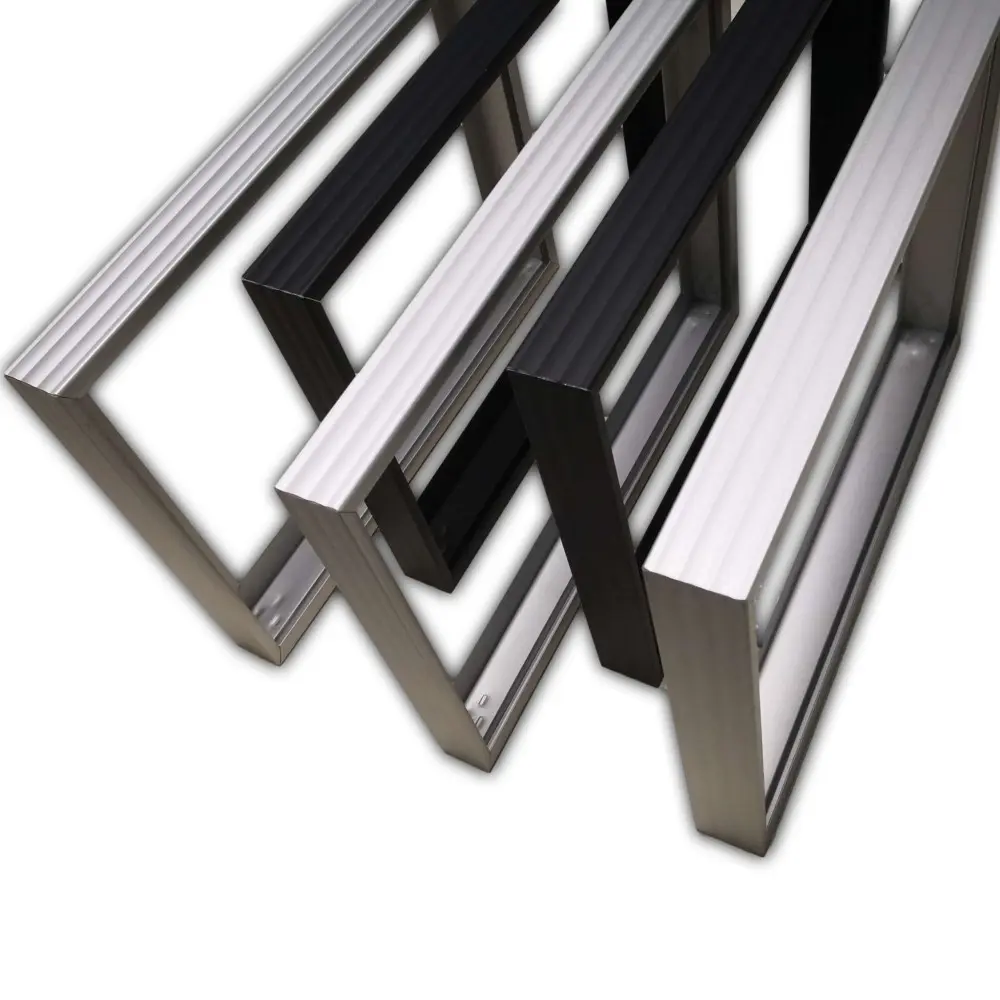
Made of high-quality anodized aluminum, it ensures superior weather resistance and a smooth, long-lasting finish.
Mounting AccessoriesLeveraging deep industrial partnerships to maintain product quality, reliable logistics, and support projects of all sizes.
The solar landscape is shifting rapidly from p-type PERC architectures to n-type configurations. Understanding this evolution helps developers in Hai Phong make future-proof purchasing decisions:
Conventional PERC panels show degraded performance when summer roof temperatures in northern Vietnam climb past 60°C. Modern N-Type TOPCon panels feature a superior temperature coefficient (-0.30%/°C compared to -0.35%/°C for PERC), helping them maintain higher energy generation on hot days.
N-type substrates do not suffer from Light Induced Degradation (LID) or LeTID. Our premium TOPCon modules offer a first-year degradation of less than 1.0%, followed by an annual drop of just 0.4% over 30 years. This delivers up to 15% more lifetime energy output compared to typical mono-silicon systems.
While traditional anodized aluminum (such as 6063-T5) remains the standard for inland installations, coastal projects are shifting toward pultruded polyurethane composite frames. These composite frames are immune to electrochemical corrosion and acid rain, offering superior mechanical stability in typhoon-prone regions.
Our solutions adapt to the demanding requirements of various sectors:
Keep pace with evolving technologies, manufacturing standards, and installation practices.
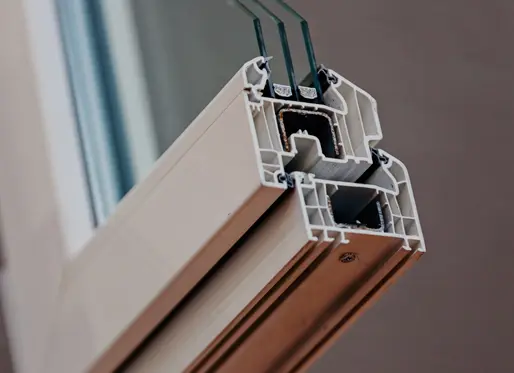
Exploring anodization thickness, alloy compositions, and structural design factors to prevent degradation in high-salinity port zones.
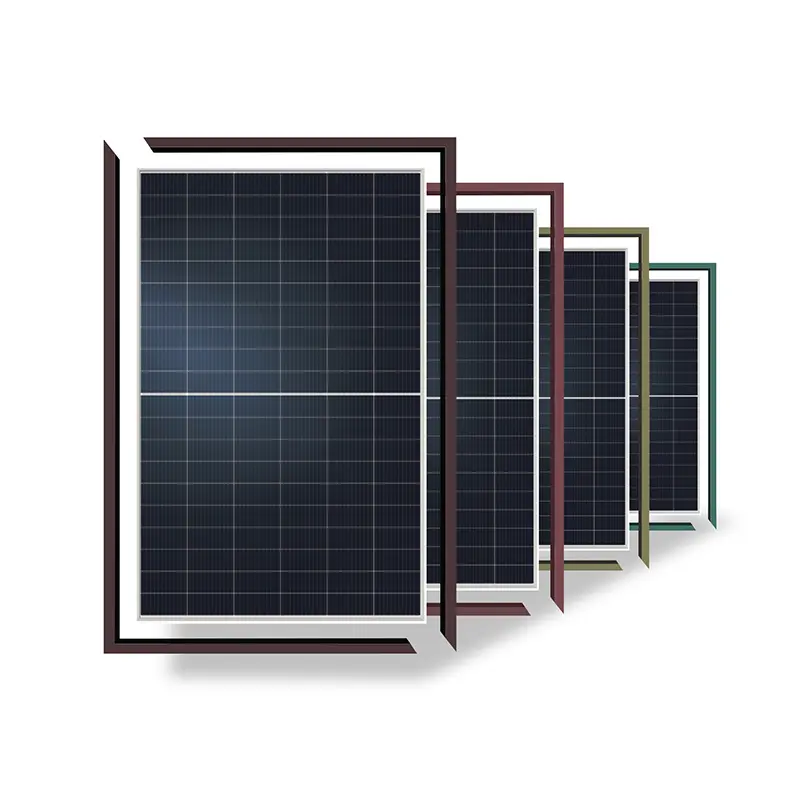
Key sourcing criteria: material certifications, shipping times, and compatibility with local assembly lines.
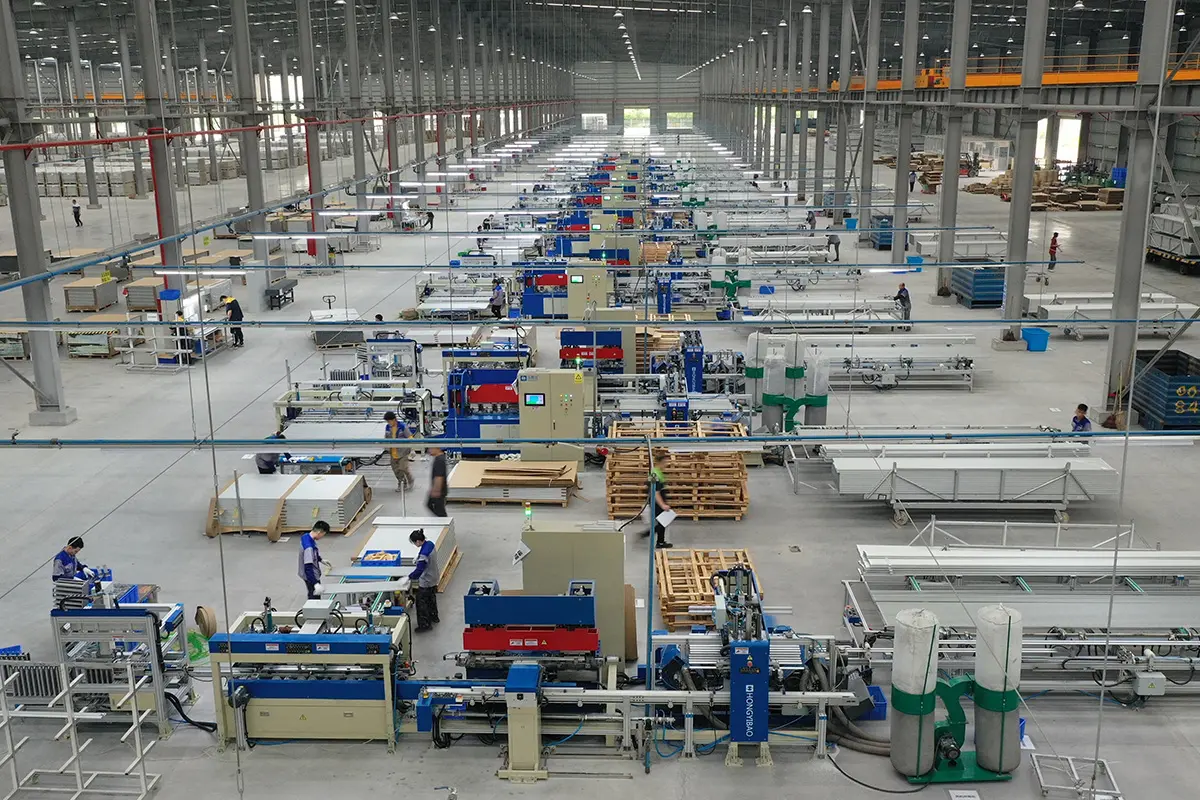
An overview of quality checks: tensile strength tests, cross-cut adhesion tests, and salt spray resistance profiling.
Complete your deployment with durable mounting hardware, robust storage systems, and rugged portable gear.
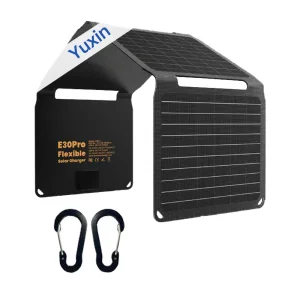
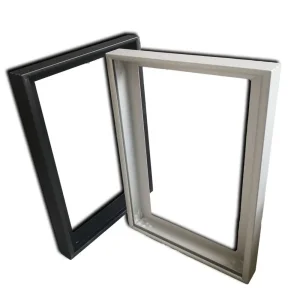
Technical guidance and commercial parameters for solar investments in Northern Vietnam.