
Engineered for High-Yield Commercial, Industrial, and Utility Infrastructures in Southern Vietnam
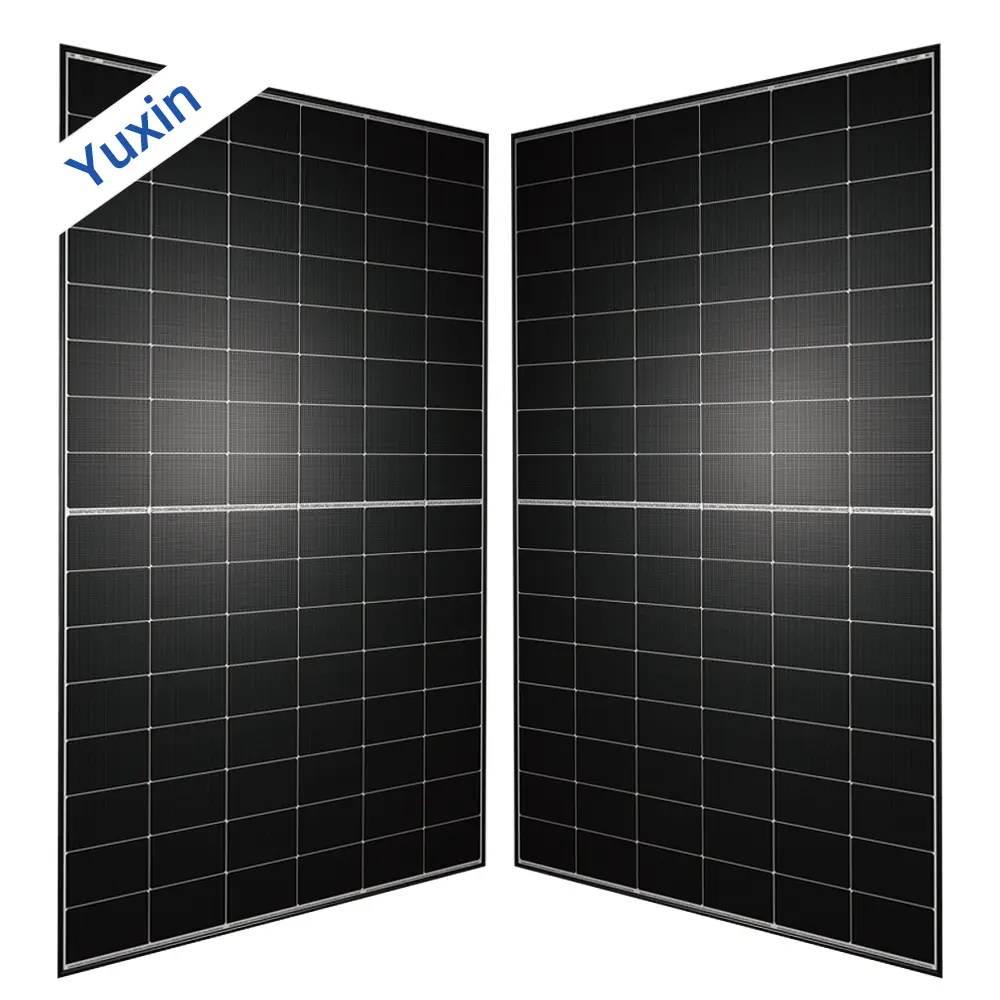
Lightweight design with transparent back sheet. Significantly minimizes structural weight loads for commercial roofs and optimizes BOS cost savings in Vietnam's urban centers.
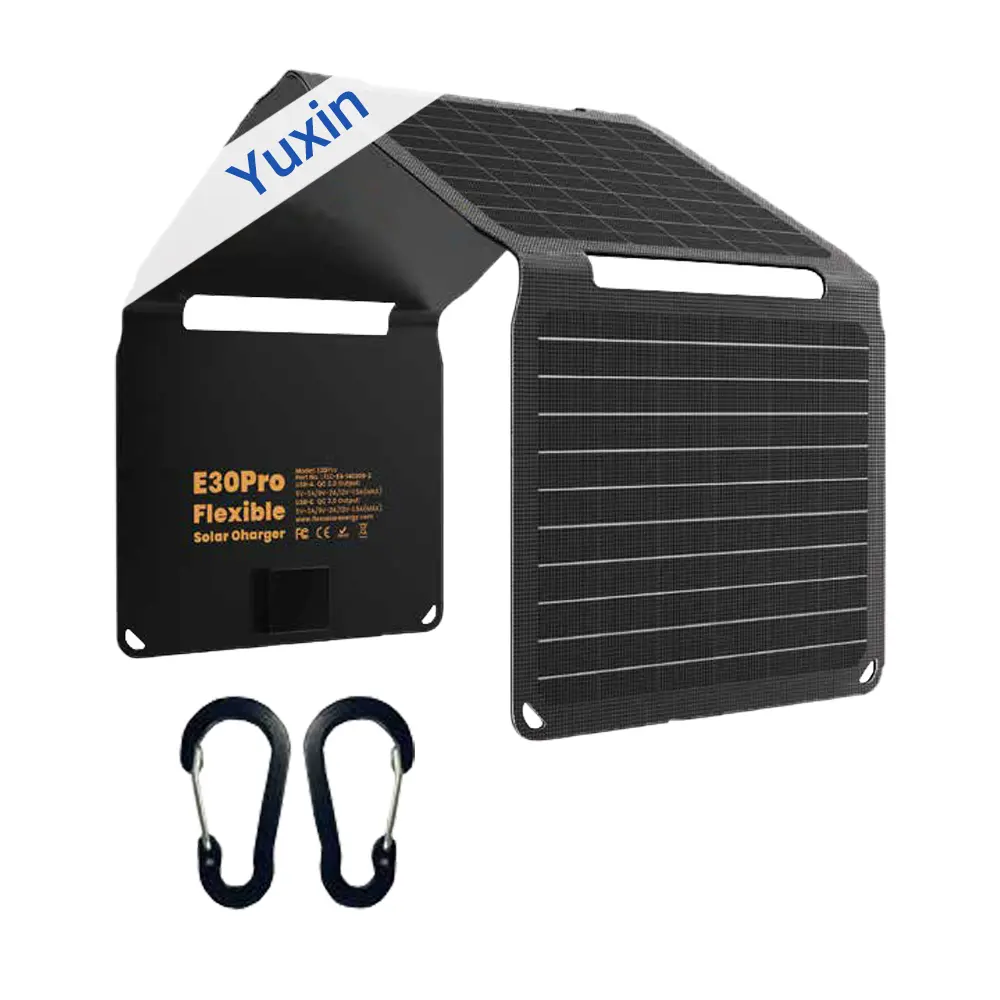
Utilizing high-performance monocrystalline silicon, achieving conversion efficiencies up to 24%. Tailored for grid-isolated operations and field-deployed activities in Southeast Asia.
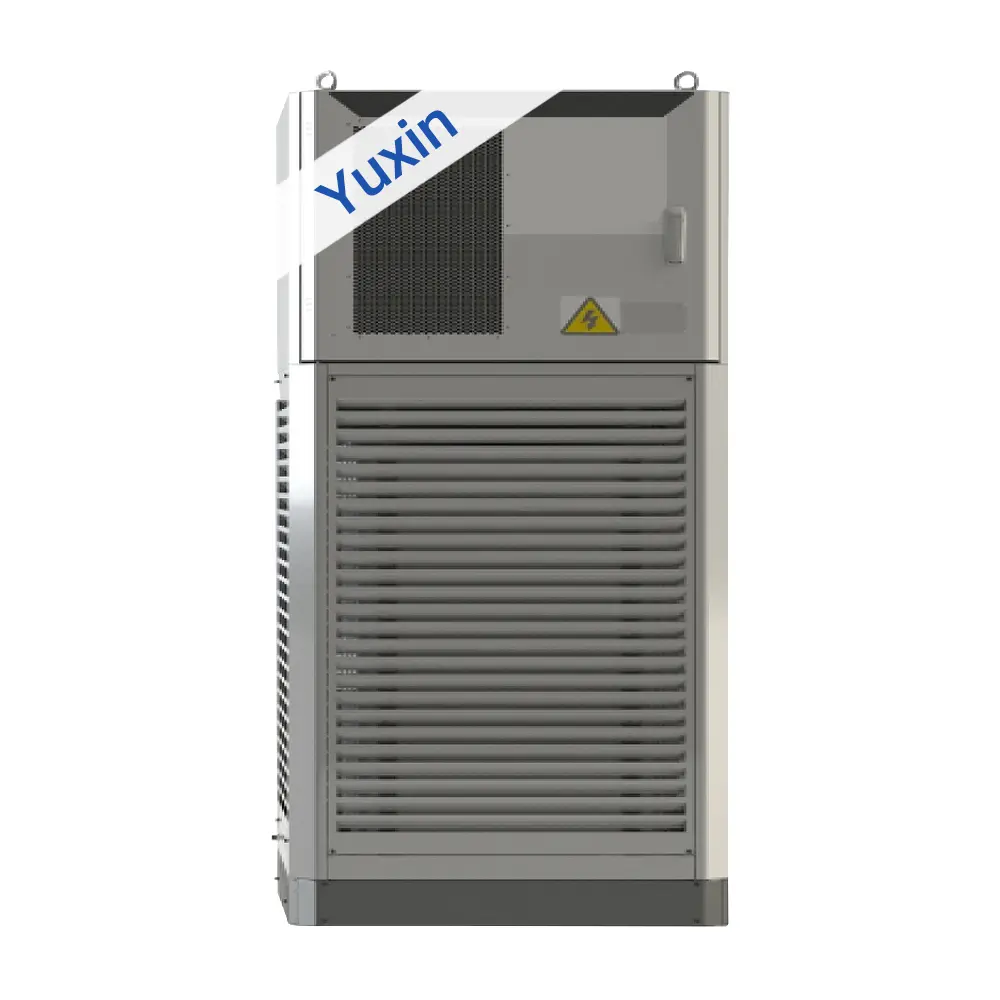
Comprehensive smart residential solutions. Operates seamlessly in grid-tied, hybrid, and fully off-grid configurations, maintaining household energy security during peak demand.
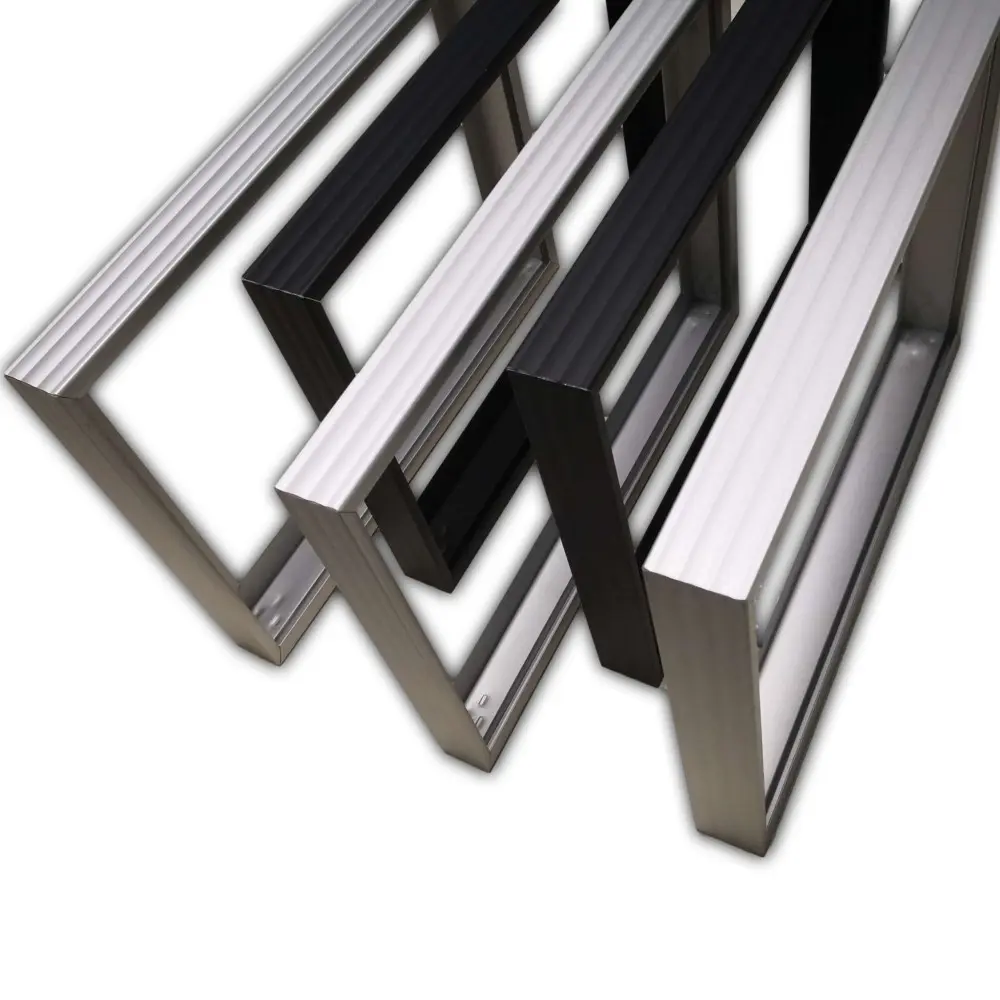
Anodized aluminum structure offering corrosion resistance in coastal environments. Designed to endure typhoon-level wind loads and tropical humidity typical of southern Vietnam.
Ho Chi Minh City (HCMC) and its surrounding industrial hubs in Binh Duong, Dong Nai, and Long An present a unique environment for solar energy deployment. Positioned close to the equator, HCMC receives average annual solar radiation of 1,600 to 2,000 kWh/m² per year, with average daily sunshine duration ranging between 5 and 8 hours. As Vietnam transitions its energy infrastructure under the Power Development Plan VIII (PDP8), industrial self-consumption and direct power purchase agreements (DPPA) have become key mechanisms driving solar project financial performance.
In hot and humid climates like Southern Vietnam, solar modules face high thermal stress, potential-induced degradation (PID), and localized shading losses from urbanization and industrial dust. Selecting modules with a low temperature coefficient and high PID resistance is critical to ensuring long-term yield. The combination of high ambient temperatures (often exceeding 35°C, pushing cell operating temperatures past 65°C) and relative humidity levels averaging over 80% requires hardware tailored for tropical climates.
Project developers in Vietnam must evaluate cell architectures carefully to balance CAPEX against the levelized cost of energy (LCOE). The table below compares the performance characteristics of N-Type TOPCon (Tunnel Oxide Passivated Contact) and P-Type PERC (Passivated Emitter and Rear Cell) technologies under Southern Vietnamese operating conditions.
| Performance Metric | P-Type PERC Technology | N-Type TOPCon Technology | Impact on HCMC Solar Projects |
|---|---|---|---|
| Average Cell Efficiency | 22.8% - 23.3% | 24.5% - 26.0% | Higher power output per square meter reduces structural balance-of-system (BOS) costs on factory roofs. |
| Temperature Coefficient (Pmax) | -0.34% / °C | -0.30% / °C | TOPCon experiences lower degradation at high operating temperatures, yielding 2-3% more energy in HCMC summers. |
| Bifaciality Factor | 70% ± 5% | 80% ± 5% | Increases yield on light-colored industrial rooftops or ground-mounted arrays with high albedo. |
| First-Year Degradation | 2.0% | 1.0% | Improves immediate project cash flow and increases cumulative energy yield. |
| Annual Degradation Rate | 0.55% | 0.40% | Ensures higher asset value and power output at Year 25 and Year 30. |
"Under Southern Vietnam's typical ambient conditions, a PV module's temperature frequently rises to 65°C. With a standard P-Type PERC temperature coefficient of -0.34%/°C, power output drops by approximately 13.6%. By contrast, N-Type TOPCon modules with a coefficient of -0.30%/°C lose only 12%, preserving generation margins and shortening the payback period for commercial systems."
Securing a reliable solar supply chain involves careful management of shipping, regulatory compliance, and tariff structures. Production facilities located in Yangzhou, Jiangsu Province, benefit from direct access to Yangtze River inland shipping lanes, enabling transport to deep-water ocean terminals in Shanghai or Ningbo within 36 hours.
For shipments inbound to Ho Chi Minh City, transit routes commonly arrive at Cat Lai Port (VNCLI) or Hiep Phuoc Port (VNHPH). Standard ocean transit times from East China ports to HCMC range between 7 and 10 days. Under the ASEAN-China Free Trade Agreement (ACFTA), importers can utilize Form E Certificate of Origin to secure preferential tariff treatments, significantly reducing overall landed costs. Additionally, compliance with local standards (such as TCVN specifications and EVN grid connection codes) is essential to prevent delays during commissioning.
Yuxin is a specialized manufacturer of photovoltaic modules and mounting materials, focused on reliability and structural safety. Based in Yangzhou, Jiangsu Province, our facility is located near key regional logistics infrastructure, including the Beijing-Shanghai Expressway and the Ningqi Railway, facilitating transport to domestic and international markets.
Established in 2008, the parent group operates 14 specialized subsidiaries, including Jiangsu Yuxin New Energy Technology Co., Ltd. Over the years, we have been recognized as a National High-tech Enterprise and named among Gaoyou City's Top 100 Private Enterprises. Our production lines utilize automated stringers, high-accuracy laminators, and automated EL inspection stations to ensure consistent cell quality and frame durability.
Developing Resilient Solar Infrastructures Across Vietnam's Economic Sectors

Optimized agrivoltaic layouts designed for farming communities in the Mekong Delta. Systems shield crops from excess heat, reduce evaporation, and generate power for localized water pumping.
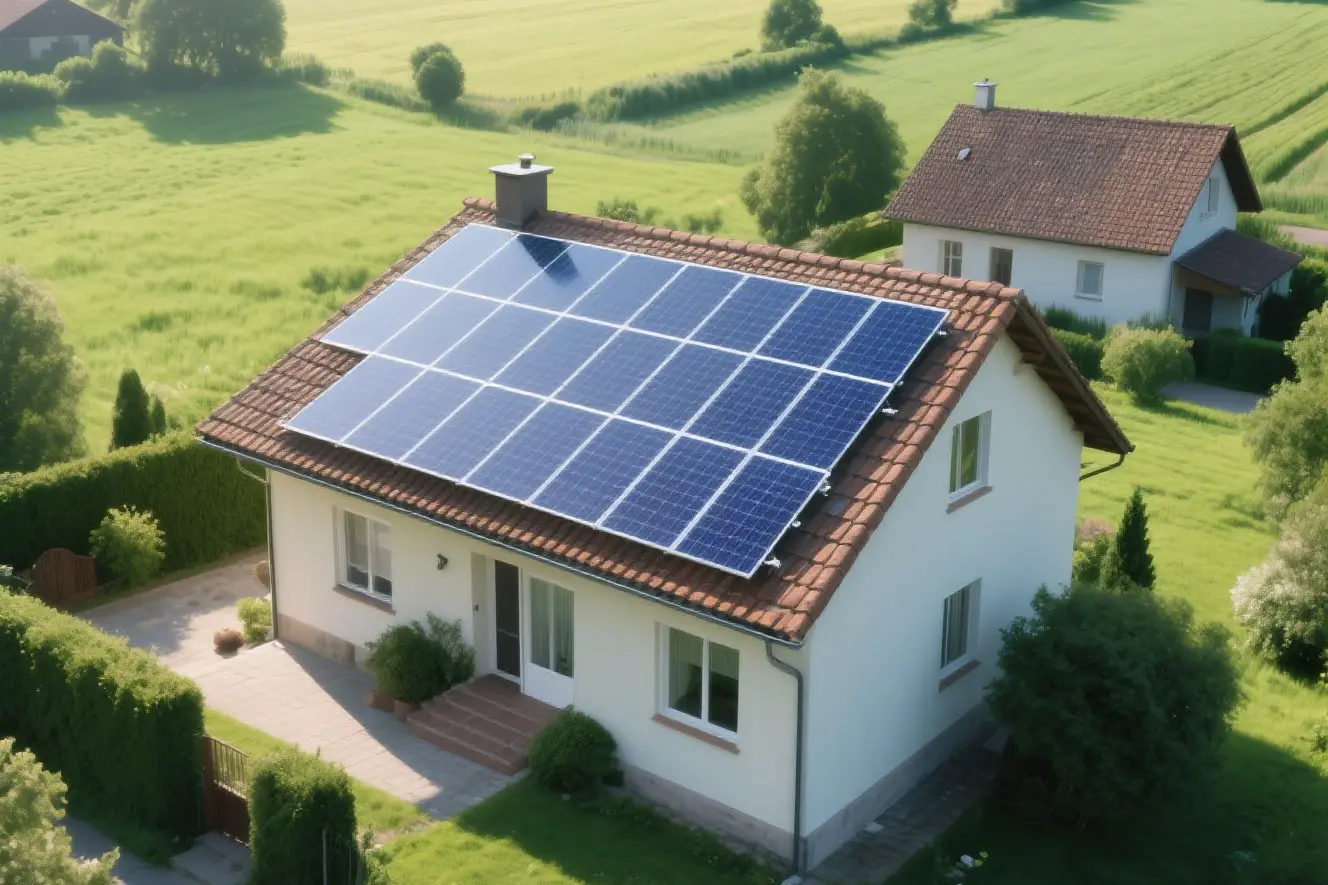
Building-integrated solutions for commercial buildings in HCMC. Our light-weight frameless modules integrate cleanly with roof profiles, optimizing insulation and power density.
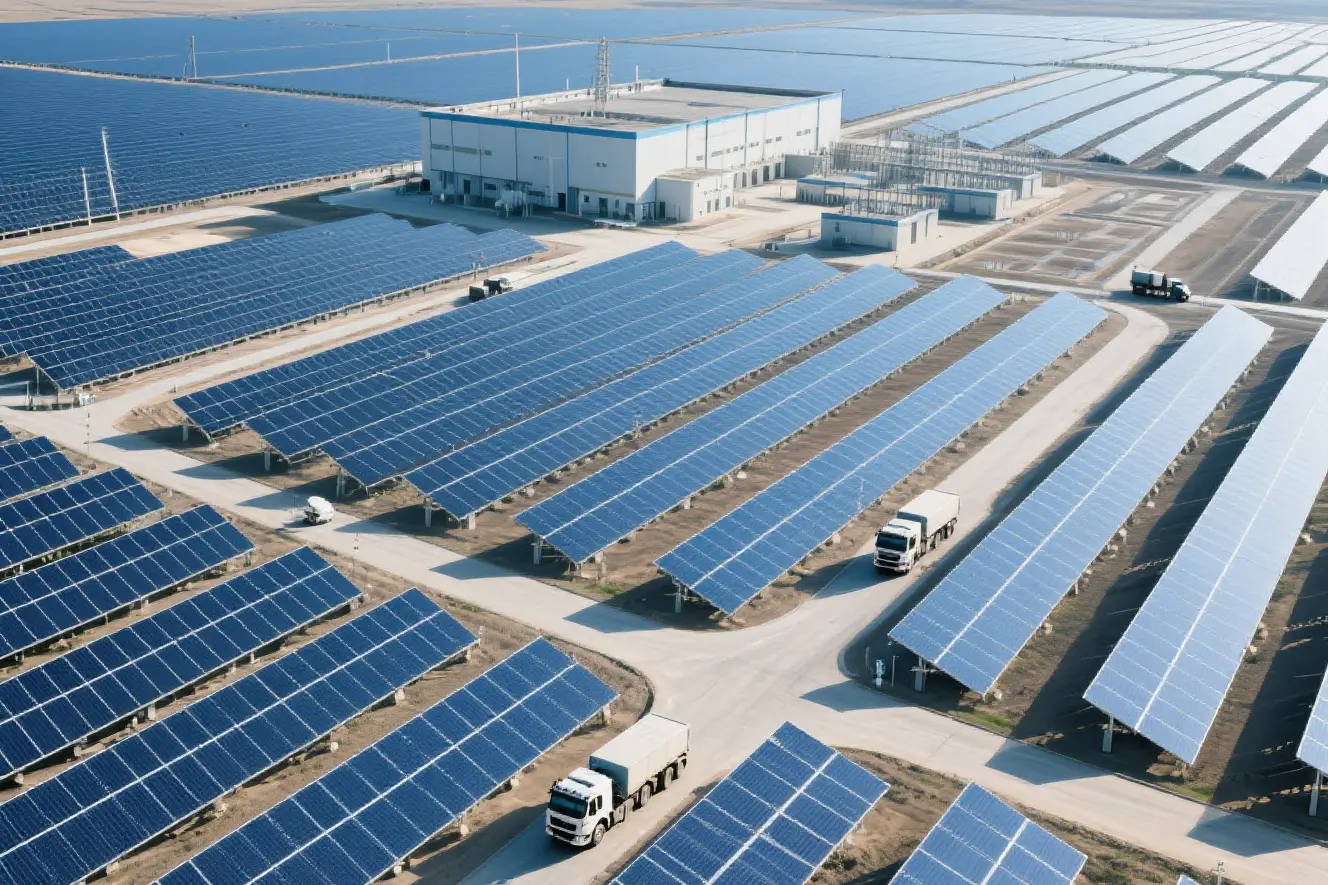
Bifacial dual-glass module arrays paired with robust mounting designs, engineered to deliver stable energy outputs for utility-scale solar farms connected to the EVN grid.

Rugged, portable solar bags and panels developed for off-grid operations, remote scientific research, and emergency back-up energy for field work.

Autonomous solar-plus-storage energy configurations designed to power remote transceivers and microwave links throughout Vietnam's coastal and mountainous areas.
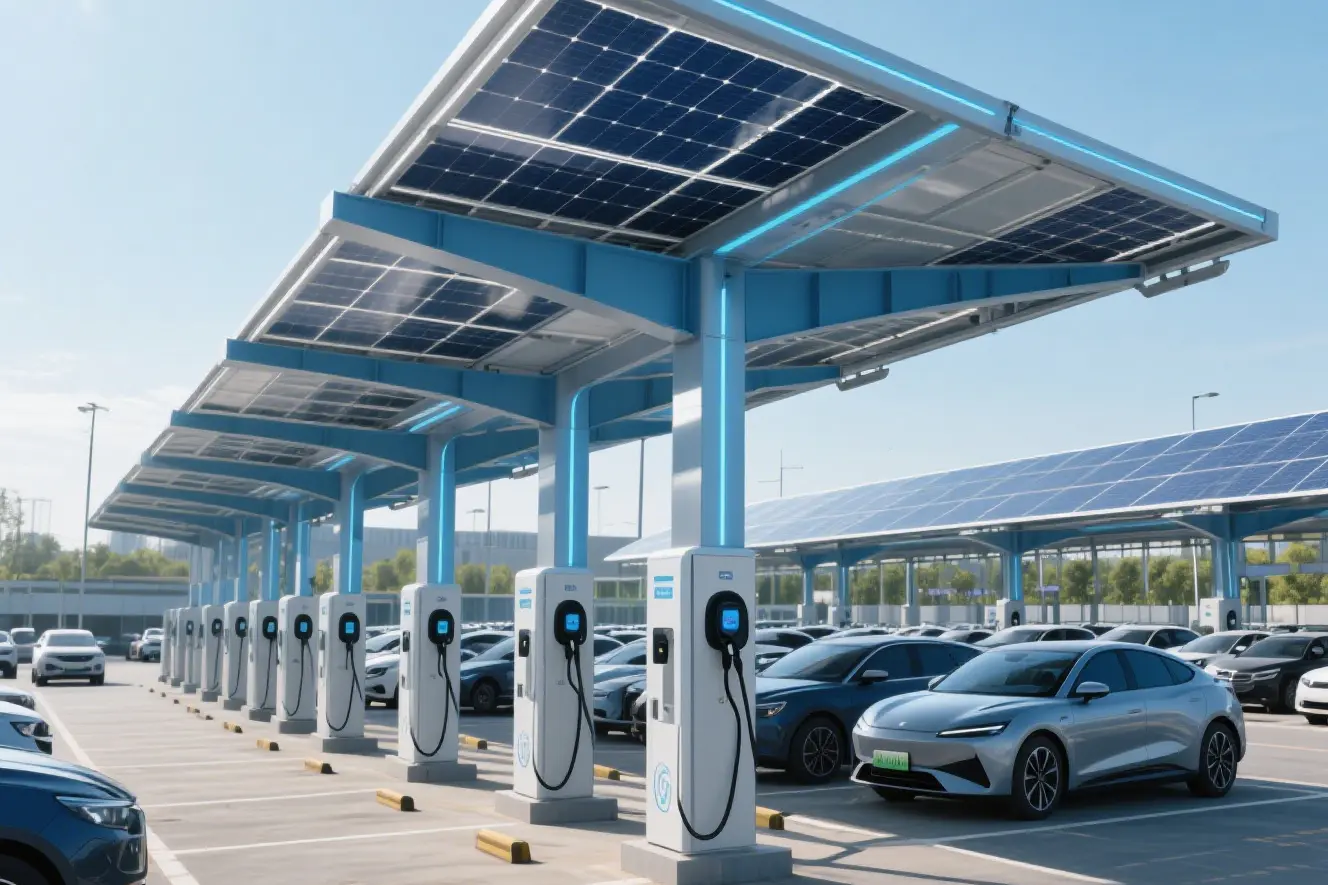
Weatherproof solar solutions engineered to power highway monitoring cameras, electronic toll booths, and municipal signaling networks with minimal maintenance.
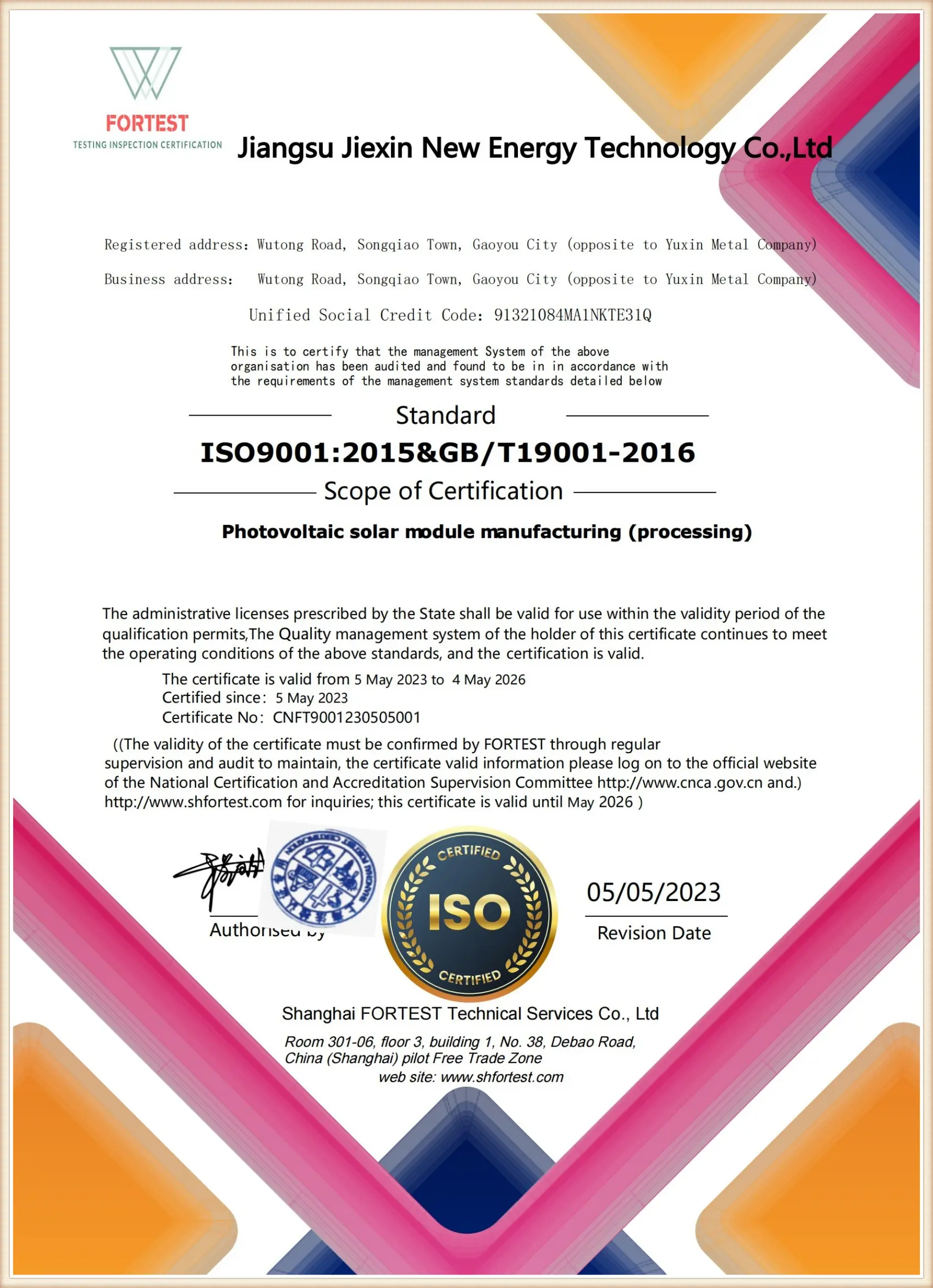
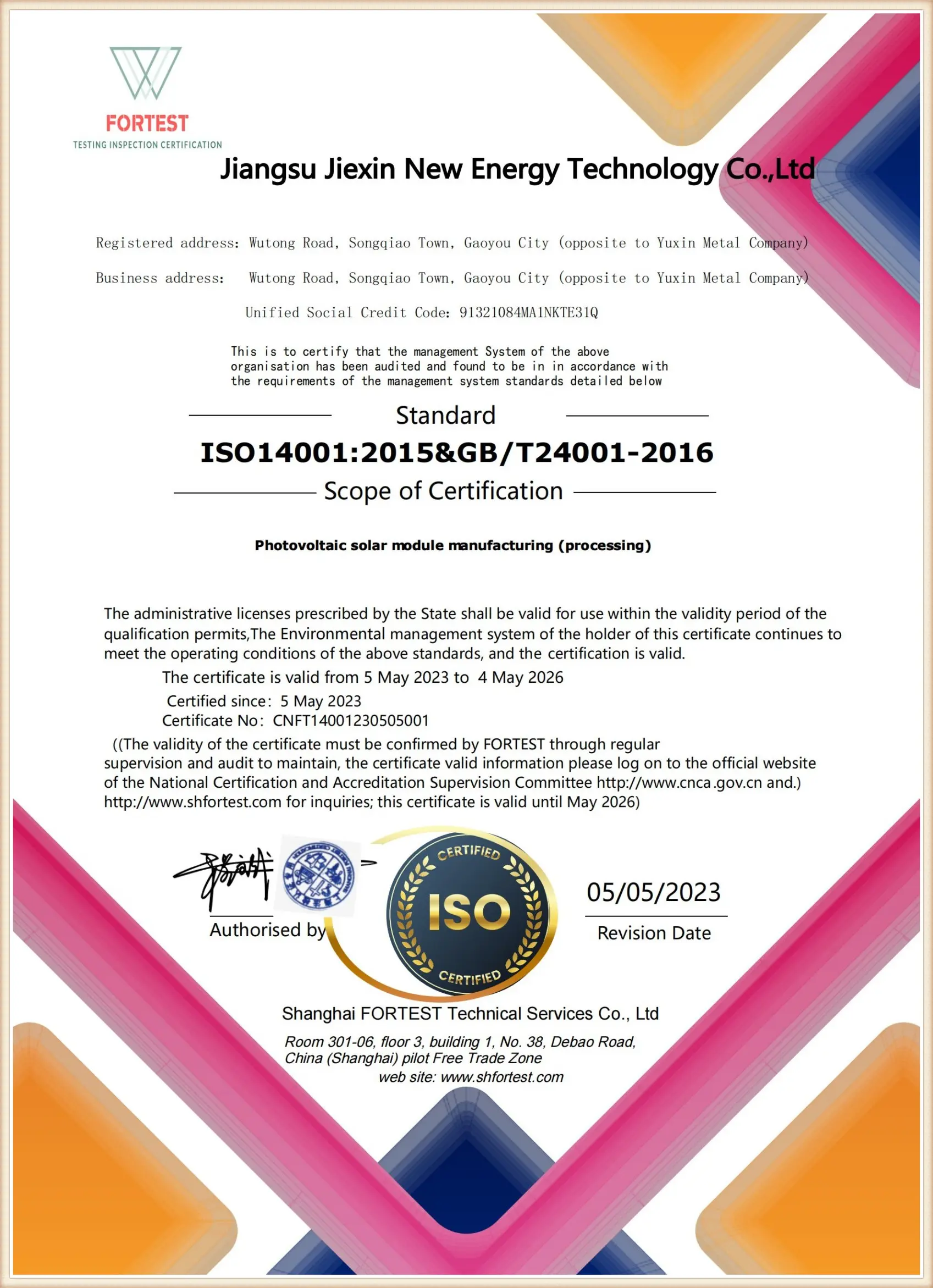
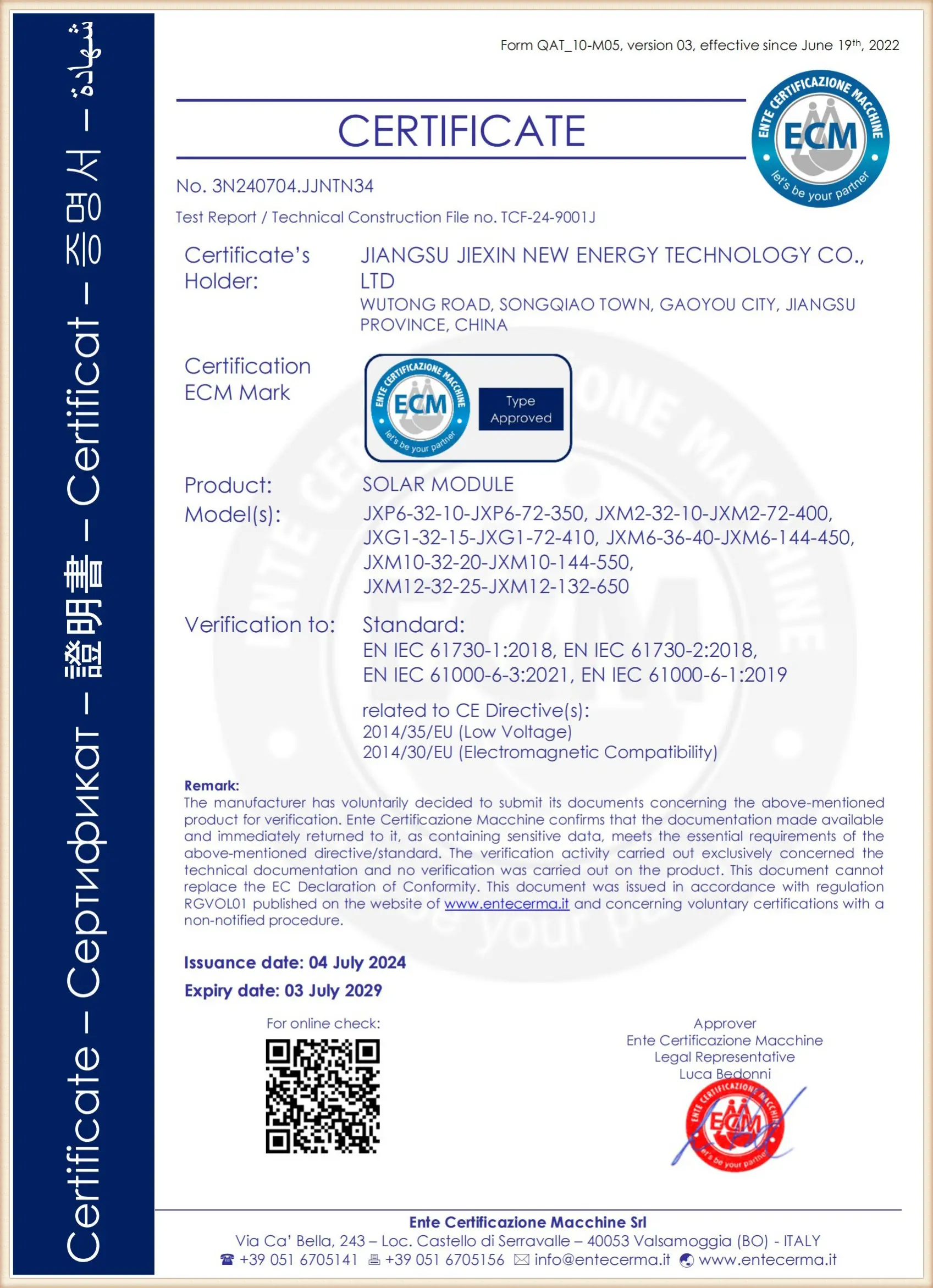
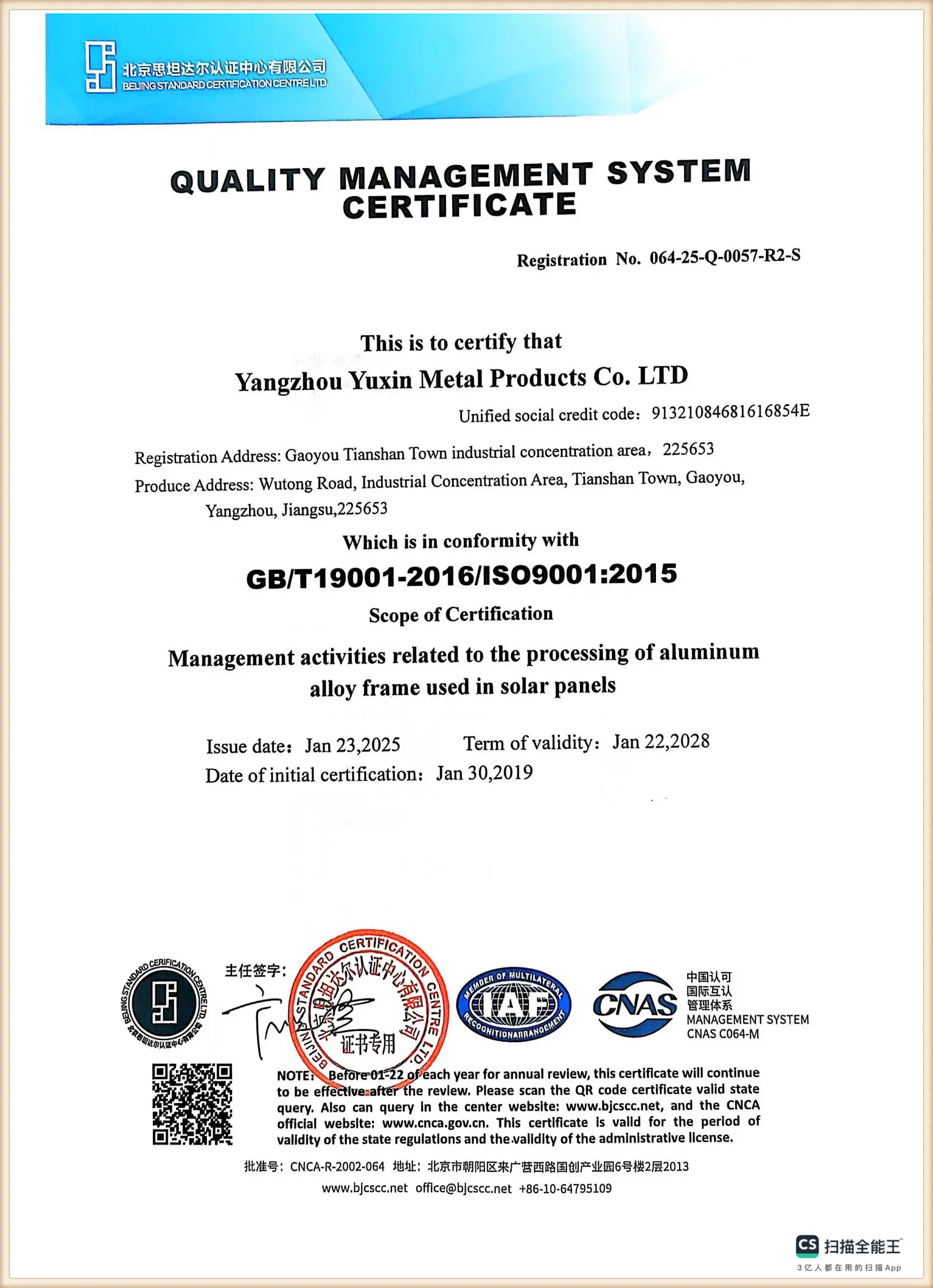
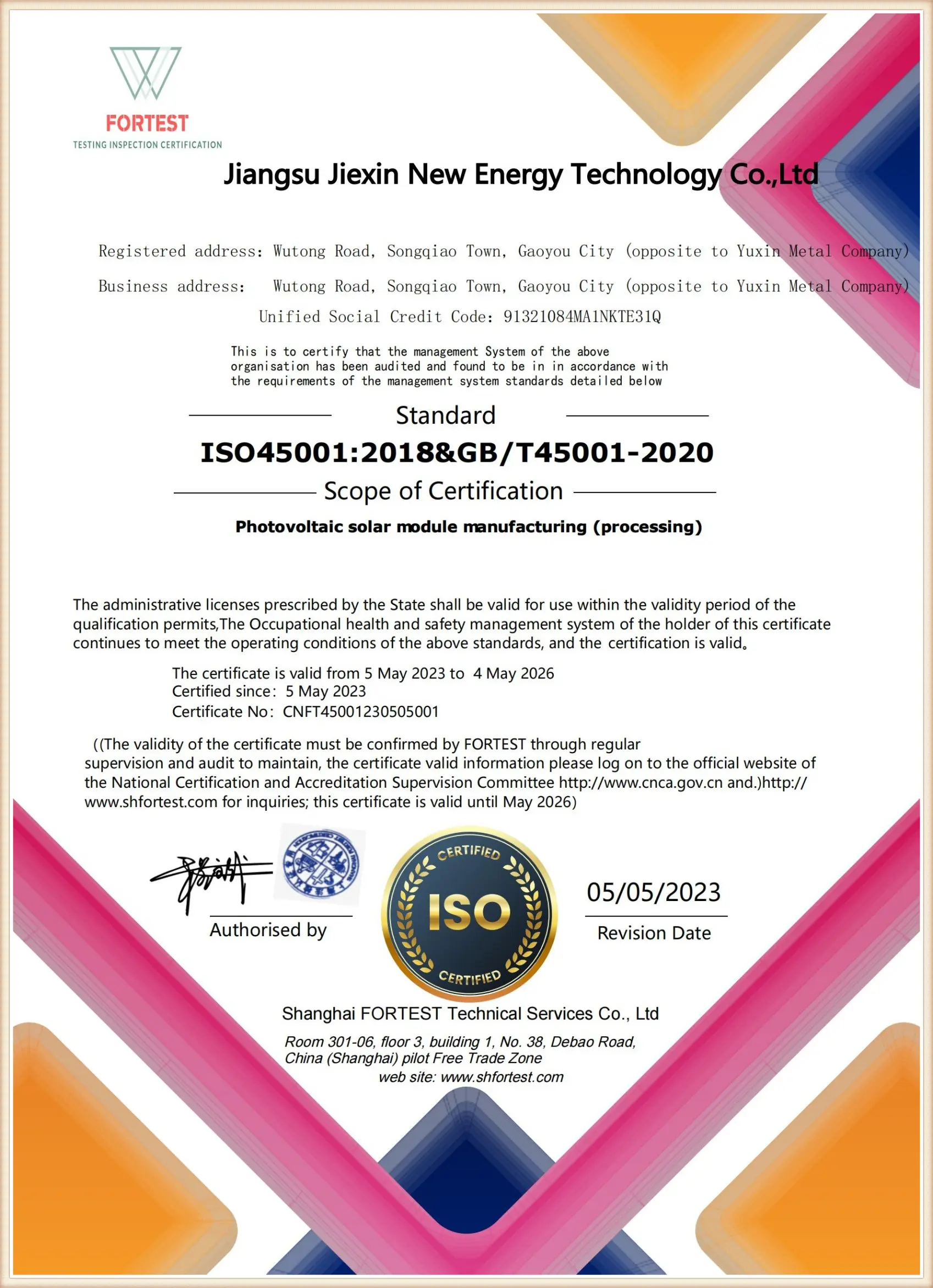
International Standard Certifications Validating Performance, Safety, and Quality Control
Collaborating with Global Materials Providers and EPC Contractors to Support Solar Development


Insights into Changing Tariffs, Grid Regulations, and Solar Projects in Southeast Asia
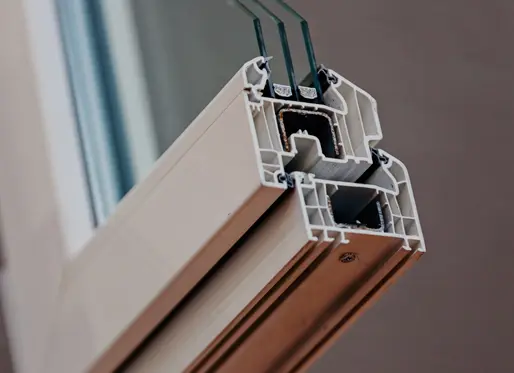
An analysis of alloy compositions, anodizing thickness, and mechanical design required to withstand wind loads and salty mist environments in Southeast Asia.
View Article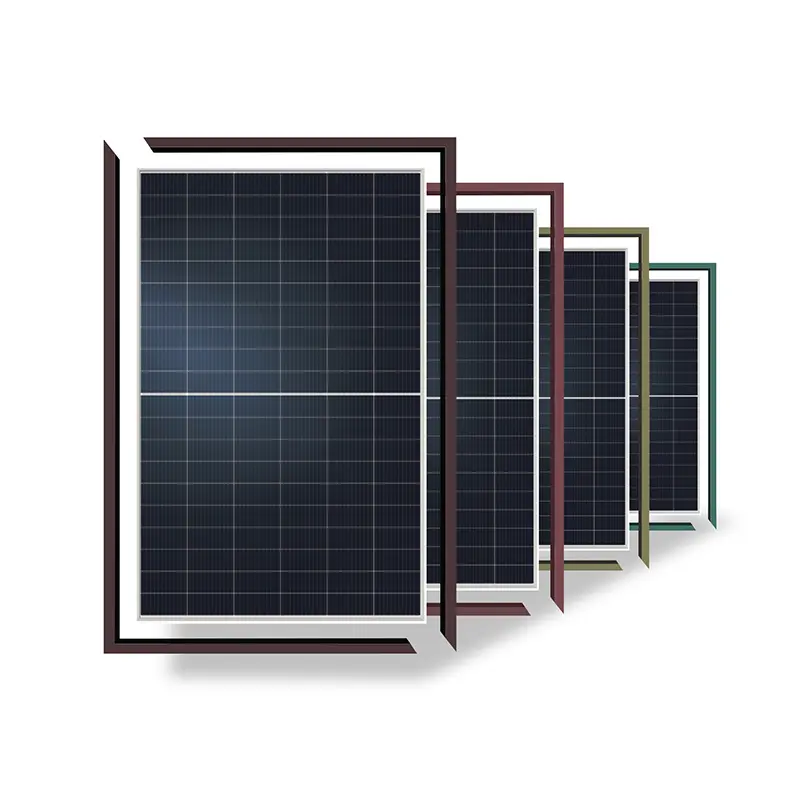
Key procurement factors for international developers, detailing factory certifications, material testing standards, and logistics tracking for shipments to Vietnam.
View Article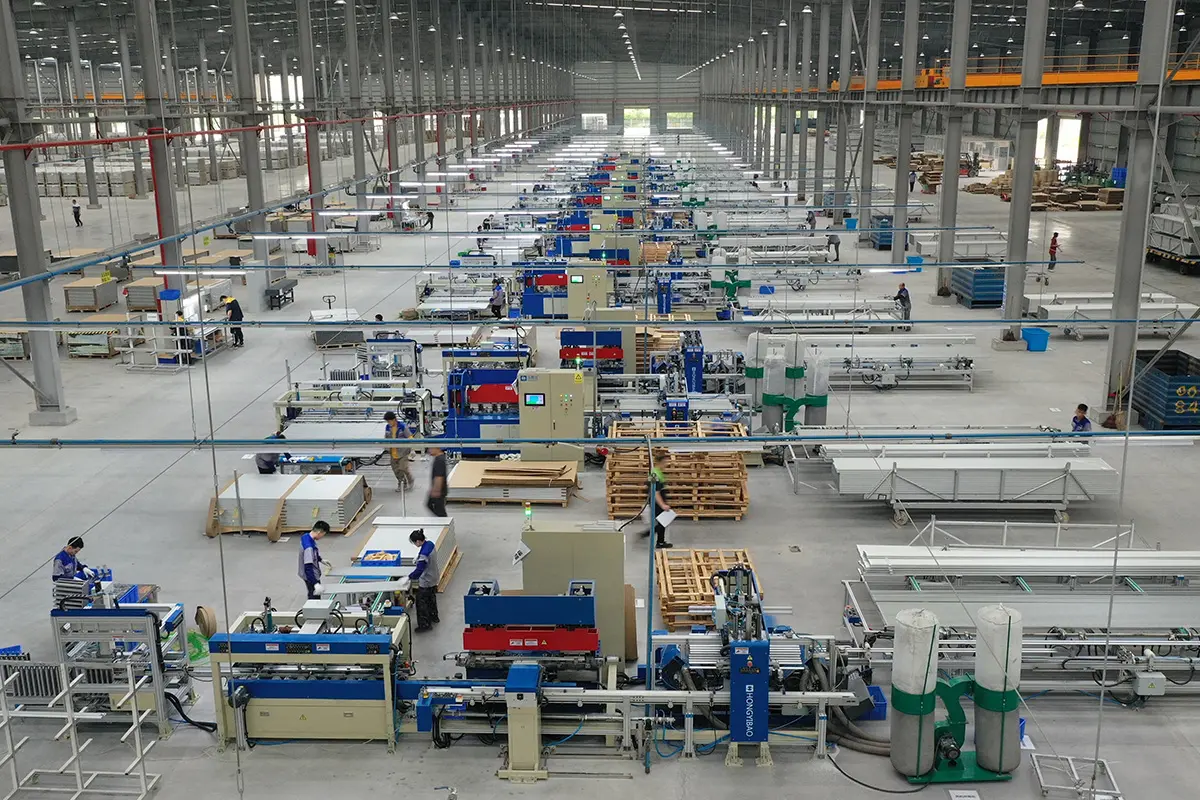
A guide to quality testing protocols, checking tolerances, and evaluating tensile strength to ensure modules perform reliably throughout their 25-year service life.
View ArticleComplete Range of Modules, Mounting Components, and Mobile Solar Products
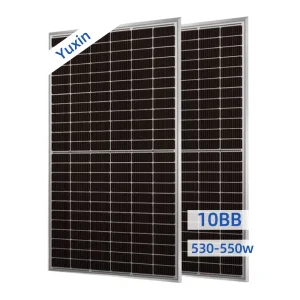
High-capacity monocrystalline module utilizing half-cut multi-busbar technology. Specially engineered to minimize resistive power losses under high temperatures.
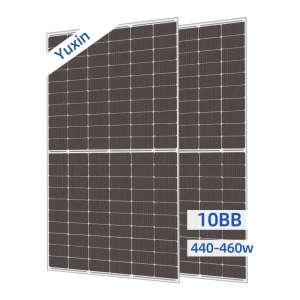
Industrial-grade high-power density panels, optimized for utility-scale layouts and commercial rooftop installations in Binh Duong and HCMC.
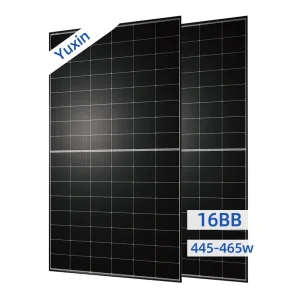
Bifacial dual-glass module featuring a black frame. Highly resistant to PID and micro-cracks, making it suitable for coastal and humid environments.
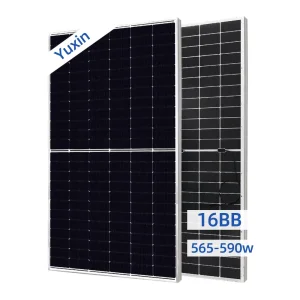
High-efficiency N-type TOPCon bifacial modules designed for ground arrays and large flat-roof installations to maximize power generation.
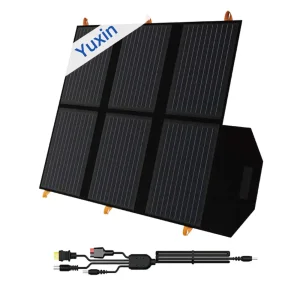
Weatherproof backpack integrated with flexible monocrystalline solar cells, designed for charging mobile devices and power banks in remote fields.
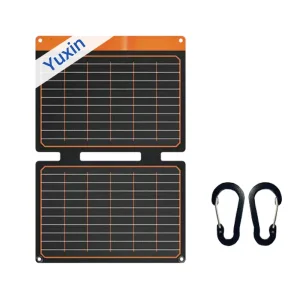
Compact outdoor charging backpack with integrated high-efficiency solar cells, suitable for field teams and mobile outdoor applications.
Alternative composite frames offering high mechanical strength and electrical insulation, designed for high-salinity and corrosive coastal zones.
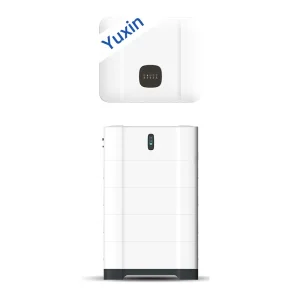
Complete residential storage solution combining efficient PV modules, hybrid inverters, and long-life LiFePO4 batteries.
Operational Insights and Technical Standards for Southern Vietnam's Solar Projects