Optimized solar modules and power systems selected for the high irradiance and high salinity challenges of Kiribati.
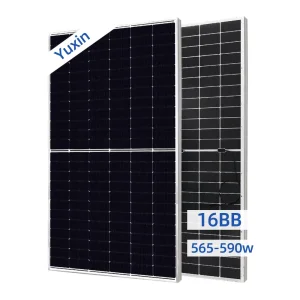
Featuring double-glass packaging to achieve zero water vapor transmission, rendering this module completely immune to salt spray corrosion and PID. Offers excellent performance in high temperatures with a low temperature coefficient (-0.30%/°C).
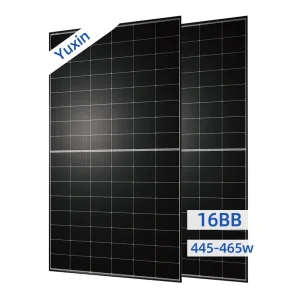
A highly durable, lightweight black frame module optimized for distributed rooftop solar layouts in South Tarawa. The dual glass layers provide robust structural integrity against high winds and coastal squalls.
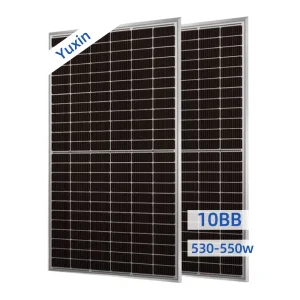
Cost-effective high power PERC module featuring a robust anodized frame. Tailored for commercial projects, providing high energy output and reliable return on investment for remote public infrastructure.
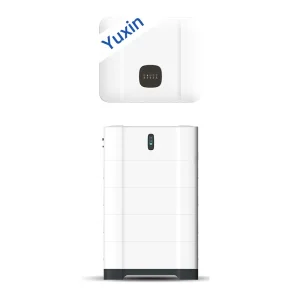
An all-in-one solar charging and lithium battery storage system designed to deliver continuous power to households, ensuring grid stability in Kiribati's rural island environments.
Why standard PV materials degrade prematurely in the Central Pacific, and how we engineer solutions to prevent it.
The Republic of Kiribati, spanning 33 atolls across 3.5 million square kilometers of the Pacific Ocean, faces urgent challenges from rising sea levels and reliance on imported fossil fuels. In urbanized South Tarawa and the remote Gilbert, Line, and Phoenix groups, the cost of diesel-powered electricity is prohibitively high. Implementing solar energy is essential for national sovereignty, economic resilience, and long-term climate adaptation.
Deploying photovoltaic arrays in Kiribati introduces complex environmental engineering challenges. Atoll geographies position all infrastructure in close proximity to the ocean. The environment exhibits relative humidity levels averaging 80% and elevated temperatures. Salt aerosolization produces constant, corrosive salt-spray deposits on glass, frames, and electrical connections. These conditions accelerate galvanic corrosion and Potential Induced Degradation (PID).
To ensure a service life exceeding 25 years, PV systems in Kiribati must employ high-performance materials. Standards require structural aluminum alloys with thick anodization or advanced polyurethane composite frames, salt-mist resistant double-glass modules with POE encapsulation, and moisture-sealed junction boxes rated IP68. Designing systems to match local constraints is critical to safeguarding the region's energy investments.
C5-M Marine Corrosion: Extreme coastal environments require IEC 61701 salt mist corrosion severity 6 certification.
Severe Wind Loads: Coastal squalls require structures and module frames certified for wind loads up to 5400 Pa.
PID Accelerated by Moisture: High relative humidity requires dual-glass modules with POE film to block moisture ingress.
Logistical Constraints: The remote location of Kiribati's atolls highlights the importance of highly reliable, low-maintenance solar solutions.
A detailed comparison of PV technologies engineered for Equatorial Pacific environments.
Kiribati's equatorial location yields high solar irradiance, but elevated operating temperatures can reduce module efficiency. Our N-Type TOPCon cells operate with a temperature coefficient of -0.30%/°C, outperforming traditional PERC modules (-0.35%/°C). N-Type cells also exhibit zero Light-Induced Degradation (LID), securing greater long-term energy yields over the system's operational lifetime.
Traditional polymer backsheets degrade under high UV exposure and allow moisture transmission, leading to internal corrosion of contacts. Our dual-glass architecture replaces the plastic backsheet with tempered glass. Coupled with POE encapsulant, it provides an impermeable barrier against moisture and salt-mist ingress, protecting the solar cells from degradation.
For seaside applications, we offer polyurethane pultruded composite frames. Unlike aluminum, these composite frames do not undergo galvanic corrosion when exposed to seawater and mounting structures. For inland sites, our anodized aluminum frames (6063-T5) receive specialized surface treatments exceeding 25µm in thickness to prolong service life.
Enabling stable electricity for Tarawa and outer islands through integrated lithium energy storage (ESS).
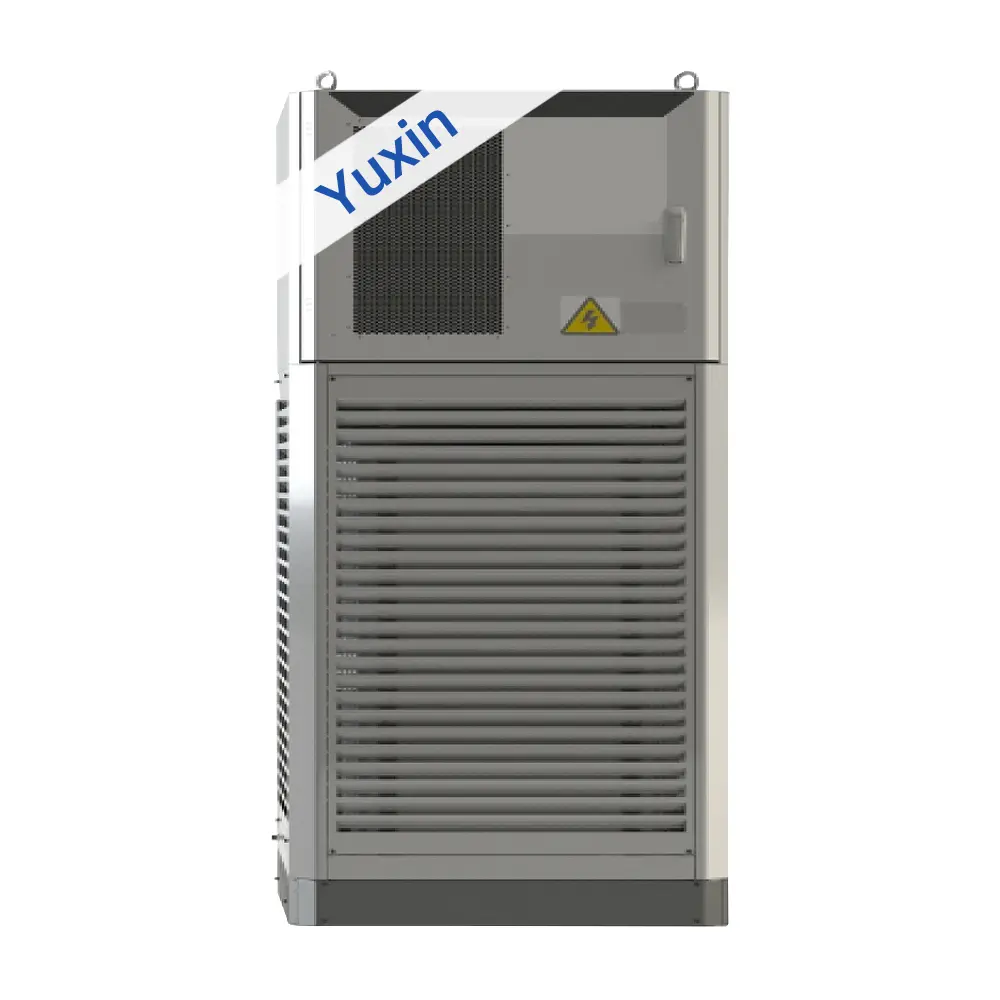
Kiribati's small island grids require energy storage to manage solar intermittency. Without storage, high solar penetration can destabilize utility networks. Integrating Energy Storage Systems (ESS) allows grid operators to store midday solar energy, discharge it during peak evening hours, and maintain grid stability.
Our solutions feature modular commercial and industrial energy storage systems utilizing Lithium Iron Phosphate (LiFePO4) chemistry. LFP batteries offer high thermal stability and a long cycle life, making them suitable for equatorial conditions. Equipped with IP55 and IP66 enclosures and liquid or smart air cooling, our systems prevent thermal runaway even in high ambient temperatures.
For remote areas, our smart microgrid systems coordinate with diesel generators to optimize fuel efficiency. By prioritizing solar and storage discharge, these systems minimize generator runtimes, reducing fuel logistics costs and carbon emissions.
A look at our integrated production, supply chain control, and quality verification standards.
Jiangsu Yuxin New Energy Technology Co., Ltd. (YUXIN Group), established in 2008, operates 14 specialized companies and is recognized as a National High-tech Enterprise and a Top 100 Private Enterprise in Gaoyou City. Located in Yangzhou, Jiangsu Province, our facility benefits from streamlined logistics near major highways and ports, enabling efficient international container shipping.
Our facility runs 21 automated production lines with strict quality controls. We manage raw material sourcing, silicon ingot slicing, cell texturing, glass tempering, framing, and final testing. This vertical integration ensures consistent quality across all components.
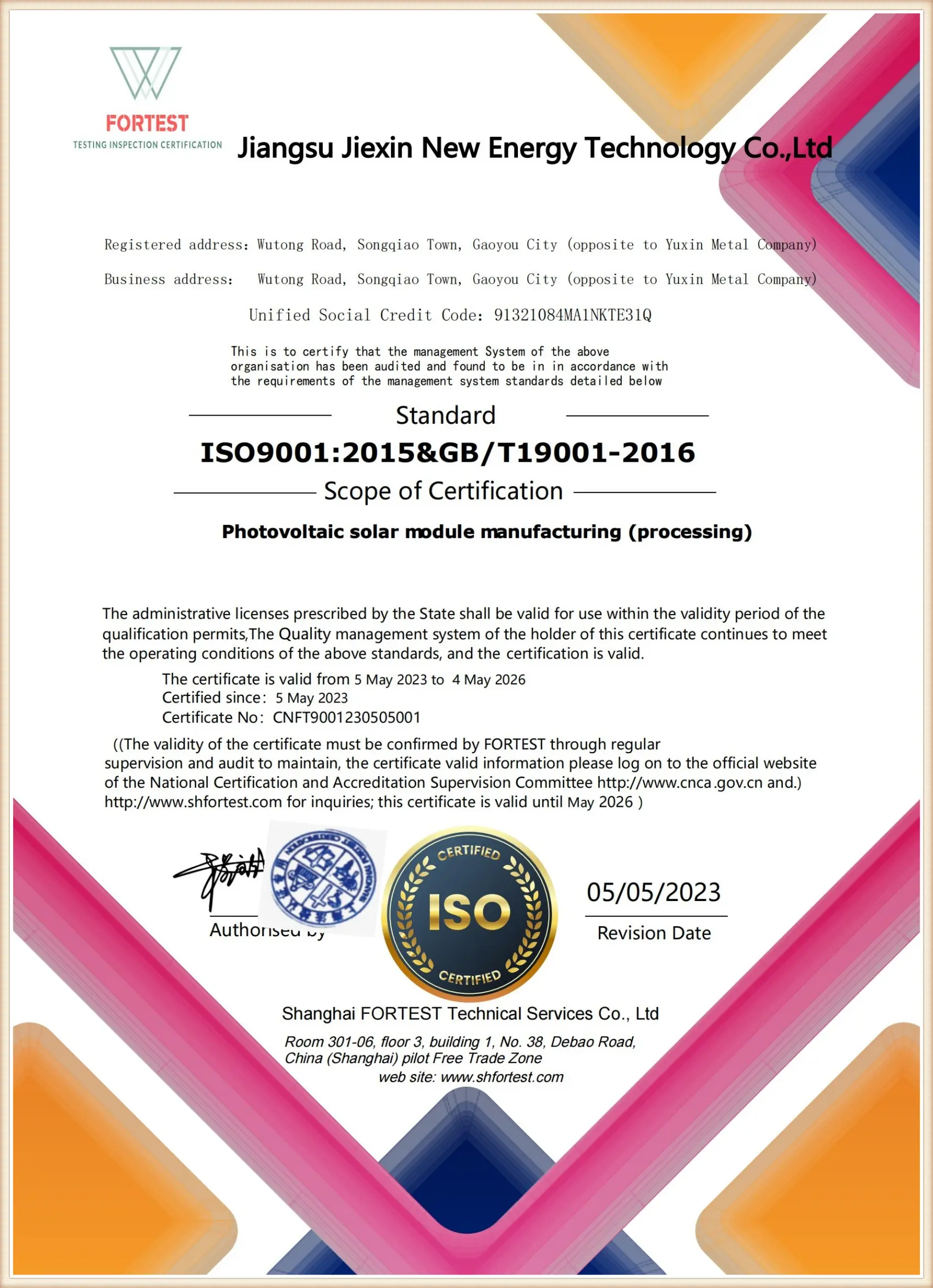
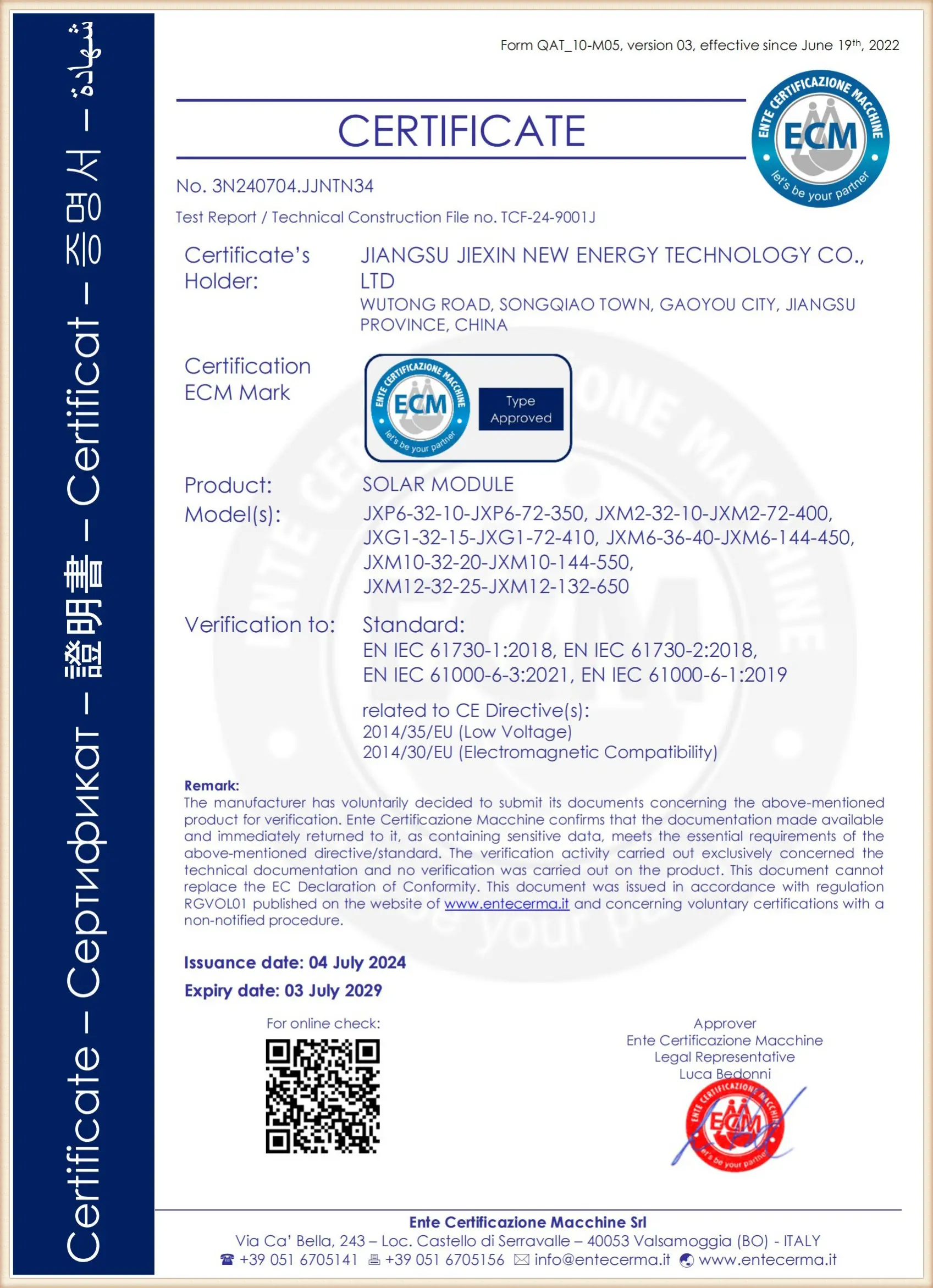
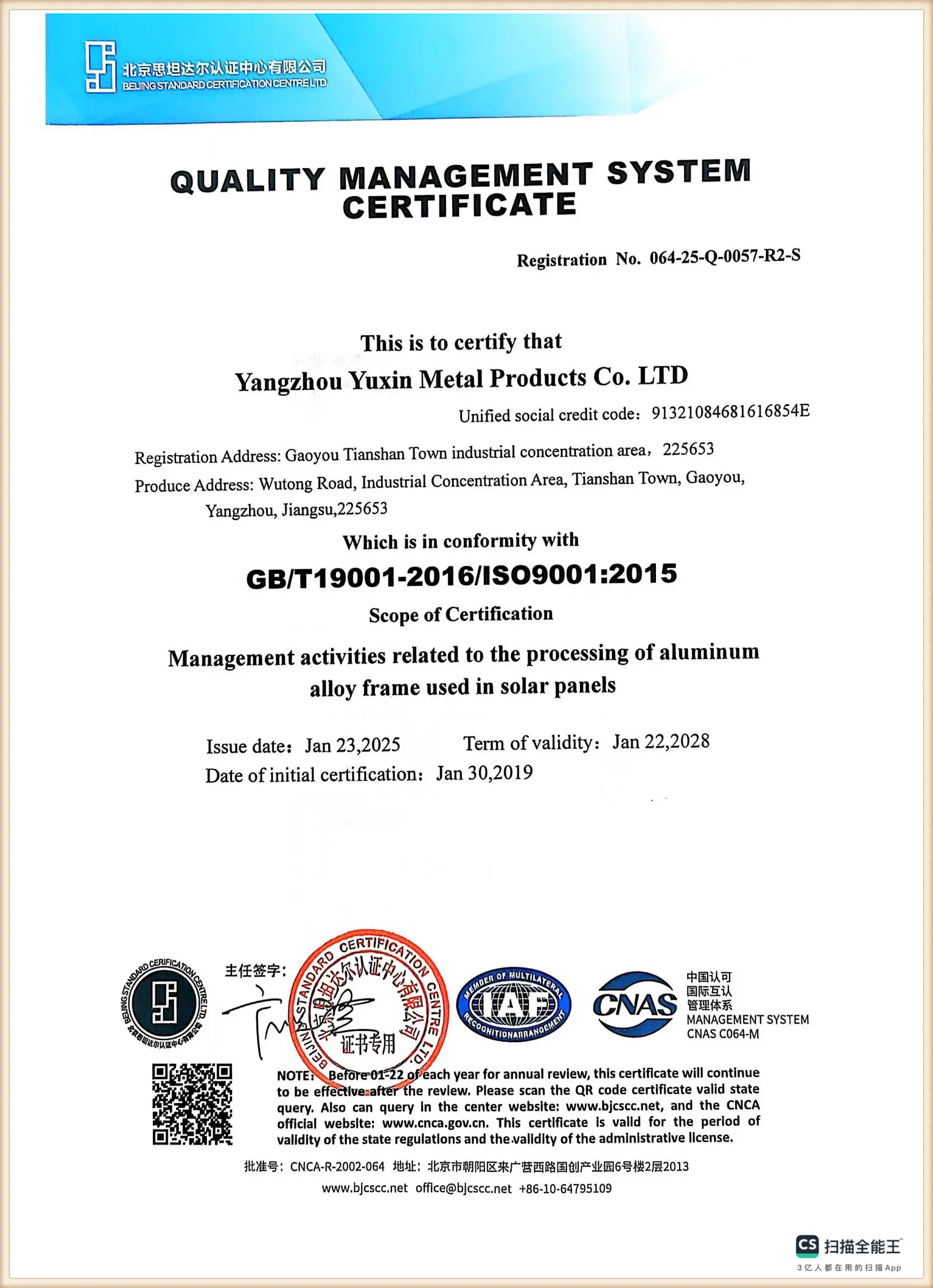
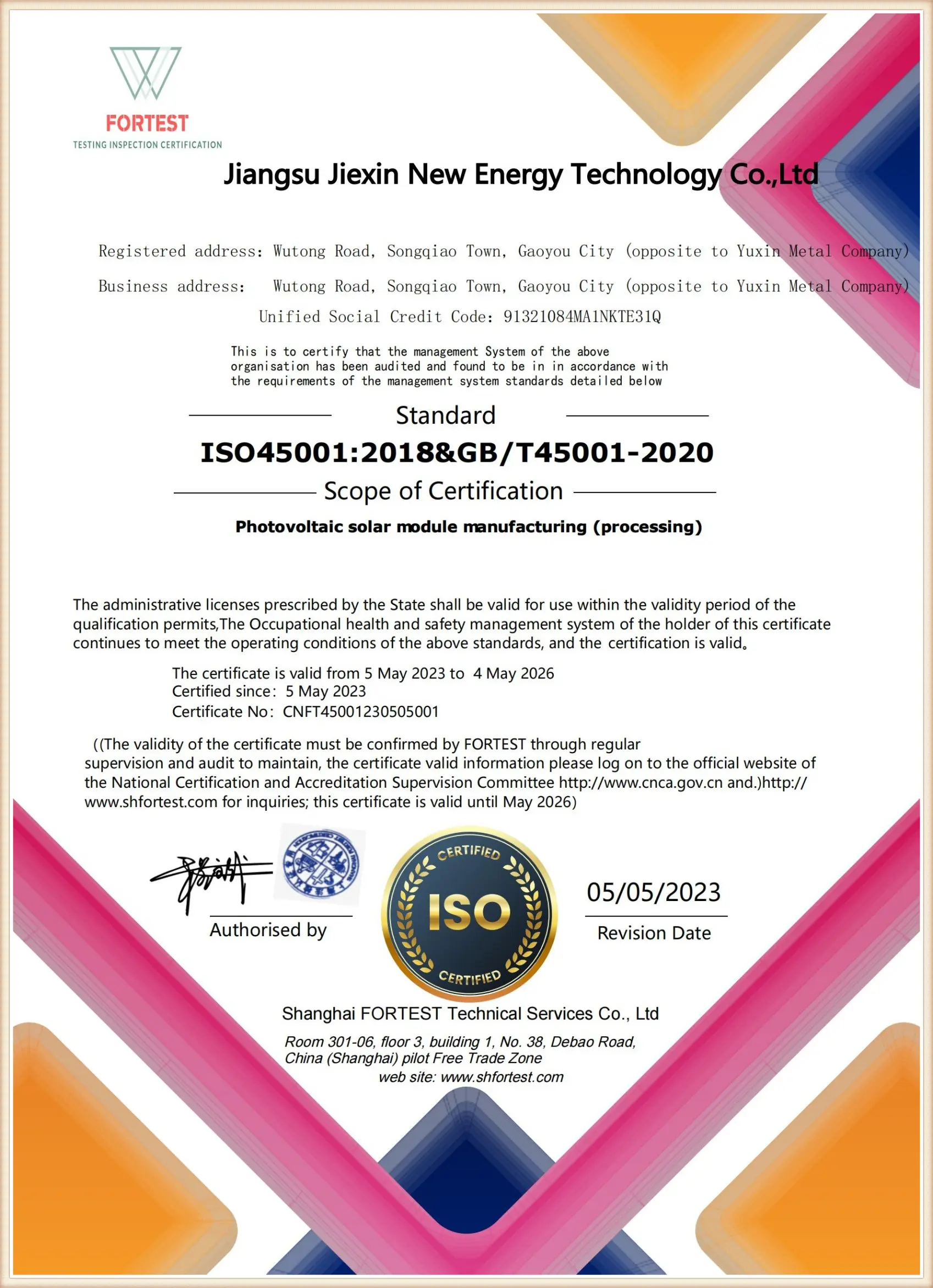
Our QA laboratories test modules under simulated environmental stresses. Every production run undergoes electroluminescence (EL) imaging twice to detect microcracks, alongside flash tests to verify power output. All products shipped to Pacific regions are certified to meet international standards (CE, TUV, ISO9001, ISO14001).
How we ensure safe transport, customs compliance, and technical support for project sites across Kiribati.
Long-distance maritime shipping to Tarawa involves ocean conditions and high humidity. Our modules are packed in reinforced, moisture-resistant vertical crates with protective corner guards. Anti-desiccant silica gel packets are placed in every container to prevent moisture accumulation during transit.
We provide full documentation for import clearance at the Port of Betio in South Tarawa. Our support includes detailed commercial invoices, packing lists, clean bills of lading, certificates of origin, and compliance files (CE, TUV, IEC test records) to facilitate customs processing.
We offer engineering support from project design through to installation. Our team assists local EPC contractors with array layout optimization, electrical wiring diagrams, wind load calculations, and commissioning guidelines via video or telecommunication.
Explore our components, mounting frames, commercial energy storage, and off-grid accessories.
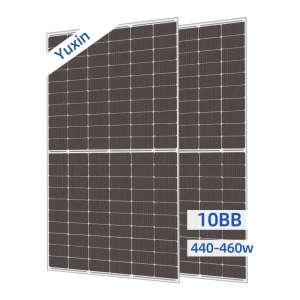
High-output monocrystalline silicon panels providing affordable generation for schools, medical centers, and government offices across the Gilbert Islands.
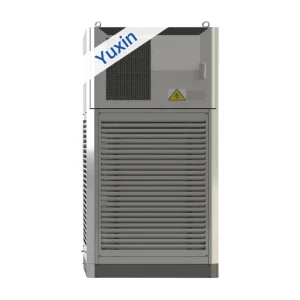
A high-capacity, grid-stabilizing energy storage solution designed to integrate with localized microgrids, helping reduce diesel dependence on outer islands.
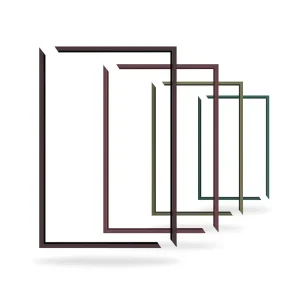
Designed for coastal PV arrays. Polyurethane composite material prevents galvanic corrosion and salt spray degradation, extending structure life in shoreline settings.
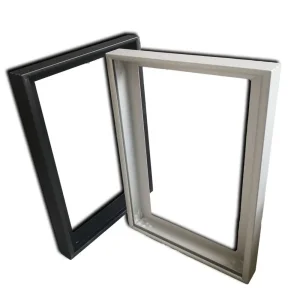
Heavy-duty anodized aluminum frames designed to meet wind load requirements and resist corrosion, providing structural support for ground-mount solar arrays.
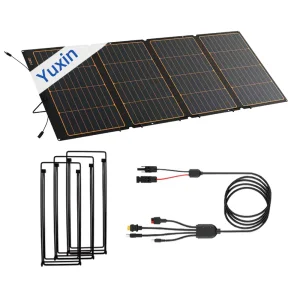
A portable, waterproof backup generator designed to power telecommunication links and weather monitoring gear during tropical cyclones and power outages.
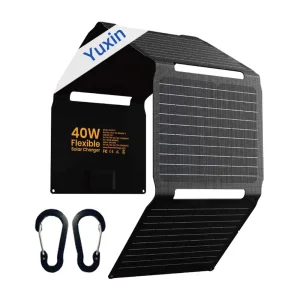
Integrated high-efficiency solar cells with a rugged, waterproof backpack, providing mobile power to charge devices for scientific research teams.
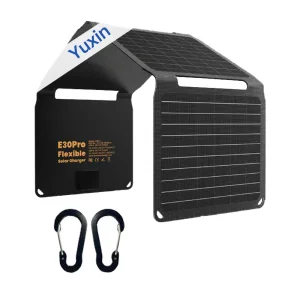
Compact solar charging bag designed for remote travel, allowing field personnel to charge mobile phones and GPS gear using sunlight.
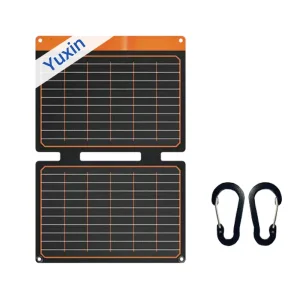
Lightweight solar charger backpack designed for students and community workers, providing access to mobile charging in areas without grid access.
Precision, Quality, and Safety - Your Photovoltaic Materials Partner
Headquartered in the historical city of Yangzhou, Jiangsu Province, YUXIN Group is strategically located near the Beijing-Shanghai Expressway, the Runyang Yangtze River Bridge, and key rail links, facilitating efficient transport to major container ports.
Established in 2008, the group manages 14 specialized companies, including Jiangsu Yuxin New Energy Technology Co., Ltd. Over the years, we have been recognized as a National High-tech Enterprise, a Technology-based Enterprise, and a Gaoyou City Top 100 Private Enterprise, reflecting our commitment to technical innovation and quality control.
Our operations focus on research, development, and high-volume manufacturing of solar modules, structural aluminum frames, and integrated energy storage systems. By maintaining strict control over production and materials, we provide reliable, high-durability solar solutions for challenging environments like the Pacific Islands.
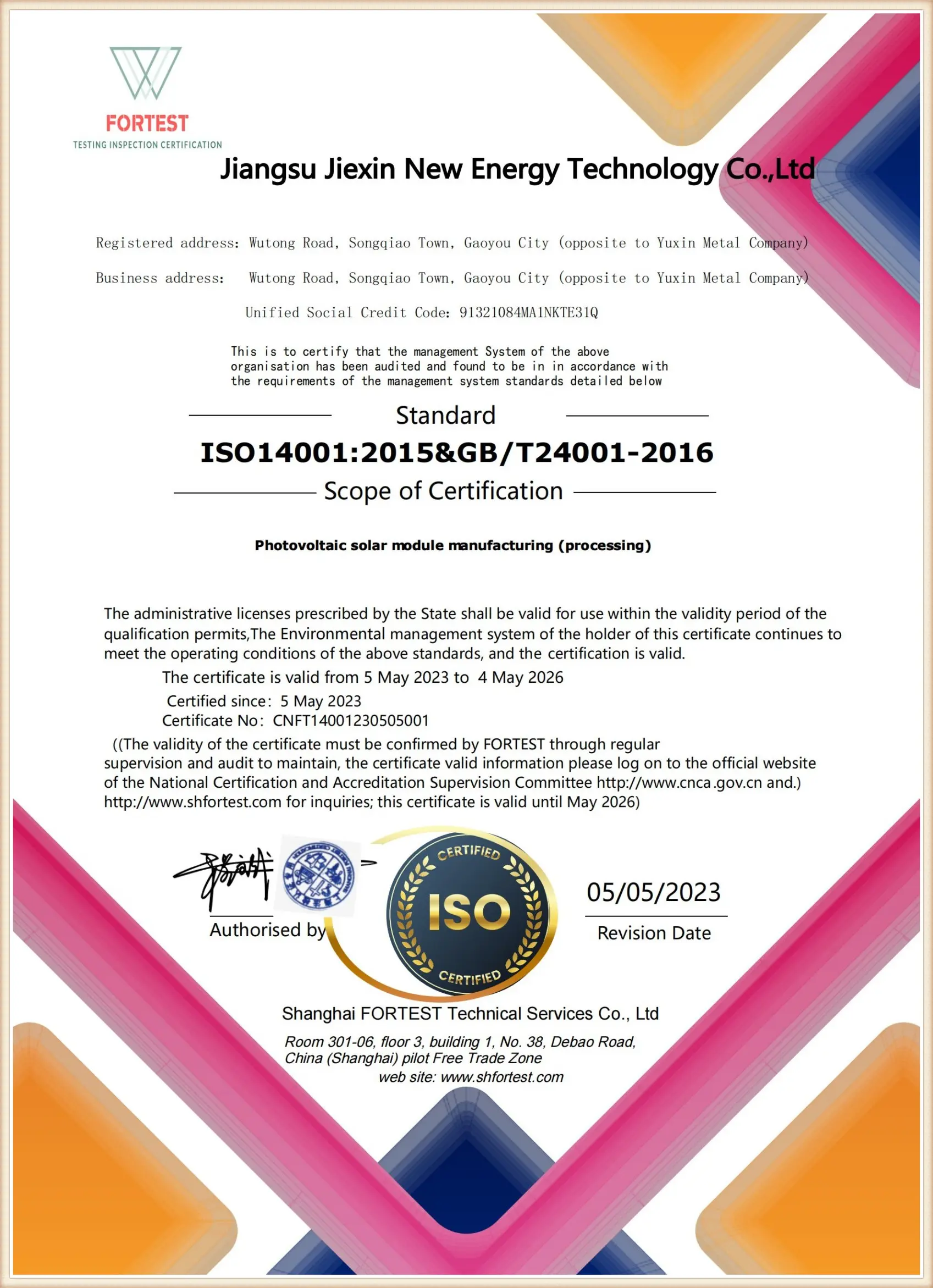
Our products are certified by international inspection organizations to ensure performance and safety.
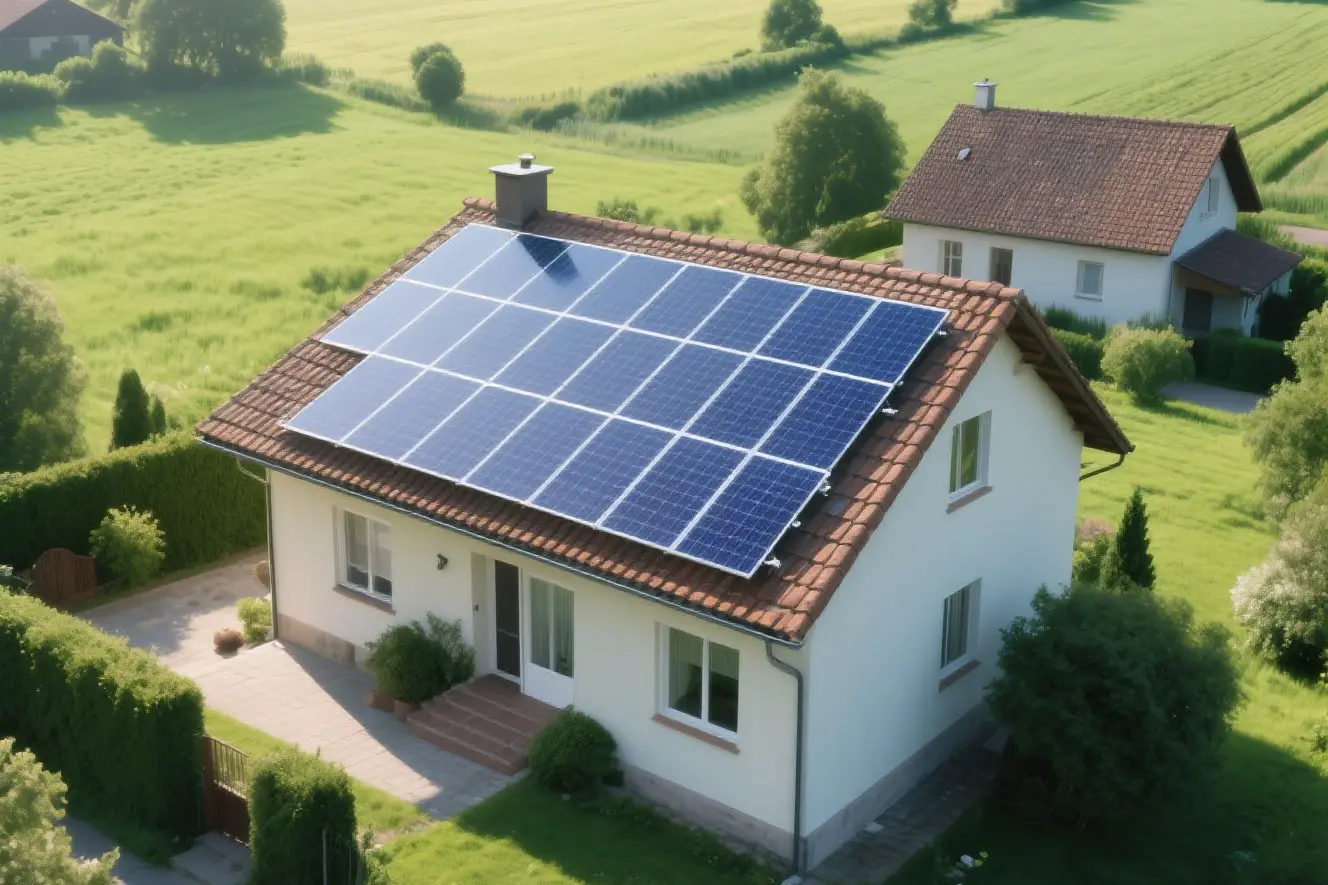
Deploying tailored solar solutions across diverse sectors in the Central Pacific.

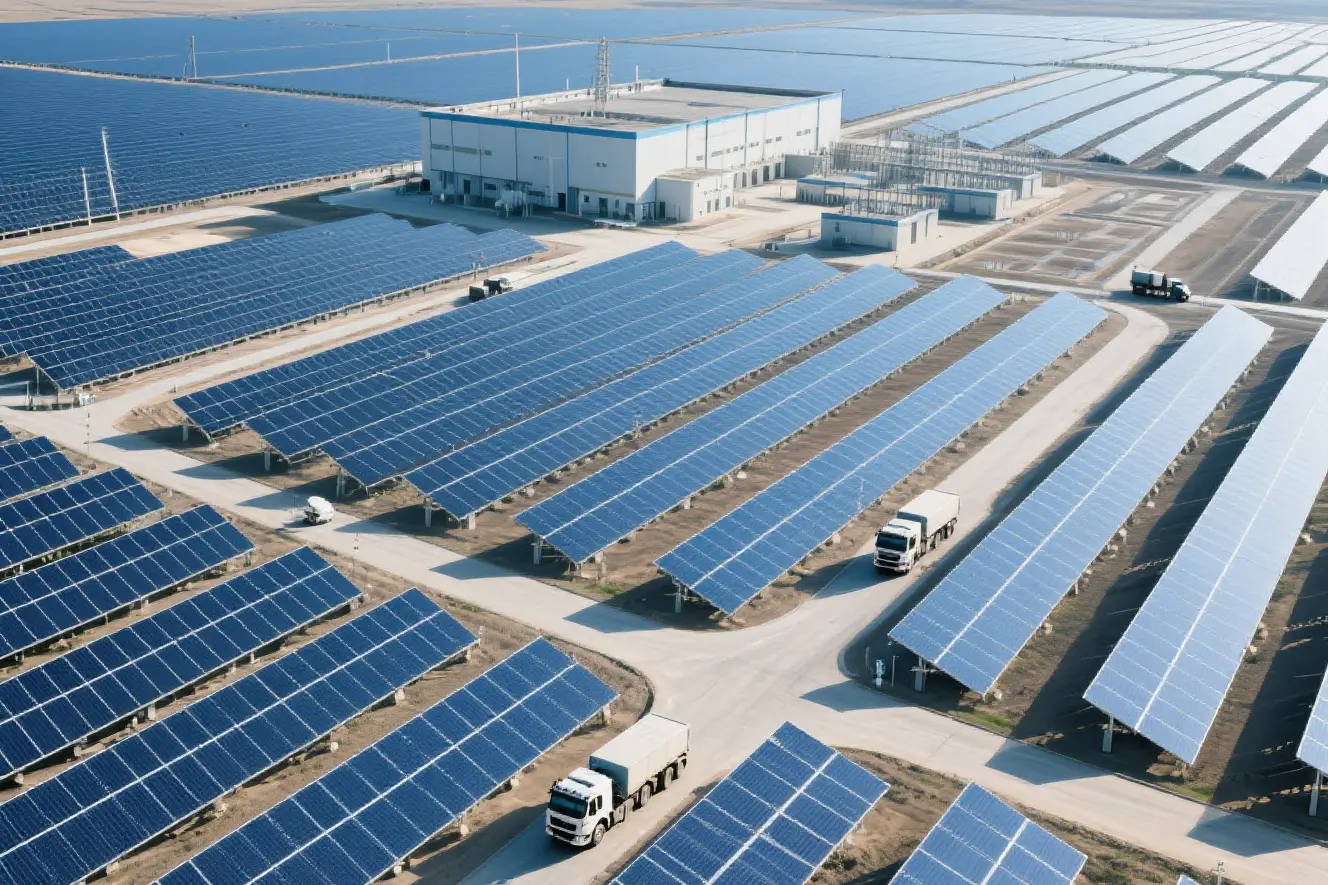
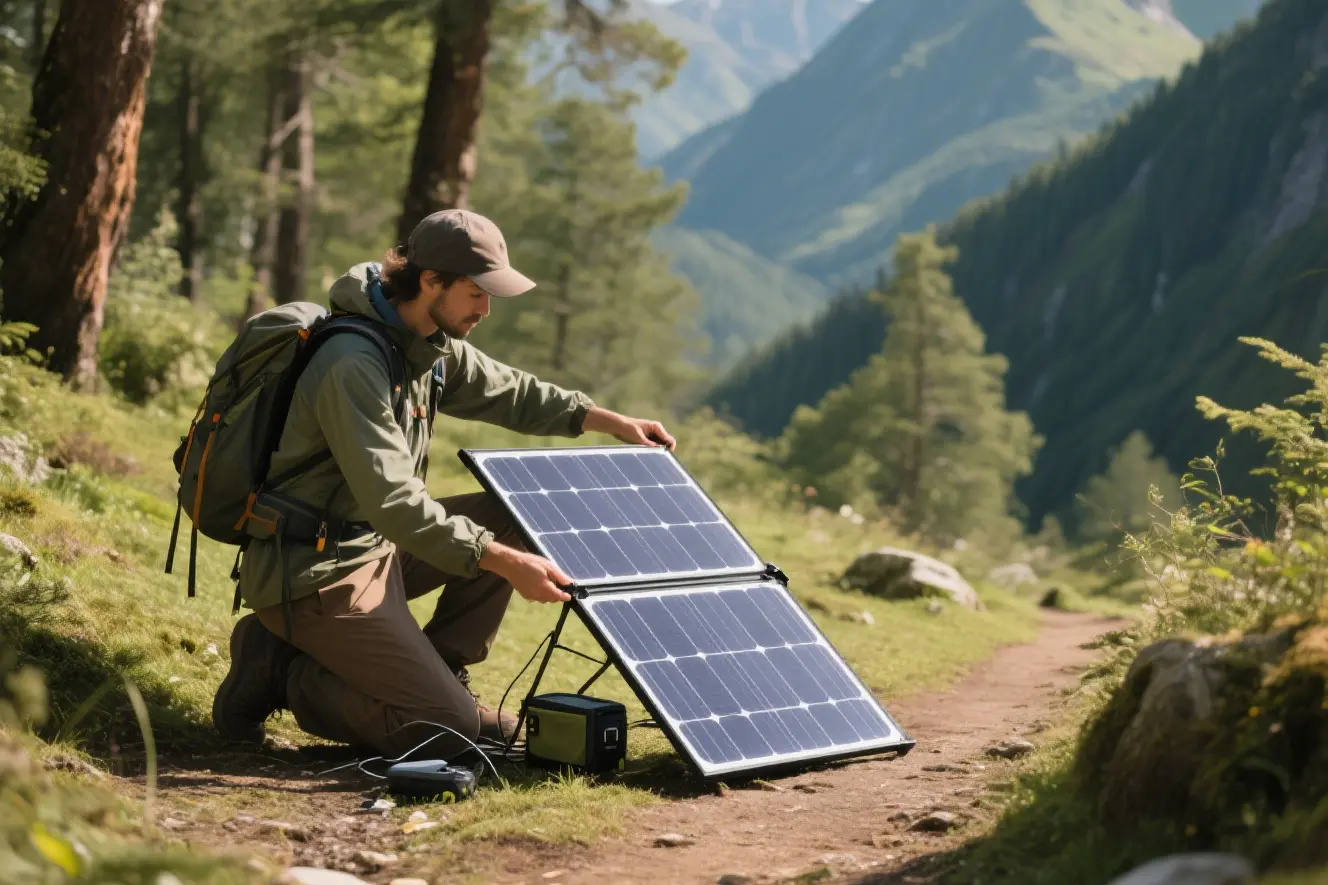
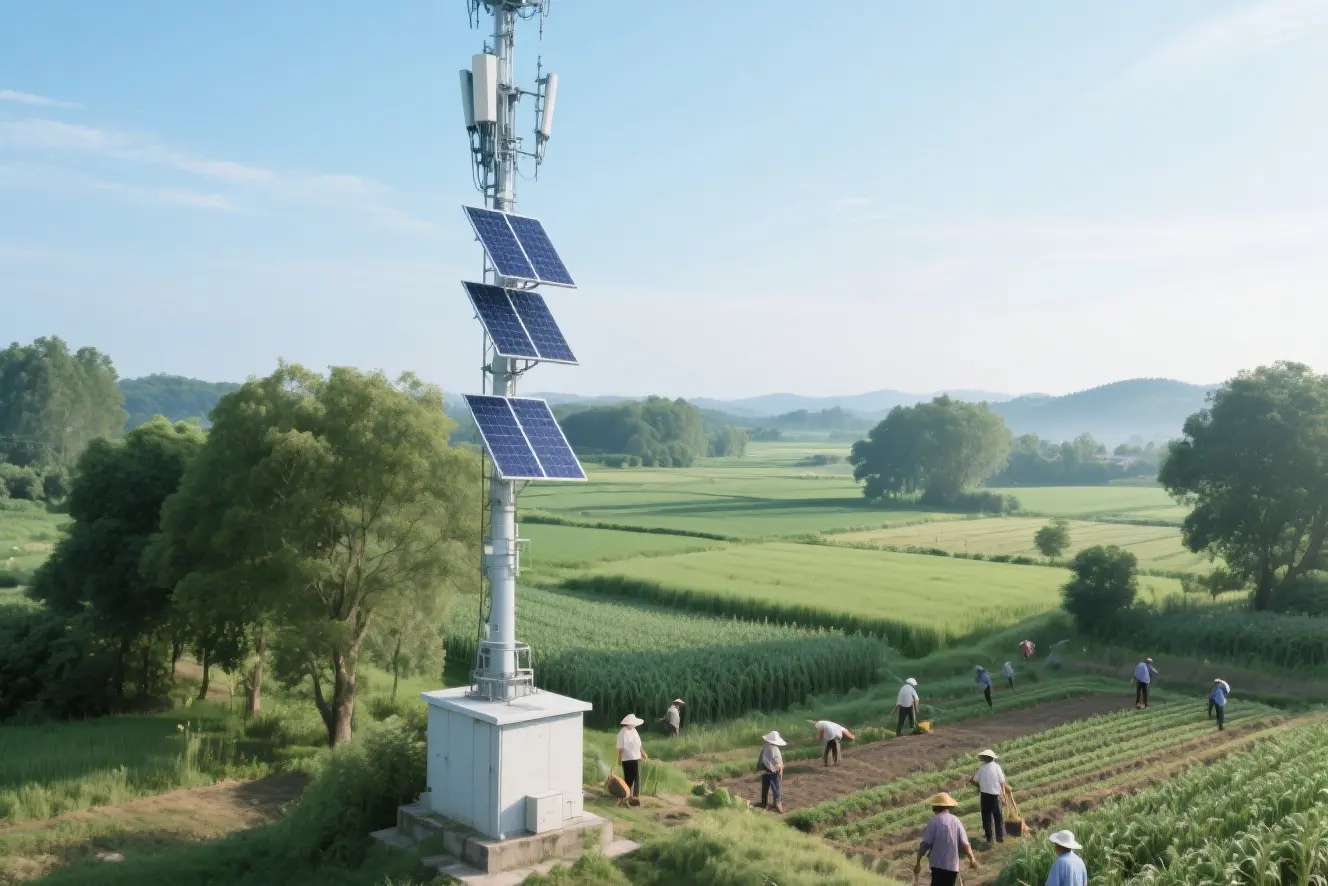
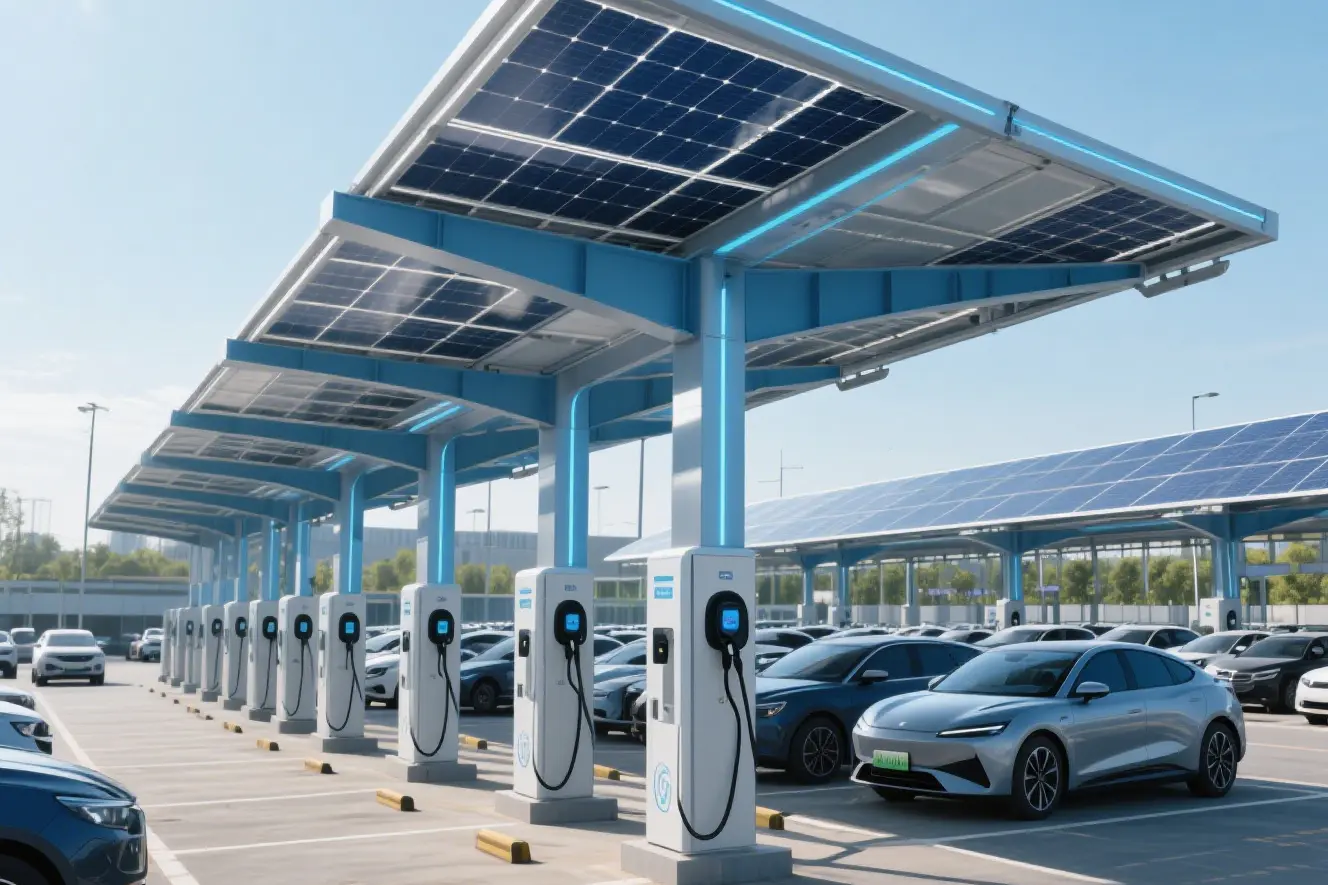
Collaborating with global energy developers and EPC contractors to support reliable solar installations.
Insights on quality control, manufacturing standards, and materials engineering for solar systems.
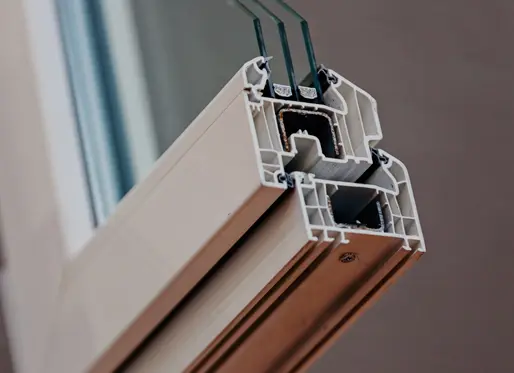
An analysis of aluminum alloys, anodization thickness, and structural design requirements for modules in high-wind and marine environments.
Read Article →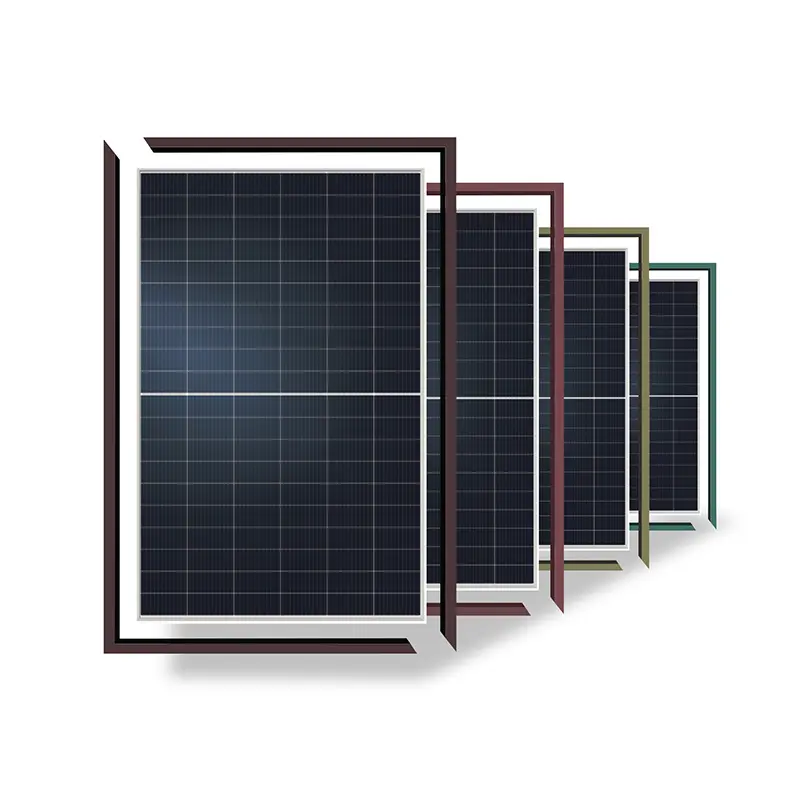
Key factors for international buyers evaluating Chinese factory capacity, quality control systems, and raw material supply chain traceabilty.
Read Article →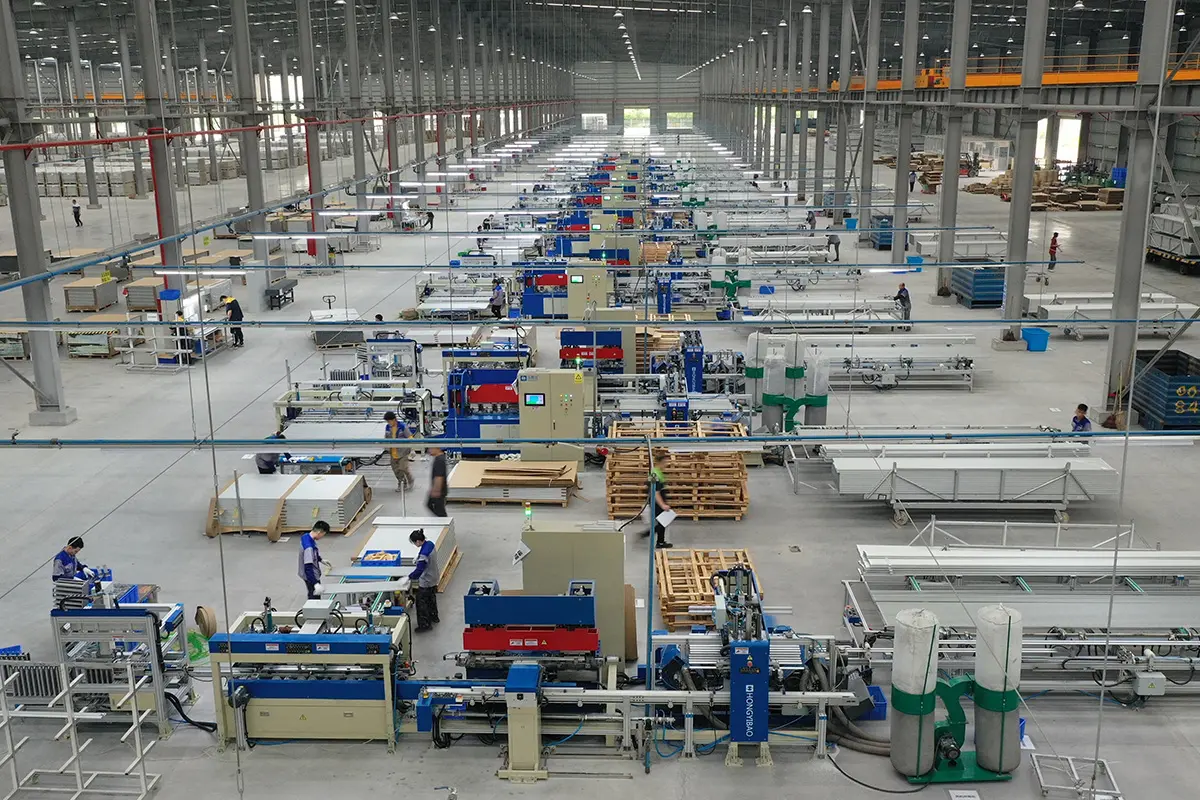
A review of measurement protocols, mechanical load testing, and corrosion resistance checks used to ensure structural longevity.
Read Article →Technical guidance and commercial support for solar installations in Kiribati.
Get in touch with our technical sales engineers for a customized system design, detailed pricing, and logistics support for your island community or commercial project.
Send Inquiry Now