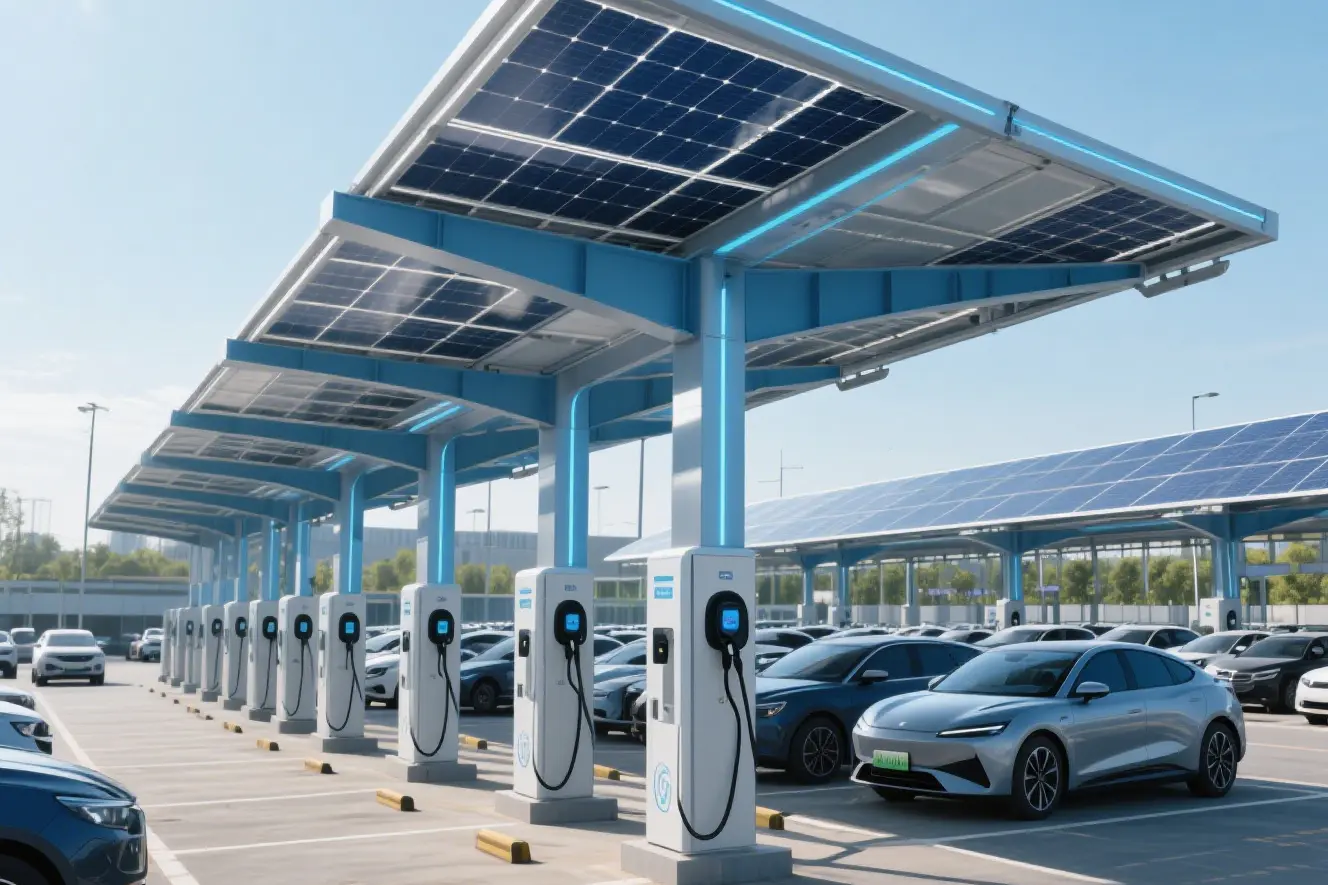
Engineered to withstand high-humidity, high-temperature maritime environments while maximizing yield efficiency.
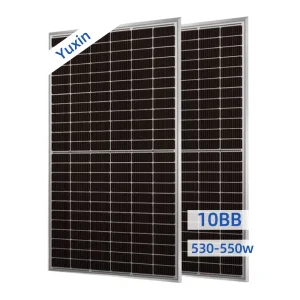
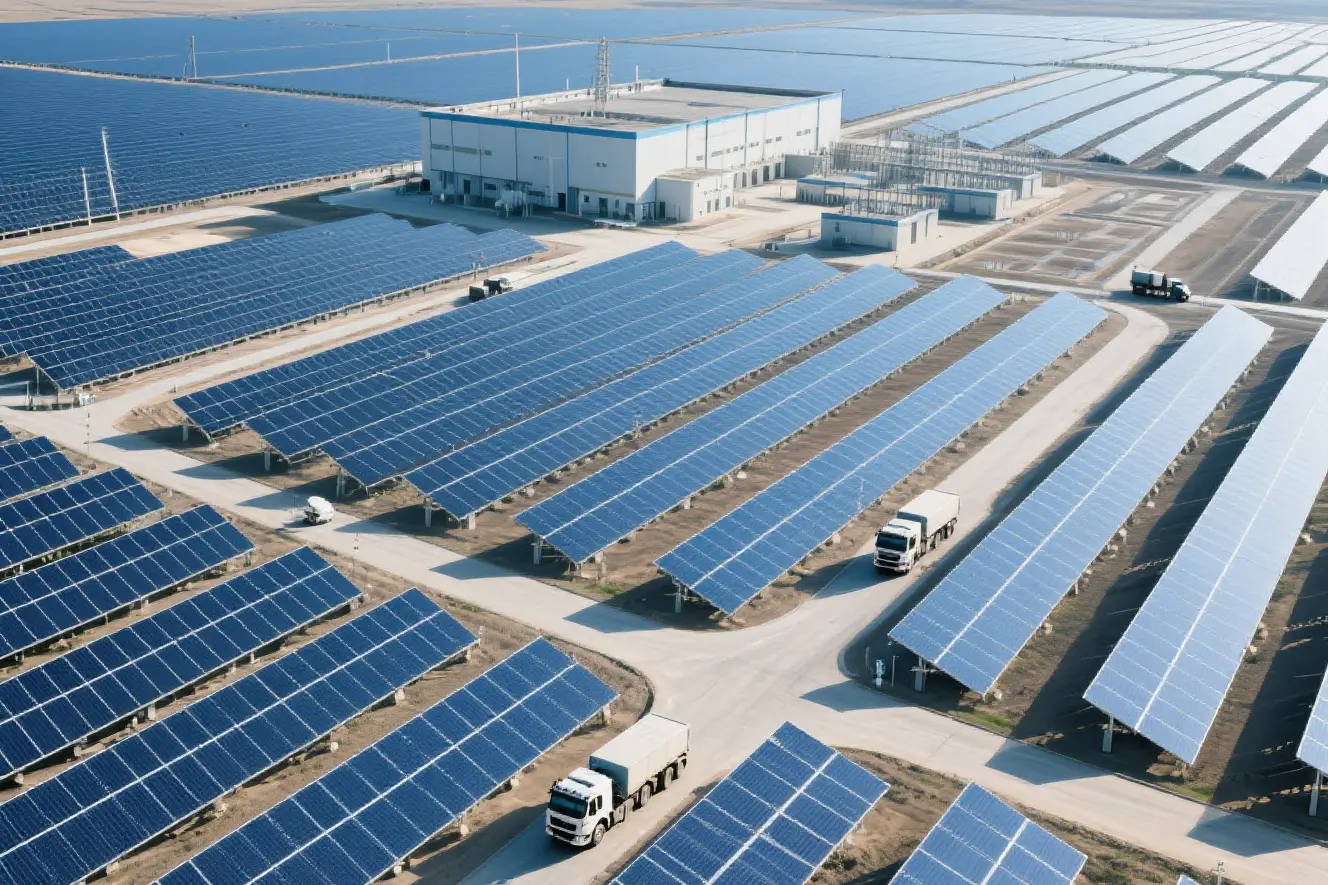
Optimized for large-scale utility integration and distributed commercial systems throughout Panama's industrial corridors.
View Details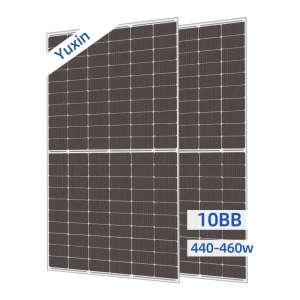
High-density output design providing exceptional Levelized Cost of Energy (LCOE) reductions for commercial developers.
View Details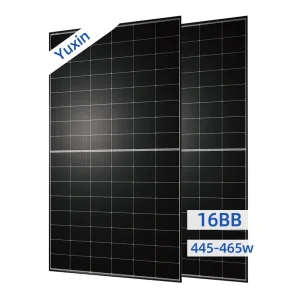
Advanced dual-glass protection preventing PID and micro-crack failures under hot, humid maritime conditions.
View Details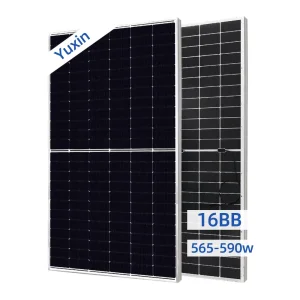
Maximize backside power generation up to 30% addition, ideal for sandy soil, gravel, and concrete ground mounting.
View DetailsPanama is undergoing a structural transition in its energy architecture. Historically dependent on hydro-generation and imported fossil fuels, the national grid is highly sensitive to climatic patterns like El Niño, which triggers severe dry seasons and volatile energy pricing. For Commercial and Industrial (C&I) entities, rising electricity tariffs present a significant threat to operational predictability.
According to the National Energy Plan (Plan Energético Nacional - PEN 2015-2050), Panama targets a minimum 70% share of renewable energy in its national matrix. Because of the country's geographical location near the equator, average solar irradiation reaches a potent 4.8 to 5.2 kWh/m²/day. Leveraging this resource allows retail centers, cold storage hubs in the Colón Free Zone, maritime operations, and manufacturing plants to insulate themselves from grid volatility.
Panama's regulatory board, the Autoridad Nacional de los Servicios Públicos (ASEP), maintains clear frameworks for distributed generation. Net metering (autoconsumo) enables C&I facilities to offset up to 100% of their electricity consumption, feeding excess power back into the grid for credits. Our high-efficiency systems are fully certified to align with all ASEP regulatory requirements, guaranteeing seamless interconnection processes.
Operating solar arrays in Panama requires addressing unique regional microclimates. The combination of intense tropical rain, high relative humidity (averaging 80%-90% year-round), and salt-spray corrosion from twin coastlines demands specialized structural engineering. Standard PV components rapidly degrade in these settings due to Potential Induced Degradation (PID) and frame oxidation. Our specialized N-type TOPCon bifacial modules, framed with double-glass shielding and marine-grade anodized aluminum or advanced polyurethane composites, are designed to combat these specific stressors.
To deliver true financial longevity for 25-to-30-year PV projects, technology must evolve past standard P-type PERC systems. Our R&D roadmap focuses on pushing the boundaries of efficiency through N-type architectures, advanced passivation, and alternative materials.
Transitioning from PERC to Tunnel Oxide Passivated Contact (TOPCon) increases conversion efficiencies beyond 22.5%, yielding better performance under diffuse tropical cloud cover.
Replacing aluminum with composite polyurethane provides zero electrical conductivity, eliminating PID, while delivering superior resistance against salt spray and coastal air.
Capturing ground albedo reflections via dual-glass rear absorption adds up to 30% power output, significantly lowering Levelized Cost of Energy (LCOE).
The next phase of Panama's solar expansion is battery storage integration. Because of grid constraints in provinces like Chiriquí and Coclé, grid-connected battery systems (ESS) are vital for maintaining system stability. Our engineering team is aligning solar panel developments with high-capacity modular commercial energy storage systems. This allows logistics hubs and manufacturing plants to store mid-day solar surpluses to offset high-tariff evening peaks.
Precision, Quality, and Safety - Your Photovoltaic Materials Expert
Established in 2008 in the historic industrial zone of Yangzhou, Jiangsu Yuxin New Energy Technology Co., Ltd. operates 14 specialized multi-field companies. As a National High-tech Enterprise, we have built a global manufacturing footprint, delivering high-performance PV materials, solar panels, mounting frame structures, and household/commercial energy storage systems to over 50 countries.
We provide end-to-end support for procurement officers, developers, and EPC contractors operating within Central and South America. Our logistics network facilitates direct shipping to the Port of Balboa (Pacific) and Port of Cristobal (Atlantic).
Inquire About Partner PricingA key risk factor in deploying solar systems in Latin America is shipping delay and component damage during transit. Leveraging YUXIN's integrated Industry 4.0 production ecosystem mitigates these supply chain concerns.
Our intelligent factory implements end-to-end automation, utilizing Advanced MES (Manufacturing Execution Systems) and real-time AI optical inspection. Every single wafer and panel undergoes dual EL (Electroluminescence) testing—first before lamination, and second before final packaging. This process guarantees our products arrive in Panama free of micro-cracks, ready to withstand local shipping handling.
Operating close to major transit hubs enables us to optimize logistics for international clients. From our manufacturing centers in Jiangsu, we run optimized maritime pathways directly to Balboa and Cristobal. By offering containerized loading systems designed to withstand ocean moisture, we minimize transit damage risks. EPC contractors working in Panama, Costa Rica, and Colombia can rely on consistent deliveries aligned with strict installation schedules.
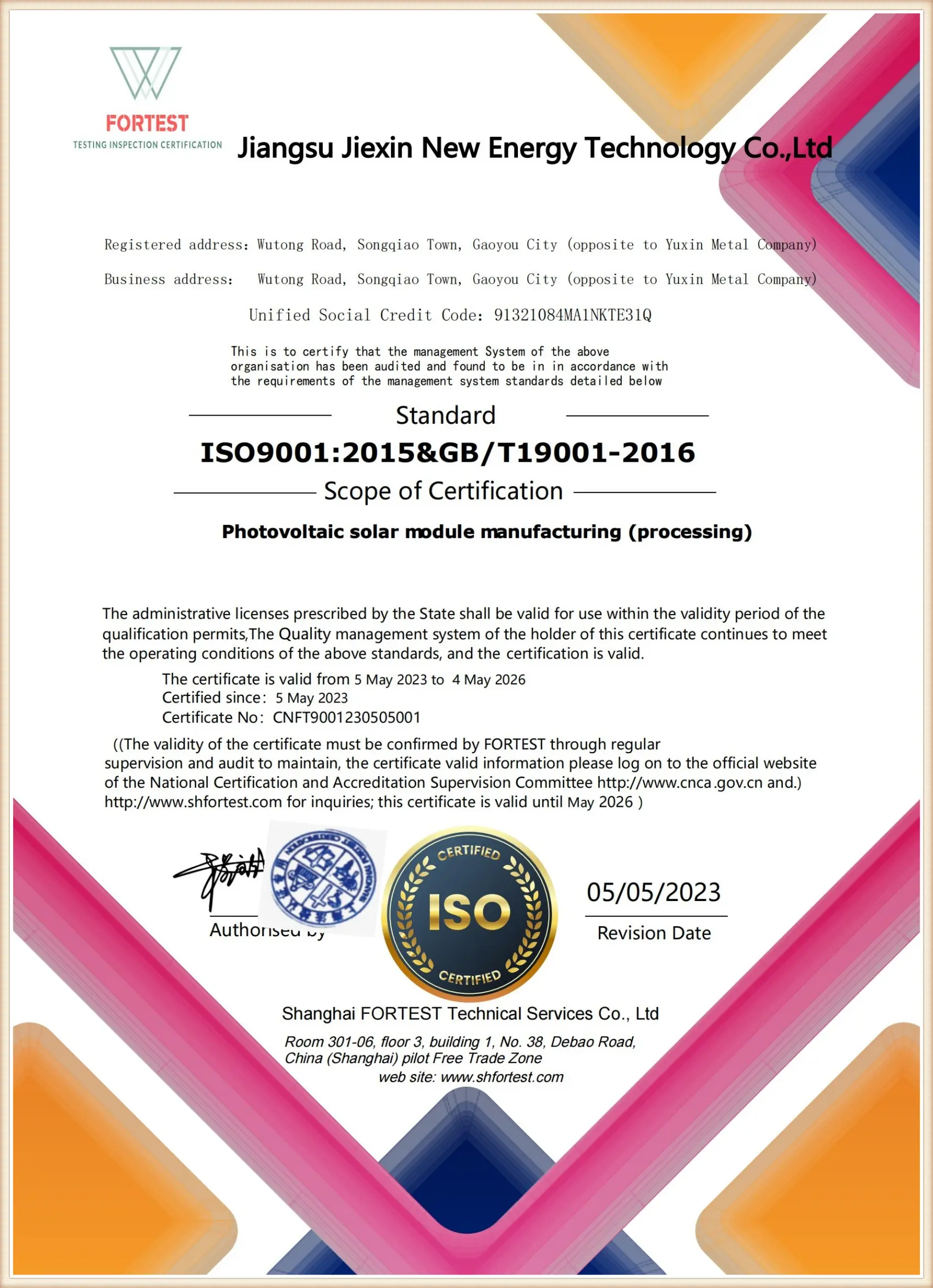
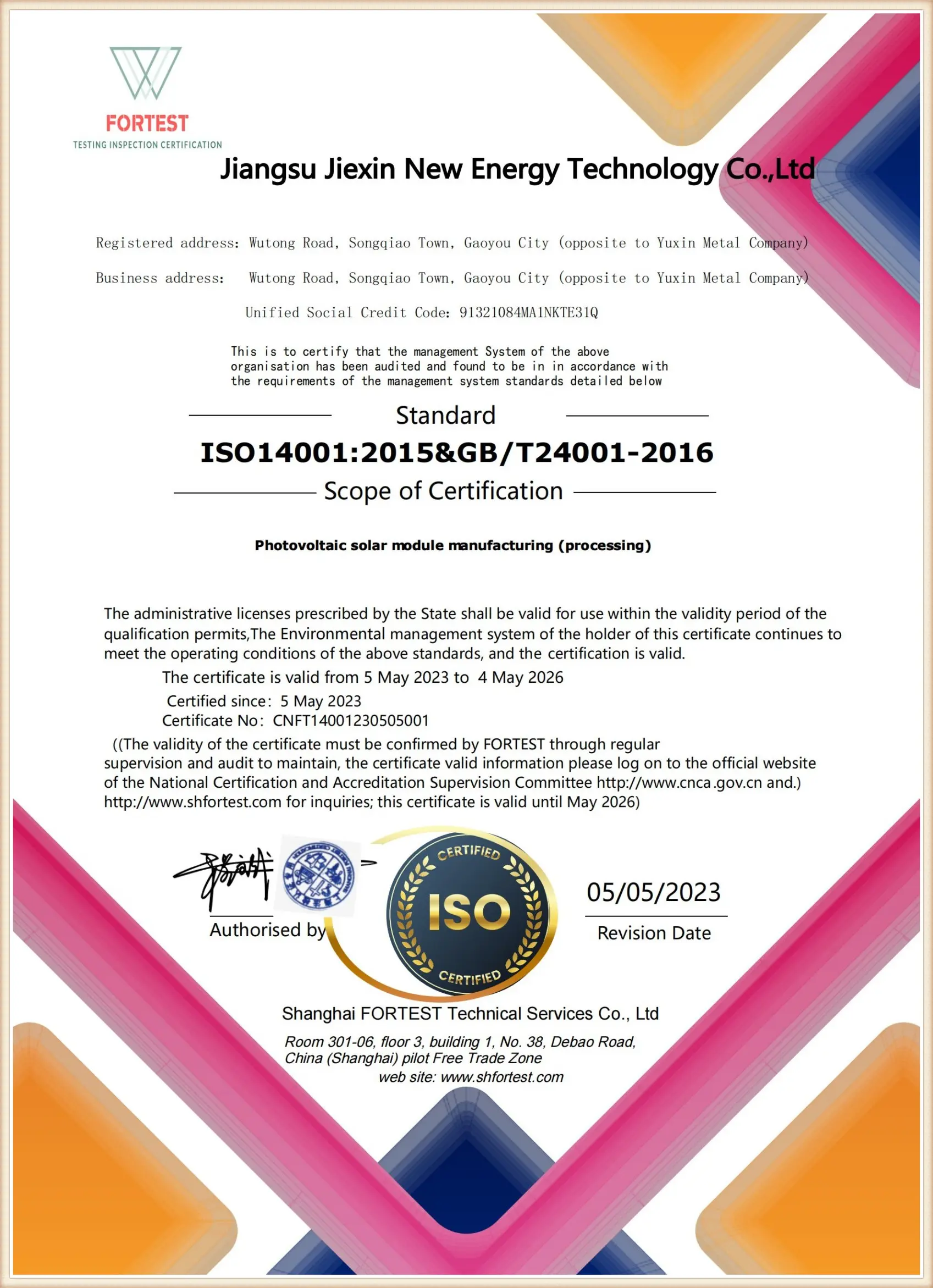
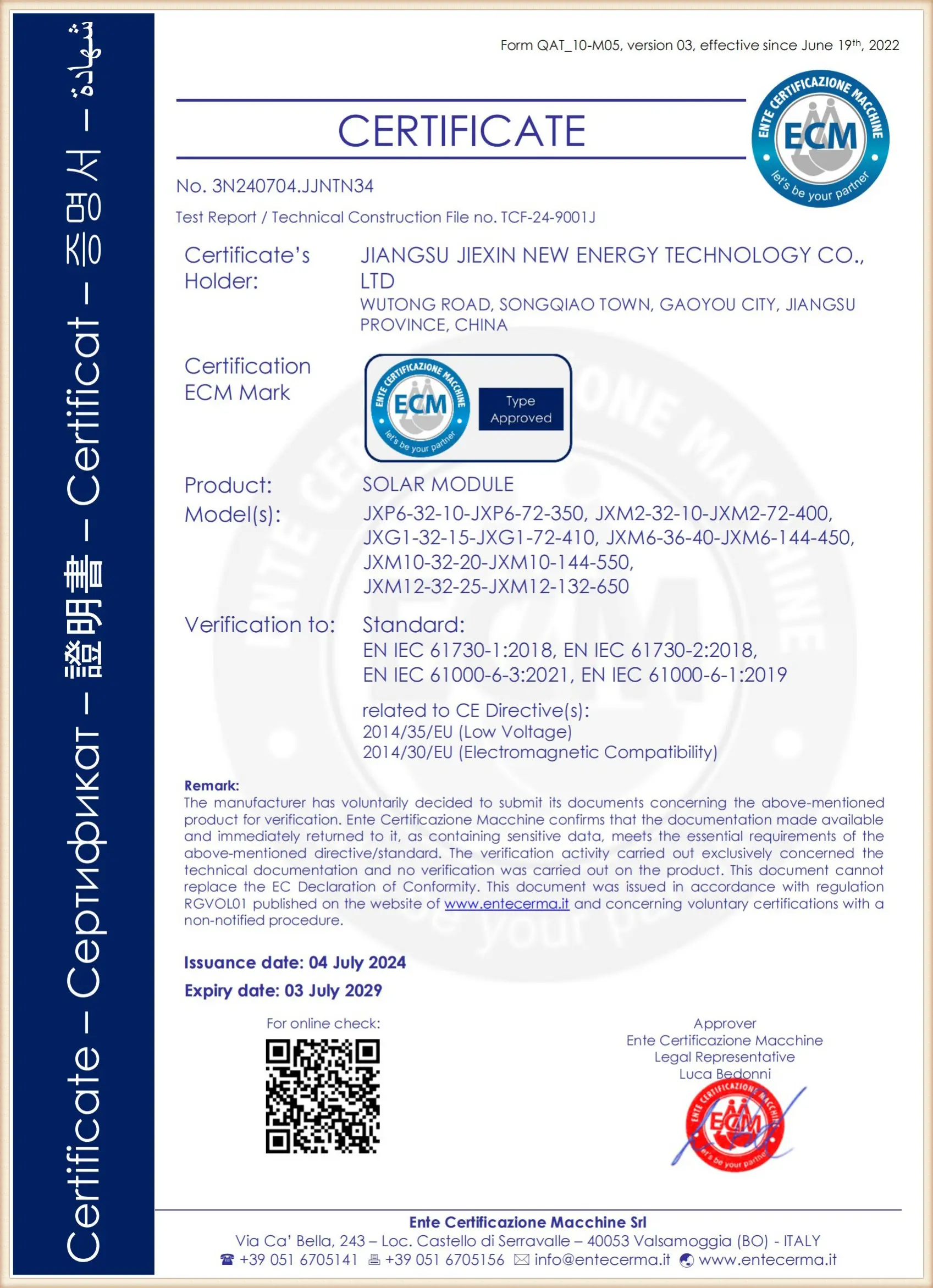
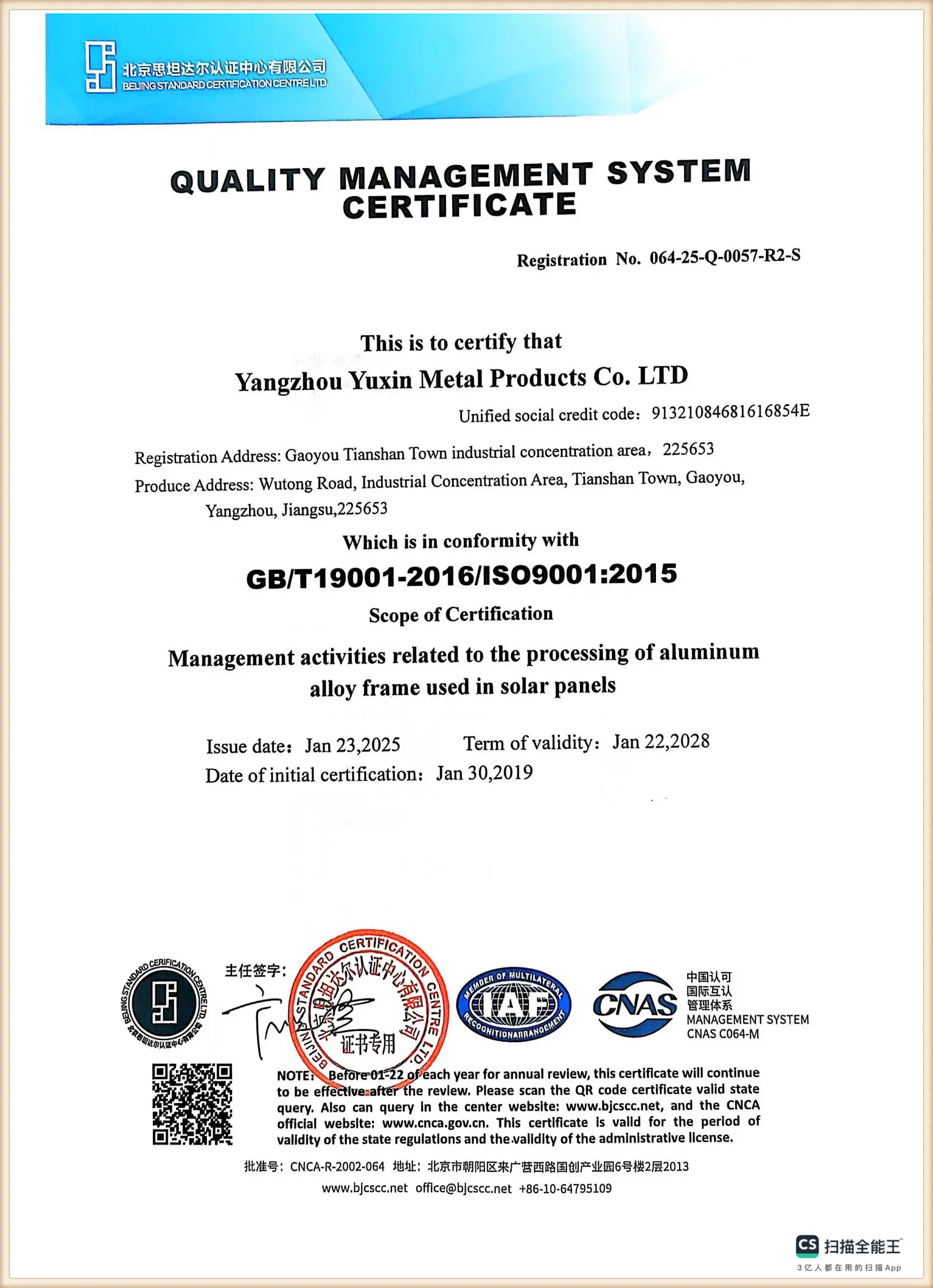
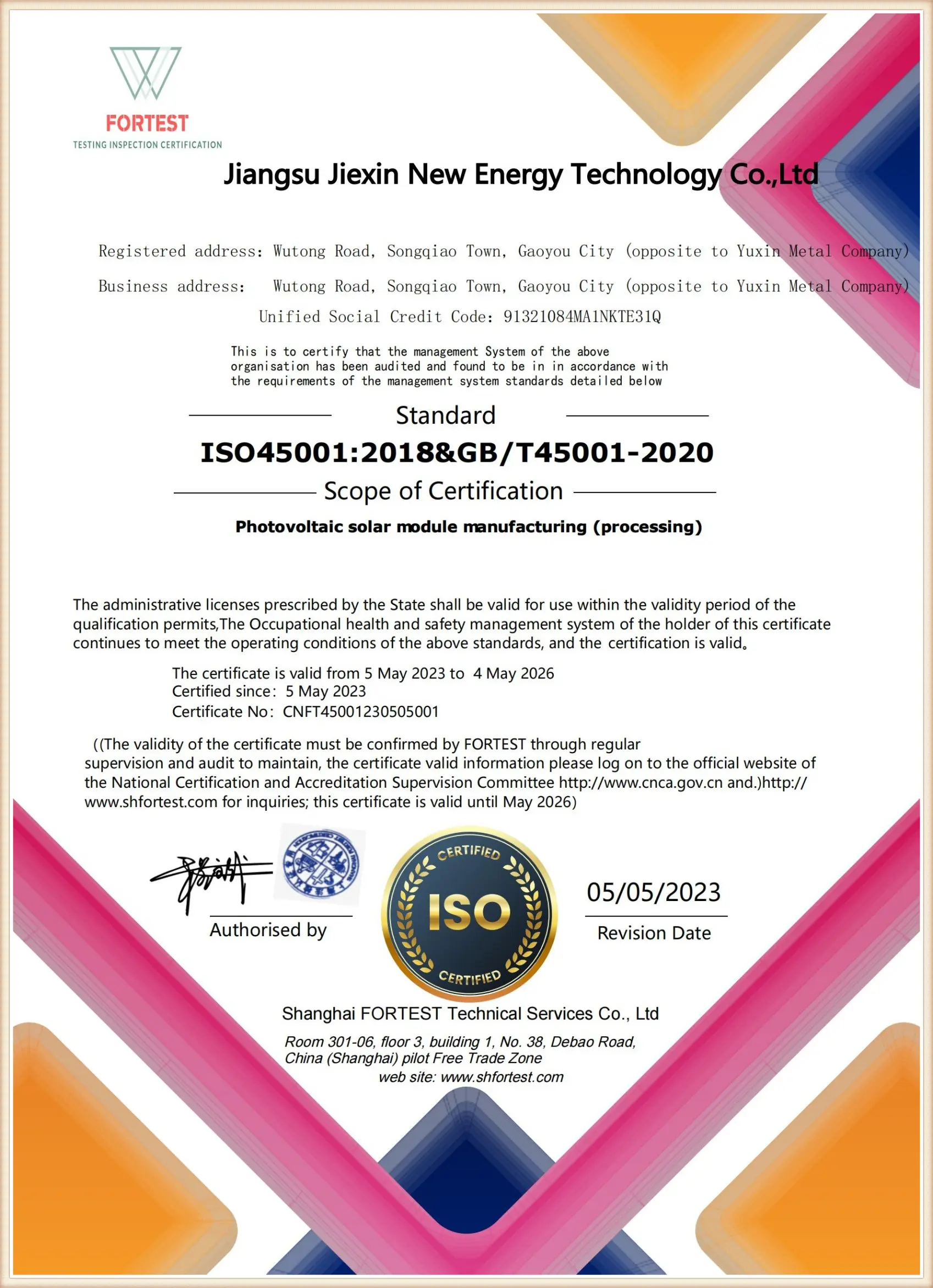
Our manufacturing systems conform strictly to IEC, CE, and TUV standards, securing global bankability.
Technical and logistical insights for procuring solar technology in Central America.
Our solar modules feature double-glass protection and marine-grade anodized aluminum frames (6063-T5) or pultruded polyurethane composite frames. These materials are certified resistant to salt-spray corrosion (IEC 61701 standards) and avoid Potential Induced Degradation (PID) caused by extreme moisture.
N-Type TOPCon cells exhibit a lower temperature coefficient (-0.30%/°C) compared to standard P-type modules. Under high ambient temperatures typical of Panama, TOPCon panels maintain superior generation efficiency and show almost zero initial Light Induced Degradation (LID).
Ocean freight from Shanghai/Yangzhou to the Port of Balboa or Cristobal typically takes between 25 and 35 days. We coordinate bookings and packing systems to ensure seamless port clearance and shipping schedule reliability.
Yes, our modules carry CE, TUV, and IEC certifications, which are recognized by leading regional banks (such as Banco General and Banistmo) financing renewable energy projects in Central America.
Yes, we specialize in manufacturing high-durability 6063-T5/6005-T6 aluminum frames as well as sustainable polyurethane composite frames, tailoring length, anodization thickness, and structural load profiles to match project specifications.
Building strong relationships through quality materials and transparent supply chain integration.

Stay updated with deep technical reviews on solar frame manufacturing, Quality Control, and technology trends.
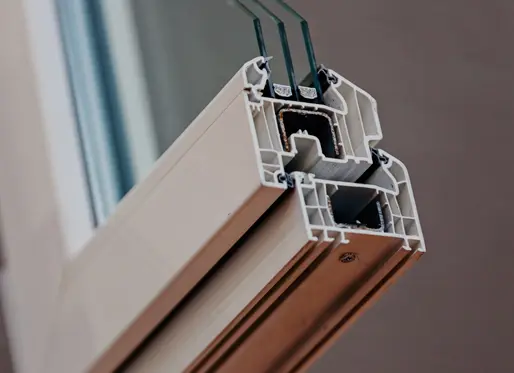
Explore key metallurgy processes, anodizing standards, and structural load considerations for modern solar panel frames.
Read Article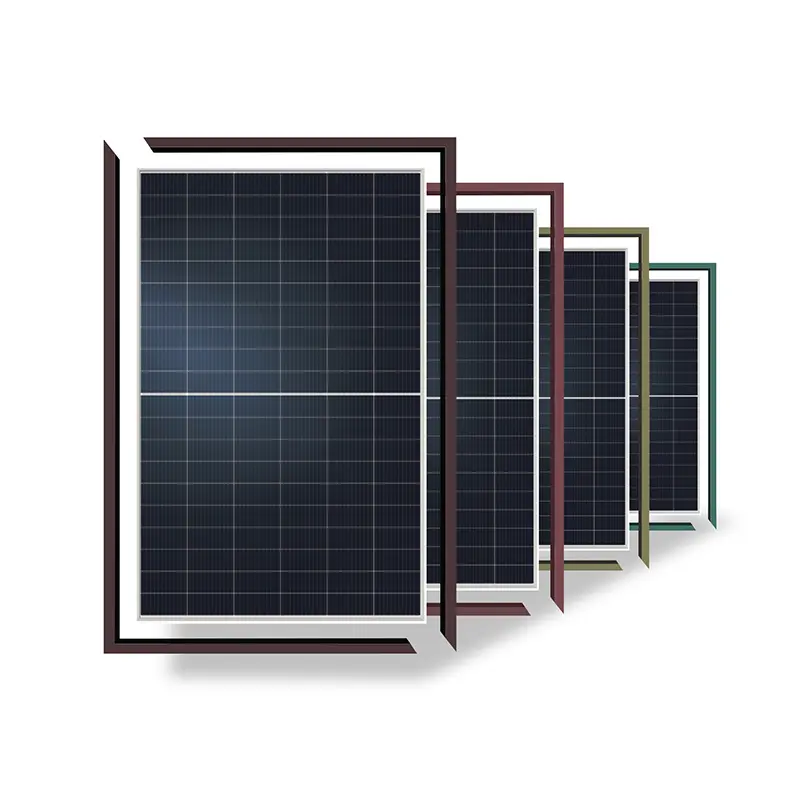
Essential metrics for vetting suppliers: raw materials sourcing, quality control standards, and international logistics capability.
Read Article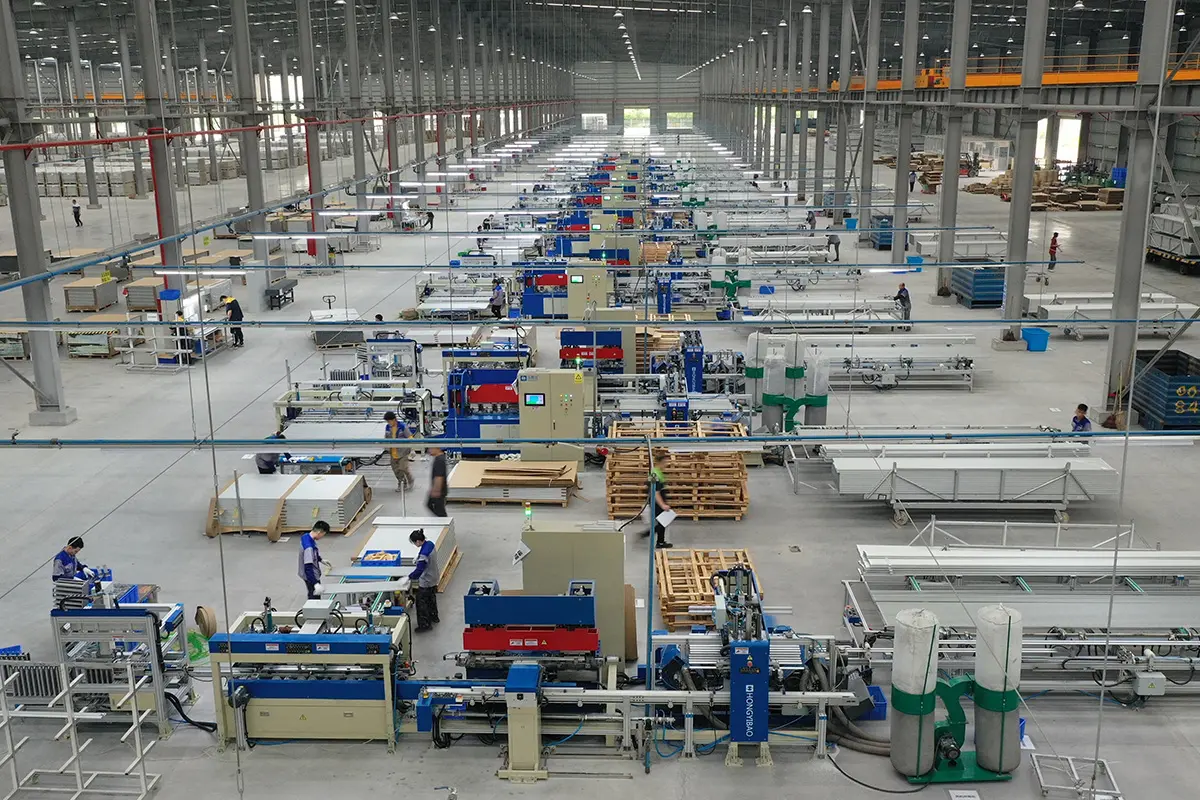
A detailed breakdown of key inspections, dimension tolerances, salt-spray durability testing, and tension resistance testing.
Read ArticleAccess our full range of solar components, portable outdoor systems, framing modules, and energy storage options.
High power density design. Perfect for utility projects requiring optimized albedo gains and robust durability in harsh environments.
View Details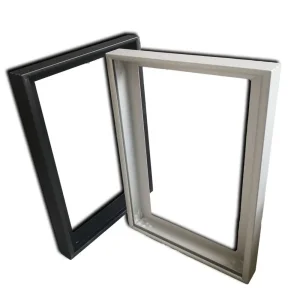
High tensile strength frames anodized for salt spray protection. Engineered for high wind load regions and tropical storm corridors.
View Details
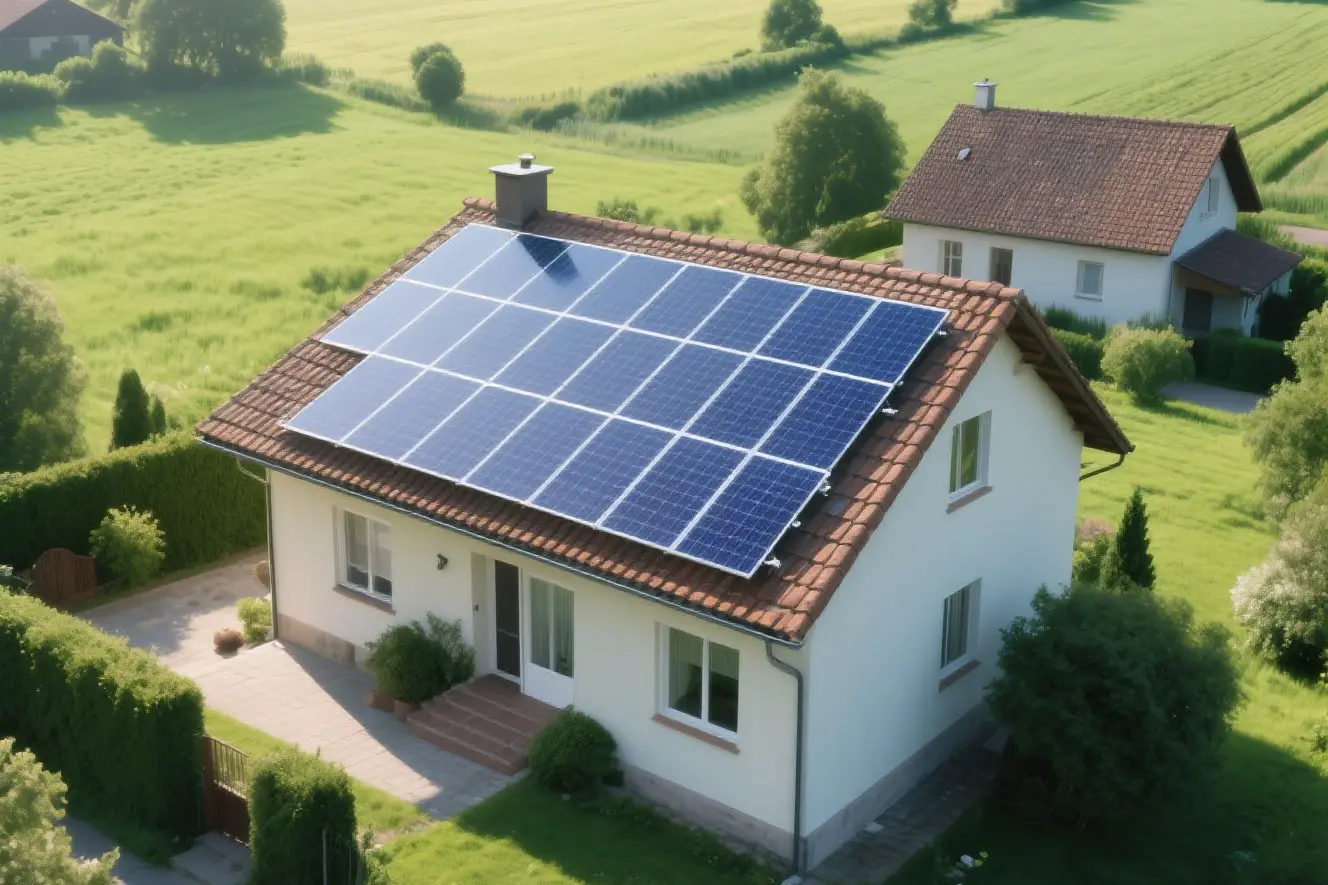
Compact double-glass panels featuring high-performance N-type cells for commercial roofs and microgrid infrastructure.
View Details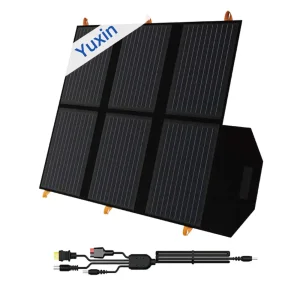
Highly durable, flexible solar-powered backpacks for off-grid operations, emergency responders, and outdoor sectors.
View Details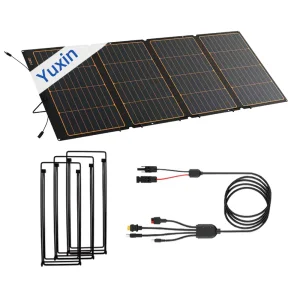
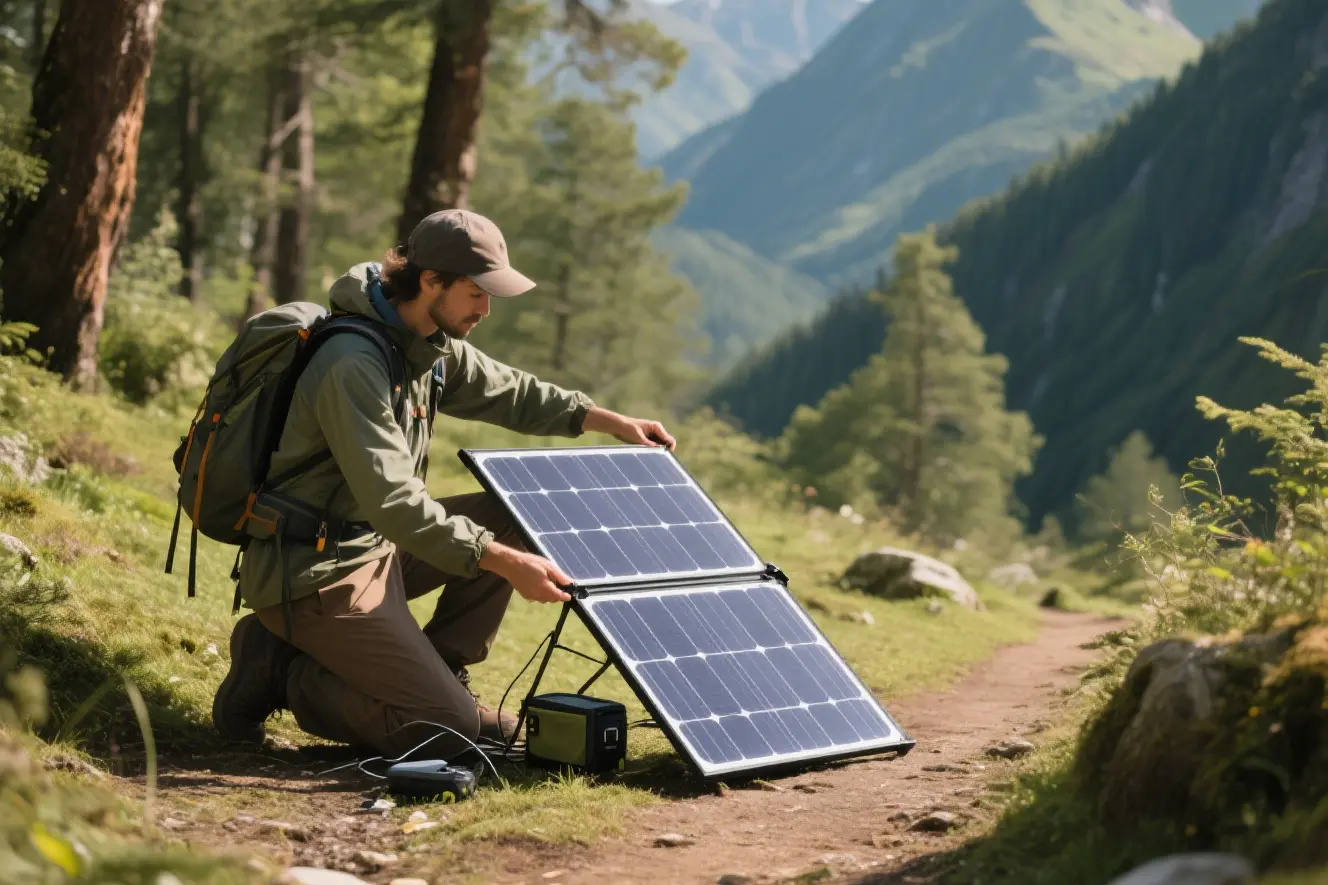
Portable emergency backup power generation systems optimized for off-grid fieldwork, safety teams, and emergency rescue sites.
View Details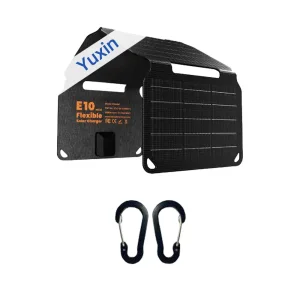
Lightweight, portable solar charging systems integrated into high-quality outdoor utility backpacks.
View Details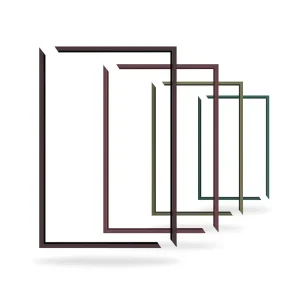
Composite framing structures delivering high insulation values and extreme resistance against salt spray and coastal corrosion.
View Details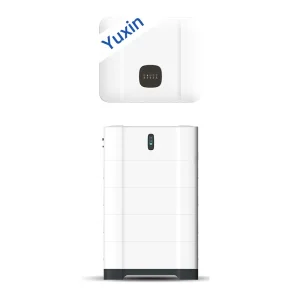
Reliable domestic lithium battery systems integrated with smart inverter control to manage peak tariff rates.
View Details