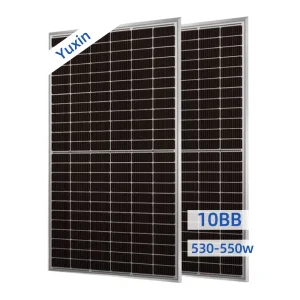
Engineered for maximum yield, structural reliability under maritime microclimates, and compliance with California Energy Commission (CEC) requirements.
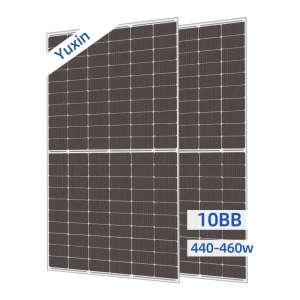
High-density monocrystalline layout optimal for commercial rooftops across San Francisco and Oakland. Exceptional wind load resistance.
Cost-effective C&I deployment panels offering maximized utility savings under PG&E commercial tariff plans.
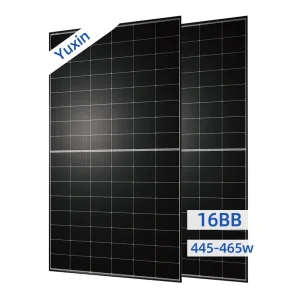
Architectural black-frame finish engineered to meet strict Bay Area municipal design standards while utilizing N-Type cells.
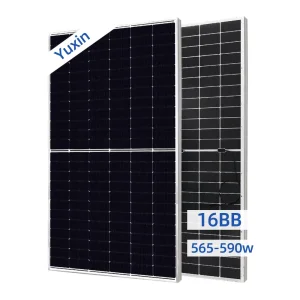
Premium bifacial design harvesting reflected light from rooftops, maximizing total generation density (kWh/kWp).
San Francisco represents a unique challenges landscape for commercial, industrial, and utility-scale solar project developers. With strict mandates under the San Francisco Green Building Code (Title 24) and the city's aggressive path toward 100% emission-free electricity, deploying highly efficient solar infrastructure is not just a strategic choice, but a regulatory standard.
Unlike inland California locations such as the Central Valley, the San Francisco Bay Area is characterized by localized microclimates. Developers must configure photovoltaic arrays to handle persistent marine fog layers, high humidity, and airborne saline particulate matter originating from the Pacific Ocean. These environmental conditions accelerate Potential Induced Degradation (PID) and promote galvanic corrosion on conventional mounting and framing systems. Choosing corrosion-resistant dual-glass configurations paired with advanced polyurethane or anodized 6063-T5 aluminum framing is critical to guaranteeing a 25-to-30-year operational life cycle.
The implementation of California's Net Billing Tariff (NBT / NEM 3.0) under PG&E jurisdiction has fundamentally transformed project economics. By shifting the focus of compensation from raw grid export to self-consumption and peak shaving, the financial feasibility of C&I projects in San Francisco relies heavily on two factors:
Up to 2400 Pa / 5400 Pa
IEC 61701 Level 6 Certification
< 0.40% Annual Degradation (N-Type)
Explore our core product lines, featuring premium components engineered for Bay Area commercial, residential, and outdoor off-grid projects.
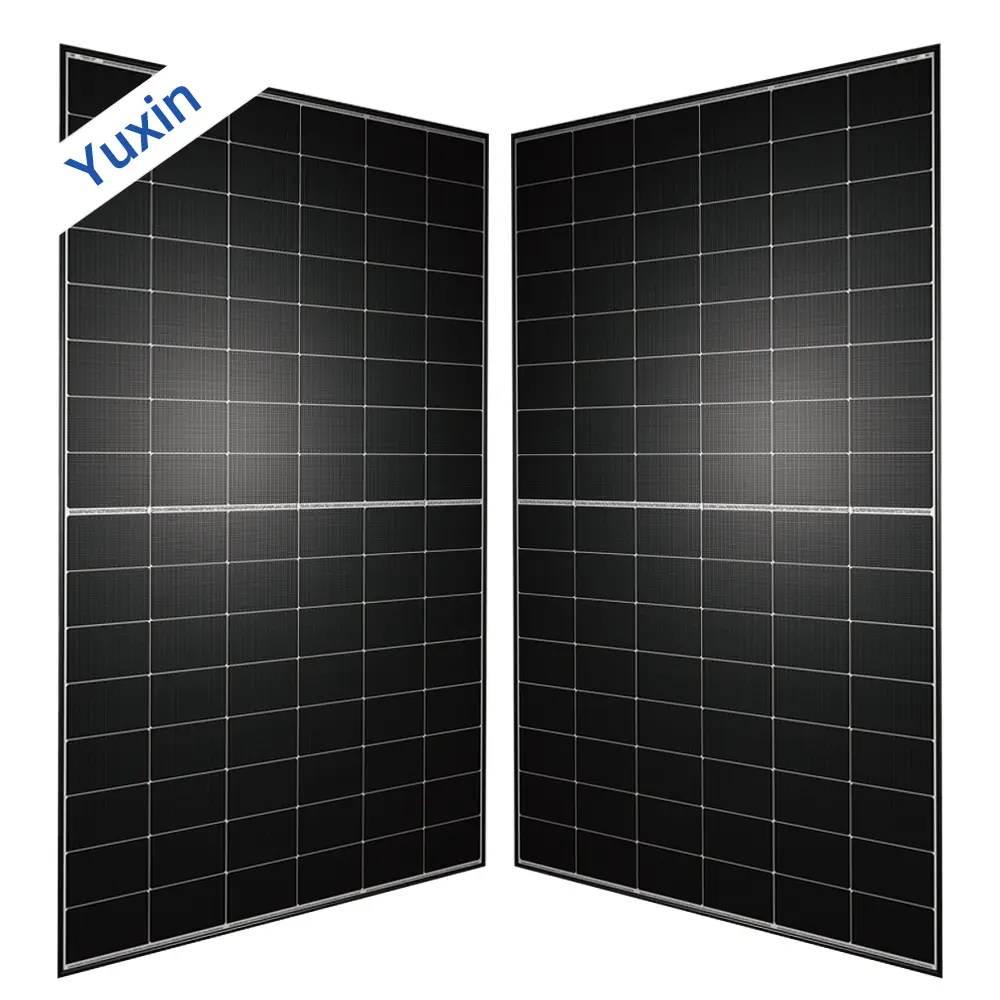
Lightweight design with transparent back panel for easy installation and reduced BOS costs.
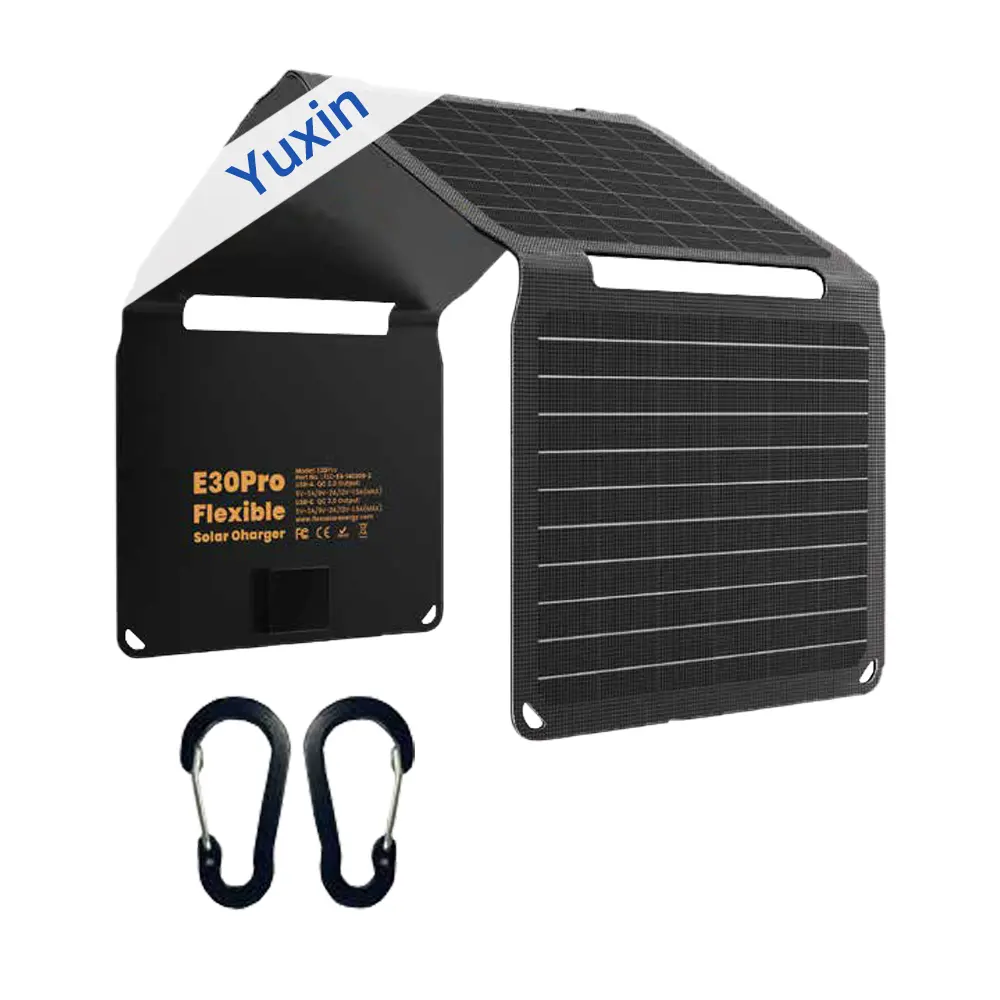
Utilizing advanced monocrystalline silicon cells, it achieves a high energy conversion efficiency of 24%.
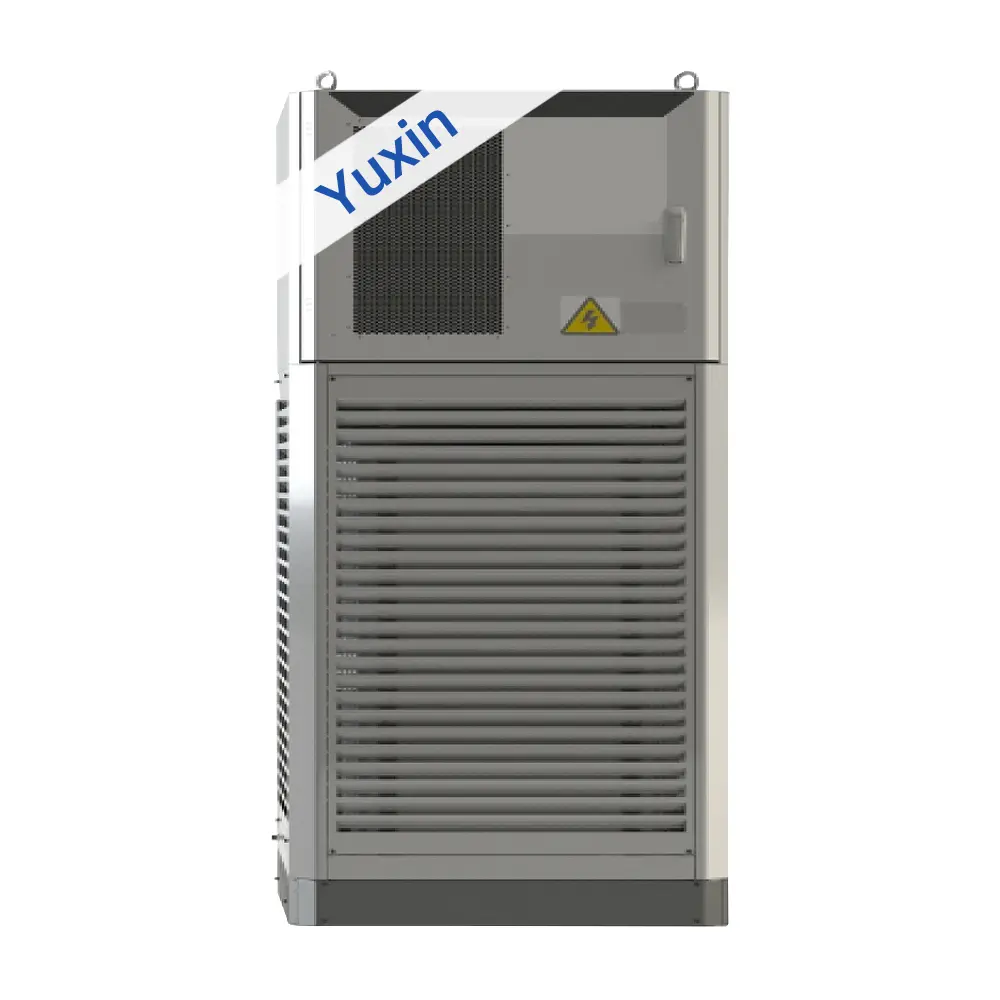
Application modes include grid-connected mode, off-grid mode, and integrated grid-connected/off-grid mode.
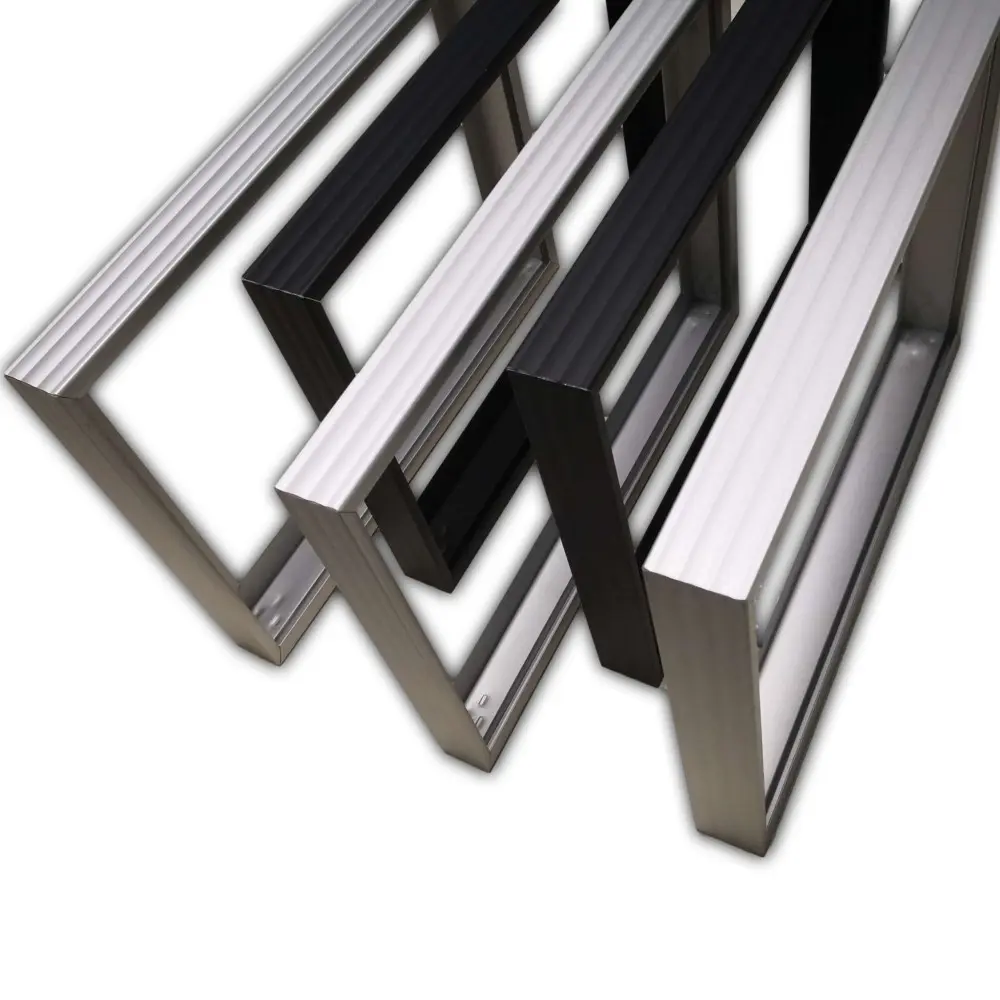
Made of high-quality anodized aluminum, it ensures superior weather resistance and a smooth, long-lasting finish.
Precision, Quality, and Safety - Your Photovoltaic Materials Expert
Located in the scenic historical and cultural ancient city of Yangzhou, close to the Beijing-Shanghai Expressway, Runyang Yangtze River Bridge, and Ningqi Railway, the group has a superior geographical location and convenient transportation. The group was established in 2008 and has 14 multi-field companies under its jurisdiction, including Jiangsu Yuxin New Energy Technology Co., Ltd. We have won many titles such as National High-tech Enterprise, Technology-based Enterprise, and Gaoyou City Top 100 Private Enterprises. Our vertical integration strategy ensures strict quality control from raw aluminum billet extrusion to advanced N-Type cell module packaging, providing the global solar market with cost-competitive, premium-tier solar frames, modules, and storage accessories.
View MoreSecuring competitive pricing for large-scale projects in Northern California requires a robust global supply chain. Direct-from-factory partnerships with Chinese manufacturing hubs, particularly the Jiangsu and Yangzhou photovoltaic clusters, allow US project developers to access cost advantages that traditional local distributors cannot match.
Jiangsu Yuxin New Energy Technology Co., Ltd. leverages a highly localized supply chain ecosystem. In Yangzhou, our manufacturing facilities sit adjacent to top-tier raw material suppliers, reducing transportation overheads and stabilizing the Bill of Materials (BOM) cost. By managing automated production lines for both glass-to-backsheet laminations and structural framing (anodized aluminum and polyurethane composites), we eliminate intermediate supplier markups, passing these savings directly to US EPCs (Engineering, Procurement, and Construction companies) in the form of competitive wholesale quotes.
Navigating the complex import regulatory framework of the United States is critical for ensuring project delivery timelines. For San Francisco-bound container shipments, importing through the Port of Oakland requires meticulous attention to the following compliance standards:
Selecting the appropriate cell chemistry defines the long-term Levelized Cost of Energy (LCOE) for C&I projects in Northern California. Below, we compare the operational metrics of the two leading cell technologies:
Utilizing Tunnel Oxide Passivated Contact structure, TOPCon modules deliver a superior bifaciality index (up to 80-85%) and minimal LID/LeTID degradation. Their excellent temperature coefficient (-0.30%/°C) ensures stable performance during high-temperature spikes in the wider Bay Area inland valleys (e.g., Contra Costa and Alameda counties).
Mono-PERC remains a highly mature and cost-competitive option for projects with moderate budget constraints. While featuring slightly lower power conversion efficiency compared to TOPCon, Yuxin’s 144 half-cell PERC modules (530W–550W range) maintain a strong balance between initial capital expense and overall energy yield.
Traditional anodized aluminum frames, while strong, are susceptible to galvanic corrosion when in contact with coastal salt spray and steel mounting structures. To address this, Yuxin introduces Polyurethane Pultruded Composite Frames.
These polyurethane composite materials exhibit zero electrical conductivity, eliminating the need for grounding wires on the frame itself. This drastically simplifies the installation process and reduces Balance of System (BOS) costs. Furthermore, their thermal expansion coefficient matches that of solar glass, preventing micro-cracking of cells caused by temperature cycling, and providing excellent chemical resistance against the damp, salty marine layer typical of San Francisco's coastal regions.
Our compliance certificates guarantee that our solar panels, frames, and systems meet rigorous international safety, environmental, and performance standards.
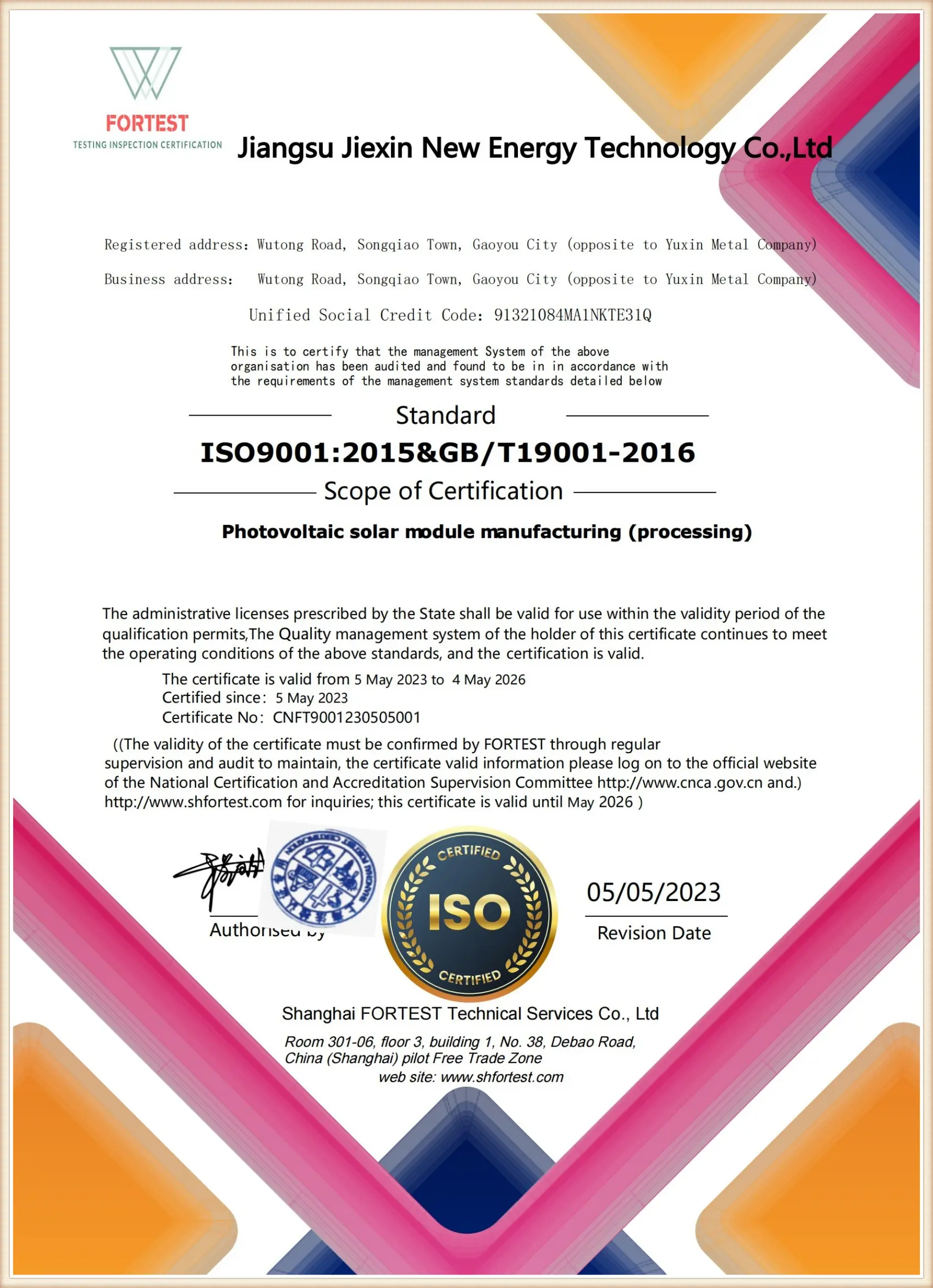
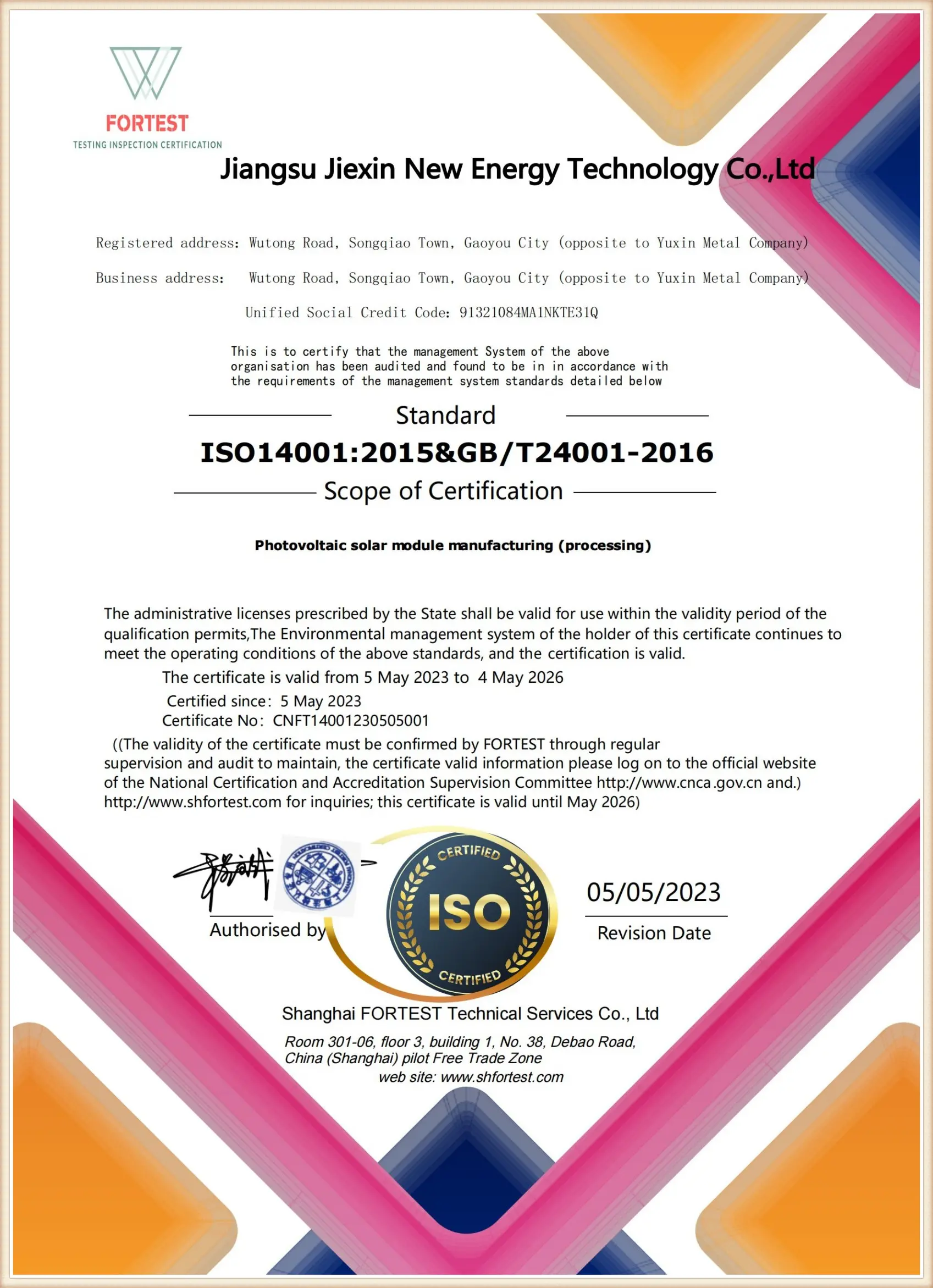
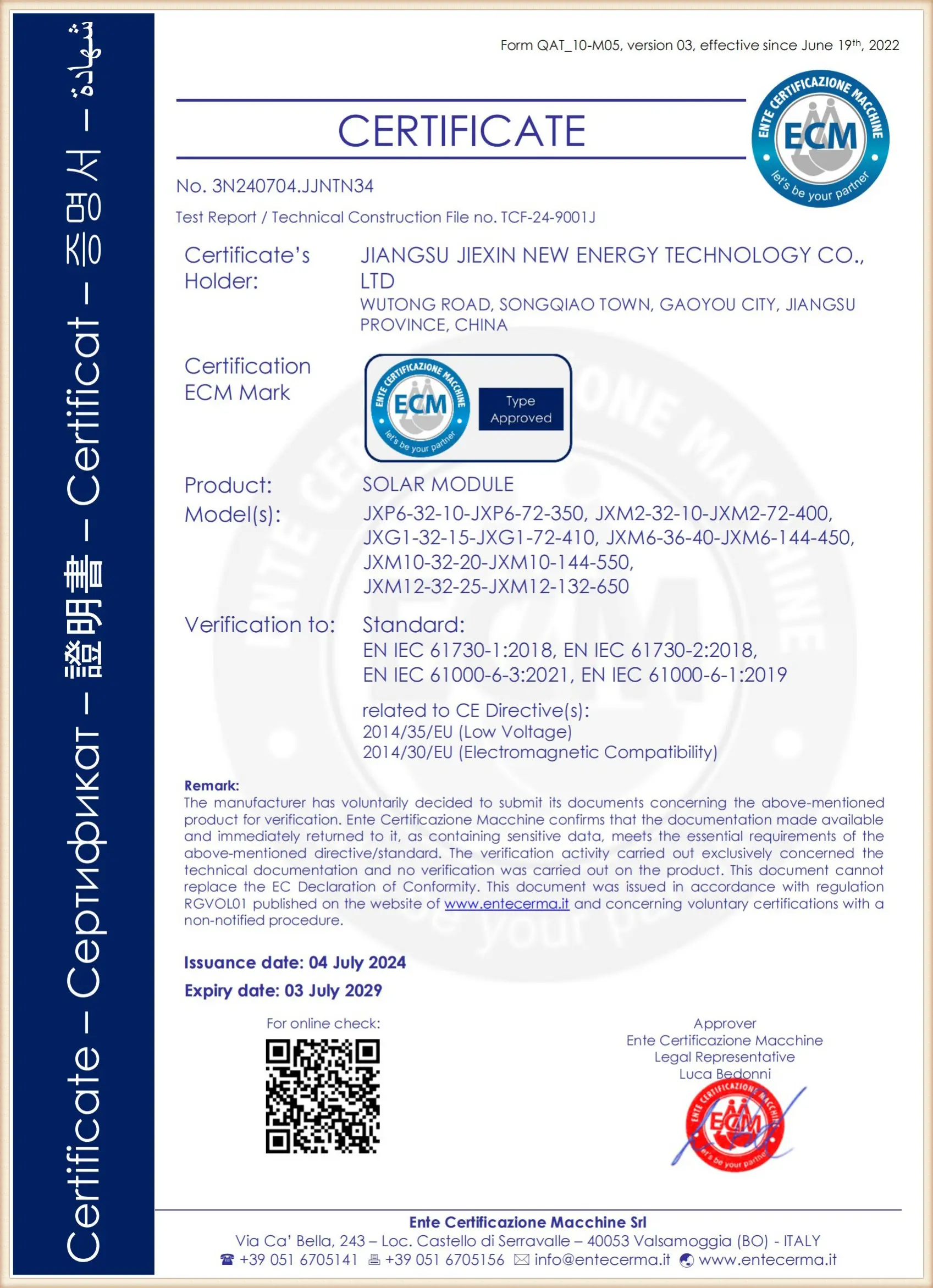
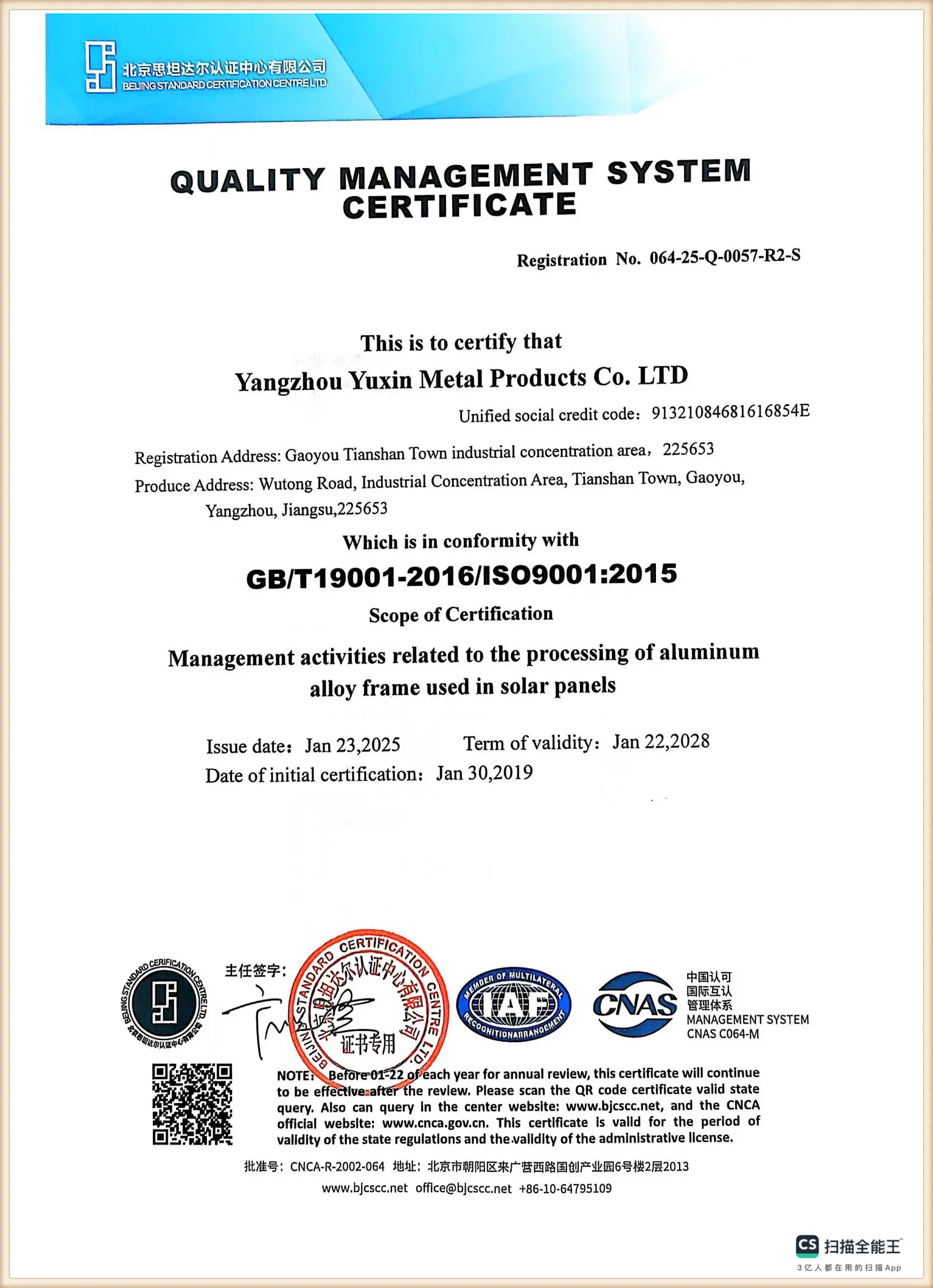
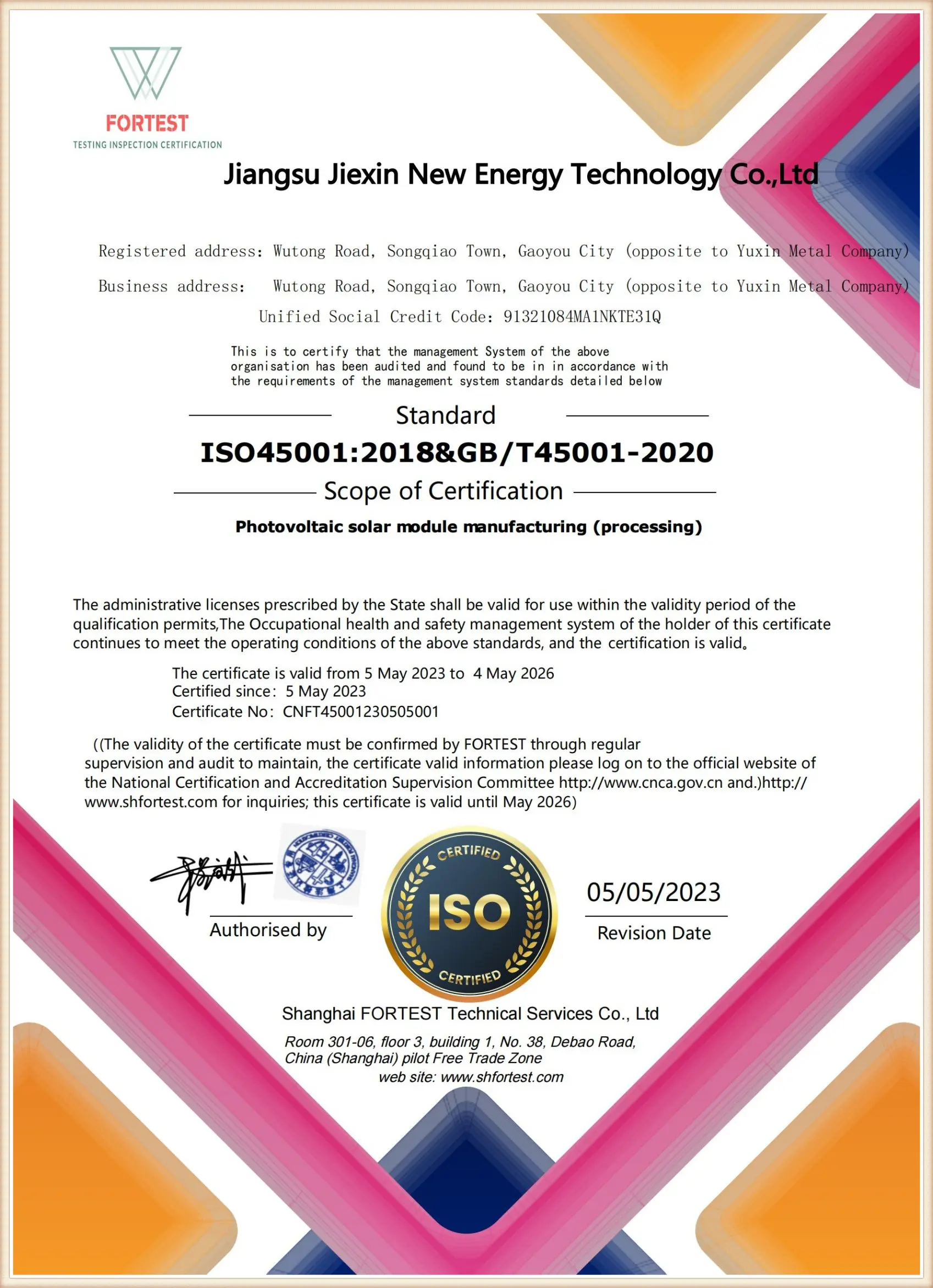
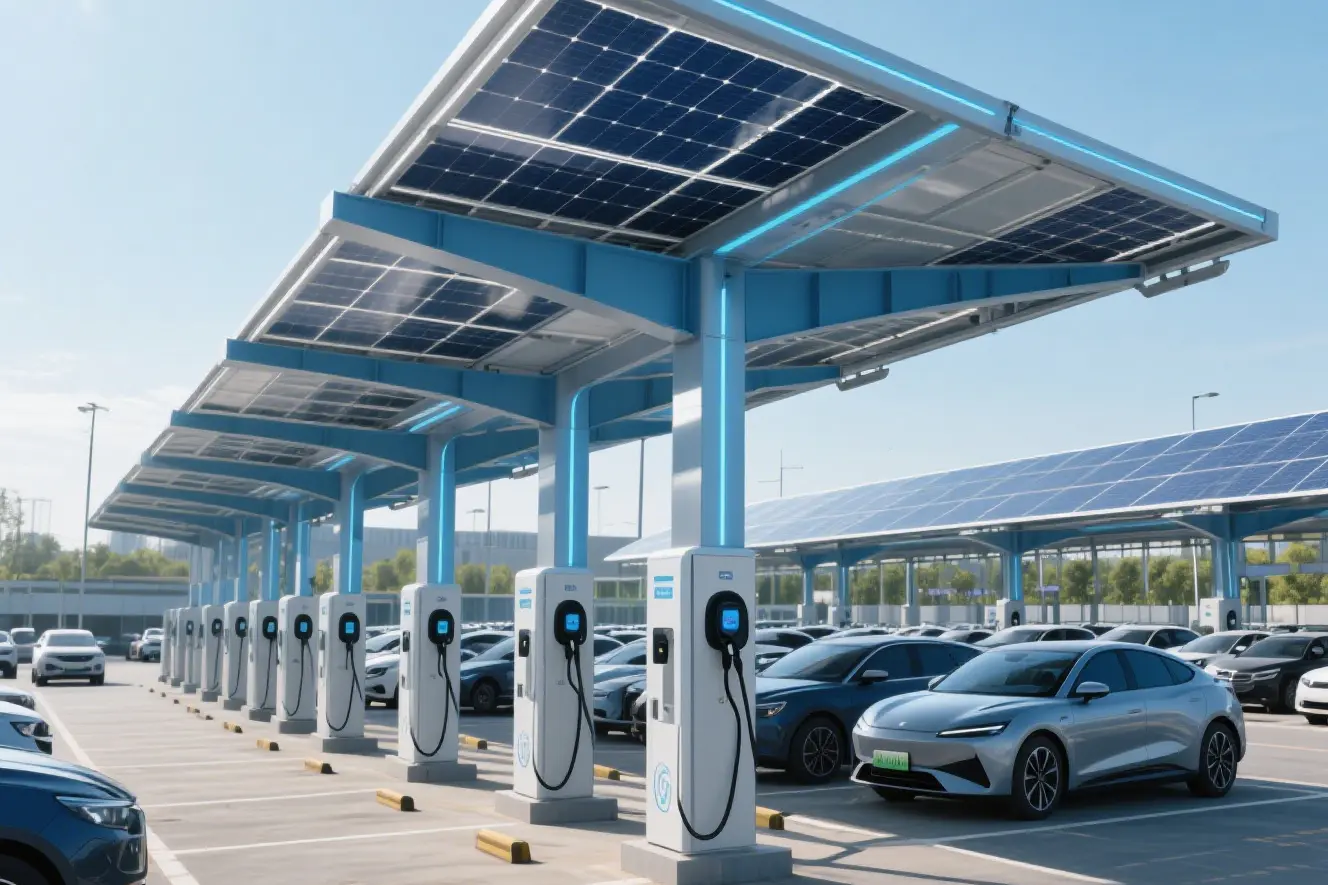
Providing customizable and high-yield clean energy solutions for diverse commercial, industrial, municipal, and rural agricultural applications worldwide.

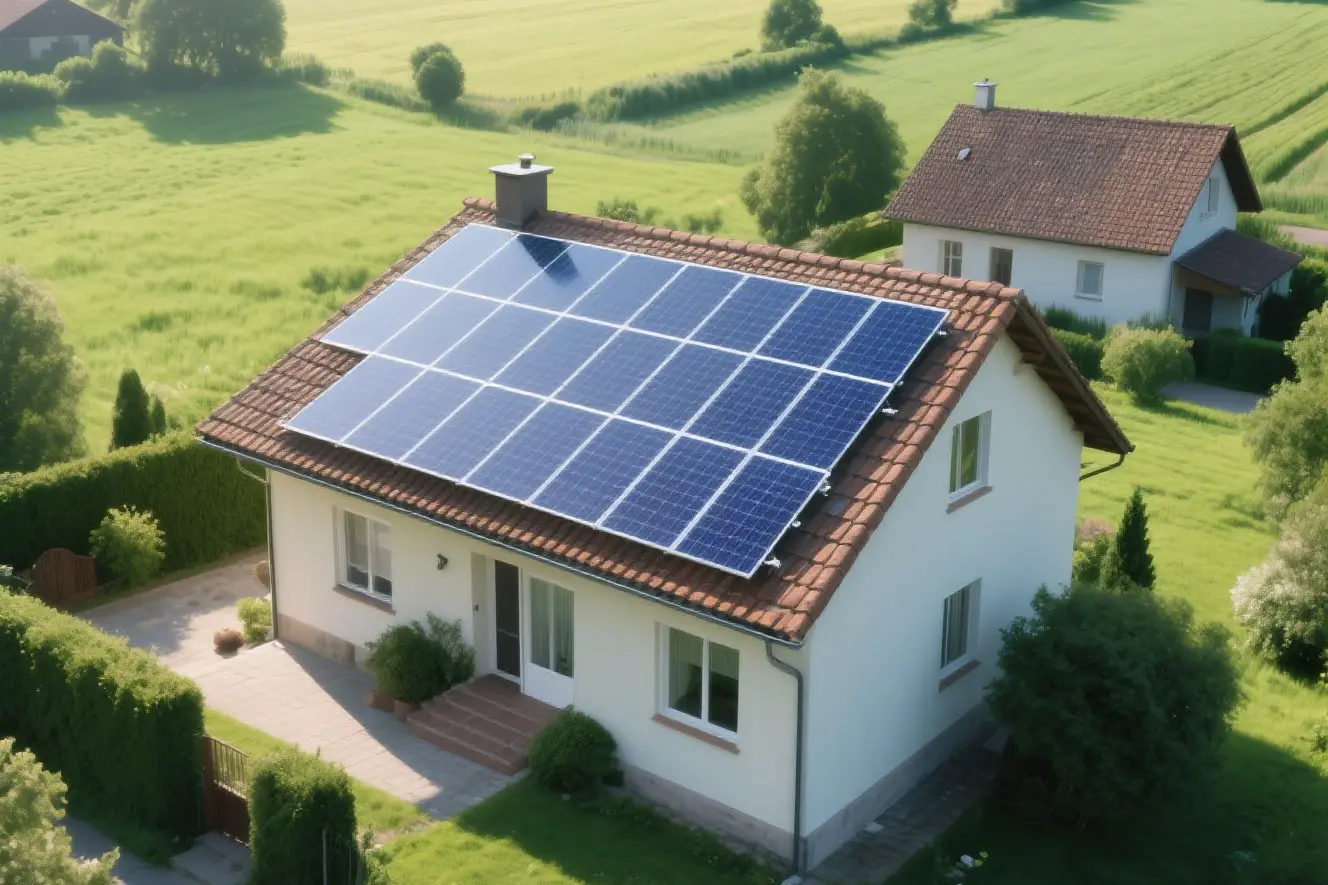
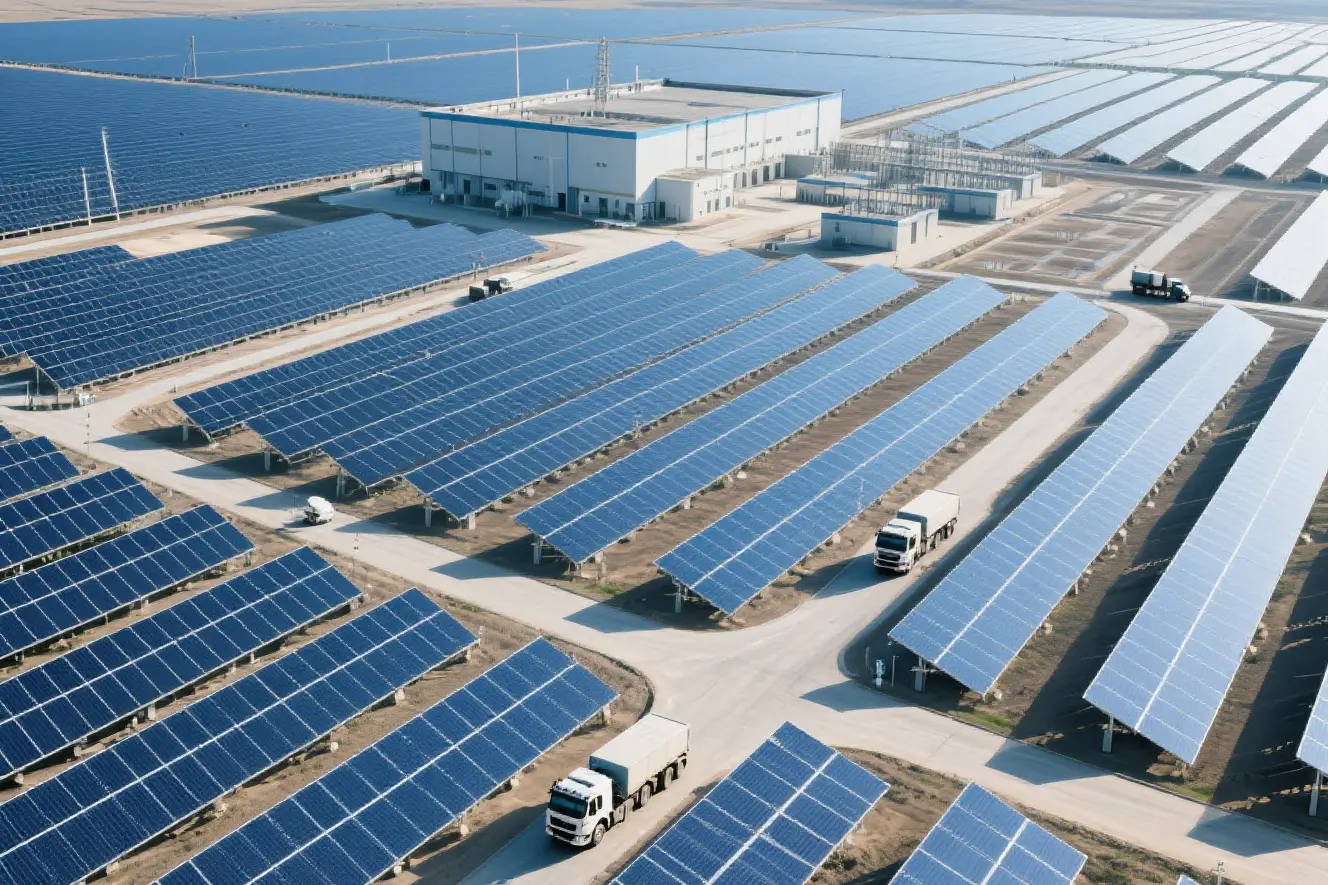

Through years of research and supply-chain integration, we have formed long-term strategic relationships with key global leaders.

Stay updated with YUXIN's technology updates, new product releases, and environmental sustainability initiatives.
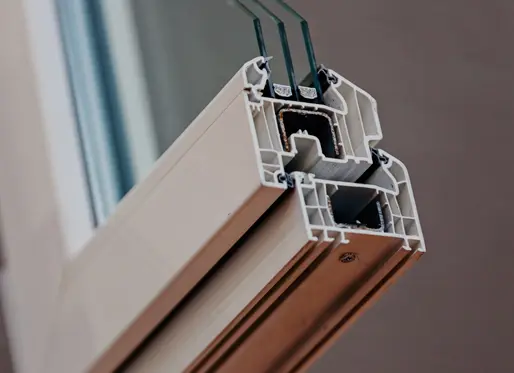
Analyzing mechanical tolerances, anodization thicknesses, and corrosion resistance metrics for harsh environment installations.
View More →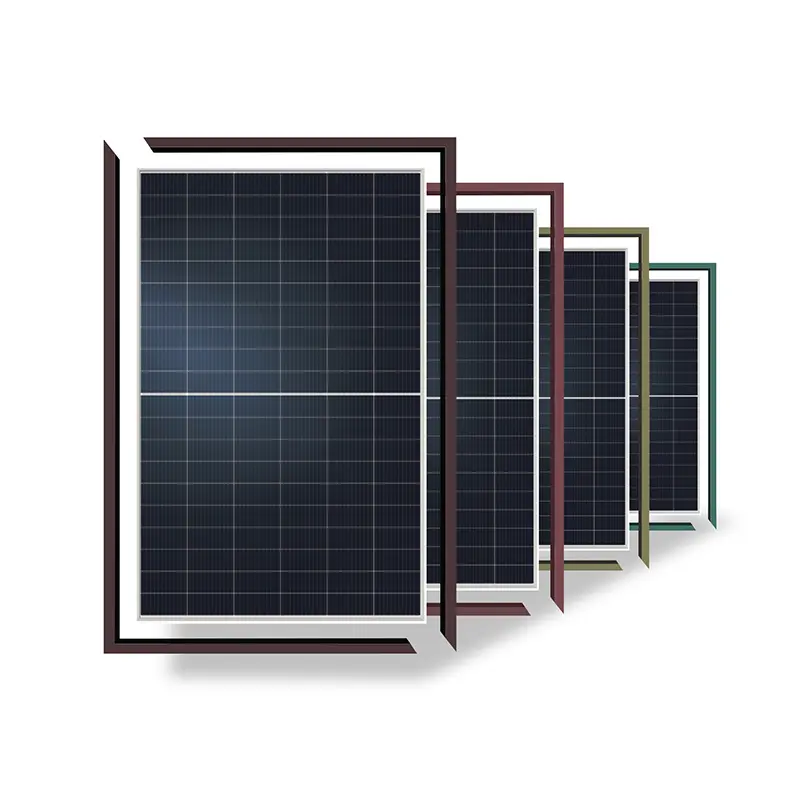
A practical framework for procurement directors, covering factory audits, BOM tracking, and cargo insurance.
View More →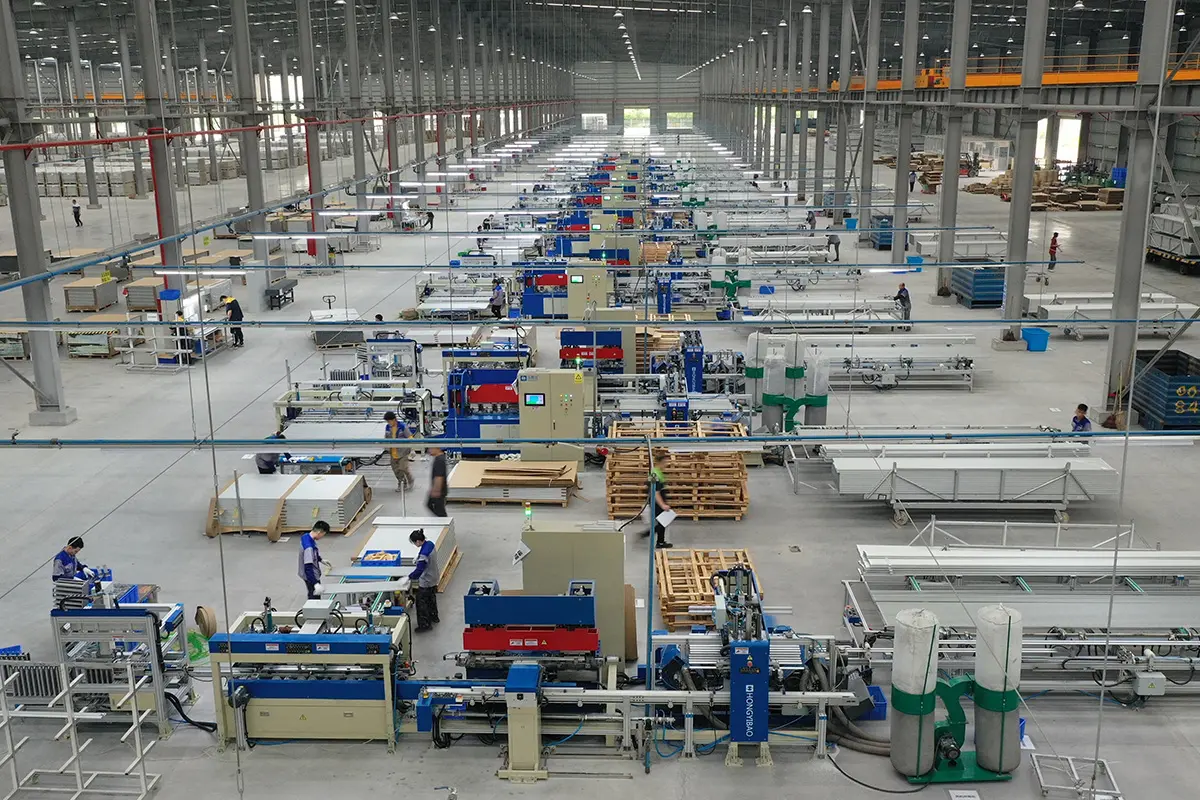
A detailed breakdown of testing procedures including mechanical tension tests, chemical exposure tests, and surface finish checks.
View More →Essential answers for project managers, engineers, and procurement directors developing solar infrastructure projects in Northern California.
San Francisco's coastal regions experience thick marine fog containing elevated salt concentrations. This environment accelerates glass degradation and aluminum corrosion. Developers should select dual-glass (bifacial) panels with IP68 junction boxes and Salt Mist Corrosion Resistance (IEC 61701 Level 6). Using polyurethane composite frames instead of standard aluminum can completely eliminate galvanic corrosion and grounding-related issues.
Under NEM 3.0, the value of exporting solar energy back to the grid has decreased by roughly 70-80%. Optimal project design requires pairing solar arrays with Battery Energy Storage Systems (BESS). By storing excess midday solar energy and releasing it during peak PG&E commercial tariff rates (typically 4:00 PM to 9:00 PM), businesses can maximize their financial returns and reduce payback periods to under 6-8 years.
Manufacturing lead times for bulk custom orders (such as high-efficiency TOPCon or special dimension frames) typically run 15 to 25 days. Maritime transit from Shanghai or Ningbo ports to the Port of Oakland takes approximately 18 to 22 days. Factoring in customs clearance, terminal operations, and local drayage to the Bay Area project site, developers should plan for a total lead time of 45 to 60 days.
Yes, our export-grade monocrystalline PV modules undergo third-party testing at internationally recognized laboratories (TUV, CQC) to obtain CE, UL 61730, and IEC standards. We provide complete trace documentation required by the CEC list for eligible California grid connections.
Our full lineup of commercial solar panels, structural frames, modular battery energy storage, and off-grid portable power solutions.
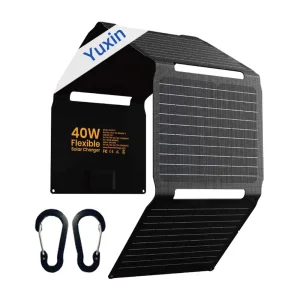
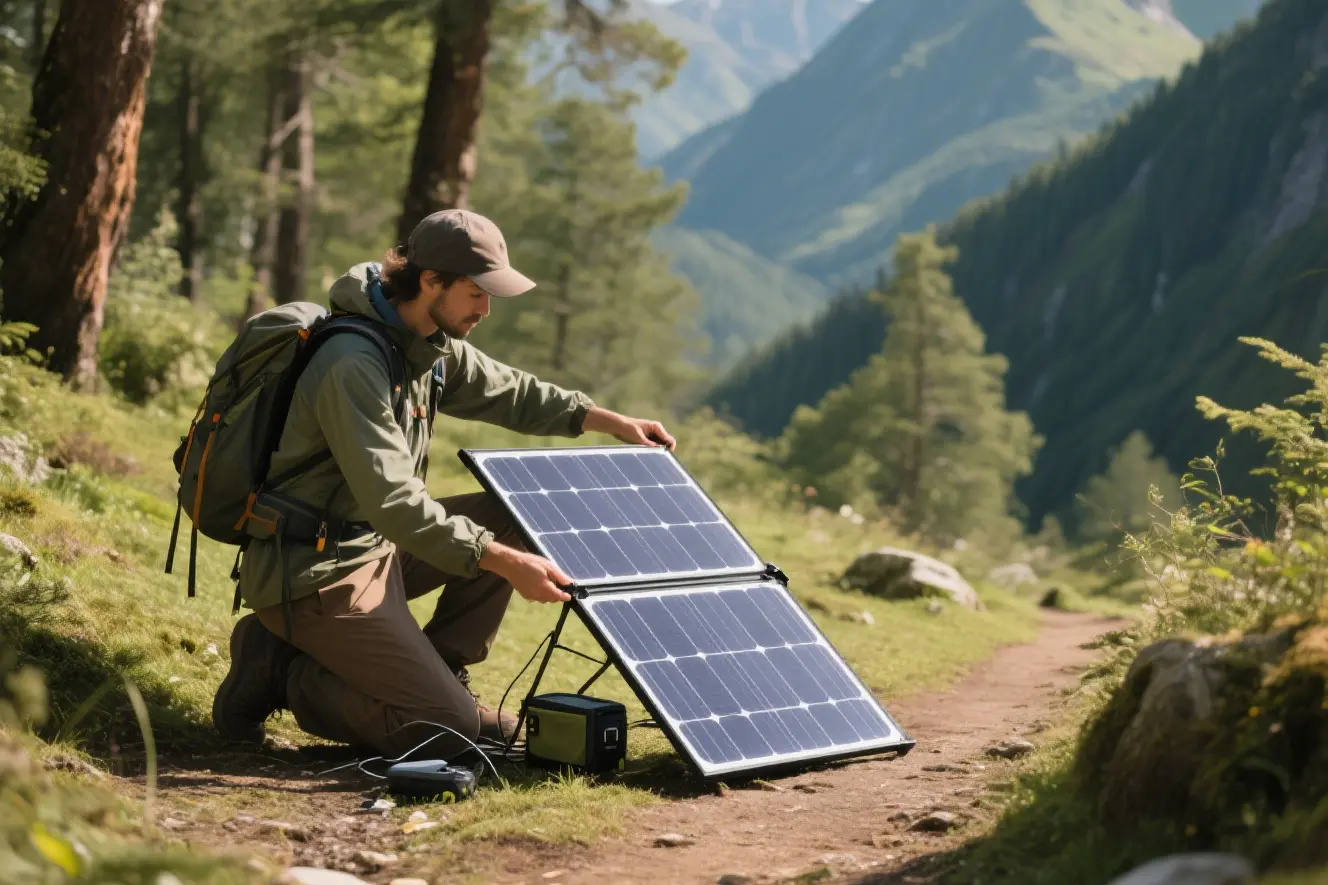
Off-grid portable power for field teams, telecom surveyors, and outdoor applications in Northern California parks.
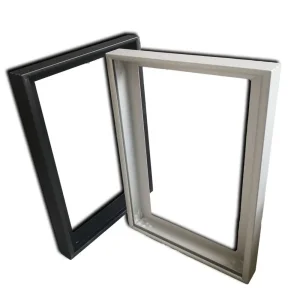
Structural-grade extruded aluminum profile, anodized for maximum surface hardness and resistance against coastal salty air.
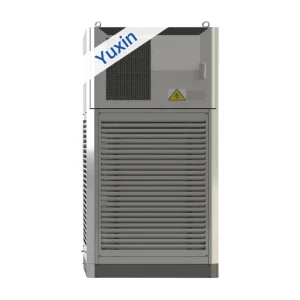
Highly integrated commercial battery storage cabinet, ideal for peak-shaving applications under California's NEM 3.0.
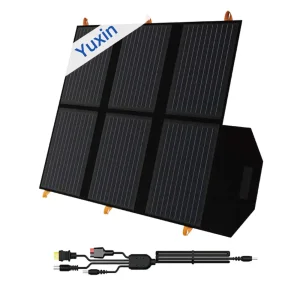
Upgraded solar output backpack built with heavy-duty fabrics, designed to power electronic equipment in rugged field sites.
Premium bifacial design harvesting reflected light from rooftops, maximizing total generation density (kWh/kWp).
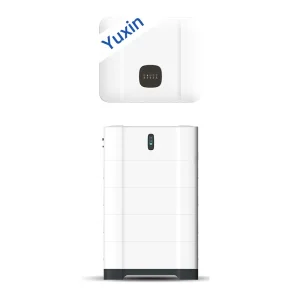
Residential backup and self-consumption battery bank designed for safety and seamless integration with existing PV setups.
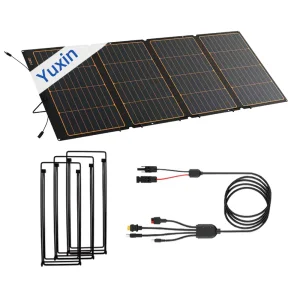
Ultra-rugged, portable solar power generator for outage protection, mobile worksites, and recreational vehicles.
Non-conductive, pultruded composite material frame designed to resist high salinity and reduce frame grounding costs.