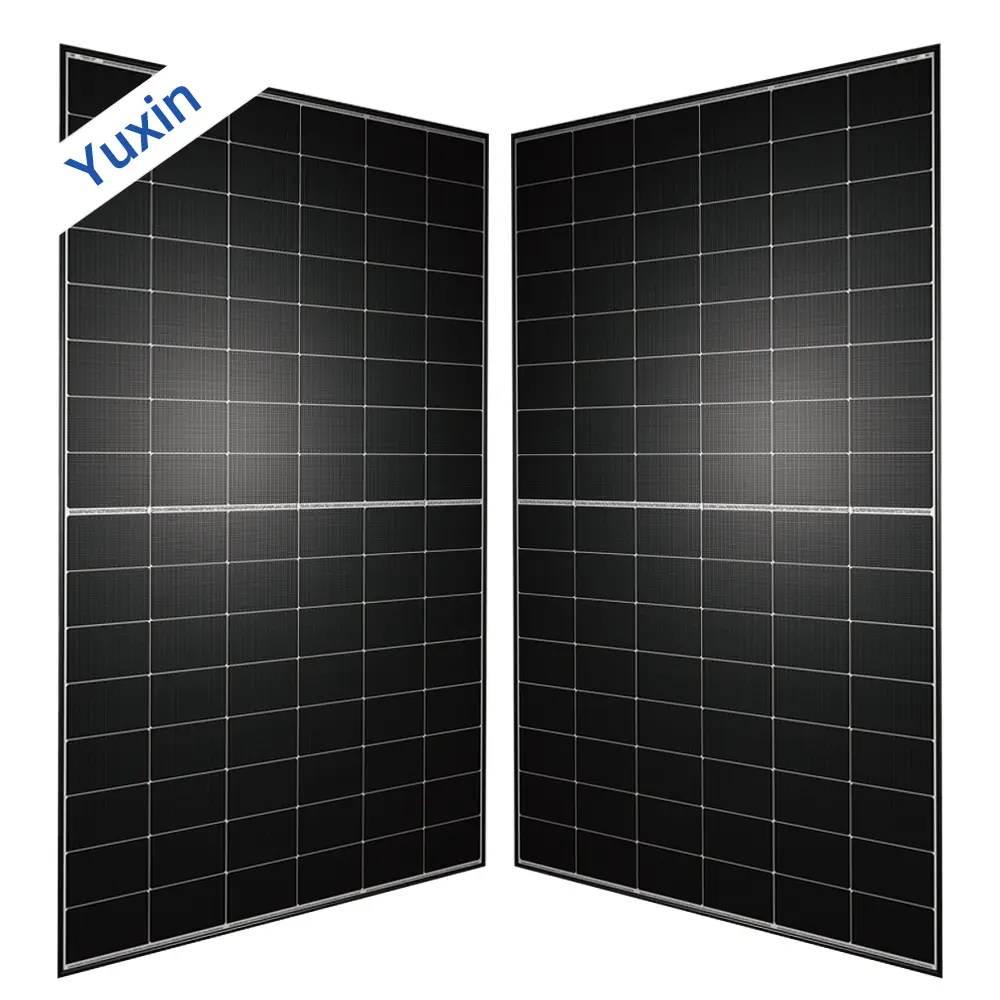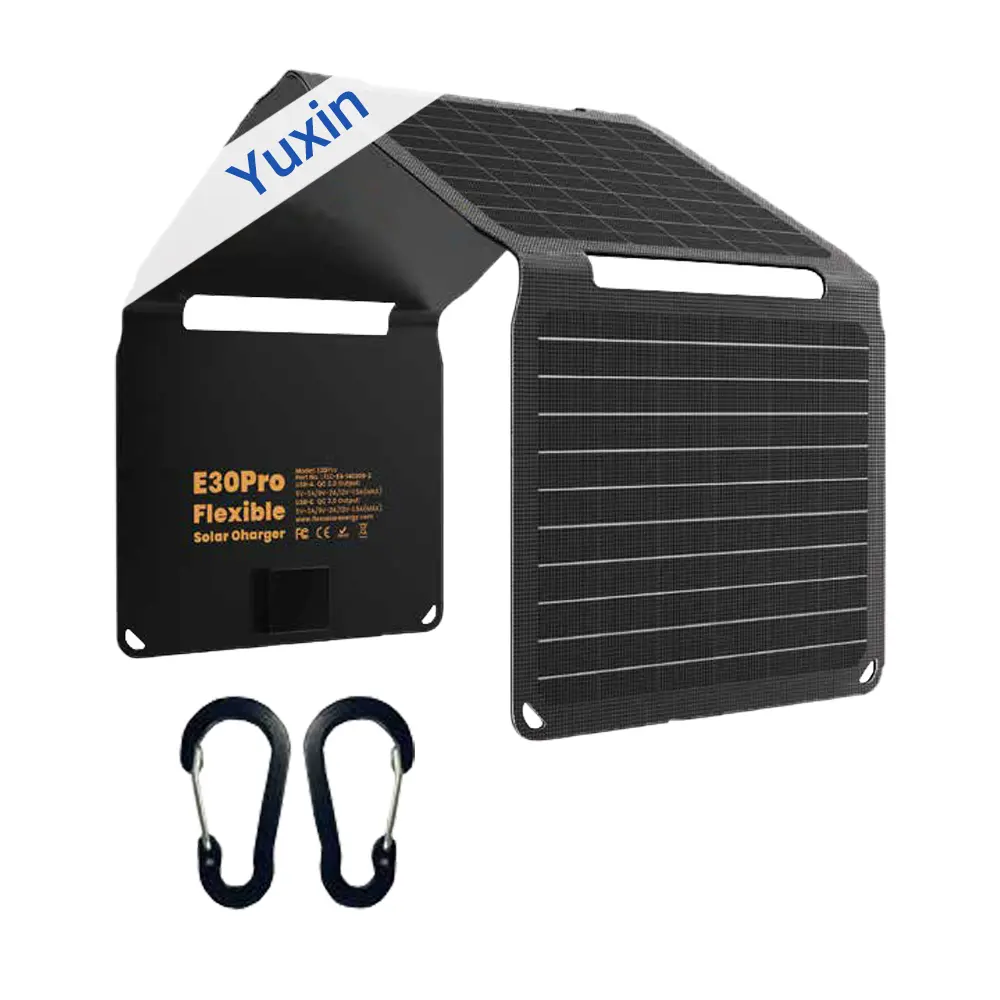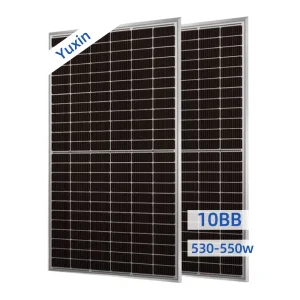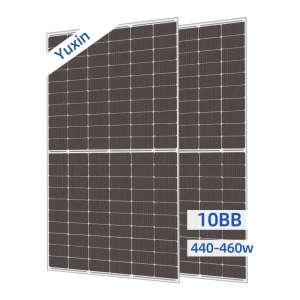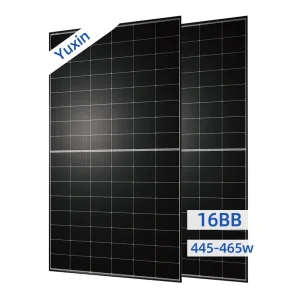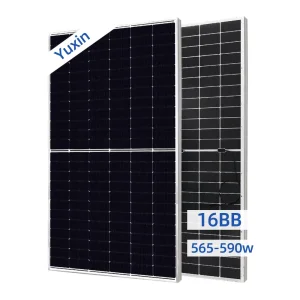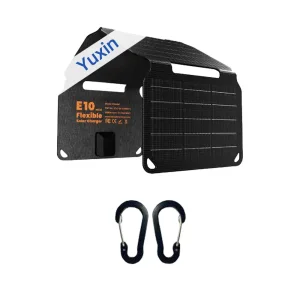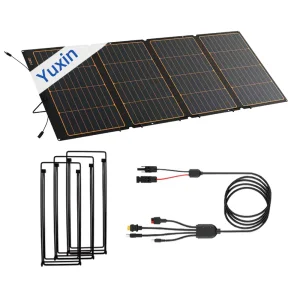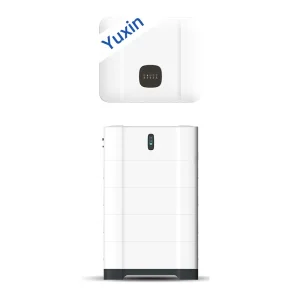
High-efficiency photovoltaic modules and structural balance of system (BOS) components customized for utility, residential, agricultural, and outdoor projects across the North and South Islands.
An authoritative breakdown of current commercial, industrial (C&I), and agricultural PV application trends, policy roadmaps, and environmental considerations.
New Zealand is experiencing an unprecedented surge in utility-scale solar generation, driven by the government's ambitious commitment to achieve 100% renewable electricity by 2030 and net-zero carbon emissions by 2050. Historically reliant on hydroelectricity and geothermal energy, the national grid (managed by Transpower) is increasingly turning to photovoltaic technology to diversify its generation mix, mitigate seasonal hydro-inflow volatility, and satisfy growing peak demands from rapid vehicle electrification (EVs).
Commercial & Industrial (C&I) sectors, along with dairy farms, wineries, and agricultural operations throughout Canterbury, Marlborough, and Hawke’s Bay, are leading the deployment of decentralized solar systems. High regional daytime wholesale electricity spot prices on the New Zealand Electricity Market (NZEM) are driving local businesses to invest in high-efficiency, on-site solar systems. This shift provides long-term financial predictability while reducing corporate carbon footprints.
Enabling utility developers to inject multi-megawatt solar power directly into New Zealand's 110kV and 220kV transmission networks, featuring advanced grid compliance and reactive power response.
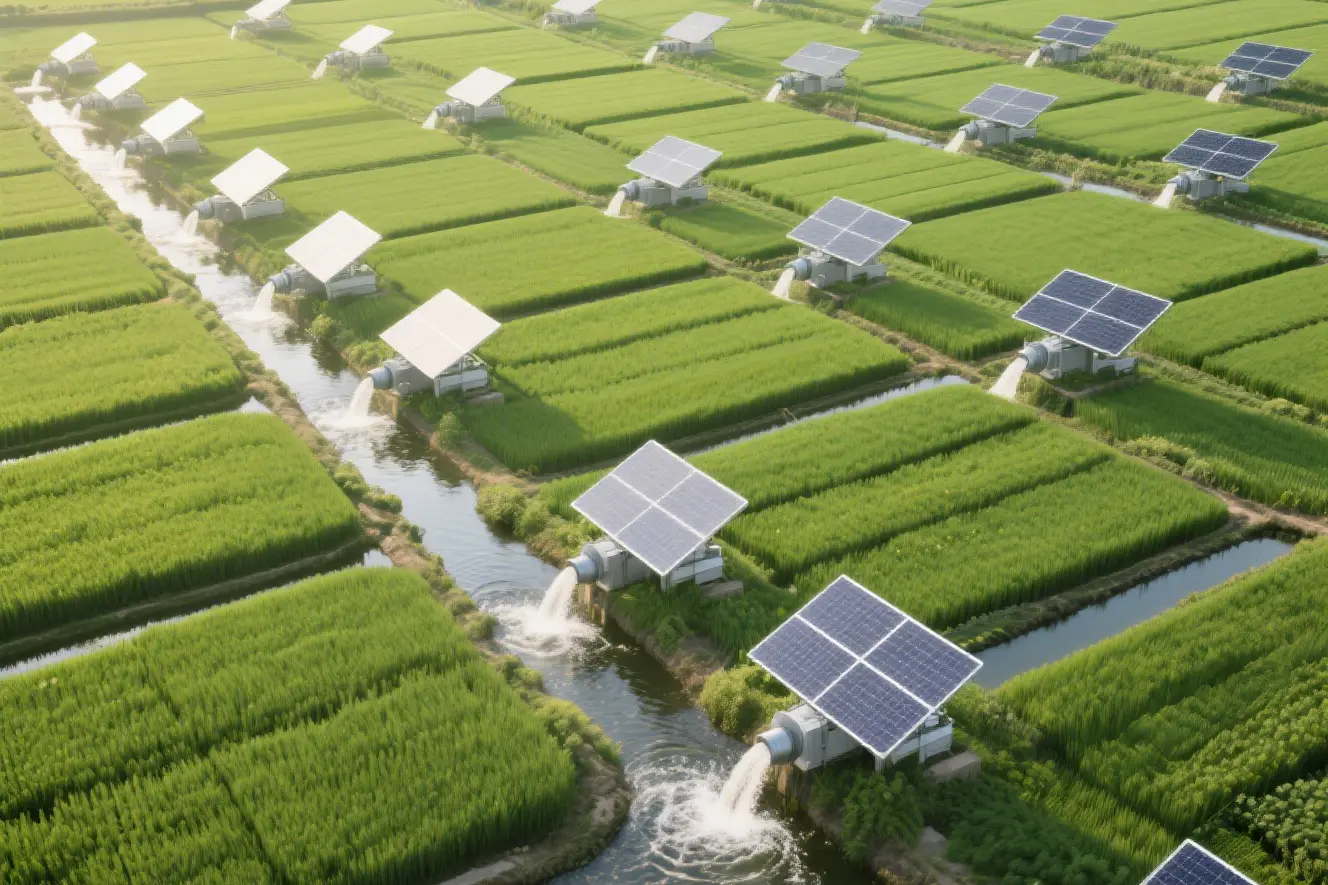
Optimizing land usage by combining high-elevation, dual-glass bifacial panels with sheep grazing and horticultural cultivation, raising land productivity across rural Canterbury and Otago.
Solar arrays engineered to endure New Zealand’s challenging coastal environments, withstanding extreme sub-antarctic winds and salt mist degradation under AS/NZS 1170.2 wind load standards.
As the solar market matures, the industry standard is rapidly shifting from traditional P-Type PERC cells to next-generation N-Type Tunnel Oxide Passivated Contact (TOPCon) and Heterojunction (HJT) technologies. N-type cells offer clear performance benefits: a lower temperature coefficient (typically -0.30%/°C), zero Light Induced Degradation (LID), and superior performance in low-light conditions—crucial during overcast winter months in cities like Wellington, Dunedin, and Invercargill.
Bifacial solar technology is also gaining traction, particularly on New Zealand’s dairy pastures and sandy coastal areas. Bifacial modules can capture reflected light from the ground (albedo effect), increasing energy yields by up to 25% compared to single-sided panels. Utilizing advanced polyolefin elastomer (POE) encapsulation and dual-glass construction prevents moisture ingress and PID (Potential Induced Degradation), extending the operational lifespan of projects to over 30 years.
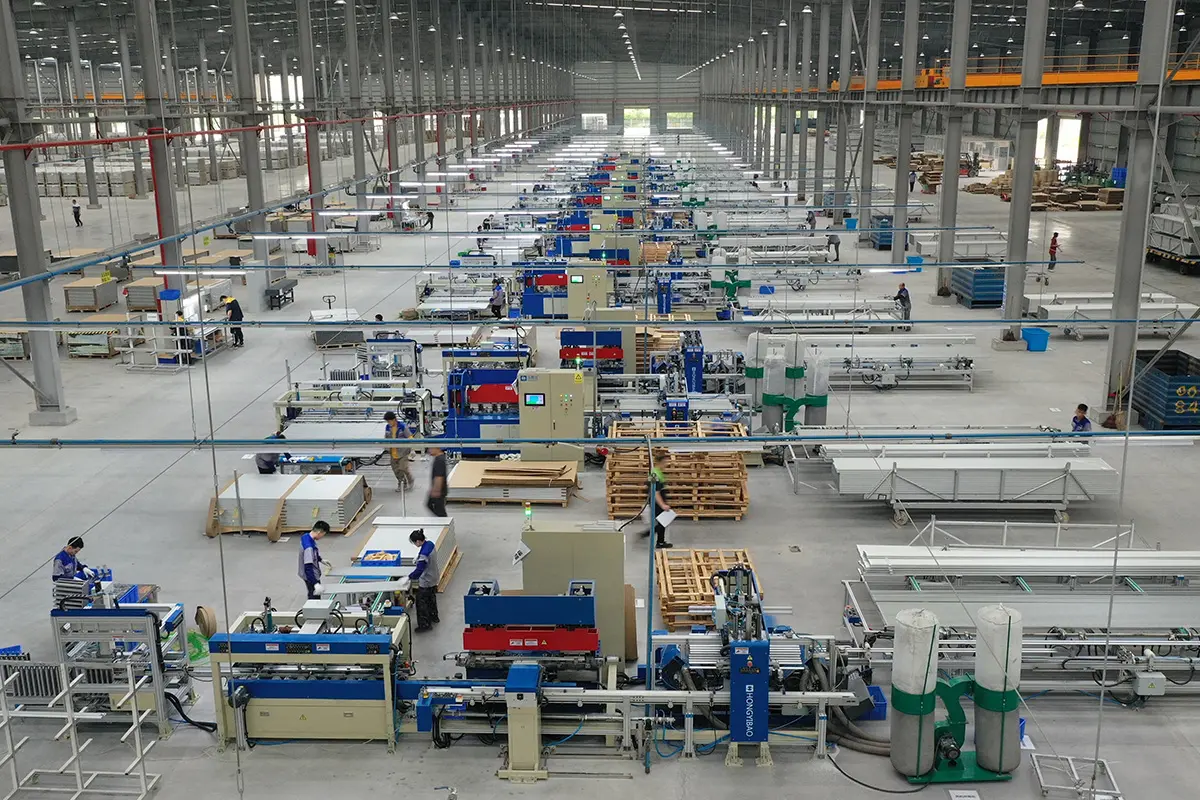
In utility-scale solar procurement, balancing supply chain resilience, cost efficiency, and technical consistency is critical. Our modern smart manufacturing facilities leverage advanced Industry 4.0 automation, utilizing artificial intelligence (AI) and automated optical inspection (AOI) to run real-time quality control checks across all assembly stages. From silicon ingot slicing to precision cell soldering and frame anodization, automated production ensures high geometric consistency and minimizes micro-cracks during manufacturing and shipping.
For New Zealand developers and Engineering, Procurement, and Construction (EPC) firms, sourcing directly from audited, highly automated factories mitigates long-term operational risks. Our vertically integrated supply chain offers reliable access to critical raw materials, including low-iron solar glass, premium EVA/POE encapsulants, and structural aluminum. This integration maintains stable lead times and protects projects from fluctuations in global commodity markets.
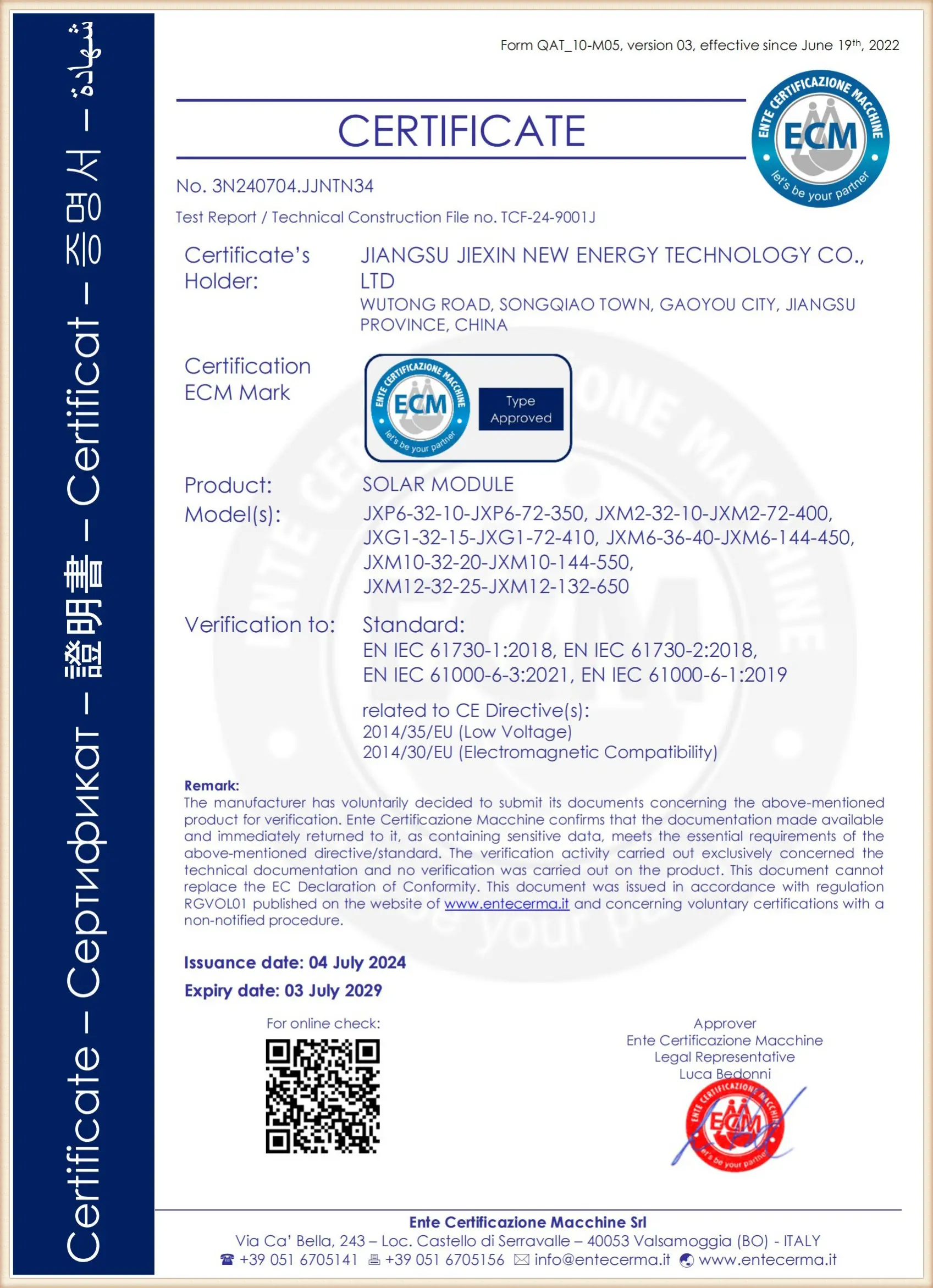
Deploying solar equipment in New Zealand requires strict adherence to local regulatory frameworks and grid compliance standards. All solar modules, inverters, and battery storage units must be registered on the WorkSafe EESS (Electrical Equipment Safety Scheme) database and comply with specific Australia/New Zealand standards (AS/NZS). Our systems are fully certified to meet these demands:
Guarantees safe design, installation, and performance criteria for photovoltaic arrays, focusing on DC isolation, overcurrent protection, and structural integrity.
Ensures full compliance of our energy storage systems with local utility network protection protocols, grid connection rules, and active power response requirements.
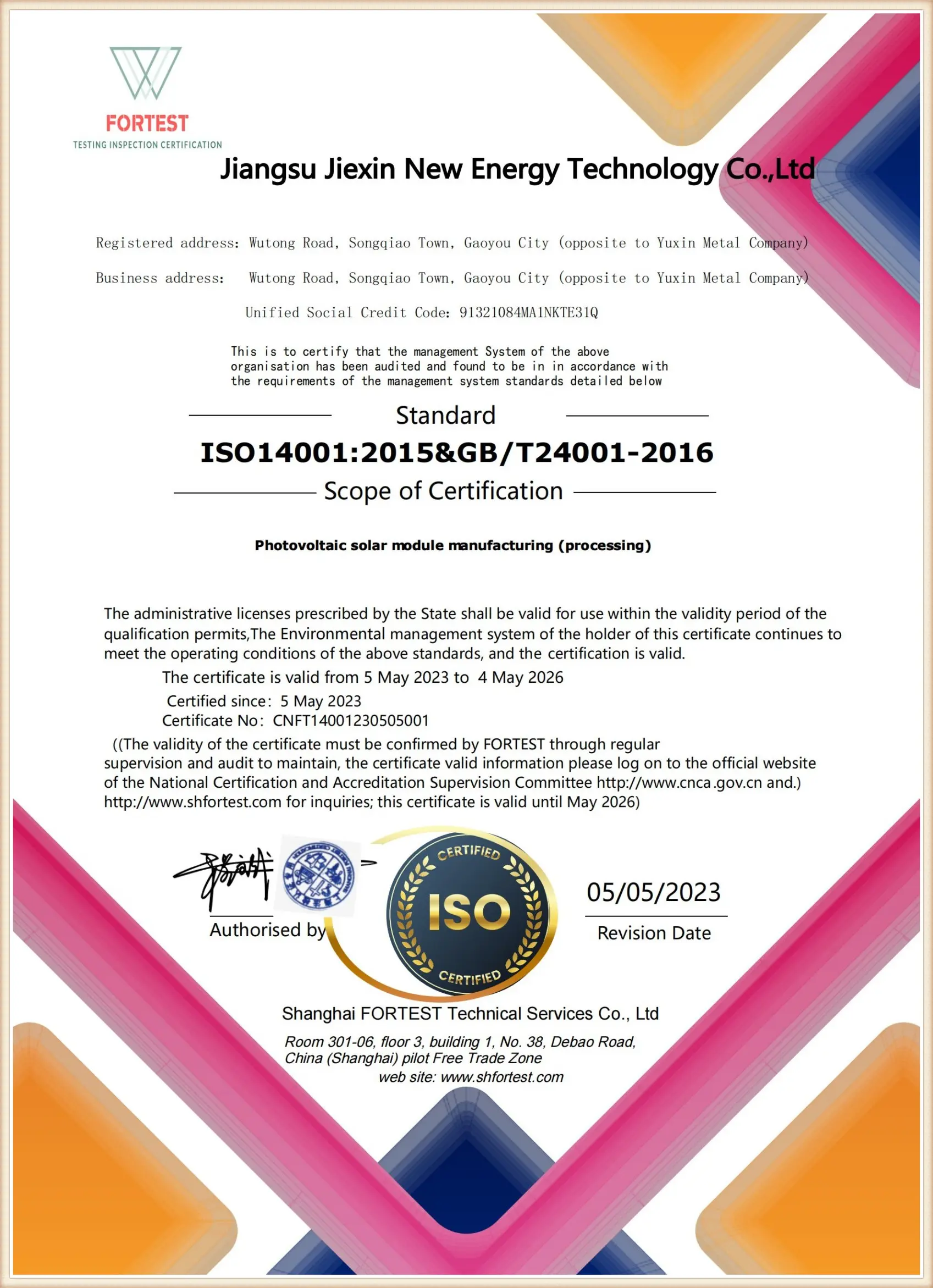
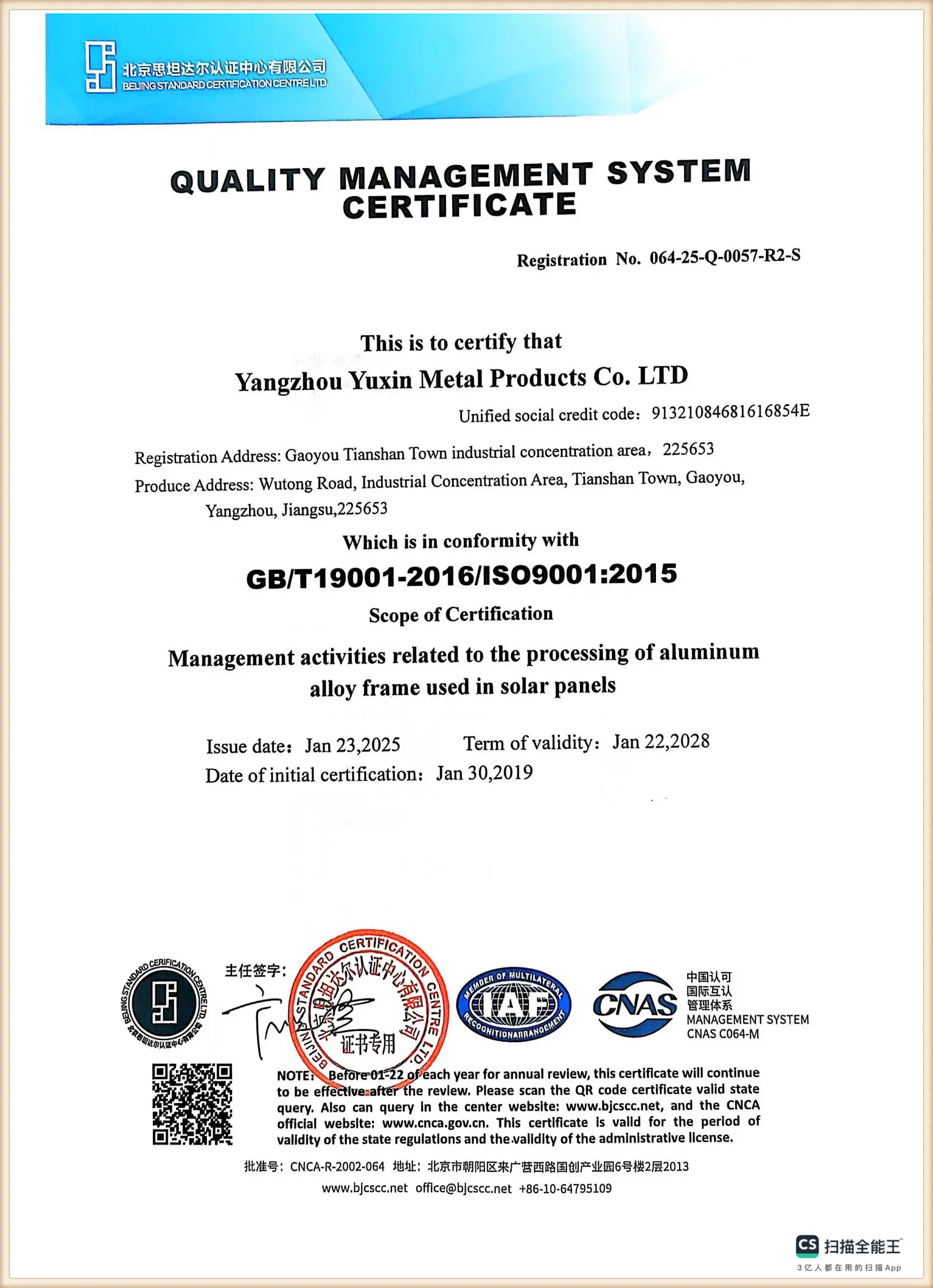
Verified through independent testing labs (TUV, CE, ISO 9001) to guarantee our solar panels sustain long-term mechanical load testing (+5400Pa front / -2400Pa rear).
Whether you are designing a C&I rooftop installation in Auckland, a solar farm in Canterbury, or a off-grid agricultural microgrid, our engineering team can help customize solutions that meet local AS/NZS compliance.
Get Expert Consultation & Custom QuotesPrecision, Quality, and Reliability - Your Global Photovoltaic Materials and Systems Partner
Established in 2008, Jiangsu Yuxin New Energy Technology Co., Ltd. has grown into a leading developer and manufacturer of advanced photovoltaic materials, solar modules, and integrated energy storage systems. Located in the historical city of Yangzhou, China, we operate 14 specialized subsidiary companies, utilizing convenient transport infrastructure near the Beijing-Shanghai Expressway and deepwater ports to deliver our products efficiently to global markets.
We are recognized as a National High-Tech Enterprise, a Technology-Based Small and Medium-sized Enterprise (SME), and one of Gaoyou City's Top 100 Private Enterprises. Our production base is equipped with 21 state-of-the-art automated manufacturing lines. We produce over 25,000 tons of solar structural materials annually, exporting premium solar panels and energy storage systems to utility developers and C&I clients throughout Europe, Southeast Asia, Australia, and New Zealand.
Learn More & View Our Facilities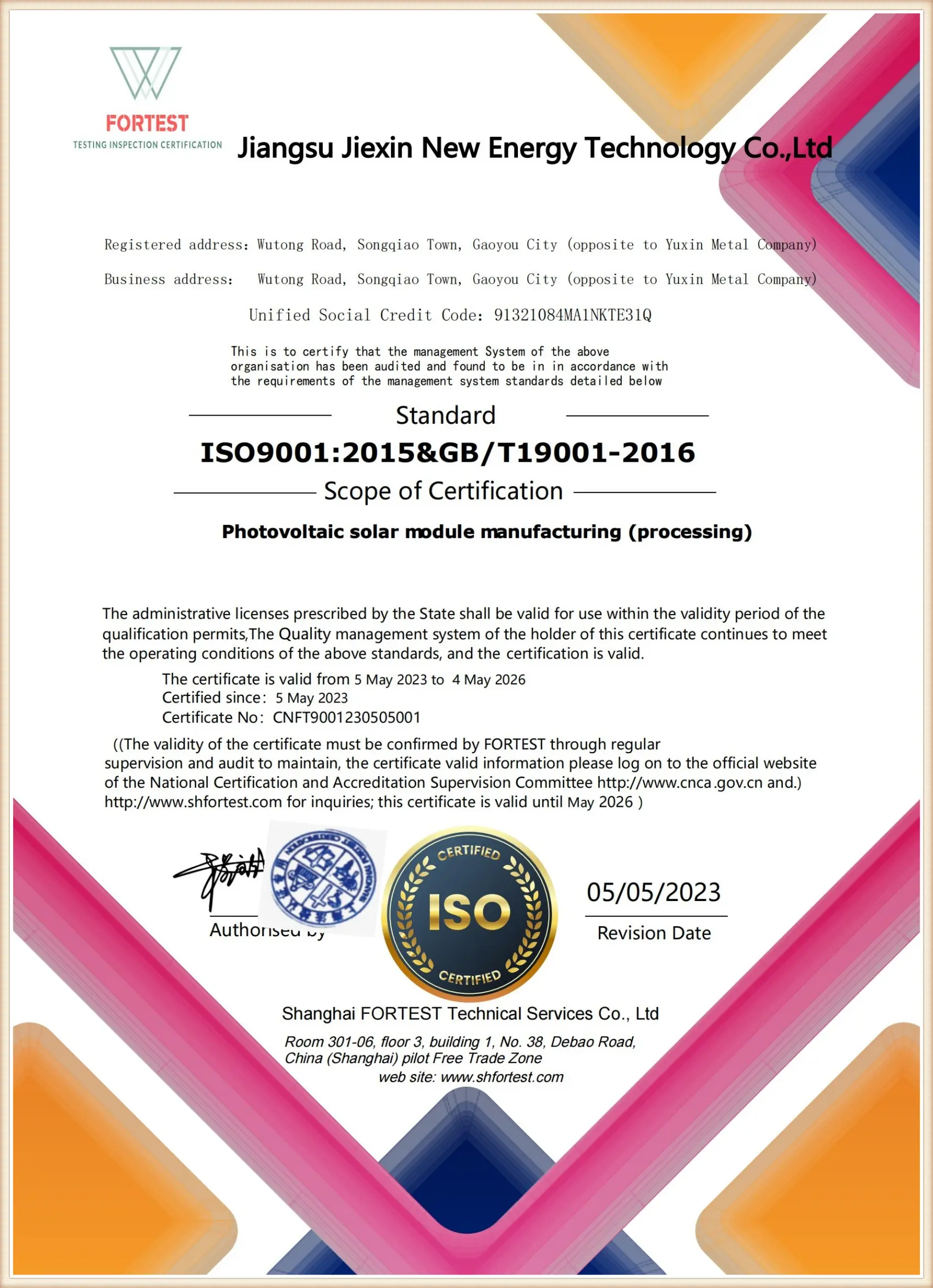
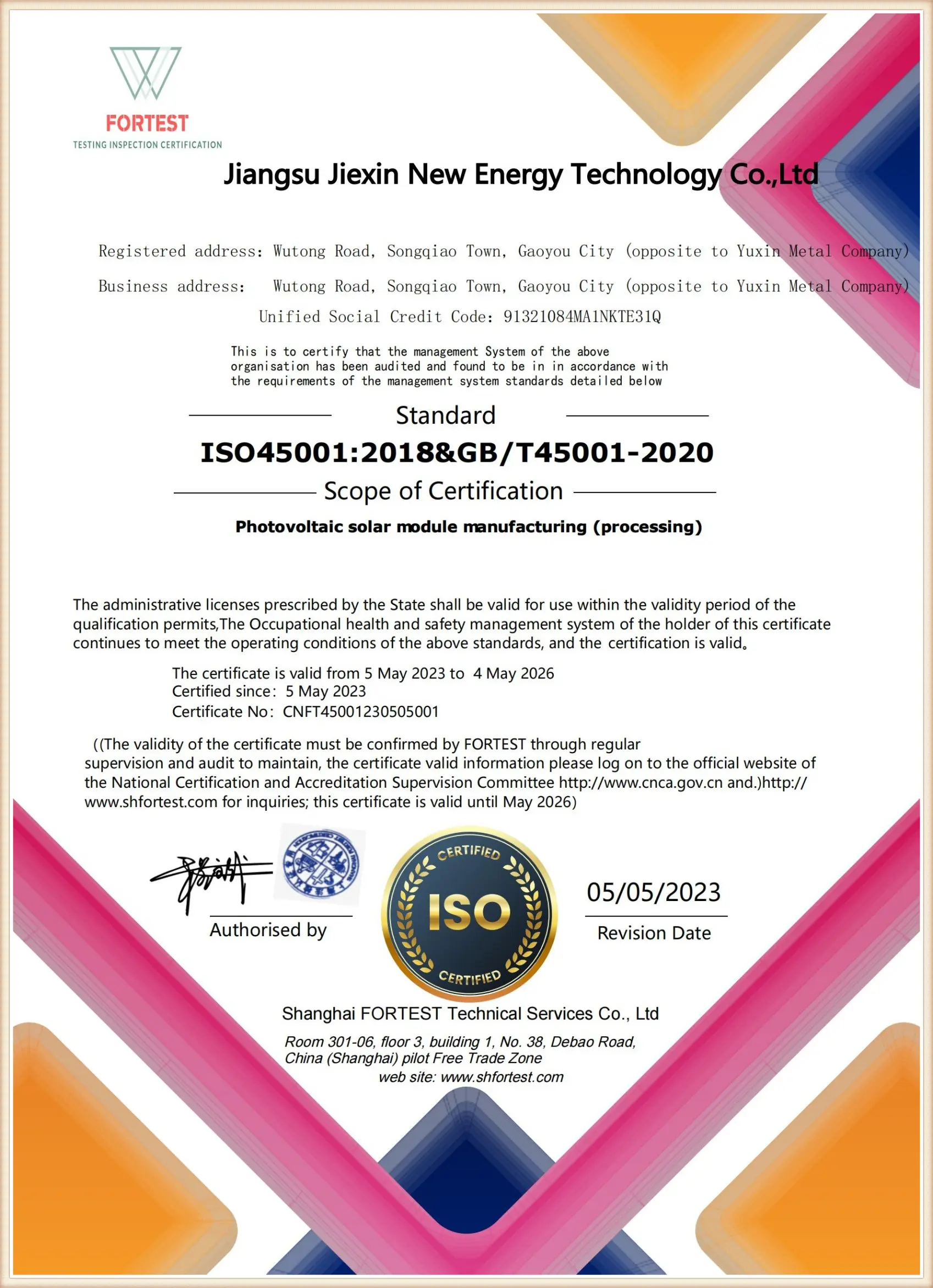
Tested and verified by global classification societies and testing laboratories to ensure long-term durability and electrical safety.
How our solar panels and power generation products drive sustainability and reliability across various operational sectors.
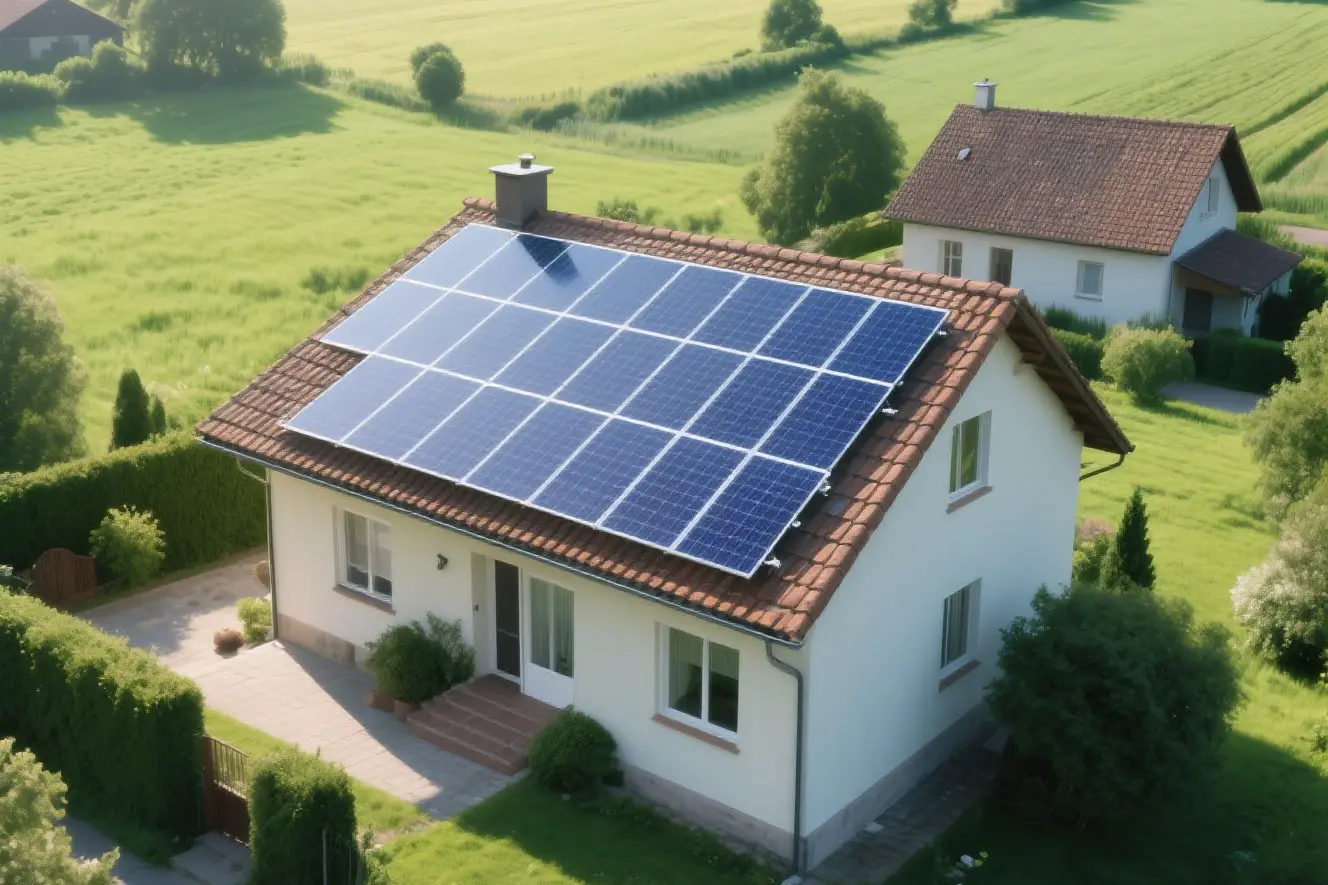
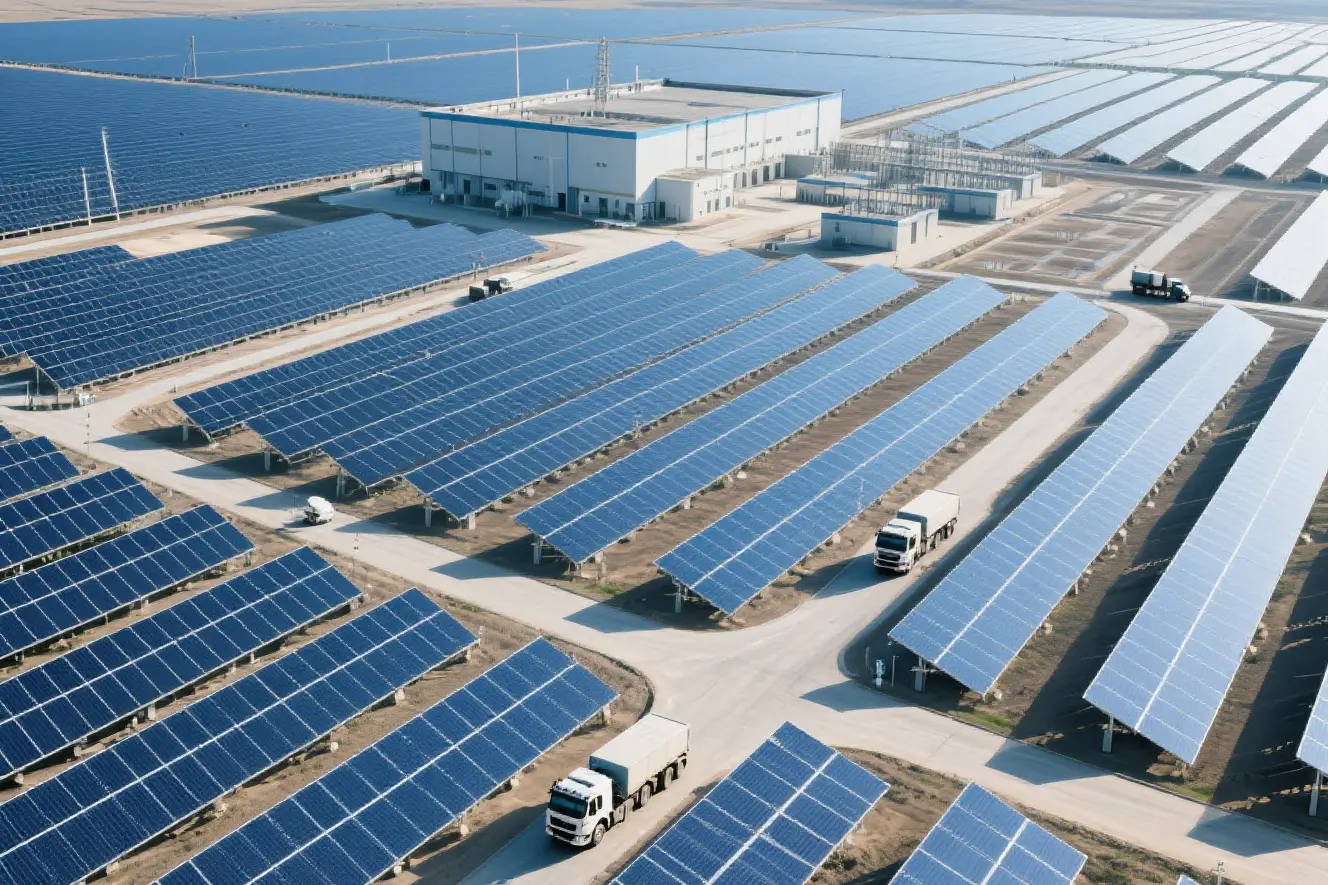
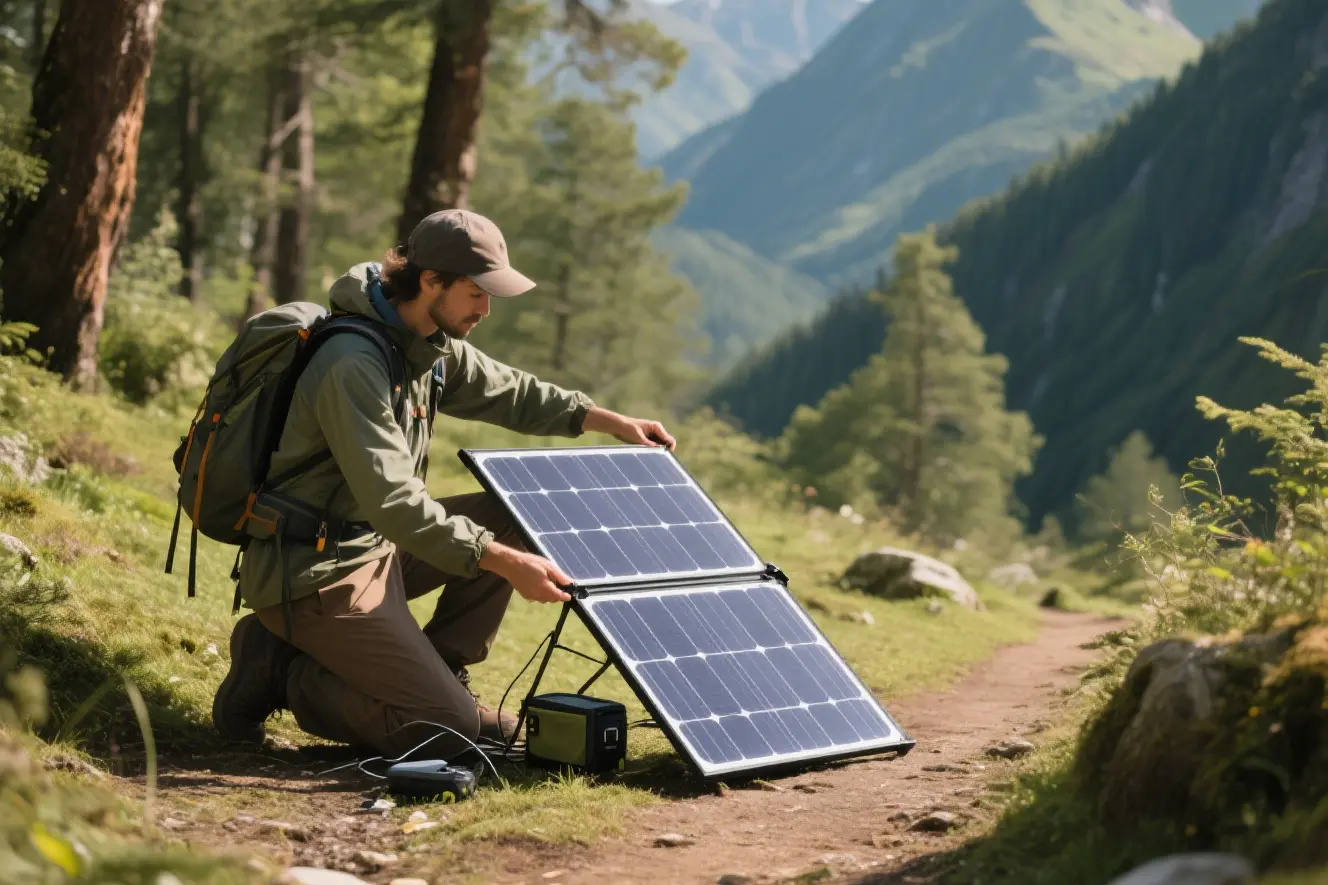
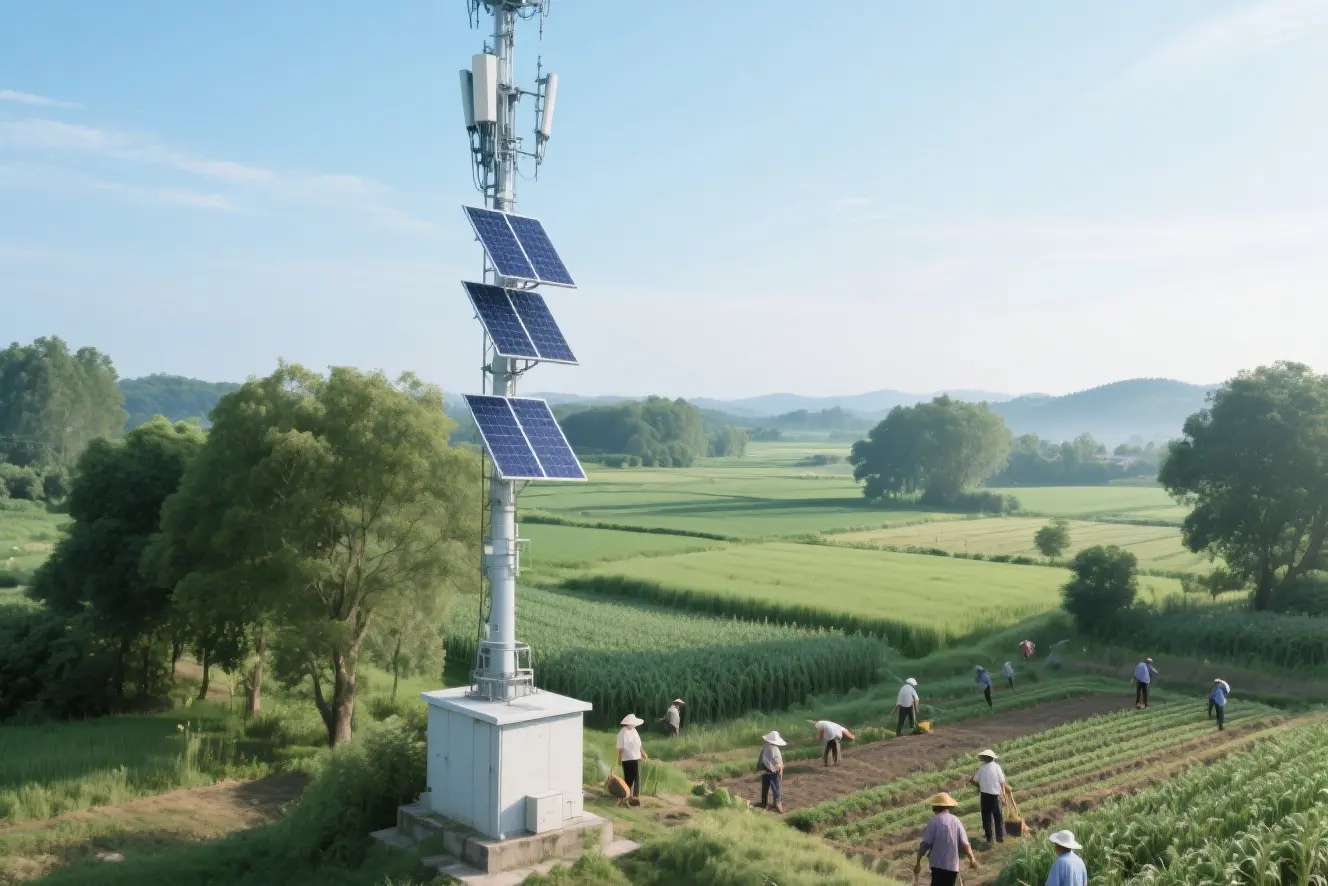
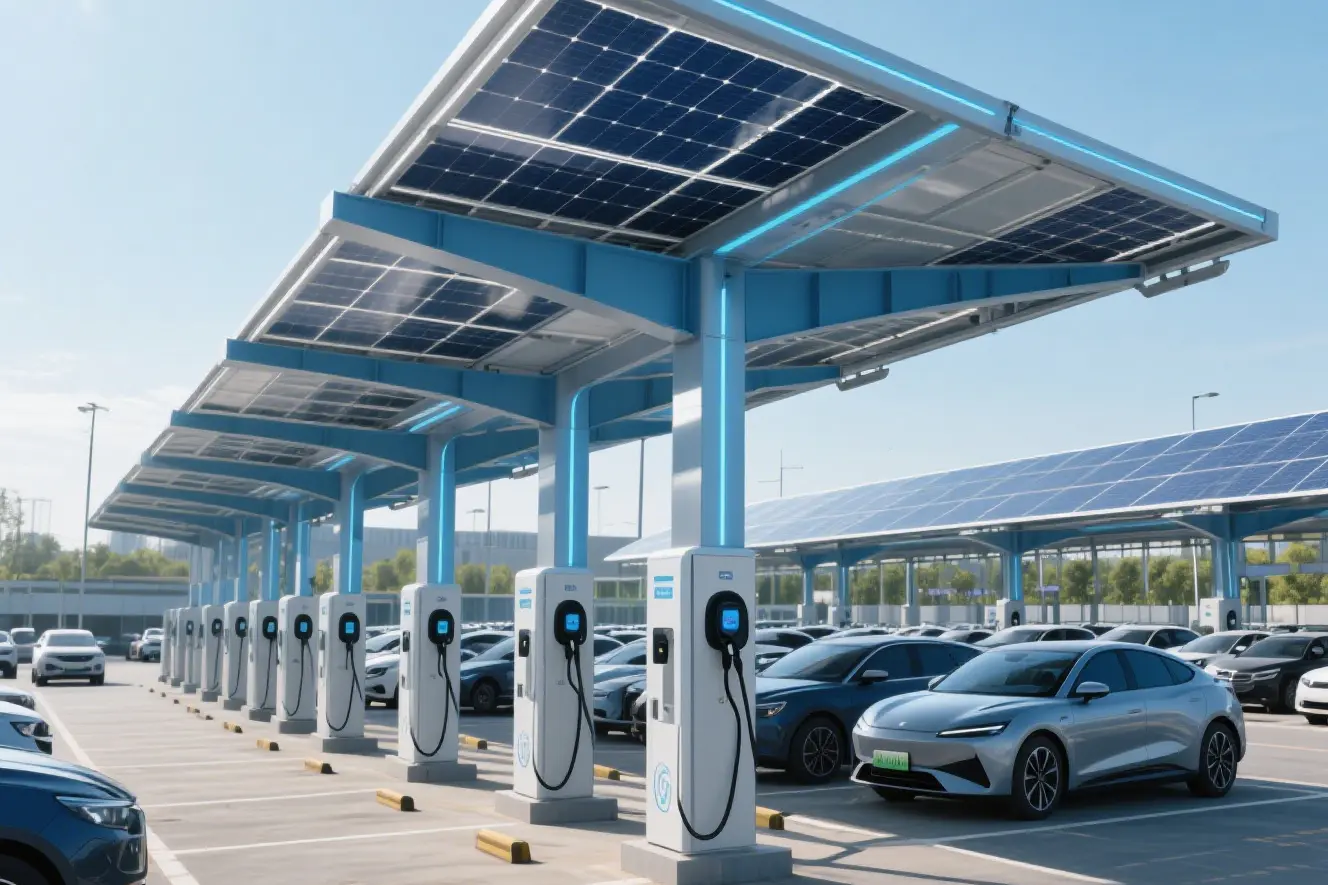
Collaborating with global energy companies to deliver dependable clean energy infrastructure.

Full selection of high-power modules, solar generators, and composite structural hardware serving the global and New Zealand market.
Follow our engineering and research teams for insights on quality standards, design advancements, and market dynamics.
Technical and procurement answers regarding New Zealand solar deployments, standards, and import logistics.