Engineered specifically for Swiss environmental criteria, featuring extreme temperature resistance, high structural elasticity, and integrated smart charge protocols.
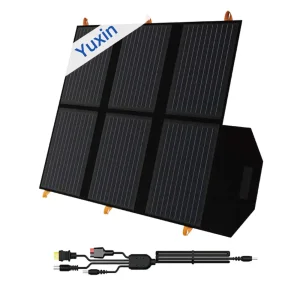
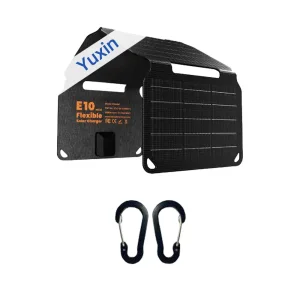
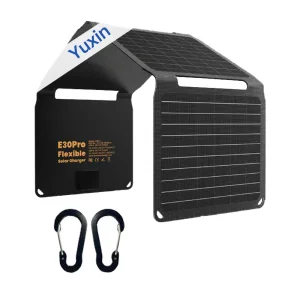
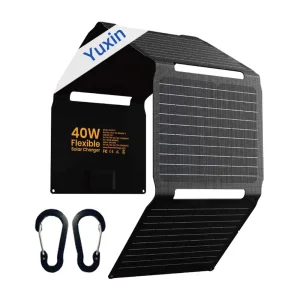
Under the framework of Switzerland's Energy Strategy 2050, the country has prioritized the systematic phase-out of nuclear power and the accelerated deployment of clean, decentralized renewable energy assets. While large-scale solar farms encounter geographic and zoning hurdles within the Swiss cantons, the requirement for localized, high-resilience photovoltaic products has experienced unprecedented growth.
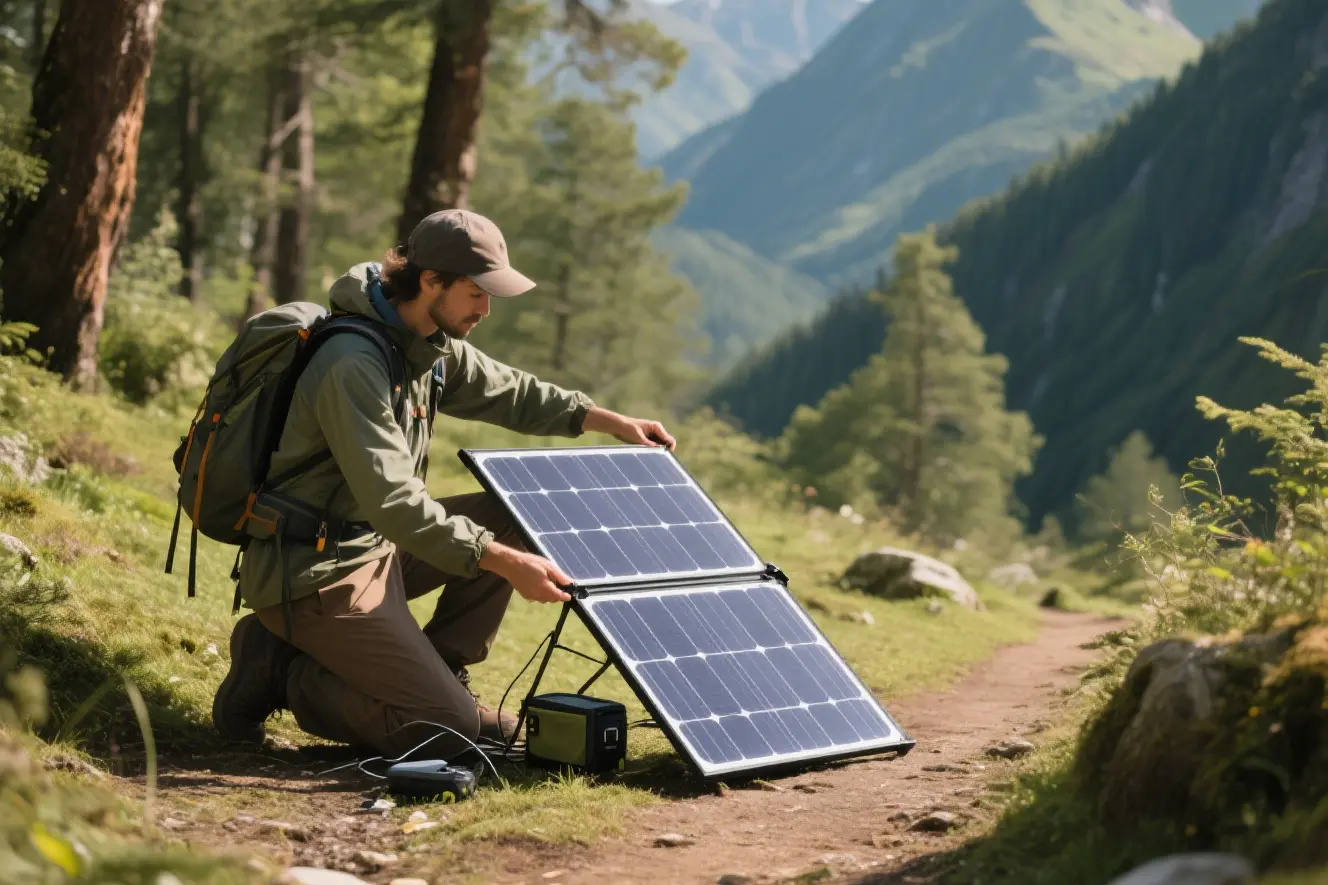
In alpine regions, high-altitude operations require reliable, off-grid power solutions capable of enduring sub-zero temperatures and high UV indexes. Microgeneration technology is no longer limited to standard residential rooftops; it now extends to mobile and tactical solar apparatuses designed for safety, defense, research, and recreation.
The Swiss market demands strict technological compliance. Equipment must function seamlessly under the Albedo effect (intense solar reflection from snowpack), demanding high-efficiency monocrystalline solar cells configured for low-light and cold-temperature performance. As a result, B2B procurement in Switzerland focuses heavily on ruggedization, mechanical durability, and strict EU/Swiss electrical certifications.
Panels designed with fluoropolymer (ETFE) surface layers to handle extreme thermal expansion and mechanical loads up to 5400 Pa.
Fully compliant with CE, WEEE, and RoHS standards, ensuring long-term eco-compatibility and circular economy integration.
Optimized charging profiles that adjust dynamic output to preserve battery cell chemistry during sub-zero operational windows.
Where portable solar energy meets industrial resilience, civil safety, and high-altitude exploration.
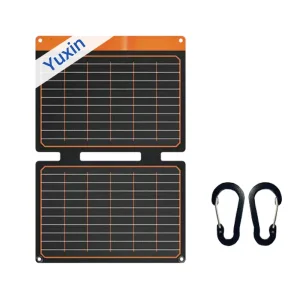
Rescue personnel in cantons like Valais or Graubünden deploy our foldable and backpack-mounted systems to charge satellite communication devices, avalanche transceivers, and medical equipment during critical wilderness deployments.
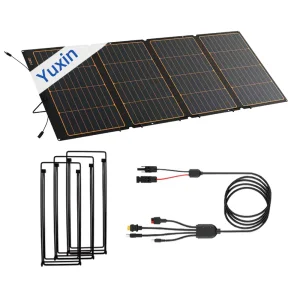
Swiss civil defense authorities integrate heavy-duty 240W portable generator systems as backup power units for field operations and communication arrays, ensuring localized grid independence during emergencies.
Environmental research stations measuring glacial retreat or alpine wildlife patterns utilize low-temperature tolerant solar modules to power remote dataloggers and IoT telemetry equipment year-round.
Our commitment to technical excellence aligns with next-generation solar advancements. Transitioning from standard P-type PERC structures, we are leading the deployment of N-type TOPCon (Tunnel Oxide Passivated Contact) and HJT (Heterojunction Technology) architectures within the portable solar sector.
These advanced cell structures deliver a significantly lower temperature coefficient (typically -0.30%/°C compared to -0.38%/°C of conventional cells). This means that as temperatures drop in alpine winter environments, our panels run more efficiently, capitalizing on the high reflection of snowy slopes.
Furthermore, by optimizing bifacial properties on portable configurations and utilizing structural composites like carbon-fiber-reinforced backing plates, we deliver high power-to-weight ratios. This ensures that field operators can transport more power capacity per kilogram of payload.
Precision, Quality, and Safety - Your Photovoltaic Materials Expert
Located in the scenic historical and cultural ancient city of Yangzhou, close to the Beijing-Shanghai Expressway, Runyang Yangtze River Bridge, and Ningqi Railway, the group has a superior geographical location and convenient transportation. The group was established in 2008 and has 14 multi-field companies under its jurisdiction, including Jiangsu Yuxin New Energy Technology Co., Ltd., and has won many titles such as National High-tech Enterprise, Technology-based Enterprise, and Gaoyou City Top 100 Private Enterprises.
Explore our integrated PV materials and system setups developed for global municipal, industrial, and outdoor consumer sectors.
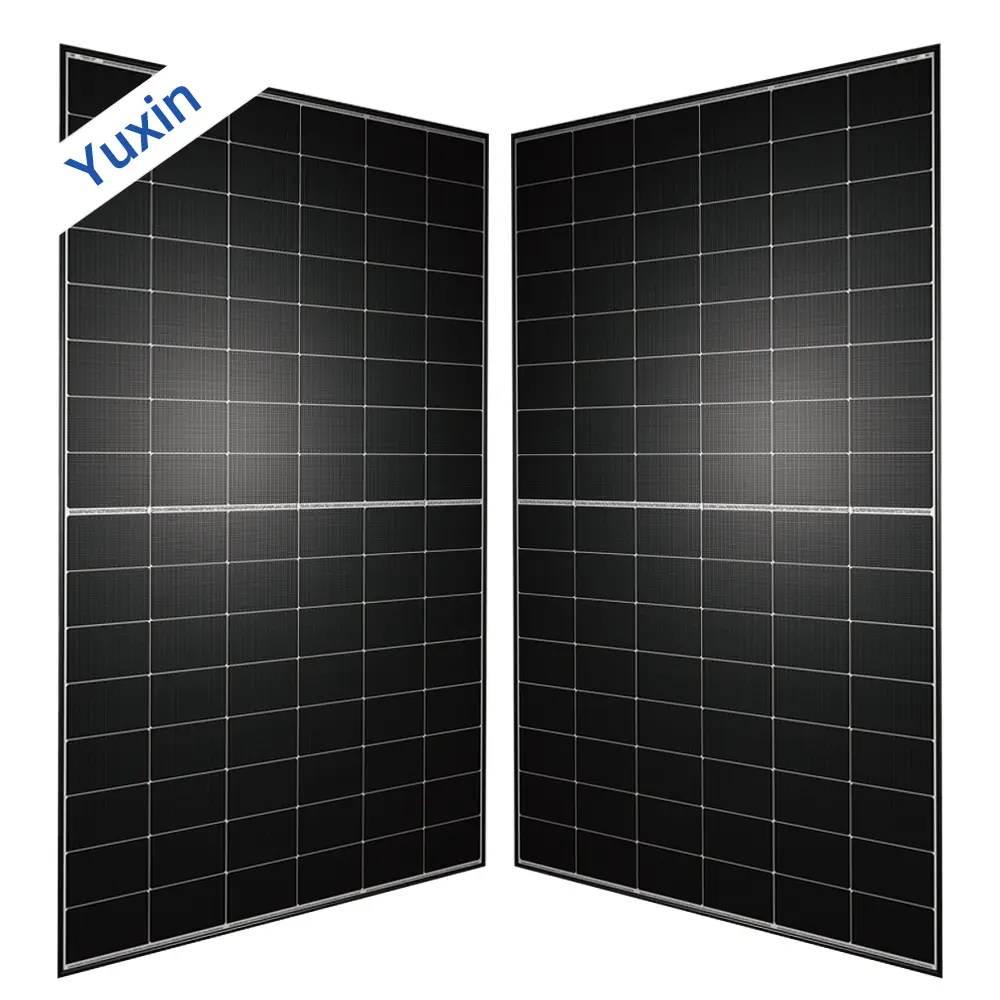
Lightweight design with transparent back panel for easy installation and reduced BOS costs.
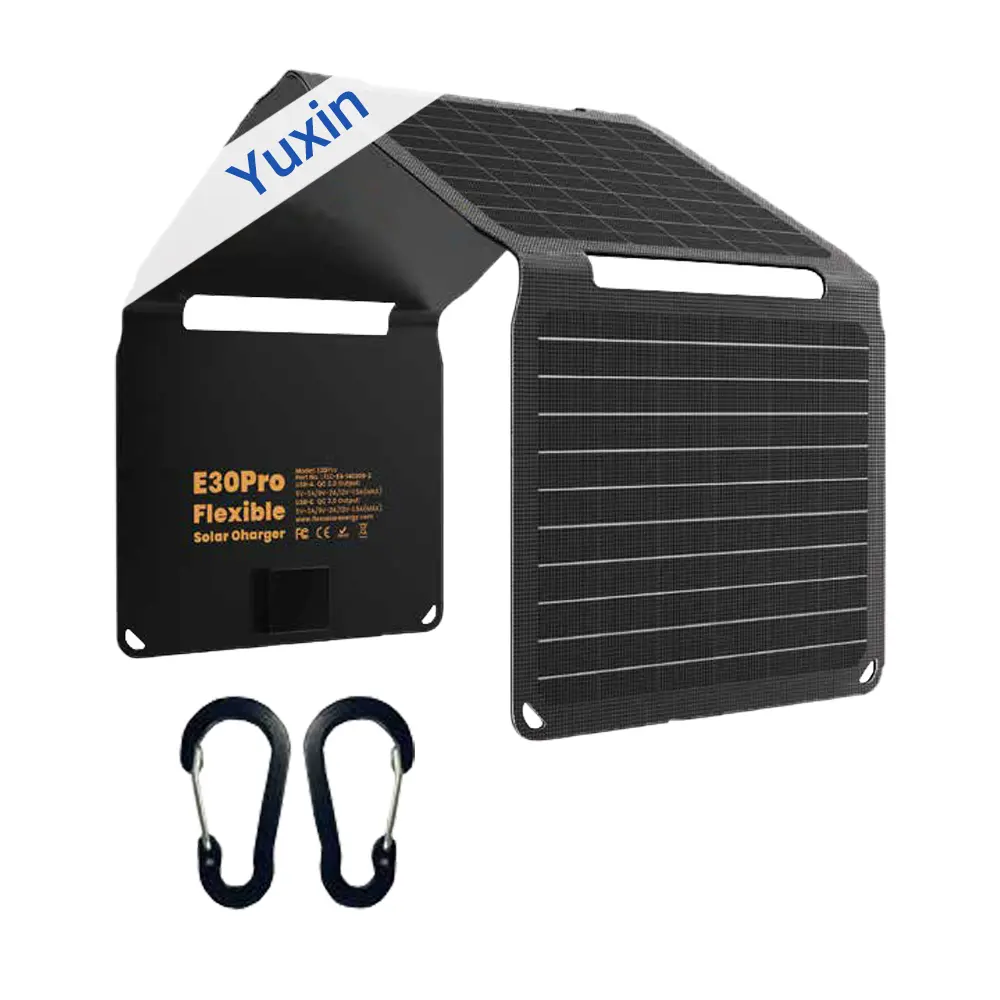
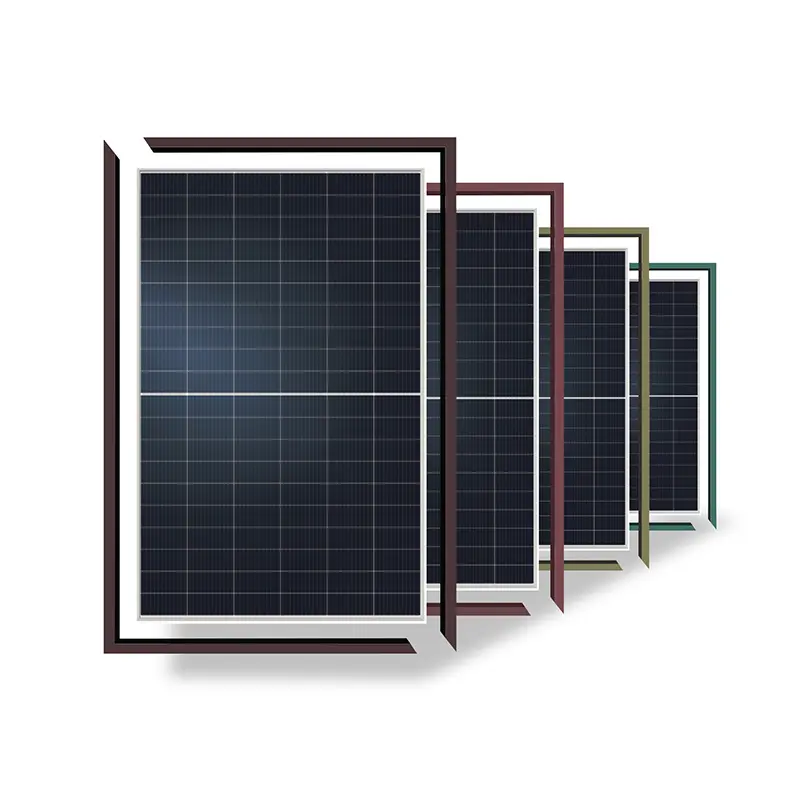
Utilizing advanced monocrystalline silicon cells, it achieves a high energy conversion efficiency of 24%.
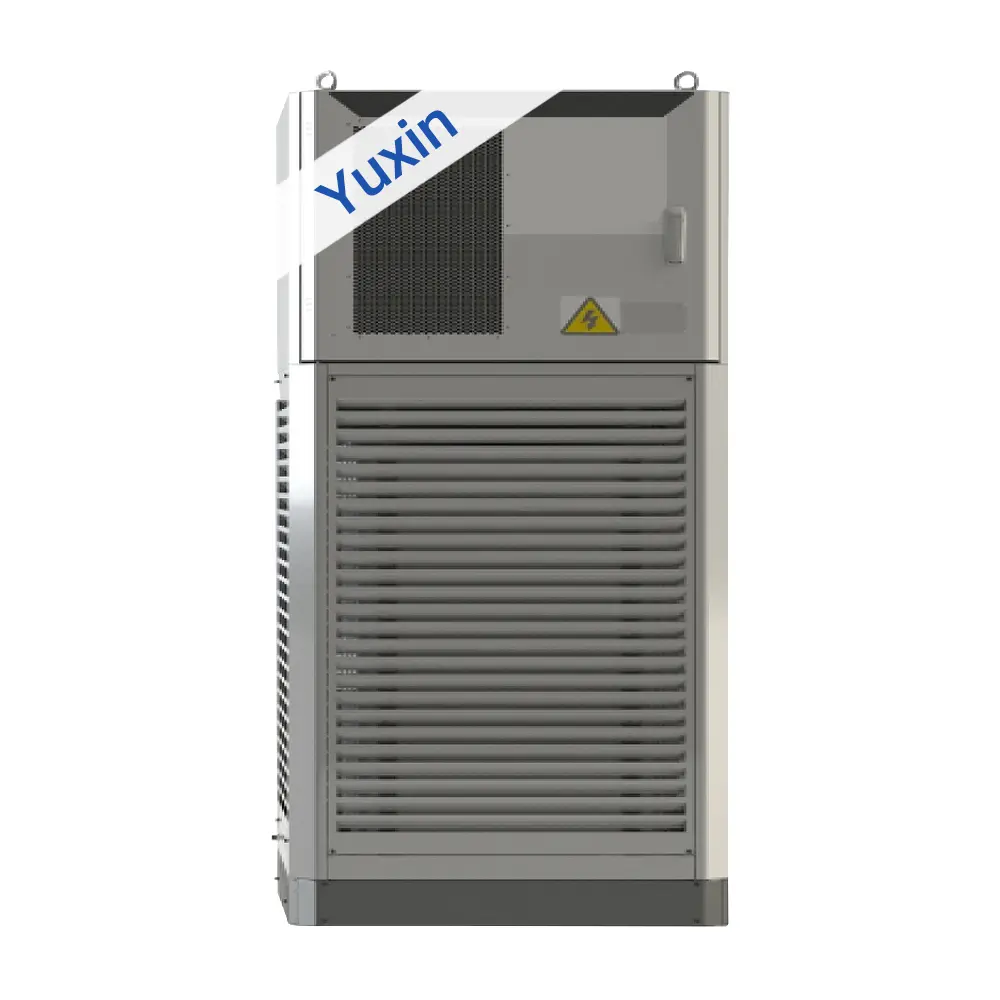
Application modes include grid-connected mode, off-grid mode, and integrated grid-connected/off-grid mode.
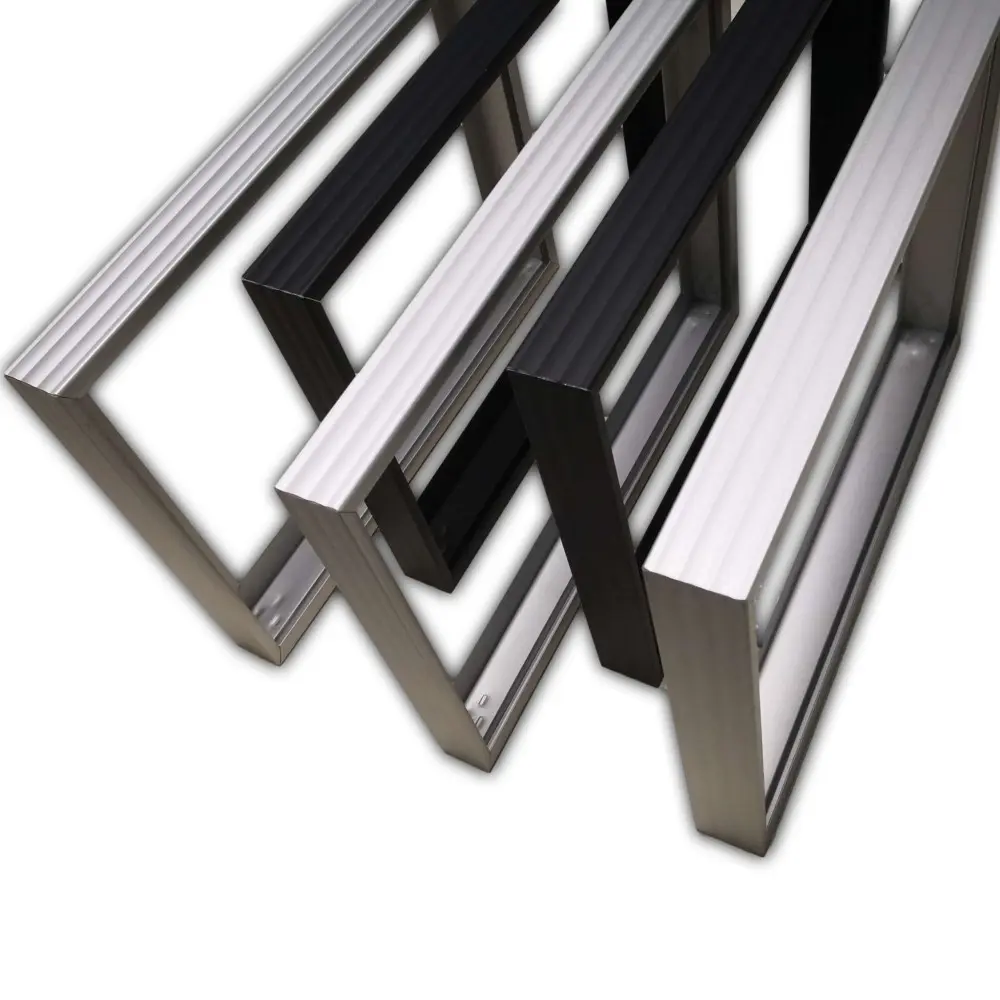
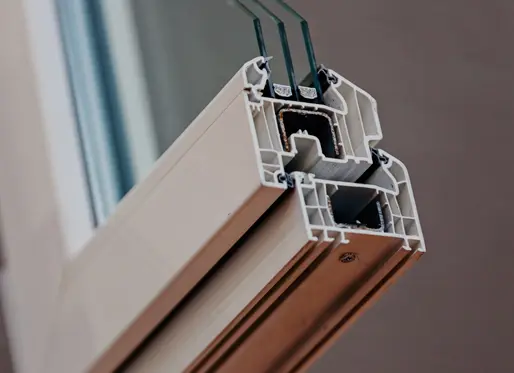
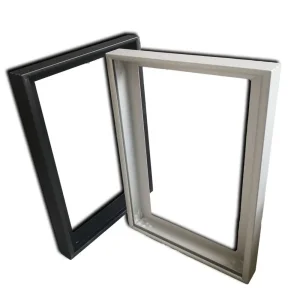
Made of high-quality anodized aluminum, it ensures superior weather resistance and a smooth, long-lasting finish.
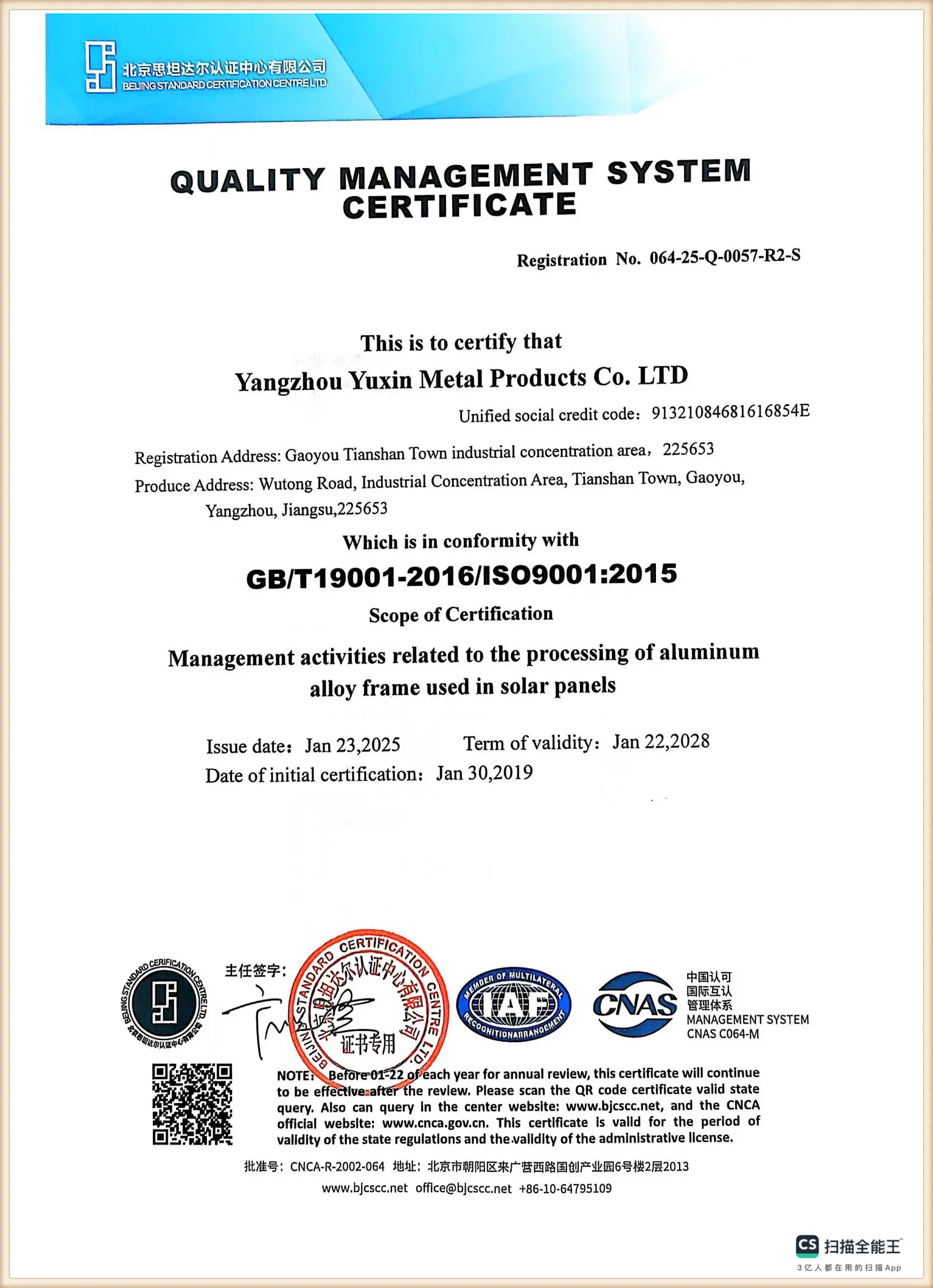
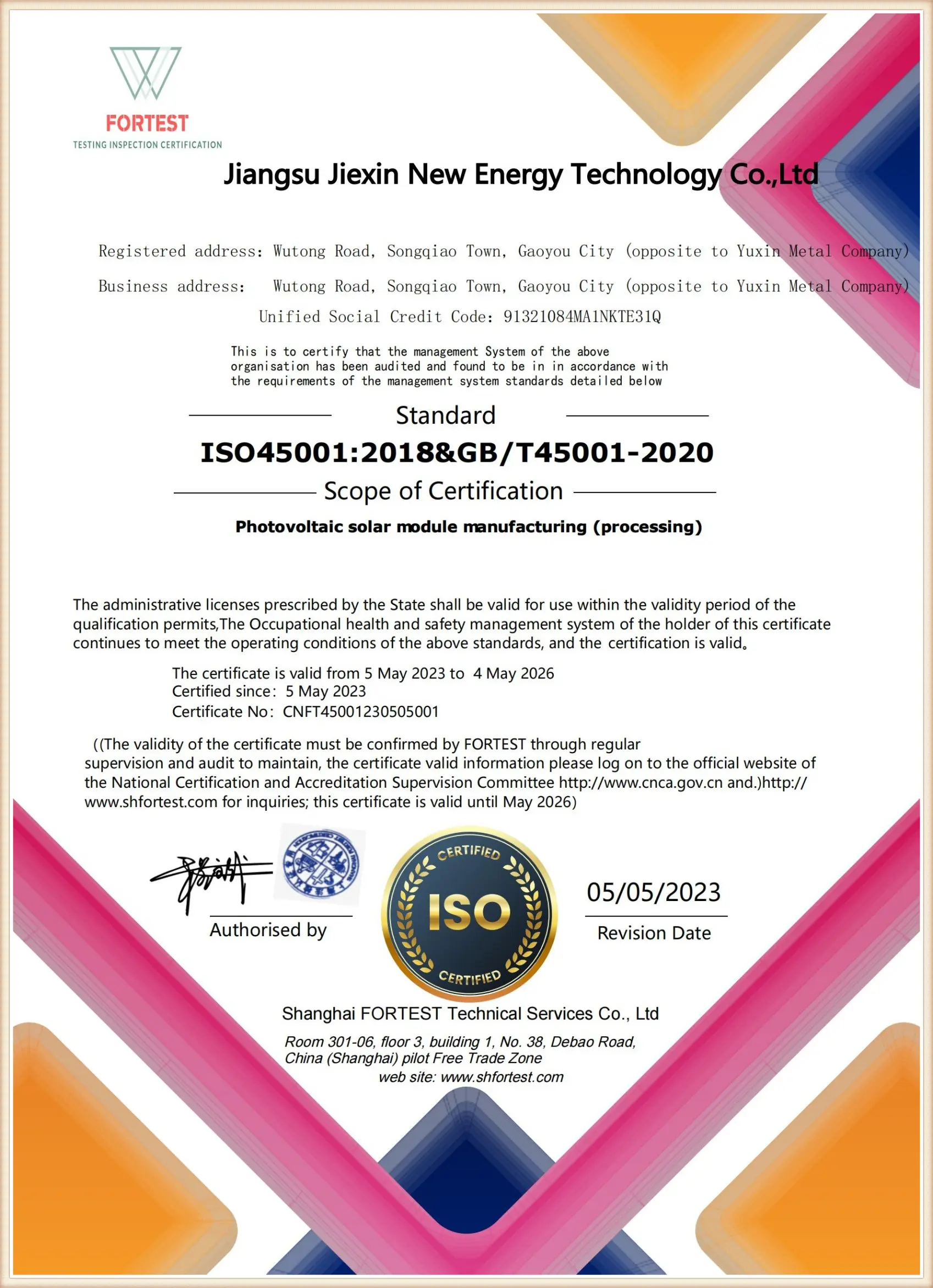
Our manufacturing and product designs undergo testing by recognized global inspection bodies, ensuring reliability in demanding markets.
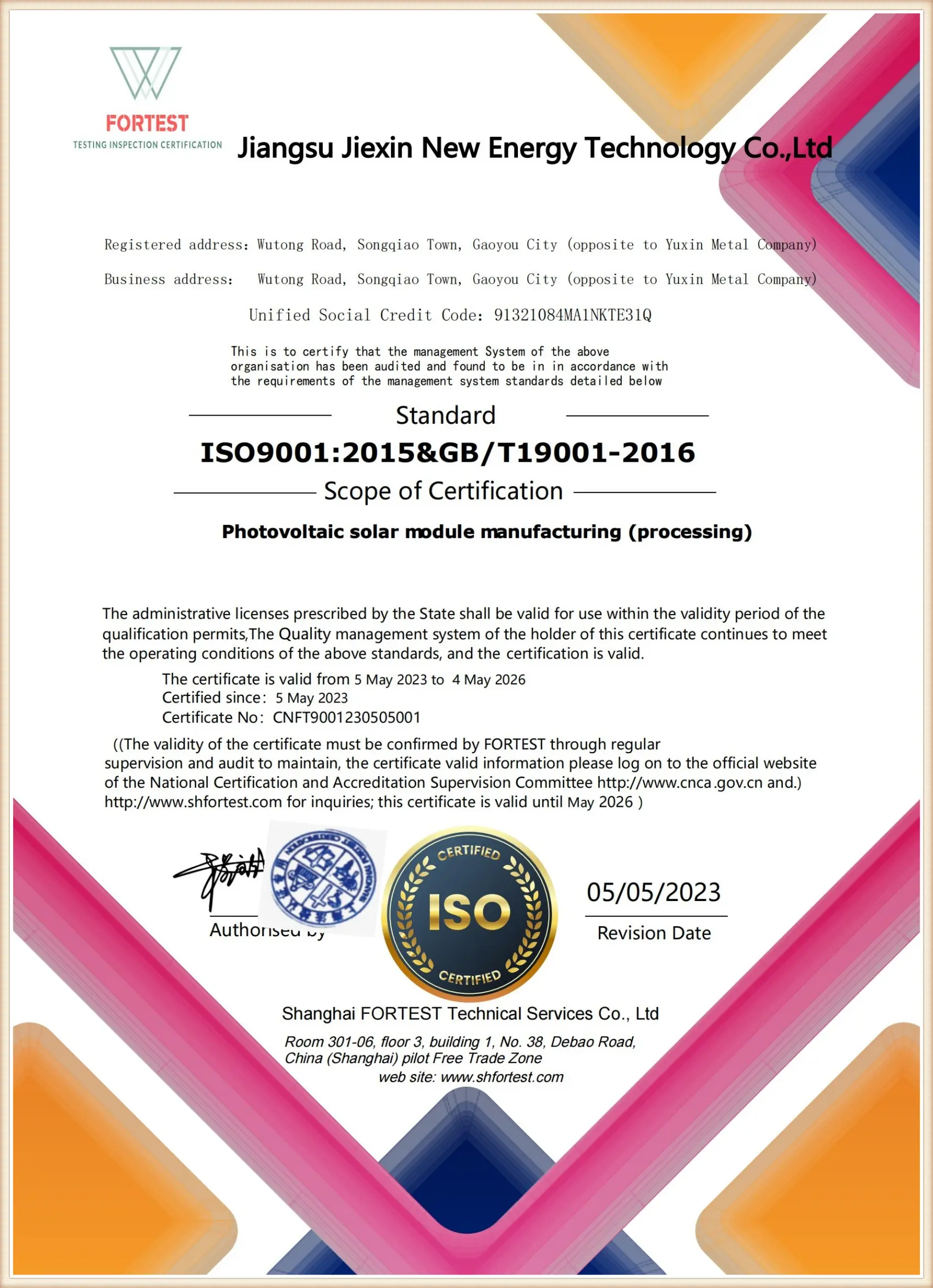
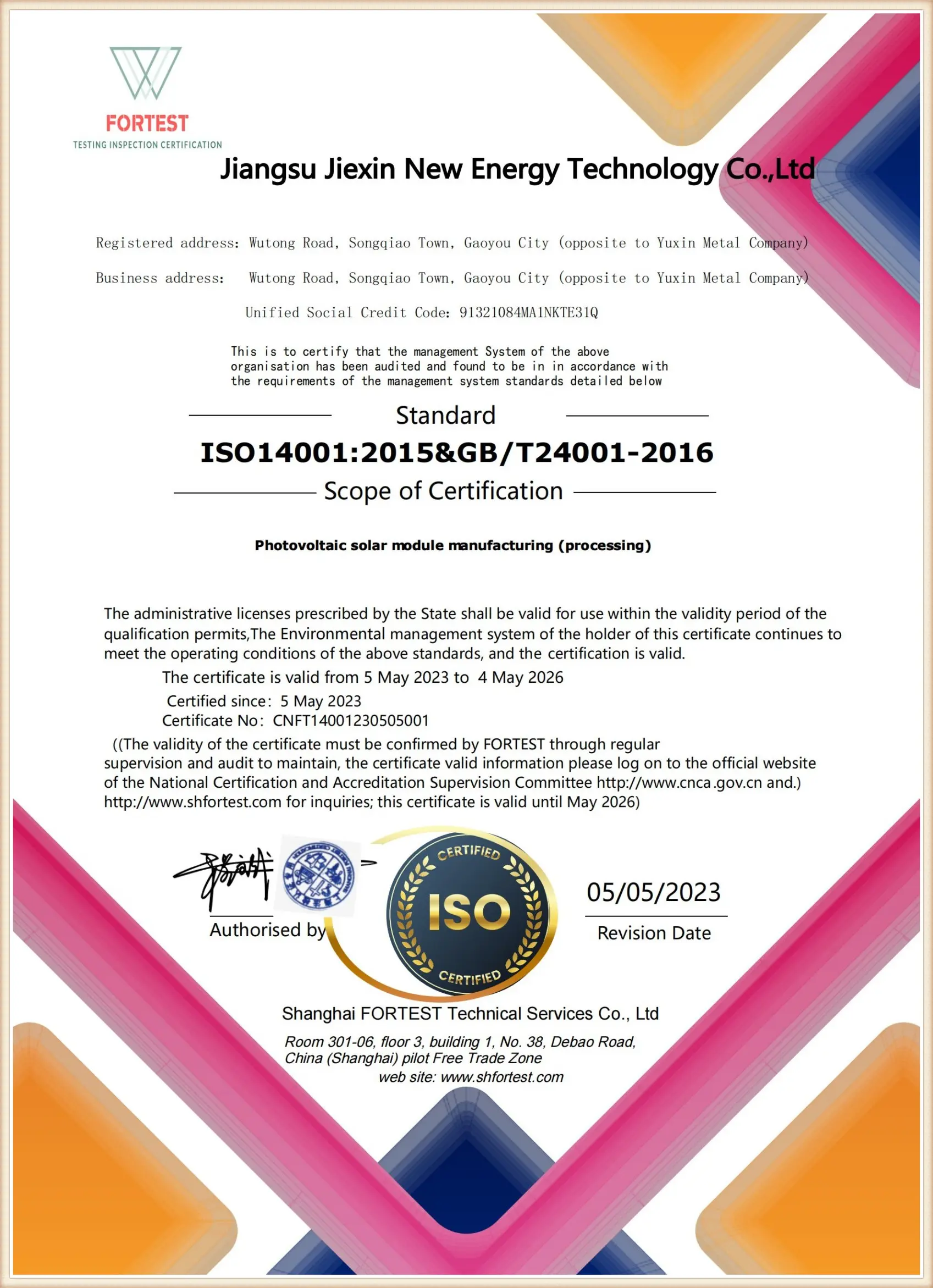
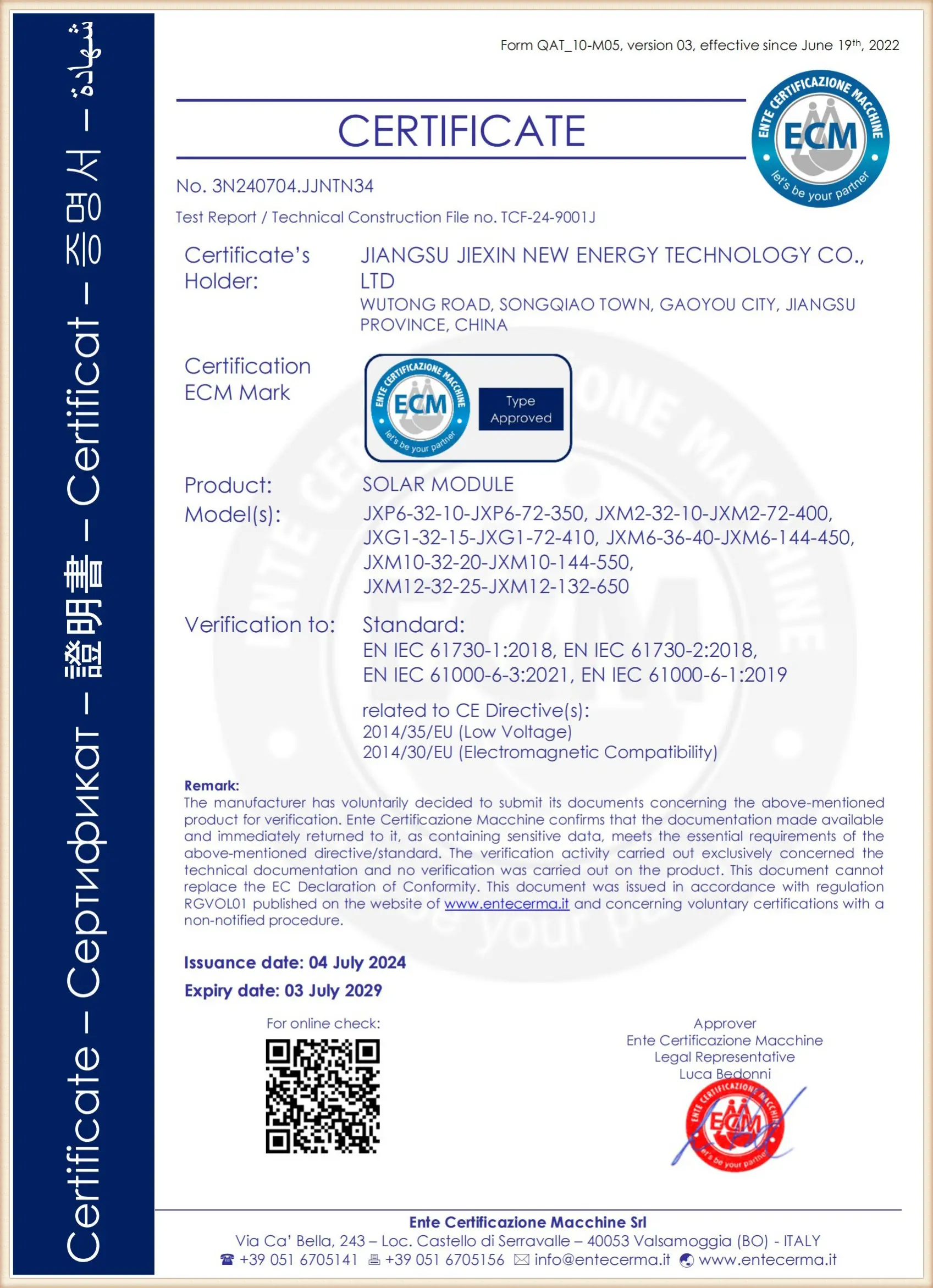
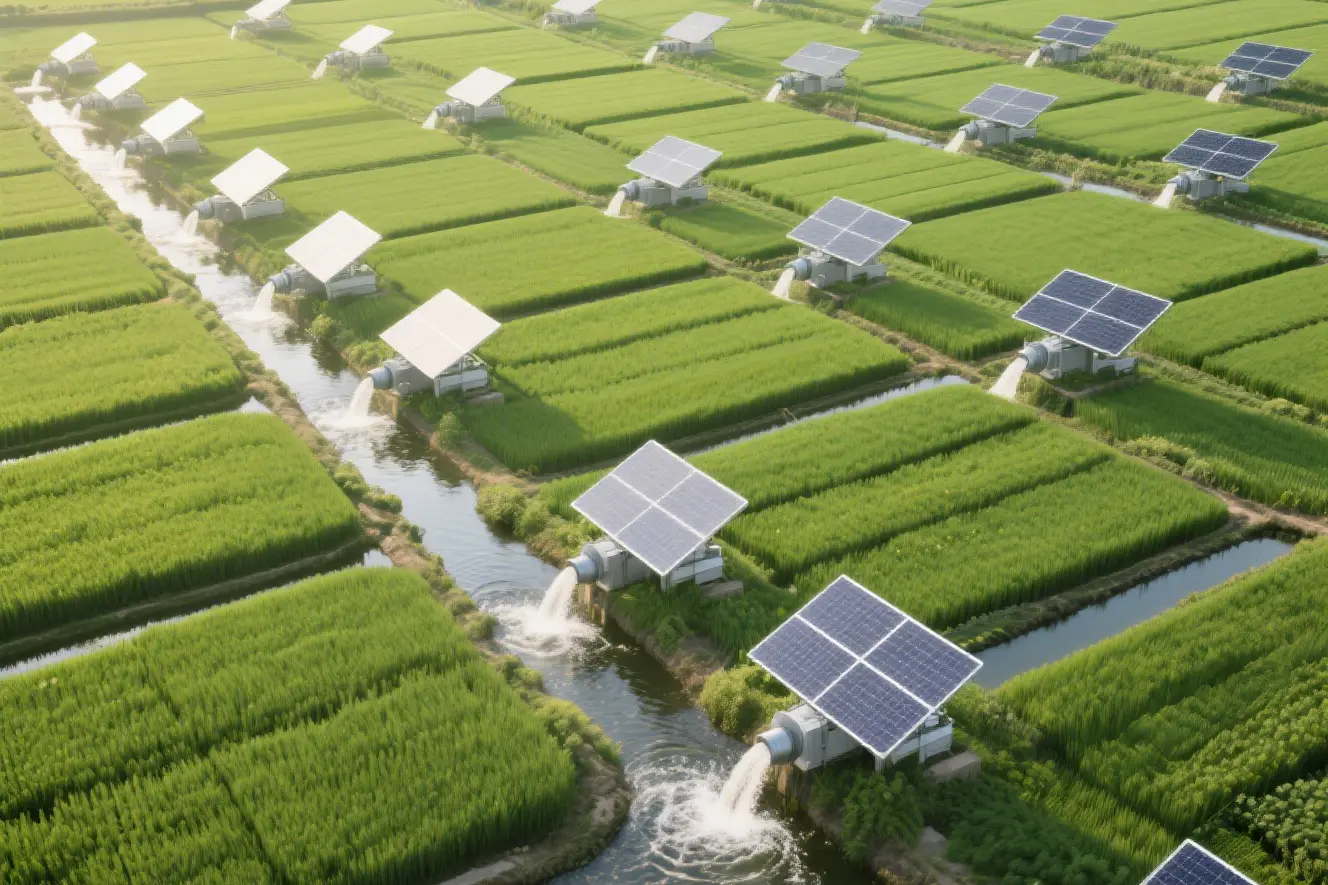
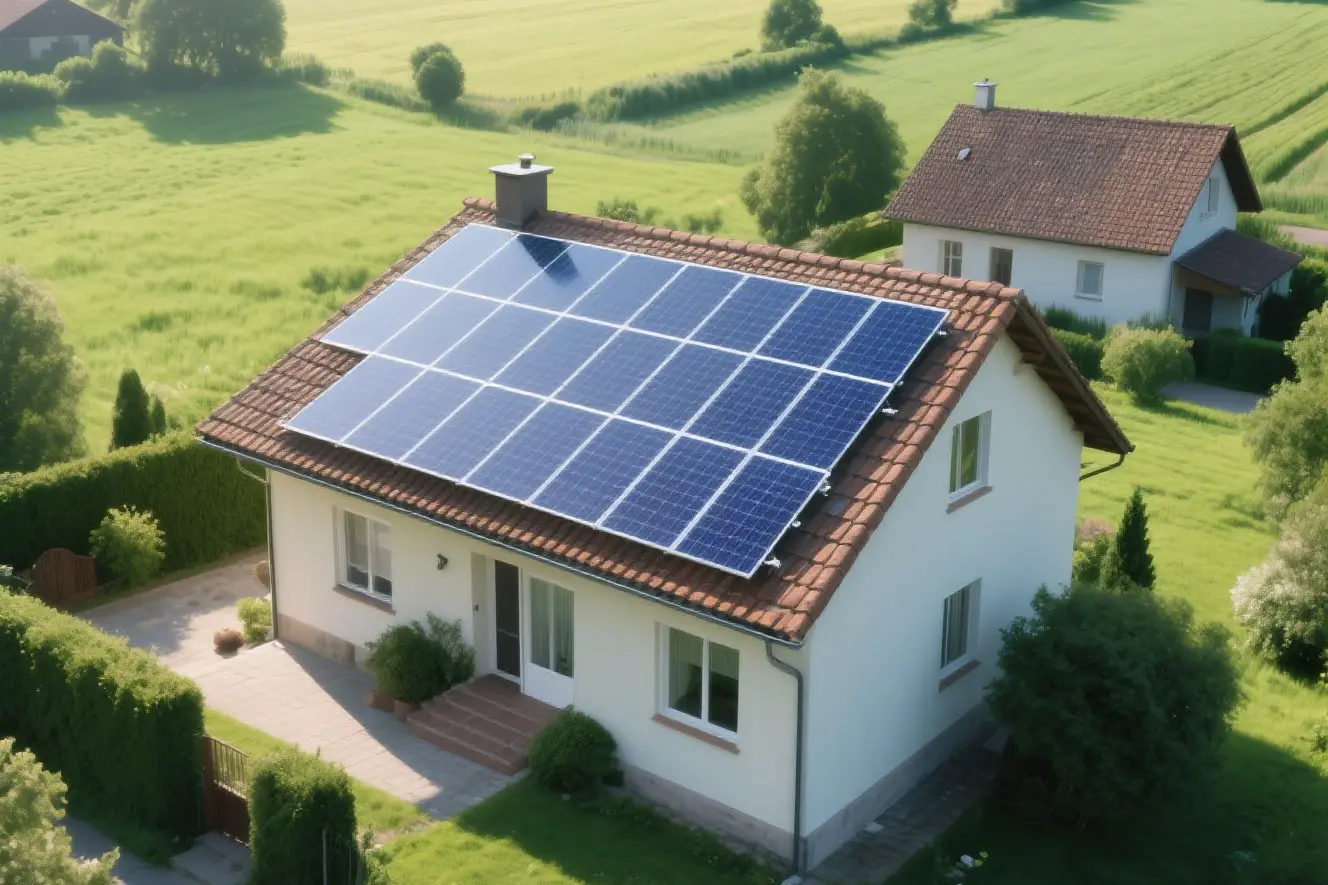
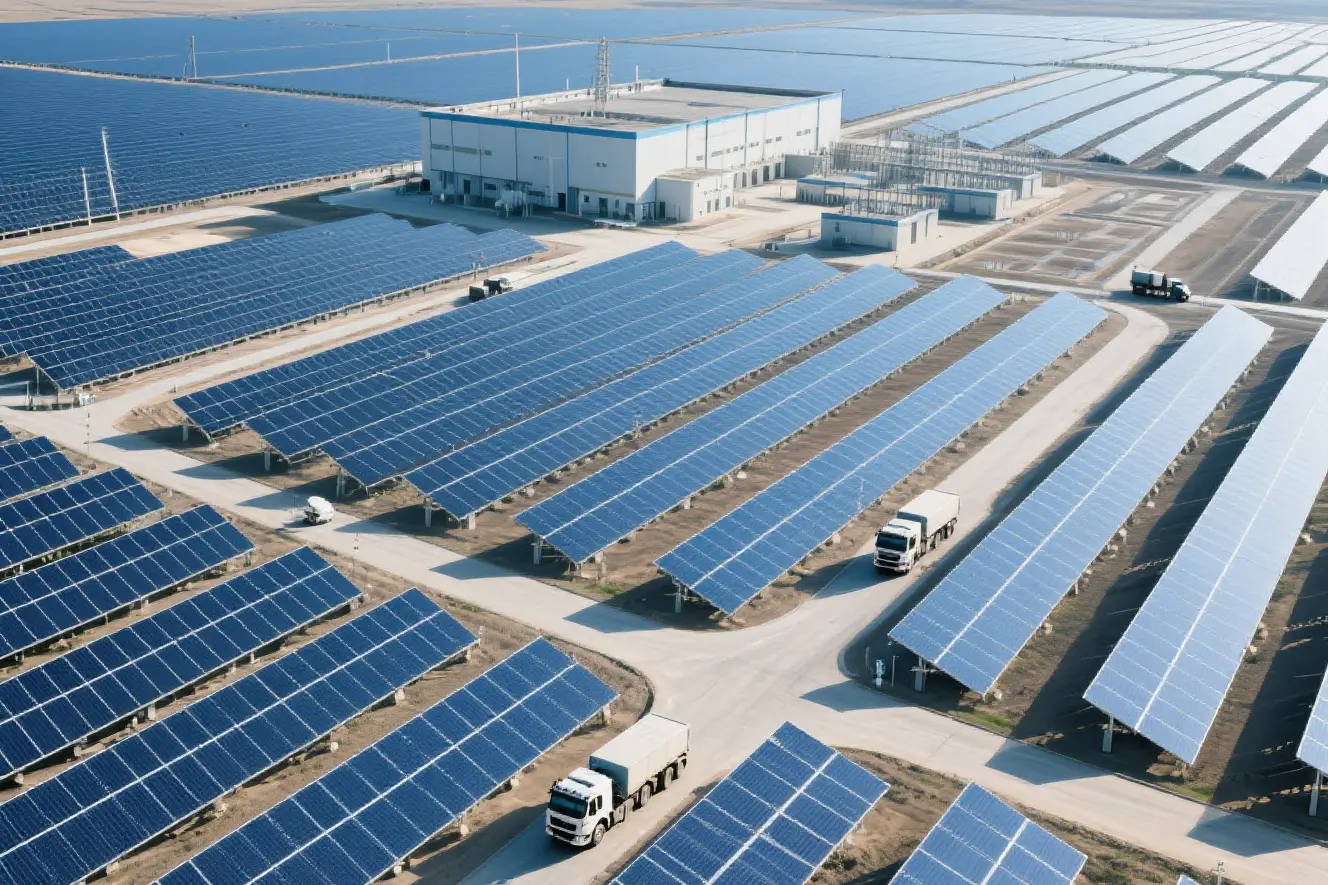
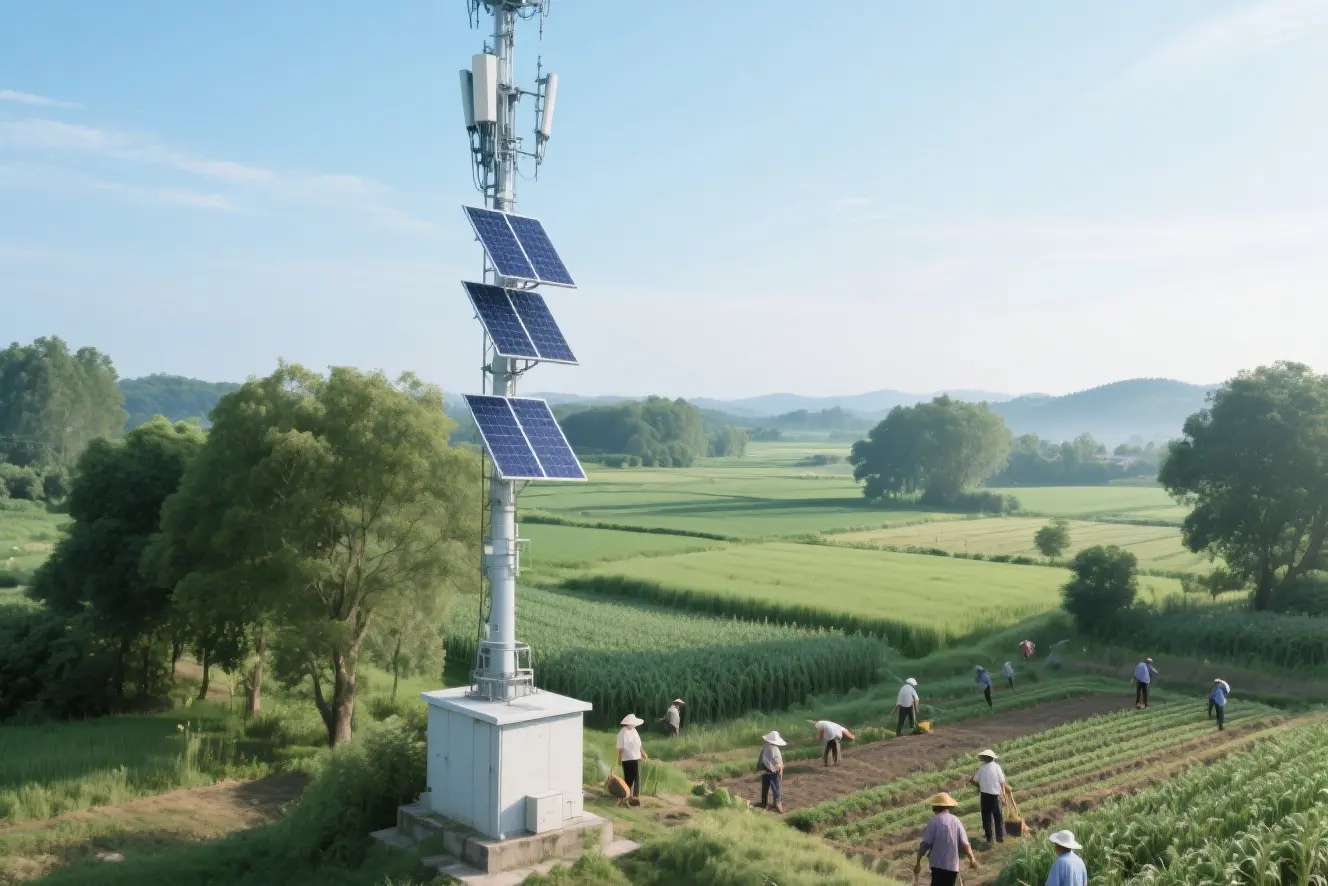
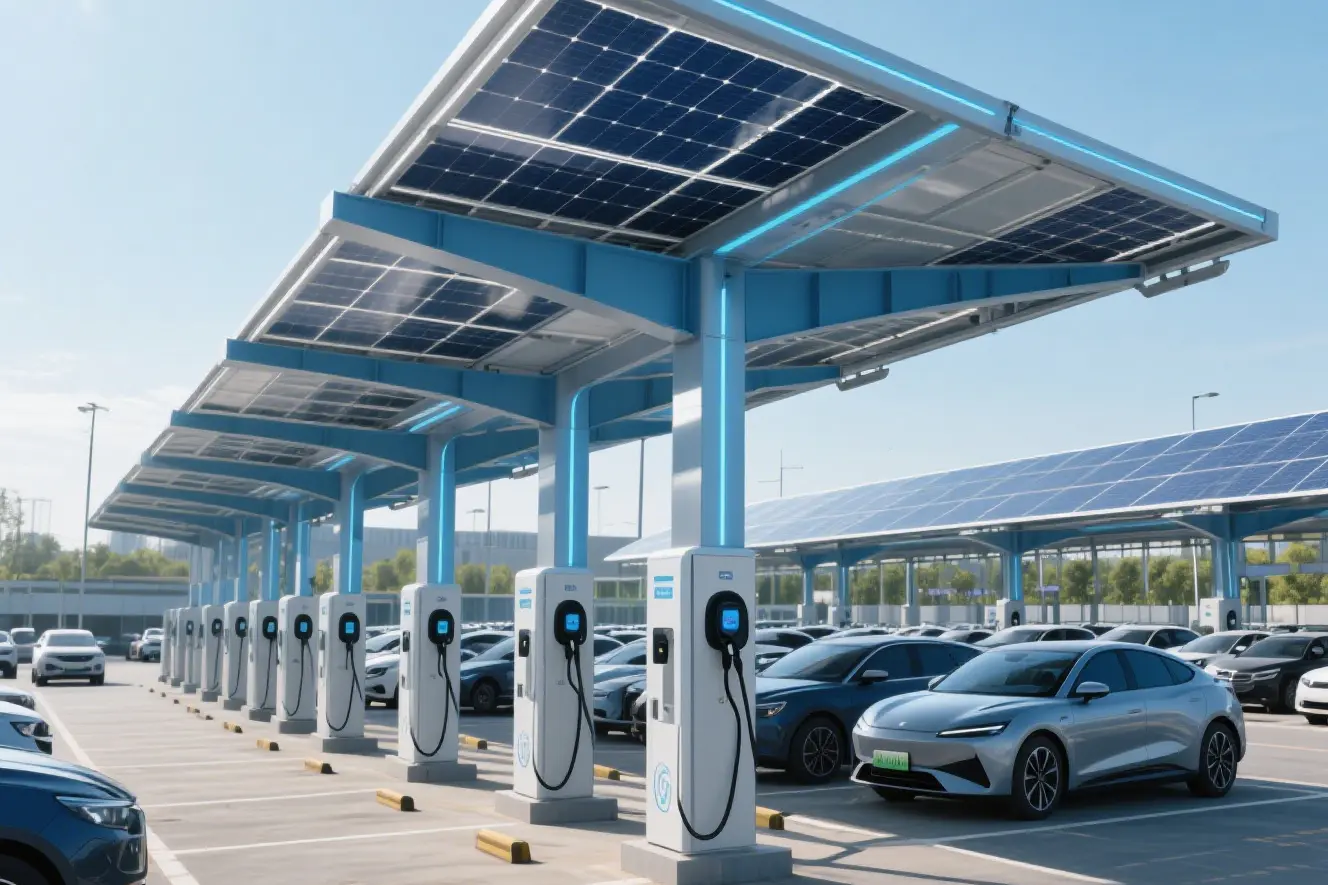
Providing reliable clean energy integration across industrial, agricultural, telecom, and municipal sectors.
Creating mutual value through diversified global energy alliances and structural supply agreements.


Keeping pace with developments, inspection criteria, and clean energy material trends.
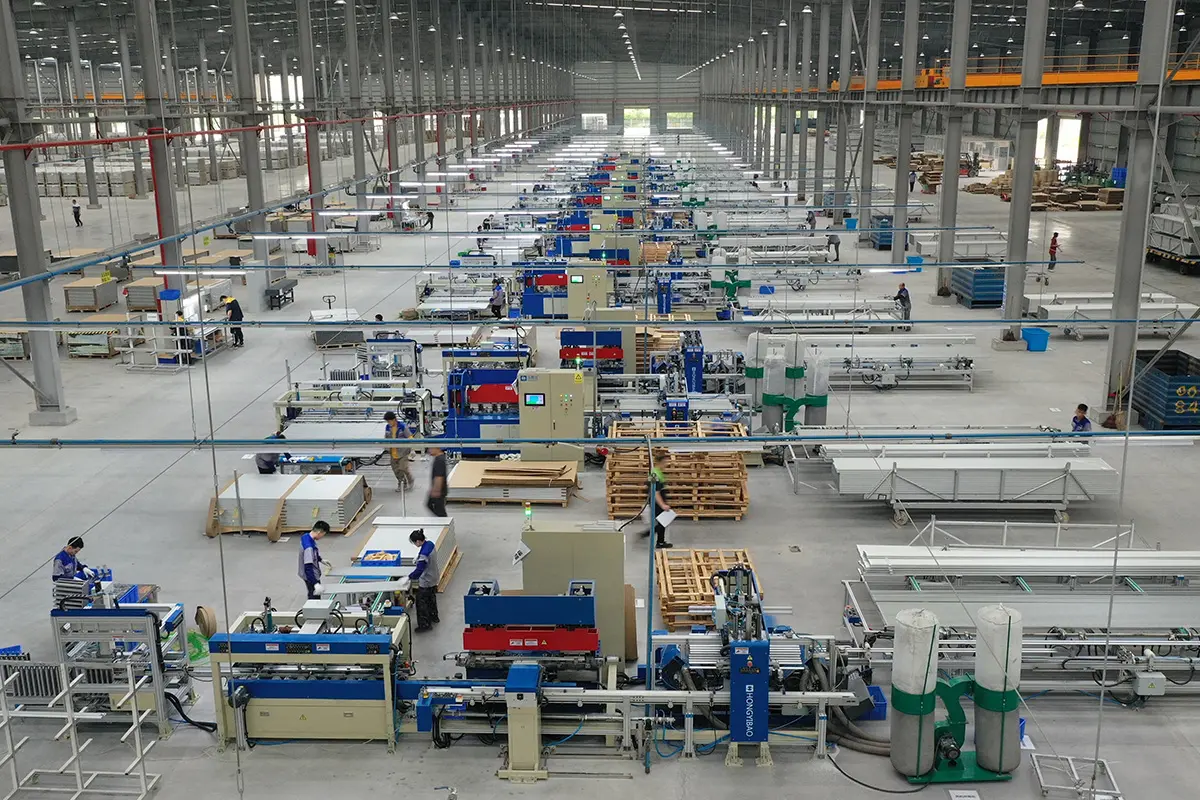
For European buyers, particularly in Switzerland, supply chain stability and quality control are essential. Our manufacturing cluster in Yangzhou, China, provides distinct industrial advantages by integrating vertical clean energy supply chains.
From the processing of anodized 6063-T5 aluminum extrusions to cell slicing, stringing, and modular encapsulation, every step is managed in-house. This degree of control minimizes cross-contamination risk, ensures structural uniformity, and lowers the cost of goods sold (COGS).
By partnering with us, Swiss importers secure reliable delivery channels, custom OEM casing profiles, private labeling options, and custom engineering to meet local Alpine safety guidelines.
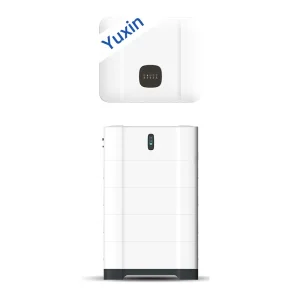
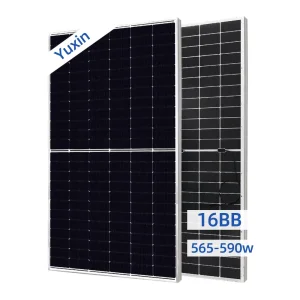
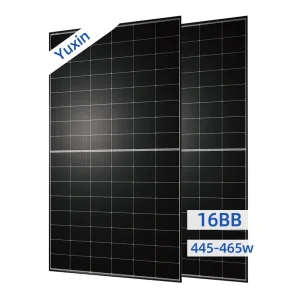
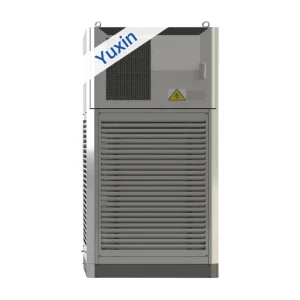
High-capacity monocrystalline arrays, commercial-grade energy storage units, and structural hardware optimized for snow loads and sub-zero operation.
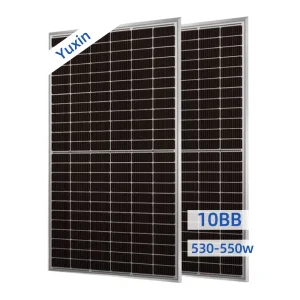
Technical and logistical insights regarding portable solar technologies for Switzerland and Europe.