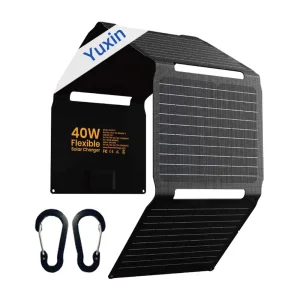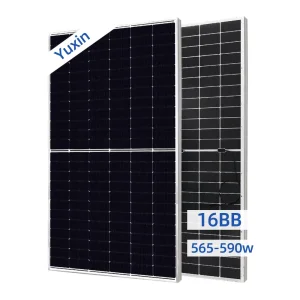
Optimized solar charging systems and off-grid modules designed specifically for tropical humidity and high insolation environments in Thailand.
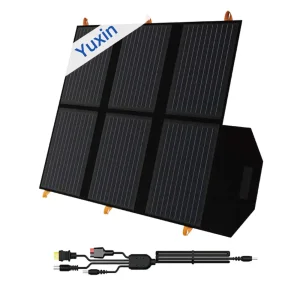
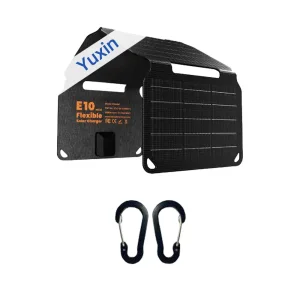
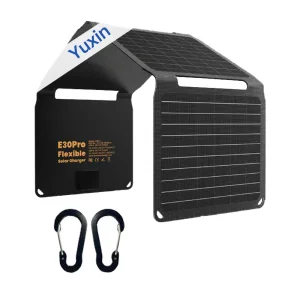
The transition toward renewable energy in Southeast Asia has catalyzed a rapid structural shift in off-grid power solutions. Bangkok, serving as the commercial and logistical center of Thailand, has emerged as a crucial node for distributed solar energy systems. This industrial report outlines the localized market dynamics, technical parameter frameworks, global sourcing requirements, and standard operating procedures for deploying portable solar chargers, monocrystalline panels, and commercial energy storage modules in the region.
Thailand's Smart Grid Initiative and Alternative Energy Development Plan (AEDP) have shifted the focus toward decentralized, portable solar power. Bangkok's geographic positioning—characterized by a high average daily solar radiation of approximately 18.2 MJ/m²—makes it an ideal market for high-efficiency photovoltaic solutions. Industrial and commercial enterprises in Bangkok are increasingly replacing diesel-generator setups with modular solar configurations to lower operational expenditures (OPEX) and meet carbon reduction targets.
Key drivers of this local transformation include:
Not all solar chargers are engineered to withstand Bangkok's high humidity levels (averaging 75%-85% year-round) and high operating temperatures. When sourcing PV solutions, global procurement managers must evaluate several technical criteria:
| Technical Dimension | Standard Requirement | Industrial Impact / Performance Advantage |
|---|---|---|
| Cell Type Class | Monocrystalline Silicon (N-type TOPCon / PERC) | Ensures a conversion efficiency of 22% to 24%, minimizing physical footprint. |
| Encapsulation Material | UV-Resistant ETFE (Ethylene Tetrafluoroethylene) | Provides superior light transmission, flame retardancy, and resistance to thermal degradation. |
| Junction Box & Ports | IP67 / IP68 Waterproof rated with custom bypass diodes | Eliminates corrosion risks from high humidity and prevents reverse current flow. |
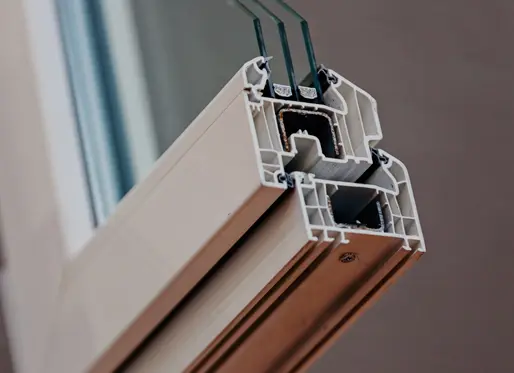
| Frame Architecture | Anodized Aluminum Frame (Al6005-T5, min 15μm coating thickness) | Resists mechanical load (up to 5400 Pa) and prevents oxidation in maritime environments. |
Cell Conversion Efficiency
Advanced Production Lines
Annual Sales Revenue
Annual Structural Output
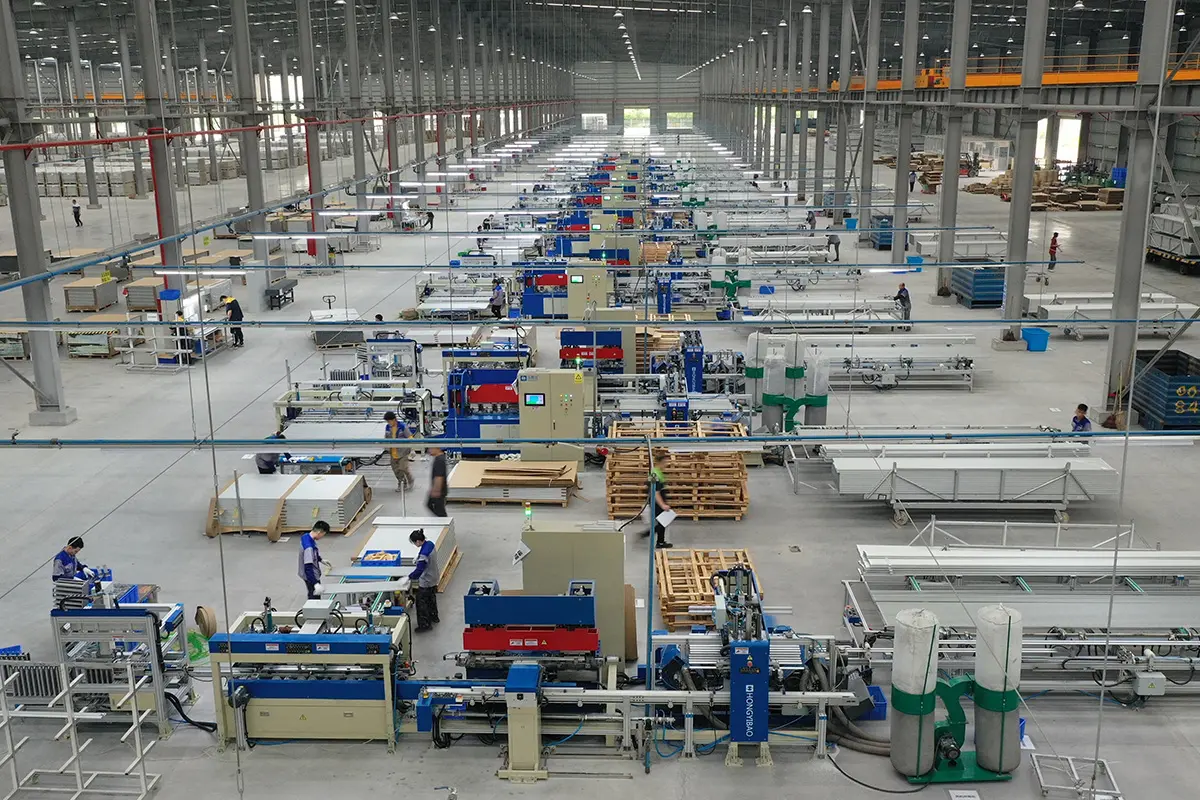
For international buyers looking to scale solar deployment, sourcing directly from factories with integrated OEM/ODM capabilities is essential. Global supply chains face structural bottlenecks, making lead-time optimization, quality control, and regulatory compliance key differentiators. Partnering with suppliers that have vertically integrated manufacturing operations—from raw aluminum extrusion for mounting structures to automated cell layout and laminating systems—reduces supply chain risks.
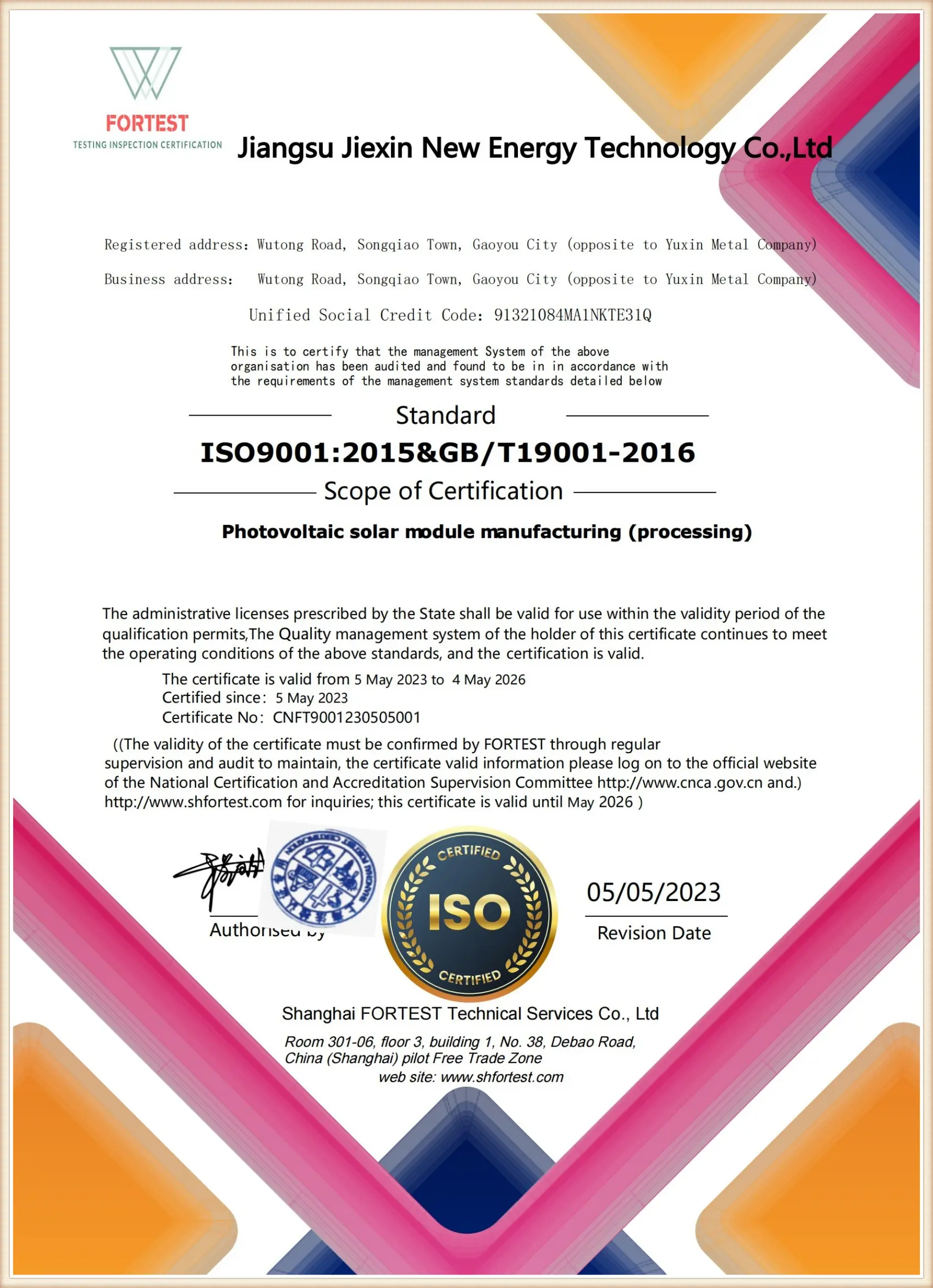
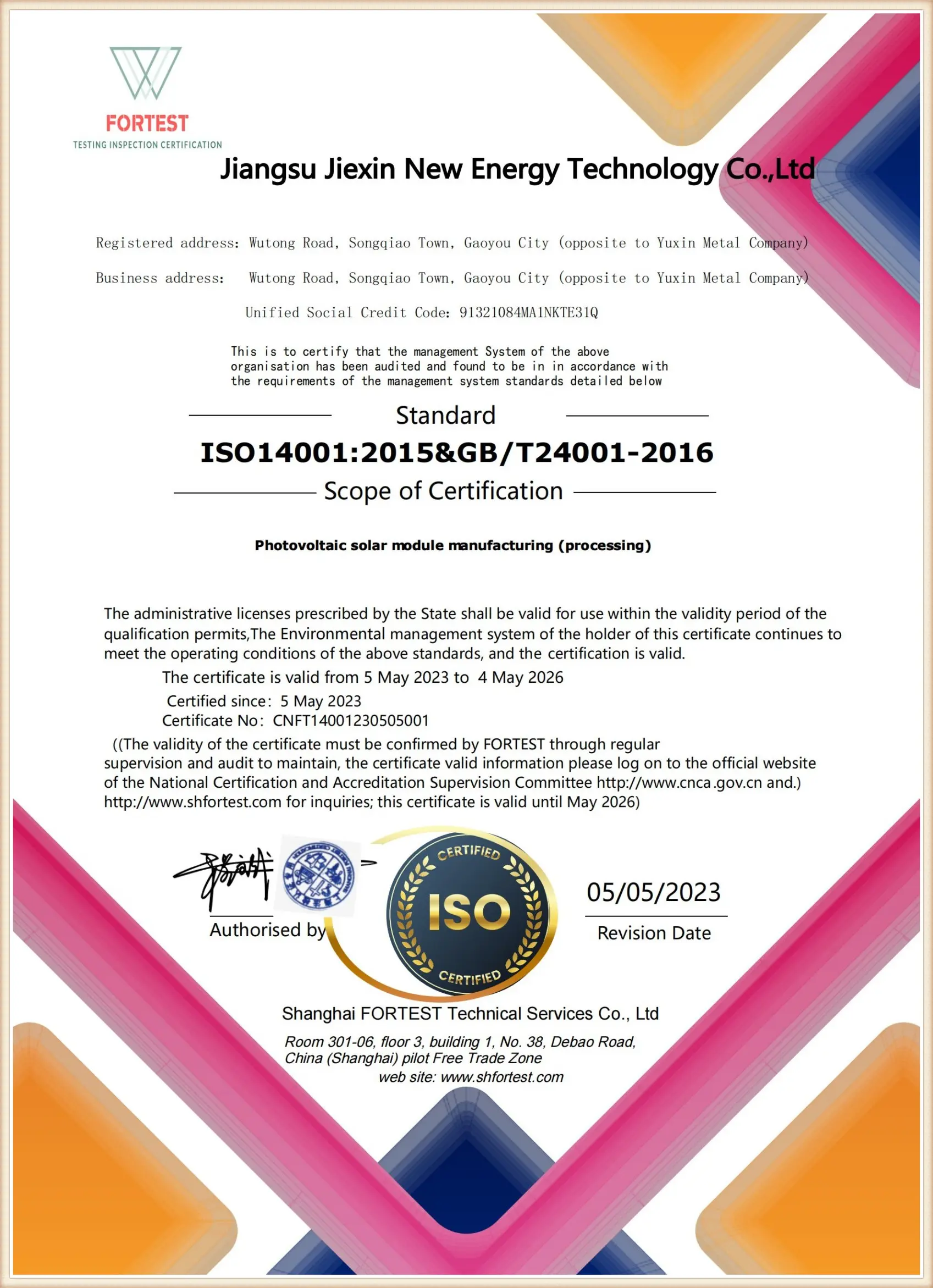
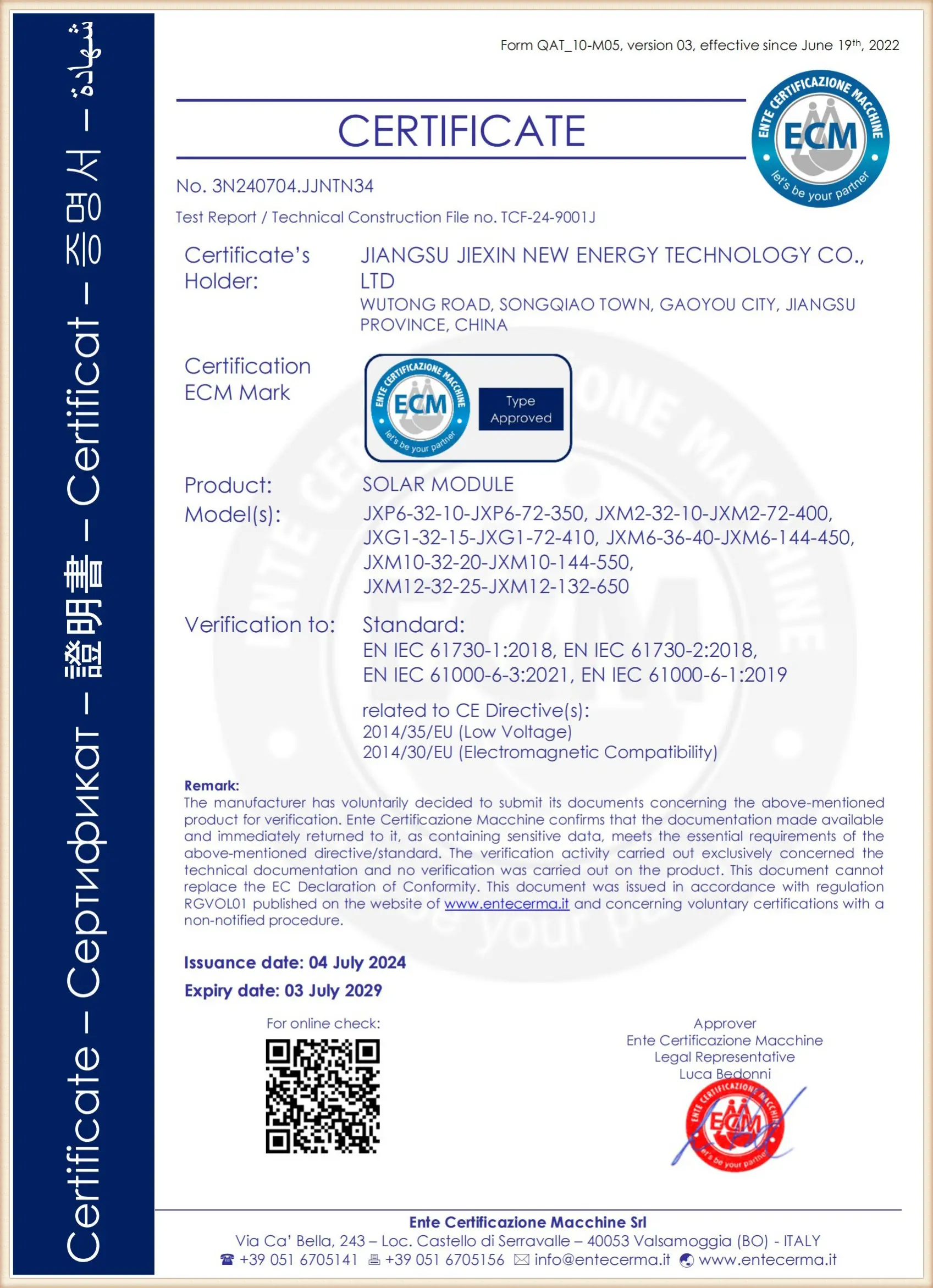
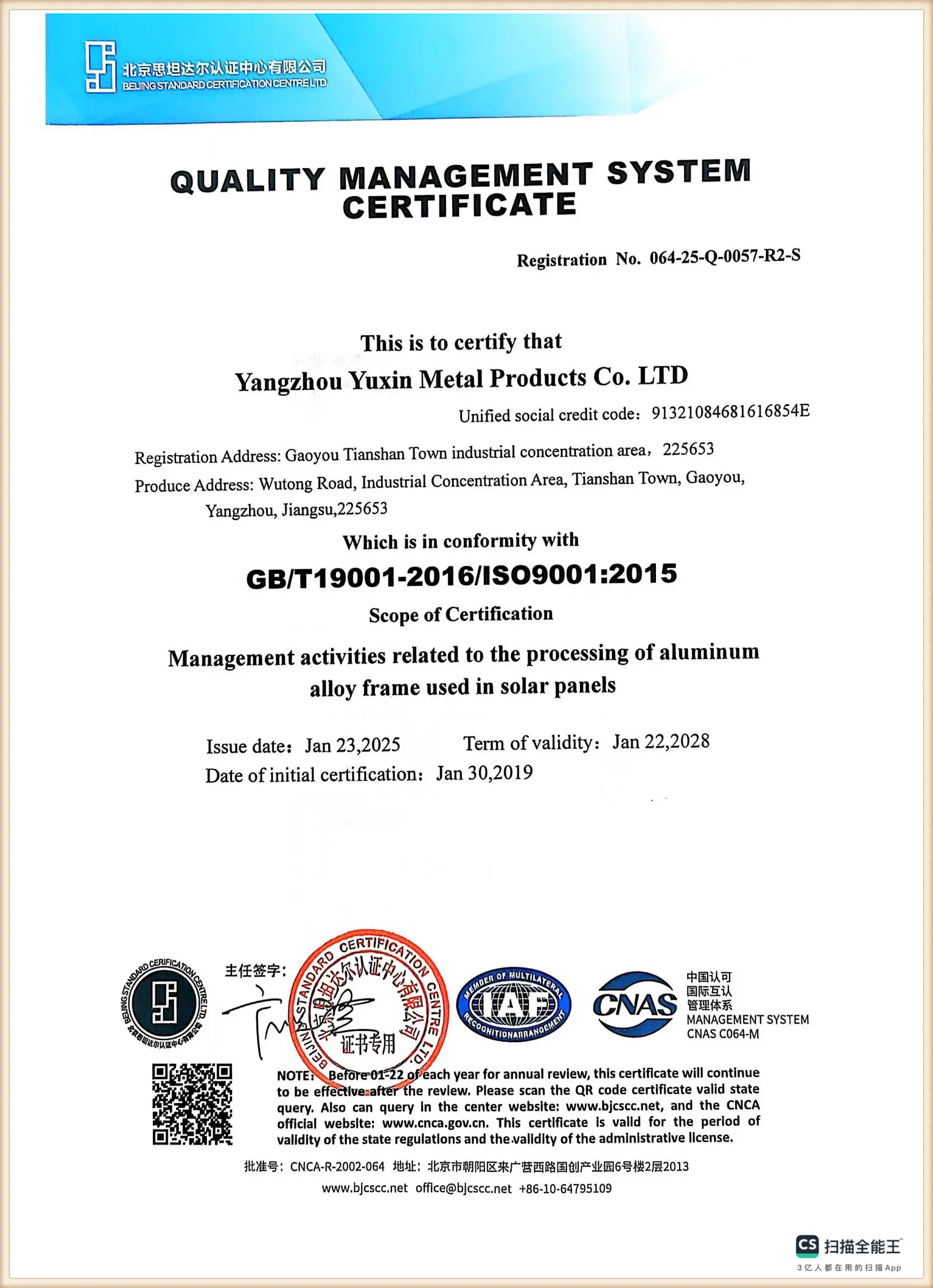
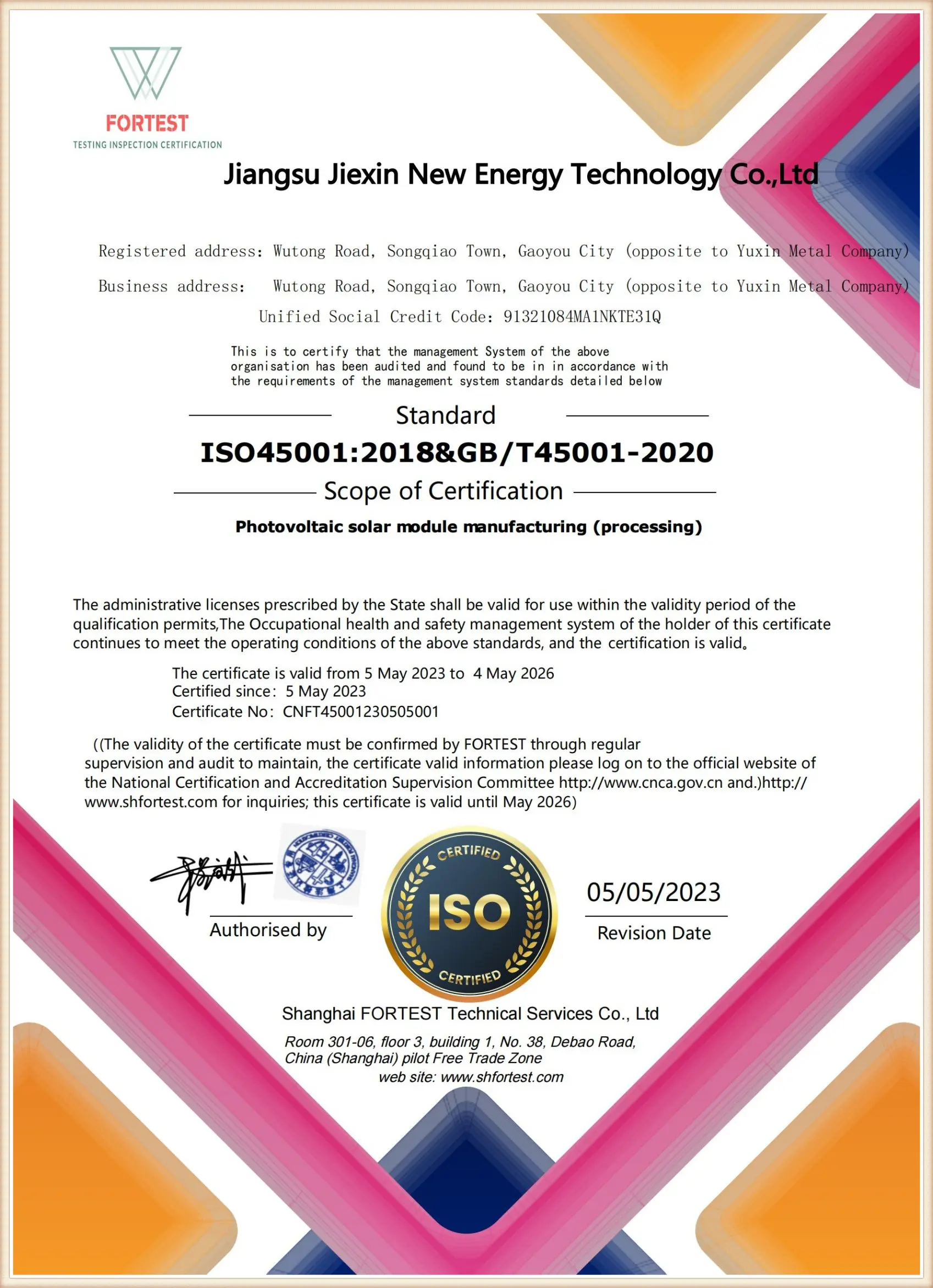
Procurement teams should verify that suppliers adhere to international quality frameworks, such as ISO 9001 and ISO 14001, and possess CE, TUV, and UL certifications to guarantee safe customs clearance and localized legal compliance within Thailand.
High-purity monocrystalline cells maximize power yield per square meter, even during hazy or overcast afternoons in Bangkok.
ETFE coatings and dustproof, waterproof junction boxes protect portable solar equipment from severe monsoon rain cycles.
Tailored physical form factors, custom voltage regulators, and branded fabrics fit specific military, outdoor, or commercial needs.
Robust and scalable clean energy products designed for high-demand commercial and consumer applications.
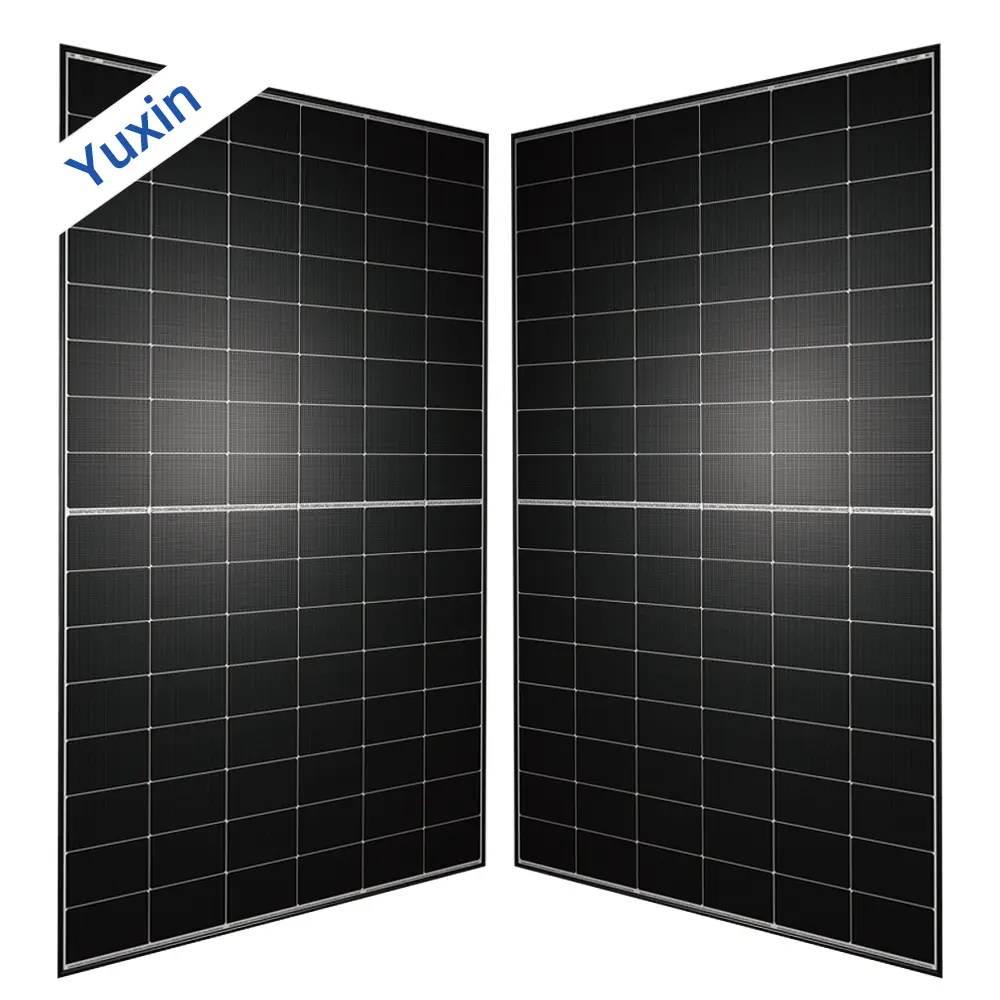
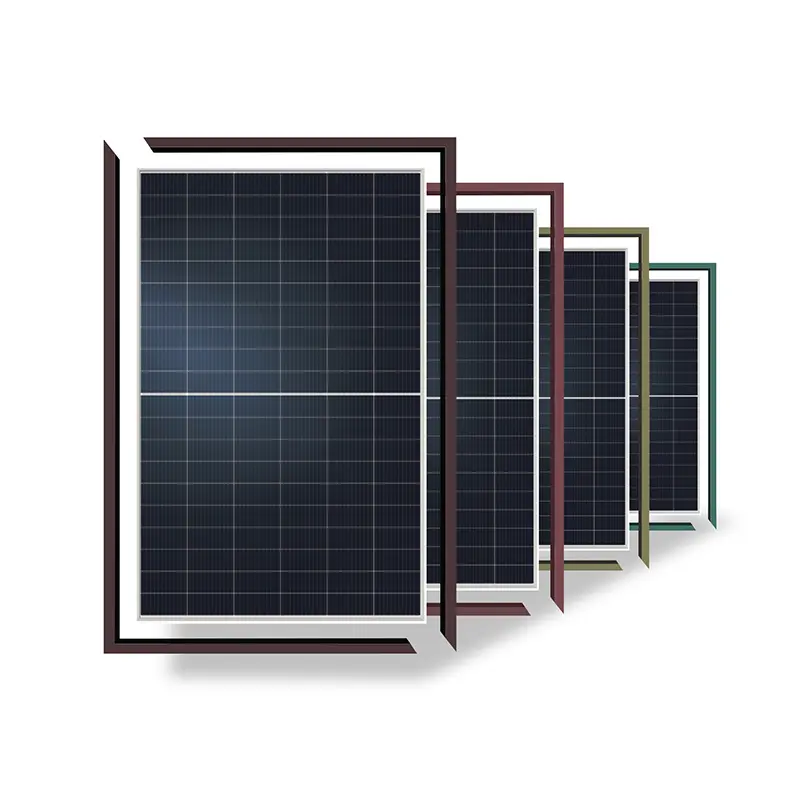
Lightweight design with transparent back panel for easy installation and reduced BOS costs.
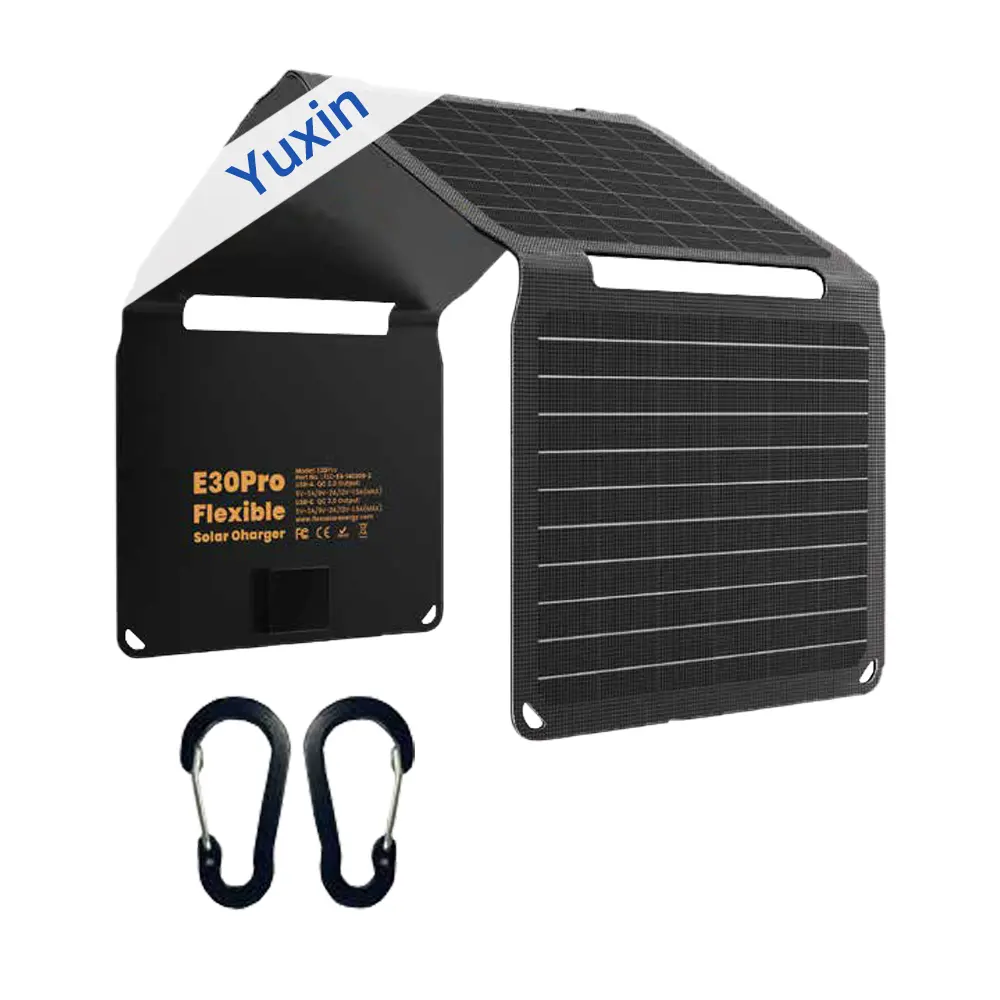
Utilizing advanced monocrystalline silicon cells, it achieves a high energy conversion efficiency of 24%.
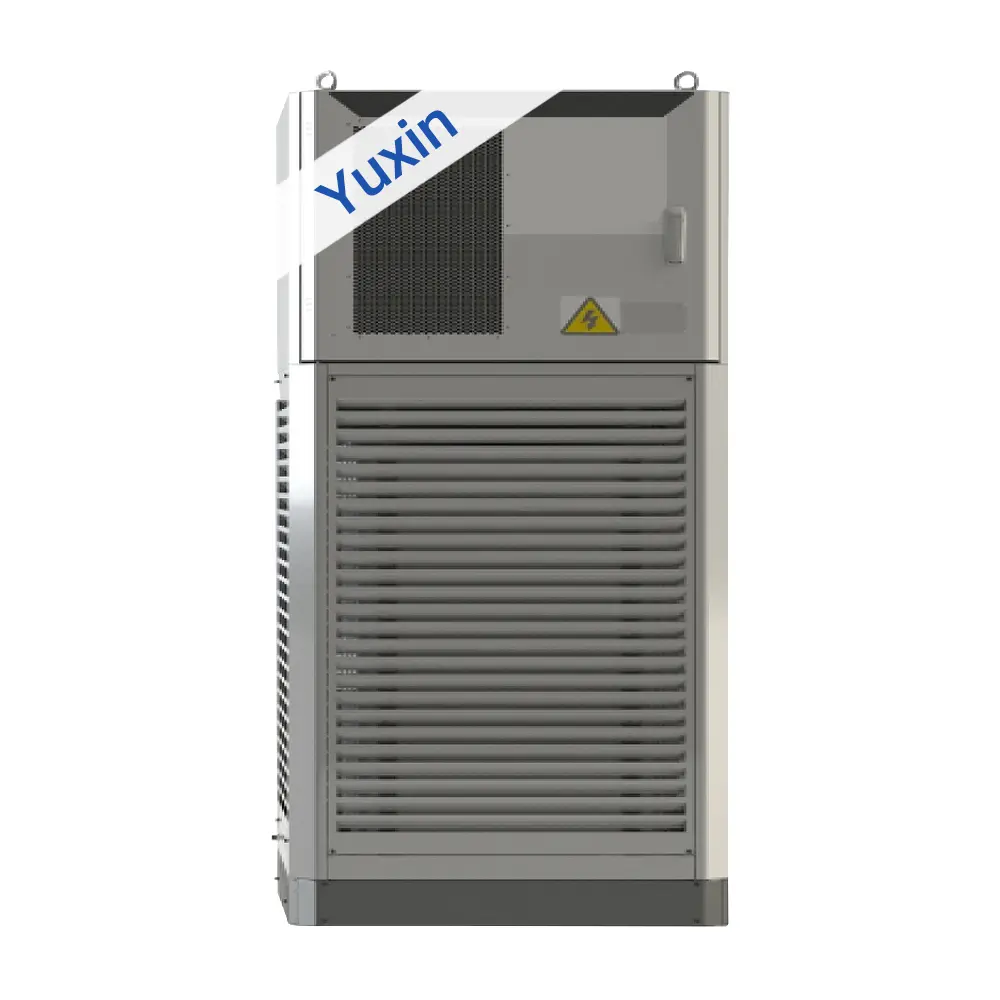
Application modes include grid-connected mode, off-grid mode, and integrated grid-connected/off-grid mode.
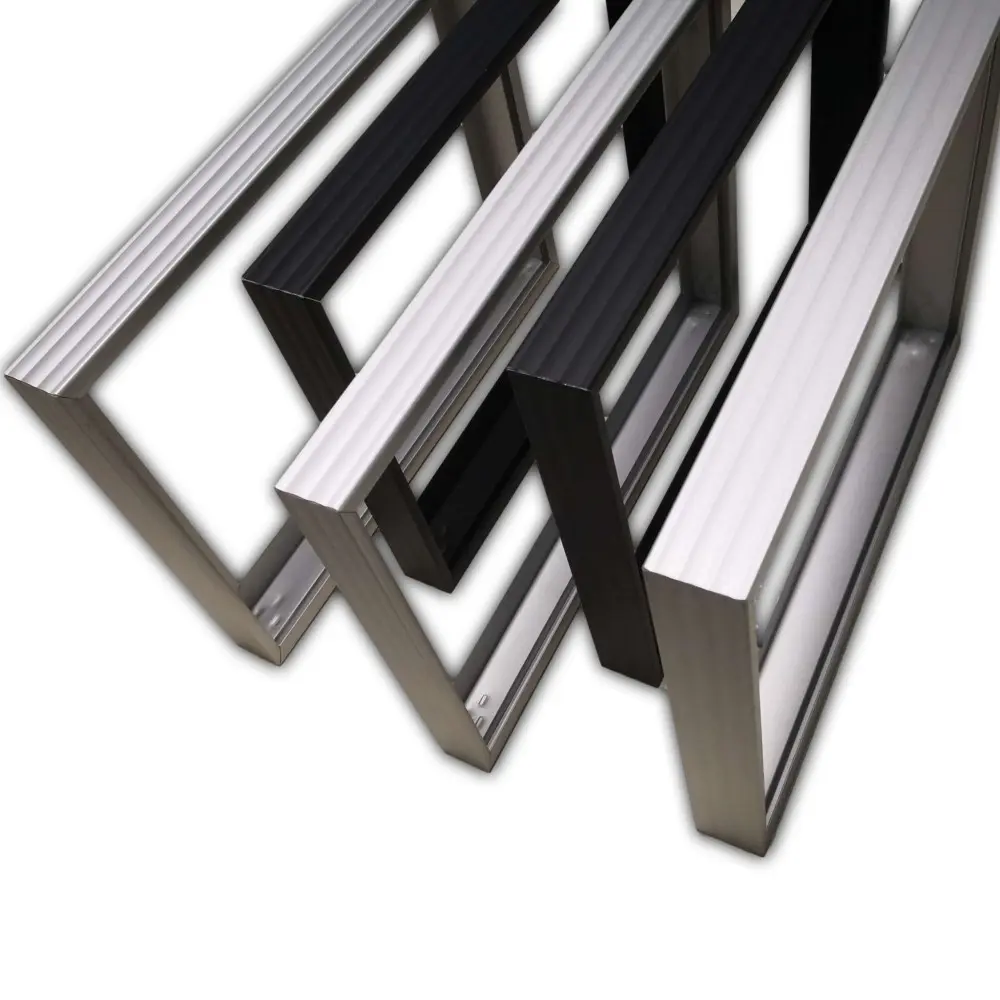
Made of high-quality anodized aluminum, it ensures superior weather resistance and a smooth, long-lasting finish.
The portable solar market is transitioning from legacy standard cell structures to advanced N-type TOPCon (Tunnel Oxide Passivated Contact) and HJT (Heterojunction Technology) cell layouts. This transition delivers several operational improvements:
Precision, Quality, and Safety form the core of our operations. Located in the historic and cultural city of Yangzhou, near key transport arteries including the Beijing-Shanghai Expressway, Runyang Yangtze River Bridge, and Ningqi Railway, Yuxin Group benefits from a strategic location and efficient logistics networks.
Established in 2008, the group operates 14 specialized companies, including Jiangsu Yuxin New Energy Technology Co., Ltd. Over the years, Yuxin has earned recognition as a National High-tech Enterprise, a Technology-based Enterprise, and one of Gaoyou City's Top 100 Private Enterprises. Our continuous investments in R&D and automated production lines allow us to supply high-performance solar panels, rugged aluminum structural components, and custom portable solar chargers worldwide.
Deploying reliable photovoltaic systems and portable solar chargers across critical economic sectors.
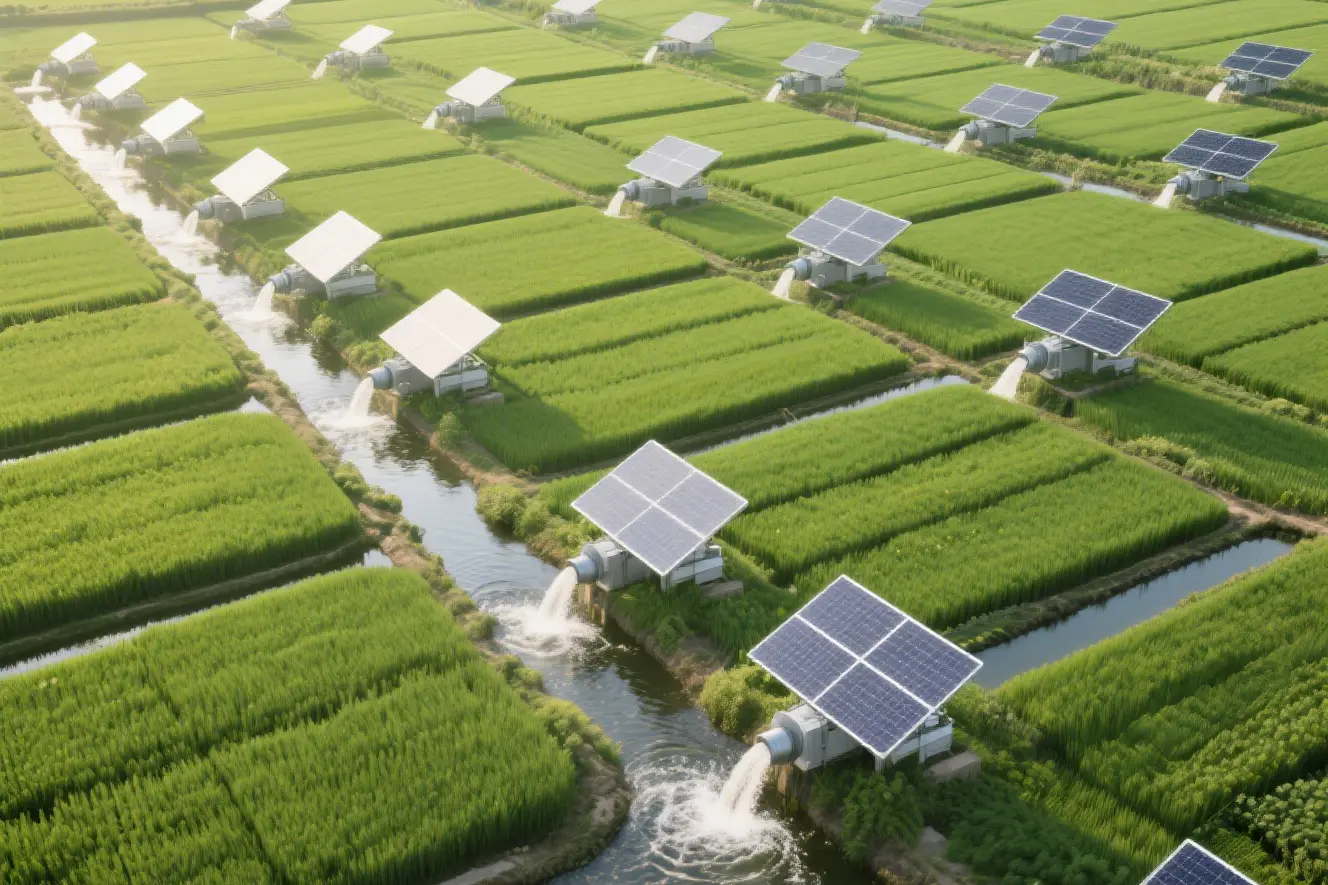
Providing off-grid power to smart sensors, remote telemetry devices, and irrigation valves in farming regions across Thailand.
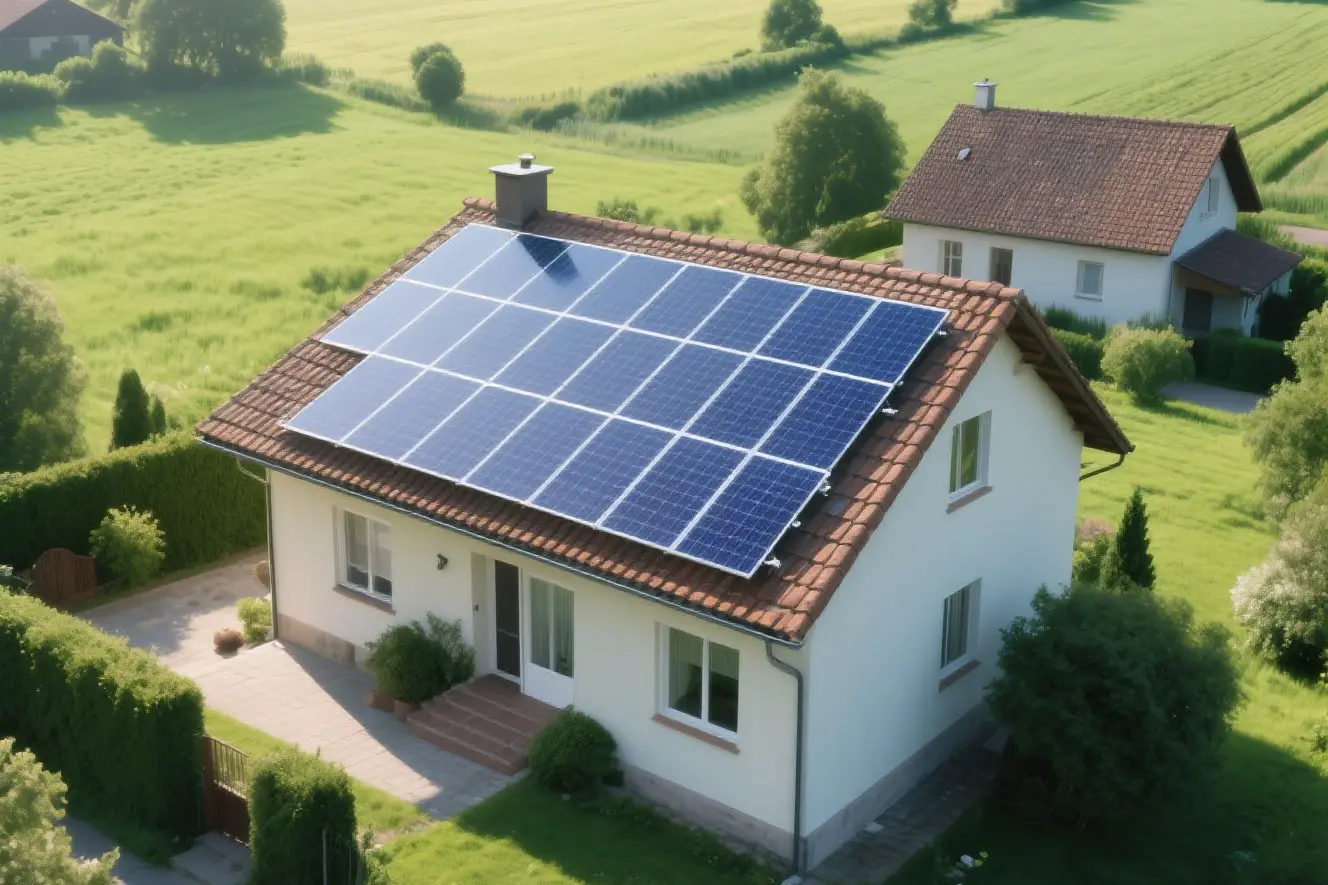
Powers onsite instrumentation, communications, and emergency lighting, reducing reliance on fossil fuel generators.
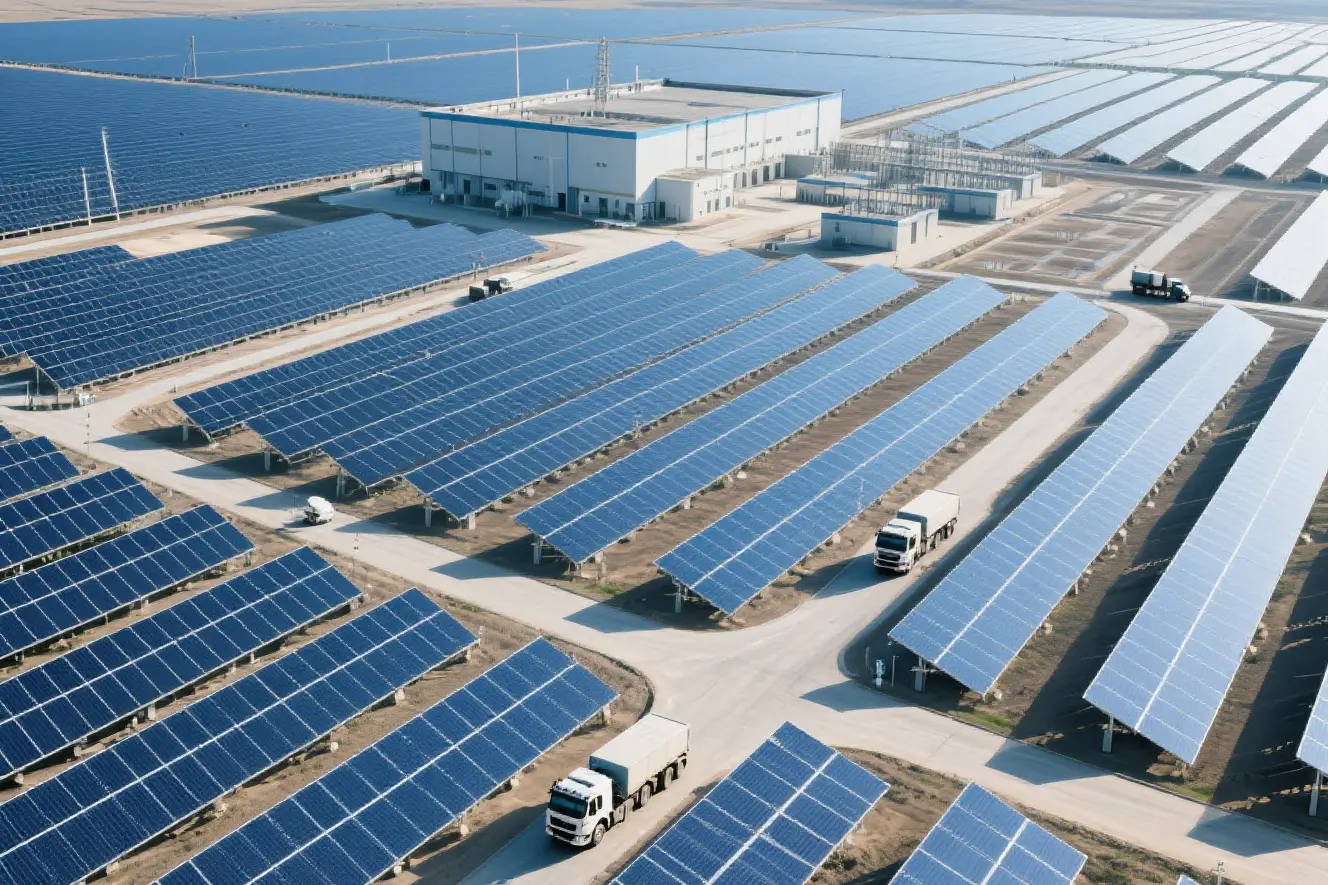
Acts as modular auxiliary power systems for grid monitoring and substation communication links.
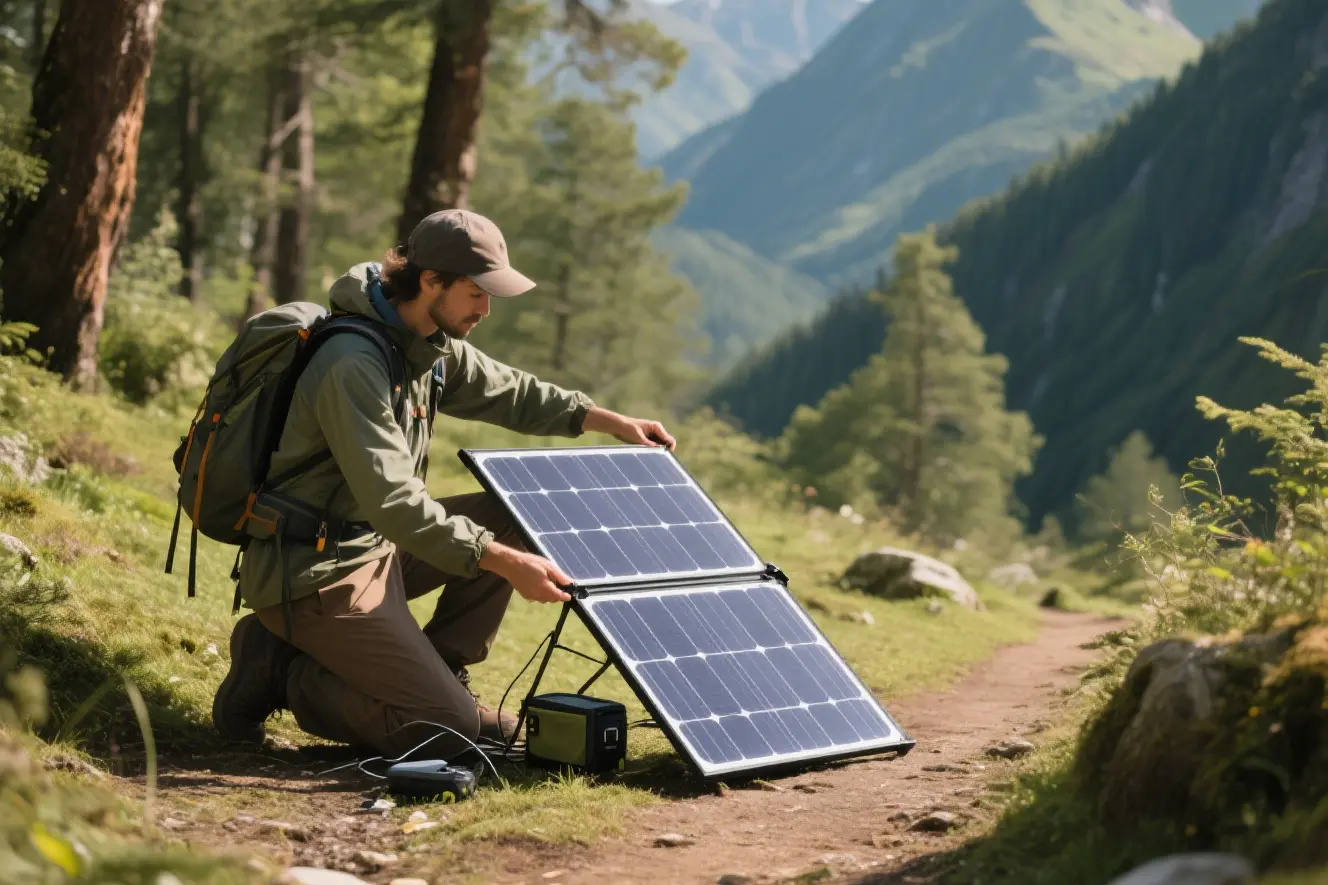
Rugged charging backpacks and solar chargers supply power to scientific instruments and personal devices during field research.
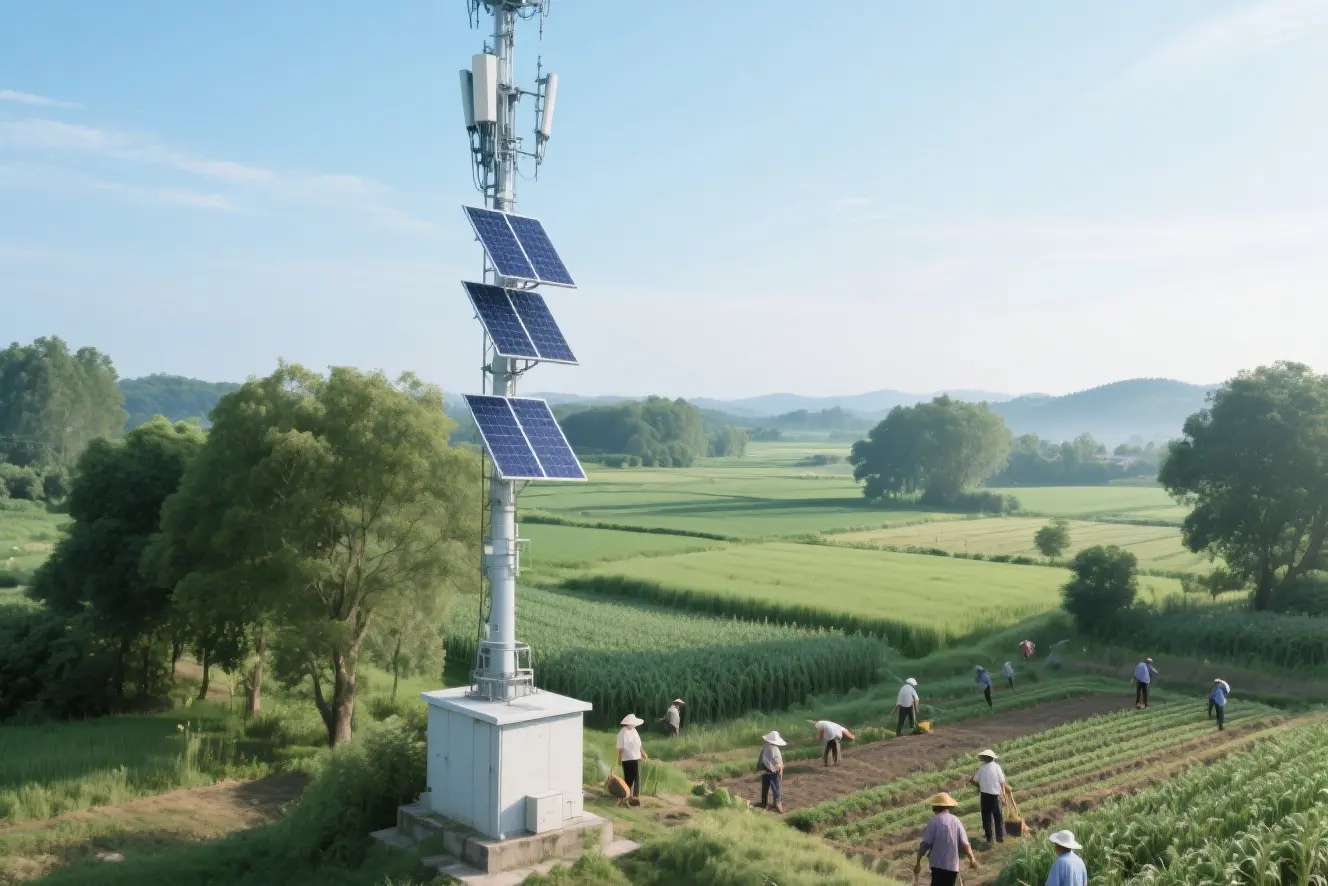
Provides auxiliary power for cellular base stations, extending backup runtime during main power outages.
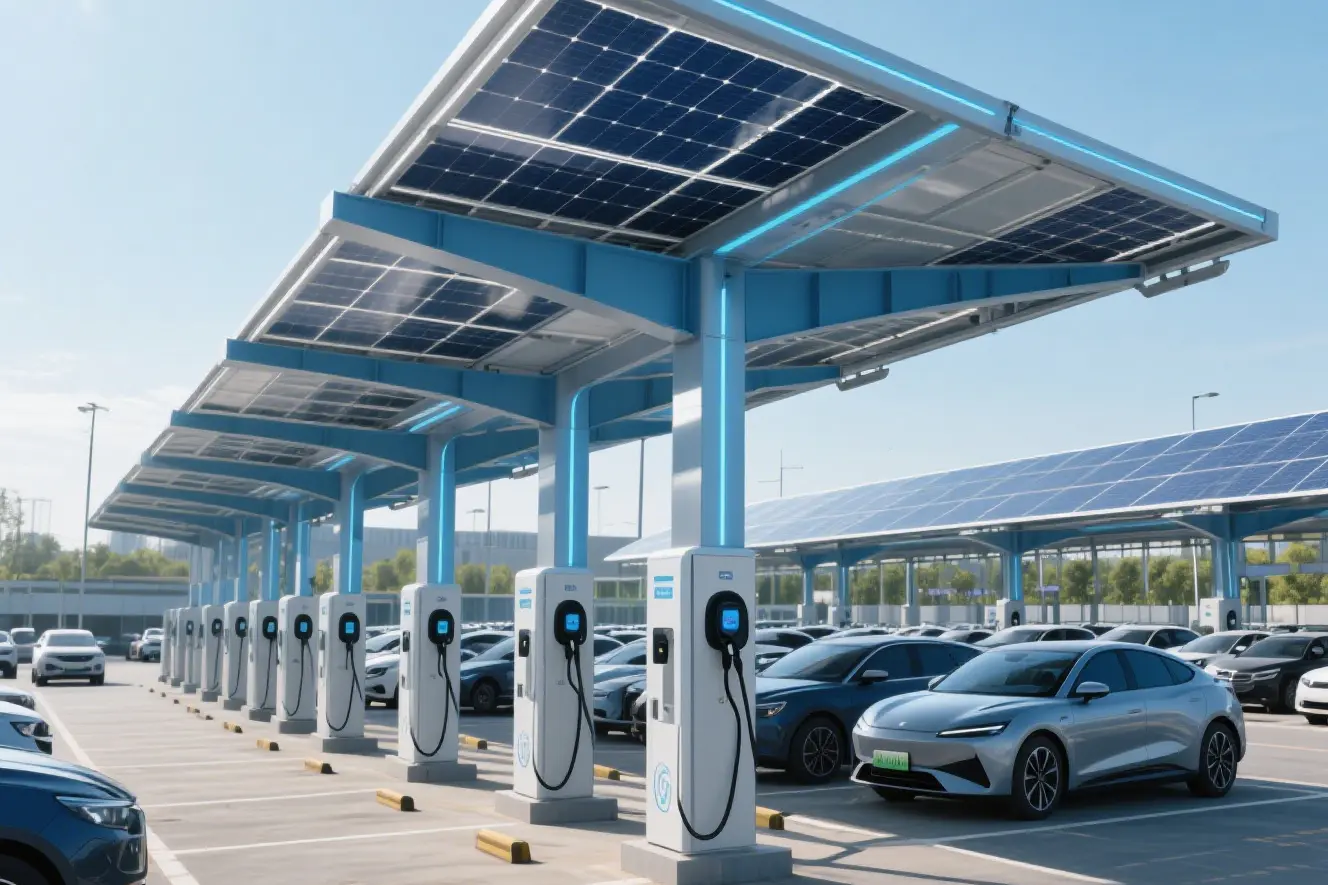
Powers GPS cargo-tracking units and temperature sensors in refrigerated trucks across Southeast Asian highways.
Browse our complete catalog of industrial-grade photovoltaic panels, modular home energy storage solutions, and portable solar charging technologies.
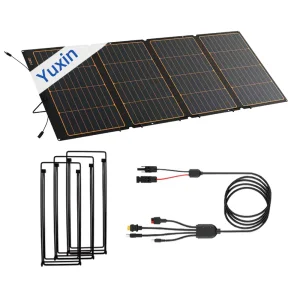
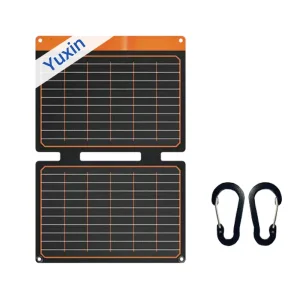
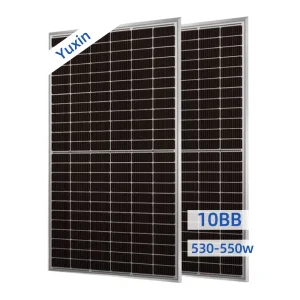
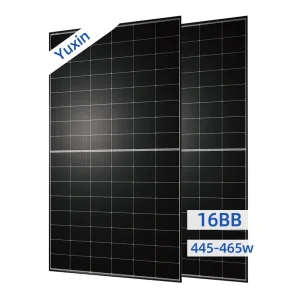
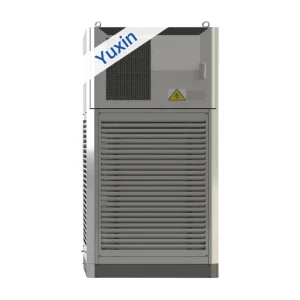
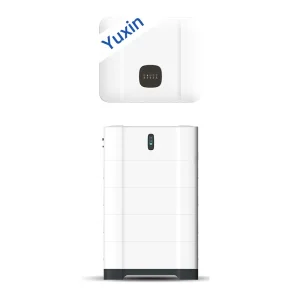
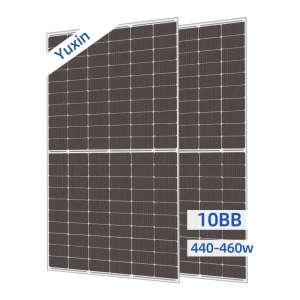
After years of collaborative development, Yuxin has established an integrated energy solutions network with global brands.

Stay informed with technical insights on solar framework systems, material optimization, and quality control guidelines.
Addressing core technical questions from global procurement managers sourcing portable solar products for the Bangkok and wider Southeast Asian markets.