Whitepaper: Scaling Portable Solar Infrastructure in the Greater Hanoi Industrial Belt
1. The Strategic Imperative: Hanoi's Transition to Net-Zero Clean Power
As the administrative and economic powerhouse of Northern Vietnam, the metropolitan zone of Hanoi, including adjacent provinces like Bac Ninh and Hung Yen, is undergoing unprecedented industrial expansion. Driven by national sustainability mandates, local enterprises and multinational operations face heavy pressures to integrate clean energy portfolios. According to Vietnam's National Power Development Plan VIII (PDP8), the country targets carbon neutrality by 2050, requiring rapid deployment of distributed renewable assets.
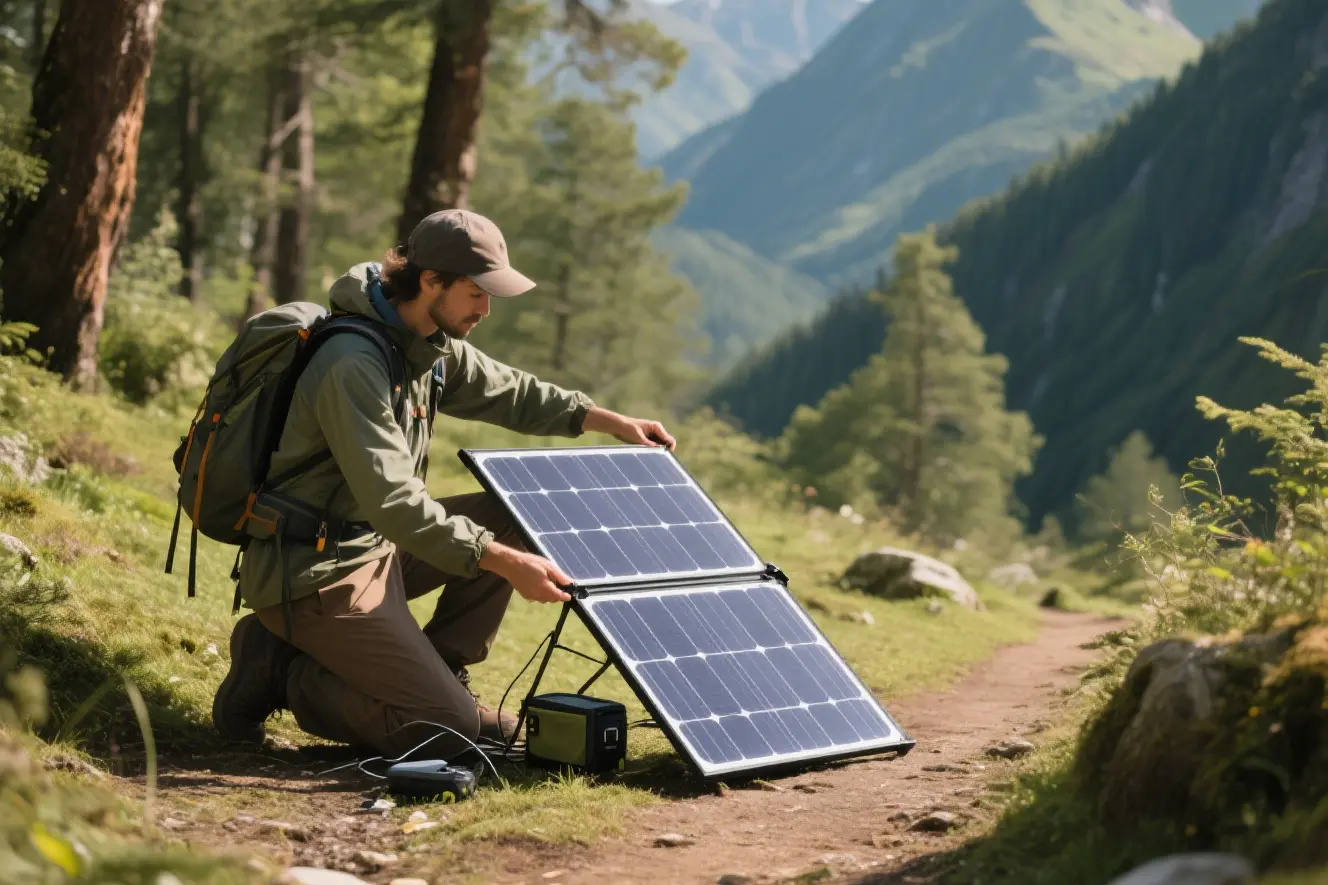
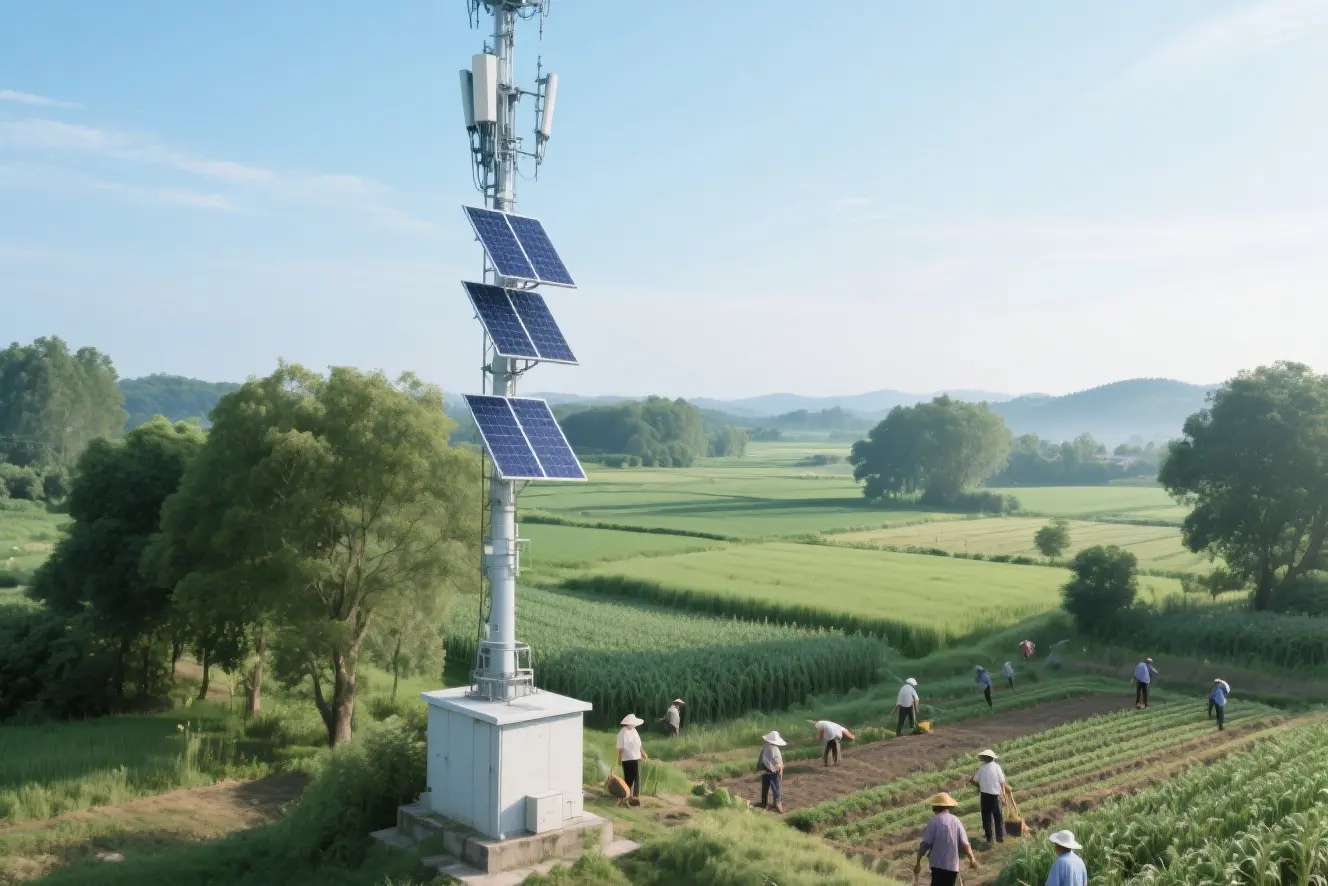
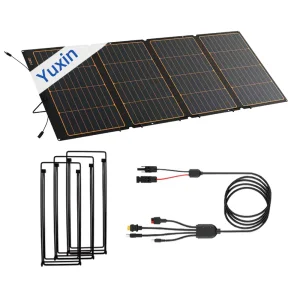
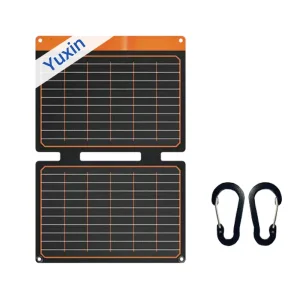
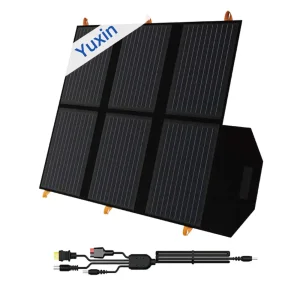
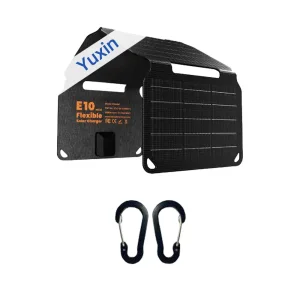
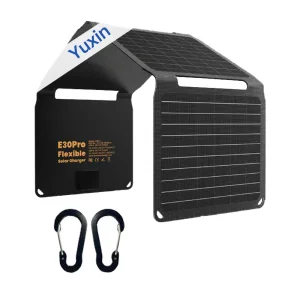
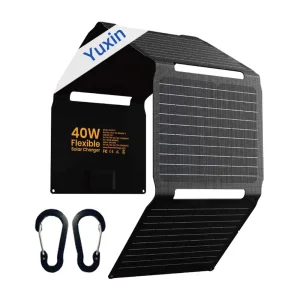
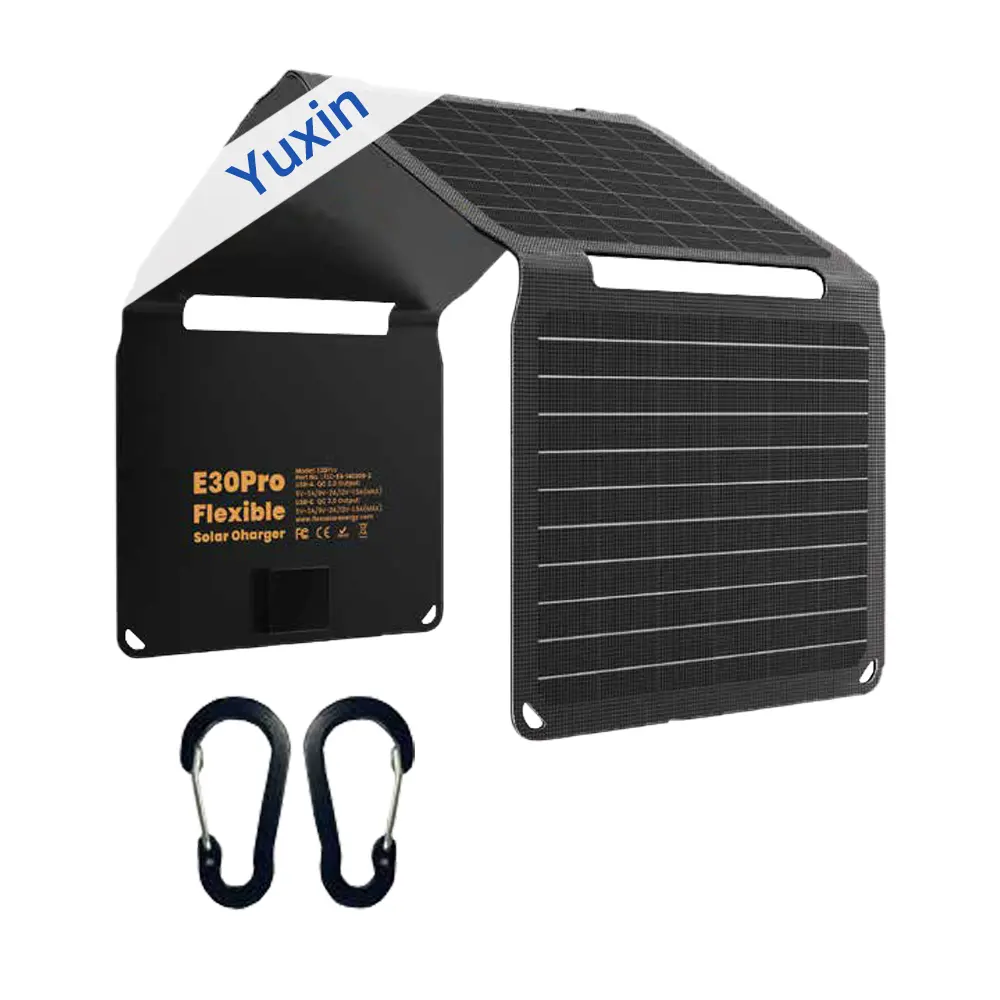
Industrial activities, agricultural surveying, and high-density construction in Hanoi require reliable off-grid power solutions to bridge supply gaps caused by hot-season load-shedding and power grid maintenance. Our high-efficiency portable solar chargers and robust PV structural materials serve these demanding needs. By delivering off-grid reliability for communication equipment, mobile monitoring systems, and field operations, we assist enterprise buyers in achieving uninterrupted production alongside decarbonization goals.
2. Hanoi Commercial & Industrial Environment Analysis
Hanoi exhibits a distinct humid subtropical climate characterized by extreme seasonal variation. The summer season brings intense rainfall and humidity alongside high insolation levels, while winter offers drier but overcast days. To secure reliable, long-term power generation in this microclimate, local solar configurations must meet strict operational criteria:
- IP67/IP68 Waterproofing and Anti-Humidity Protections: Solar charging units must resist heavy monsoon downpours and constant high-humidity atmospheres that accelerate cell corrosion in traditional equipment.
- High Micro-Irradiance Conversion: During overcast winter months, low-light cell sensitivity is essential. Monocrystalline cells with advanced surface texturization capture scattered ambient light more effectively than standard polycrystalline cells.
- Thermal Durability: Summer ambient temperatures frequently exceed 38°C, pushing module temperatures above 65°C. High-performance polyurethane composite frames and heat-resistant PV substrates ensure structural integrity and minimize thermal power drop-offs.
3. Global B2B Procurement Standards: ESG Compliance and Reliability
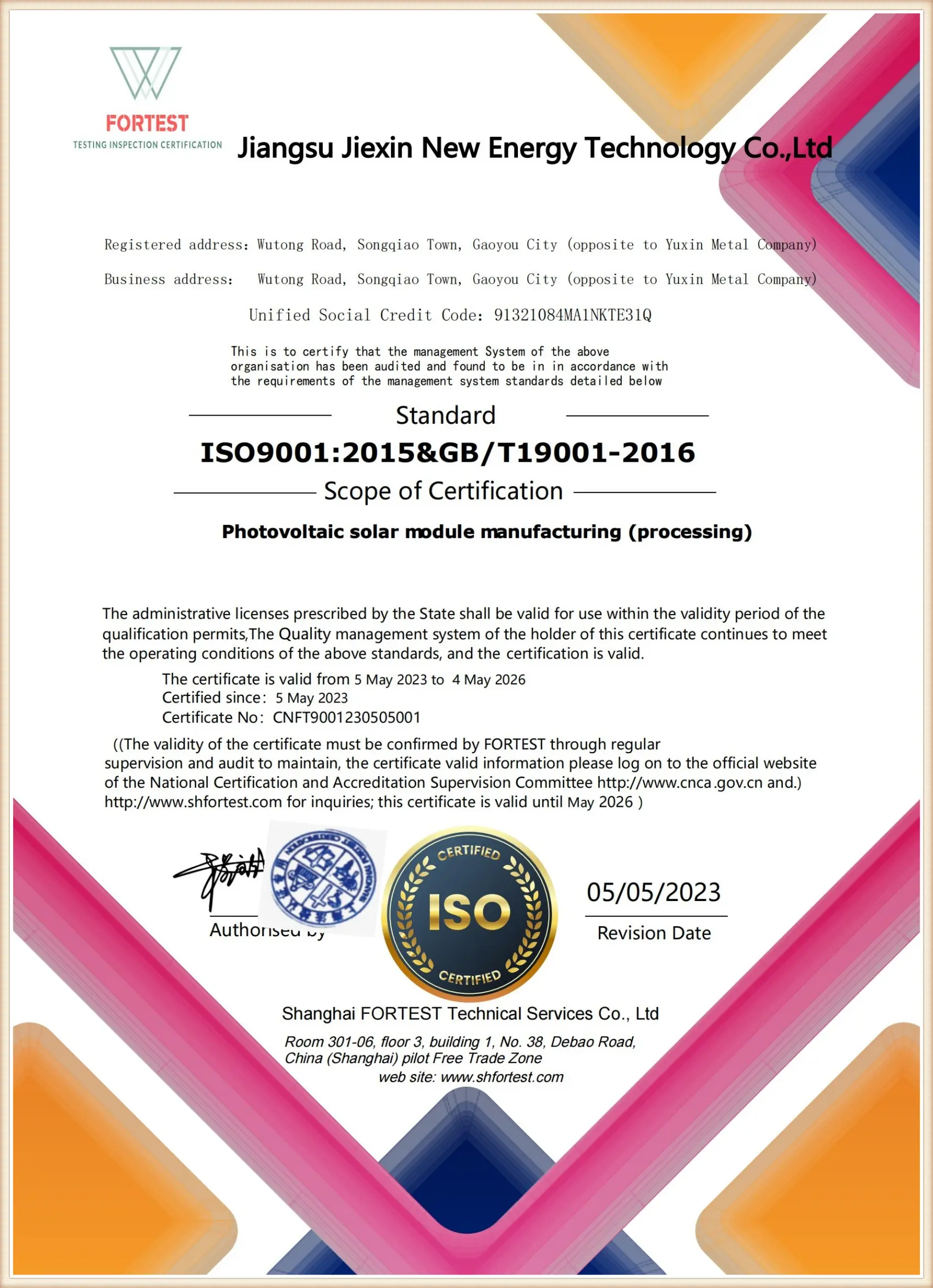
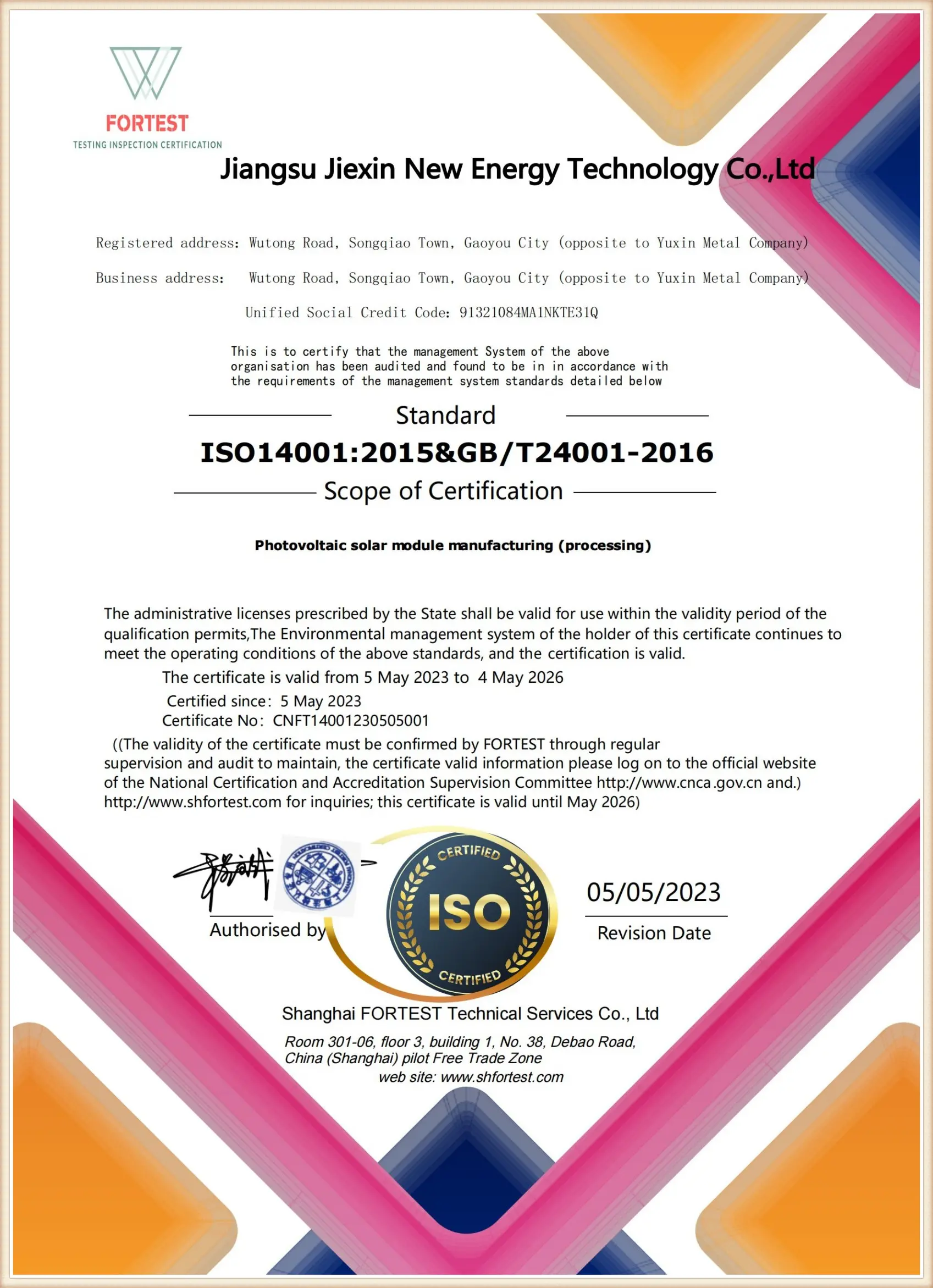
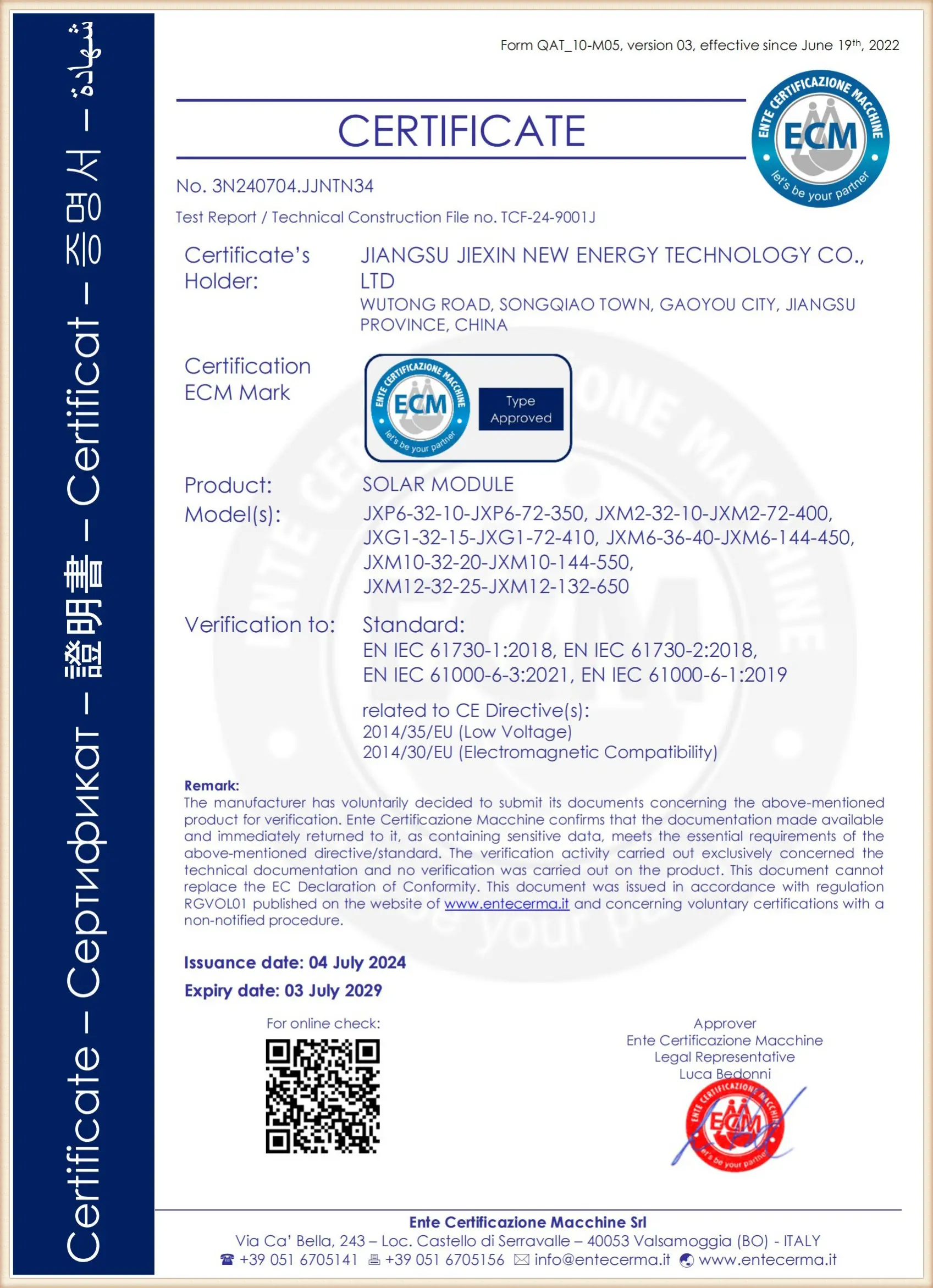
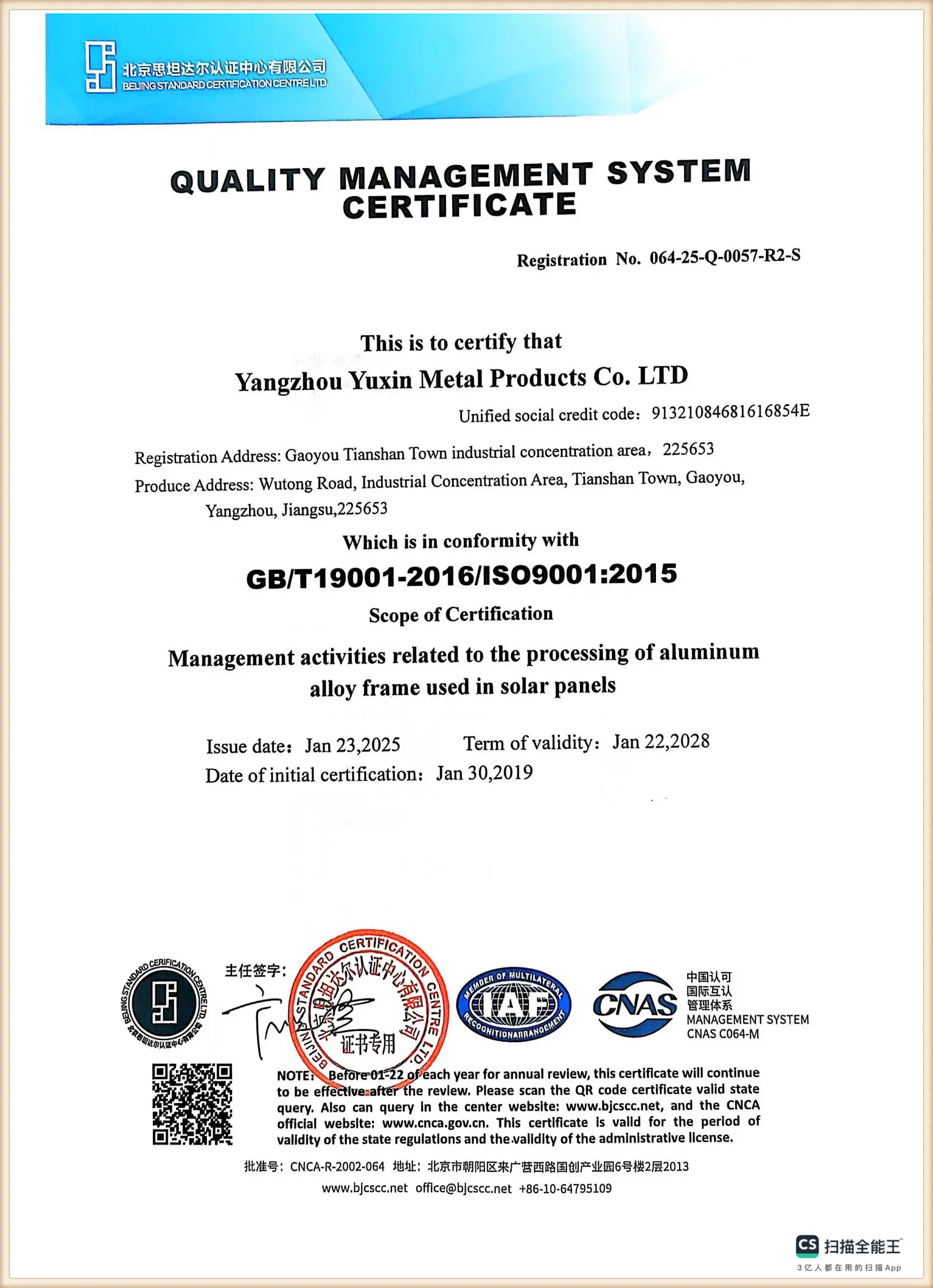
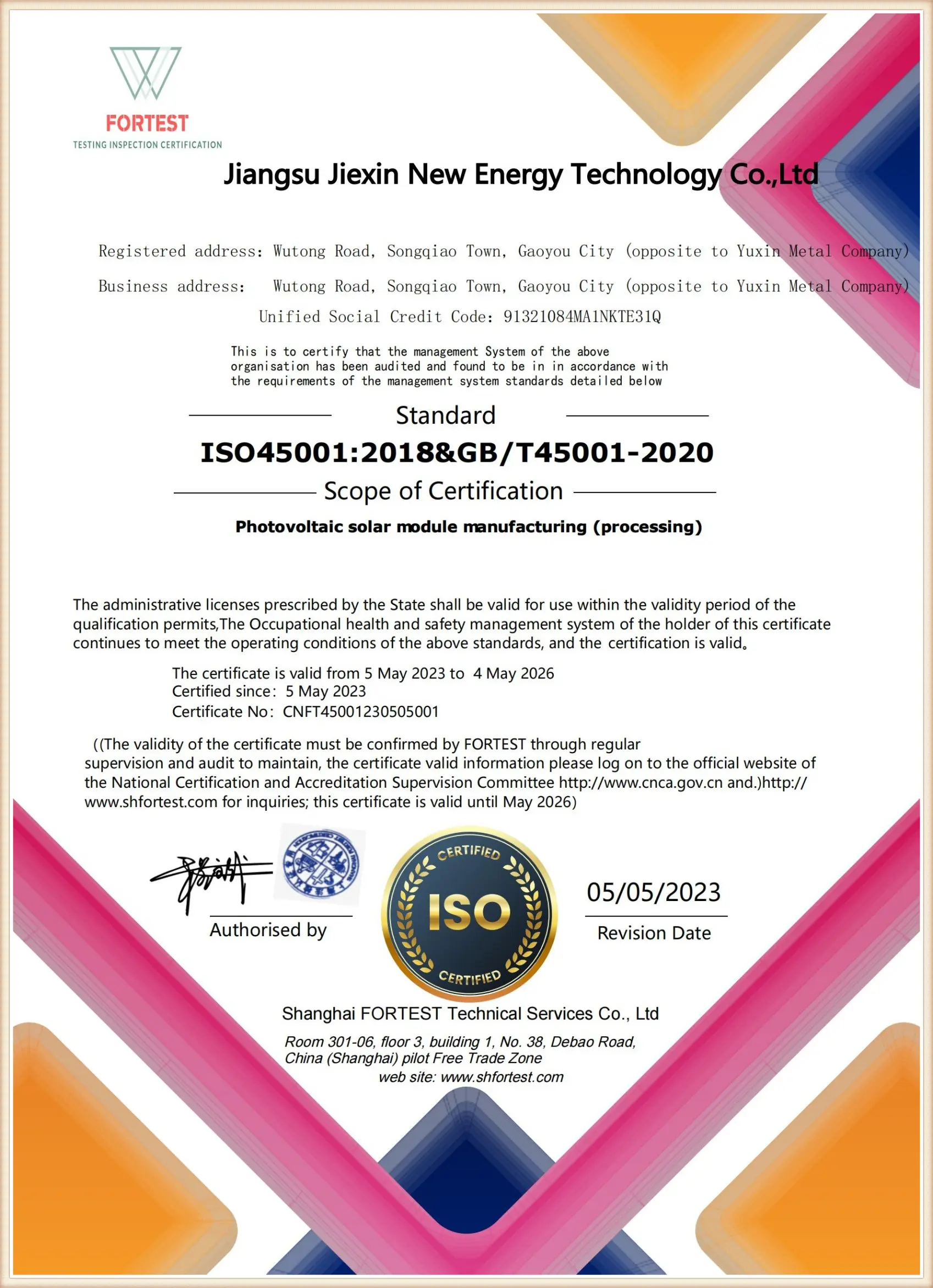
Procurement directors of multinational corporations look beyond basic cost-per-watt metrics. Contemporary enterprise sourcing demands comprehensive compliance with Environmental, Social, and Governance (ESG) guidelines, alongside verifiable physical performance. Our supply chains feature trace-verified monocrystalline silicon and low-carbon aluminum frames to comply with the European Union's Carbon Border Adjustment Mechanism (CBAM) and other strict clean-import regimes.
Key procurement vectors we support include:
4. Technical Specifications & Advanced Cell Architecture
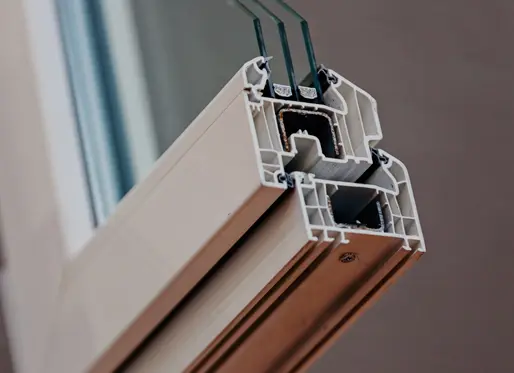
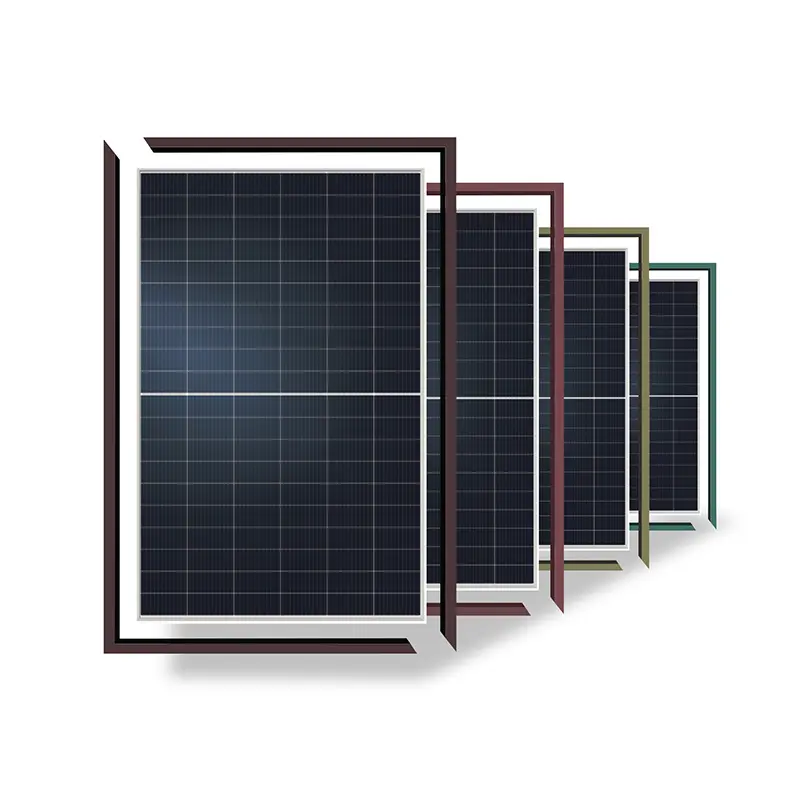
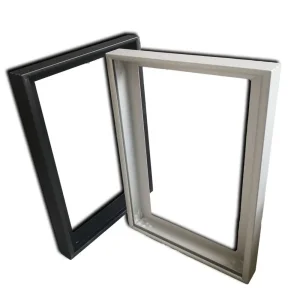
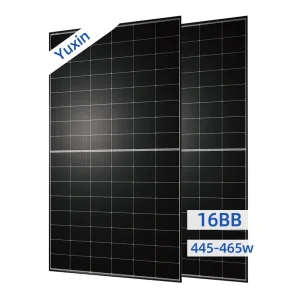
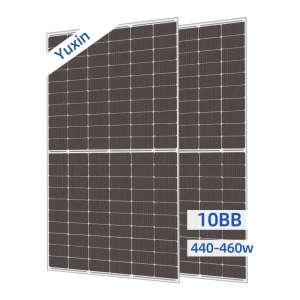
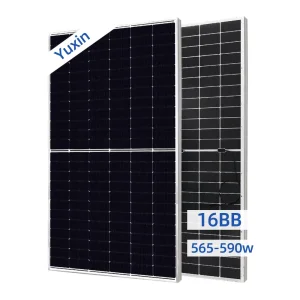
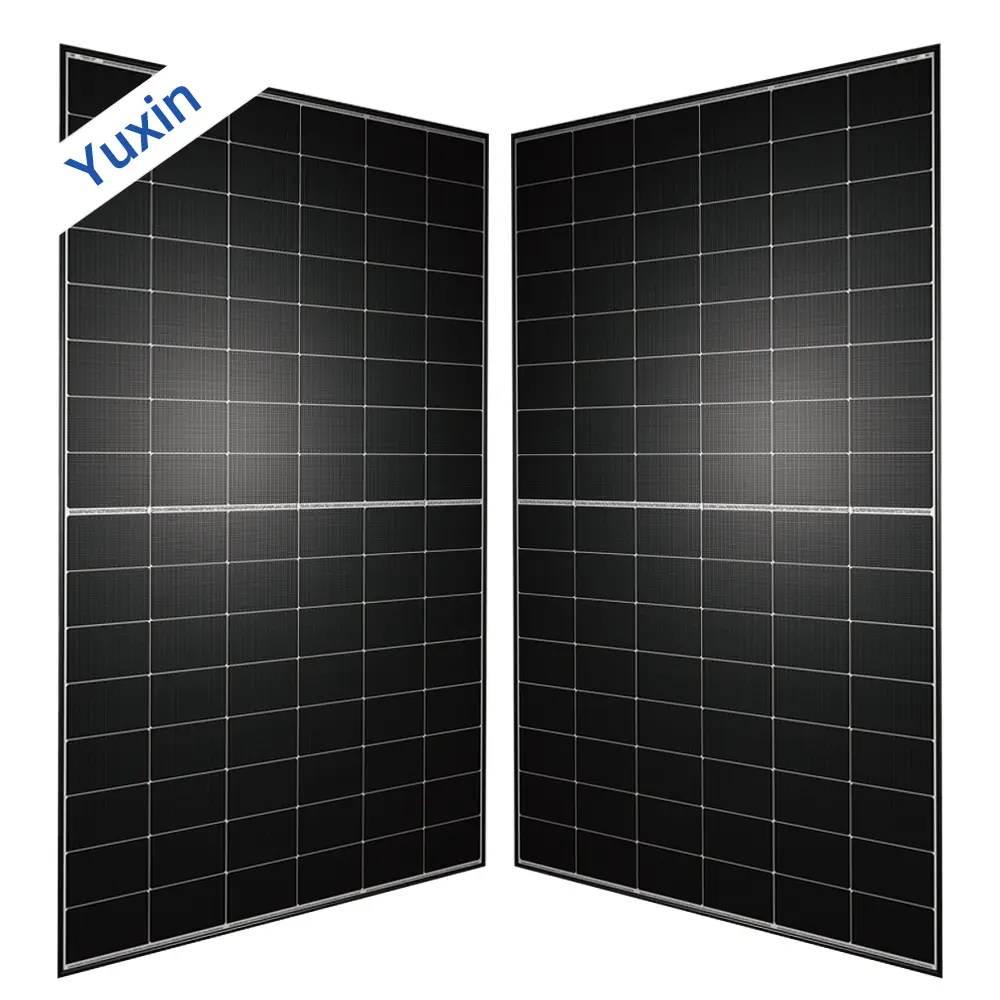
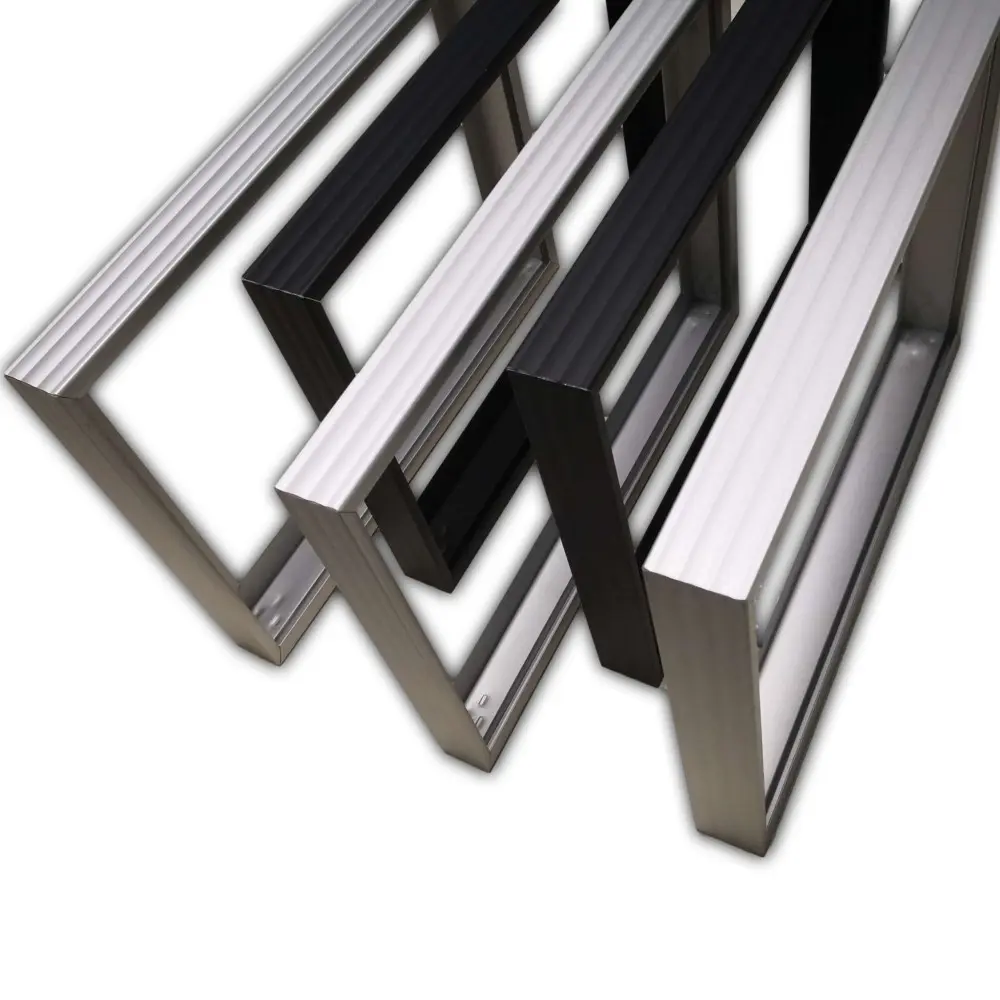
The core of our technology relies on monocrystalline silicon PV cells, which currently achieve a conversion efficiency of 24%. Through high-grade N-type doping, we minimize Light-Induced Degradation (LID) and LeTID, ensuring steady performance over a multi-decade operating lifecycle. Our frames leverage pultruded polyurethane composite materials and high-strength 6063-T5/6005-T6 anodized aluminum, reducing thermal expansion stress and extending structural lifespans under demanding climate conditions.