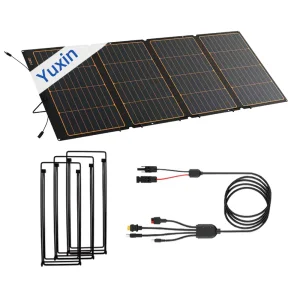
Engineered for maximum reliability, yield, and off-grid durability across diverse industrial applications.
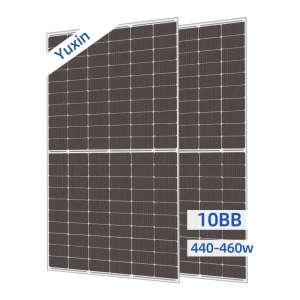
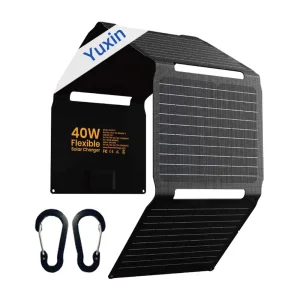
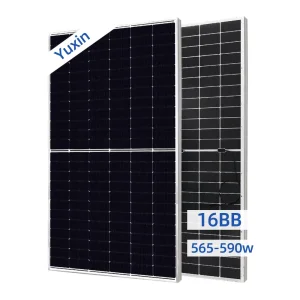
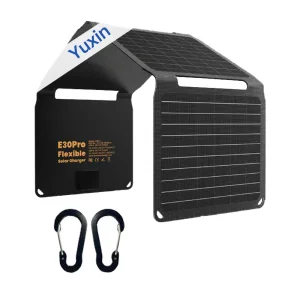
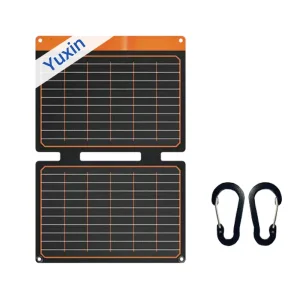
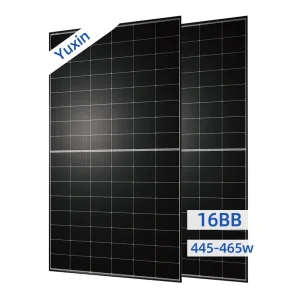
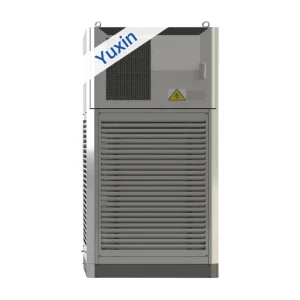
In an era marked by dynamic geopolitical developments, volatile energy grids, and aggressive corporate decarbonization initiatives, industrial procurement of portable solar power packs has transitioned from a convenience-based acquisition model to a mission-critical infrastructure strategy. Global companies now look for reliable, high-yield off-grid solutions that combine advanced cell efficiency, ruggedized mechanical structures, and strict regulatory compliance.
To navigate this landscape, supply chain directors require deeper insights into how manufacturers balance materials sciences—such as utilizing high-efficiency monocrystalline N-type TOPCon bifacial modules and breakthrough structural components like pultruded polyurethane composite frames—against the systemic requirements of multi-region logistics, safety standards (such as UN38.3 battery transport standards), and long-term operating efficiency.
Whether deploying equipment in remote construction projects, backup agricultural telemetric networks, or telecommunication relays in extreme terrains, selecting the appropriate architecture determines the Total Cost of Ownership (TCO) and Levelized Cost of Energy (LCOE). Standard consumer-grade power packs lack the heat dissipation profiles, structural structural rigidity, and clean electrical wave stability required for commercial operations. Modern industrial portable solar solutions must withstand harsh marine environments, desert heat loads, and continuous sub-zero high-altitude deployment cycles.
Maximum Power Point Tracking (MPPT) micro-controllers optimize the input of monocrystalline cells under fluctuating cloud cover, boosting net power yield by up to 30% compared to legacy PWM charging topologies.
Utilizing high-purity 6063-T5/6005-T6 anodized aluminum and sustainable polyurethane composite materials, our frames protect panels against dynamic torsional strain and heavy mechanical wind loads up to 2400 Pa.
Equipped with state-of-the-art LiFePO4 cells offering >3500 full charge-discharge cycles before decaying to 80% original capacity, ensuring continuous ROI over years of heavy daily deployment.
Direct output and mechanical specifications for strategic industrial infrastructure planning.
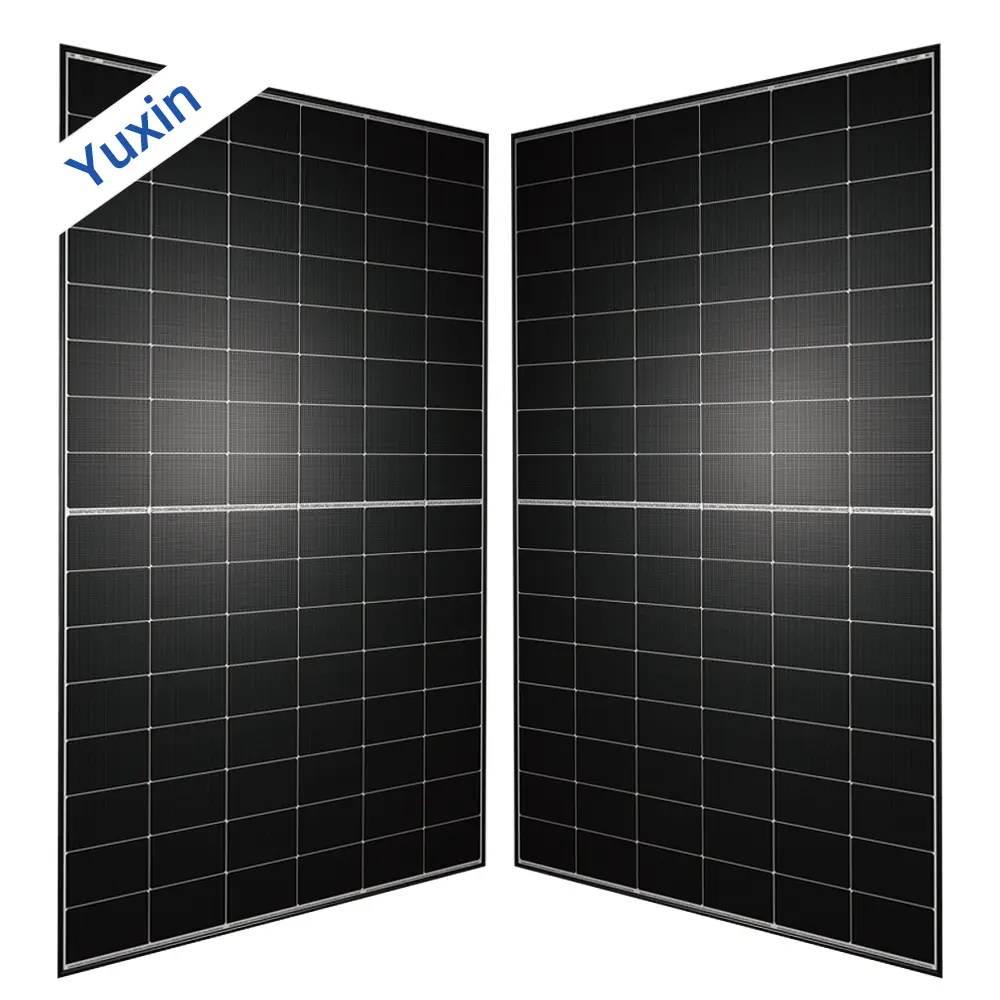
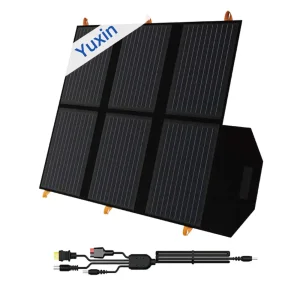
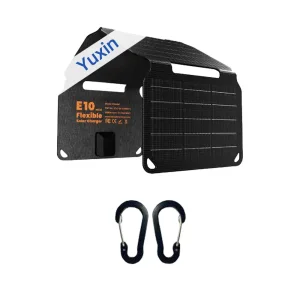
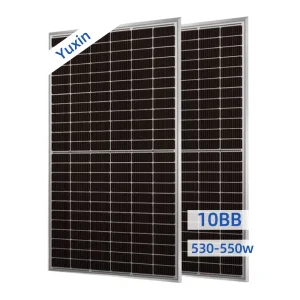
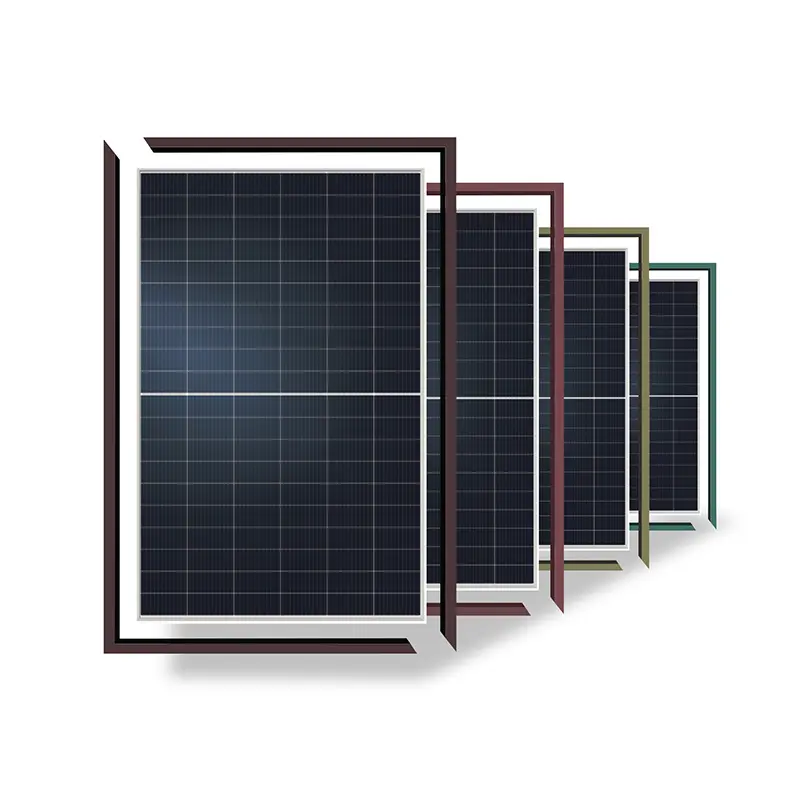
Lightweight design with transparent back panel for easy installation and reduced BOS costs.
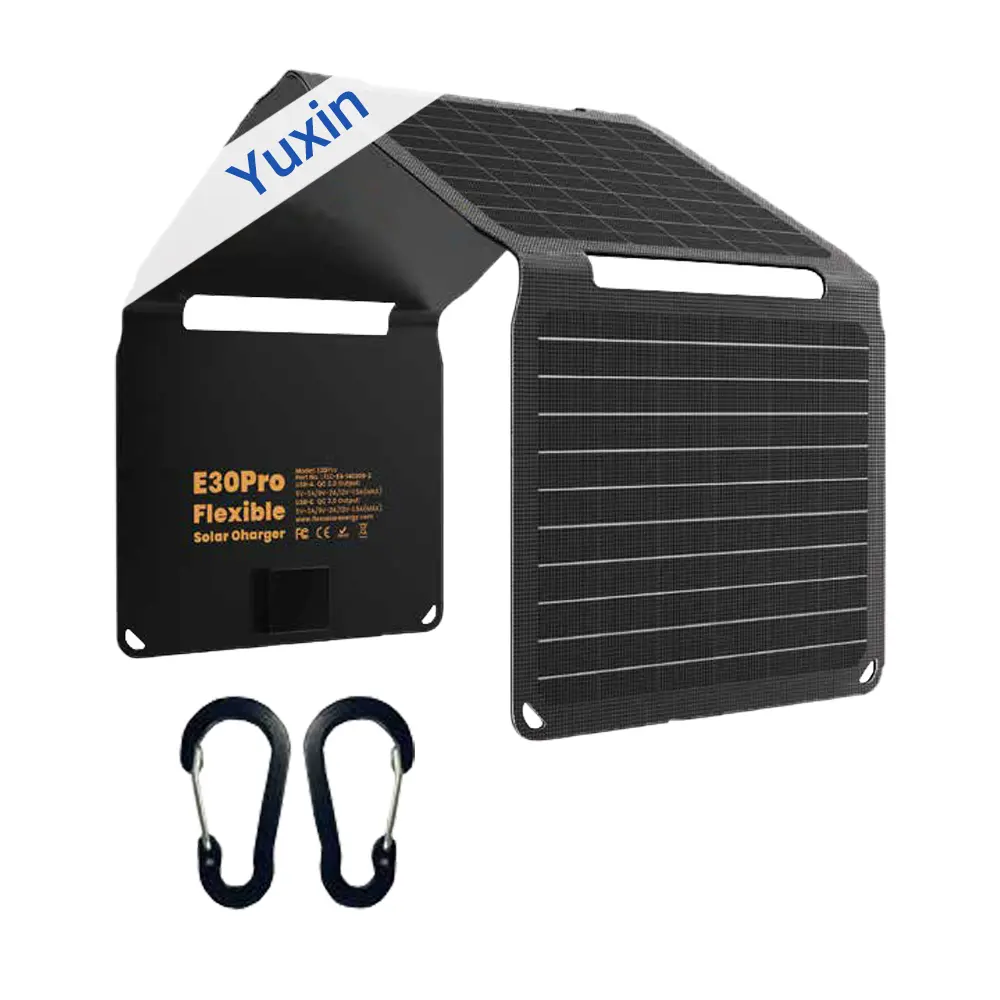
Utilizing advanced monocrystalline silicon cells, it achieves a high energy conversion efficiency of 24%.
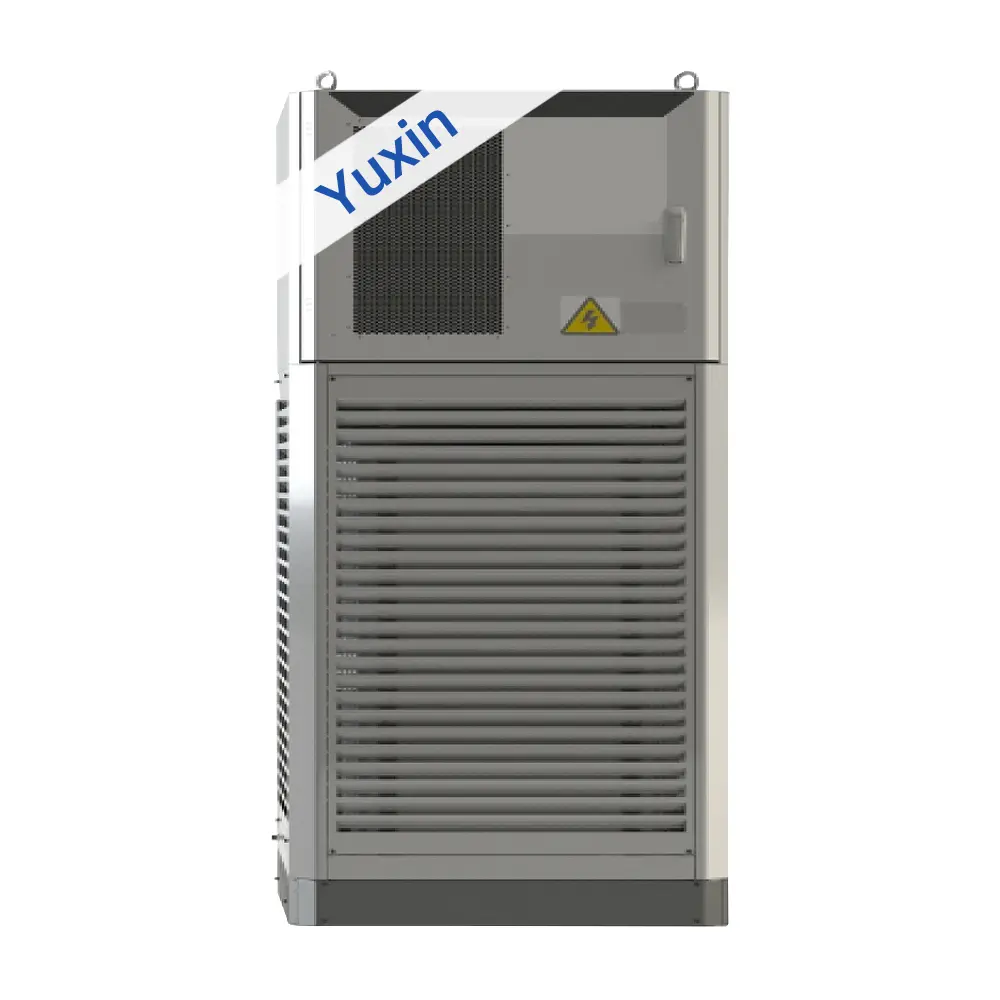
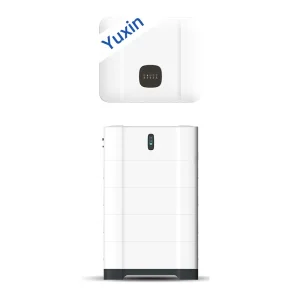
Application modes include grid-connected mode, off-grid mode, and integrated grid-connected/off-grid mode.
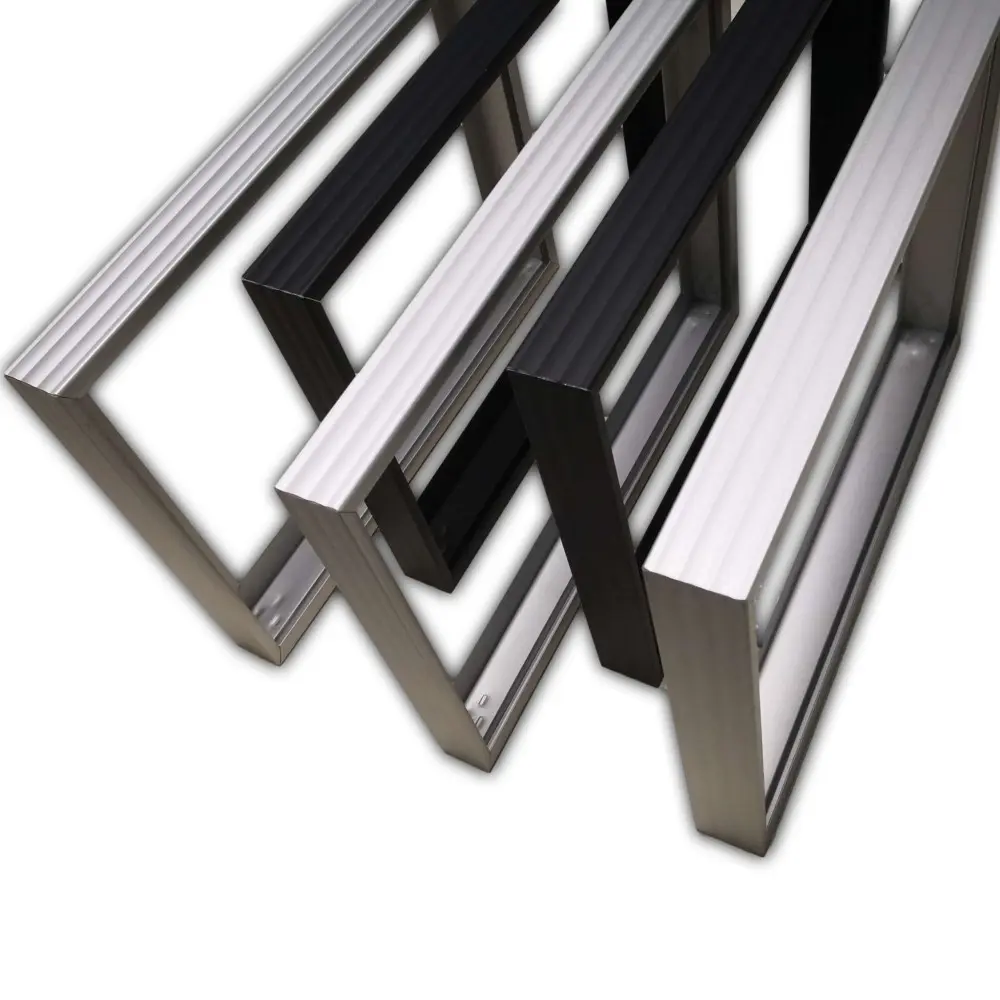
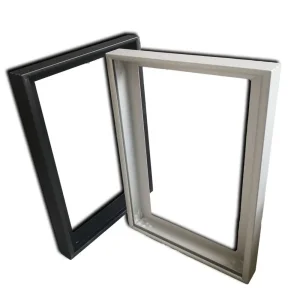
Made of high-quality anodized aluminum, it ensures superior weather resistance and a smooth, long-lasting finish.
A B2B comparative evaluation of framing technologies for harsh deployment environments.
| Property / Specification | Anodized Aluminum (6063-T5) | Pultruded Polyurethane Composite | Standard Recycled PVC (Low Tier) |
|---|---|---|---|
| Tensile Strength | 186 MPa | Up to 450 MPa | 35-50 MPa |
| Thermal Expansion (10⁻⁶/K) | 23.0 | 5.5 (Similar to Glass) | 50-80 |
| Corrosion Resistance | High (Anodized layer dependent) | Exceptional (Immune to Acid/Salt) | Medium (Prone to UV Degradation) |
| Carbon Footprint Index | Moderate to High | Extremely Low (Bio-resins optional) | Low (but poor longevity) |
| BOS Integration Cost | Standard Industry Benchmarks | Lower (No electrical grounding needed) | Not suitable for heavy loads |
A solar frame is not merely a border; it is the structural support system that absorbs mechanical energy during transit and setup. In a portable solar power pack configuration, modules are frequently unpacked, handled, and repacked under sub-optimal terrain conditions. High-efficiency Mono PERC and N-type TOPCon modules demand rigid frames because silicon micro-cracking can occur under excessive torsional stress. Pultruded polyurethane composite frames present a significant step forward, offering an ideal match for glass expansion rates, removing the need for module grounding (non-conductive material properties), and protecting investments in harsh coastal or tropical zones.
Precision, Quality, and Safety - Your Photovoltaic Materials Expert
Located in the scenic historical and cultural ancient city of Yangzhou, close to the Beijing-Shanghai Expressway, Runyang Yangtze River Bridge, and Ningqi Railway, the group has a superior geographical location and convenient transportation. The group was established in 2008 and has 14 multi-field companies under its jurisdiction, including Jiangsu Yuxin New Energy Technology Co., Ltd. Over the years, we have won many titles such as National High-tech Enterprise, Technology-based Enterprise, and Gaoyou City Top 100 Private Enterprises.
Learn More About YUXINEngineered off-grid portable solar technology optimized for mission-critical infrastructure domains.

Powering automated telemetry sensors, smart irrigation controllers, and livestock tracking hubs without costly grid trenching.

Reliable backup and primary portable generation for power tools, signaling systems, site communications, and mobile offices.
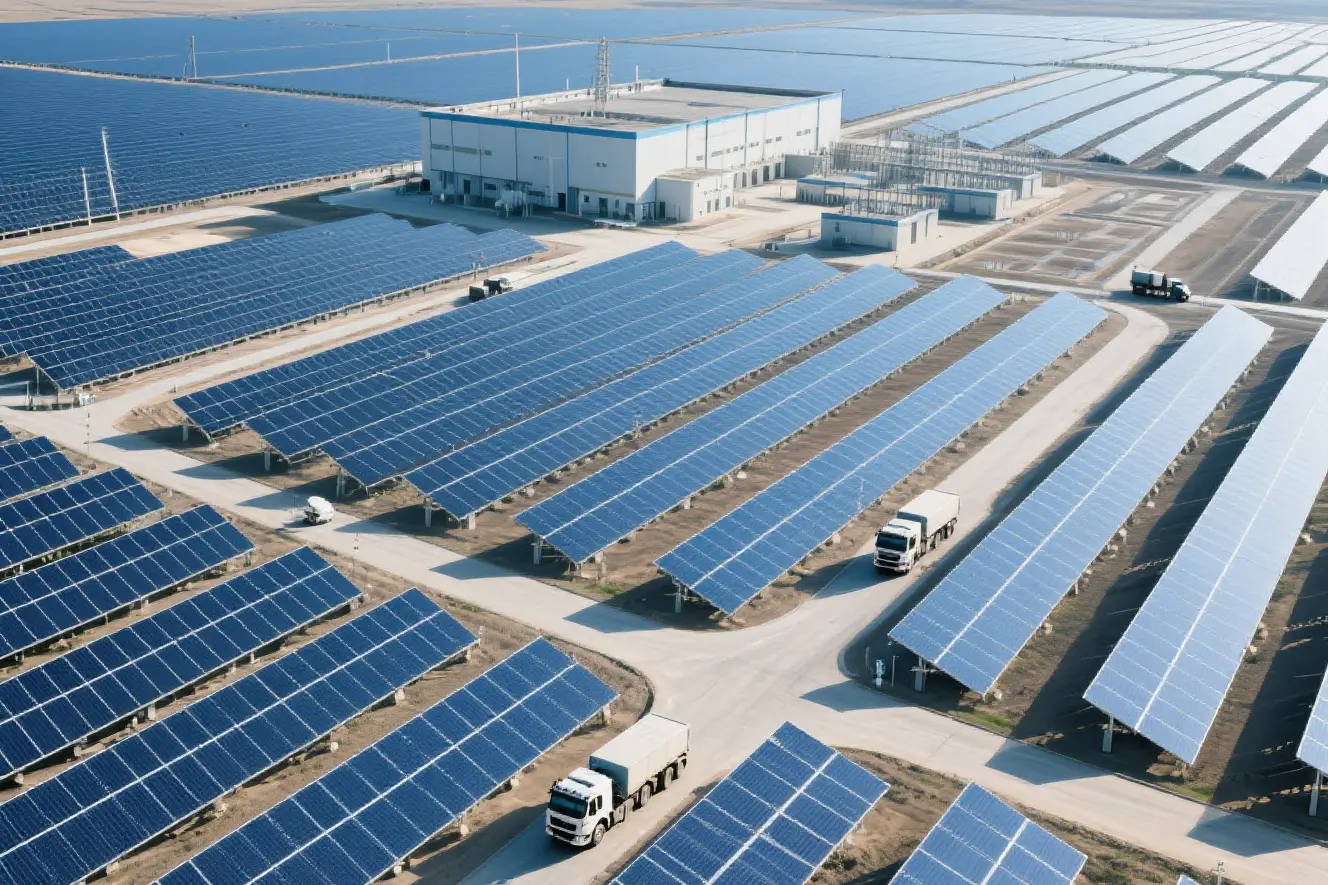
Substation backup monitoring, off-grid transmission line diagnostic tools, and emergency localized power nodes.

Heavy-duty solar backpacks, high-capacity generators, and lightweight folding arrays for remote defense, geology, and exploration crews.

Uninterrupted power supplies (UPS) for remote microwave links, cellular repeats, satellite uplinks, and IoT hubs.
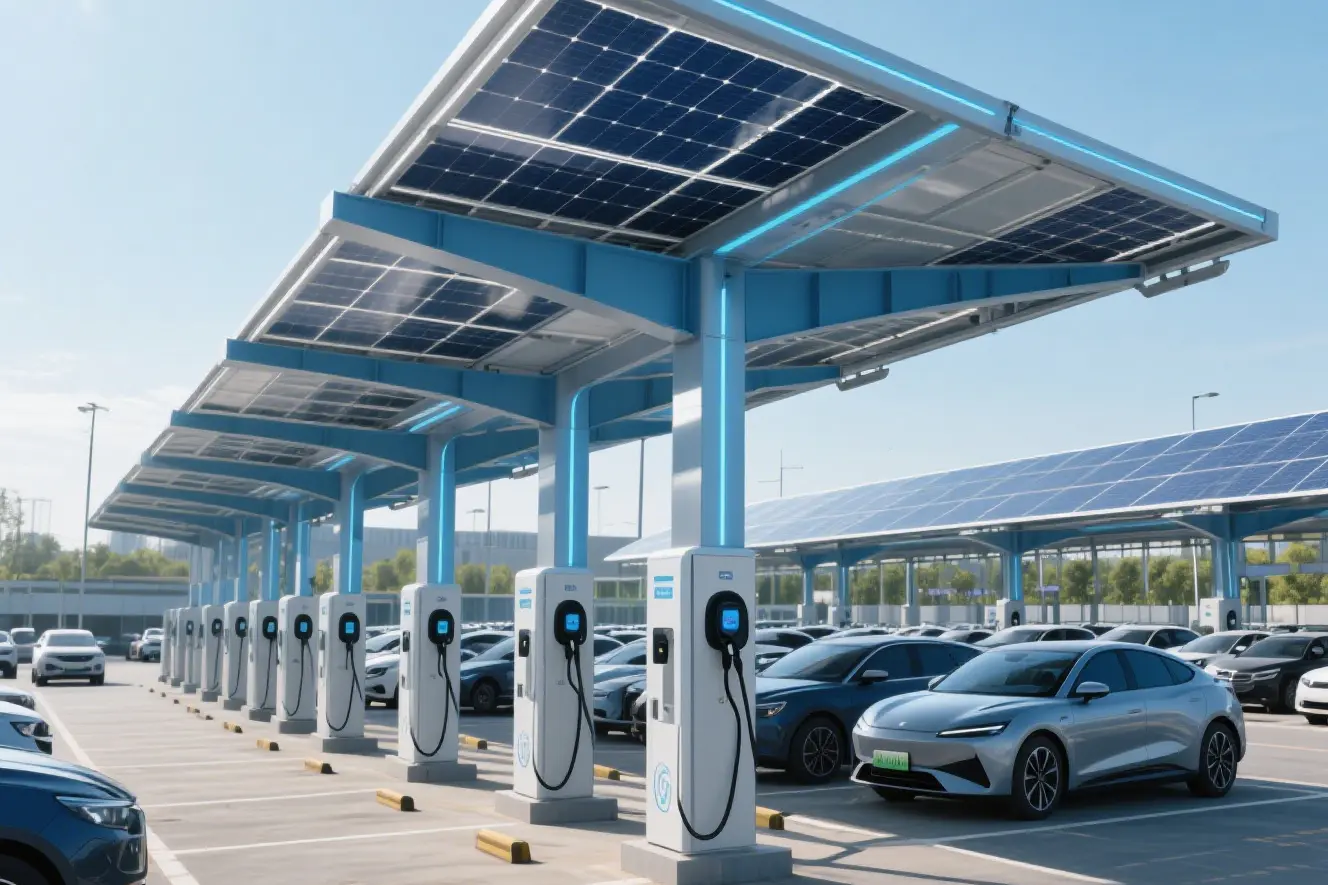
Off-grid rail monitoring, smart bus stop displays, marine navigation beacons, and cold chain asset trackers.
Exporting verified renewable solar materials worldwide to industry-leading organizations.
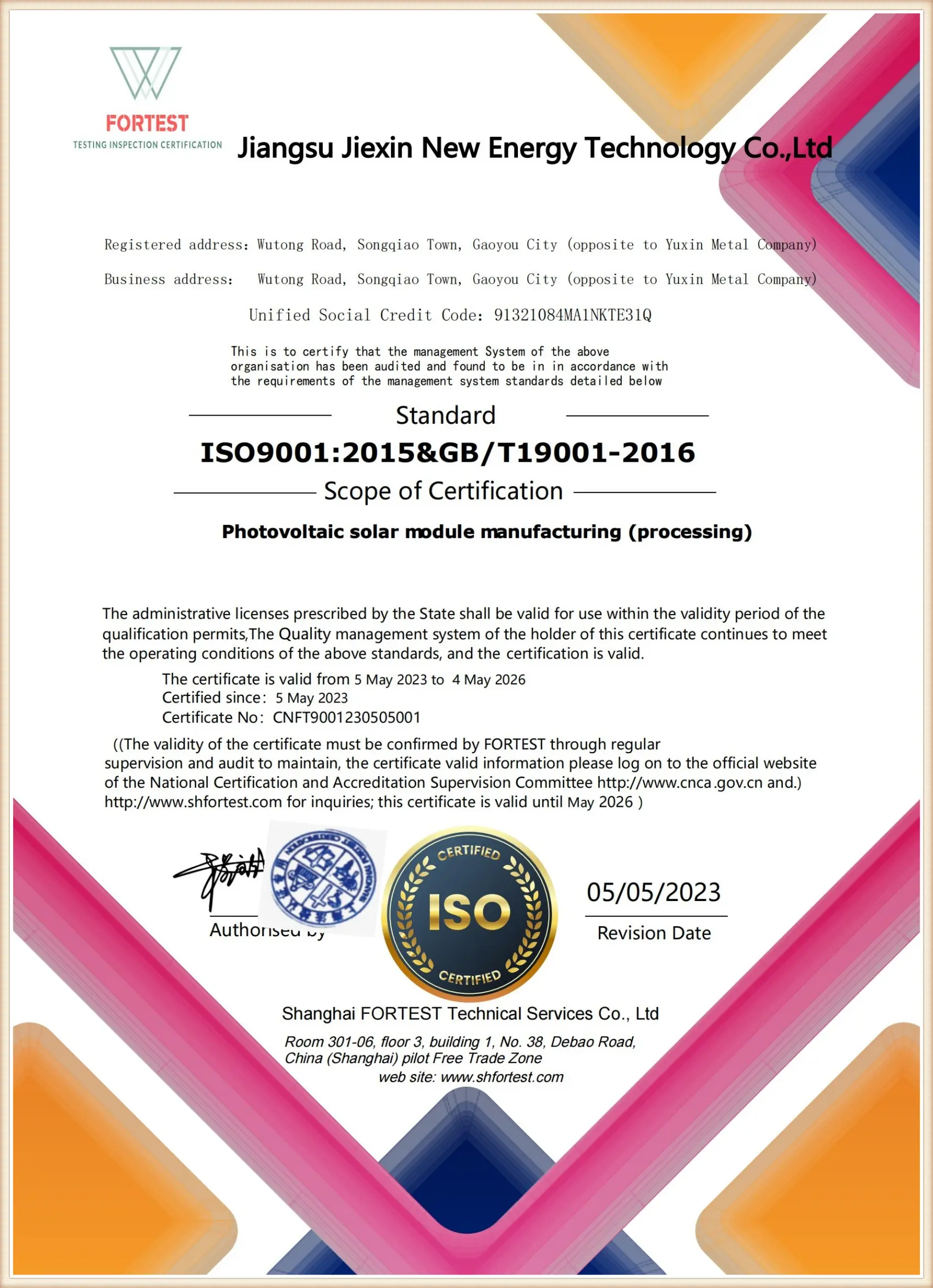
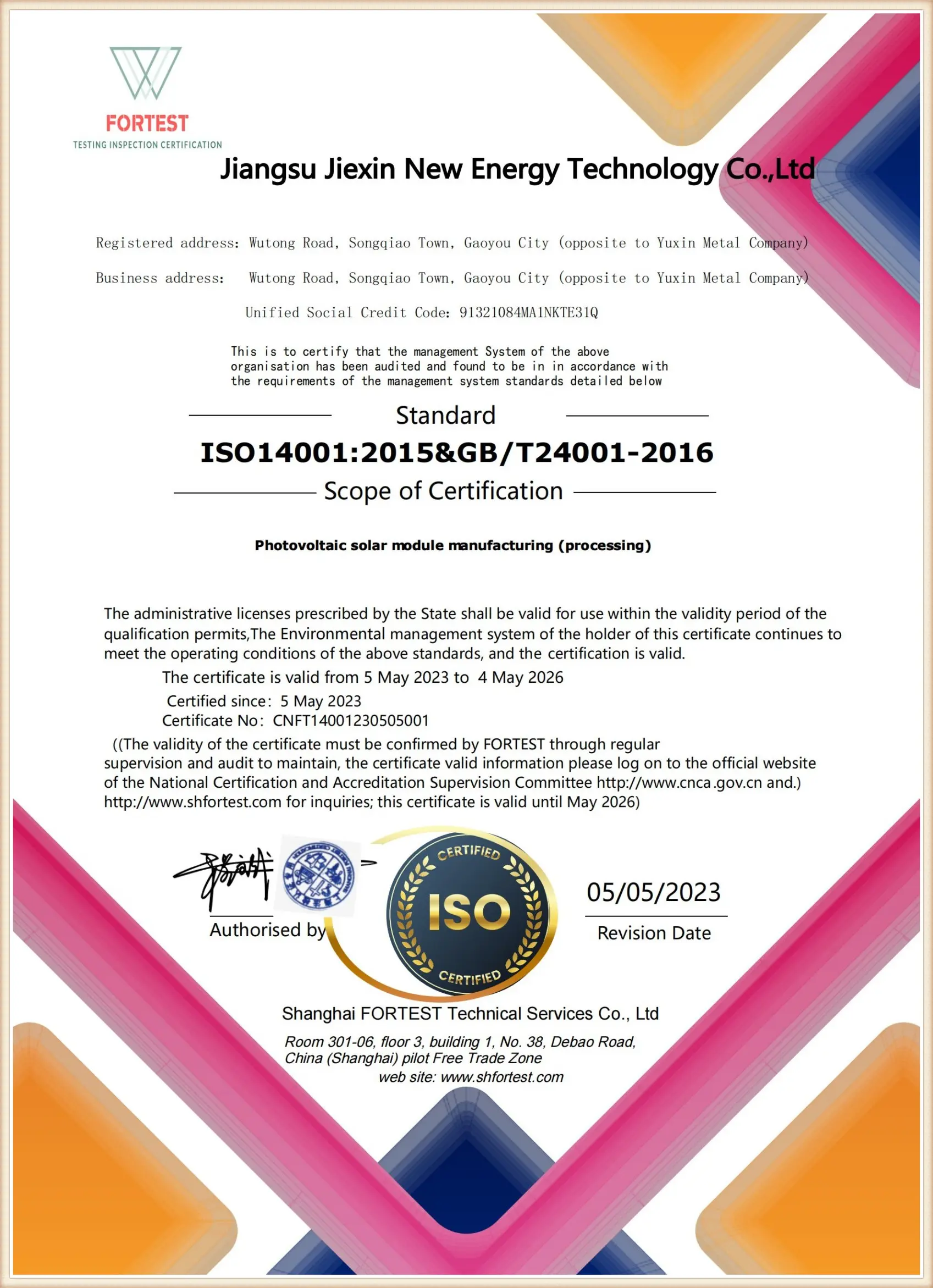
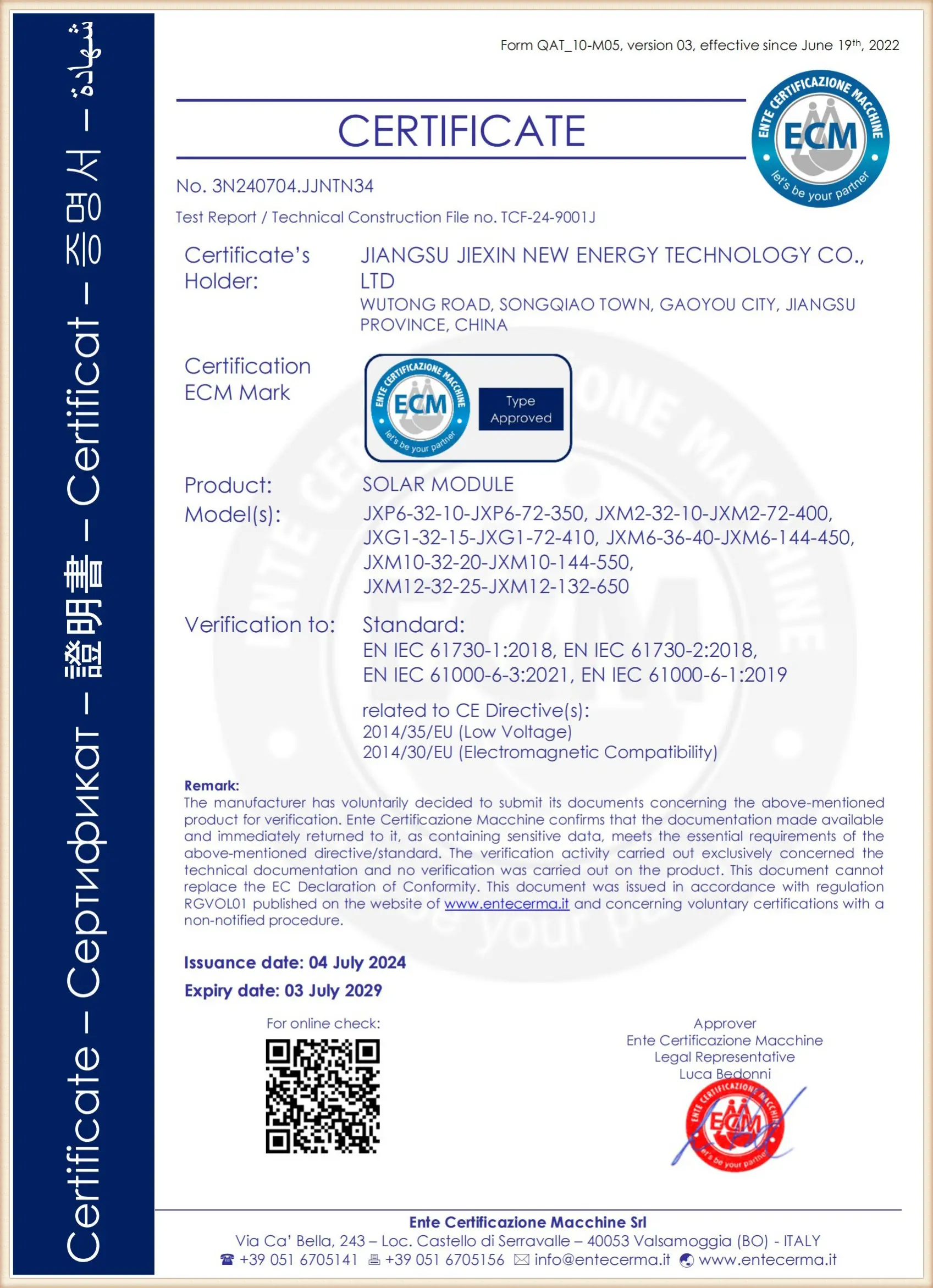
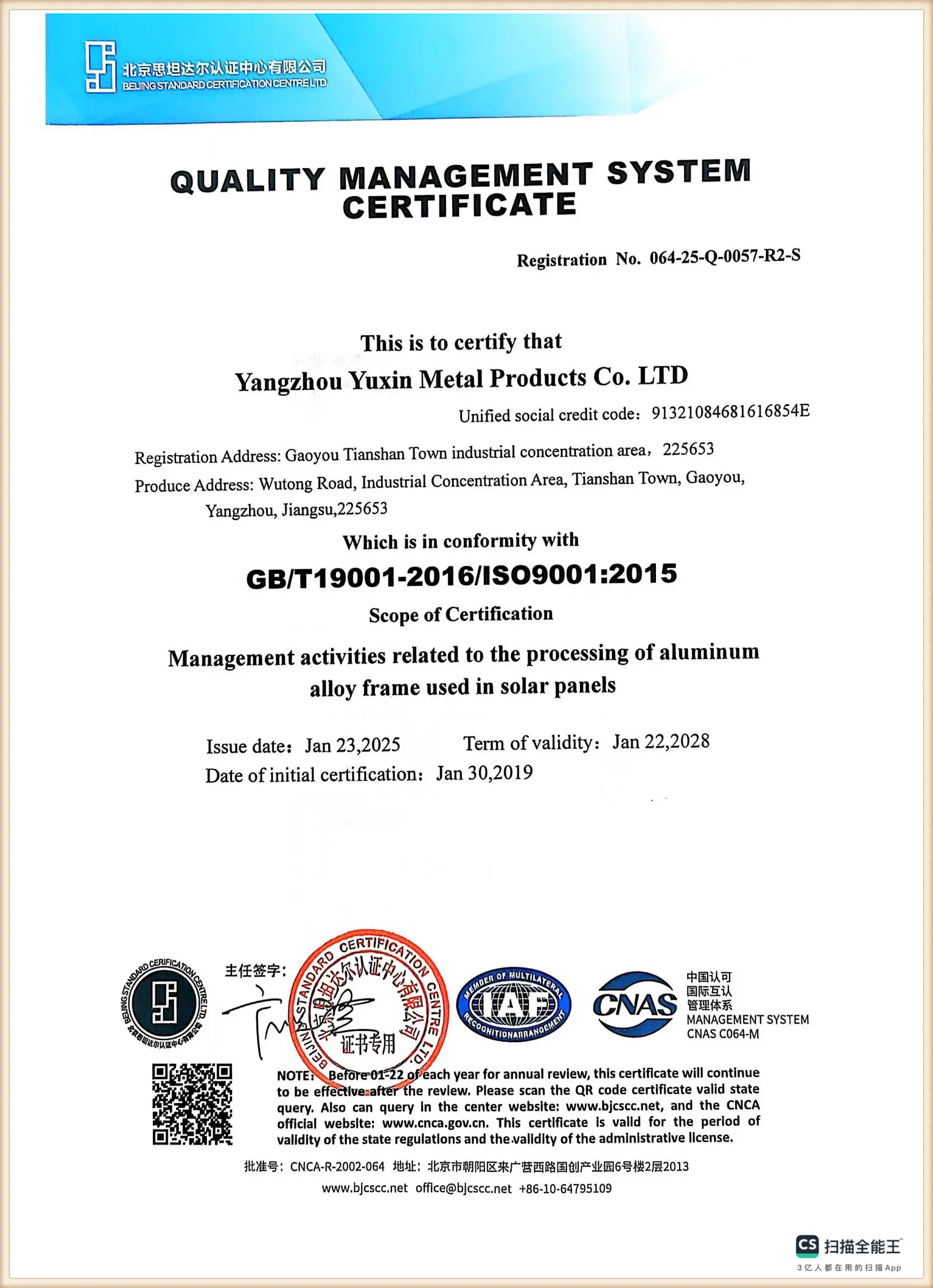
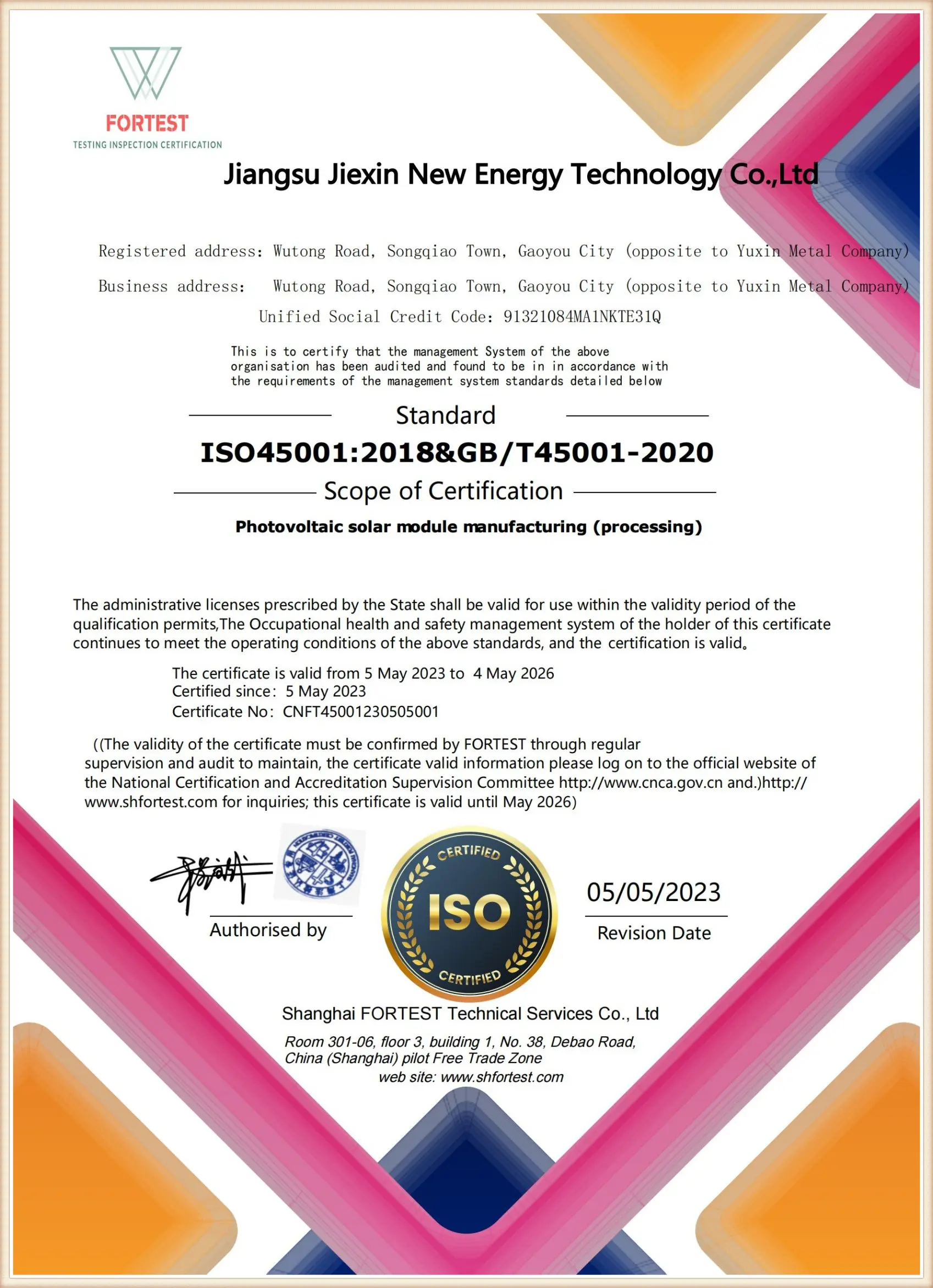




Procuring large batches of wholesale portable solar power packs presents unique regulatory challenges. Unlike static solar systems, portable units include integrated high-density lithium storage alongside photovoltaic collectors. Safety and transportation clearances are paramount:
Looking ahead to 2026-2030, the industry is transitioning toward perovskite-silicon tandem cells that aim for conversion thresholds above 30%. Concurrently, manufacturers are integrating IoT telemetry directly into portable solar units. Industrial users can monitor battery capacity, temperature, GPS location, and energy generation metrics in real time via centralized mobile dashboards, maximizing field deployment efficiency.
Stay informed with technical bulletins and manufacturing standards from our engineers.
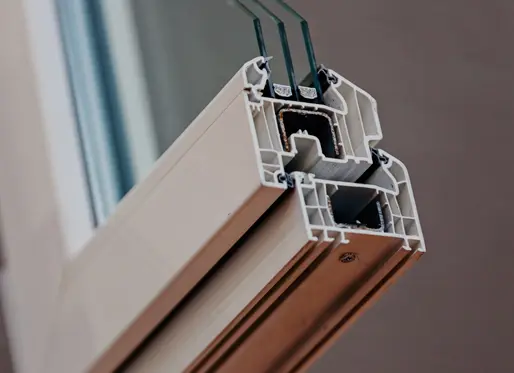
An in-depth look at alloy formulations, structural wind-resistance ratings, anodized coating thicknesses, and the emergence of non-conductive polyurethane pultrusions.
Evaluating supplier metrics: extrusion press capacities, die design tolerances, custom cutting setups, and logistics frameworks for international delivery.
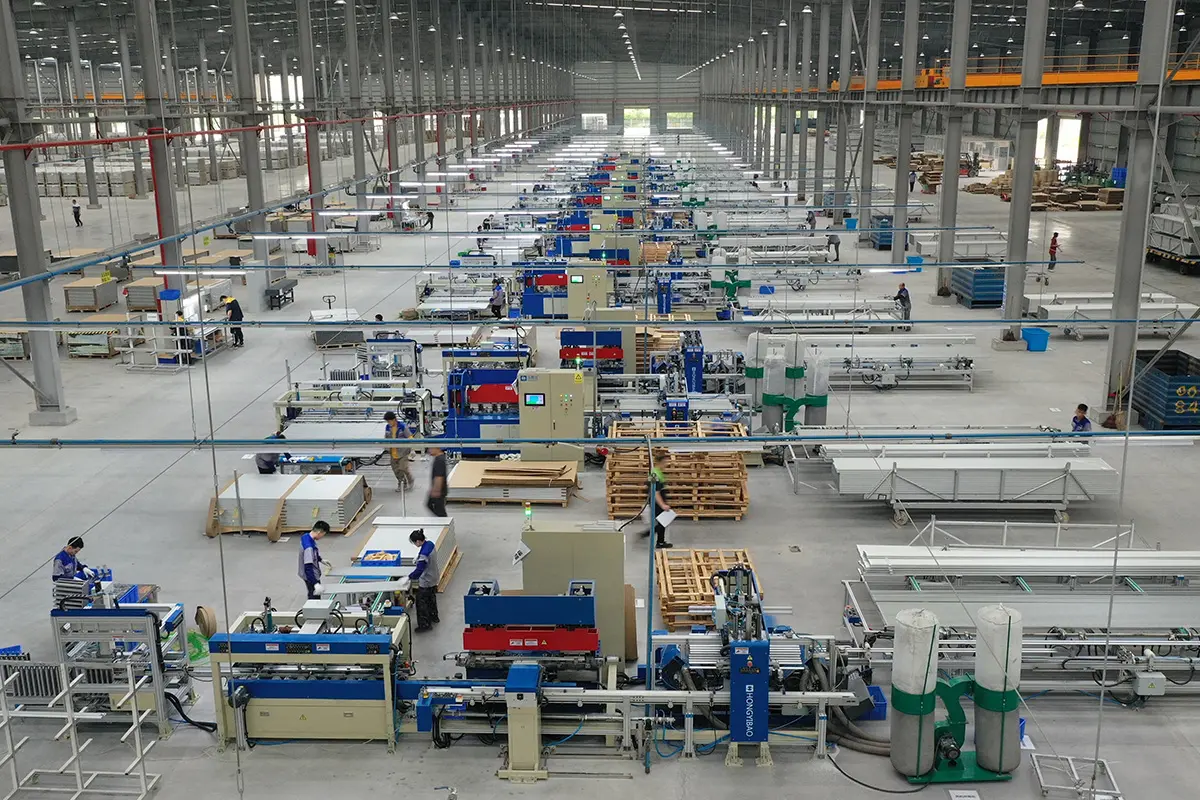
A detailed overview of inspection procedures, shear resistance tests, salinity tests, and ensuring cross-sectional profile flatness.
Key technical answers to simplify enterprise procurement decisions.
Premium frames, emergency generators, and portable options for comprehensive business portfolios.