Explore our industrial-grade, certified portable solar collectors, composite frames, and power systems tailored for large-scale procurement and custom applications.
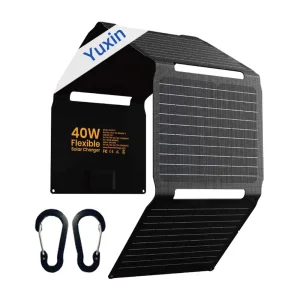
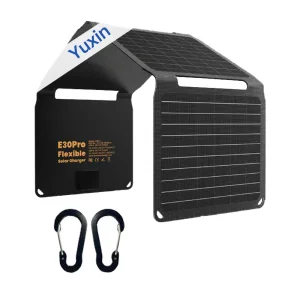
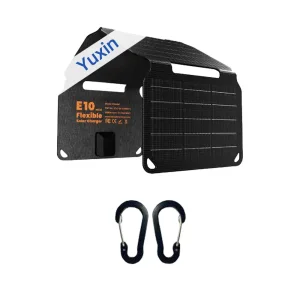
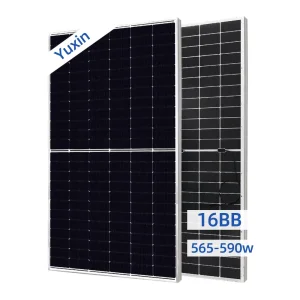
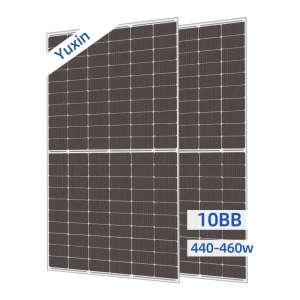
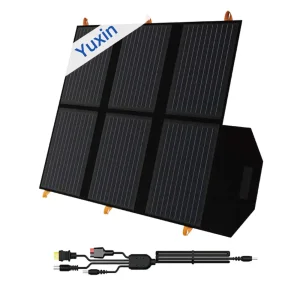
A comprehensive analysis of cell chemistry, balance of system (BOS) efficiency, and global commercial supply considerations for industrial-scale procurements.
As the global off-grid energy sector undergoes massive technological transformations, the integration of portable RV solar panel kits has expanded significantly. No longer relegated solely to casual recreational vehicles, modern foldable and high-efficiency portable systems are core components in field research facilities, telecommunications backups, disaster relief efforts, and military logistics. For global wholesale purchasers and engineering firms, evaluating suppliers requires a granular understanding of cell chemistry, mechanical construction, and degradation tolerances under thermal cycling.
The demand for rugged, deployable solar solutions is driven by two primary macroeconomic vectors: the commercialization of leisure vehicle fleets and the critical need for modular auxiliary power in localized industries. Fleet management companies in North America, Europe, and Australia are standardizing high-capacity mobile solar architectures to lower operational dependencies on internal combustion generators. Furthermore, remote monitoring setups and field infrastructure require highly durable, plug-and-play kits that minimize installation labor costs, effectively driving down the Levelized Cost of Energy (LCOE).
High-efficiency conversion is paramount when surface area is restricted. Modern portable kits have shifted away from standard polycrystalline cells toward advanced N-type Tunnel Oxide Passivated Contact (TOPCon) and Passivated Emitter and Rear Cell (PERC) architectures. By implementing thin passivating oxide layers, TOPCon cells exhibit minor recombination losses and boast conversion efficiencies approaching 24.5%. This enables smaller, lighter panels to achieve equivalent power outputs compared to older, heavier footprints. Below is a structural comparative breakdown of current cell materials utilised in industrial off-grid deployment:
| Cell Technology | Average Efficiency (%) | Temperature Coefficient | Degradation Rate (Year 1) | Ideal Application Profile |
|---|---|---|---|---|
| N-Type TOPCon | 23.5% - 24.8% | -0.30% / °C | < 1.0% | High-temperature environments, military deployment, limited surface area kits. |
| Monocrystalline PERC | 21.5% - 22.8% | -0.35% / °C | < 1.5% | Standard commercial fleet integrations, balancing high yield and cost-effectiveness. |
| Polycrystalline | 16.0% - 18.5% | -0.40% / °C | < 2.0% | Budget-restricted large-scale emergency relief kits, short-term deployment. |
Deployable RV modules encounter intense vibrations, salt mist exposure, and thermal shock. Top-tier suppliers use heavy-duty ETFE (Ethylene Tetrafluoroethylene) lamination rather than cheap PET. ETFE provides superior UV resistance, high light transmittance, and self-cleaning surface properties that enhance power generation over extended lifespans.
Foldable and portable kits are handled frequently, exposing them to cell micro-cracking. Incorporating Multi-Busbar (MBB) configurations distributes mechanical strain and shortens the path current travels, preventing significant power losses even if micro-fractures develop on the monocrystalline wafers.
Direct factory products focusing on structural reliability, cell performance, and off-grid versatility.
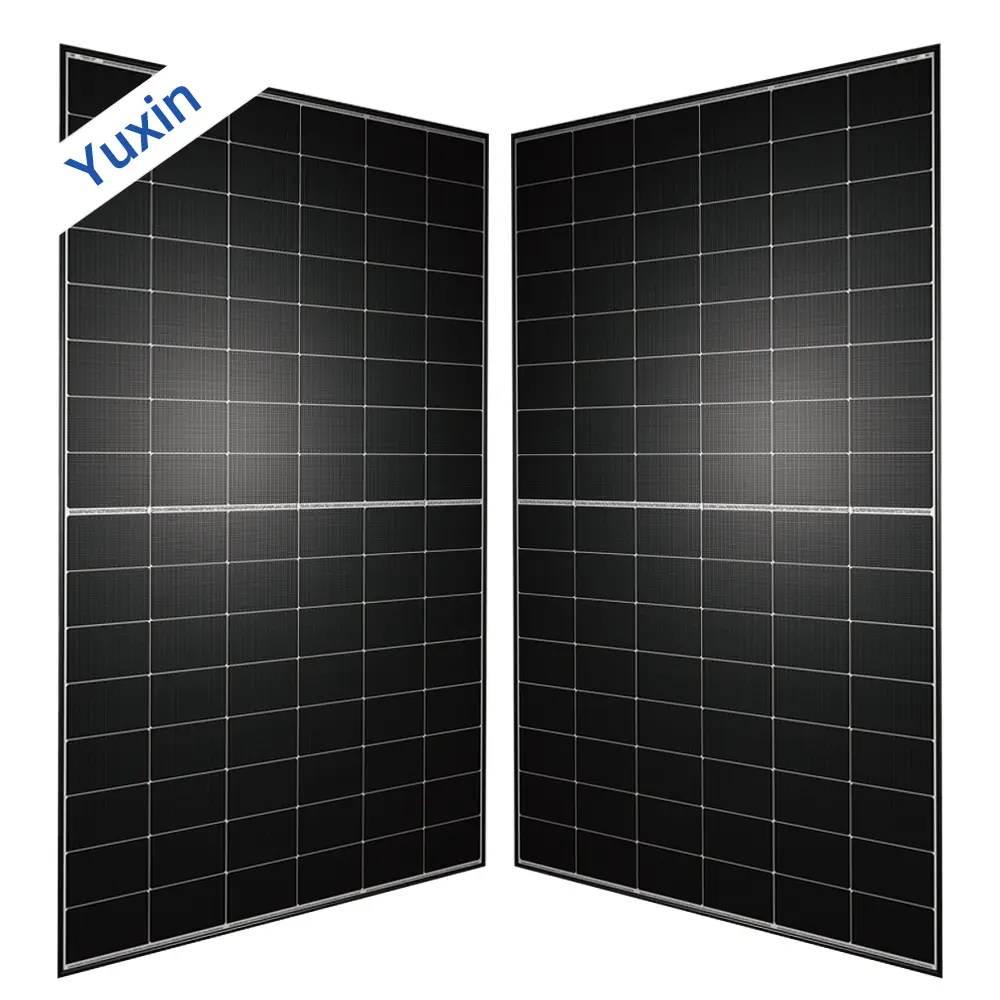
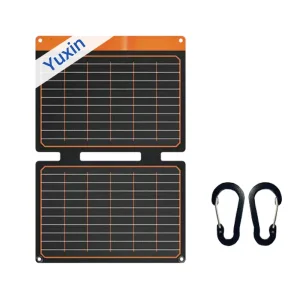
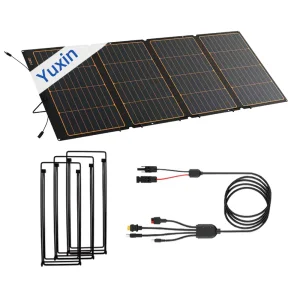
Lightweight design with transparent back panel for easy installation and reduced BOS costs.
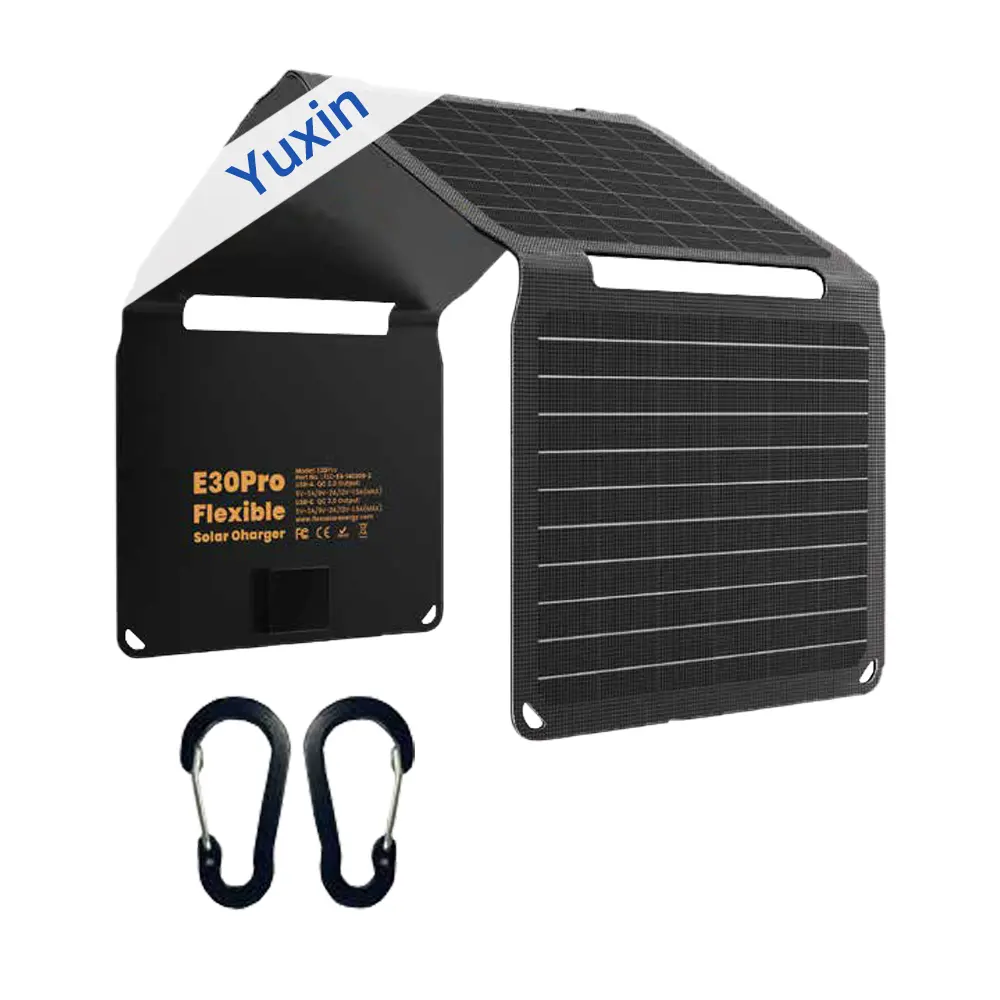
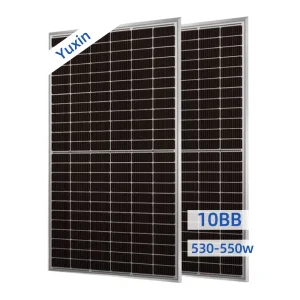
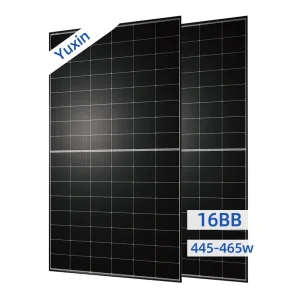
Utilizing advanced monocrystalline silicon cells, it achieves a high energy conversion efficiency of 24%.
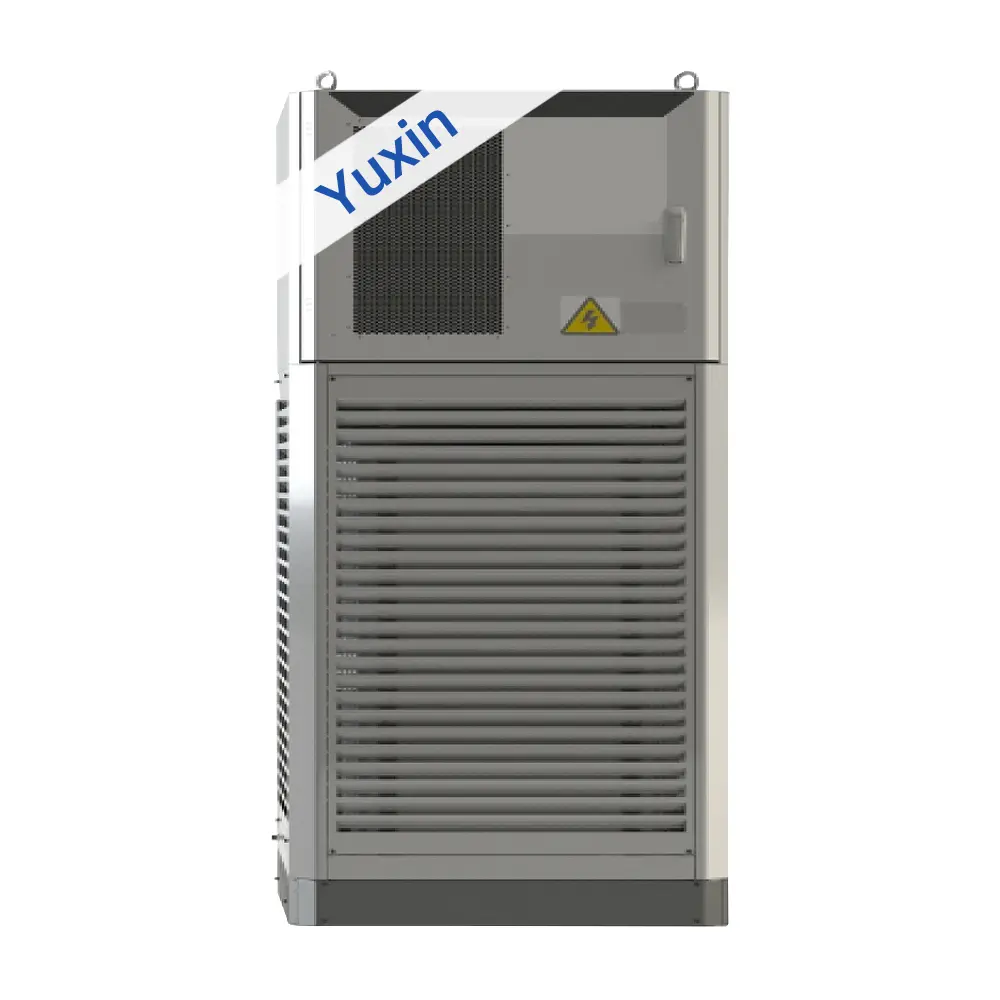
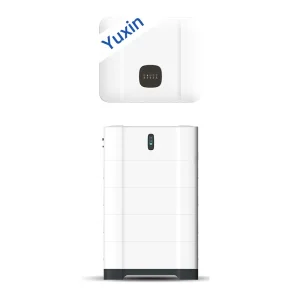
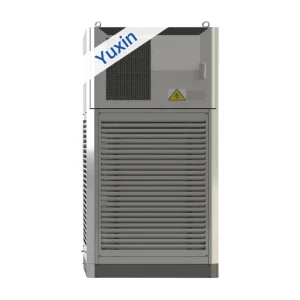
Application modes include grid-connected mode, off-grid mode, and integrated grid-connected/off-grid mode.
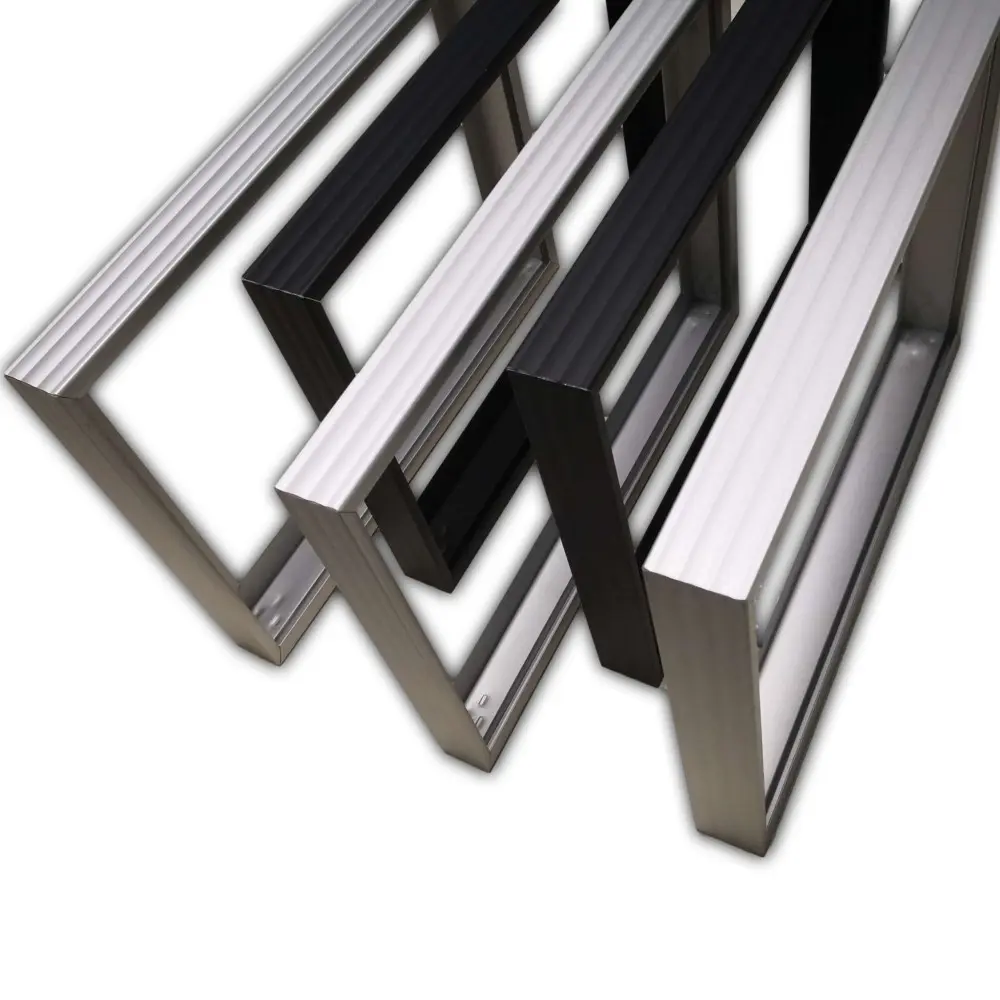
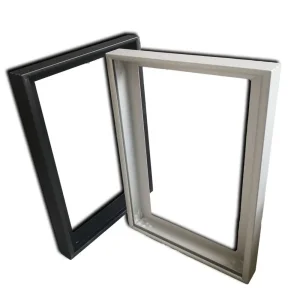
Made of high-quality anodized aluminum, it ensures superior weather resistance and a smooth, long-lasting finish.
Precision, Quality, and Safety - Your Photovoltaic Materials Expert
Meeting global compliance benchmarks for safe, consistent operational performance across multi-regional markets.
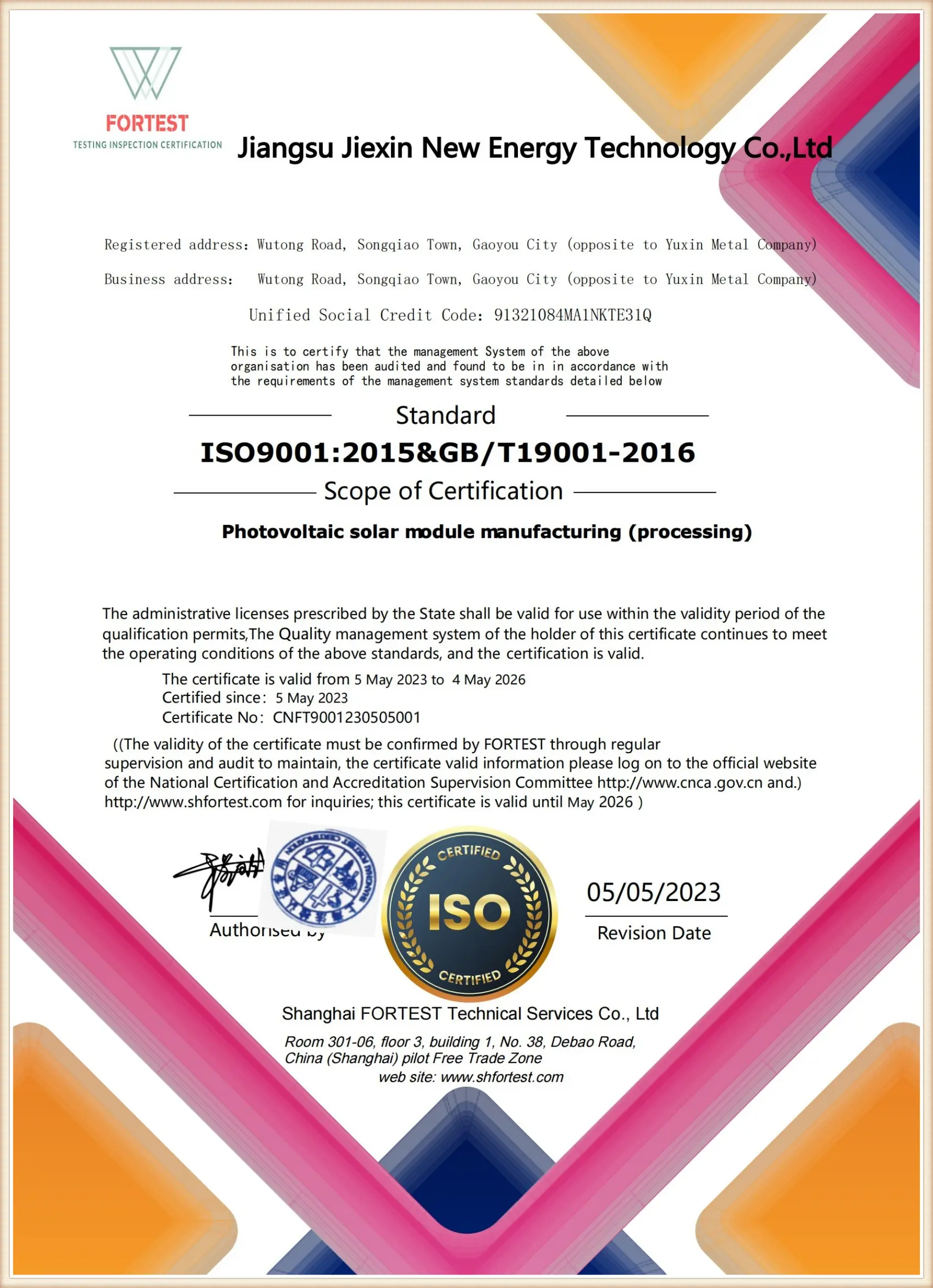
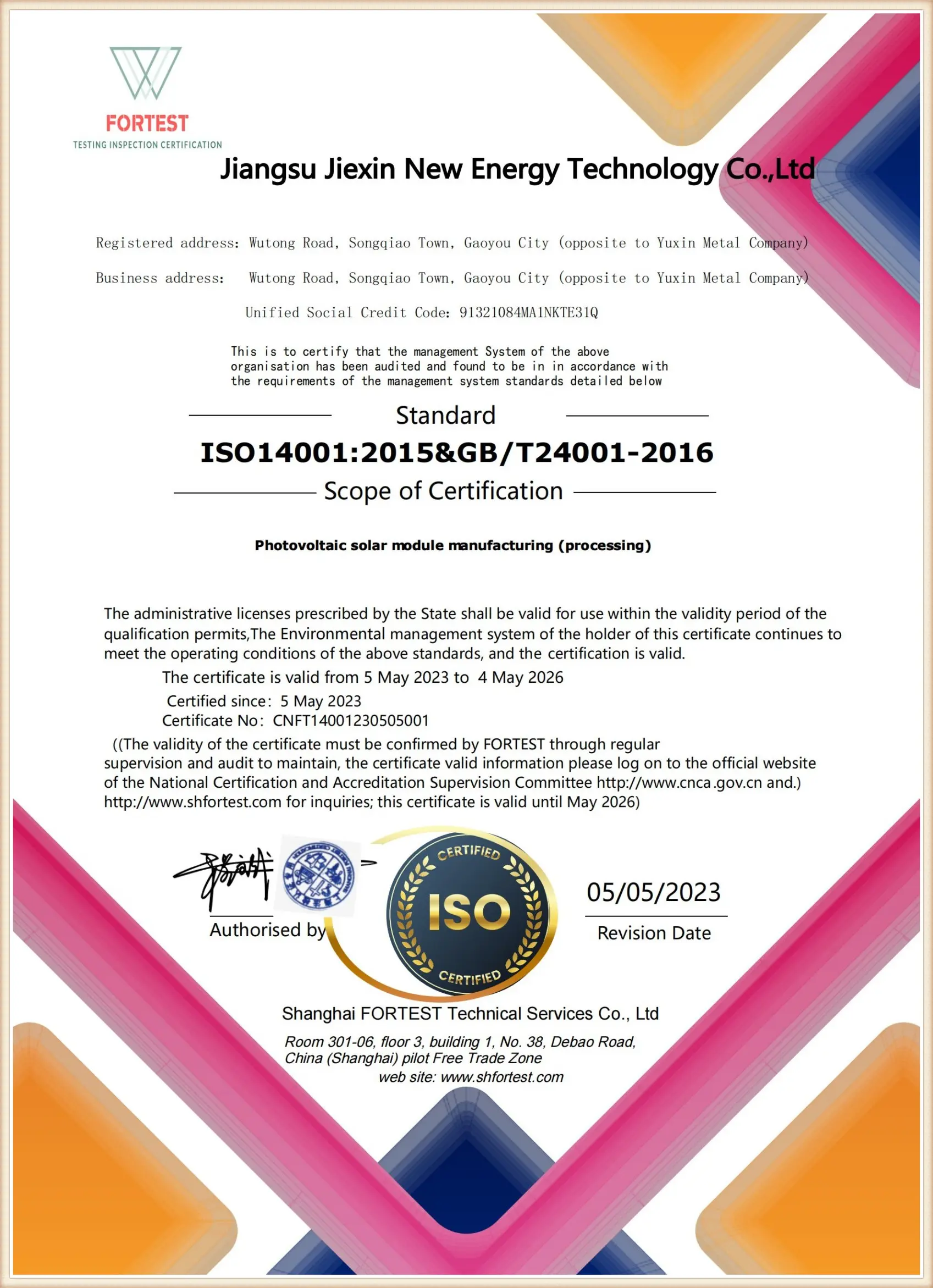
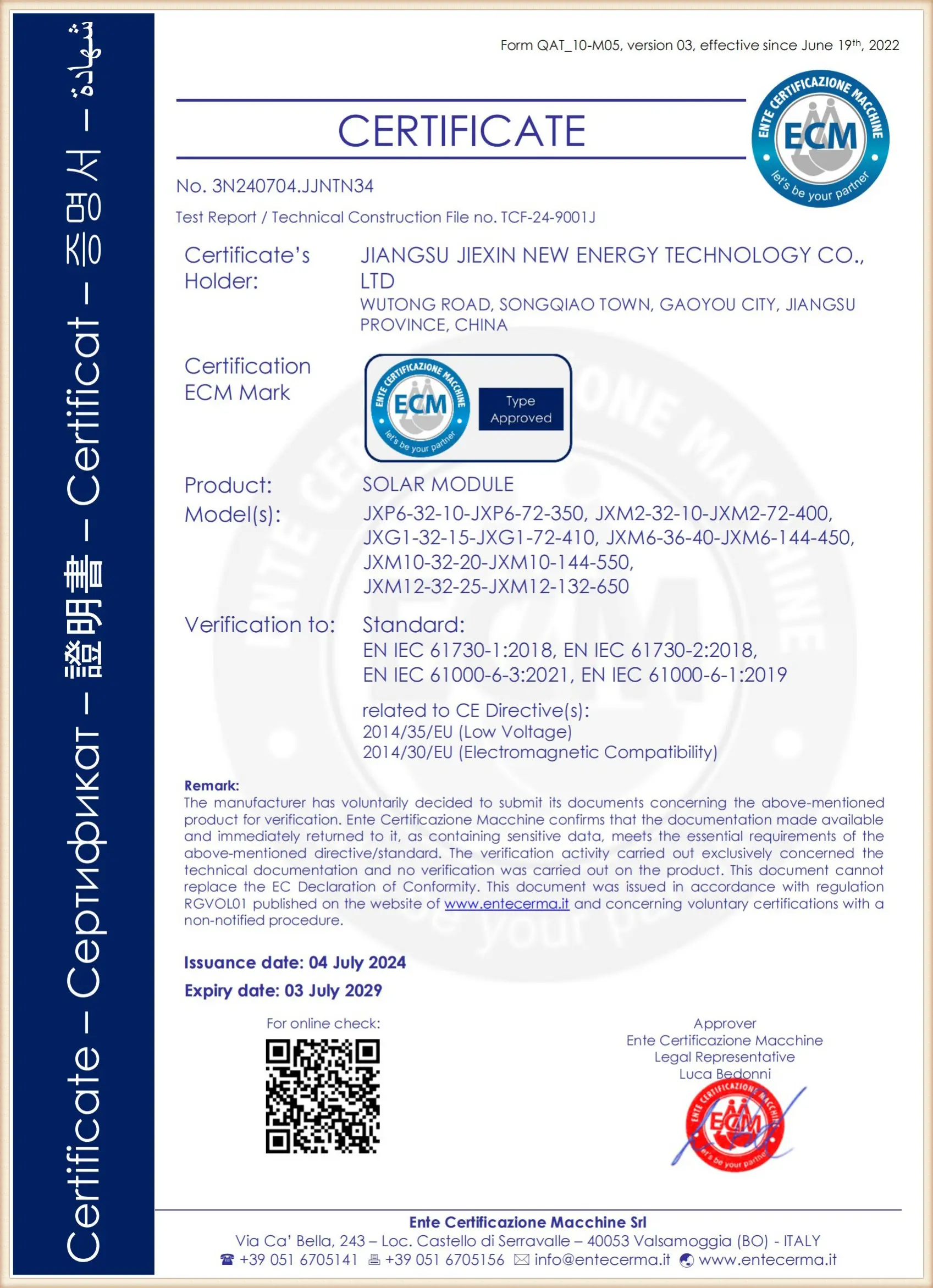
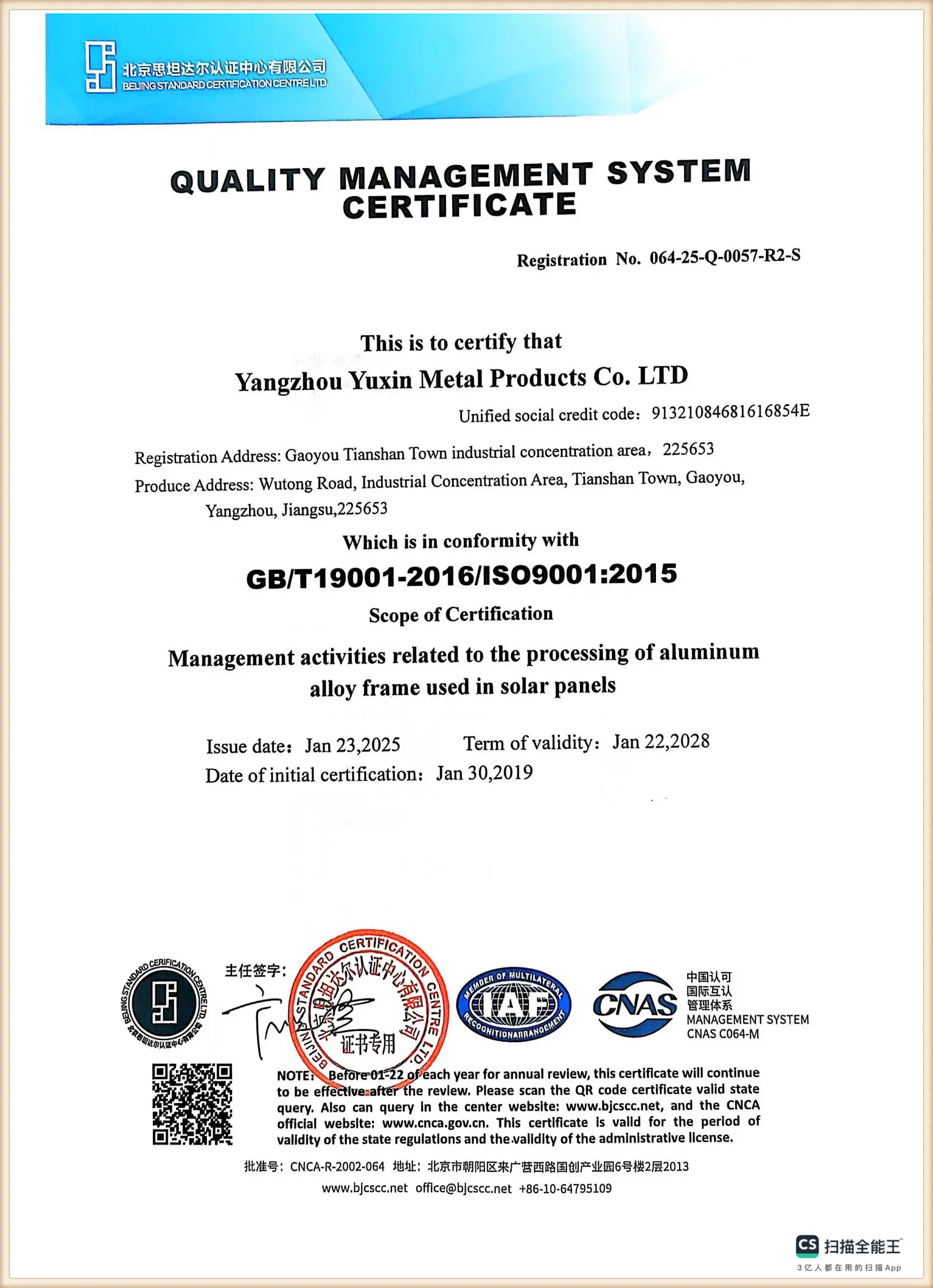
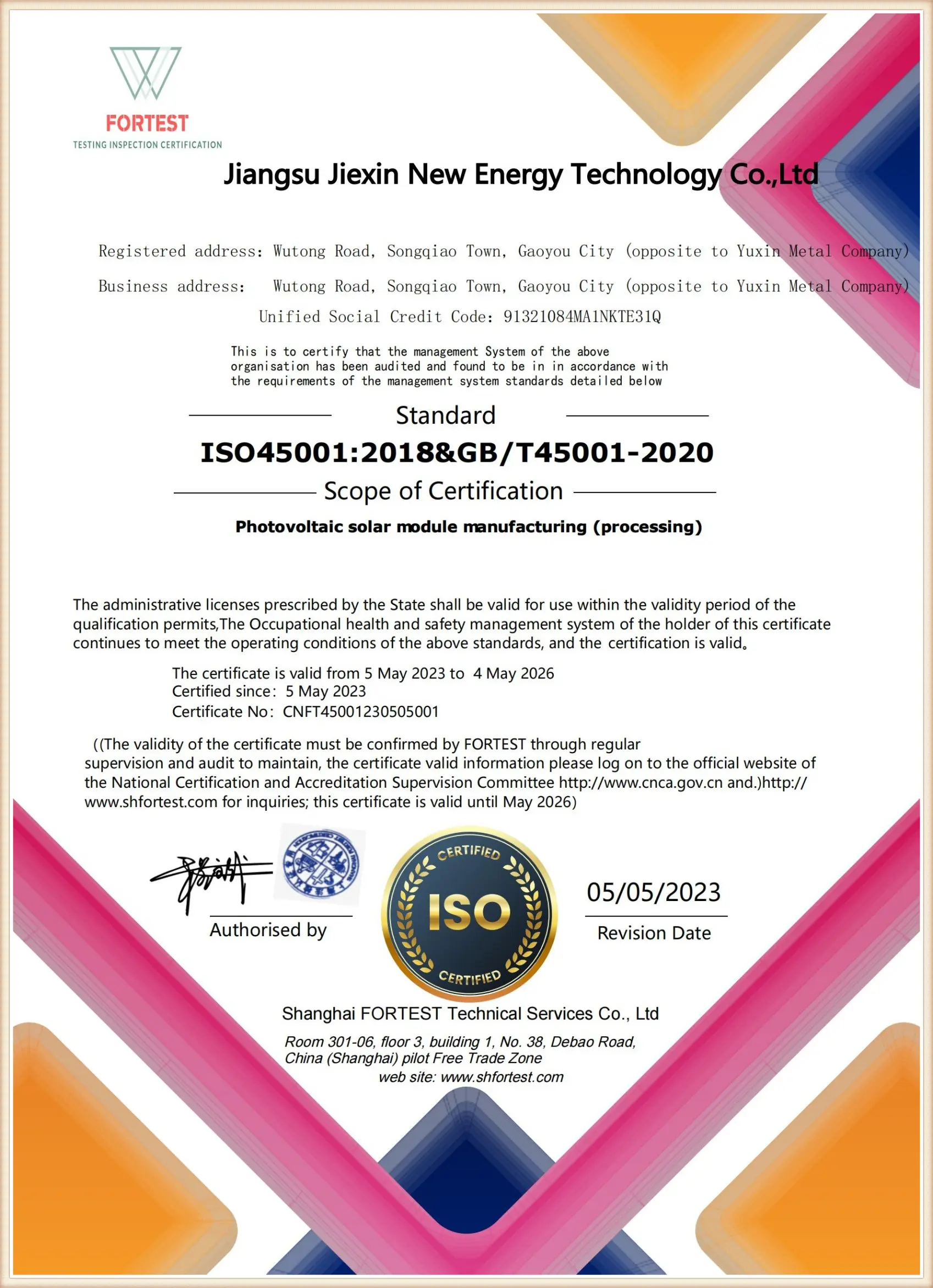
Enabling reliable power capture across varied global industrial and structural environments.

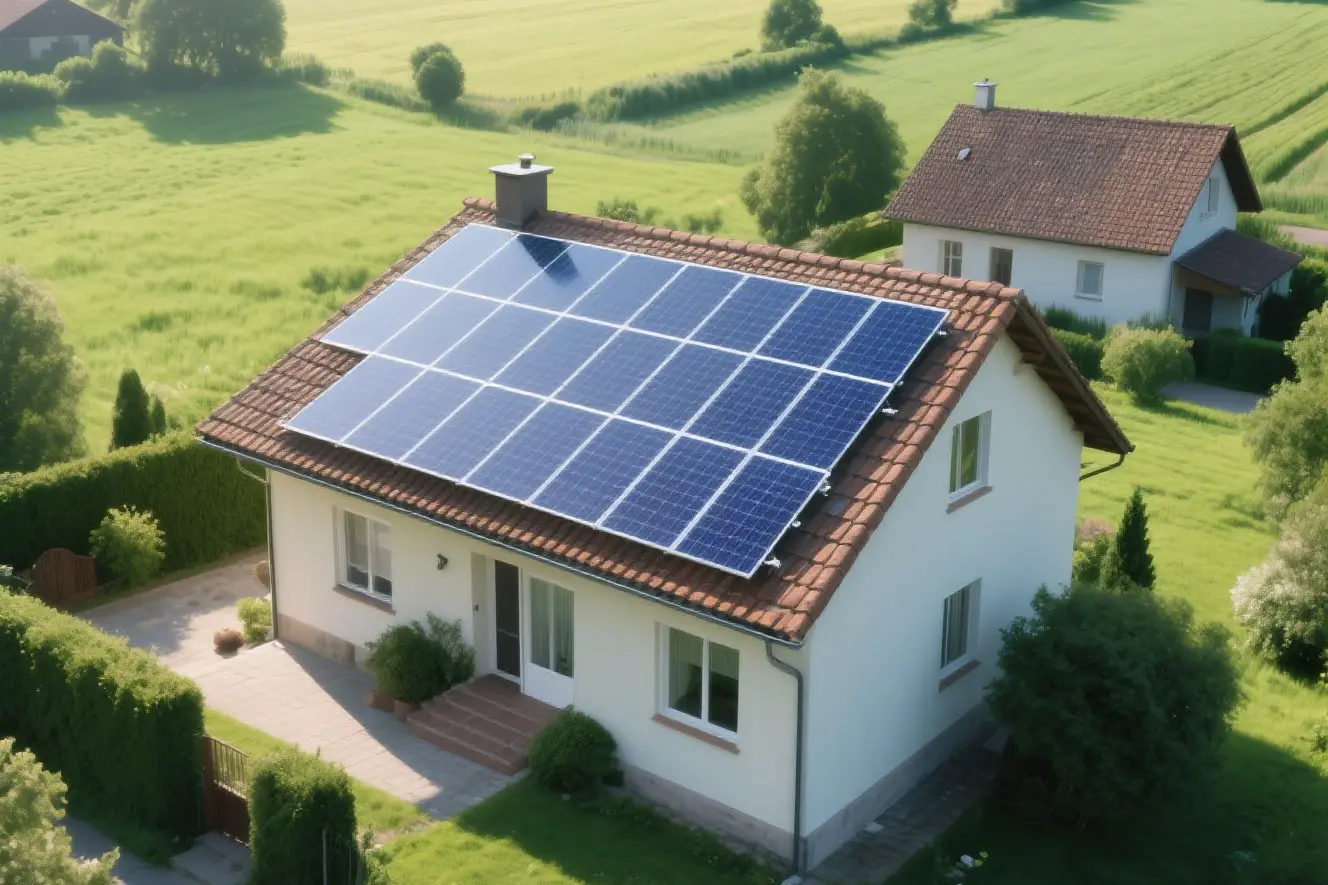


Building long-term engineering and sourcing relationships with reliable worldwide distribution channels.






Sustaining competitive advantages via persistent R&D, efficiency optimization, and structural innovation.
Phasing out standard metal configurations for mobile kits. Replacing framing components with lightweight polyurethane pultruded composites increases salt spray and chemical corrosion resistance, lowering the gross weight of multi-panel setups by 18%.
Utilizing high-albedo backing material in foldable cases, allowing rear-side light capture. This innovation yields up to an additional 15% power output in snow-covered, sandy, or concrete environments without expanding the physical layout.
Integrating micro-transceivers directly into the panel junction box. Providing fleet operators real-time diagnostic reports on individual panel efficiency, temperature status, and connection health through remote cellular networks.
Stay informed with our engineering articles discussing component manufacturing, raw material specifications, and quality controls.
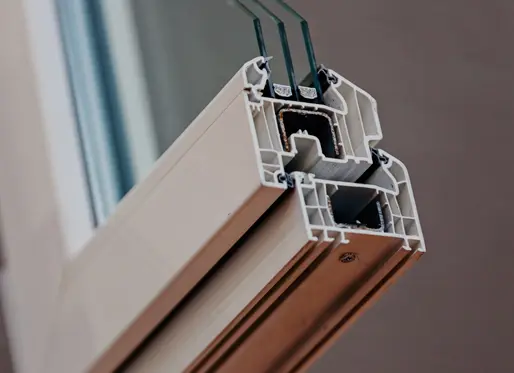
Discover the engineering differences between 6063-T5 aluminum framing and standard composites under mechanical wind loads.
Read Technical Article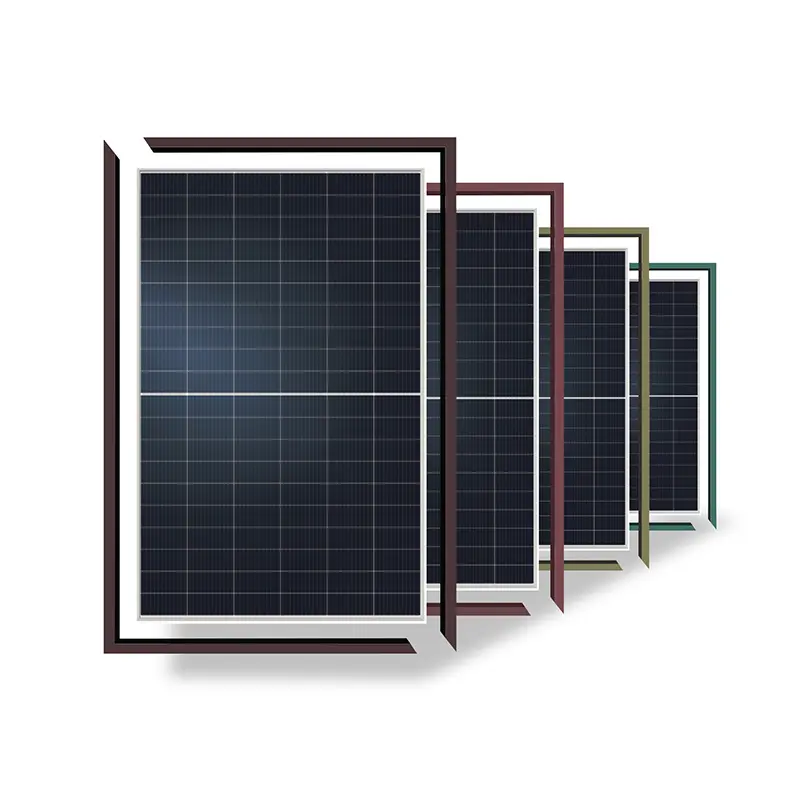
Key considerations including factory production lines, raw materials sourcing, and international logistics operations.
Read Technical Article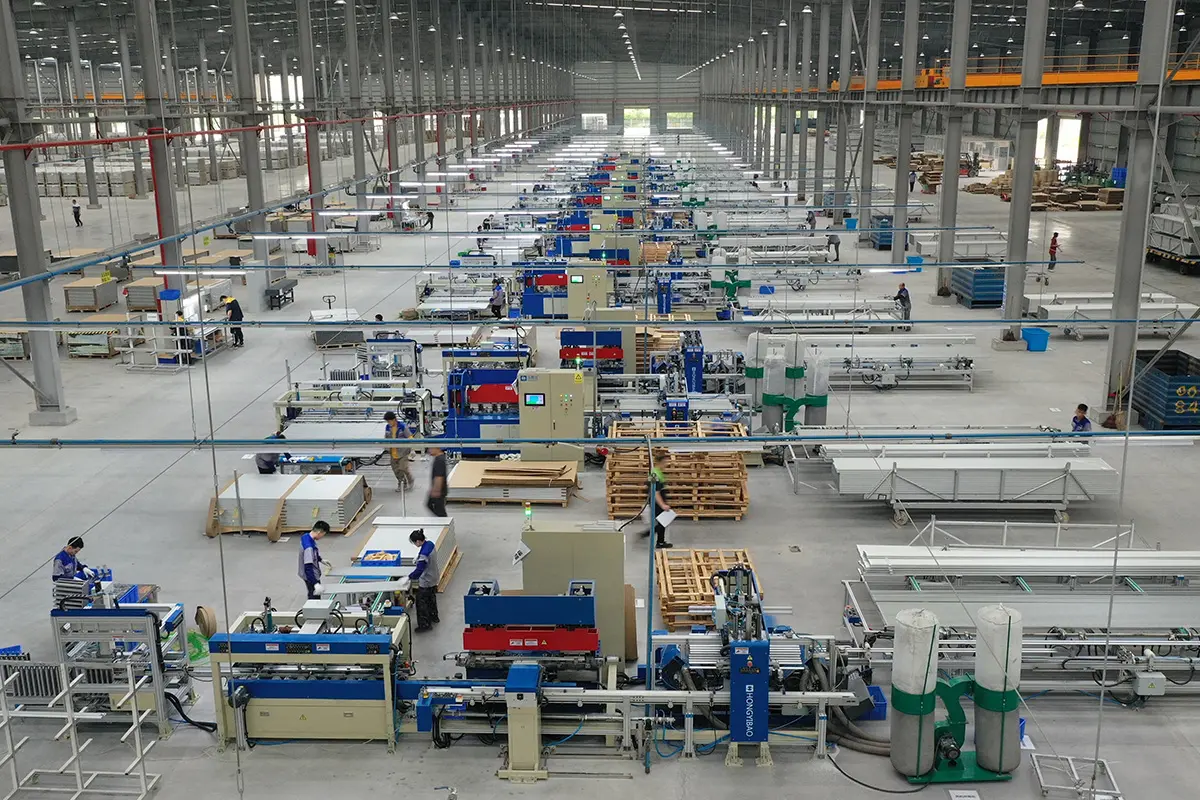
An expert guide outlining verification steps for surface anodization depth, shear strength, and dimensional tolerances.
Read Technical ArticleAnswering vital engineering and logistics inquiries regarding portable PV components, supply cycles, and custom builds.
For OEM and custom branding projects (such as integration of bespoke junction boxes, color accents, or custom solar-bag layouts), our baseline MOQ starts at 500 units. For off-the-shelf standard models, lower order thresholds are available depending on seasonal raw material availability.
By deploying advanced polyurethane pultruded composites alongside our standard 6063-T5 aluminum framing, we improve structural integrity while reducing total weight. Polyurethane composite frames offer high thermal stability, zero electrical conductivity, and exceptional corrosion immunity in highly corrosive marine or tropical off-grid environments.
We strictly build our high-output kits using premium grade-A N-type monocrystalline TOPCon and high-performance PERC solar cells. These materials deliver stable operation under high thermal loads and maintain over 80% generation efficiency even after 25 years of field utilization.
Every batch of panels undergoes rigorous electroluminescence (EL) testing to detect micro-cracks, alongside standard flash test calibration to verify nominal peak wattage outputs. The folding structures and hinges undergo continuous cycle tests to guarantee reliability under severe mechanical stress.
Yes. Our portable solar kits feature options for customizable charge controllers (PWM or MPPT architectures) that support diverse chemical configurations, including Lithium Iron Phosphate (LiFePO4), standard lithium-ion, and traditional deep-cycle lead-acid batteries.
Explore additional certified energy storage components and structural aluminum framework designs.