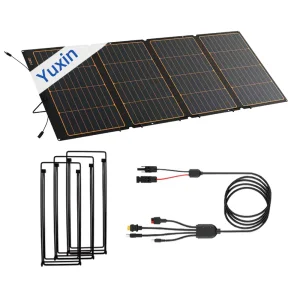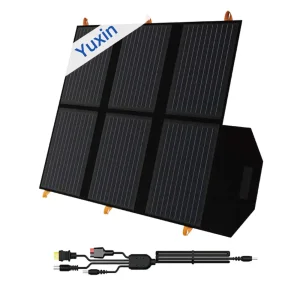
Explore our industrial-grade components engineered for high-durability off-grid energy generation, structural stability, and mobile power deployment.
The global energy paradigm is undergoing a massive decentralization shift. Off-grid energy architecture, historically characterized by rudimentary generator sets and lead-acid battery banks, has transitioned into highly complex, solid-state microgrids. Industrial and residential remote cabins now require continuous, reliable, utility-grade electricity. The acceleration of this market is driven by advancements in three core domains: high-efficiency photovoltaic materials, composite framing technologies, and intelligent battery energy storage systems (BESS).
The standard 10BB (Multi-Busbar) PERC technology is giving way to N-type TOPCon (Tunnel Oxide Passivated Contact) and Heterojunction (HJT) cells. This evolution yields higher power outputs (from 440W up to 660W+), lower temperature coefficients (down to -0.30%/°C), and significantly minimized Light-Induced Degradation (LID) and LeTID, ensuring long-term yield in volatile off-grid environments.
Globally, industrial off-grid procurement is no longer limited to individual components. System integrators, governments, and commercial builders demand holistic, drop-in energy systems. Key procurement drivers include mechanical reliability, modularity for transportability, extreme-weather structural frames, and deep compatibility with standard smart-grid architectures. As cabins serve as critical communication hubs, remote research stations, and high-end eco-tourism resorts, the power system must guarantee 99.99% uptime through hybrid topologies and localized thermal management.
| System Component Type | Legacy Technology Paradigm | Next-Gen Off-Grid Architecture | Primary Industrial Benefits |
|---|---|---|---|
| Photovoltaic Modules | P-type Mono / Poly PERC (18-20% Eff) | N-Type TOPCon / Bifacial Dual-Glass (22.5%+ Eff) | Increased low-light yield; bifacial gain up to 25% |
| Structural Frames | Standard Anodized 6063 Aluminum | Polyurethane Pultruded Composites + Anodized Al | Superior corrosion resistance; reduced mechanical micro-cracking |
| Storage Chemistry | Lead-Acid / Standard NMC Lithium | Lithium Iron Phosphate (LFP) / Semi-Solid State | Enhanced thermal stability; >6000 cycles at 80% DoD |
| System Control | Basic PWM / Analog Inverter Systems | AI-driven EMS / Cloud-Connected Dual-Active Bridge | Predictive load analysis, real-time SoC/SoH telemetry |
Premium technological solutions manufactured by YUXIN New Energy Technology Co., Ltd.
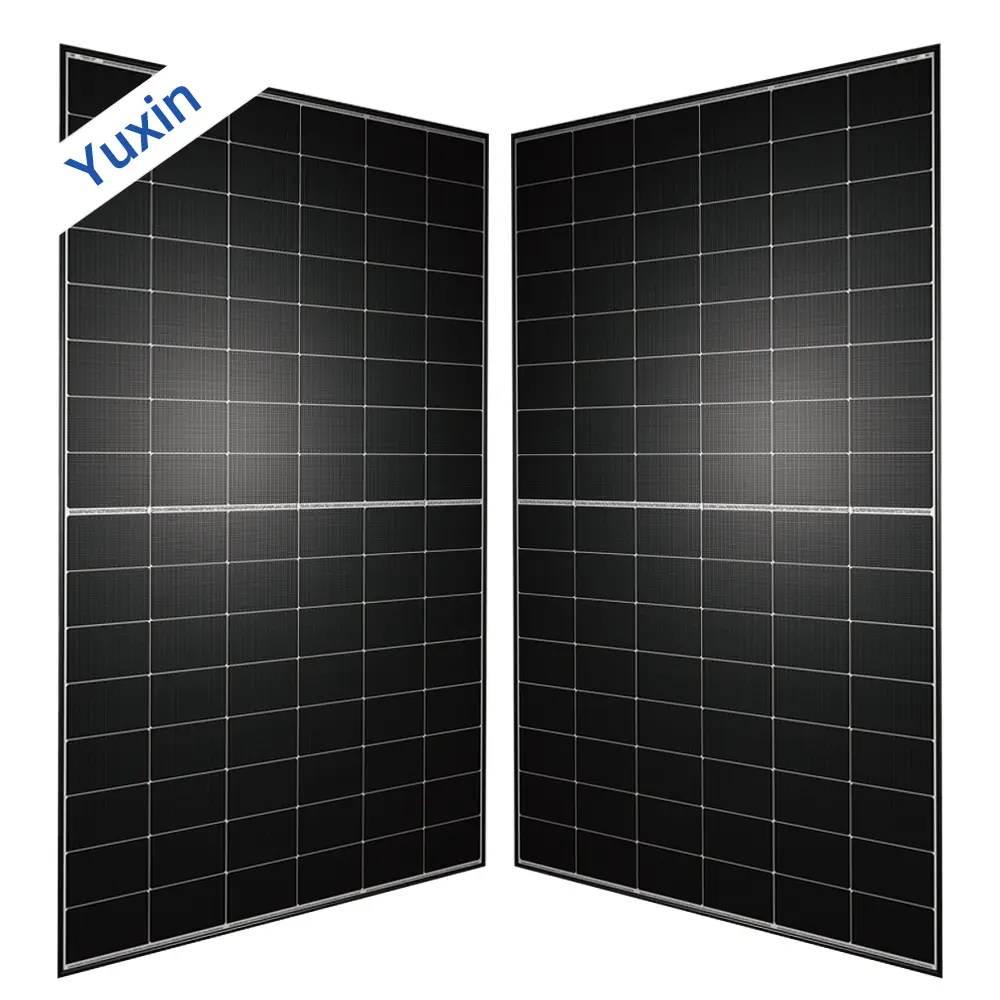
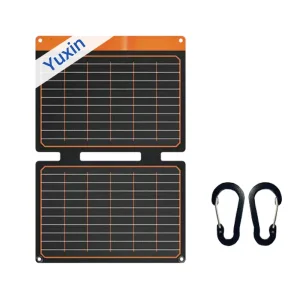
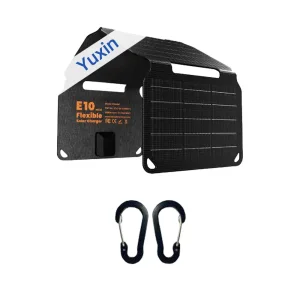
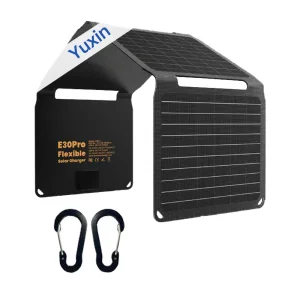
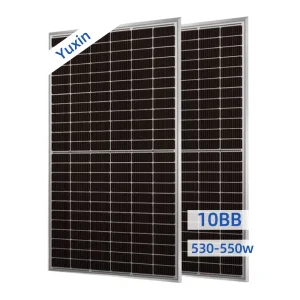
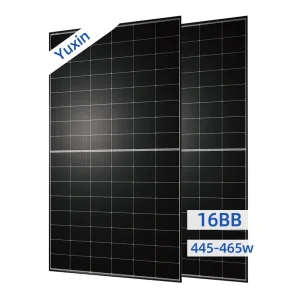
Lightweight design with transparent back panel for easy installation and reduced BOS costs.
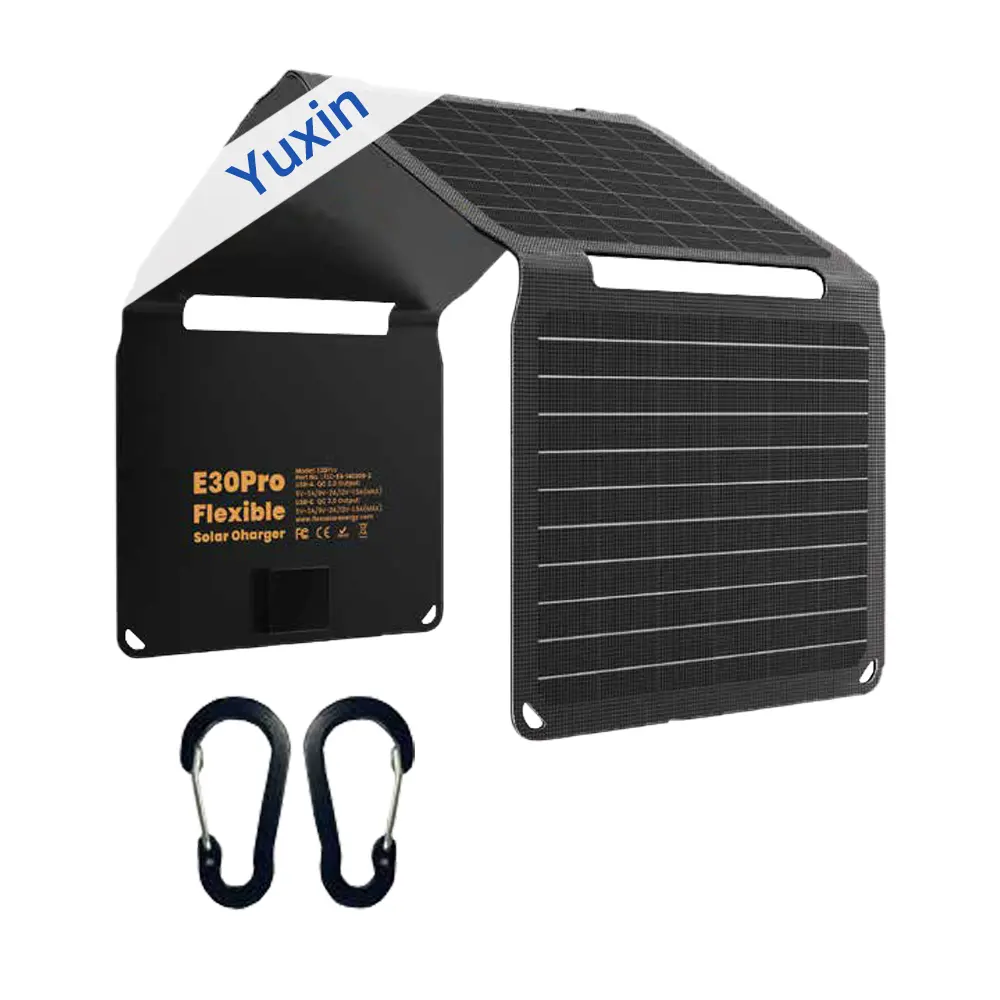
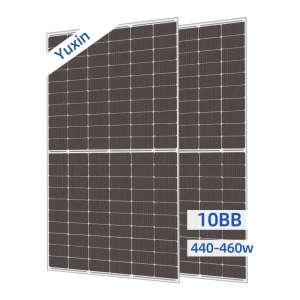
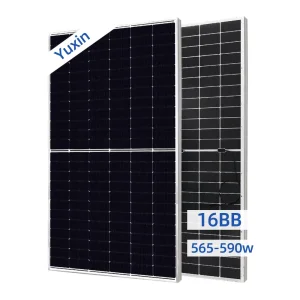
Utilizing advanced monocrystalline silicon cells, it achieves a high energy conversion efficiency of 24%.

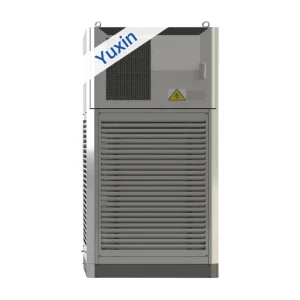
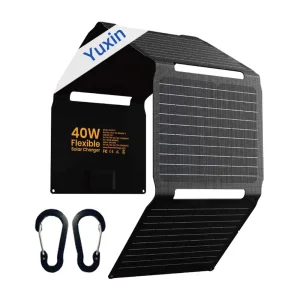
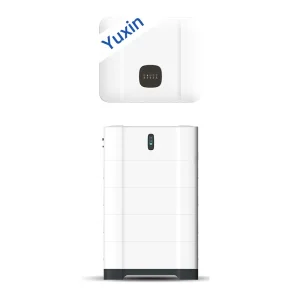
Application modes include grid-connected mode, off-grid mode, and integrated grid-connected/off-grid mode.
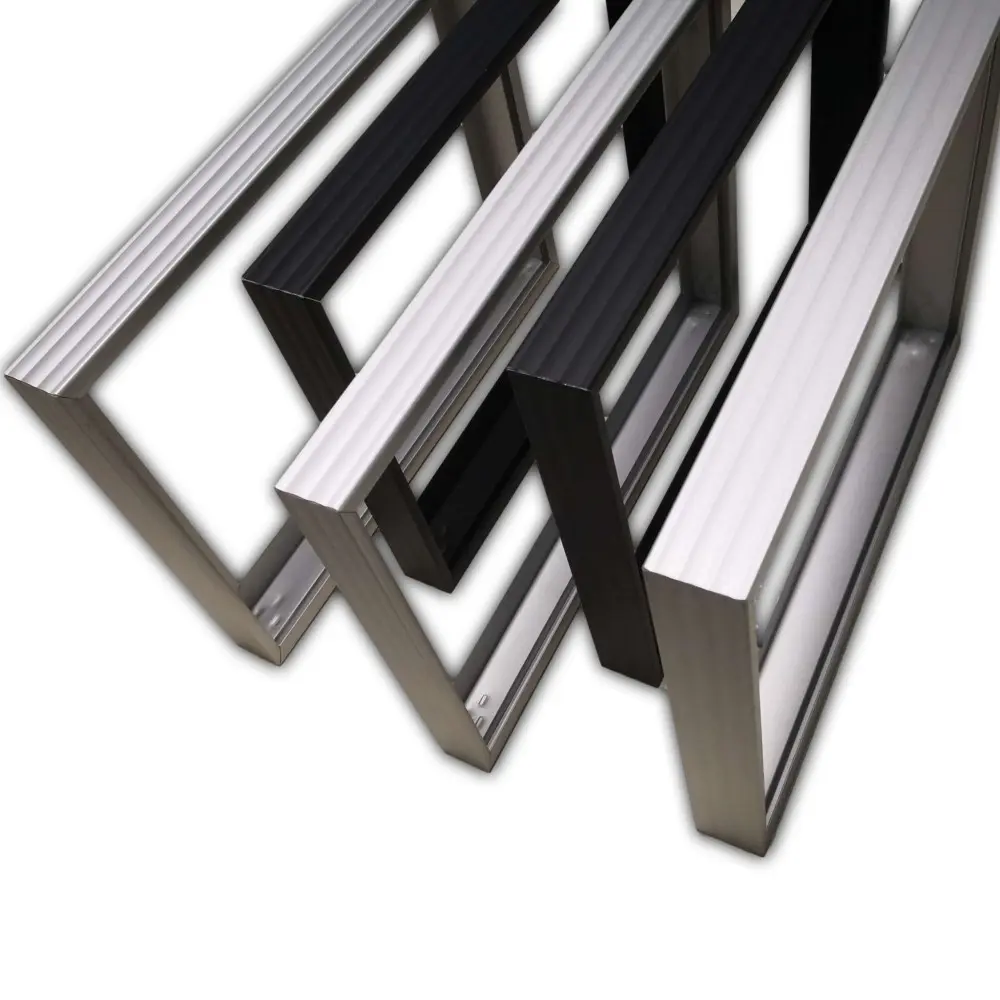
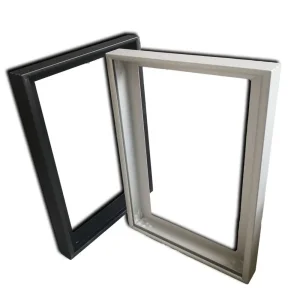
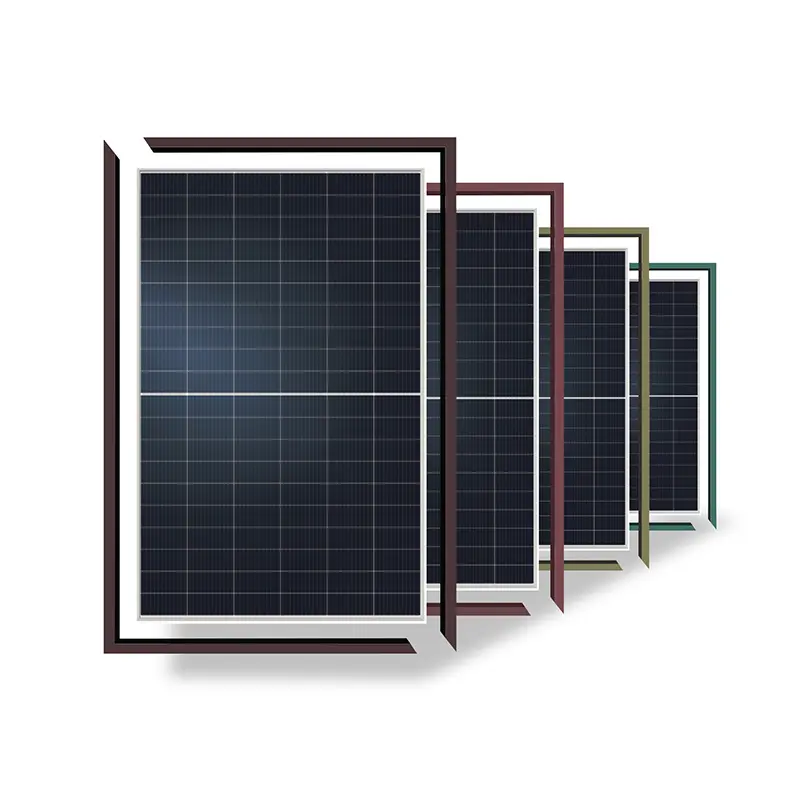
Made of high-quality anodized aluminum, it ensures superior weather resistance and a smooth, long-lasting finish.
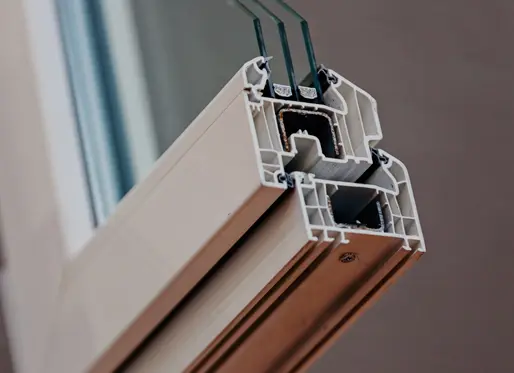
Engineering commercial off-grid cabins demands careful calculation of electrical and physical parameters. A common point of failure in remote PV installations is structural collapse or framing degradation under dynamic wind and snow loads. Traditional anodized aluminum (6063-T5) is the industry standard due to its excellent strength-to-weight ratio and corrosion resistance. However, for environments with extreme thermal cycles, high salinity, or high mechanical stress (such as alpine huts or marine research centers), Yuxin New Energy has developed composite pultruded polyurethane frames.
Polyurethane composites exhibit far lower thermal conductivity than aluminum, completely mitigating cold-bridging effects at module borders. This reduces localized thermal gradients, which are known to accelerate micro-cracks in solar cells. Furthermore, pultruded frames offer superior flexural strength, allowing the structure to resist static snow loads up to 5400 Pa and dynamic wind loads up to 2400 Pa. By integrating these composite frames with bifacial, double-glass TOPCon solar panels, off-grid cabins achieve unmatched mechanical stability and optimal electrical generation, even when reflecting light from snow (producing up to 25% bifacial energy gain).
From an electrical perspective, macro-solutions require seamless coordination between DC-coupled solar chargers, bidirectional grid-forming inverters, and battery management systems (BMS). Using Modular Energy Storage Systems (such as the YUXIN P01-EC60-30K), users benefit from a modular architecture. If one module experiences a failure, the EMS isolates it dynamically, ensuring the rest of the cabin microgrid remains fully operational.
Precision, Quality, and Safety - Your Trusted Global Photovoltaic Materials and BESS Manufacturing Partner.
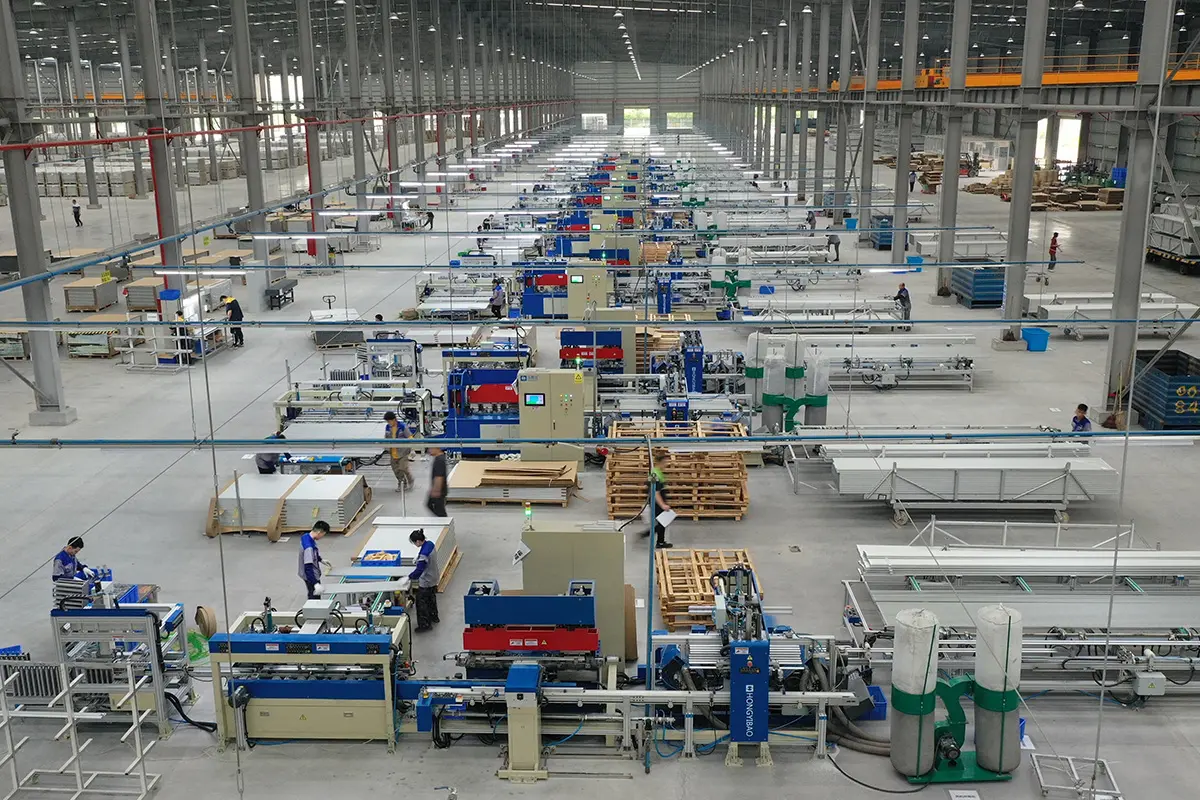
Located in the scenic, historical city of Yangzhou, Jiangsu Province, close to primary transportation infrastructure including the Beijing-Shanghai Expressway and the Runyang Yangtze River Bridge, YUXIN New Energy has established a premier global supply chain hub. Founded in 2008, the group encompasses 14 specialized industrial subsidiaries, operating under national high-tech designations. Our production lines utilize automated inspection systems to maintain absolute mechanical and electrical tolerances across all PV modules, aluminum framing products, and battery systems.
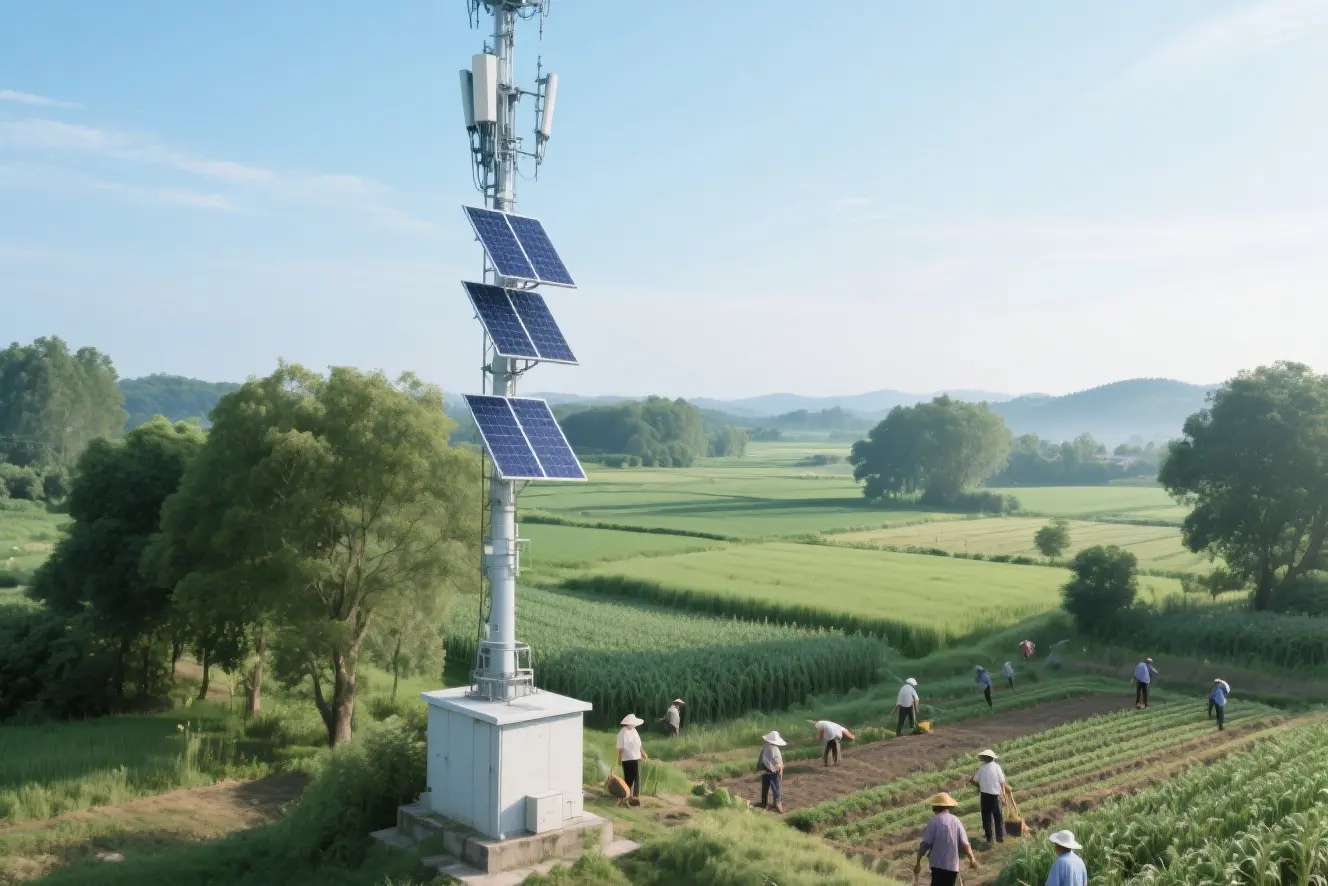
Navigating the complex landscape of localized solar integration requires adherence to strict global certification bodies. Powering a commercial cabin, remote workplace, or off-grid telecommunication tower requires certified compliance to mitigate risk, guarantee financing, and ensure human safety. Lithium battery storage systems deployed in habitable structures must pass stringent fire-propagation and electrical safety standards.
Jiangsu Yuxin New Energy Technology ensures that all exported modular energy storage configurations and high-power solar panels are tested and certified under international standards, including CE certification, UL1973 (for battery packs in stationary applications), UL9540A (unit-level thermal runaway testing), and IEC 62619. By adhering to these certifications, our systems guarantee safety even under extreme environmental events. Furthermore, in locations subject to high wind-uplift pressures, our aluminum and polyurethane structural mounting configurations meet AS/NZS 1170.2, Eurocode 1 (EN 1991-1-4), and ASCE 7-16 structural loading regulations.
Our manufacturing and engineering systems undergo rigorous validation by international testing bodies.
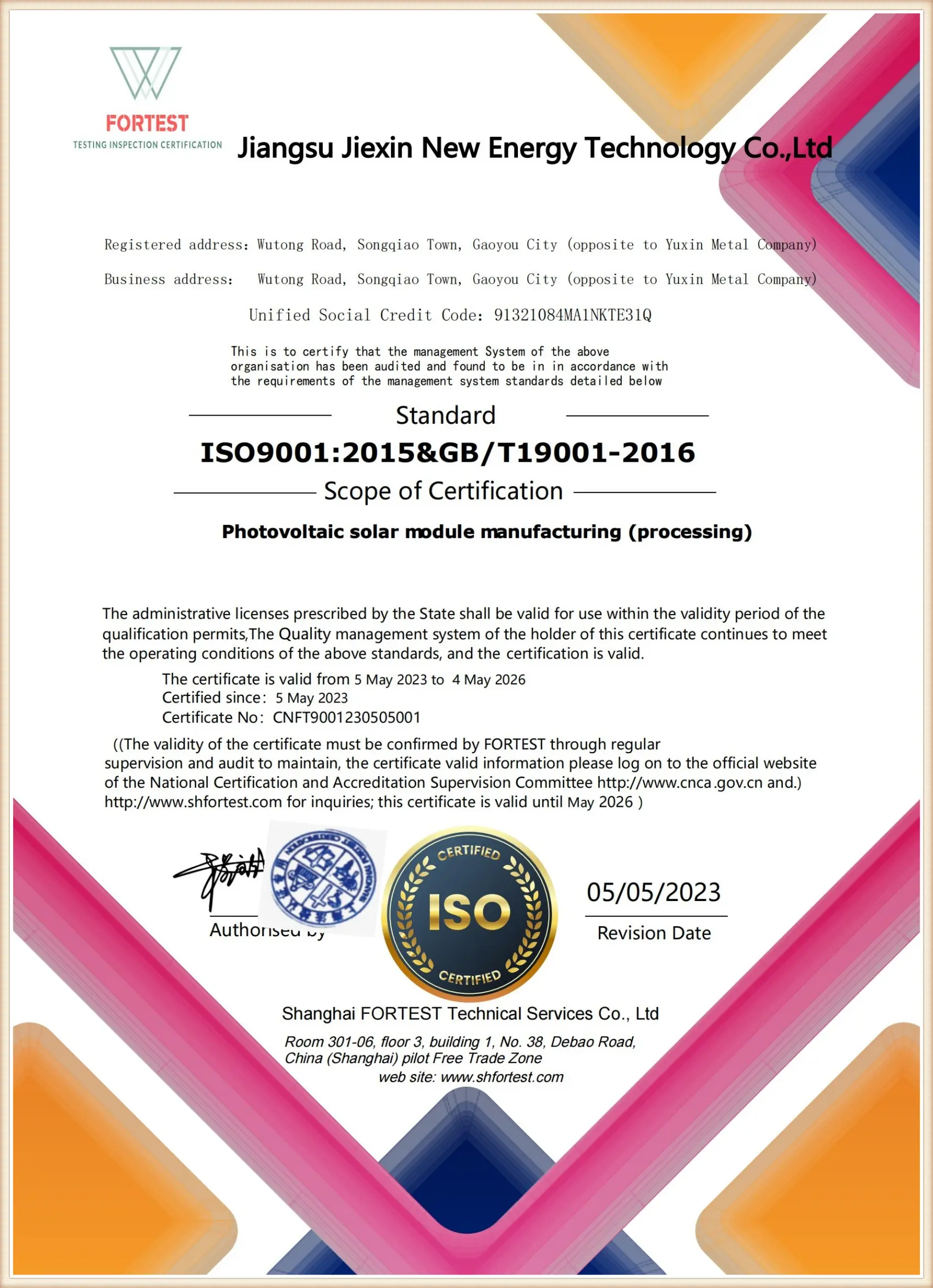
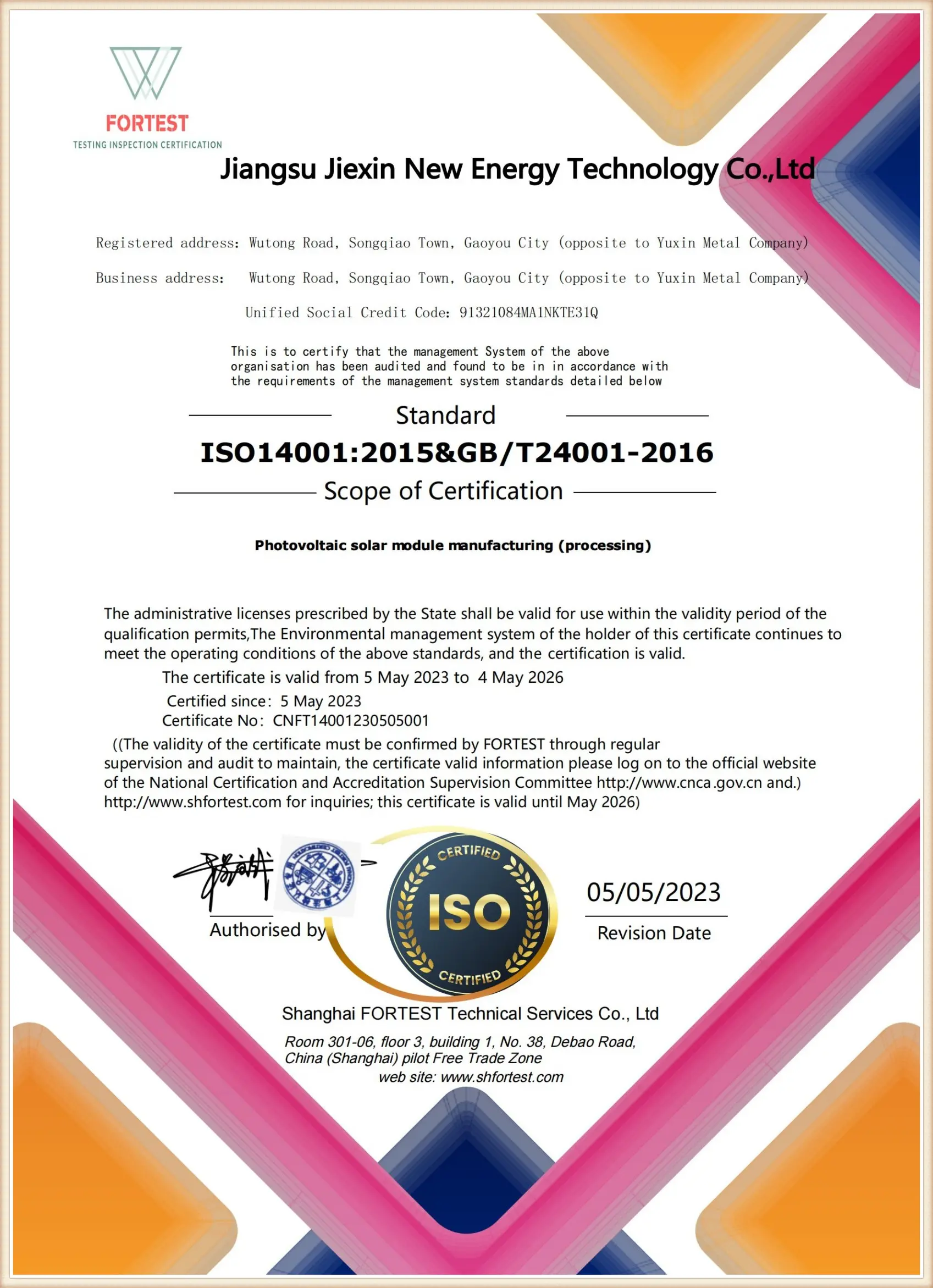
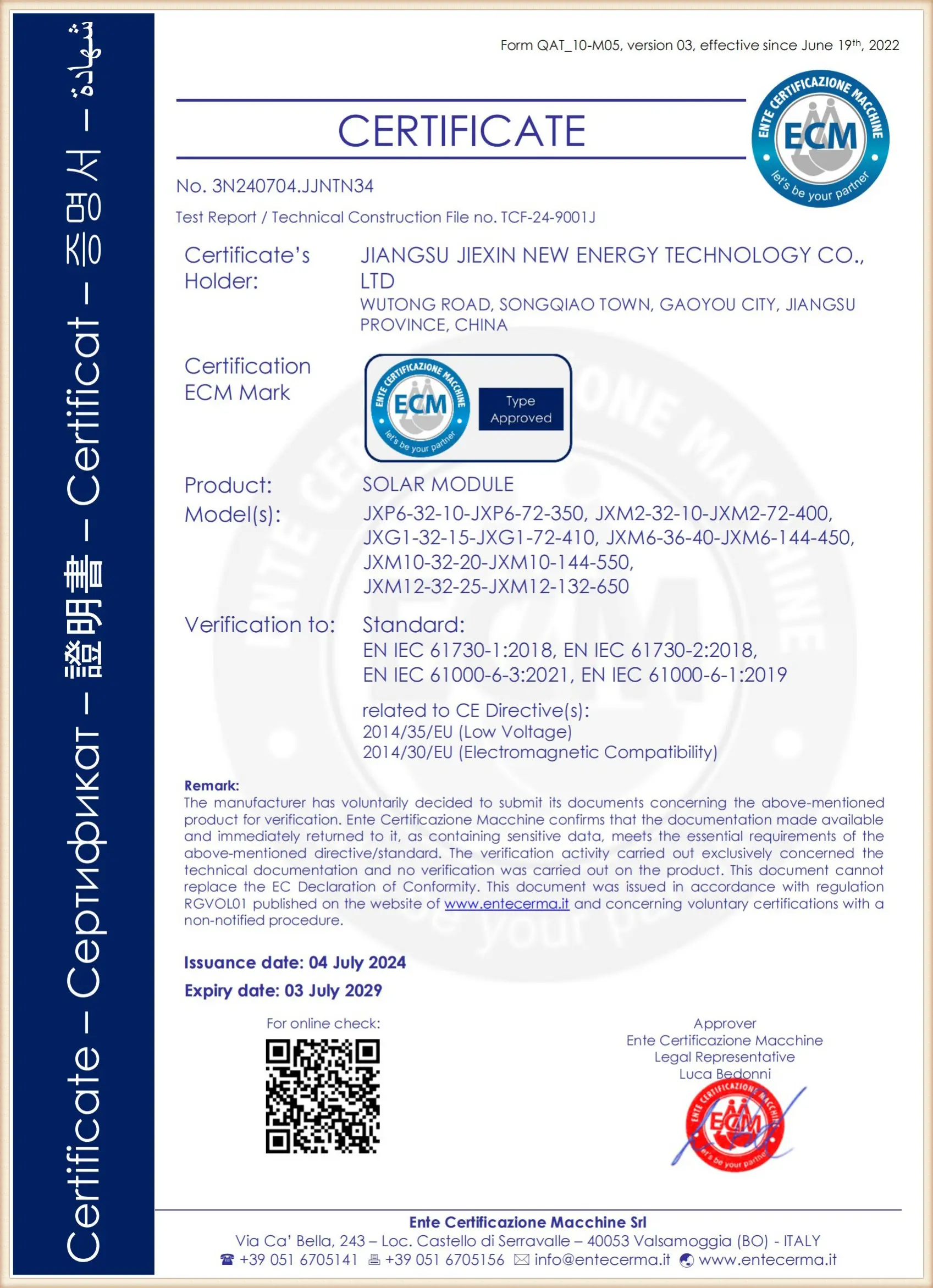
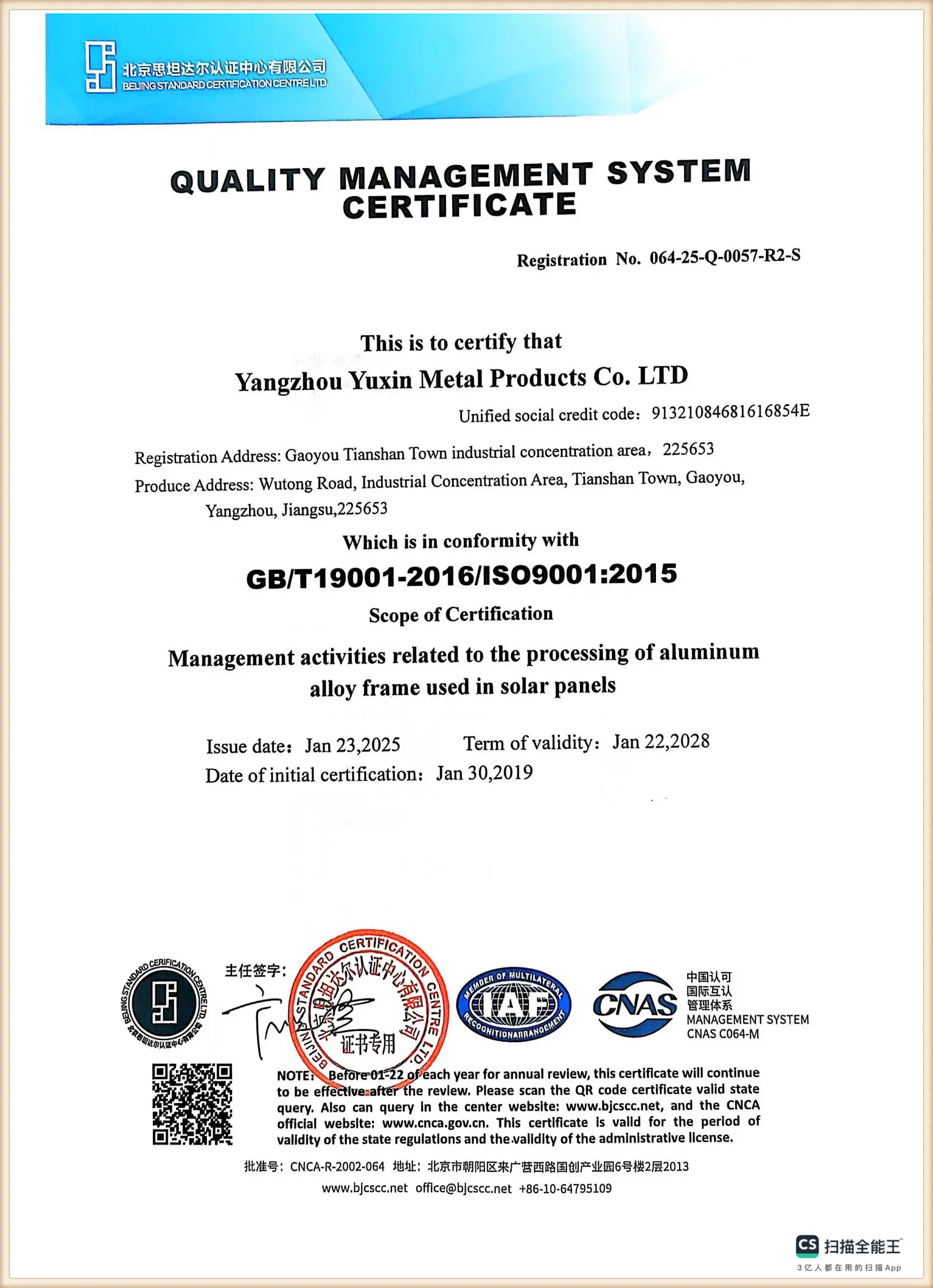
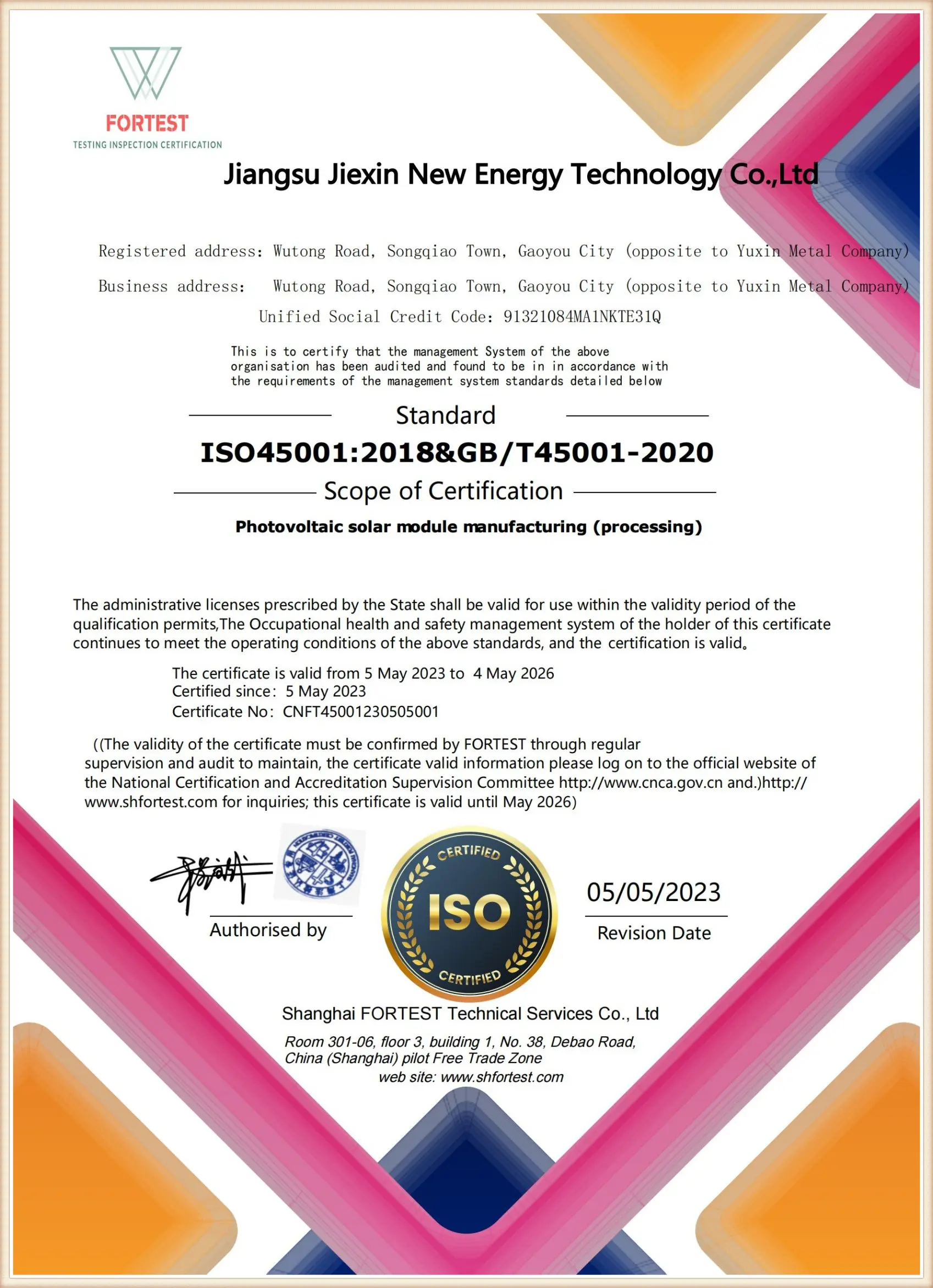
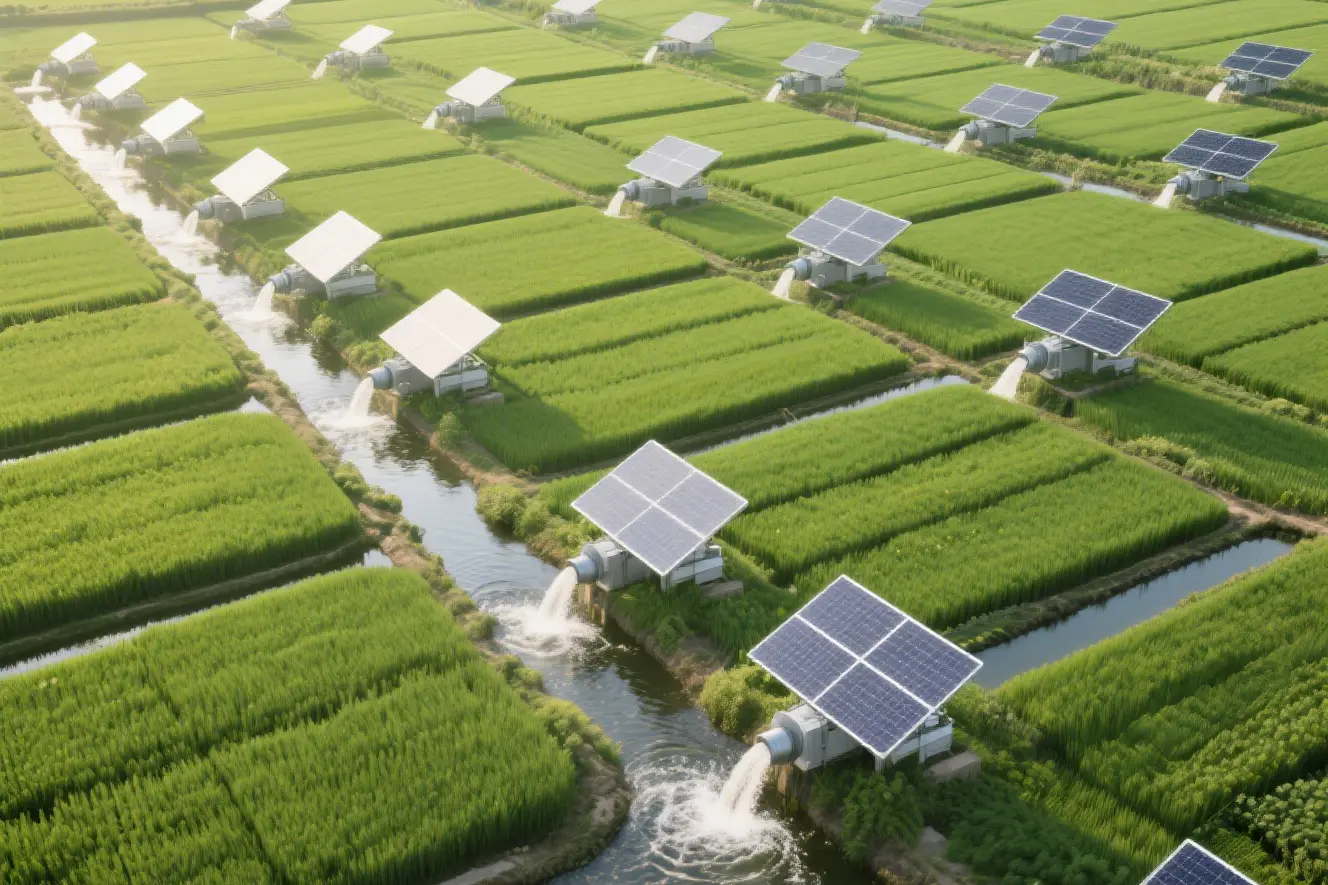
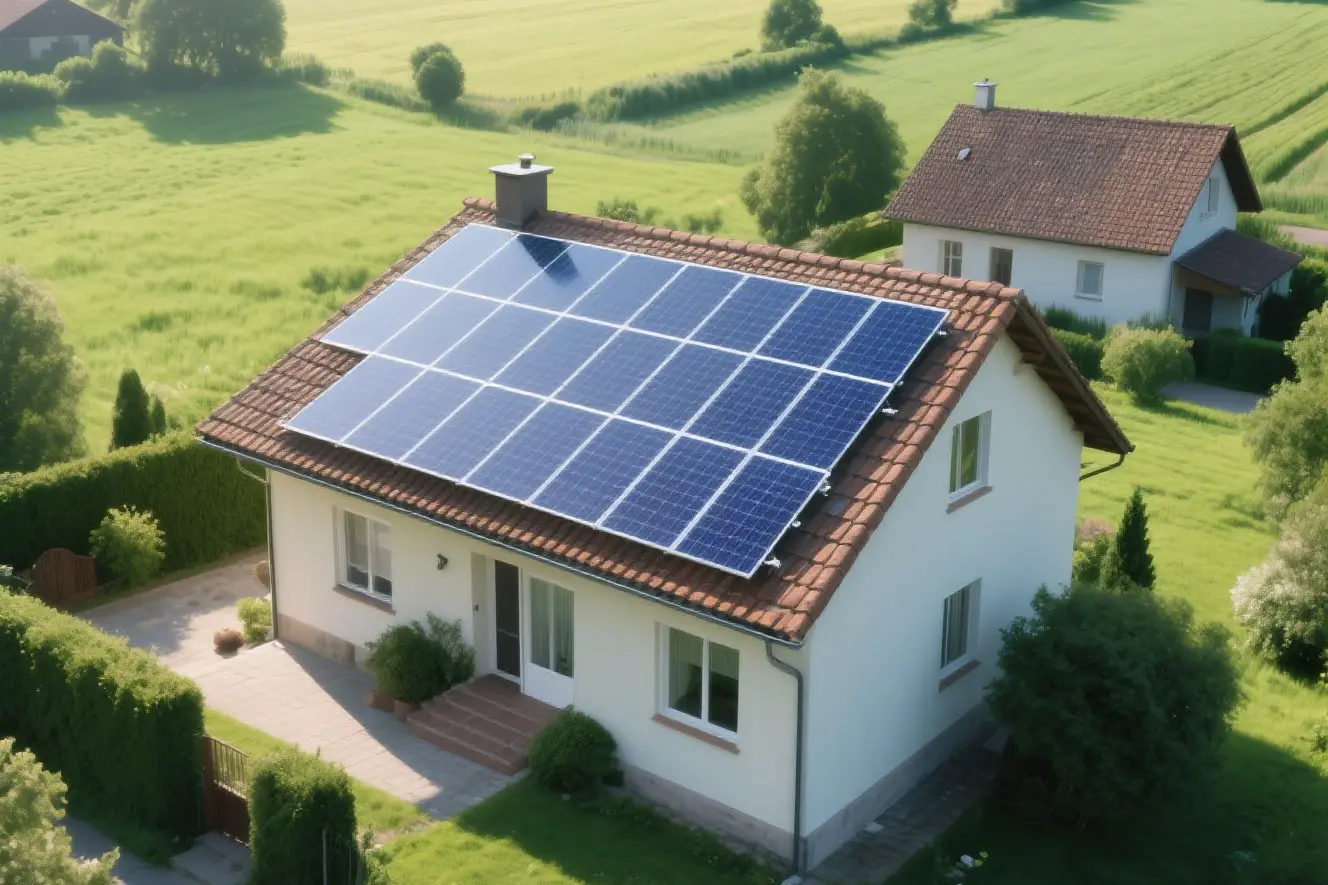
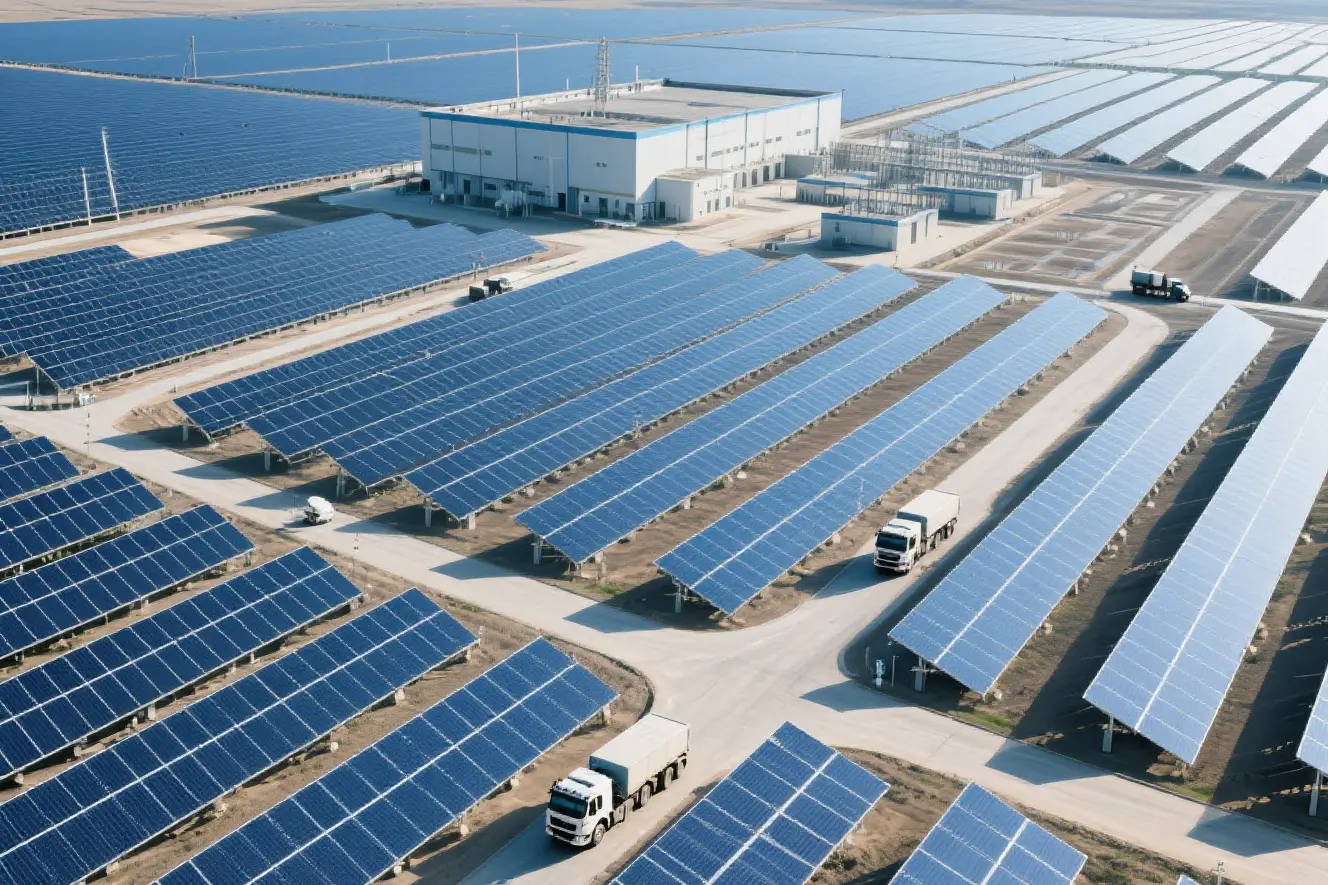
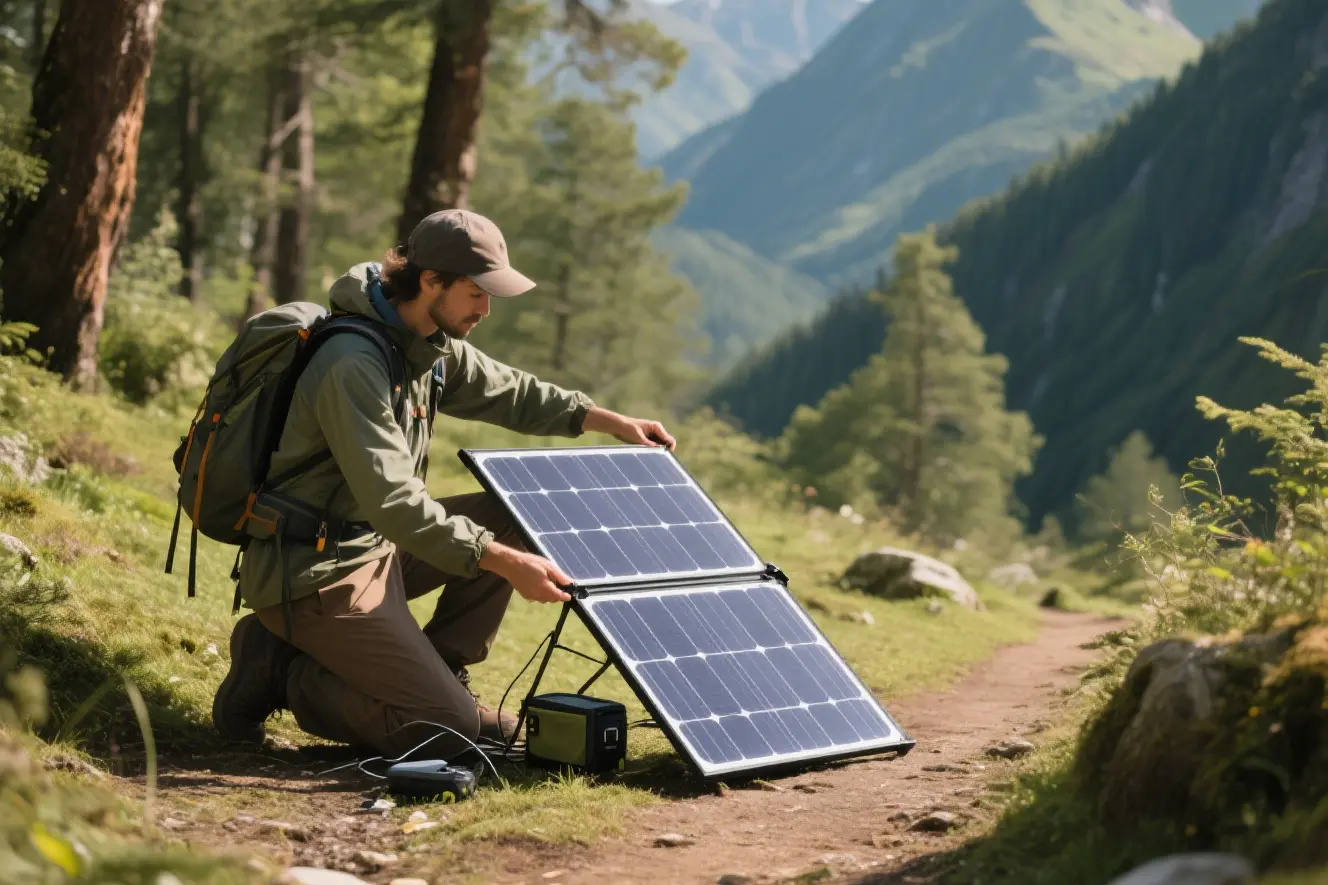
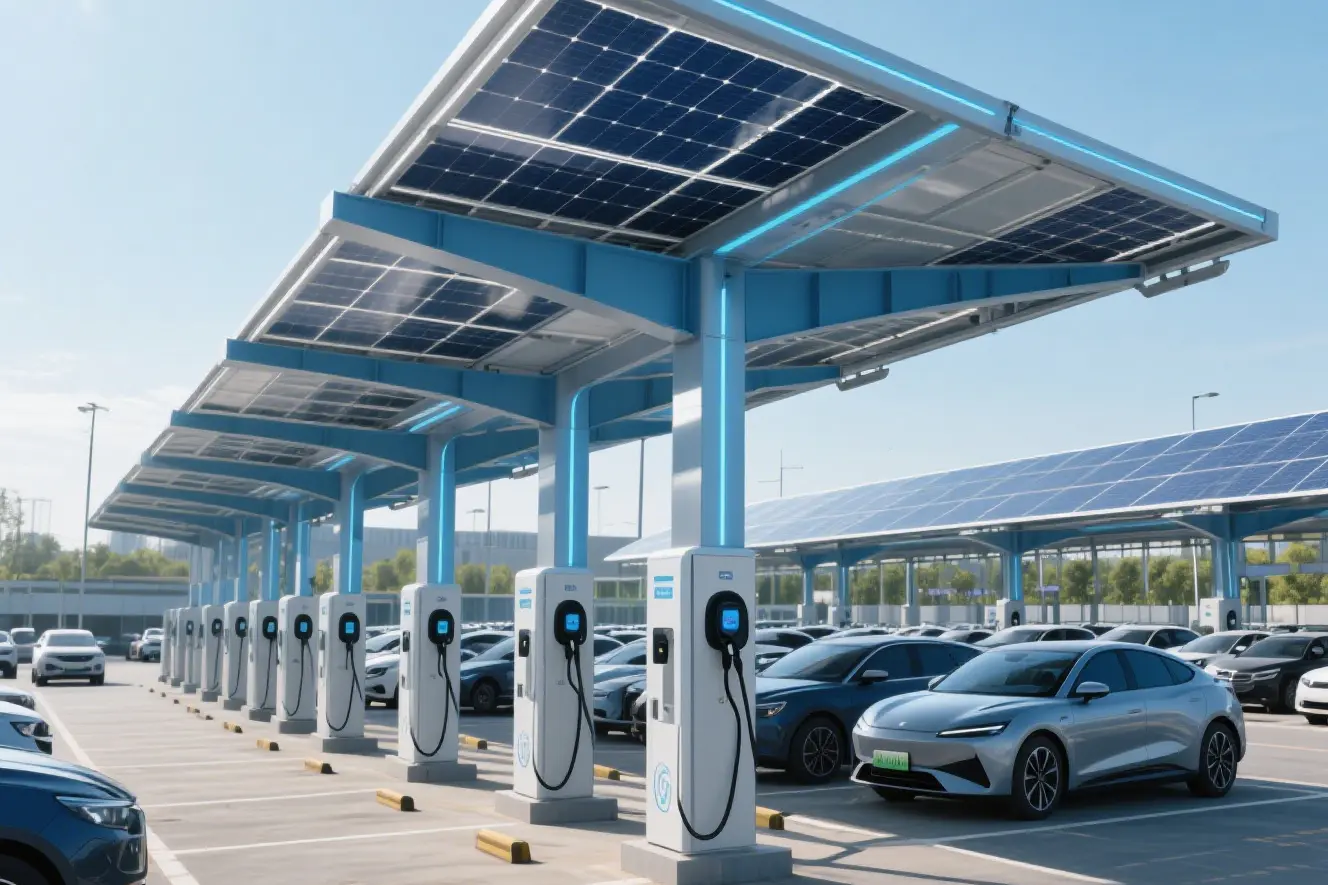
Delivering high-durability power generation and structural frameworks across diverse global sectors.
Yuxin maintains strong relationships with leading supply-chain and technology partners worldwide.
Insights, technical reports, and industry developments from our engineering department.
The roadmap for off-grid power solutions is heavily linked to digitalization and advancements in battery chemistry. As lithium iron phosphate (LFP) remains the primary solution for stationary storage, research into sodium-ion batteries is accelerating. Sodium-ion solutions offer excellent low-temperature discharge capabilities, retaining over 80% of nominal capacity at -30°C. This makes them ideal for sub-zero alpine cabins where standard lithium chemistries require energy-intensive heating cycles.
Another major trend is the integration of AI-driven Edge Computing Energy Management Systems (EMS). Traditional systems operate on simple hysteresis logic (e.g., charge when voltage falls below a threshold). Tomorrow's smart systems will analyze local weather forecasts, historic consumption logs, and battery health telemetry to optimize state-of-charge limits dynamically. This reduces battery degradation rates by preventing prolonged periods of high or low charge, extending overall equipment life and lowering the levelized cost of energy (LCOE) for off-grid operations.
On the structural side, pultrusion manufacturing continues to mature. Combining carbon fiber matrices with polyurethane resins will produce ultra-lightweight, high-stiffness structural frames. These next-generation frames will allow installers to quickly erect modular mounting racks in remote, roadless locations without heavy machinery.
Detailed answers to key engineering and procurement questions regarding off-grid systems.
Review the rest of our premium off-grid power solutions and structural framing options.