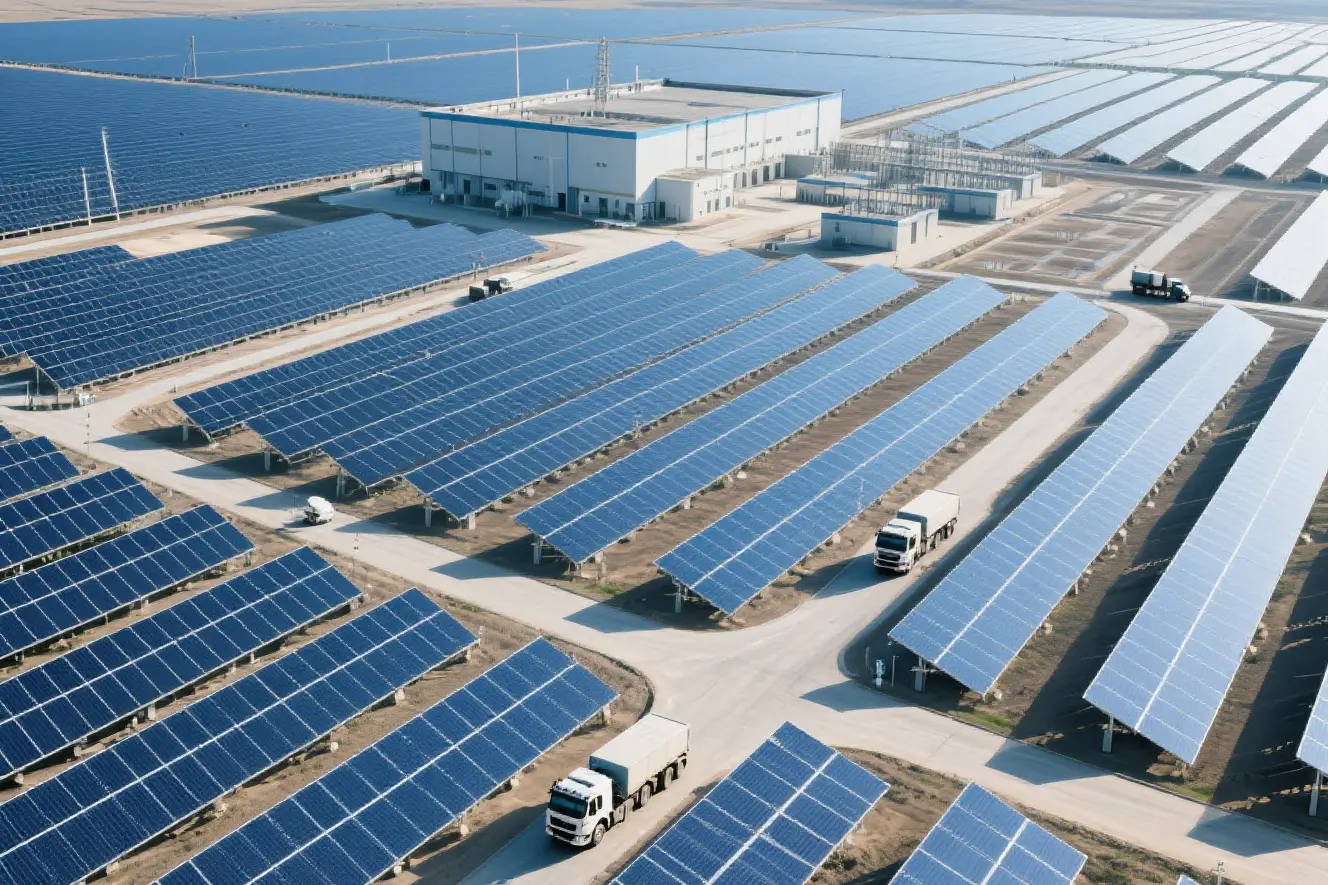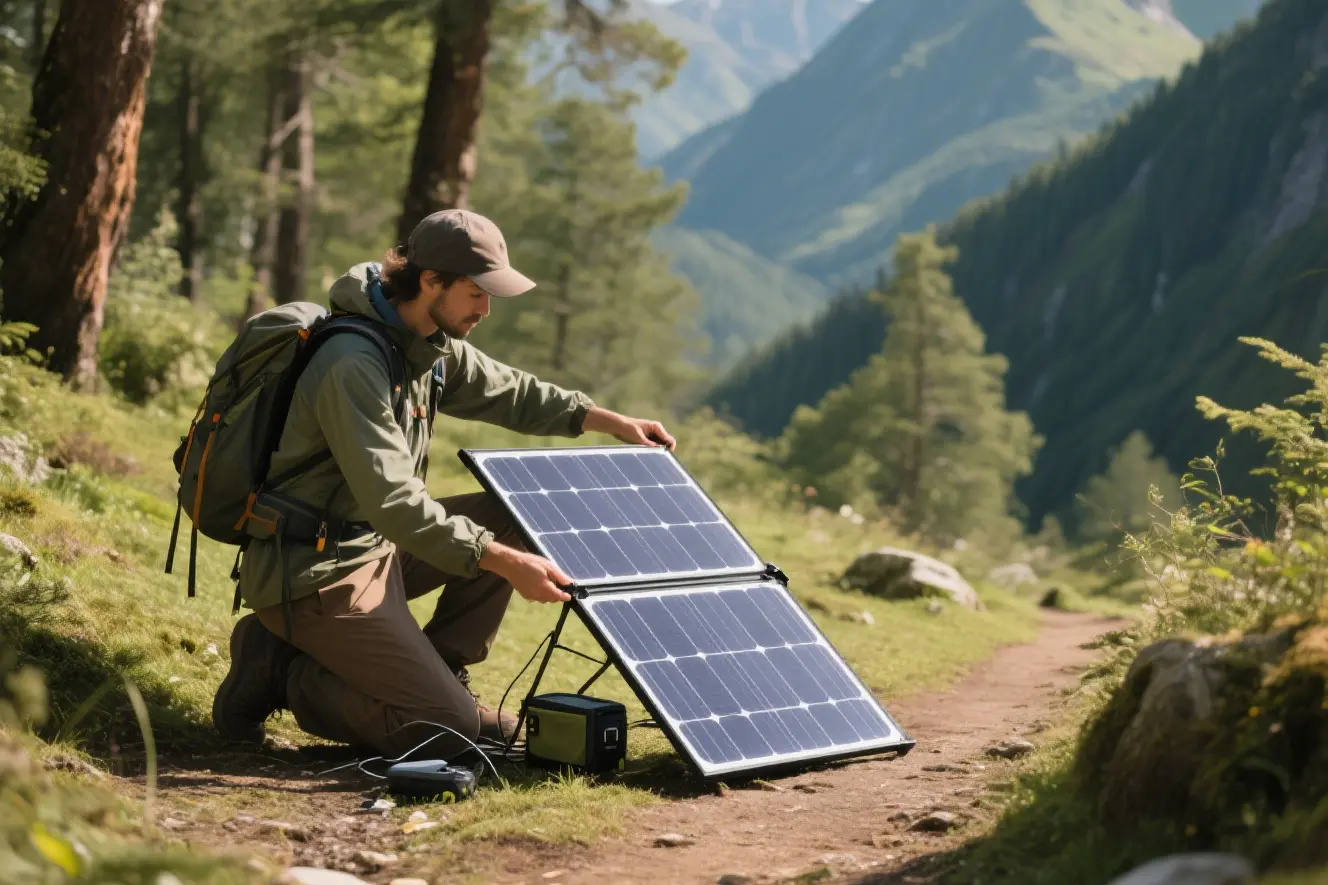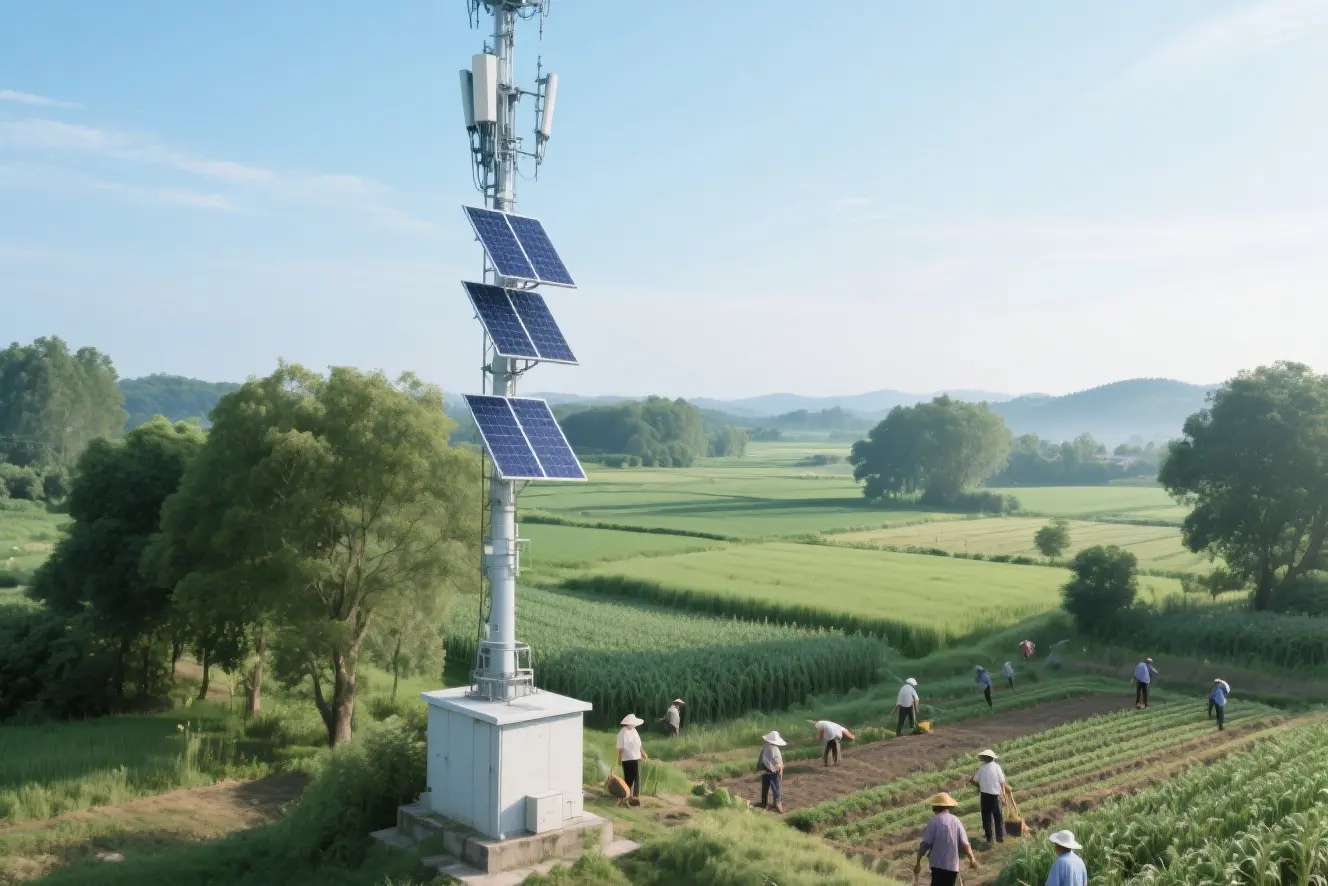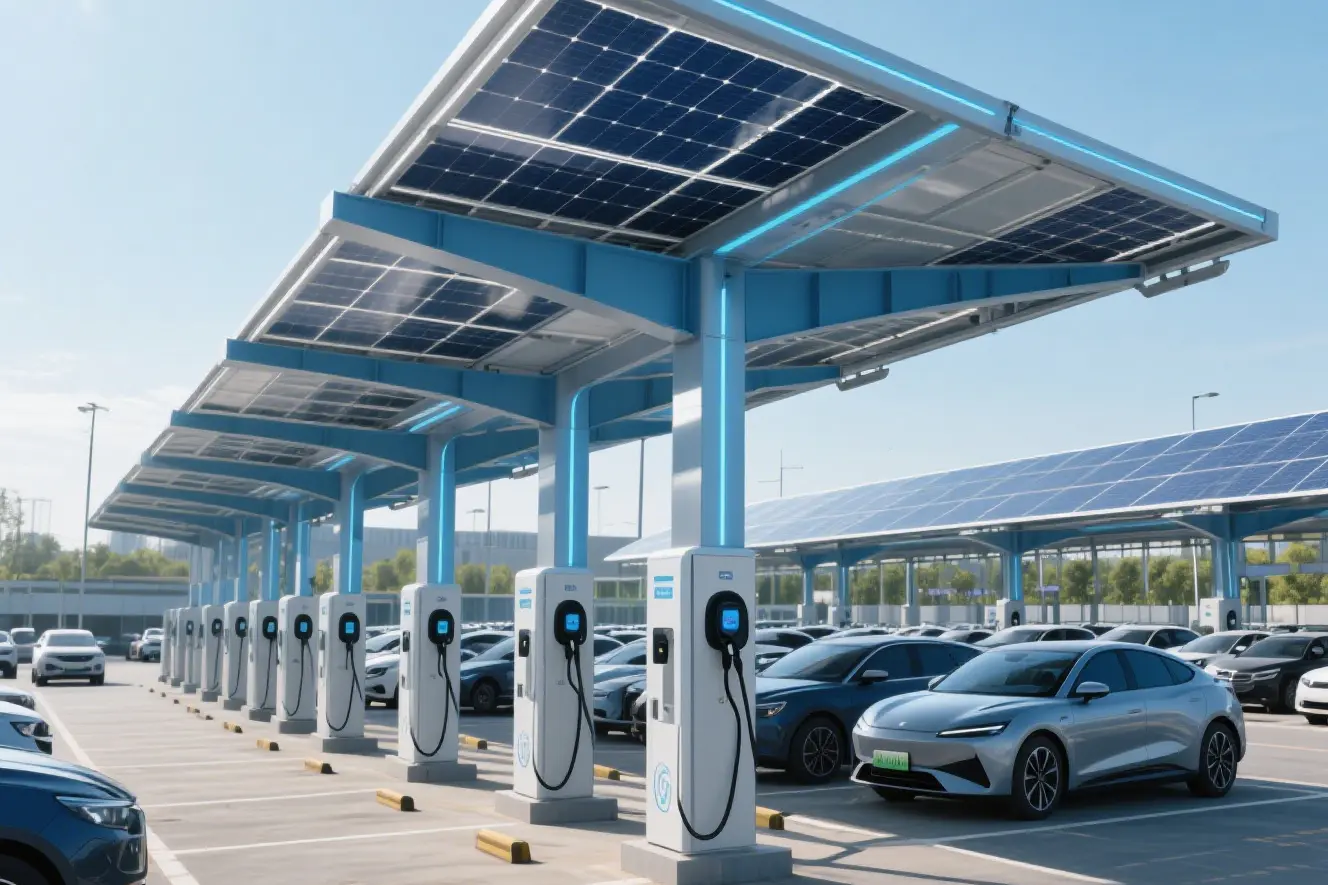
Premium industrial grade solar modules, battery storage solutions, and structural frameworks engineered for long-term reliability in off-grid conditions.
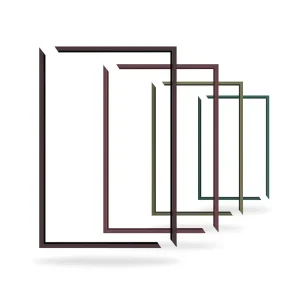
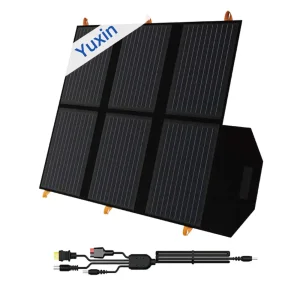
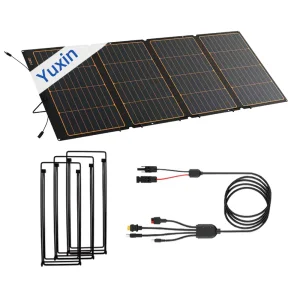
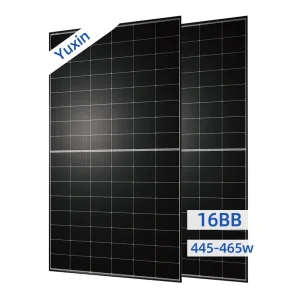
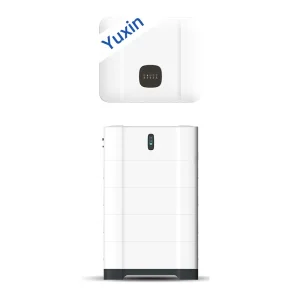
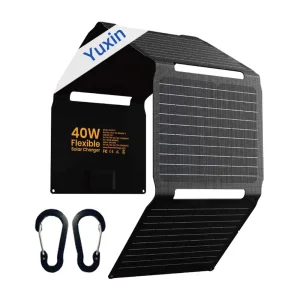
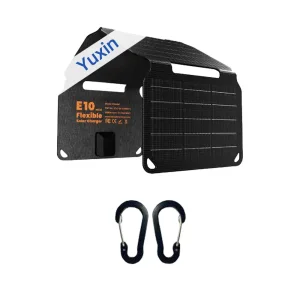
Off-grid cabin electricity configurations have evolved from simple generator backups to sophisticated micro-grid installations. Driven by rapid technological progress in photovoltaic efficiency and Lithium Iron Phosphate (LiFePO4) energy storage, modern installations require minimal maintenance while delivering superior reliability under extreme weather. Establishing stable micro-grids in remote geographic pockets requires analyzing complex engineering trade-offs, supply chain variables, and the structural integrity of component frameworks.
For global EPC installers, commercial contractors, and wholesale distributors, optimization requires balancing Levelized Cost of Energy (LCOE) with structural longevity. Choosing high-efficiency solar cells (such as N-Type TOPCon or Mono PERC) paired with modern protective materials ensures consistent power delivery, mitigating systemic failures in extreme settings.
"Optimizing Balance of System (BOS) costs while prioritizing E-E-A-T principles in procurement guarantees structural performance under diverse thermal ranges. Quality validation remains the primary benchmark for long-term project viability."
Determining wholesale pricing profiles requires cataloging each component within the Balance of System (BOS). Costs are heavily dependent on cell technology (Mono PERC vs. N-Type TOPCon), the mechanical resilience of framing materials (6063-T5 aluminum vs. sustainable polyurethane composite profiles), and battery chemistry structures.
| System Component Category | Core Technical Specifications | Estimated Wholesale Price (FOB China) | Minimum Order Qty (MOQ) |
|---|---|---|---|
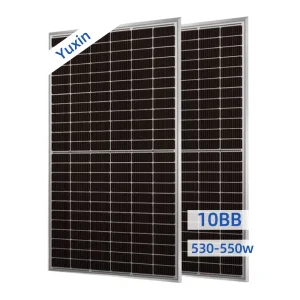
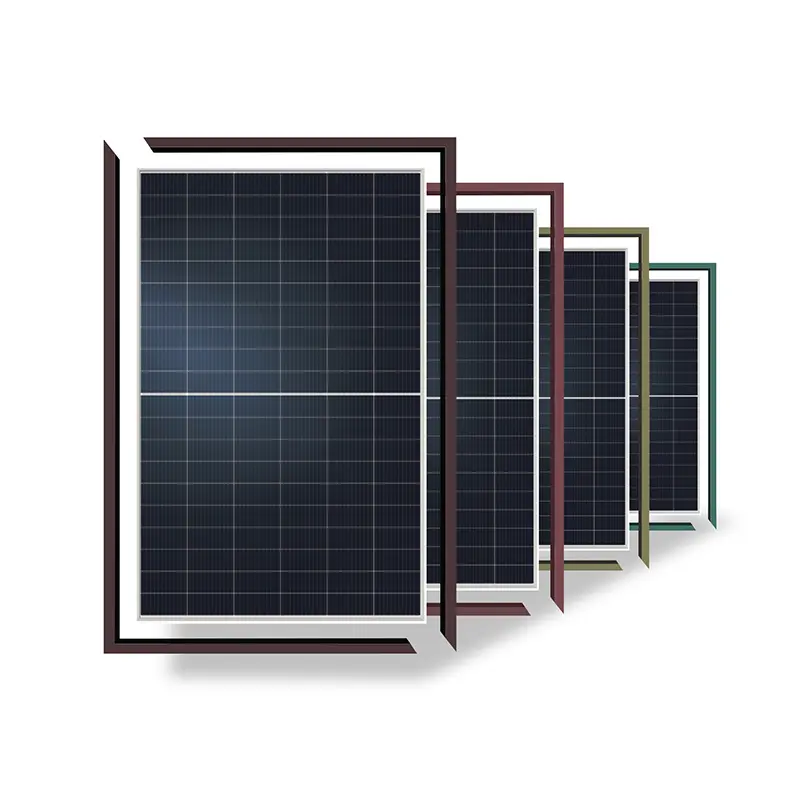
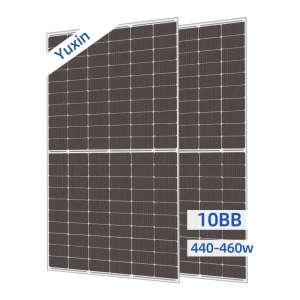
| Mono PERC PV Modules | 440W - 455W / 660W (Half-Cell 10BB / 120 Cells) | $0.09 - $0.12 per Watt | 1 Container (approx. 720 Pcs) |
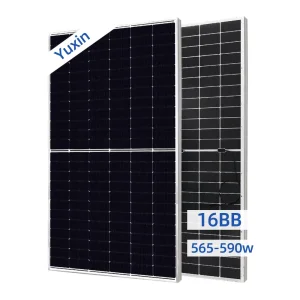
| N-Type TOPCon Dual-Glass | 445W - 465W / 565W - 590W (16BB / 144 Cells) | $0.11 - $0.14 per Watt | 1 Container |
| Lithium Iron Phosphate (LFP) | 51.2V 100Ah - 200Ah Rack-mount / Cabinet ESS | $110 - $145 per kWh | 10 Units |
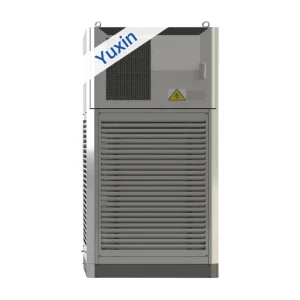
| Modular Commercial ESS | 30kW - 60kW Battery Power Control Cabinet | $130 - $160 per kWh | 2 Units |
| 6063-T5 Anodized Al Frames | Tensile strength ≥ 160 MPa, high weatherability | $2,400 - $2,800 per Ton | 5 Tons |
| Polyurethane Composite Frames | Fiberglass reinforced pultruded, low thermal expansion | $2,600 - $3,100 per Ton | 3 Tons |
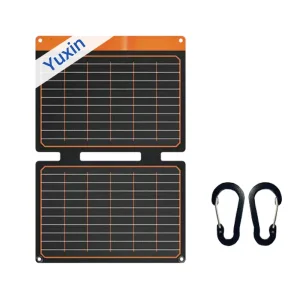
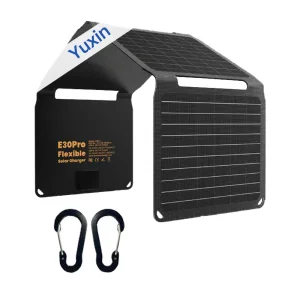
| Waterproof Charging Backpacks | 10W / 20W / 30W / 40W / 60W with internal battery ports | $12.50 - $48.00 per Unit | 500 Units |
Pricing variations depend on commodity cost fluctuations, including refined aluminum ingots, polysilicon spot prices, and lithium carbonate raw materials. Securing fixed annual purchasing agreements protects projects from mid-cycle supply cost spikes.
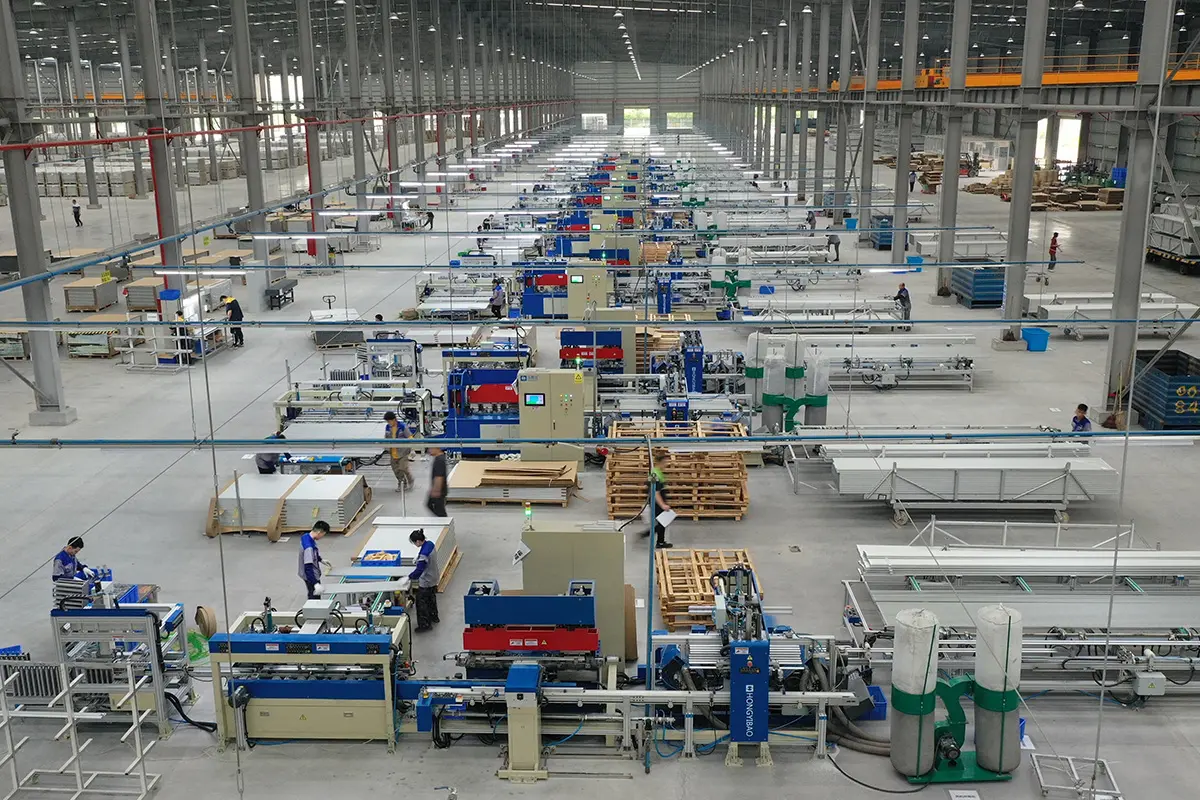
Yangzhou, located in Jiangsu Province, serves as a premier industrial hub for solar module assembly, mounting hardware fabrication, and energy storage systems integration. Leveraging logistics corridors including the Beijing-Shanghai Expressway, the Runyang Yangtze River Bridge, and the Ningqi Railway, Yangzhou-based manufacturers coordinate highly optimized raw material sourcing and export routes.
This localized integration reduces transport overheads for raw aluminum billets, composite resins, and photovoltaic silicon wafers. Direct access to international deep-water terminals along the Yangtze River ensures reliable and cost-effective freight options for bulk orders.
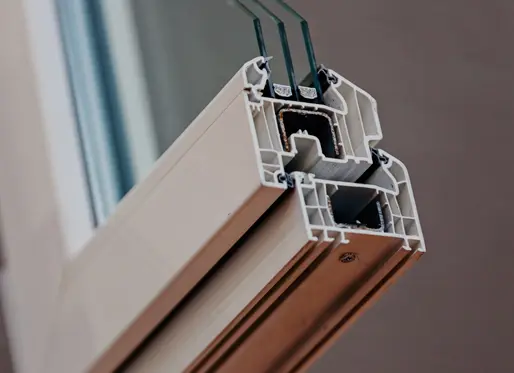
Furthermore, Yangzhou hosts robust R&D ecosystems driving advancements in high-stress framing materials. Combining structural extruded aluminum with advanced fiberglass-reinforced polyurethane pultrusions allows manufacturers to offer framing materials designed to withstand extreme wind, snow loads, and corrosive marine conditions.
Precision engineered solar panels, mounting solutions, and residential energy storage cabinets.
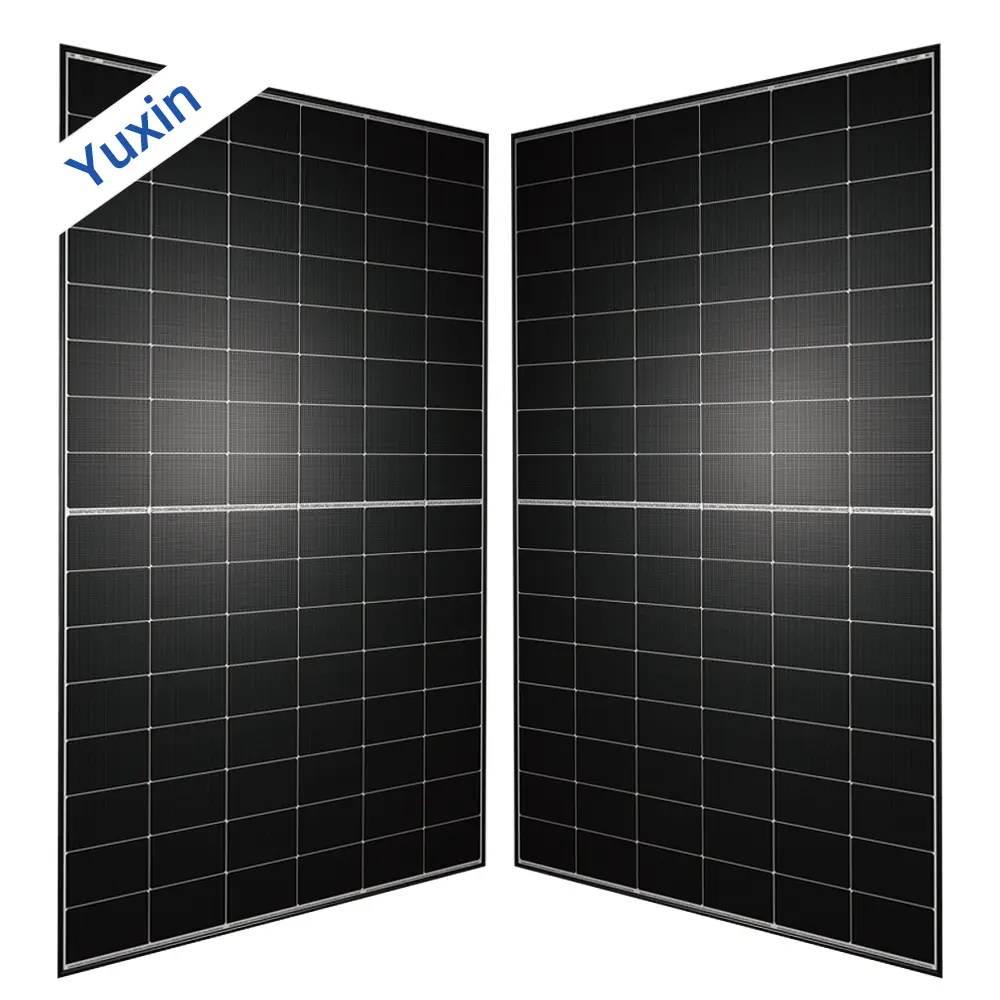
Lightweight design with transparent back panel for easy installation and reduced BOS costs.
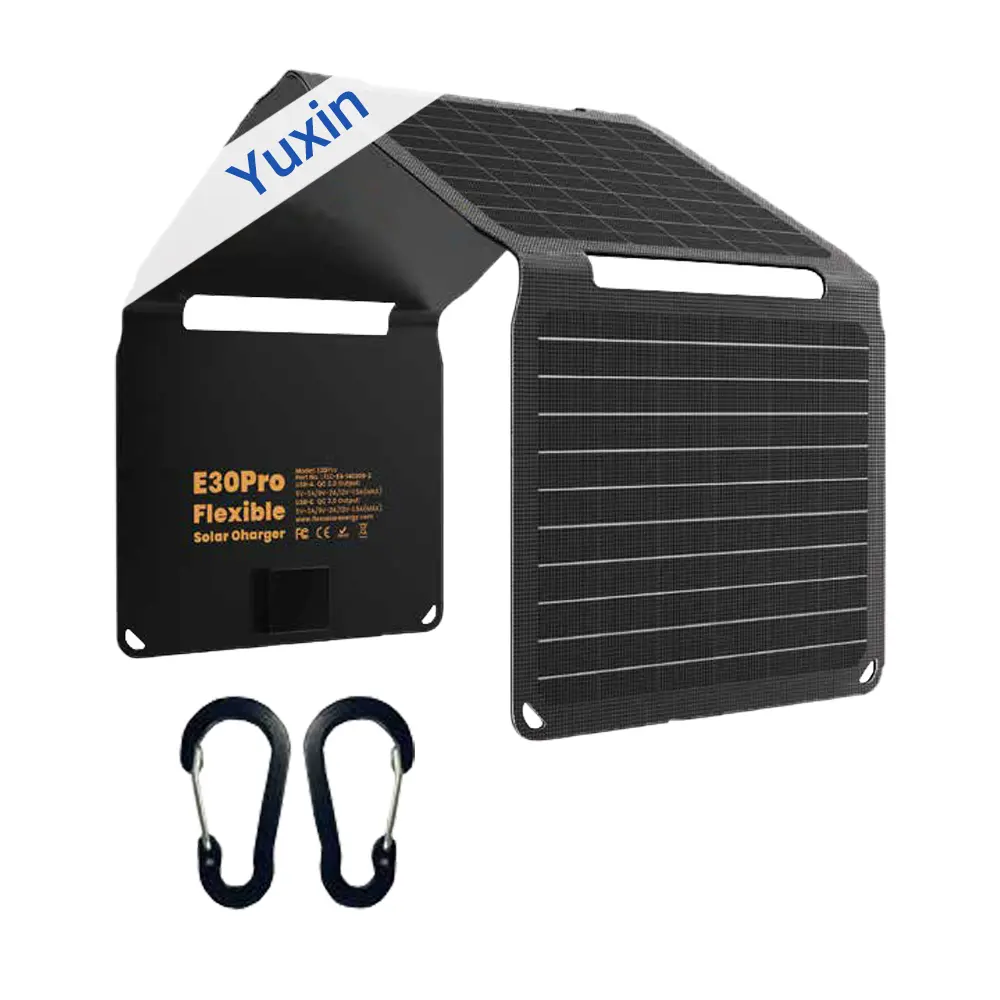
Utilizing advanced monocrystalline silicon cells, it achieves a high energy conversion efficiency of 24%.
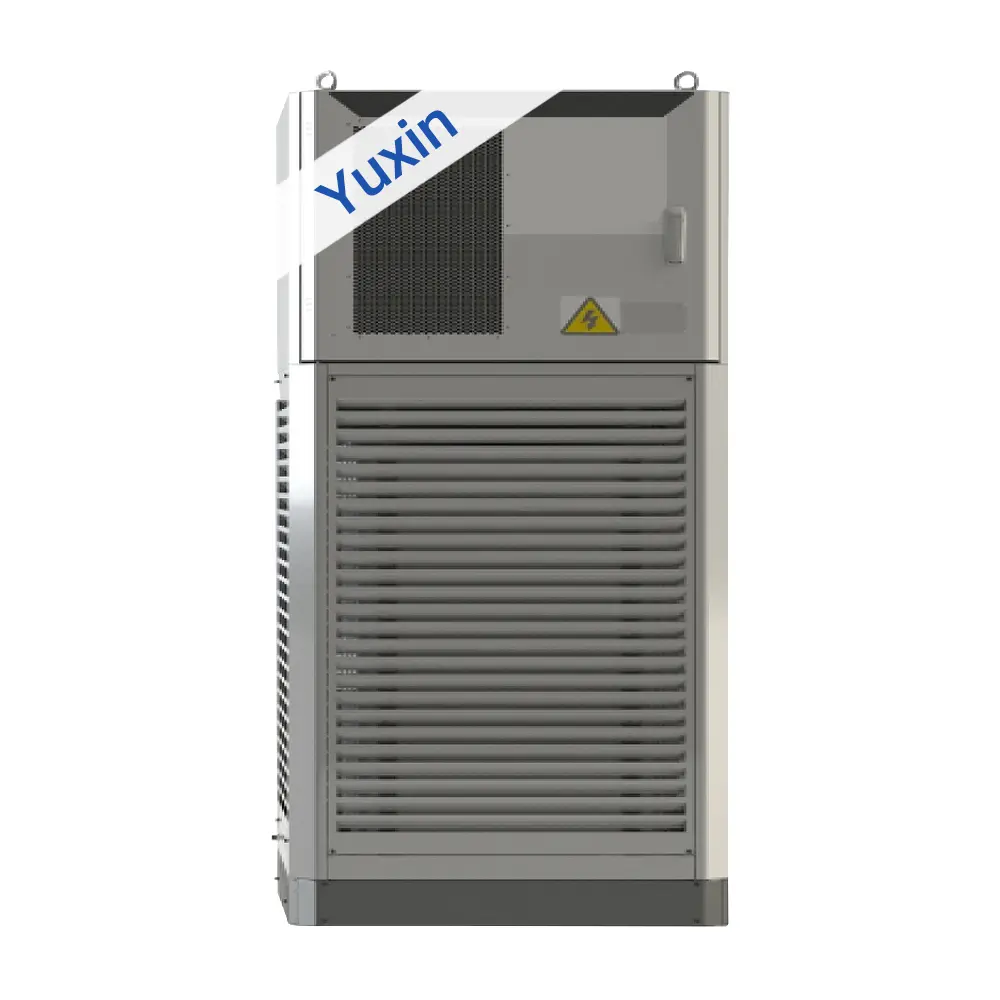
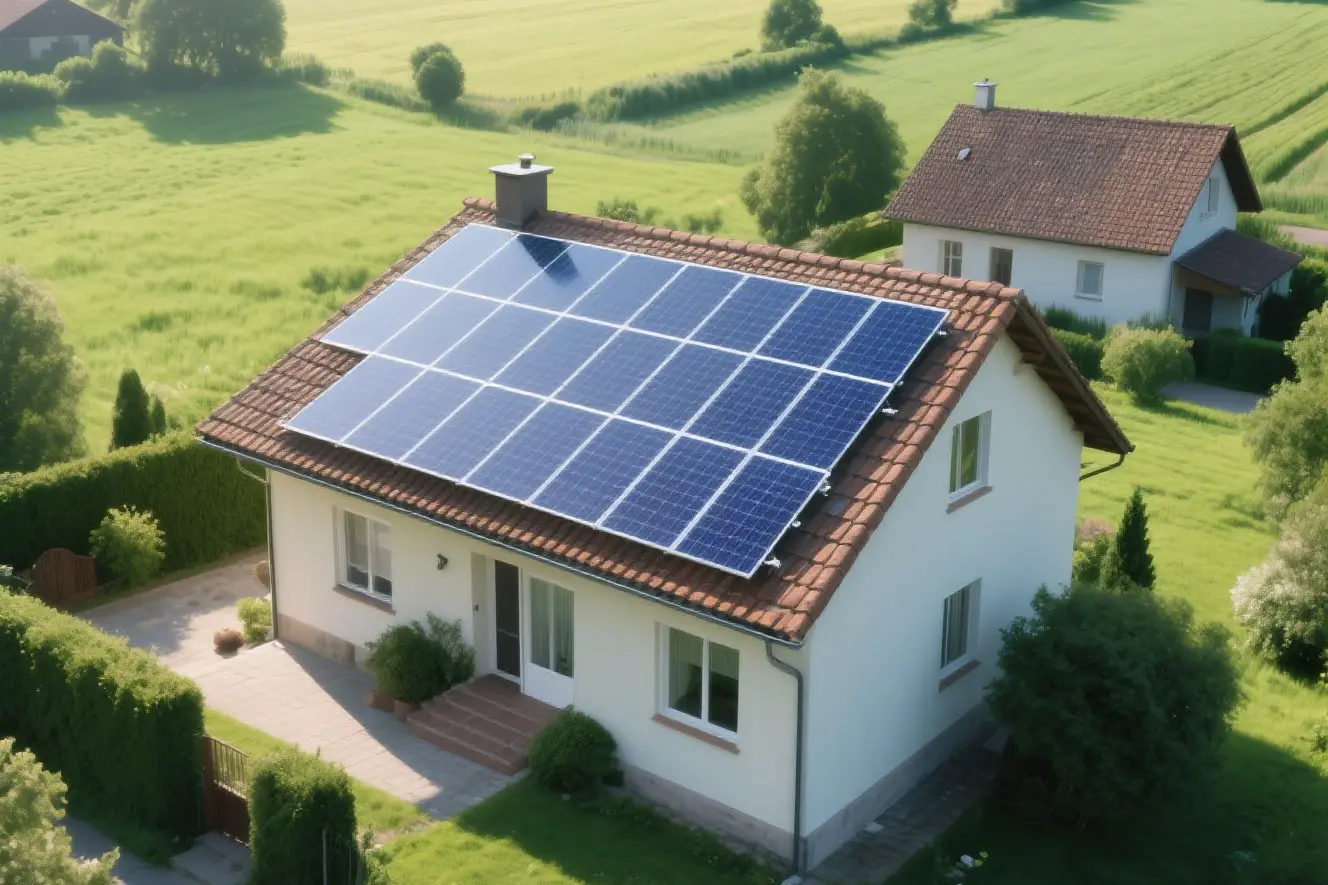
Application modes include grid-connected mode, off-grid mode, and integrated grid-connected/off-grid mode.
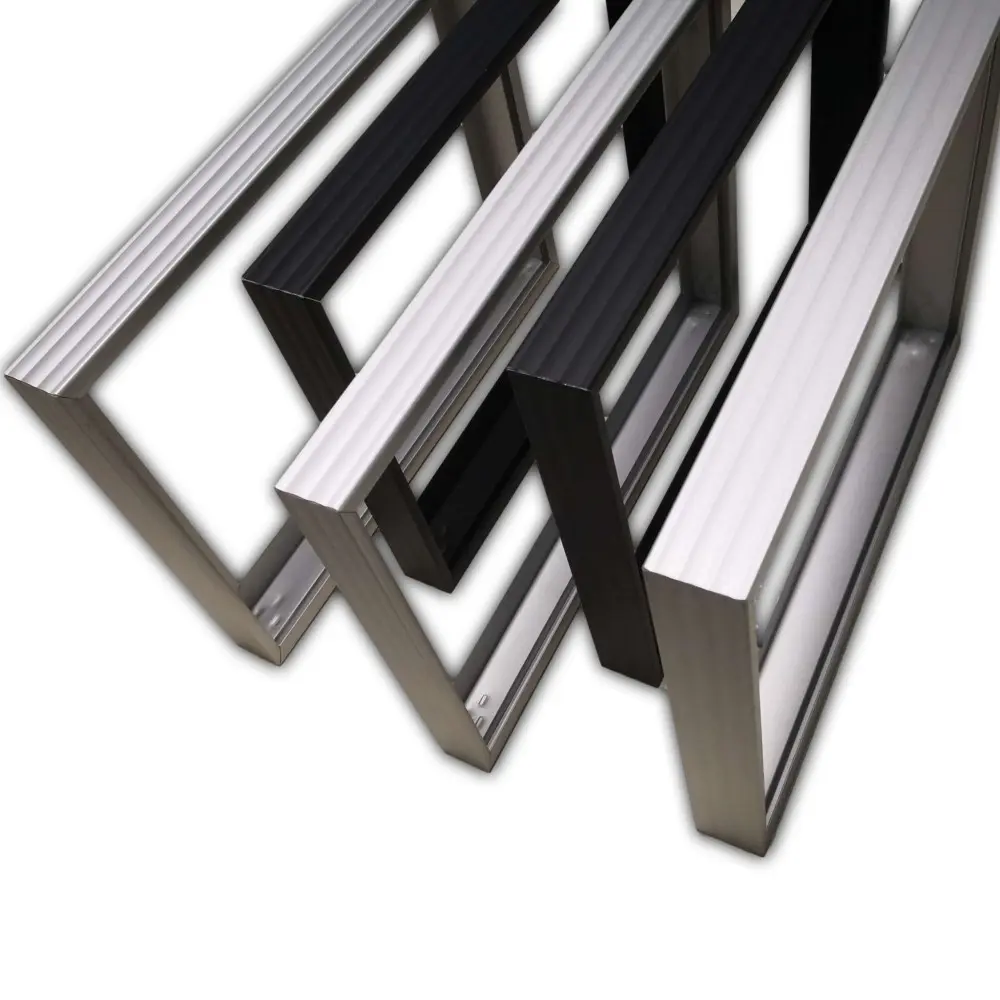
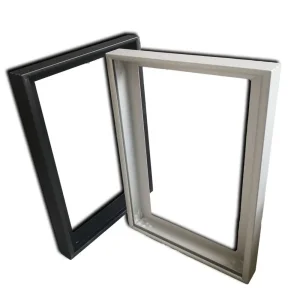
Made of high-quality anodized aluminum, it ensures superior weather resistance and a smooth, long-lasting finish.
Precision, Quality, and Safety - Your Photovoltaic Materials Expert
Located in the scenic historical and cultural ancient city of Yangzhou, close to the Beijing-Shanghai Expressway, Runyang Yangtze River Bridge, and Ningqi Railway, the group has a superior geographical location and convenient transportation. The group was established in 2008 and has 14 multi-field companies under its jurisdiction, including Jiangsu Yuxin New Energy Technology Co., Ltd.
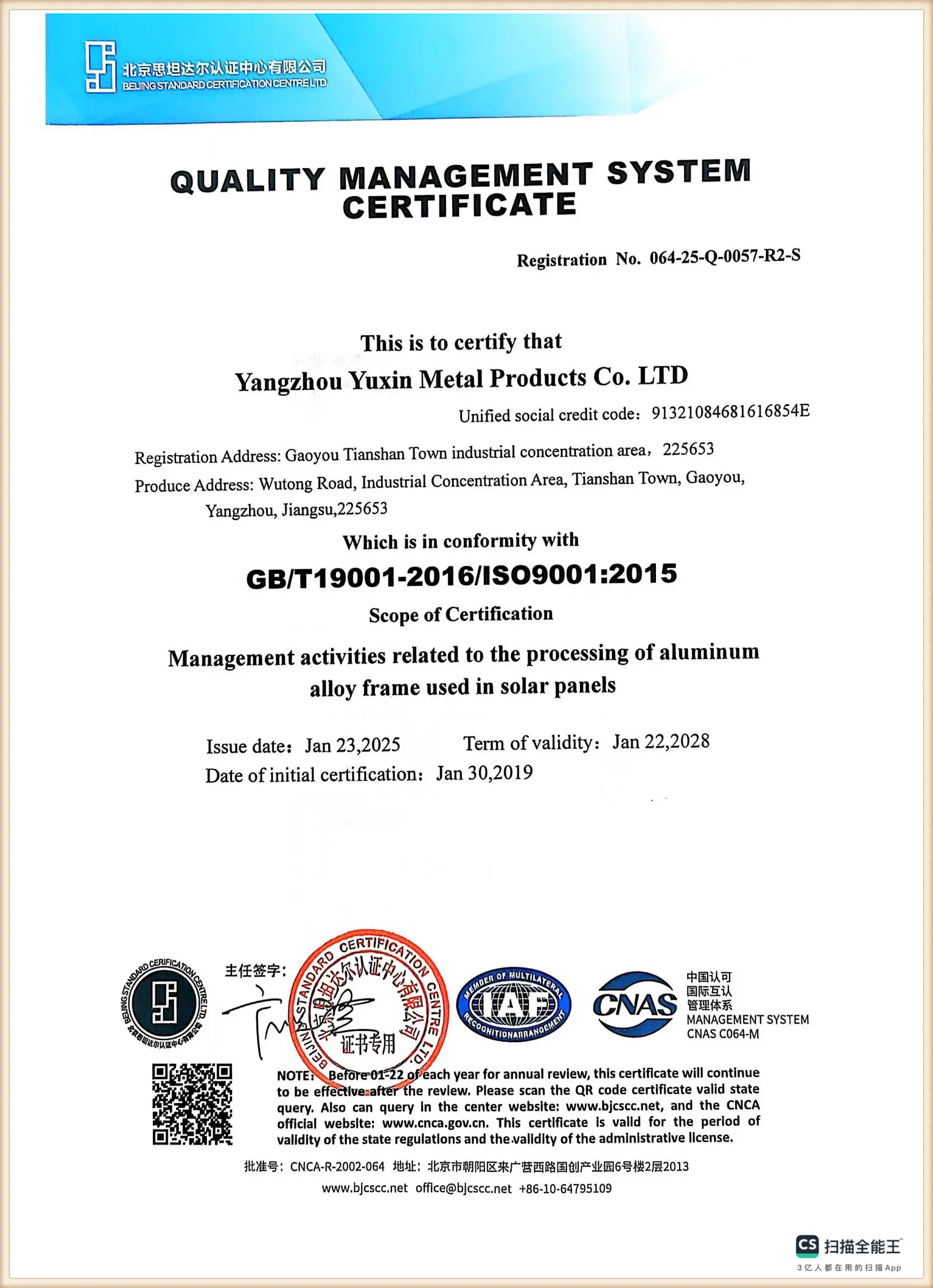
Yuxin has won many titles such as National High-tech Enterprise, Technology-based Enterprise, and Gaoyou City Top 100 Private Enterprises. Our structural metal framing division supplies heavy-duty mounting tracks to major off-grid installations worldwide.
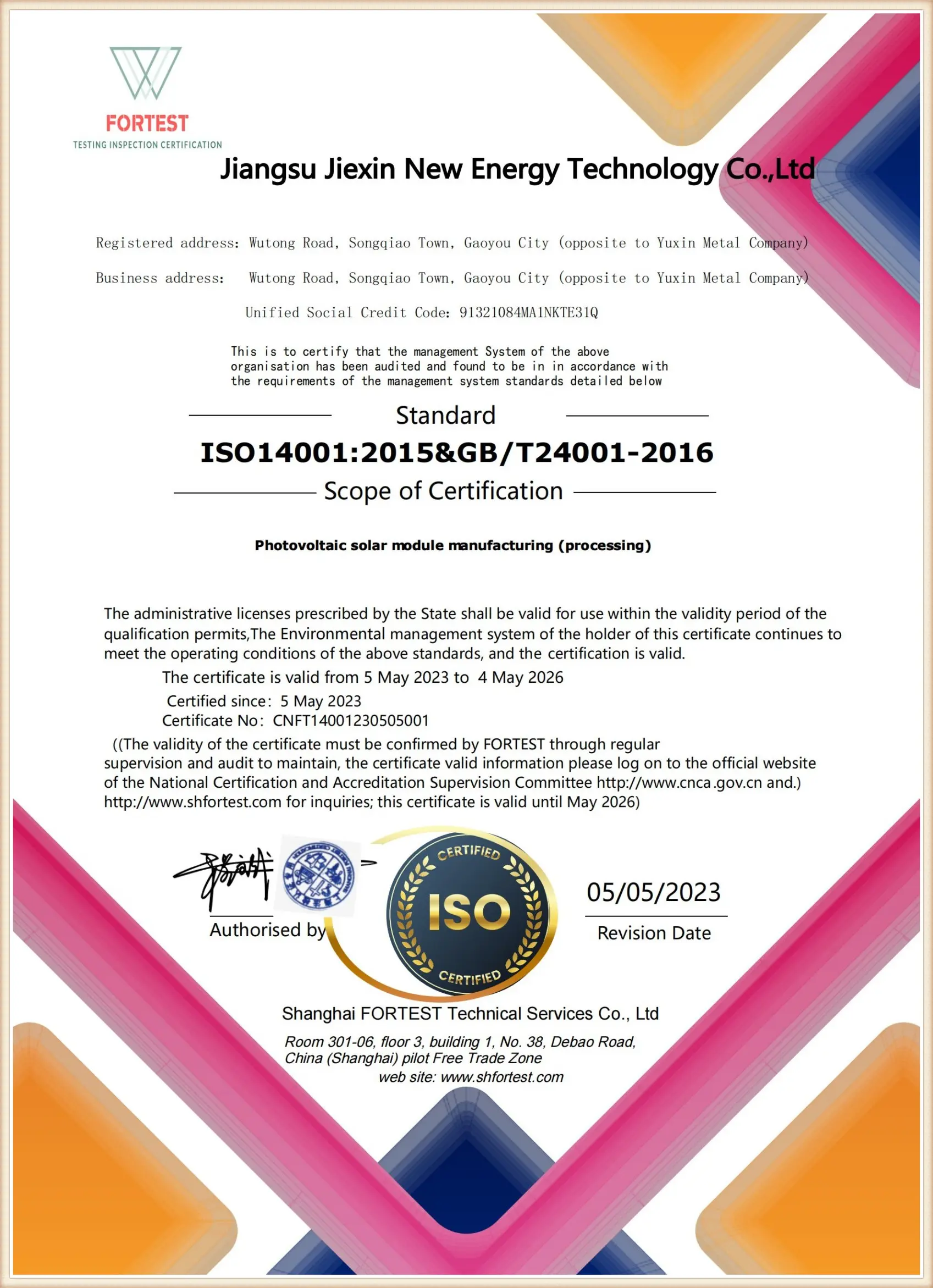
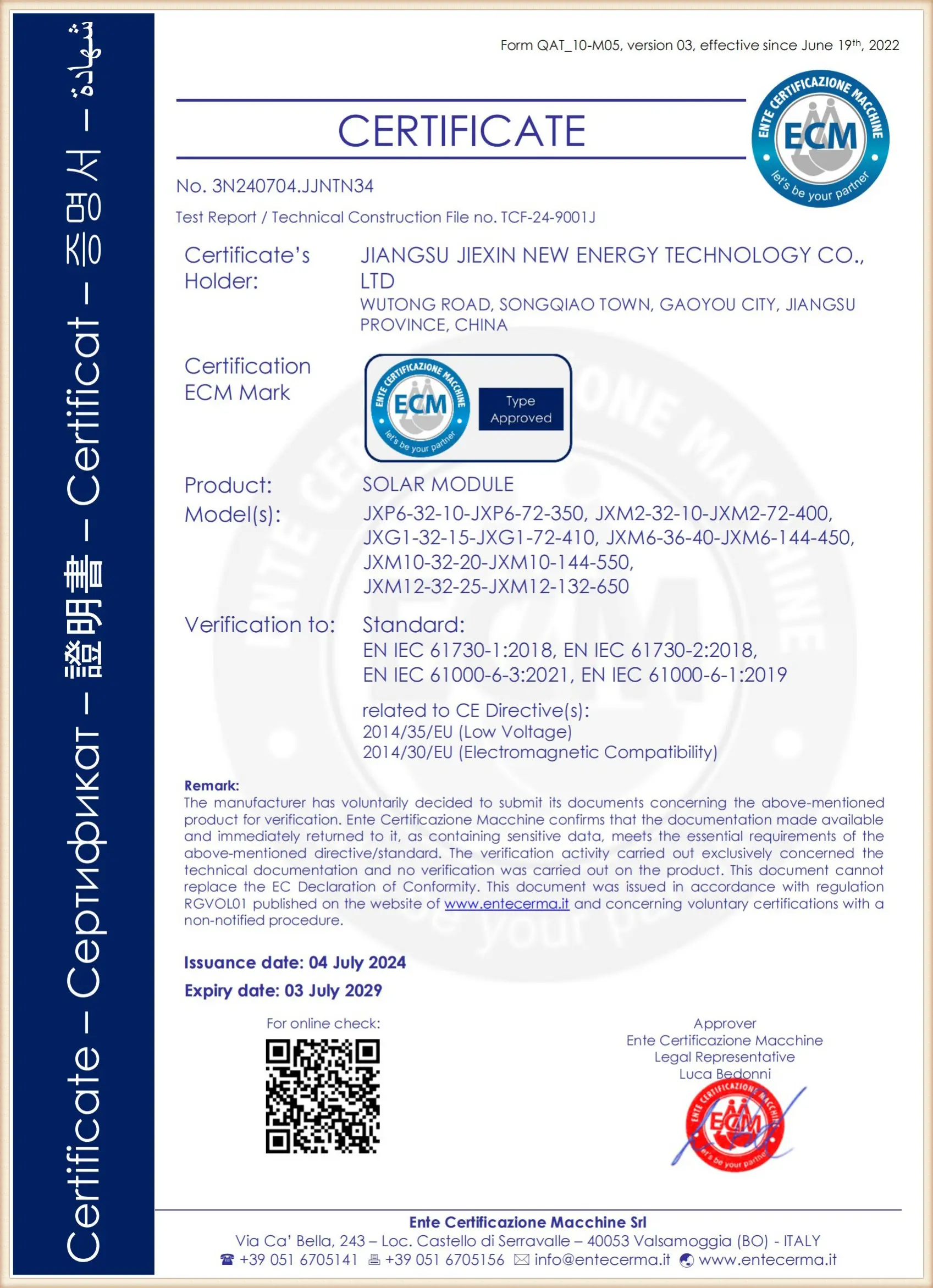
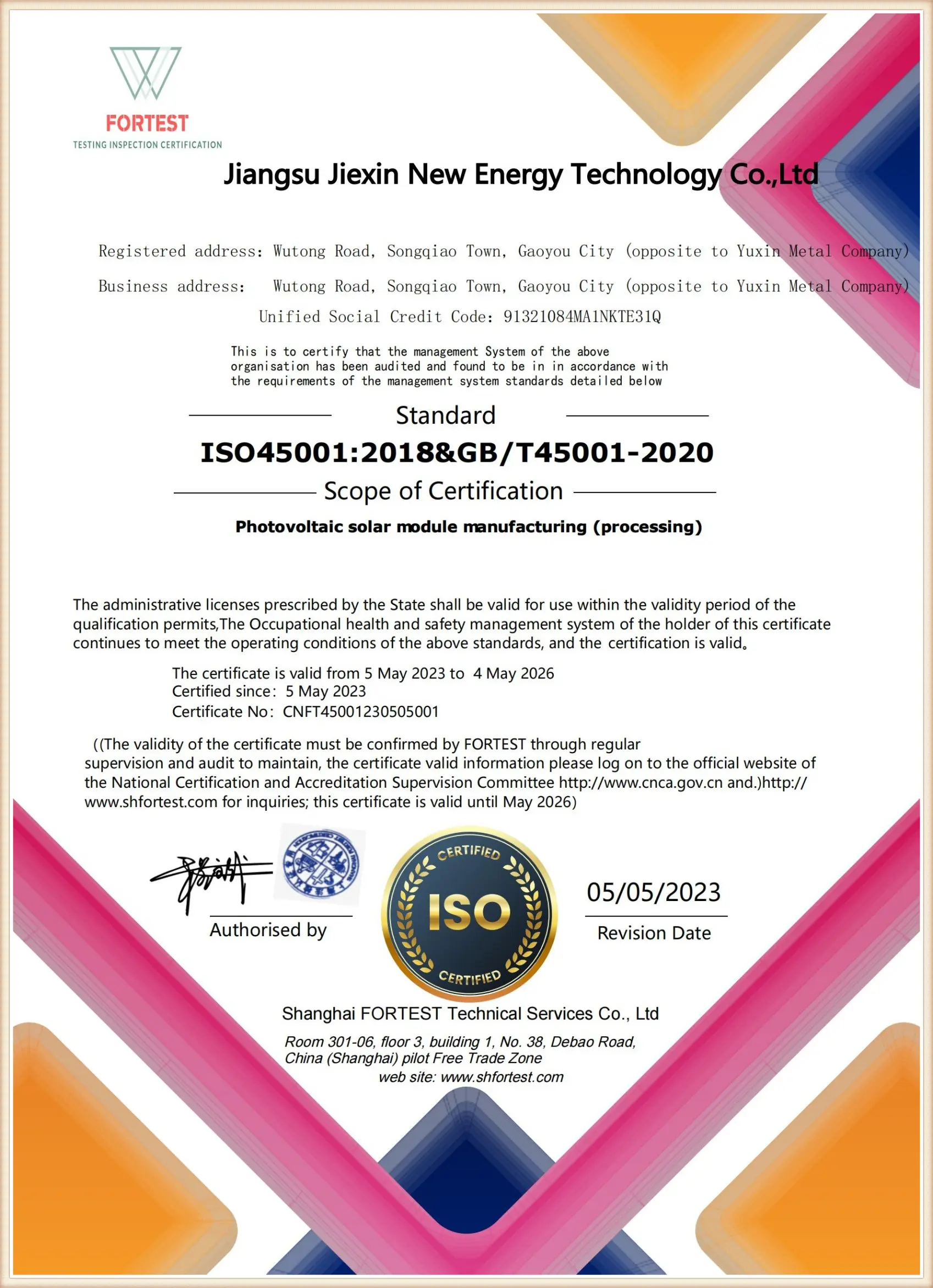
Deploying commercial electrical systems in remote locales requires strict adherence to regional regulatory frameworks and grid-tie parameters. Off-grid structures must satisfy standards like the National Electrical Code (NEC) in the United States and the CE directives in the European Union. System certifications ensure long-term, safe operations in extreme conditions.
Key regulatory benchmarks include:
Working with vertically integrated manufacturers like Yuxin ensures complete transparency in raw material tracking, mechanical stress tests, and environmental certifications.
Off-grid electrification demands tailored configurations that respond directly to local environmental stressors and energy profiles:
Alpine sites require structural frame systems capable of resisting extreme snow loads (up to 5400 Pa). Standard aluminum frames must be paired with high-tensile 6063-T5 structures or corrosion-resistant polyurethane pultrusions. Additionally, double-glass bifacial panels can capture reflected light from snow surfaces, boosting energy generation during winter months.
Coastal properties present highly corrosive, humid, and salt-laden conditions that rapidly degrade standard metals. Racking hardware must feature thick anodized coatings (minimum 15μm) or utilize advanced polyurethane composite structural components, which are naturally immune to chemical degradation and galvanic corrosion.
Arid settings expose panels to high temperatures that degrade efficiency. Implementing N-Type TOPCon panels minimizes thermal loss due to their low temperature coefficient (-0.30%/°C). Energy storage units must also feature robust active cooling and high-temperature thermal management systems.
As international transport costs stabilize, global distributors are shifting toward container-level direct sourcing from China to optimize wholesale pricing. Managing this transaction chain requires clear alignment on technical specifications, international trade documentation, and quality control protocols.
Contract negotiations should clearly define testing terms, such as electroluminescence (EL) testing to detect microcracks and flash test reports for module power verification. Securing high-performance framing and structural profiles directly from specialized manufacturers ensures optimal alignment between modules and hardware during site assembly.
Our products undergo stringent testing to meet global standards for mechanical, electrical, and structural safety.
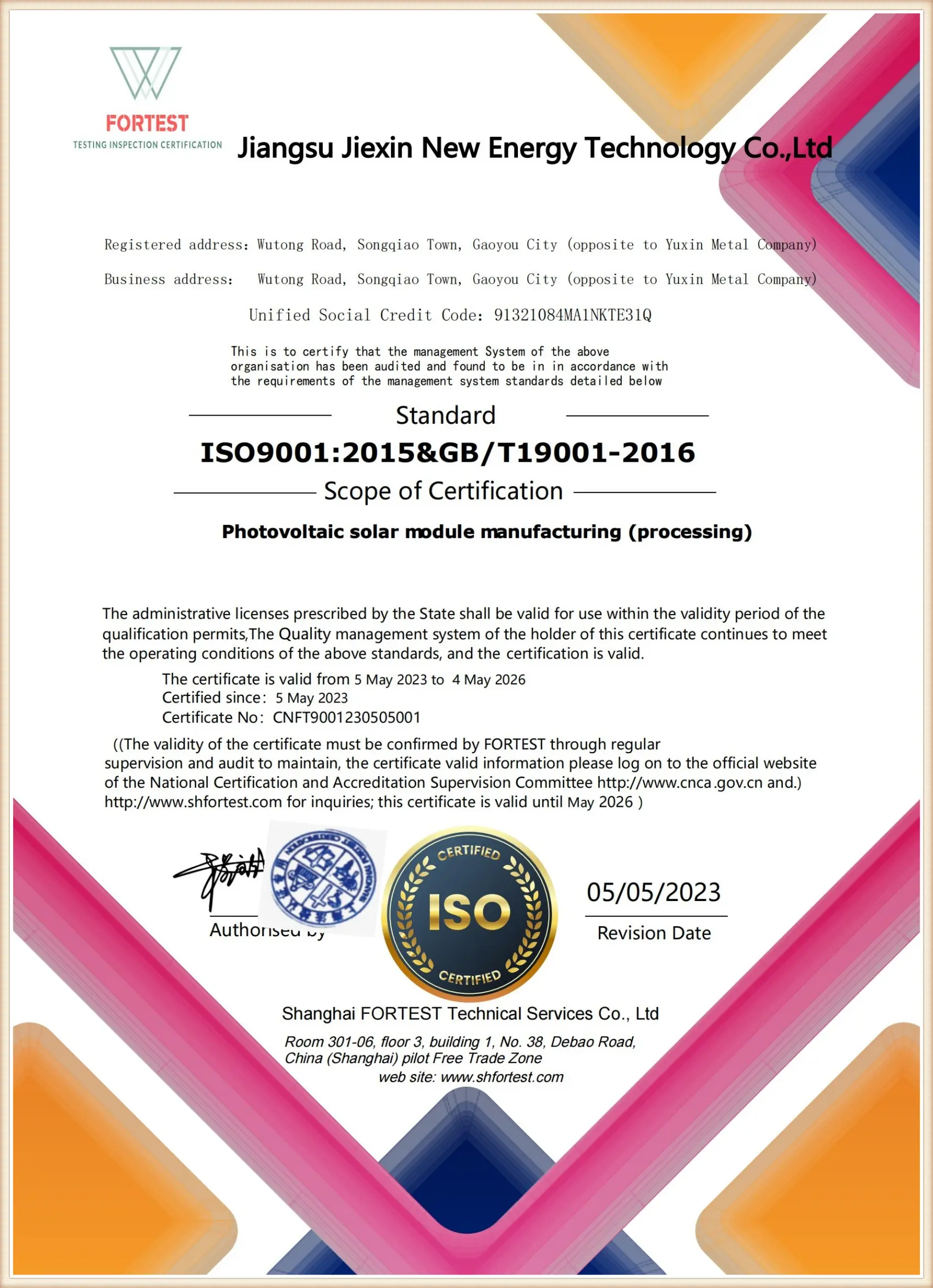
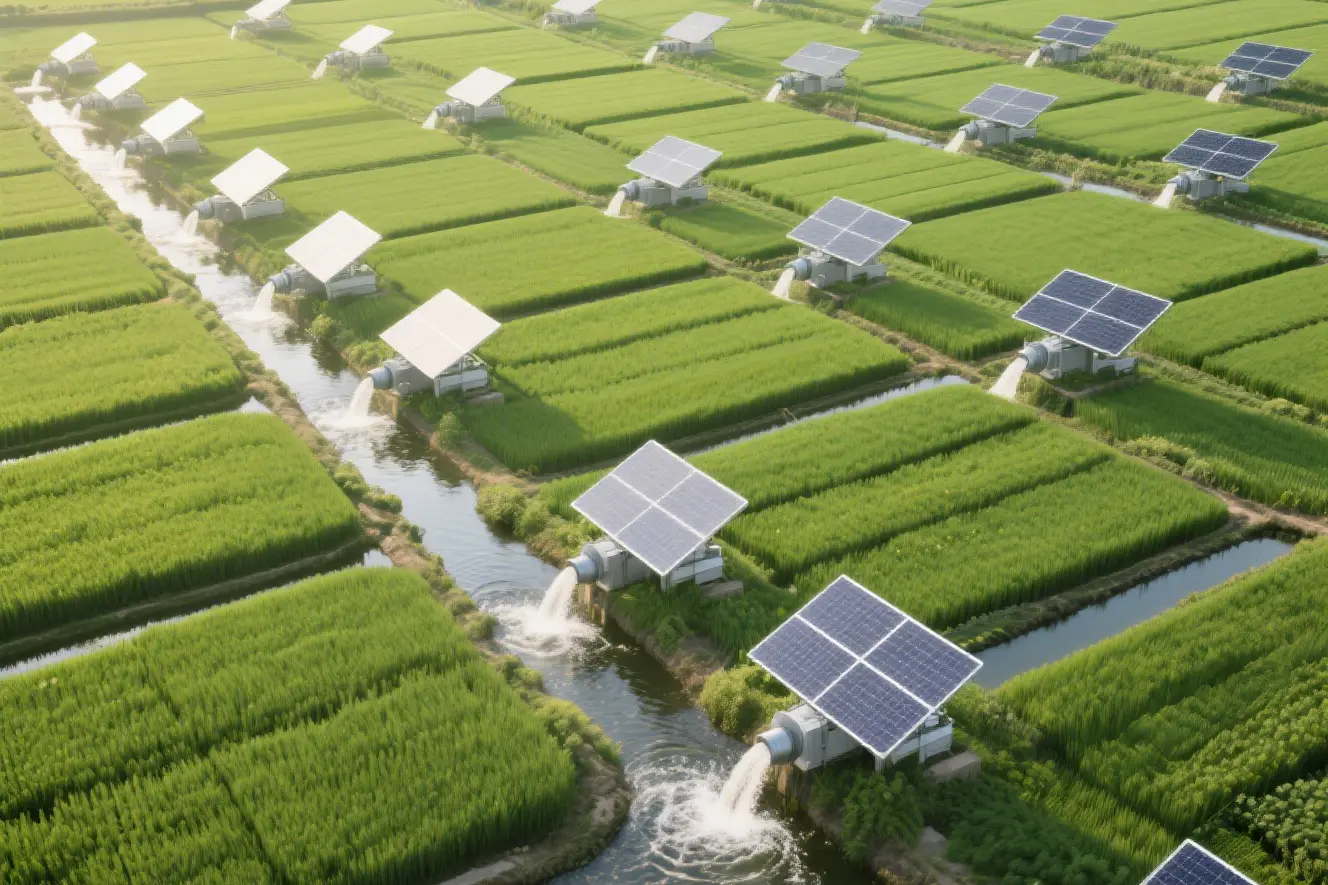
Our solar infrastructure solutions power agriculture, telecom, utilities, and remote residential grids worldwide.
Collaborating with global engineering firms, industrial integrators, and solar distributors.
Frequently asked technical and commercial questions regarding off-grid engineering configurations.
Deep research on solar frame engineering, factory quality management, and local regulatory trends.
Direct sourcing from qualified manufacturing networks. All product codes are certified for industrial and residential use.