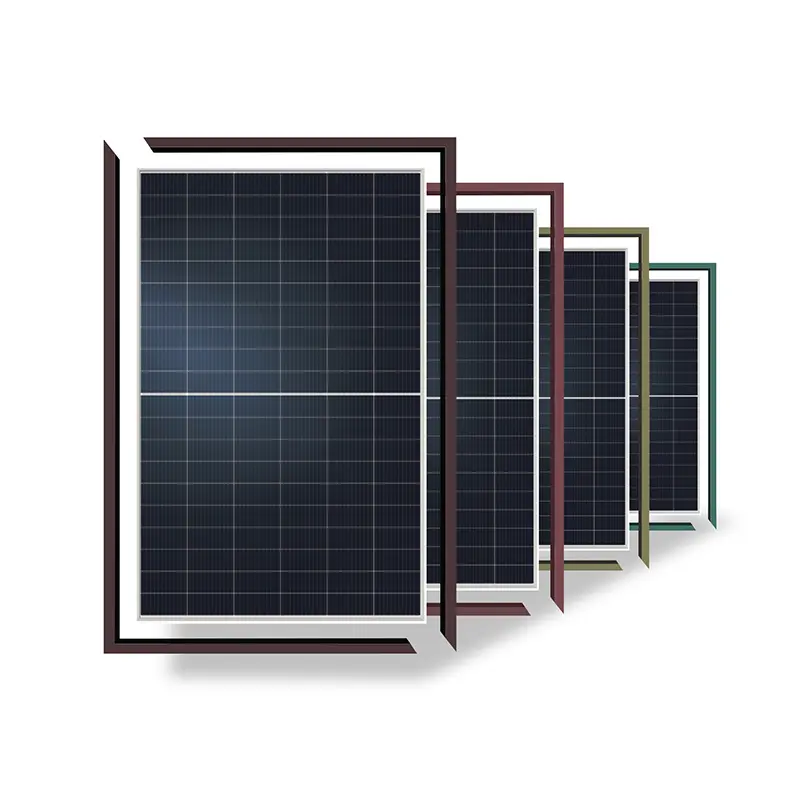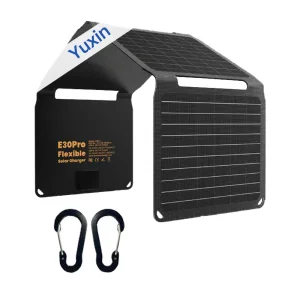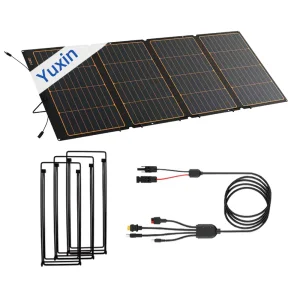
Wholesale Most Efficient Solar Panels For Camping Manufacturers & Supplier

Innovative Portable PV Technologies & Heavy-Duty Off-Grid Power Solutions for Global Enterprise Sourcing & Customized OEM/ODM Deployment

1. The Evolution of High-Efficiency Portable Solar PV for Camping & Outdoor Recreation

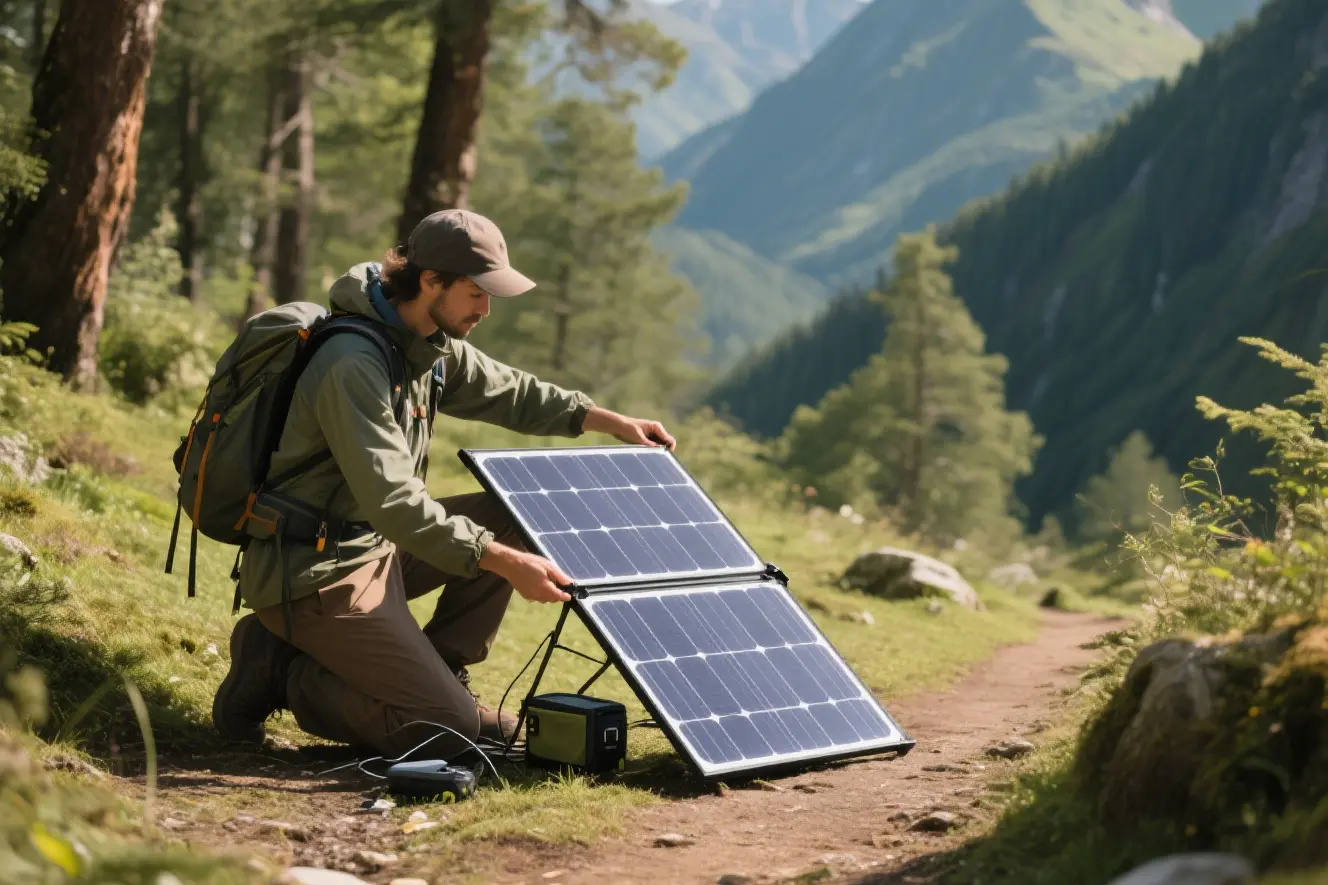
The global demand for reliable, off-grid power solutions has shifted dramatically from simple backup batteries to high-performance, integrated photovoltaic ecosystems. Modern outdoor enthusiasts, wilderness research operations, and military deployments require lightweight, highly durable energy sources. Traditionally, outdoor activities relied on heavy, rigid panels or noisy generators. With advances in n-type monocrystalline silicon technology and TOPCon (Tunnel Oxide Passivated Contact) configurations, portable solar systems now offer unprecedented levels of performance under real-world conditions.

When evaluating the "most efficient" panels for camping, efficiency is no longer defined strictly by STC (Standard Test Conditions) laboratory ratings. True operational efficiency incorporates how well a cell captures low-angle light during morning and late afternoon hours, how it performs under partial canopy shadows, and how thermal expansion affects output. Our high-efficiency camping solar portfolios leverage advanced cell sorting and cutting-edge material engineering to ensure maximum energy harvest in compact form factors.

ETFE

Premium ETFE Laminates

Superior light transmission (up to 95%) and self-cleaning, chemical-resistant properties compared to cheaper PET panels.

TOPCon

N-Type Cell Architecture

Significantly lower temperature coefficients (-0.30%/°C) ensuring optimal power output even in hot summer camping conditions.

IP68

Waterproof Ratings

Fully sealed junction boxes, heavy-duty fabrics, and dust-resistant connectors engineered to survive downpours and river crossings.

2. Deciphering "Most Efficient": Cell Engineering & Material Science

B2B buyers, distributors, and bulk purchasers must look past simple advertising claims and evaluate the physical layers of a camping solar panel. A panel's conversion limit is determined by its active layers. Monocrystalline silicon cells remain the gold standard, achieving 22% to 24% cell conversion efficiency.

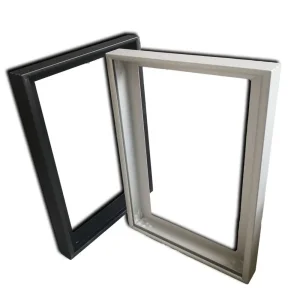
However, physical durability in folding configurations is where the engineering challenges lie. Standard glass panels are prone to micro-cracking when subjected to the mechanical vibration of overlanding or drop impacts in backpacking. To solve this, our factories implement a robust structural layout combining structural polyurethane backing with ultra-light anodized aluminum frames (6063-T5) or high-grade flexible polymers.

  • By-pass Diodes Optimization: Multiple bypass diodes prevent complete module failure when a single section is covered by tree shadow or tents.
  • Low Light Performance: Anti-reflective texture on the top layer bounces light back onto the cell, allowing power generation in overcast weather.
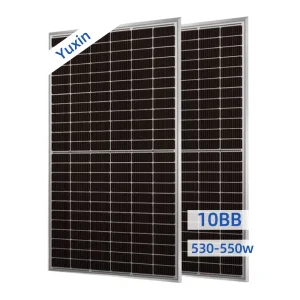
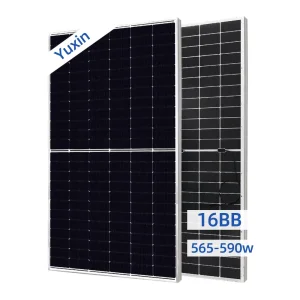
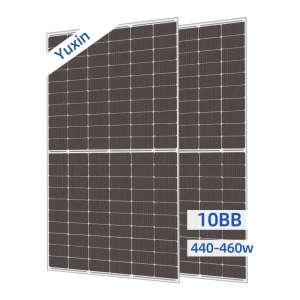
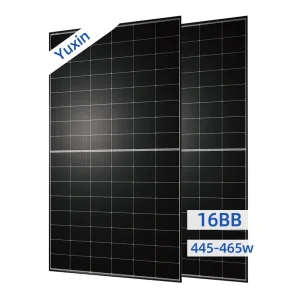
  • Optimized Multi-Busbar (16BB/10BB): Shorter pathways for electrons decrease internal resistance, maximizing thermal and electric yields.

3. Global B2B Procurement: Balancing Performance, Weight, and Lifespan

For global importers, outdoor brands, and commercial fleet operators purchasing wholesale, camping solar panels must strike a balance between weight, cost, and lifespan. Standard commercial solar panels are heavy (often over 18kg per panel) and completely rigid, making them unusable for dynamic field environments. Conversely, cheap consumer-grade folding panels degrade within 12 months due to polymer oxidation and delamination under intense UV exposure.

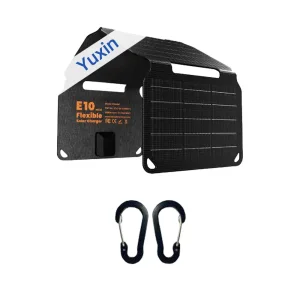
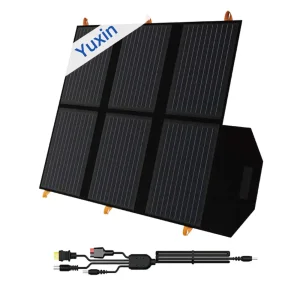
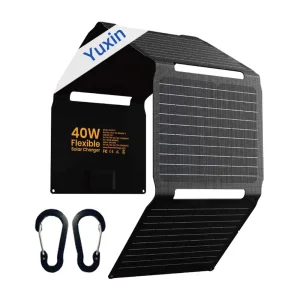
Our commercial OEM/ODM services provide bespoke configurations: custom dimensions, integrated charge controllers (embedded MPPT designs that increase energy transfer efficiency by up to 30%), and universal connection interfaces (MC4, Anderson, DC7909, and XT60). By optimizing the structural composite layering, we reduce the weight of a typical 100W portable panel to under 3.5kg while maintaining the durability needed for deep wilderness applications.

About YUXIN Group

Your Global Expert in Photovoltaic Materials, Precision Engineering, and Advanced Solar Solutions.

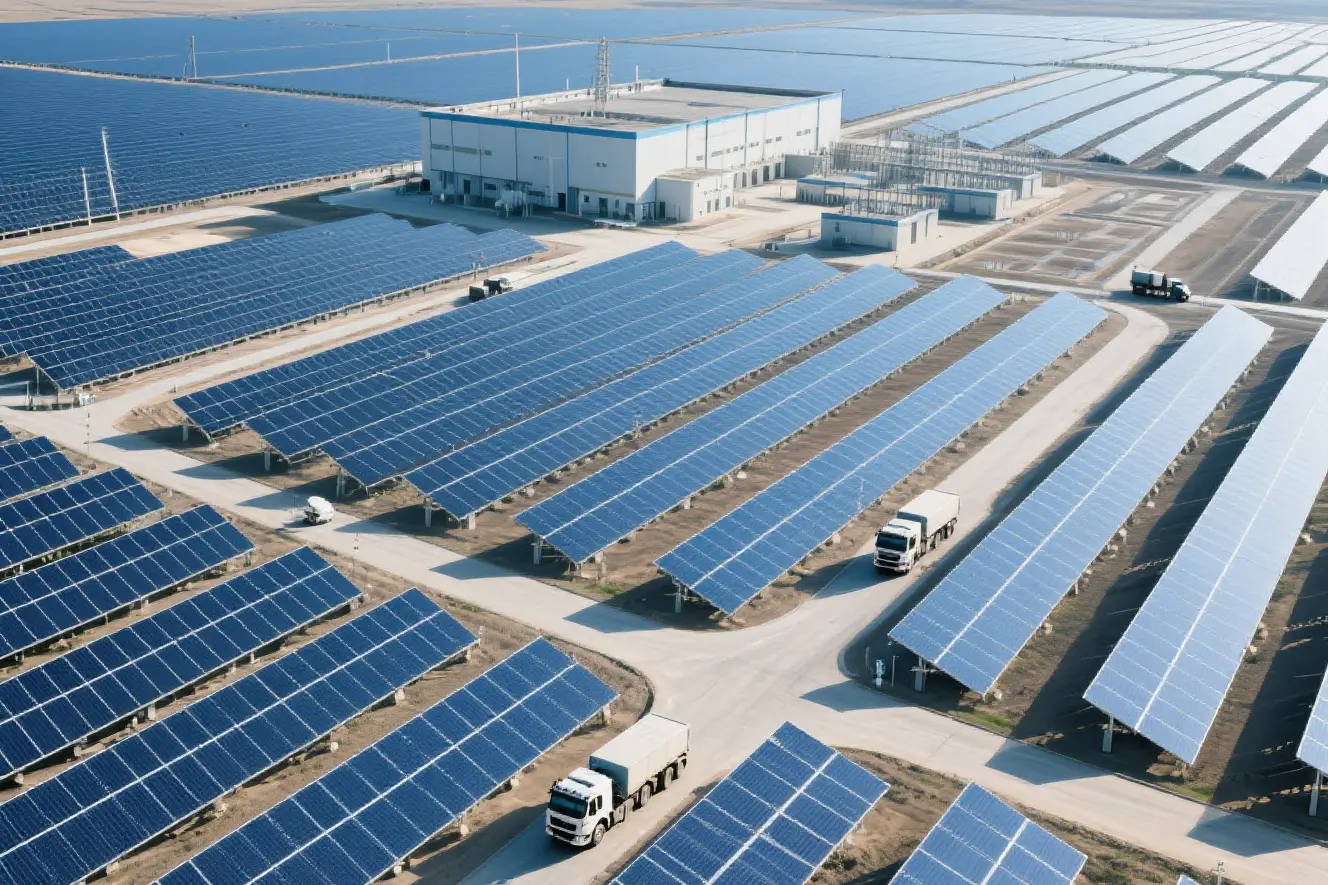
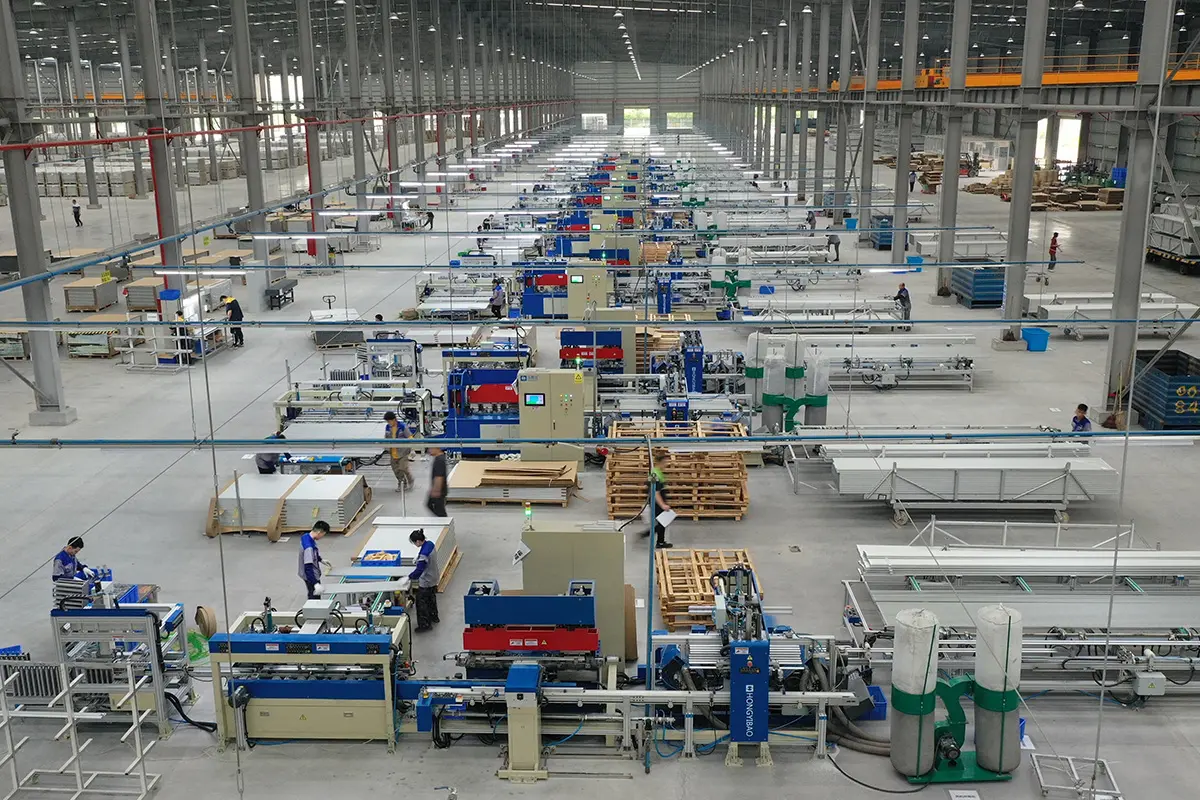
Located in the scenic historical and cultural ancient city of Yangzhou, close to the Beijing-Shanghai Expressway, Runyang Yangtze River Bridge, and Ningqi Railway, the group has a superior geographical location and convenient transportation. The group was established in 2008 and has 14 multi-field companies under its jurisdiction, including Jiangsu Yuxin New Energy Technology Co., Ltd., and has won many titles such as National High-tech Enterprise, Technology-based Enterprise, and Gaoyou City Top 100 Private Enterprises.
21+
Production Lines
$86M+
Sales Revenue
12k+ T
Export Volume
25k+ T
Annual Output

4. The China Factory Advantage: Seamless Supply Chain & Cost Optimization

The Chinese photovoltaic supply chain is the most mature and vertically integrated in the world. From the sourcing of raw polysilicon to ingot pulling, wafer slicing, cell fabrication, and final module assembly, every stage of production is optimized for scale and precision.

Jiangsu Yuxin leverages this integrated ecosystem by controlling the manufacturing parameters from raw aluminum extrusion for robust frames to composite polyurethane pultruded components. This integration significantly lowers the Bill of Materials (BOM) and Balance of System (BOS) costs, enabling us to supply wholesale quantities at highly competitive rates without sacrificing build quality.

Furthermore, our strategic logistics position in Yangzhou, close to major deep-water ports (Shanghai and Ningbo) and rail networks, guarantees smooth, cost-efficient international logistics and delivery timelines for container-load shipments.

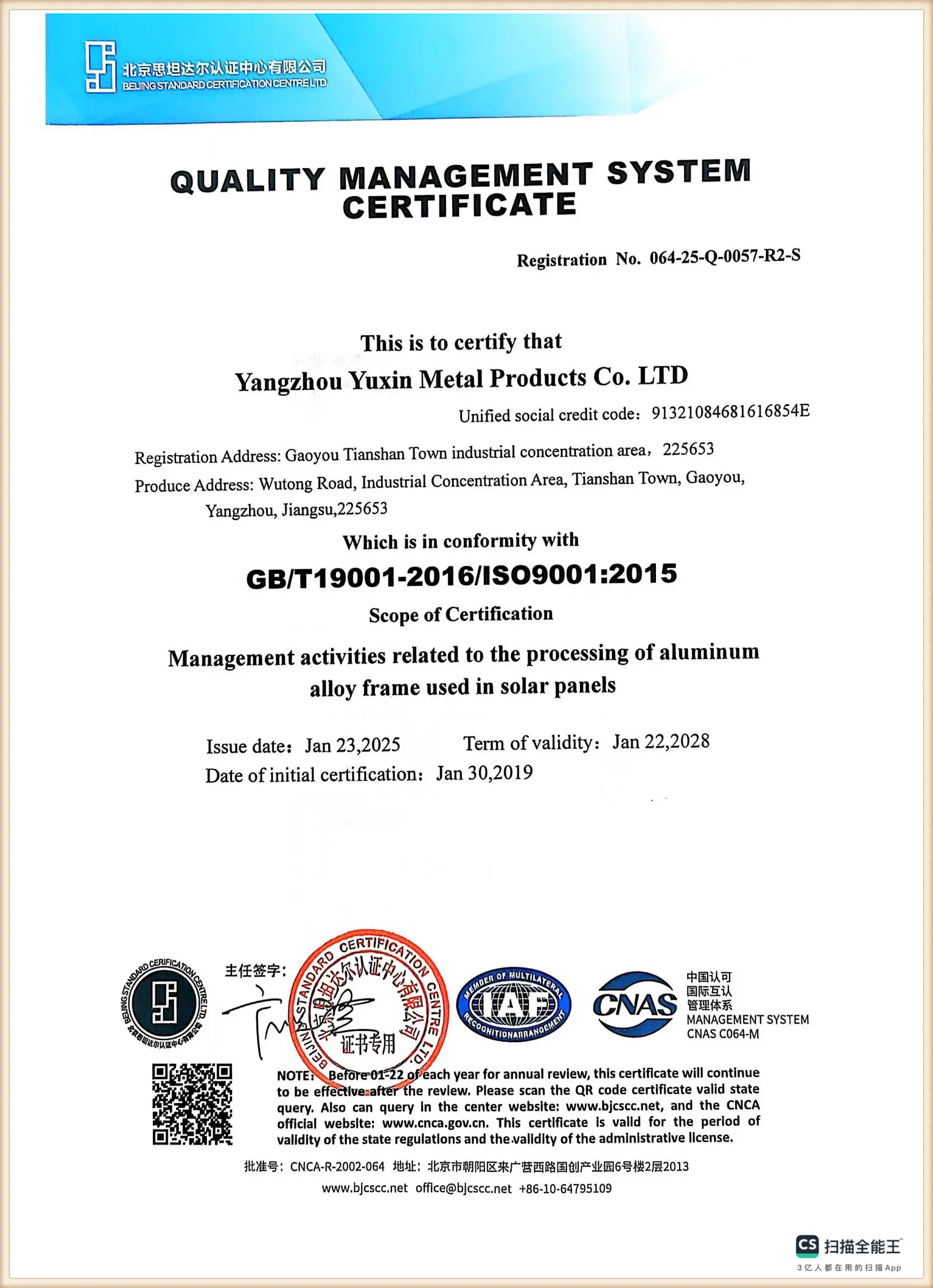
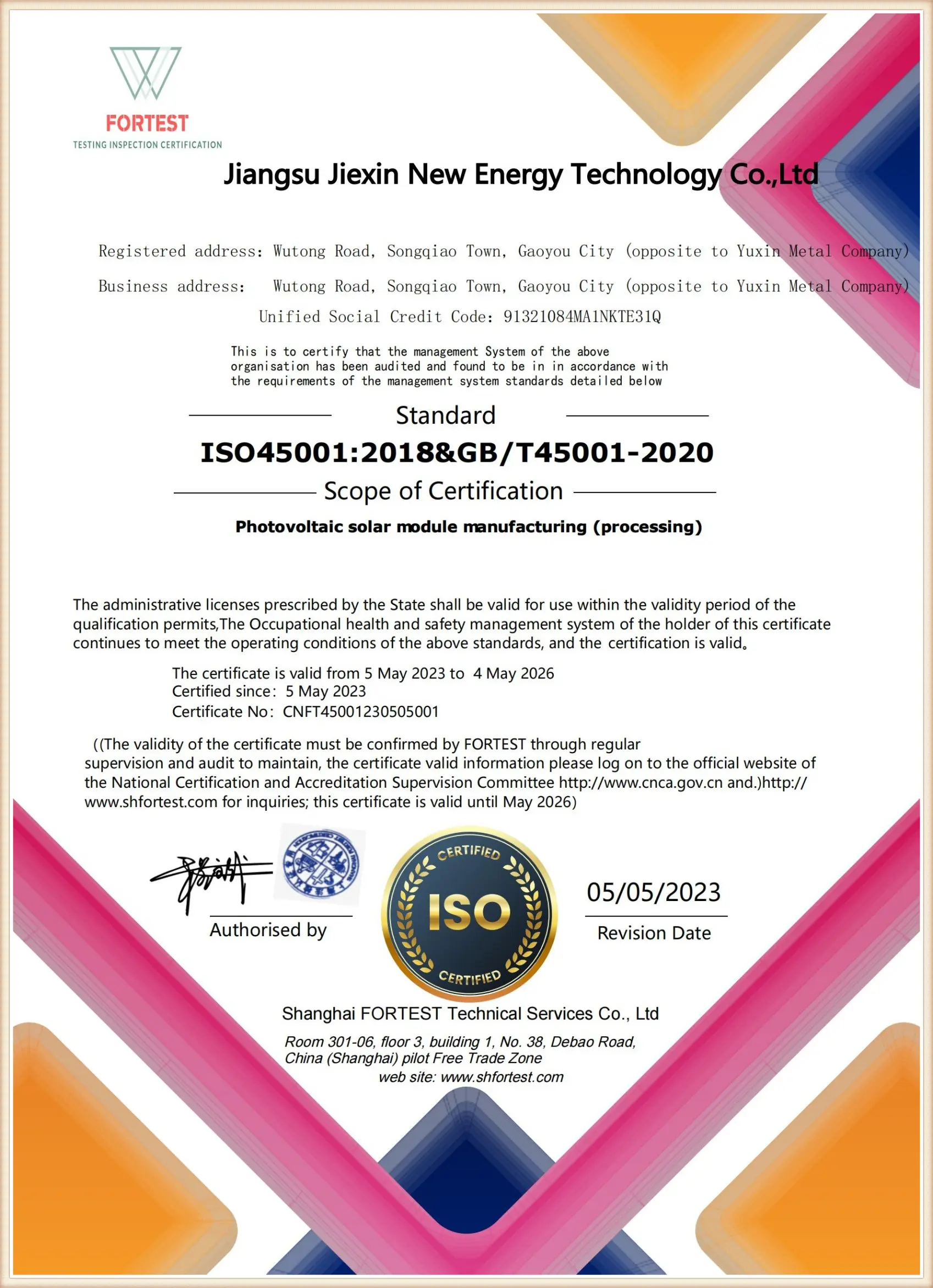
Global Standards & Quality Certifications

Tested, validated, and approved for cross-border compliance and long-term durability in target markets.
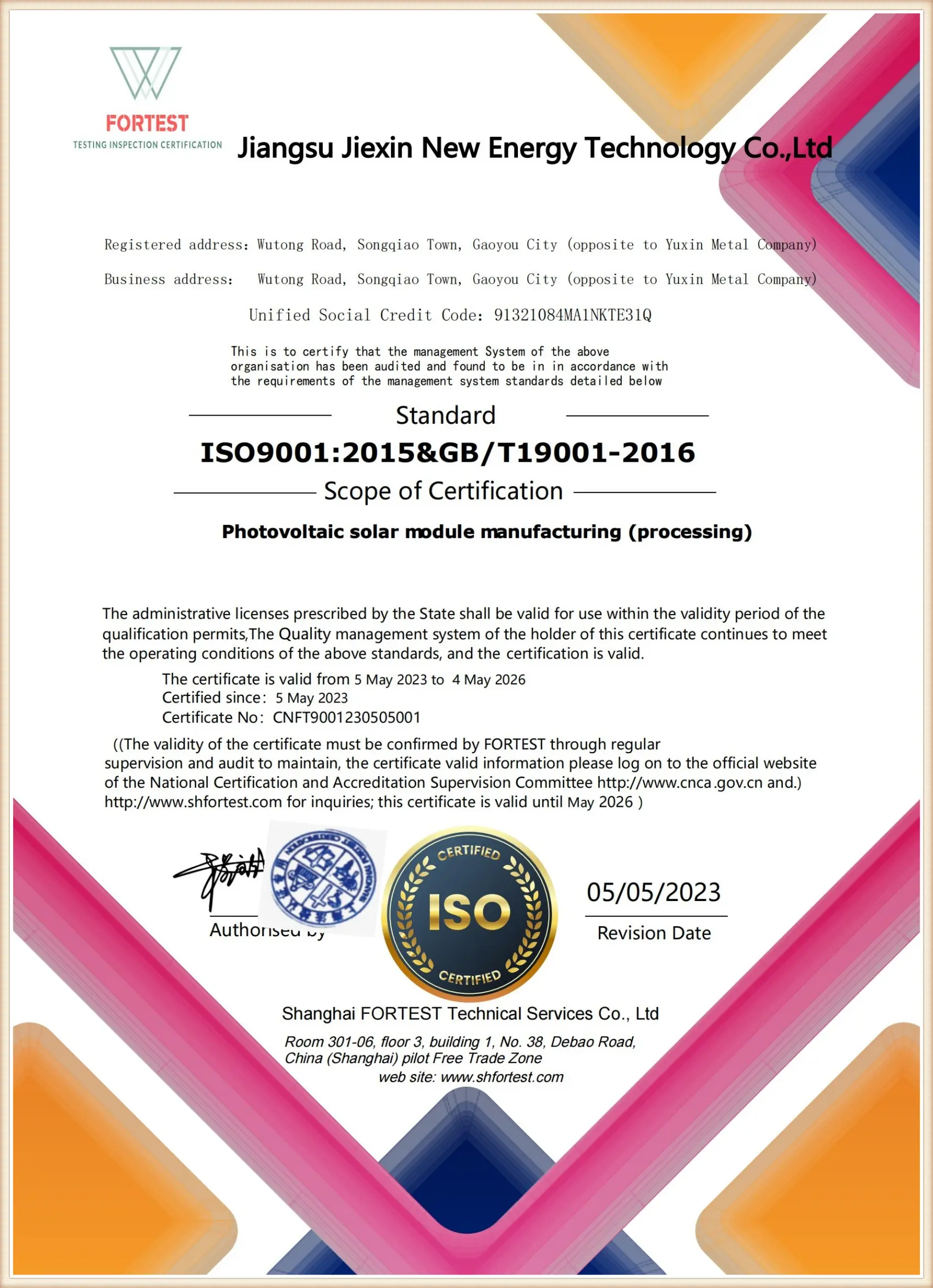
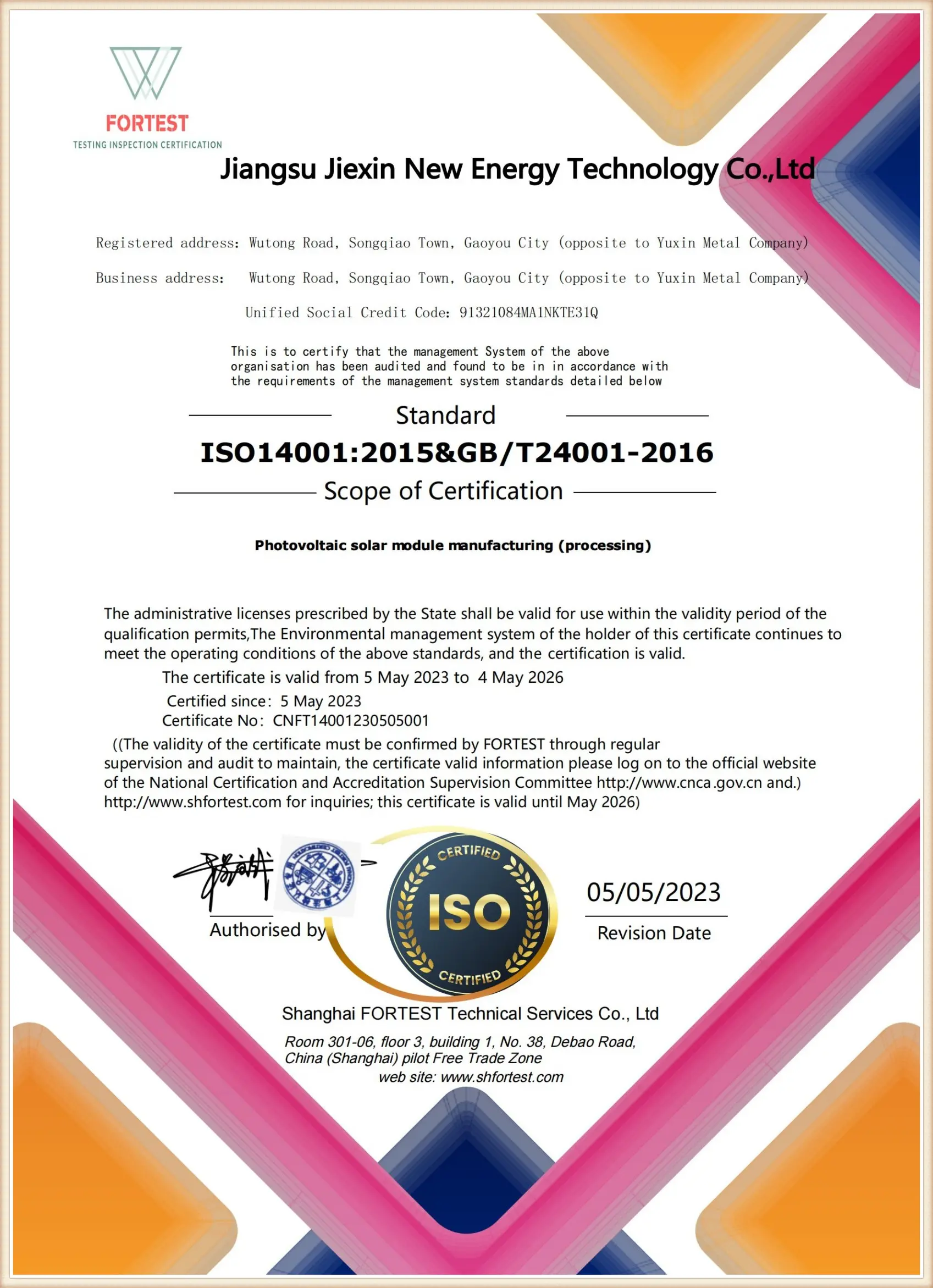
Quality Standard Certificate A
Quality Standard Certificate B
Quality Standard Certificate C
Quality Standard Certificate D
Quality Standard Certificate E

5. Localization Support & Compliance: Safeguarding Your Brand Reputation

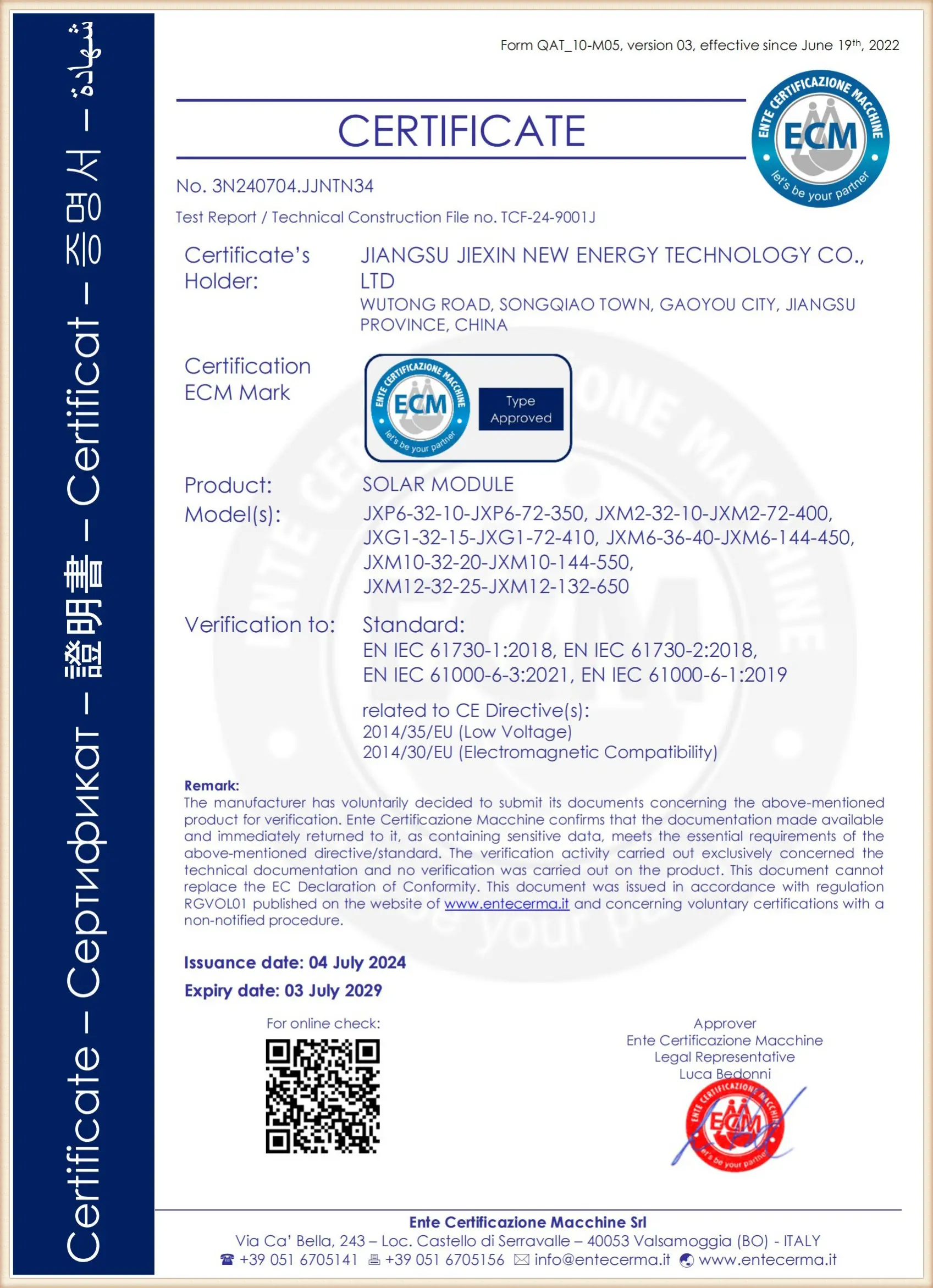
Entering strict international markets requires compliance with comprehensive safety, environmental, and trade certifications. We provide comprehensive documentation for global customs clearance and local retail environments:

  • CE Mark (European Union Compliance): Guarantees compliance with safety, health, and environmental protection standards.
  • UL 1703 / UL 61730: Vital for safety listing in North America, testing electrical performance, flame resistance, and structural integrity.
  • RoHS & WEEE Directives: Ensures lead-free, environmentally safe materials, preventing regulatory compliance issues in Europe.
  • Extended Product Liability: Factory warranties backed by comprehensive third-party insurance to cover large-scale commercial implementations.

In addition to electrical compliance, we offer local customer support documentation, customized branding, multi-language instruction manuals, and packaging designed to pass strict Amazon drop tests and retail handling conditions.

Localized Application Scenarios

From micro-energy generation in remote areas to heavy-duty off-grid systems across global industries.

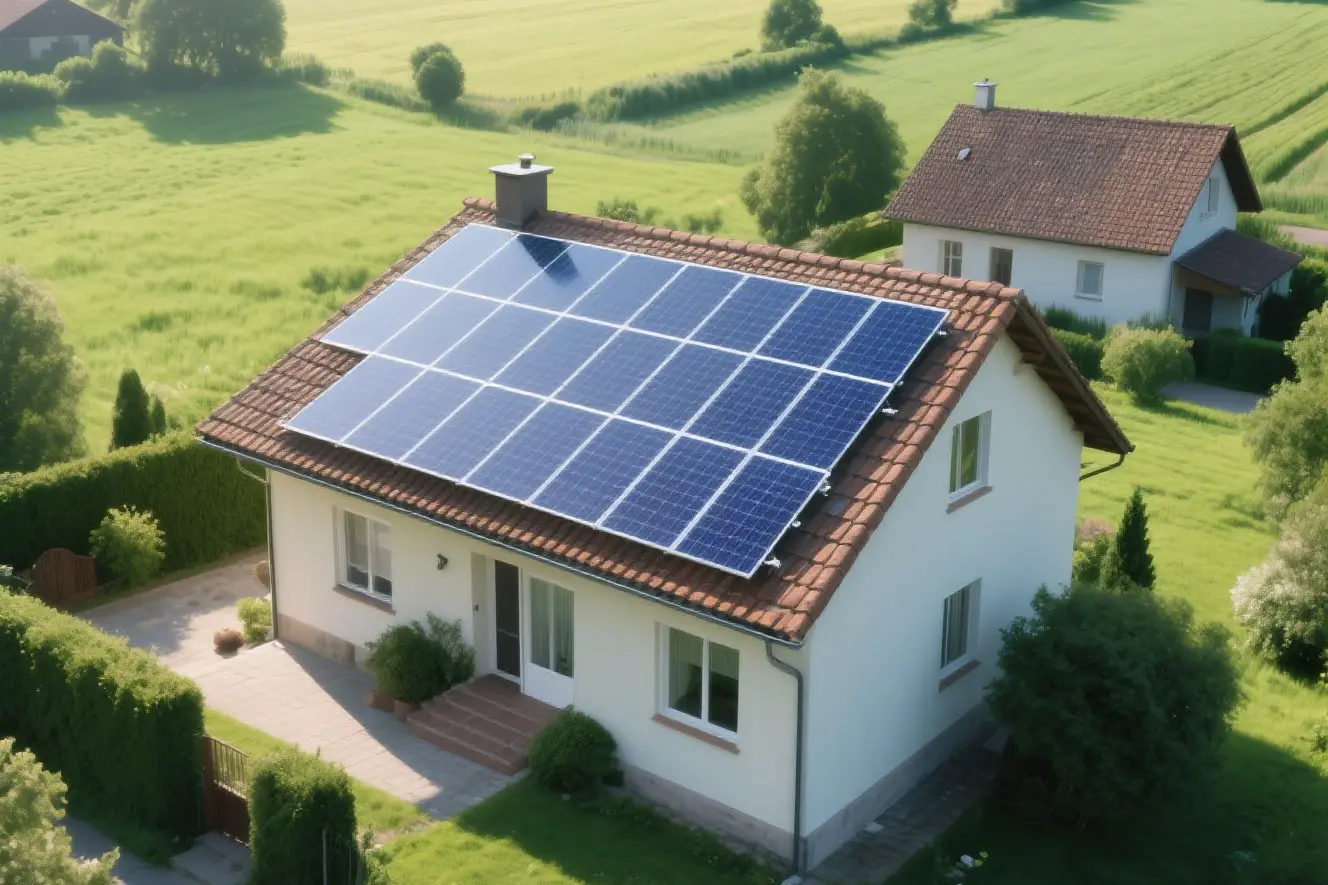
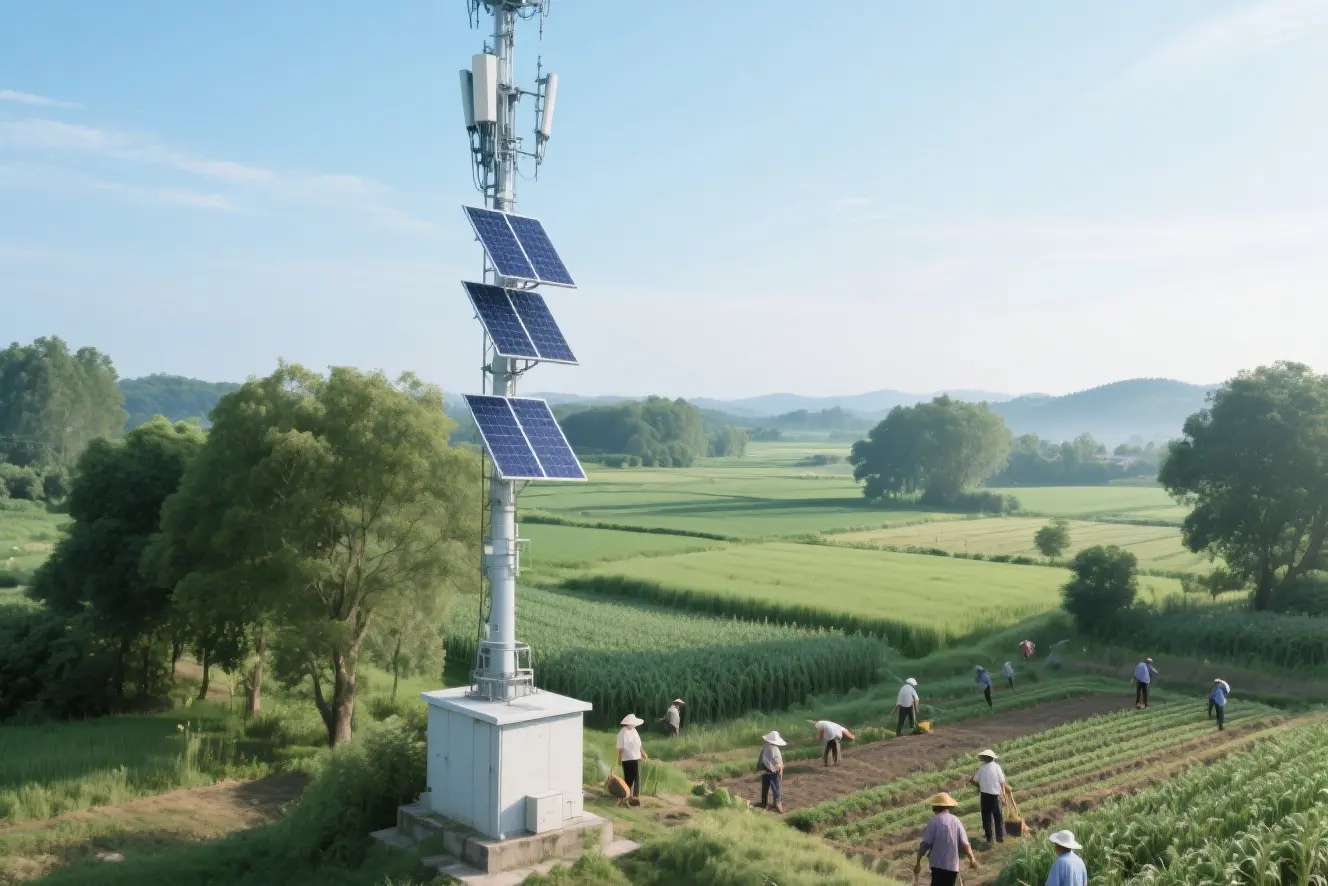
Solar applications in Agriculture

Agriculture

Solar applications in Construction

Construction

Solar applications in Electric Power

Electric Power

Solar applications in Outdoors

Outdoors

Solar applications in Telecommunications

Telecommunications

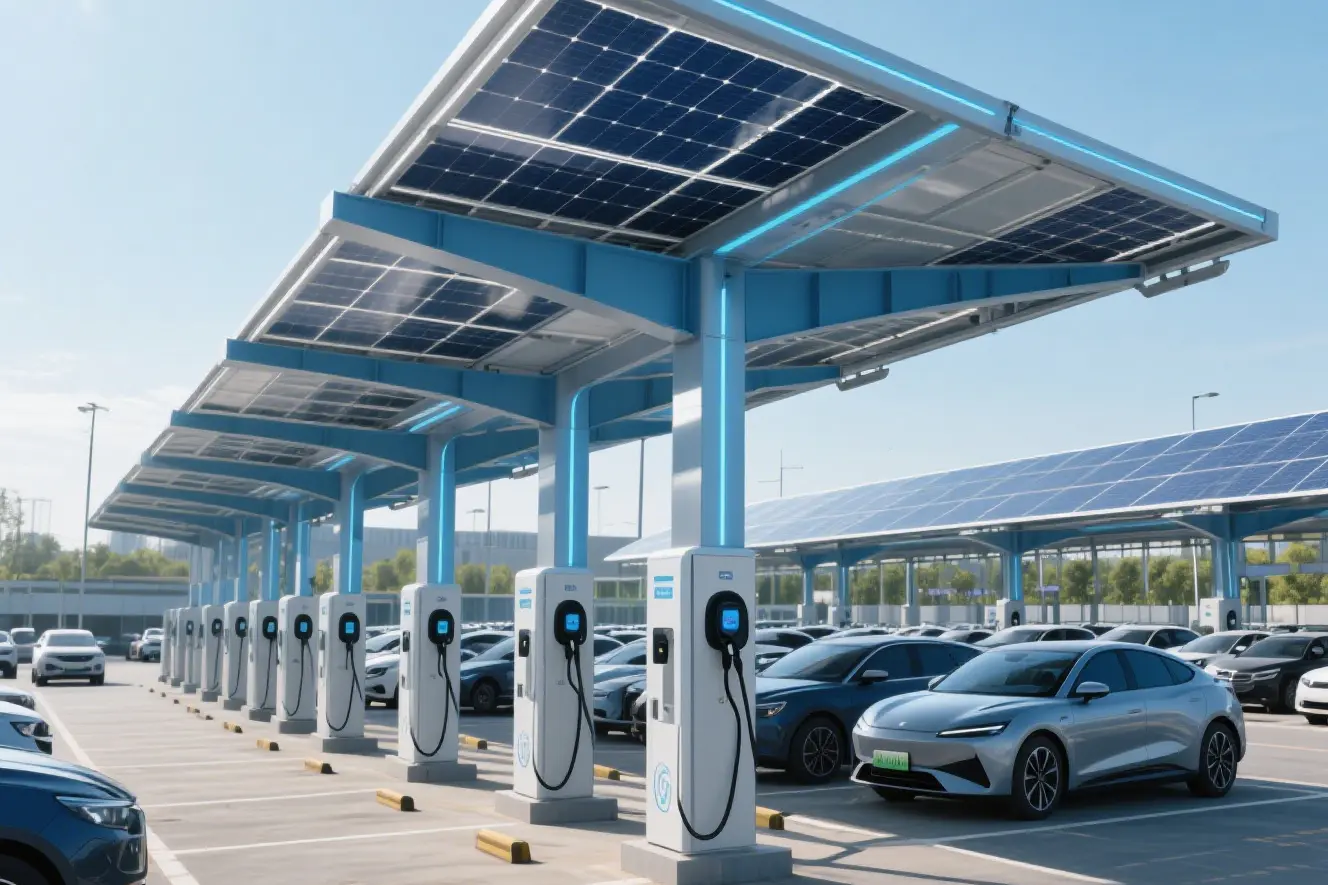
Solar applications in Transportation

Transportation

Global Business Partners

Partnering with industry leaders to deliver reliable photovoltaic solutions worldwide.
Partner Logo
Partner Logo
Partner Logo
Partner Logo
Partner Logo
Partner Logo
Partner Logo

6. Future Outlook: Trends in Camping and Off-grid Solar Systems

Looking forward, several technical innovations will shape the camping and portable solar market:

  • Perovskite-Monocrystalline Tandem Cells: Research prototypes are exceeding 30% cell efficiency. Within the next few years, tandem cell technologies will become viable for premium portable panels, significantly increasing the wattage harvested per square meter.
  • Eco-Friendly Polyurethane Composites: A shift away from carbon-heavy frame components toward sustainable, pultruded composite frames that are lighter, offer better wind resistance, and have a lower environmental impact.
  • Intelligent Energy IoT: Integrations featuring Bluetooth, Zigbee, or LoRa chips inside portable junction boxes allow users to track cell temperatures, charging efficiencies, and overall system health from mobile applications.

Industrial Q&A: Portable Camping Solar

Critical answers for B2B buyers, supply-chain managers, and technical procurers.

Q1: What differentiates ETFE from PET in folding camping solar panels?
ETFE (Ethylene Tetrafluoroethylene) is a high-strength fluorine-based polymer. It provides high light transmission (up to 95%), excellent thermal properties, and a self-cleaning surface. PET (Polyethylene Terephthalate) is less expensive but degrades, yellows, and delaminates within 1–2 years under strong solar UV exposure. For commercial, long-life, or heavy-use outdoors products, ETFE is highly recommended.
Q2: Can your factory handle custom dimensions and output plug designs (OEM/ODM)?
Yes. With 21+ automated production lines, we support full custom OEM and ODM design processes. This includes custom canvas colors, structural folding configurations, custom silk-screen brand logos, and specific terminal connectors (XT60, Anderson, MC4, DC7909, or direct USB-C PD fast-charge outputs).
Q3: How does the temperature coefficient affect camping solar panel efficiency in hot environments?
Solar cell efficiency drops when the cells heat up. Standard monocrystalline cells lose roughly 0.38% to 0.42% of output power for every degree Celsius above 25°C. Our N-type TOPCon monocrystalline cells feature an improved temperature coefficient of only -0.30%/°C, resulting in up to 10% more total daily power generation during hot summer afternoons.
Q4: What is the typical lead time and MOQ for wholesale shipments?
Standard OEM production runs require a Minimum Order Quantity (MOQ) of 100 to 500 units depending on the model's customization. Typical production lead times range from 25 to 35 days from receipt of the deposit. Standard bulk items in stock can be prepared for shipping within 7 to 10 working days.

Latest Industry Insights & News

Keep up with technical updates, material standards, and market updates from the YUXIN team.
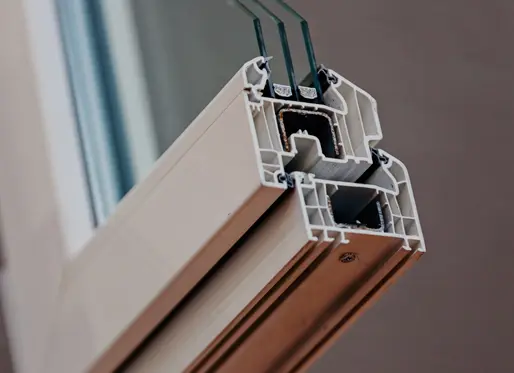
What Makes a High-Quality Solar Panel Frame?
June 16, 2026

What Makes a High-Quality Solar Panel Frame?

Read Full Article
How to Choose a Reliable OEM Solar Frame Manufacturer in China
June 15, 2026

How to Choose a Reliable OEM Solar Frame Manufacturer in China

Read Full Article
Solar Panel Frame Quality Control: Key Inspection Standards Explained
June 14, 2026

Solar Panel Frame Quality Control: Key Inspection Standards

Read Full Article