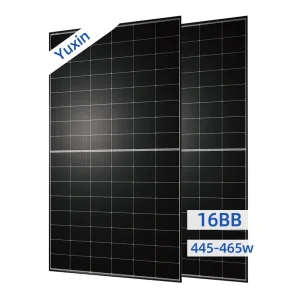
Explore our premium range of lightweight solar panels, high-efficiency cells, and outdoor power integration products designed for international wholesale markets.
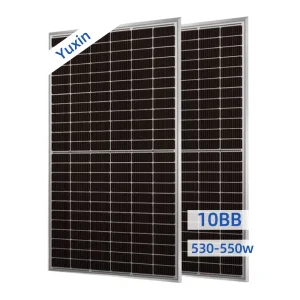
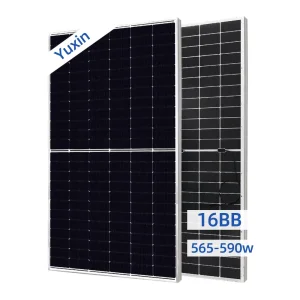
An in-depth structural review of Building Integrated Photovoltaics, regulatory environments, and procurement metrics for utility-scale developments.
In response to the European Union’s Energy Performance of Buildings Directive (EPBD) mandating Zero-Emission Buildings (ZEB) by 2030, the architectural paradigm has shifted fundamentally. No longer is solar energy treated as an aesthetic afterthought or an auxiliary component bolted onto a structure. Today, Building Integrated Photovoltaics (BIPVs) serve a dual purpose: they function as structural building materials (such as glazing, rainscreens, or roofing membranes) while simultaneously generating carbon-free energy directly at the point of consumption.
Selecting the optimal wholesale partners and understanding the supply chain dynamics between European design mandates and manufacturing clusters, particularly in China, is paramount for EPC contractors, real estate developers, and municipal planners. The European market requires precise physical characteristics—ranging from wind load tolerance and fire safety classifications to customized visible light transmittance (VLT) and solar heat gain coefficients (SHGC). Meeting these demands requires robust engineering expertise and significant economies of scale.
SEO Insight & Information Gain: Traditional BAPV (Building Applied Photovoltaics) retrofits incur secondary structure costs and aesthetic compromises. True BIPV integration reduces long-term BOS (Balance of System) expenditure by displacing standard exterior construction materials with dual-functional solar-active surfaces.
The global photovoltaic supply chain is anchored by Chinese high-tech manufacturing corridors, notably within industrial hubs like Jiangsu Province. Sourcing critical BIPV elements—such as custom dual-glass TOPCon modules, specialized structural aluminum frames, and polyurethane composite solutions—from Chinese factories provides several key structural advantages:
A comparison of high-efficiency silicon layers, mechanical framings, and structural enhancements governing current BIPV deployment.
By employing Tunnel Oxide Passivated Contact (TOPCon) layers, modern modules reach up to 22.8% operational efficiency. Excellent performance under diffuse northern light makes it perfect for vertical wall mounting across Central and Northern Europe.
Utilizing high-transparency tempered glass on both front and back surfaces maximizes energy yields through back-side albedo reflection, while offering Class-A fire rating protection required by stringent building codes.
In addition to traditional anodized aluminum, factories now offer pultruded polyurethane composite frames. These profiles offer zero thermal bridging, high electrical insulation, and superior resistance to chemical environments.
European design relies on localization. Architectural norms vary from the historical centers of Southern Europe to the modern commercial projects of Scandinavia. Designing a robust wholesale BIPV procurement pipeline requires assessing where the active materials will reside:
1. Ventilated Rain-Screen Facades: For commercial high-rises in Frankfurt or London, vertical glass facades present the largest spatial surface. Standard solar modules are poorly suited due to heavy mounting weights. Modern factories produce thin-film or customized crystalline dual-glass units that serve as outer weather barriers. They match standard architectural rainscreen grids, keeping construction straightforward.
2. Overhead Skylights and Atriums: Transparency matters. European offices prioritize natural day-lighting. Custom BIPV suppliers utilize laser-scribed semi-transparent solar cells embedded in multi-layered safety glass. This controls glare and solar heat ingress, lowering HVAC cooling loads while maintaining generation.
3. Modern Industrial Roofs & Solar Carports: Large logistics hubs require robust, low-maintenance systems. Utilizing lightweight N-type modules paired with specialized pultruded polyurethane composite framing minimizes dead loads on steel truss structures. This allows solar installations on rooftops that cannot support standard heavy glass modules.
Sourcing building-integrated photovoltaics requires coordinating key building components. Unlike traditional solar setups, BIPV must interface directly with mechanical, structural, and electrical building systems:
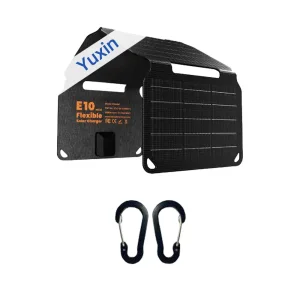
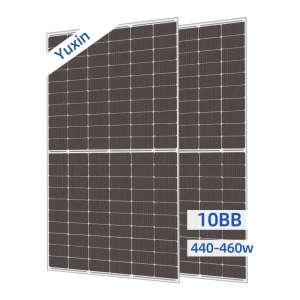
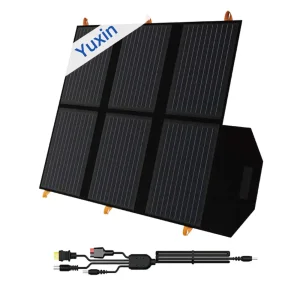
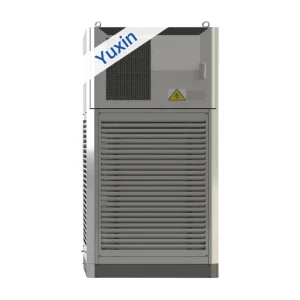
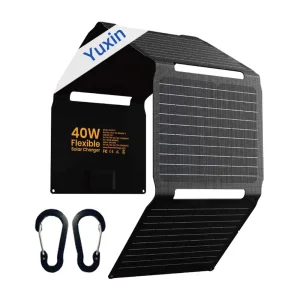
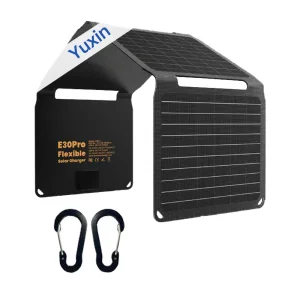
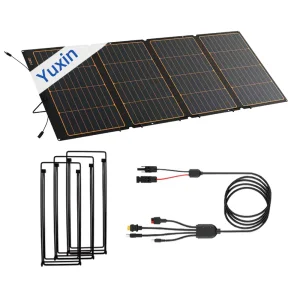
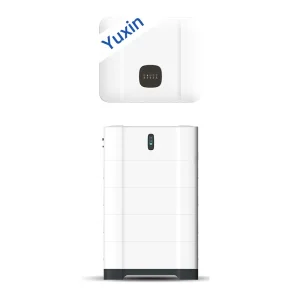
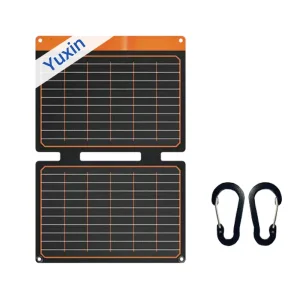
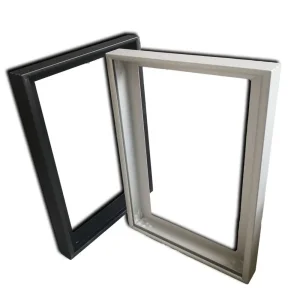
Direct view of the essential product variations including specialized home integration systems, lightweight panels, and framing materials.
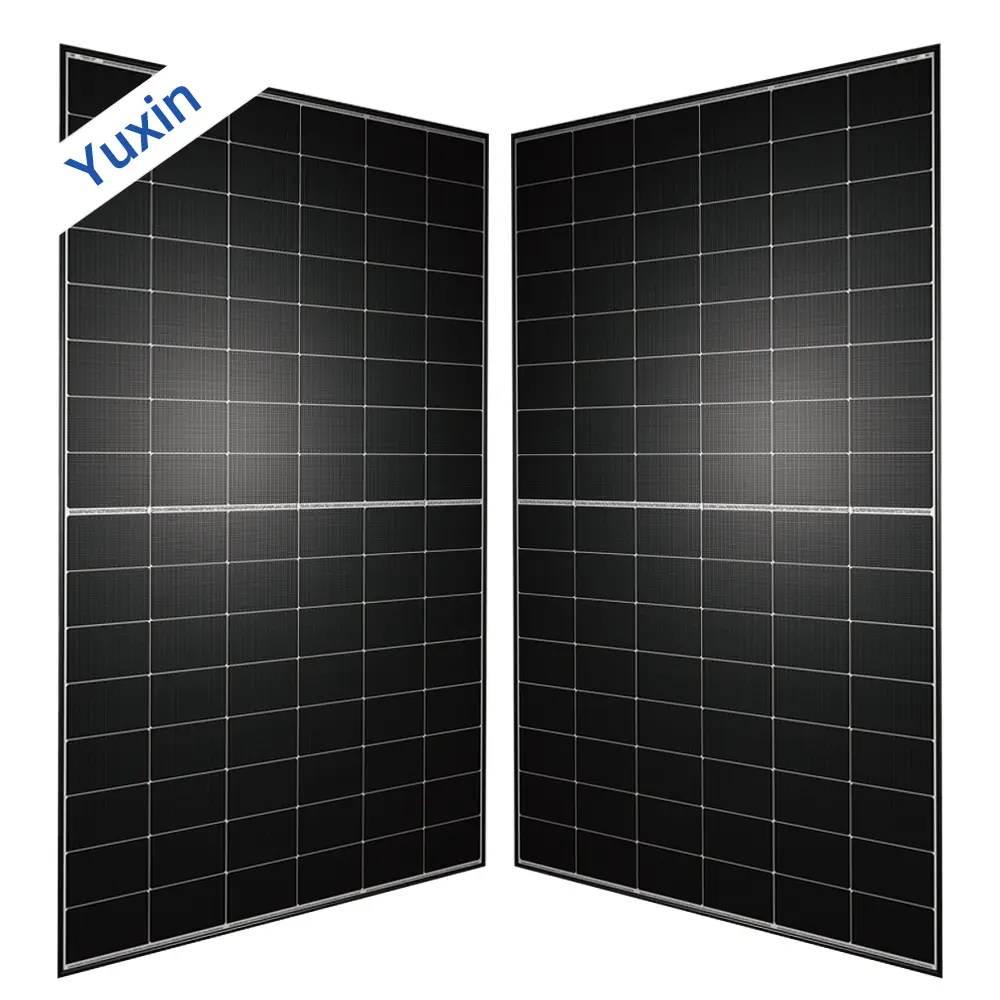
Lightweight design with transparent back panel for easy installation and reduced BOS costs.
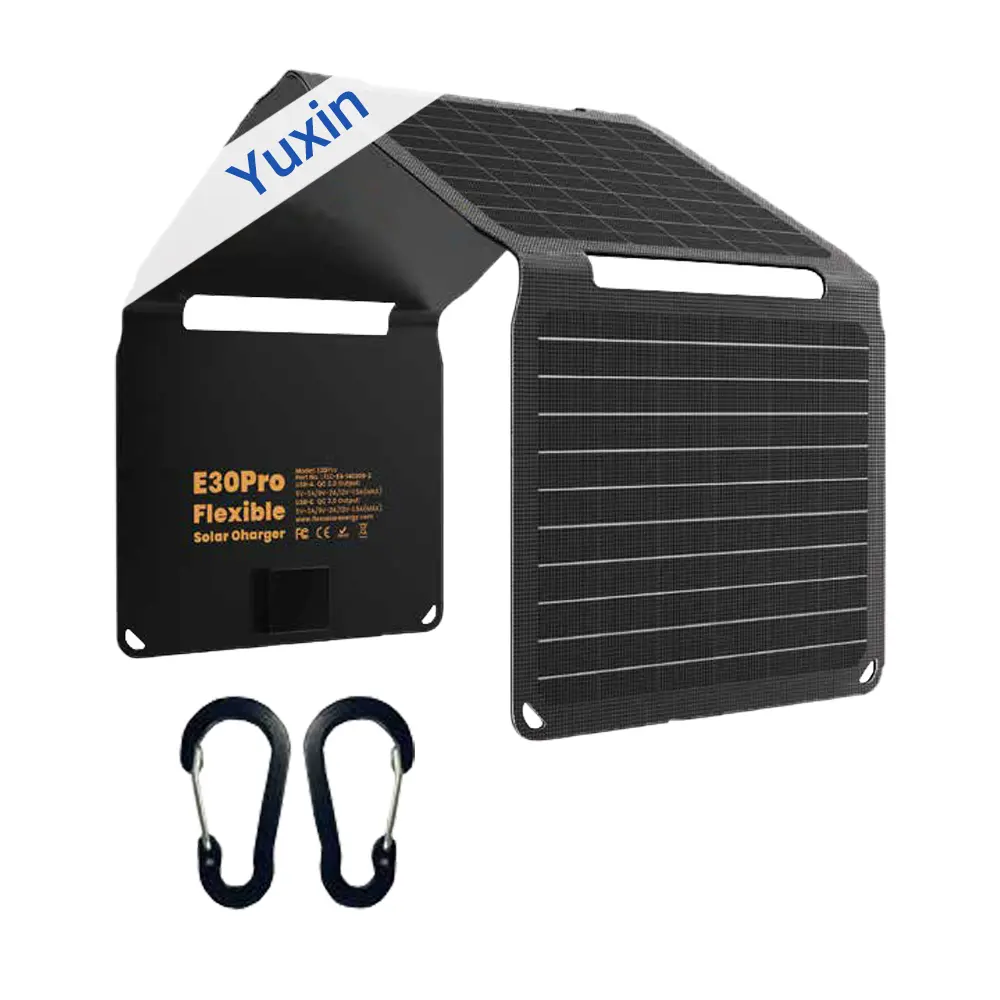
Utilizing advanced monocrystalline silicon cells, it achieves a high energy conversion efficiency of 24%.
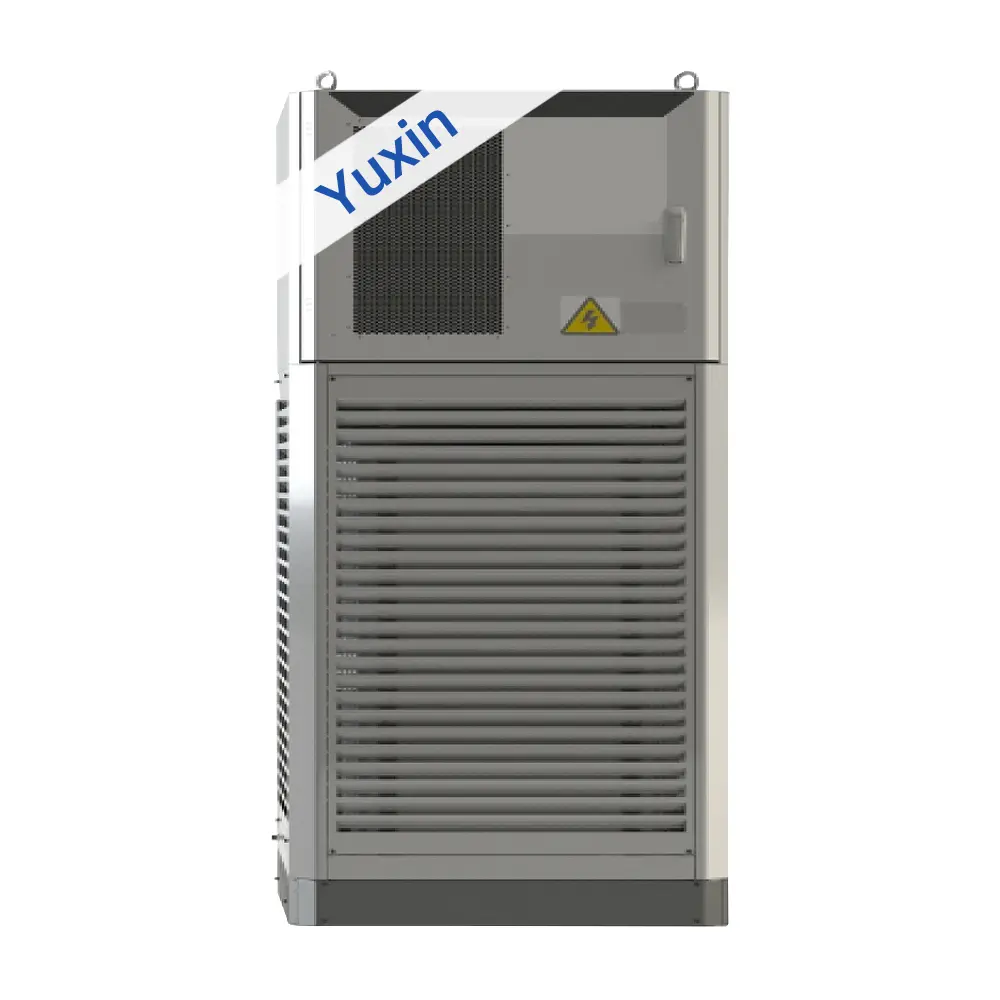
Application modes include grid-connected mode, off-grid mode, and integrated grid-connected/off-grid mode.
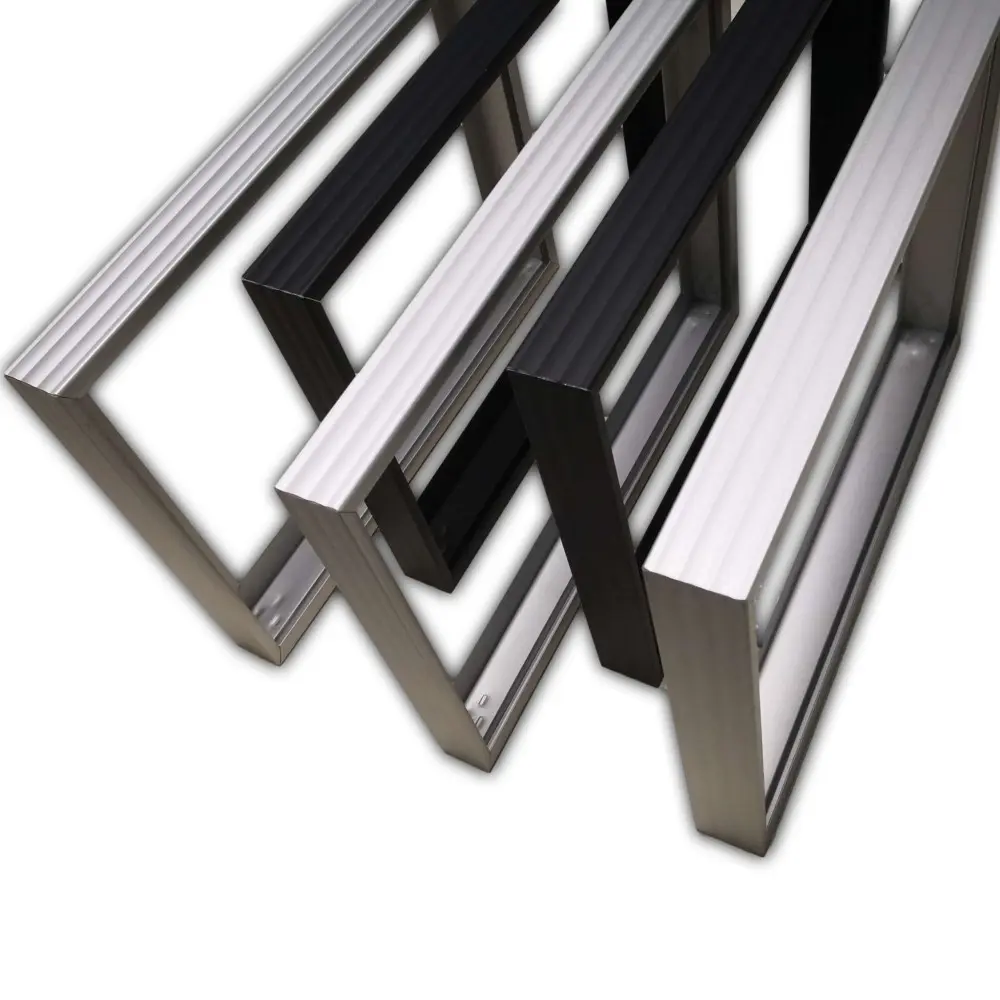
Made of high-quality anodized aluminum, it ensures superior weather resistance and a smooth, long-lasting finish.
Procuring custom solar elements for commercial and industrial structures requires a structured, multi-step quality validation pipeline. To mitigate delivery risks, European procurement departments should adhere to the following framework:
1. Initial Technical Scope definition: Ensure your building designer coordinates directly with the factory's structural engineering department. Specify exact parameters for wind load, static snow load (under EN 1991), and required visible light transmittance (VLT). Define framing specifications, including anodization depth (measured in microns) or the exact chemical makeup of polyurethane composite profiles.
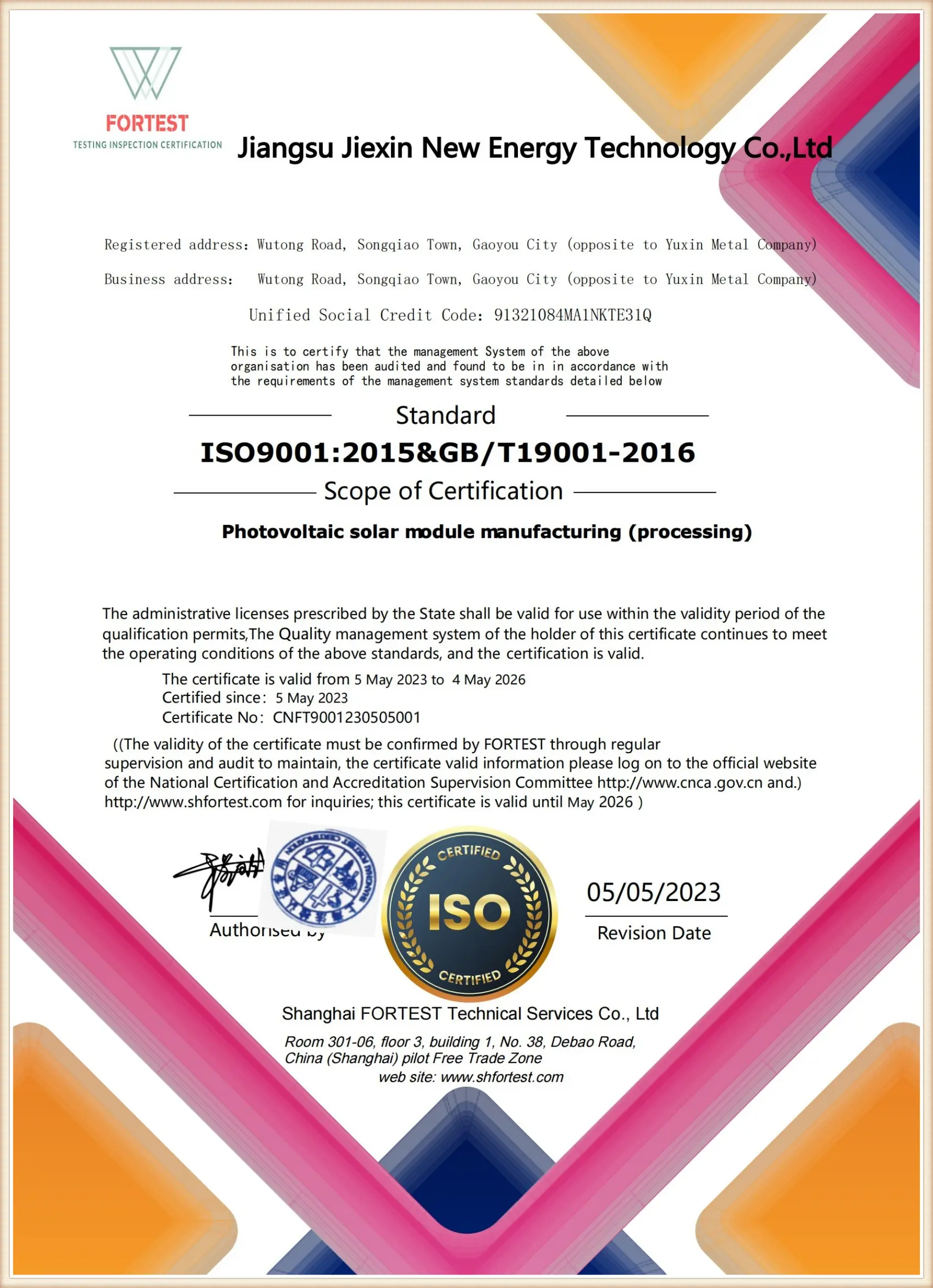
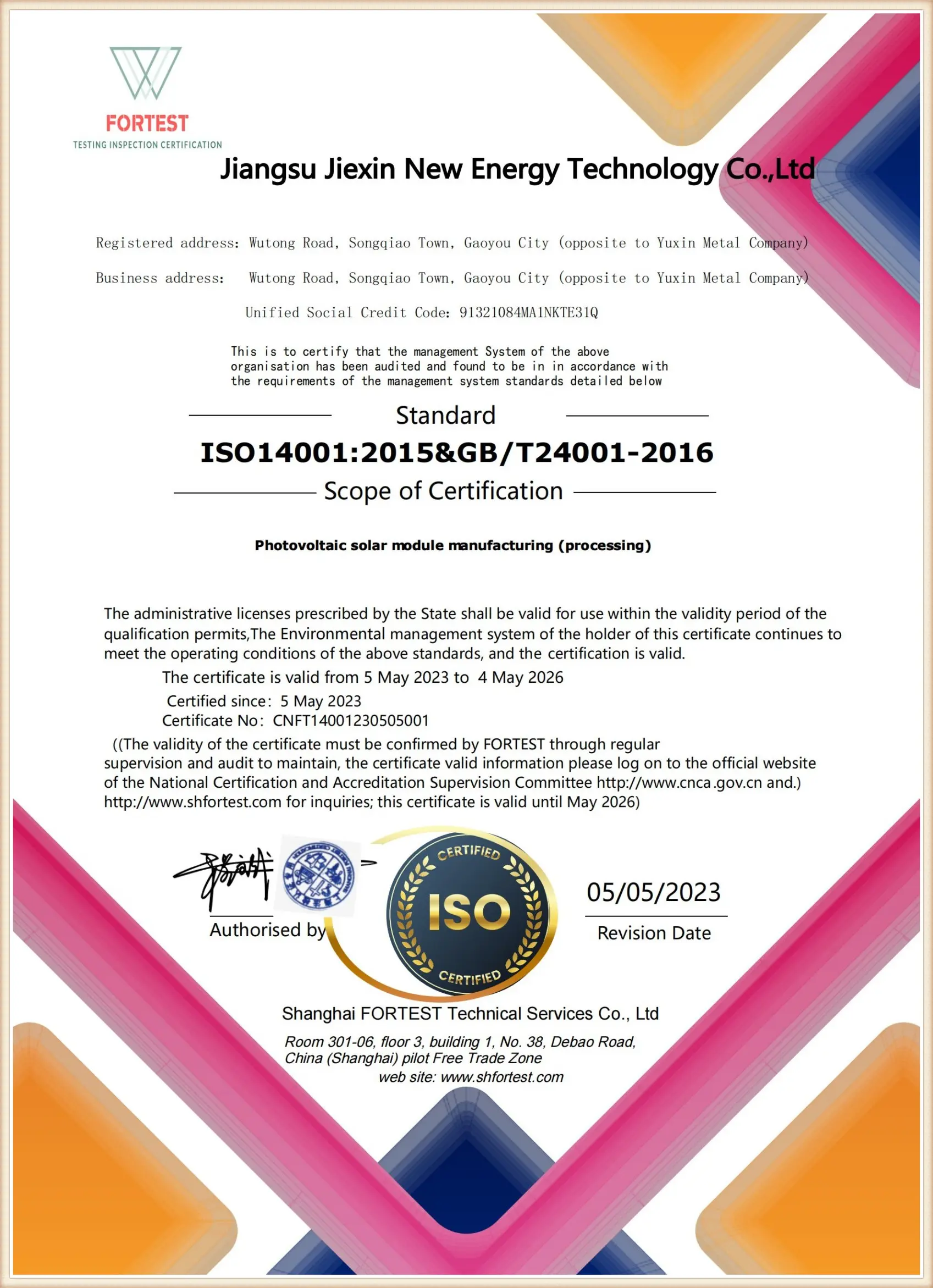
2. Certifications and Testing Logs: Do not rely solely on basic CE marks. Demand certified laboratory tests for IEC 61215 and IEC 61730 certifications, alongside regional European fire certificates (such as BS EN 13501-1 Class A or B ratings). Validate the factory's ISO 9001 and ISO 14001 statuses for long-term manufacturing quality.
3. Logistics, Packaging, and Shipping: Heavy dual-glass architectural elements require specialized handling. Verify that shipments use reinforced A-frame crates with shock-absorbing foam inserts. Partner with logistics carriers offering direct port-to-site shipping routes to minimize intermediate handling steps.
BIPV pricing depends heavily on customization level, glass thickness, and framing type. The table below outlines typical factory-direct wholesale pricing tiers for European enterprise orders (minimum order volume of 500kW or custom equivalent):
| Component Category | Detailed Specifications | Wholesale Pricing (USD) | Primary Application Area |
|---|---|---|---|
| Bifacial Dual-Glass Modules | N-type TOPCon, 3.2mm+3.2mm tempered glass, 16BB, CE certified | $0.12 - $0.18 / Watt | Rooftop, Open Ground, Standard Canopy |
| Architectural Facade Modules | Custom sizing, 4.0mm+4.0mm colored PVB glass, VLT 10%-40% | $160 - $240 / Sq. Meter | Curtain Wall, Rainscreens, Storefronts |
| Structural Framing Profiles | 6063-T5 Anodized Aluminum, 15-20 micron layer thickness | $2,800 - $3,500 / Metric Ton | Mechanical glass support, structural glazing |
| Polyurethane Composite Profiles | Pultruded high-density composite, thermal-break design | $3,800 - $4,600 / Metric Ton | Passive house construction, corrosive environments |
| Complete Residential Kits | 8kW - 30kW off/on-grid hybrid system including storage | $0.45 - $0.65 / Watt | Residential scale retrofits, distributed power |
*Note: Pricing scales dynamically based on order volume, customization complexity, and raw material index fluctuations (aluminum billet and solar grade polysilicon pricing). Contact our sales engineering division for a custom project quote.
Precision, Quality, and Safety - Your Photovoltaic Materials Expert
Located in the scenic historical and cultural ancient city of Yangzhou, close to the Beijing-Shanghai Expressway, Runyang Yangtze River Bridge, and Ningqi Railway, the group has a superior geographical location and convenient transportation. The group was established in 2008 and has 14 multi-field companies under its jurisdiction, including Jiangsu Yuxin New Energy Technology Co., Ltd., and has won many titles such as National High-tech Enterprise, Technology-based Enterprise, and Gaoyou City Top 100 Private Enterprises.
Our products comply with standard testing protocols required for installation across demanding European climates.
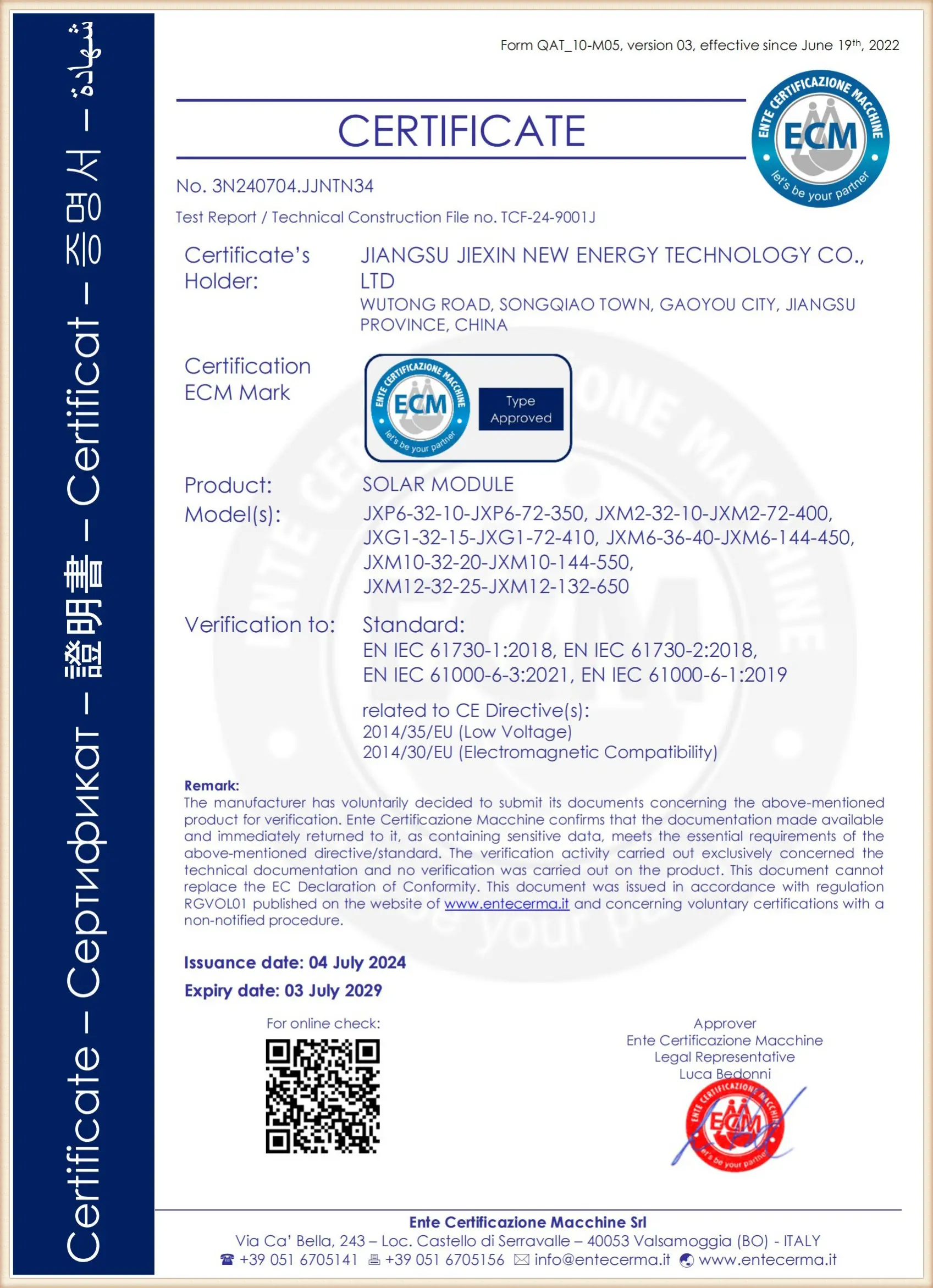
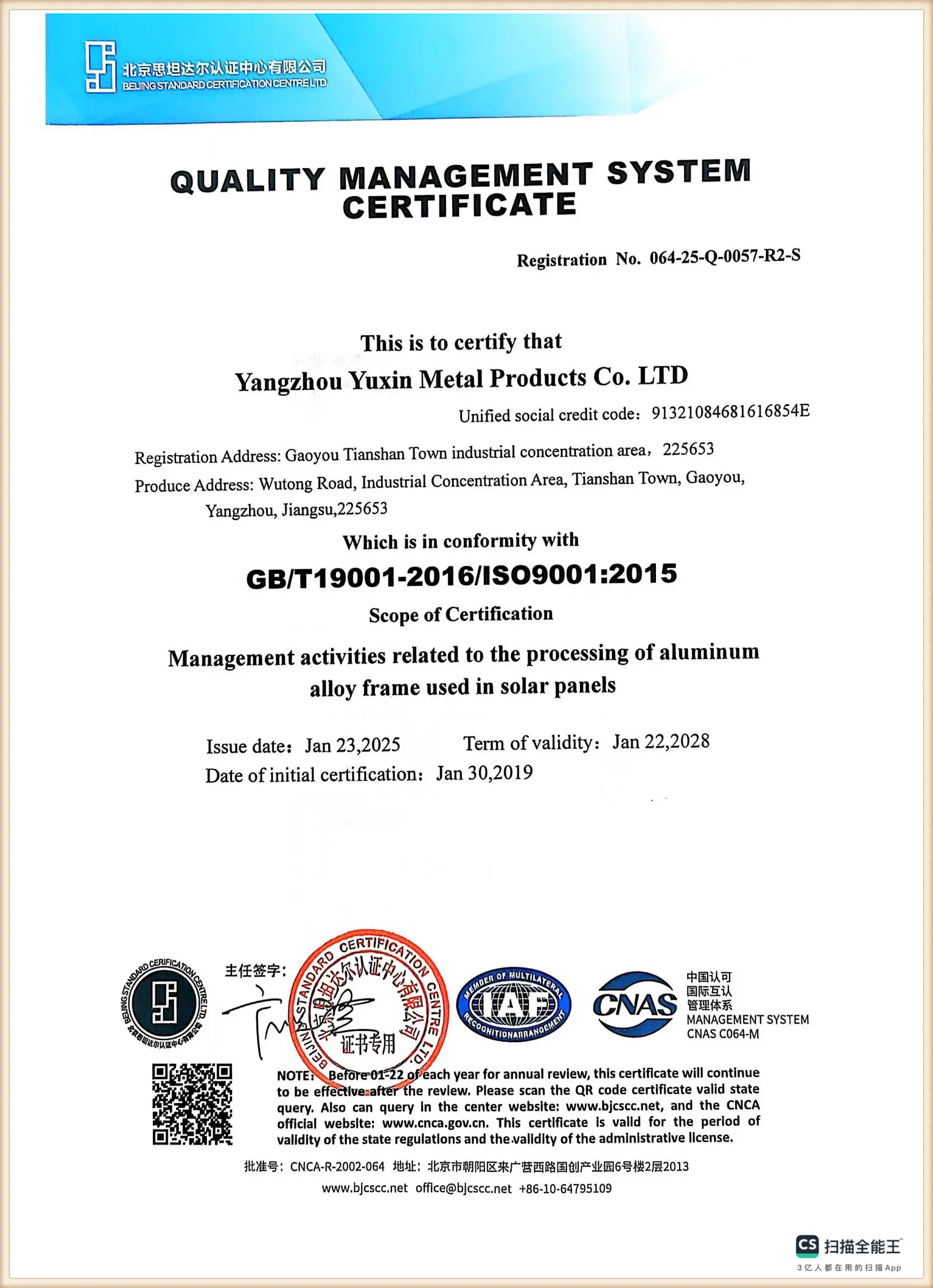
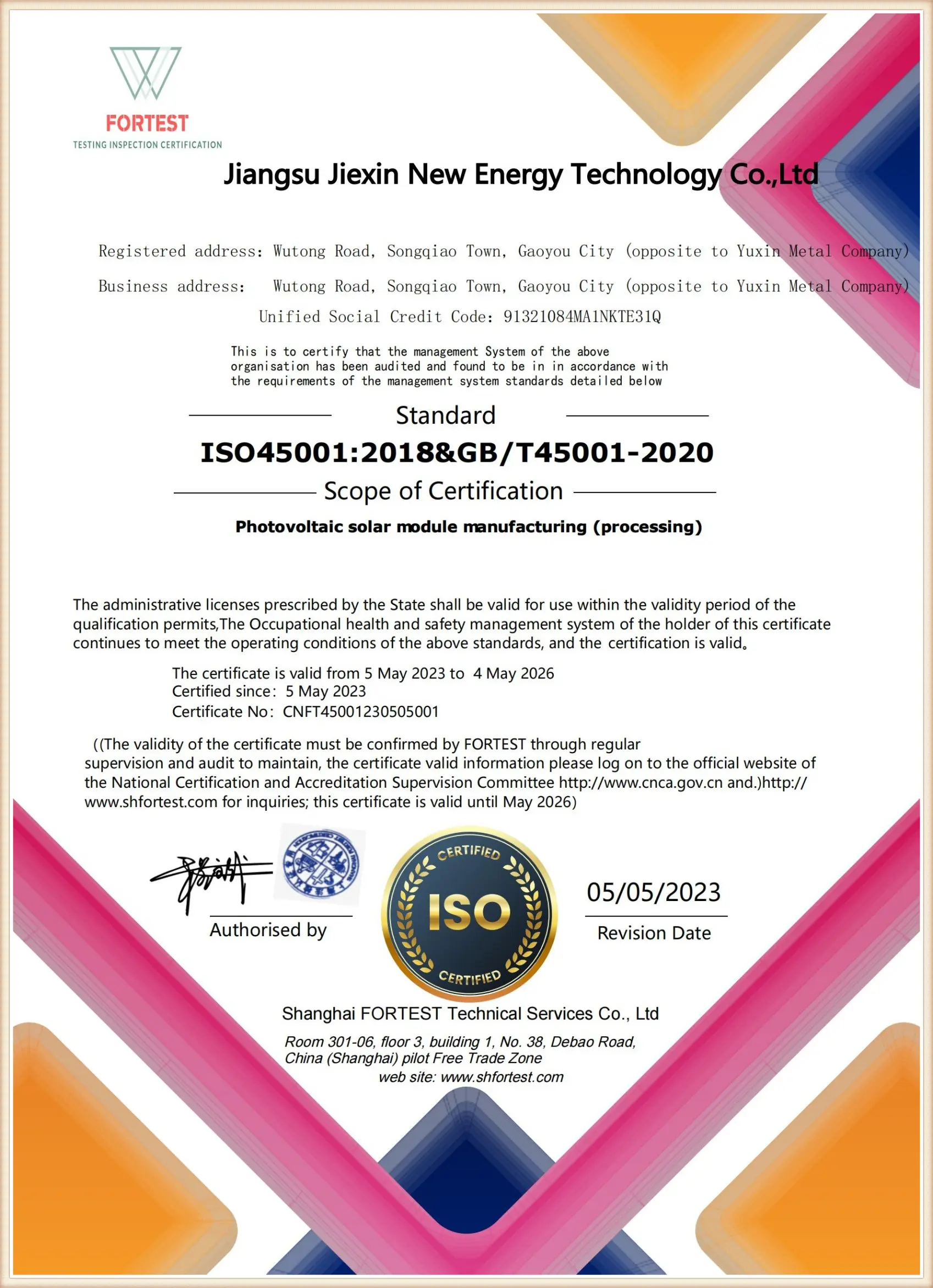
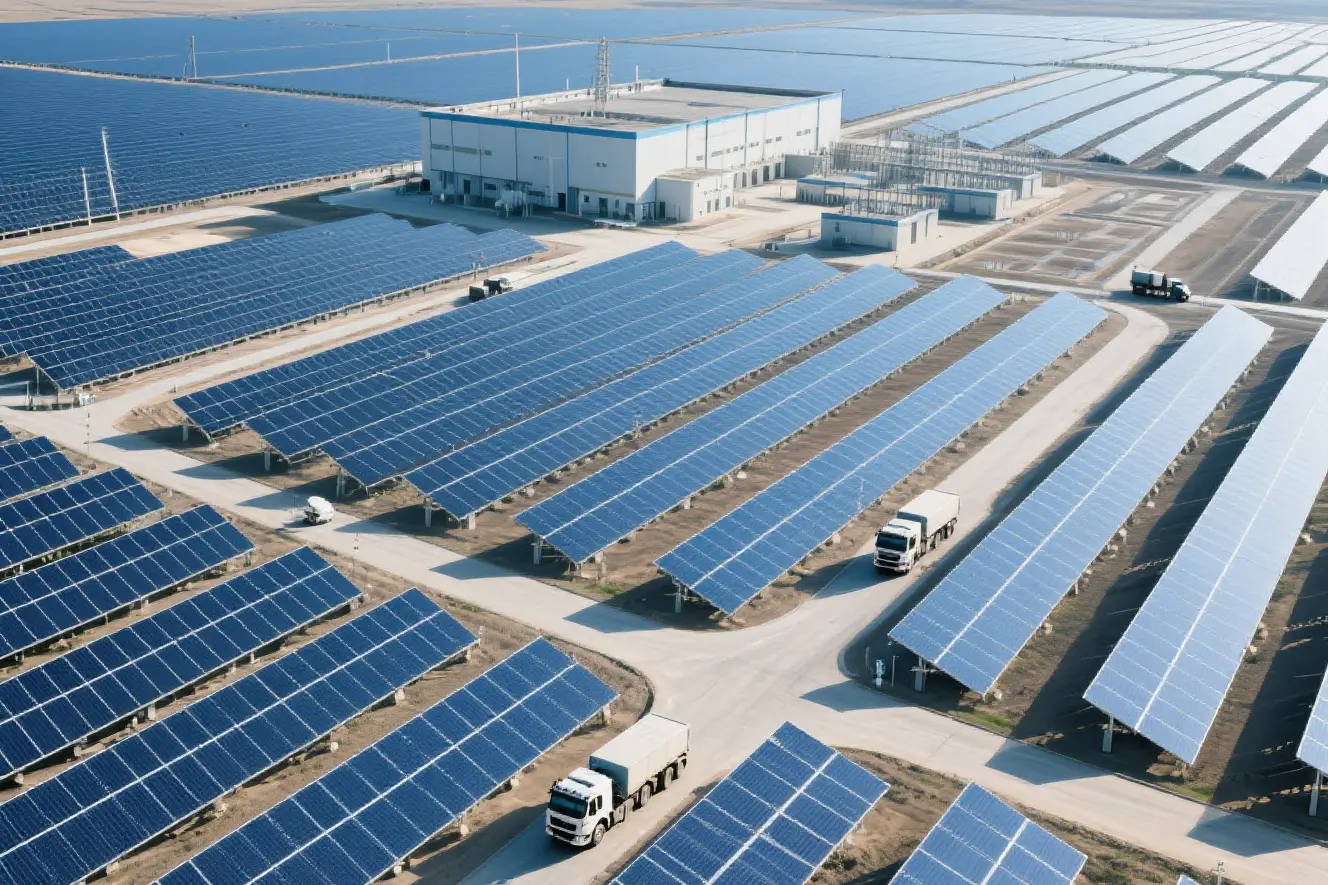
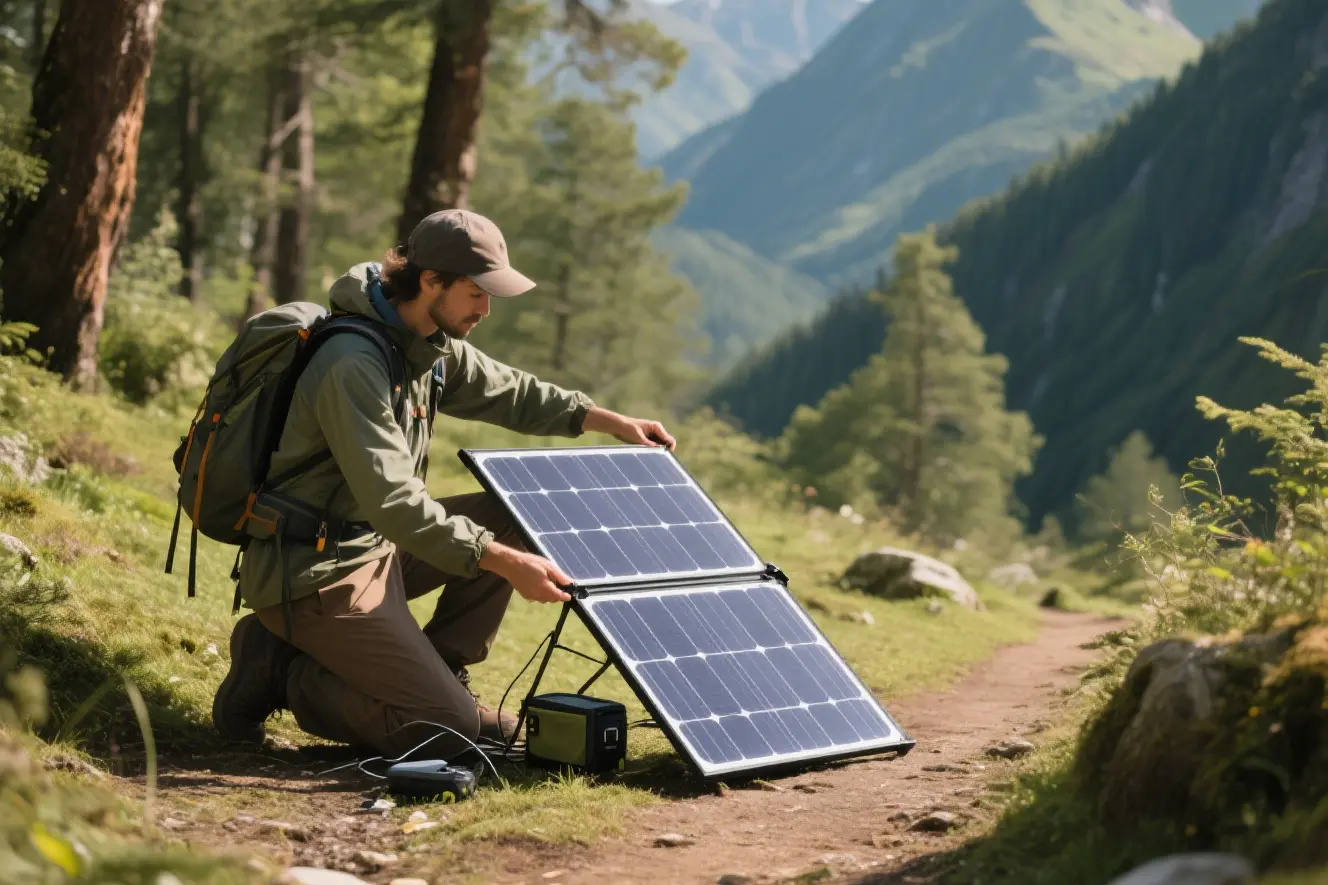
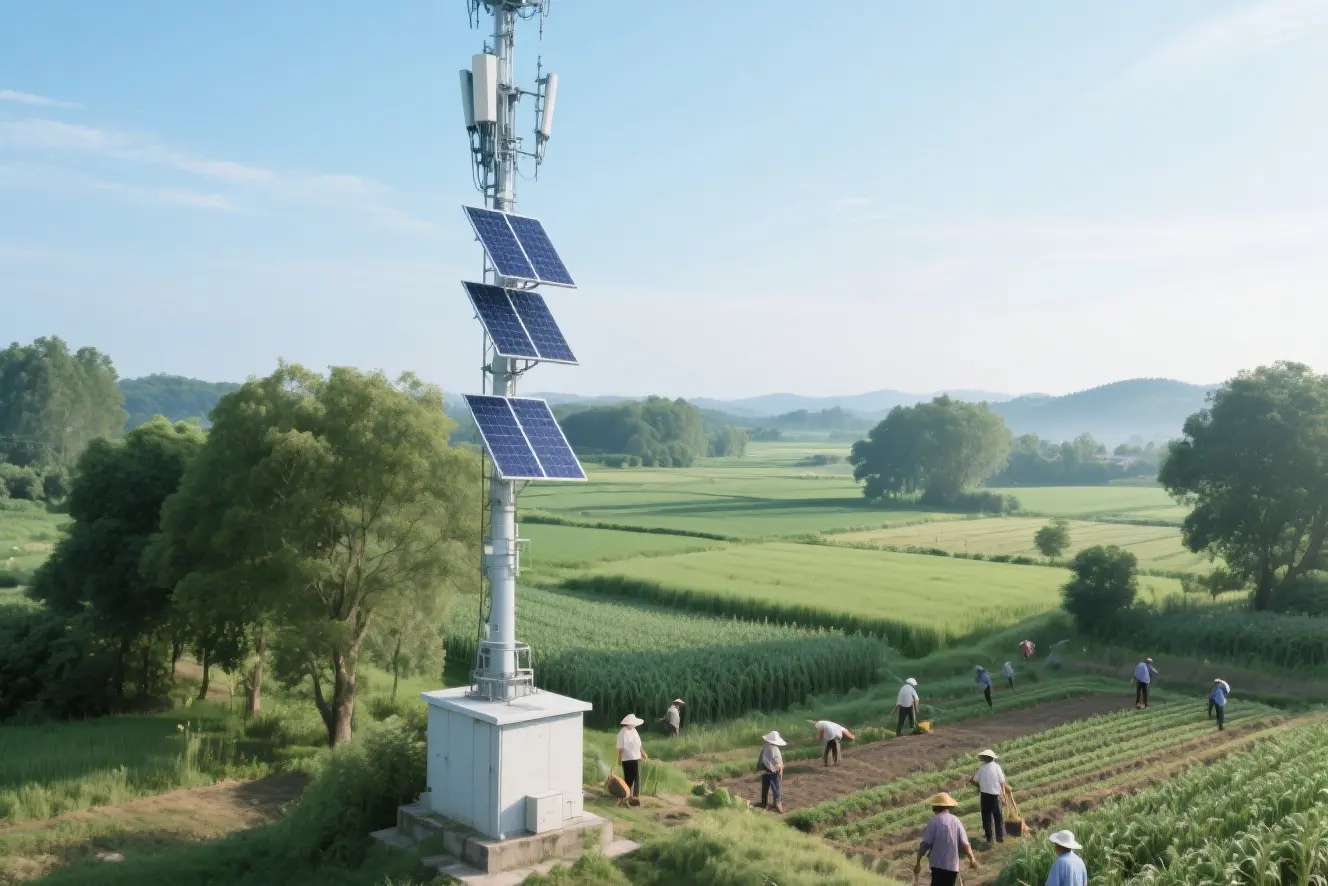
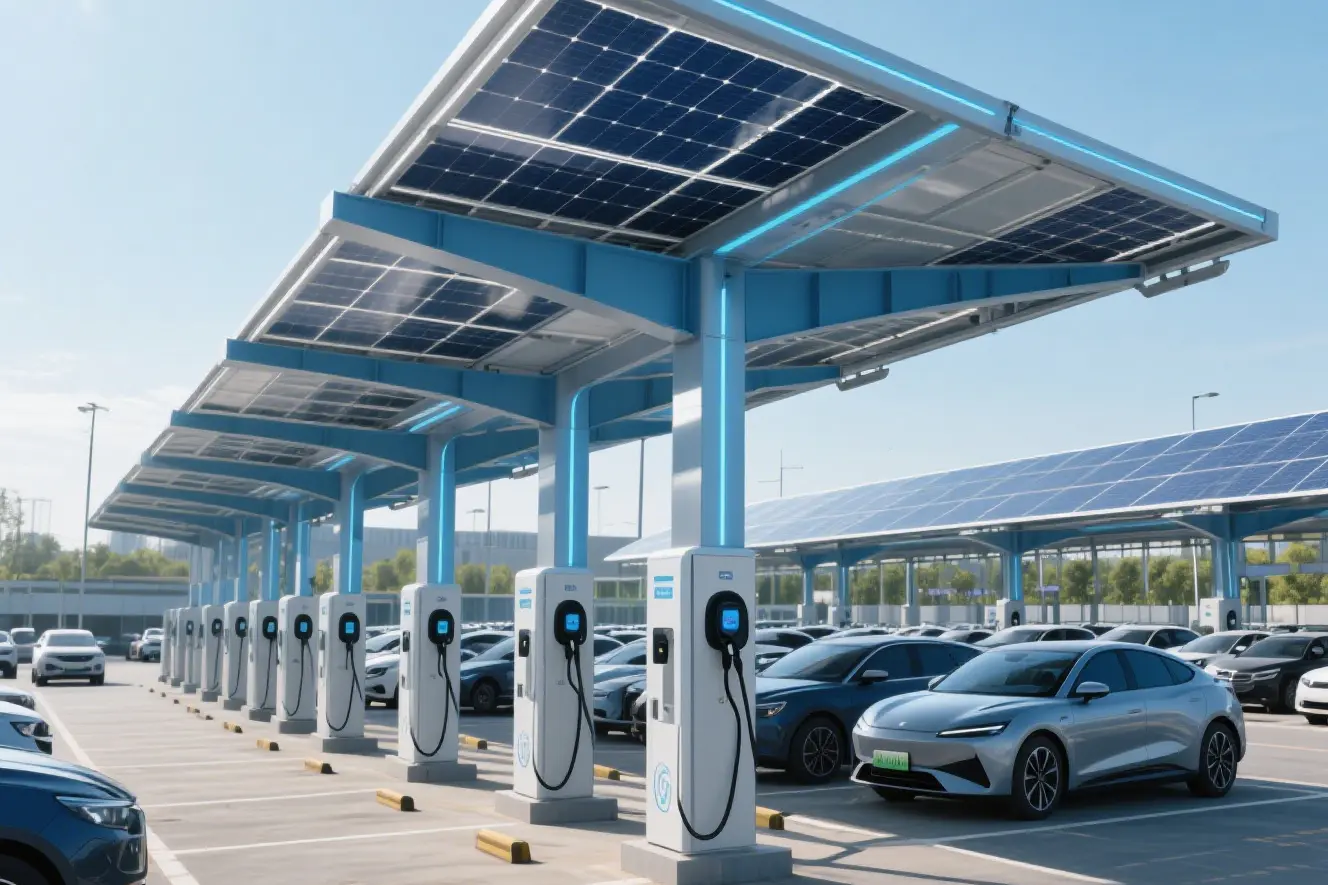
From architectural rainscreens to agricultural greenhouses, explore our systems in daily service.

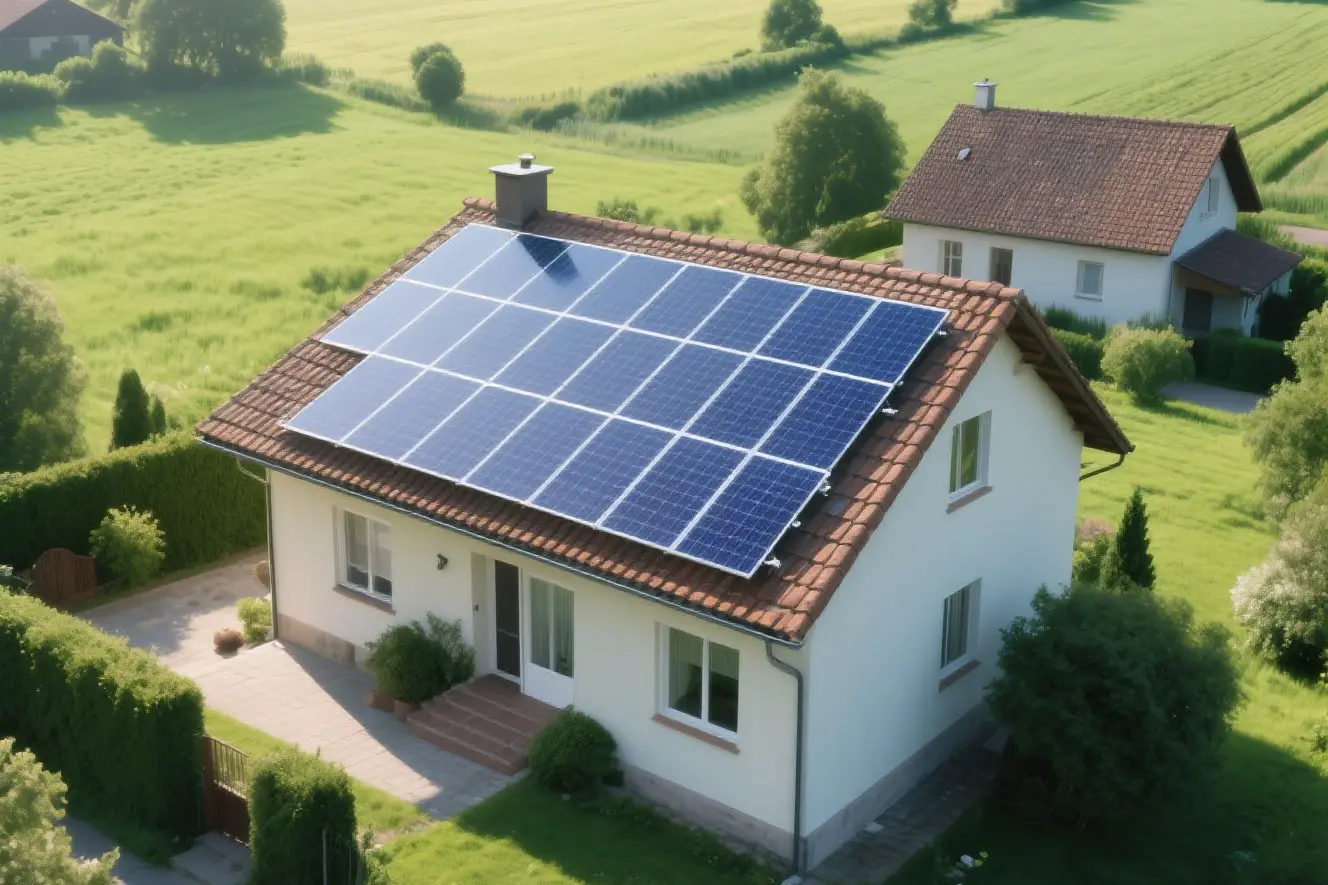
Collaborating with global EPC contractors, architectural firms, and materials distributors to scale low-carbon building infrastructure.




Keep pace with dynamic construction codes, manufacturing optimizations, and structural inspection standards.
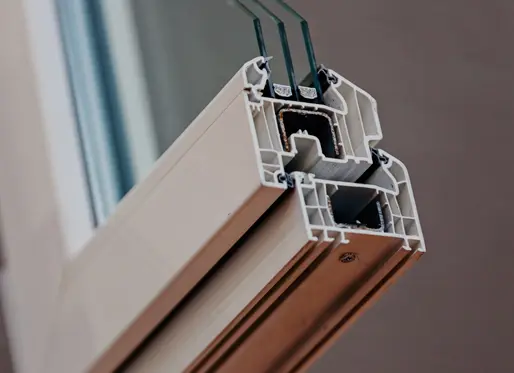
An exploration of structural tolerances, alloy purity, anodized layers, and wind/snow load capacities under Eurocode guidelines.
Read Analysis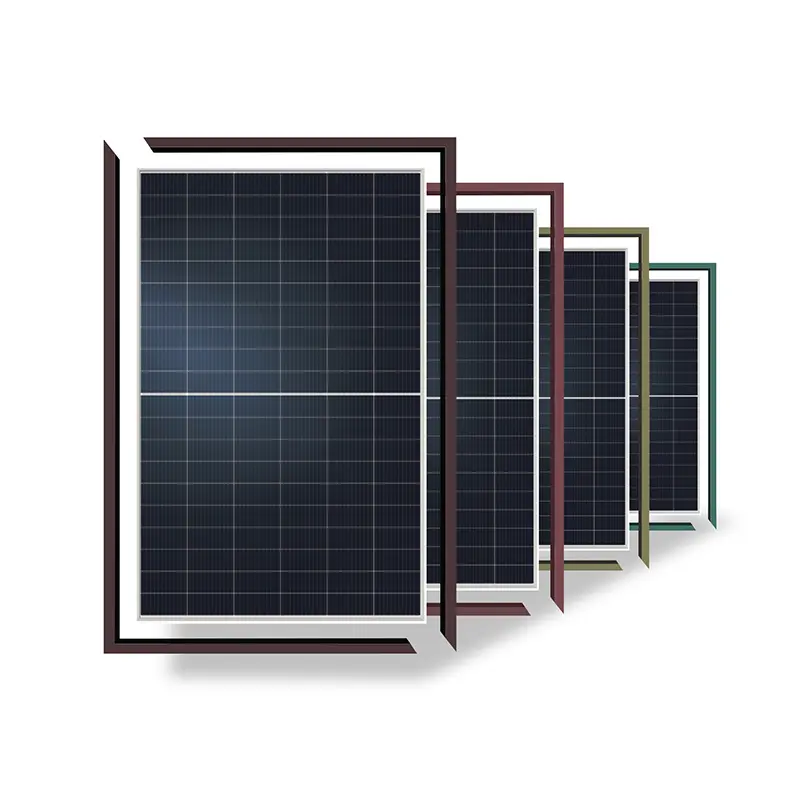
A step-by-step checklist assessing machinery capacity, automated extrusion, tolerance levels, and alloy quality verification logs.
Read Analysis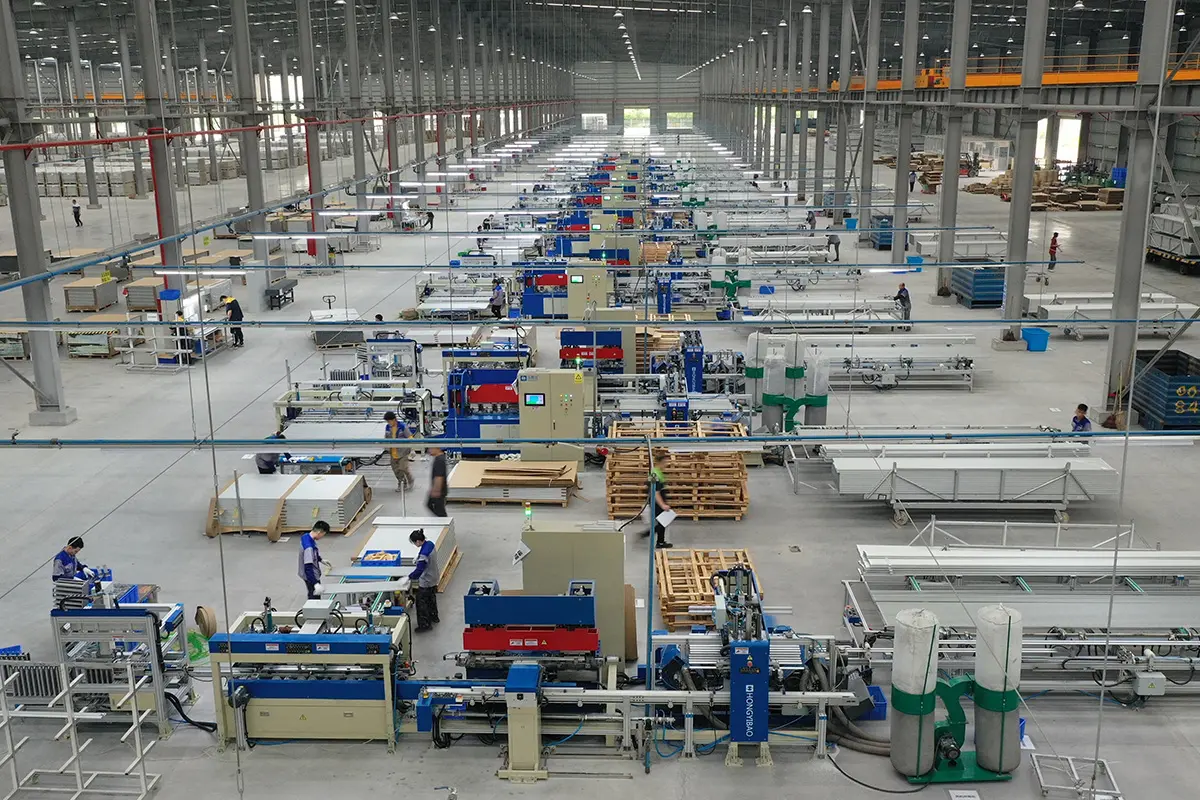
Breaking down hardness testing, thickness uniformity, salt-spray corrosion resistance, and structural joint integrity metrics.
Read AnalysisProviding clear technical answers regarding cost structures, durability metrics, and building regulations.
Secure direct factory wholesale access to N-type dual-glass modules, lightweight structures, and specialized frames.