
Engineered for harsh environments, off-grid portability, and high-efficiency solar output.
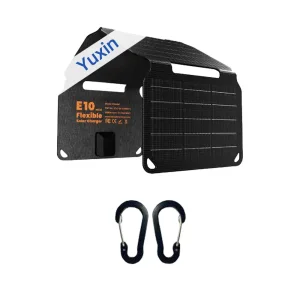
High-efficiency, lightweight solar textile integration for modern mobile devices.
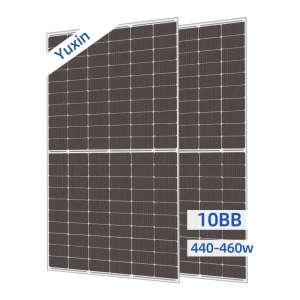
Engineered for large-scale utility and industrial-grade high-voltage arrays.
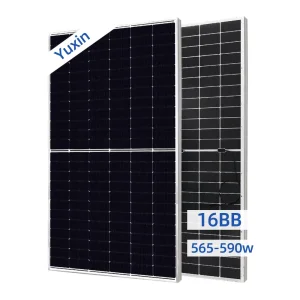
State-of-the-art dual glass bifacial modules with ultra-low degradation profile.
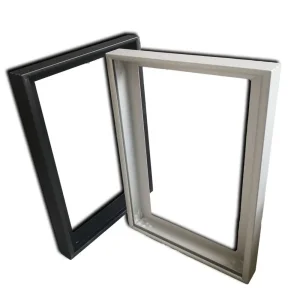
Structural grade, precision anodized aluminum frames ensuring long-term rigidity.
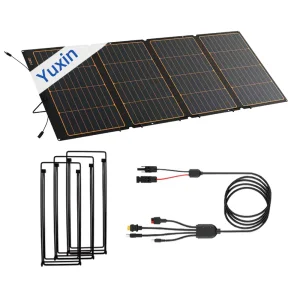
Heavy-duty folding solar kit designed to recharge larger LiFePO4 batteries.
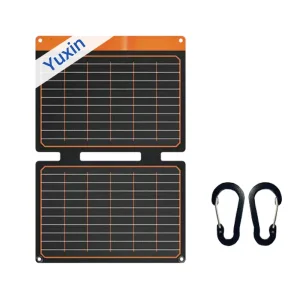
Integrated 20W smart-sensing solar matrix within ergonomic travel gear.
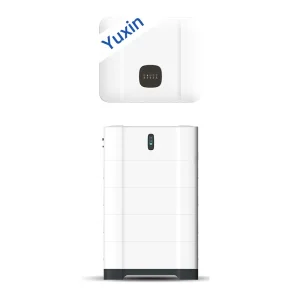
Residential backup ecosystems, optimized for seamless hybrid grid operation.
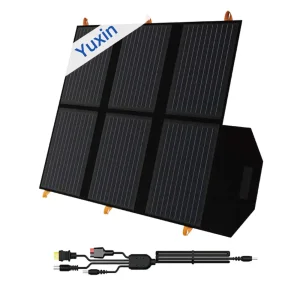
Intermediate power hiking pack featuring weather-sealed junction ports.
In the rapidly evolving landscape of portable renewable energy, the 200 Watt solar panel for camping has emerged as the definitive sweet spot for global consumers, commercial outdoor outfitters, and emergency backup services. Historically, outdoor enthusiasts had to choose between highly portable but underpowered modules (under 100W) or bulky, rigid residential-style systems that were difficult to transport. The 200W classification solves this design paradox by utilizing advanced monocrystalline structures that balance power density, spatial footprint, and ease of deployment.
"The shift toward high-capacity portable power stations (1000Wh to 2000Wh) has catalyzed the demand for faster recharge times. A 200W solar panel array provides the exact thermodynamic input required to replenish standard Lithium Iron Phosphate (LiFePO4) solar generators in a single day of peak sunlight, making it indispensable for modern overlanding, marine excursions, and disaster-relief operations."
Under the hood of a premier 200W camping solar panel lies a sophisticated combination of materials. Factories are shifting away from older, lower-efficiency polycrystalline materials toward N-Type TOPCon and PERC (Passivated Emitter and Rear Cell) monocrystalline technologies. These materials offer conversion efficiencies ranging from 22.8% to 24.2%. When packaged with ETFE (Ethylene Tetrafluoroethylene) encapsulation rather than cheap PET laminate, the modules exhibit drastically increased UV durability, high light-transmittance rates, and a self-cleaning surface profile that sheds dust, sand, and moisture.
Furthermore, structural optimization is critical. The physical layout must feature bypass diodes integrated directly into the junction box. In real-world camping scenarios—where partial shading from tree limbs, RV frames, or clouds is inevitable—these bypass diodes prevent the "hot-spot effect." By bypassing shaded cells, the remaining section of the panel continues to output power, preventing system-wide power drops and protecting the physical integrity of the silicon wafers from localized overheating.
Located in the scenic historical and cultural ancient city of Yangzhou, close to the Beijing-Shanghai Expressway, Runyang Yangtze River Bridge, and Ningqi Railway, the YUXIN group has a superior geographical location and convenient transportation. The group was established in 2008 and has 14 multi-field companies under its jurisdiction, including Jiangsu Yuxin New Energy Technology Co., Ltd. Over nearly two decades of operation, we have earned prestigious accolades such as National High-tech Enterprise, Technology-based Enterprise, and Gaoyou City Top 100 Private Enterprises.
Yuxin’s production facility houses state-of-the-art automatic laminating systems, laser cutting machinery, and comprehensive EL testing arrays. Every batch of 200W portable camping panels undergoes strict thermal cycling and mechanical load testing to guarantee reliable field deployment across extreme environments.
View More About Us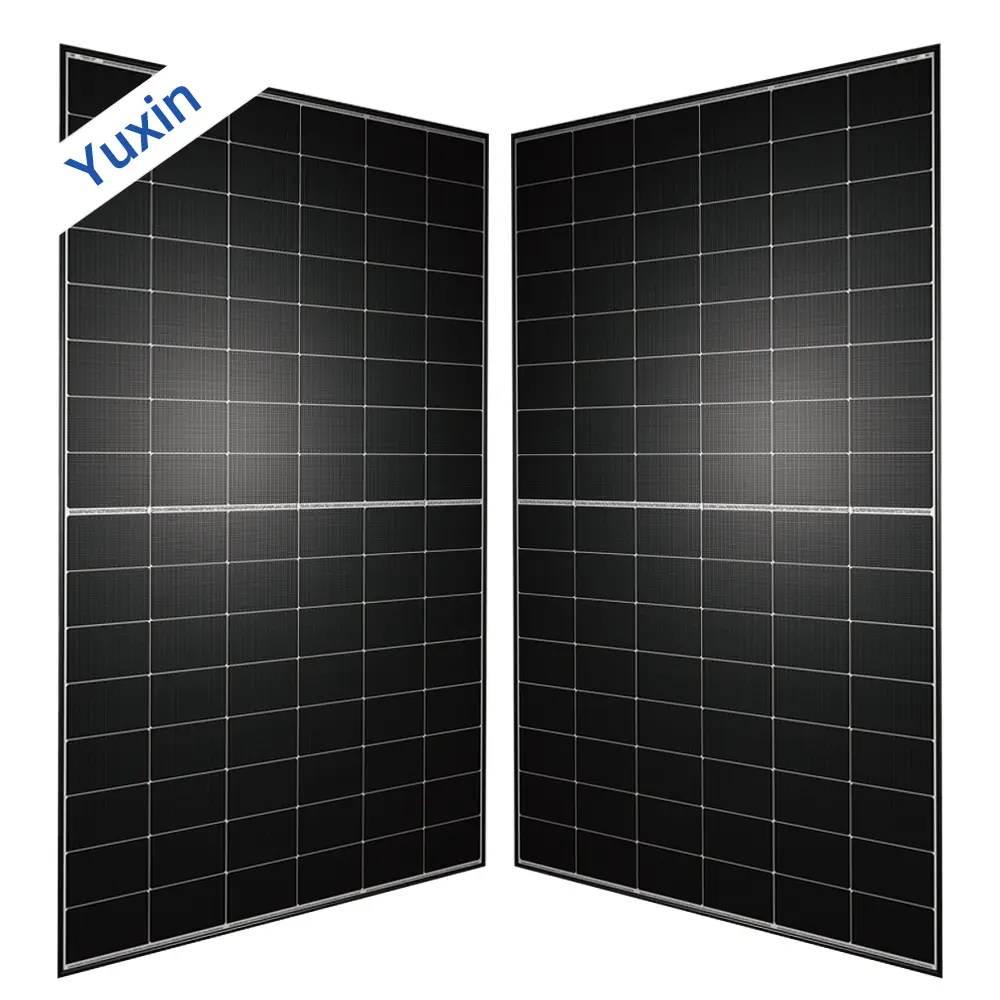
Lightweight design with transparent back panel for easy installation and reduced BOS costs.
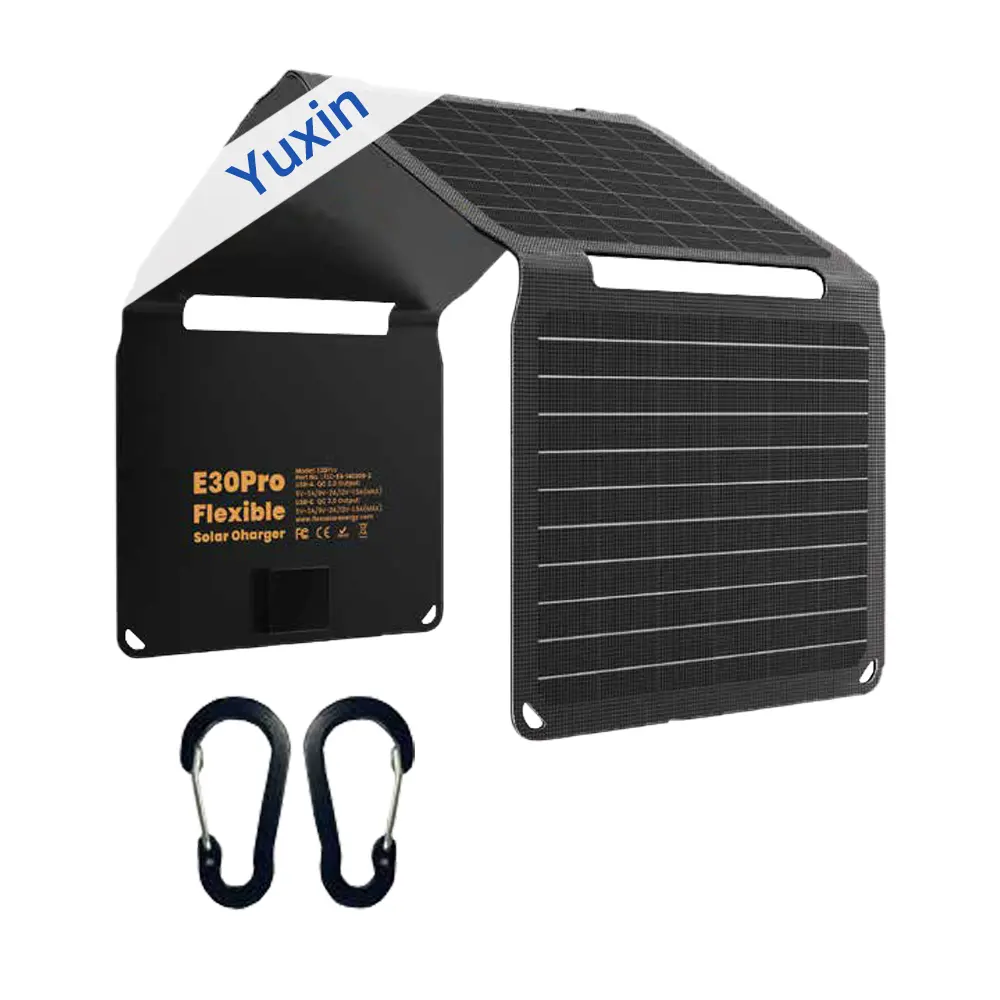
Utilizing advanced monocrystalline silicon cells, it achieves a high energy conversion efficiency of 24%.
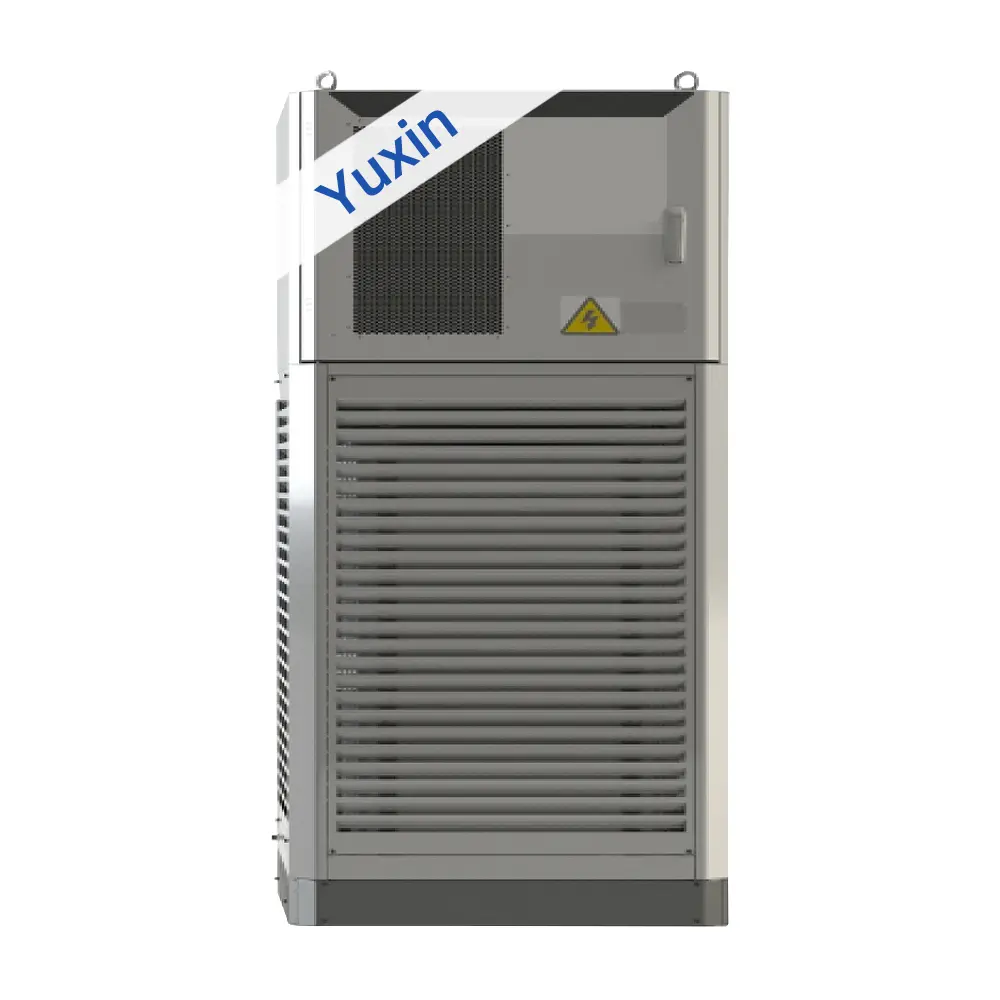
Application modes include grid-connected mode, off-grid mode, and integrated grid-connected/off-grid mode.
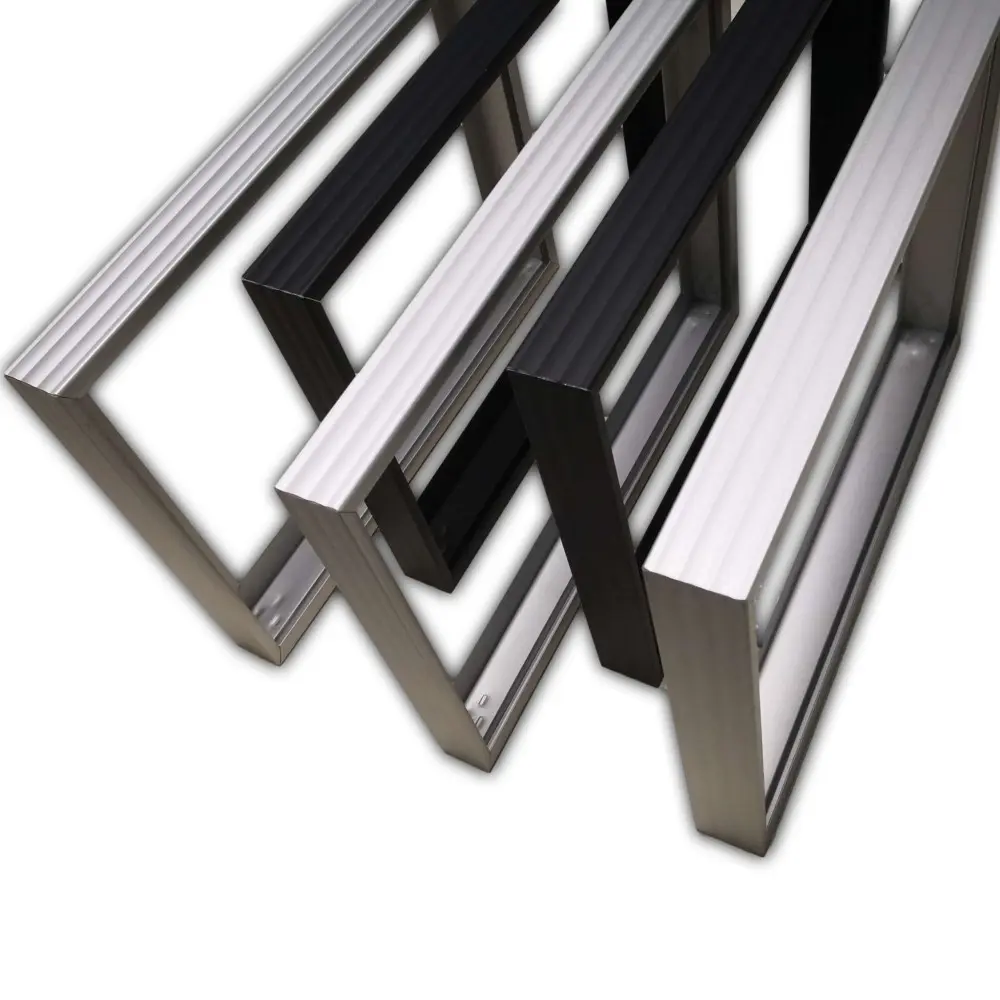
Made of high-quality anodized aluminum, it ensures superior weather resistance and a smooth, long-lasting finish.
Procuring wholesale 200W camping solar panels directly from Chinese factories yields unmatched advantages in both product cost and technical engineering. As the world’s solar powerhouse, China hosts fully integrated supply chain ecosystems that cluster raw polysilicon refinement, wafer manufacturing, cell etching, encapsulation materials, and assembly plants in close geographic proximity. This clustering dynamic decreases logistical lead times, reduces material transport risks, and ensures high consistency in batch quality control.
B2B procurement agents benefit from economies of scale. Rather than relying on multi-tier middle distributors, working directly with Chinese solar factories allows custom configuration of solar kits. Factories optimize the BOM (Bill of Materials) down to the penny. For instance, by pairing high-volume extrusion of 6063-T5 aluminum frames with automated robot lamination, manufacturing cost is optimized without cutting corners on material safety parameters.
Additionally, advanced design optimizations are constantly introduced here first. Shingled solar cells, cell-cutting advancements (such as half-cut technologies that lower internal resistance), and next-generation ETFE surfaces with micro-textures are integrated rapidly into commercial catalogs. This allows global brands to launch cutting-edge products months before they appear via standard Western supply chains.
Our engineering standards adhere to strict global safety, electrical, and structural norms.
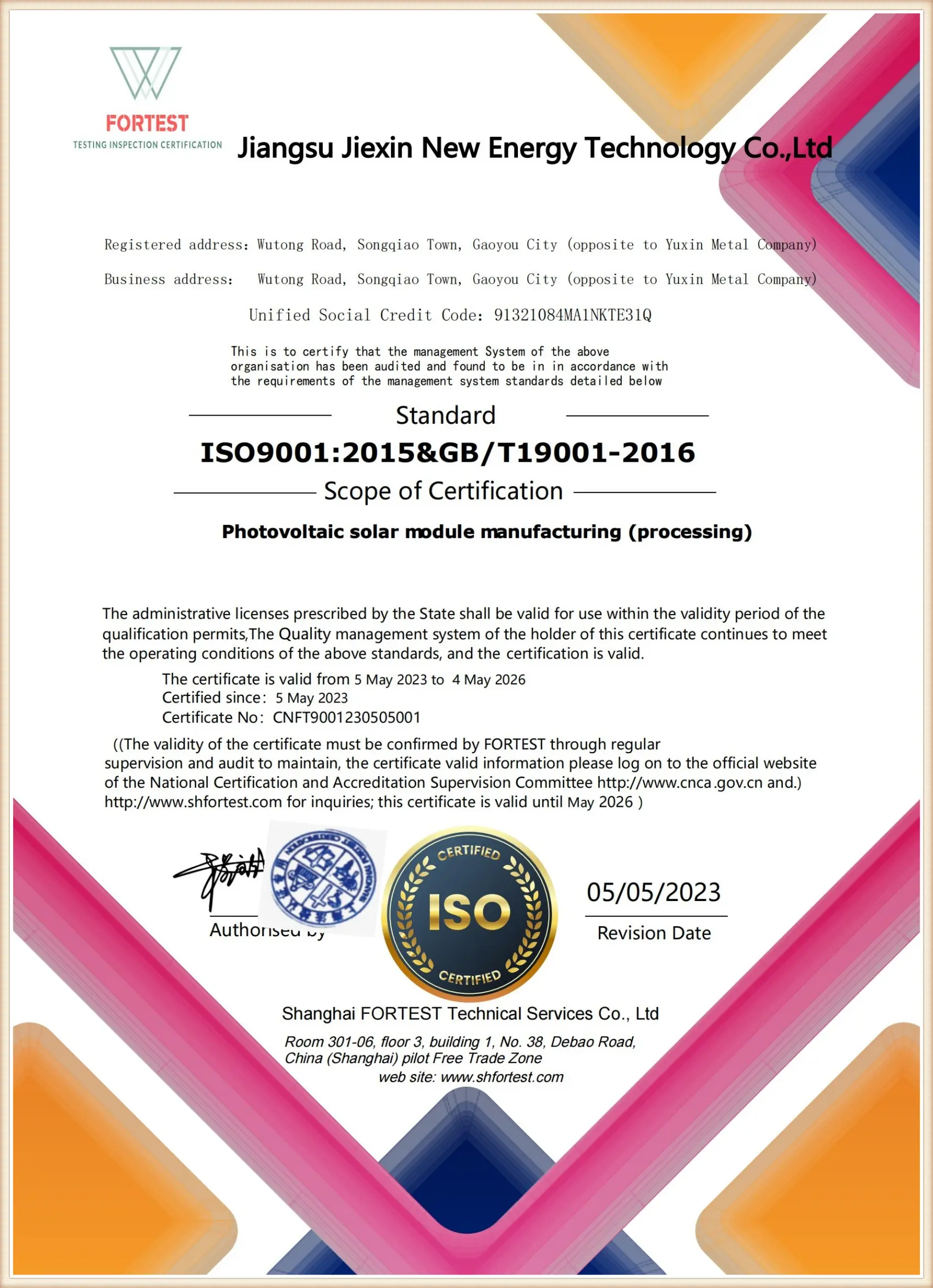
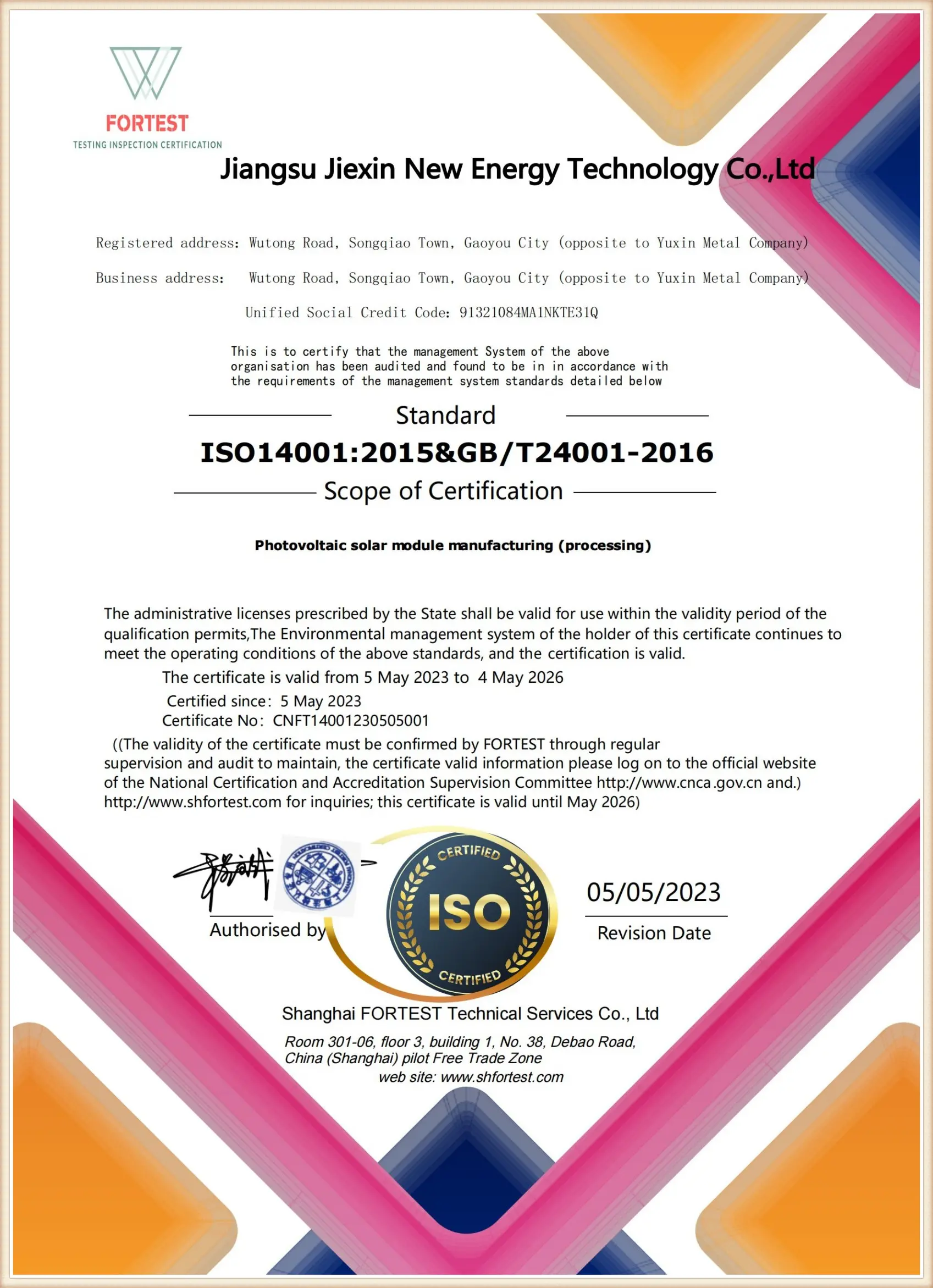
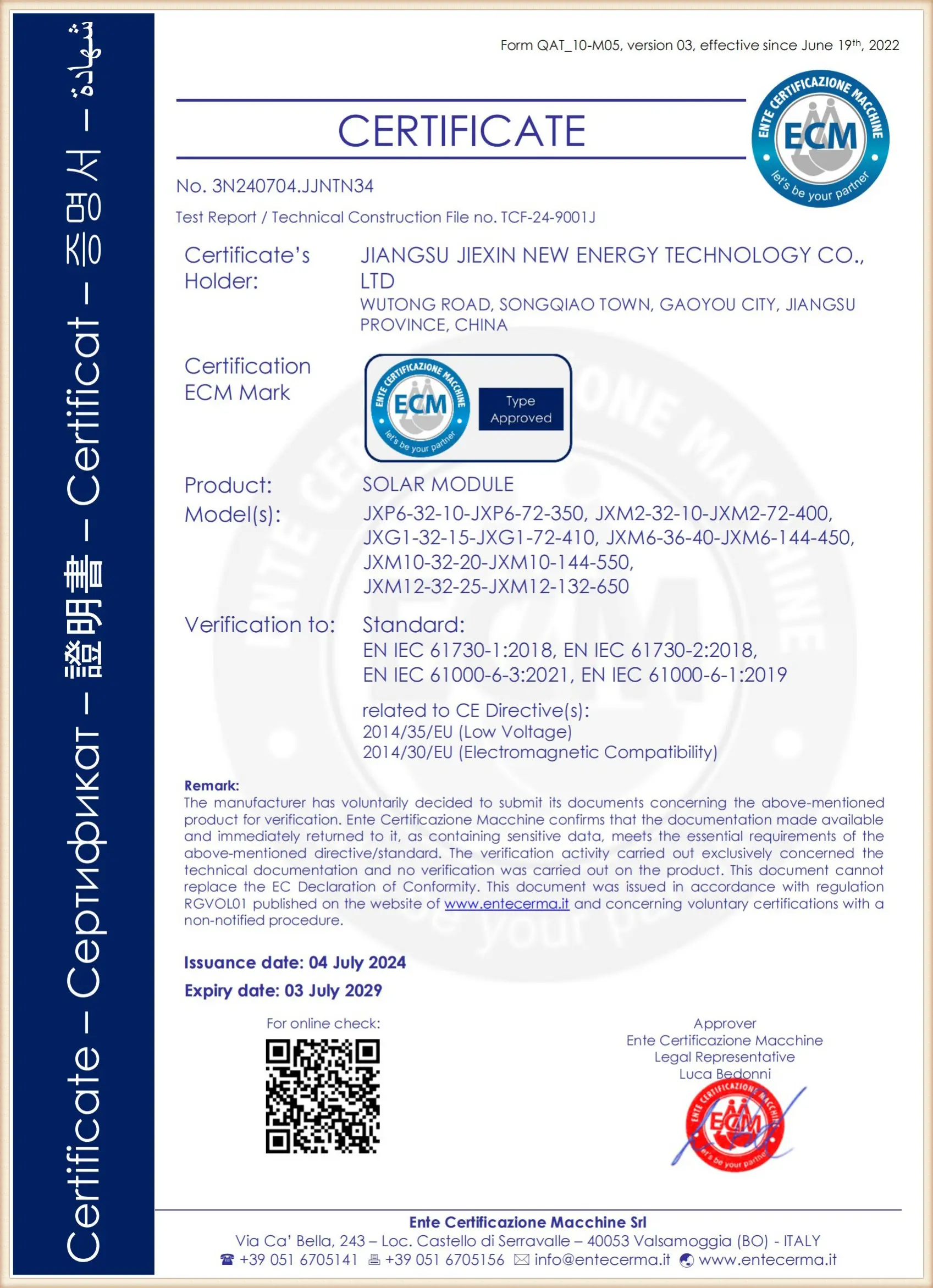
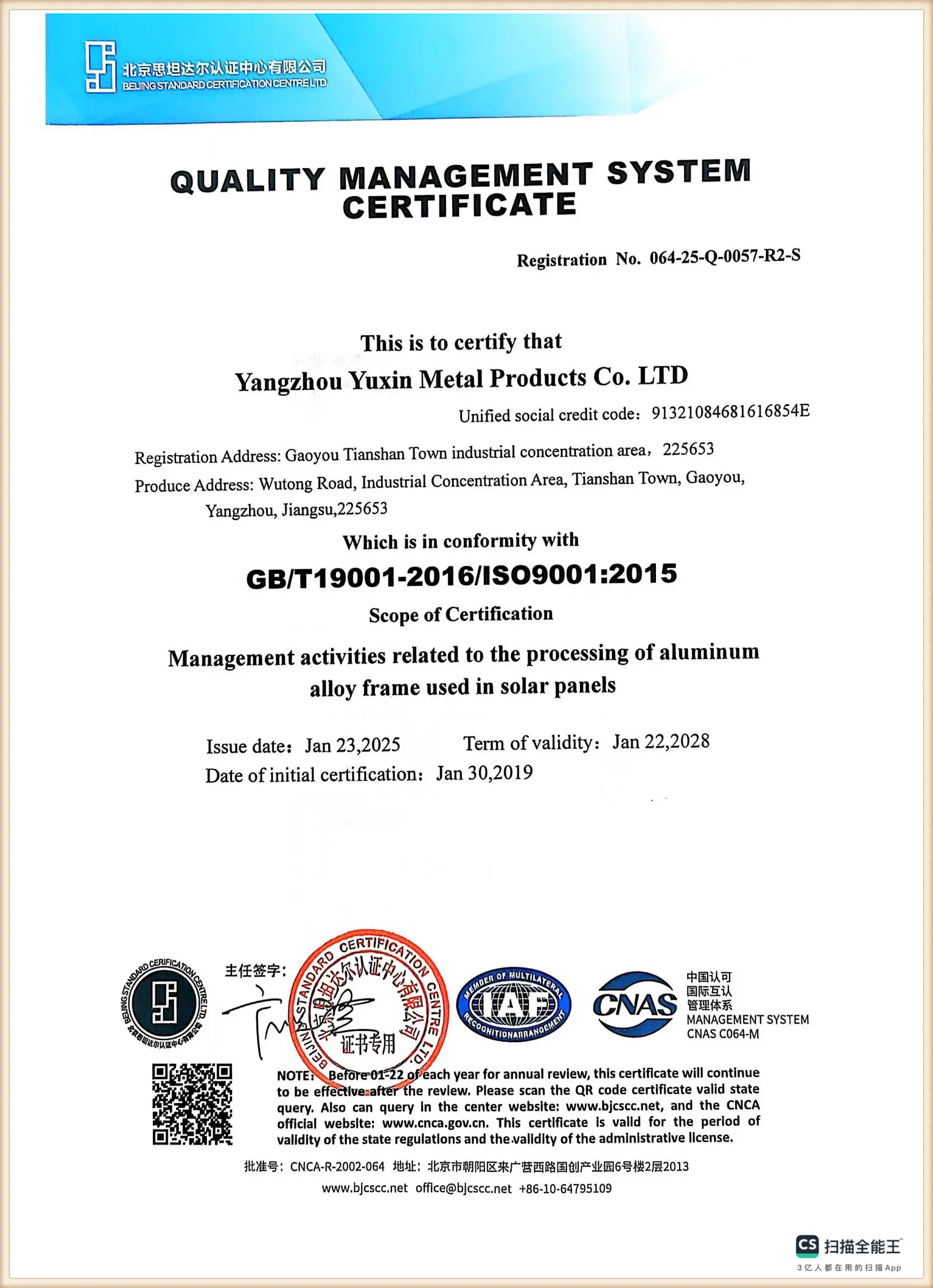
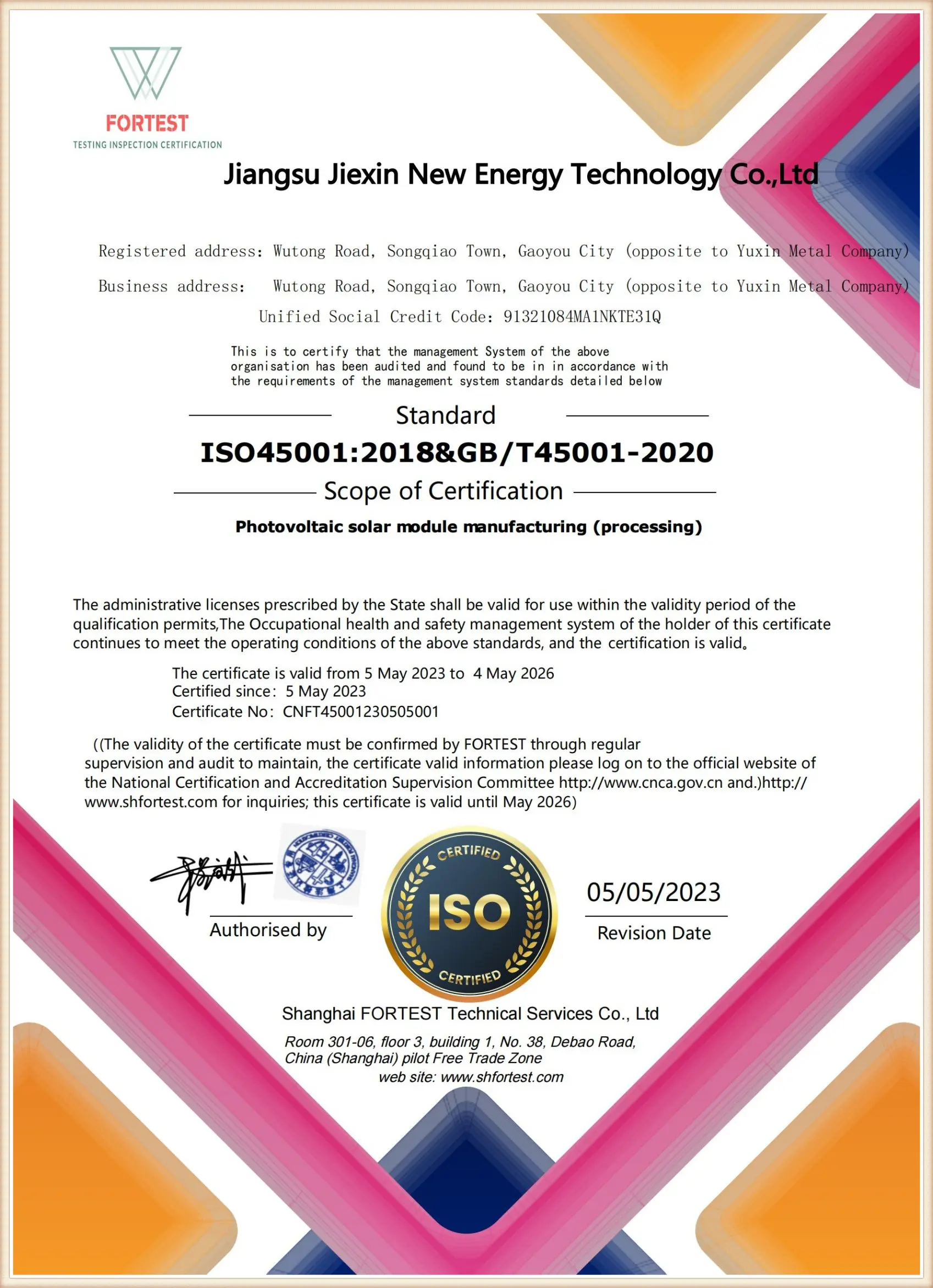



Operating a successful international solar retail brand or off-grid construction firm requires thorough attention to regional electrical safety codes. When distributing a 200W camping solar system, products must satisfy distinct certifications depending on their localized point of sale. For North American channels, adherence to UL 1703 or the newer ANSI/UL 61730 is essential to verify structural integrity and electrical fire safety. Meanwhile, in the European Union, CE marking coupled with IEC 61215/61730 certifications ensures the module can withstand long-term outdoor exposure, wind loads up to 2400 Pa, and snow loads up to 5400 Pa.
With changing geopolitical tariffs, smart B2B buyers search for factories that offer robust localized warehouse routing and customs clearance assistance. DDP (Delivered Duty Paid) shipping solutions and localized hubs in the US, Rotterdam, or Australia mitigate logistics complexity. Crucially, providing local customer support pipelines and technical document translation ensures that commercial contractors and buyers can access clear warranty processes, electrical wiring diagrams, and accessory support without communication friction.
In addition to geographical logistics, the mechanical interfaces must be localized. Standard MC4 connectors, Anderson Powerpole ports, and DC adapters need to align with localized battery setups. Many factories now integrate universal smart junction boxes containing built-in MPPT controller options to appeal directly to localized camper conversion enthusiasts who demand plug-and-play simplicity.
Deploying cutting-edge solar panels across diverse commercial and outdoor ecosystems.

Powering smart sensors, automated irrigation control loops, and remote livestock tracking systems.
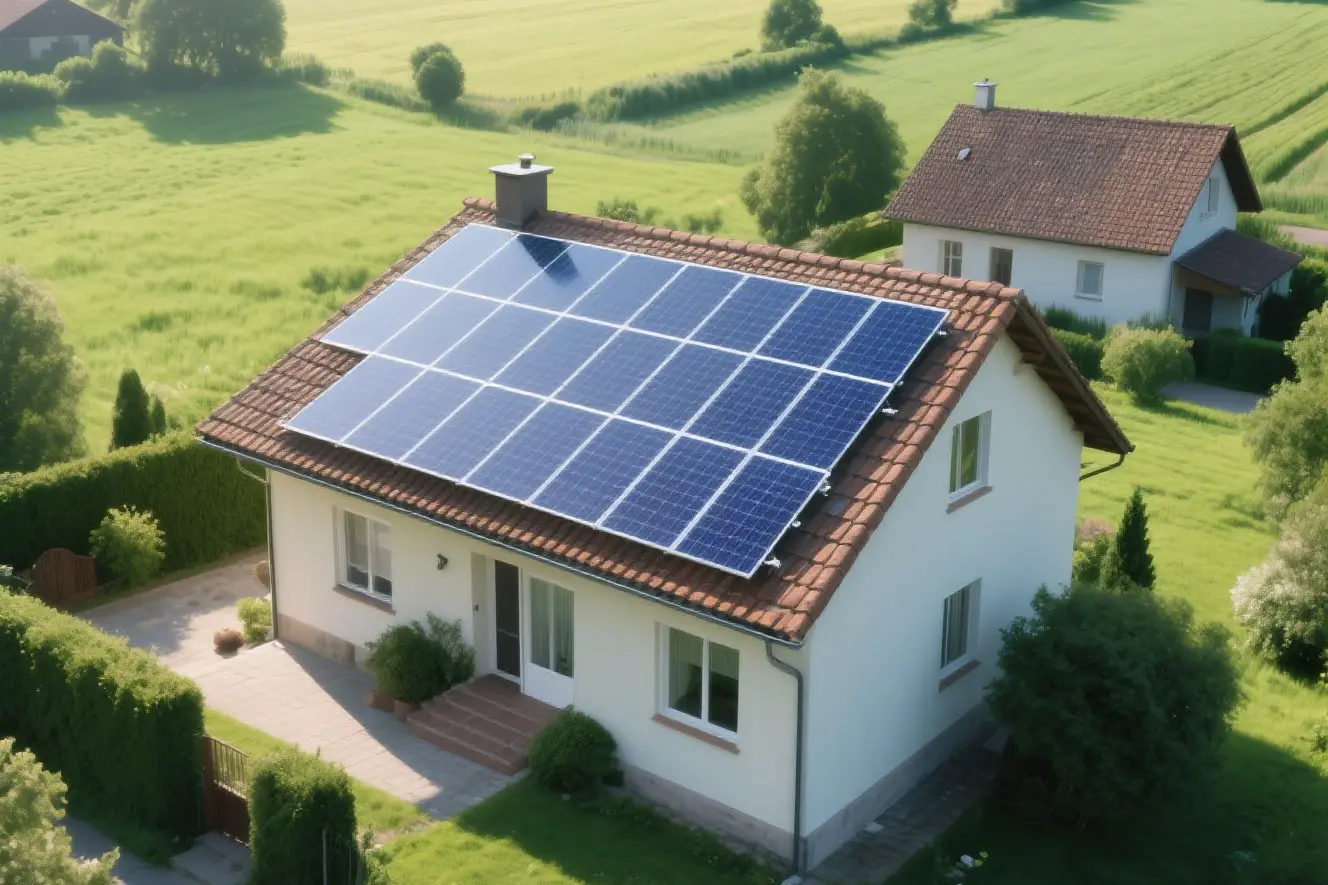
Off-grid site offices, safety lighting, and low-draw power tools for remote developmental zones.
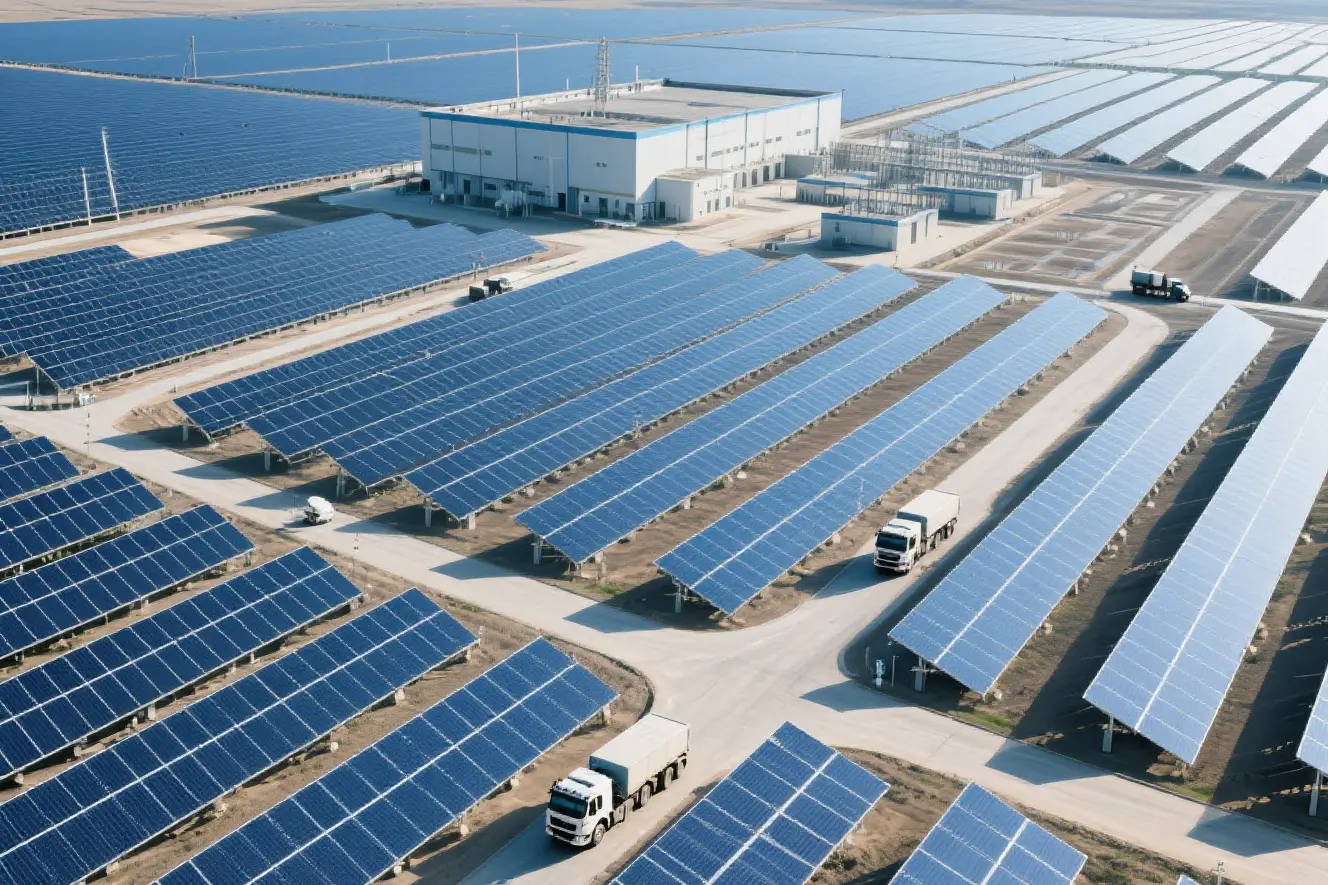
Grid-tied optimization accessories, substations auxiliary systems, and smart telemetry relays.
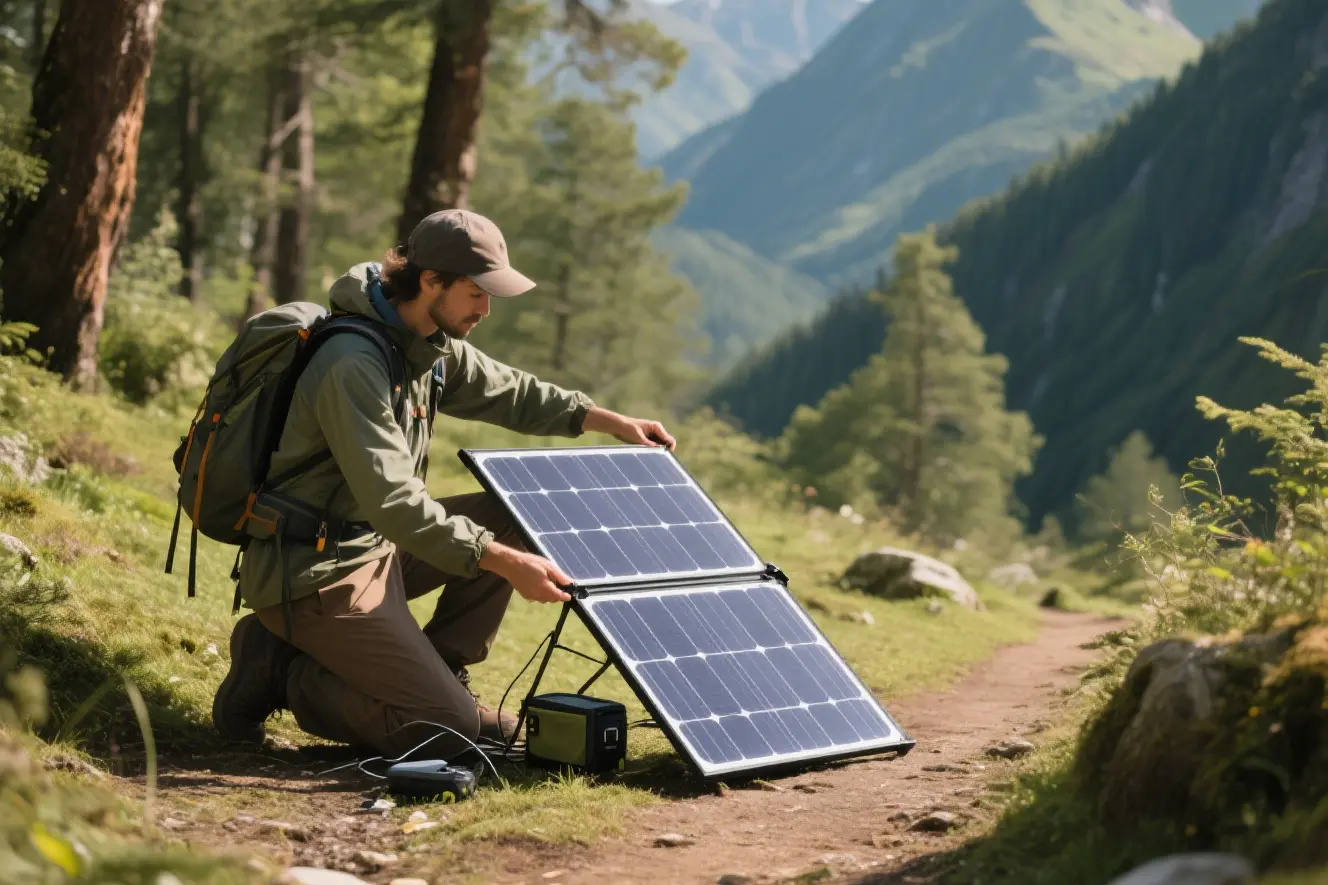
Recreational vehicles, camper vans, wilderness expeditions, and emergency emergency response teams.
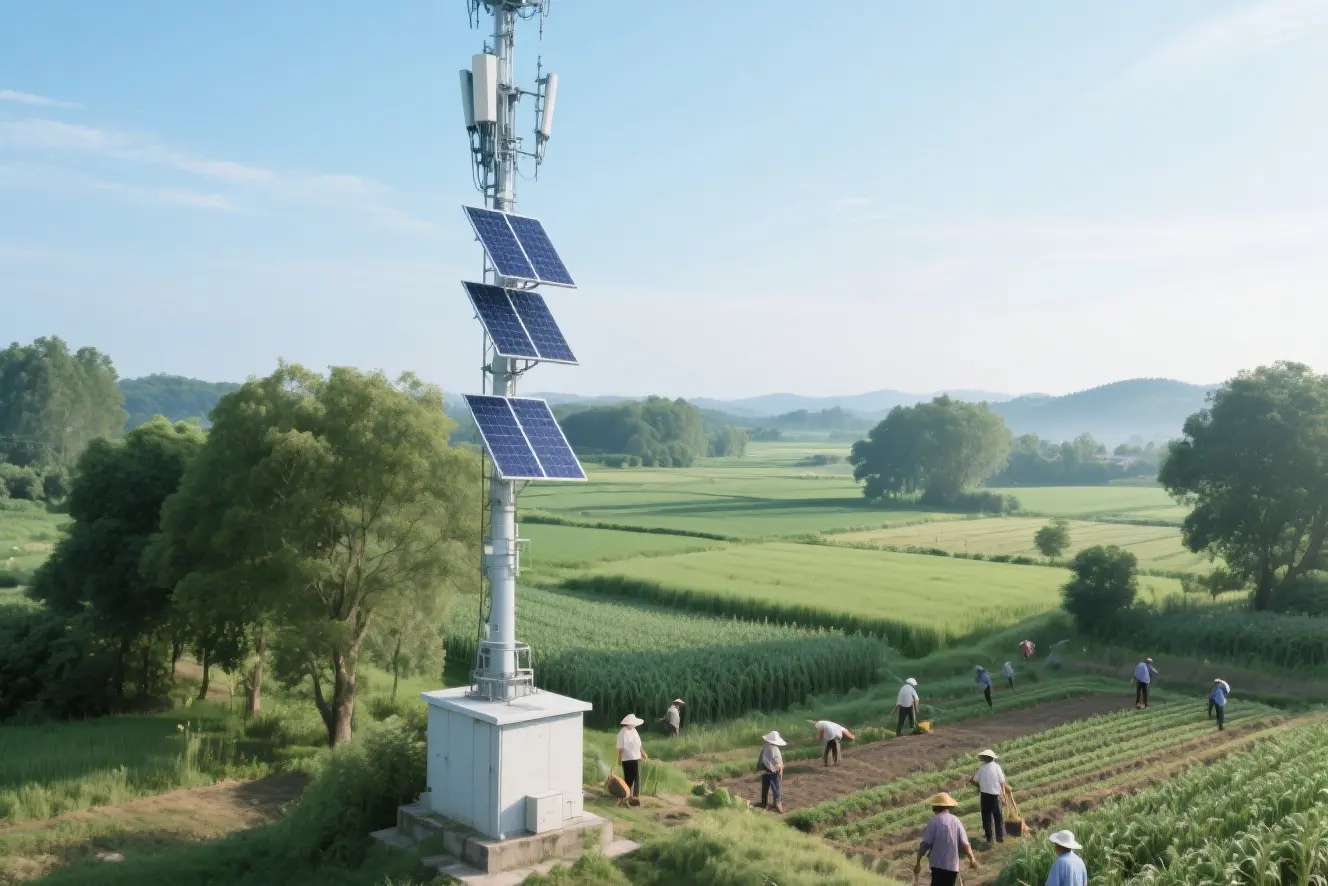
Reliable continuous power for remote microwave repeaters, 5G base stations, and receiver poles.
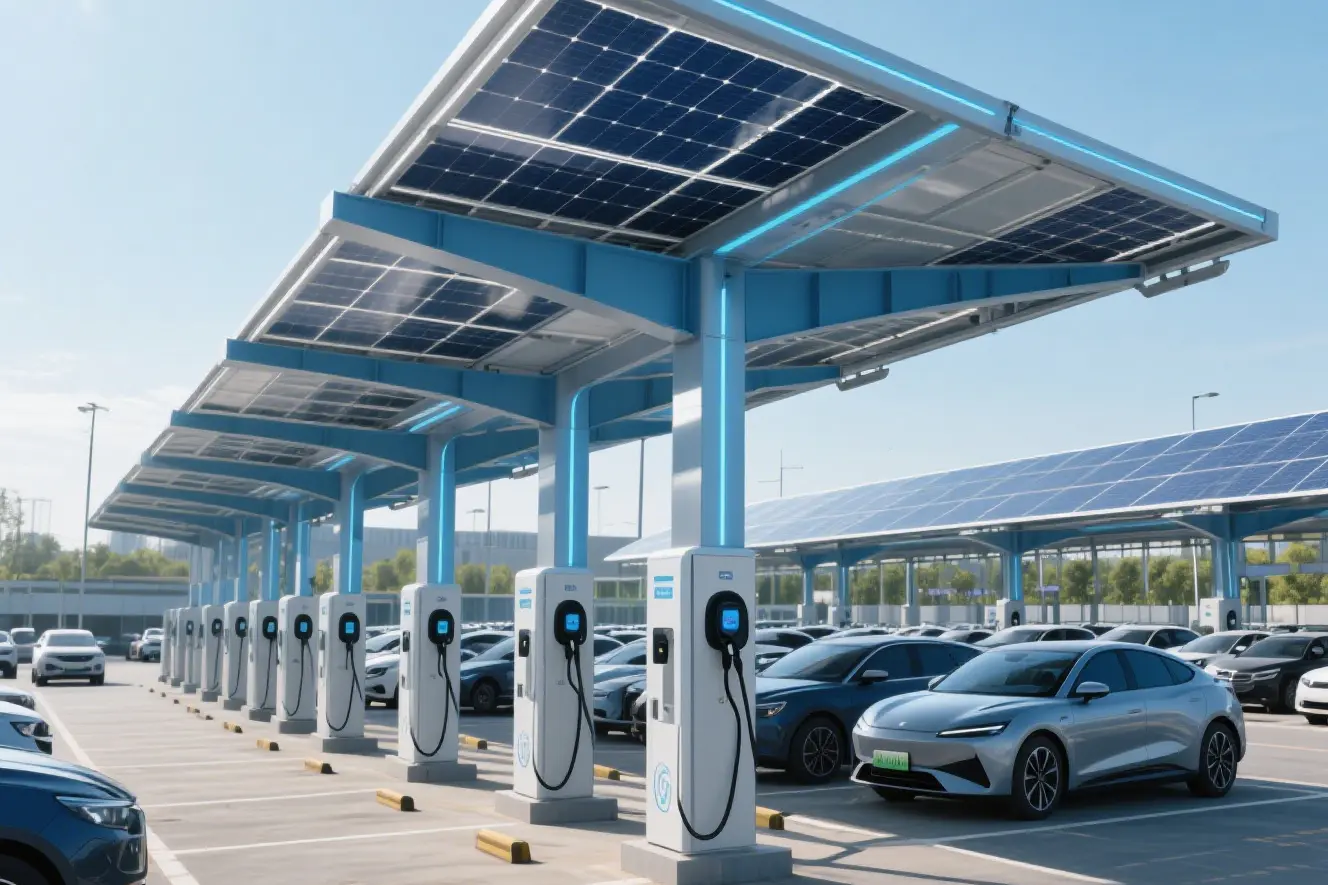
Charging infrastructure for roadside signage, intelligent toll stations, and auxiliary marine setups.
Learn more about raw material quality control, frame dynamics, and manufacturing best practices.
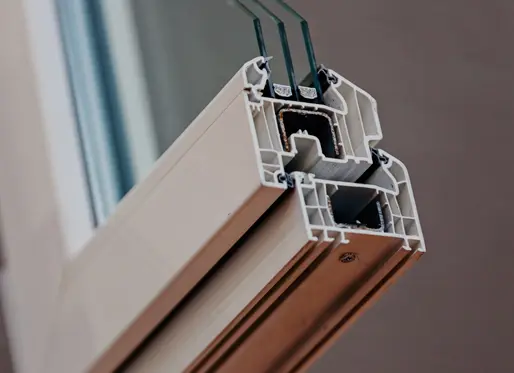
An in-depth technical analysis of structural alloys and anodization depth needed for marine environments.
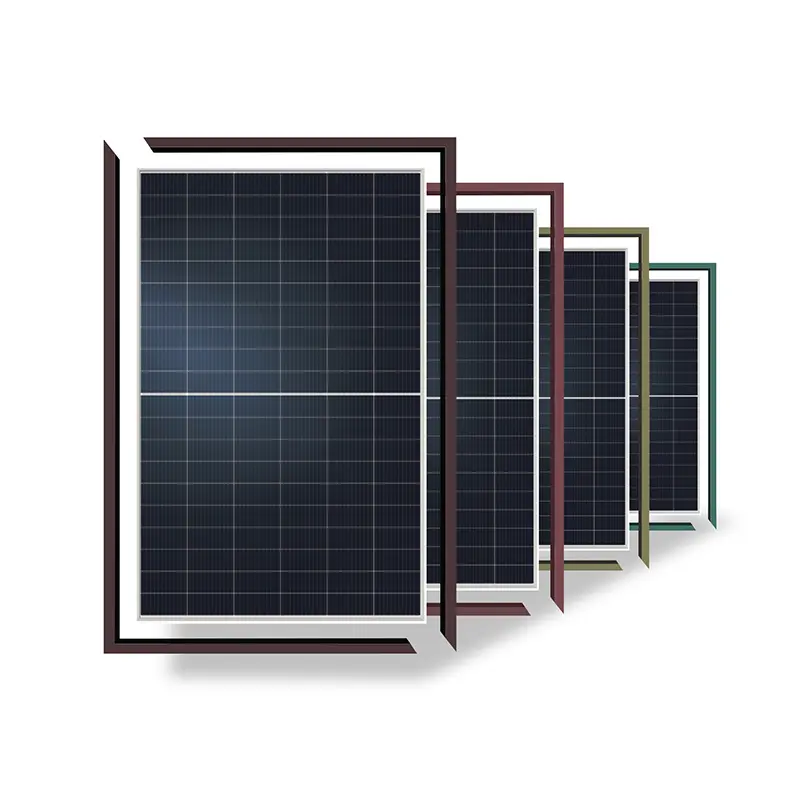
Evaluating supplier engineering capacities, raw ingot traceability, and automated assembly tolerances.
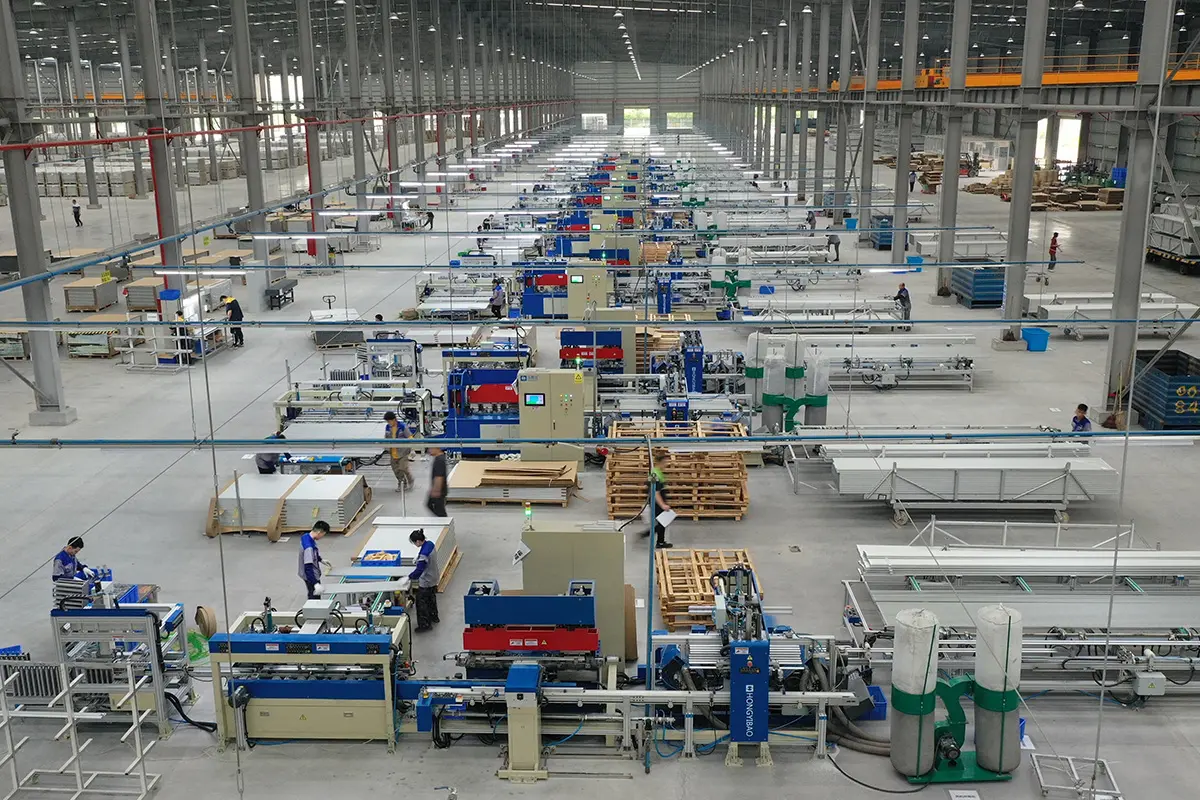
Understanding tensile strength, cross-cut adhesion tests, and salt spray exposure validations.
When engineering and sourcing teams evaluate a factory’s output of 200W solar modules, looking simply at the nameplate wattage rating is insufficient. A structured request for proposal (RFP) should encompass detailed verification of several critical performance indicators. First, check the *Temperature Coefficient of Pmax*. High-quality N-type solar cells should limit this to -0.34%/°C. As camping panels are frequently deployed in environments without passive cooling, maintaining efficiency in high temperatures prevents significant energy loss.
Second, verify the *mechanical folding fatigue standard* for folding panels. Modern designs require rugged polymer hinges. Sourcing managers should request factory reports detailing mechanical fold-testing for up to 5,000 cycles. Electrical traces across canvas or composite backplates must survive extreme flex cycles without micro-cracking, which otherwise leads to hot spots and complete circuit failure.
Finally, B2B procurement professionals should establish clear standards for packaging and shipment survival. Portable solar units are inherently subject to rough handling. Shipping carton standards must meet ISTA 3A Drop Tests, ensuring modules survive marine freight vibration and domestic courier shipping to direct-to-consumer (D2C) addresses without micro-damage to the silicon cells.
Get answers to common technical, commercial, and logistical questions.
High-capacity solar systems and structural frames built to meet rigid procurement requirements.
Scalable home energy systems supporting smart battery-first logic integration.
Reliable portable PV matrix with integrated structural backpack mounting points.
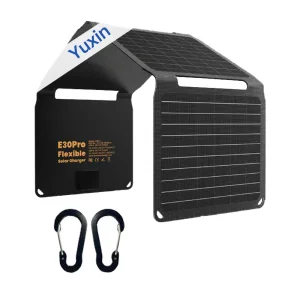
Mid-tier solar integration designed for regional distribution brands.
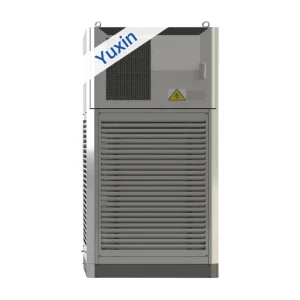
Robust industrial energy storage modules offering highly scalable setups.
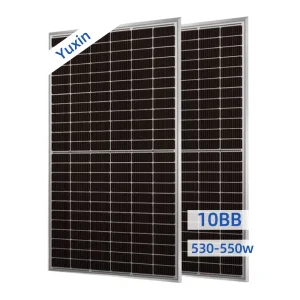
Certified high-output PERC modules designed for residential solar installations.
Eco-friendly lightweight composites designed to decrease structural loads.
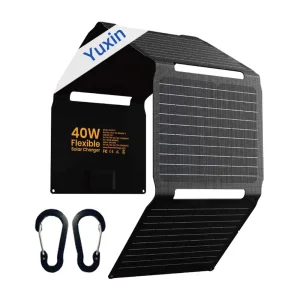
High-power density backpack systems customized for trail camping operations.
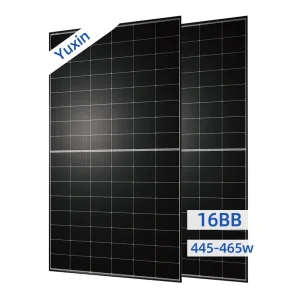
Superior performance bifacial N-type modules with high mechanical strength.