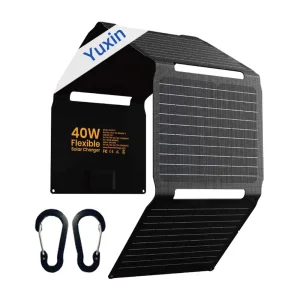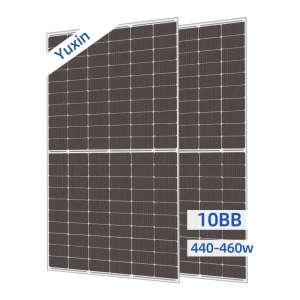
Engineered for high efficiency, weather-proofing, and rugged reliability
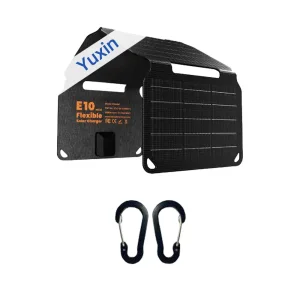
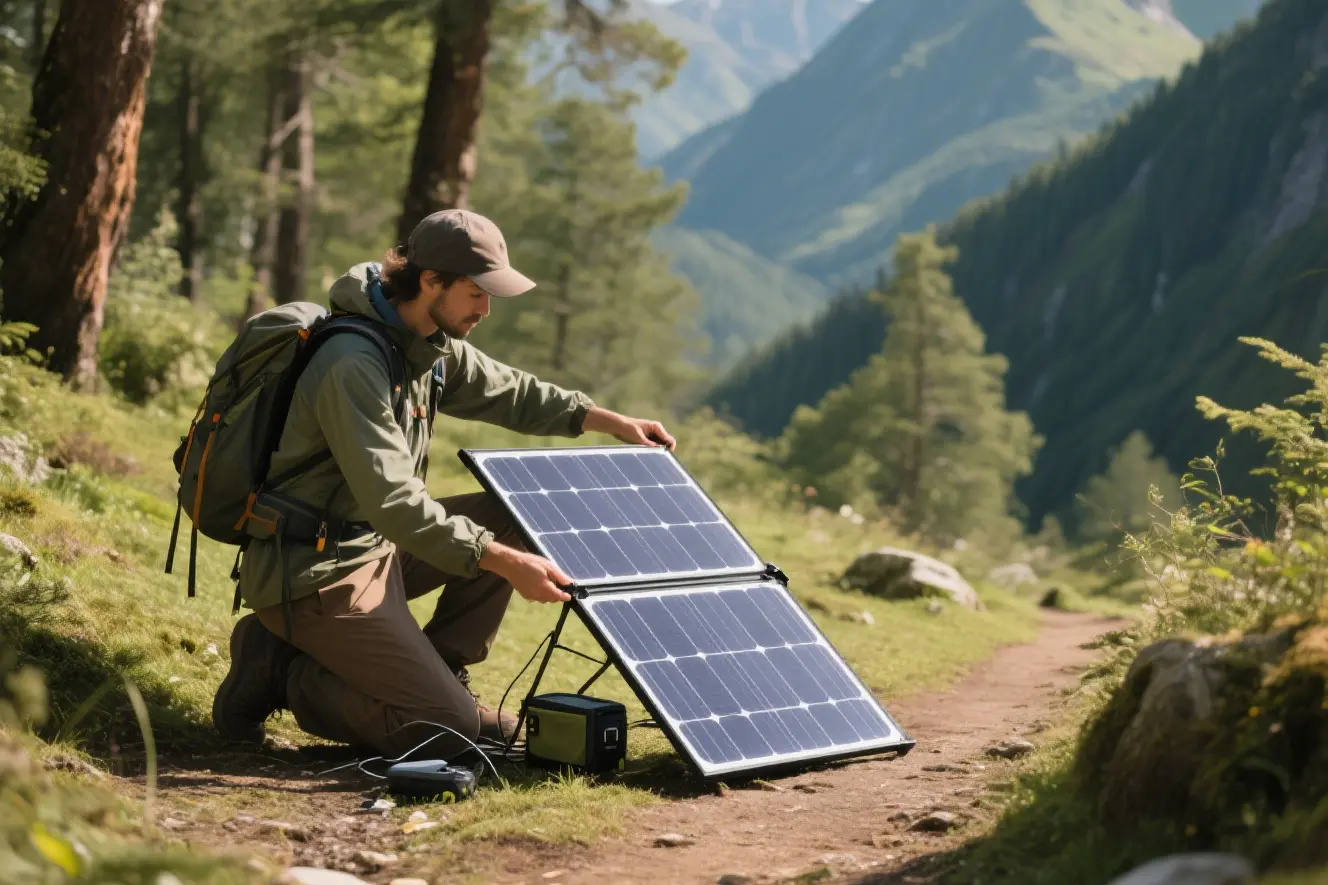
The global transition toward off-grid autonomy has accelerated the technical requirements for portable power generation. No longer limited to casual weekend trips, waterproof solar panels for camping have become critical assets in military mobile operations, scientific research excursions, disaster response strategies, and high-latitude outdoor exploration. As an industry-leading OEM factory, we understand that designing a rugged solar module requires balancing chemical durability, electrical efficiency, thermal expansion parameters, and mechanical flexibility.
Standard PV modules face rapid degradation when exposed to constant moisture, salt spray, and extreme ultraviolet indexes. Our specialized manufacturing facility addresses these challenges through advanced materials science. By replacing traditional heavy glass panels with high-transmittance ETFE (Ethylene Tetrafluoroethylene) encapsulation and integrating lightweight composite materials, we manufacture camping-grade solar solutions that deliver high conversion rates while maintaining structural integrity in IP67 and IP68 environments.
The structural stack-up of our OEM camping solar panels incorporates multi-layered protection. The outer ETFE film offers superior self-cleaning characteristics and maintains a high optical transmittance profile (>95%) over a 15-year lifecycle. Beneath this protective shield, monocrystalline silicon cells (specifically selected for their 24% conversion potential) are embedded in modified EVA (Ethylene Vinyl Acetate) or POE (Polyolefin Elastomer) layers. POE is particularly favored in our marine and heavy-precipitation camping products due to its water vapor transmission rate (WVTR) being significantly lower than traditional EVA, eliminating the risk of potential-induced degradation (PID).
One of the biggest culprits of performance drop in portable solar modules is temperature-induced efficiency loss. The power temperature coefficient of our monocrystalline PERC and TOPCon cell structures sits at a competitive -0.34%/°C. To maintain this efficiency in camping applications where airflow under the panel may be restricted (such as flat-mounting on camper vans or tents), our technical roadmap integrates high-conductivity aluminum or thermally conductive polymer backsheets. This facilitates rapid heat dissipation, ensuring that even when ambient temperatures rise above 35°C, the panel operates close to its Peak Power Point.
Standard-setting components and integrated solutions engineered by YUXIN
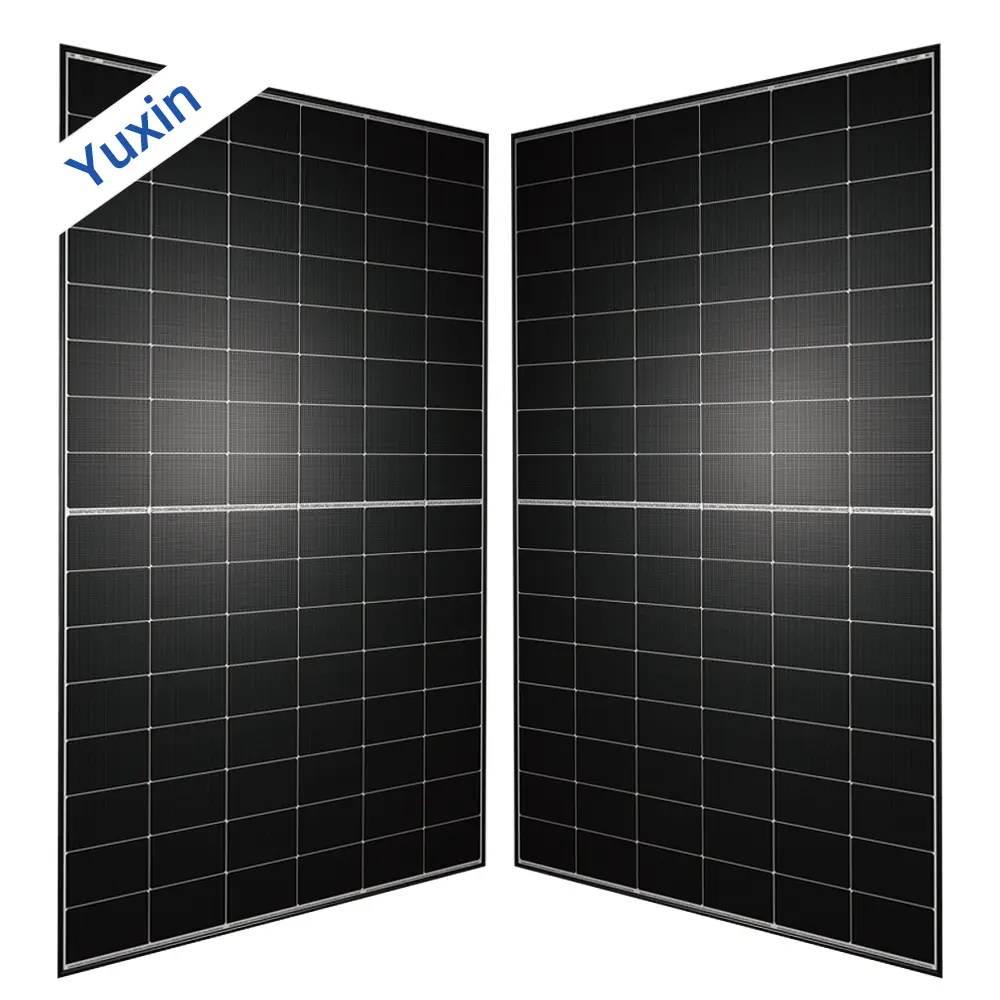
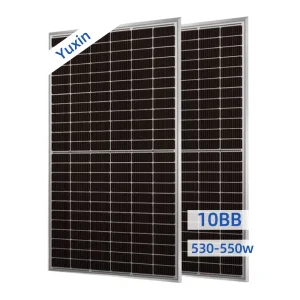
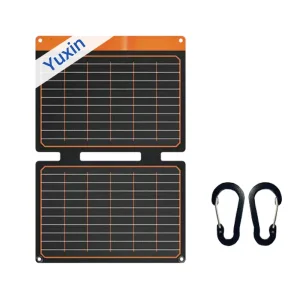
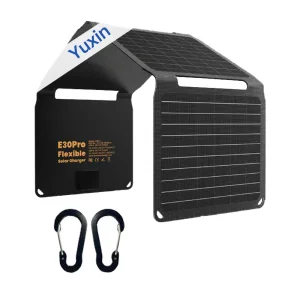
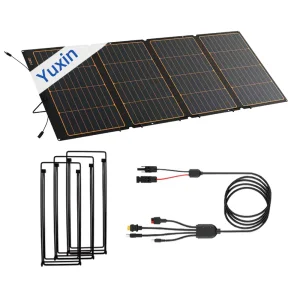
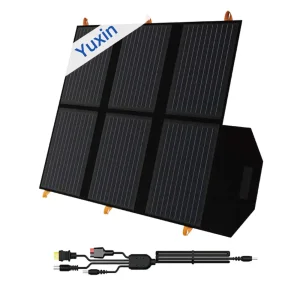
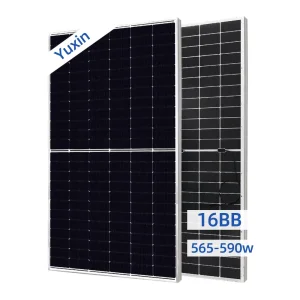
Lightweight design with transparent back panel for easy installation and reduced BOS costs.
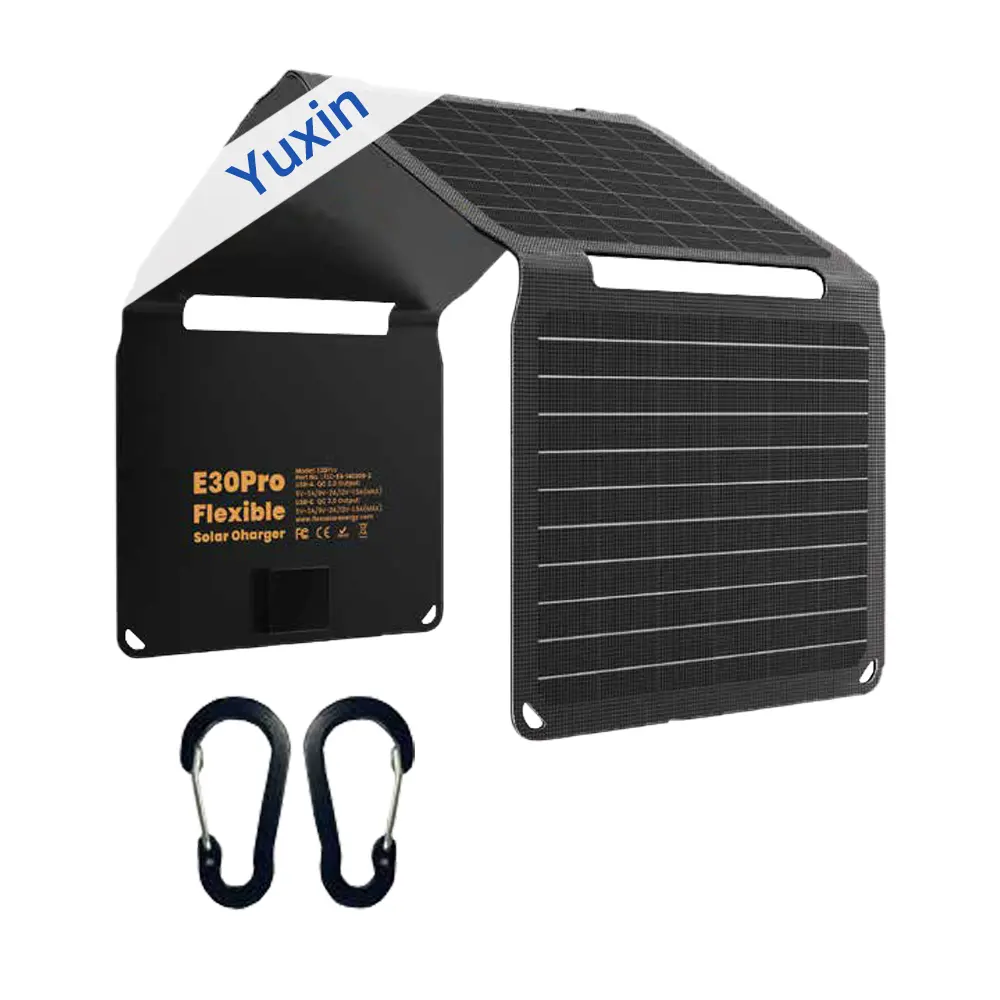
Utilizing advanced monocrystalline silicon cells, it achieves a high energy conversion efficiency of 24%.
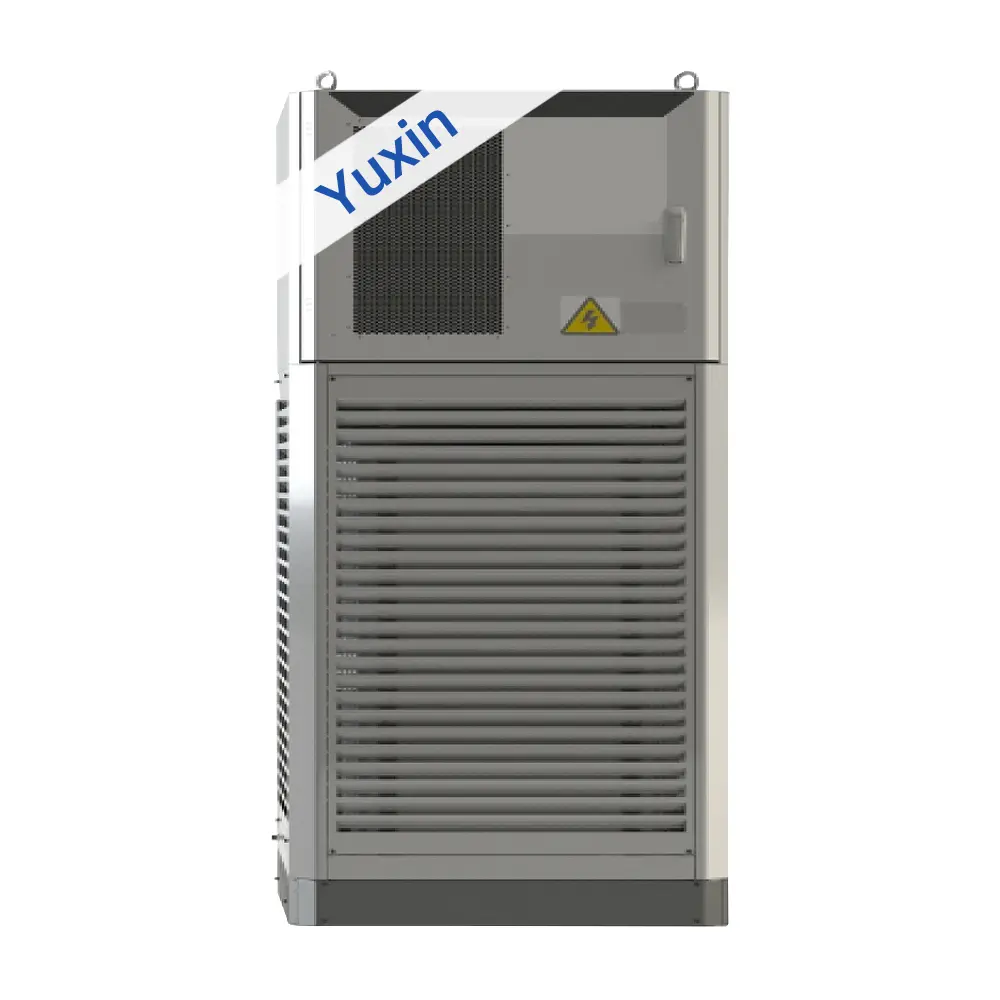
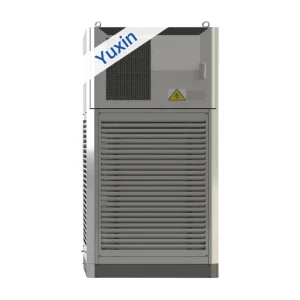
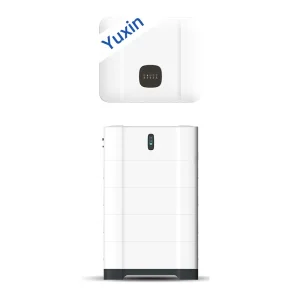
Application modes include grid-connected mode, off-grid mode, and integrated grid-connected/off-grid mode.
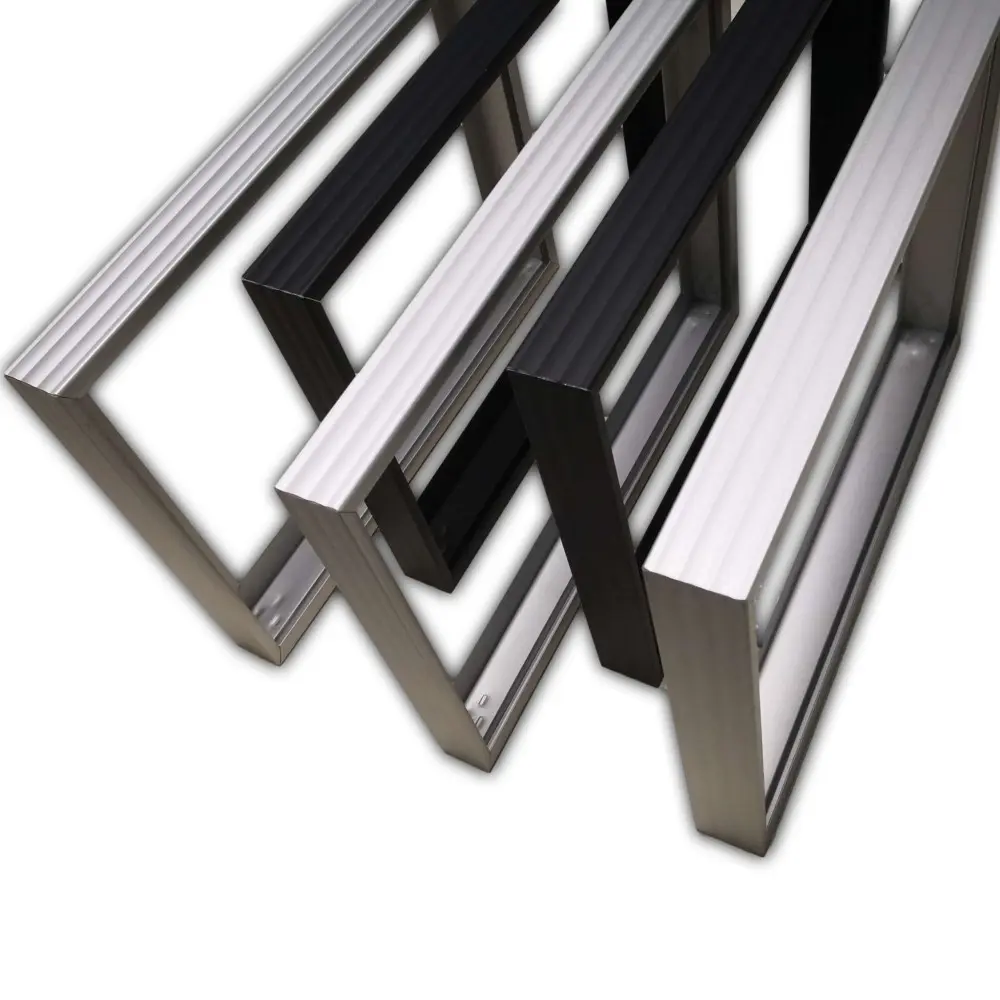
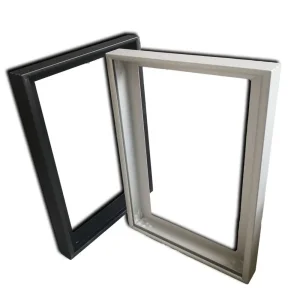
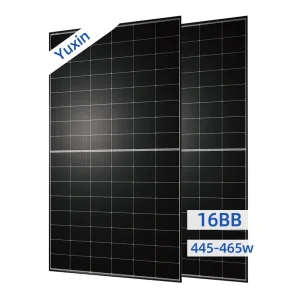
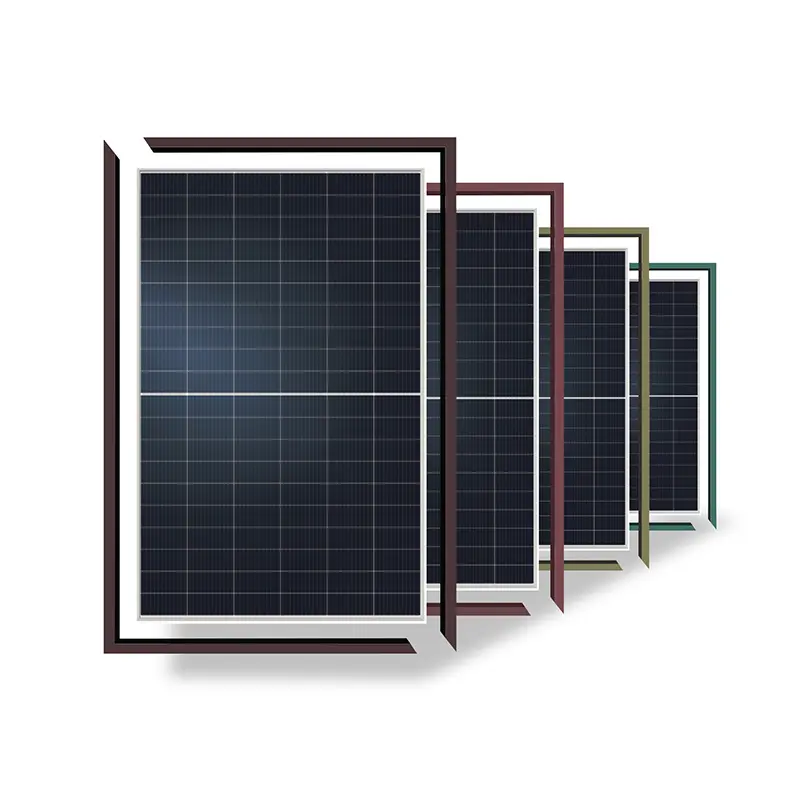
Made of high-quality anodized aluminum, it ensures superior weather resistance and a smooth, long-lasting finish.
Precision, Quality, and Safety - Your Photovoltaic Materials Expert
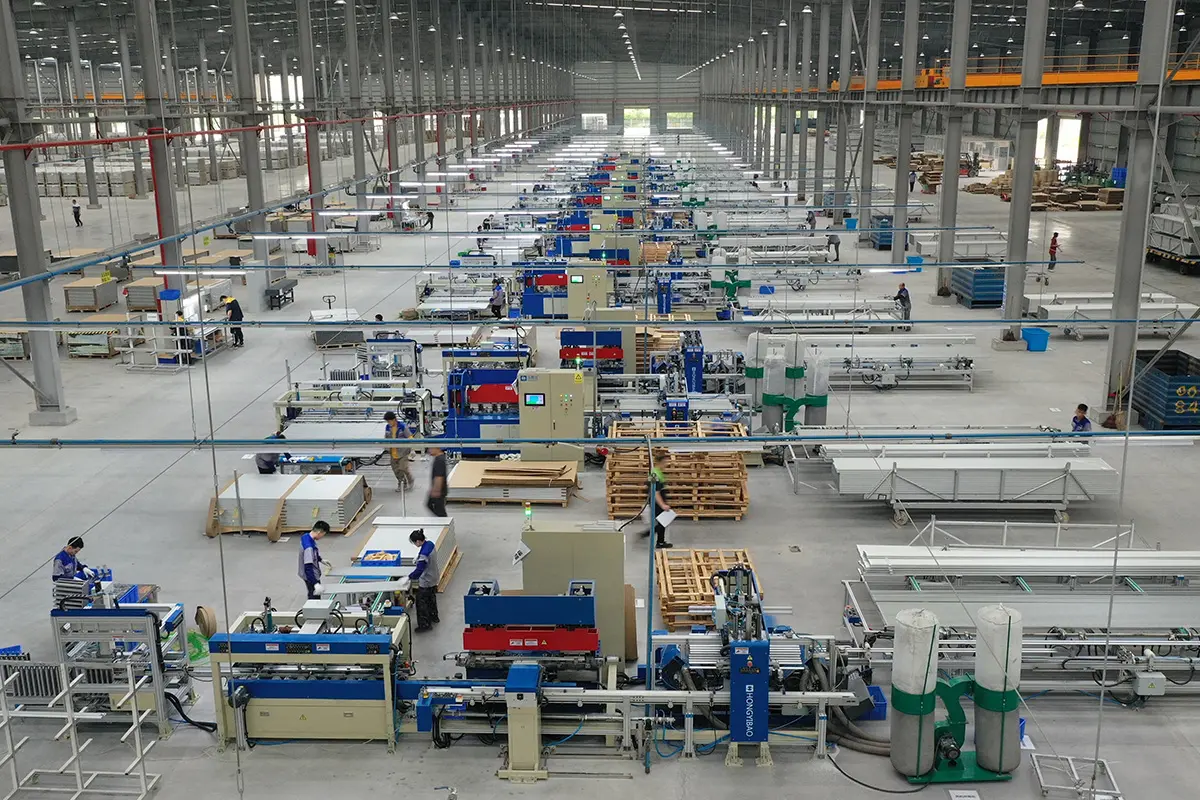
Located in the scenic historical and cultural ancient city of Yangzhou, close to the Beijing-Shanghai Expressway, Runyang Yangtze River Bridge, and Ningqi Railway, the group has a superior geographical location and convenient transportation. Established in 2008, the group manages 14 multi-field subsidiary companies, including Jiangsu Yuxin New Energy Technology Co., Ltd. Over the years, we have achieved recognition as a National High-tech Enterprise, a Technology-based Enterprise, and placed within the Gaoyou City Top 100 Private Enterprises. Our production base is equipped with industry-leading automated laminators, laser scribing tools, and EL testing stations to guarantee defect-free panel runs.
The competitive landscape for outdoor off-grid power solutions is shifting toward centralized manufacturing hubs capable of executing custom OEM/ODM specifications. Industrial buyers require rigorous quality assurance, low dimensional tolerances, and structural customizations. As a dedicated OEM supplier, YUXIN addresses this market by integrating raw material extrusion (aluminum frames and polyurethane pultrusions) with advanced cell stringing and encapsulation technologies. By controlling the supply chain from frame design to final laminates, we eliminate typical quality bottlenecks faced by standard assemblers.
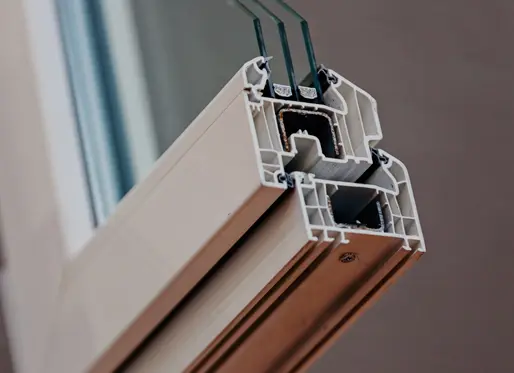
A critical consideration for long-term waterproof deployment in camping and marine setups is the selection of framing materials. Traditional modules rely heavily on anodized aluminum (6063-T5/6005-T6). While aluminum provides exceptional rigidity and impact resistance, coastal camping environments expose the frames to galvanic corrosion. To resolve this, our factory developed pultruded polyurethane composite frames. Polyurethane provides complete electrical insulation, removing the need for module grounding in small-scale off-grid installations, and exhibits superior chemical resistance against acidic rain and saline atmospheres.
Polyurethane composites exhibit tensile strengths that rival structural metals, preventing twisting or mechanical stress damage under heavy wind loads during vehicle-mounted transit.
Our composite materials match the thermal expansion coefficients of glass and silicon, reducing shear stresses within the lamination layers and extending panel life.
Zero conductivity frames mean that structural insulation is inherently optimized, limiting potential-induced degradation over decades of service.
Our manufacturing and processing lines strictly comply with international electrical standards
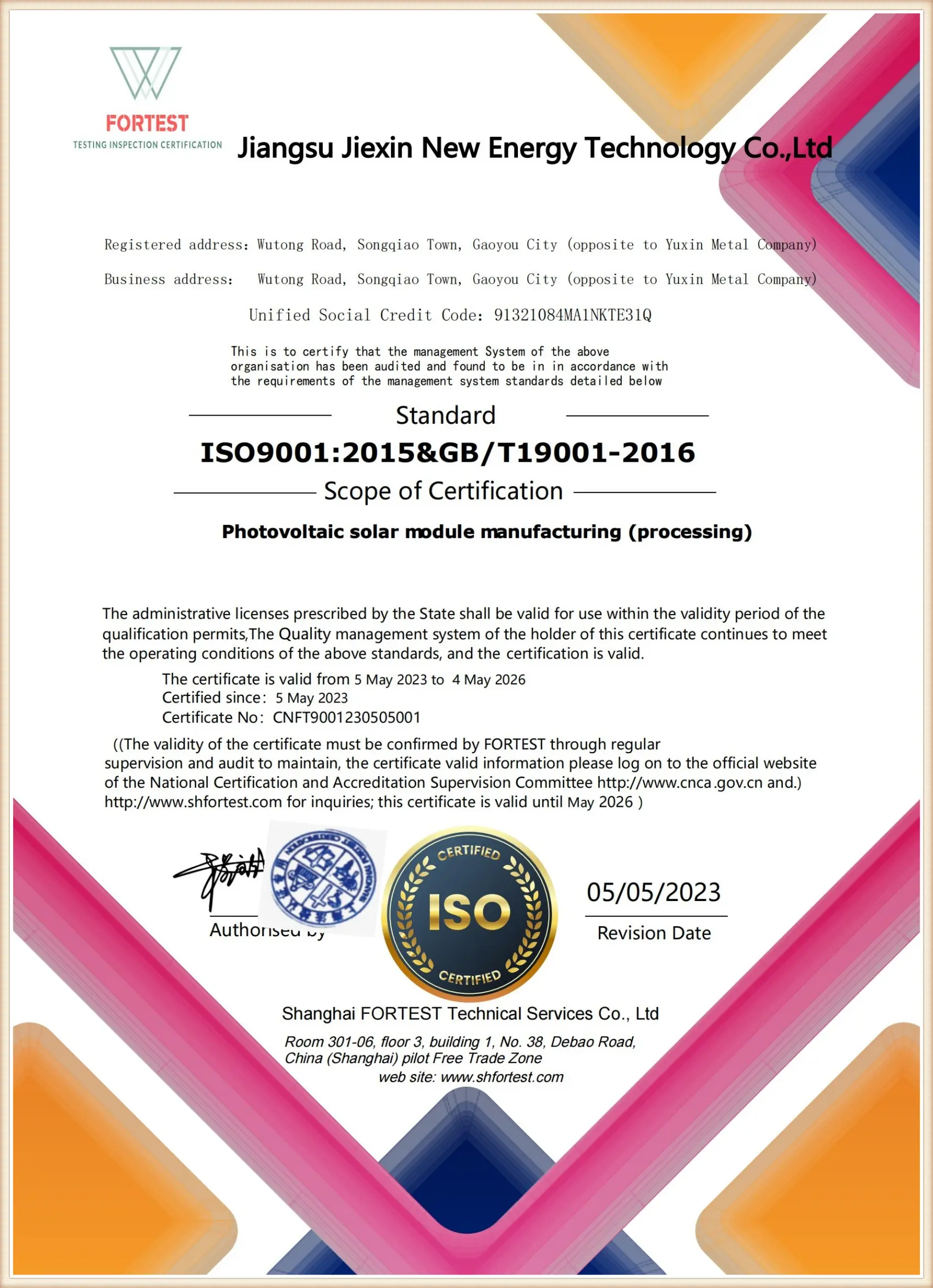
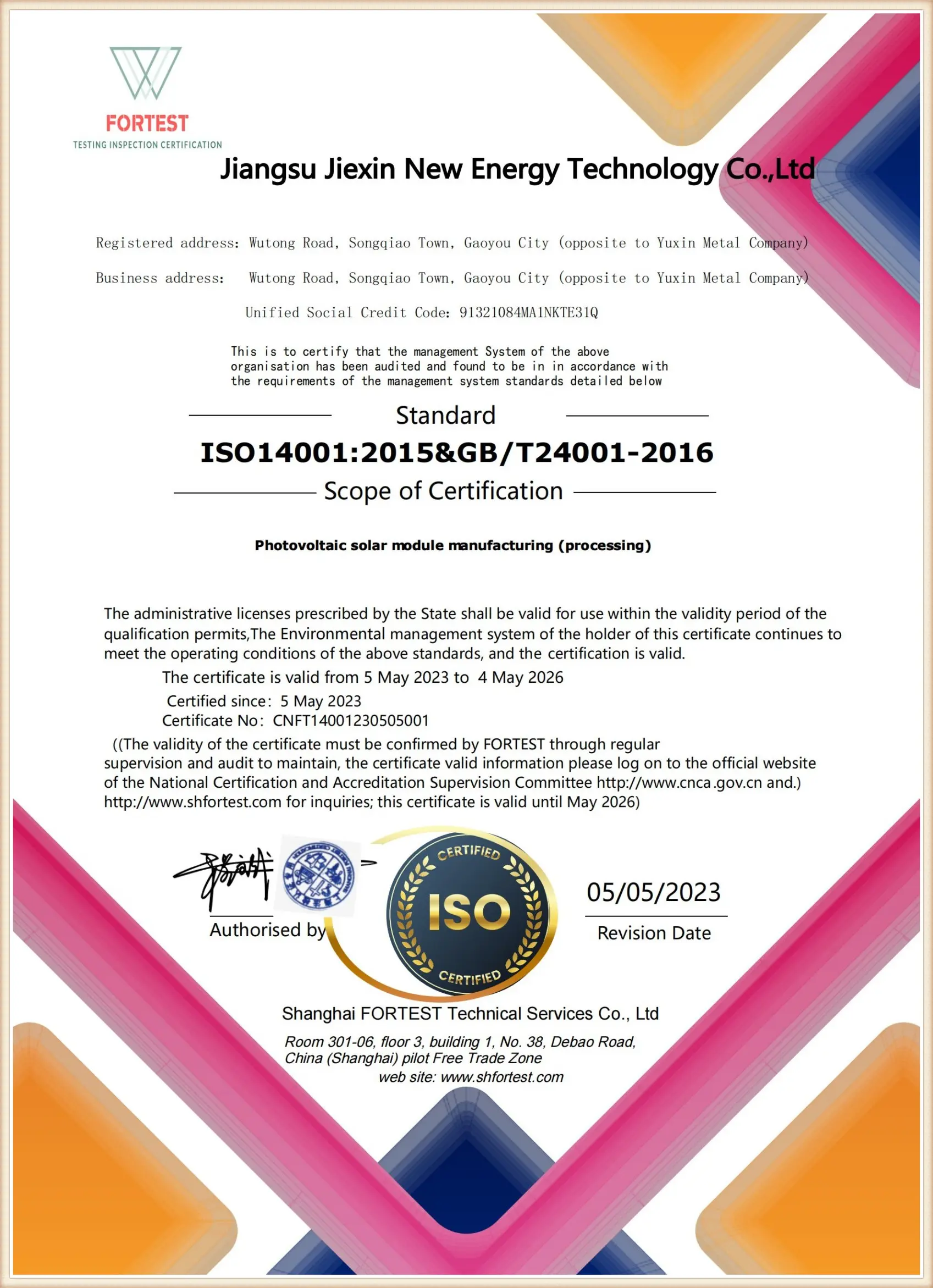
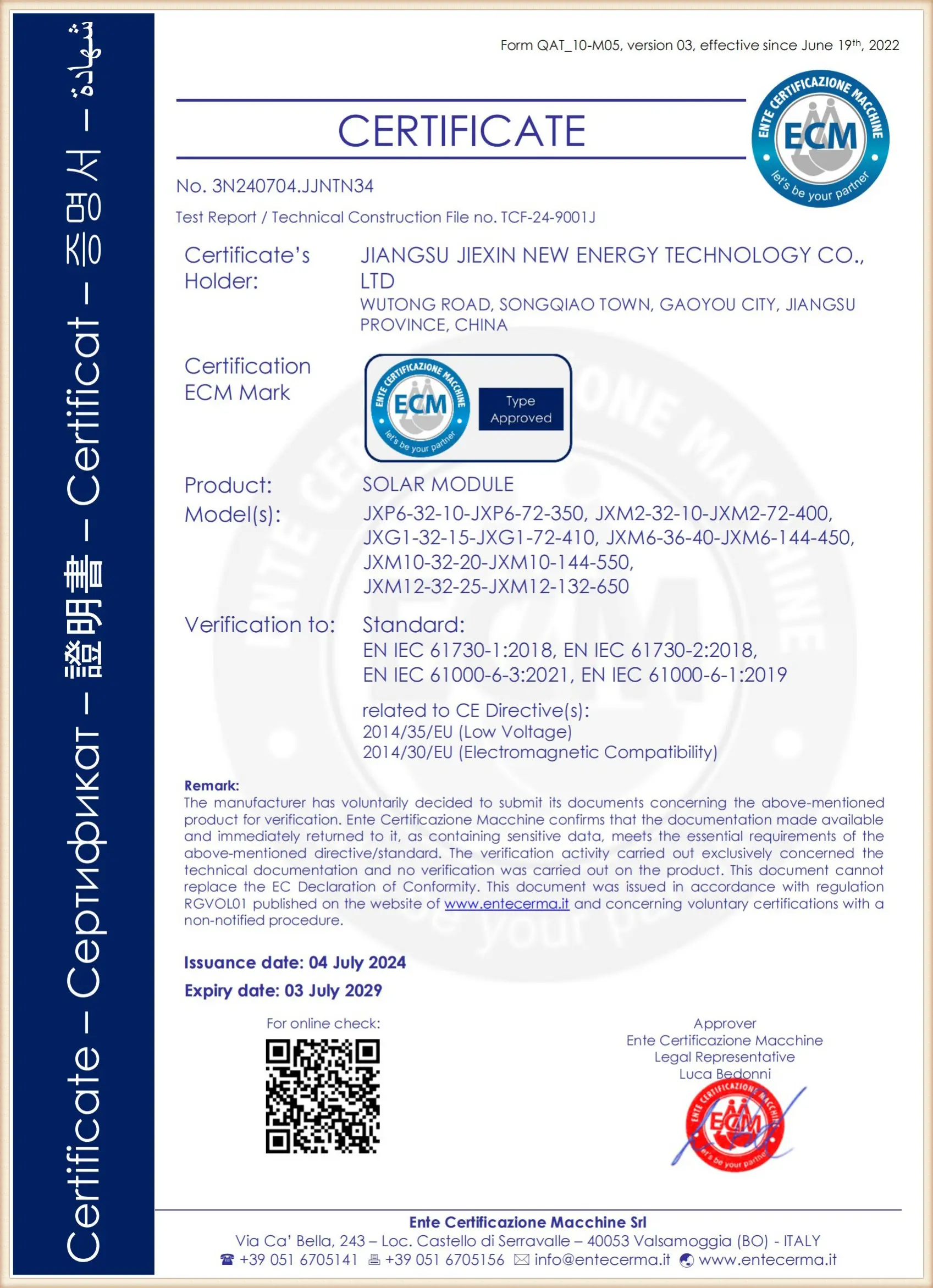
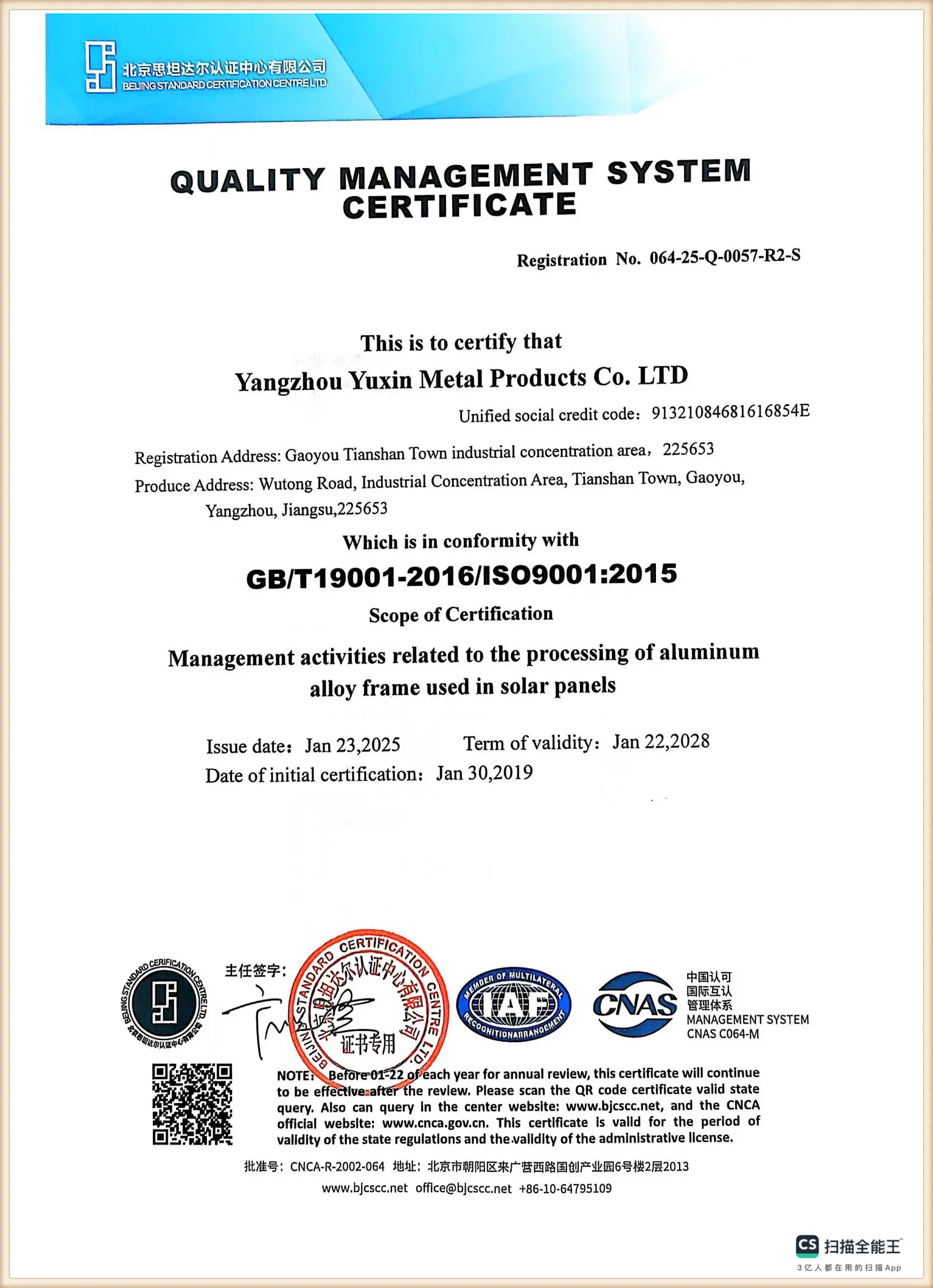
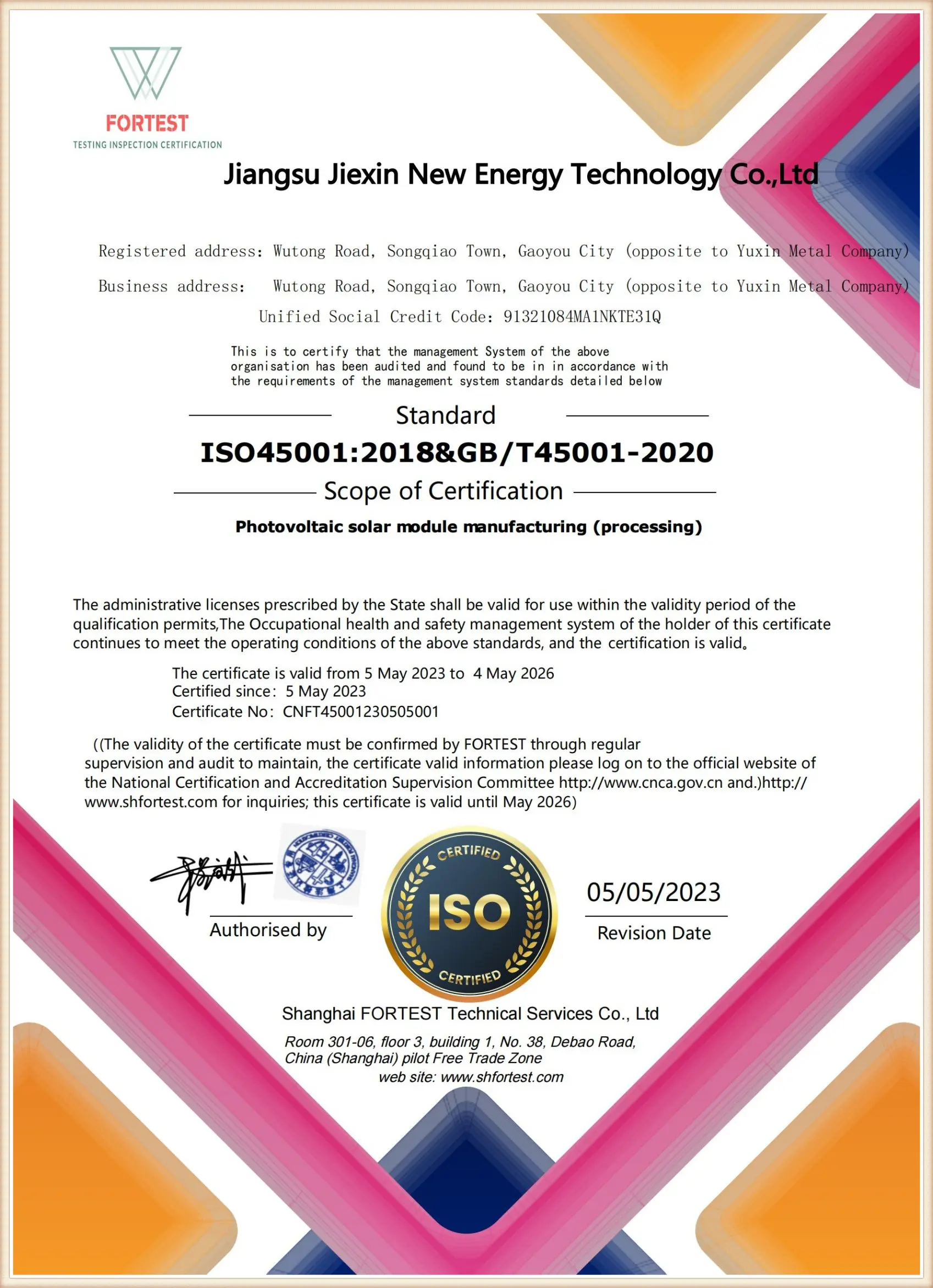
Providing high-efficiency energy platforms across global industries

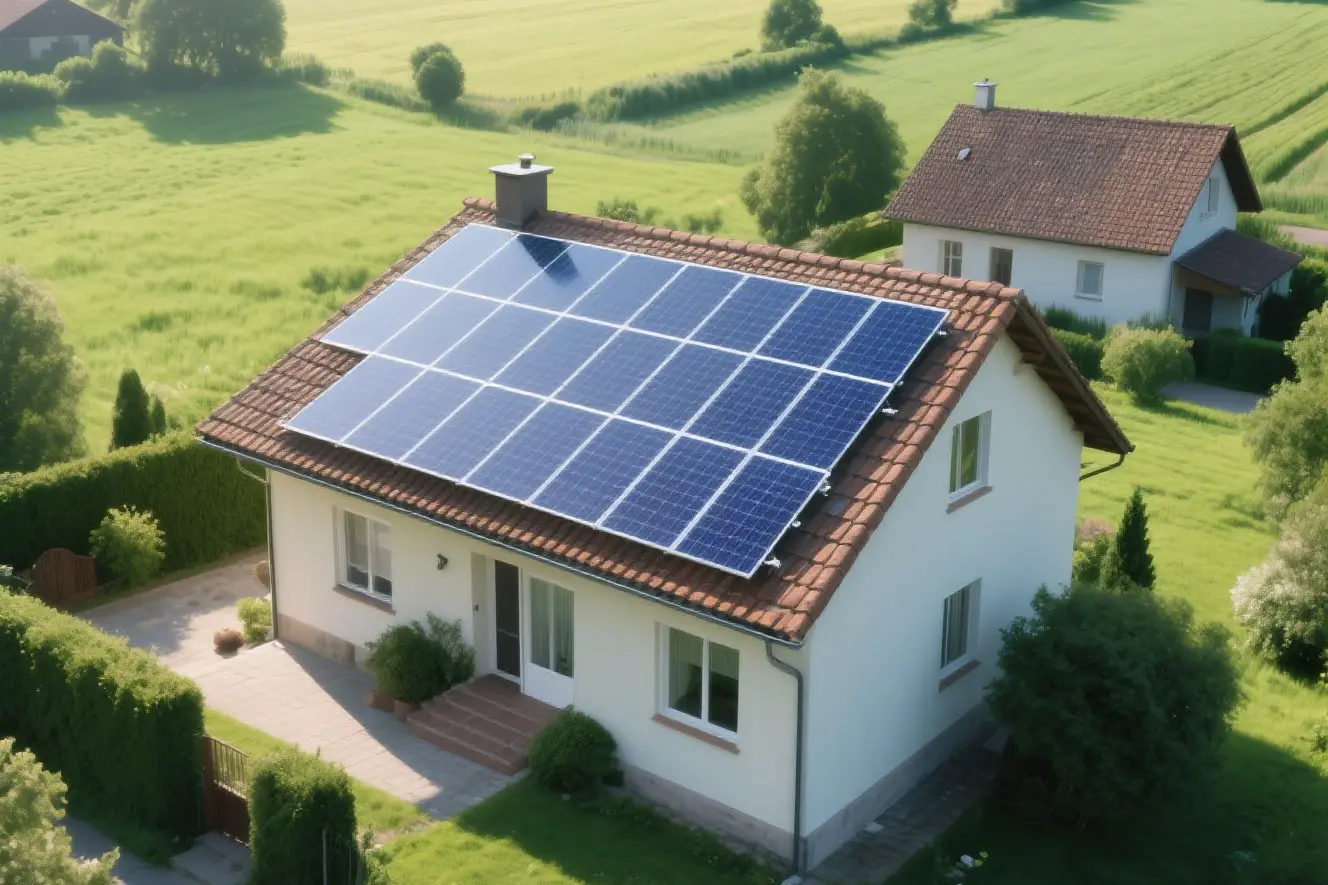
Stay up to date with manufacturing standards, selection frameworks, and quality control metrics
Forging long-term strategic relationships with leading renewable energy institutions

Looking forward, YUXIN is tracking several disruptive engineering changes in off-grid power development. Foremost among these is the incorporation of N-type TOPCon (Tunnel Oxide Passivated Contact) technology into portable, waterproof structures. TOPCon cell technology reduces surface recombination losses, leading to efficiency profiles exceeding 25.5%. When implemented in camping applications, this translates directly to smaller footprint requirements—allowing campers to generate identical power using 15% less surface area than traditional monocrystalline lines.
Furthermore, our development division is optimizing smart off-grid monitoring. By integrating low-power Bluetooth and IoT telemetry chips directly into the junction box, users can monitor voltage profiles, cell temperatures, and charging currents in real time. This ensures that field operators can prevent battery bank overcharging, diagnose cell micro-cracks, and position the system for maximum solar irradiance.
A global supply chain strategy is only as strong as its regulatory alignment. Our factory products undergo thorough testing protocols to secure CE, TÜV, and UL certifications, meeting stringent safety guidelines for portable off-grid PV devices. We have established localized support hubs across Europe, North America, and Australia to facilitate fast clearance, local warehousing, and direct customer support.
Providing direct, expert information for procurement agents and project managers
ETFE (Ethylene Tetrafluoroethylene) provides superior ultraviolet light stability, dirt resistance, and thermal durability compared to PET (Polyethylene Terephthalate). While PET degrades and discolors within 2-3 years, ETFE retains optical clarity for over 10-15 years, ensuring consistent power output.
Yes. By utilizing fully potted IP68 junction boxes, anodized aluminum (6063-T5), and low-WVTR polyurethane or POE laminations, our panels are engineered to resist galvanic salt spray corrosion and bear mechanical snow loads up to 5400 Pa.
We execute double EL (Electroluminescence) testing on all PV modules: once before laminating to catch cell micro-cracks, and once after final assembly to verify performance profiles. All shipments are accompanied by flash-test reports verifying peak power (Pmax).
For custom dimensions, localized frames, and modified electrical specifications, our tooling phase requires approximately 15-20 days. Full-scale production typically takes 30-45 days, depending on raw material allocations and output schedules.
No. Polyurethane composite frames are non-conductive, meaning they function as a structural insulator. This eliminates the necessity of module grounding in off-grid configurations, simplifying installation for camper vans and tents.
Premium options for expanding off-grid systems and manufacturing pipelines