Industrial-grade energy infrastructure manufactured under strict OEM parameters for maximum efficiency, uptime, and load-shedding resilience.
How persistent grid instability and blackouts disrupt global manufacturing, supply chains, and industrial productivity, demanding OEM solutions.
In the contemporary industrial landscape, electricity is not merely a utility; it is the fundamental driver of operational continuity. Across developing economies and mature markets alike, the phenomenon of load shedding—scheduled or unscheduled rolling blackouts used to prevent total grid collapse—has shifted from a sporadic inconvenience to a persistent, structural risk. For manufacturing plants, warehouses, and data hubs, even a millisecond drop in voltage (sag) or a brief 30-minute interruption can result in hundreds of thousands of dollars in lost production, ruined raw materials, tool damage, and safety hazards.
Standard backup generator solutions (typically diesel-fueled) are no longer economically or environmentally viable as primary mitigation mechanisms. Rising diesel costs, strict carbon emission regulations, and the maintenance overhead of combustion engines have forced industrial operators to look for modern hybrid solutions. These setups pair high-capacity solar photovoltaics (PV) with Battery Energy Storage Systems (BESS) and intelligent energy management systems (EMS) to achieve seamless backup protection and significant cost savings.
Our mission as a premier OEM manufacturing partner is to engineer customized, high-capacity, and reliable solar and energy storage systems tailored specifically to combat local load shedding challenges. By deploying advanced silicon technologies (including N-type TOPCon bifacial modules) alongside high-durability mounting structures, we guarantee that our systems can withstand harsh environments while delivering continuous, dispatchable clean power.
Through our comprehensive OEM factory services, we assist local system integrators, EPC developers, and commercial entities in building bespoke energy frameworks. These frameworks mitigate grid instability, optimize peak-shaving benefits, and pave a secure path toward net-zero operational status.
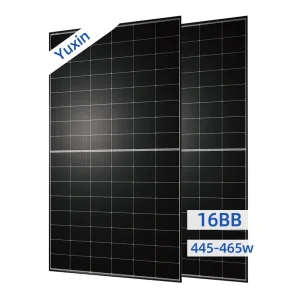
From high-conversion monocrystalline modules to robust aluminum structural frames, explore our core manufacturing capabilities.
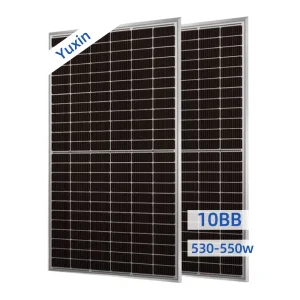
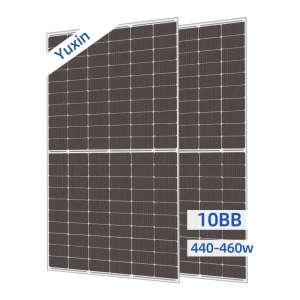
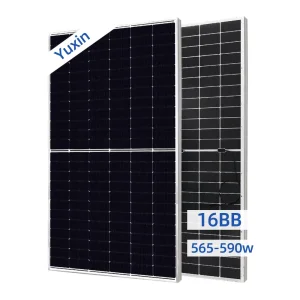
Lightweight design with transparent back panels for easy installation, lower structural load, and reduced Balance of System (BOS) costs.
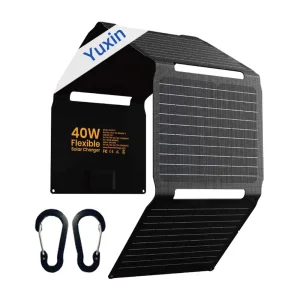
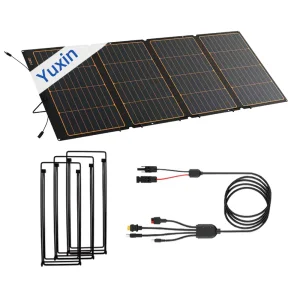
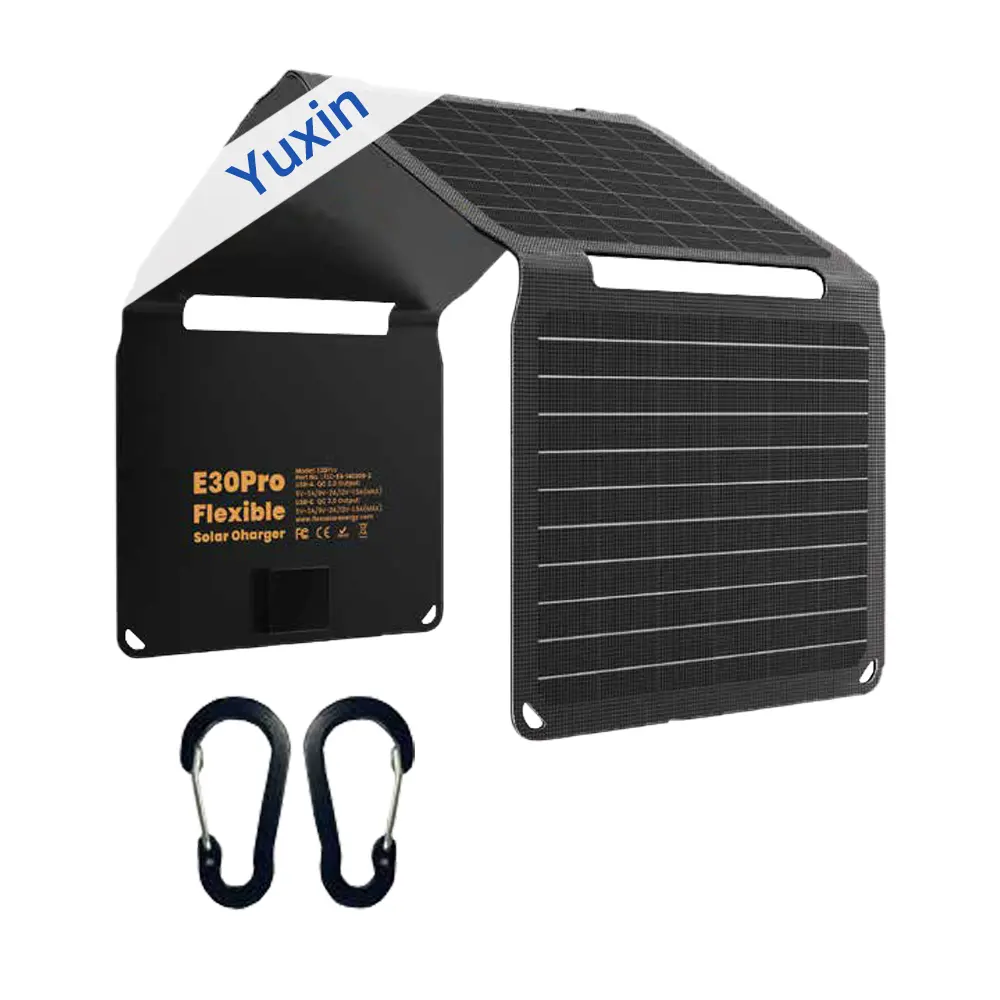
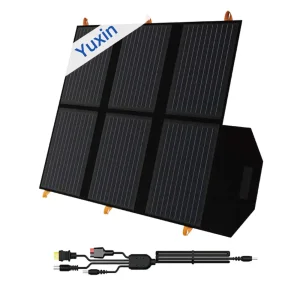
Utilizing advanced monocrystalline silicon cells, achieving a high energy conversion efficiency of up to 24% for mobile/outdoor power needs.
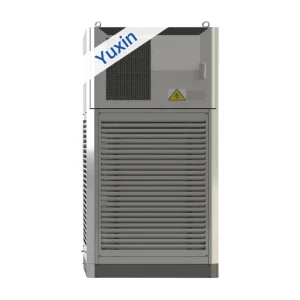
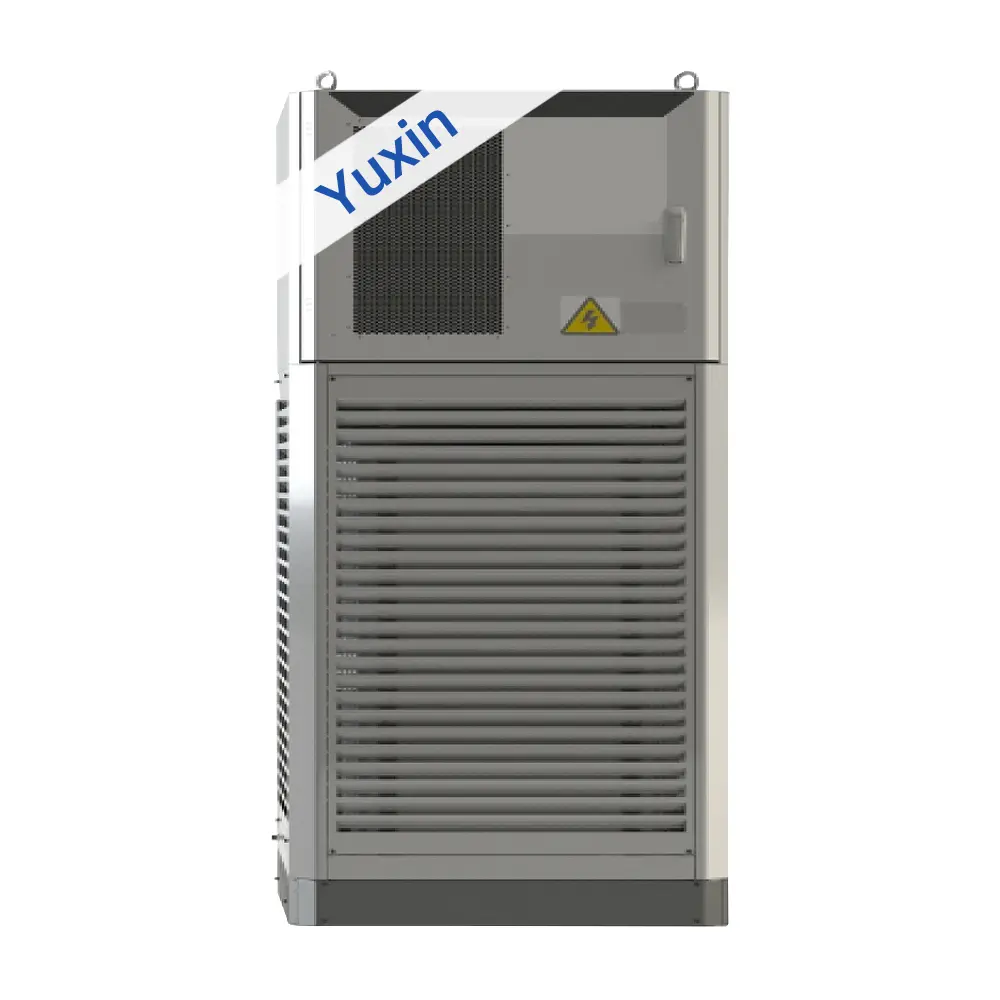
Flexible application modes including grid-tied, off-grid backup, and integrated hybrid grid-connected/off-grid operations.
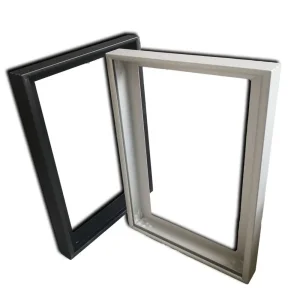
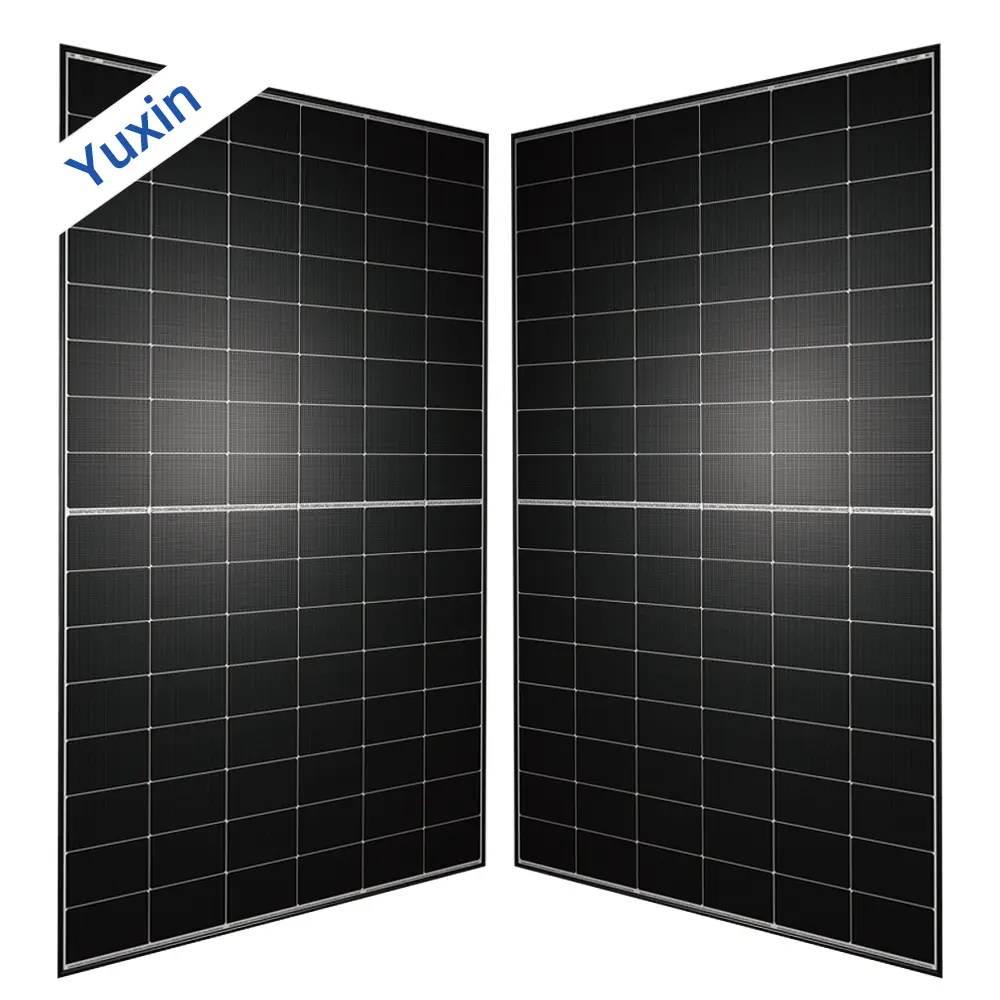
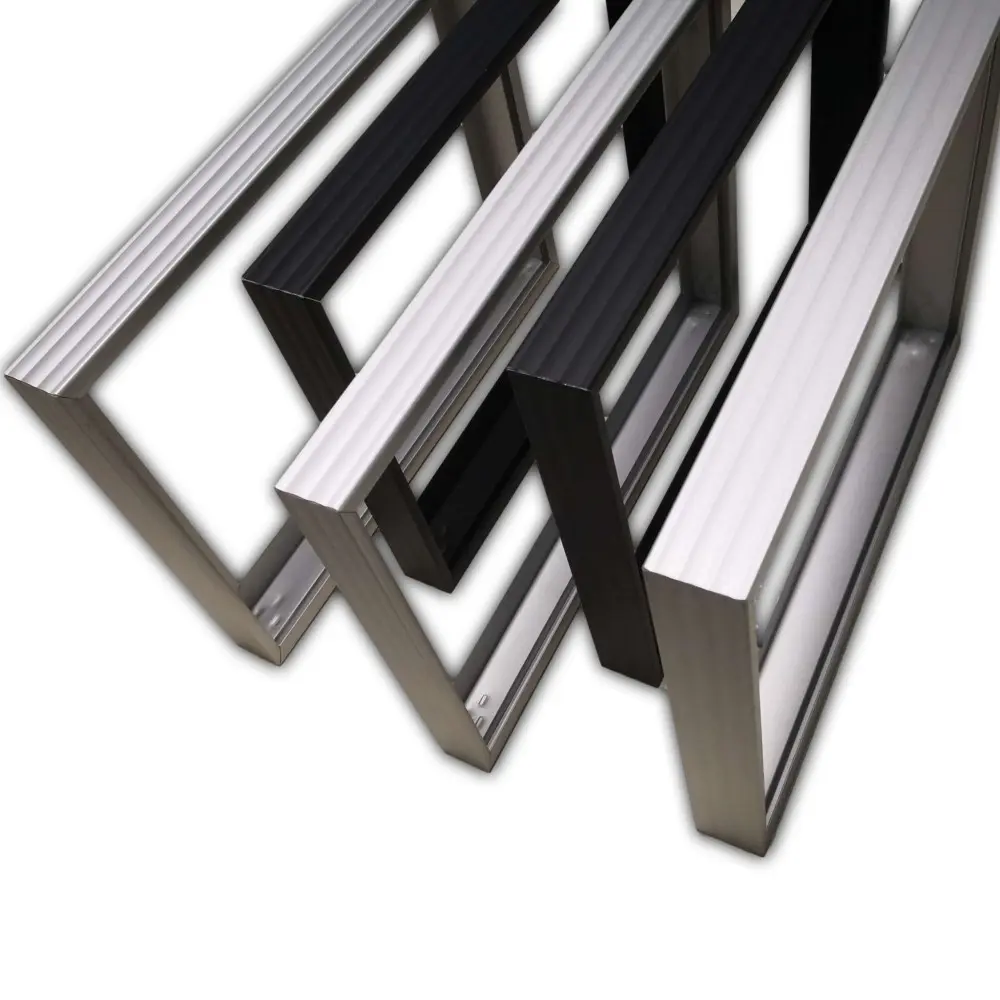
Extruded from high-grade anodized aluminum (6063-T5 / 6005-T6), ensuring superior weather resistance and a long-lasting mechanical hold.
Analyzing how different global zones utilize customized solar-plus-storage platforms to resolve regional grid limitations.
Facing persistent Stage 4 to Stage 6 load shedding, local factories rely on our modular C&I BESS (50kW/100kWh units up to MW-scale) integrated with N-Type TOPCon solar panels. These systems provide seamless transition times (less than 10 milliseconds) to prevent production interruption on assembly lines, while solar energy charges the storage during off-peak hours.
In regions where rural industrial grids suffer from daily micro-outages and extreme ambient temperatures, our bifacial solar glass modules paired with thermal-controlled Lithium Iron Phosphate (LFP) batteries guarantee system safety, reliable performance, and steady power quality for agriculture and textile mills.
With highly unstable grids, mining operations, remote clinics, and telecommunications towers utilize our pre-engineered hybrid packages. By pairing diesel generators with our smart high-efficiency solar modules, these operations reduce diesel fuel consumption by up to 75%.
A comprehensive engineering breakdown of solar cell efficiency upgrades, energy management, and battery storage development.
We are transitioning our solar cell production lines toward N-type Tunnel Oxide Passivated Contact (TOPCon) technologies. These cells reach laboratory efficiencies above 26%, feature lower degradation rates, and perform exceptionally well in low-light environments, ensuring maximum power output even on cloudy days.
Our upcoming power conditioning systems (PCS) support bidirectional grid interaction. They are equipped with advanced algorithms that enable peak-shaving, load scheduling, and microgrid synchronization, helping operators minimize their reliance on expensive grid power.
To withstand extreme weather and high wind loads, we use structural grade anodized aluminum (6063-T5 / 6005-T6). These frames feature specialized anti-corrosive coatings, ensuring stable performance and structural integrity over a 25-year operational lifespan.
Precision, Quality, and Safety - Your Photovoltaic Materials Expert
Located in the historic and cultural city of Yangzhou, close to major transport links like the Beijing-Shanghai Expressway, Runyang Yangtze River Bridge, and Ningqi Railway, Yuxin Group enjoys an ideal geographic position and highly efficient shipping logistics. Established in 2008, the group operates 14 specialized companies, including Jiangsu Yuxin New Energy Technology Co., Ltd.
Over the years, Yuxin has achieved recognition as a National High-tech Enterprise, a Technology-based Enterprise, and one of Gaoyou City's Top 100 Private Enterprises. Our production base houses 21 state-of-the-art manufacturing lines, allowing us to supply global EPCs with premium raw materials and high-quality finished PV modules.
Yuxin's operations balance high-precision raw metal processing with advanced cleanroom solar cell assembly. This structural integration allows us to customize solar module frames and electronic specifications to match any localized load-shedding profile.
How our vertically integrated logistics, material sourcing, and production capacity shield global clients from rising material costs.
Our facility in Yangzhou is located directly within China's primary industrial metal and electronics manufacturing hub. This close proximity guarantees a reliable, cost-effective supply of high-grade raw aluminum and silicon ingots, insulating our projects from global raw material supply shocks.
Equipped with 21 high-capacity production lines, we automate every critical phase of manufacturing—from raw extrusion to solar cell layout. This massive scale lowers unit production costs, allowing us to pass significant savings on to our OEM partners.
Our integrated approach allows us to rapidly prototype, test, and manufacture custom frame profiles, cell dimensions, and electrical outputs. This flexibility enables local engineering firms to specify equipment that perfectly fits their installation challenges.
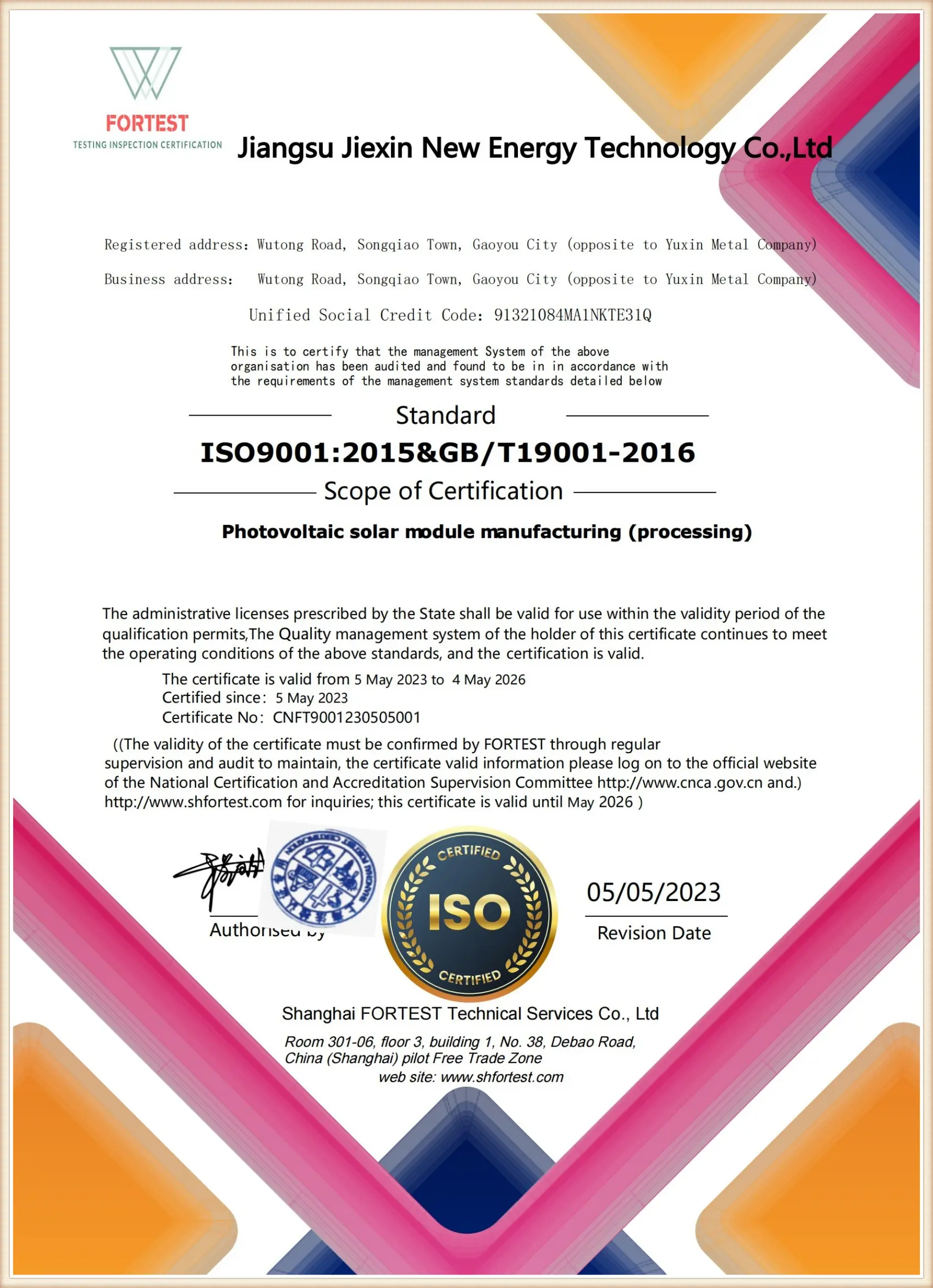
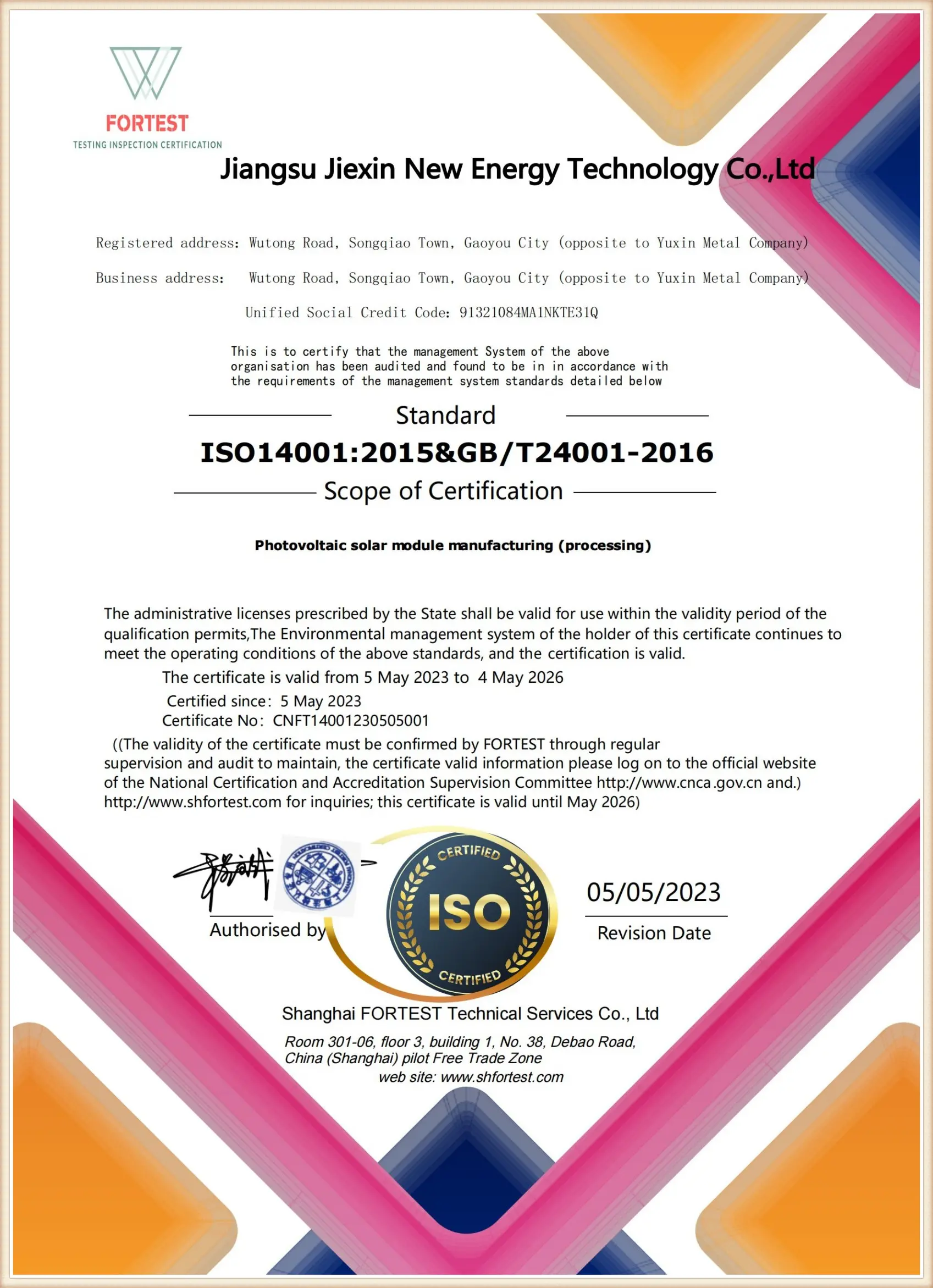
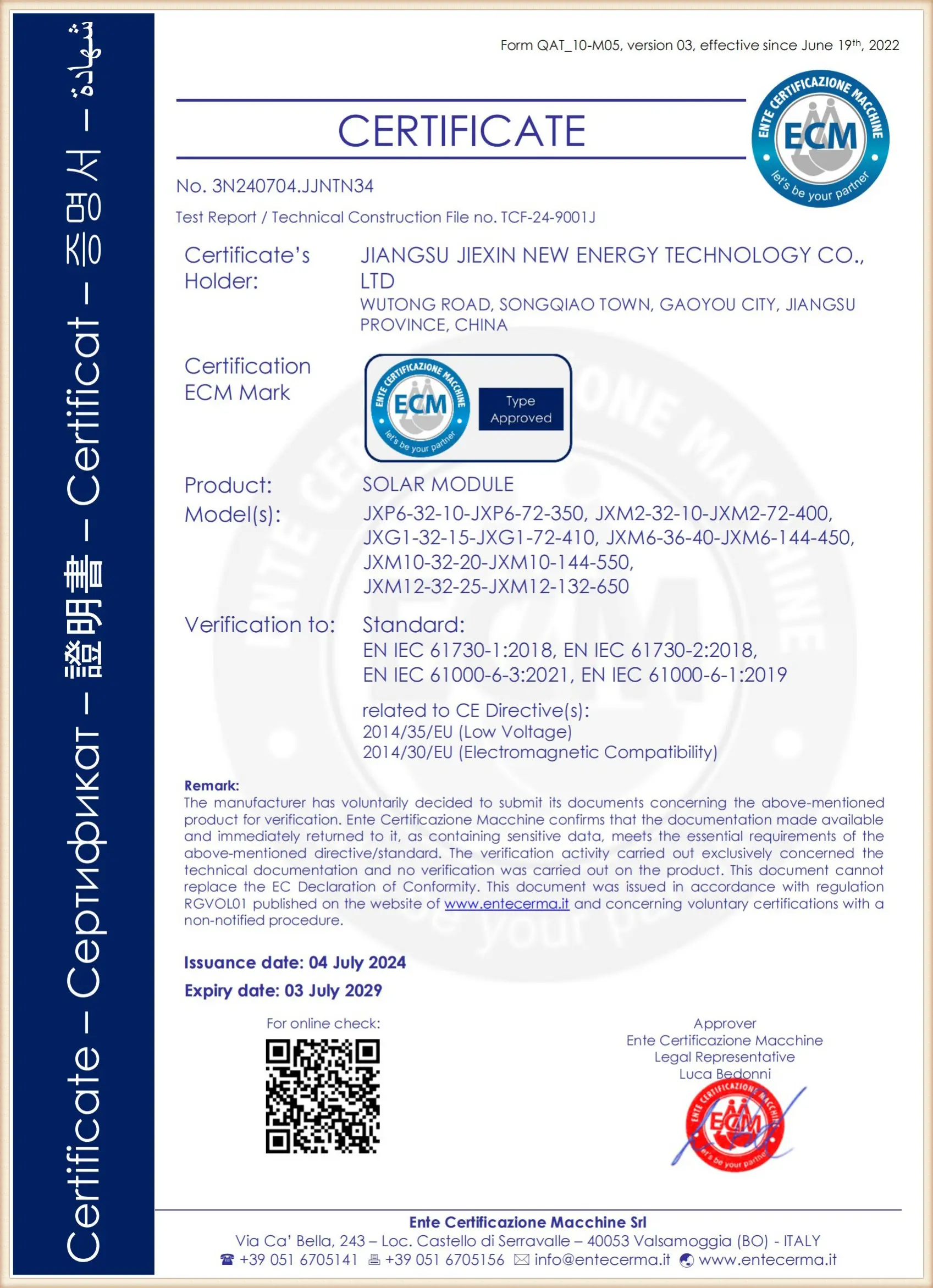
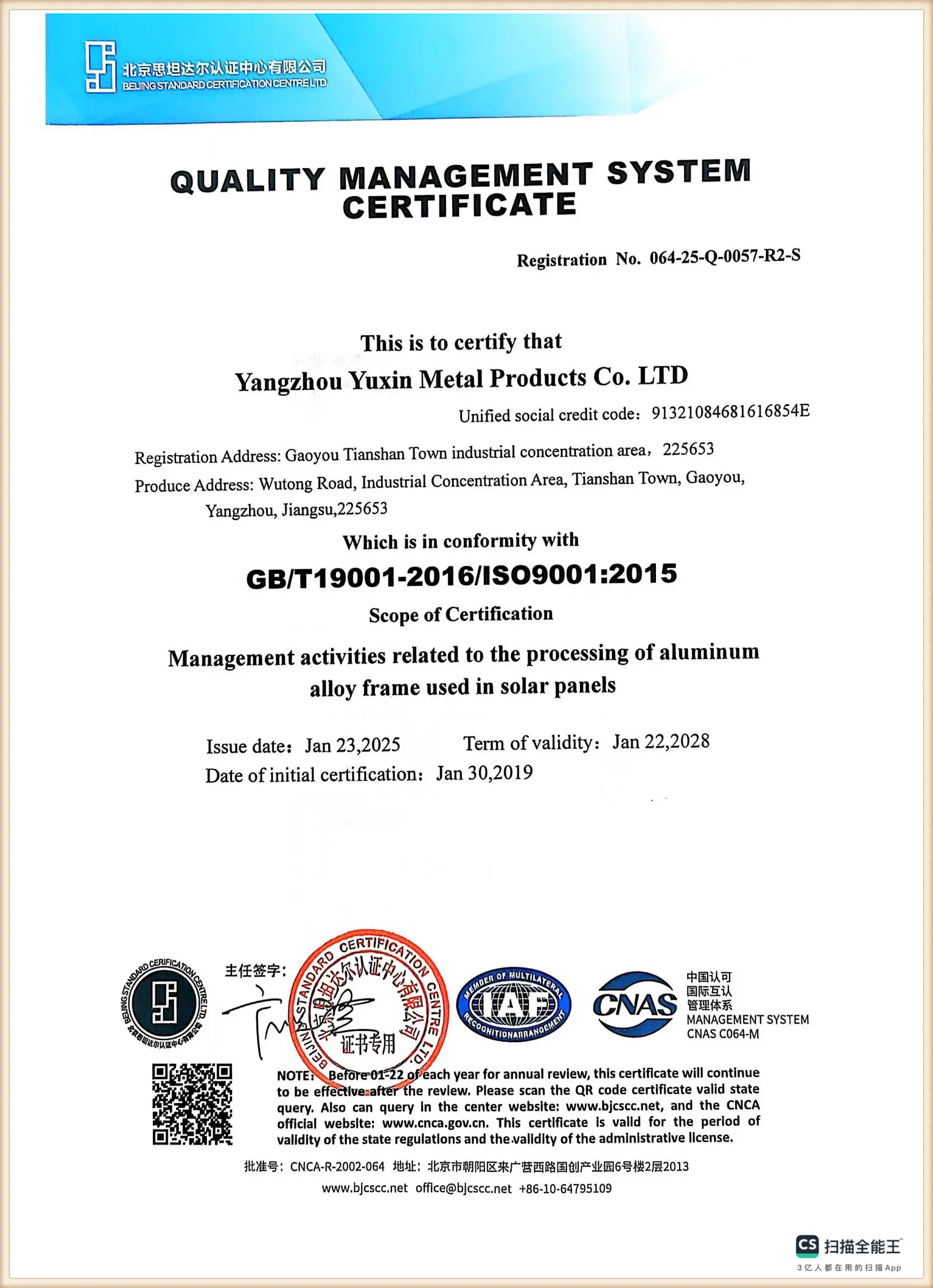
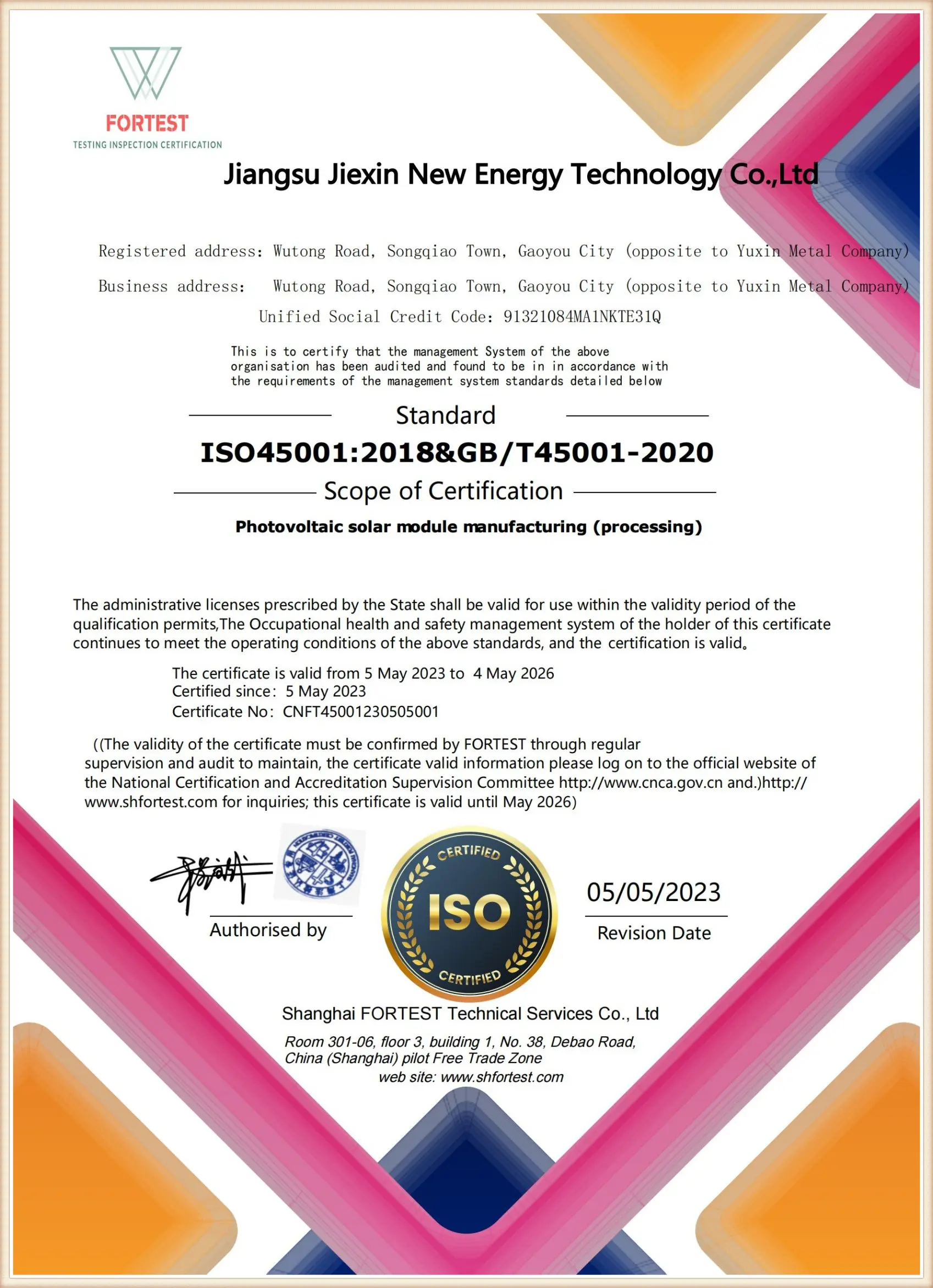
Our manufacturing and assembly processes are certified under key international quality, environmental, and structural standards.
Deploying energy-resilient systems across diverse sectors to ensure operational continuity during power outages.
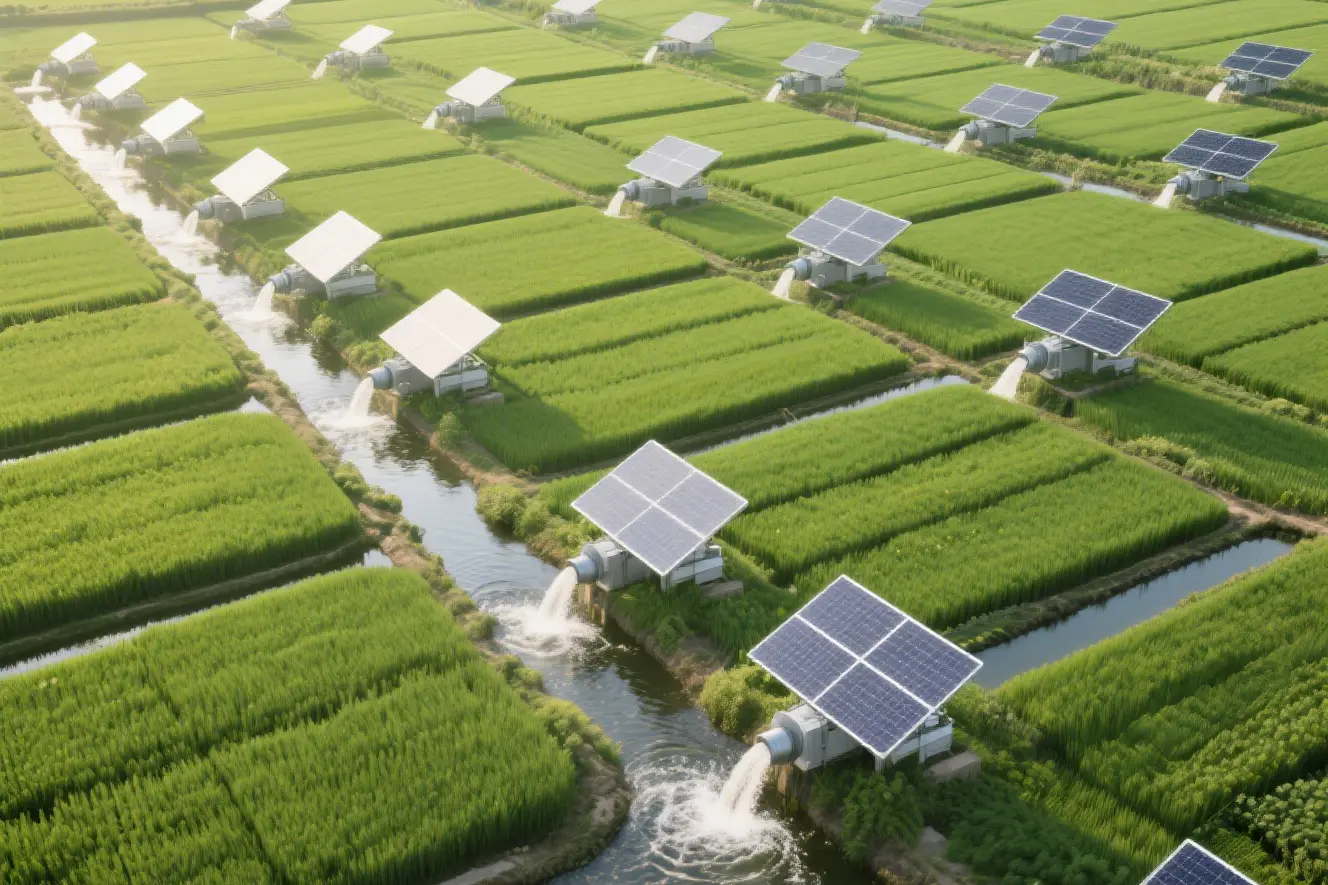
Provides uninterrupted power to precision irrigation lines, climate-controlled greenhouses, and cold chain storage warehouses.
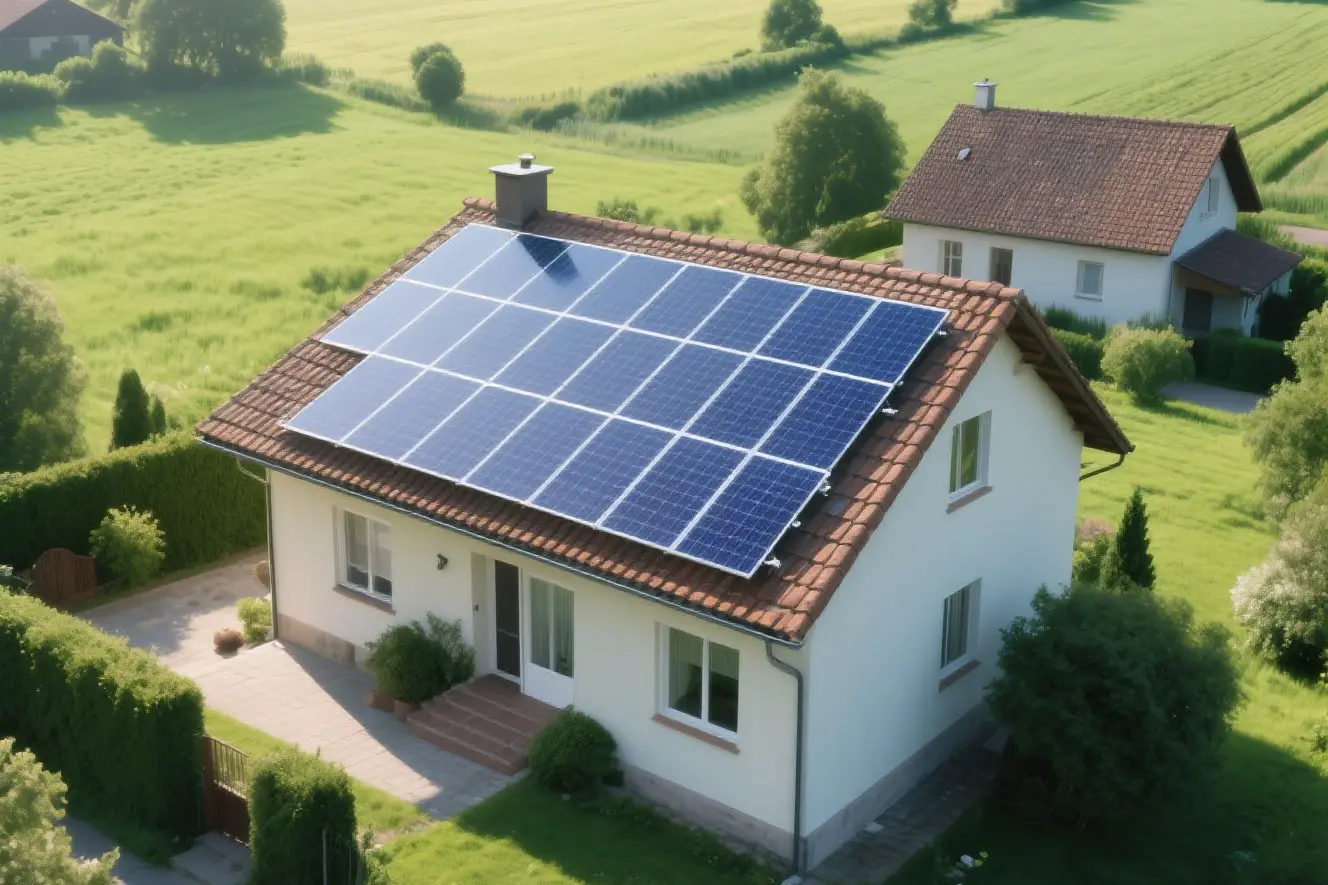
Powers temporary infrastructure, site offices, and heavy equipment charging stations with rugged, transportable solar systems.
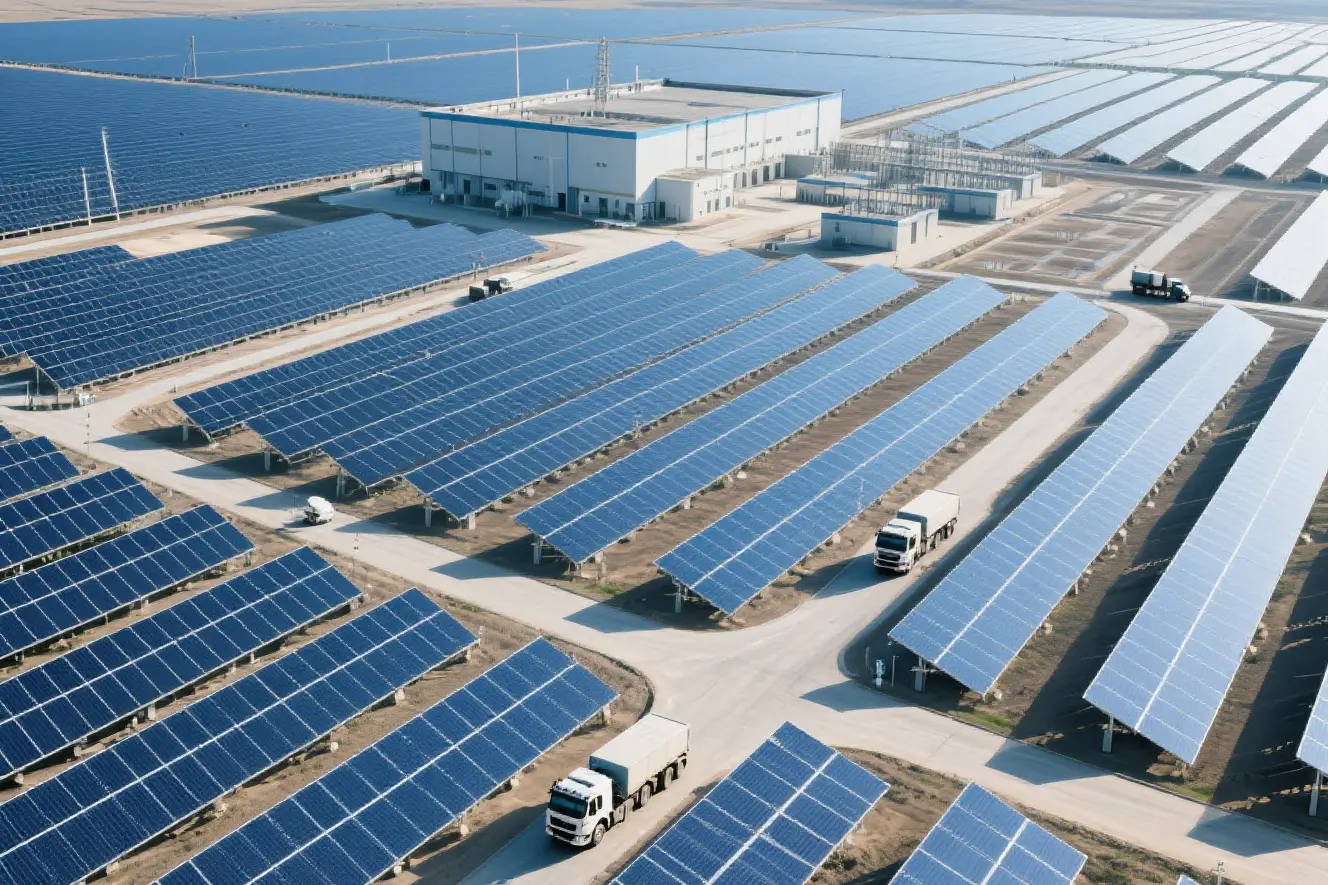
Supports grid-tie systems and substation backup power, assisting utilities with frequency regulation and grid stabilization.
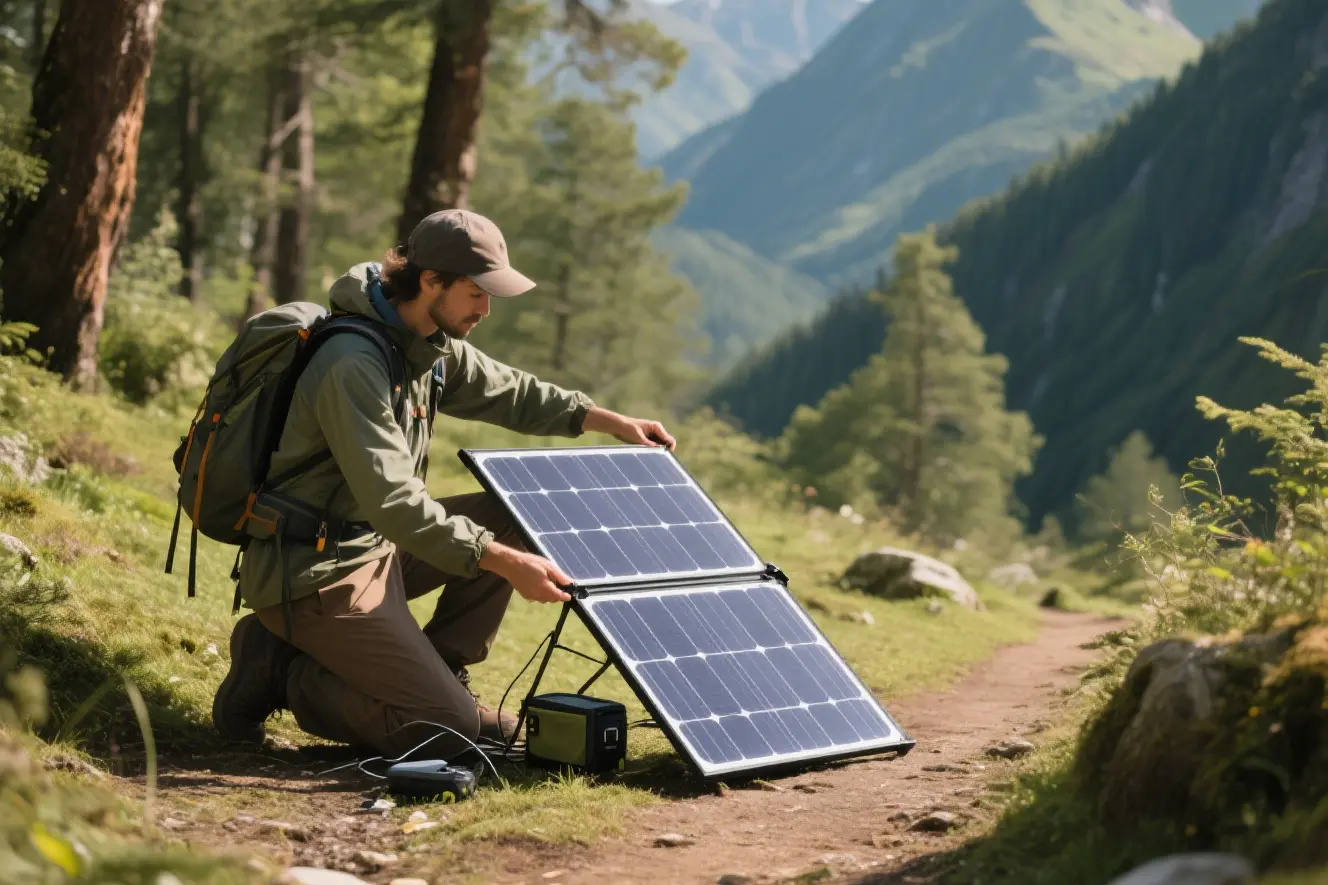
Keeps mobile service vehicles, medical camps, and off-grid research teams powered with highly efficient portable chargers.
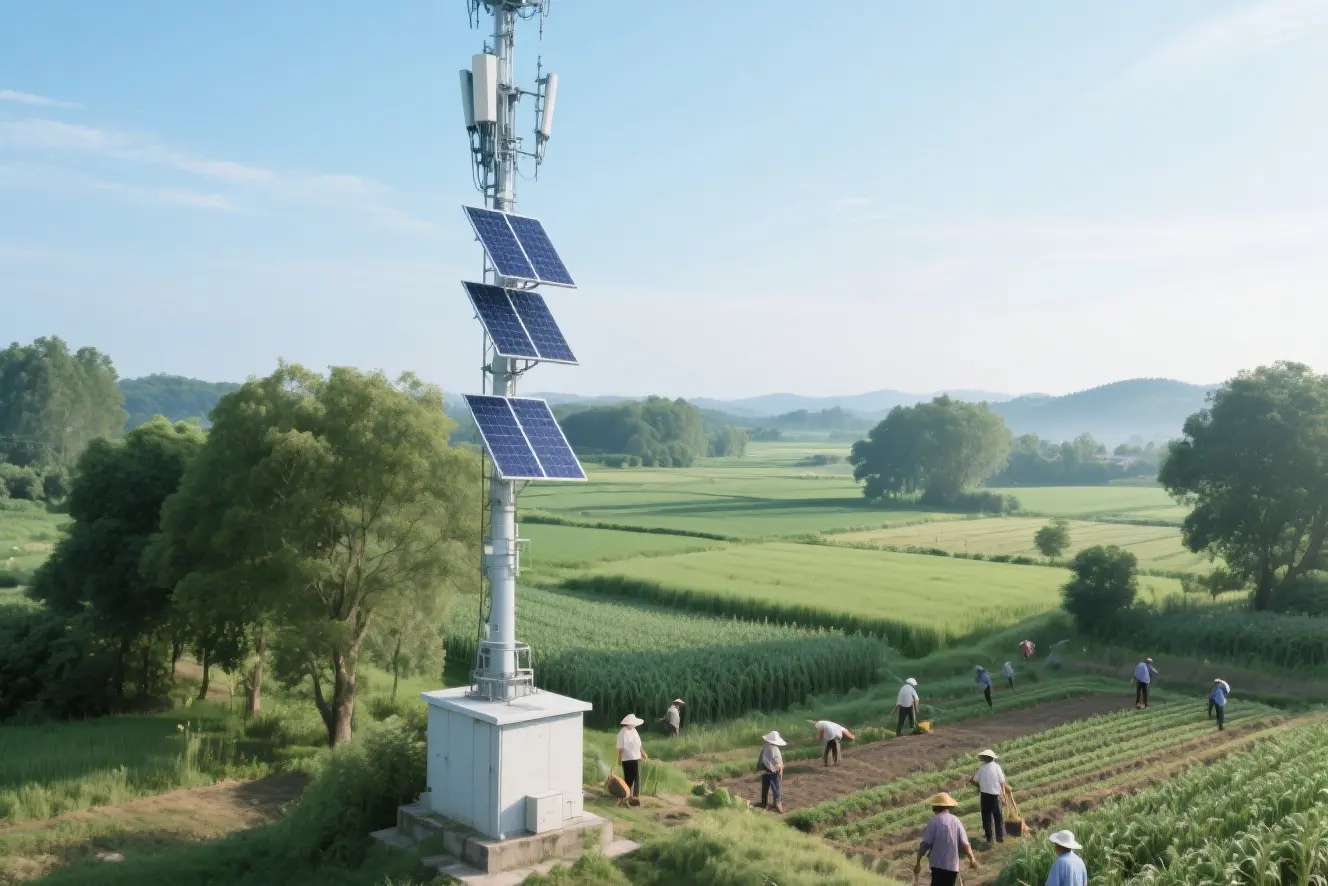
Maintains constant uptime for remote 5G cells, broadcast stations, and communication relays during regional grid failure.
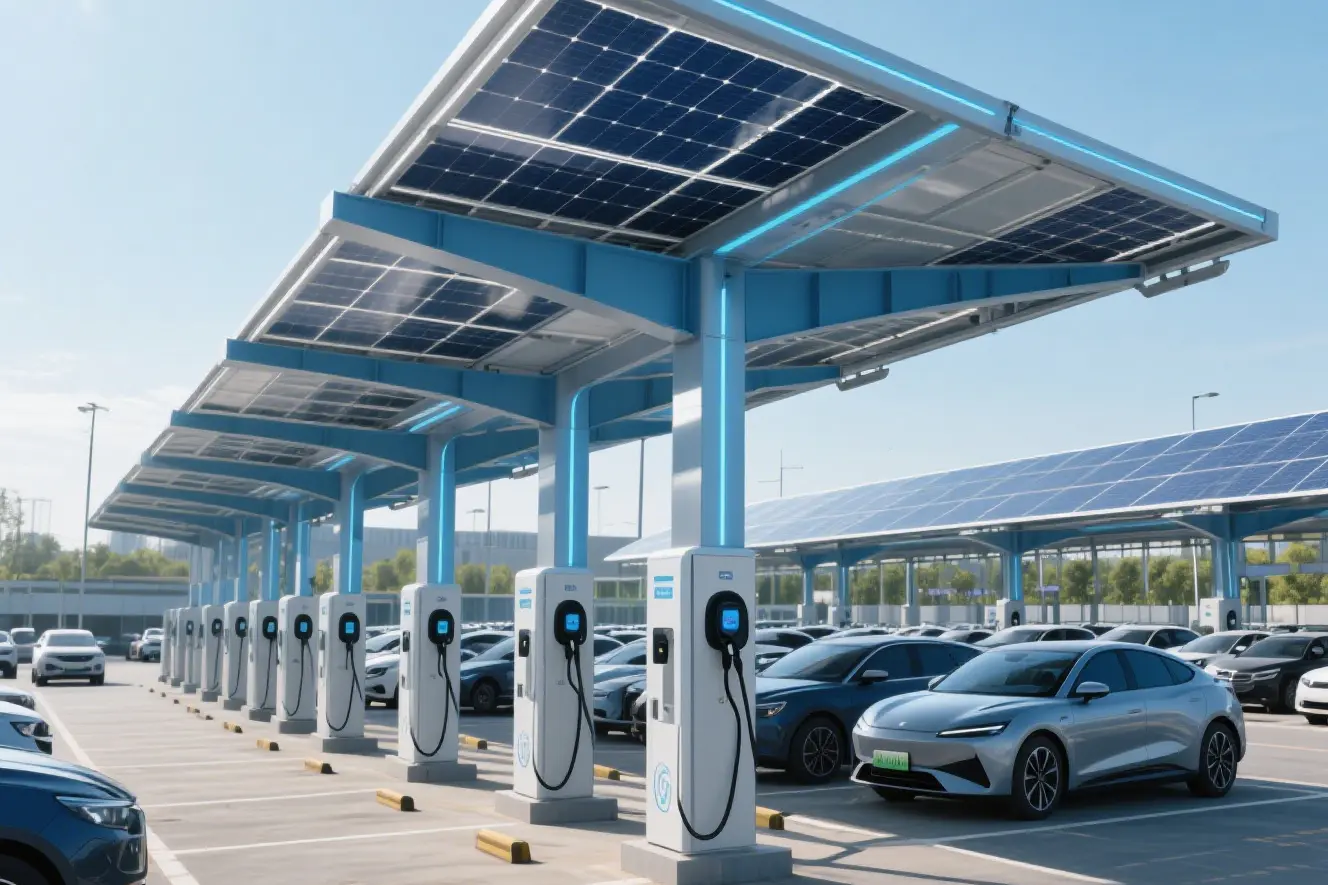
Powers cold-storage logistics depots, toll gates, smart transit shelters, and electric vehicle fleet hubs.
Over years of hard work, Yuxin has built strong partnerships with key energy developers and distributors worldwide.
Stay informed with technical insights, product releases, and manufacturing advice from our engineering experts.
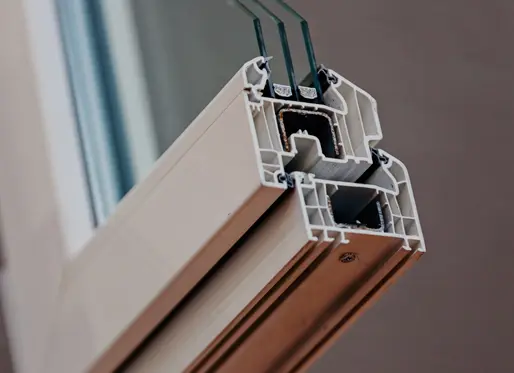
Explore how selecting the right mechanical alloys and anodization techniques improves wind-load resistance and system lifespan.
Read Article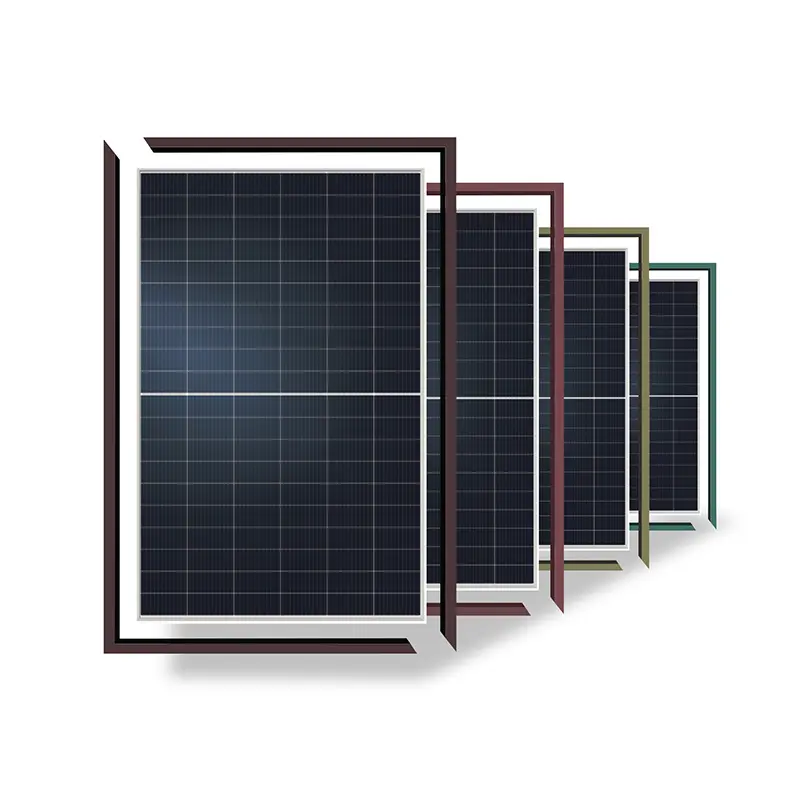
A complete guide for global buyers evaluating production capacity, quality assurance steps, and supply chain logistics.
Read Article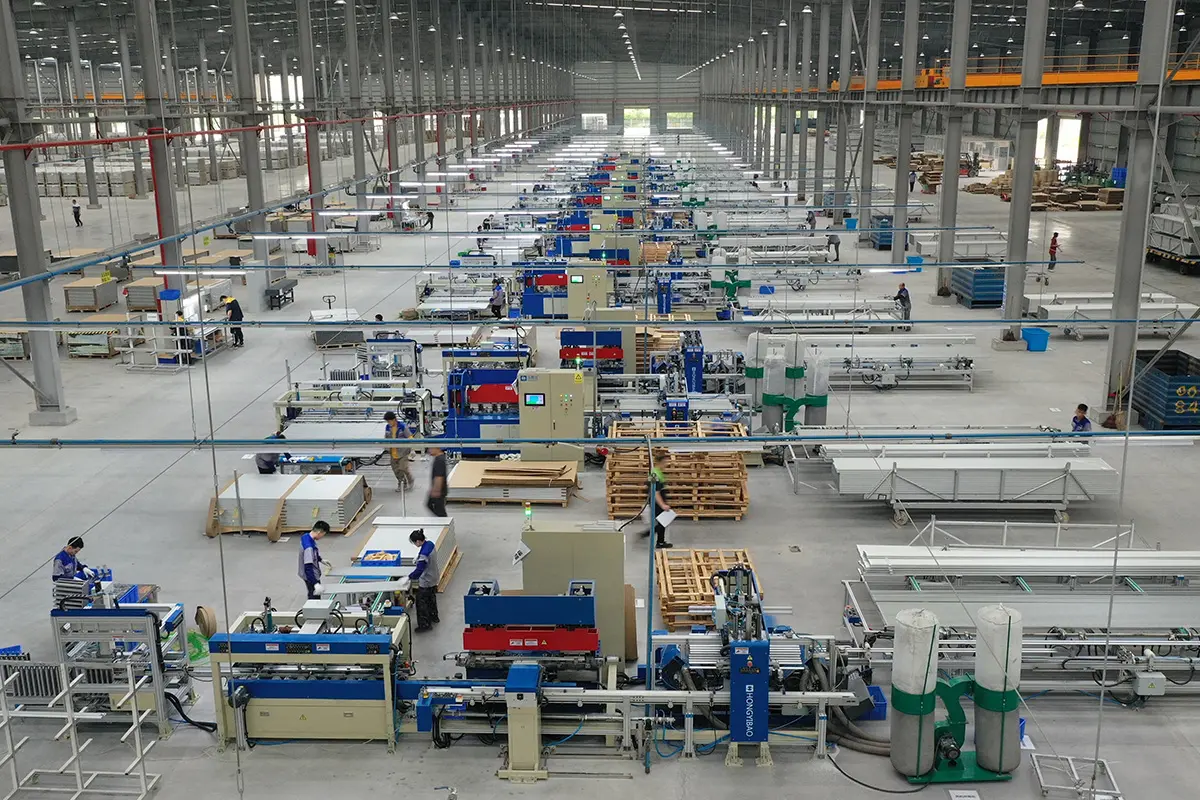
A detailed look at our quality control process, from thickness measurements to corrosion testing, keeping defect rates near zero.
Read ArticleA deep look at how high-power PV generation, energy storage, and smart controls solve the challenges of load shedding.
Designing a system that can handle load shedding requires analyzing the facility's daily electrical load profile. Rather than simply sizing the system for peak loads, our engineers calculate the total kilowatt-hours (kWh) consumed during scheduled power outages. By deploying a hybrid energy system with a high-capacity solar array and a matching Battery Energy Storage System (BESS), facilities can maintain continuous operations and avoid the high costs of grid energy during peak hours.
We build our industrial energy storage solutions around Lithium Iron Phosphate (LFP, LiFePO4) battery chemistry. LFP batteries offer major benefits for load-shedding applications compared to older lead-acid or standard lithium NMC batteries:
Solar installations at industrial sites face harsh environmental challenges, including wind loads, vibrations from heavy machinery, and exposure to corrosive chemicals or coastal air. To protect the systems, our mounting frames are made of anodized structural aluminum (6063-T5 / 6005-T6). These frames feature an anodization layer thicker than 15 microns, providing excellent resistance to rust and galvanic corrosion while maintaining high mechanical strength.
Expert answers to common questions about system design, customization options, and backup power integration.
High-reliability solar modules, backup generators, and durable structural hardware ready for global distribution.