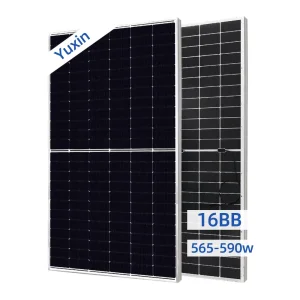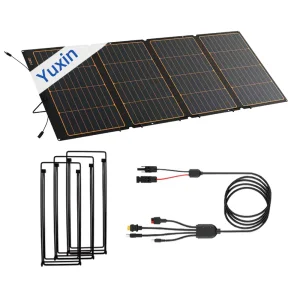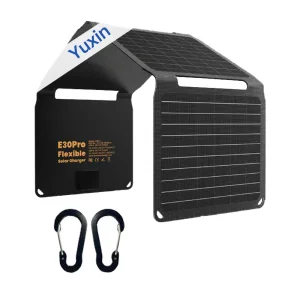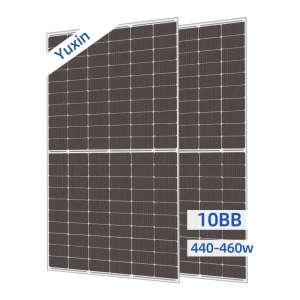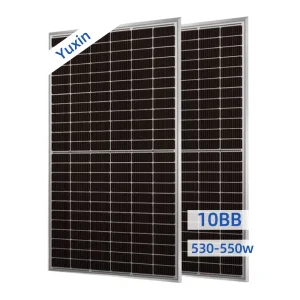
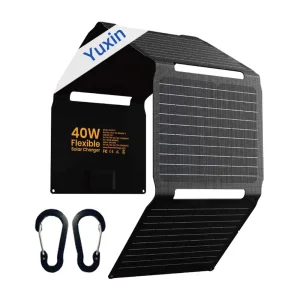
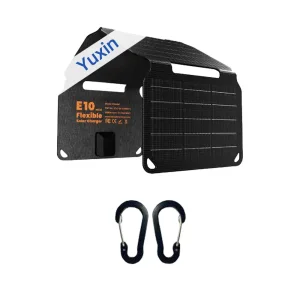
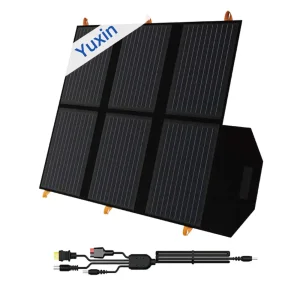
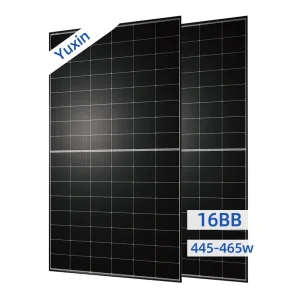
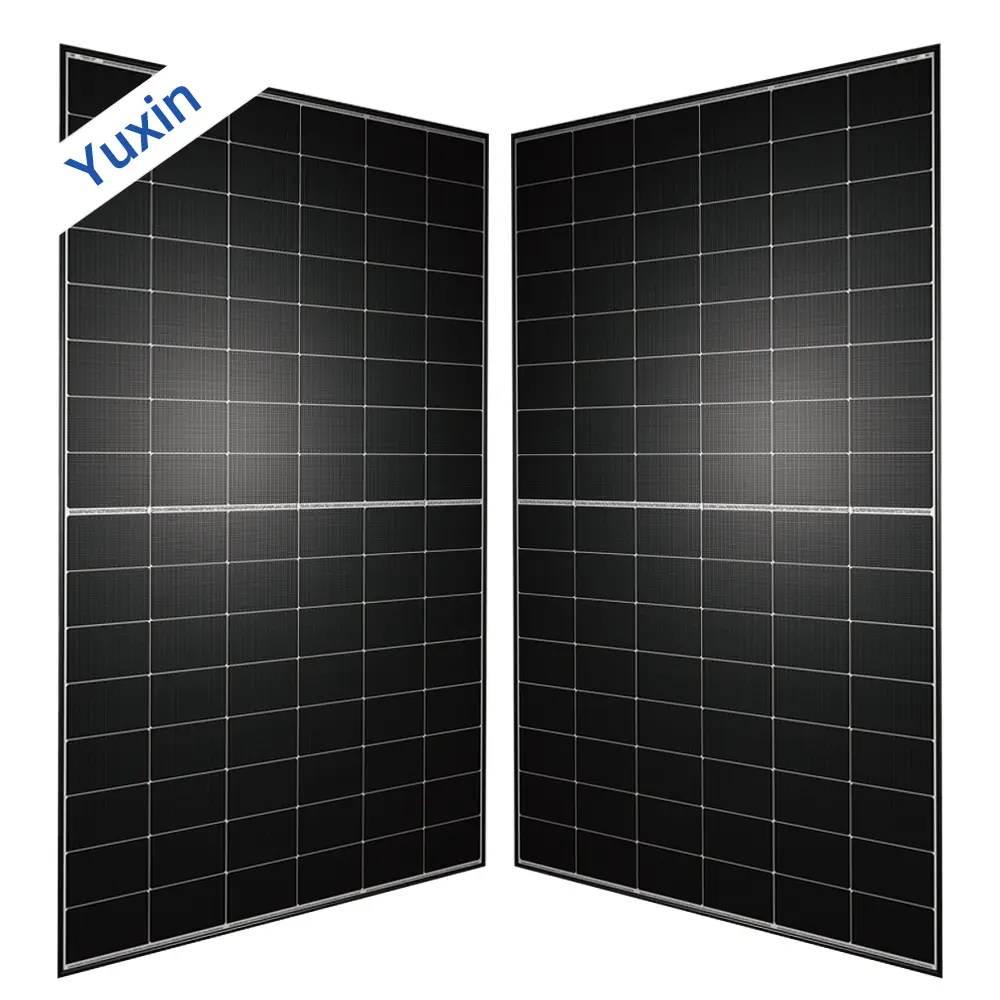
Lightweight design with transparent back panel for easy installation and reduced BOS costs.
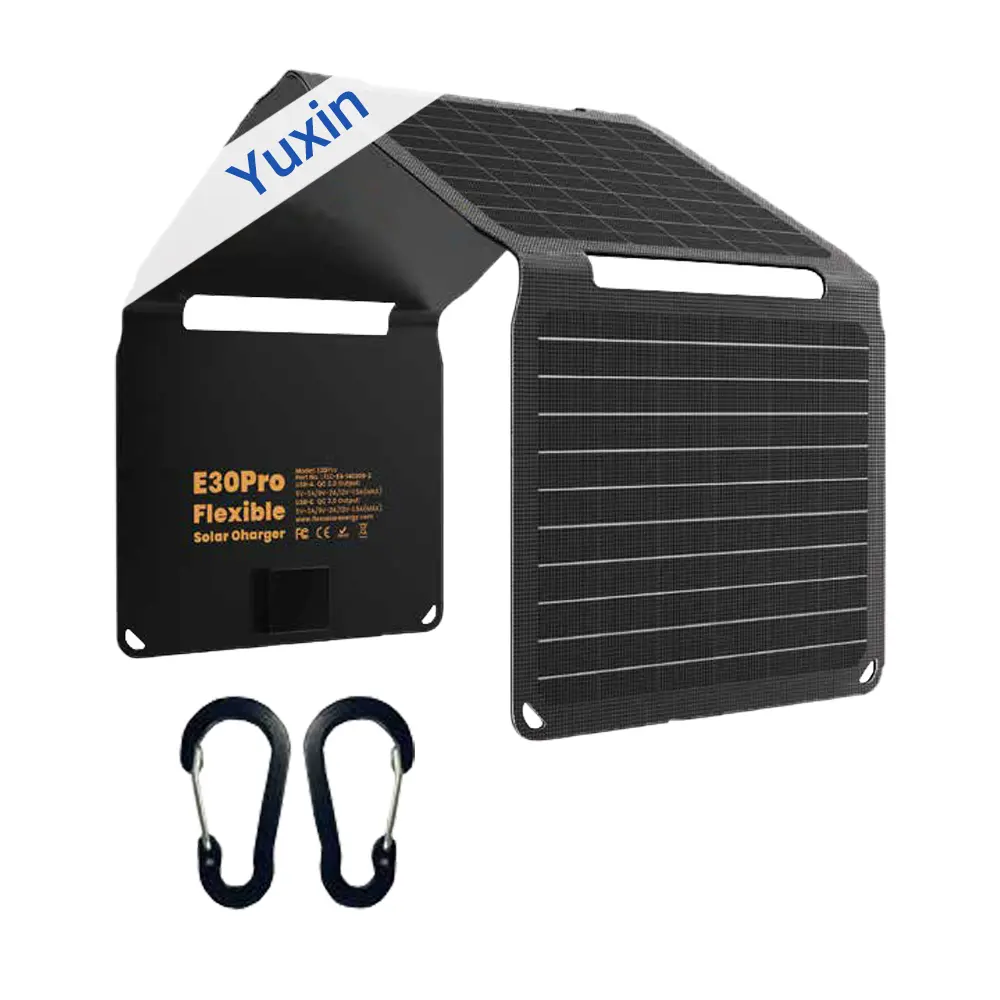
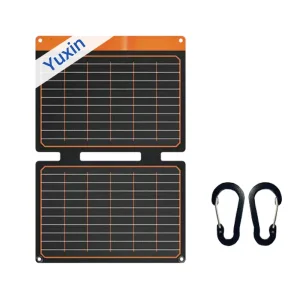
Utilizing advanced monocrystalline silicon cells, it achieves a high energy conversion efficiency of 24%.
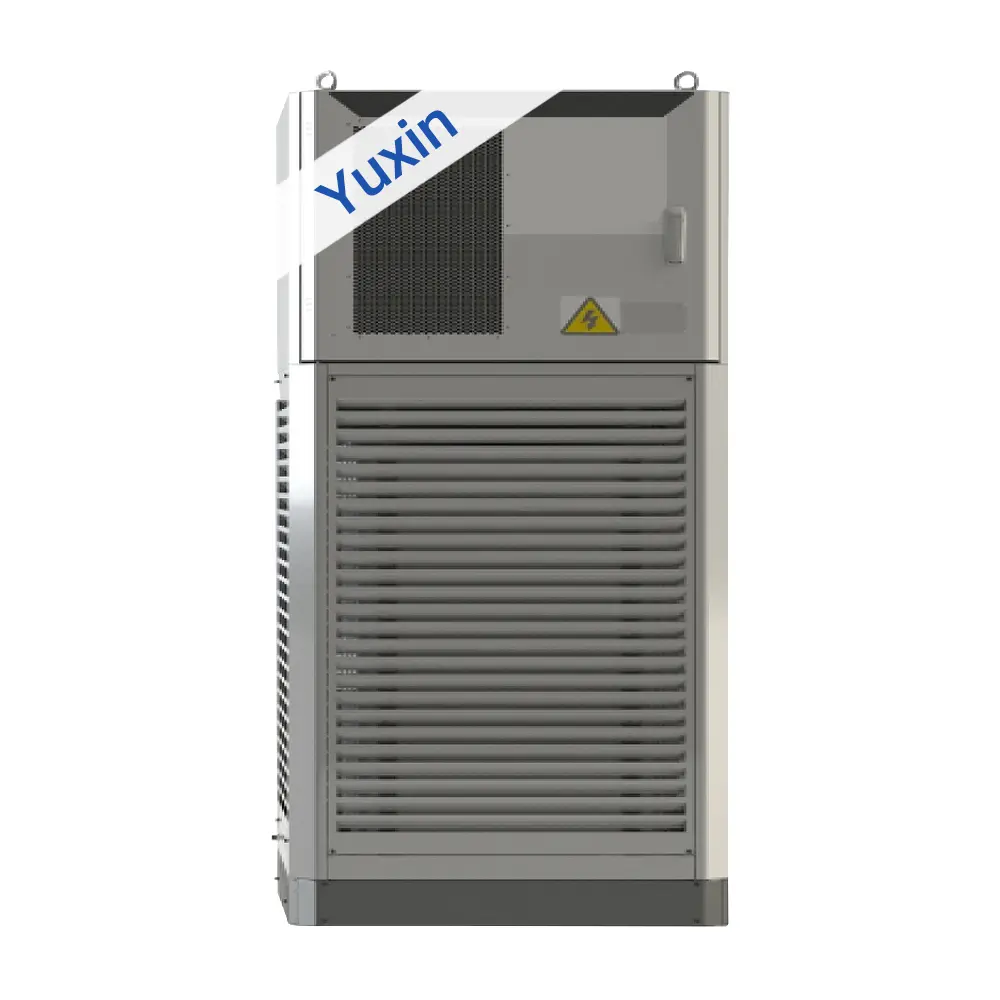
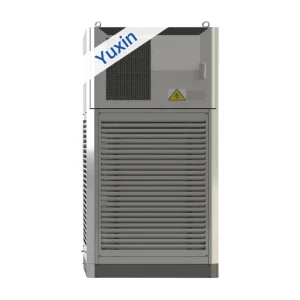
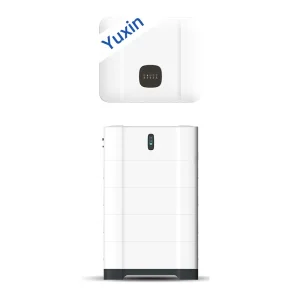
Application modes include grid-connected mode, off-grid mode, and integrated grid-connected/off-grid mode.
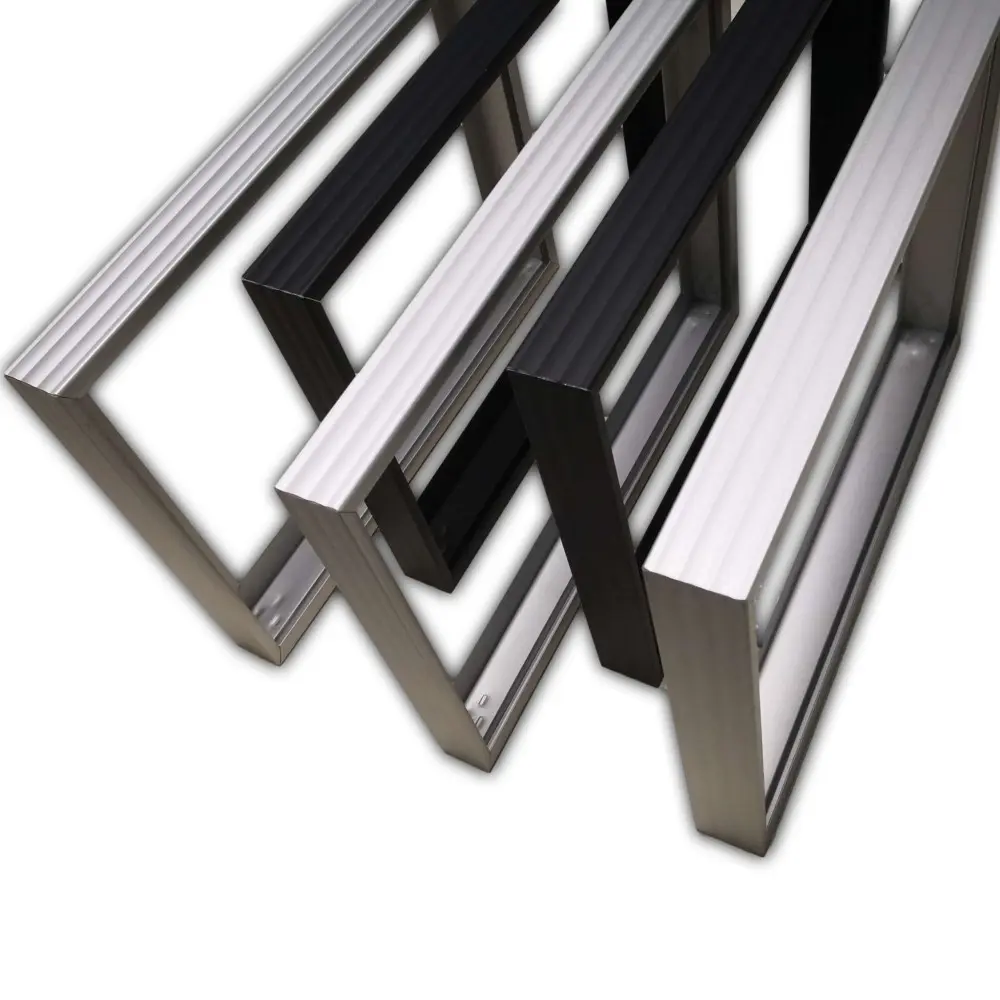
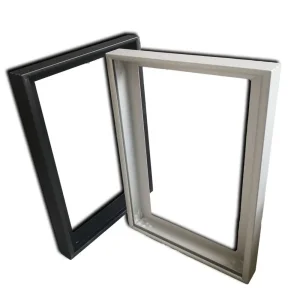
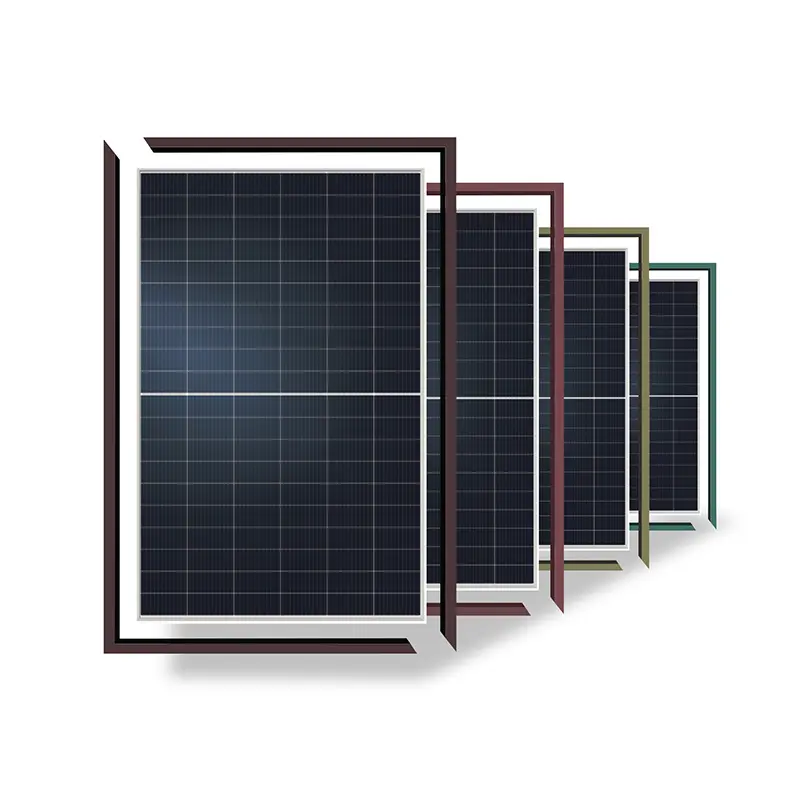
Made of high-quality anodized aluminum, it ensures superior weather resistance and a smooth, long-lasting finish.
The outdoor recreation industry is witnessing an unprecedented paradigm shift, fueled by the decarbonization of portable power. Historically, off-grid expeditions relied heavily on internal combustion generators. However, safety regulations, emissions standards, and noise ordinances have paved the way for advanced solar power set-ups for camping applications. Modern commercial markets demand highly integrated solutions that seamlessly unify photovoltaic capture with high-density energy storage.
B2B procurers, including outdoor equipment distributors, relief organizations, and military agencies, prioritize robust, scalable OEM/ODM platforms. Monocrystalline silicon arrays, integrated with Maximum Power Point Tracking (MPPT) architectures and protected by structural frames, represent the standard for modern off-grid PV architectures. As global manufacturing efficiencies rise, the convergence of structural durability and conversion efficiency has become the benchmark for OEM suppliers.
An institutional-grade OEM camping solar system consists of three primary technological subsystems: energy conversion, structural protection, and charge regulation. High-efficiency photovoltaic modules leverage PERC (Passivated Emitter and Rear Cell) or N-type TOPCon (Tunnel Oxide Passivated Contact) silicon architectures. By optimizing electrical contact layers, TOPCon cells reduce recombination losses, driving practical modules past 24% conversion efficiency.
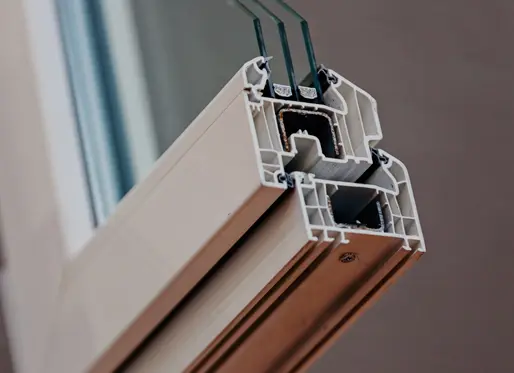
Structurally, modules are housed in specialized composite or metallic frames. While marine-grade 6063-T5 anodized aluminum remains the baseline for heavy-duty setups, the industry is transitioning toward pultruded polyurethane composite materials due to their lighter weight and electrical isolation characteristics. On the regulation front, next-generation MPPT controllers incorporate high-frequency buck-boost topologies, tracking maximum output under partial shading or dynamic cloud coverage.
Located in the scenic historical and cultural ancient city of Yangzhou, close to the Beijing-Shanghai Expressway, Runyang Yangtze River Bridge, and Ningqi Railway, the group has a superior geographical location and convenient transportation. The group was established in 2008 and has 14 multi-field companies under its jurisdiction, including Jiangsu Yuxin New Energy Technology Co., Ltd., and has won many titles such as National High-tech Enterprise, Technology-based Enterprise, and Gaoyou City Top 100 Private Enterprises.
To capture high-intent search queries, off-grid systems must be analyzed through diverse, real-world deployments:
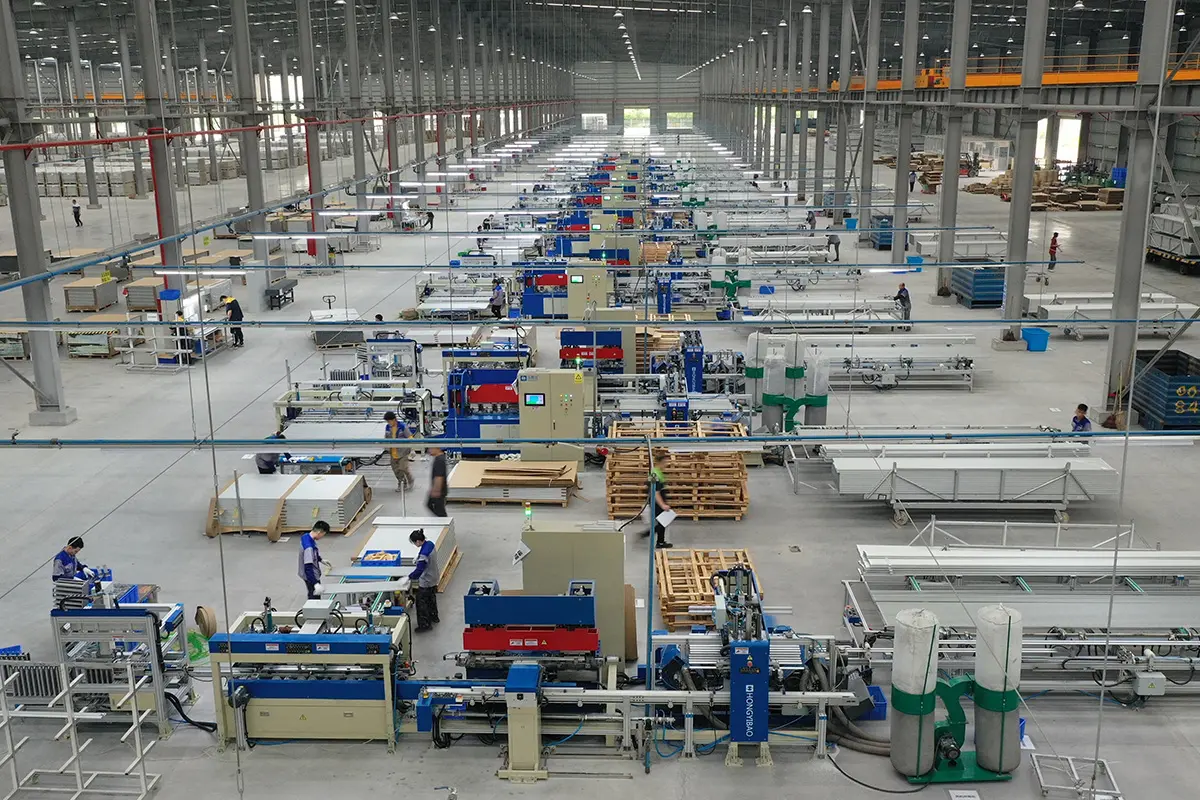
China's PV supply chain leads the industry in manufacturing efficiency, component density, and cost structures. Centered in manufacturing hubs like Jiangsu, factories integrate the entire supply cycle: raw material refining, ingot growing, wafer slicing, frame extrusion, and module lamination. This localized ecosystem eliminates transatlantic transport lags, allowing manufacturers to execute rapid modifications for OEM clients.
Through advanced automation and automated quality inspection, China-based factories maximize yield rates, keeping scrap rates below 0.2%. Vertical integration also shields buyers from price fluctuations in raw silicon and aluminum. With continuous capacity scaling, Chinese factories offer modular customizations with competitive lead times and low MOQ overheads.
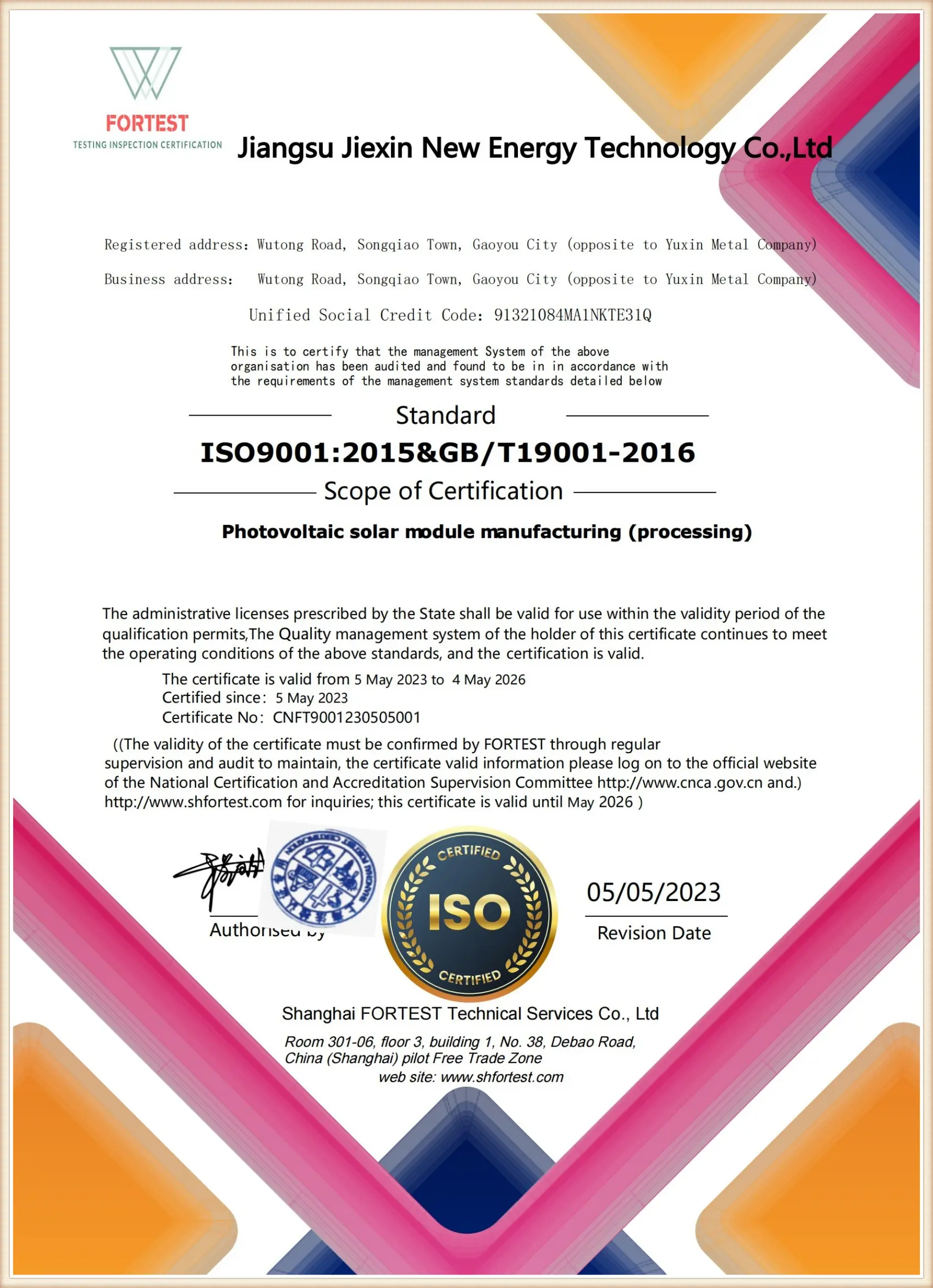
Our manufacturing lines operate under rigorous international verification frameworks to ensure quality compliance across Tier-1 markets globally, including Europe, Oceania, and the Americas.
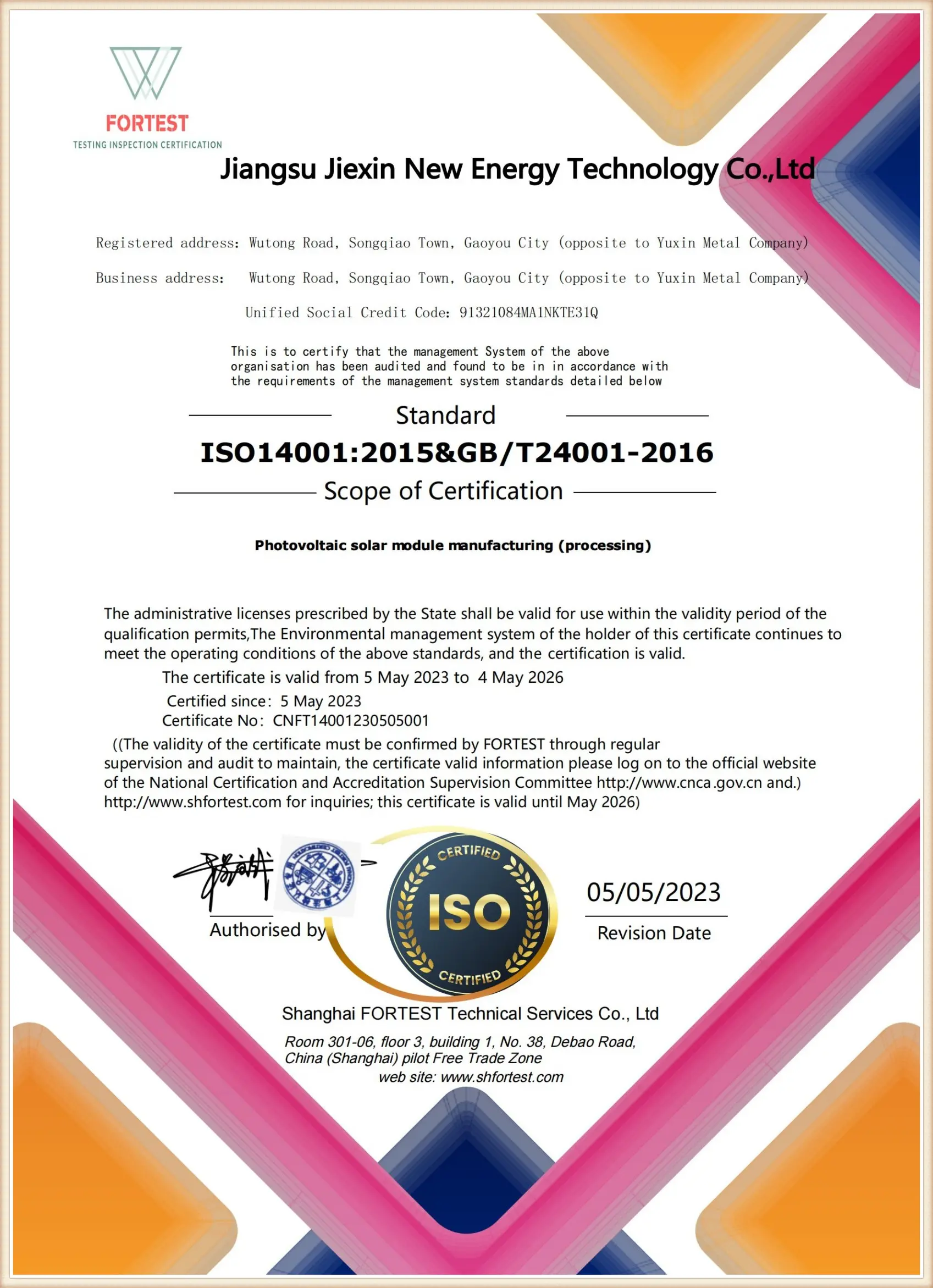
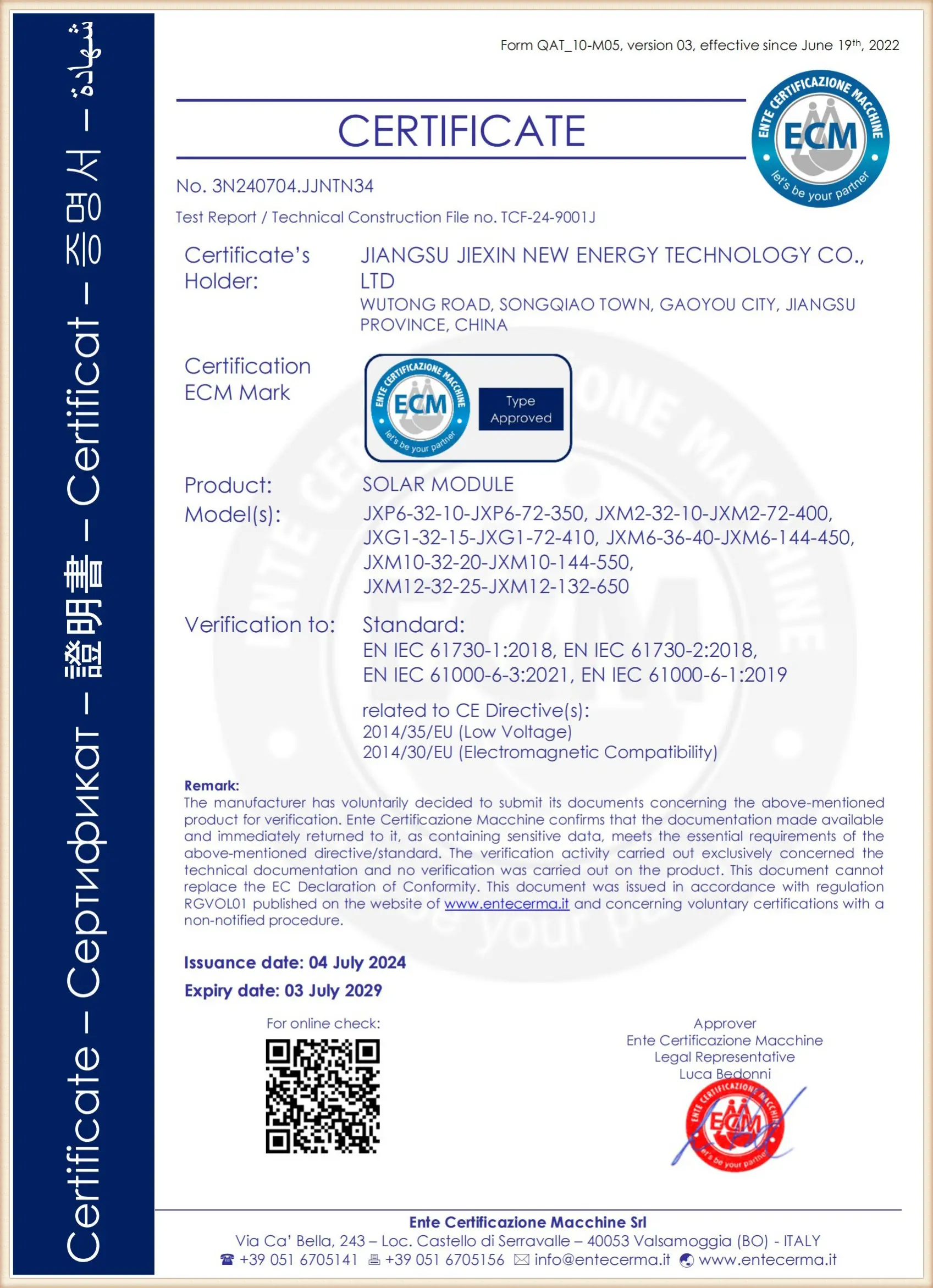
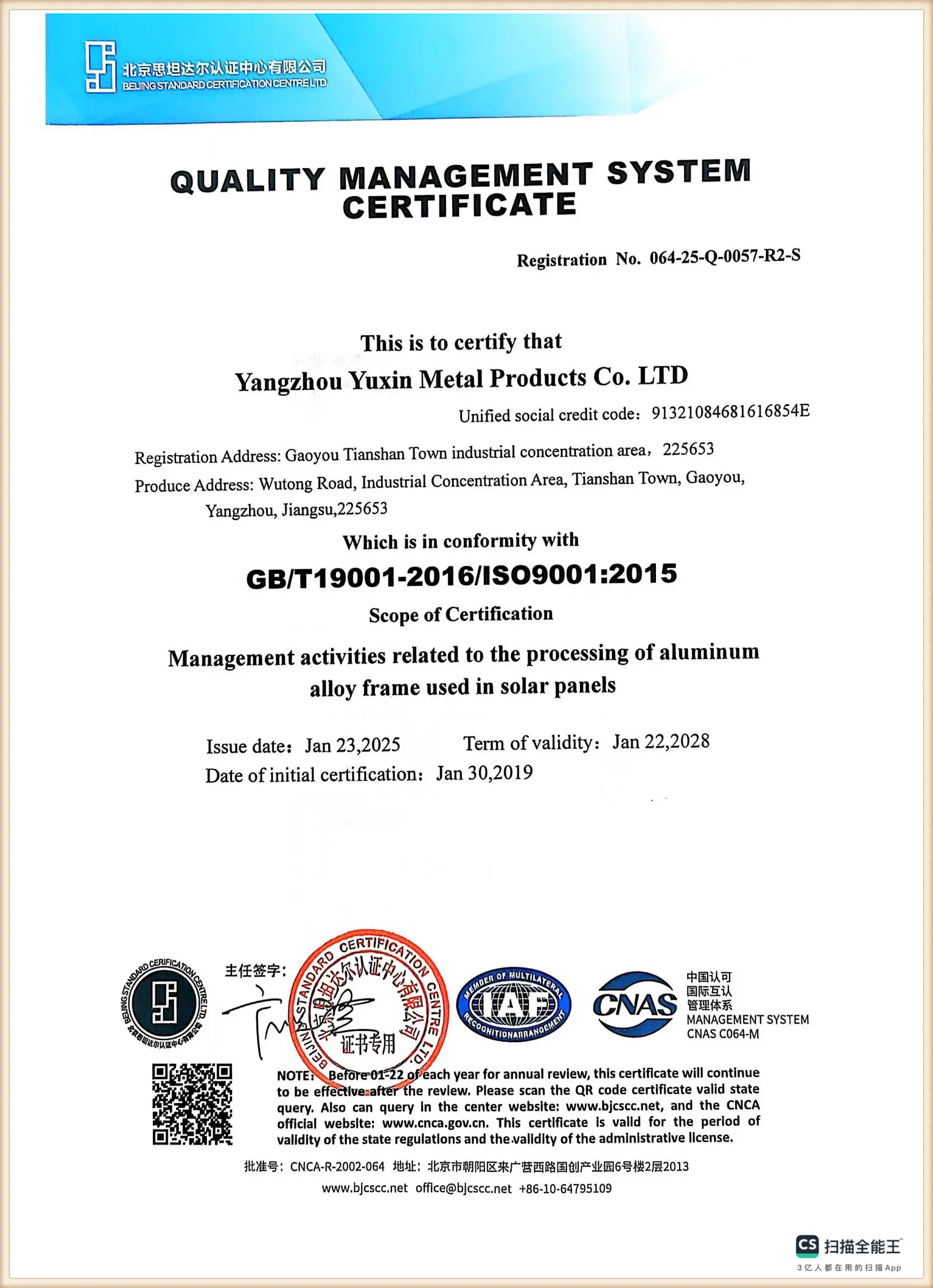
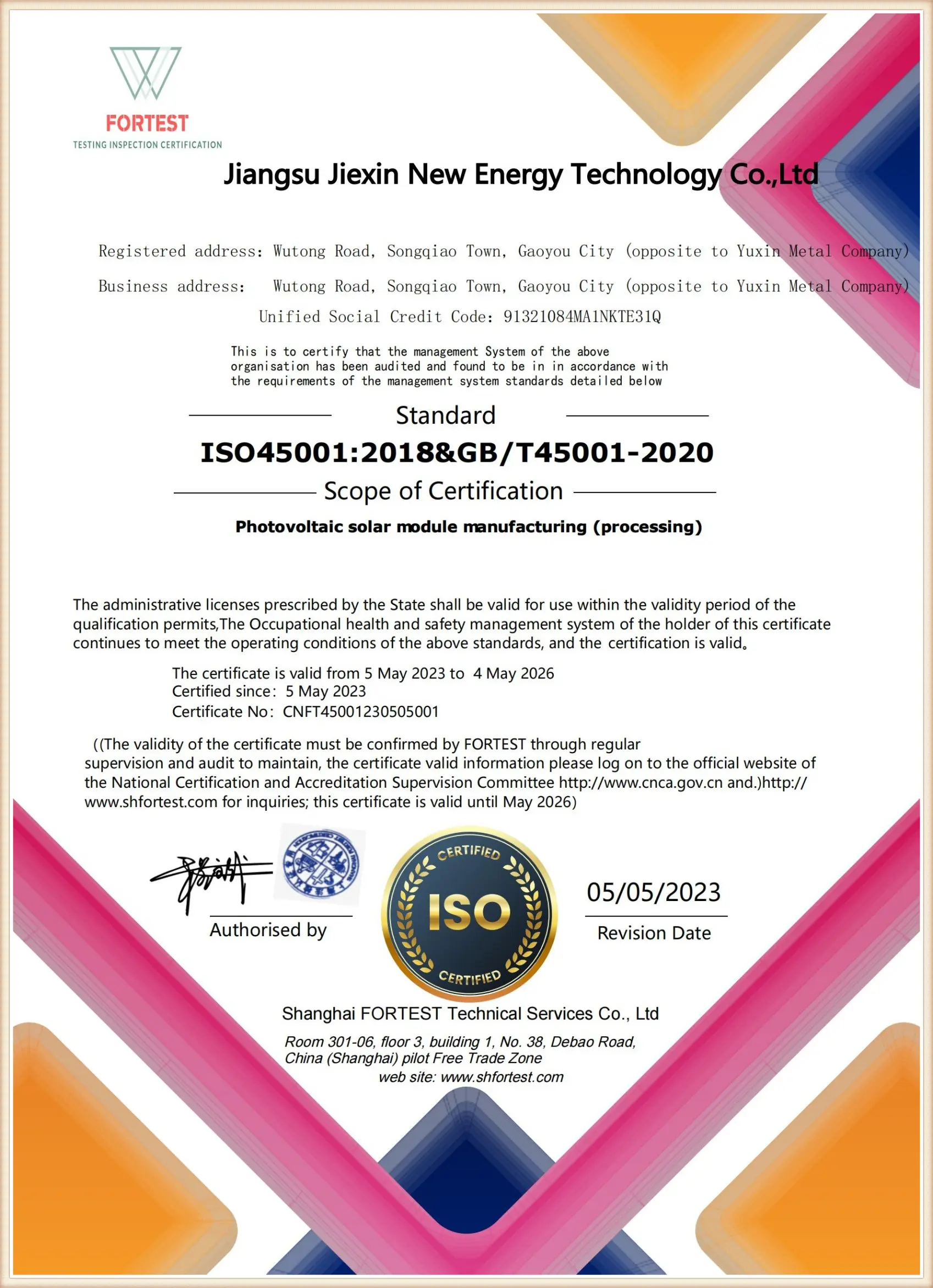
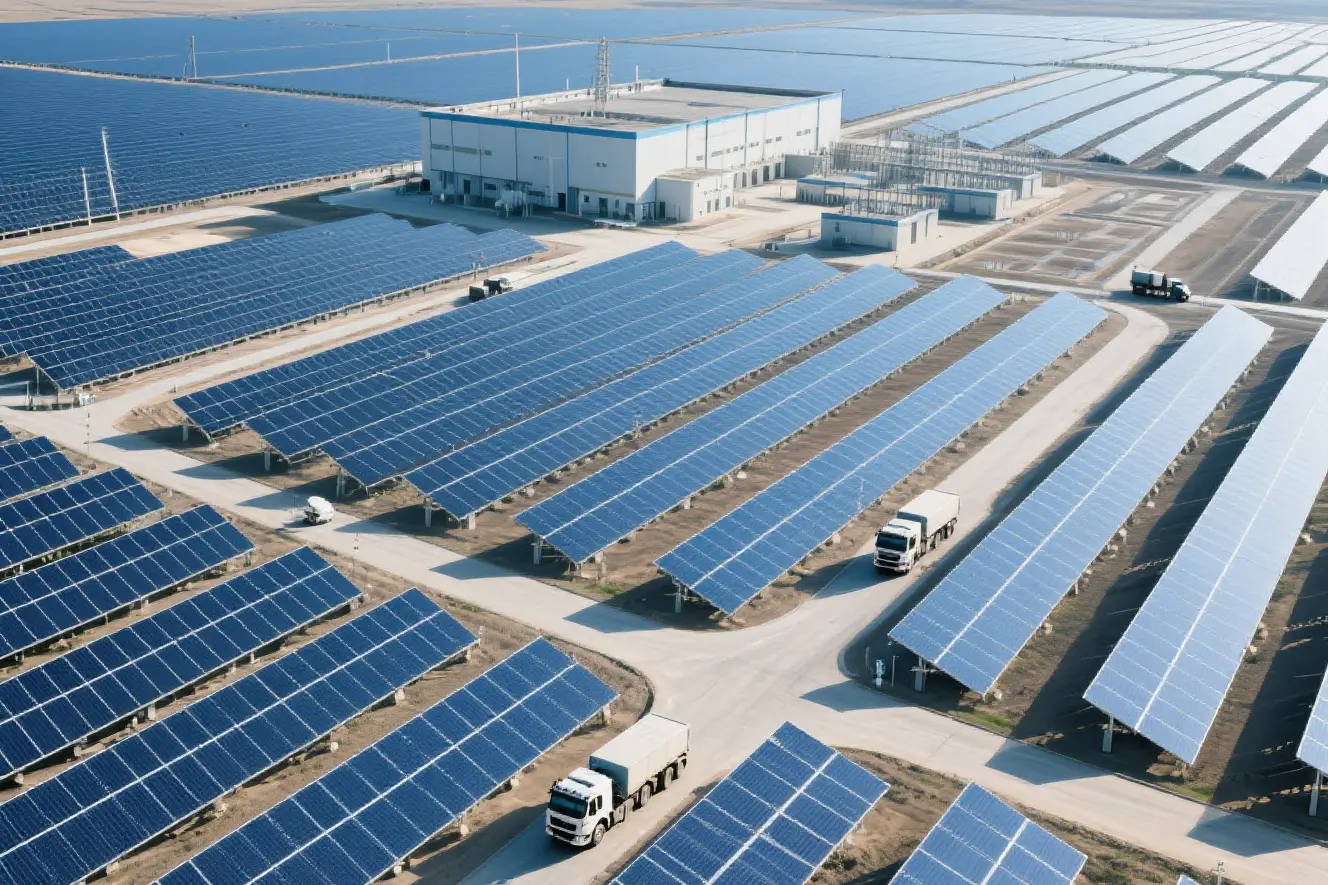
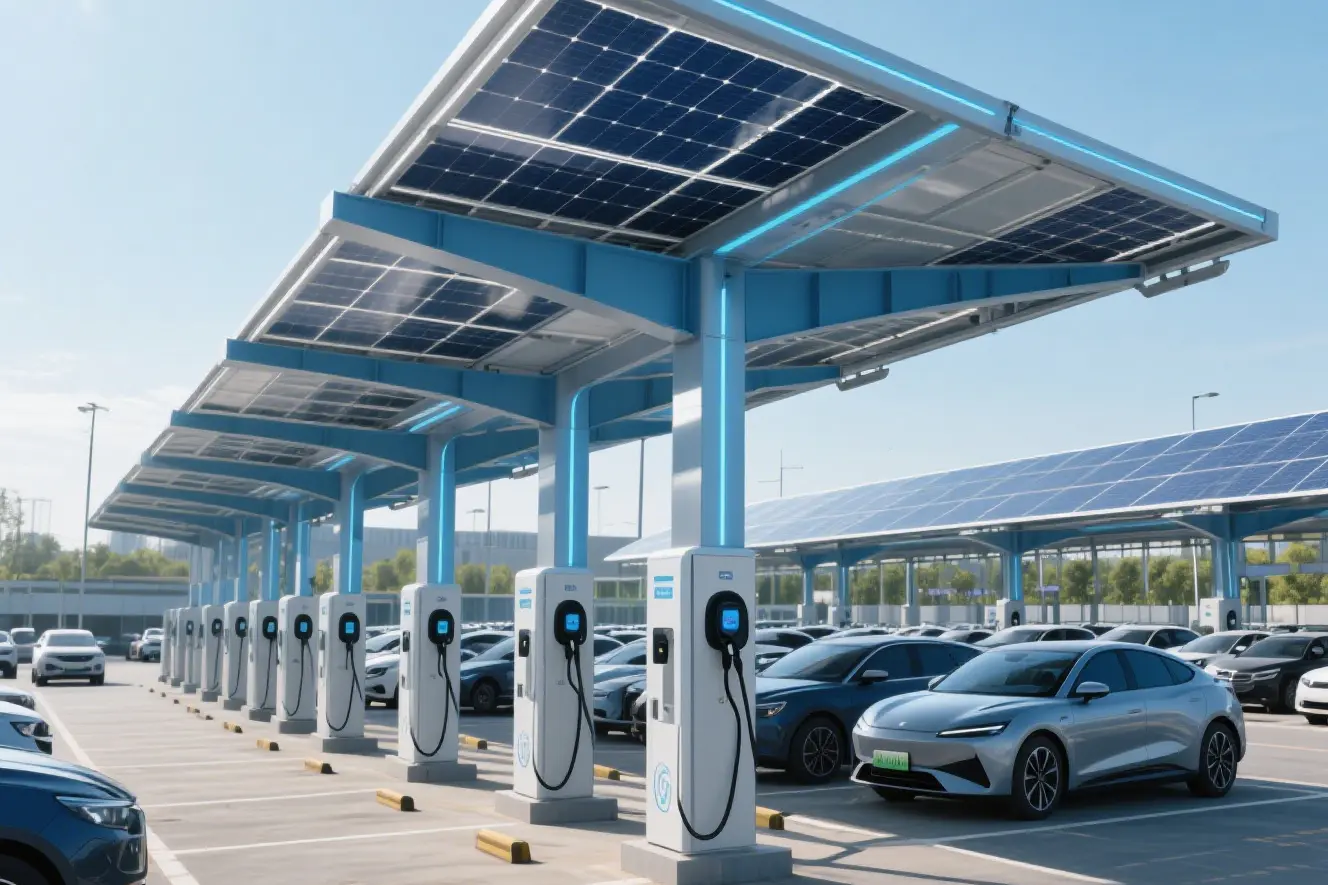
From traditional farming support to high-tech transit sectors, our photovoltaic and structural systems serve critical operations globally.




OEM operations destined for Western markets must navigate a complex web of certifications to guarantee safety, quality, and grid compatibility. The primary testing standards include IEC 61215 for design qualification and type approval, alongside IEC 61730 for module safety qualification. Compliance with UL 1703 is mandatory for US market access, specifying structural fire resistance under extreme outdoor operating temperatures.
Additionally, electrical components (such as integrated charging units and power banks) must comply with CE directives and FCC emission controls. Suppliers must undergo periodic factory audits to verify conformity in laminating processes, framing sealant applications, and insulation testing. Establishing full component traceability from raw silicon to finished modules mitigates liability risks for global OEM brands.
Looking ahead, portable solar technology is moving toward ultra-lightweight perovskite-silicon tandem configurations, which promise efficiency rates exceeding 30%. At the same time, battery integration will shift from traditional LiFePO4 chemistry to solid-state variants, offering higher energy density and improved safety in high-temperature environments.
Smart monitoring systems, equipped with Bluetooth-enabled app interfaces and remote telemetry, will also become standard in B2B off-grid setups. These innovations allow users to monitor real-time generation metrics, run system diagnostics, and track state-of-health data remotely. Selecting an OEM partner with a proactive tech roadmap ensures product line relevance for years to come.
After years of hard work by Yuxin people, it has gradually formed a collectivist and diversified advantage.

Jiangsu Yuxin will keep pace with the society and the times, adhering to the core values of "pragmatic and enterprising, reform and change, people-oriented, and win-win cooperation", creating a future for employees, creating benefits for partners, and creating value for society.
TOPCon (Tunnel Oxide Passivated Contact) technology offers several key advantages for mobile setups:
Polyurethane pultruded composites offer a high-performance alternative to traditional 6063-T5 anodized aluminum. Key benefits include:
Customization covers several key areas:
Reliable modules undergo rigorous stress testing: