1. The Global Landscape of Off-Grid Solar Heating Technology
Analyzing the industrial conversion of high-efficiency photovoltaics into dynamic thermal energy storage systems.
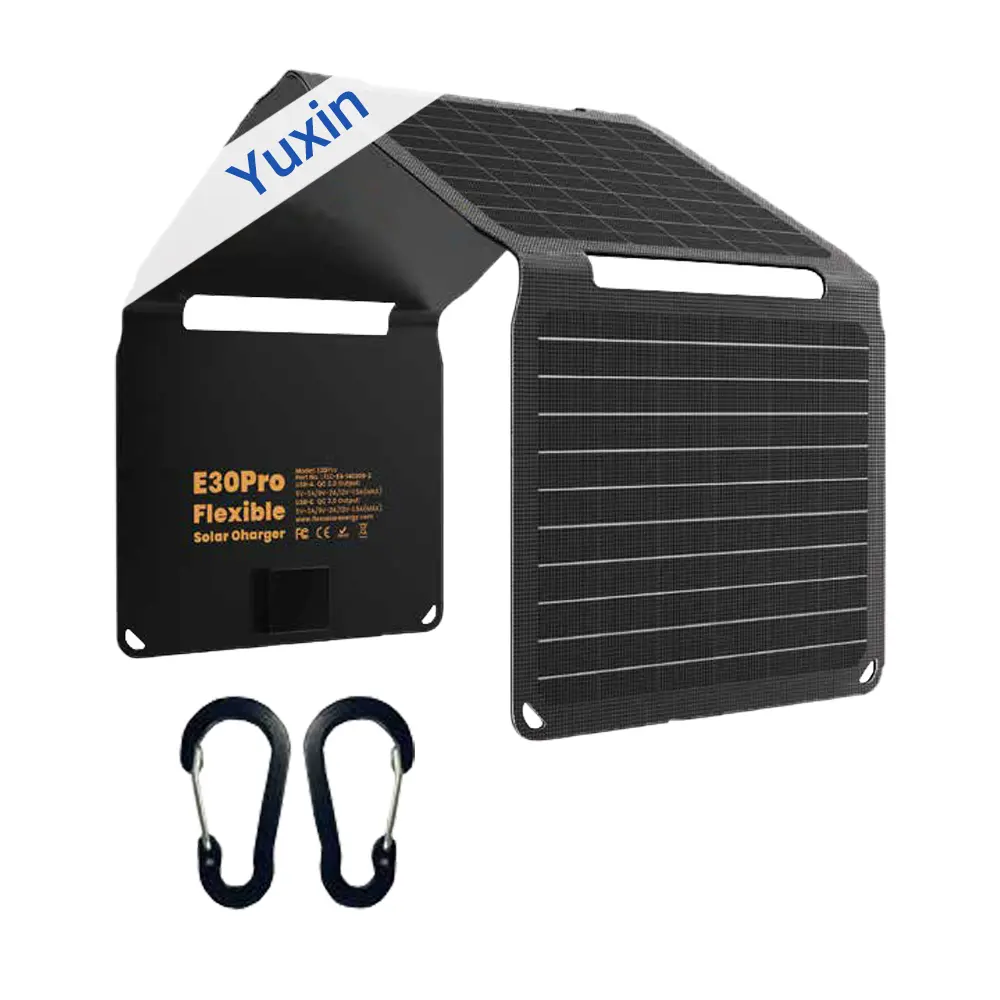
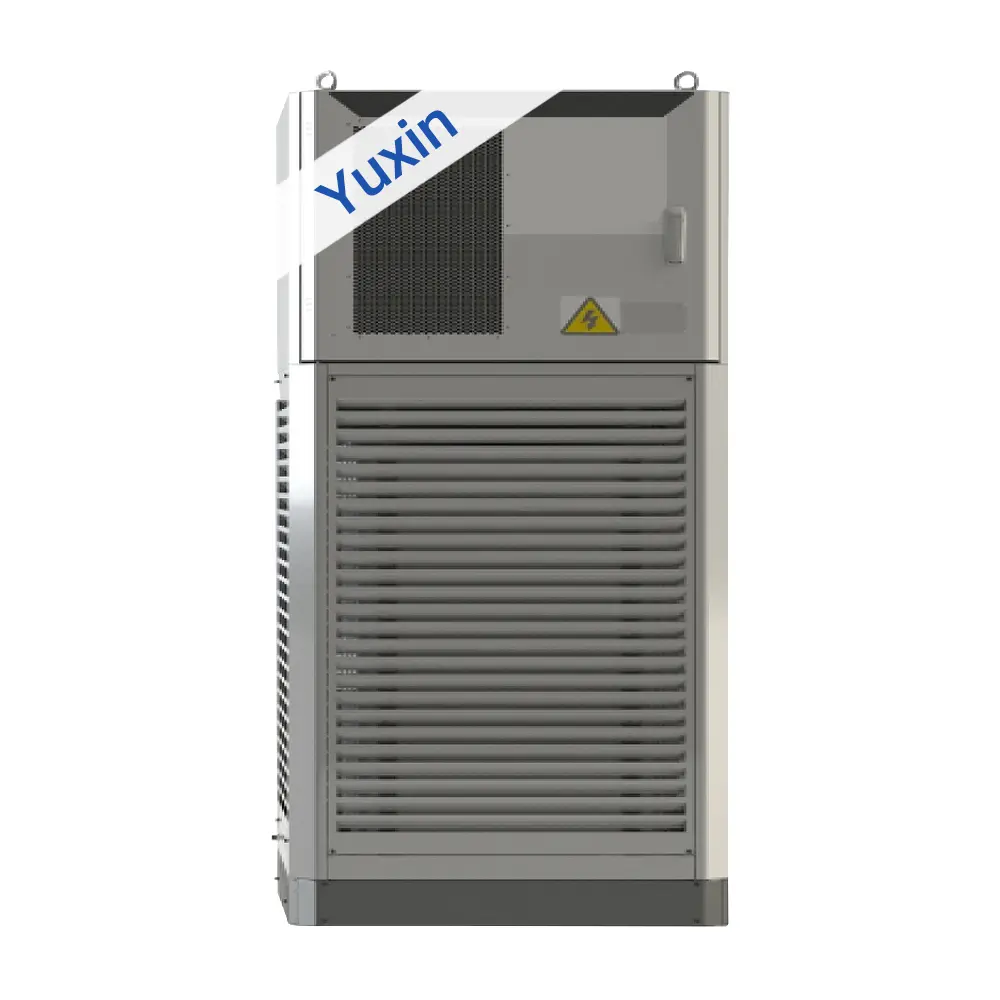
Across the globe, the transition towards clean energy has moved past simple residential lighting and power networks. The contemporary industrial focus has landed on the massive thermal demands generated within agriculture, mining, remote construction, and defense sectors. Portable solar-powered heating, traditionally limited to low-voltage consumer camping gear, has evolved into a vital macro-level industry solution. System integrators and OEM manufacturers are designing sophisticated thermodynamic interfaces that link high-density photovoltaic cells directly with phase-change thermal sinks and battery networks.
This evolution is heavily backed by the global mandate for carbon reduction. In cold climates throughout Northern Europe, Canada, and the high-altitude regions of Central Asia, relying on diesel combustion or liquid propane gas (LPG) for portable site heating is increasingly restricted due to high fuel transportation costs, local emissions laws, and operational safety liabilities. The market demand has transitioned to high-voltage, deployable solar thermal-electric hybrid systems that can offer steady, localized heating profiles without grid dependency.
The Role of High-Performance Photovoltaics in Thermal Systems
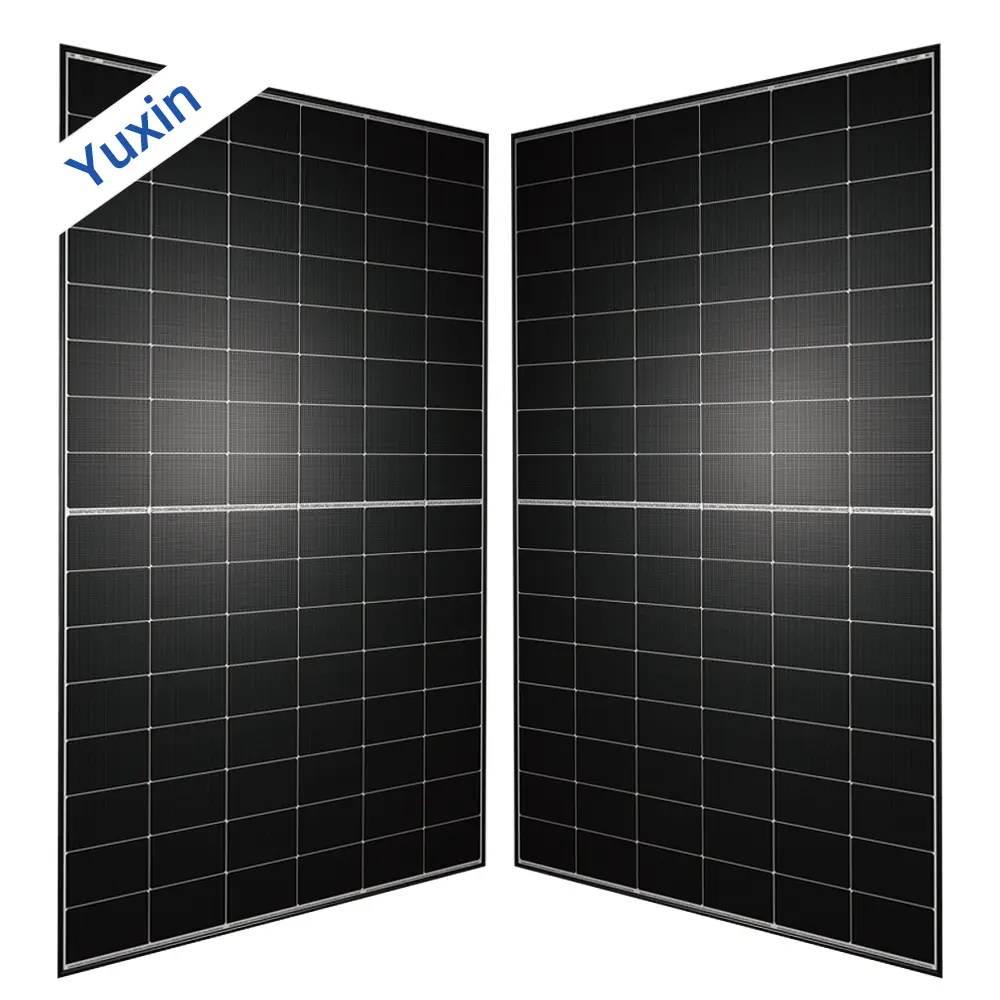
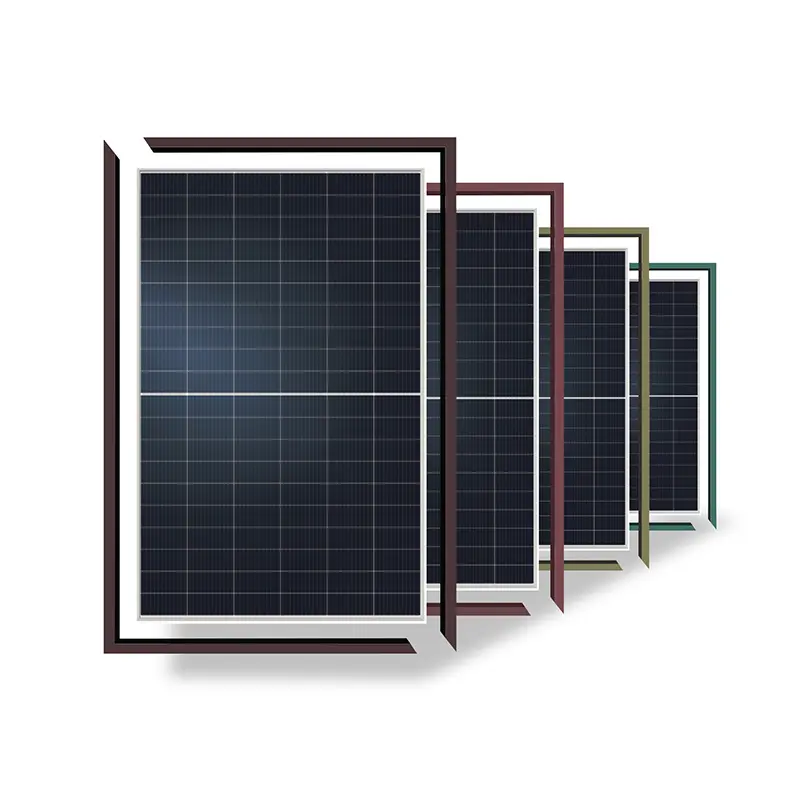
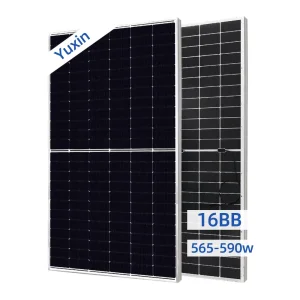
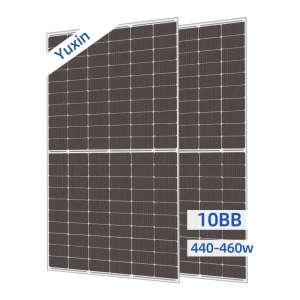
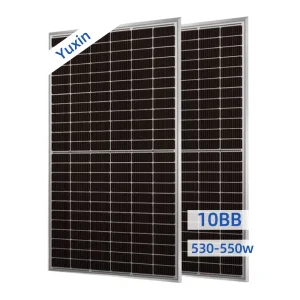
Generating heat from solar energy requires high efficiency at the collection stage to offset the thermodynamic losses associated with thermoelectric elements, heat pumps, or resistive heating. Utilizing premium materials—such as TOPCon Bifacial Dual Glass Modules and high-wattage PERC Mono Silicon Panels—is critical for OEM solar heating integrations. These modules maximize solar capture per square meter, especially in low-light, snow-reflective conditions, allowing the associated thermal storage units to charge fully during short winter daylight windows.