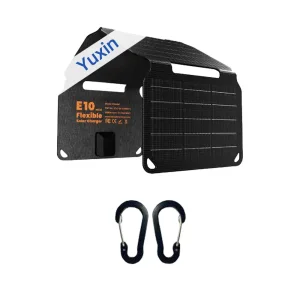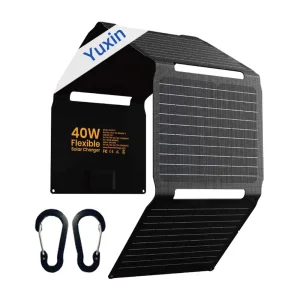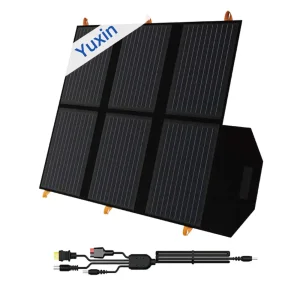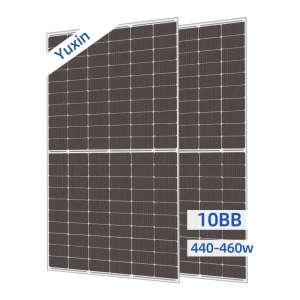
Explore our industrial-grade, certified components designed for extreme stability under power grid loadshedding scenarios.
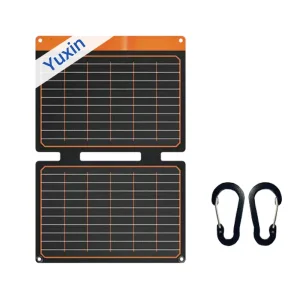
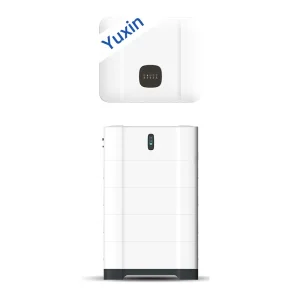
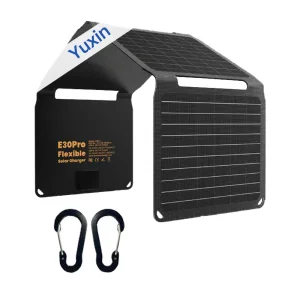
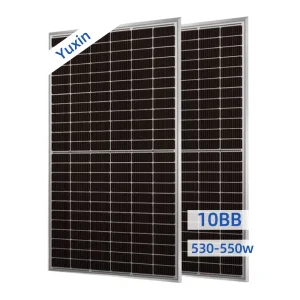
Load shedding has transitioned from an occasional emergency measure to a structured, chronic macroeconomic challenge affecting multiple developing and industrializing nations. From South Africa's intensive load shedding schedules to regional blackout mitigation in Central Asia and South America, businesses and municipalities are facing unprecedented operational disruptions. In this volatile energy landscape, standard grid-tied photovoltaic inverters fall short. Without a stable grid frequency reference, standard grid-tie configurations immediately shut down due to anti-islanding regulations, leaving facilities in darkness despite abundant solar resources.
To overcome this issue, OEM Inverter For Load Shedding systems utilize an integrated intelligent bypass, hybrid charging topologies, and millisecond-level transit switching (often under 10 milliseconds). These advanced designs act as localized virtual synchronous machines. They decouple critical loads from volatile public utility lines, seamlessly transitioning to storage assets (like Lithium Iron Phosphate - LiFePO4 batteries) and localized PV arrays. The objective is to design systems that maximize Solar Self-Consumption (SSC) while maintaining a steady State of Charge (SoC) for battery systems, securing a constant reserve capacity for rolling blackouts.
When engineering high-volume inverter systems, global B2B procurement officers must choose between distinct topological variations. The selection of an inverter topology directly influences its thermal management, peak efficiency, surge capacity, and overall operational lifespan in aggressive load-shedding zones:
| Feature / Metric | Low-Frequency (LF) Toroidal | High-Frequency (HF) Transformerless | Hybrid Bidirectional (Modern OEM Standard) |
|---|---|---|---|
| Surge Capacity | 300% Nominal (up to 10s) | 150% Nominal (up to 2s) | 200% Nominal (up to 5s) |
| Galvanic Isolation | Built-in physical isolation | Requires external AC breakers | Integrated digital safety relays |
| Conversion Efficiency | 91% - 93% | 97% - 98.5% | 95% - 97.5% |
| Best Application | Heavy industrial, motor starting | Residential, light commercial IT | B2B Grid-interactive, C&I Load Shedding |
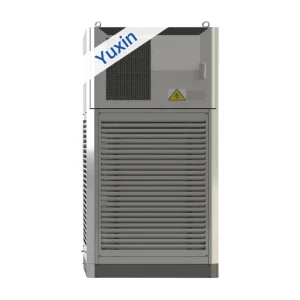
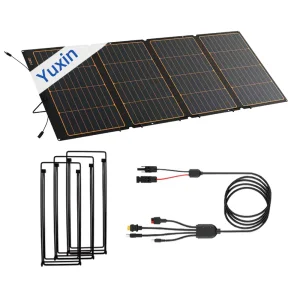
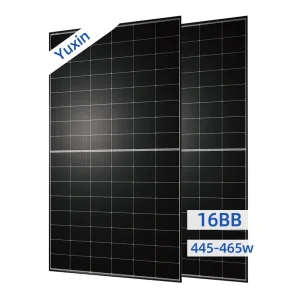
Original structural options and integrated power system components engineered for off-grid durability and infrastructure support.
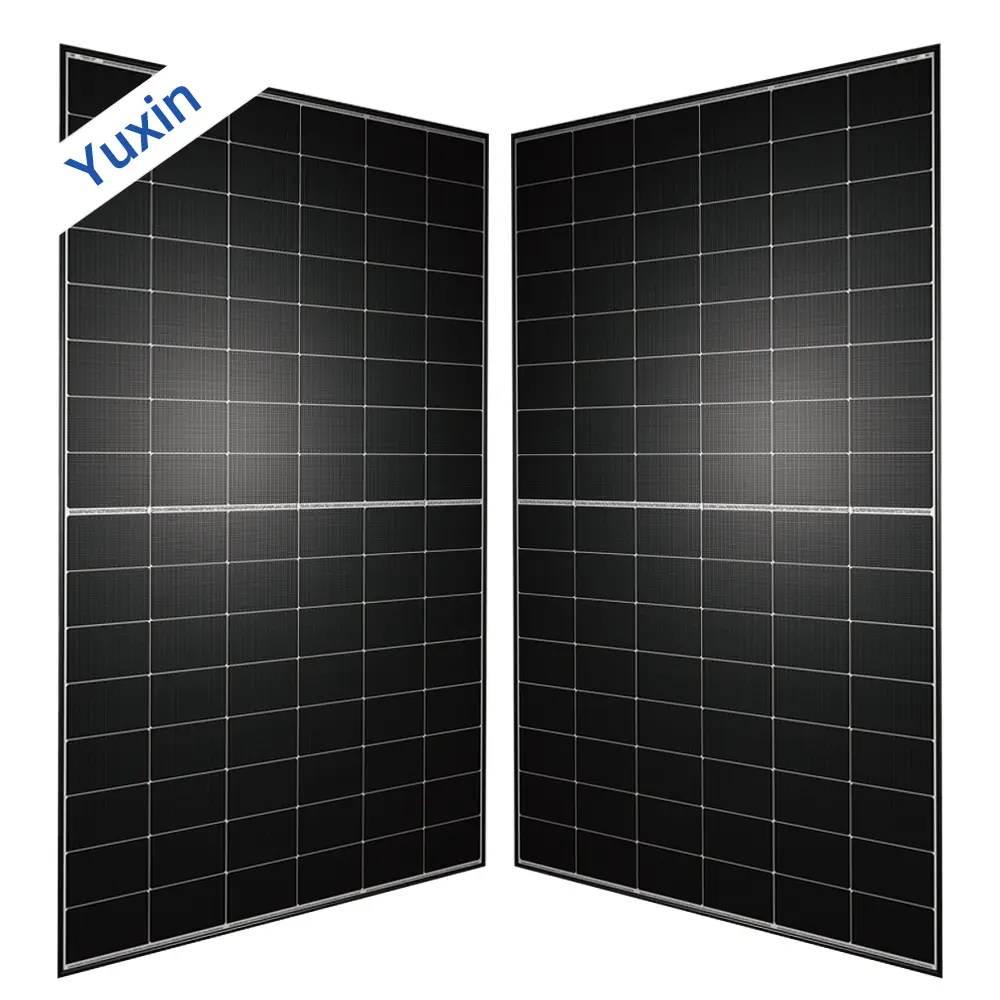
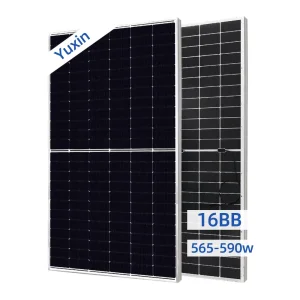
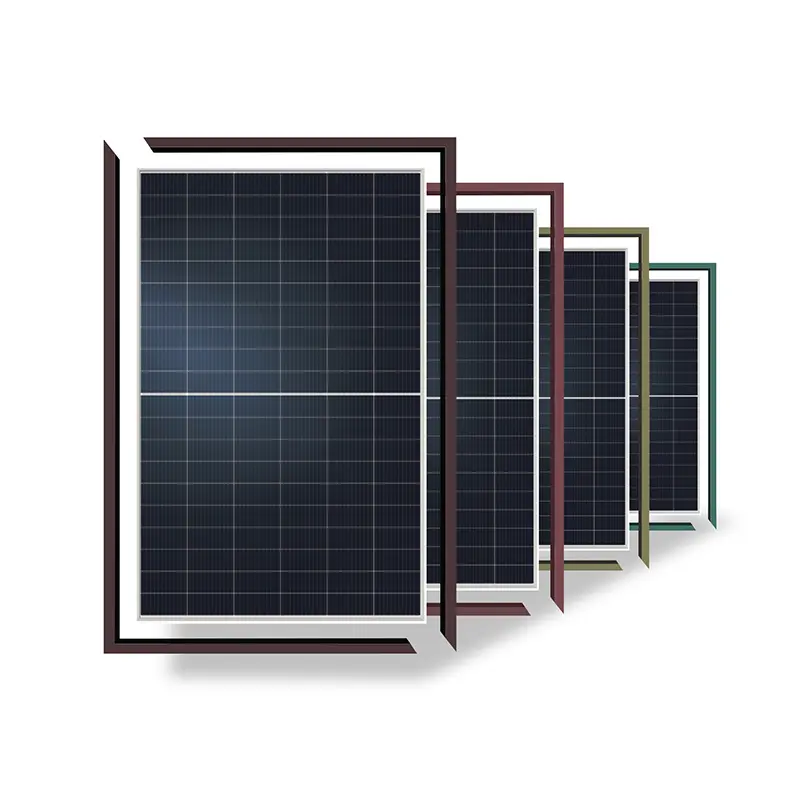
Lightweight design with transparent back panel for easy installation and reduced BOS costs.
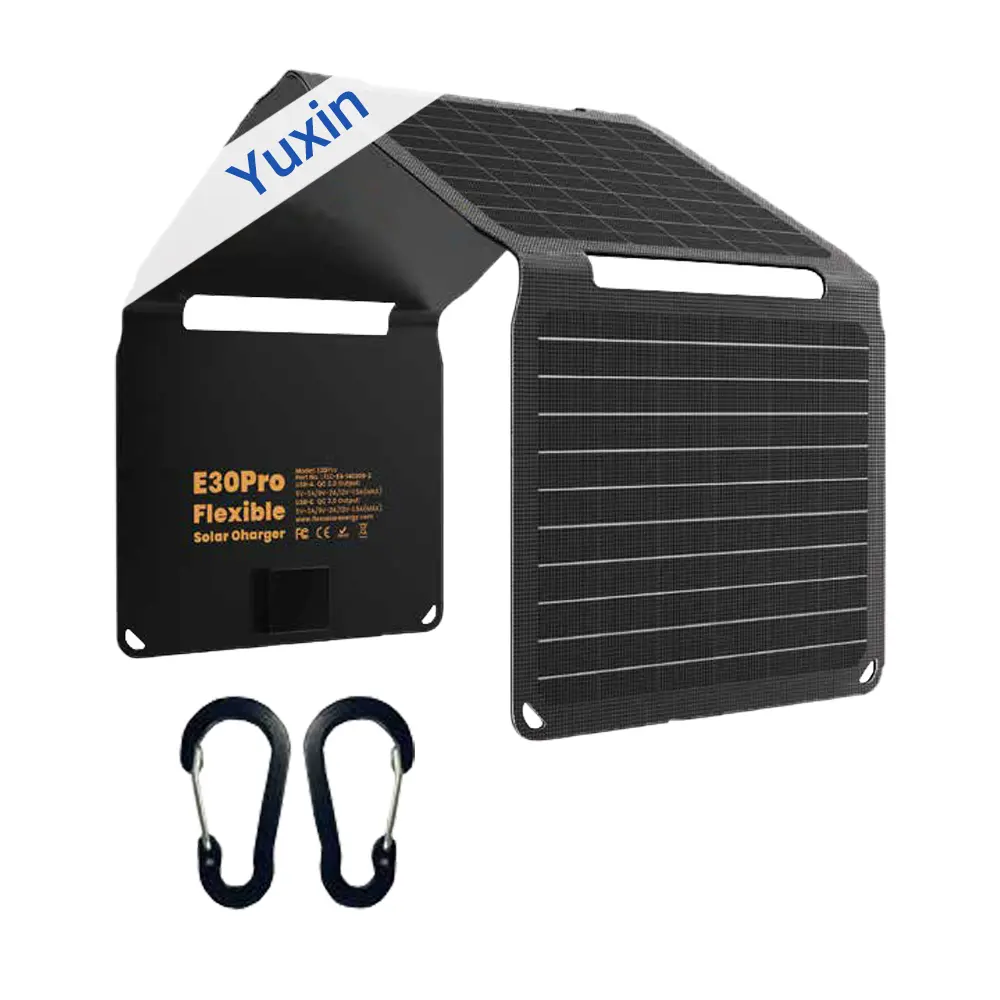
Utilizing advanced monocrystalline silicon cells, it achieves a high energy conversion efficiency of 24%.
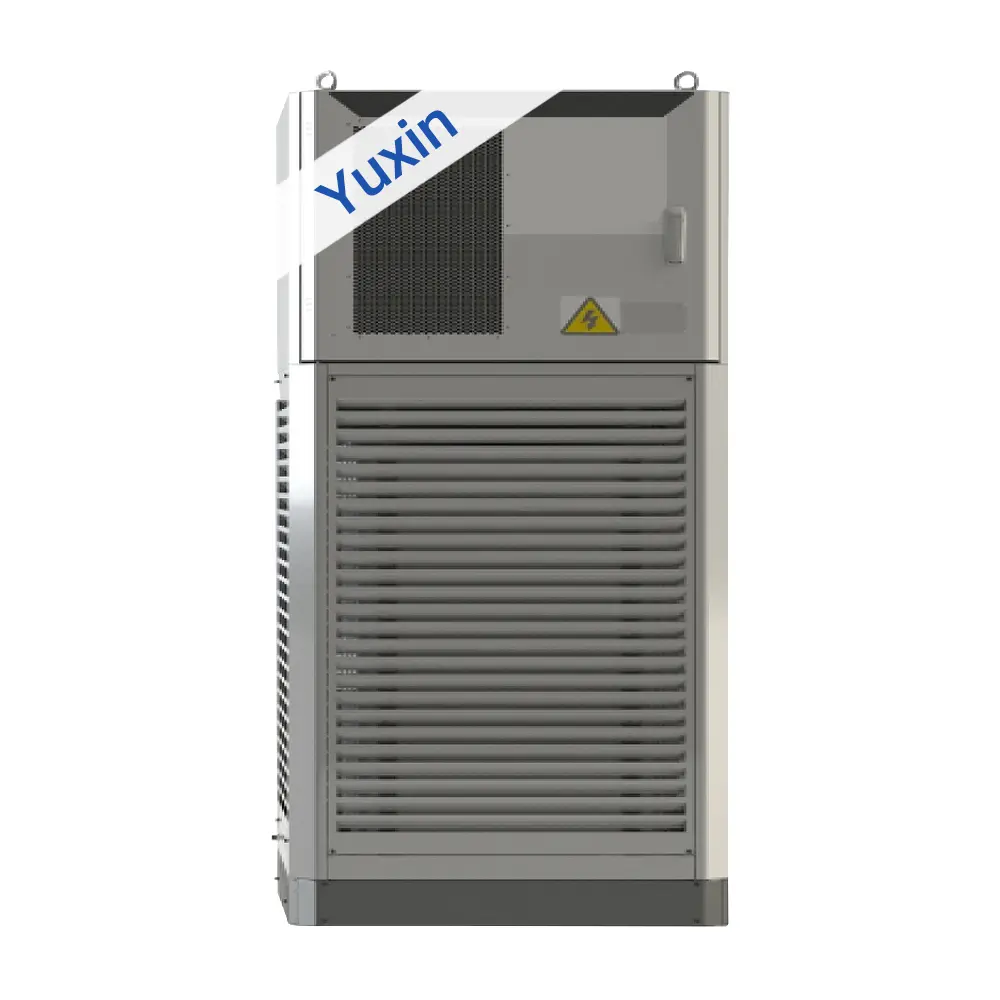
Application modes include grid-connected mode, off-grid mode, and integrated grid-connected/off-grid mode.
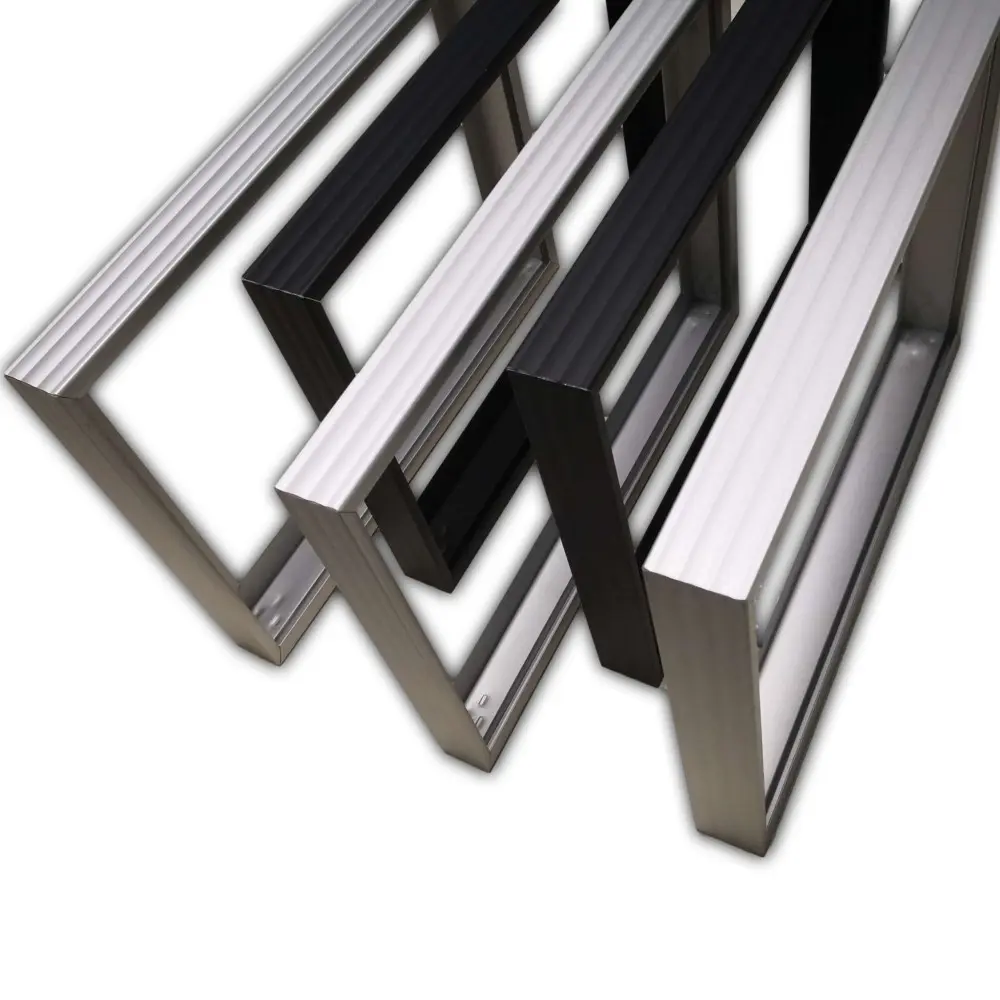
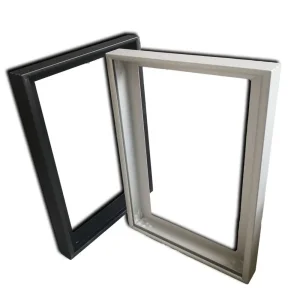
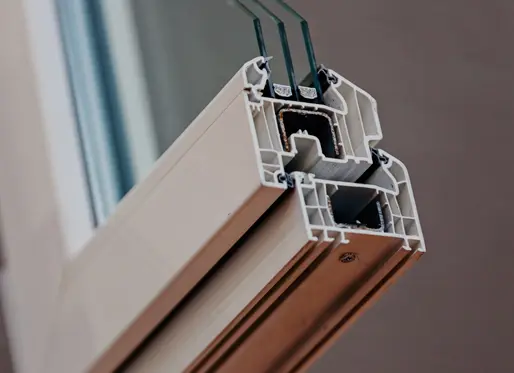
Made of high-quality anodized aluminum, it ensures superior weather resistance and a smooth, long-lasting finish.
China remains the epicenter of global energy storage system (ESS) development. Partnering with a Chinese OEM supplier like YUXIN provides unique competitive advantages that go beyond lower unit costs:
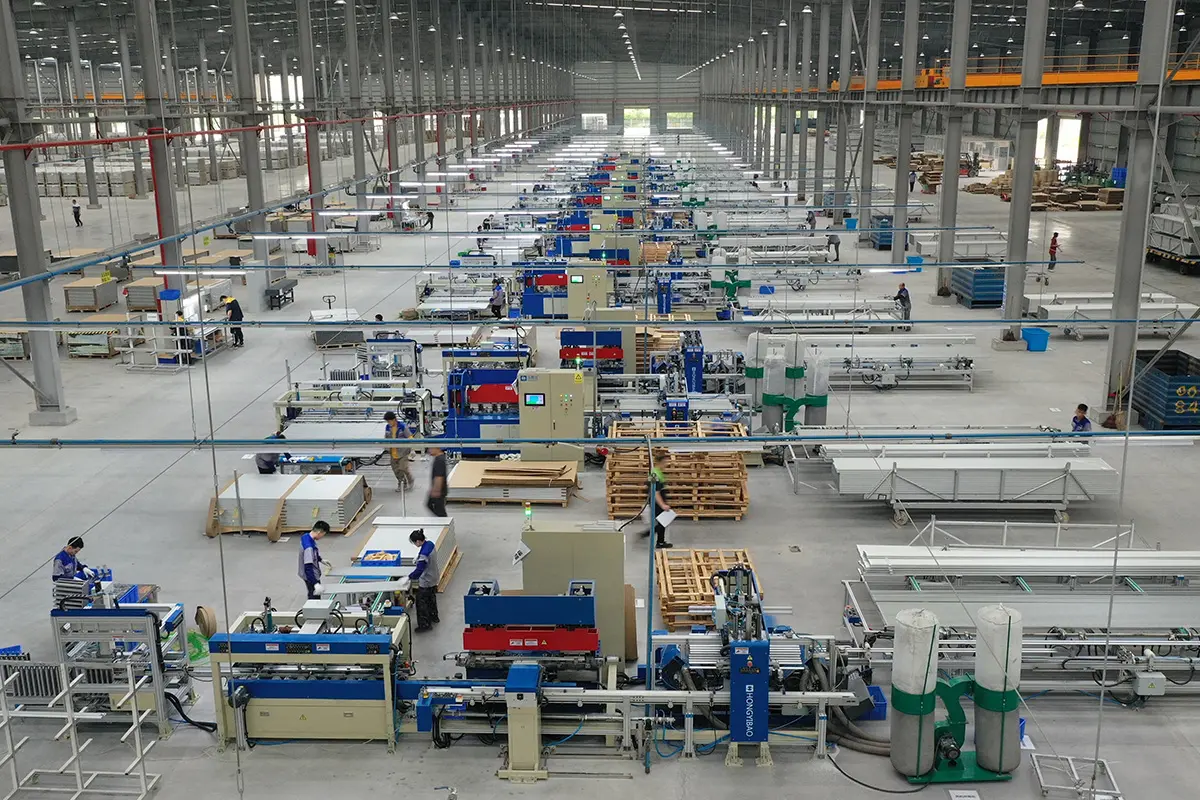
Raw Material and Ecosystem Consolidation: From upstream raw lithium extraction and silicon refining to downstream component processes like aluminum frame manufacturing and power semiconductor packaging, Chinese factories benefit from a complete supply chain. For example, our facility in Yangzhou is located near major expressways and logistics networks. This allows us to source high-grade materials quickly and deliver assembled units efficiently.
Advanced Quality Management Systems (QMS): Modern Chinese OEM factories use automated testing procedures, including Automatic Optical Inspection (AOI), hardware-in-the-loop (HIL) simulators, and long-term environmental burn-in chambers. These processes ensure that every load-shedding inverter can handle continuous thermal cycles and high-voltage surges in challenging operating environments.
Precision, Quality, and Safety - Your Photovoltaic Materials Expert. Located in the scenic historical and cultural ancient city of Yangzhou, close to the Beijing-Shanghai Expressway, Runyang Yangtze River Bridge, and Ningqi Railway, the group has a superior geographical location and convenient transportation. The group was established in 2008 and has 14 multi-field companies under its jurisdiction, including Jiangsu Yuxin New Energy Technology Co., Ltd., and has won many titles such as National High-tech Enterprise, Technology-based Enterprise, and Gaoyou City Top 100 Private Enterprises.
Our manufacturing and assembly processes are compliant with international standards, ensuring safe integration into global utility systems.
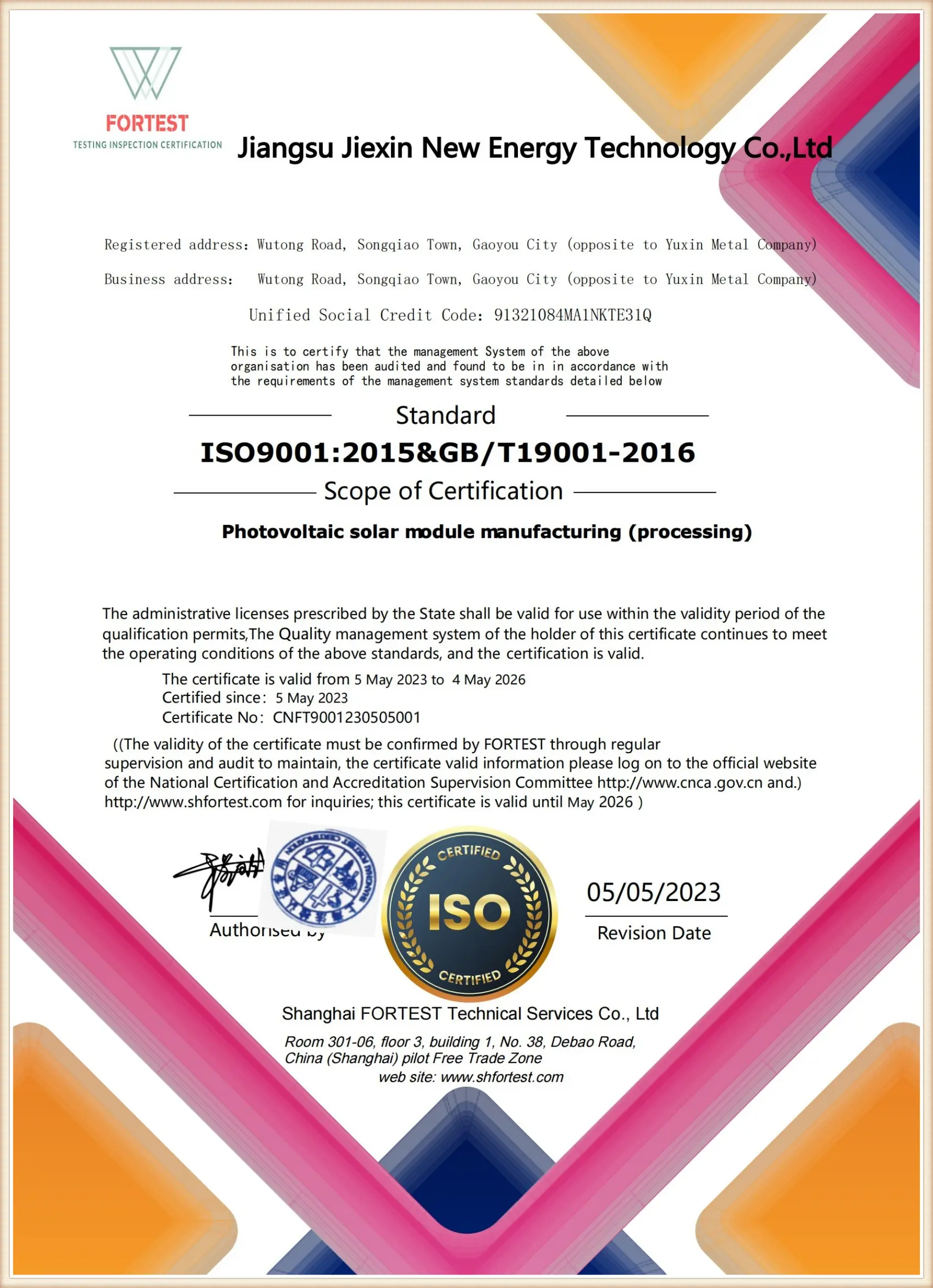
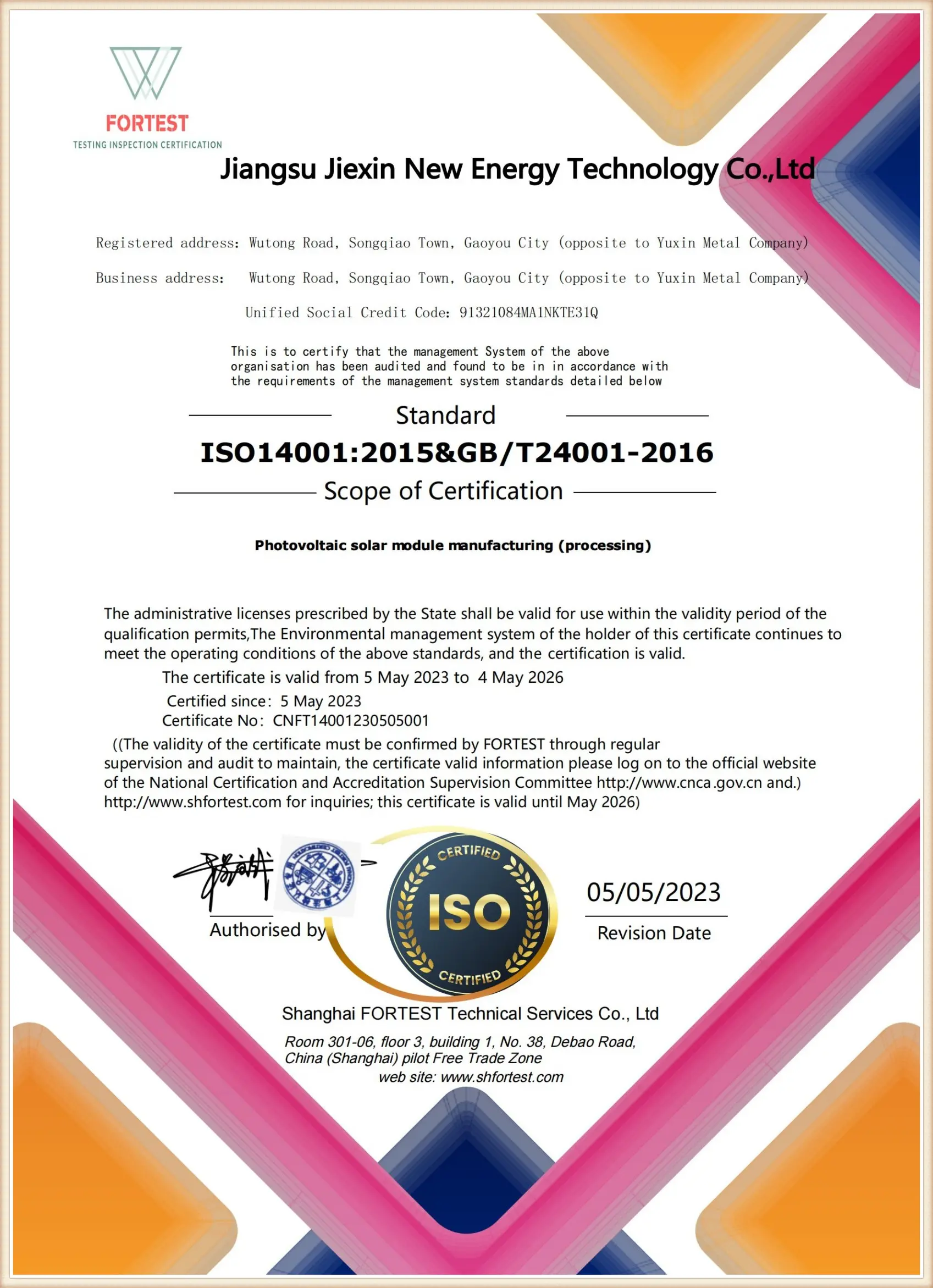
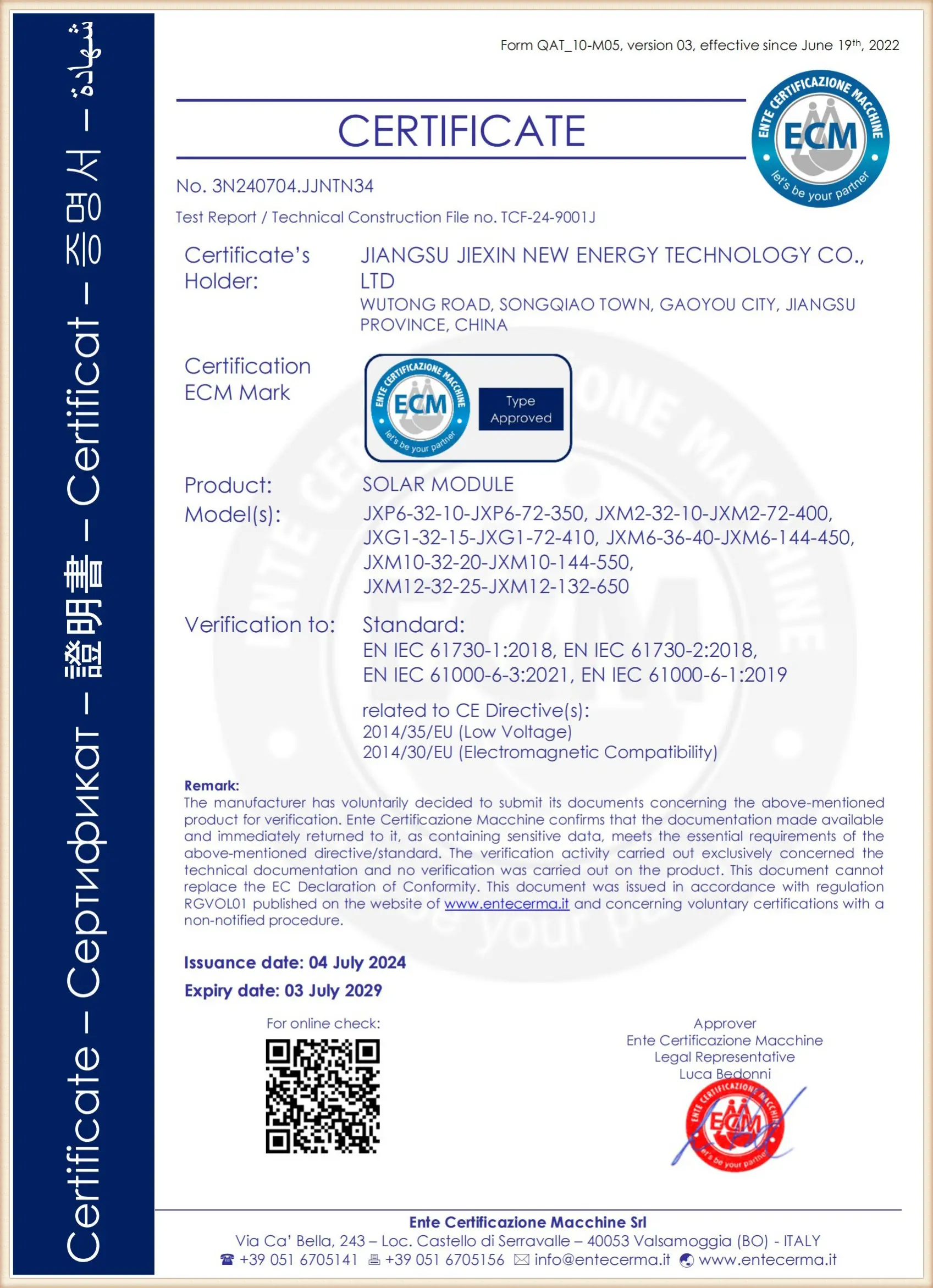
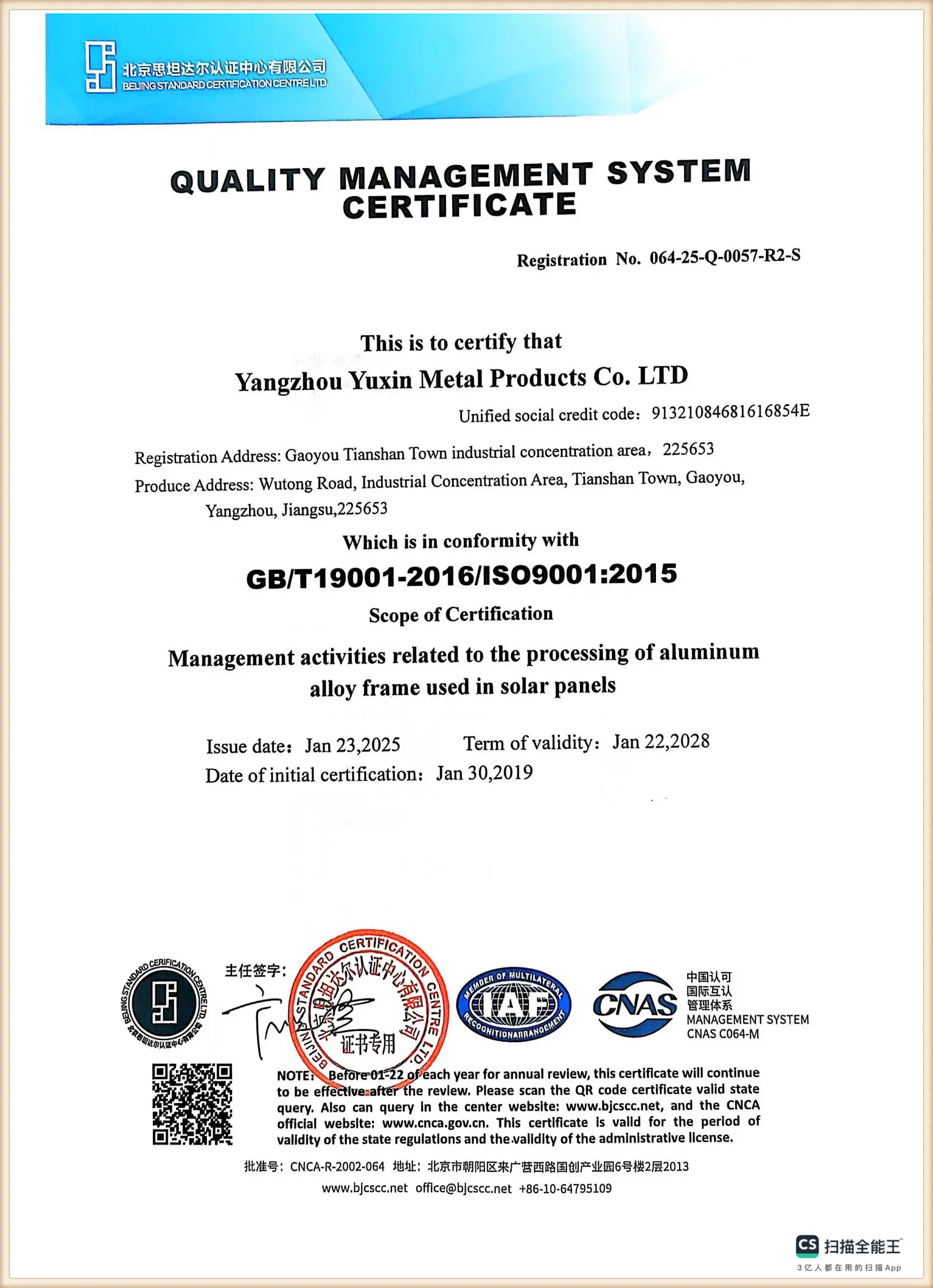
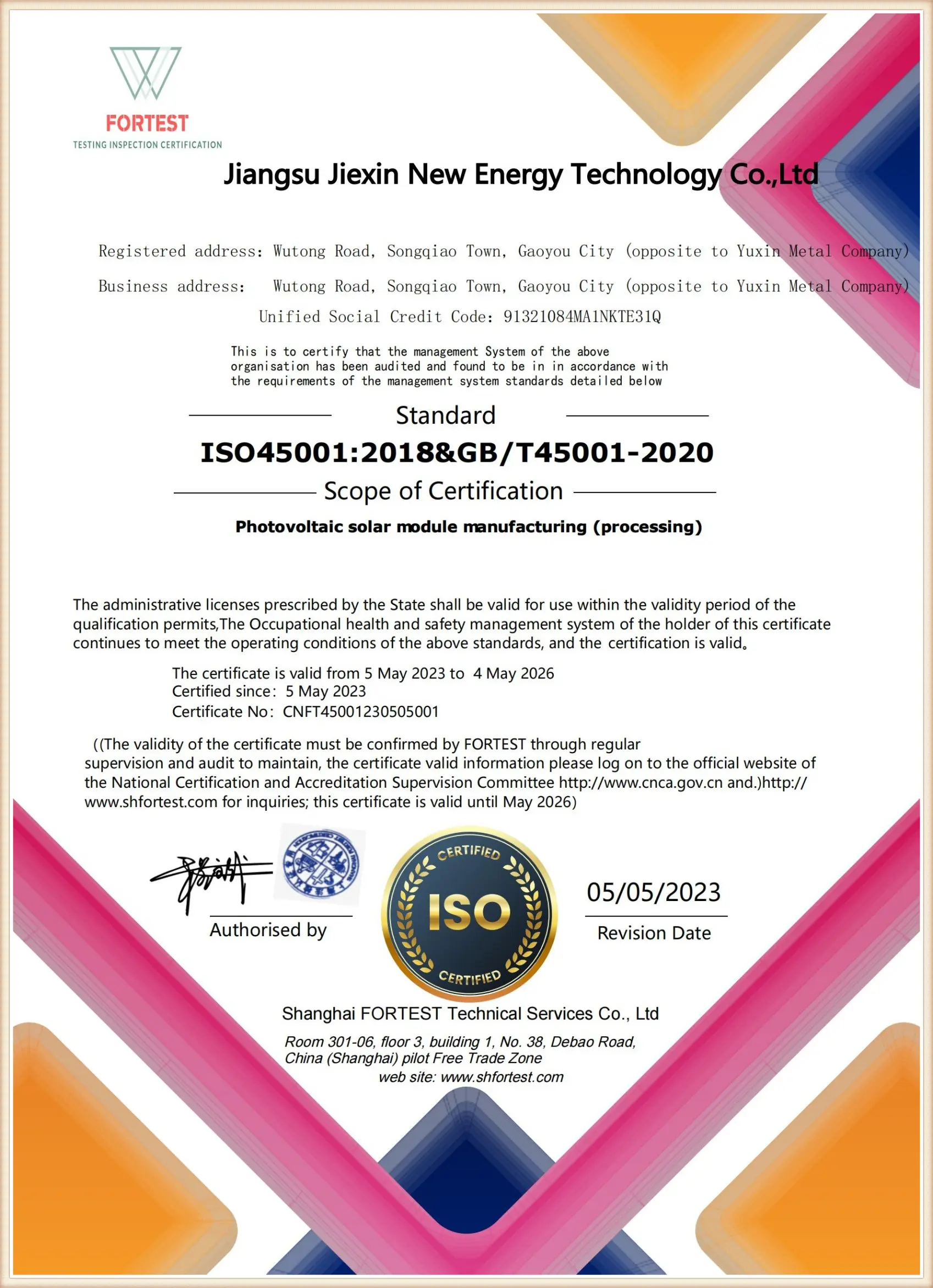
Procuring inverters for high-demand, load-shedding markets requires a rigorous engineering validation process. System designers and procurement managers should evaluate suppliers based on the following key operational parameters:
Our integrated power components, including solar systems, structural frames, and storage inverters, are engineered for reliable performance across a wide range of global industries:
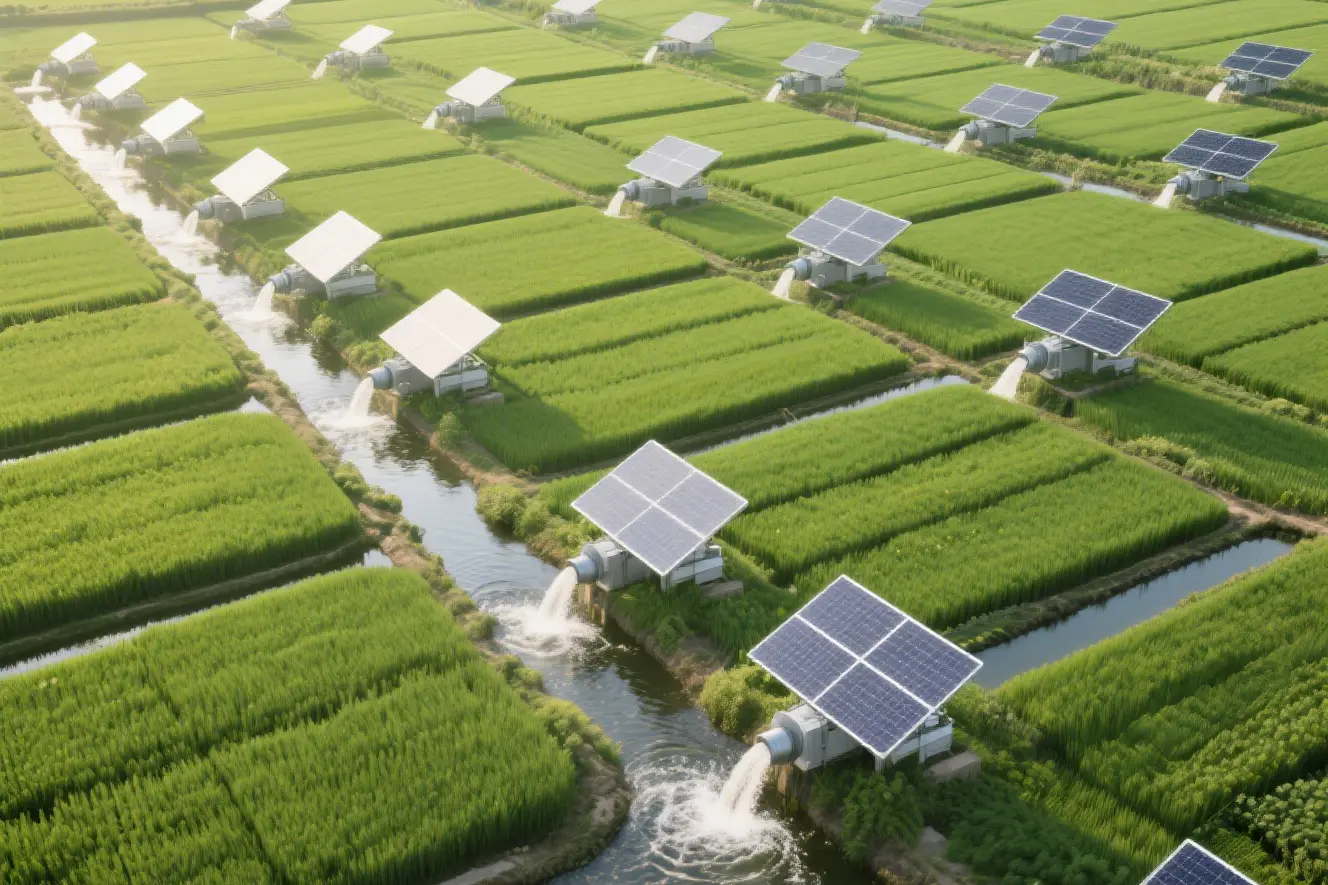
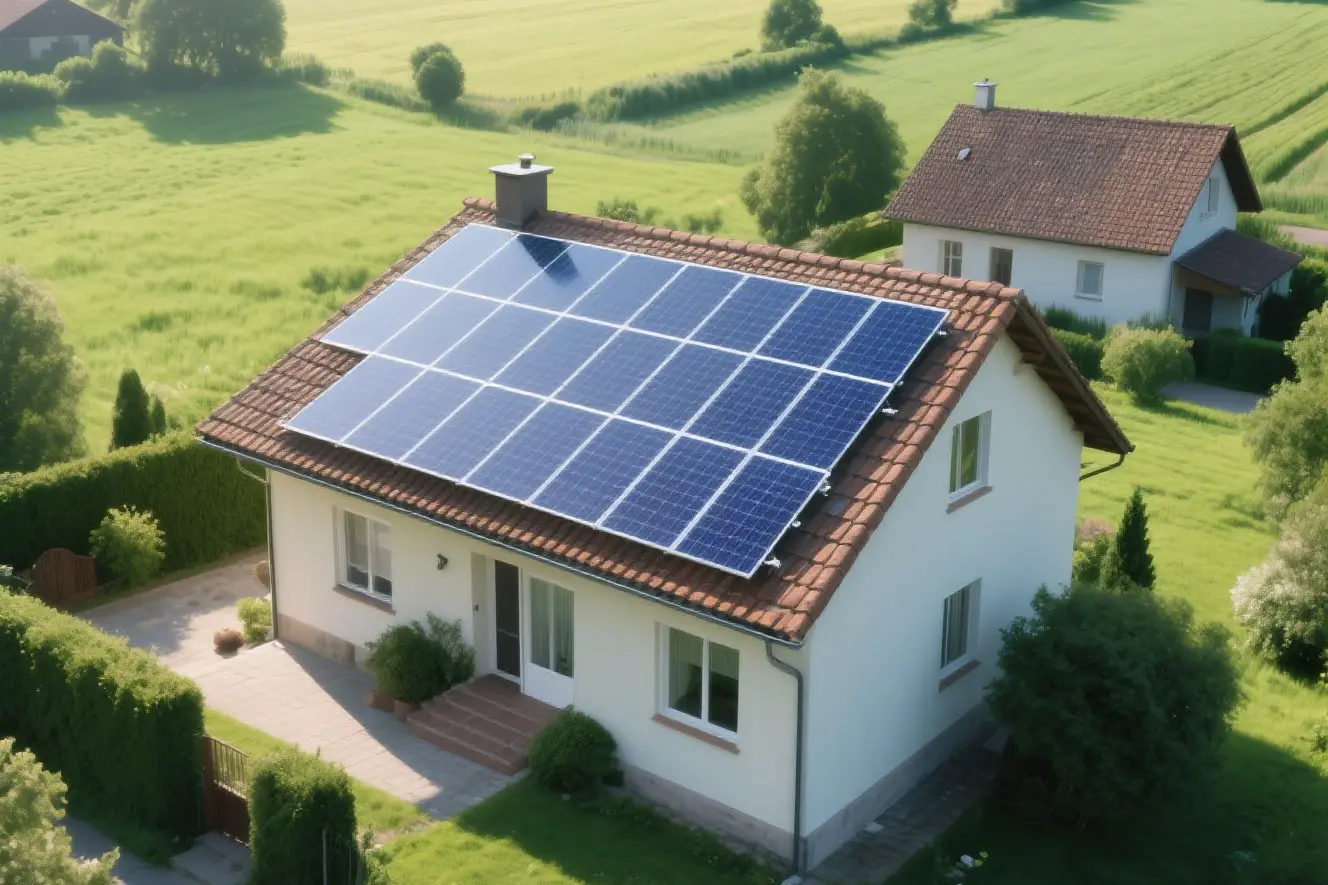
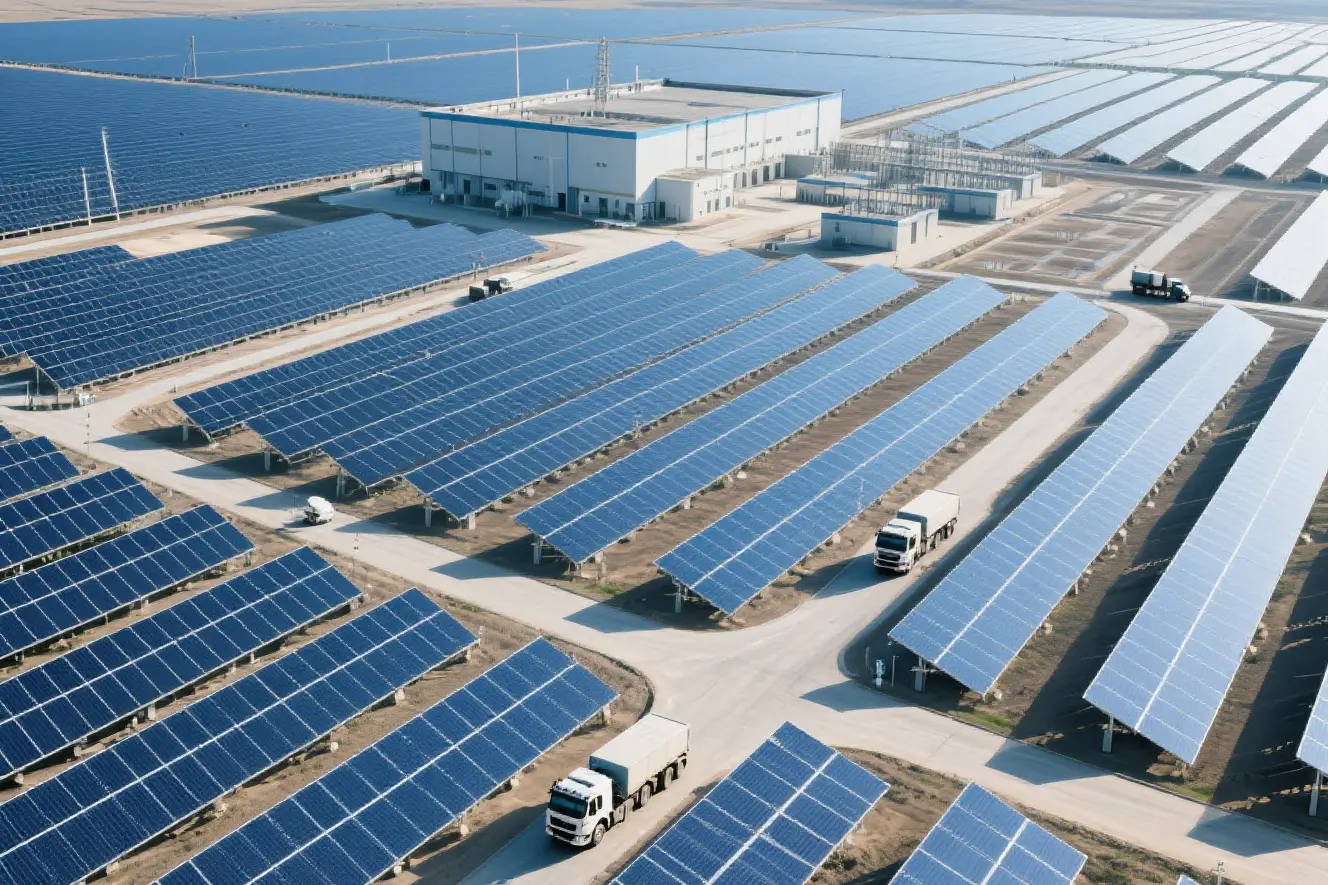
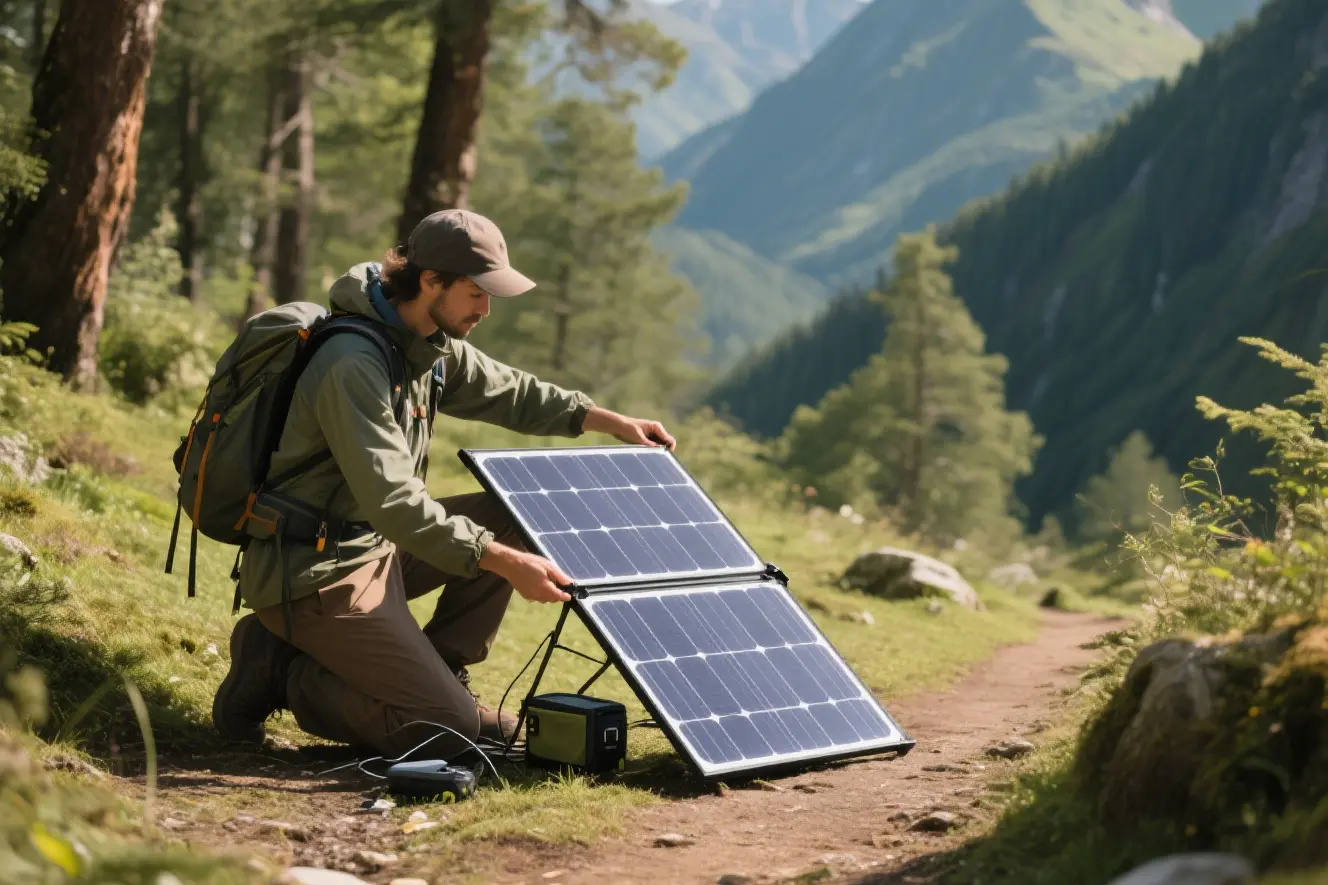
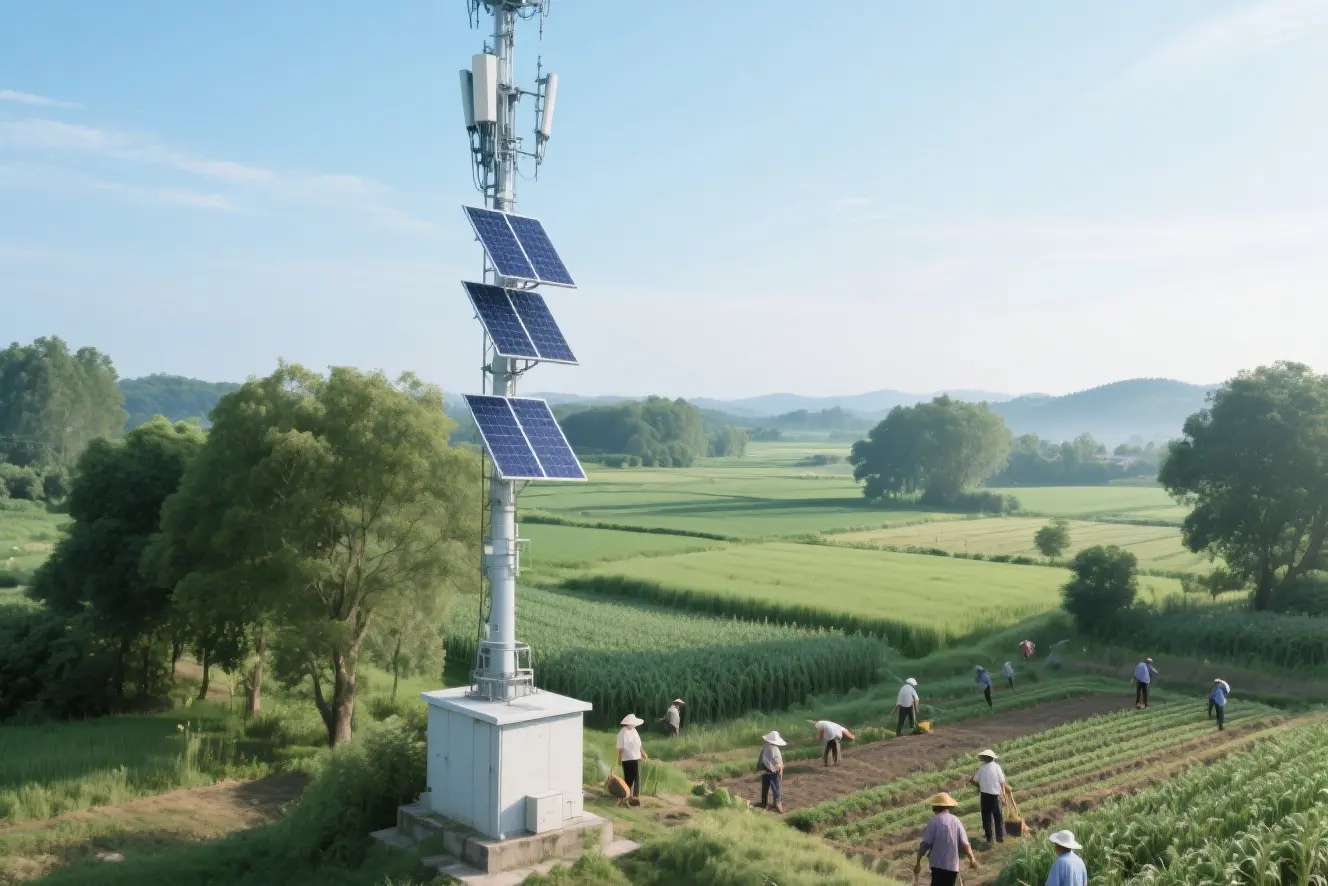
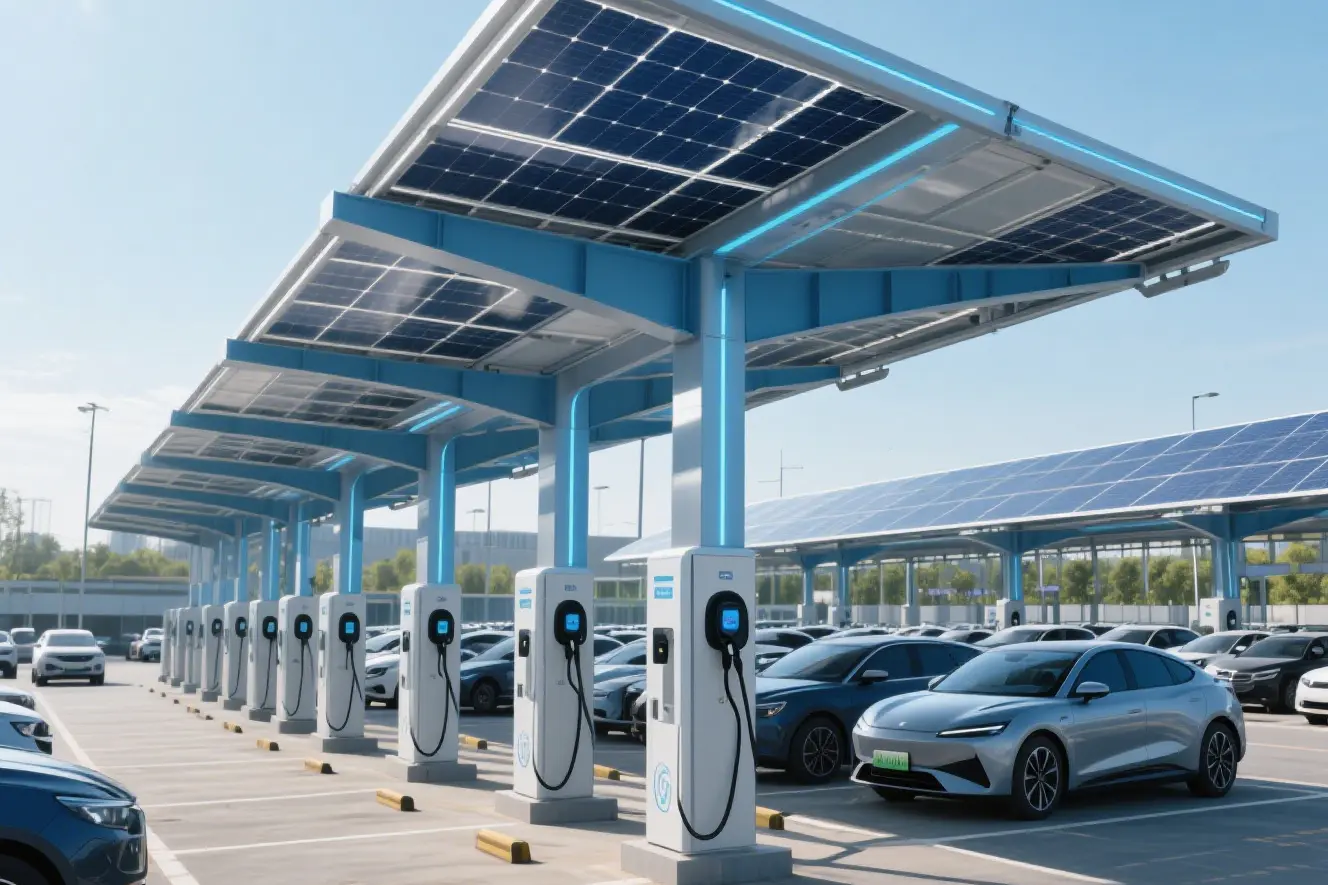
Different installation sites present distinct energy profiles. An optimized load-shedding hybrid system must be tailored to these specific localized needs:
Telecom and Remote Cellular Towers: In remote regions, base stations require continuous power to keep communications active. Utilizing high-efficiency solar modules and hybrid off-grid inverters reduces the need for diesel fuel, lowering carbon emissions and reducing operational maintenance costs.
C&I Operations and Manufacturing Sites: For heavy industries, power interruptions can damage machinery and ruin production runs. Hybrid configurations allow facilities to keep critical systems active during rolling blackouts. By storing energy when electricity rates are low and utilizing it during peak periods, companies can also reduce their overall utility expenses.
Over the years, we have built a collaborative network of industry partners, driving innovation and expanding our service footprint worldwide.
Keep up with technical updates, design guidelines, and the latest innovations from our manufacturing centers.
Browse our selection of supporting solar frames, monocrystalline modules, and modular energy storage systems.