Engineered for maximizing energy density, lowering LCOE, and delivering high efficiency for utility and enterprise applications.
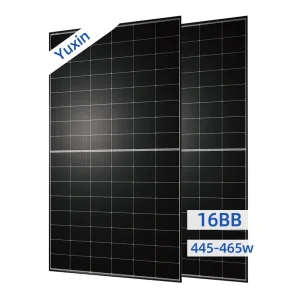
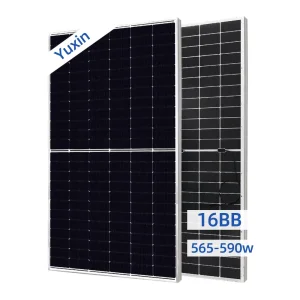
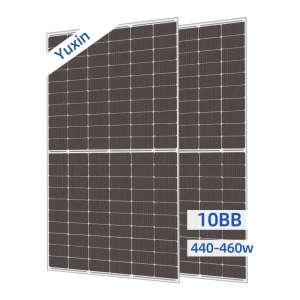
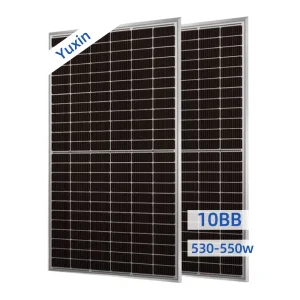
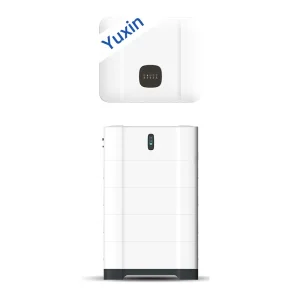
The global solar market is undergoing a structural transition toward ultra-high efficiency solar technology. Monocrystalline modules reaching and exceeding 23% conversion efficiency are now the benchmark for large-scale utility, commercial, and industrial (C&I) projects. This technical leap is primarily powered by the rapid shift from legacy p-type PERC technology to advanced N-type Tunnel Oxide Passivated Contact (TOPCon) and Heterojunction (HJT) structures.
Achieving a 23% module efficiency implies that the individual silicon solar cells operate close to 25%-26% laboratory efficiency. TOPCon cells integrate an ultra-thin silicon oxide tunnel layer combined with highly doped polycrystalline silicon, reducing carrier recombination velocity at the cell surface. This technical innovation yields a lower temperature coefficient (typically -0.30%/°C compared to -0.35%/°C of traditional PERC modules), which guarantees significantly higher energy yield in warm regional climates.
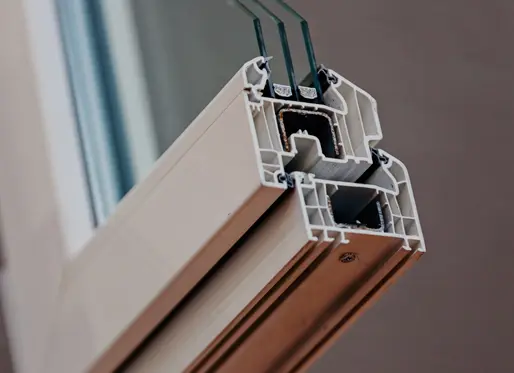
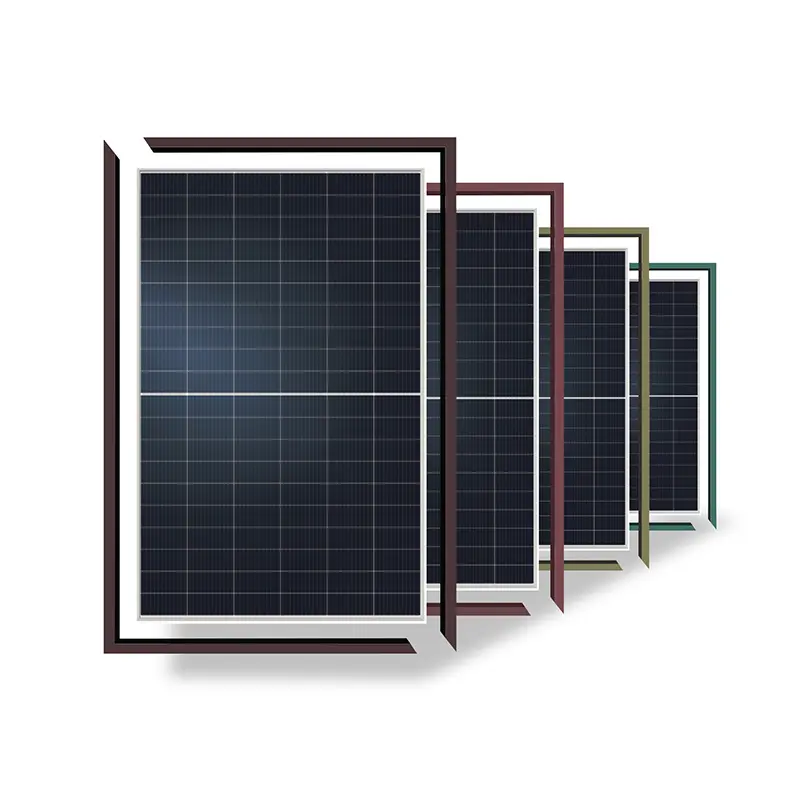
B2B solar developers, engineering procurement contractors (EPCs), and international distributors require strict quality management parameters to mitigate investment risk over a 25-to-30-year operational lifecycle. Verification of certifications such as IEC 61215, IEC 61730, and CE is non-negotiable. Large scale procurement depends heavily on structural reliability, which is why top-tier PV developers specify aluminum frames made of high-strength alloys like 6063-T5/6005-T6, or explore sustainable composites like pultruded polyurethane to withstand high mechanical wind loads (up to 5400 Pa) and snow loads (up to 2400 Pa).
Navigating anti-dumping and countervailing duty (AD/CVD) regulations is critical. Importers look for experienced Chinese exporters who have established robust supply networks, transparent material traceability (from silicon ingots to final module assembly), and customizable OEM designs that cater to specific grid regulations across Europe, North America, and Australia.
Located in the scenic historical and cultural ancient city of Yangzhou, close to the Beijing-Shanghai Expressway, Runyang Yangtze River Bridge, and Ningqi Railway, the group has a superior geographical location and convenient transportation. The group was established in 2008 and has 14 multi-field companies under its jurisdiction, including Jiangsu Yuxin New Energy Technology Co., Ltd., and has won many titles such as National High-tech Enterprise, Technology-based Enterprise, and Gaoyou City Top 100 Private Enterprises.
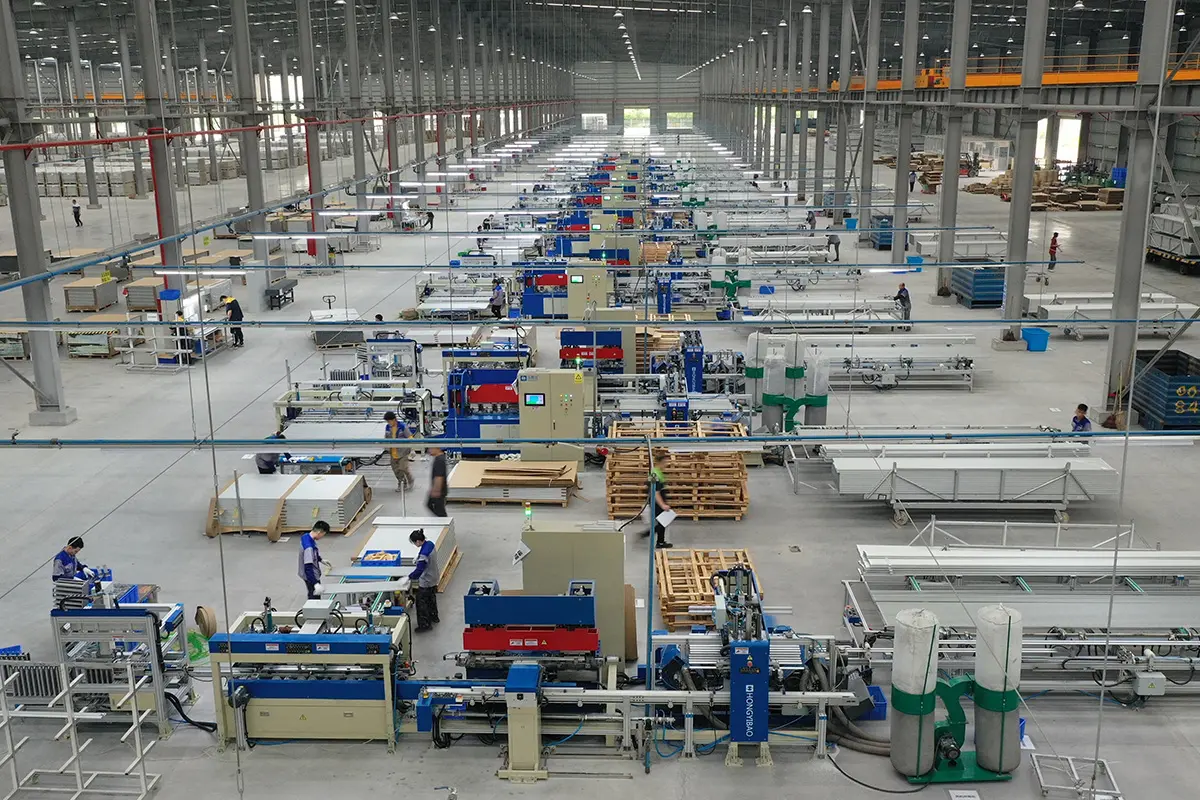
Our China Factory 4.0 infrastructure utilizes state-of-the-art smart manufacturing. Automated EL (Electroluminescence) testing, laser dicing, and multi-busbar (MBB) positioning technology prevent micro-cracks and maximize output. In addition, our manufacturing facilities process structural components, utilizing high-grade anodized aluminum and sustainable polyurethane pultrusion composites to deliver robust frames designed for high weather resistance and structural integrity.
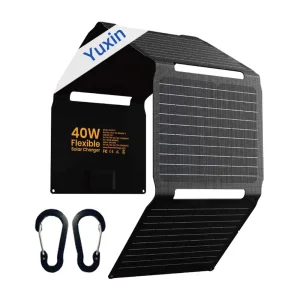
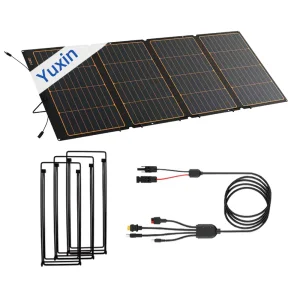
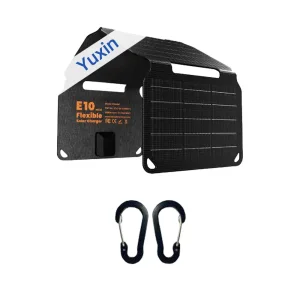
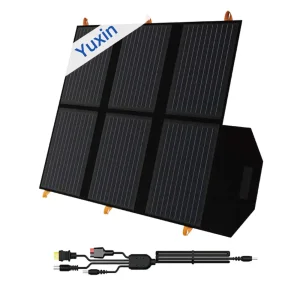
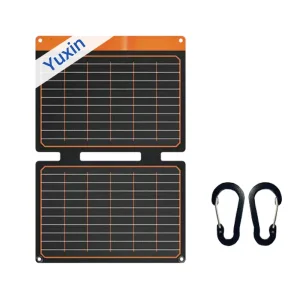
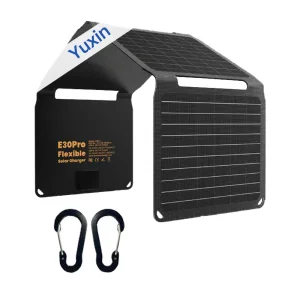
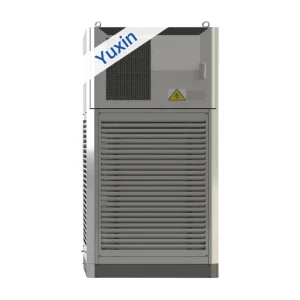
Request Factory Tour / PricelistExhibiting original product lines customized to handle both small scale portable off-grid demand and utility system setups.
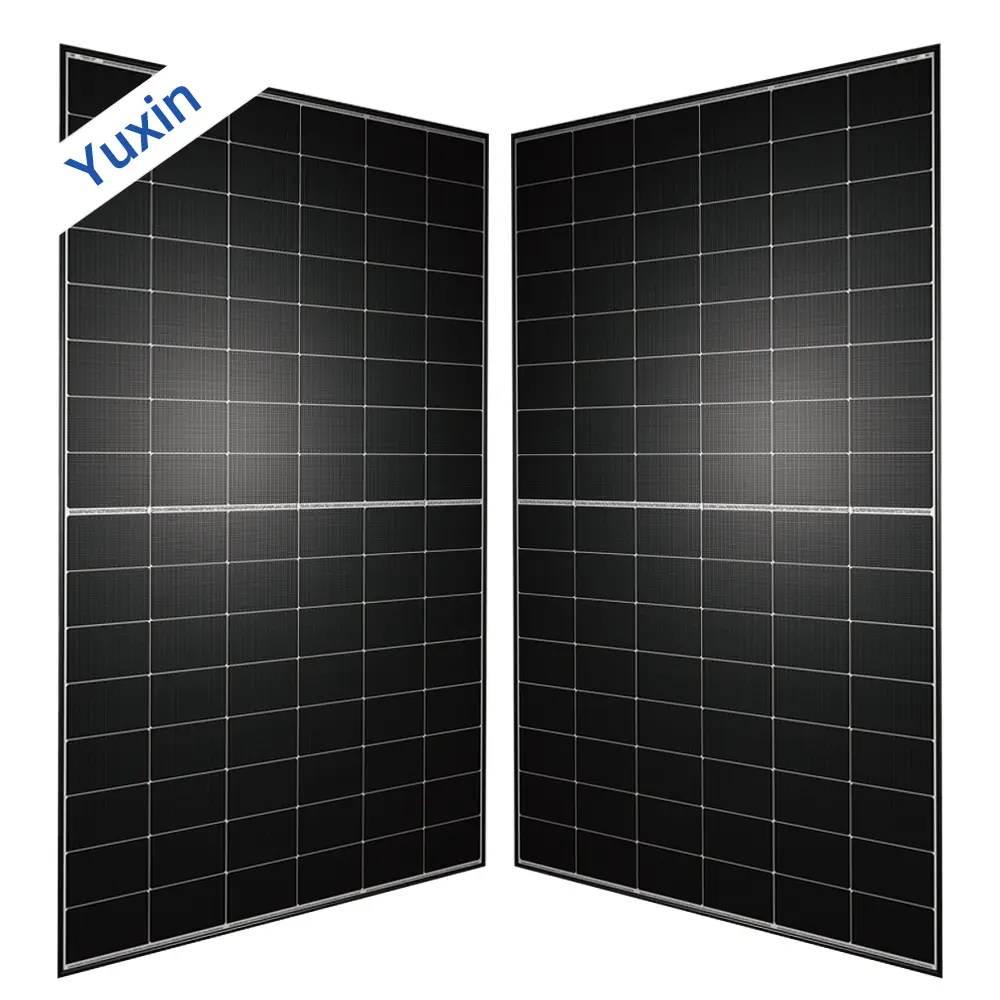
Lightweight design with transparent back panel for easy installation and reduced BOS costs.
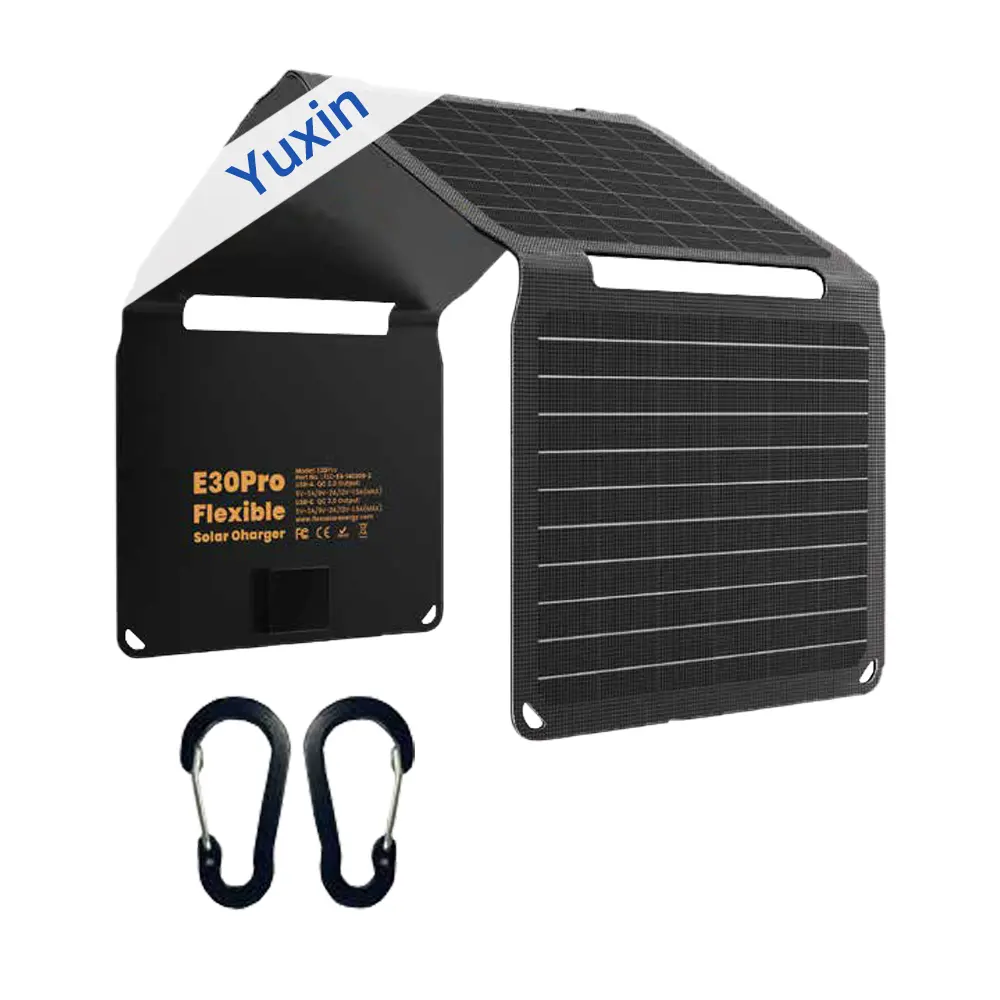
Utilizing advanced monocrystalline silicon cells, it achieves a high energy conversion efficiency of 24%.
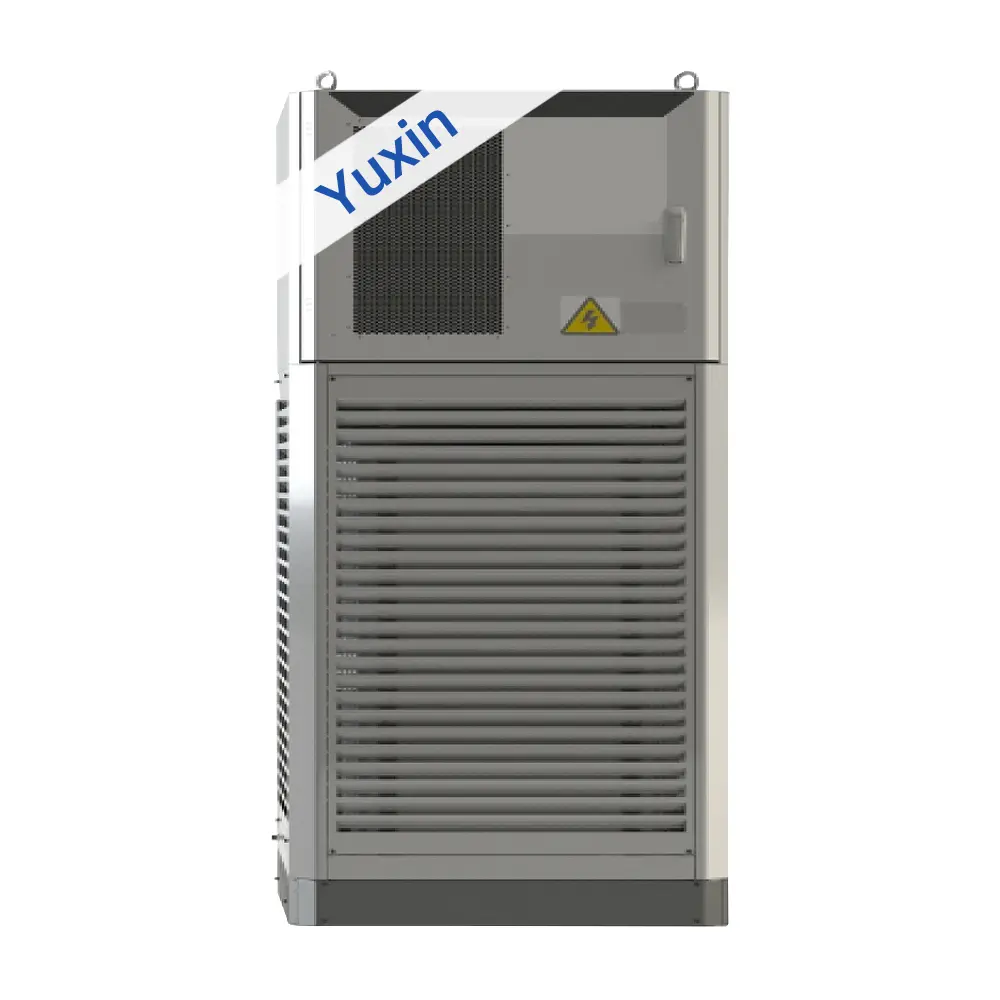
Application modes include grid-connected mode, off-grid mode, and integrated grid-connected/off-grid mode.
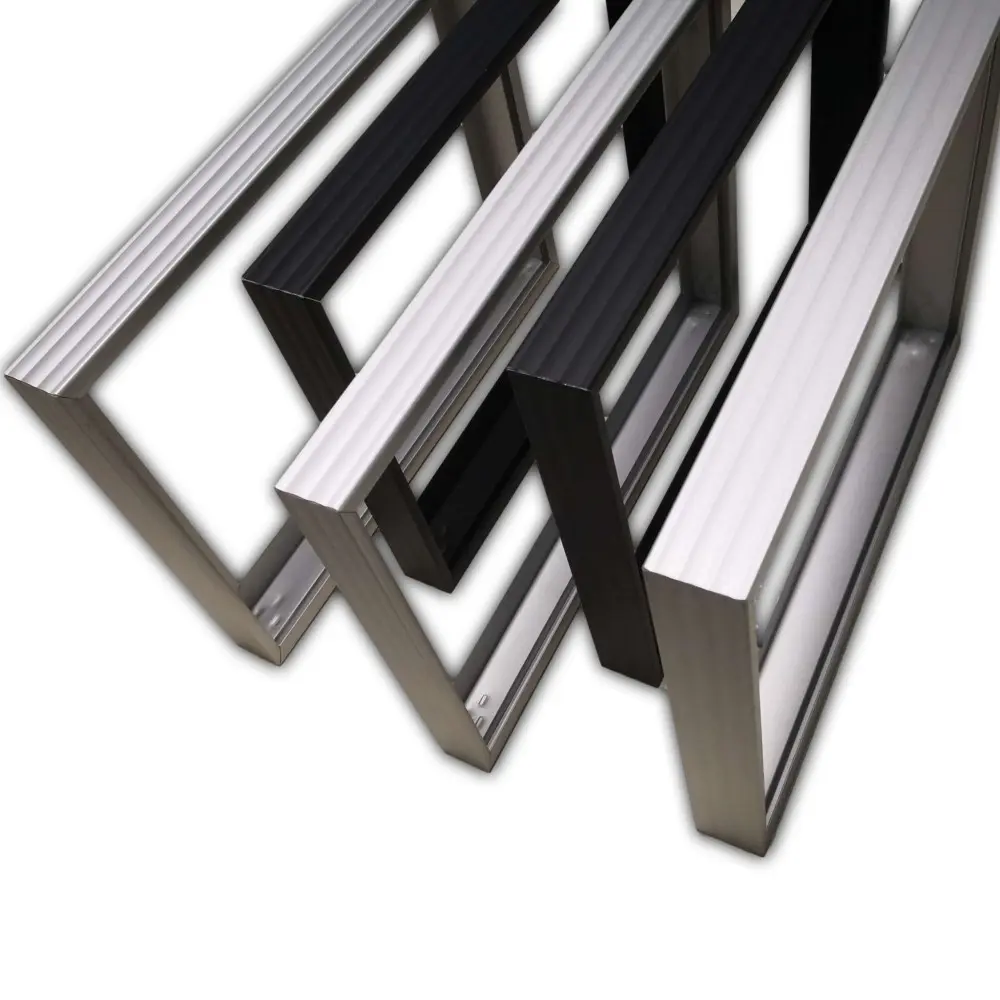
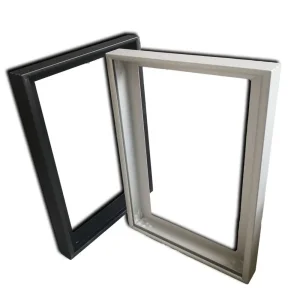
Made of high-quality anodized aluminum, it ensures superior weather resistance and a smooth, long-lasting finish.
Delivering specialized engineering and product integration across diverse global commercial domains.

Optimizing crop yields and energy generation simultaneously via agrivoltaics using dual-glass bifacial solar modules.
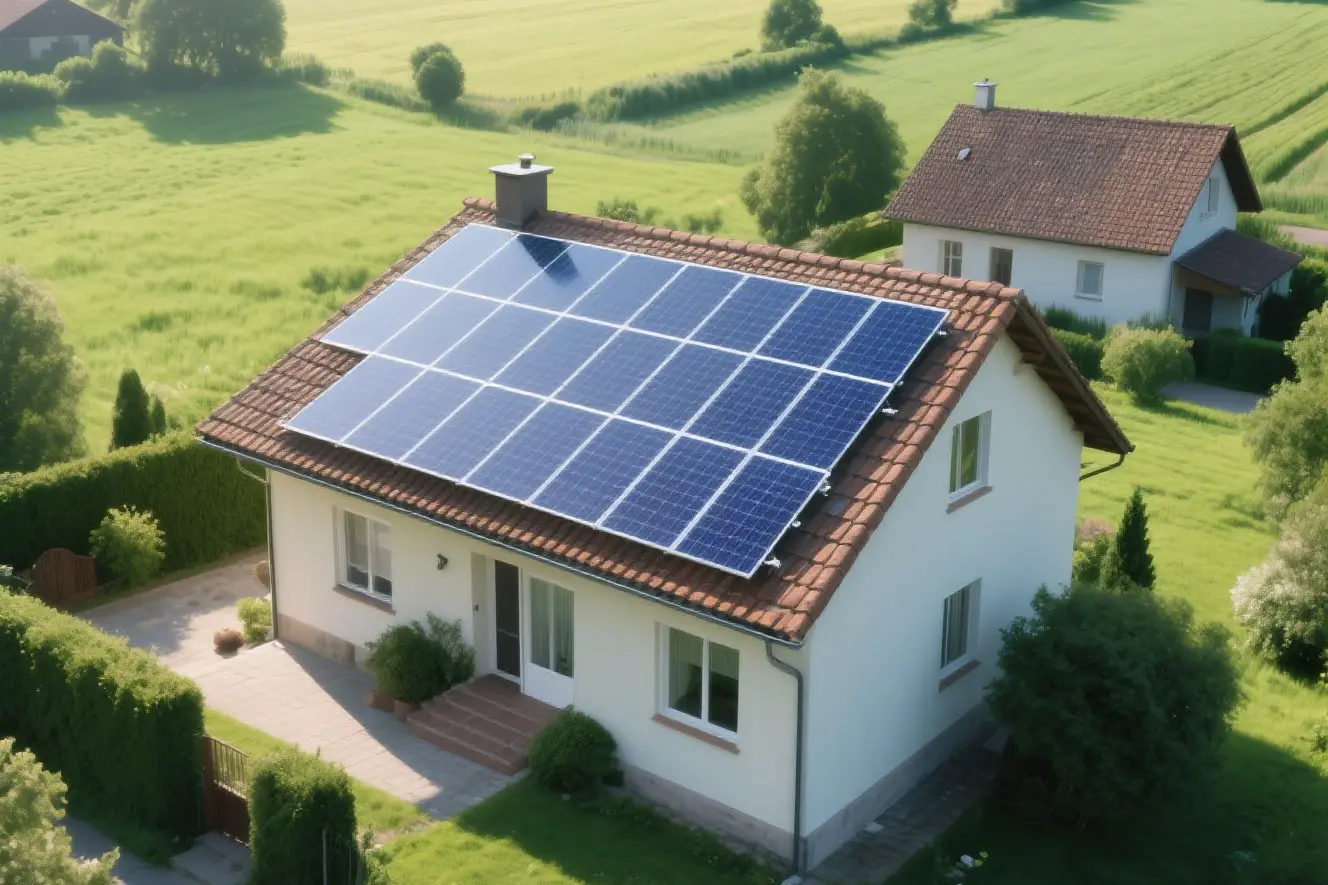
Providing high-performance structural systems, aluminum frames, and building-integrated PV (BIPV) layouts for zero-carbon architecture.
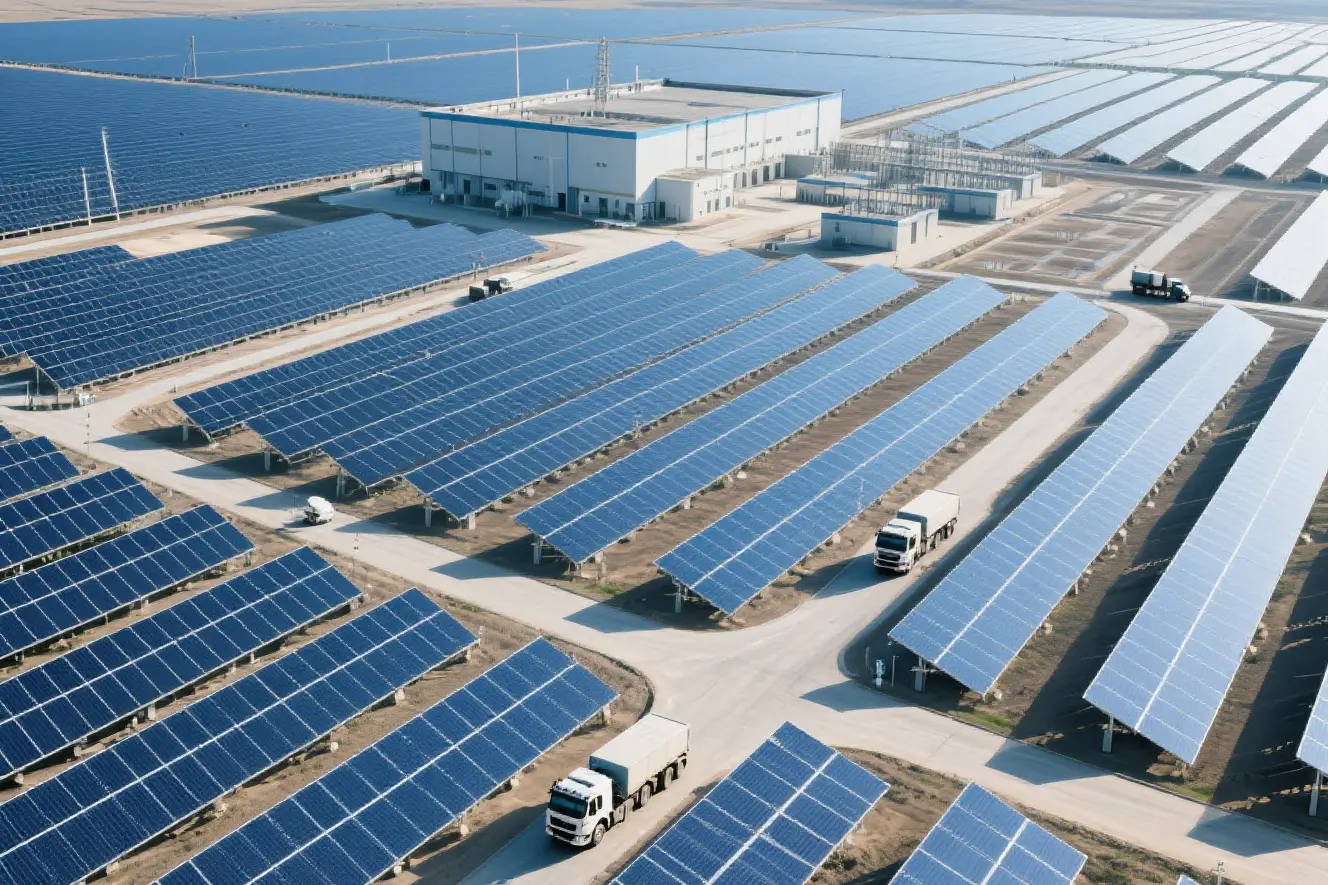
Maximizing megawatt generation per acre through N-type half-cell modules with 23% efficiency margins.

Deploying light, portable power chargers, and off-grid generator solutions for emergency use and field operations.
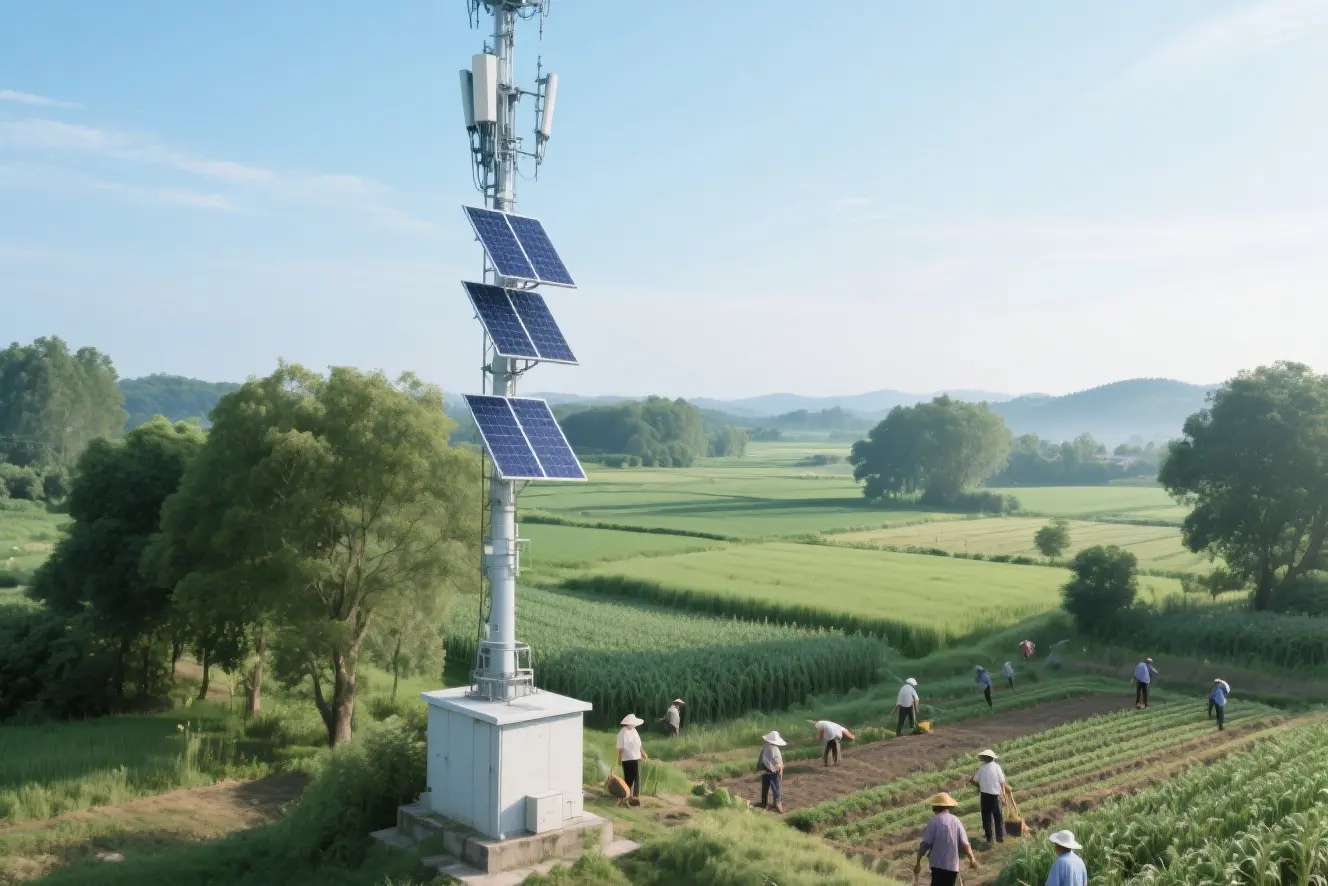
Providing reliable standalone off-grid power grids for remote 5G infrastructure, leveraging integrated energy storage.
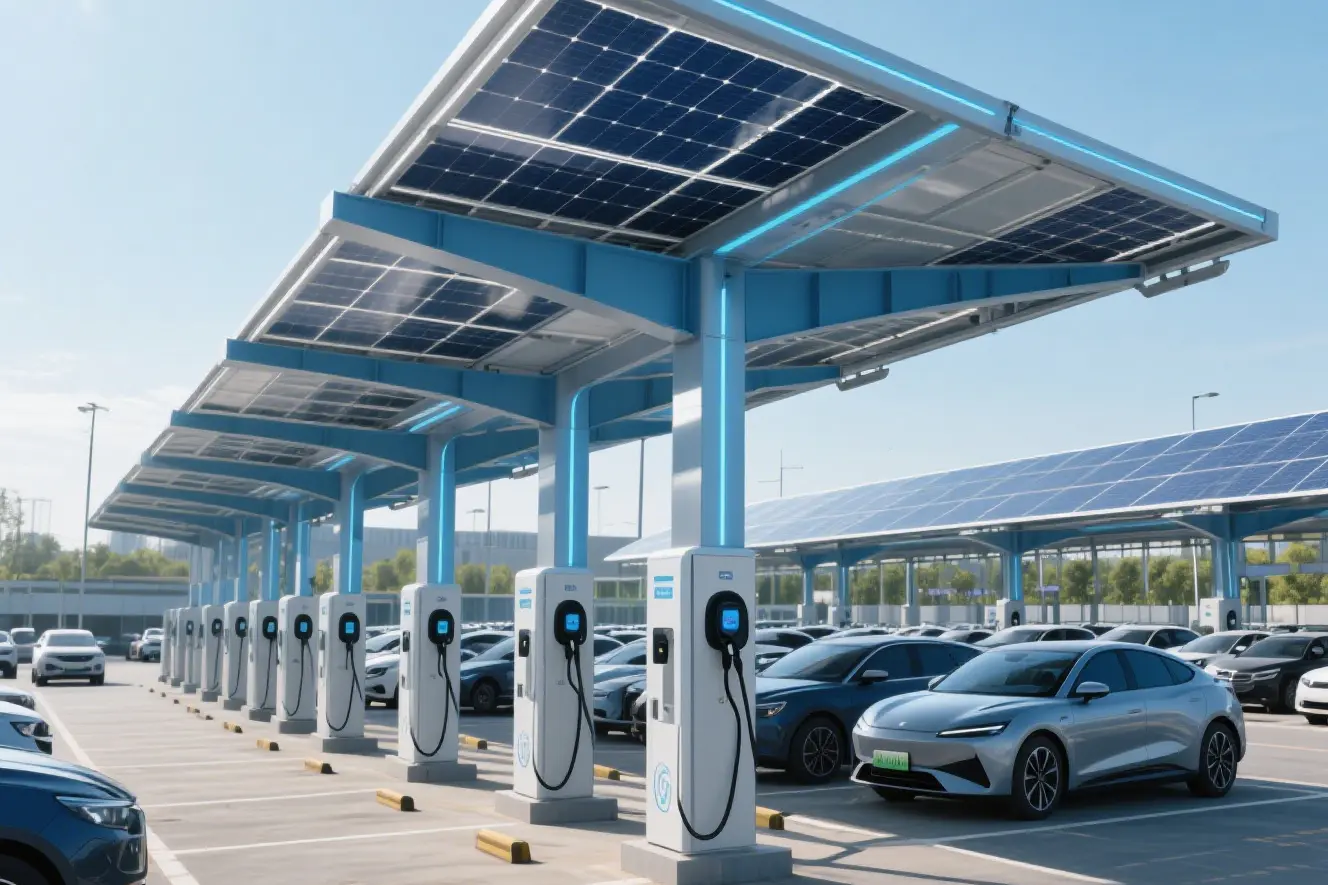
Empowering solar-assisted charging hubs, EV depots, and public transit structures with architectural PV frames.
Fully validated by global third-party certification bodies to guarantee consistent mechanical and electrical output.
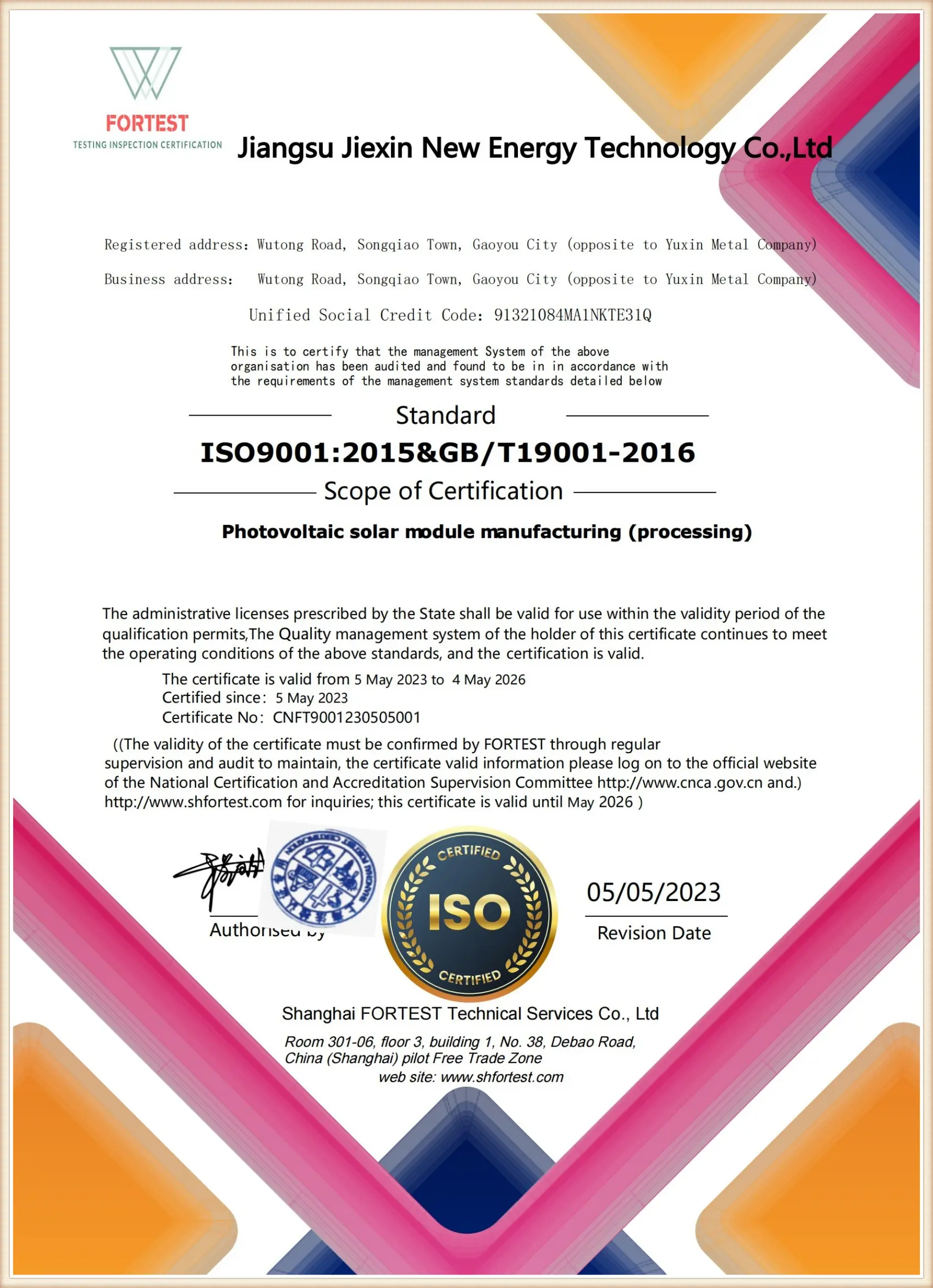
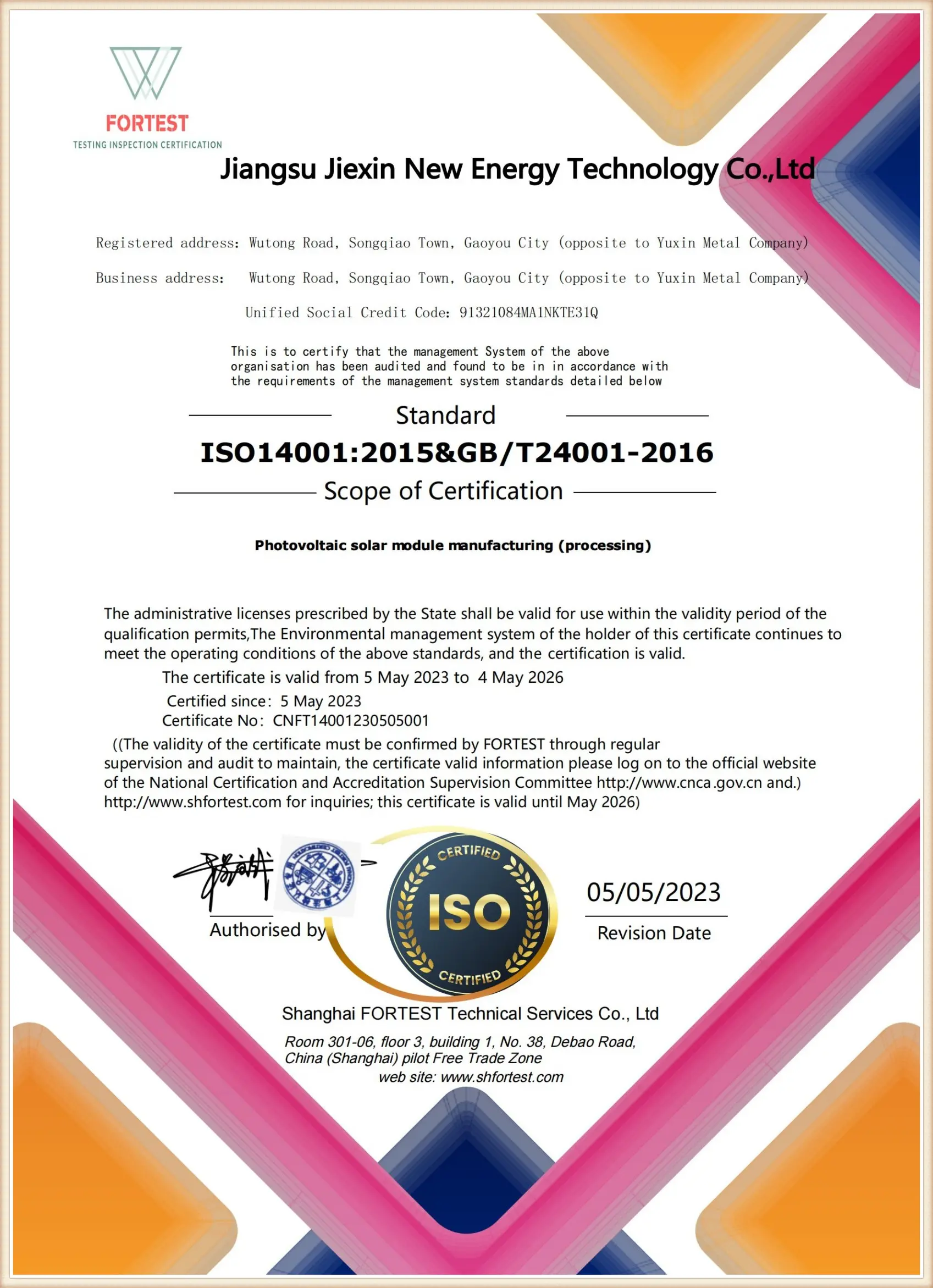
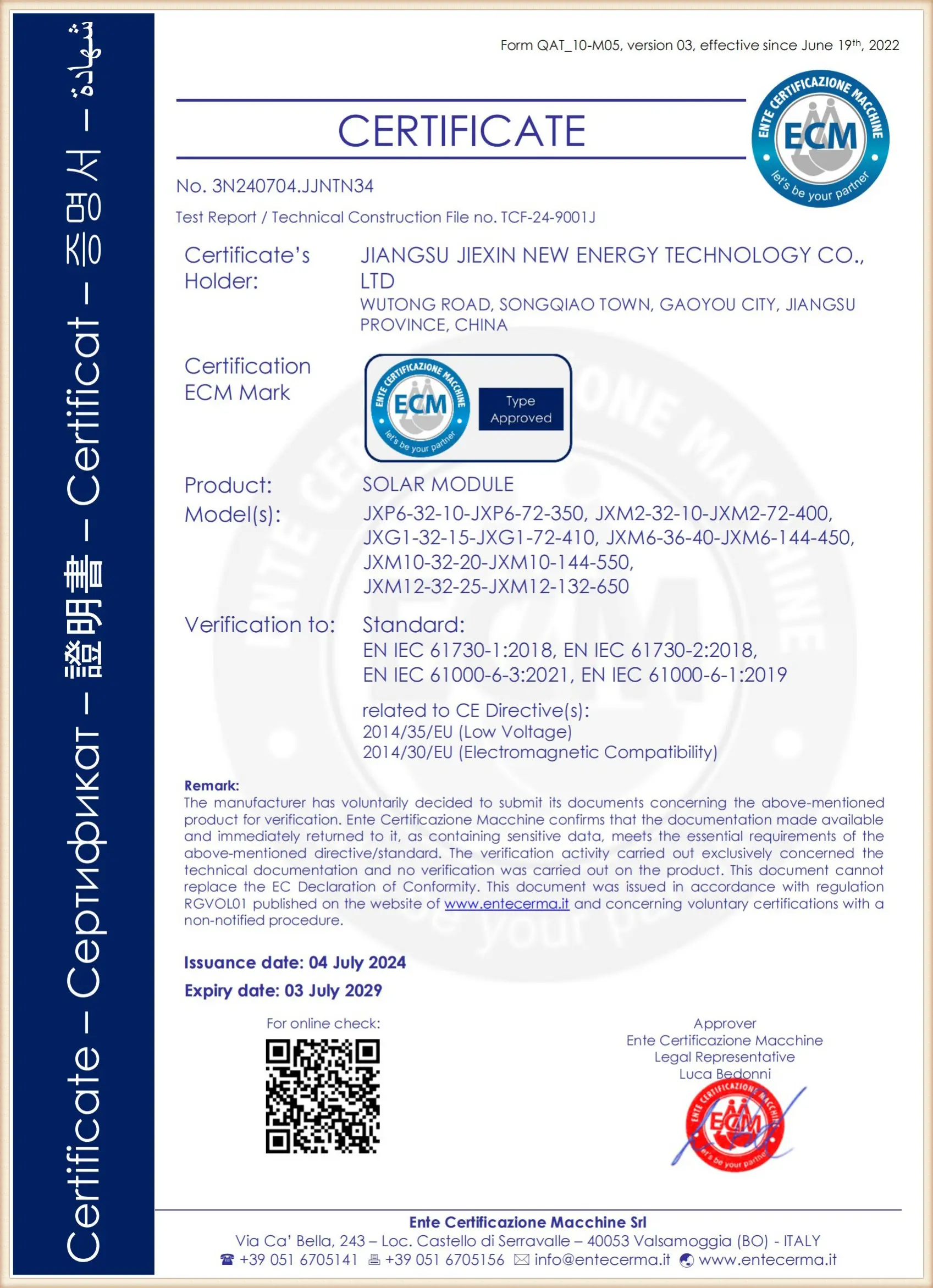
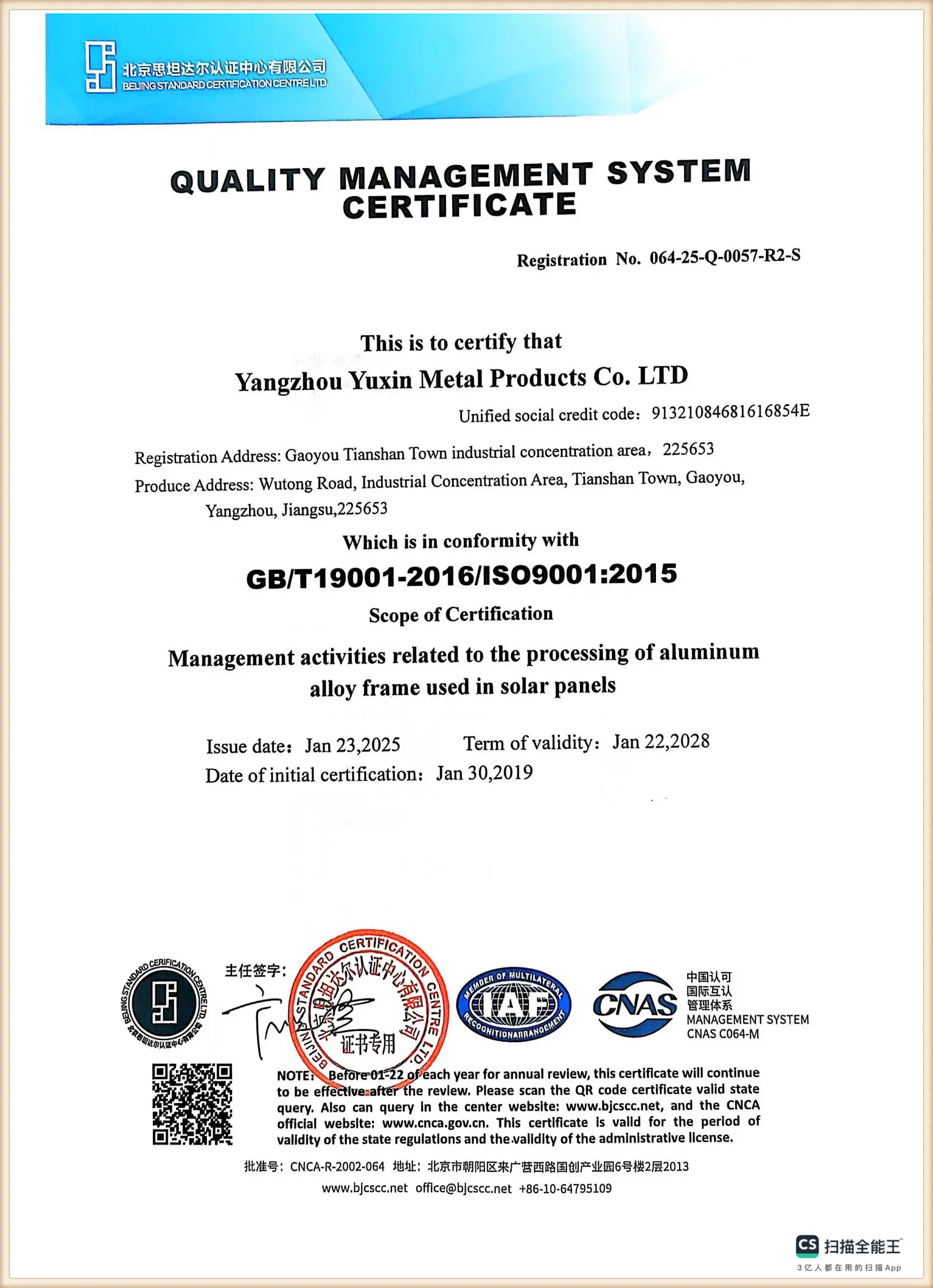
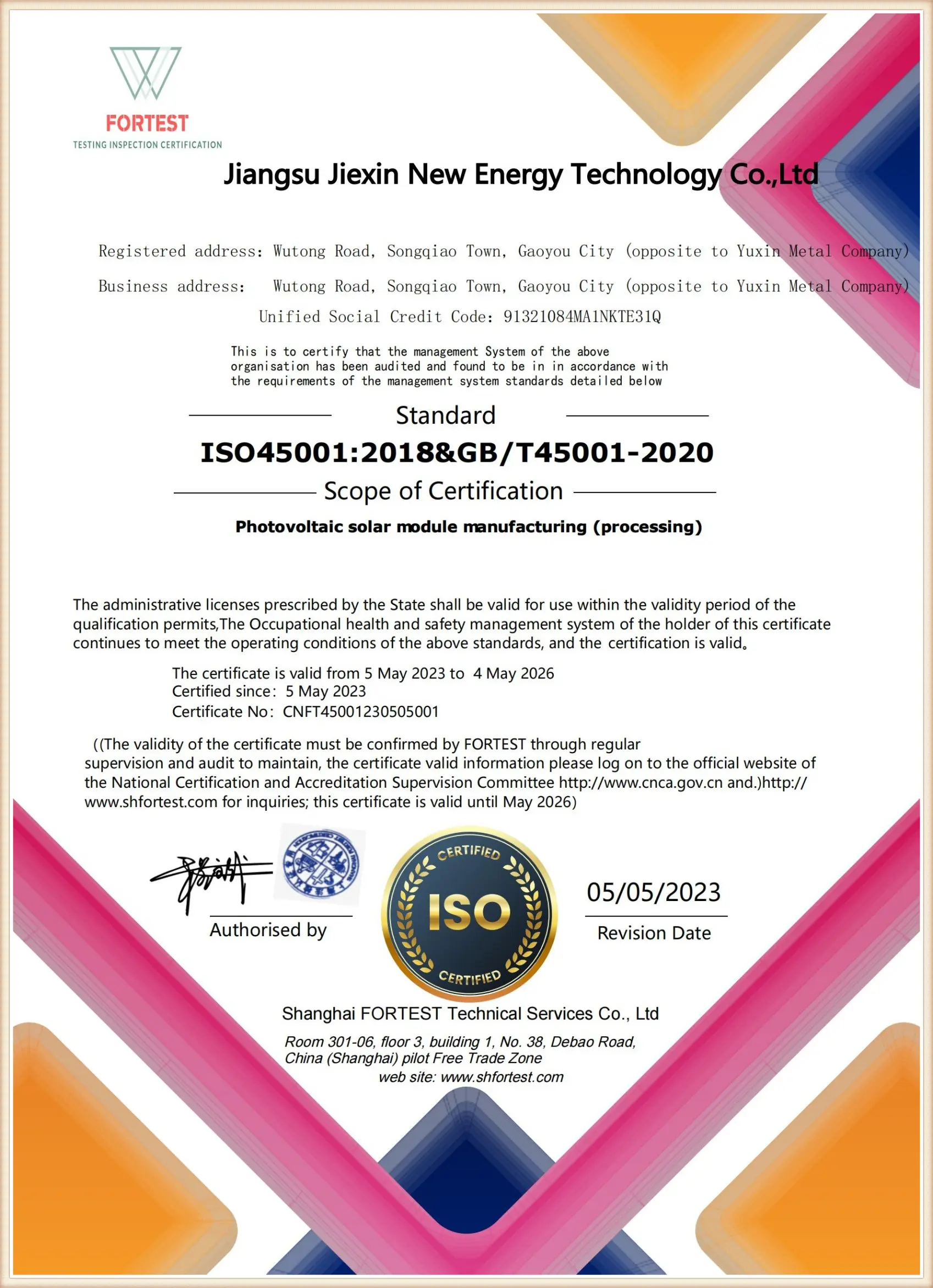
After years of hard work by Yuxin people, it has gradually formed a collectivist and diversified advantage.

Jiangsu Yuxin will keep pace with the society and the times, adhering to the core values of "pragmatic and enterprising, reform and change, people-oriented, and win-win cooperation", creating a future for employees, creating benefits for partners, and creating value for society.
Providing critical operational and logistical details for global buyers and project engineers.
Highly durable off-grid hardware designed for rugged field conditions, emergency backup, and mobile power configurations.