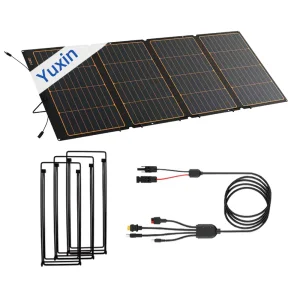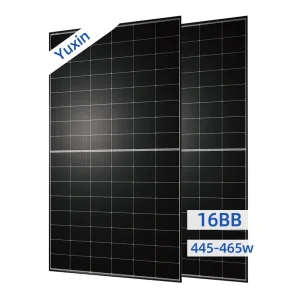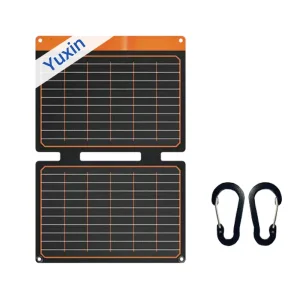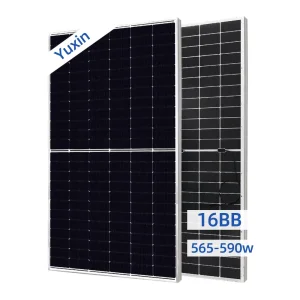
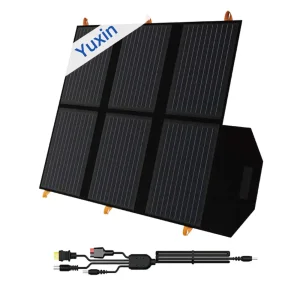
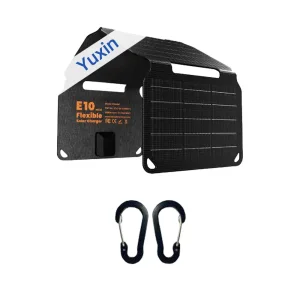
The global trailer camping and recreational vehicle (RV) market is undergoing an unprecedented electrification revolution. Off-grid independence is no longer a luxury—it is an engineering standard.
Traditional trailer solar designs relied heavily on low-efficiency 12V DC setups, leading to significant transmission line losses and bulky wiring. Our modern ODM solutions optimize for 48V DC architectures. This reduction in current allows for thinner, lighter cabling, reduced Balance of System (BOS) costs, and seamless compatibility with high-capacity lithium iron phosphate (LiFePO4) storage banks.
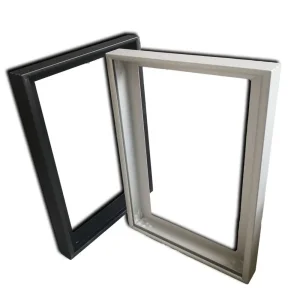
Trailer solar arrays face severe structural stressors. Aerodynamic drag, high-velocity vibrations, and exposure to varying physical impacts necessitate advanced framework design. We manufacture state-of-the-art 6063-T5 and 6005-T6 anodized aluminum frames alongside cutting-edge polyurethane pultruded composites. These materials resist torsional stress and completely prevent galvanic corrosion when secured to trailer chassis.
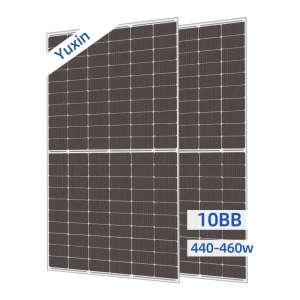
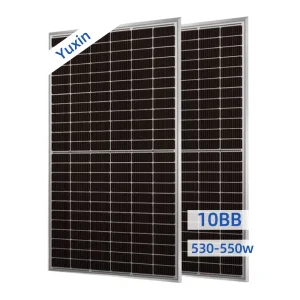
One of the most critical issues for caravan roofs is partial shading from trees, air conditioning units, or storage racks. A minor shadow on a standard PV panel can collapse the output of the entire array. Our N-type Half-Cell and PERC modules incorporate bypass diodes and optimized multi-busbar (MBB) designs (up to 16BB). By splitting the cell matrix, we ensure that shading on the upper section does not stop current production in the lower section, guaranteeing consistent wattage in rugged terrain.
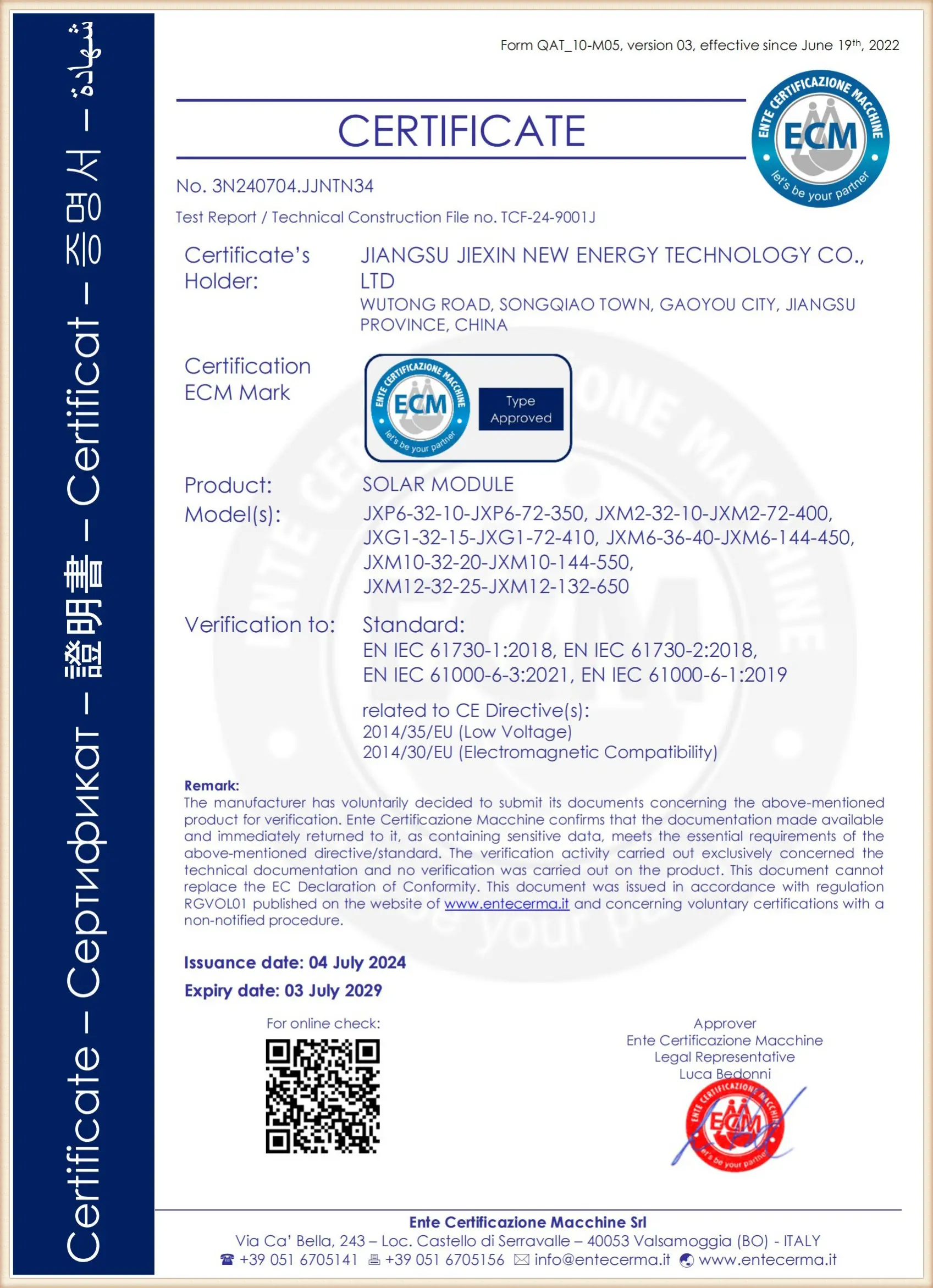
As localized regulatory demands tighten across Europe (CE directives) and North America (UL standards), suppliers must deliver robust certifications alongside raw manufacturing volume. The market has shifted from generic off-the-shelf panels to fully customizable ODM agreements. Tier-1 commercial fleets, overland vehicle manufacturers, and military mobile command units are demanding customized wattages, flexible module outlines, and specialized frame coatings to match military-grade specifications.
High-Tensile Aluminum Alloy Standard
Monocrystalline Cell Efficiency Gate
Maximum Front Mechanical Load Limit
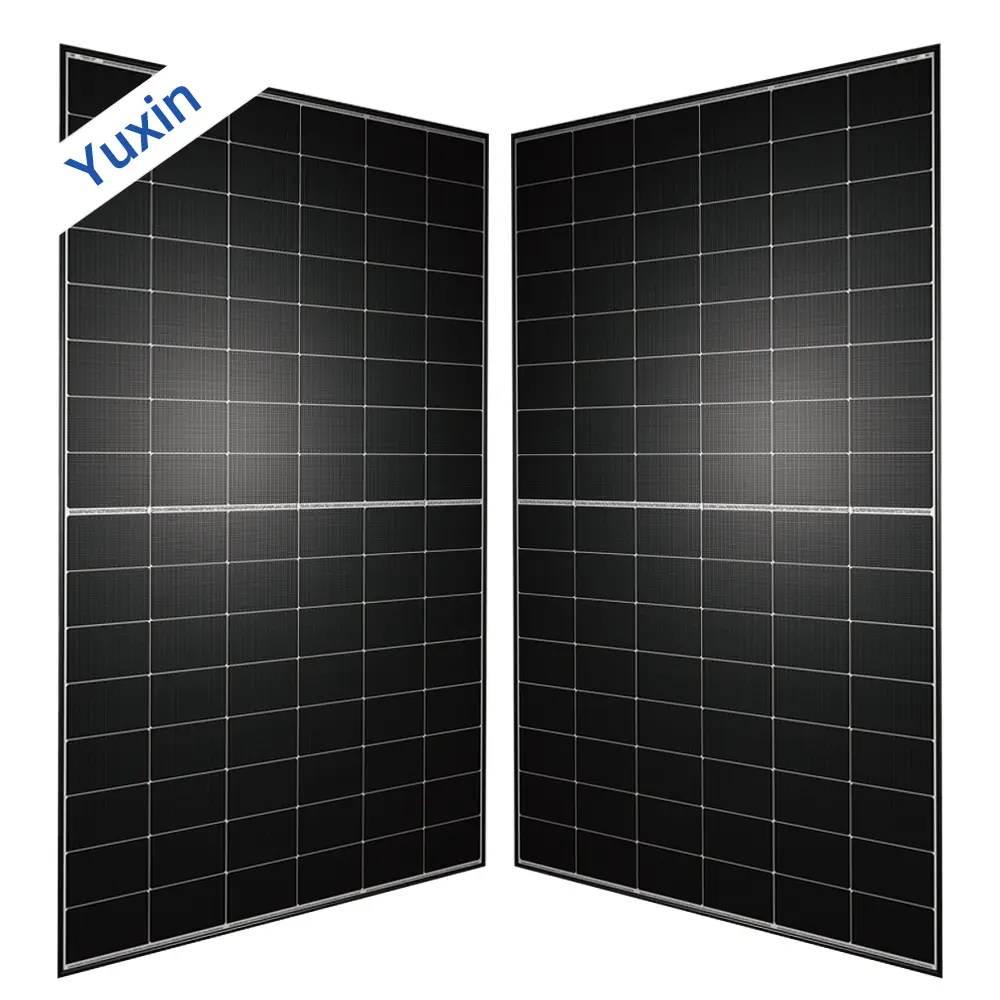
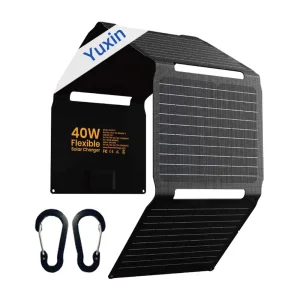
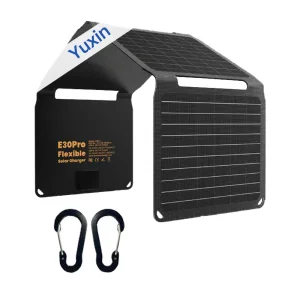
Lightweight design with transparent back panel for easy installation and reduced BOS costs.
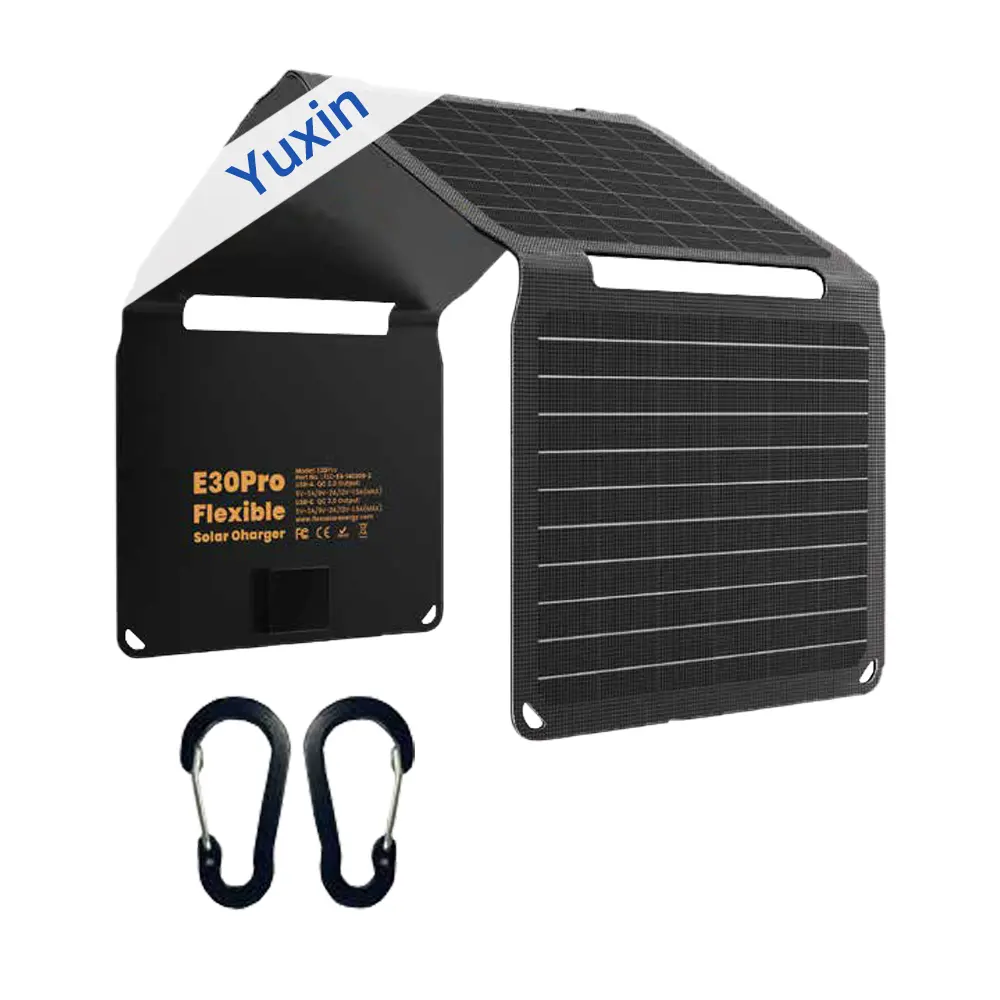
Utilizing advanced monocrystalline silicon cells, it achieves a high energy conversion efficiency of 24%.
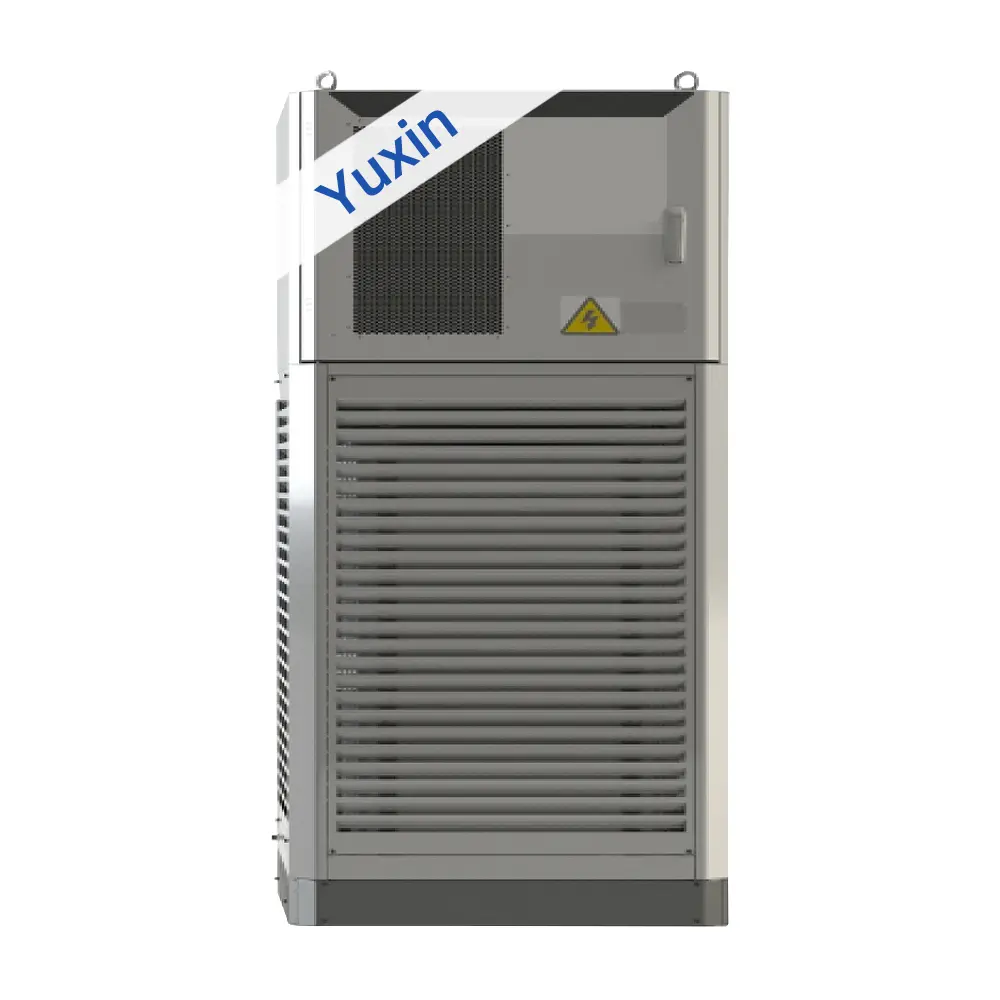
Application modes include grid-connected mode, off-grid mode, and integrated grid-connected/off-grid mode.
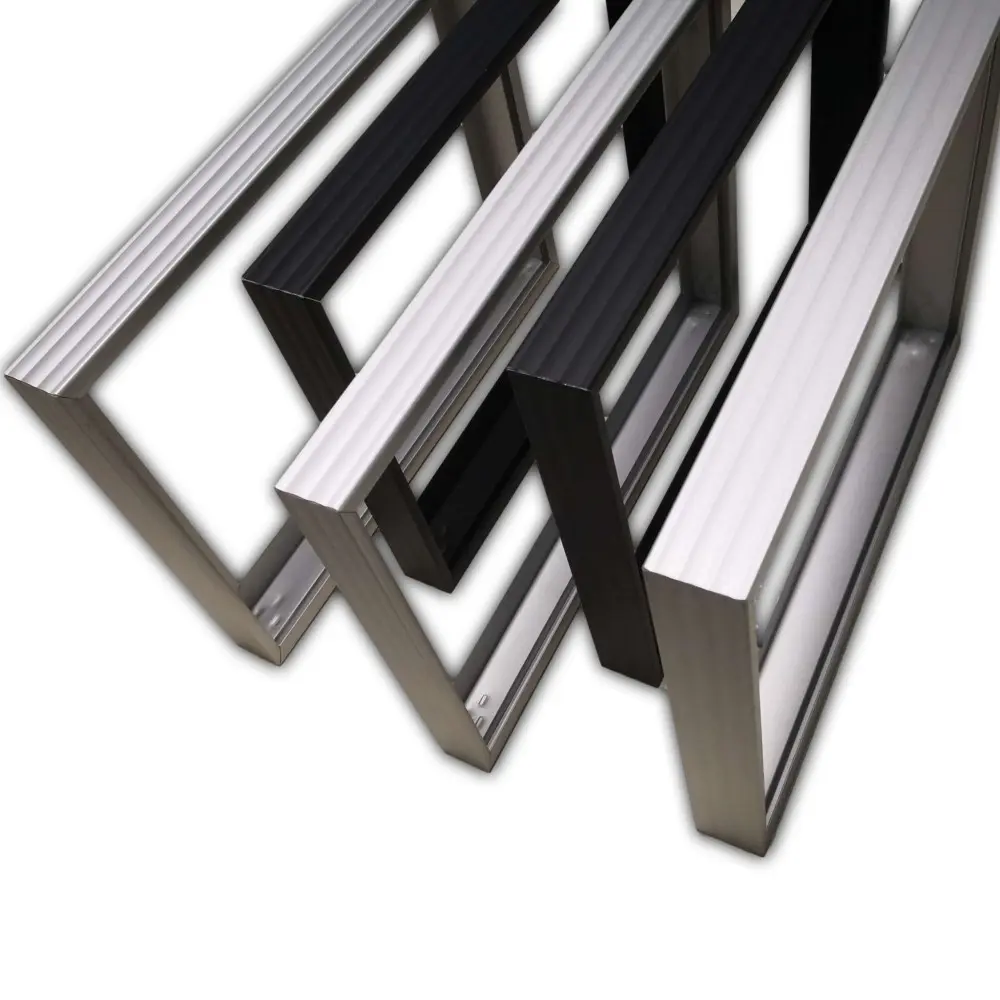
Made of high-quality anodized aluminum, it ensures superior weather resistance and a smooth, long-lasting finish.
Precision, Quality, and Safety - Your Photovoltaic Materials Expert.
Located in the scenic historical and cultural ancient city of Yangzhou, close to the Beijing-Shanghai Expressway, Runyang Yangtze River Bridge, and Ningqi Railway, the group has a superior geographical location and convenient transportation. The group was established in 2008 and has 14 multi-field companies under its jurisdiction, including Jiangsu Yuxin New Energy Technology Co., Ltd., and has won many titles such as National High-tech Enterprise, Technology-based Enterprise, and Gaoyou City Top 100 Private Enterprises.
Experience our modern automated production lines, showcasing aluminum extrusion, pultrusion composite processing, and rigorous quality inspection protocols.
To achieve maximum efficiency on space-constrained trailer roofs, Yuxin invests heavily in structural research, high-density cell layups, and composite frame science. Our technological roadmap defines the next decade of off-grid mobile PV evolution:
By integrating N-type Tunnel Oxide Passivated Contact (TOPCon) silicon cells, we push electrical conversion boundaries to 25.5%. When deployed on trailers utilizing angled mounting systems, the bifacial architecture captures reflected albedo light from the ground, boosting overall energy yield by up to 20%.
Conventional aluminum frames can struggle in coastal camping locations where salt mist corrosion is high. Our polyurethane pultruded composite material offers zero thermal bridge losses, excellent insulation properties, and complete immunity to salt and moisture degradation, maintaining structural strength indefinitely.
Equipped with smart monitoring chips, our customized trailer junction boxes communicate real-time temperature, voltage, and current values via Bluetooth or CAN bus networks, allowing camper monitoring dashboards to track energy flow directly.
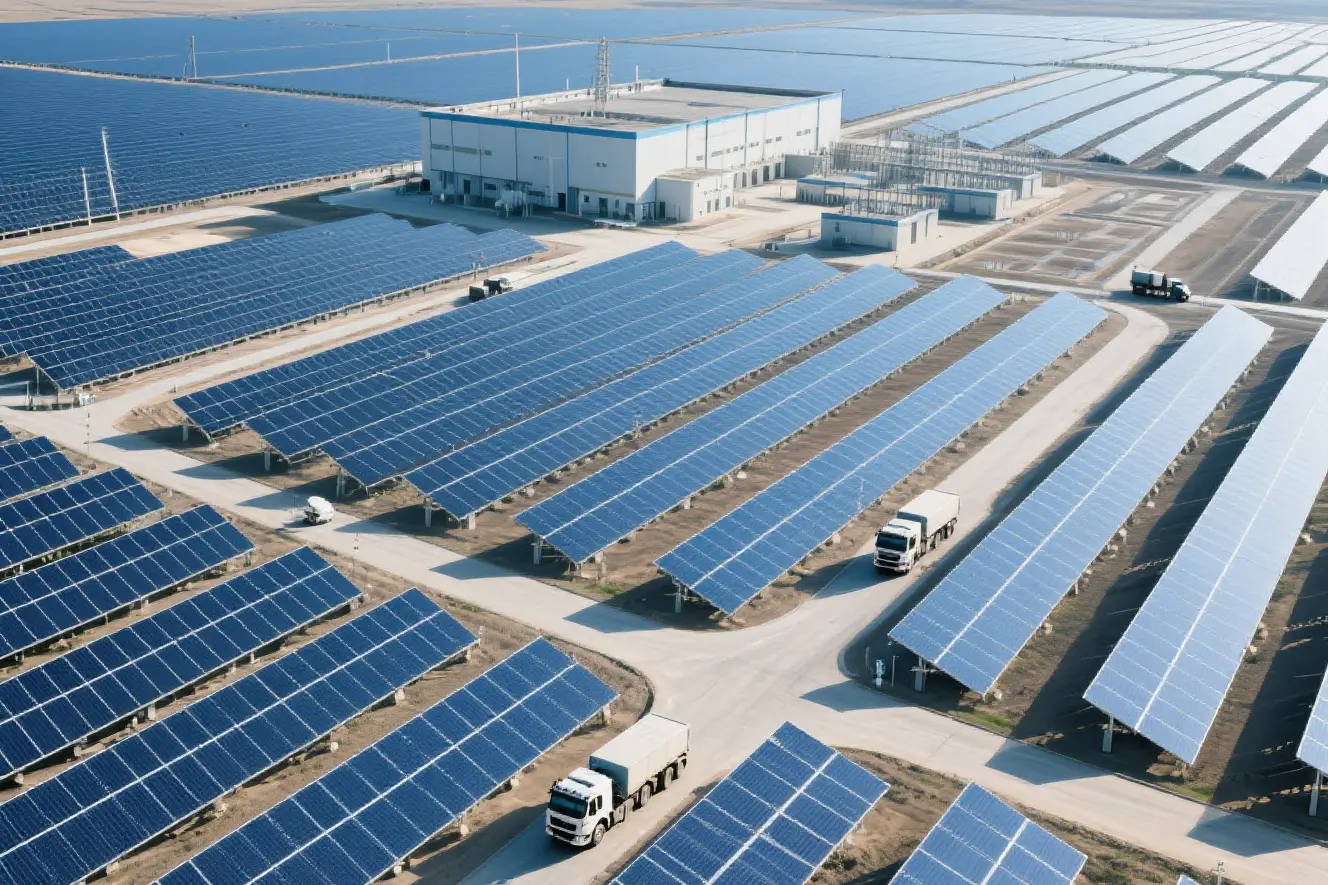
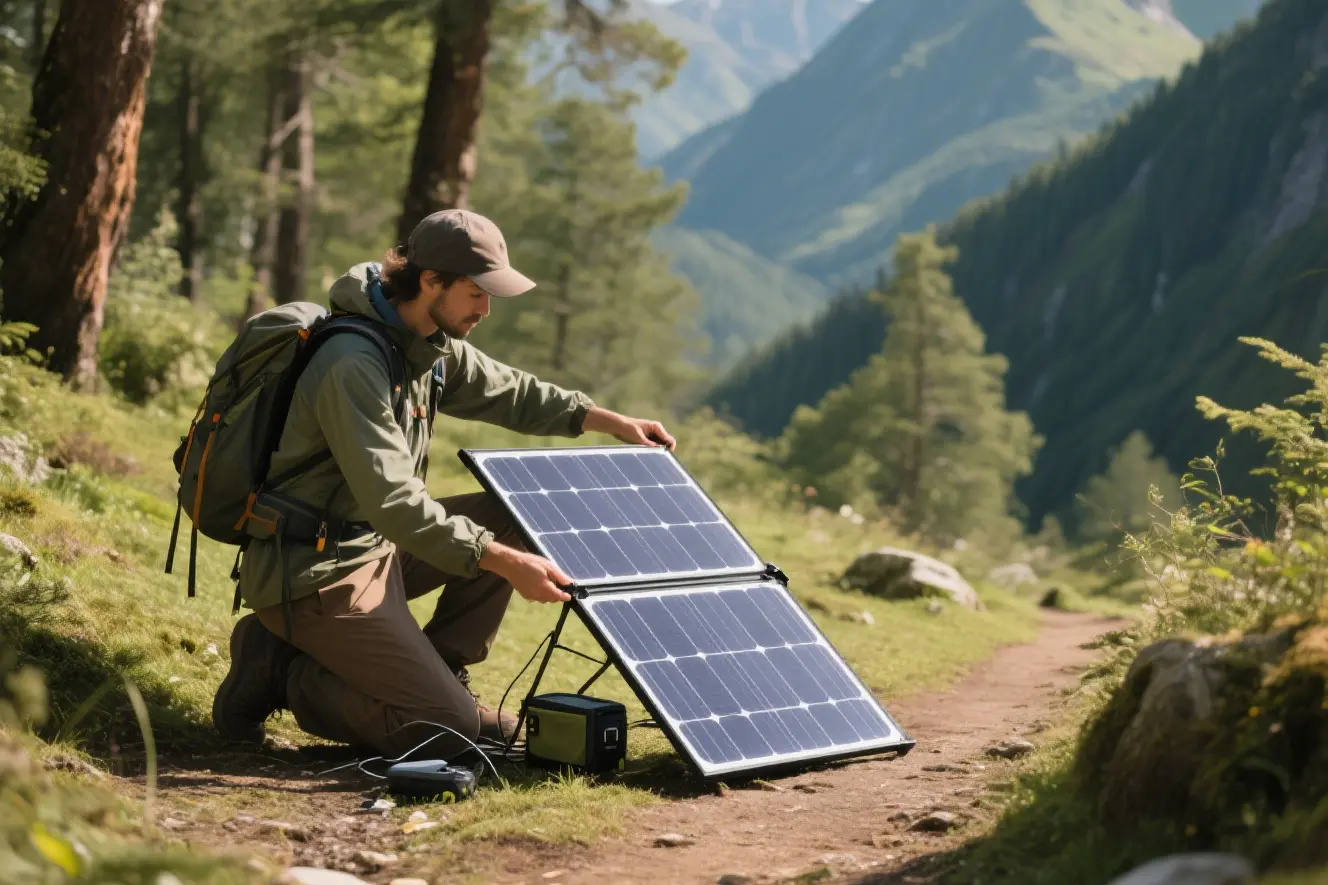
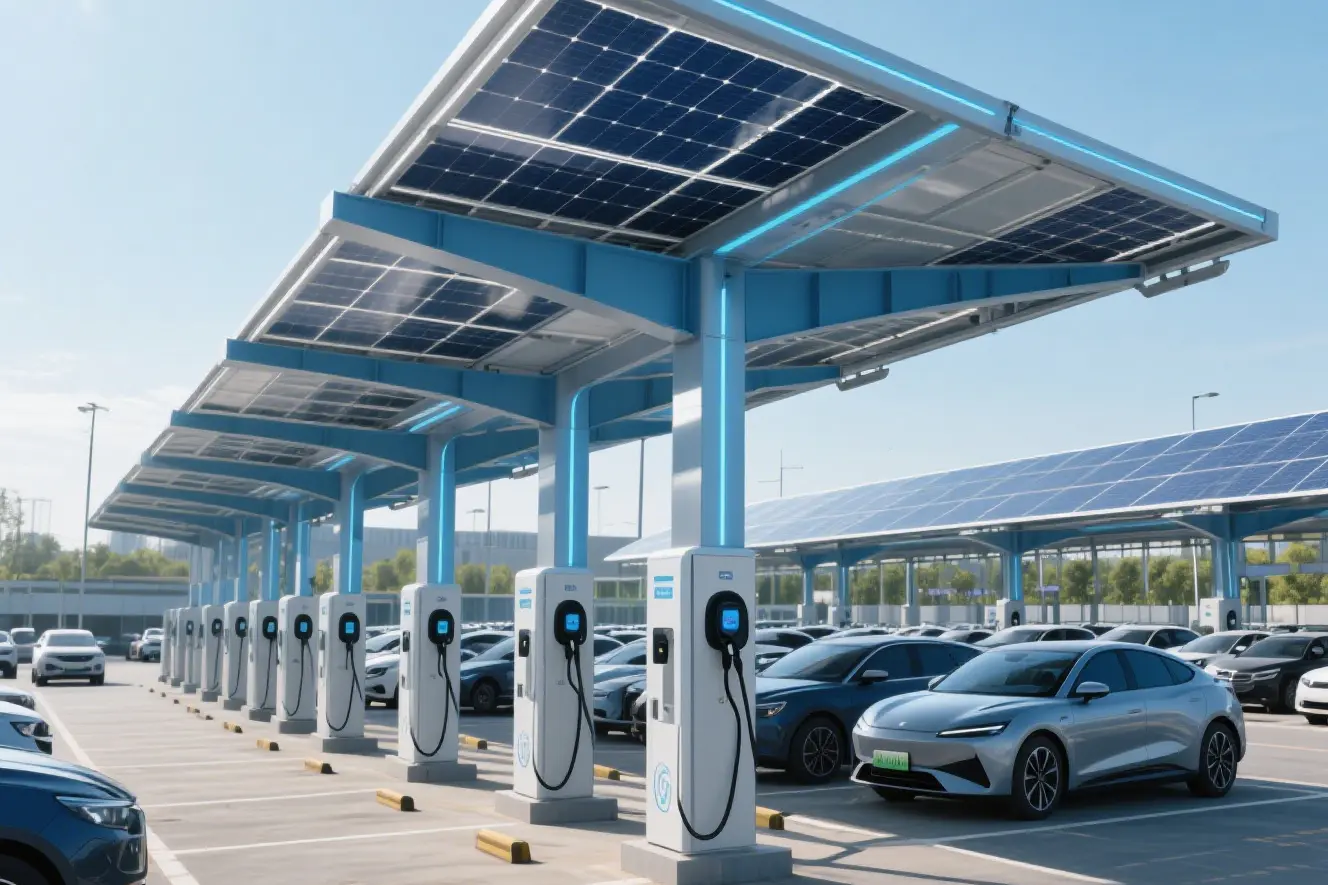
From extreme arctic camper routes to searing desert overland trails, our solar systems are deployed globally under rigorous localized scenarios.


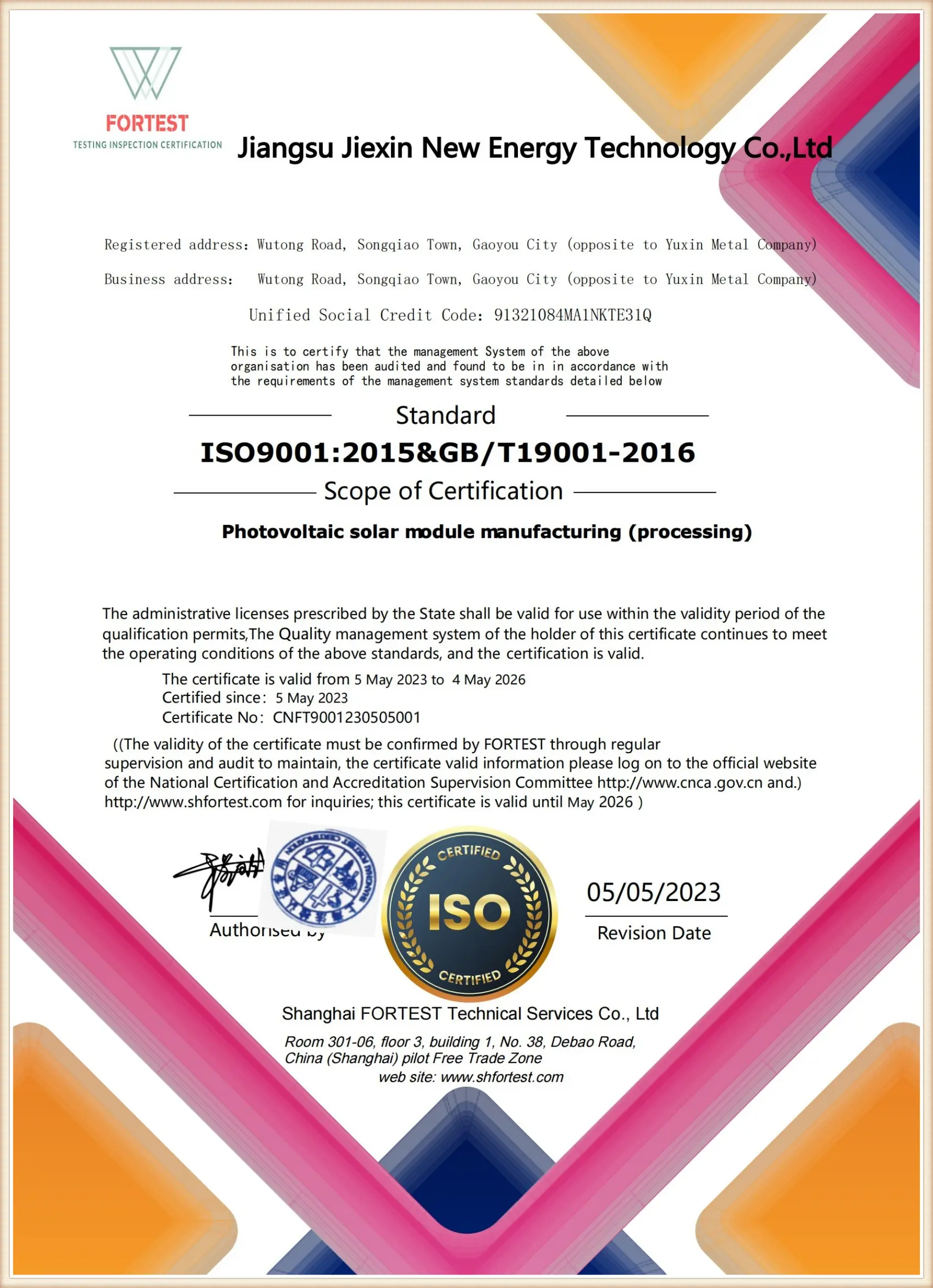
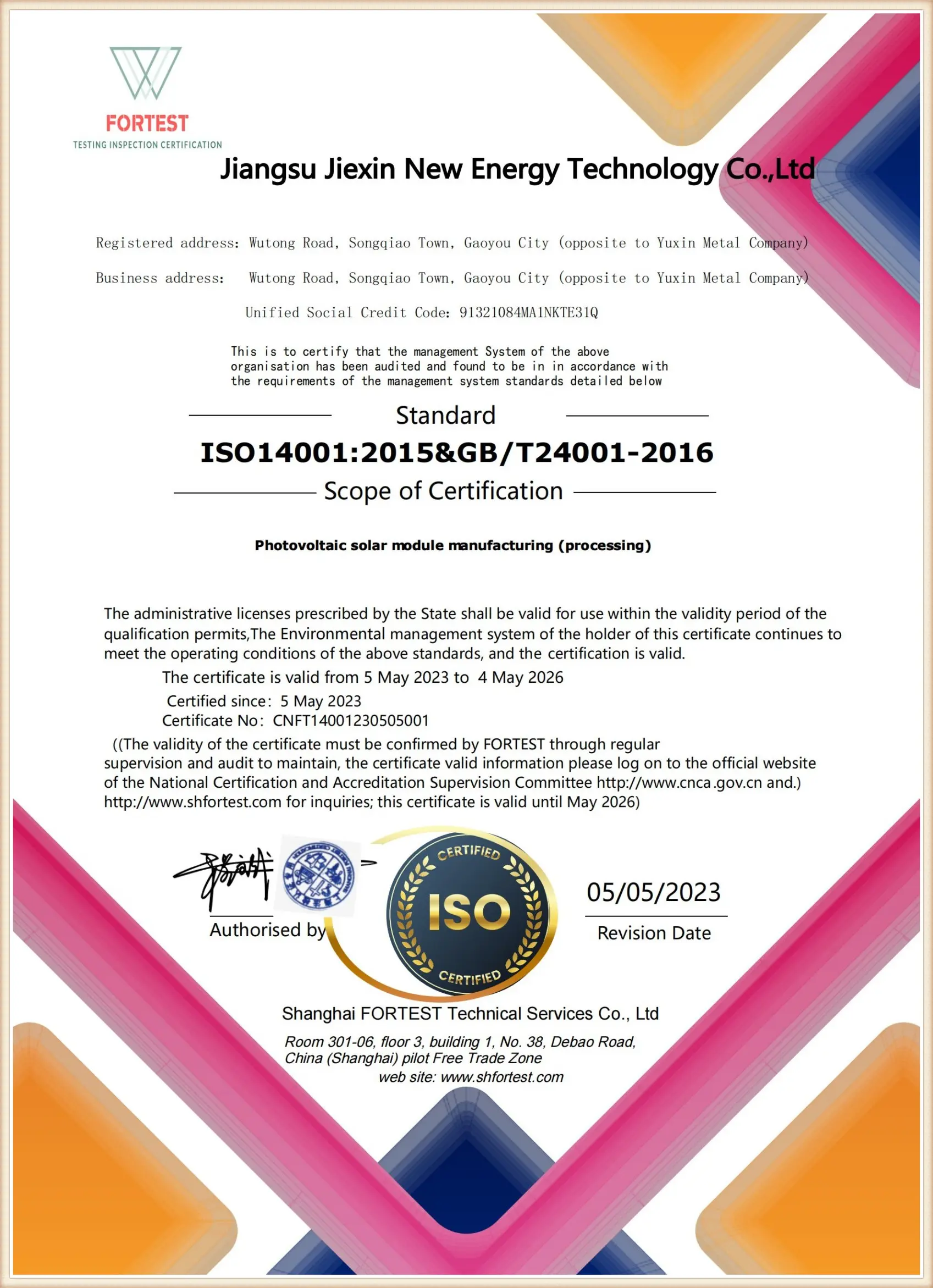
Our components are regularly inspected by independent laboratories. They comply fully with IEC 61215, IEC 61730, and CE directives, ensuring global project eligibility.
After years of hard work by Yuxin people, it has gradually formed a collectivist and diversified advantage.




Operating across North American, European, and Australian caravan associations, we offer turnkey technical support. Every region enforces unique electrical codes and structural safety standards for highway travel. Our ODM service provides regional structural certification calculations (AS/NZS 1170, Wind Load ratings) and electrical schematics matching local requirements (like NEC Article 551 for RVs or EN 1648 for leisure vehicles).
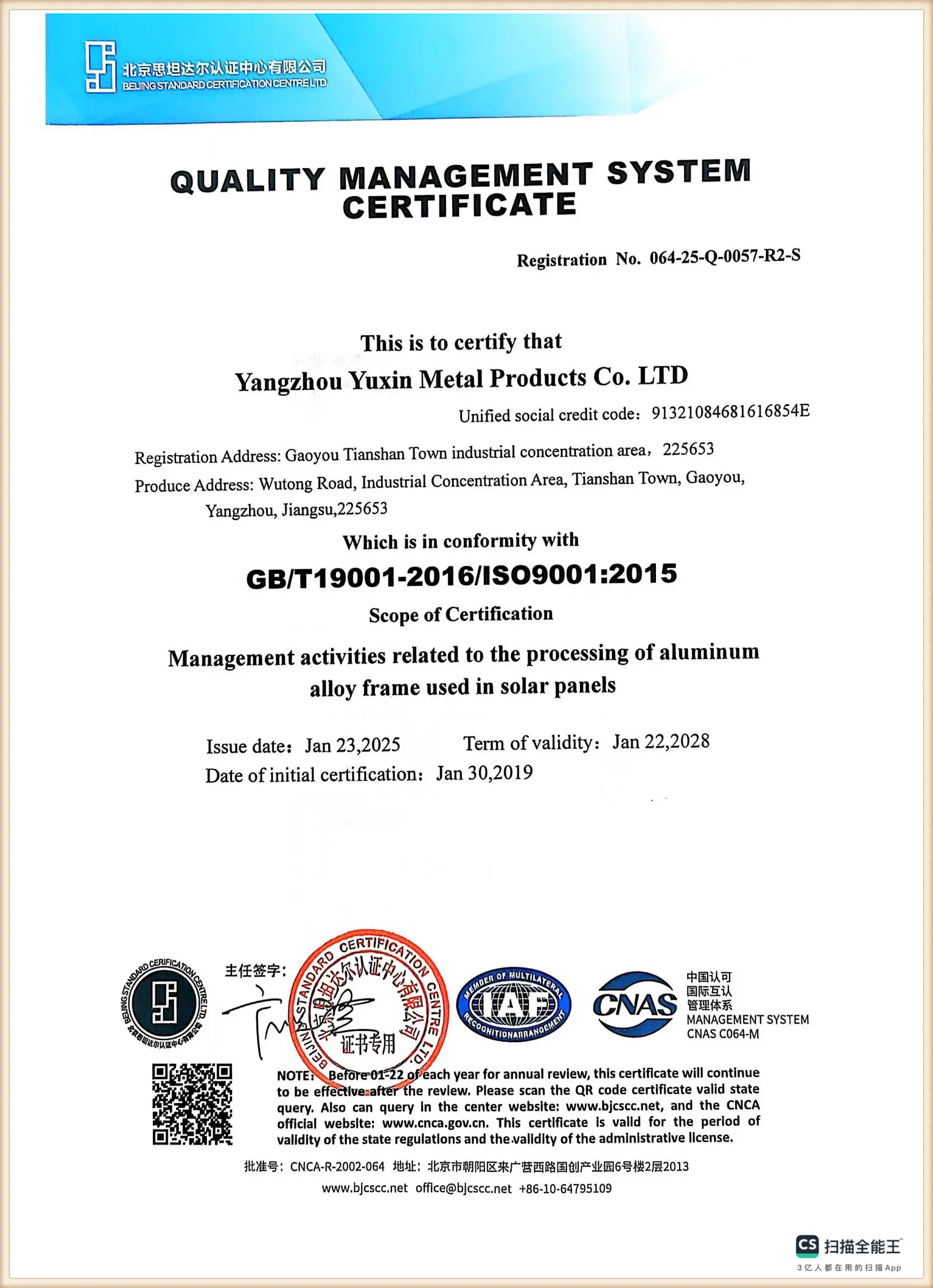
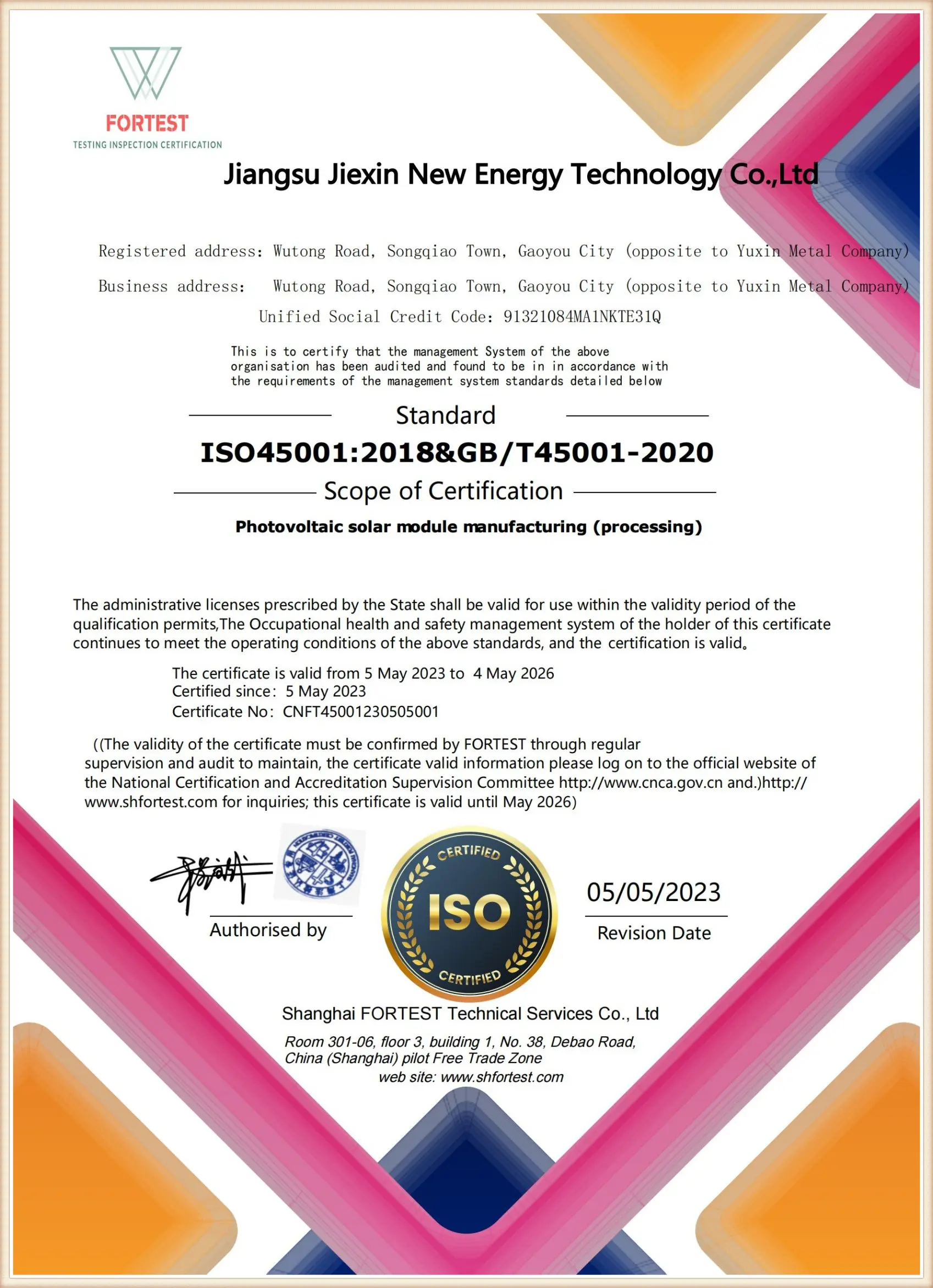
Each manufacturing batch undergoes dual EL (electroluminescence) testing to catch micro-cracks before lamination. In addition, we execute salt mist corrosion tests, damp-heat performance aging, and dynamic mechanical load simulations. Our tracking system provides complete material transparency, linking back to primary silicon batch sourcing and framing raw materials.
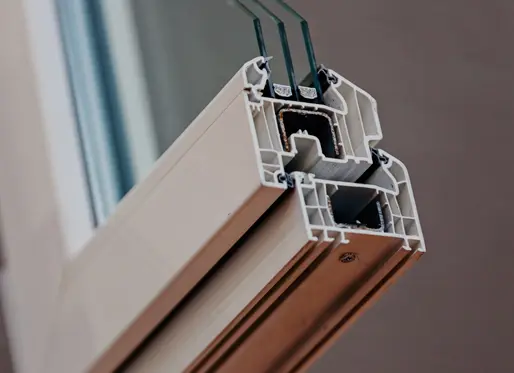
Explore the metallurgy, design considerations, and anodization depths required to withstand high wind loads and dynamic vibrations on mobile trailer rooftops.
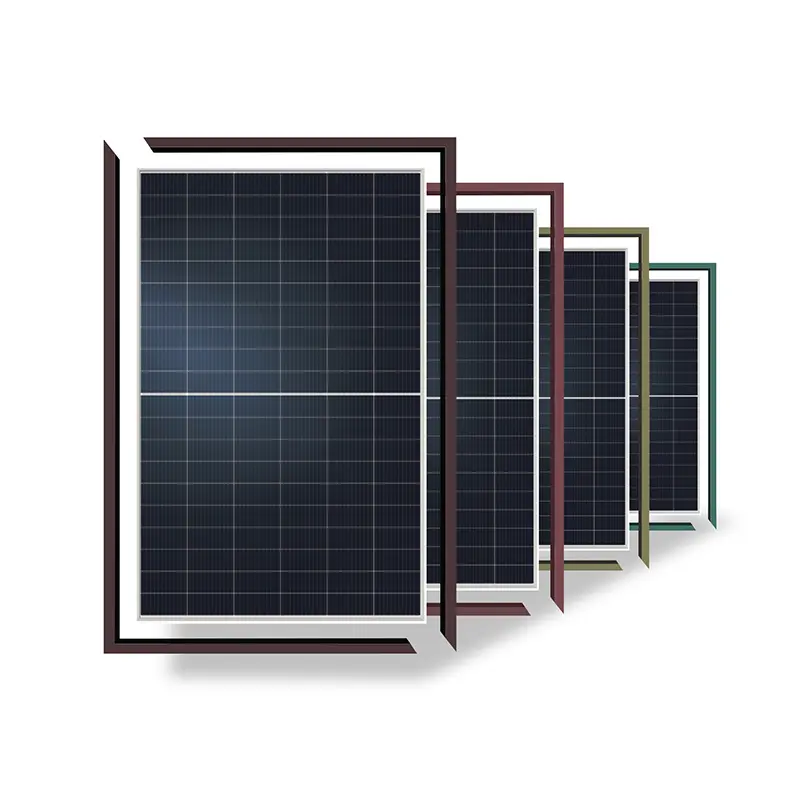
An expert guide for international buyers on evaluating production capacity, alloy purity, testing standards, and ODM custom design workflows.
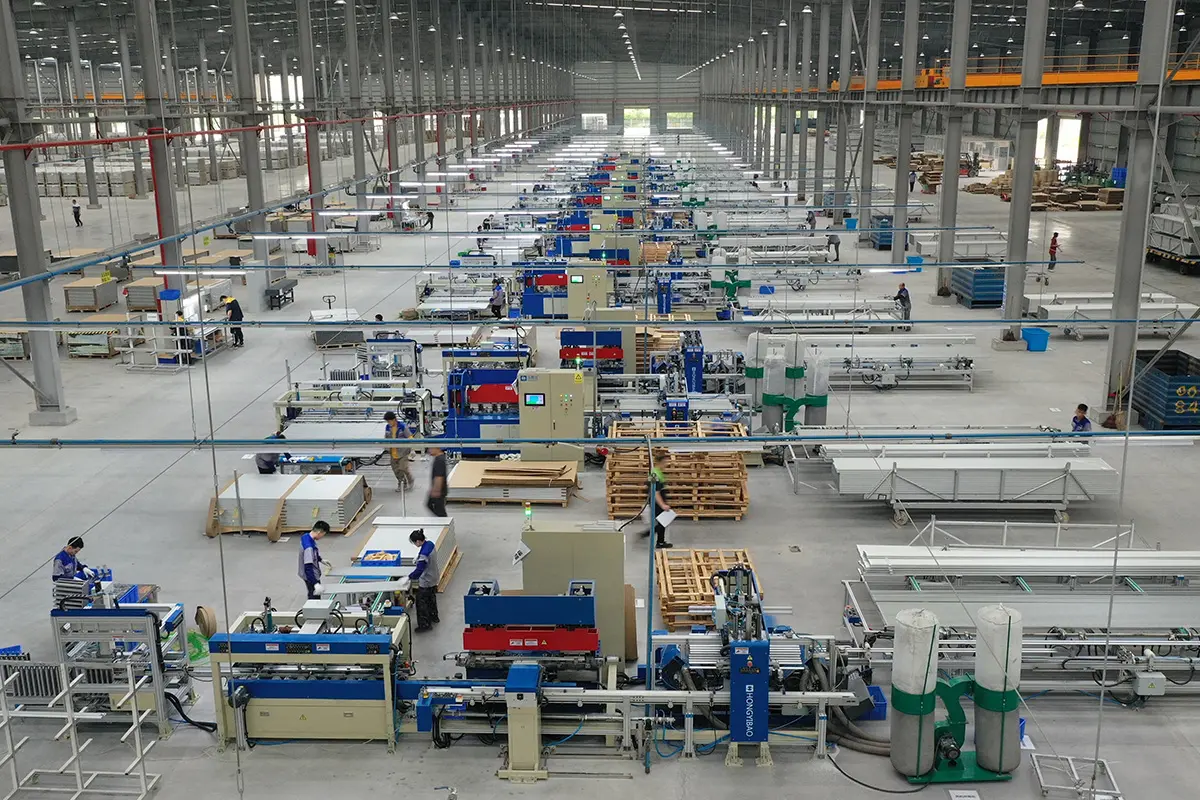
Learn about industrial inspection procedures, including tensile strength tests, EL testing, salt mist chambers, and tolerances for automated PV assembly lines.