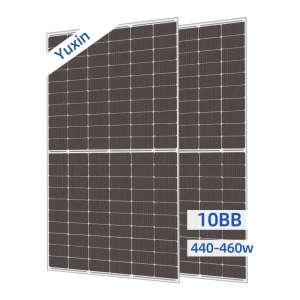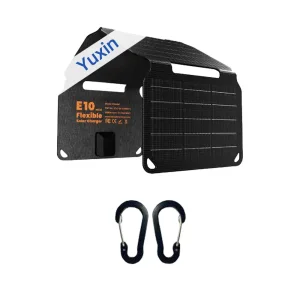
Explore our premium grade photovoltaic components, portable energy accessories, and integrated storage solutions developed to fulfill stringent European safety and efficiency parameters.
Precision, Quality, and Safety - Your Photovoltaic Materials Expert
Located in the scenic historical and cultural ancient city of Yangzhou, close to the Beijing-Shanghai Expressway, Runyang Yangtze River Bridge, and Ningqi Railway, the group has a superior geographical location and convenient transportation. The group was established in 2008 and has 14 multi-field companies under its jurisdiction, including Jiangsu Yuxin New Energy Technology Co., Ltd., and has won many titles such as National High-tech Enterprise, Technology-based Enterprise, and Gaoyou City Top 100 Private Enterprises.
Our focus extends past basic assembly to provide holistic ODM/OEM customization for global clients, manufacturing robust structural mounts, N-Type high-efficiency dual glass solar modules, modular battery integration setups, and portable solar charging technologies that support micro-generation. By controlling the supply chain from raw metal extrusion to sub-system programming, we guarantee compliance with Germany's strict energy codes.
A comprehensive analysis of technological adaptation, supply chain dynamics, and regulatory compliance for European energy stakeholders.
Germany's ambitious decarbonization schedule, mandated by the updated *Erneuerbare-Energien-Gesetz* (EEG 2023), demands rapid expansion of clean generation assets to reach 215 GW of cumulative solar capacity by 2030. Achieving this necessitates structural changes to the grid, accelerated deployment of residential balcony solar networks (*Balkonkraftwerk*), and utility-scale solar farms. However, local developers and engineering procurement companies (EPCs) face persistent bottlenecks: high domestic construction costs, lengthy supply queues, and strict compliance measures such as CE, TÜV Rheinland, and VDE grid connection standards. This is where high-caliber ODM (Original Design Manufacturer) partnerships with premium Chinese factories provide an operational bridge.
By shifting structural design and subsystem configuration to dedicated Chinese manufacturing facilities, German companies can customize high-durability frames, high-yield bifacial modules, and modular battery energy storage systems (BESS). These components are designed from the ground up to endure sub-zero continental winters and coastal salt air while maintaining grid parity.
China's PV industrial ecosystem offers significant advantages in scaling solar components. As a hub for materials science, factories like Yuxin integrate raw ingots, silicon wafer production, extrusion of structural aluminum, and automated PCB assembly within close geographical proximity. This concentration offers several advantages:
Consolidated raw material sourcing reduces bill-of-materials (BOS) costs by 15-20%, speeding up shipping cycles to Europe.
Components are manufactured to comply with DIN EN 1090-3 structures, CE markings, and VDE grid integration codes.
Strategic factory locations near primary ports enable multimodal shipping pathways via ocean freight and China-Europe rail link.
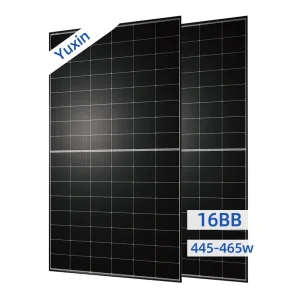
The global solar energy market is undergoing a transition from traditional p-type PERC cells to n-type technologies, predominantly Tunnel Oxide Passivated Contact (TOPCon) and Heterojunction (HJT) architectures. For German commercial and industrial (C&I) installations, N-type TOPCon panels are becoming the standard due to several key performance factors:
Additionally, material upgrades such as polyurethane-pultruded composite frames are gaining market share over traditional aluminum. These composites offer excellent insulation, low thermal conductivity, and chemical resistance, making them ideal for high-humidity agricultural arrays (Agri-PV) and harsh chemical environments.
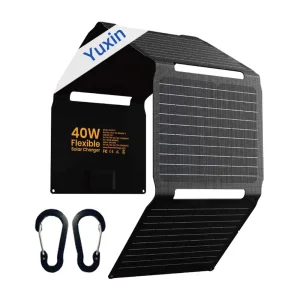
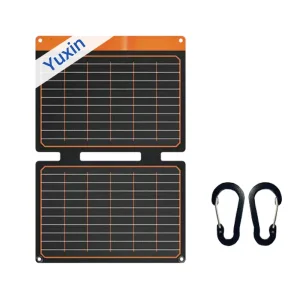
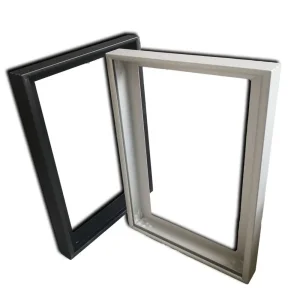
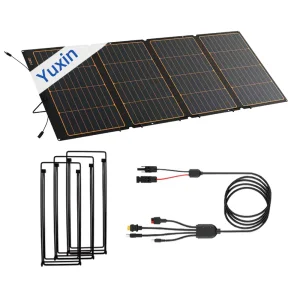
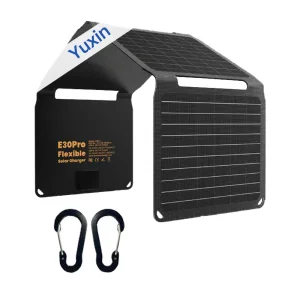
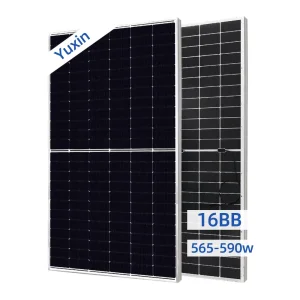
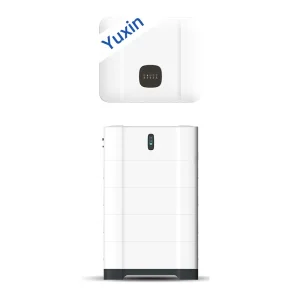
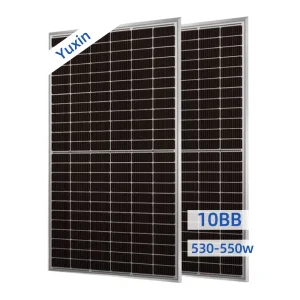
Explore Yuxin's core component families, including anodized frames, portable chargers, and modular residential energy storage systems.
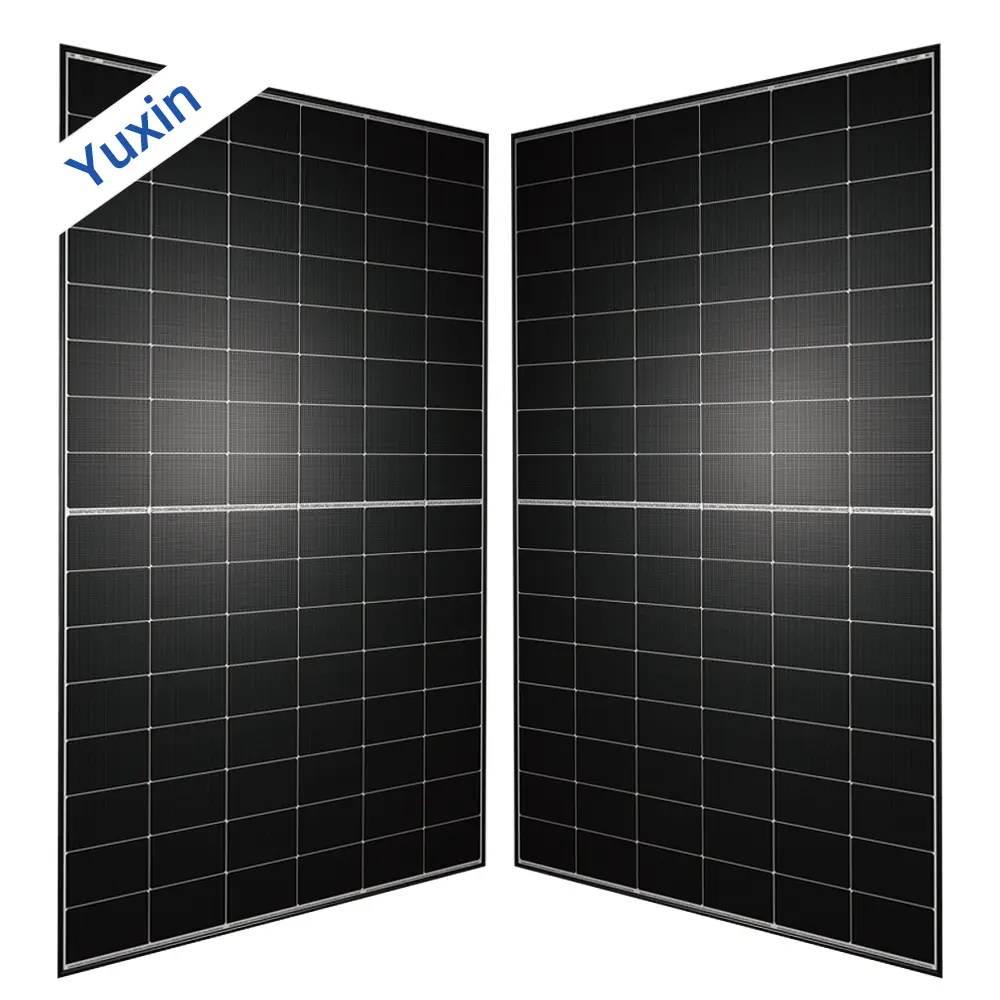
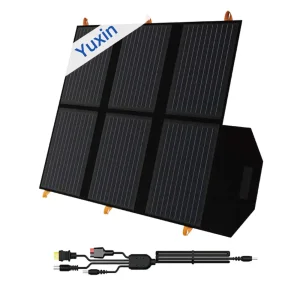
Lightweight design with transparent back panel for easy installation and reduced BOS costs.
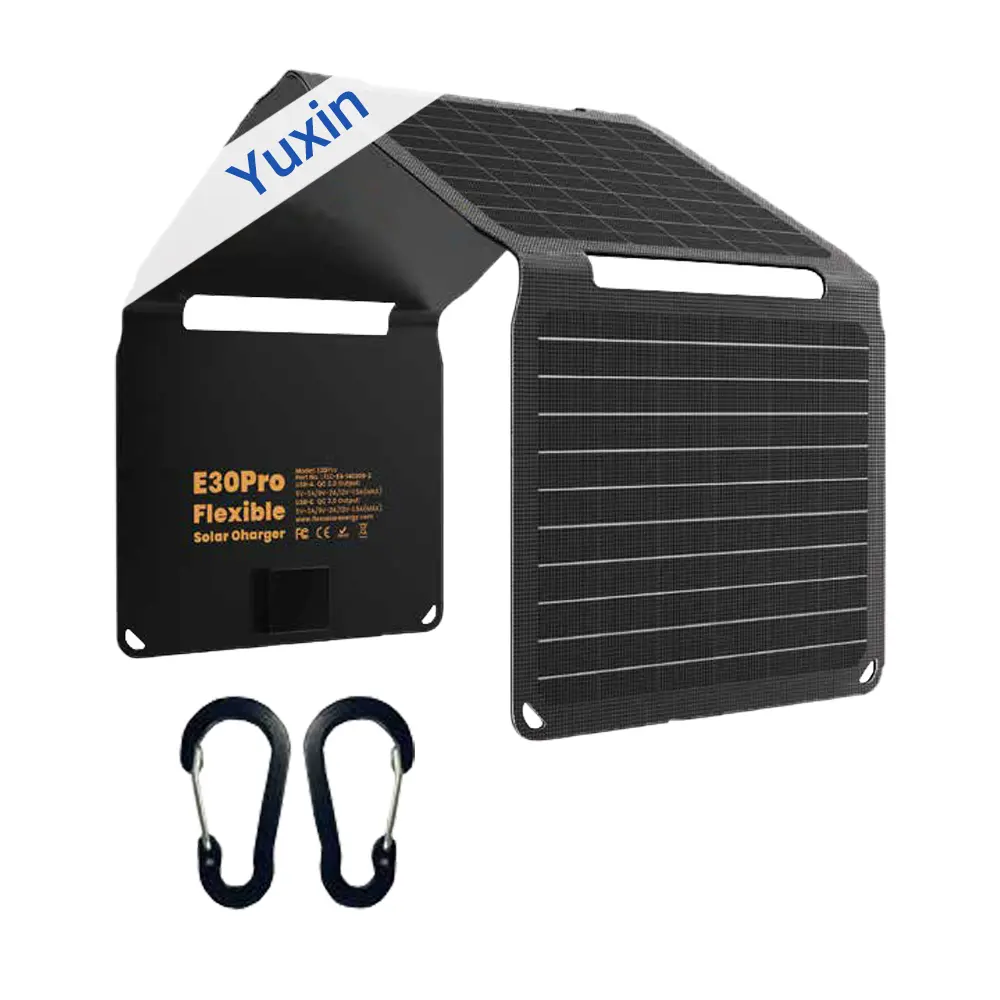
Utilizing advanced monocrystalline silicon cells, it achieves a high energy conversion efficiency of 24%.

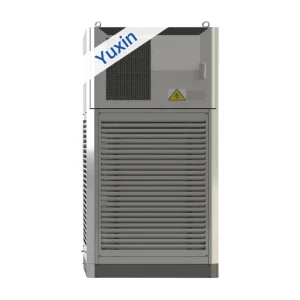
Application modes include grid-connected mode, off-grid mode, and integrated grid-connected/off-grid mode.
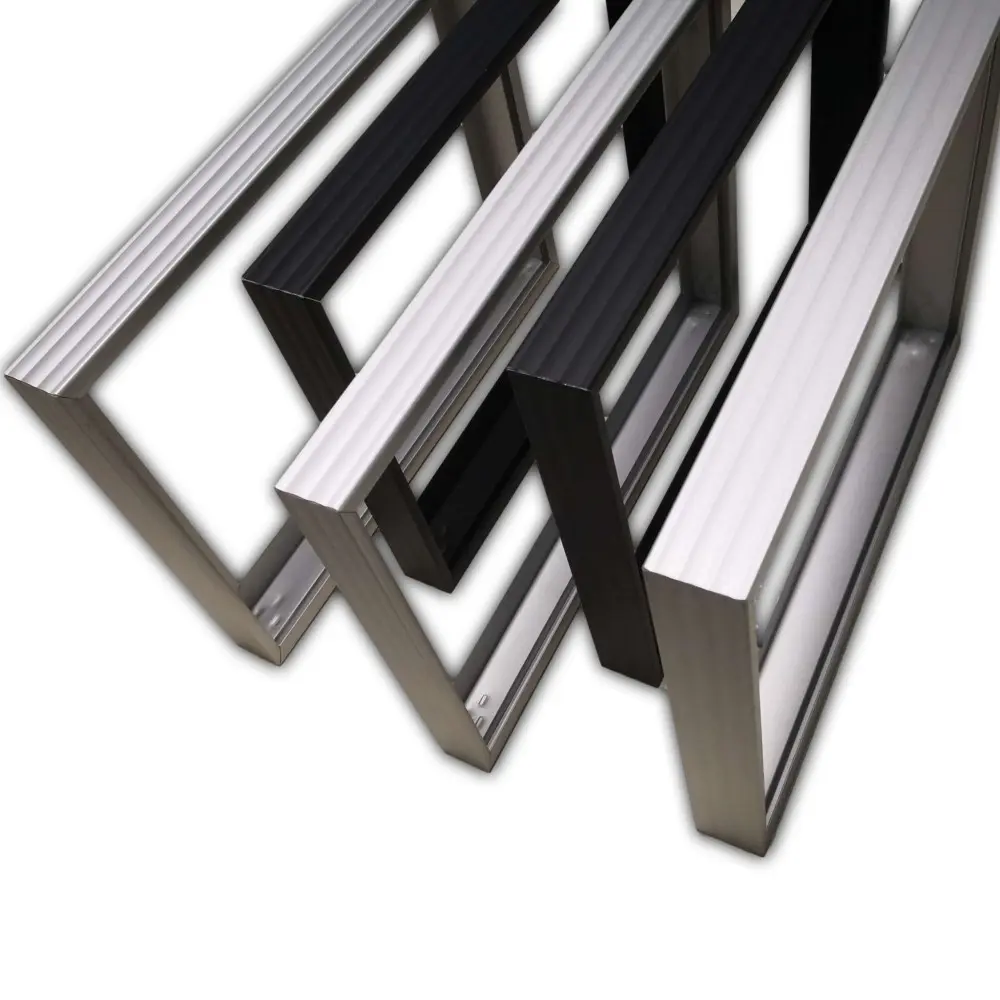
Made of high-quality anodized aluminum, it ensures superior weather resistance and a smooth, long-lasting finish.
How ODM solar components are engineered to resolve real-world deployment challenges across German industrial, residential, and rural environments.
With regulations permitting up to 800W feed-in thresholds, our compact monocrystalline panels, paired with lightweight aluminum mounting frames, allow German tenants to install plug-and-play generation units on apartment balconies.
Designed for installation over farmland, our high-clearance structures protect crops while producing clean energy. Custom polyurethane composite frames prevent pesticide corrosion and sustain heavy wind and snow loads.
German commercial businesses face high peak-demand grid charges. Our modular energy storage solutions (BESS), paired with smart energy management software, store excess midday generation to discharge during peak tariff hours, lowering operating costs.
Delivering solar mounting structures, system configurations, and sub-components optimized for diverse industrial sectors.
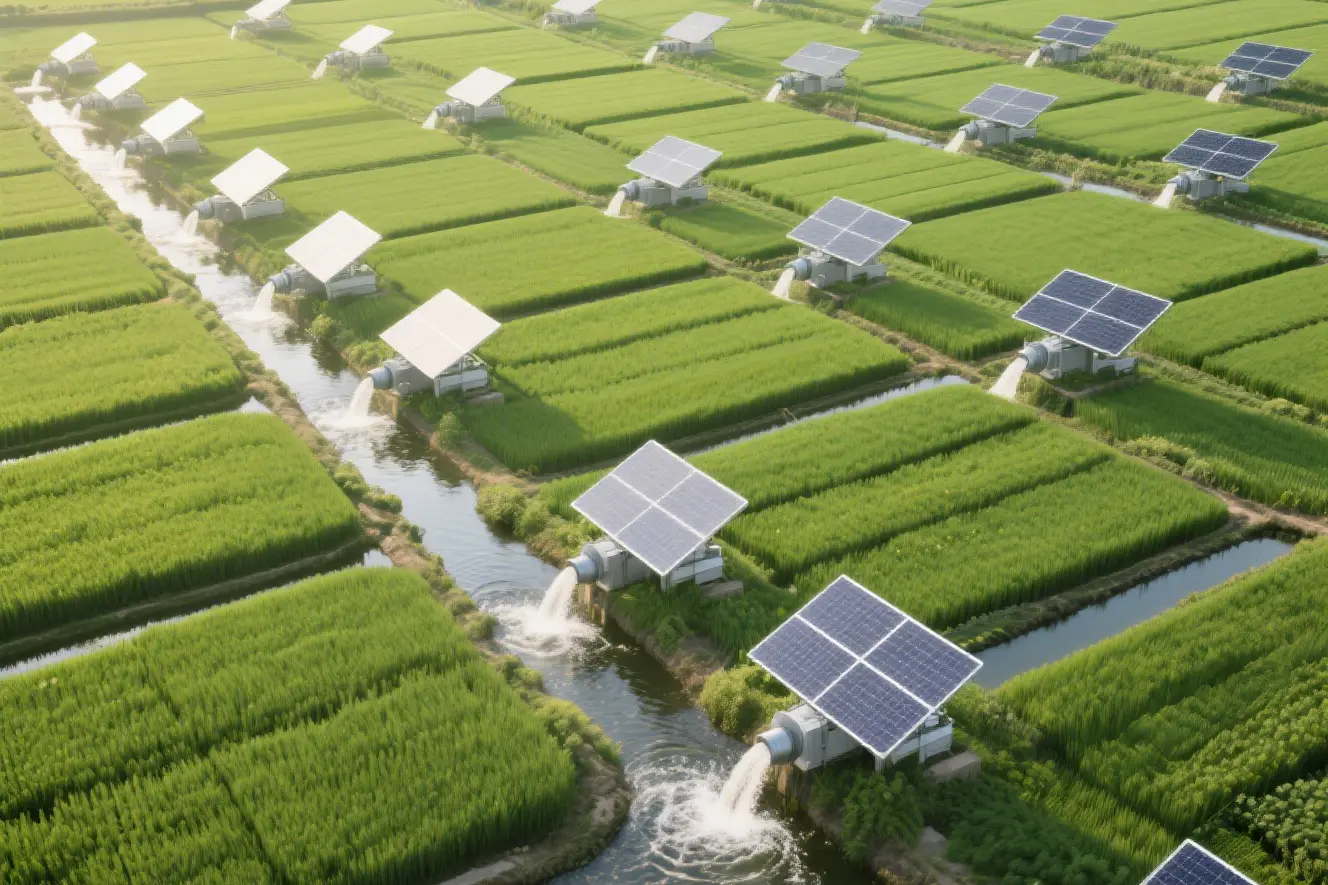
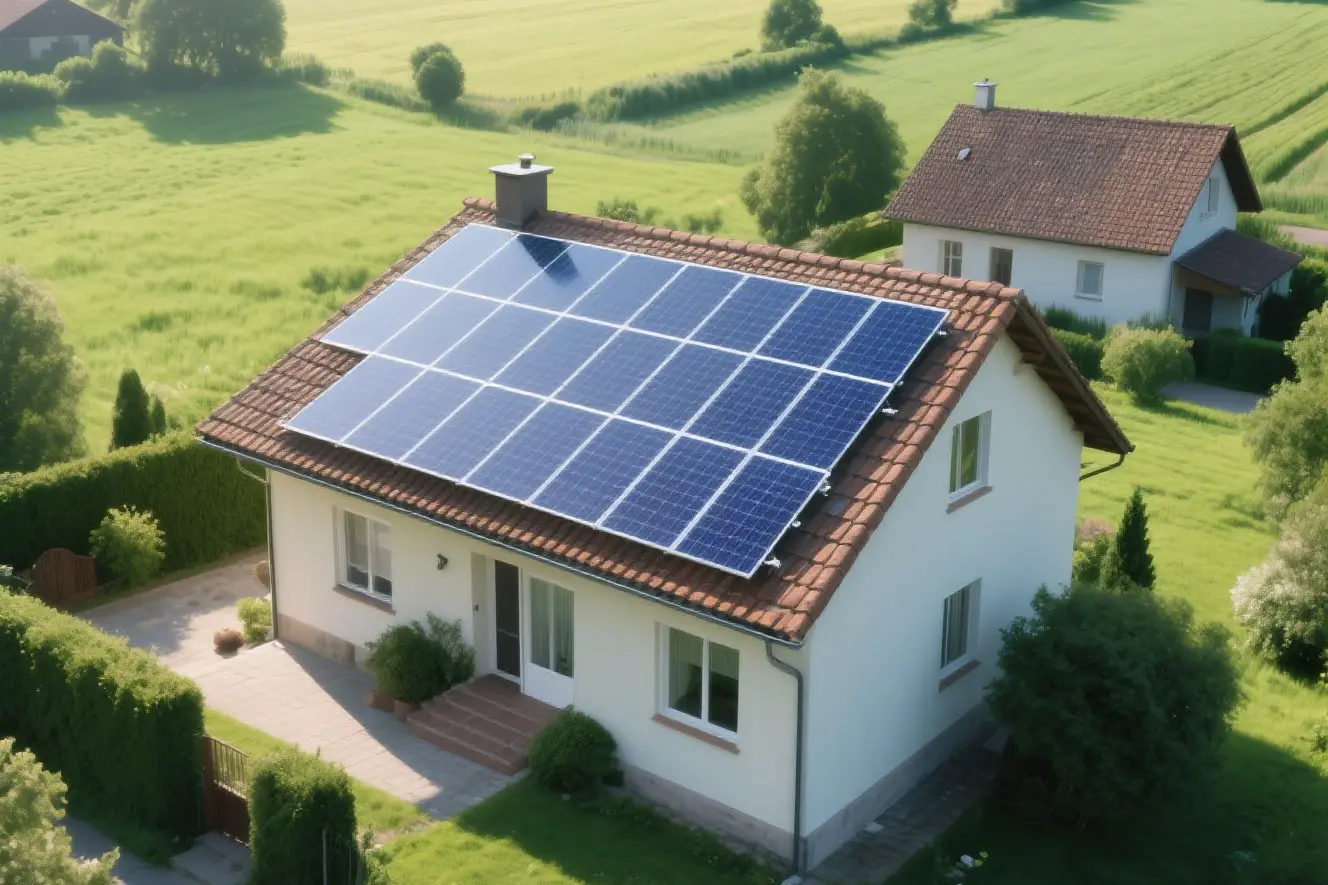
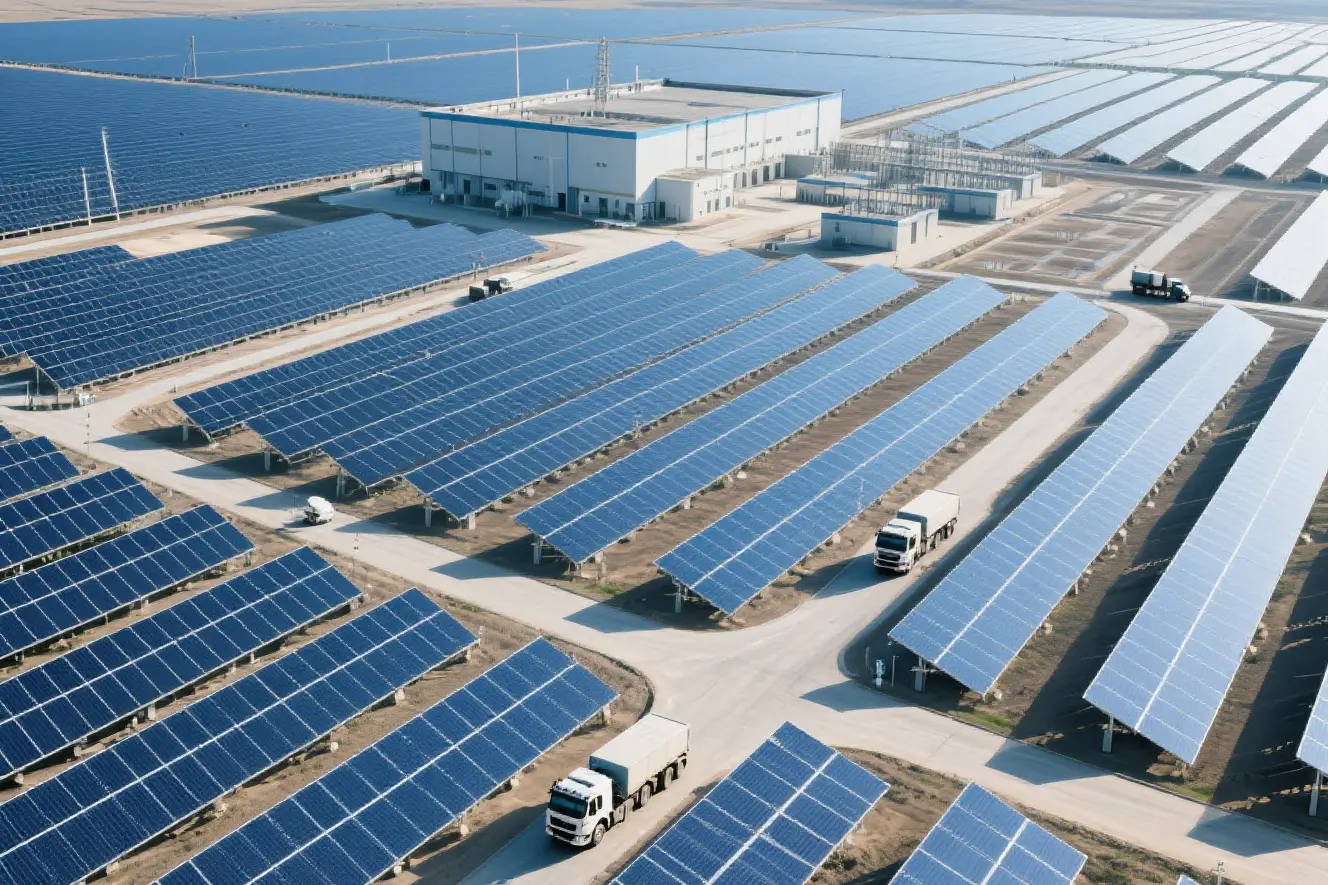
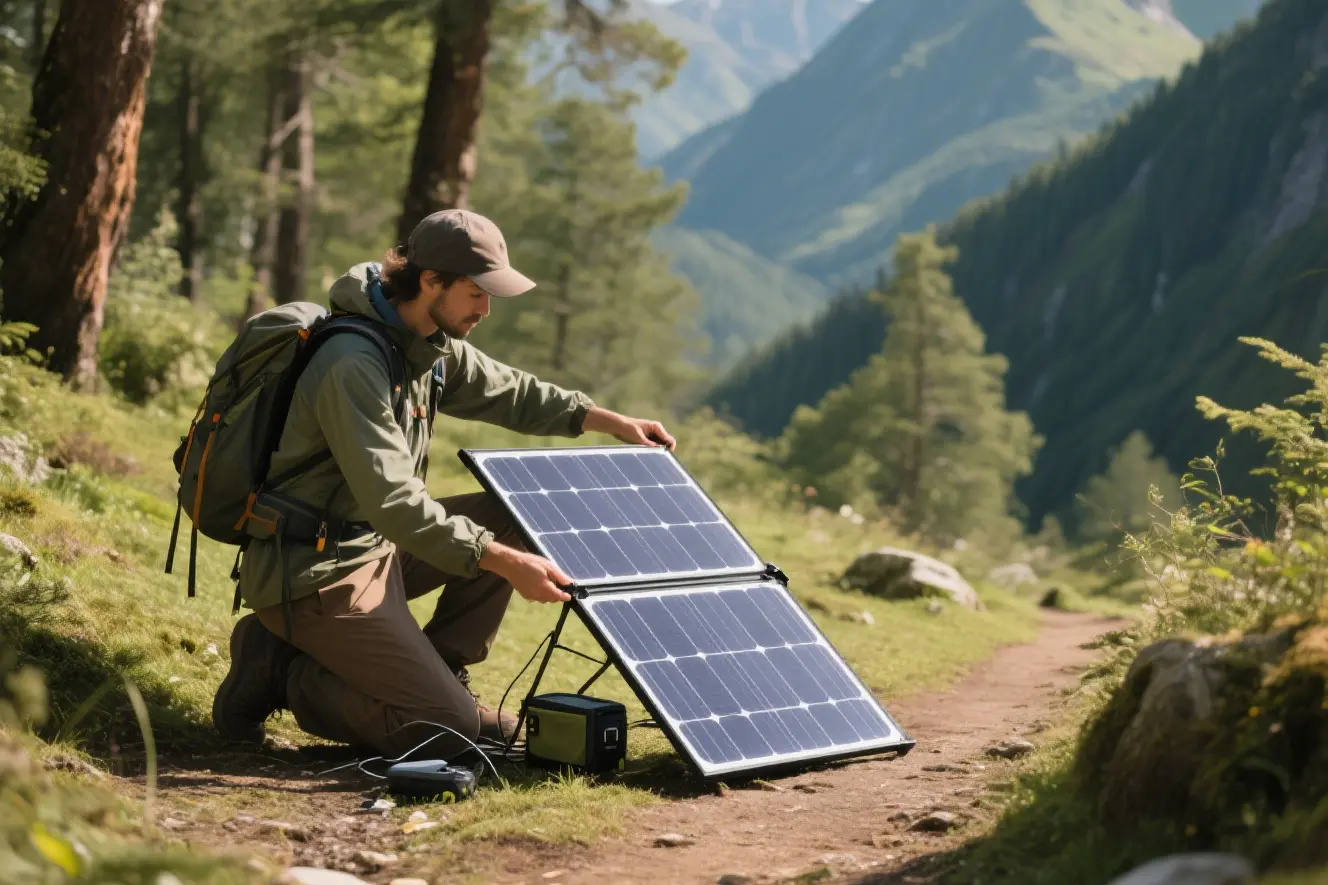
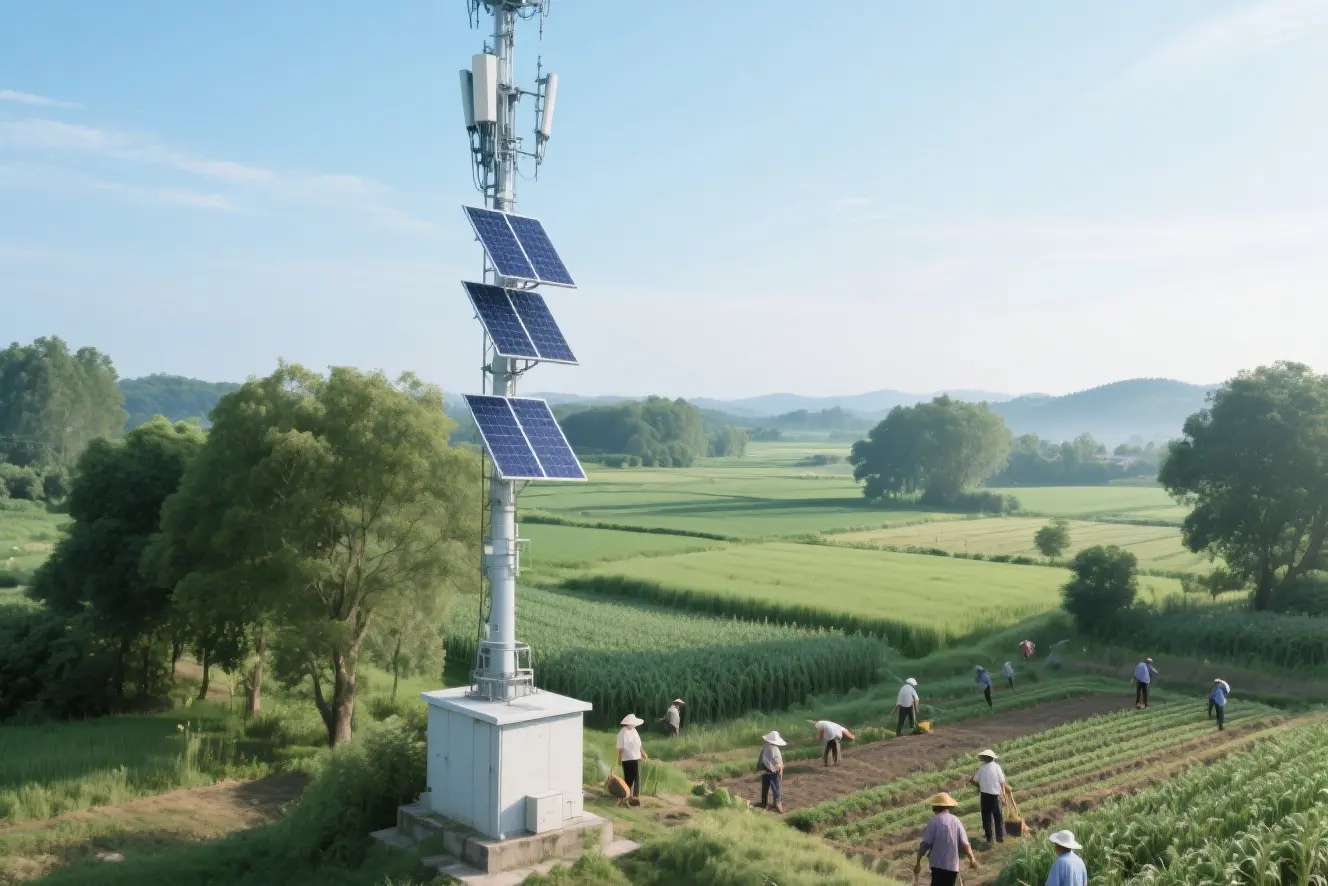
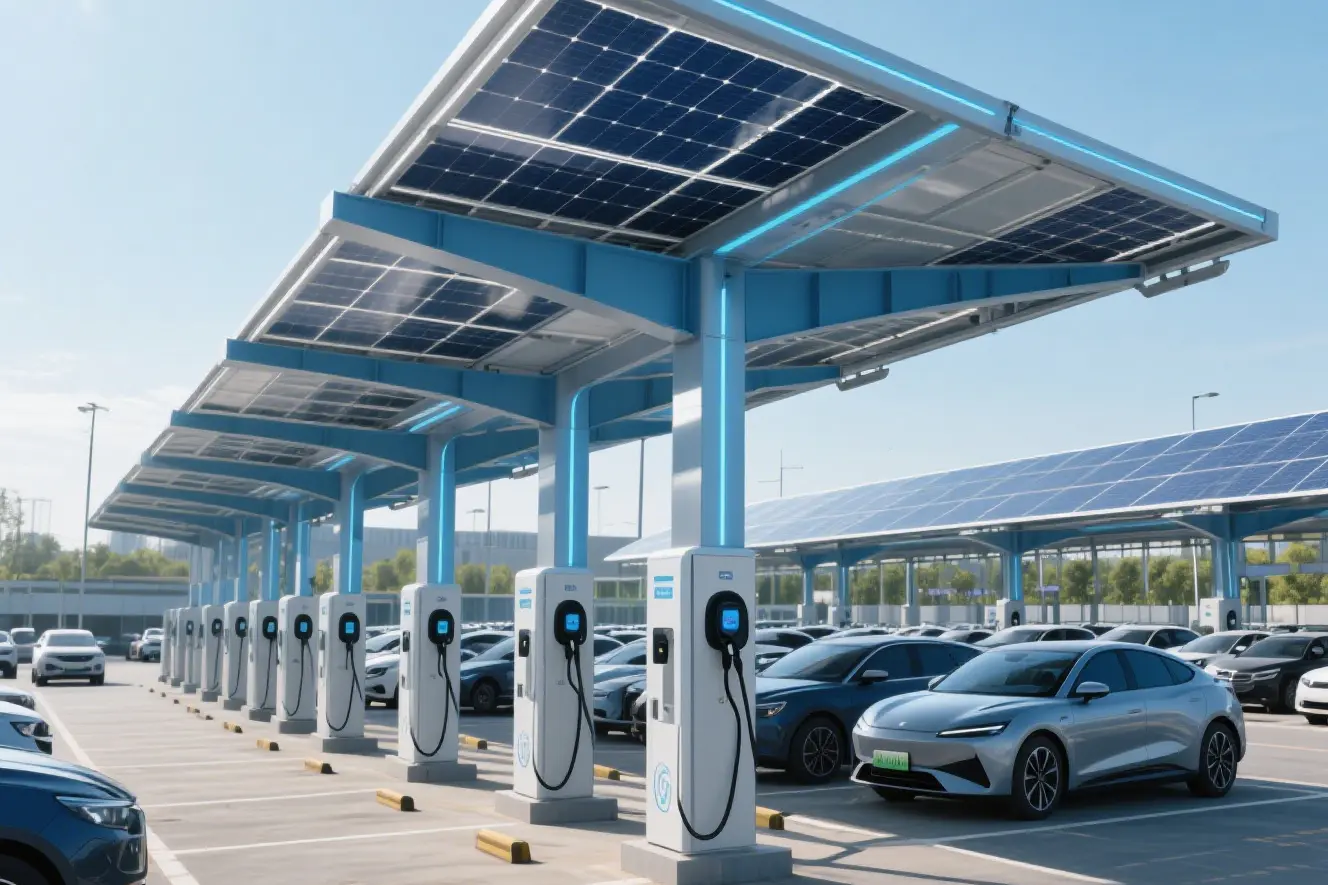
Ensuring operational reliability, supply chain resilience, and simplified grid-connection workflows.
Integrating large-scale solar arrays into the German high-voltage grid requires compliance with the *VDE-AR-N 4110* and *VDE-AR-N 4120* regulations. These standards govern active power control, reactive power support, and fault ride-through (FRT) capabilities. For ODM manufacturers, this means control systems must feature pre-certified grid interfaces and support Modbus TCP/IP protocols to communicate with grid operators.
Additionally, structural components must carry *EN 1090* and *ISO 9001* certifications. To ensure compliance, raw metal parts are subjected to salt spray testing (complying with DIN EN ISO 9227) to verify corrosion resistance in marine and industrial environments, helping ensure the systems can operate for the standard 25-year design life without requiring major structural maintenance.
To keep project timelines on track, our logistical pathways combine container ocean transport with rail freight options. Choosing rail shipping via the New Silk Road cuts transit time from Eastern China terminals to German distribution centers down to 15-18 days. This provides project managers with a reliable shipping option when fast installation is required.
Furthermore, Yuxin provides custom tracking from the factory floor to the job site. This gives procurement managers real-time visibility into production milestones, quality checks, and shipping status, making it easier to coordinate crane schedules and installer availability.
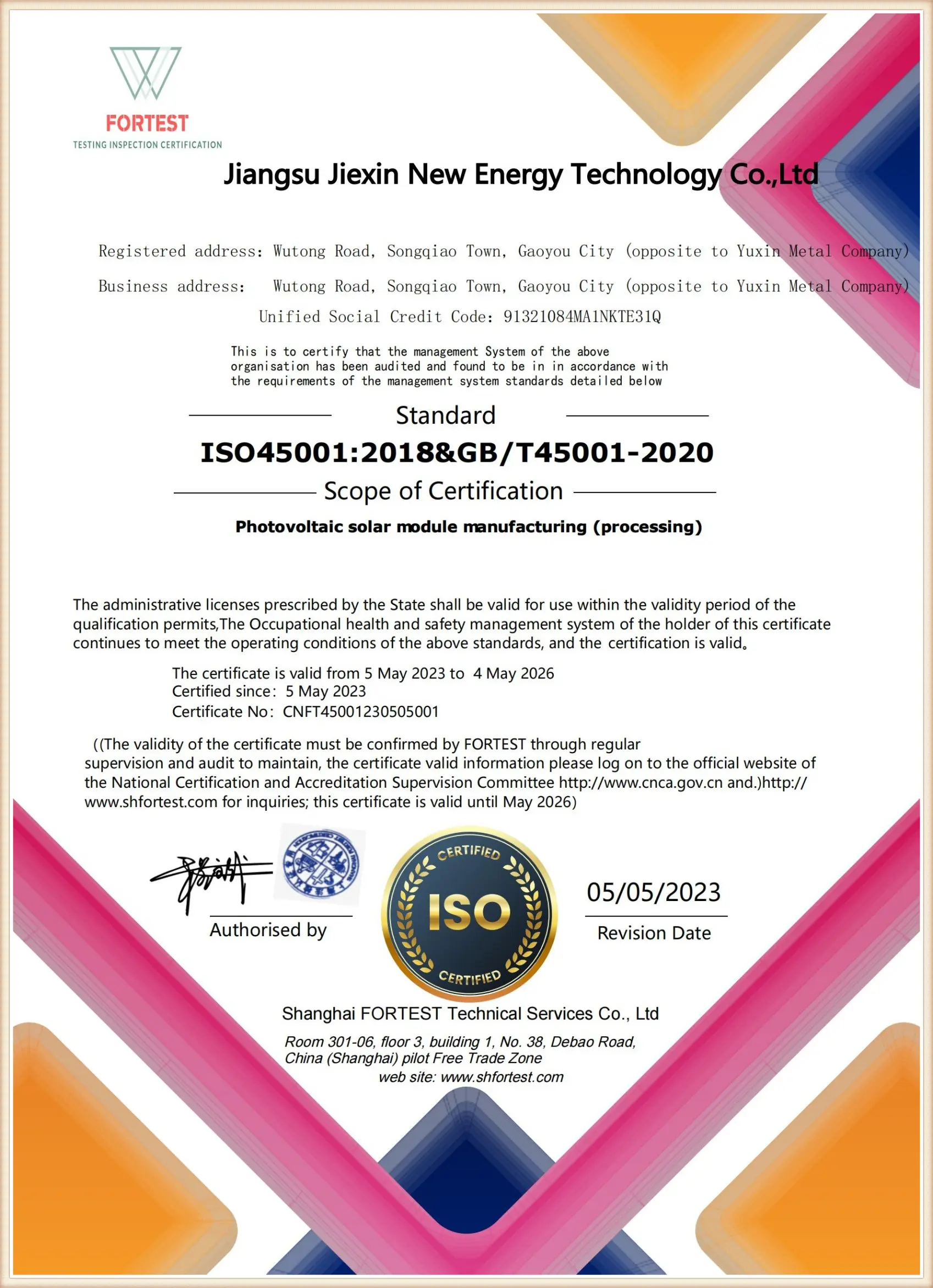
Our quality system is verified by international inspection bodies, confirming structural safety and performance reliability.
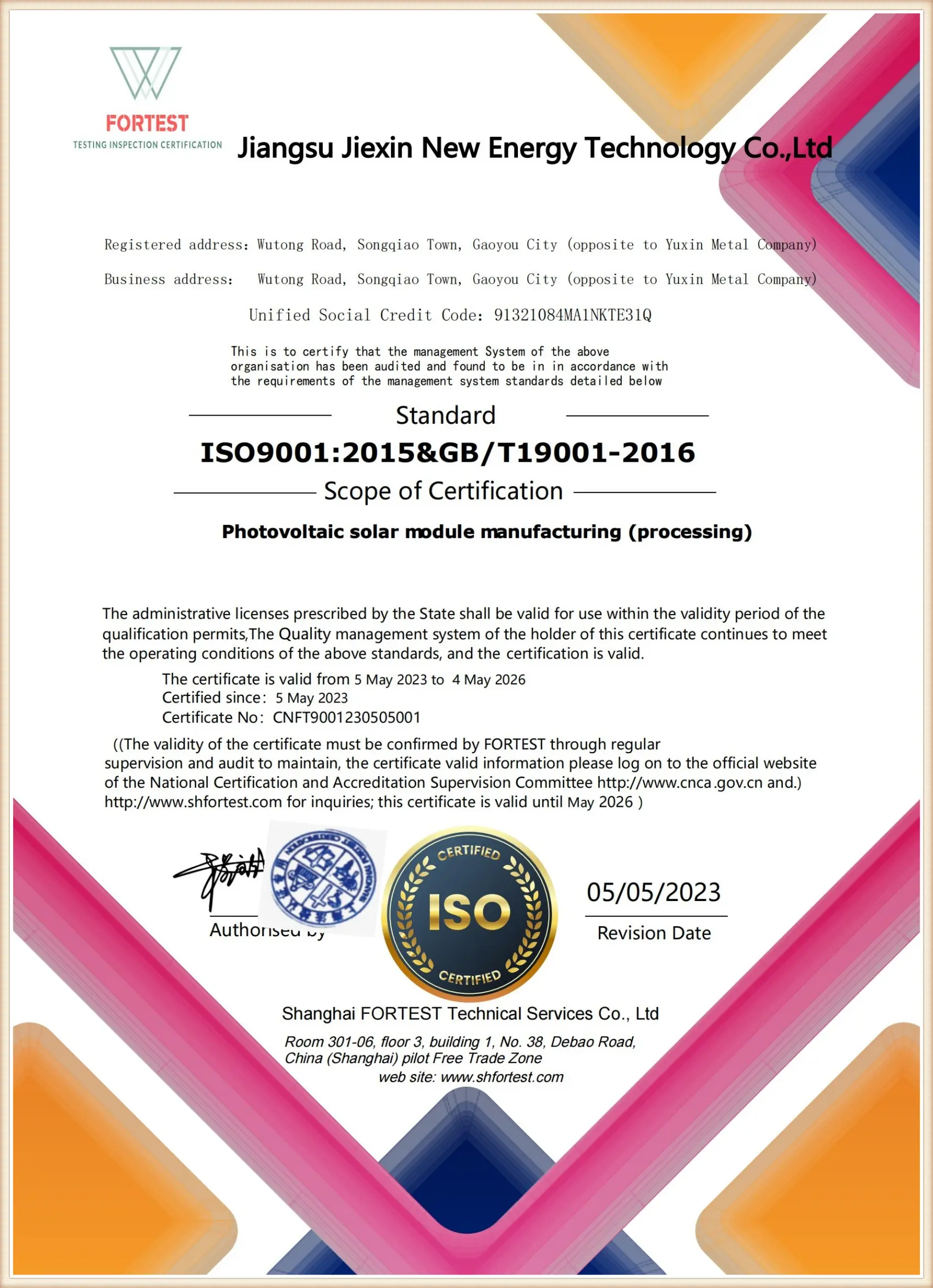
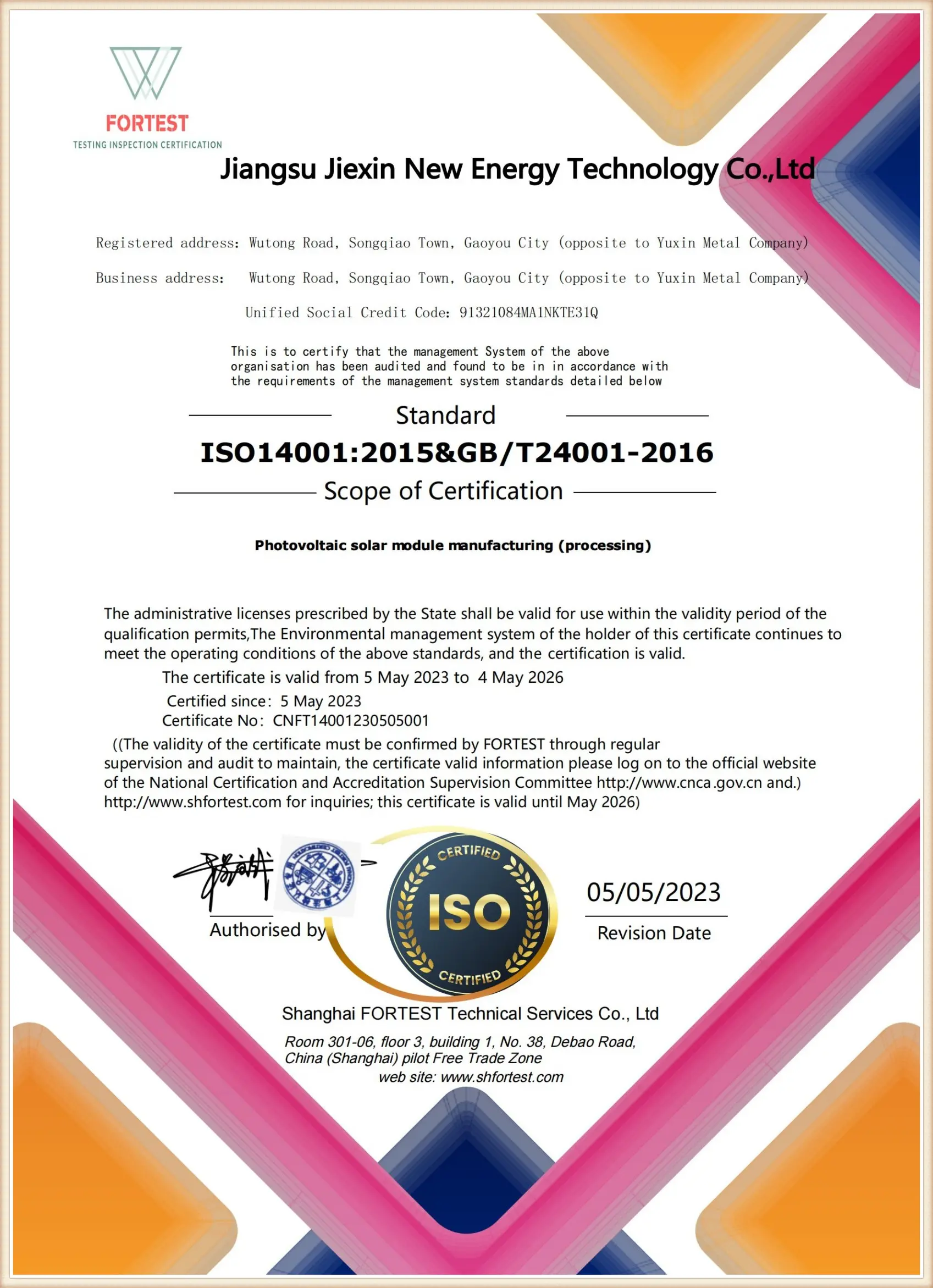
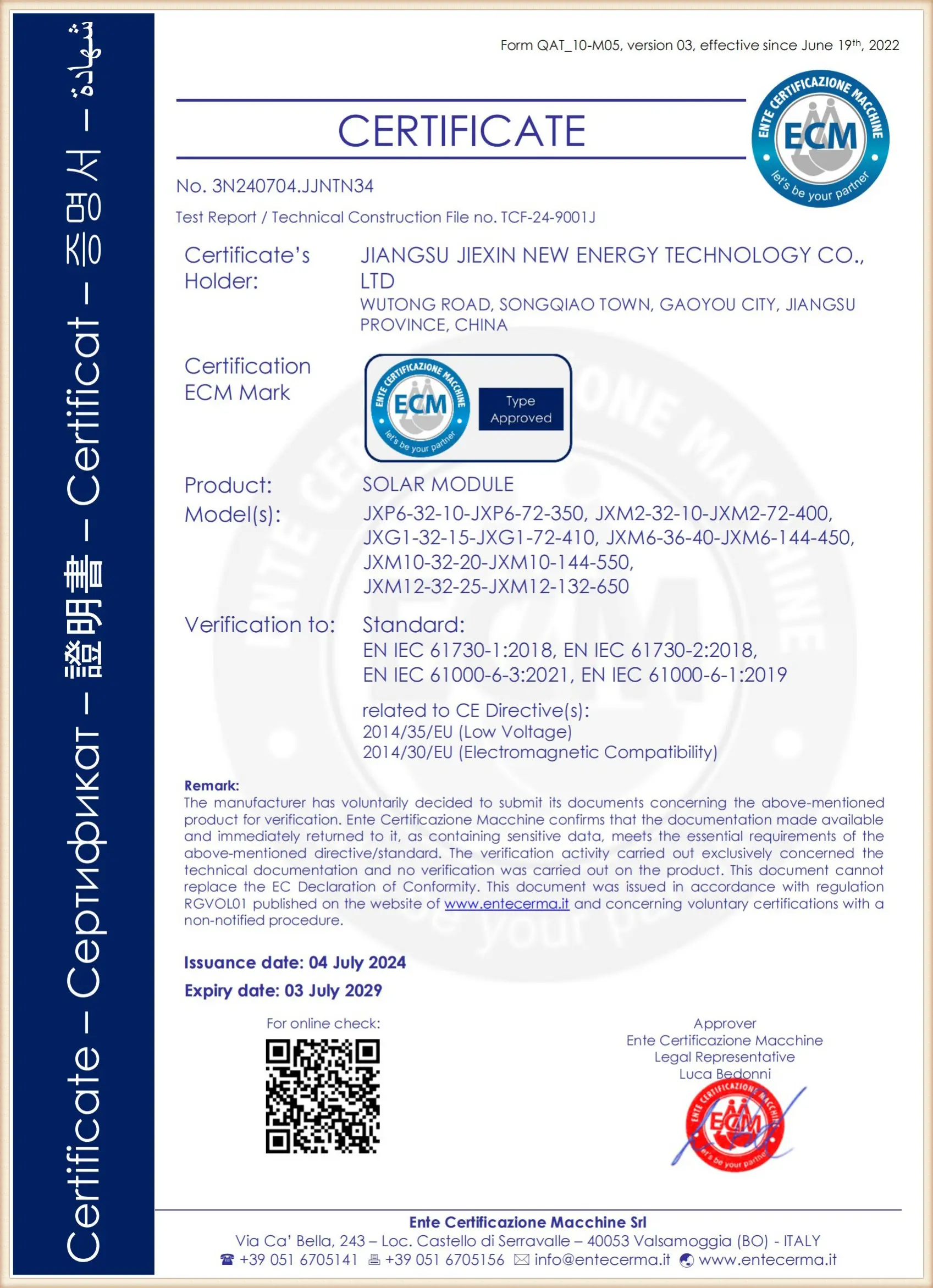
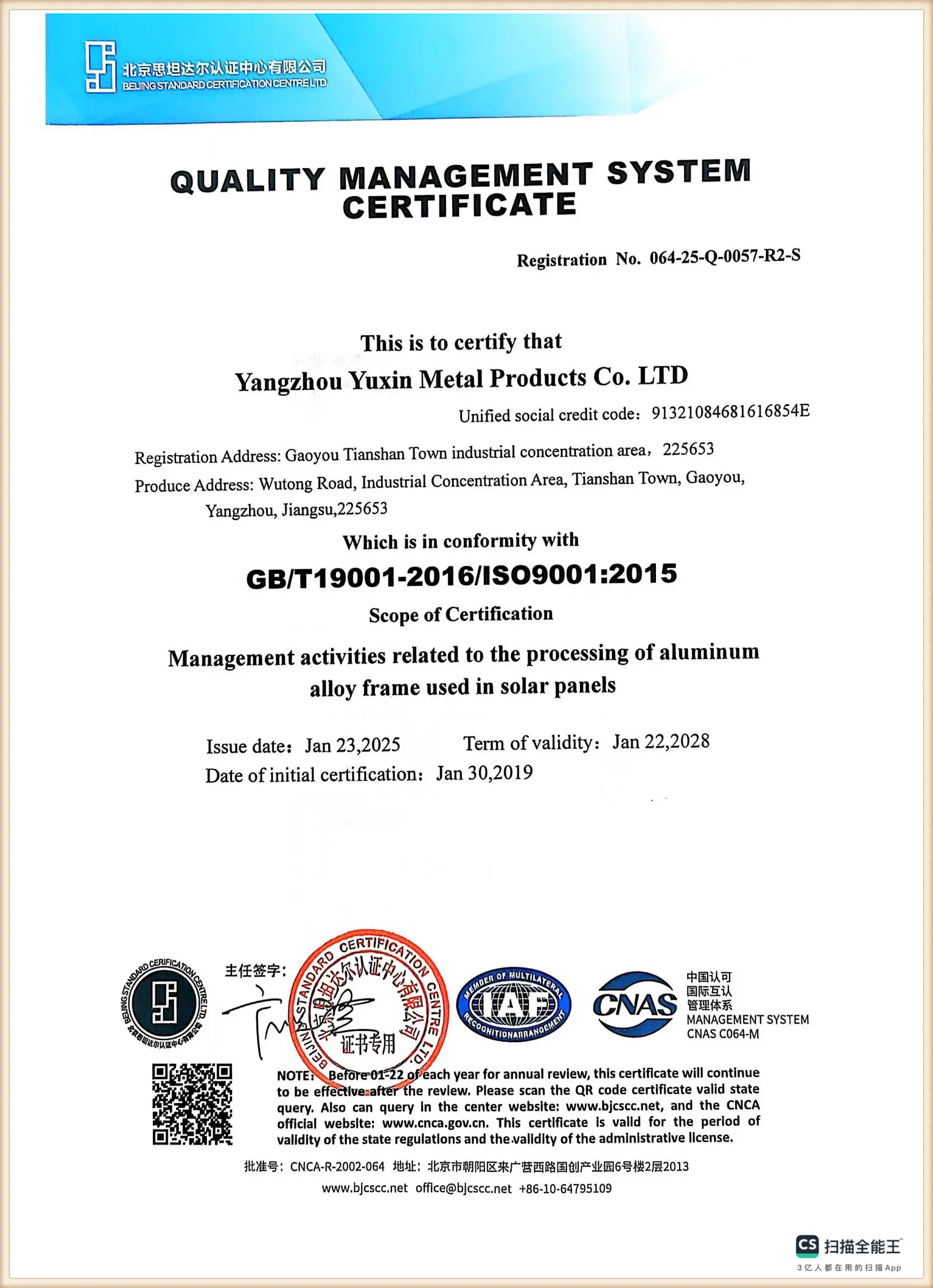
Collaborating with global energy operators, EPC firms, and solar distributors to scale clean energy solutions.
Insights from our engineering team on solar component manufacturing, materials testing, and quality control.
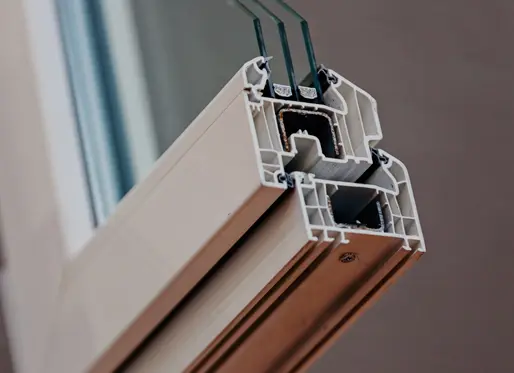
An evaluation of structural tolerances, anodization depth, and mechanical properties of 6063-T5 aluminum profiles.
Read Full Article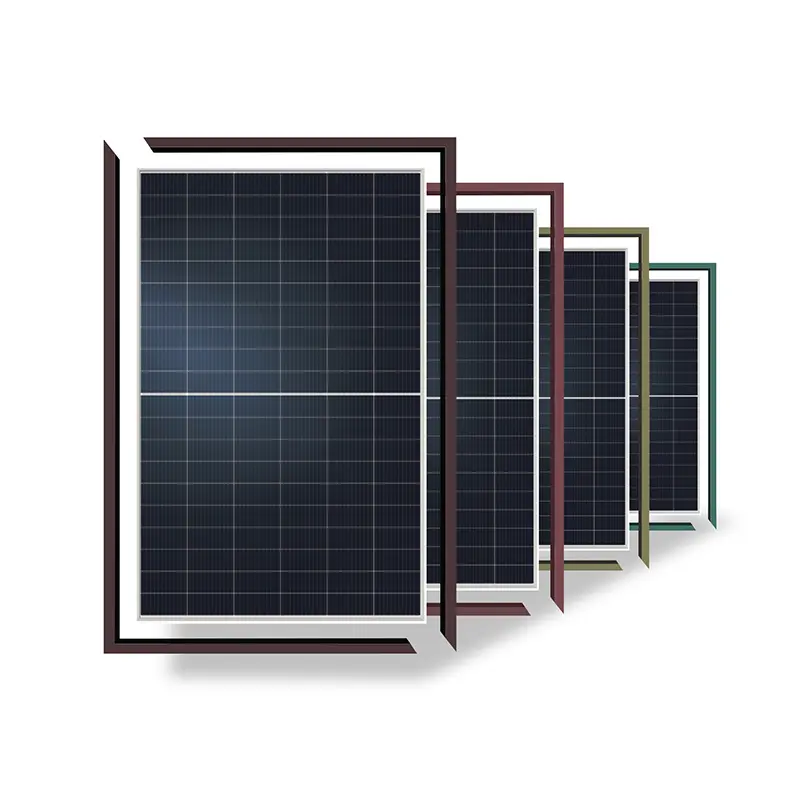
Key criteria for auditing offshore fabrication facilities, focusing on extrusion capabilities, quality testing, and logistics.
Read Full Article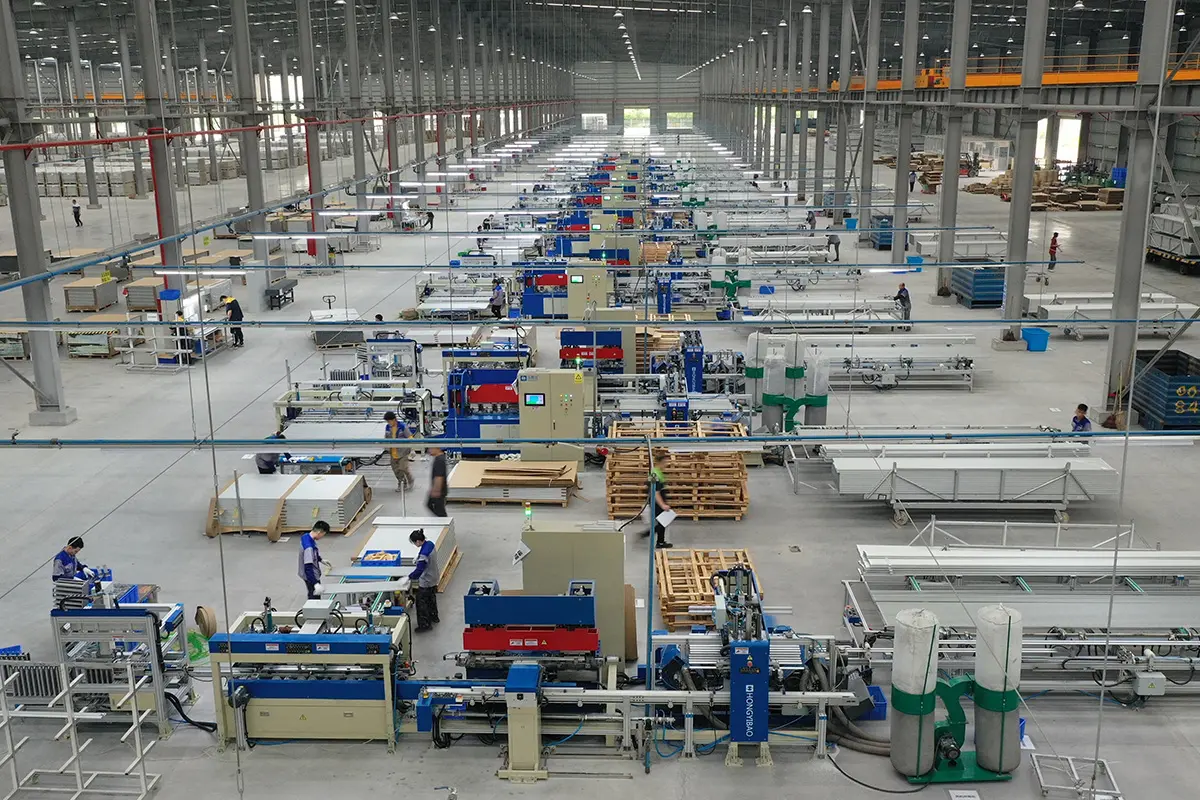
A look at industrial inspection protocols, covering tensile strength, dimensional accuracy, and coating consistency.
Read Full ArticleA step-by-step framework to verify structural and electrical integration before final commissioning.
For procurement directors overseeing utility-scale installations, verifying the following checklist helps ensure long-term mechanical and electrical performance:
Verify that framing profiles use genuine 6063-T5 or 6005-T6 aluminum alloys. Anodization thickness should meet a minimum threshold of 15 microns to protect against corrosion in damp or coastal environments.
Outdoor connection boxes, wiring assemblies, and portable charging components should feature IP67 or IP68 ratings to protect internal connections from dust and heavy rain.
For projects requiring high output, confirm N-type TOPCon bifacial cell configurations. Double check electrical parameters, including low temperature coefficients and linear degradation warranties, to verify projected yields.
Answers to common questions regarding technical specifications, customization options, and regulatory compliance.
N-type TOPCon modules feature lower operational degradation, a reduced temperature coefficient, and high bifaciality (often up to 85%). These properties allow them to generate more energy per square meter, especially in low-light environments typical of northern Europe, improving overall project returns.
Aluminum alloys like 6063-T5 offer an optimal combination of lightweight design, high structural strength, and corrosion resistance. Anodizing the metal creates a protective oxide layer that resists environmental wear, helping the mounting systems last for decades.
Polyurethane composite materials offer high electrical insulation, low thermal conductivity, and strong chemical resistance. These properties make them particularly suitable for agricultural installations (Agri-PV) or coastal sites where chemical corrosion or salt-spray exposure is a concern.
Solar components deployed in Germany must carry CE markings and CE/TÜV safety certifications. Electrical systems must comply with grid integration standards like VDE-AR-N 4105, while mounting structures should follow DIN EN 1090 design codes to ensure safe installation.
Explore our full range of portable off-grid components, modular energy storage setups, and customizable framing solutions.