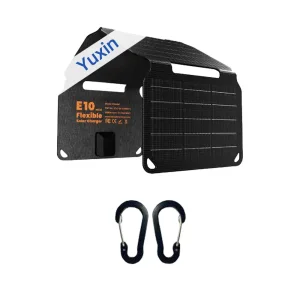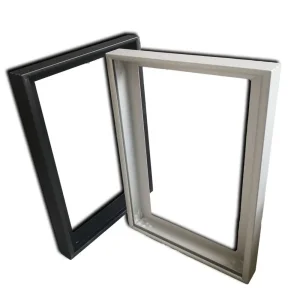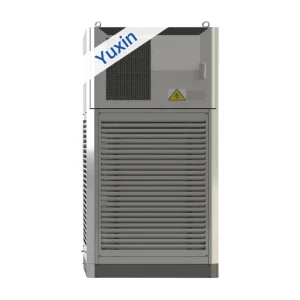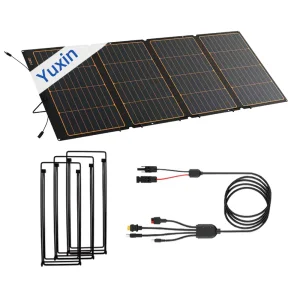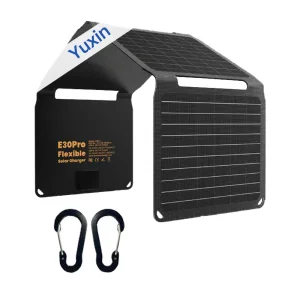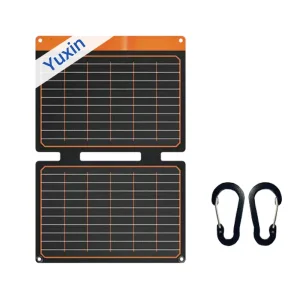
Engineered components, storage architectures, and monocrystalline systems optimized for high durability and performance.
Deep-dive analysis of macro-economic demands, polymer chemistry innovations, and manufacturing roadmap optimization.
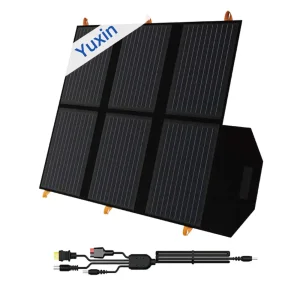
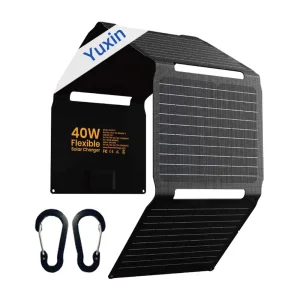
The transition toward high-density, portable solar collectors represents a structural shift in both consumer outdoor recreation markets and remote military/industrial operations. Enterprise-level buyers, commercial distributors, and system integrators seeking an experienced ODM mini solar panel for camping supplier are no longer evaluating systems based solely on basic wattages. The current standard requires optimized thermodynamic coefficients, weather-resistant encapsulation, structural durability, and low Balance of System (BOS) integration costs.
Globally, procurement demands are split between high-volume consumer backpacking systems (10W to 60W portable integrations) and semi-permanent off-grid installations (100W to 400W modules for recreational vehicles and field bases). Key sourcing metrics emphasize weight-to-power ratios (W/kg) and resistance to cyclical environmental stressors, including salt spray, high humidity, and extreme thermal cycling.
ETFE (Ethylene Tetrafluoroethylene) provides superior light transmission (95%), self-cleaning capabilities, and UV degradation resistance compared to low-cost PET options, increasing system lifespan from 2 years to over 10 years.
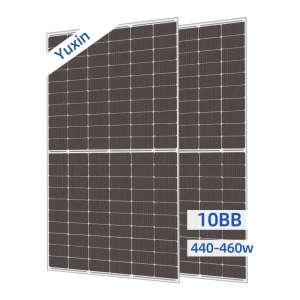
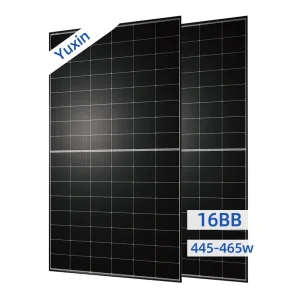
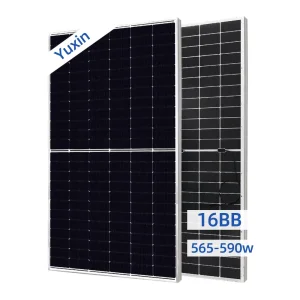
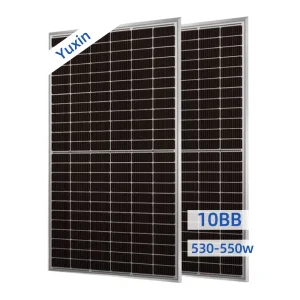
Transitioning from 5BB to 10BB and 16BB configurations reduces current transport distance, decreases cell resistance losses, and significantly boosts output consistency under micro-shading conditions typical of forest environments.
Replacing traditional aluminum with polyurethane composite frames provides high tensile strength, lower weight, and exceptional electrical insulation, crucial for high-voltage camping system grids.
The core efficiency of modern camping solar configurations depends on the selection of wafer technology and encapsulation materials. Modern manufacturers utilize N-type TOPCon and PERC monocrystalline silicon wafers to achieve high cell efficiencies (up to 24%). This ensures that compact units (e.g., 20W to 60W portable systems) generate sufficient energy even on overcast days.
| Parameter / Technology Class | PET Monocrystalline | ETFE PERC Monocrystalline | TOPCon N-Type Glass-Glass |
|---|---|---|---|
| Cell Conversion Efficiency (%) | 17.5% - 19.0% | 21.5% - 22.8% | 23.5% - 24.8% |
| Annual Power Degradation Rate | < 2.5% per year | < 0.7% per year | < 0.4% per year |
| Waterproof & Dust Resistance | IP65 (Splash Resistant) | IP67 (Submersion Resistant) | IP68 (Hermetically Sealed) |
| Structural Framing Medium | Frameless / Flexible fabric | Anodized Aluminum (6063-T5) | Polyurethane Composite Frames |
| Operating Temperature Range | -20°C to +60°C | -40°C to +85°C | -45°C to +90°C |
For custom ODM projects, selecting appropriate frames is vital. Lightweight anodized aluminum frames (specifically 6063-T5 and 6005-T6 grades) offer superior structural rigidity against physical deformation. In contrast, new polyurethane pultruded composite frames offer a sustainable alternative with improved corrosion resistance in coastal or high-humidity campgrounds.
Baseline custom solutions manufactured under direct engineering controls.
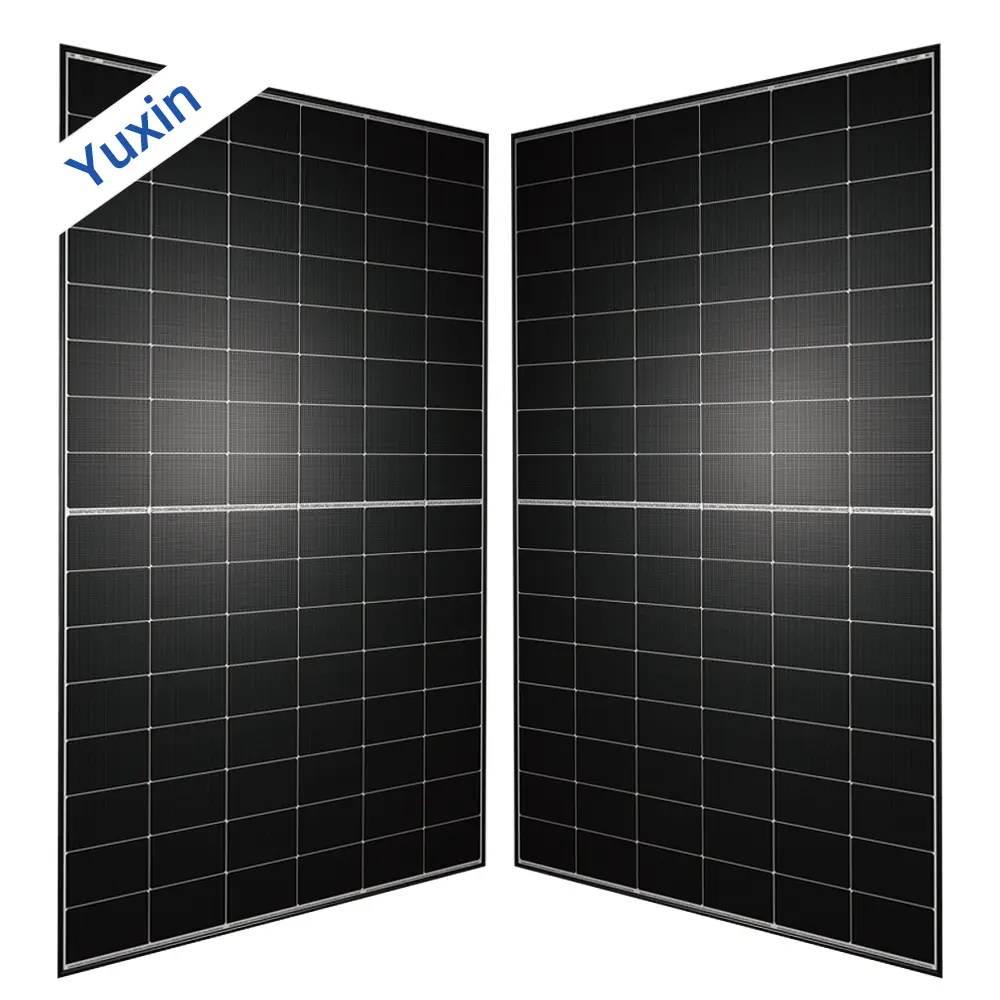
Lightweight design with transparent back panel for easy installation and reduced BOS costs.
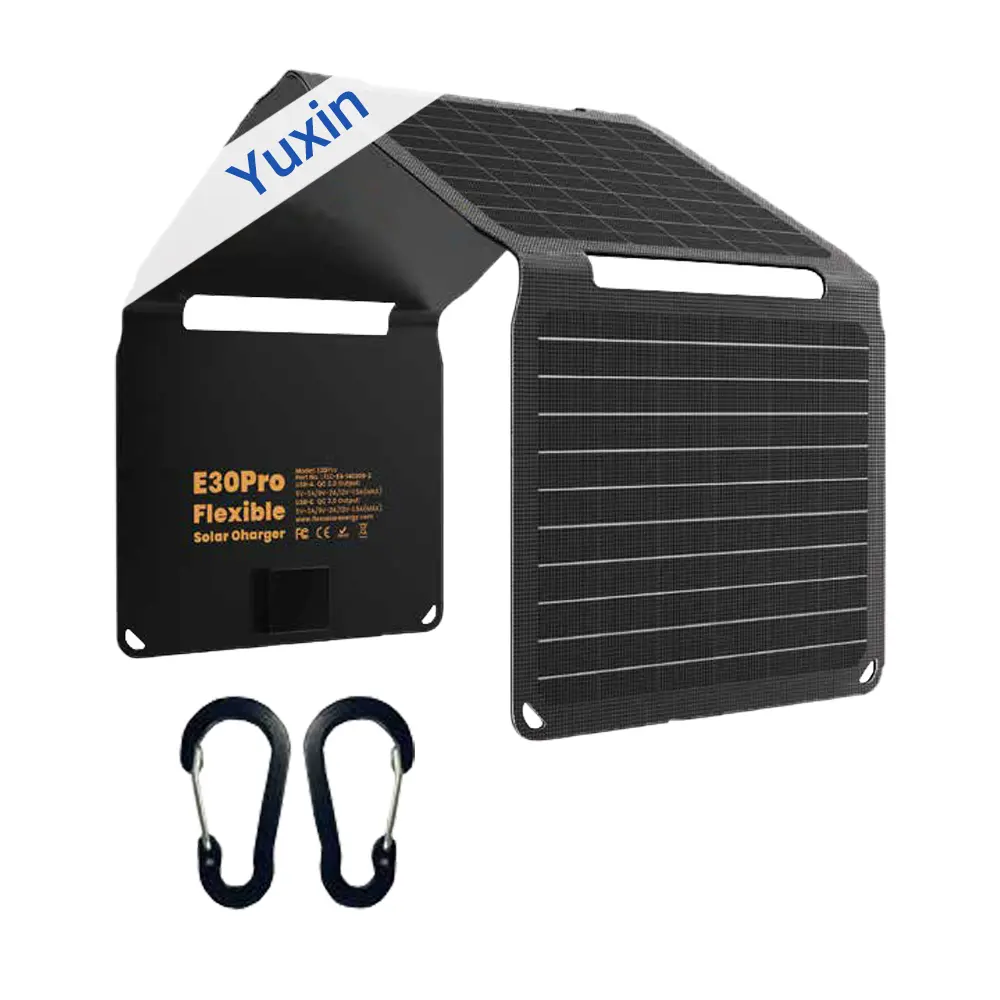
Utilizing advanced monocrystalline silicon cells, it achieves a high energy conversion efficiency of 24%.

Application modes include grid-connected mode, off-grid mode, and integrated grid-connected/off-grid mode.
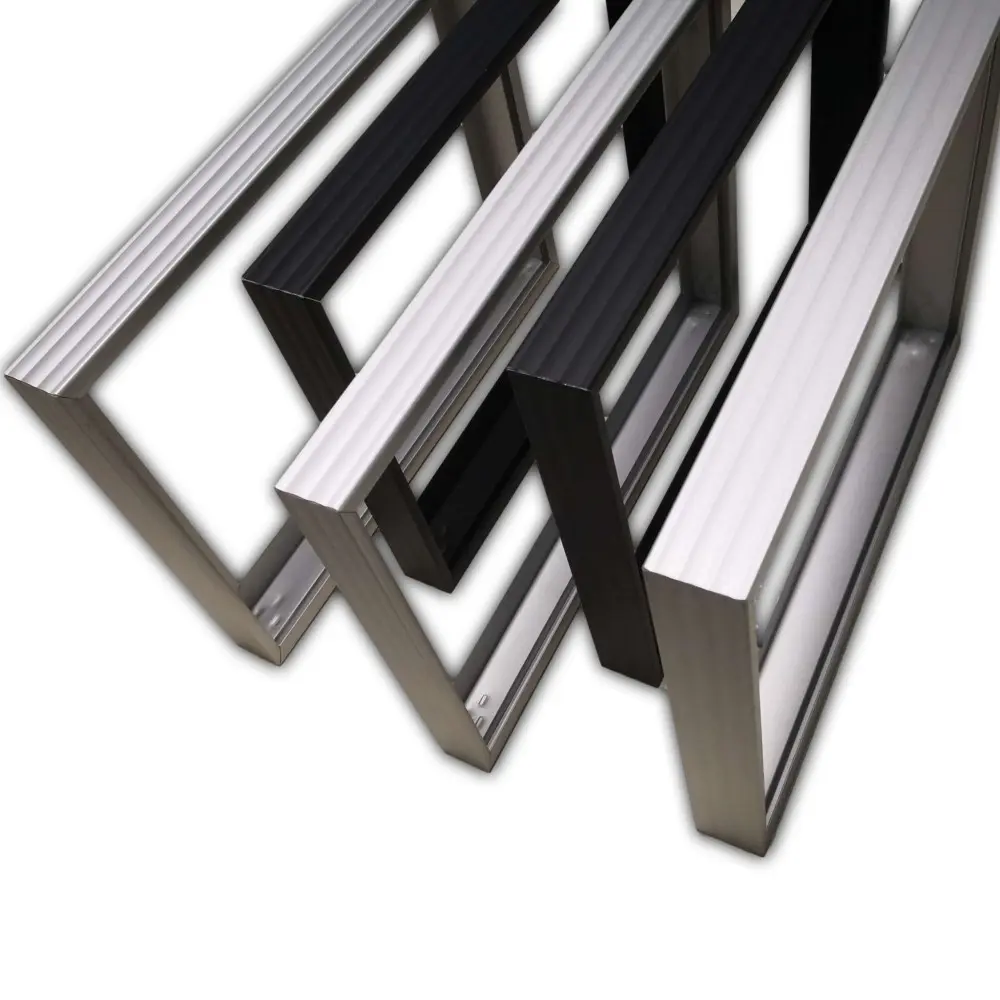
Made of high-quality anodized aluminum, it ensures superior weather resistance and a smooth, long-lasting finish.
Located in the scenic historical and cultural ancient city of Yangzhou, close to the Beijing-Shanghai Expressway, Runyang Yangtze River Bridge, and Ningqi Railway, the group has a superior geographical location and convenient transportation. The group was established in 2008 and has 14 multi-field companies under its jurisdiction, including Jiangsu Yuxin New Energy Technology Co., Ltd., and has won many titles such as National High-tech Enterprise, Technology-based Enterprise, and Gaoyou City Top 100 Private Enterprises.
Learn More About Our Industrial FacilitiesOur manufacturing and processing units operate under ISO guidelines and meet strict international certifications.
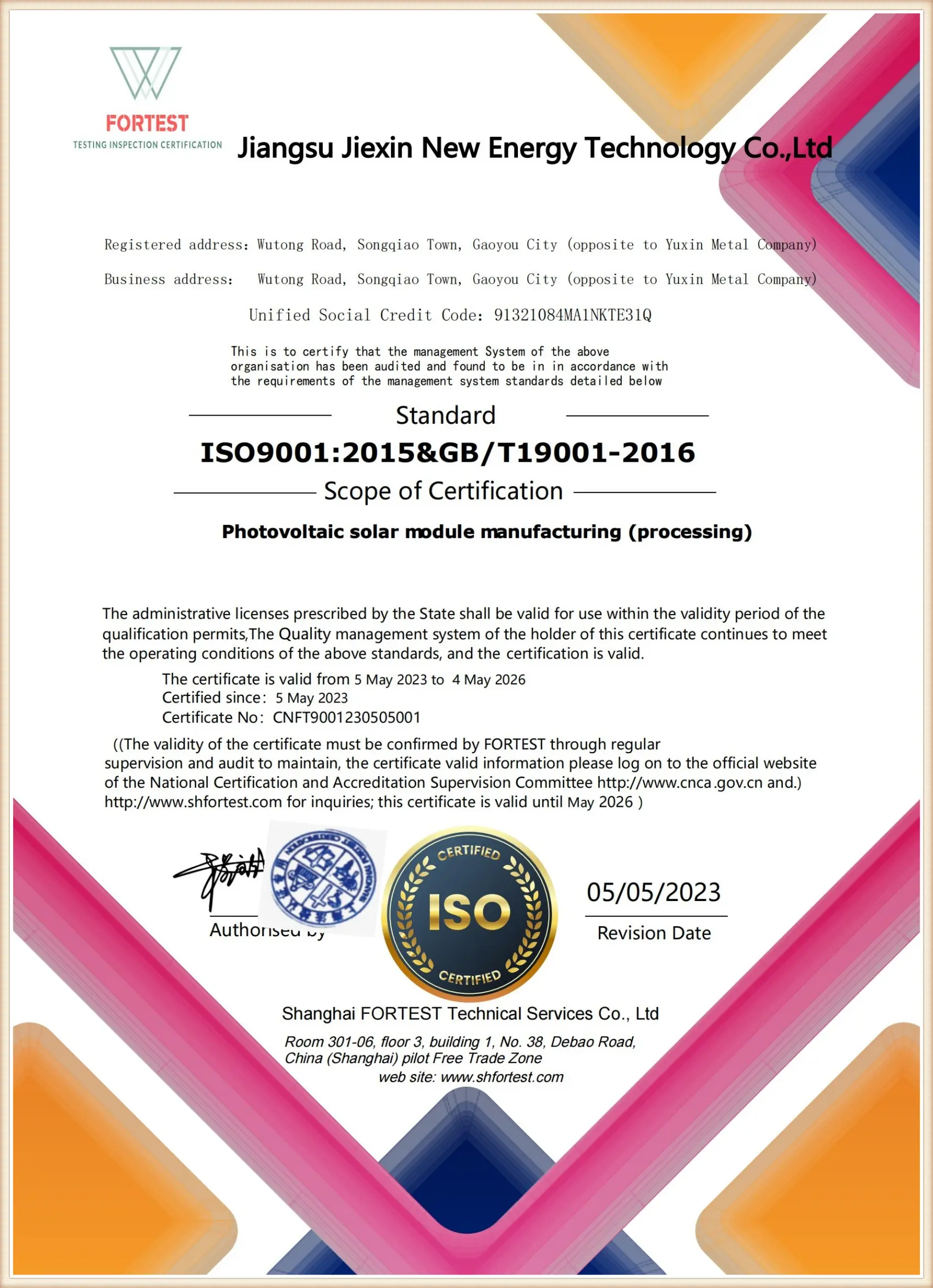
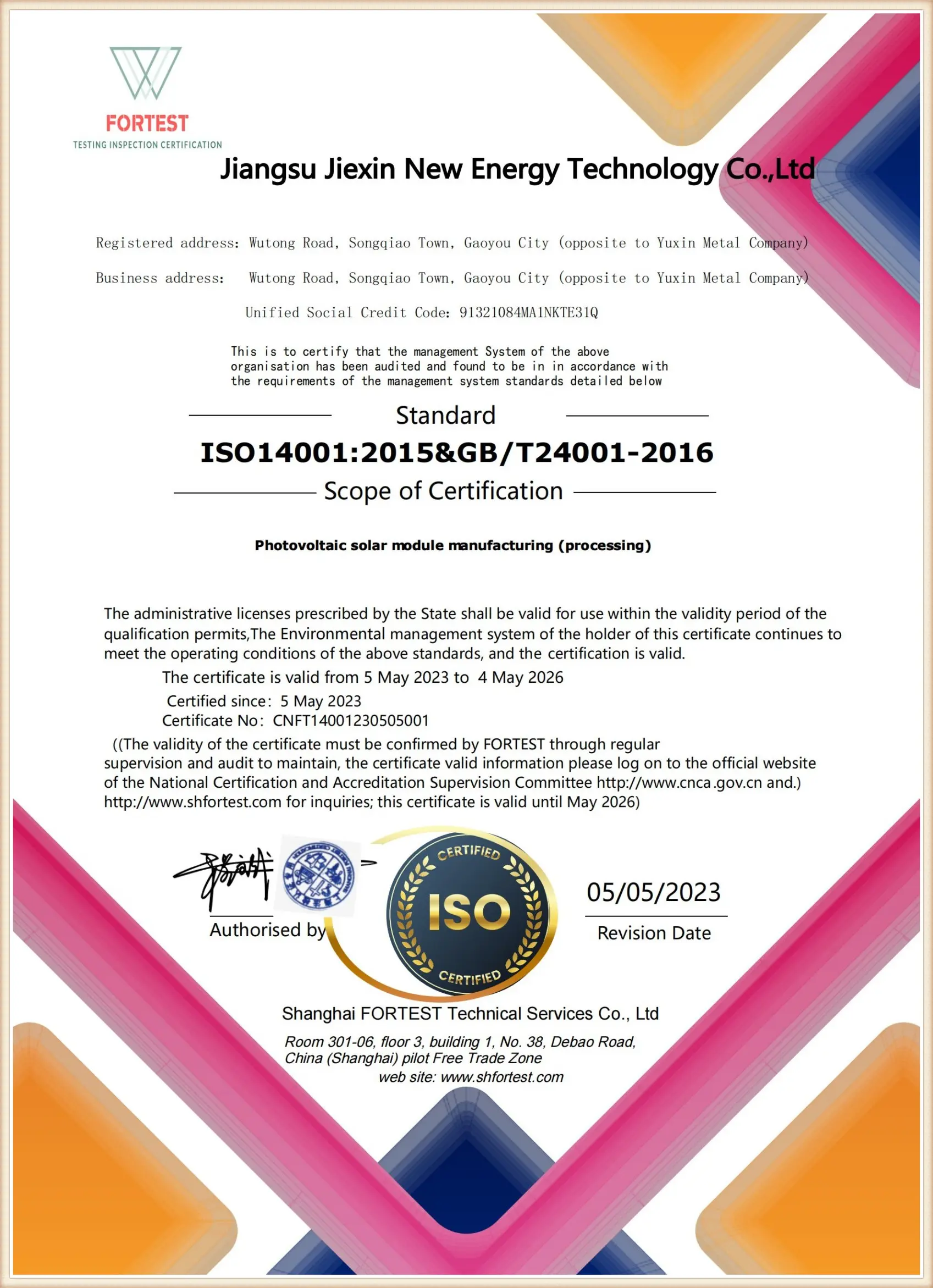
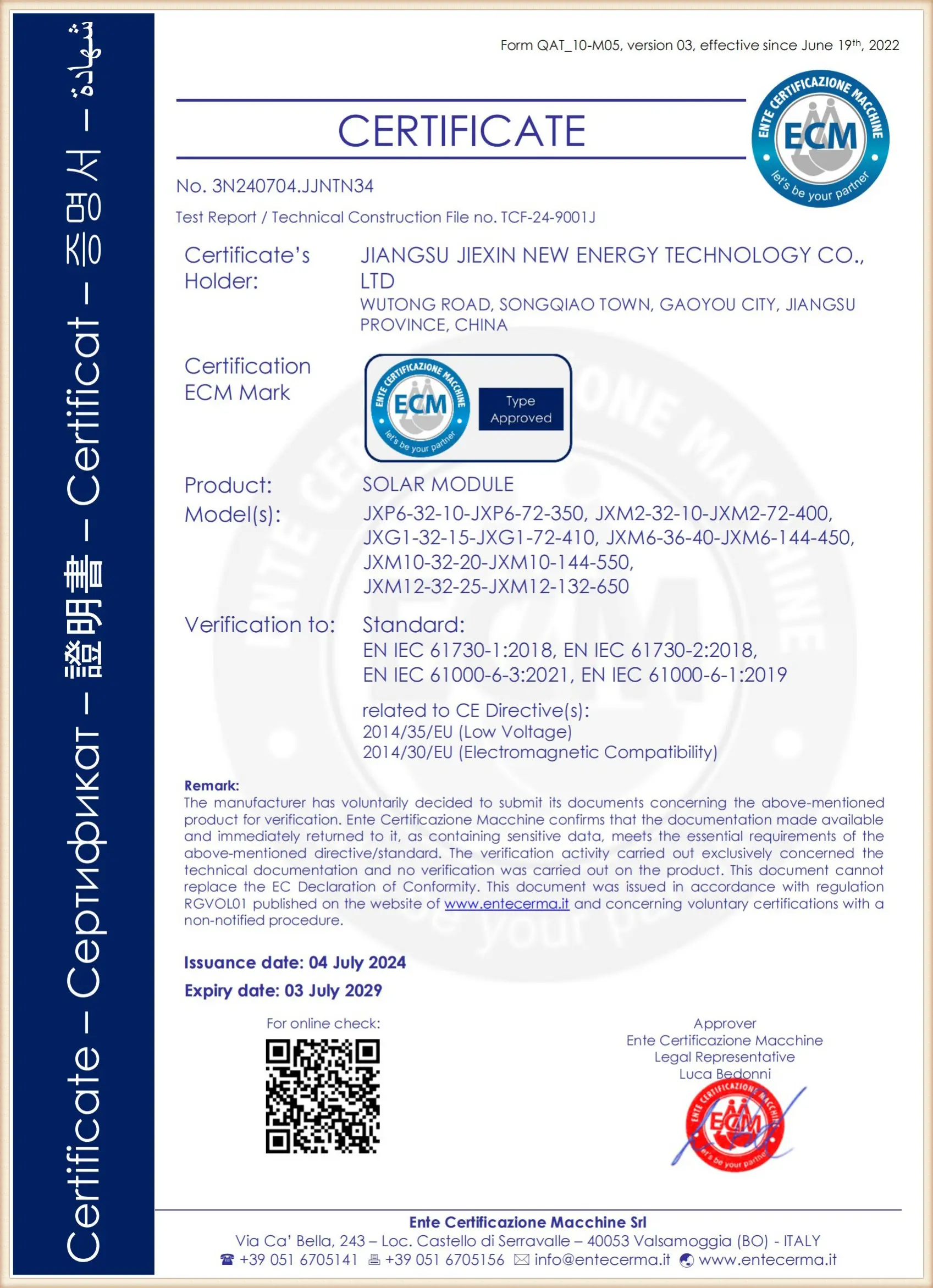
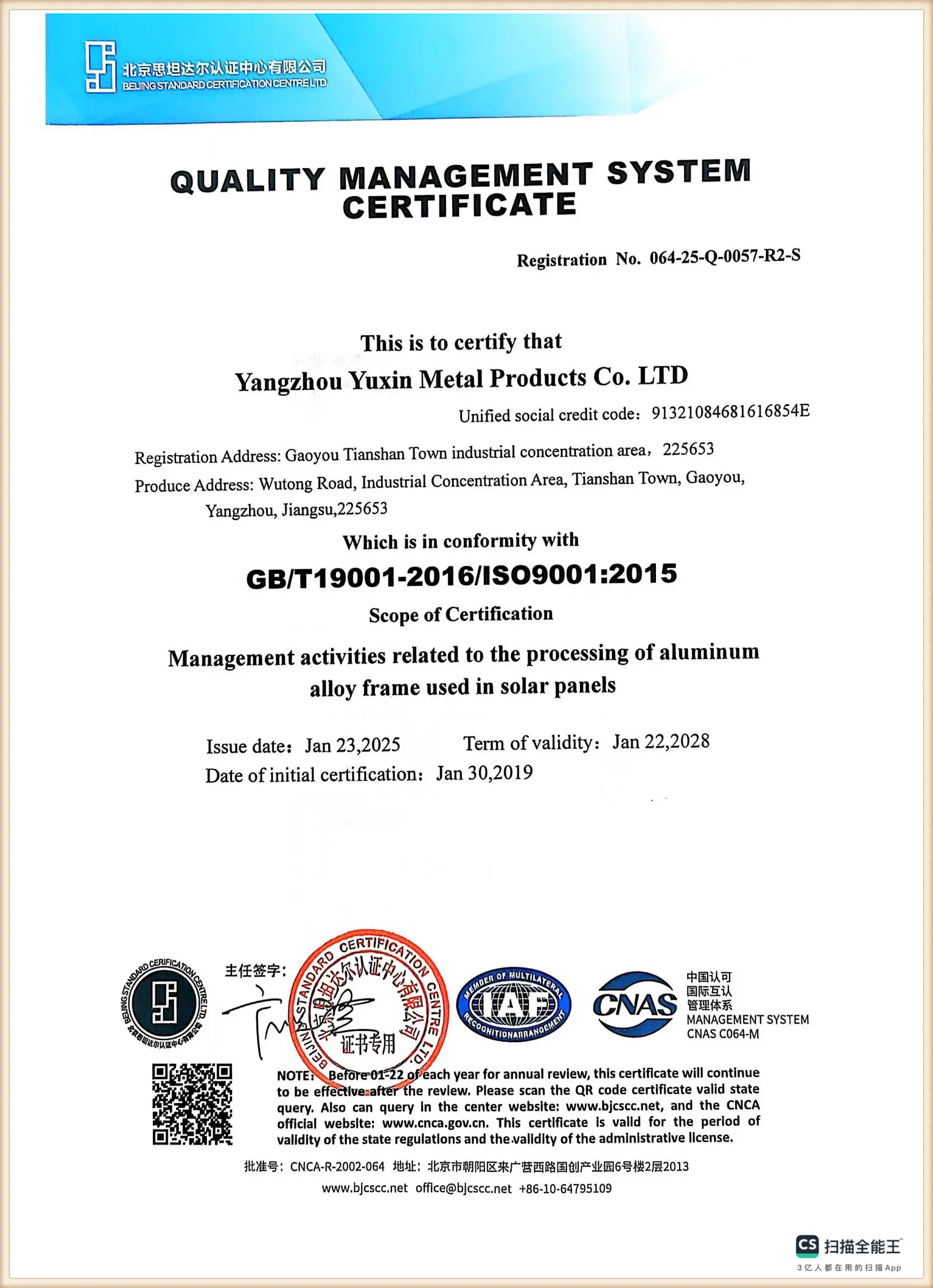
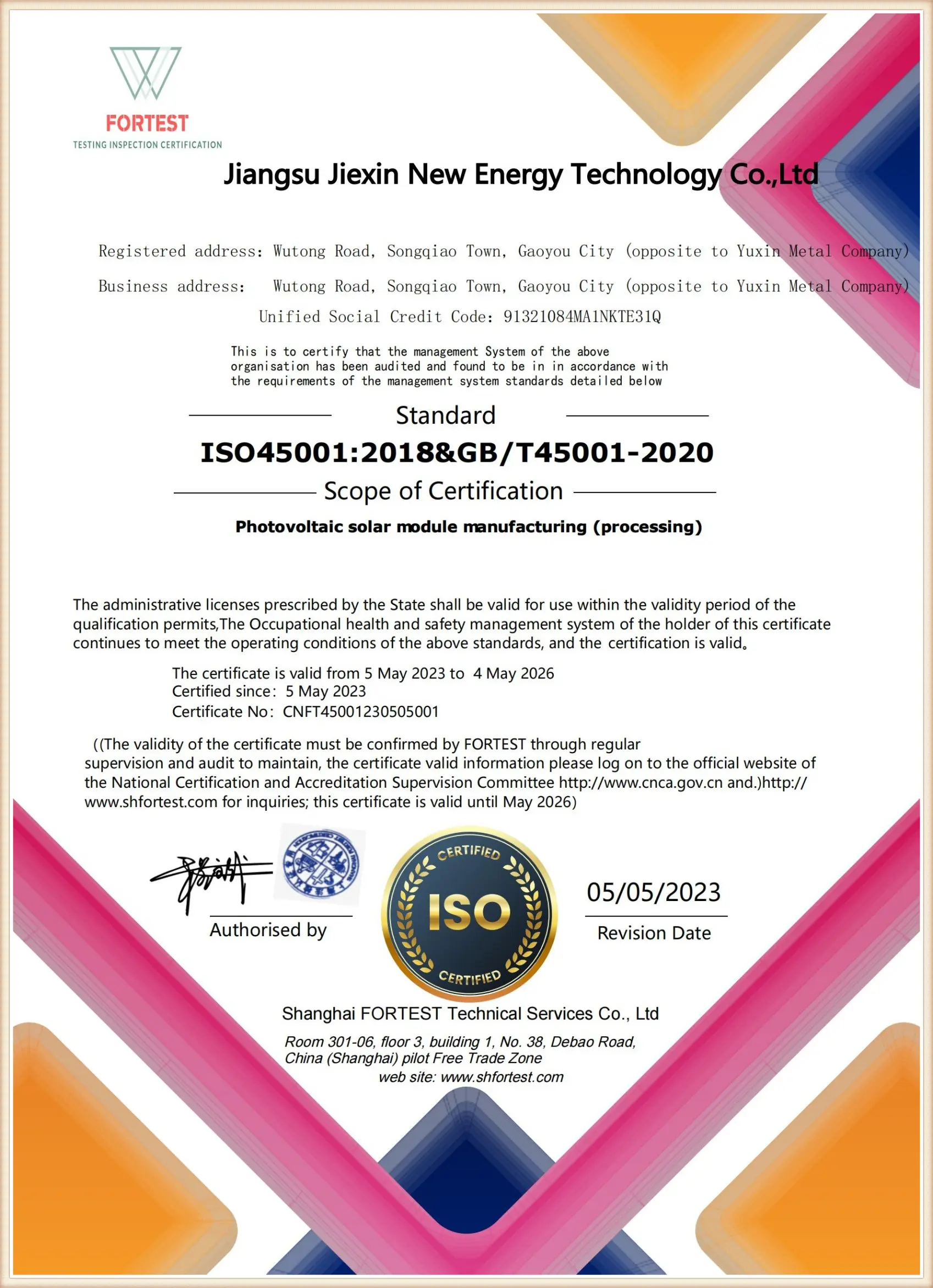
Deploying tailored solar cells and framing materials across key global markets.

Smart solar telemetry, automated watering rigs, and crop-sensor enclosures.
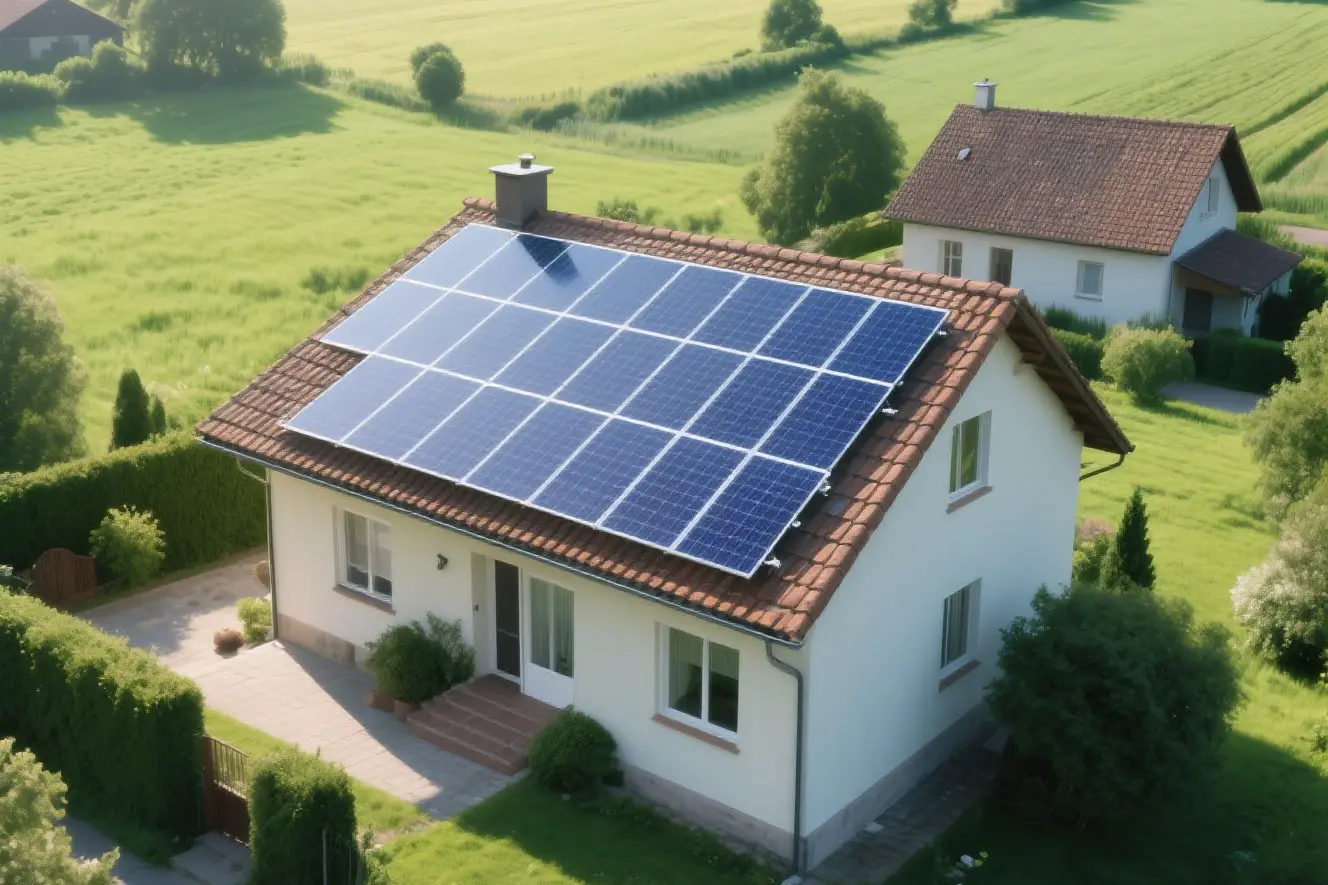
On-site temporary telemetry, self-powered security stations, and warnings.
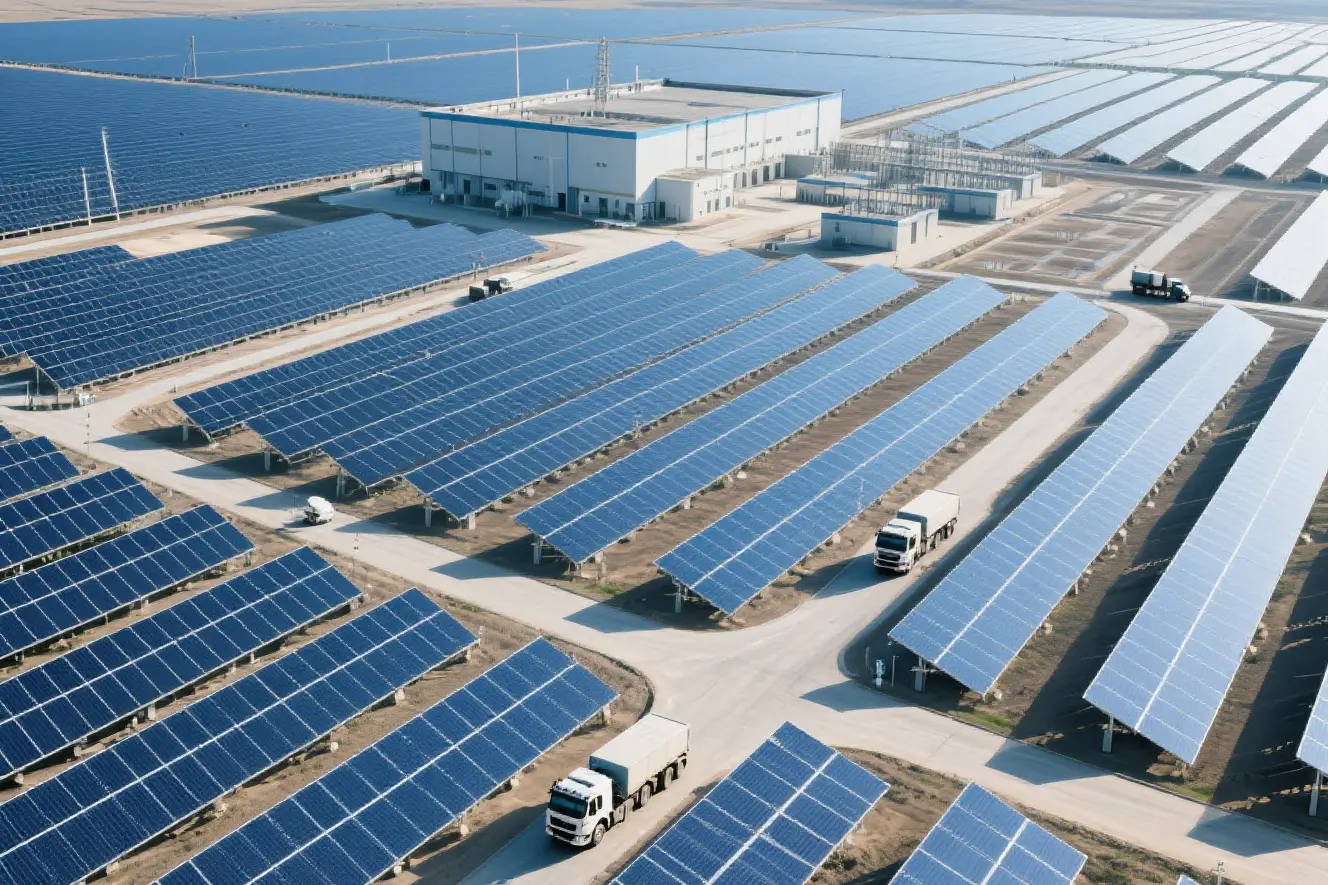
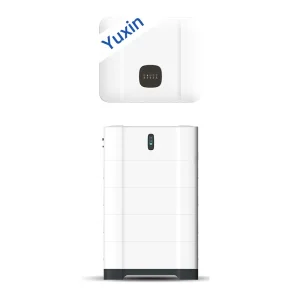
Distributed energy storage infrastructure, framing arrays, and micro-grid controls.
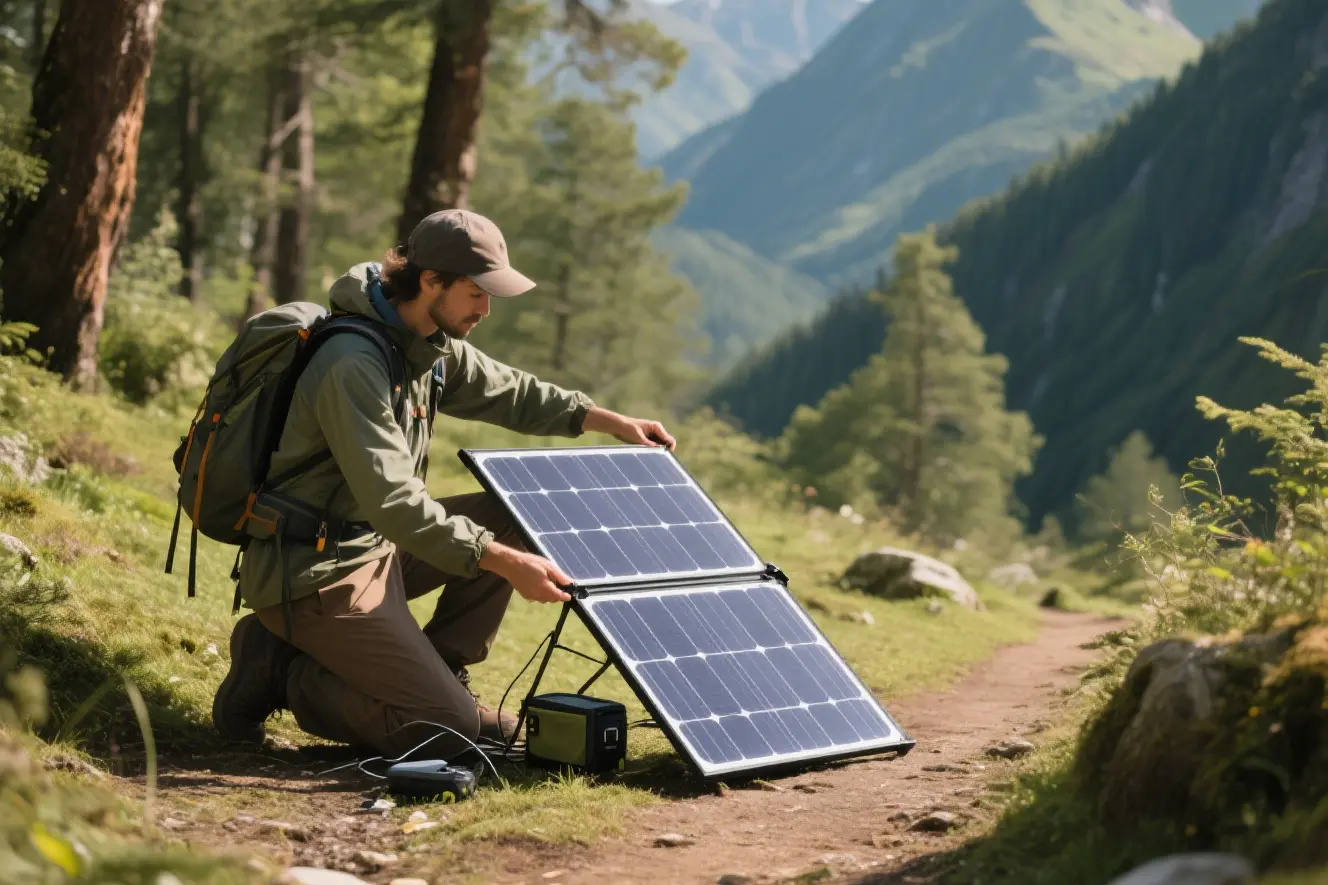
Heavy-duty hiking backpacks, tactical off-grid power units, and portable camping hubs.

Signal relay backplanes, micro-stations, and remote receiver power modules.
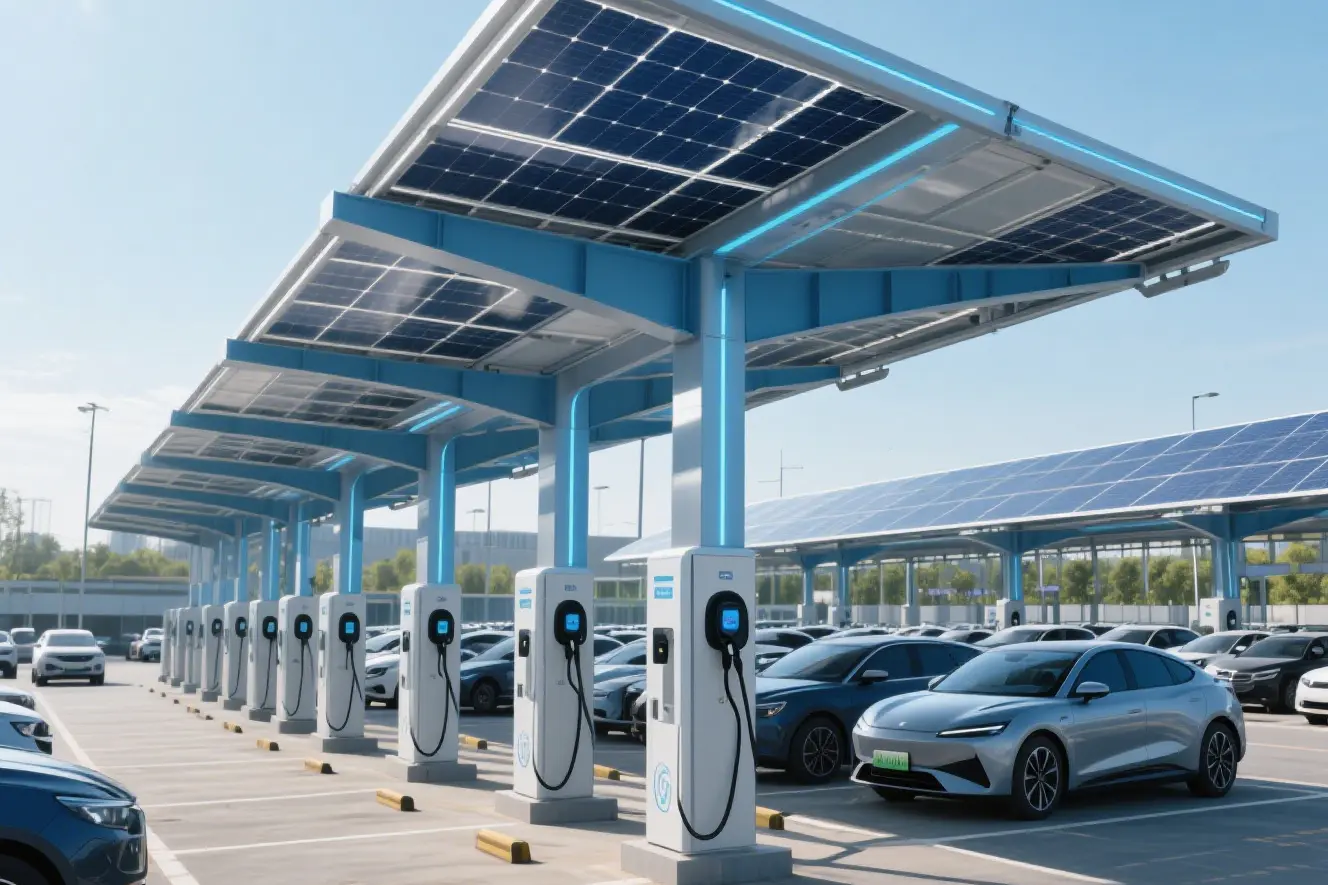
Vehicle roof integrations, public transit displays, and emergency power systems.
Building high-value collaborations with international distributors and engineering groups worldwide.


Keep pace with solar technology advancements, structural frame inspections, and supply chain strategies.
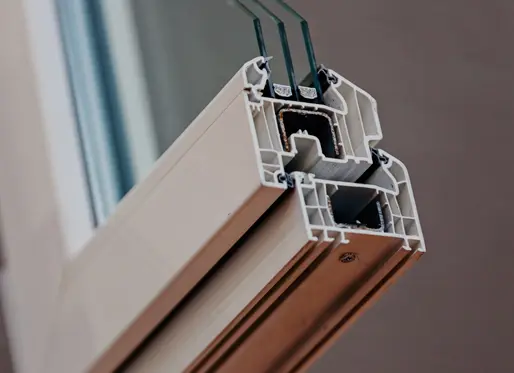
An analysis of mechanical load resistance, anti-corrosive properties, and structural options, comparing polyurethane composite frames with anodized aluminum alloys.
Read Whitepaper →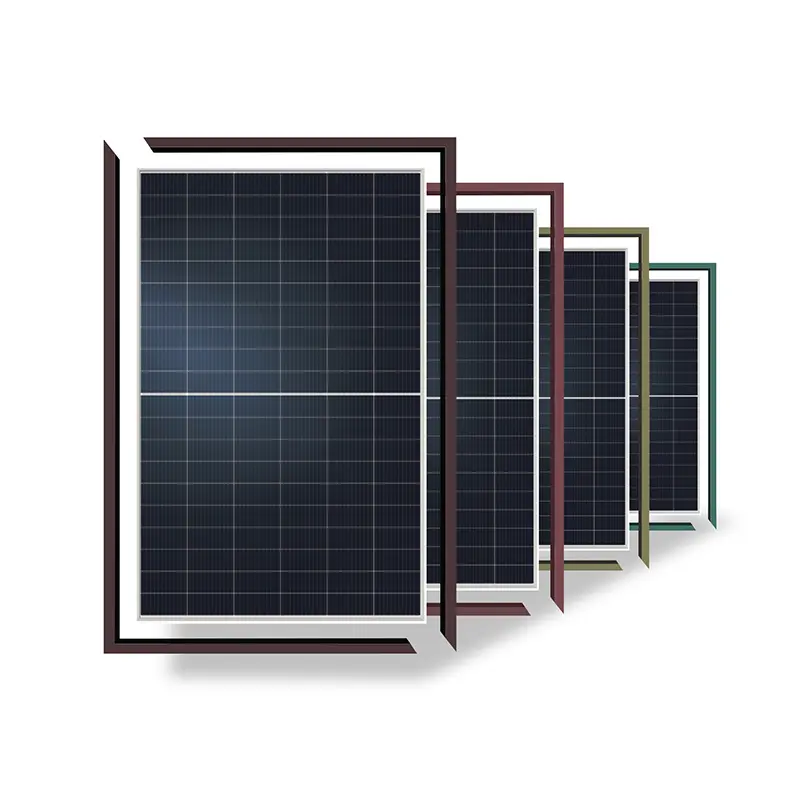
A procurement checklist for global buyers evaluating vertically integrated manufacturers, quality control capacities, and ISO compliance standards.
Read Whitepaper →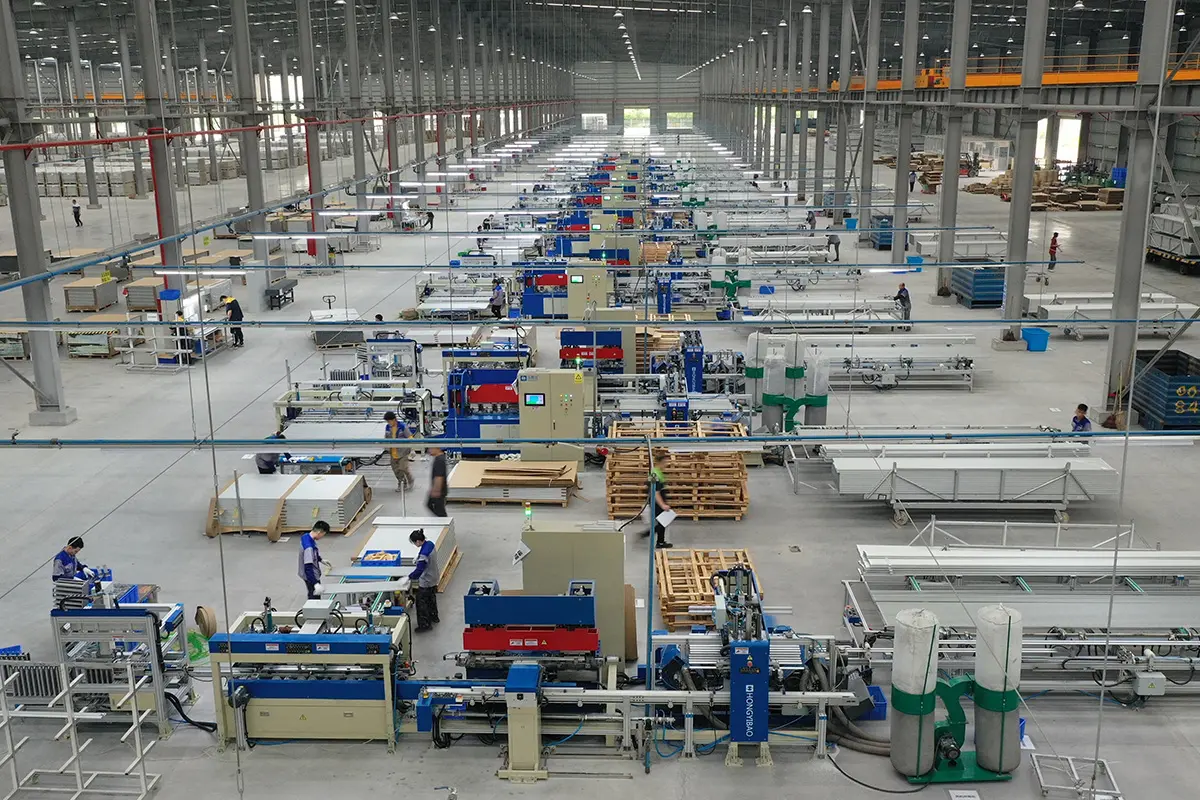
A look into quality assurance steps, from anodization coating checks to tensile load tests, ensuring field performance and reliability.
Read Whitepaper →Direct technical answers addressing queries from procurement departments and product managers.
Access high-efficiency modules, storage containers, custom frames, and portable chargers designed for commercial projects.
Connect with our technical design team in Yangzhou. Get detailed structural analysis, dynamic rendering services, and commercial bulk pricing quotes.
Contact Our Engineering Office