ODM Distributors Of Solar Panels Pricelist & Service

Empowering Global Utility, Commercial, and Industrial Projects with High-Performance Monocrystalline Modules, Energy Storage Systems, and Fully Integrated Photovoltaic Solutions.

Primary Photovoltaic & Energy Solutions

Explore our high-efficiency solar modules, energy storage systems, and specialized framing hardware designed to minimize Balance of System (BOS) costs.
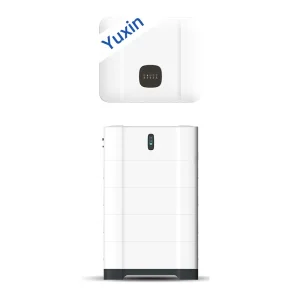
Household Energy Storage Solar System

High-Quality 8000T~15KT-10HS~30HS Household Energy Storage Solar System

Integrated intelligent residential battery backup and hybrid inverter system designed for high safety, long cycle life, and seamless grid transition.
Request Quote
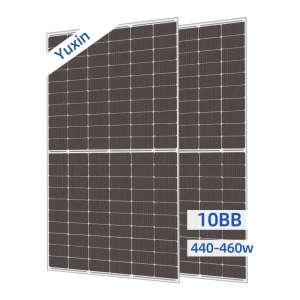
Mono Silicon PERC Solar Panel

Half-Cell 10BB 440W-660W PERC Solar Panel Mono Silicon (120)

Cost-effective monocrystalline PERC module featuring multi-busbar technology, minimized micro-cracks, and outstanding low-light performance.
Get Pricelist
N-type Dual Glass Solar Panel

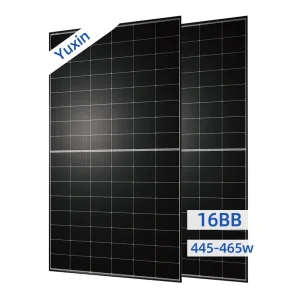
CE N-type Half-cell Dual Glass 16BB 445W-465W Solar Panel

Next-generation bifacial N-type TOPCon module with double glass design, mitigating PID risk and improving energy generation by up to 25% on reflective soils.
Download Spec
TOPCon Solar Panel Mono Silicon

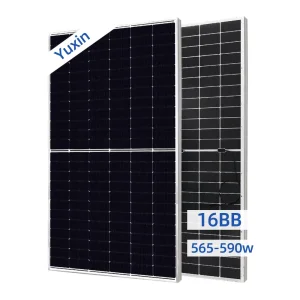
N-type Bifacial Dual Glass TOPCon 16BB 565W-590W Solar Panel

Ultra-high wattage monocrystalline modules optimized for utility-scale utility networks and vast commercial roof installations. Lower degradation rate.
Inquire Now
PERC Solar Panel Mono Silicon

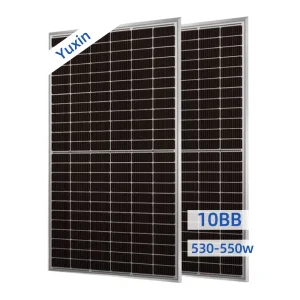
CE 144 Half-Cell 10BB 530W-550W PERC Solar Panel Mono Silicon

Standard high-capacity PERC solar panel. Excellent snow load (5400Pa) and wind load (2400Pa) resistance with CE certification.
Request Pricelist
Modular Energy Storage System

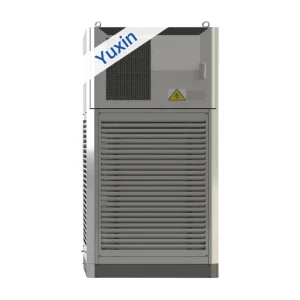
China Modular Commercial Energy Storage System P01-EC60-30K

Designed for C&I applications, offering load shifting, peak shaving, and demand response functionalities in a modular and easily expandable enclosure.
Technical Quote
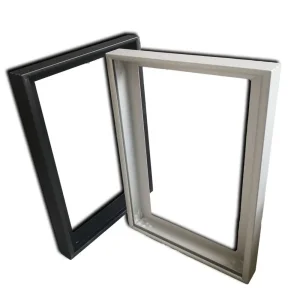
Sustainable Polyurethane Composite Frames

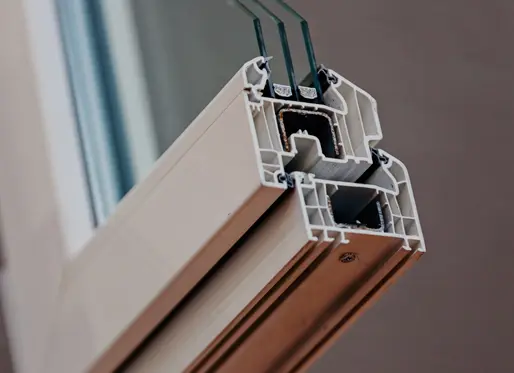
Sustainable Polyurethane Composite Frames for Solar Panel

Eco-friendly pultruded polyurethane composite frames presenting high mechanical properties, lower carbon footprint, and superior insulation characteristics.
View Details
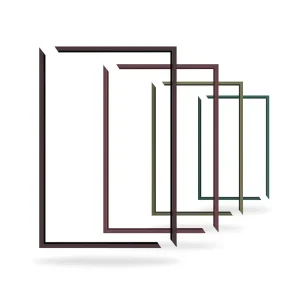
Aluminum Frames for Solar Panel

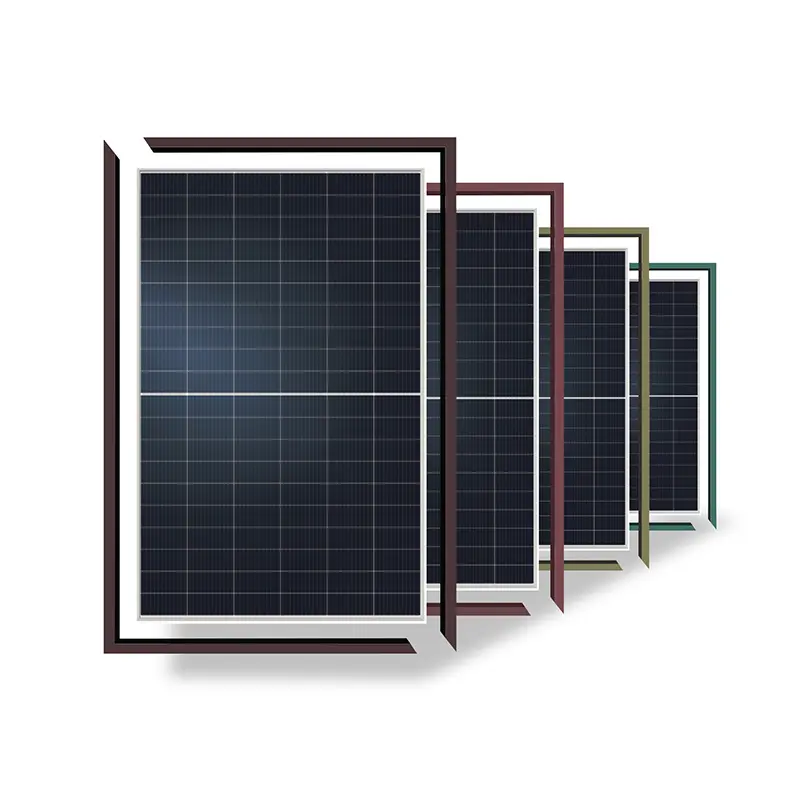
Famous 6063-T5/6005-T6 Aluminum Frames for Solar Panels

Precision extruded aluminum alloy frames with premium anodization thickness for extreme weather resistance and mechanical stability in corrosive marine environments.
Get Framings Quote

Industry Whitepaper: Optimizing Global Photovoltaic Procurement via Strategic ODM Distribution

The global renewable energy landscape is transitioning at an unprecedented rate. Developers, Engineering, Procurement, and Construction (EPC) companies, and localized distributors are looking beyond standard component sourcing. The focus has moved toward Original Design Manufacturer (ODM) distribution partnerships. ODM distribution offers the agility required to customize module parameters, frame designs, and integrated energy storage systems to meet regional electrical standards, local environment profiles, and structural load constraints.

This comprehensive document evaluates the economic and engineering structures of solar PV procurement. It offers practical guidance on negotiating pricelists, optimizing China-based manufacturing supply chains, securing local compliance, and utilizing next-generation PV module developments.


1. Technological Advancements & Strategic Technology Selection

Selecting between Tunnel Oxide Passivated Contact (TOPCon) and Passivated Emitter and Rear Cell (PERC) technologies determines the Levelized Cost of Energy (LCOE) over a plant's 25 to 30-year lifecycle.

N-Type TOPCon vs. P-Type PERC Technologies

The photovoltaic sector is moving rapidly from P-type cell architectures to N-type substrate designs. While PERC panels served as the industry standard for a decade, N-type TOPCon modules achieve higher conversion efficiencies (typically 22.5% to 24.5%) by integrating an ultrathin silicon oxide tunnel layer with heavily doped polycrystalline silicon. This structure minimizes surface recombination losses.

  • Temperature Coefficient: N-type TOPCon modules exhibit a superior temperature coefficient (-0.30%/°C to -0.34%/°C) compared to PERC modules (-0.35%/°C to -0.39%/°C). In hot climates, TOPCon modules generate up to 3% more energy purely due to reduced thermal degradation.
  • Bifaciality Factor: TOPCon modules offer a bifaciality rate of 80% to 85%, compared to PERC's 70% to 75%. This is critical for ground-mounted installations using tracking systems, where back-side generation can increase yields by 10% to 25%.
  • Degradation Curve: N-type TOPCon modules exhibit near-zero Light Induced Degradation (LID) and low LeTID (Light and elevated Temperature Induced Degradation) due to the absence of boron-oxygen complexes. First-year degradation is limited to ≤1%, with subsequent annual degradation restricted to ≤0.4%, ensuring higher energy yields over the system's lifetime.

The Structural Integrity of Polyurethane vs. Anodized Aluminum Frames

While standard anodized aluminum frames (alloys 6063-T5 and 6005-T6) remain the baseline for lightweight, structural strength, new polyurethane (PU) pultruded composite material frames offer key advantages in harsh environments:

  • Insulation Properties: Polyurethane is an insulating material with low electrical conductivity, reducing the risk of Potential Induced Degradation (PID) without requiring complex grounding hardware.
  • Corrosion Resistance: In coastal, high-salinity, and chemical-heavy industrial environments, polyurethane frames outperform aluminum. They resist salt-spray corrosion, acid rain, and ammonia exposure, preserving the physical integrity of the laminate.
  • Carbon Footprint: Pultruded PU frames require less energy during manufacturing than aluminum smelting, helping developers meet strict Scope 3 ESG supply chain carbon limits.

2. Localized Support & Compliance Frameworks

Global procurement requires navigating varying local regulatory landscapes. An ODM partner must align production lines with the import rules and grid connection requirements of target markets.

Key Regional Regulatory Frameworks

  • Europe (CE, TÜV, WEEE): Compliance with CE directives and EN 61215/61730 safety standards is mandatory. Importers must also comply with the Waste Electrical and Electronic Equipment (WEEE) Directive, ensuring clear recycling pathways for decommissioned panels.
  • United States (UL 1703 / UL 61730): Panels must carry UL listings for wind loads, mechanical loading, and fire ratings (Type 1 or Type 2 module classifications). Compliance with local utility interconnection rules, including rapid shutdown capabilities, is also required.
  • Tariffs & Trade Barriers: Navigating Anti-Dumping and Countervailing Duties (AD/CVD) and compliance with the Uyghur Forced Labor Prevention Act (UFLPA) requires thorough supply chain audits and transparent traceability of silicon ingot, wafer, cell, and frame origins.

On-the-Ground Localization Support

To reduce risk, top-tier ODM distributors offer localized support systems. These include regional warehousing for spare parts, local technical offices to support EPCs during project installation, and pre-sales engineering to customize electrical junction boxes and wiring configurations to match regional grid requirements.


3. China Factory Supply Chain Synergy & Cost Management

Yangzhou and the surrounding Jiangsu province serve as hubs for the solar supply chain. Working with vertically integrated Chinese manufacturers gives ODM distributors clear cost and quality control advantages.

Material Sourcing and Scale Economies

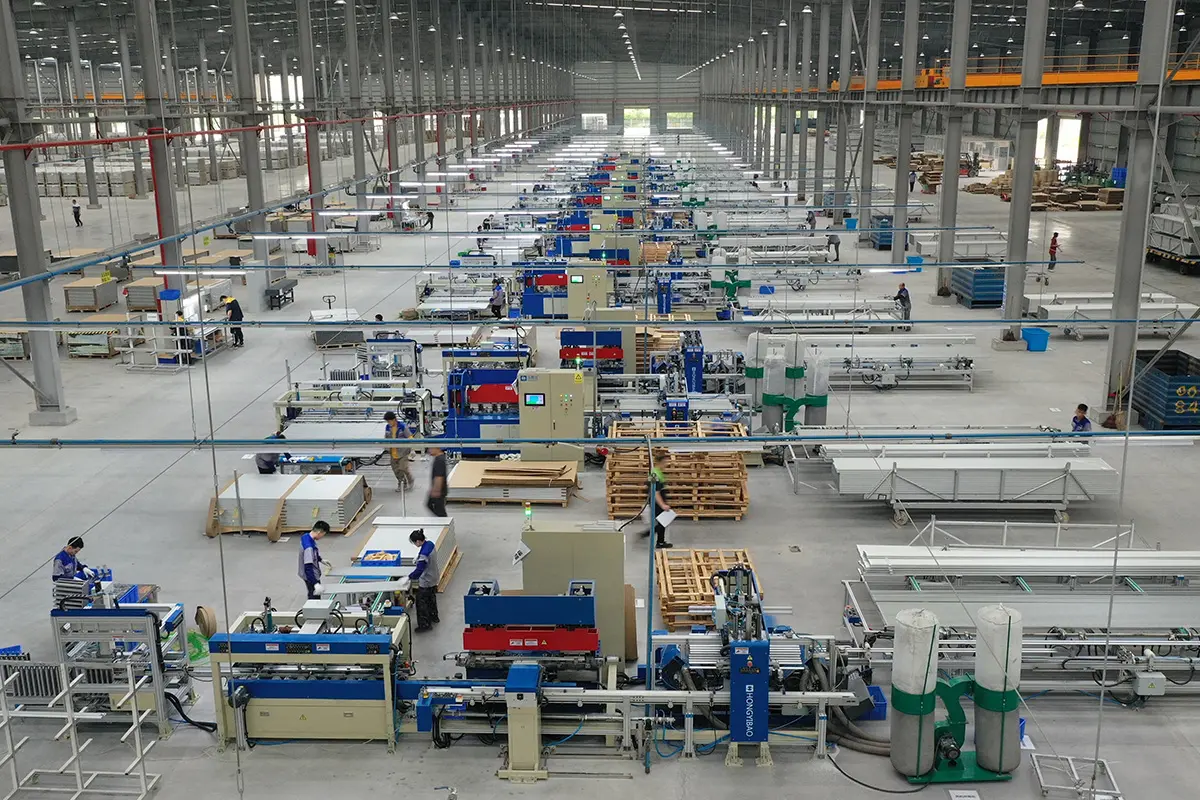
Proximity to key raw materials—including polysilicon refineries, wafer slicing plants, glass manufacturers, and aluminum extrusion mills—eliminates inter-provincial shipping costs. This proximity enables prompt responses to changes in demand. Integrated production lines allow transition from raw aluminum ingots to finished, anodized, and pre-punched frames in a single facility. This process reduces transport risks, preserves surface finishes, and keeps production costs competitive.

Advanced Quality Assurance Protocols

High-quality manufacturing relies on rigorous QA/QC processes. Modern factories integrate online testing directly into production lines:

  • Electroluminescence (EL) Inspection: Triple EL inspections (pre-lamination, post-lamination, and post-packaging) identify micro-cracks, cell mismatches, and grid-line breaks invisible to the naked eye.
  • Thermal Cycling and Damp Heat Testing: Accelerated environmental tests simulate 25 years of field exposure, checking laminate adhesion and backing sheet stability.
  • Precision Tolerance Control: Automated frame mounting machines use lasers to verify panel squareness within margins of ±0.5 mm, ensuring hassle-free installation on racking systems.

4. Global Enterprise Procurement Dynamics

Commercial and industrial (C&I) buyers, utility developers, and sovereign wealth investors prioritize Total Cost of Ownership (TCO) and long-term project viability over initial price points.

Pricelist Dynamics and Cost Optimization Factors

A solar panel pricelist represents the initial capital expenditure (CAPEX), but must be evaluated alongside Balance of System (BOS) costs, shipping expenses, and labor costs. High-wattage panels (such as 590W+ TOPCon modules) reduce the number of modules required per megawatt. This lowers mounting structure costs, reduces the amount of DC cabling needed, and cuts down on labor hours for installation, resulting in a lower overall BOS cost.

Risk Mitigation in Procurement Contracts

Sourcing agreements should clearly define quality standards and performance guarantees:

  • Linear Power Warranty: Contractual guarantees should ensure at least 98% nominal power output in year one, with annual degradation capped at 0.4% or 0.45% for up to 30 years.
  • Tier-1 Bankability Status: Projects requiring project finance from international lenders typically require modules from manufacturers on BloombergNEF (BNEF) Tier 1 lists to ensure long-term support.
  • Detailed Logistic Plans: Clear shipping terms (FOB, CIF, DDP) and packaging protocols—such as vertical wooden crates with anti-tipping sensors—prevent transport damage and clarify liabilities.

Localized Application Scenarios & Engineering Focus

How customized ODM solar technology adapts to diverse global industrial and geographic conditions.

Agri-Photovoltaics (Agri-PV)

By elevating racking structures and using bifacial modules with customized light transmittance, developers can dual-use land for both crop cultivation and clean energy generation. This design shields crops from excessive heat while producing electricity.

Building Integrated PV (BIPV)

This design integrates solar cells directly into building facades, curtain walls, and roofing structures. Using lightweight frameless glass-glass panels or customized anodized aluminum framing options ensures structural integrity while generating power directly on-site.

Utility-Scale Power Generation

Large-scale solar parks demand durable components. We optimize these projects using N-type TOPCon double-glass modules, heavy-duty 35mm anodized frames, and high-capacity central or string inverters to maximize grid injection efficiency and system reliability.

Remote & Off-Grid Applications

For rural electrification and off-grid communication repeaters, we customize high-efficiency portable solar systems, rugged composite frames, and modular battery energy storage (BESS) systems to ensure stable power delivery under extreme, isolated conditions.

Telecommunications Power Supply

Uninterruptible remote power systems for mobile networks, microwave links, and satellite ground stations. Using durable solar panels and localized commercial storage solutions reduces generator run times and cuts operational costs.

Transportation & Smart Infrastructure

Integrating solar power into sound barriers, EV charging stations, highway lighting, and transport depots. This design supports clean mobility solutions by providing localized power generation and battery back-up systems.

About YUXIN Group

Precision, Quality, and Safety - Your Photovoltaic Materials Expert

Established in 2008, YUXIN New Energy Technology Co., Ltd. is located in the historical city of Yangzhou, Jiangsu Province. Positioned close to major transport links like the Beijing-Shanghai Expressway, Runyang Yangtze River Bridge, and Ningqi Railway, the group enjoys logistics connections that support timely shipping of materials globally.

With 14 specialized companies under our jurisdiction, Yuxin has grown into a National High-tech Enterprise, a Technology-based Enterprise, and has been recognized as one of Gaoyou City's Top 100 Private Enterprises. We integrate research, design, production, and distribution to supply global markets with durable, certified solar PV frames, monocrystalline modules, and comprehensive household energy storage systems.

21+
Production Lines
$86M+
Sales Revenue (76M+ export)
12,000+
Export Volume (Tons)
25,000+
Annual Capacity (Tons)
YUXIN Automated Smart Factory Video

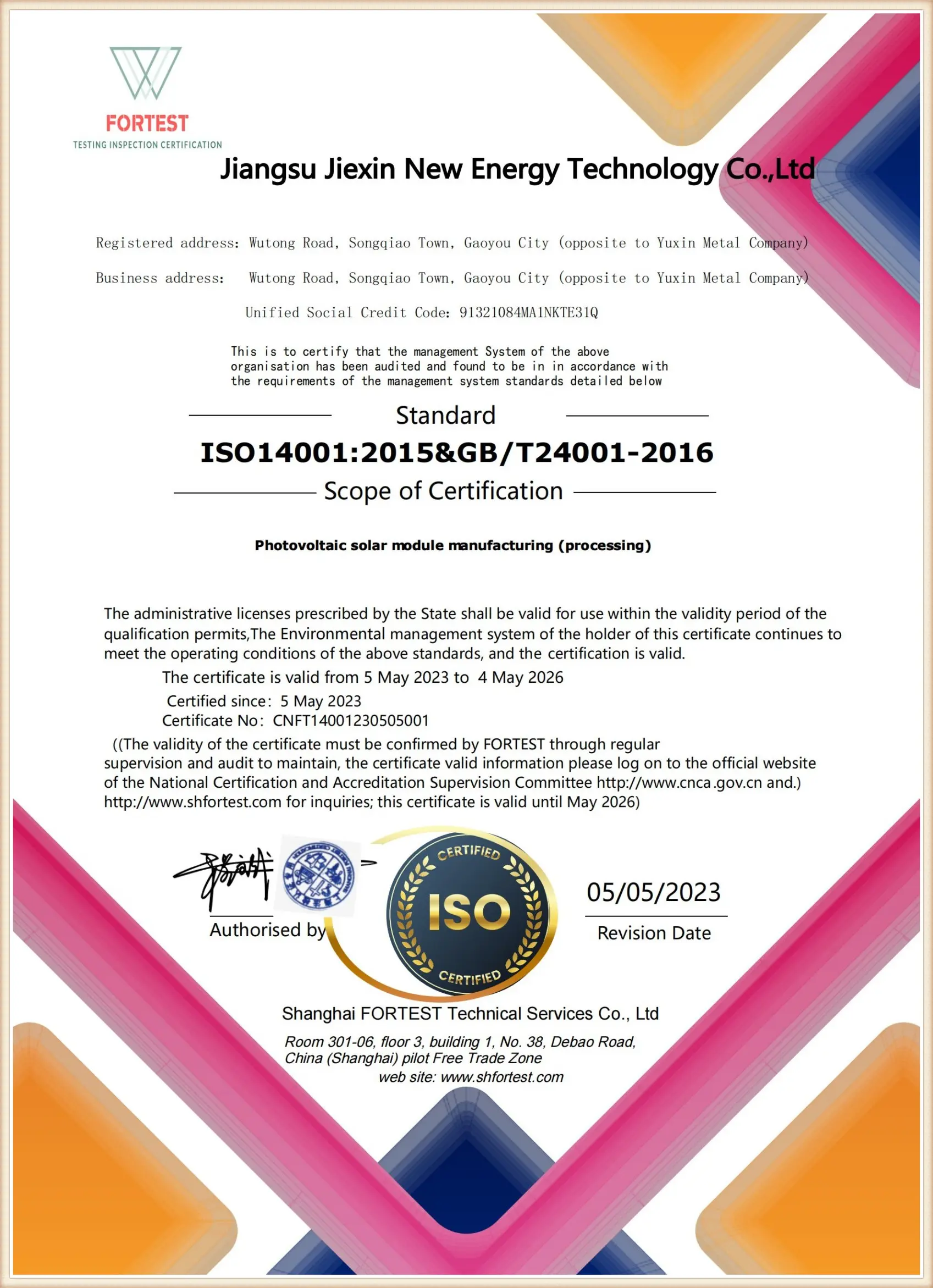
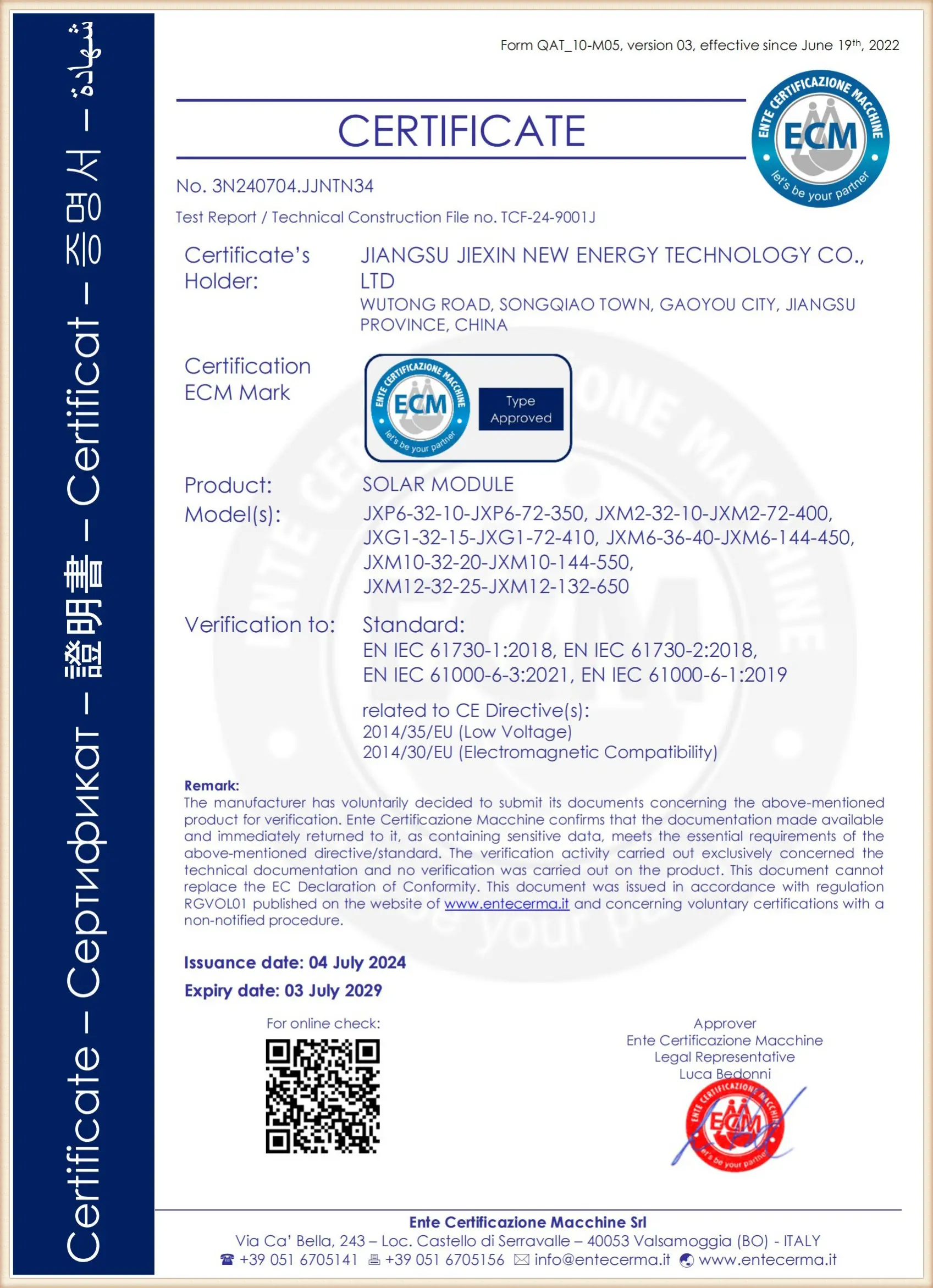
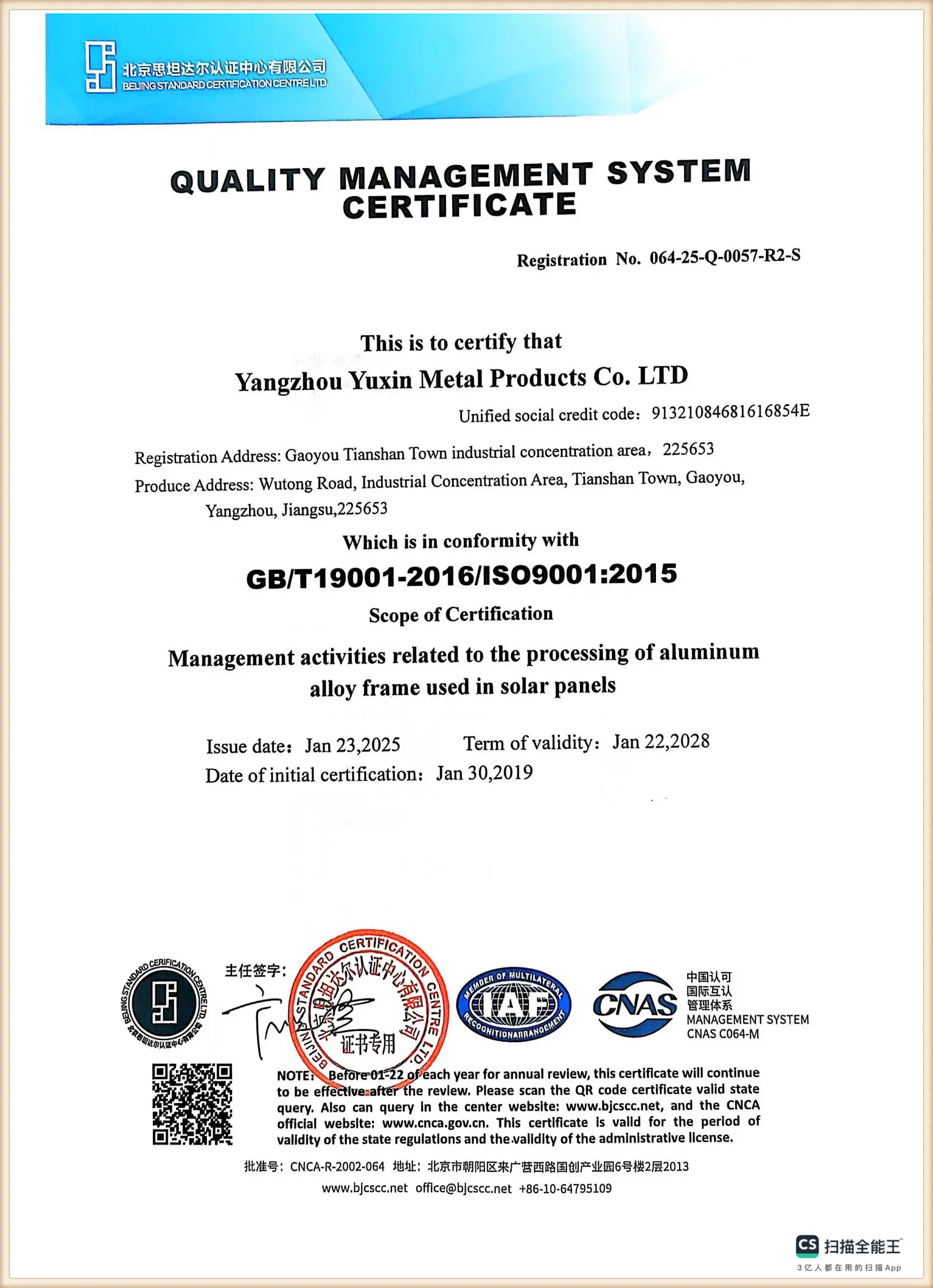
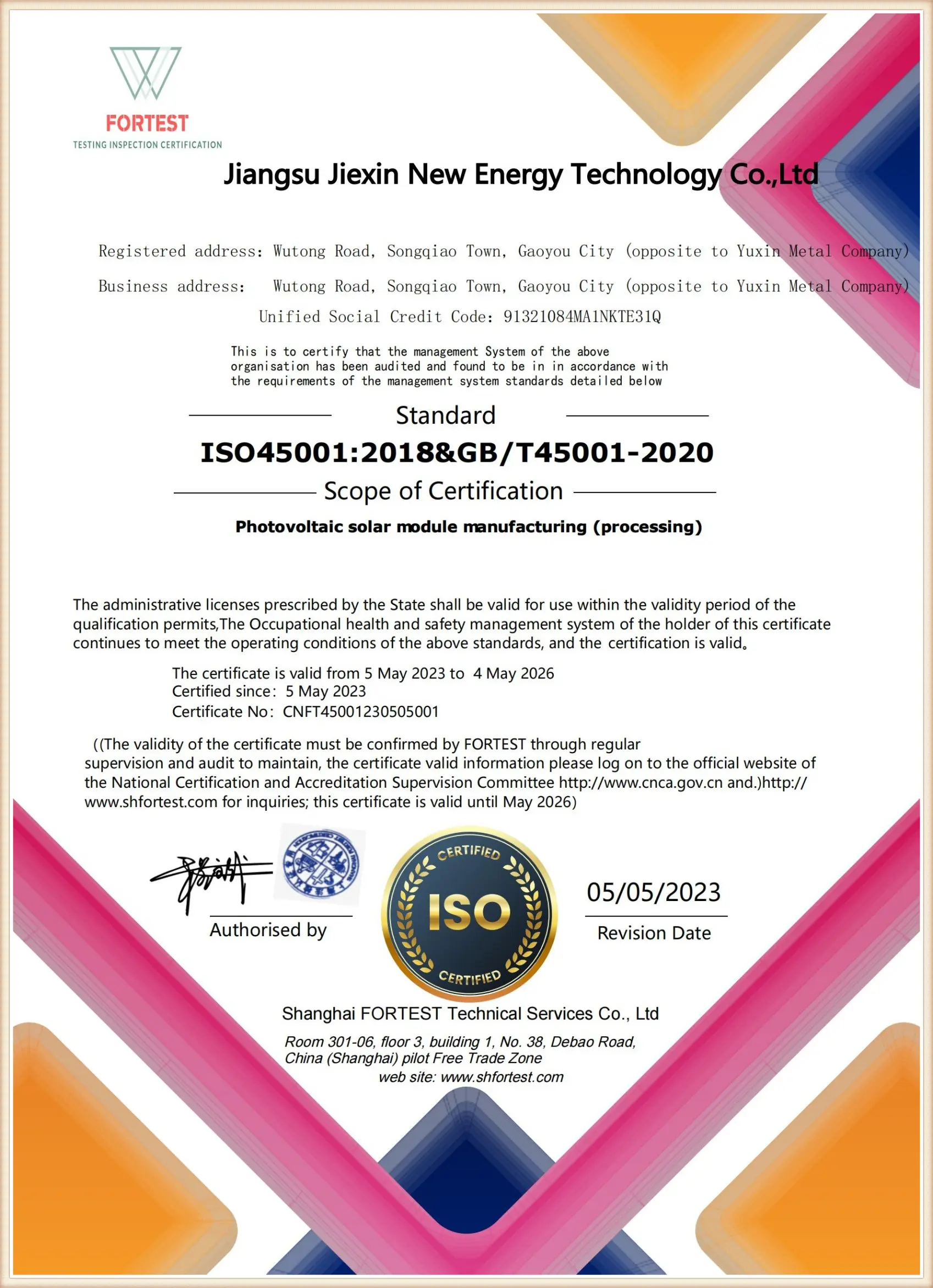
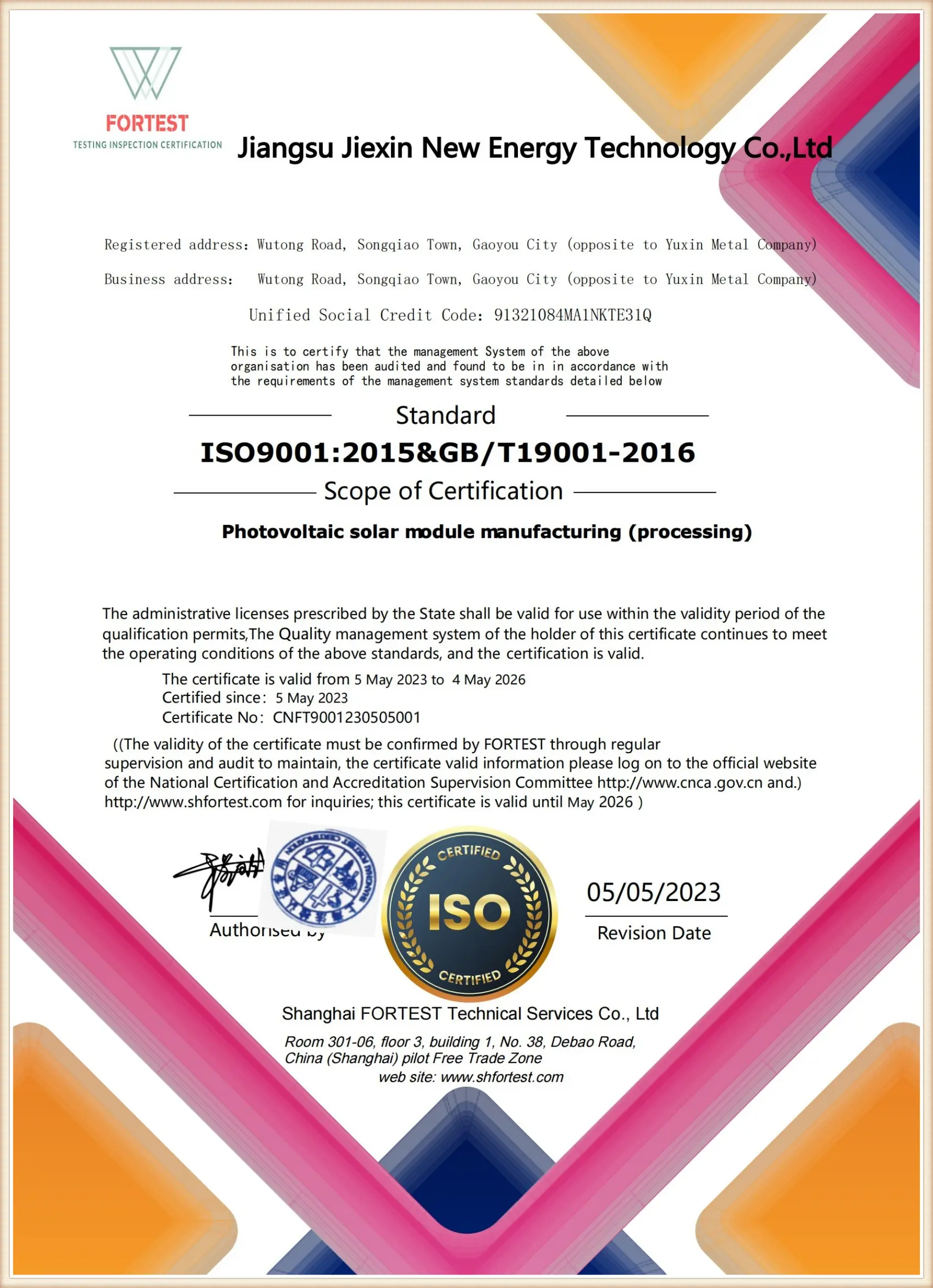
Certified Quality Assurance

Our production and management systems are fully certified to major international standards.
Global Business Partners

Developing diversified partnerships to supply clean energy components across international markets.
Latest Industry Insights & News

Stay informed with the latest technical briefs, standard updates, and material science developments in PV frames.
What Makes a High-Quality Solar Panel Frame?
June 16, 2026

What Makes a High-Quality Solar Panel Frame?

An investigation into alloy types, anodization thickness, and structural engineering tolerances required for modern bifacial solar installations.

View More
How to Choose a Reliable OEM Solar Frame Manufacturer in China
June 15, 2026

How to Choose a Reliable OEM Solar Frame Manufacturer in China

A checklist for evaluating factories, from checking composite material quality to auditing quality control systems.

View More
Solar Panel Frame Quality Control: Key Inspection Standards Explained
June 14, 2026

Solar Panel Frame Quality Control: Key Inspection Standards

Understanding mechanical stress tests, wind load resilience metrics, and salinity chamber testing for solar PV frames.

View More

Frequently Asked Questions & Technical Inquiries

Get detailed answers regarding ODM pricing, manufacturing timelines, compliance, and material engineering.

What are the key elements included in an ODM solar panel pricelist?
An ODM solar panel pricelist typically covers the Bill of Materials (BOM) — including solar cell type (TOPCon/PERC), glass specifications (single or dual-glass), backsheet type, frame style (anodized aluminum or polyurethane composite), junction box ratings, and cabling. It also factors in customization charges, packaging types, and shipping terms (e.g., FOB Yangzhou or CIF port of destination).
Why choose N-type TOPCon panels over older PERC modules?
N-type TOPCon modules offer higher conversion efficiency (typically 22.5%+), lower annual power degradation (≤0.4%), a better temperature coefficient (-0.30%/°C), and a higher bifaciality factor (up to 85%). These technical improvements help reduce Balance of System (BOS) costs and lower the project's overall Levelized Cost of Energy (LCOE).
What benefits do polyurethane composite frames provide compared to aluminum?
Polyurethane pultruded composite frames are electrically insulating, which helps reduce Potential Induced Degradation (PID) without complex grounding hardware. They also offer excellent resistance to acid rain, salt spray, and ammonia, making them suitable for coastal or heavy industrial environments.
How does Yuxin manage quality control for global exports?
Our quality control protocols include ISO 9001/14001 compliance, triple electroluminescence (EL) testing to detect micro-cracks, and structural tolerance checks. Our solar panels and components carry CE and TÜV certifications, meeting standard international requirements.
Can electrical connection specifications be customized?
Yes, our ODM services allow customization of output cables, connector types (such as MC4 compatible options), bypass diode configurations, and junction box placements to align with specific utility or commercial tracker system designs.

Portable Solar & Off-Grid Accessories

Explore lightweight, weather-resistant outdoor power solutions, specialized off-grid modules, and solar-integrated equipment.
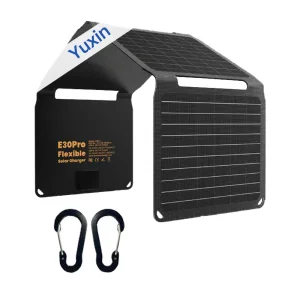
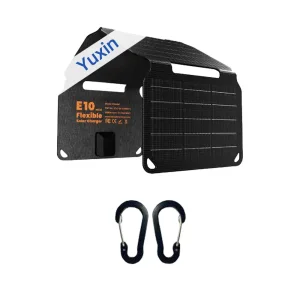
OEM 30W Solar Hiking Backpack

OEM 30W High Efficiency Waterproof Hiking Solar Backpack

Designed for outdoor enthusiasts, combining a waterproof hiking backpack with an integrated 30W monocrystalline panel for direct mobile device charging.
Inquire Now
Custom 10W Solar Backpack

Custom 10W Waterproof Solar Camping Backpack

Compact 10W charging panel integrated into a rugged camping backpack, optimized for maintaining mobile phone and power bank charges on the trail.
Inquire Now
20W Solar Backpack

Famous 20W Waterproof Camping Backpacking Solar Charger

Mid-tier outdoor charging backpack featuring high-wear fabric, multiple pockets, and a 20W solar module for reliable field power.
Request Quote
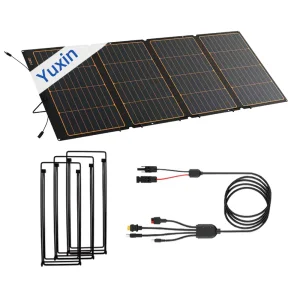
240W Waterproof Power Generator

240W High Efficiency Waterproof Portable Solar Generator

Foldable high-power solar array with support stand. Designed to quickly charge portable power stations and emergency communication equipment.
Get Prices
60W Solar Backpack

Wholesale 60W Waterproof Camping Solar Backpack

High-capacity charging backpack containing a 60W monocrystalline array, suitable for multi-day trekking and professional field-work charging.
Wholesale Price
ODM 40W Solar Backpack

ODM 40W Waterproof Camping Backpack Solar Charger

Flexible ODM backpack design with a built-in 40W solar charger. Durable, weather-resistant, and optimized for charging larger devices and power banks.
Inquire Design
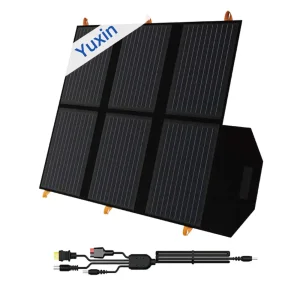
Solar Panel

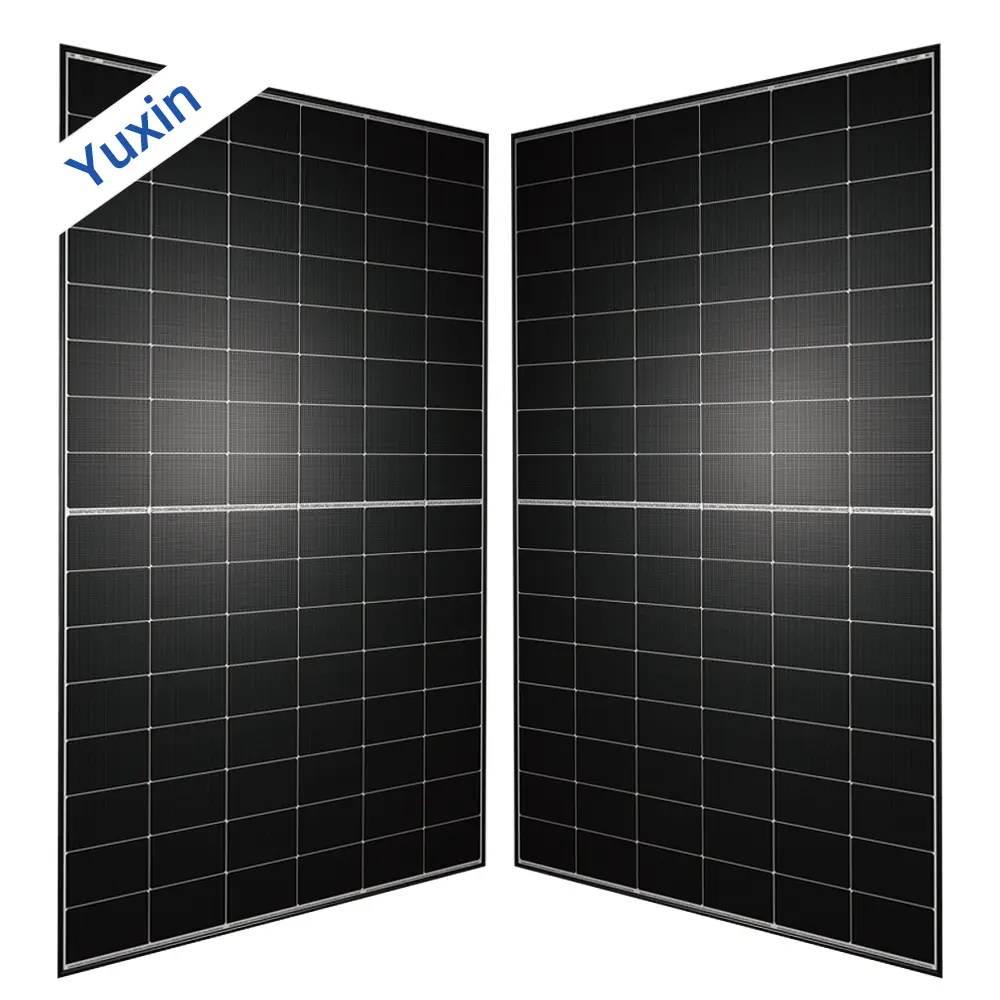
Standard Solar Panel

Lightweight design with transparent back panel for easy installation and reduced balance of system (BOS) costs.
View Product
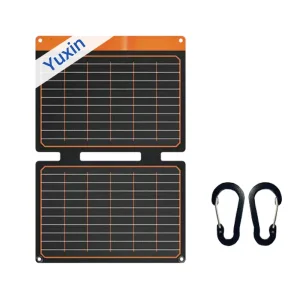
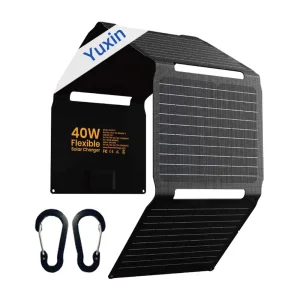
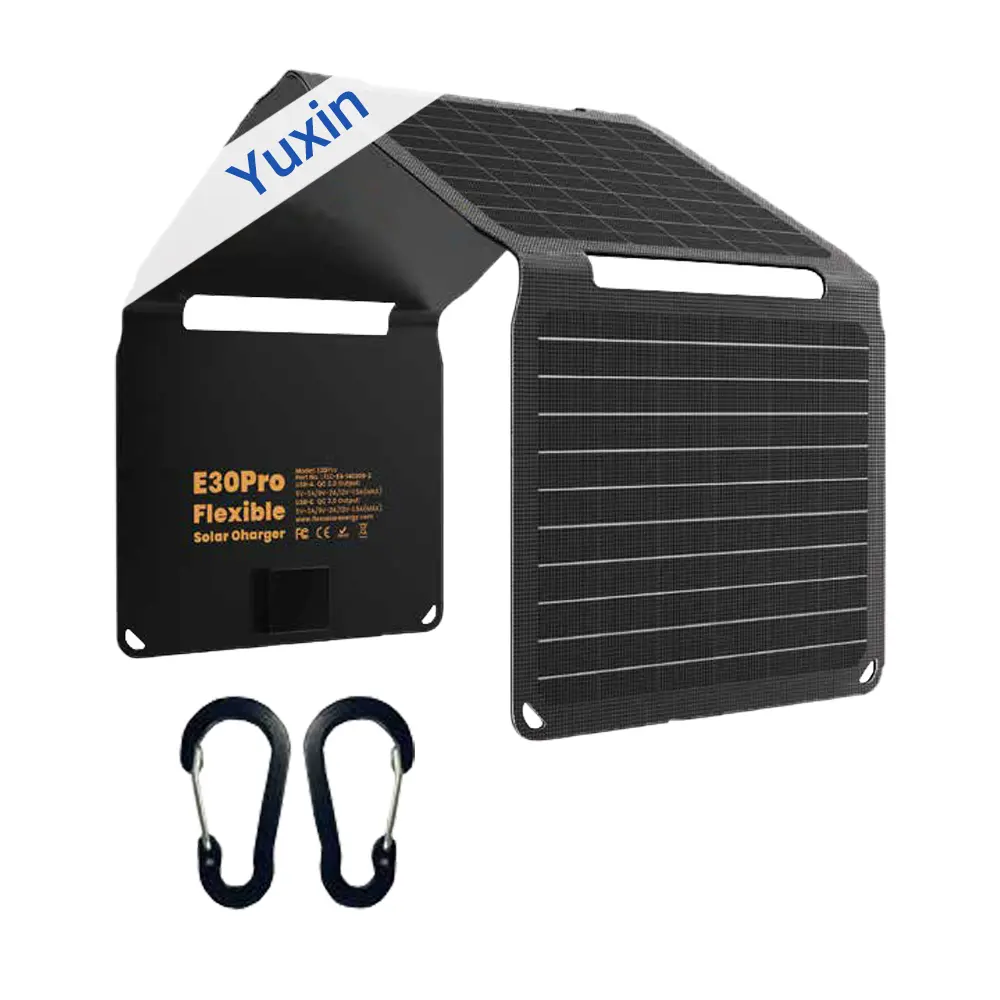
Portable Solar Charger

Portable Solar Charger

Utilizing advanced monocrystalline silicon cells, it achieves a high energy conversion efficiency of 24% for active field deployment.
View Details