Engineered to meet the rigorous energy yield and structural standards of commercial infrastructure.
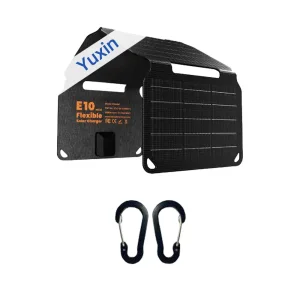
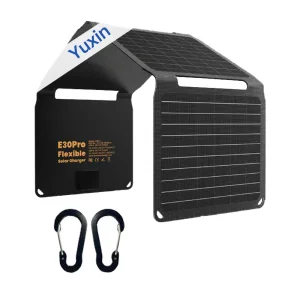
Building-Integrated Photovoltaics (BIPV) represent a paradigm shift in how commercial envelopes are conceived and constructed. No longer viewed simply as passive cladding materials, modern facades, roofs, and glazing elements are active power generators. The rapid evolution of BIPV is driven by stringent global decarbonization mandates, such as the EU's Energy Performance of Buildings Directive (EPBD) targeting carbon-neutral building stocks by 2050, and the US Inflation Reduction Act (IRA), which provides robust tax incentives for integrated clean energy properties.
For multinational corporations and real estate investment trusts (REITs), integrating BIPV is a critical lever for improving ESG (Environmental, Social, and Governance) scores, meeting Science Based Targets (SBTi), and shielding assets from escalating volatile fossil-fuel energy costs. Integrating power-producing modules directly into construction materials dramatically lowers the Levelized Cost of Energy (LCOE) while optimizing space utilization in urban zones where land footprint is at a high premium.
Information Gain Metric: Standard retrofitted PV systems carry high Balance of System (BOS) costs and add structural deadloads. In contrast, modern BIPV products replace structural cladding, glazing, or roofing, matching the construction lifecycle of the building envelope, thereby mitigating secondary installation and structural reinforcement expenses.
To successfully integrate photovoltaic capabilities into commercial high-rises and campuses, custom Engineering, Procurement, and Construction (EPC) services are mandatory. ODM (Original Design Manufacturing) BIPV systems require careful balancing of thermodynamic performance, optical transparency, structural wind-load management, and electrical system safety.
Replacement of traditional glass, fiber cement, or aluminum composite panels with customized photovoltaic ventilated facades. Optimizes solar capture from low-altitude winter sun angles while improving building thermal insulation (U-value).
Integrating semi-transparent thin-film or crystalline cells between double or triple-pane laminated architectural glass. This minimizes solar heat gain coefficient (SHGC) while maintaining optimal daylight harvesting inside the structure.
Replacing traditional corrugated metal or slate tile assemblies on warehouses, logistical hubs, and commercial complexes with structural PV tiles, preserving architectural styling while generating maximum power per square meter.
Our ODM development pipeline leverages advanced high-efficiency N-type TOPCon (Tunnel Oxide Passivated Contact) and Heterojunction (HJT) silicon technologies. These cell architectures offer superior temperature coefficients (typically -0.30%/°C to -0.34%/°C), ensuring that facade systems operating in elevated ambient temperatures continue to yield high power outputs compared to legacy P-type PERC designs. Bifacial cell integration further captures reflected light from adjacent structures and streets, maximizing vertical wall yield.
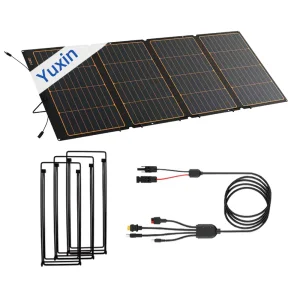
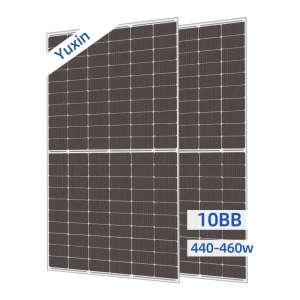
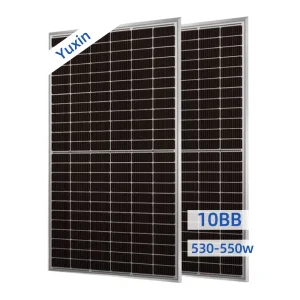
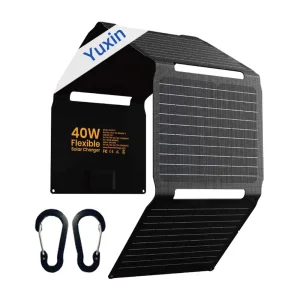
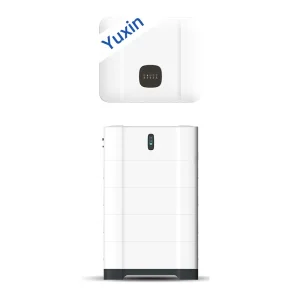
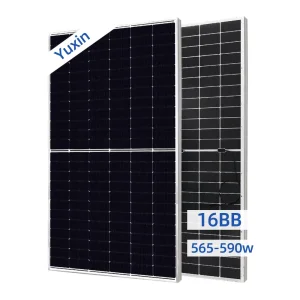
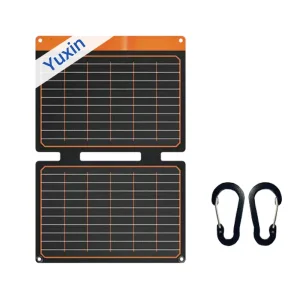
Explore the cornerstone modules within our integrated structural ecosystem, bridging solar efficiency, durable frames, and power backup solutions.
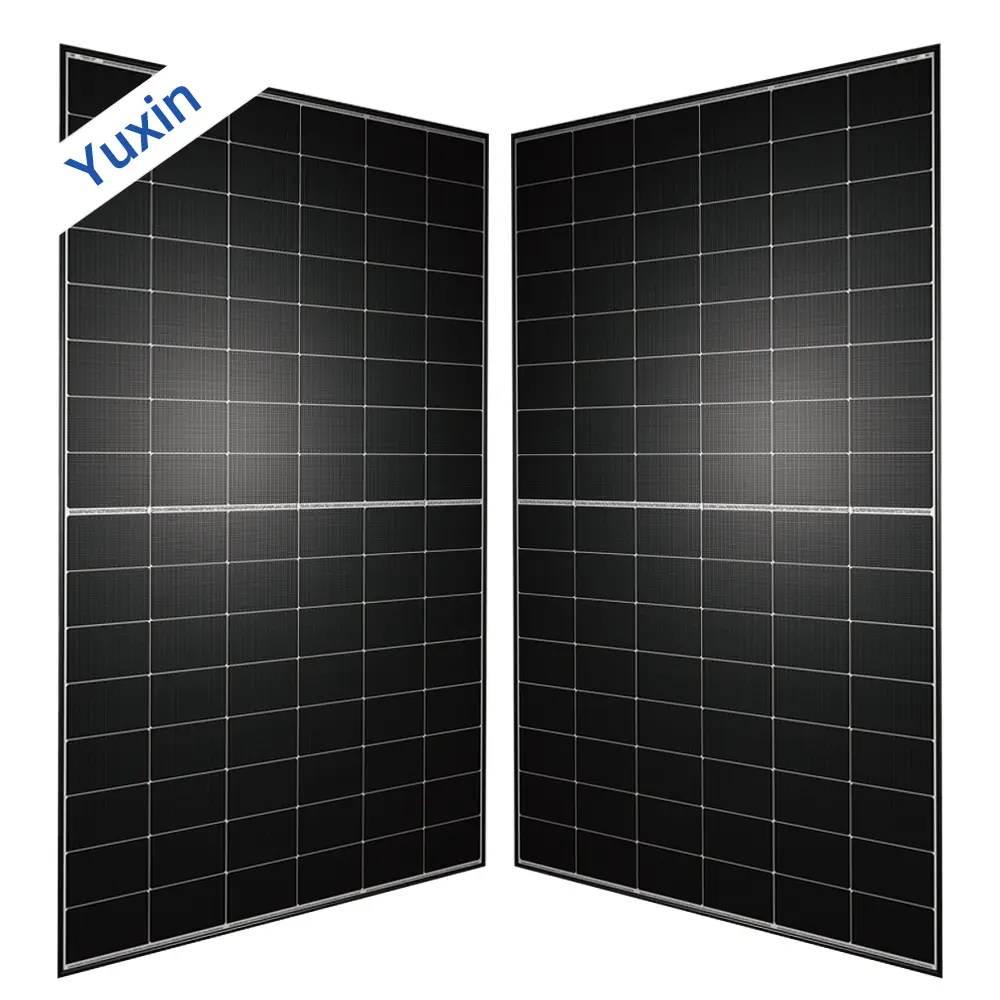
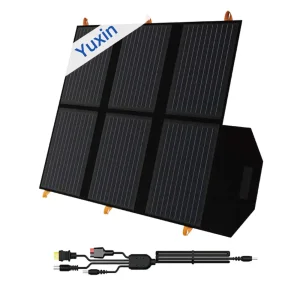
Lightweight design with transparent back panel for easy installation and reduced BOS costs.
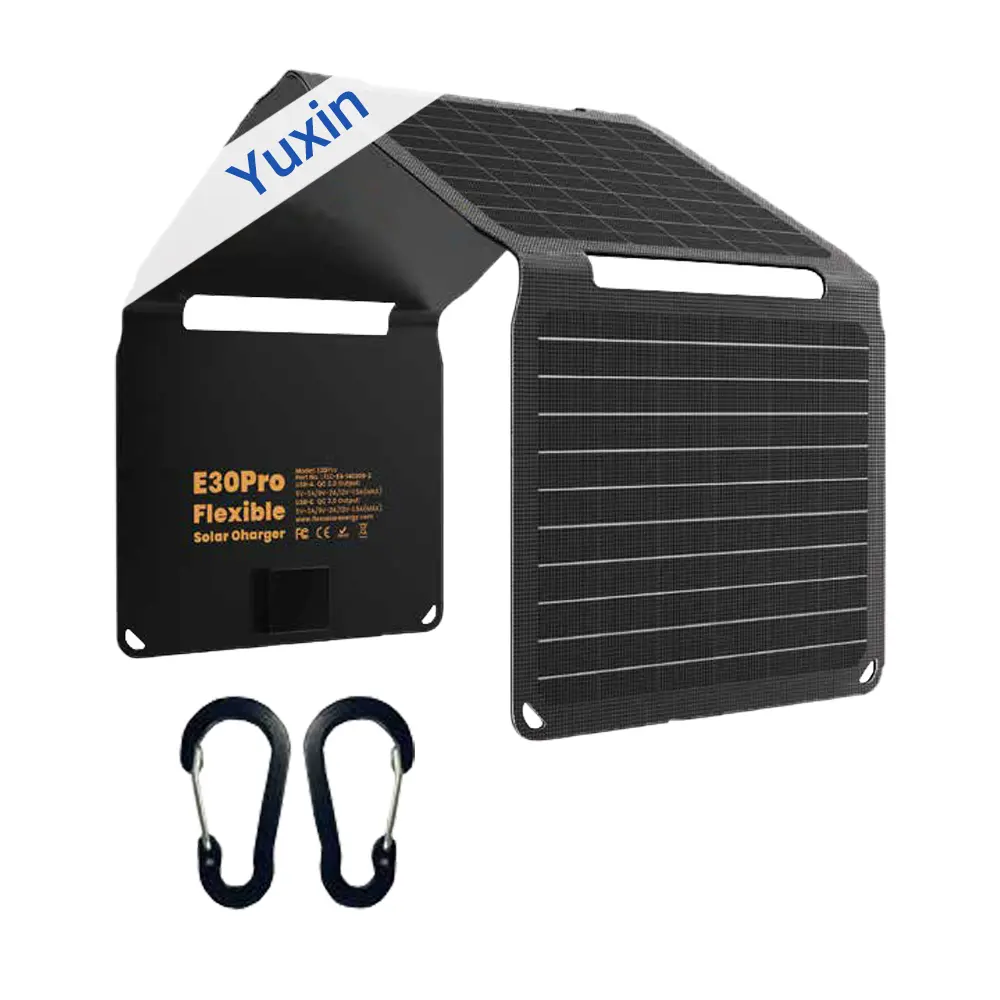
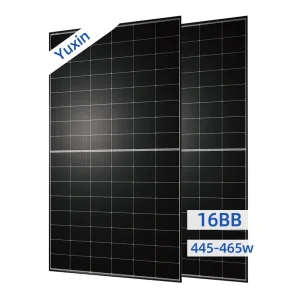
Utilizing advanced monocrystalline silicon cells, it achieves a high energy conversion efficiency of 24%.
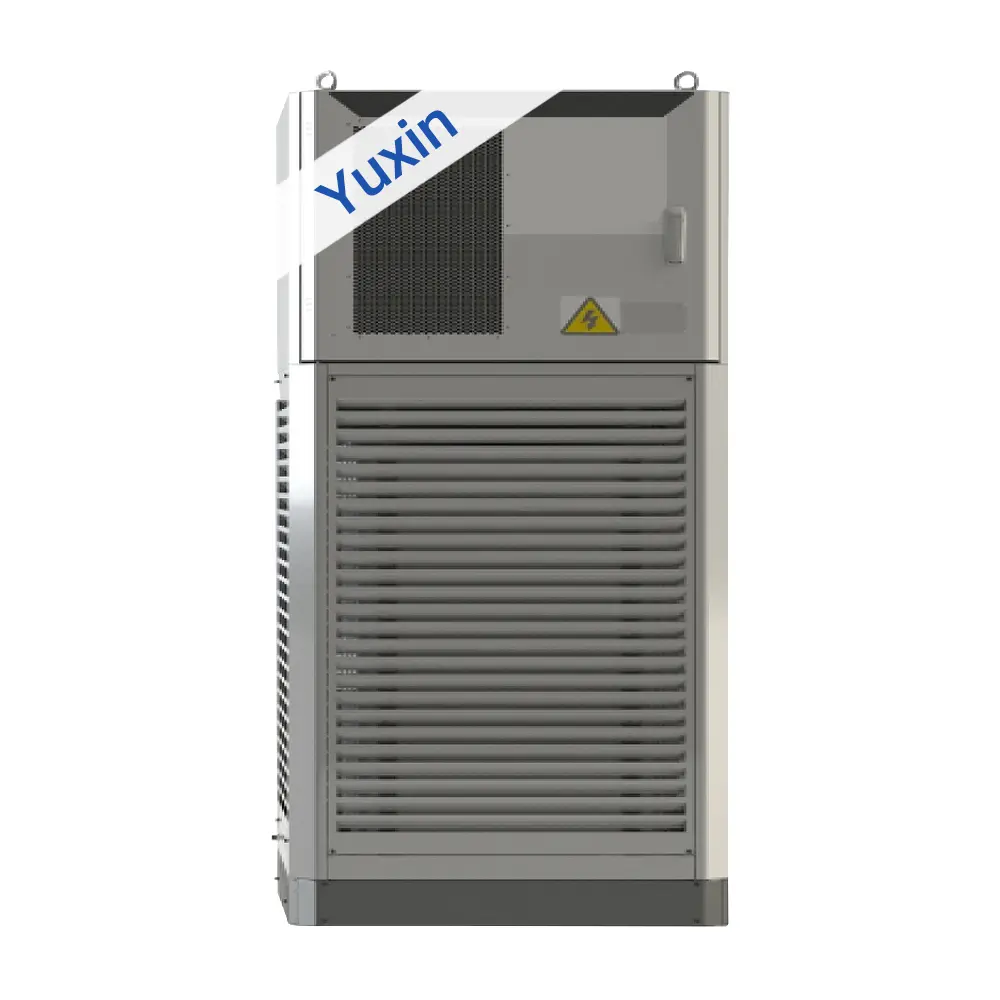
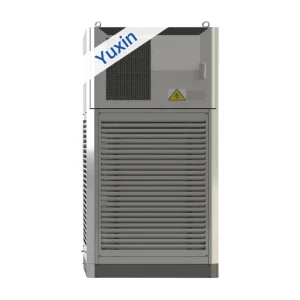
Application modes include grid-connected mode, off-grid mode, and integrated grid-connected/off-grid mode.
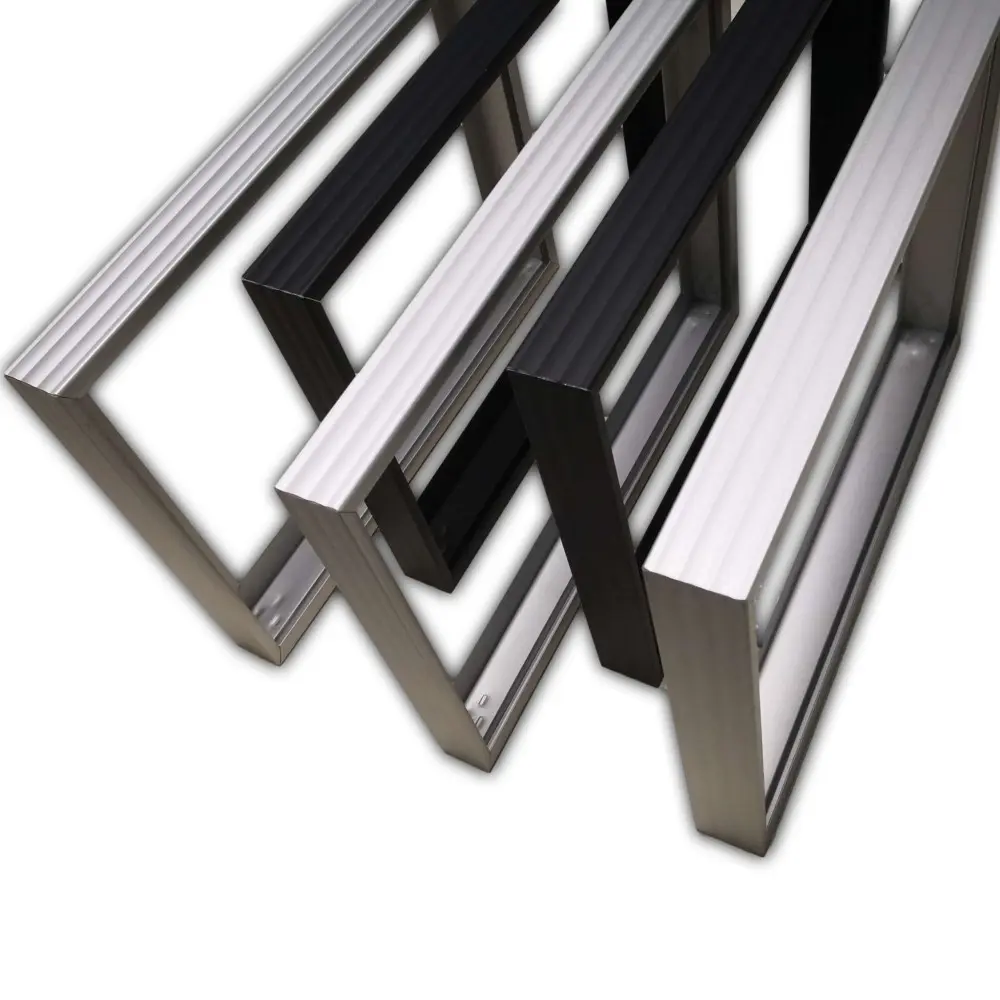
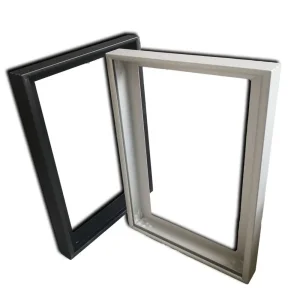
Made of high-quality anodized aluminum, it ensures superior weather resistance and a smooth, long-lasting finish.
Precision, Quality, and Safety - Your Photovoltaic Materials Expert
Located in the scenic historical and cultural ancient city of Yangzhou, Jiangsu, China, our company boasts a strategic geographical location. Adjacent to the Beijing-Shanghai Expressway, the Runyang Yangtze River Bridge, and the Ningqi Railway, we have highly integrated shipping channels connecting to global maritime networks.
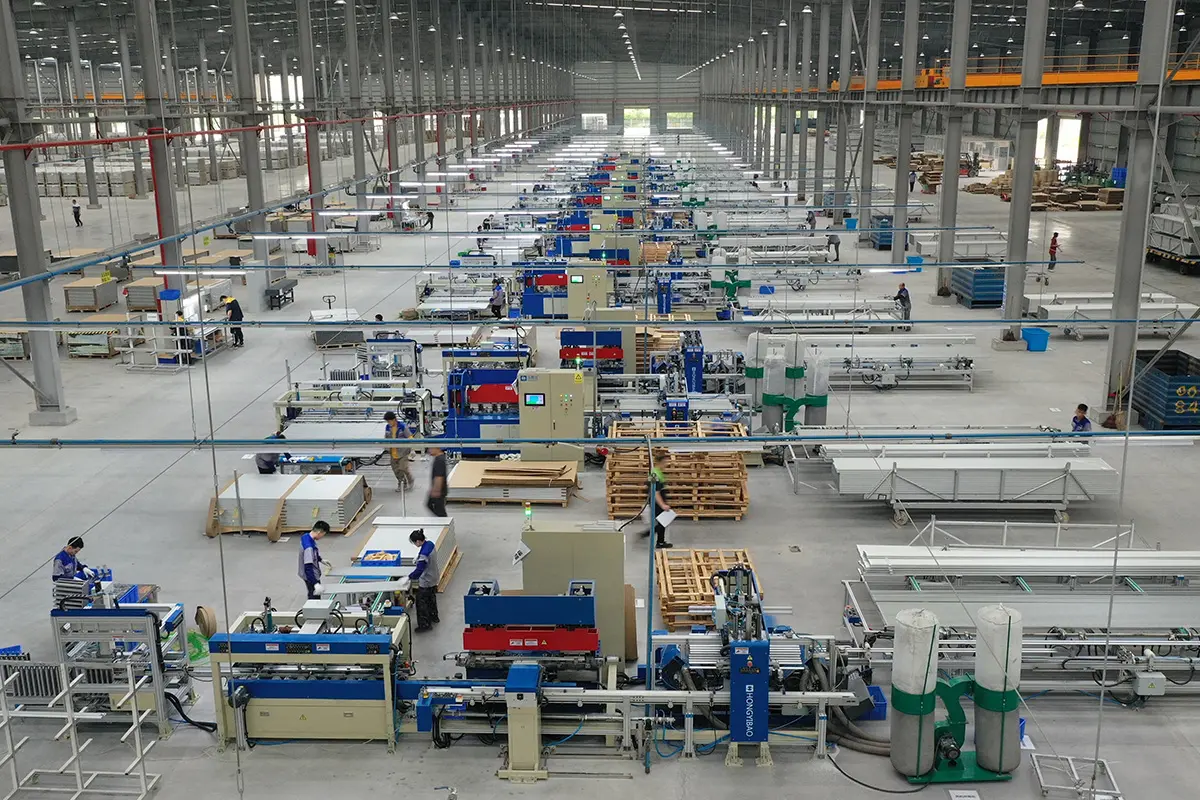
Established in 2008, the Yuxin group operates 14 specialized companies under its jurisdiction, including Jiangsu Yuxin New Energy Technology Co., Ltd. We are recognized as a National High-tech Enterprise and rank among the Top 100 Private Enterprises in Gaoyou City. Our facility combines automated raw extrusion, precision anodization, structural glass processing, and PV module integration, yielding a highly integrated vertical supply chain.
BIPV modules are fundamentally dual-purpose: they must satisfy both electrical safety (IEC/UL) and strict civil construction building codes. Our ODM solutions undergo rigorous mechanical stress, fire safety, and environmental aging testing.
Every commercial cladding module matches or exceeds the load requirements of international architectural standards. Structural integrity calculations account for localized wind shear loads (such as Eurocode 1 or ASCE 7), ensuring seismic safety and resistance to micro-cracking over decades of continuous exposure. Double-glazed thermal tempering prevents safety hazards from glass breakage, incorporating polyvinyl butyral (PVB) or ethylene-vinyl acetate (EVA) encapsulation layers.
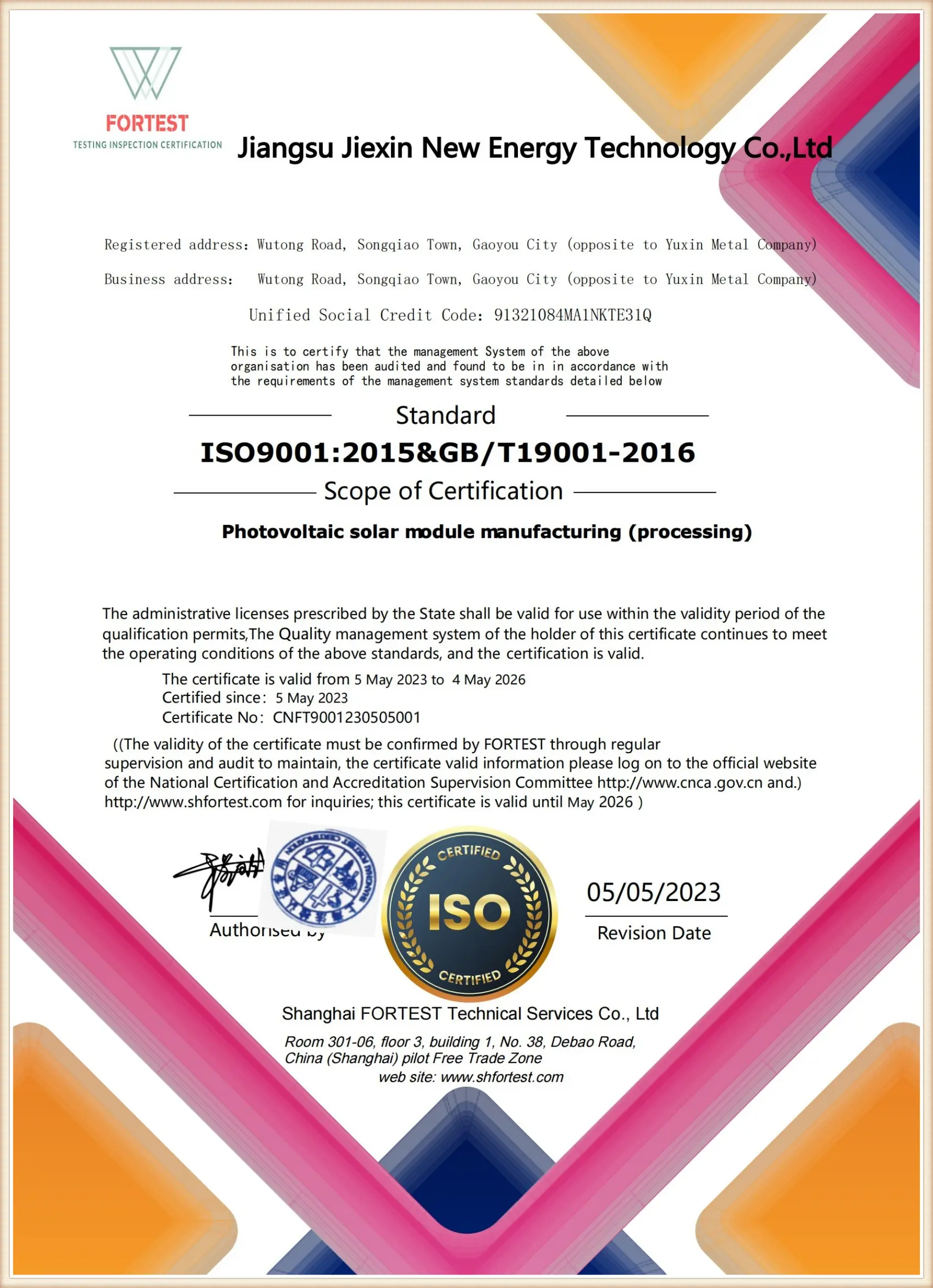
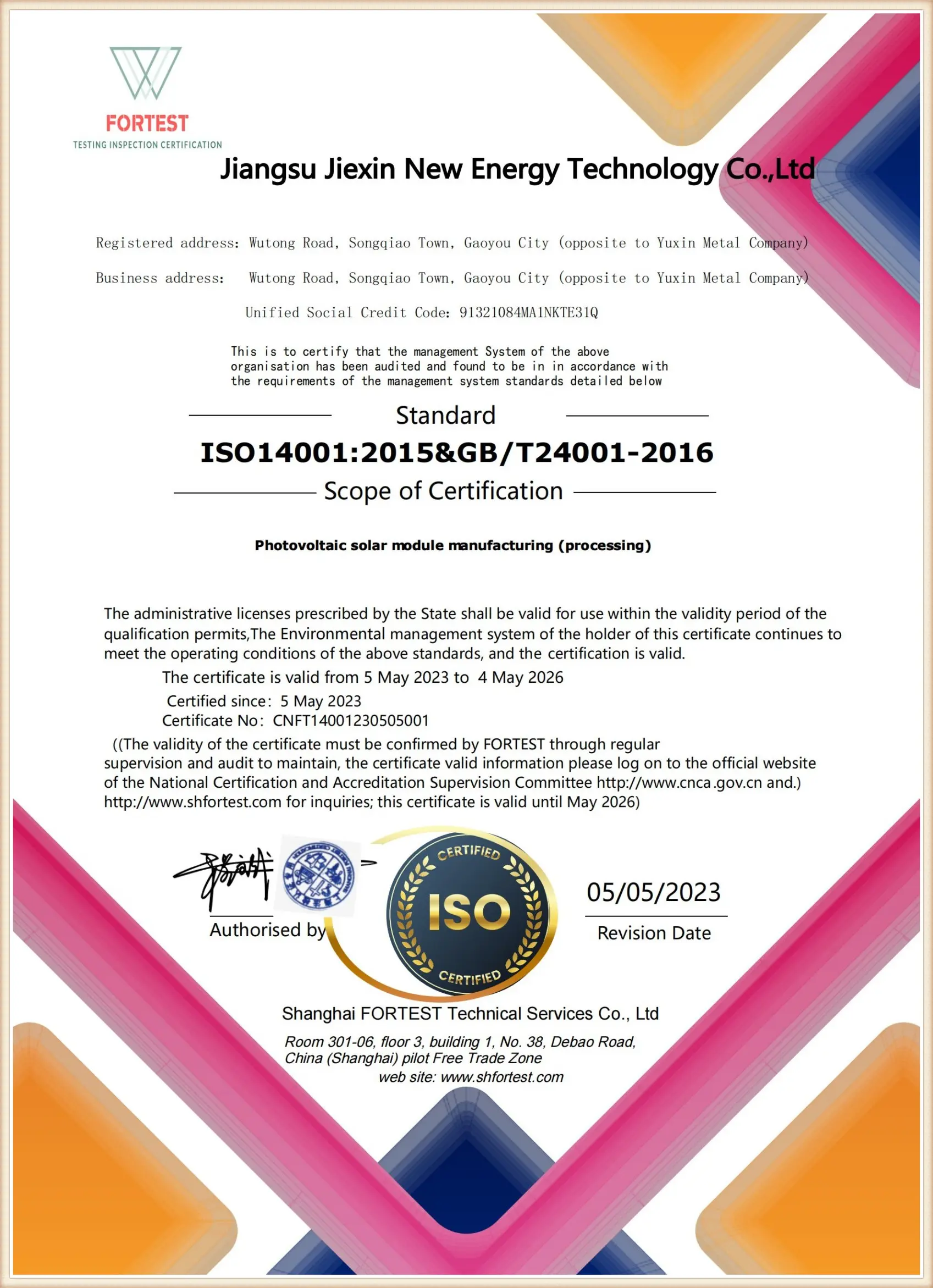
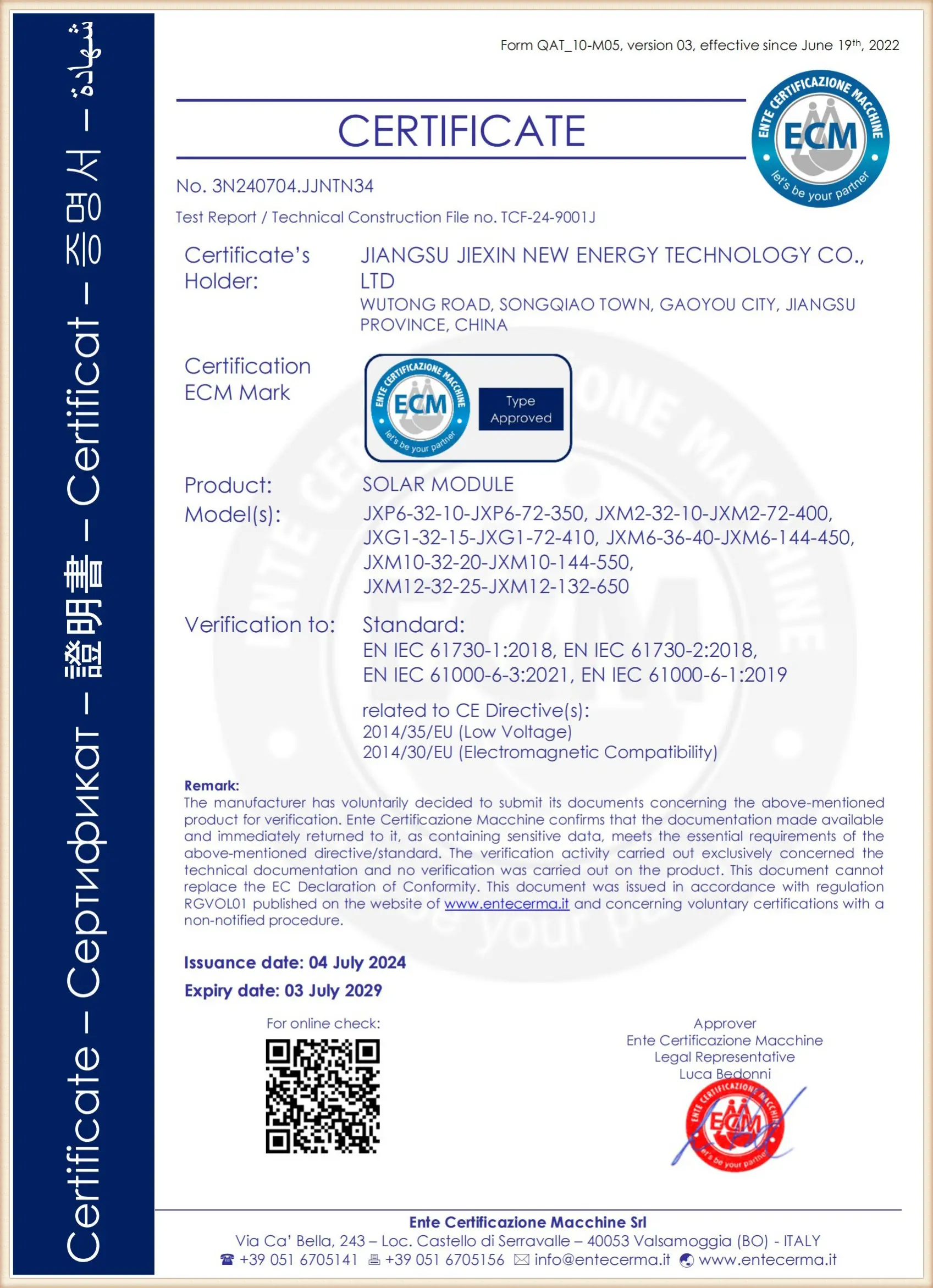
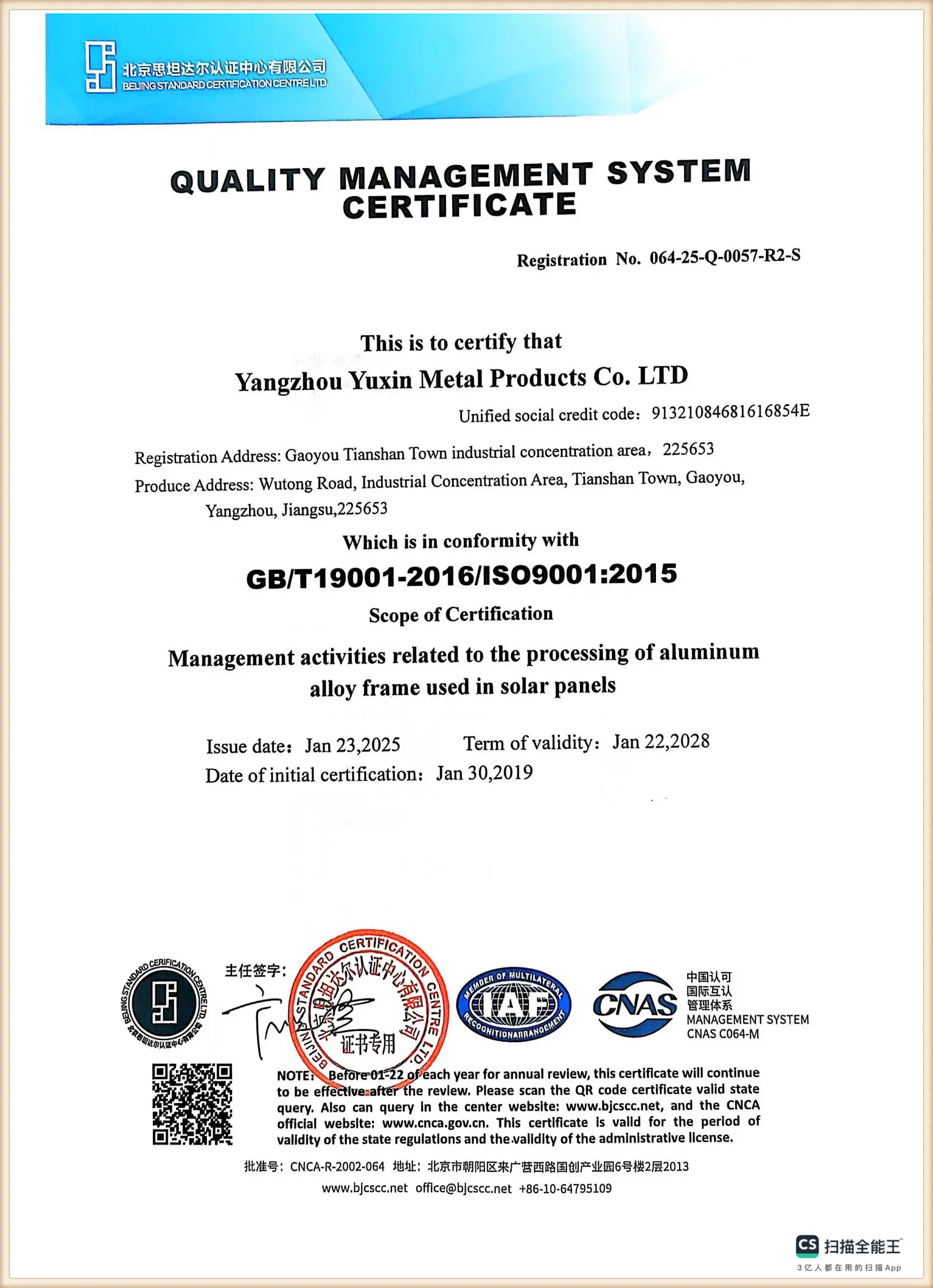
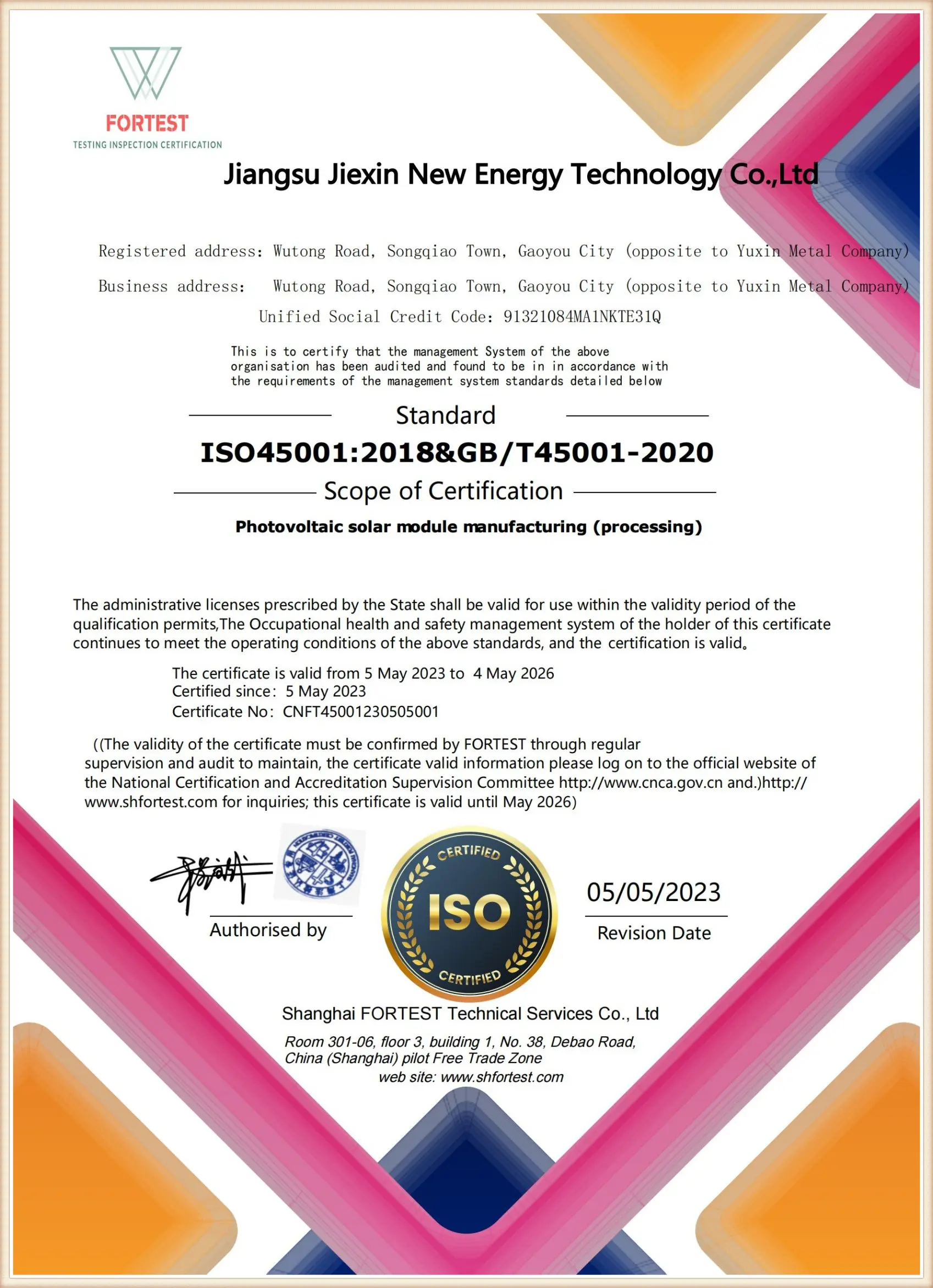
Commercial architectural design spans diverse structural environments. BIPV systems optimize spatial and power yields across multiple sectors, transforming building surfaces into green power stations.

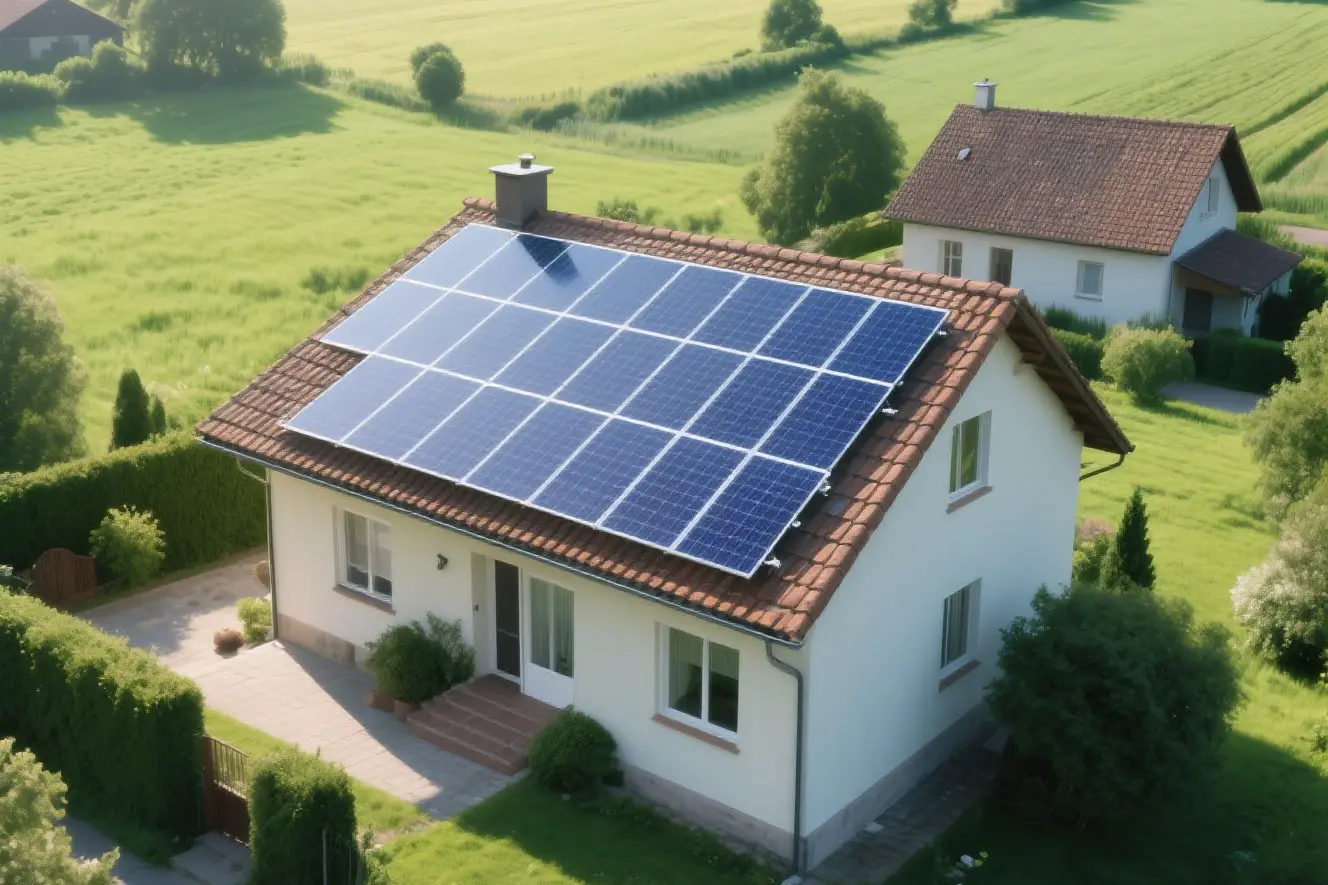
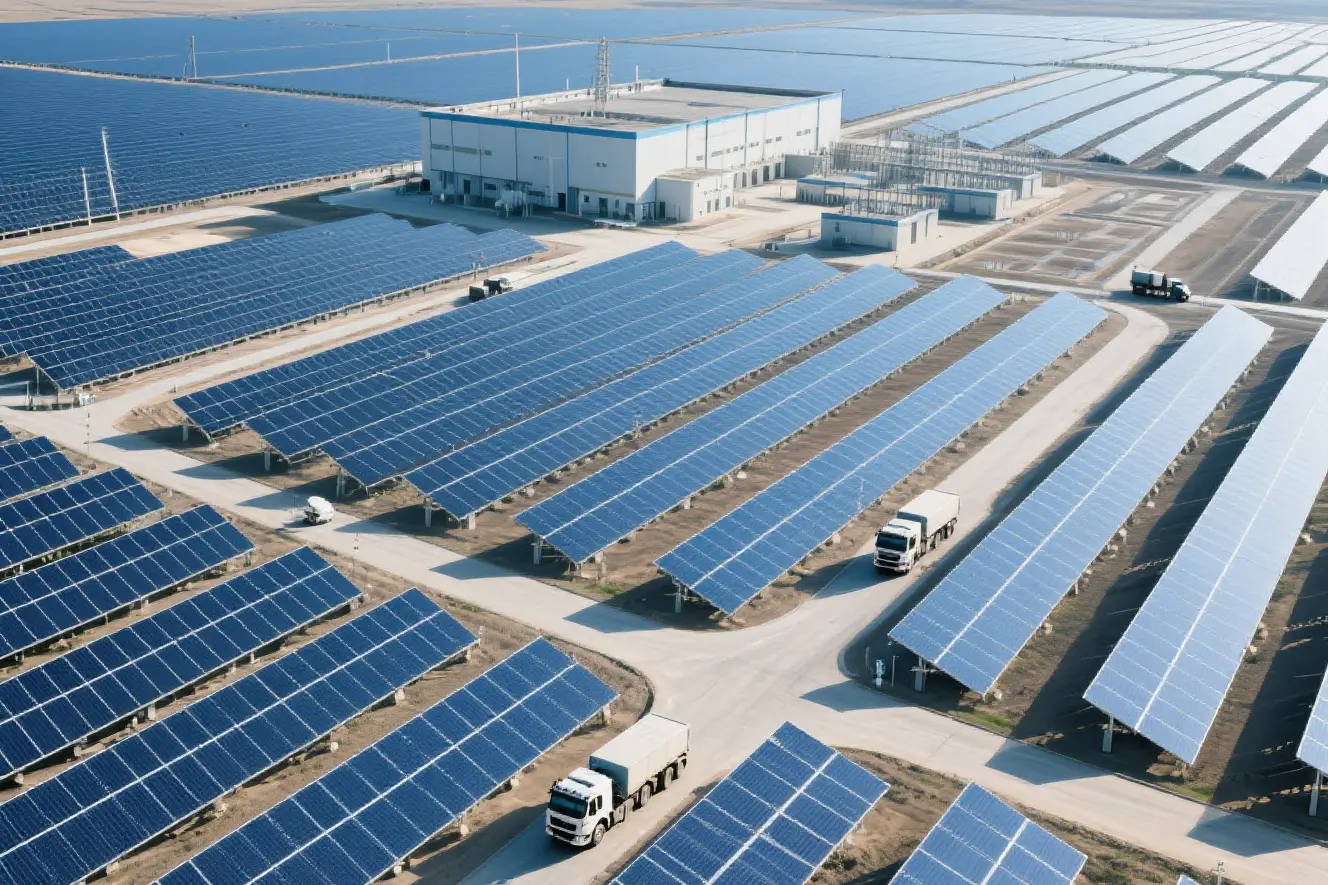


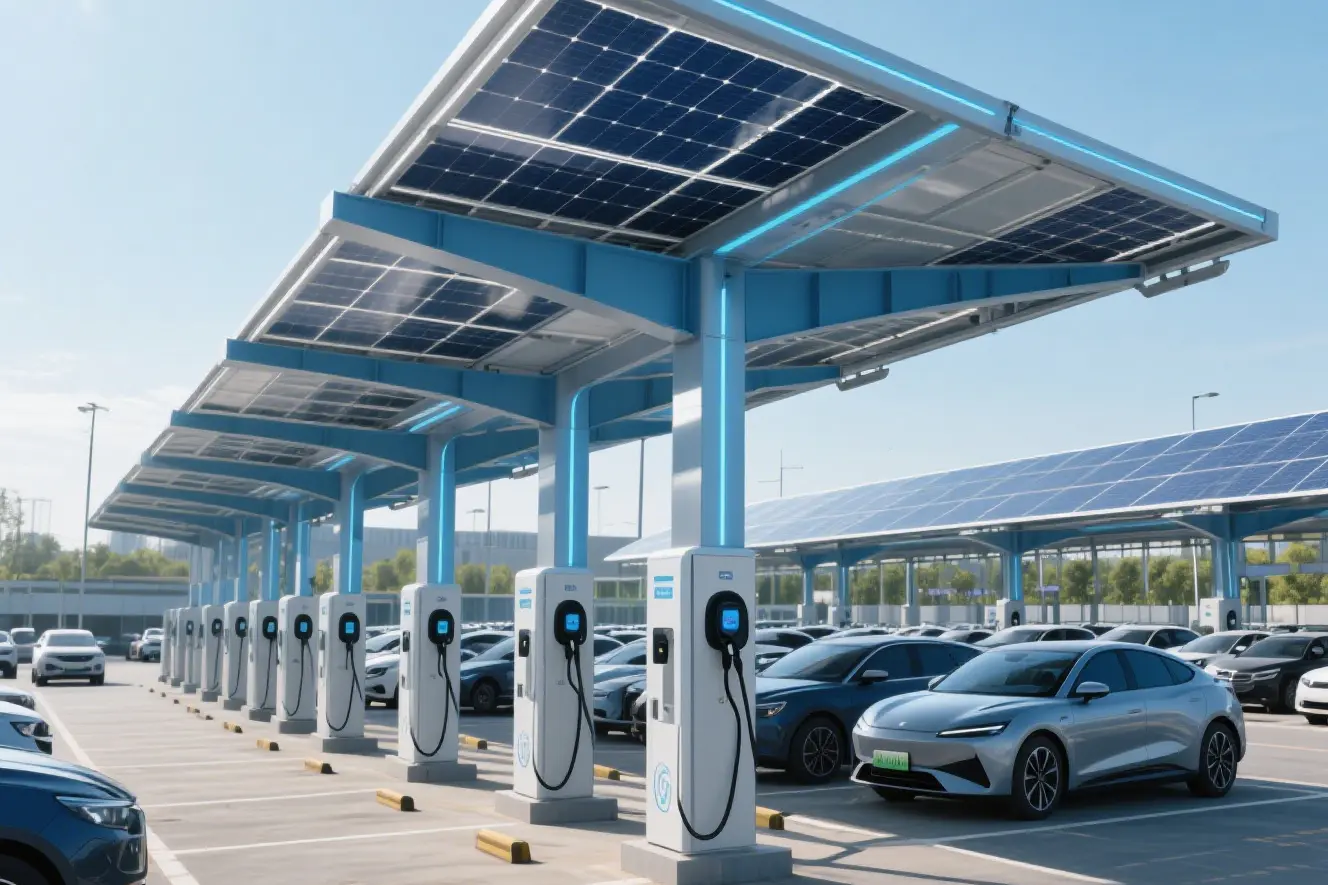
The next frontier in BIPV integrates smart grid interaction and advanced material science. Future-proofing buildings involves adopting technologies that harmonize power output with aesthetic preferences.
To assist architects, structural engineers, and procurement directors, our engineering desk answers the most common technical questions regarding commercial BIPV adoption.
Collaborating with global EPCs, material distributors, and green developers to deliver localized photovoltaic solutions.









Deep architectural and structural engineering reports published by our global research teams.
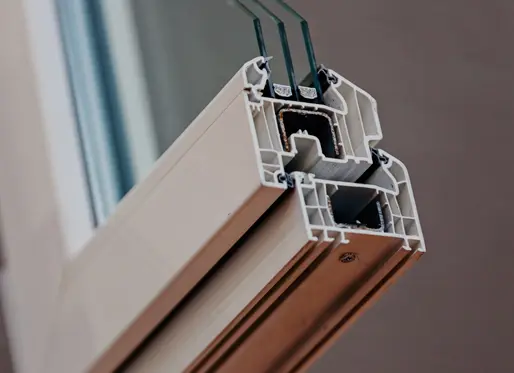
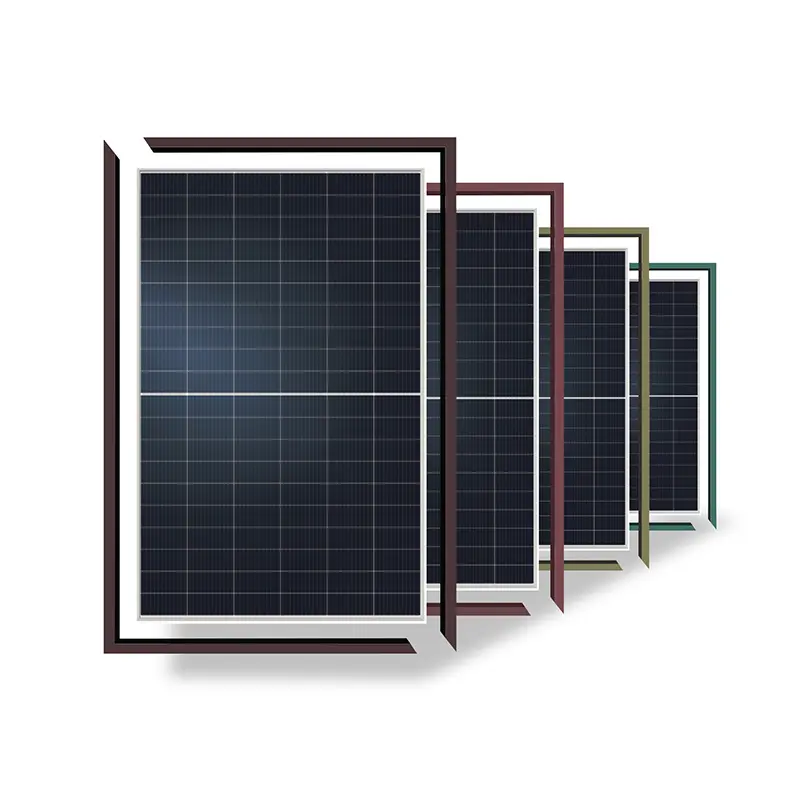
High-efficiency structural components, composite alloy frames, and solar backup systems.