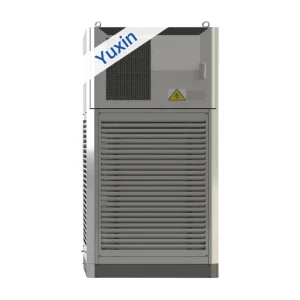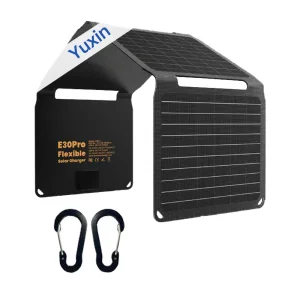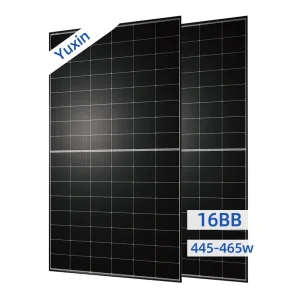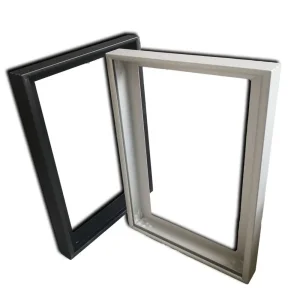
Engineered for high cycles, quick response times, and rugged climate profiles. Explore our commercial and off-grid product ecosystem.
A technical whitepaper examining the structural, electrochemical, and macro-economic factors driving global demand for dedicated Battery Energy Storage Systems (BESS) during utility blackout cycles.
As global utility grids face unprecedented stress due to infrastructure aging, extreme weather occurrences, and the rapid pace of electrification, traditional centralized grids are struggling to maintain stability. Load shedding—structured, rotational blackouts designed to prevent total grid collapse—has shifted from a temporary emergency measure to a persistent operating reality across multiple continents. From South Africa's multi-stage blackouts to grid stress cycles in California, Texas, and Western Europe, businesses and municipalities require a resilient buffer between the utility connection and their localized operations.
An ODM Battery Load Shedding Solution acts as this buffer. By integrating advanced Lithium Iron Phosphate (LiFePO4) or next-generation chemistry cells with highly responsive Energy Management Systems (EMS) and smart Power Conversion Systems (PCS), these storage assets guarantee immediate, microsecond-level transitions (UPS mode) when grid current drops. The objective of this whitepaper is to explore the engineering design, deployment topologies, and factory-level optimization paradigms required to implement high-reliability load shedding solutions at enterprise scale.
Industrial, commercial, and utility profiles demand fundamentally different architectural responses to power interruptions. An off-the-shelf residential inverter cannot cope with the variable, inductive, and dynamic load profiles typical of heavy industry, nor can standard telecom setups withstand the environmental constraints of remote geographical sites.
For processing plants, cold chains, and automated assembly floors, voltage dips of even 100 milliseconds can damage capital machinery and ruin production runs. ODM BESS architectures for C&I utilize high-voltage DC bus systems paired with active filtering and hybrid inverter topologies that mix grid, solar, and battery power dynamically to guarantee zero downtime.
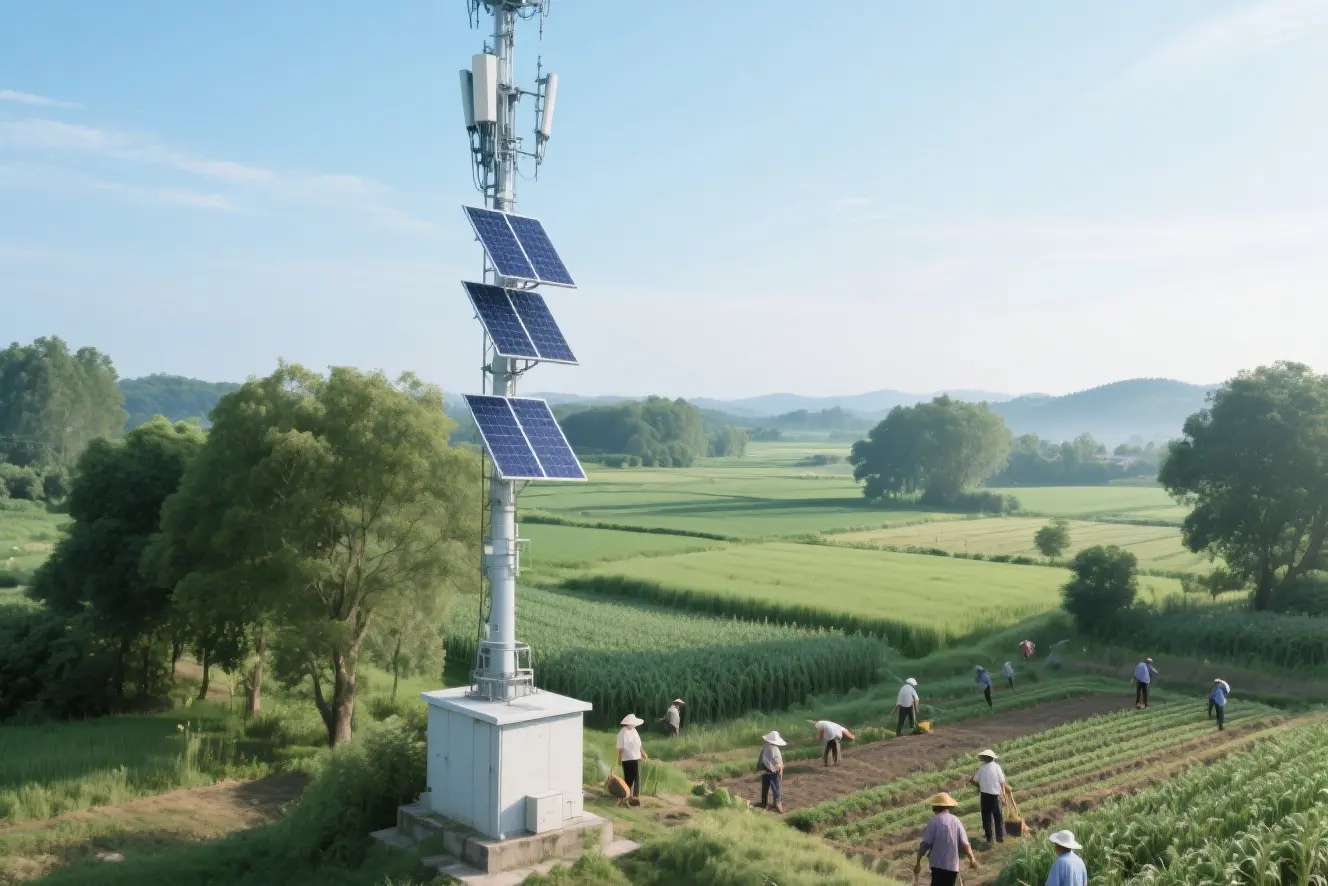
Base transceiver stations (BTS) operate in environments with high ambient temperatures and limited physical access. Custom ODM battery cabinets incorporate active thermal dissipation, integrated IP65-rated enclosures, and remote SNMP monitoring modules to execute deep cycle discharges twice daily without cell degradation.
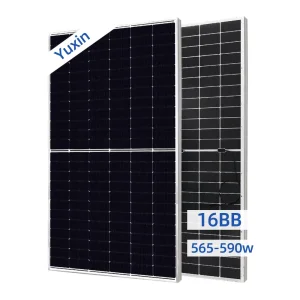
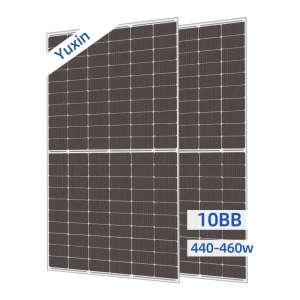
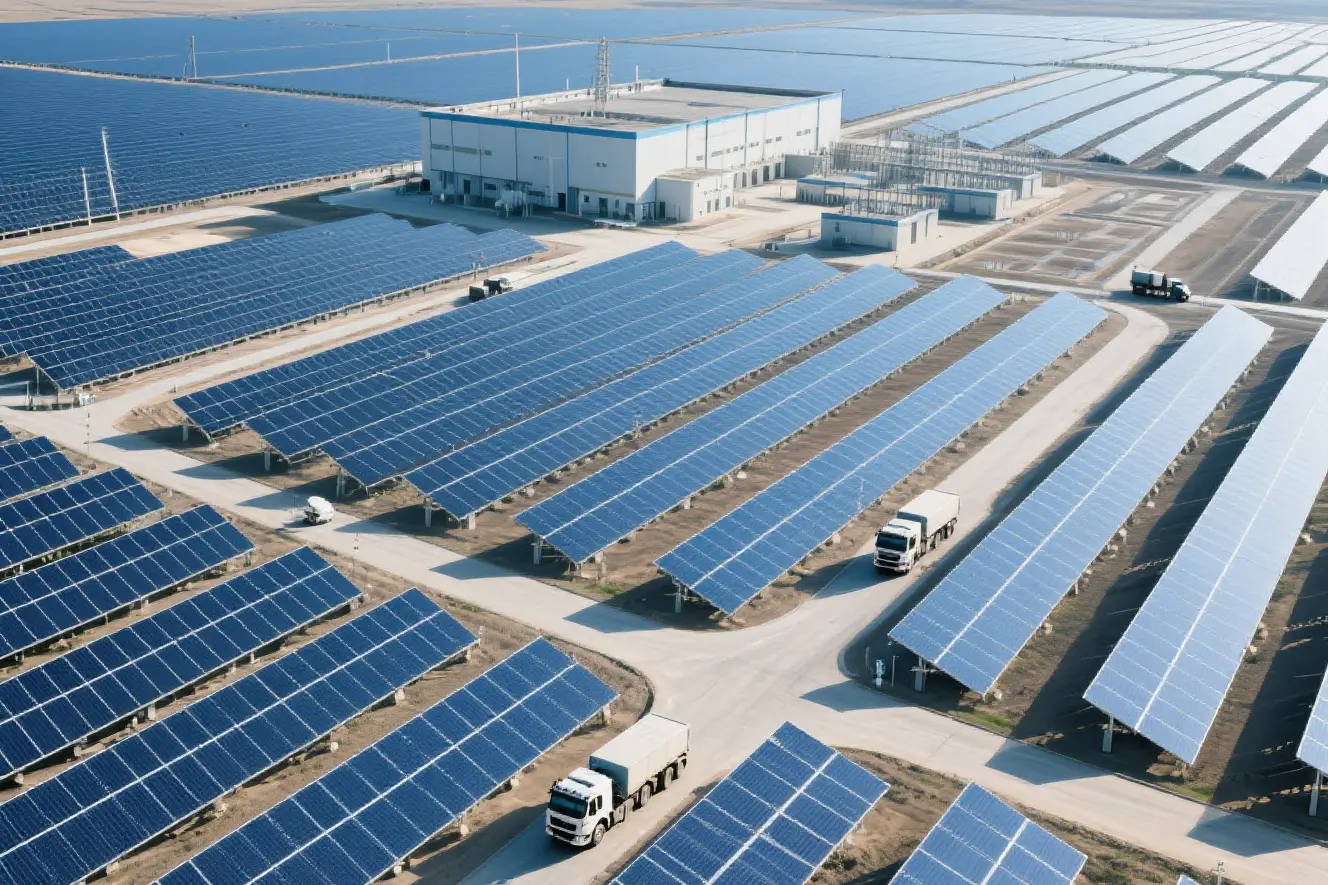
By marrying robust storage with high-power solar generators (e.g. 565W-590W bifacial TOPCon setups), municipal and agricultural users can run continuous pumping stations, water filtration systems, and localized microgrids completely independent of the national grid infrastructure.
The core of any battery storage system is the electrochemistry of its cells. While standard Lithium Cobalt Oxide (LCO) excels in portable devices, utility-scale load shedding demands a focus on thermal stability, safety, and longevity. The standard material choice remains Lithium Iron Phosphate (LiFePO4) because of its structural integrity under heavy thermal loads and its capacity to yield over 6,000 charge cycles at 80% Depth of Discharge (DoD).
Looking forward, our technical roadmap features the commercialization of Sodium-Ion (Na-ion) cell structures. Sodium-ion represents an exceptional alternative for stationary storage because it does not rely on scarce lithium reserves, maintains higher operating efficiency in sub-zero climates, and is structurally safe from thermal runaway risks. Additionally, developments in solid-state electrolytes promise to double volumetric energy density, meaning future C&I containers will pack twice the MWh footprint in the same physical container size.
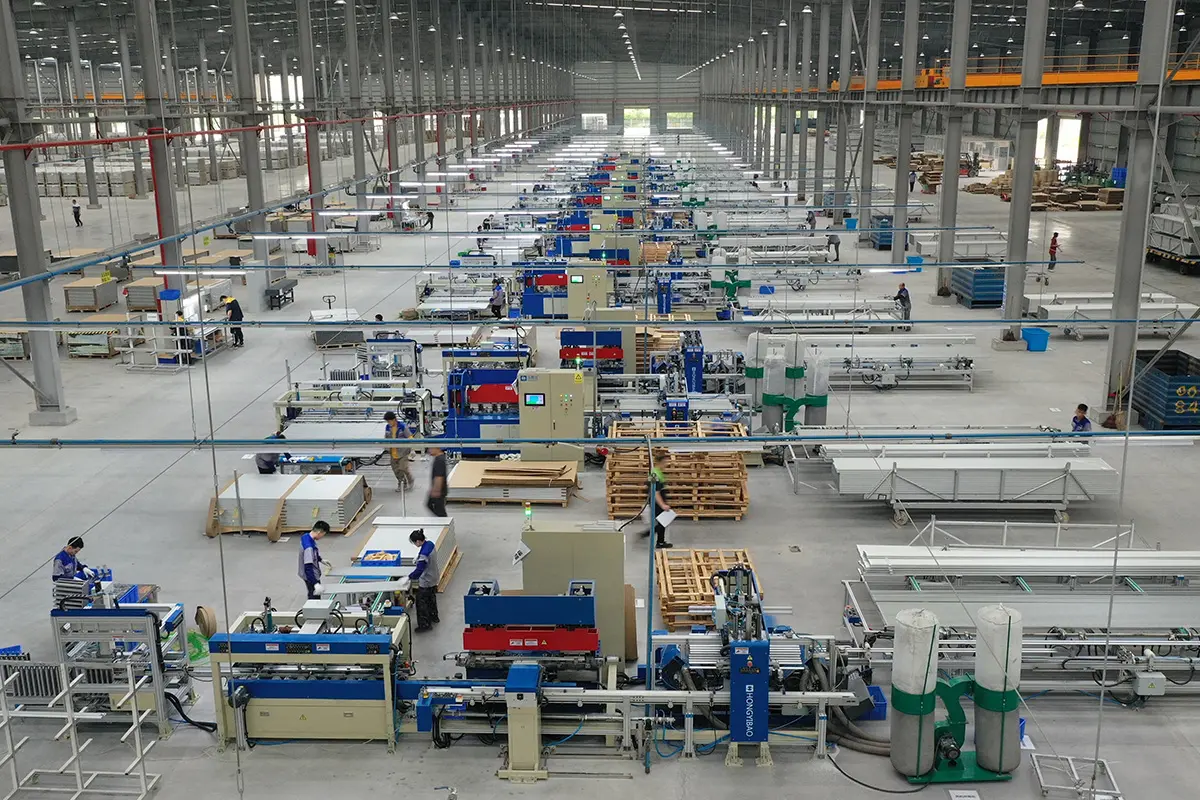
Operating out of our advanced manufacturing base in Yangzhou, China, YUXIN New Energy Technology integrates Industry 4.0 practices to maintain precision, quality, and cost competitiveness. Our automated facilities minimize structural variance during cell sorting, pack assembly, and module integration.
With 21+ highly specialized production lines, our manufacturing process utilizes laser welding diagnostics, automatic cell capacity matching, and real-time degradation curve tracking. By handling everything from structural frame extrusion (anodized aluminum and pultruded composite material) to electronic BMS programming in-house, we reduce assembly vulnerabilities and provide global partners with consistent pricing and prompt delivery windows.
Procuring large-scale battery storage requires careful coordination of global regulations, transport rules, and local electrical standards. Unlike standard consumer electronics, industrial battery cabinets containing Class 9 hazardous materials must adhere to strict international logistics protocols, including UN38.3 certification for transport safety, maritime shipping temperature limits, and hazardous material container compliance.
On the deployment side, local support is critical. Systems must comply with grid-connection regulations such as IEEE 1547 (for grid-tied setups) and local safety standards like UL 9540A to prevent fire risks. At YUXIN, we provide our ODM partners with a complete certification pack (including CE, UN38.3, and custom certification templates) and a global technical support network to make sure your project gains fast regulatory approval and operates reliably on site.
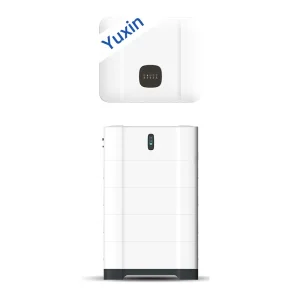
Standard design topologies engineered by YUXIN for residential, commercial, and industrial deployments.
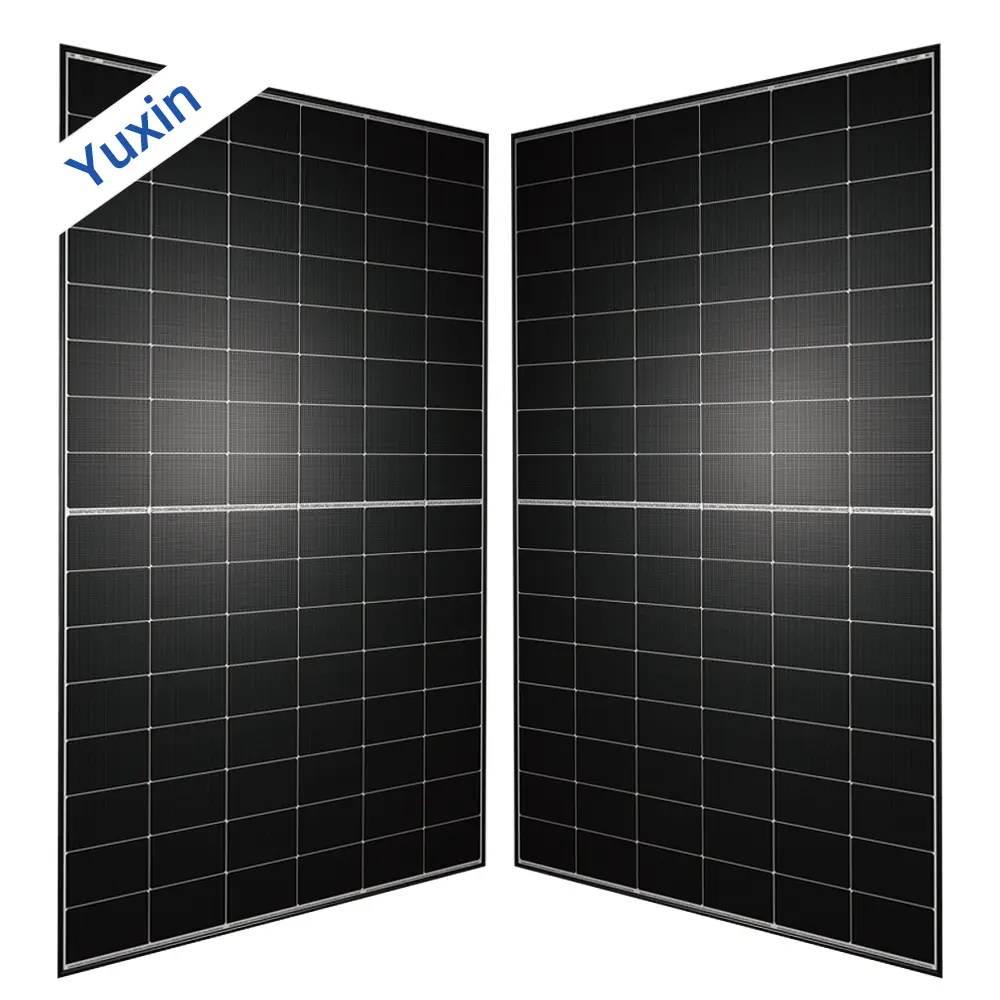
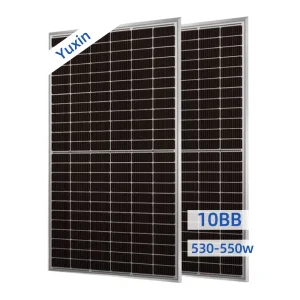
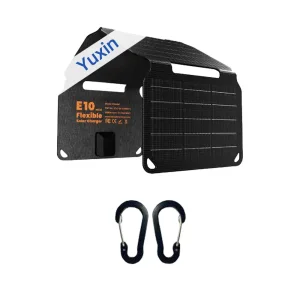
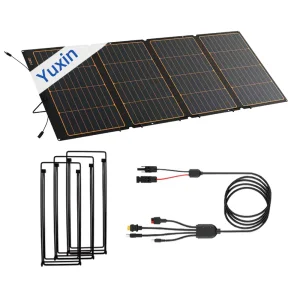
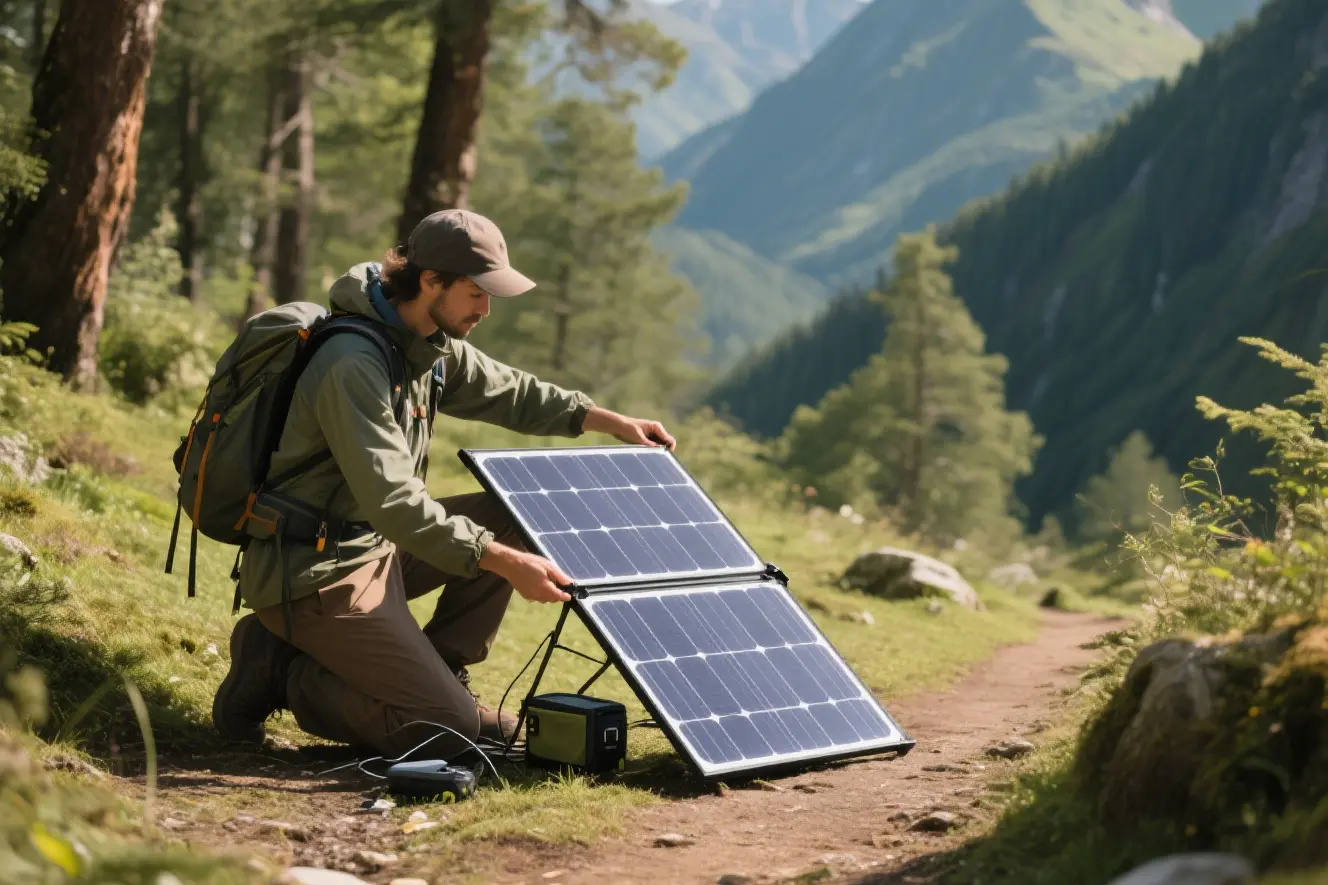
Lightweight design with transparent back panel for easy installation and reduced BOS costs.
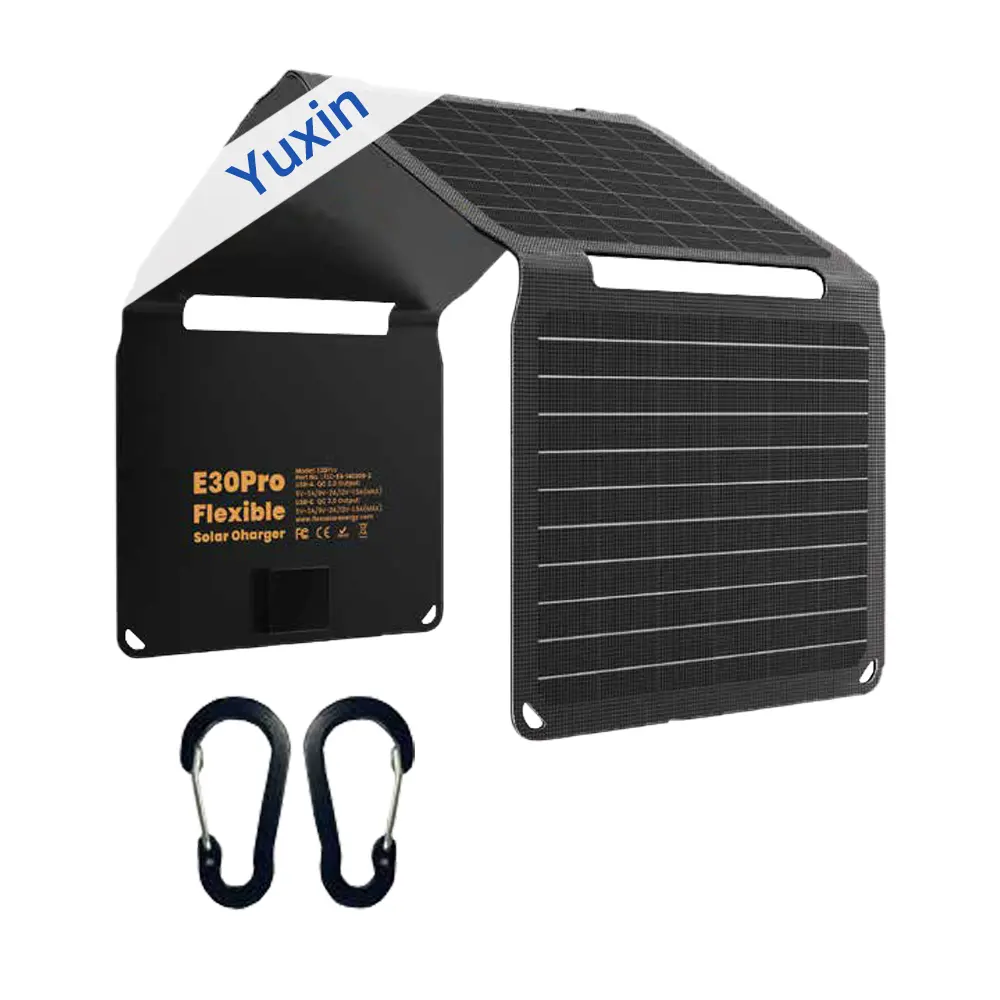
Utilizing advanced monocrystalline silicon cells, it achieves a high energy conversion efficiency of 24%.
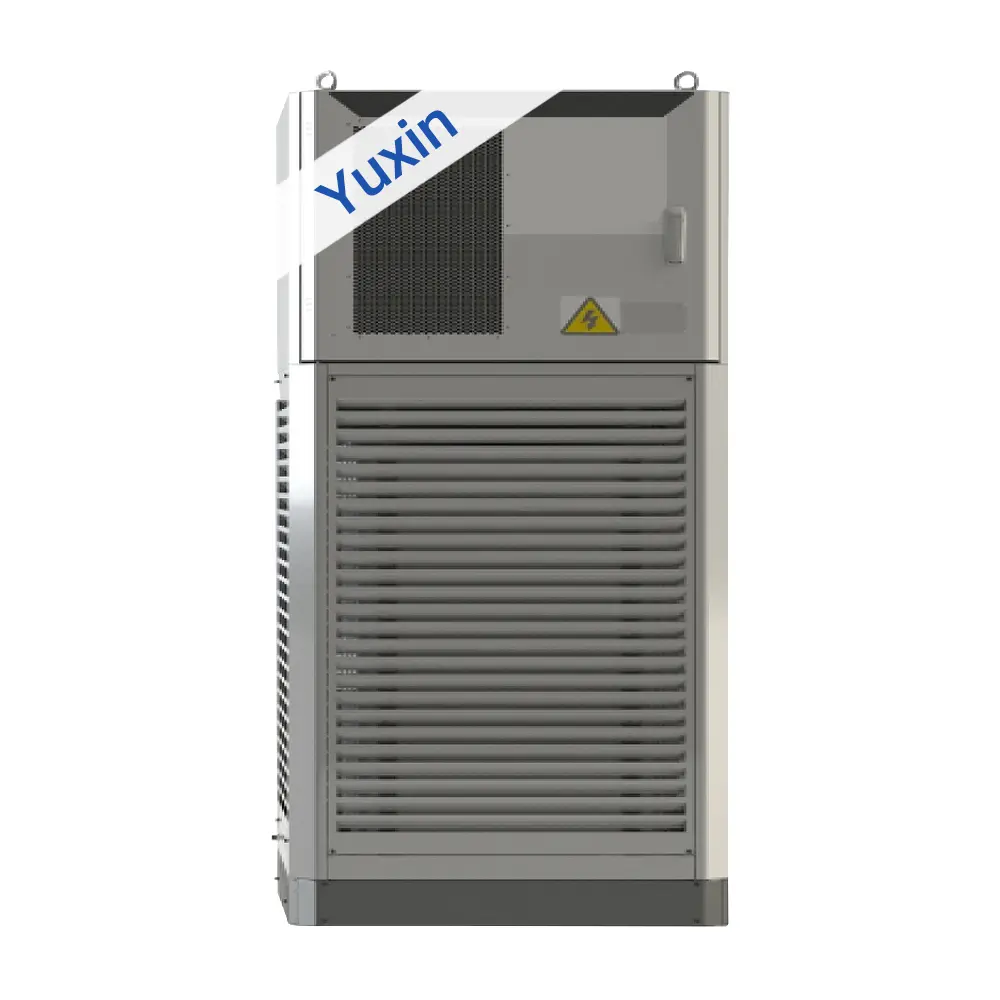
Application modes include grid-connected mode, off-grid mode, and integrated grid-connected/off-grid mode.
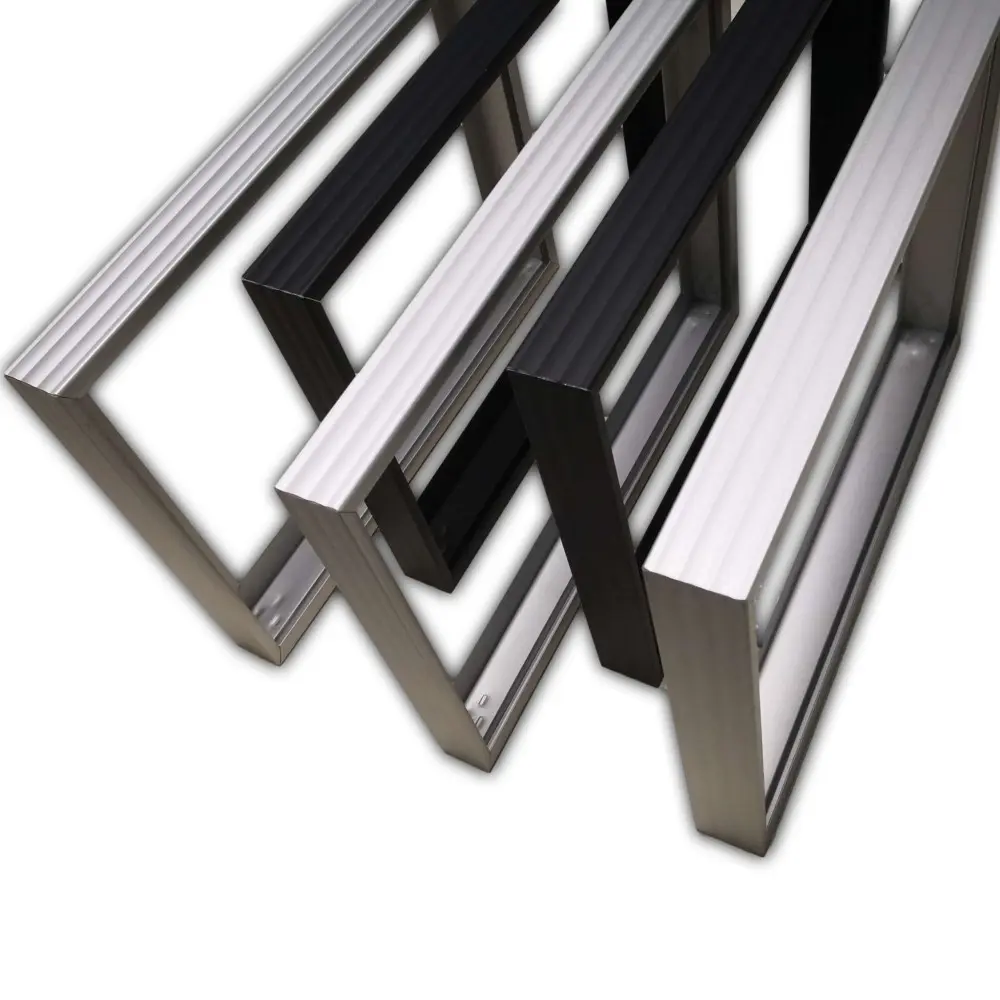
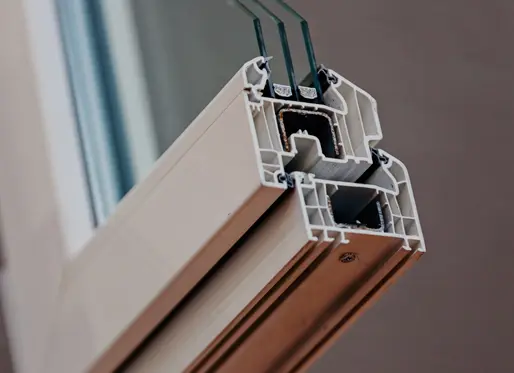
Made of high-quality anodized aluminum, it ensures superior weather resistance and a smooth, long-lasting finish.
Precision, Quality, and Safety - Your Photovoltaic Materials Expert
Located in the scenic historical and cultural ancient city of Yangzhou, close to the Beijing-Shanghai Expressway, Runyang Yangtze River Bridge, and Ningqi Railway, the group has a superior geographical location and convenient transportation. The group was established in 2008 and has 14 multi-field companies under its jurisdiction, including Jiangsu Yuxin New Energy Technology Co., Ltd., and has won many titles such as National High-tech Enterprise, Technology-based Enterprise, and Gaoyou City Top 100 Private Enterprises.
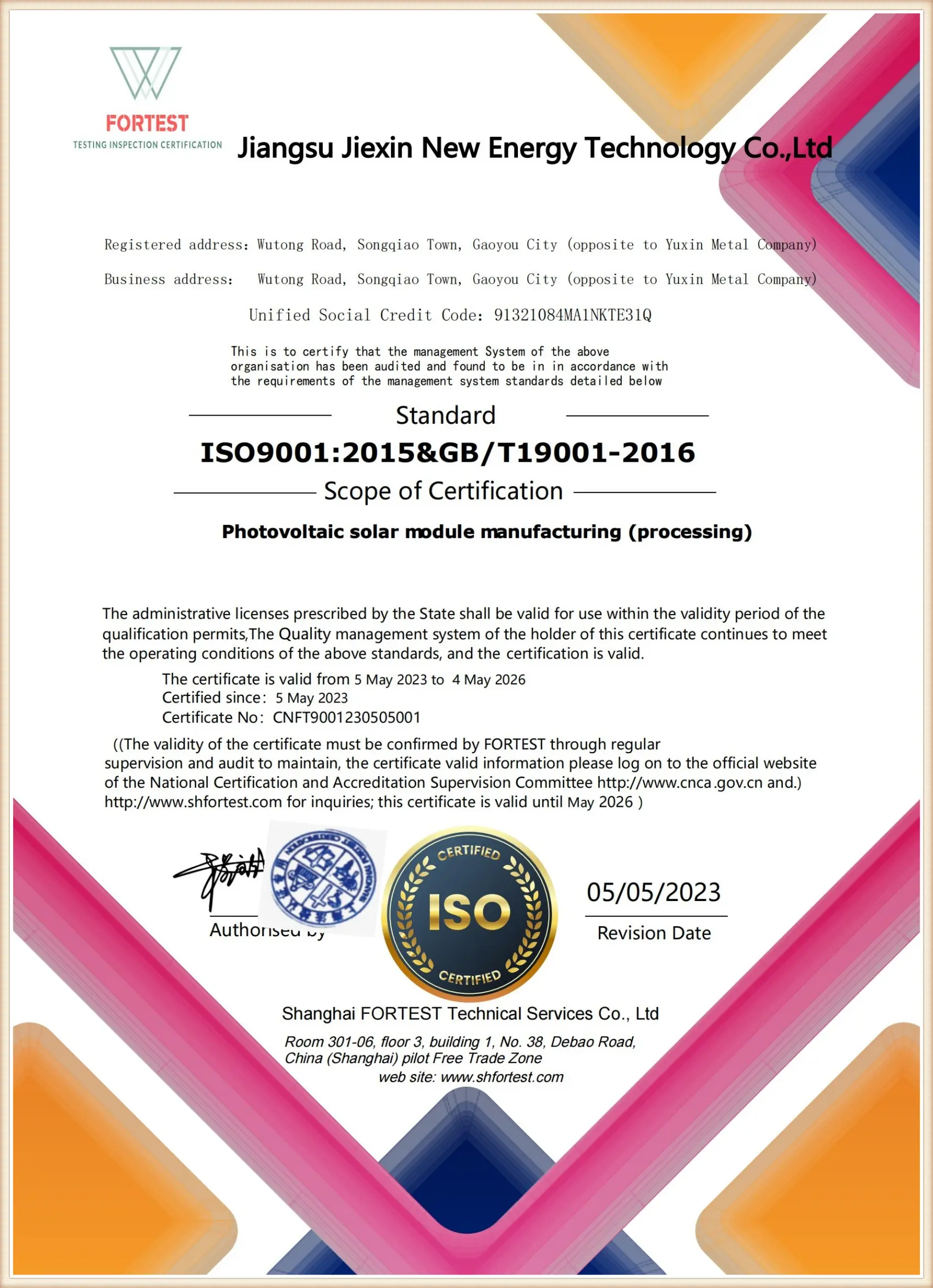
YUXIN products and manufacturing facilities adhere to strict global testing, environmental, and quality standards.
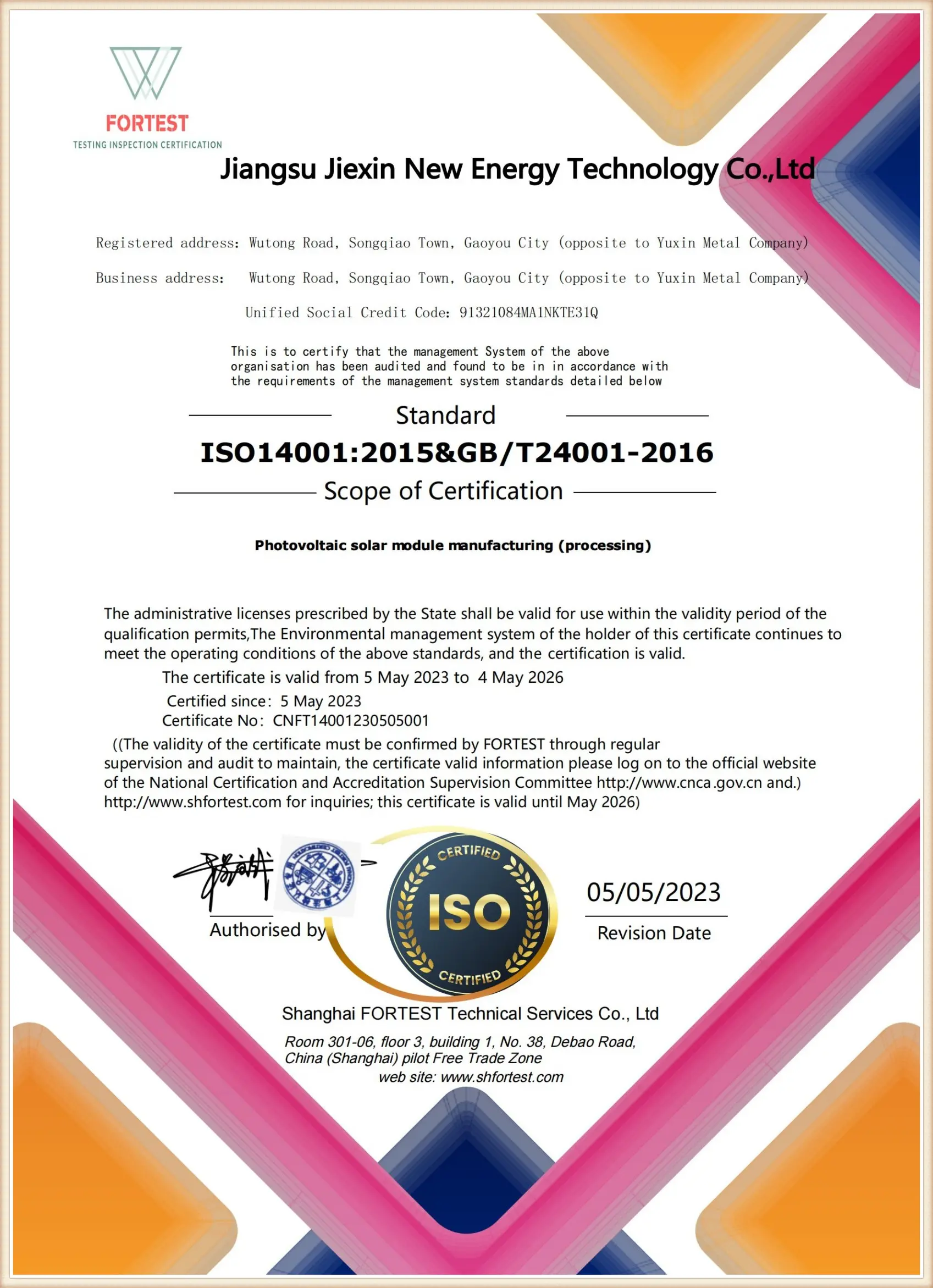
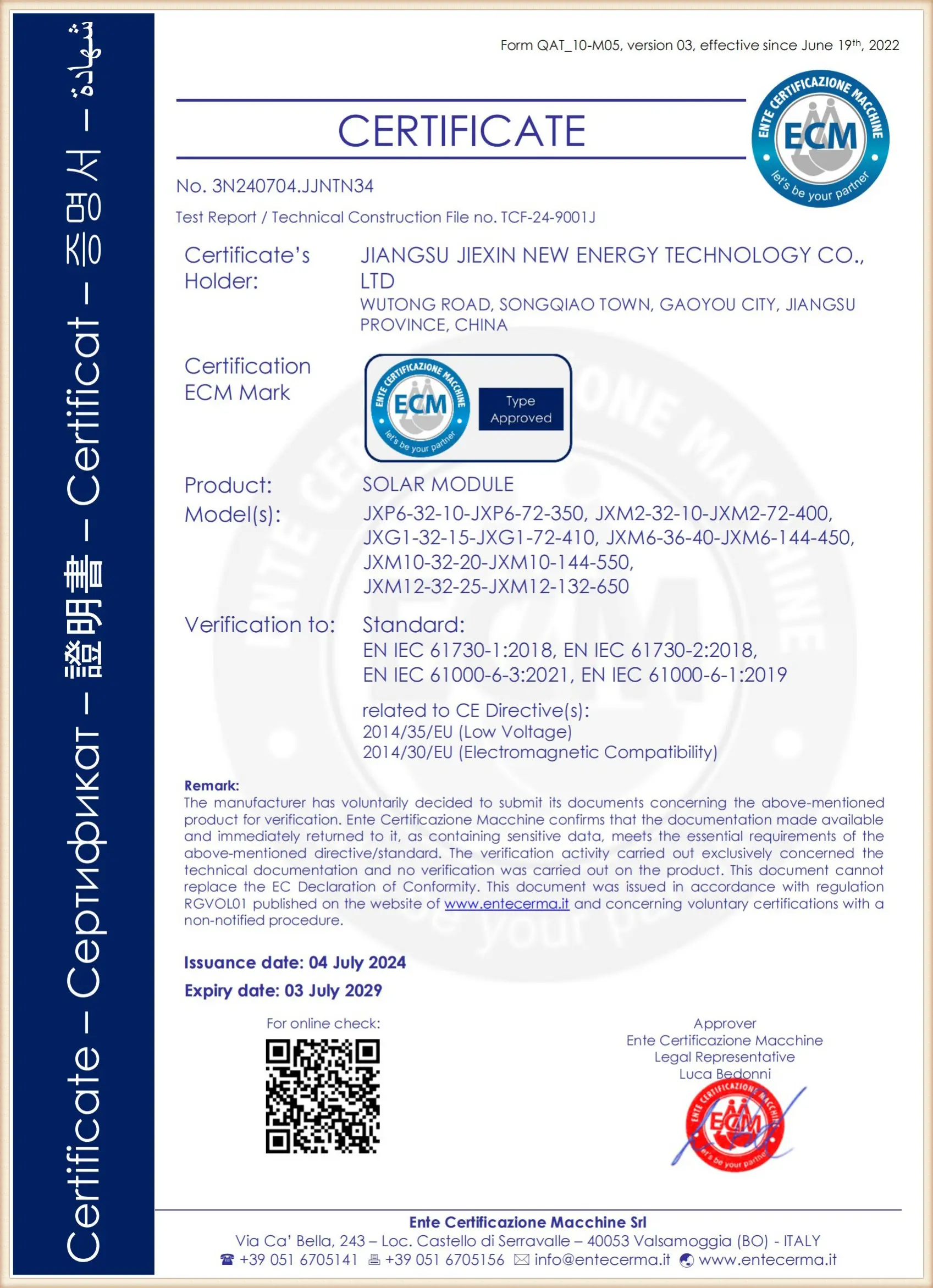
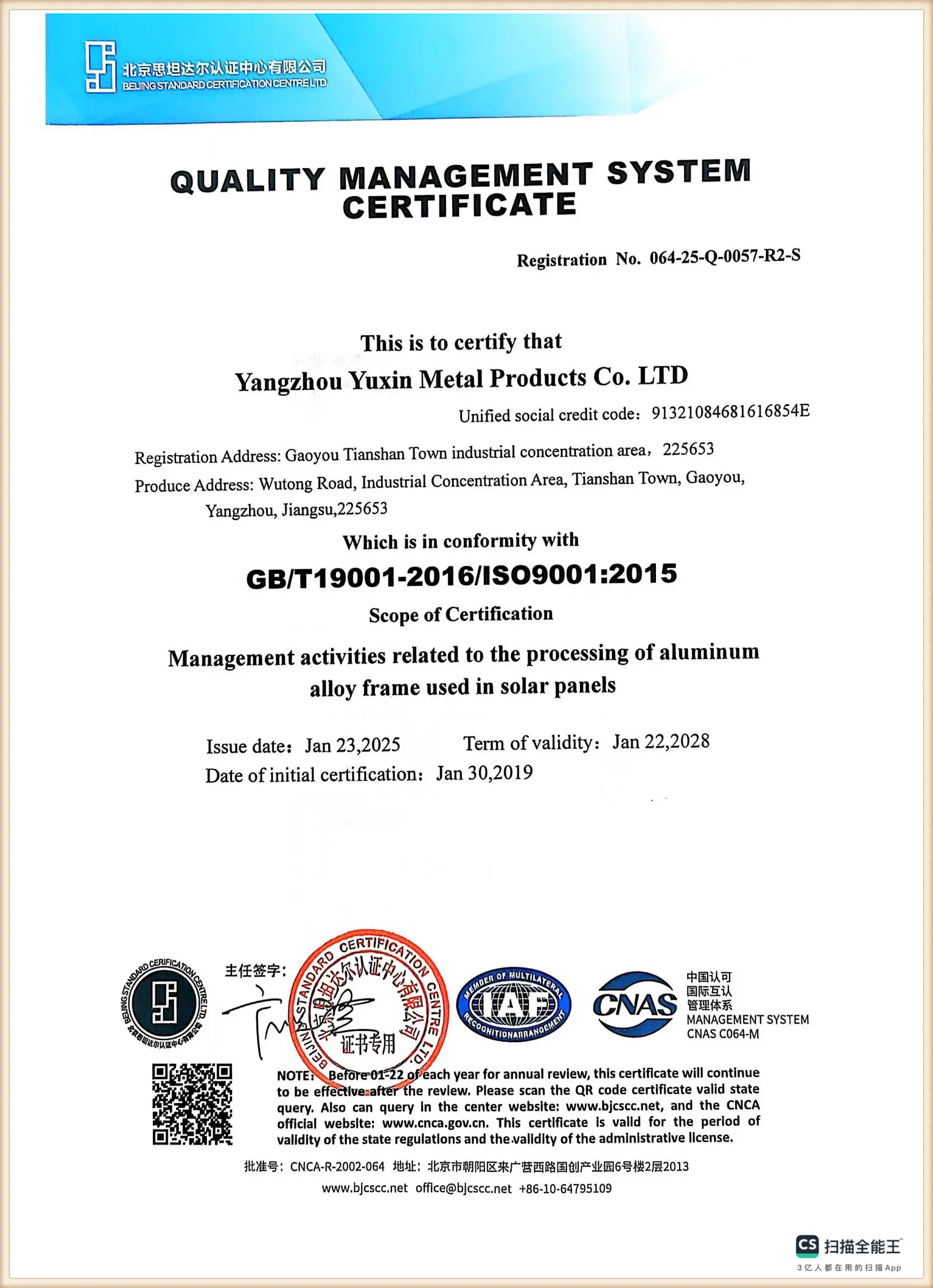
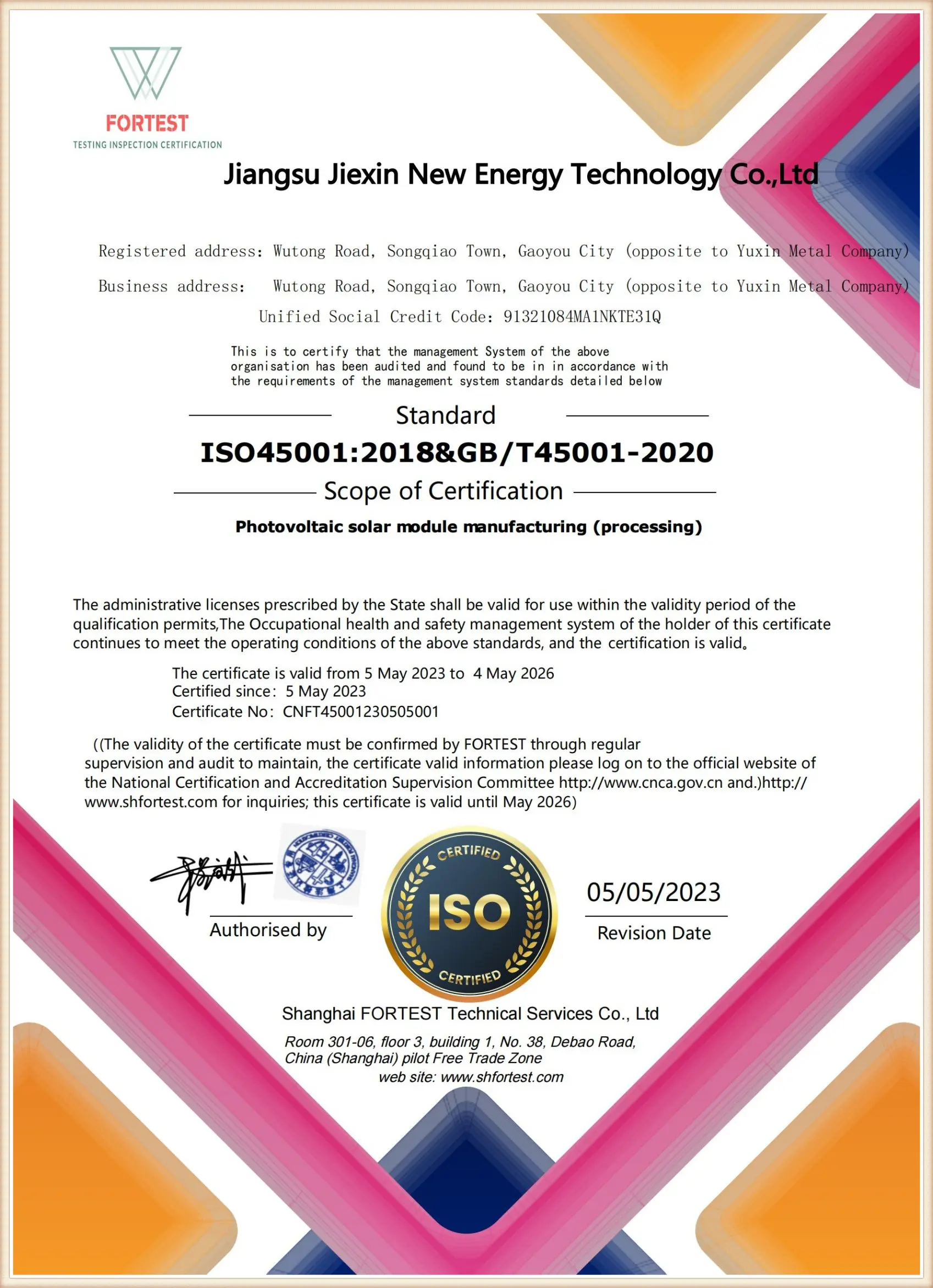
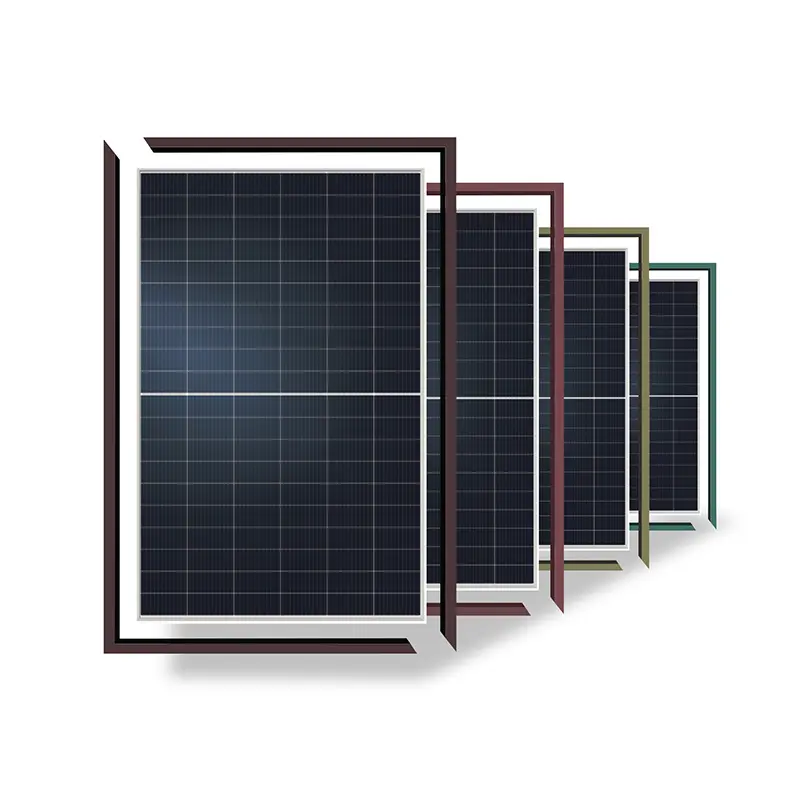
Providing custom backing frames, structures, and batteries to maintain system uptime across diverse environments.

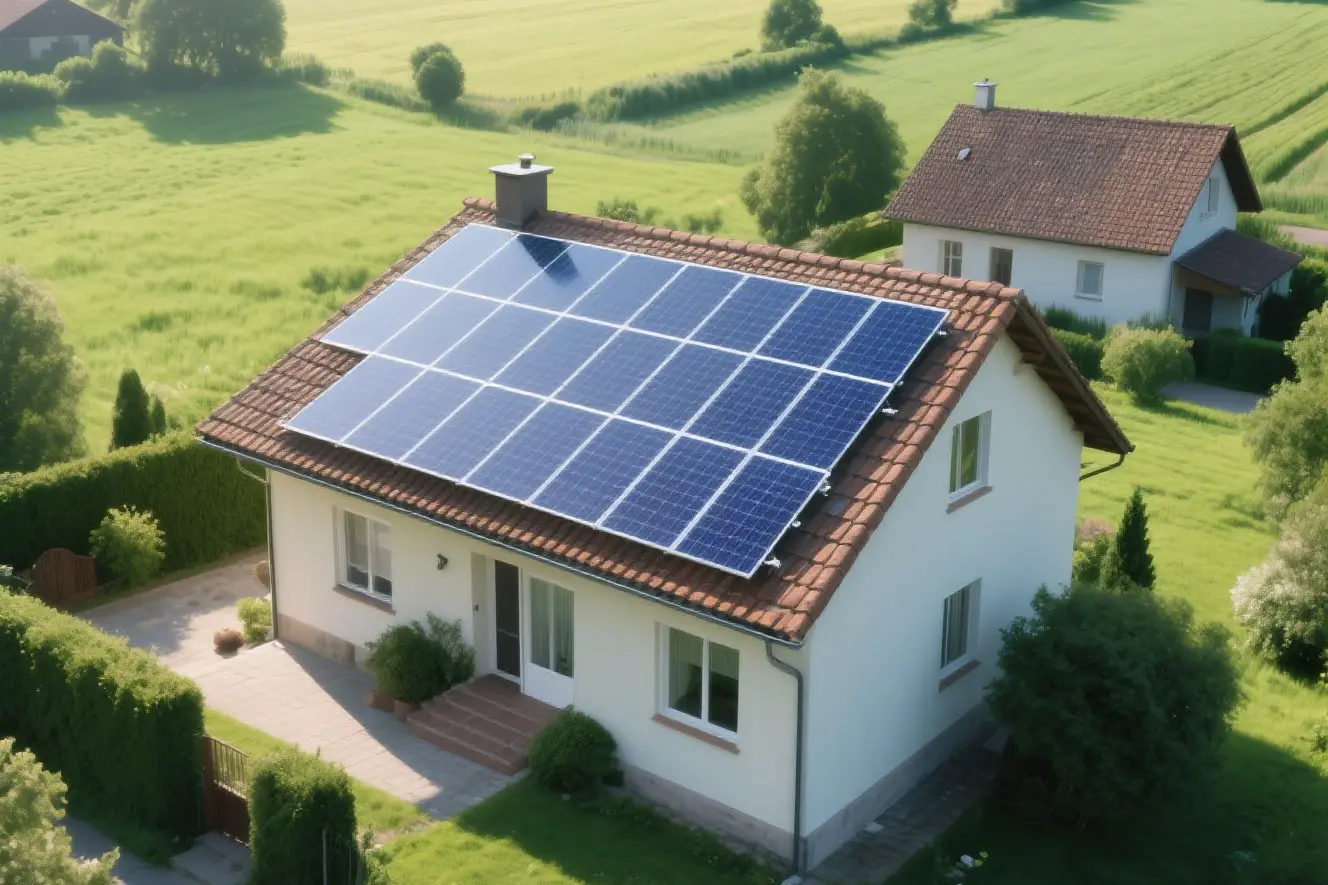
Yuxin forms trusted, collaborative partnerships across global supply networks to deliver high-quality components.
Yuxin keeps pace with technology trends, delivering expertise and insights on product materials and manufacturing quality control.
Expert engineering insights and advice for prospective commercial and industrial BESS buyers.
Access our complete list of certified commercial energy storage products, monocrystalline solar modules, and structural frames.