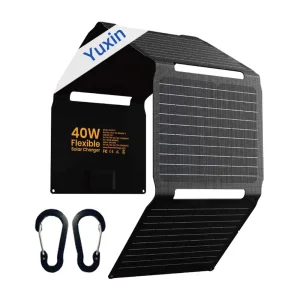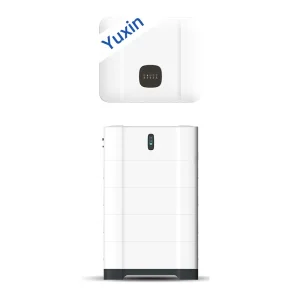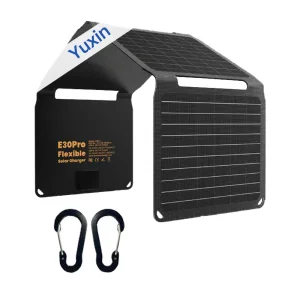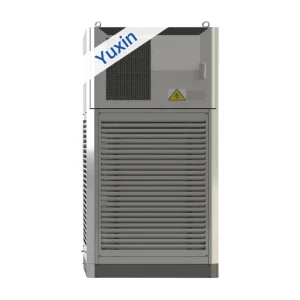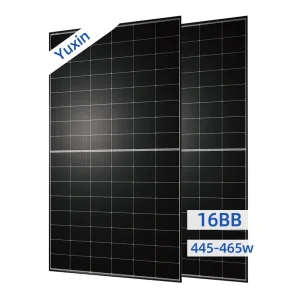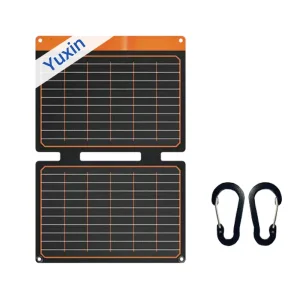
Explore our state-of-the-art catalog of monocrystalline modules, micro-grids, and high-efficiency portable components certified for global distribution.
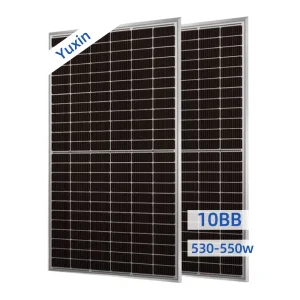
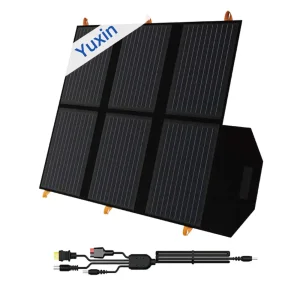
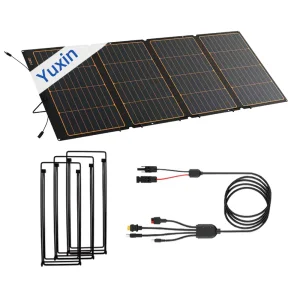
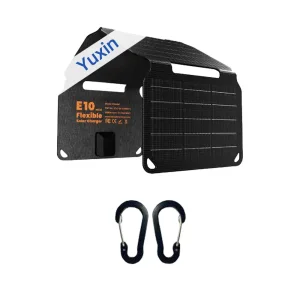
The global transition toward decentralized clean energy infrastructure has accelerated the demand for high-efficiency, durable, and highly deployable off-grid power solutions. Industrial-grade portable solar panel setups are no longer restricted to recreational outdoor applications. Today, they serve as critical infrastructure components in disaster relief logistics, remote telecommunication stations, construction site power grids, and modernized agricultural operations worldwide.
Understanding the micro-engineering and material constraints of modern photovoltaic (PV) modules is vital for procurement departments looking to secure long-term capital investments. Modern solar assemblies rely heavily on developments in semiconductor design (shifting rapidly from p-type PERC to n-type TOPCon cells), structural frames (combining standard anodized aluminum with advanced polyurethane pultrusion), and sophisticated, resilient electrical pathways like multi-busbar (MBB) configurations. This deep technical audit outlines the technological milestones, manufacturing dynamics, and supply chain strategies driving today's solar exports.
Historically, portable PV solutions suffered from low energy density and poor degradation metrics. However, recent developments in lightweight structural backing, high-frequency microinverter integration, and flexible cell encapsulation have bridged the gap between utility-scale generation efficiencies and mobile setups. Key industry advancements include:
For international enterprise buyers and engineering companies, importing solar components involves complex technical compliance vetting. Beyond basic power outputs, developers look for mechanical load capacities (withstanding up to 5400 Pa snow load and 2400 Pa wind load), environmental resilience metrics (IEC 61215, IEC 61730, and CE certifications), and structural integrity.
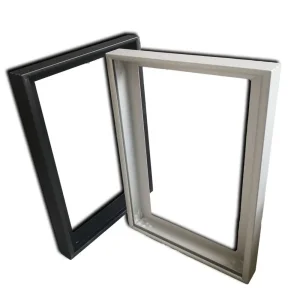
Our manufacturing operations are built around solving these structural concerns. We specialize in producing robust, anti-corrosive PV frames using specialized 6063-T5 and 6005-T6 anodized aluminum, along with cutting-edge polyurethane pultruded composites. These materials ensure that the delicate silicon wafers remain protected from torsional stress, thermal expansion, and moisture ingress during prolonged deployments in harsh saline or desert environments.
At the heart of the YUXIN manufacturing ecosystem lies the integration of Factory 4.0 principles. Headquartered in the ancient industrial node of Yangzhou, Jiangsu, Yuxin has spent over a decade refining its high-throughput manufacturing lines. With 21+ advanced automated production lines and an annual output exceeding 25,000 tons of high-grade solar structural materials, we maintain full quality control over the entire supply chain.
From automated ingot slicing and multi-busbar placement to precise thermal laminating and frame anodization, our production is monitored by high-definition optical inspection systems (EL testing) that detect micro-cracks invisible to the naked eye. This level of quality control reduces mechanical defects to virtually zero, ensuring that every portable panel, modular power system, and structural frame leaving our facilities meets international B2B quality standards.
Engineered for durability, optimized for performance, and built to survive the harshest field operations.
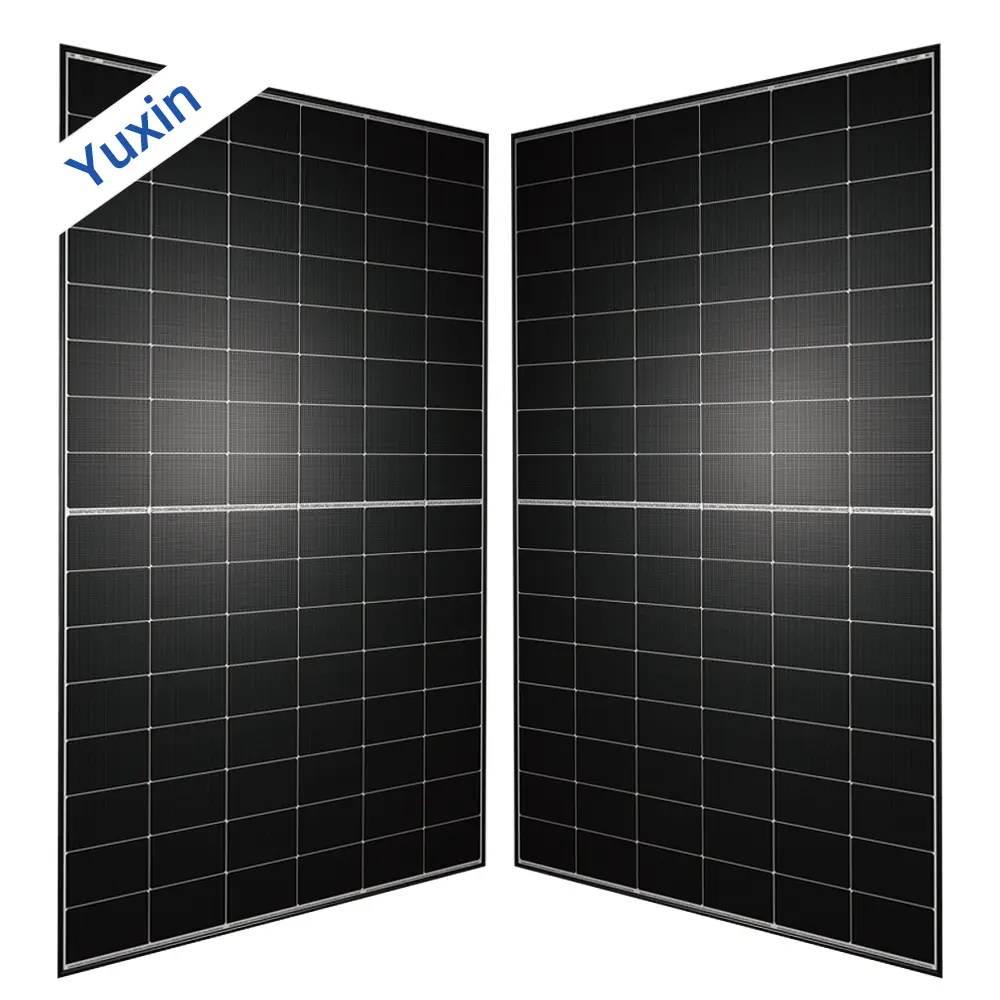
Lightweight design with transparent back panel for easy installation and reduced BOS costs.
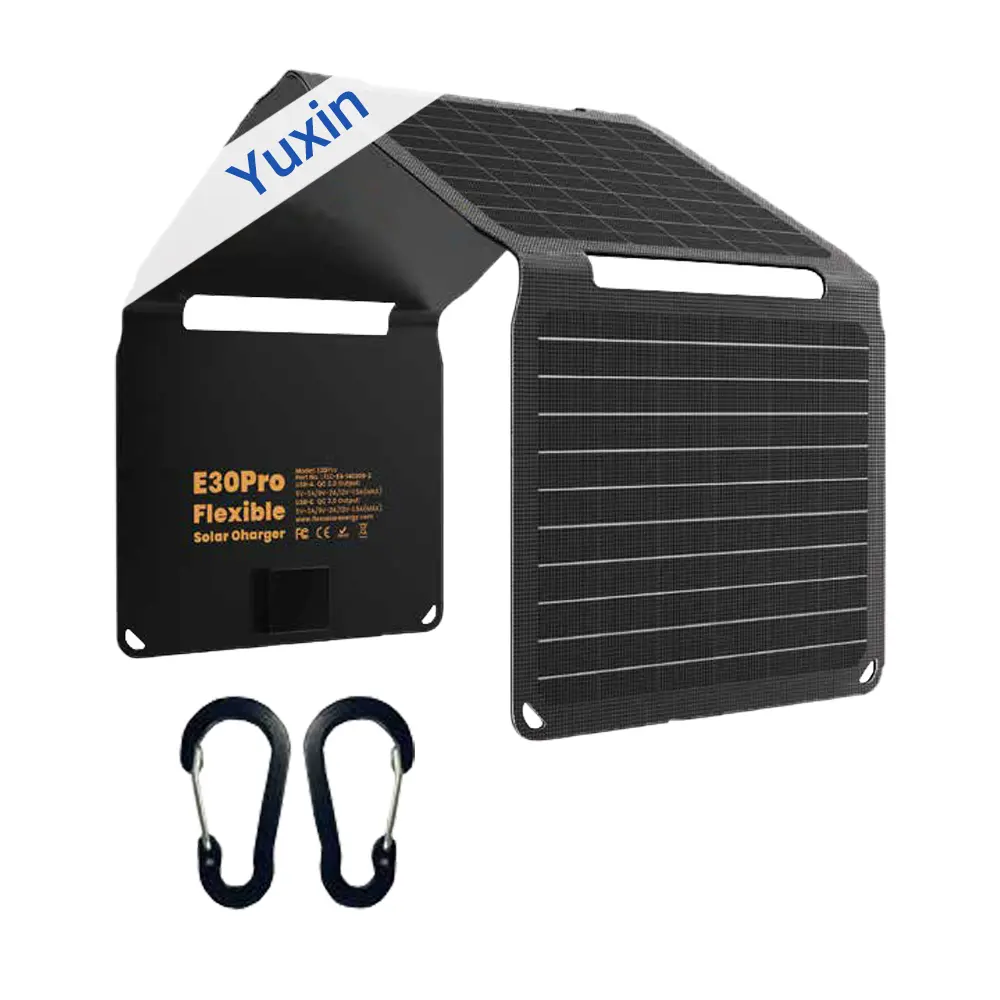
Utilizing advanced monocrystalline silicon cells, it achieves a high energy conversion efficiency of 24%.

Application modes include grid-connected mode, off-grid mode, and integrated grid-connected/off-grid mode.
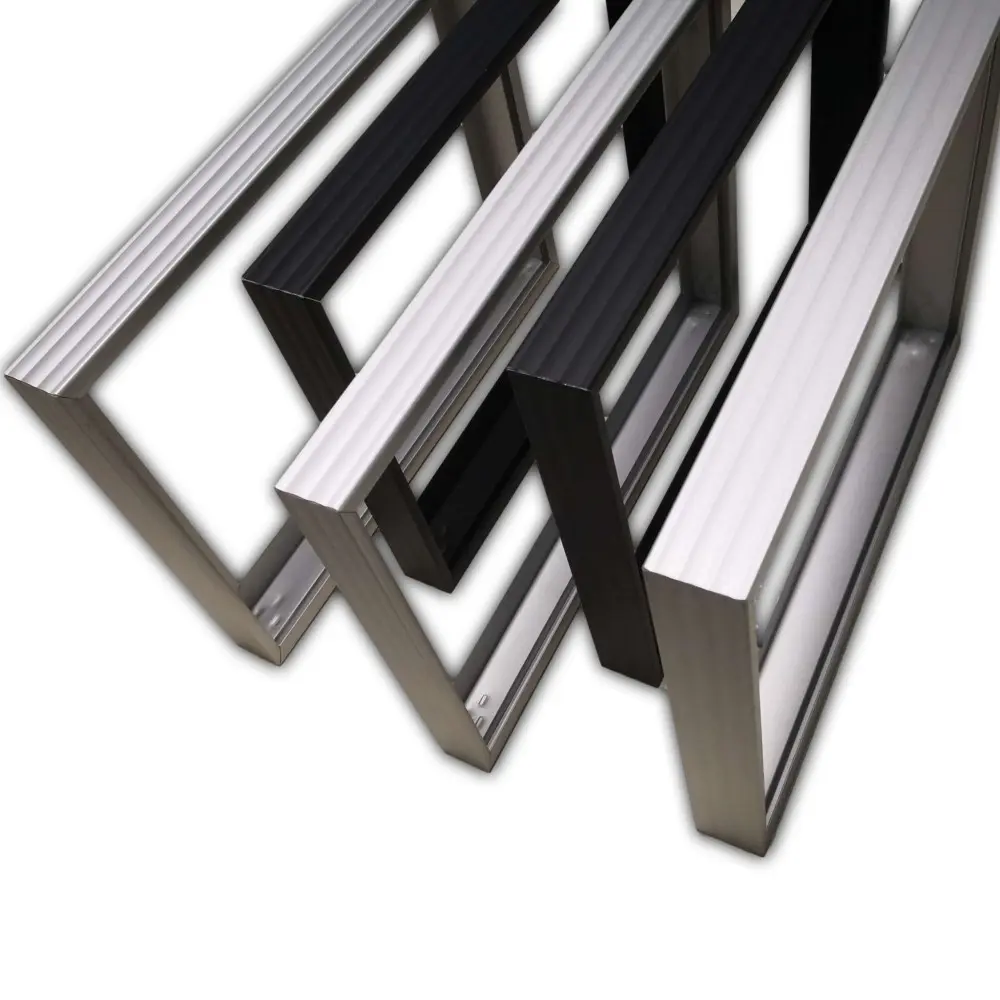
Made of high-quality anodized aluminum, it ensures superior weather resistance and a smooth, long-lasting finish.
Precision, Quality, and Safety - Your Photovoltaic Materials Expert
Located in the scenic historical and cultural ancient city of Yangzhou, close to the Beijing-Shanghai Expressway, Runyang Yangtze River Bridge, and Ningqi Railway, the group has a superior geographical location and convenient transportation. The group was established in 2008 and has 14 multi-field companies under its jurisdiction, including Jiangsu Yuxin New Energy Technology Co., Ltd. Over the years, we have earned prestigious titles such as National High-tech Enterprise, Technology-based Enterprise, and Gaoyou City Top 100 Private Enterprises.
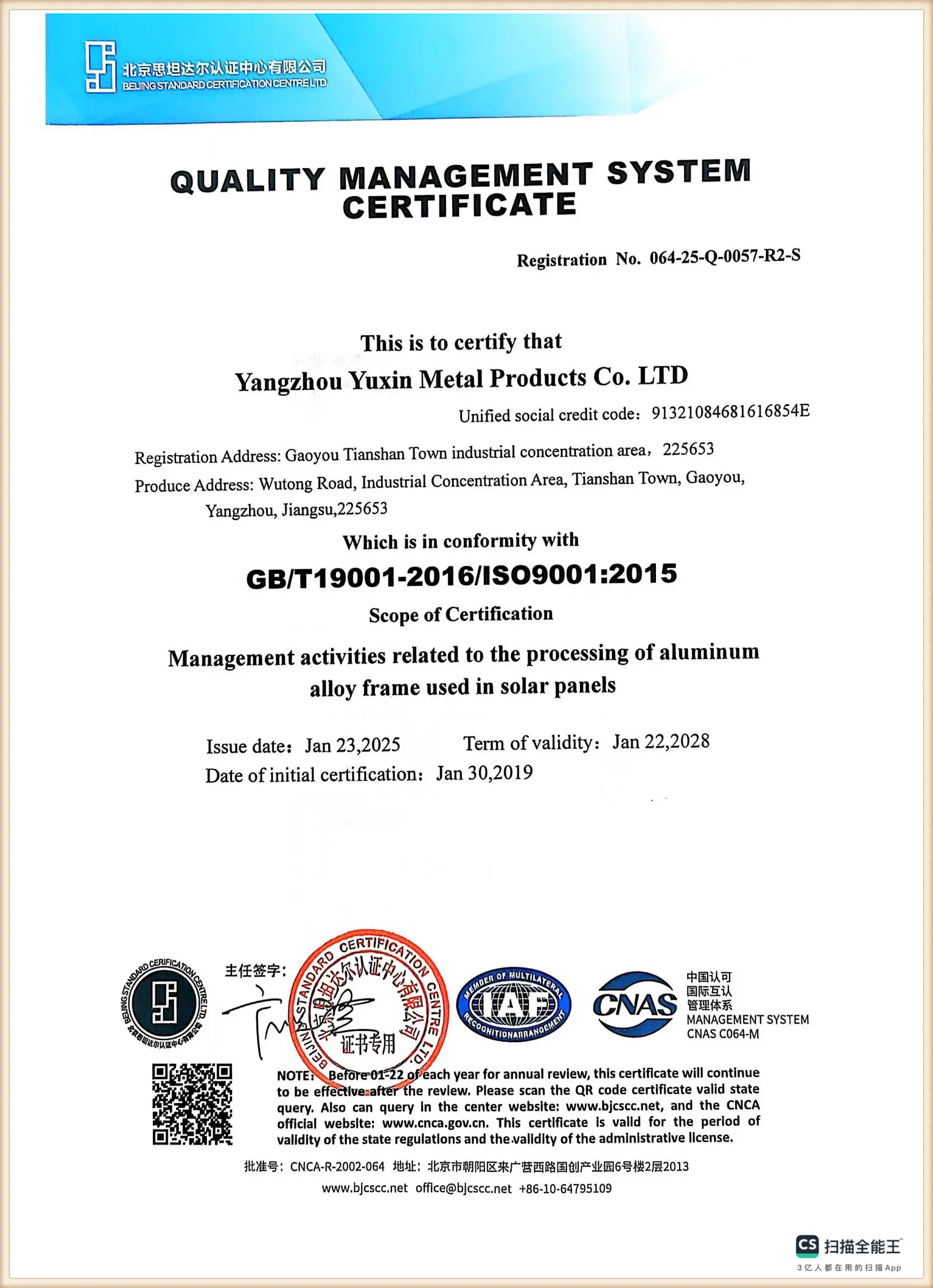
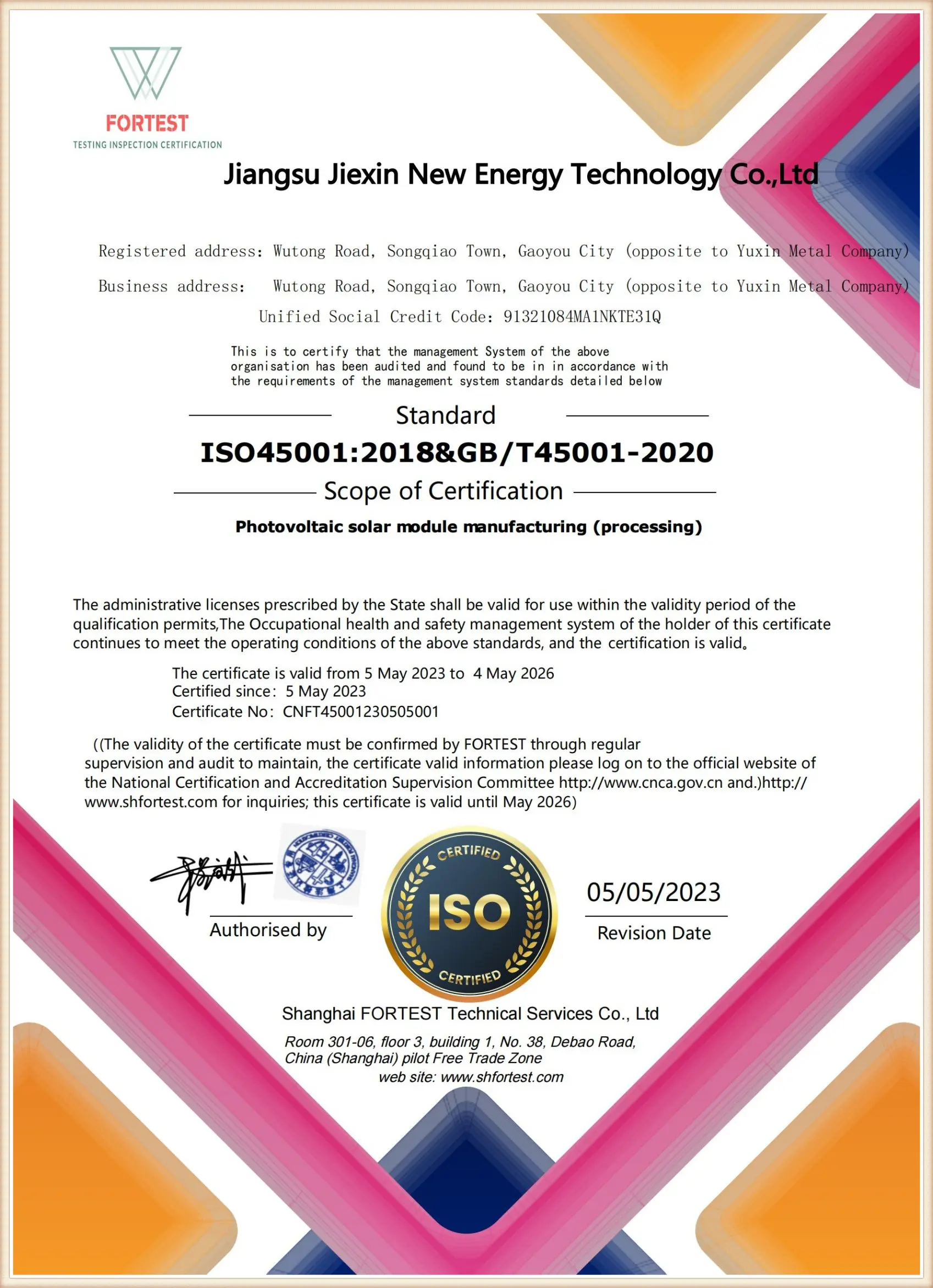
Our materials and products conform to rigorous international quality, environmental, and structural standards.
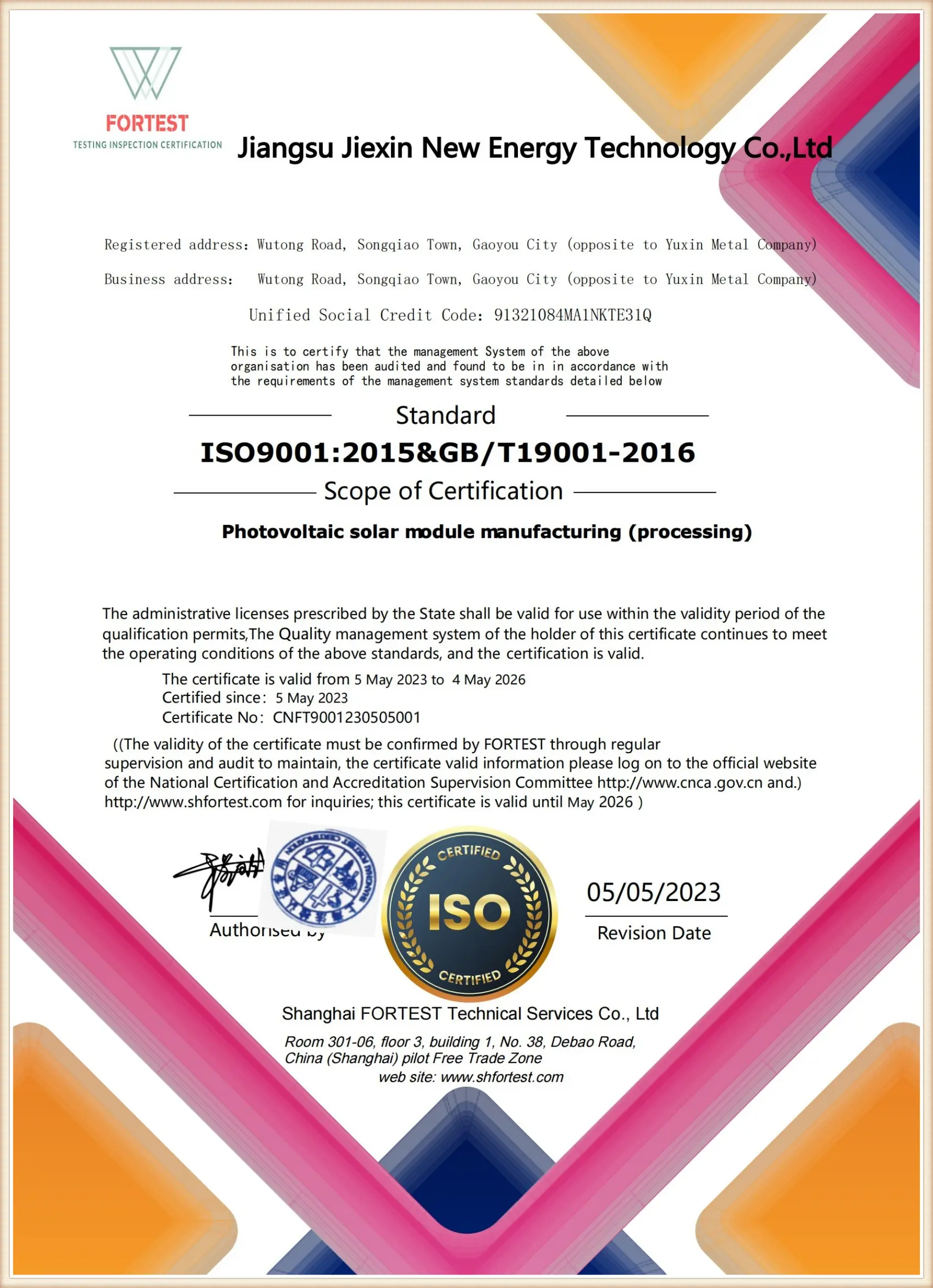
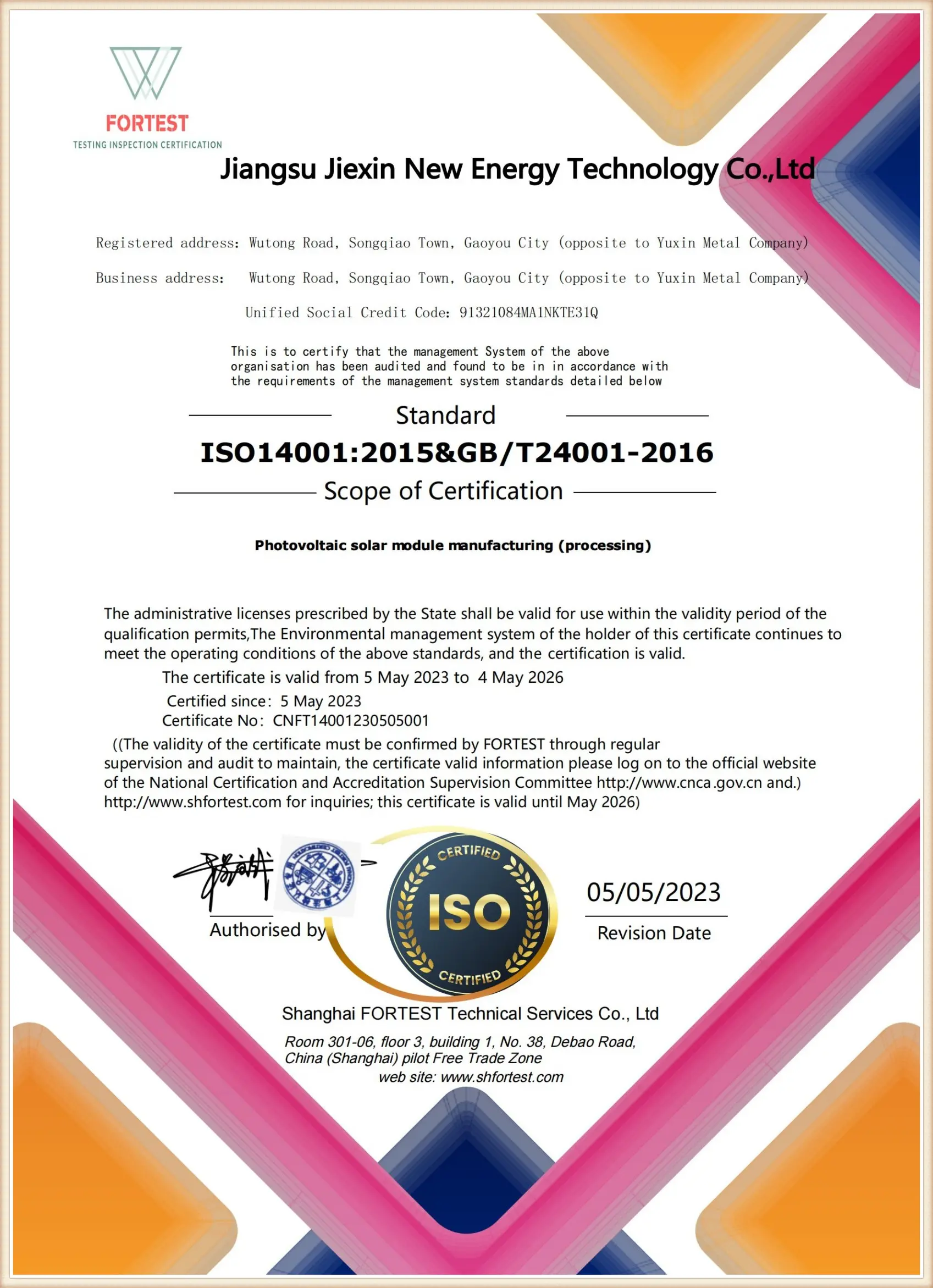
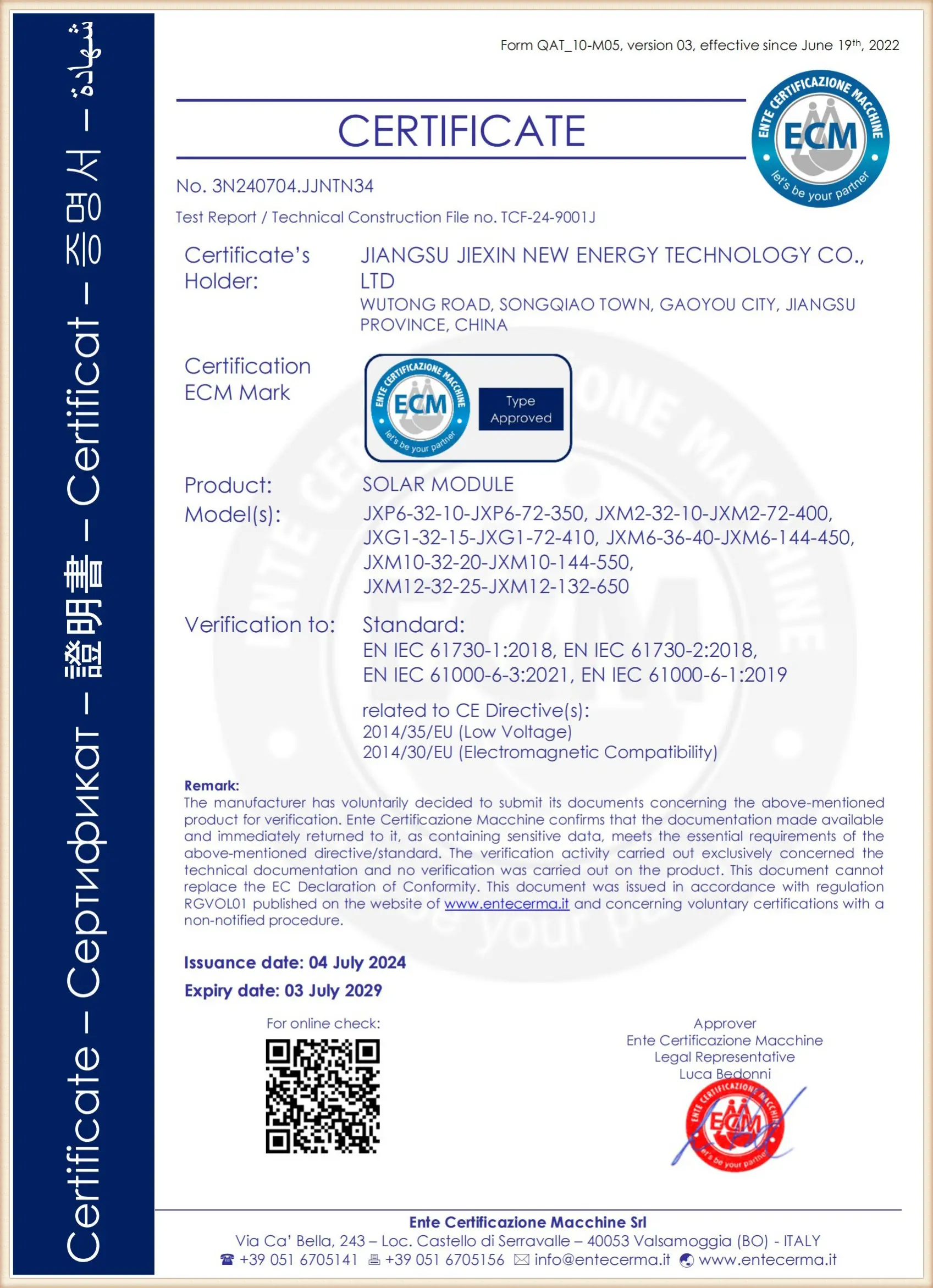
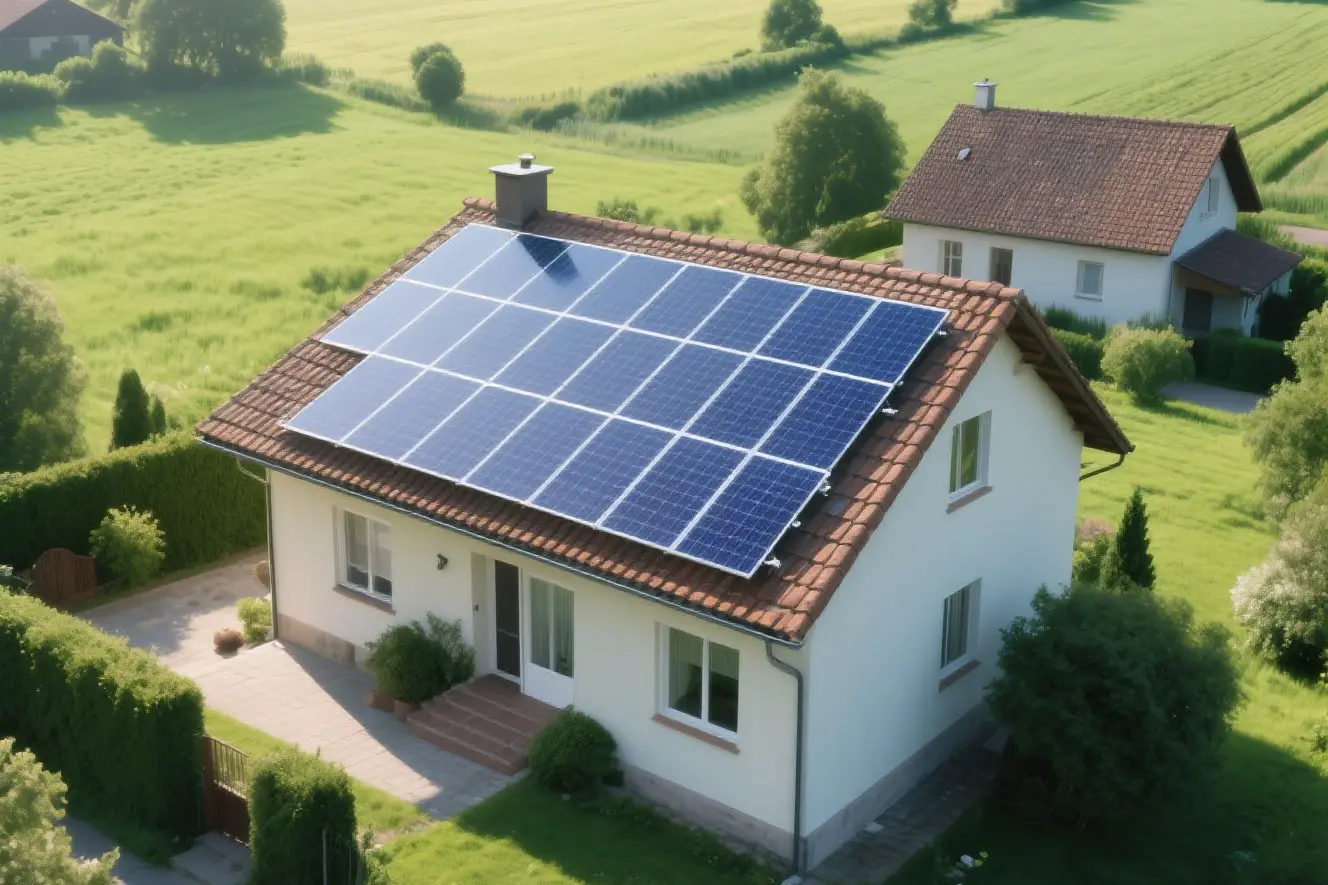
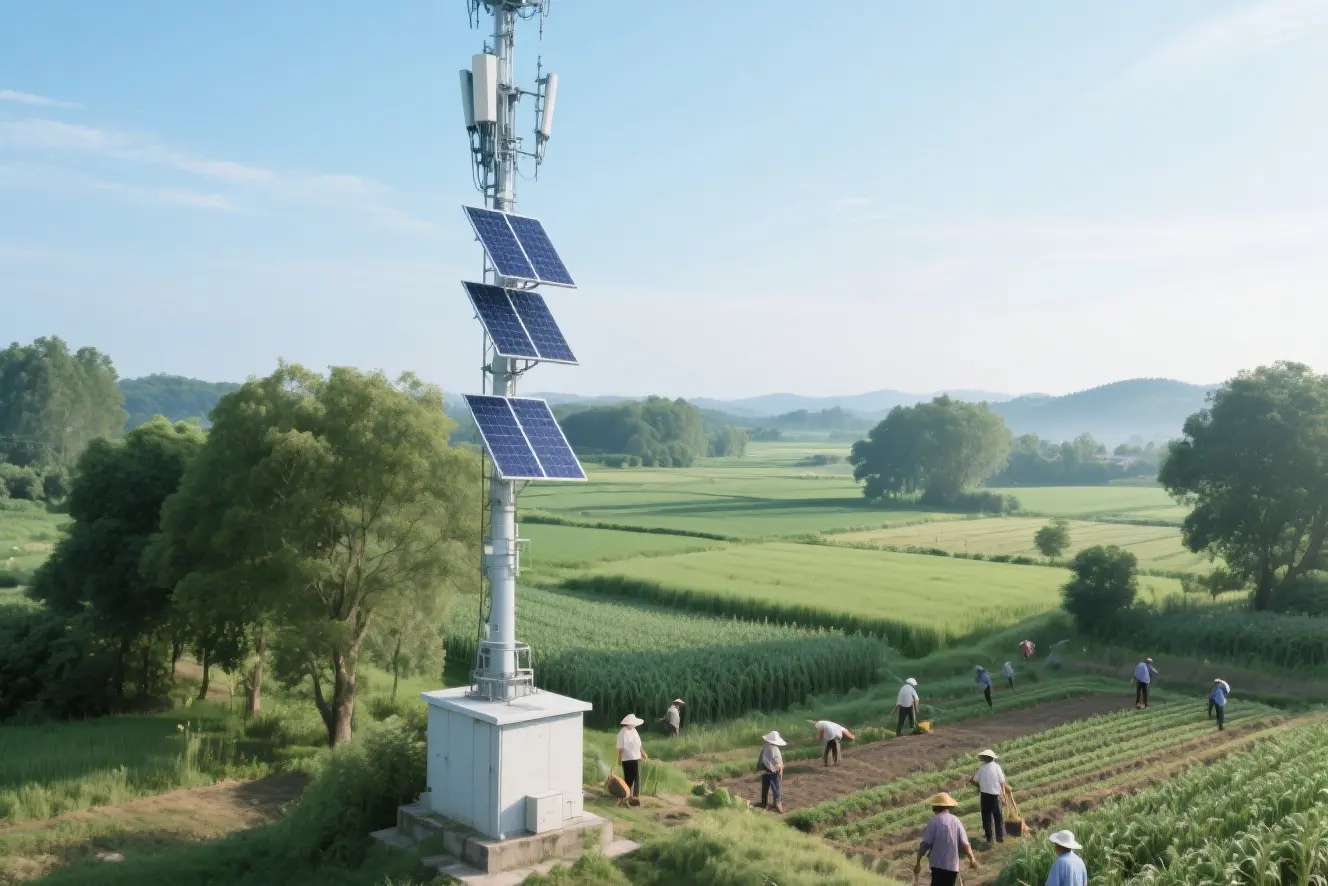
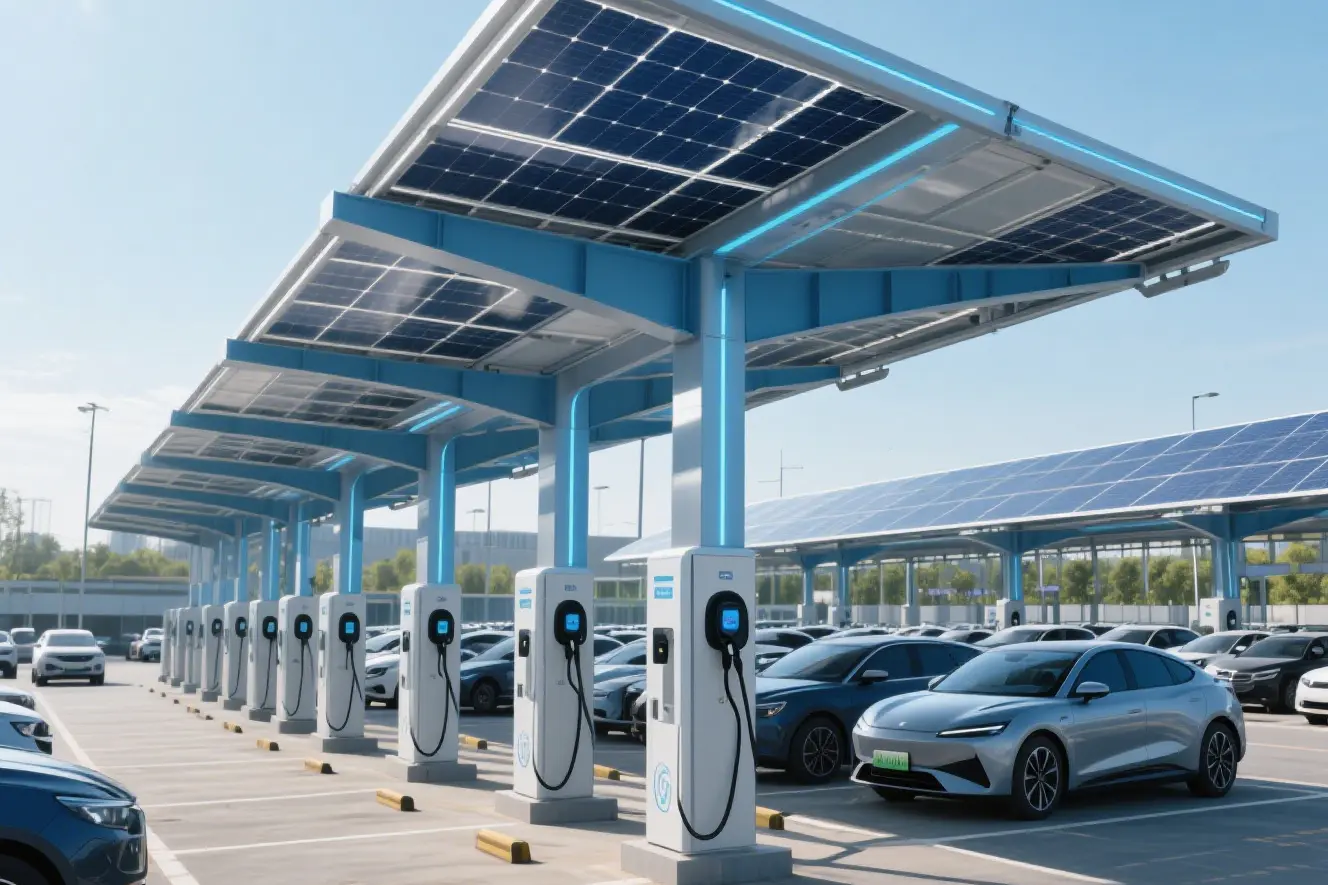
Engineered clean energy solutions customized for key agricultural, logistical, and remote infrastructure sectors.

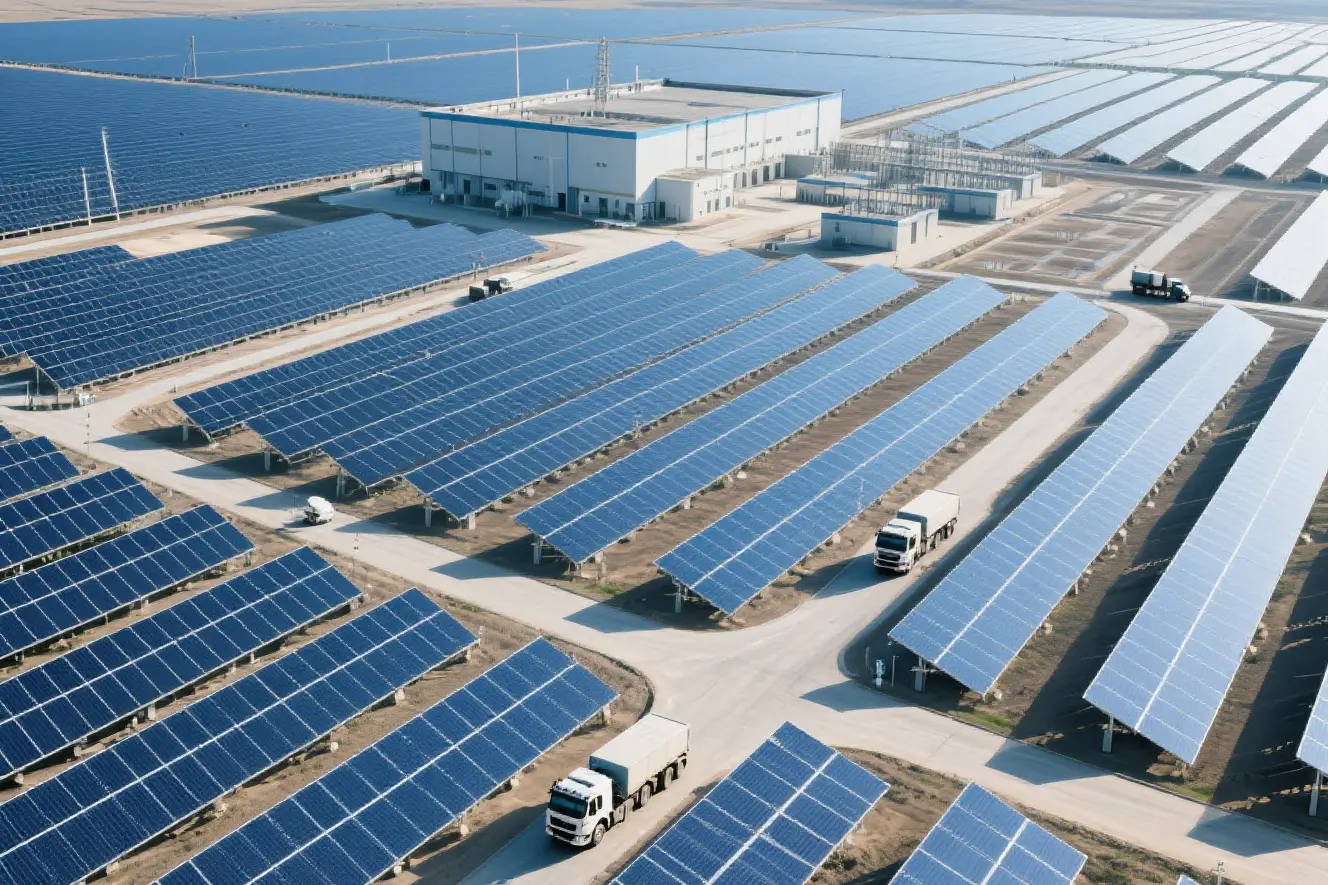

We form long-term strategic alliances to build reliable, high-yield energy products across global logistics and development networks.

Answers to technical, regulatory, and mechanical questions essential for global energy procurement.
N-type TOPCon (Tunnel Oxide Passivated Contact) cells utilize a thin tunnel oxide layer to passivate the contacts, significantly lowering surface recombination rates. This design leads to superior power output stability over time. Standard PERC modules suffer from light-induced degradation (LID) and elevated temperature-induced degradation (LeTID), leading to about 0.8% degradation in subsequent years.
In contrast, N-type TOPCon modules limit degradation to under 0.4% annually, maintaining more than 87.4% of initial capacity after a full 30-year operational lifecycle. This shift dramatically improves the Levelized Cost of Energy (LCOE) for long-term investments.
While anodized aluminum remains the structural benchmark for many static systems due to its lightweight properties, polyurethane pultruded composites offer crucial advantages in high-insulation and coastal environments. Polyurethane features zero electrical conductivity, eliminating Potential Induced Degradation (PID) risks that often affect aluminum-framed systems.
Furthermore, composite pultrusions boast higher mechanical strength and resistance to acid rain, salt spray, and extreme temperature fluctuations. This makes them highly suitable for harsh industrial sites, coastal regions, and portable setups subjected to frequent assembly and disassembly.
Traditional solar panels used fewer, wider busbars (like 5BB), meaning electric currents had to travel further across the cell face. When cell cracks occurred due to wind loading or physical impacts, large portions of the cell would disconnect from the circuit.
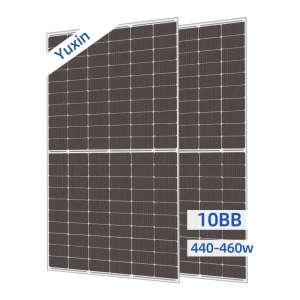
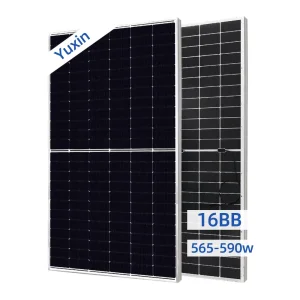
By transitioning to 10BB and 16BB (Multi-Busbar) layouts, we shorten the electrical distance that currents must travel, lowering internal resistance and thermal losses. If a microscopic crack develops, the proximity of neighboring busbars allows the current to bypass the fractured area, keeping the cell active and ensuring stable power output.
Our entire supply chain and finished product lines conform to global export standards. We hold active CE Certification for our PERC and TOPCon monocrystalline ranges.
Additionally, our structural frames undergo testing for tensile and shear strength, meeting EN 1999 structural codes. Our electrical assemblies comply with IEC 61215 standards for durability and IEC 61730 for safety.
Stay updated with YUXIN's technology updates, production methods, and solar frame innovations.
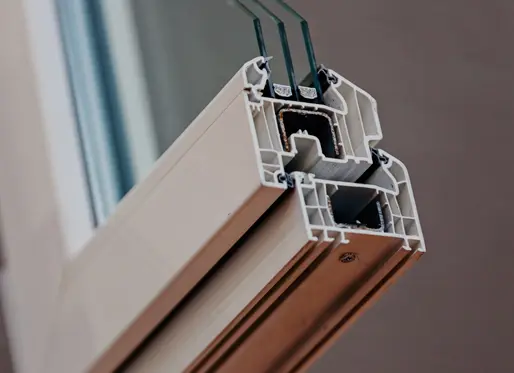
An in-depth look at alloy compositions, anodizing thickness, and stress calculations that extend module lifetimes to 25+ years.
Read Full Report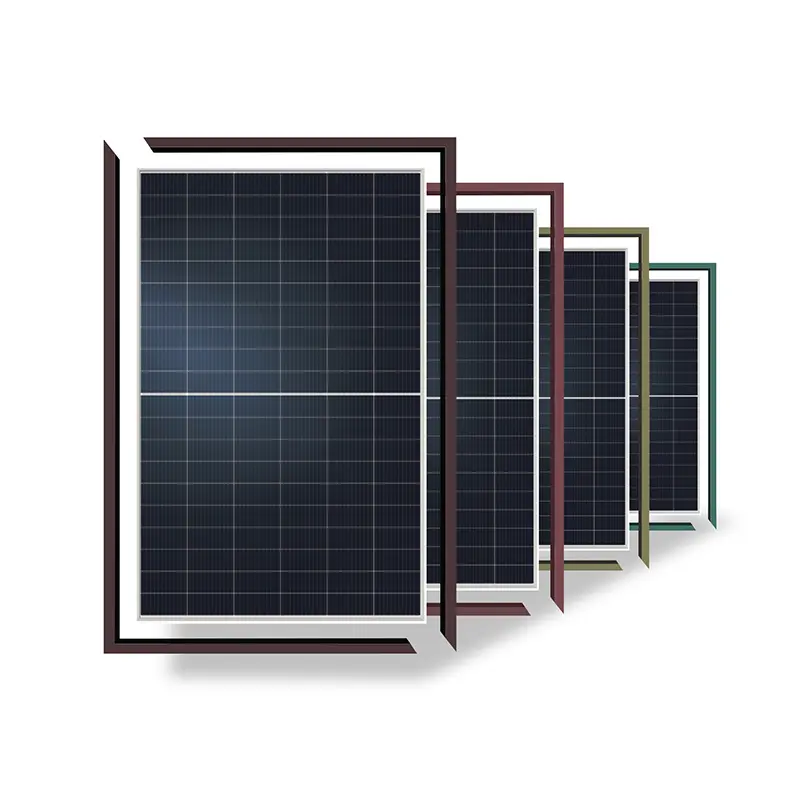
Key metrics for procurement officers auditing manufacturing partners: extrusion accuracy, capacity scaling, and metallurgical certifications.
Read Full Report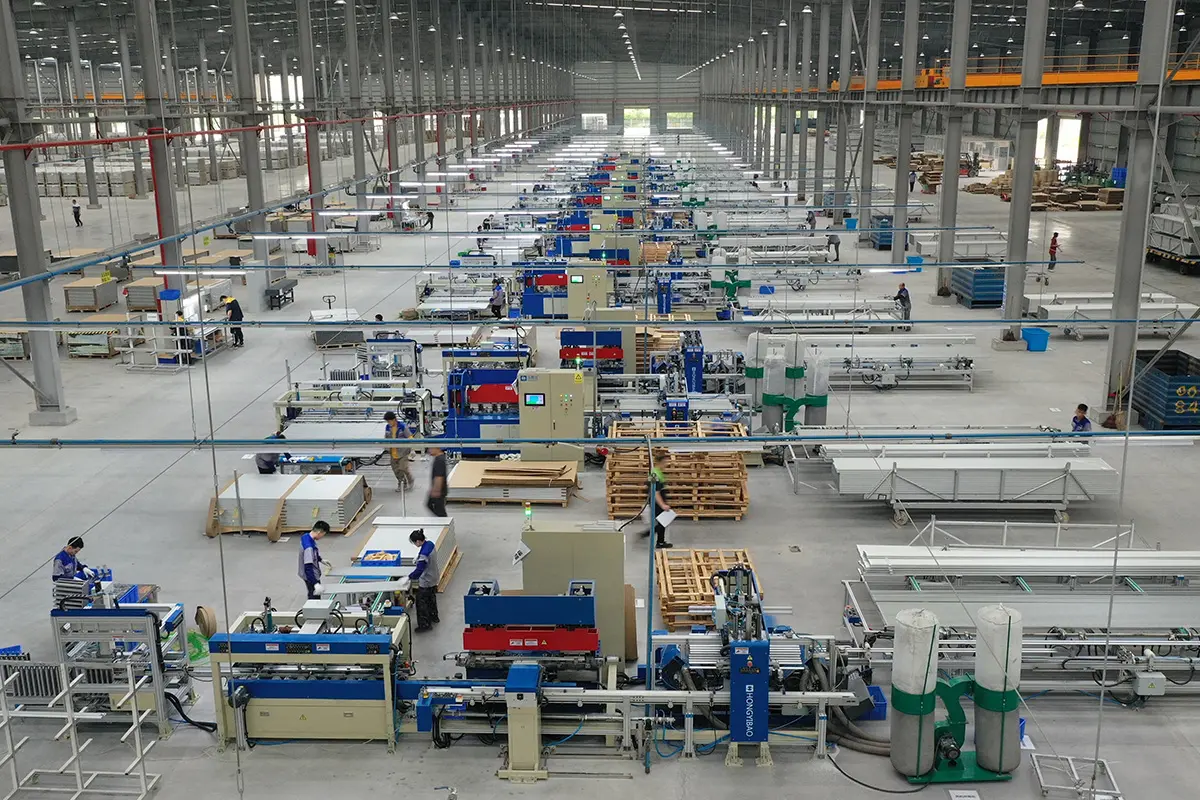
Exploring strict quality assurance protocols, including salt spray testing, cross-cut adhesion tests, and dimensional tolerance checks.
Read Full ReportExplore our technical portfolio of industrial solar setups, hybrid home configurations, and rugged portable accessories.