Deploy engineered energy generation systems with our industrial grade solar panels, composite framing materials, and multi-functional off-grid storage assemblies.
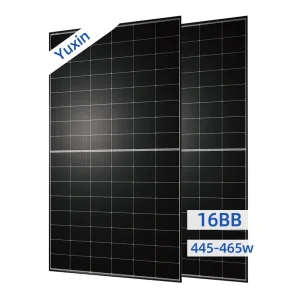
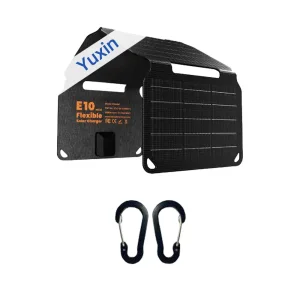
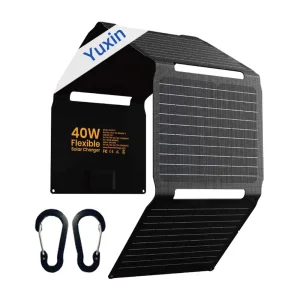
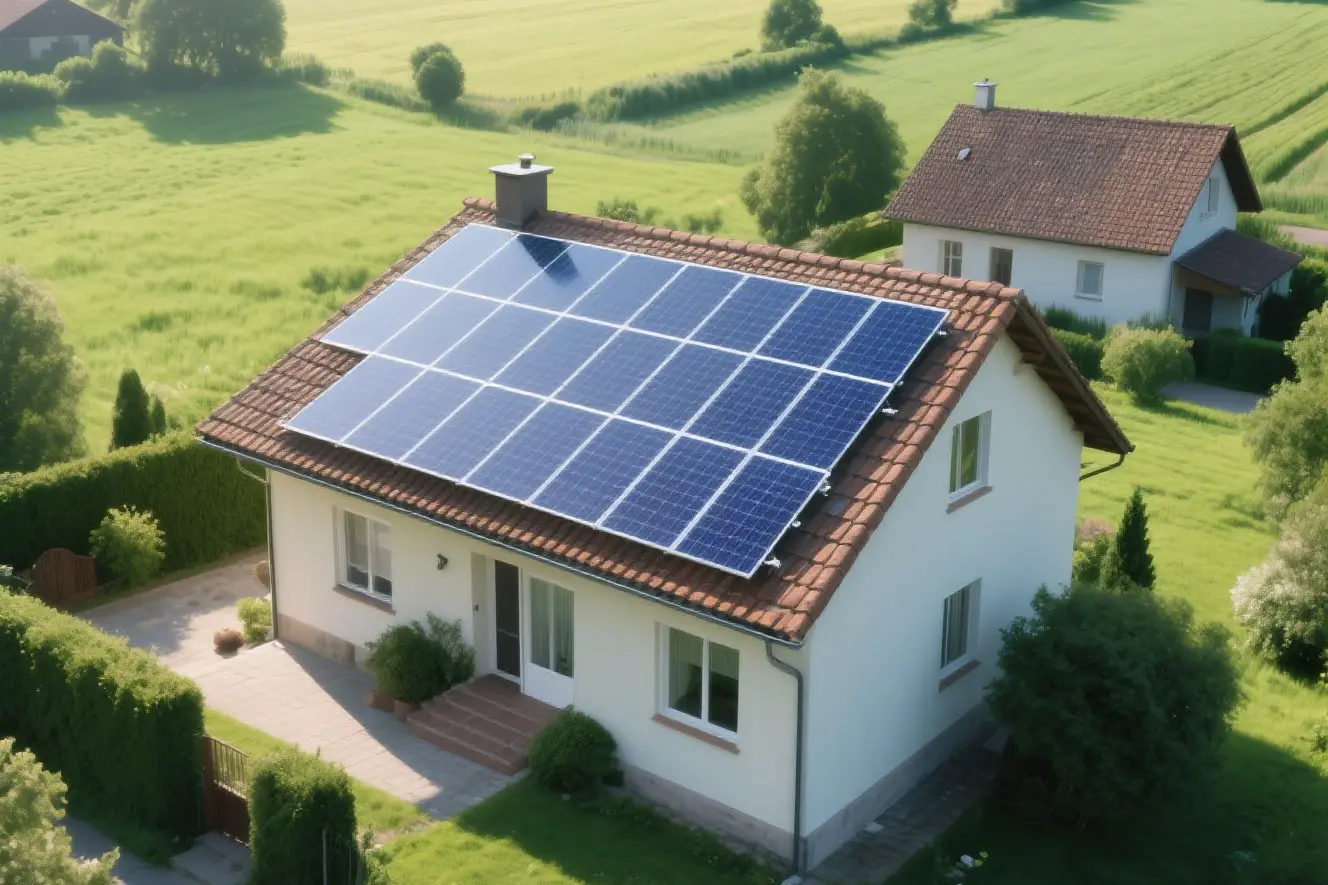
The global paradigm shift towards complete energy independence is driving the adoption of high-efficiency off-grid solar panel systems for homes. Far beyond simple backup generators, contemporary off-grid PV installations are standalone micro-grid systems. These systems seamlessly coordinate solar PV power generation, dynamic battery storage management, and advanced inversion controls. As utilities face grid instability, rising generation rates, and climate-induced outages, off-grid systems provide absolute energy resiliency.
Modern residential energy architectures rely on high-capacity system integration, pairing monocrystalline N-type TOPCon or advanced PERC cell arrays with smart storage networks. By decoupling homes from municipal utilities, homeowners eliminate grid reliance, bypass rising peak tariffs, and reduce their carbon footprint.
Evaluating macroeconomic indicators, regional grid stability issues, and climate regulations driving global B2B procurement pipelines for off-grid residential technologies.
In North America and Europe, escalating utility pricing combined with grid vulnerability has accelerated the transition to residential off-grid infrastructure. B2B distributors and installers are shifting focus from net-metered grid-tied arrays to complete off-grid solar kits. High-performance components, including durable frames and high-capacity storage modules, are required to withstand harsh winters and extreme weather events.
In Australia and Southeast Asia, off-grid systems provide critical energy resilience for remote properties, agricultural operations, and island developments. These systems eliminate the high cost of grid extension. The market requires high-ambient temperature tolerance, excellent thermal coefficient profiles, and anti-PID (Potential Induced Degradation) solar panels to ensure longevity in hot, humid climates.
In emerging regions, off-grid solar is a primary driver of electrification. Communities bypass centralized utilities to build local micro-grids. Manufacturers are responding by designing rugged, modular, and cost-effective solar generation kits that require minimal specialized tools to deploy and maintain in remote locations.
Jiangsu Yuxin New Energy Technology Co., Ltd. is a leading enterprise in solar energy manufacturing. Located in Yangzhou, China, YUXIN leverages superior transport infrastructure and robust supply chain integration to deliver high-quality PV products globally.
Established in 2008, YUXIN has grown into a diversified energy group managing 14 specialized subsidiaries. Recognized as a National High-tech Enterprise and a Top 100 Private Enterprise in Gaoyou City, YUXIN combines advanced R&D, automated manufacturing lines, and strict quality control protocols.
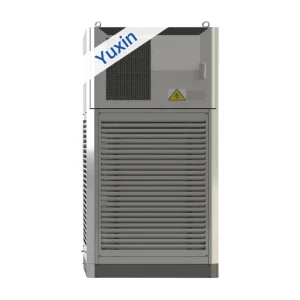
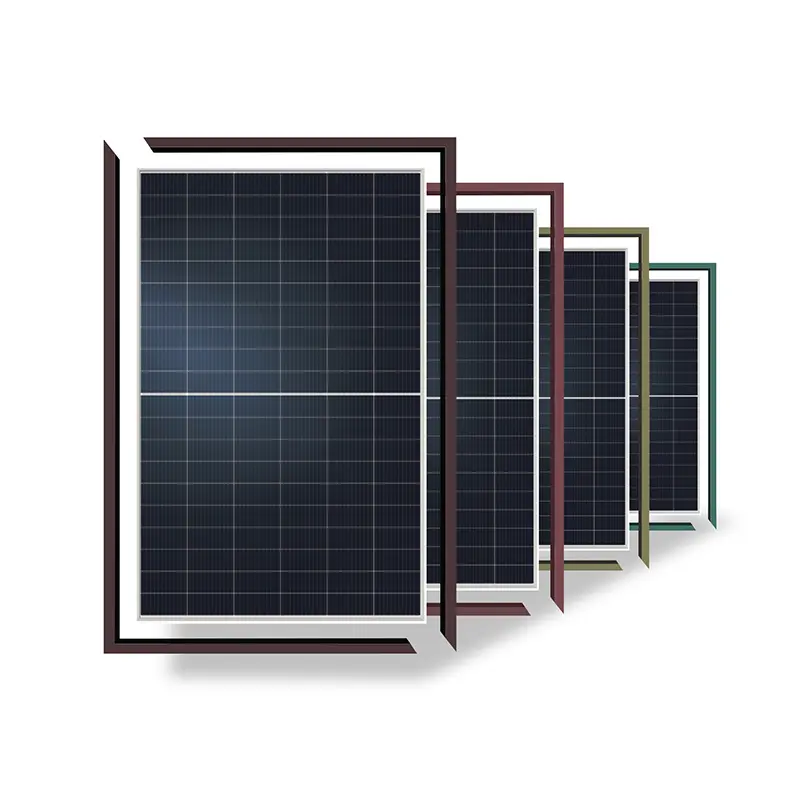
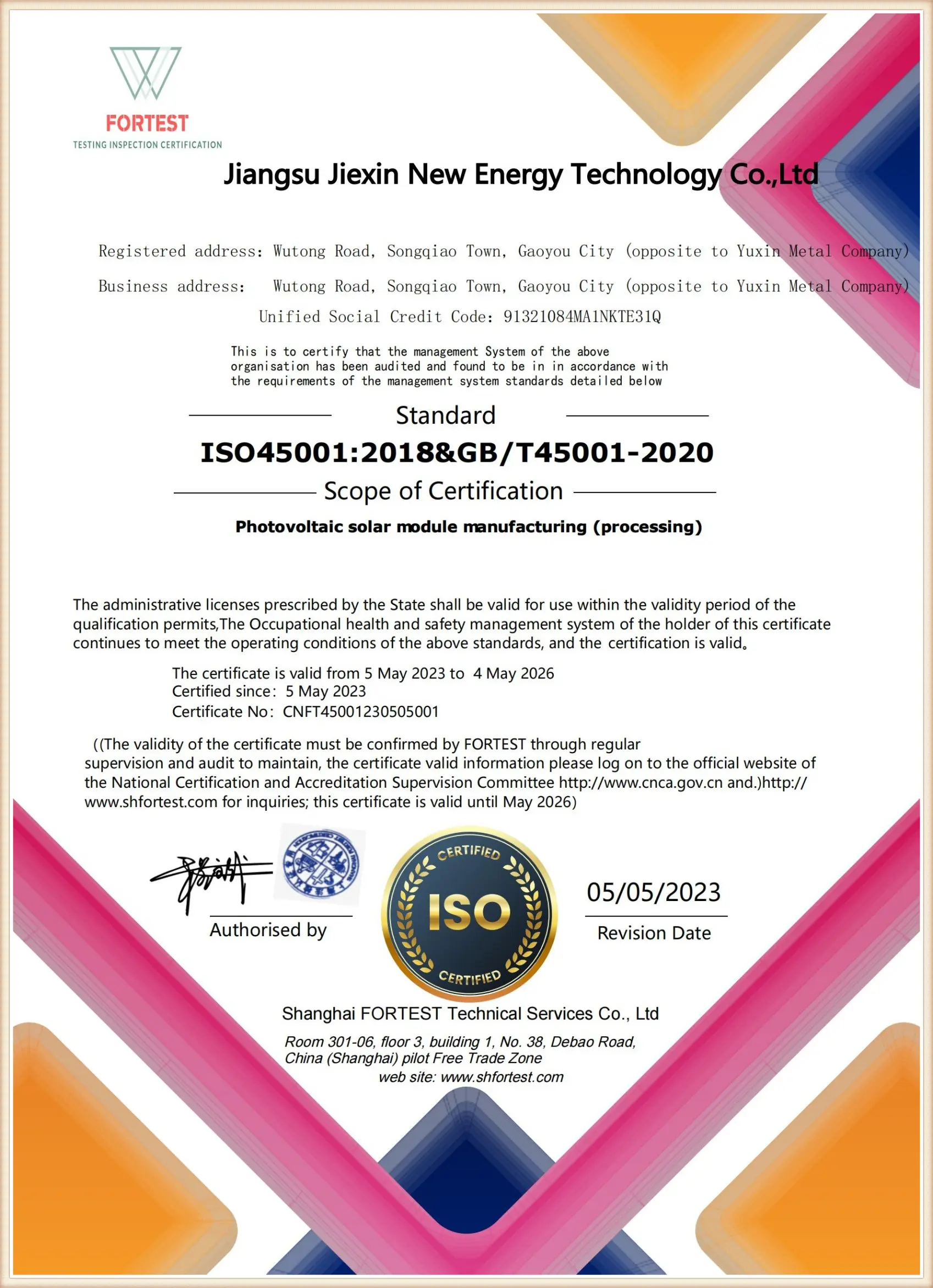
YUXIN’s diverse product portfolio features N-type bifacial dual-glass panels, high-durability composite polyurethane frames, anodized aluminum frames, and integrated residential energy storage systems. Our facilities feature advanced quality assurance labs, ensuring every shipped component complies with international standards, including CE, TUV, and UL certifications.
Our manufacturing processes and materials comply with strict global testing frameworks to ensure long-term reliability and compliance.
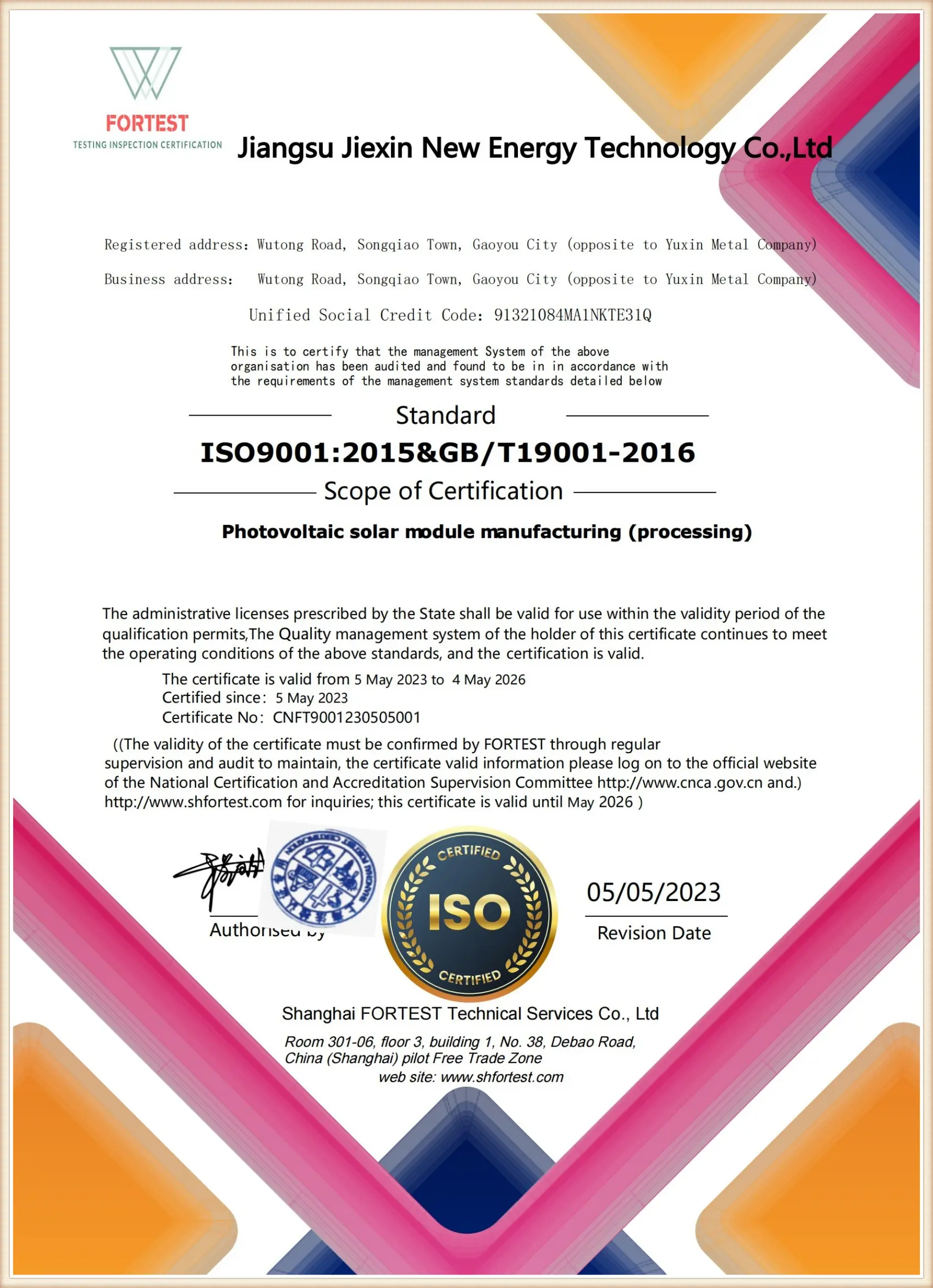
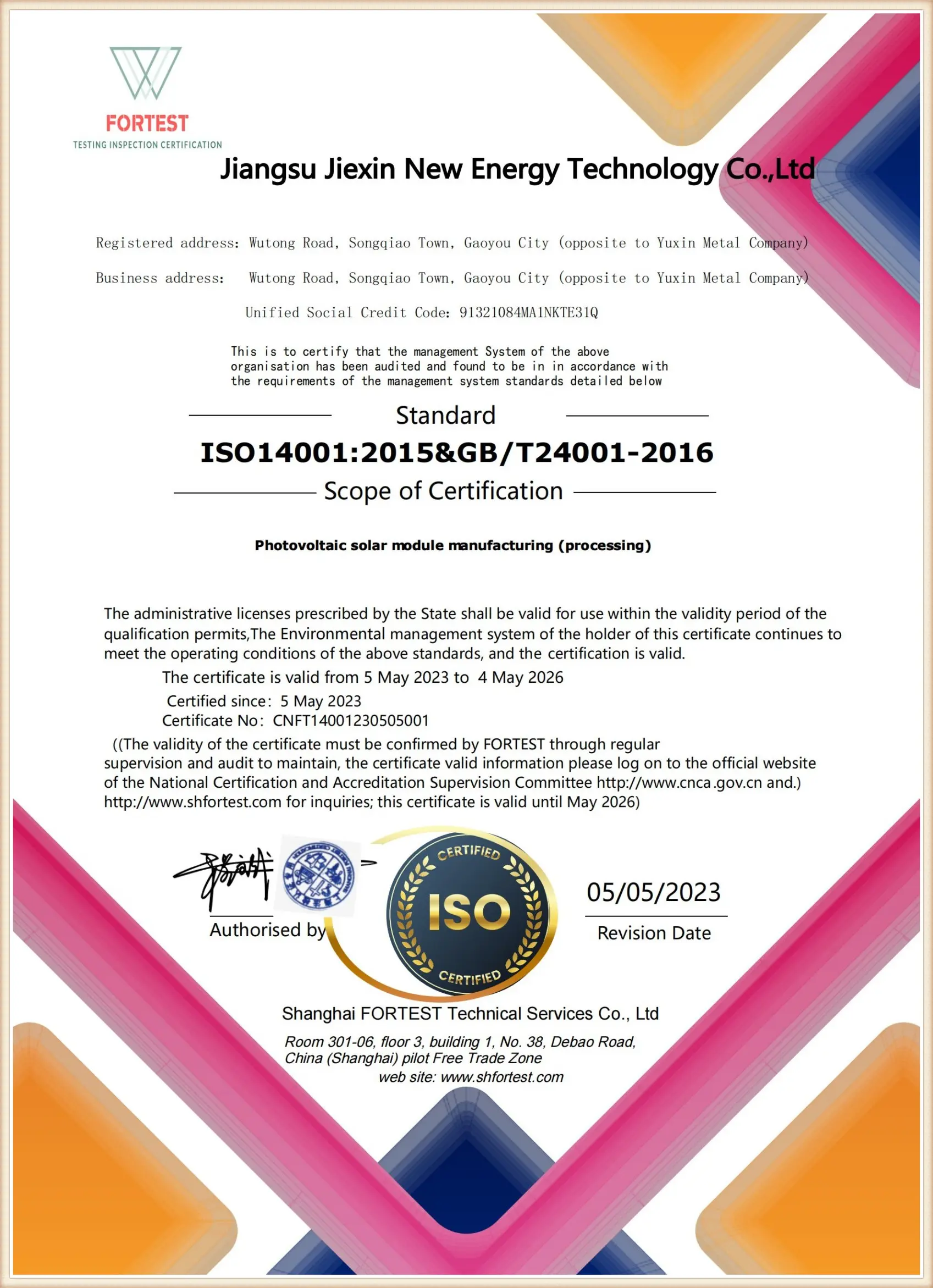
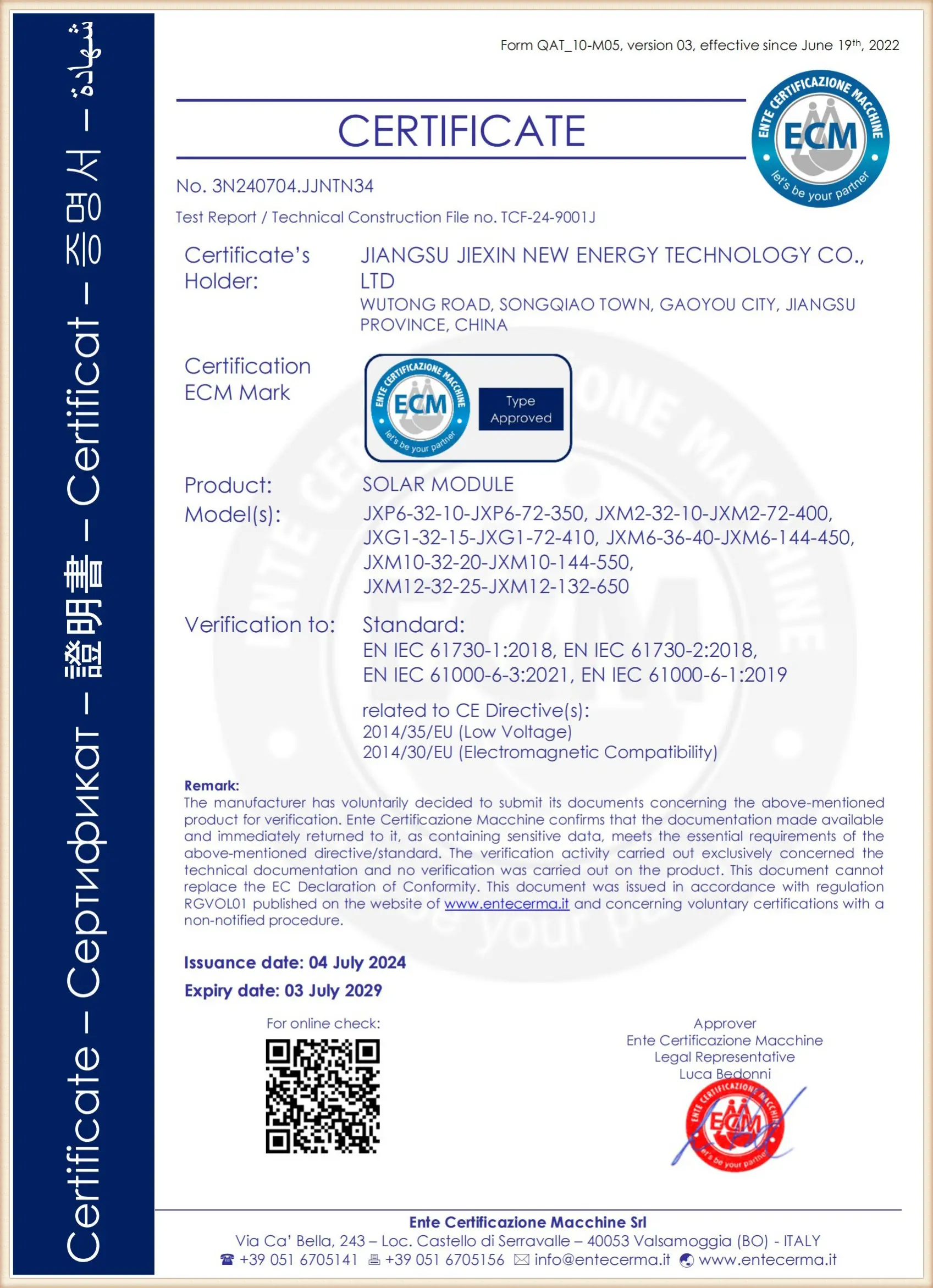
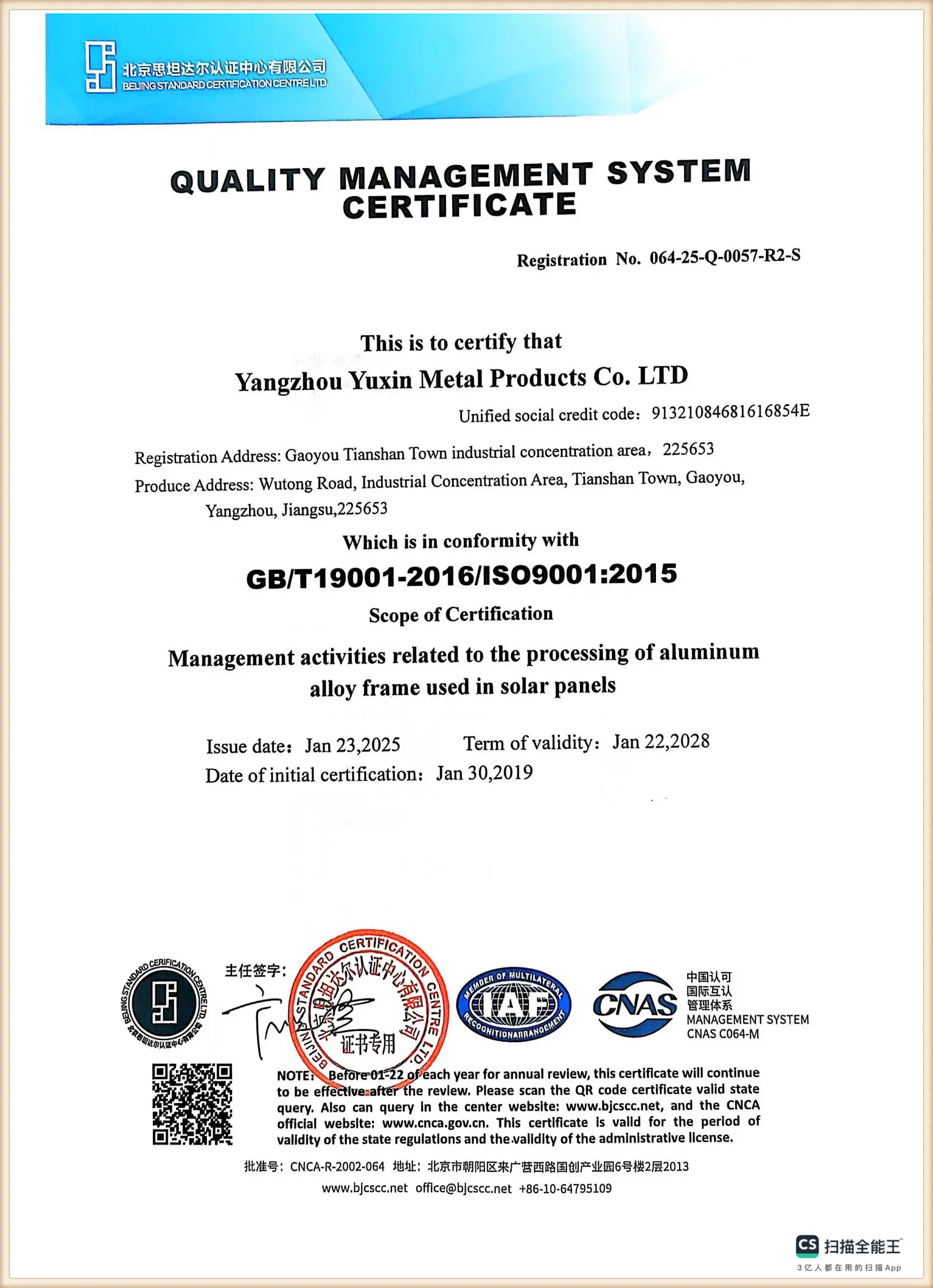
China produces over 80% of the world's solar components, driving innovation through integrated supply chains and advanced manufacturing. By sourcing from a specialized Chinese manufacturer like YUXIN, global distributors benefit from deep vertical integration and cost-efficient production processes.
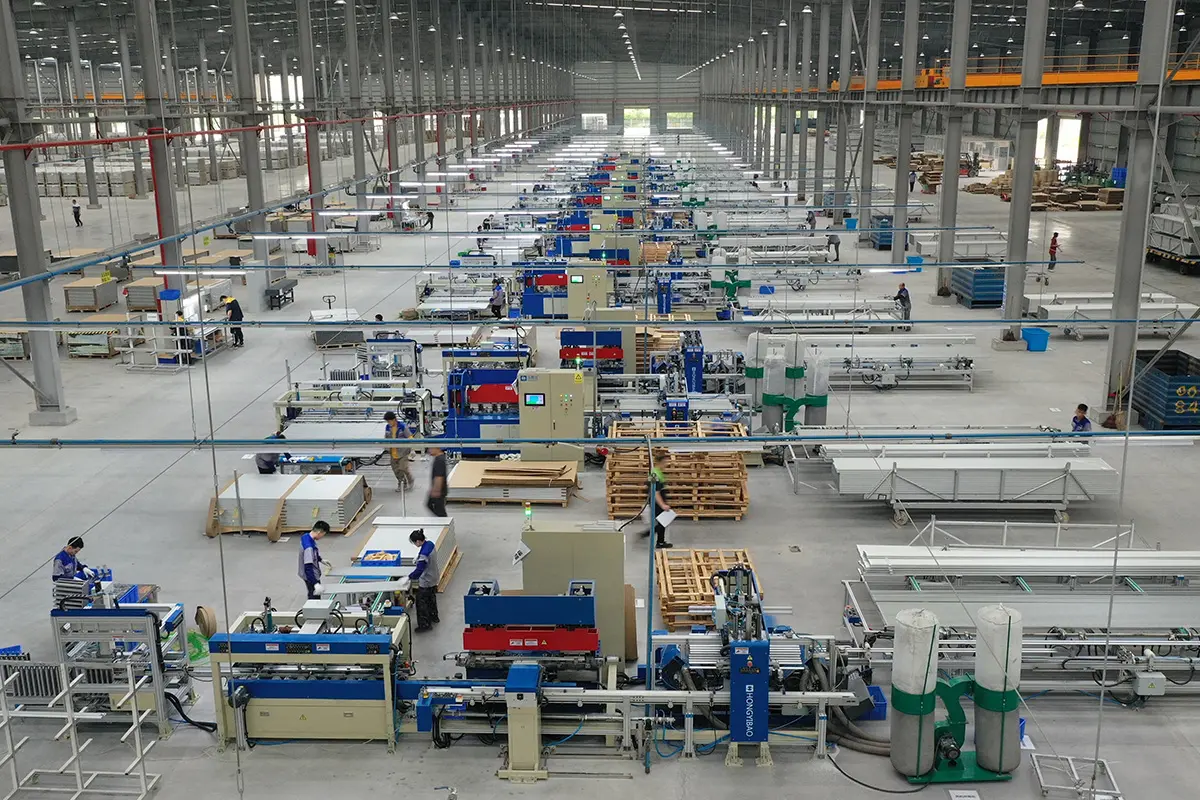
Our factories operate automated production lines that handle raw material preparation, precision frame extrusion, cell cutting, laminating, and final performance testing. This streamlined process reduces material waste, lowers production costs, and ensures consistent quality control.
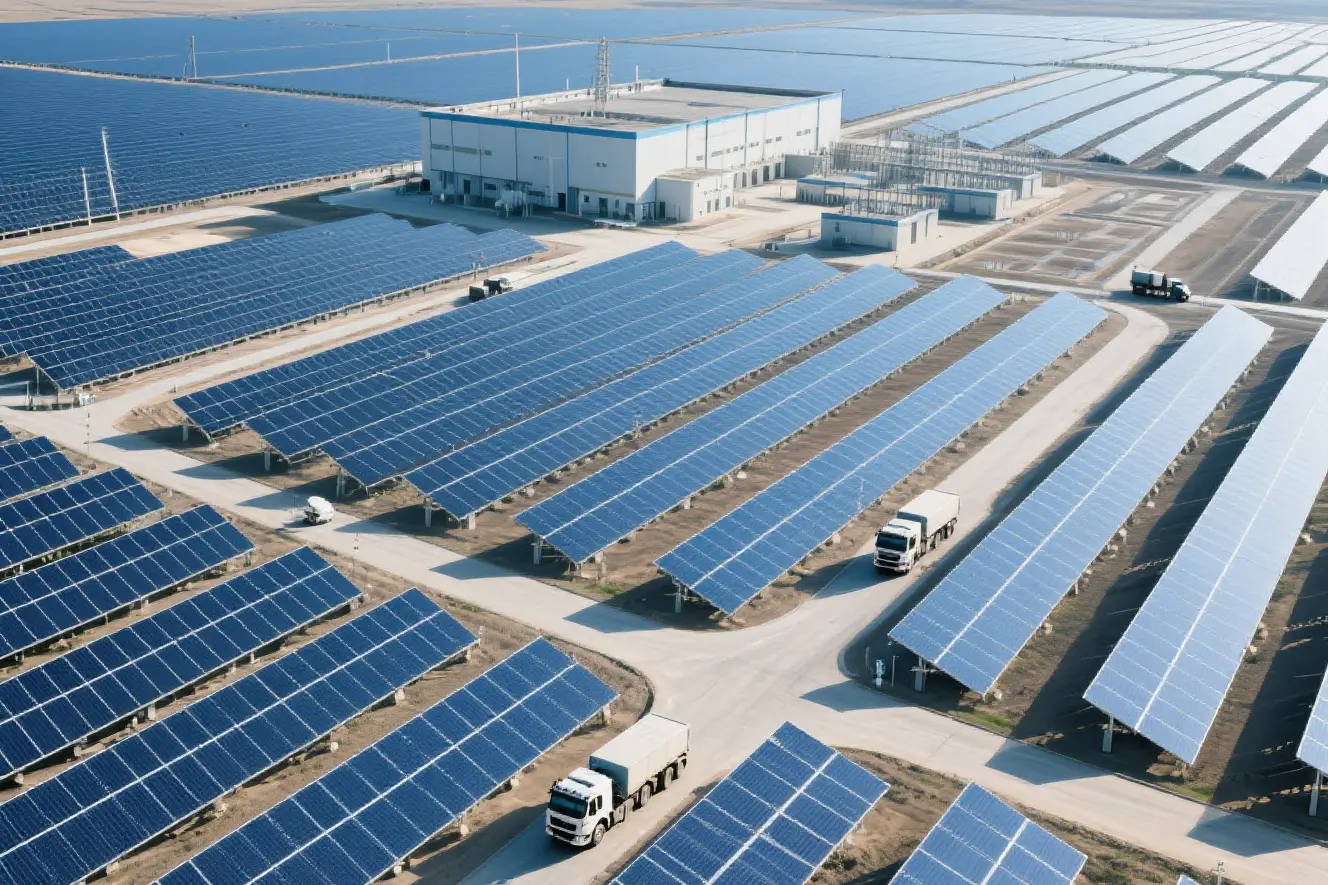
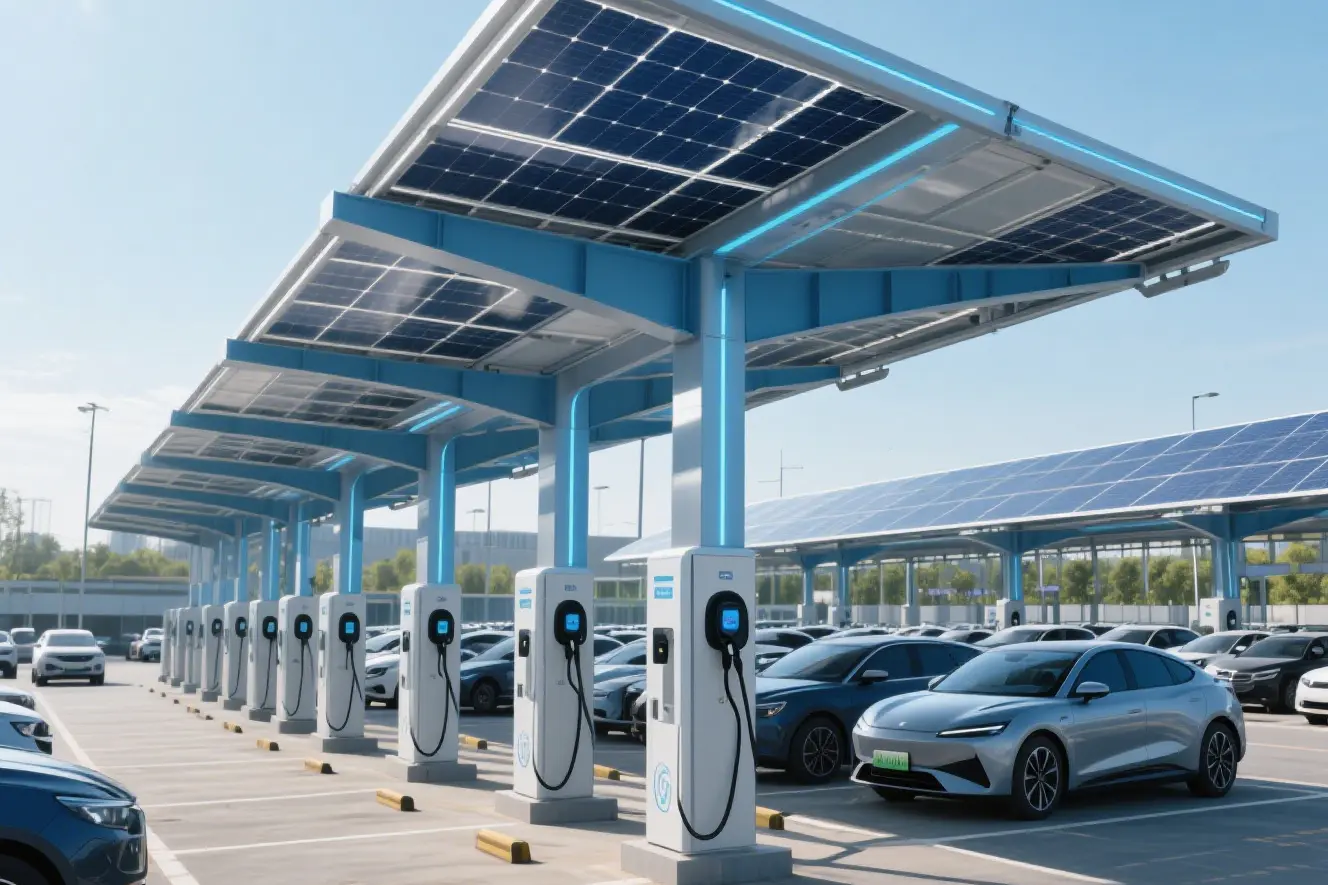
YUXIN energy systems are engineered to perform across diverse industrial, commercial, and residential applications.
The solar industry is shifting from traditional p-type PERC structures to high-performance N-type tunnel oxide passivated contact (TOPCon) technology. TOPCon modules offer key advantages, including lower temperature coefficients and higher bifaciality. This ensures superior energy yields even in low-light and high-temperature conditions.
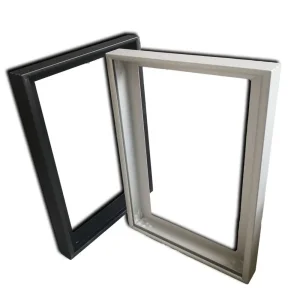
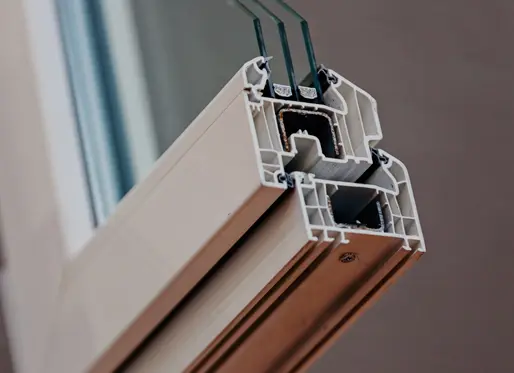
Innovations in framing materials are also reshaping the industry. While anodized aluminum remains the standard for ease of assembly, pultruded polyurethane composite frames are emerging as a high-durability alternative. These composites resist salt-mist corrosion, acid rain, and extreme chemical environments, making them ideal for coastal and industrial installations.
| Specification | N-Type TOPCon | Mono PERC |
|---|---|---|
| Cell Conversion Efficiency | 22.5% - 22.8% | 21.2% - 21.8% |
| Bifaciality Factor | 80% - 85% | 70% - 75% |
| First-Year Degradation | < 1.0% | < 2.0% |
| Annual Degradation (Yr 2-30) | < 0.4% | < 0.55% |
A guide for B2B buyers, distributors, EPC contractors, and global solar system integrators evaluating off-grid manufacturers.
Verify that your manufacturer holds international certifications, including CE, TUV, and UL. This compliance ensures the hardware meets structural safety, electrical performance, and building code requirements across North American, European, and Asia-Pacific markets.
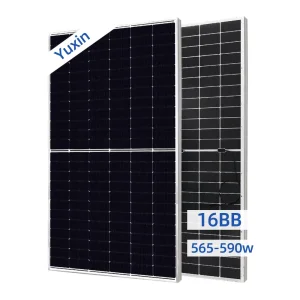
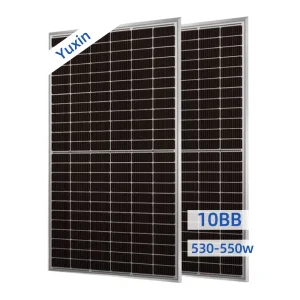
Select a manufacturing partner with strong OEM/ODM capabilities. An ideal supplier should customize cell architectures (such as 10BB or 16BB), frame materials (aluminum or polyurethane), and inverter power outputs to suit your regional market demands.
A manufacturer's location determines shipping timelines and logistics costs. Factories located in industrial hubs close to major ports (such as Yangzhou, with easy highway and rail access) help ensure reliable export services and lower overall landed costs.
Get clear, technical answers to common queries regarding off-grid solar systems, manufacturing capacities, and custom configurations.
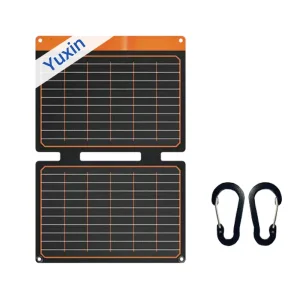
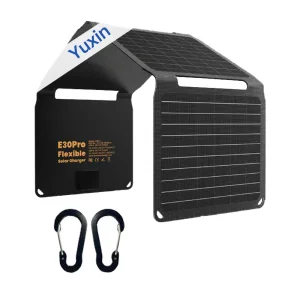
Choose from our selection of structural frames, residential energy storage units, and portable PV systems.
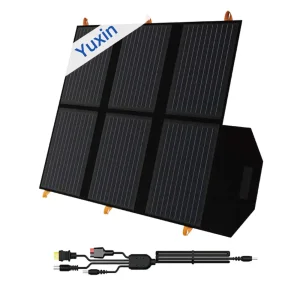
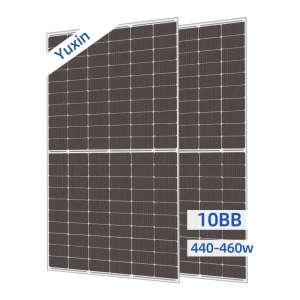
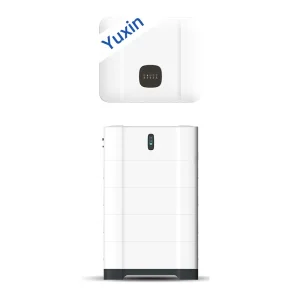
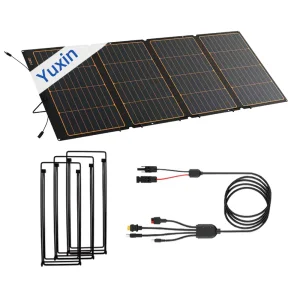
YUXIN maintains collaborative partnerships with leading global distributors and contractors to build a resilient energy supply chain.

Stay up-to-date with technical updates, manufacturing technologies, and international PV standards.