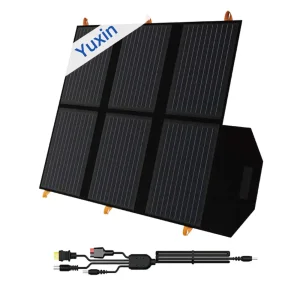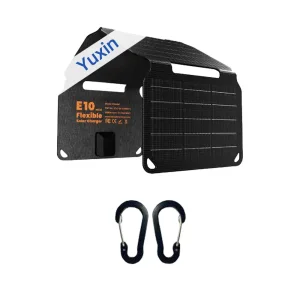
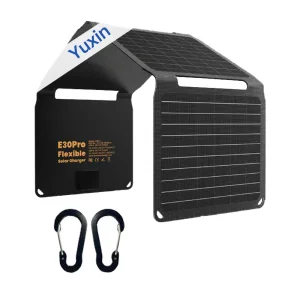
High-Quality Off Grid Cabin Solar Power Kit Manufacturers & Product

The Comprehensive Industrial Whitepaper on Next-Generation Autonomous Electrification, Microgrid Engineering, and Global Supply Chain Integration

Premium Solar Infrastructure Components

Advanced engineering solutions designed for optimal efficiency, extreme durability, and seamless system integration.

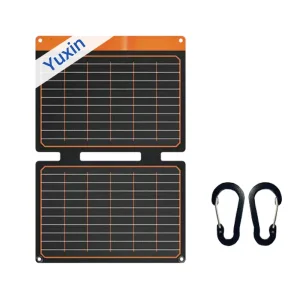
OEM 30W Waterproof Hiking Backpack

OEM 30W High Efficiency Waterproof Camping Backpacking Hiking for Cell Phone Power Banks Suppliers

Integrated high-efficiency solar cells designed for field scientists, emergency responders, and rugged outdoor off-grid micro-charging applications.

View Product Specifications
Famous 20W Waterproof Camping Backpack

Famous 20W High Efficiency Waterproof Camping Backpacking Hiking for Cell Phone Power Bank Manufacturer

Compact, wear-resistant solar charging backpacks optimized for persistent device power in low-light wilderness zones.

View Product Specifications
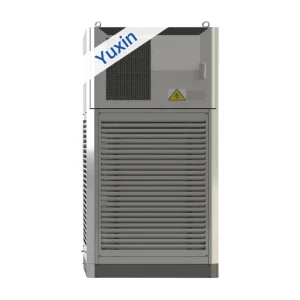
Modular Commercial Energy Storage System

China Modular Commercial Energy Storage System P01- EC60-30K Supplier, Quotes

Utility-grade modular LiFePO4 commercial energy storage system designed to manage peak loads and ensure persistent off-grid power continuity.

View Product Specifications
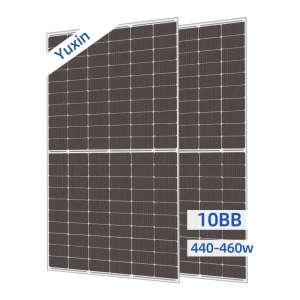
PERC Solar Panel Mono Silicon

Cheap Half-Cell 10BB 440W 445W 450W 455W 660W PERC Solar Panel Mono Silicon (120) Quotes

High-density monocrystalline silicon module employing multi-busbar technology to minimize internal electrical resistance and maximize yield.

View Product Specifications
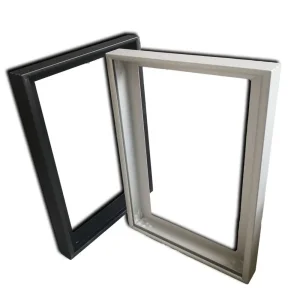
Aluminum Frames for Solar Panel

Famous 6063-T5/6005-T6 Aluminum Frames for Solar Panel Suppliers, Products

Precision-engineered, structural-grade anodized aluminum framing. Essential for high wind-load ratings and marine-grade corrosion immunity.

View Product Specifications
N-type Half-cell Dual Glass Solar Panel

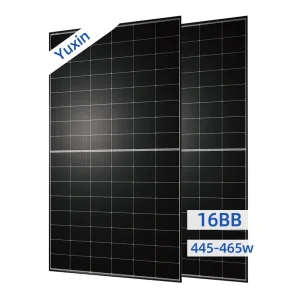
CE Certification N-type Half-cell Dual Glass 16BB 445W-465W Solar Panel Monocrystalline Module

Premium N-type dual-glass architecture featuring near-zero Light-Induced Degradation (LID) and excellent bifacial power generation ratios.

View Product Specifications
Polyurethane Composite Material Frames

Cheap Sustainable Polyurethane Pultruded Composite Material Aluminum Frames for Solar Panel

Next-gen non-conductive framing featuring high insulation performance, low carbon footprint, and superior resistance to acid rain and salt spray.

View Product Specifications
N-type Bifacial TOPCon Solar Panel

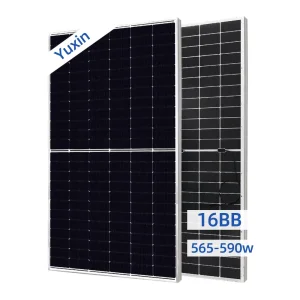
Discount N-type Half-cell Bifacial Dual Glass TOPCon 16BB 565W-590W Solar Panel Mono Silicon

State-of-the-art tunnel oxide passivated contact (TOPCon) solar cells delivering exceptional power temperature coefficients and maximized energy density.

View Product Specifications

1. Executive Summary & The Paradigm Shift in Off-Grid Cabin Electrification

In the contemporary energy landscape, the pursuit of energy independence has transitioned from a niche survivalist aspiration to a mainstream, industrial-grade engineering imperative. High-Quality Off-Grid Cabin Solar Power Kits represent the convergence of advanced photovoltaics, electrochemical energy storage, and smart grid coordination. This whitepaper analyzes the engineering specifications, supply chain dynamics, and materials science that govern off-grid power systems, providing global procurement officers, developers, and engineers with the technical criteria necessary to select high-performing hardware and build resilient, remote systems.

Historically, off-grid cabins relied on simple lead-acid batteries and inefficient polycrystalline solar modules. These setups suffered from rapid system degradation, high maintenance costs, and a high level of vulnerability to harsh environments. Today’s state-of-the-art systems leverage N-Type Tunnel Oxide Passivated Contact (TOPCon) cells, Lithium Iron Phosphate (LiFePO4) storage chemistries, and structural-grade composite frames. Together, these technologies deliver system lifespans exceeding 25 years with minimal maintenance, optimizing the Levelized Cost of Energy (LCOE) even in the most remote areas on Earth.

Technical Architecture and Material Science Breakdown

Photovoltaic Cell Technologies: N-Type TOPCon vs. P-Type PERC

The heart of any modern high-quality off-grid cabin solar power kit is the photovoltaic module. The industry is currently undergoing a massive technological shift from P-type PERC (Passivated Emitter and Rear Cell) technology to N-type TOPCon. The primary limitation of P-type silicon is its susceptibility to Light-Induced Degradation (LID) caused by boron-oxygen complexes. In contrast, N-type TOPCon silicon is doped with phosphorus, making it completely immune to LID. This guarantees a lower first-year degradation rate (<1.0% vs. 2.0% for PERC) and a much lower annual degradation rate (~0.4% vs. 0.55% for PERC over 30 years).

Furthermore, N-type TOPCon modules feature an exceptional temperature coefficient (down to -0.30%/°C). In off-grid environments, cabins are often subjected to extreme heat on rooftops; TOPCon modules lose significantly less voltage as temperatures rise compared to PERC modules. Finally, TOPCon delivers a higher bifaciality factor (up to 80-85% compared to 70% for PERC). This allows dual-glass modules to capture substantial reflected light (albedo) from ground surfaces, snow, or metal roofs, boosting overall energy generation by up to 25% without changing the system's physical footprint.

Next-Generation Structural Integrity: Composite vs. Anodized Aluminum Framing

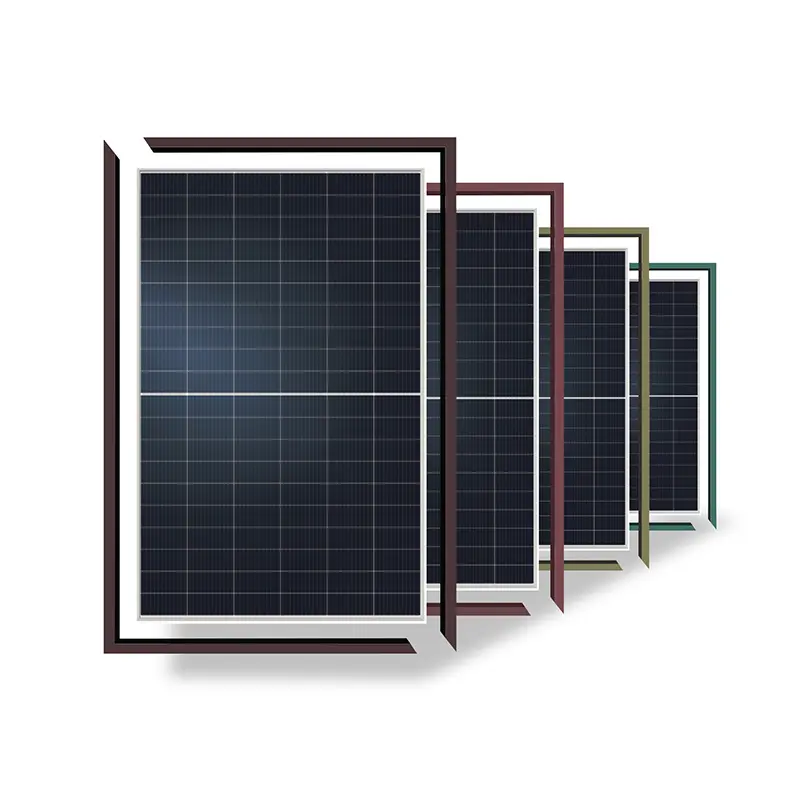
Off-grid cabins are frequently located in rugged geographic regions characterized by heavy snow loads, high winds, or high humidity. The framing material plays a critical role in preventing cell micro-cracks and keeping modules secure. Anodized Aluminum Alloys (typically 6063-T5 or 6005-T6) remain the industrial benchmark due to their high strength-to-weight ratio and ease of installation. Anodized layers of 15μm or greater provide reliable protection against atmospheric corrosion and mechanical stress, sustaining structural integrity under static wind loads of 2400 Pa and snow loads of 5400 Pa.

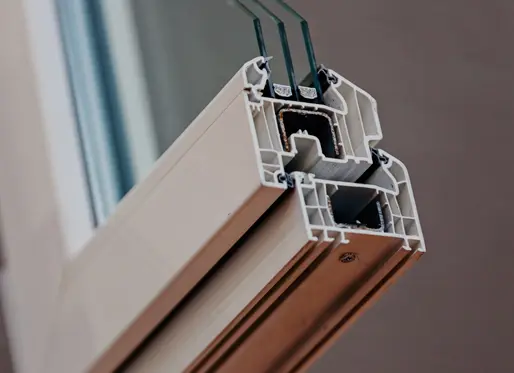
However, pioneering manufacturers are now offering sustainable polyurethane pultruded composite frames. Polyurethane composites offer distinct engineering advantages: they are completely non-conductive, which eliminates the risk of Potential Induced Degradation (PID) without requiring complex system grounding. They also have a thermal expansion coefficient that matches silicon, which prevents mechanical stress at the frame-glass interface during rapid temperature swings. These composite frames are also highly resistant to salt mist, acid rain, and high chemical exposure, making them ideal for coastal cabins or deep agricultural applications.

Macro Industry Applications & Deployment Scenarios

Deploying high-quality solar power kits across diverse industrial ecosystems and demanding environments.

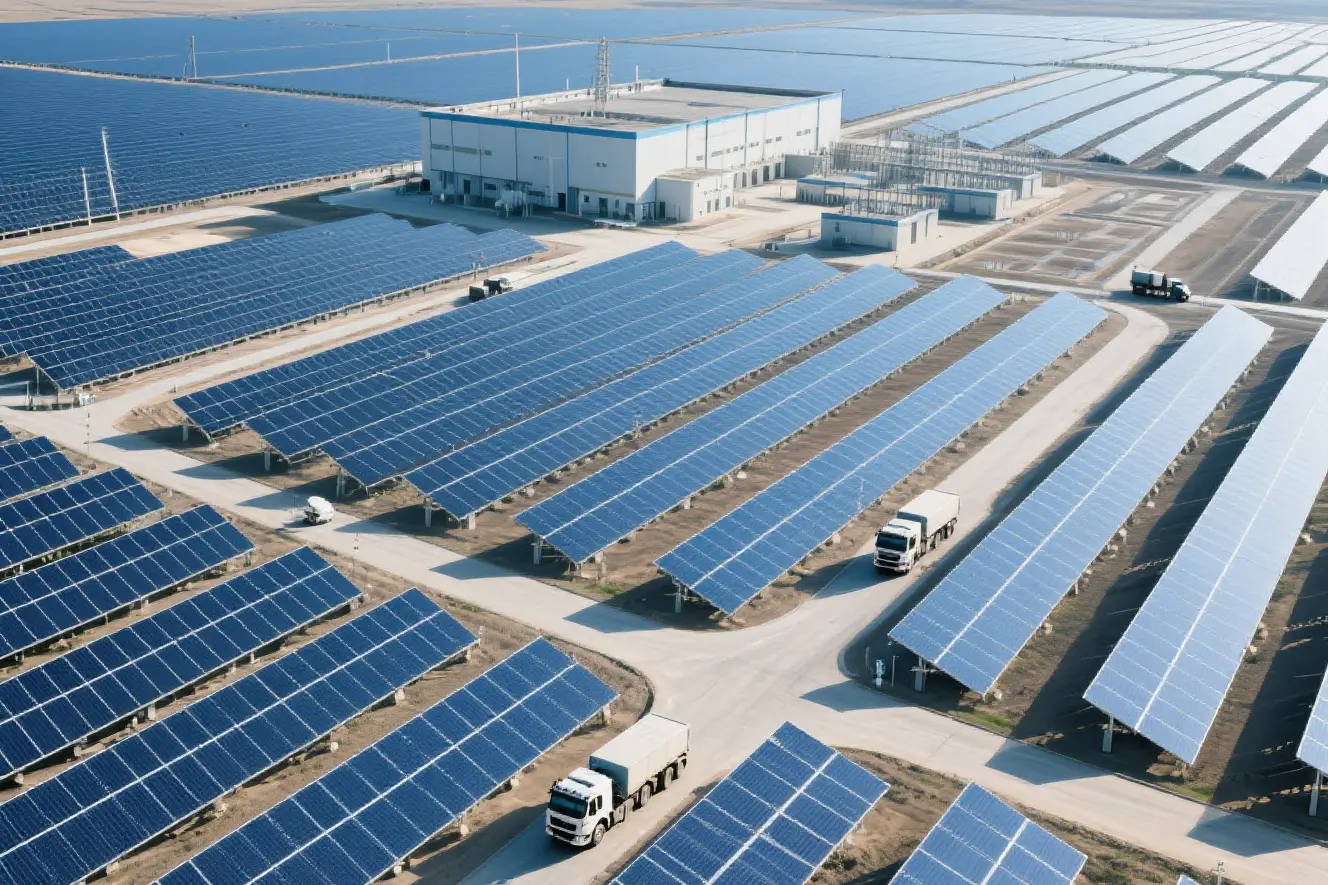
Agriculture

Agriculture & Agrophotovoltaics

Powering remote water pumps, automated irrigation valves, and livestock monitoring systems. Our rugged, high-efficiency solar components resist corrosive agricultural chemicals and withstand harsh outdoor conditions.

Construction Industry

Construction Industry

Temporary power systems for jobsite trailers, security cameras, and charging stations for power tools. Easy-to-deploy modular storage kits reduce reliance on noisy, fuel-hungry diesel generators.

Electric Power Industry

Electric Power Industry

Providing auxiliary and black-start power, microgrid stabilization, and solar-plus-storage balancing. These systems ensure peak-shaving capabilities and backup energy during grid failures.

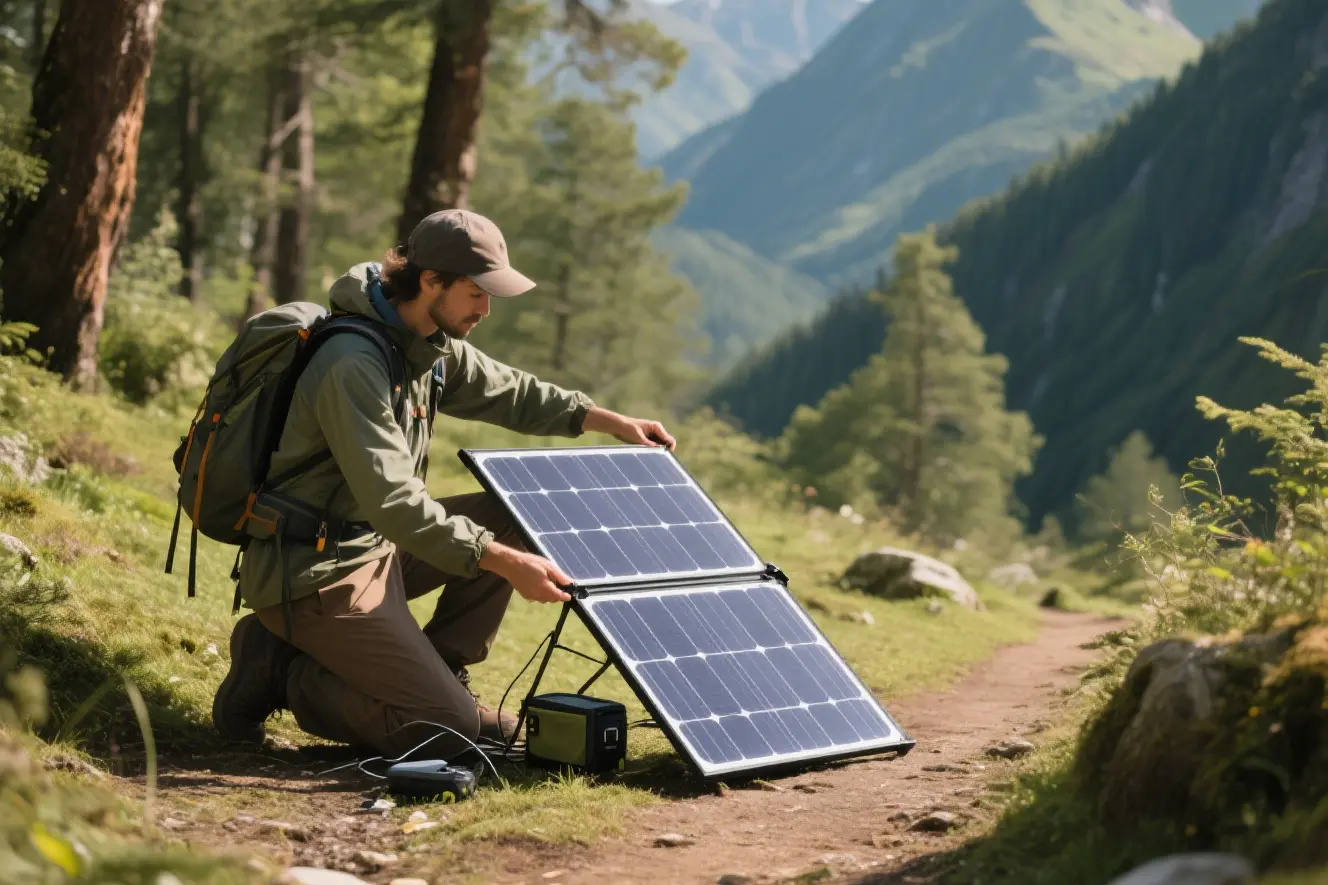
Outdoors & Recreation

Outdoors & Remote Recreation

Portable solar chargers and charging backpacks designed for wilderness expeditions, remote scientific research camps, and off-grid cabin retreats where weight and reliability are critical.

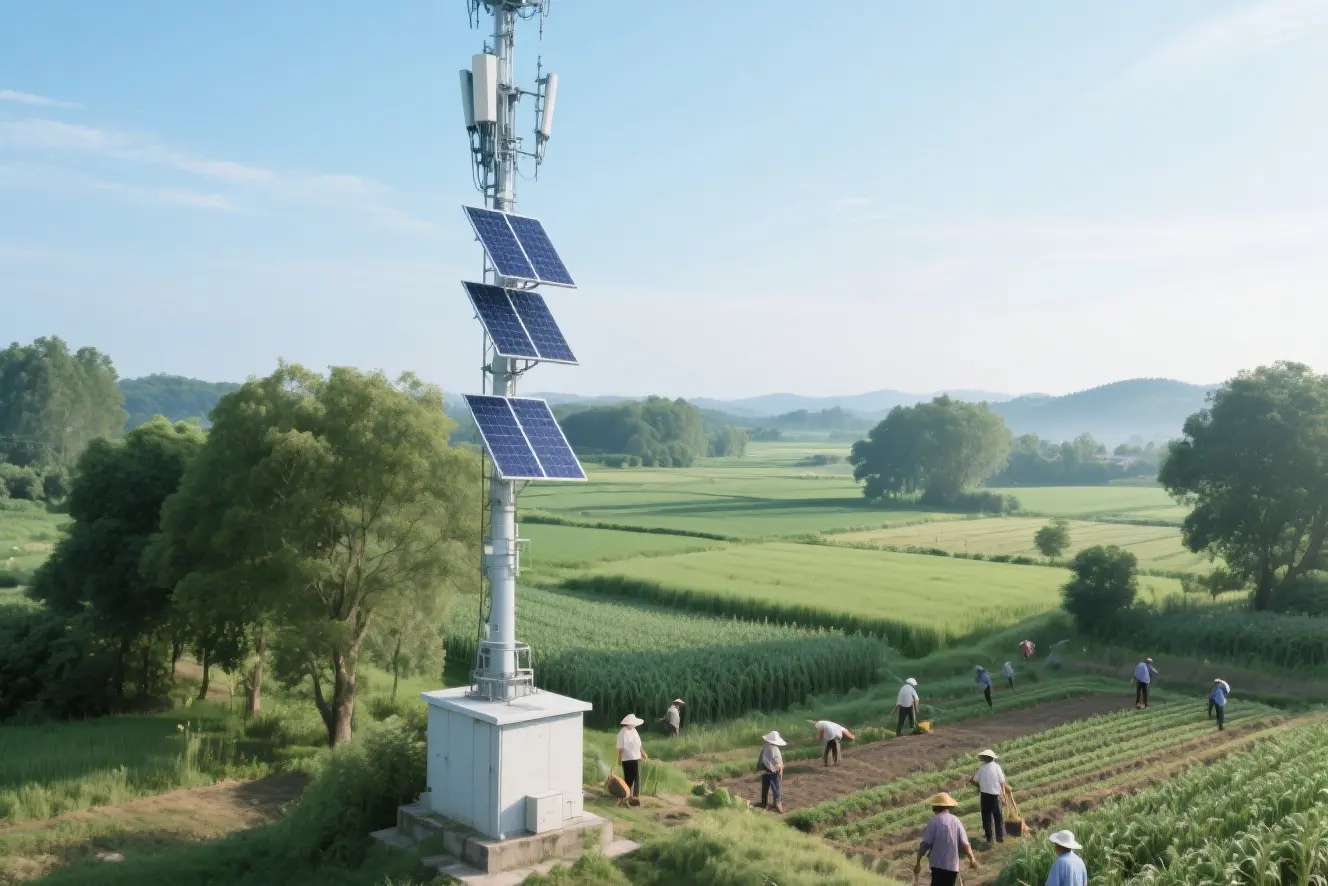
Telecommunications

Telecommunications & Off-Grid Nodes

Persistent power for remote telecom repeaters, 5G base stations, and environmental telemetry systems. Features dual-glass bifacial modules and smart battery management systems (BMS) for reliable 99.99% uptime.

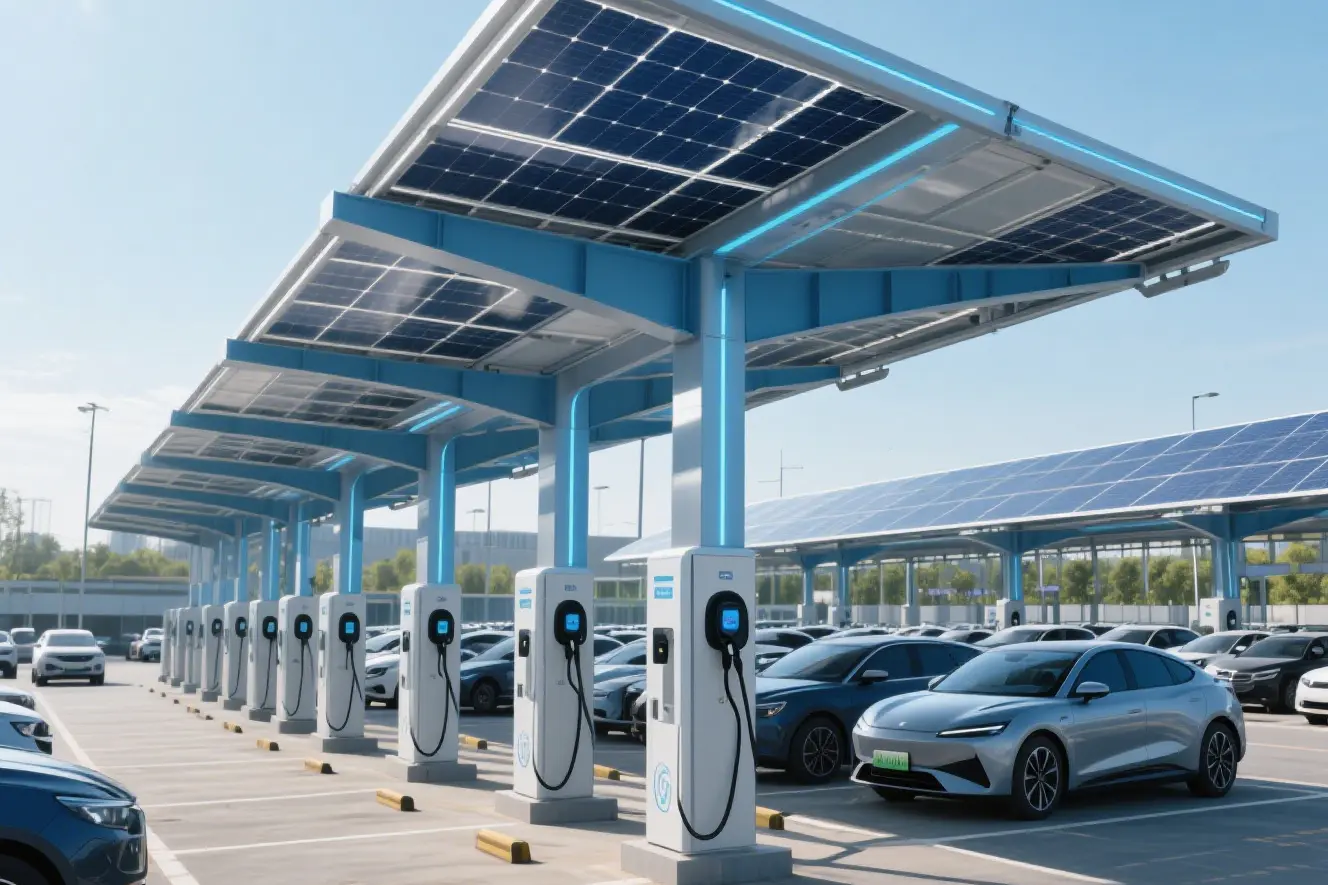
Transportation Industry

Transportation Industry

Electrifying smart traffic signals, message boards, and railway monitoring nodes. The vibration-resistant anodized aluminum mounting frames ensure long-term mechanical reliability near heavy traffic areas.

2. Intelligent Energy Management & Battery Storage Integration

An off-grid solar system is only as reliable as its battery storage capacity. Modern off-grid cabin kits integrate sophisticated Lithium Iron Phosphate (LiFePO4) battery banks, which have largely replaced traditional lead-acid batteries due to their superior cycle life, high depth of discharge (DoD), and thermal stability. A high-quality LiFePO4 battery pack can easily support more than 6,000 cycles at 80% DoD, translating to over 15 years of daily cycling. In comparison, lead-acid options rarely exceed 1,500 cycles at 50% DoD and require regular maintenance.

In addition to battery chemistry, the integration of a smart Battery Management System (BMS) is essential. The BMS monitors cell voltage, temperature, and current in real time, preventing thermal runaway and ensuring cell balancing. It also interfaces with hybrid, grid-interactive, and off-grid inverters via CAN/RS485 communication protocols. These hybrid systems support automatic mode switching: in the morning, solar energy directly powers cabin loads and charges the batteries; in the evening, the system seamlessly transitions to battery discharge mode. If the battery bank falls below a set state of charge (SoC) during extended cloudy periods, the system can trigger an auxiliary generator or automatically drop non-essential loads.

Sourcing & Procurement Insights: Global Enterprise Requirements

For procurement officers in multinational corporations, developers of remote eco-resorts, and off-grid project managers, sourcing hardware requires a strict evaluation framework. The primary criteria extend beyond initial component costs to focus on long-term capital efficiency, supply chain stability, and local compliance support. Systems must arrive as pre-engineered, factory-tested packages to minimize on-site assembly errors, which can quickly double installation costs in remote areas. Procurement contracts should detail exact technical parameters, such as silicon purity grades, cell ribbon alignment protocols, encapsulation thickness (EVA/POE), and structural frame anodization specifications.

Additionally, risk mitigation requires partnering with suppliers who can guarantee shipping security and offer comprehensive product warranties. Tier-1 off-grid solar equipment must be backed by a dual linear performance guarantee: a minimum 10-year product workmanship warranty and a 25-to-30-year linear power output warranty. The manufacturer must also provide certified test reports demonstrating compliance with international standards, ensuring that structural loads, electrical safety, and flame retardancy ratings meet the requirements of local regulators and project insurers.

About YUXIN GROUP

Established in 2008, Yuxin Group has grown into an international leader in photovoltaic manufacturing and materials science. Headquartered in the historic industrial hub of Yangzhou, Jiangsu Province, China, the group is strategically located near major transportation networks, including the Beijing-Shanghai Expressway, the Runyang Yangtze River Bridge, and the Ningqi Railway. This location ensures fast, cost-efficient logistics to global ports.

With 14 specialized subsidiaries under its jurisdiction—including Jiangsu Yuxin New Energy Technology Co., Ltd.—Yuxin has earned titles as a National High-Tech Enterprise, a Technology-Based Enterprise, and one of Gaoyou City's Top 100 Private Enterprises. Our commitment to precision engineering, robust quality control, and safety forms the foundation of our partnership with global system integrators and distributors.

21+
Advanced Automated Production Lines
$86M+
Annual Sales Revenue (USD)
12k+
Annual Export Volume (Tons)
25k+
Annual Production Capacity (Tons)

Precision, Quality, and Safety

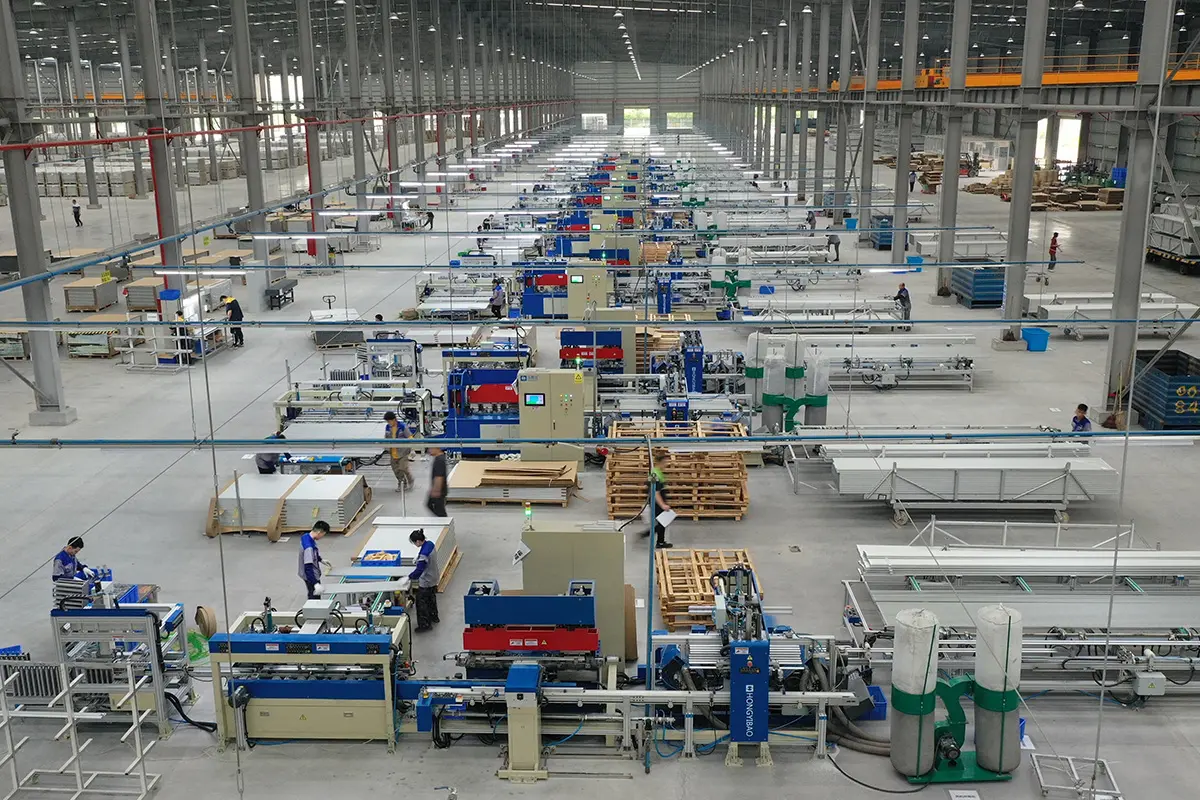
We operate fully integrated manufacturing facilities that monitor production from raw ingot slicing to final frame assembly. By leveraging advanced automation and real-time Quality Management Systems, we ensure that every batch of aluminum profiles, polyurethane frames, and solar panels complies with global standards.

Yuxin Inspection and Testing Facility

3. China Factory 4.0: Supply Chain Resilience & Efficiency Advantages

The global energy transition demands not only highly efficient hardware but also cost-optimized and resilient supply chains. The Yuxin Group’s manufacturing ecosystem in Yangzhou is a prime example of China's Factory 4.0 evolution. By vertically integrating raw material procurement, aluminum extrusion, polyurethane pultrusion, panel assembly, and extensive testing, Yuxin controls every step of production. This reduces the Balance of System (BOS) cost for our customers while ensuring consistent product quality.

Our 21+ automated production lines utilize industrial IoT sensors, automated optical inspection (AOI), and laser cutting to ensure high dimensional accuracy (tolerances within ±0.1mm). This level of precision is critical when fabricating anodized aluminum solar frames and polyurethane composite profiles, ensuring fast, trouble-free installation in the field. Yuxin's scale—including an annual output of 25,000 tons and exports exceeding 12,000 tons—gives us the purchasing power to secure premium raw materials (such as raw silicon, high-grade aluminum ingots, and premium EVA/POE encapsulants) at stable prices. This insulates our global partners from market price fluctuations and supply chain disruptions.

Compliance, Quality Control, and Certification Standards

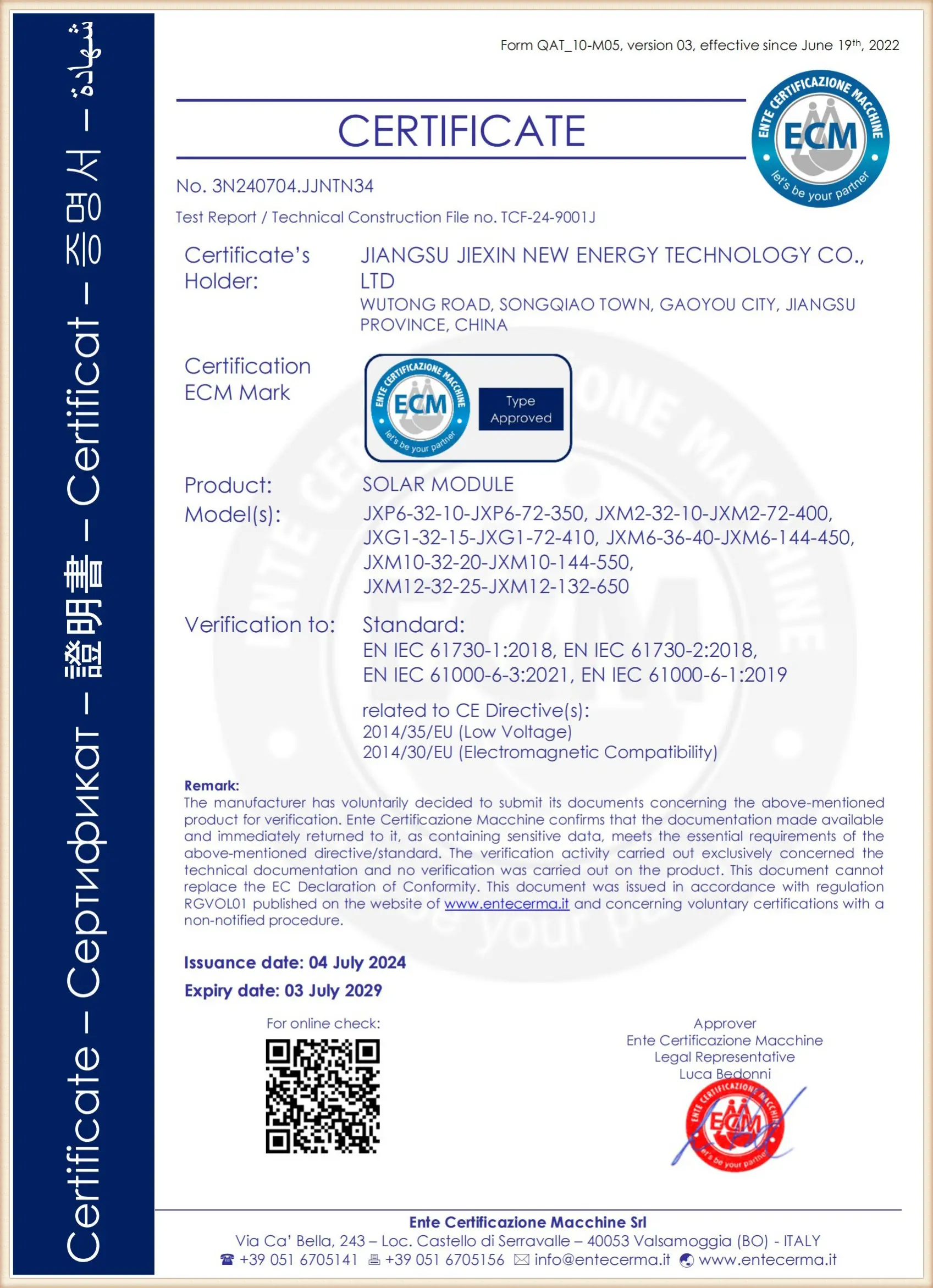
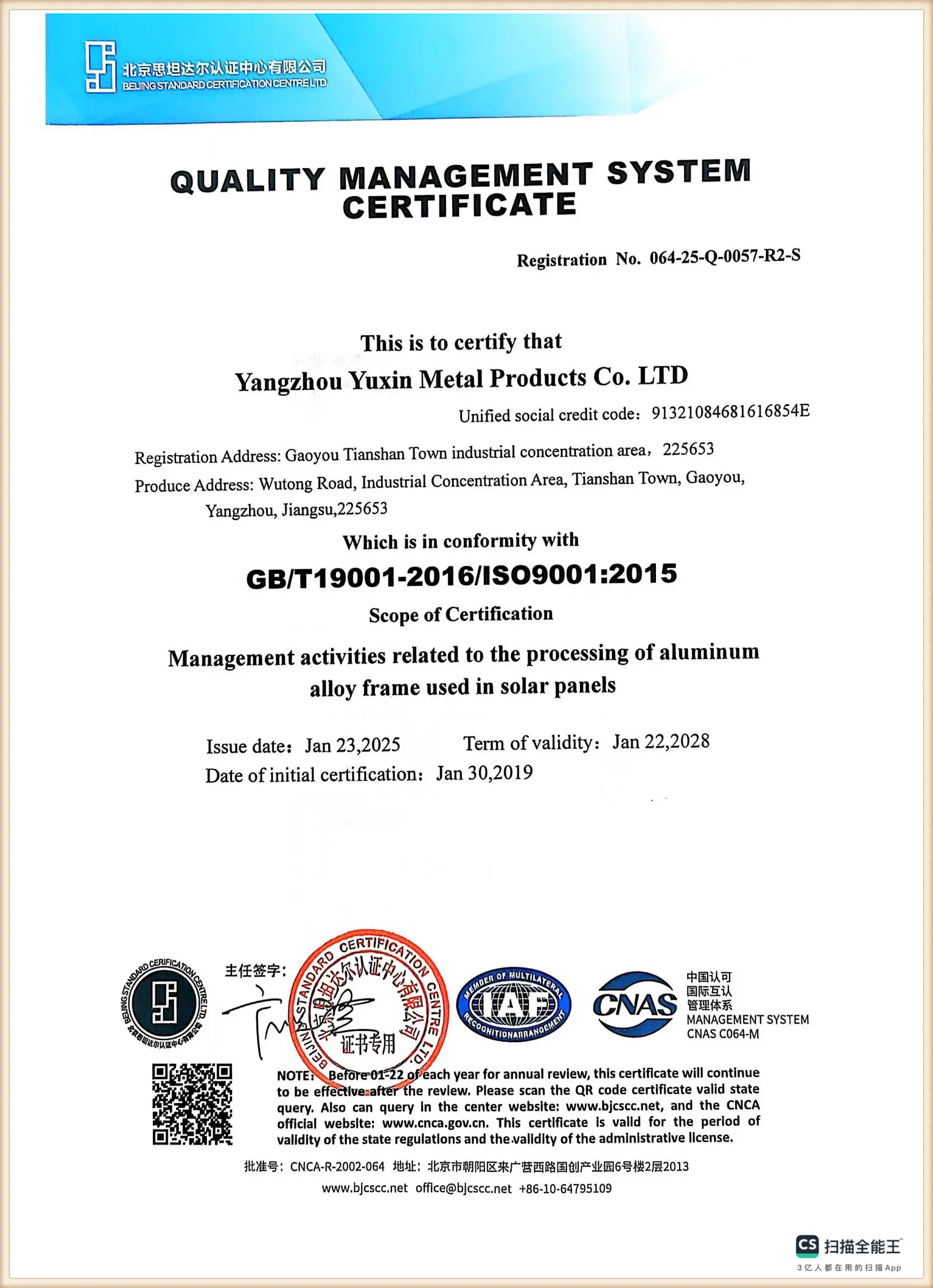
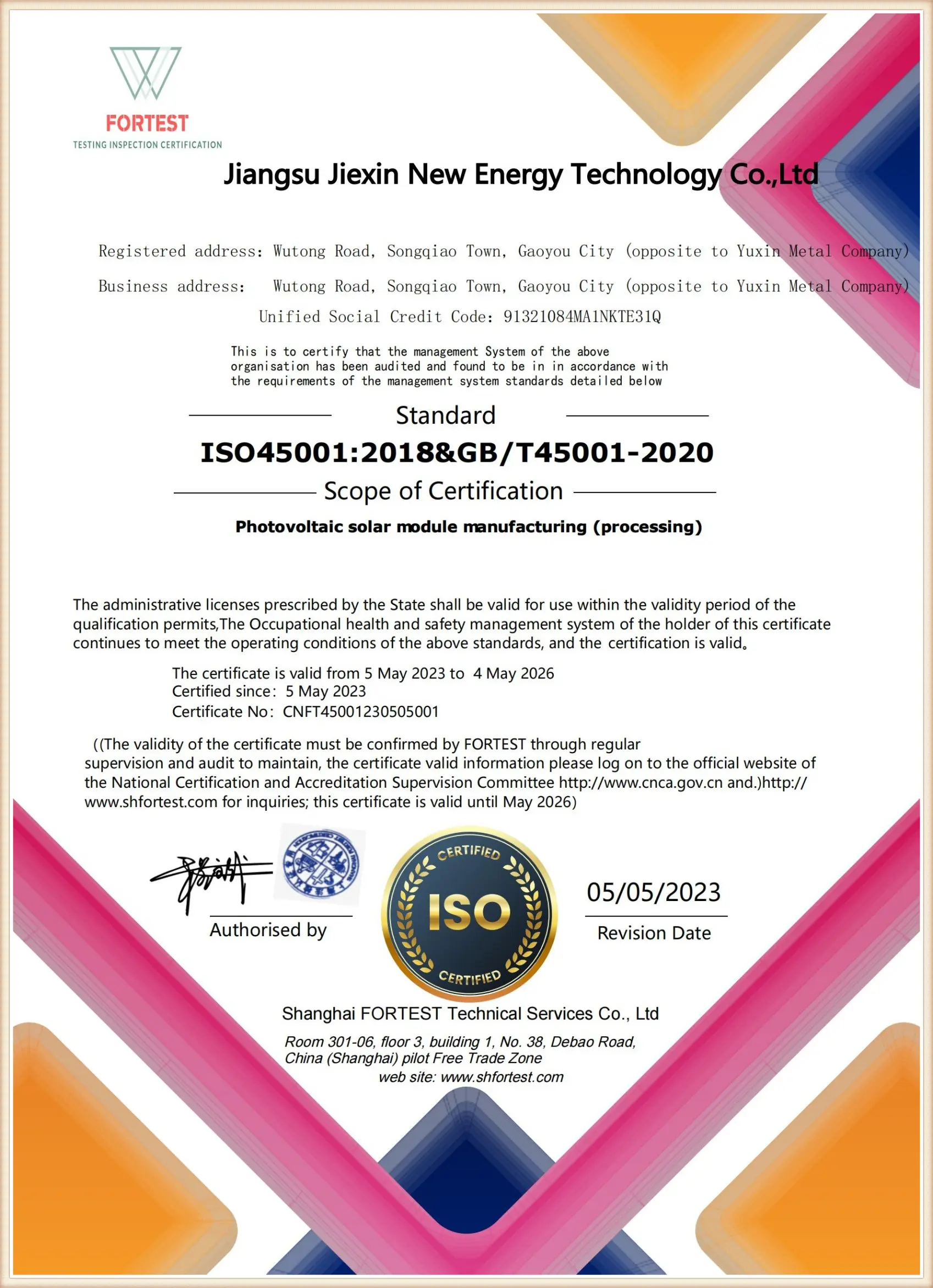
Operating in global markets requires strict compliance with diverse regional standards. Yuxin’s products are certified by major international testing and certification bodies, including CE, TÜV, and UL. These certifications verify that our photovoltaic modules, structural frames, and energy storage systems comply with safety, durability, and performance requirements across Europe, the Americas, and the Asia-Pacific region.

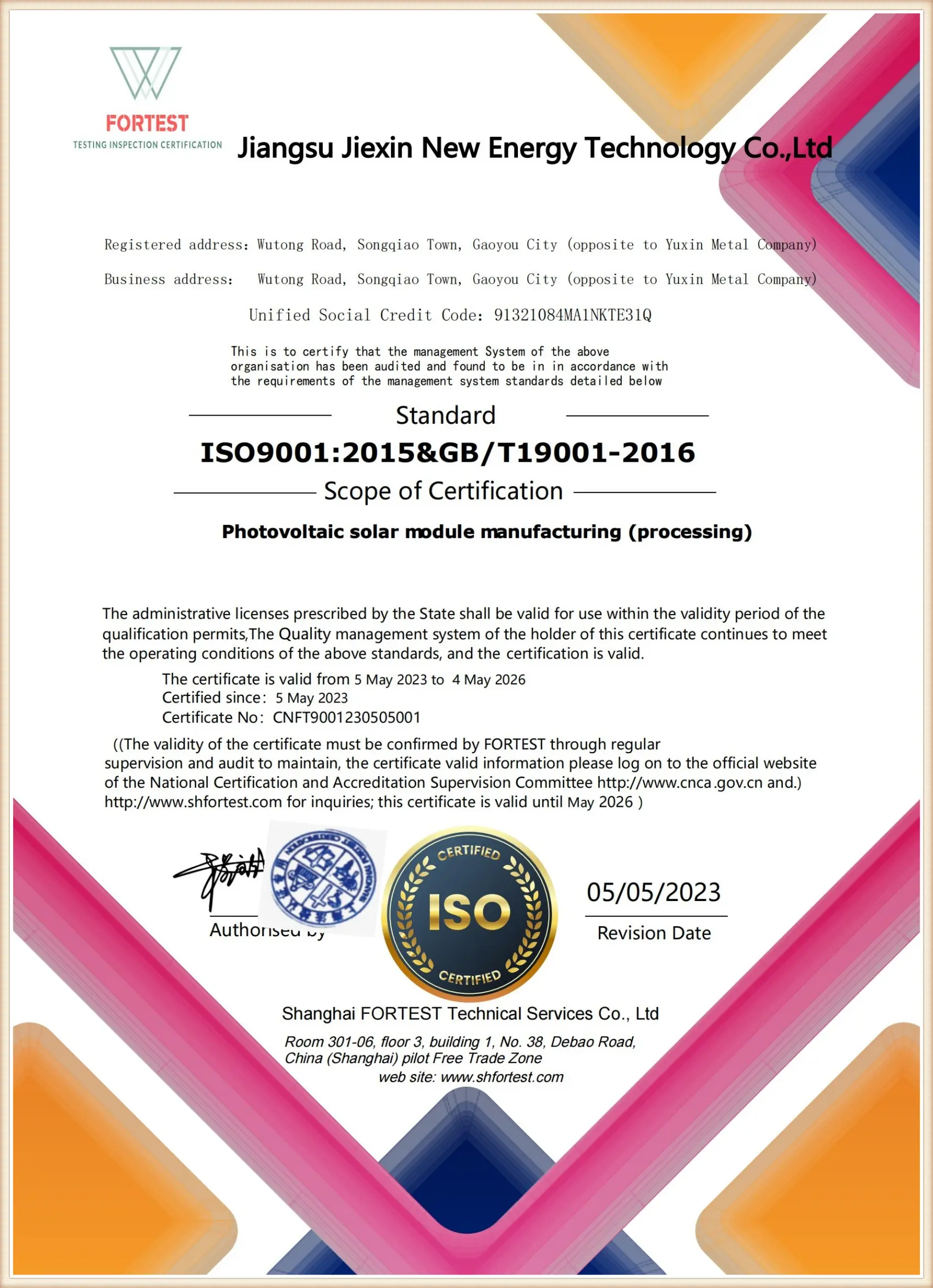
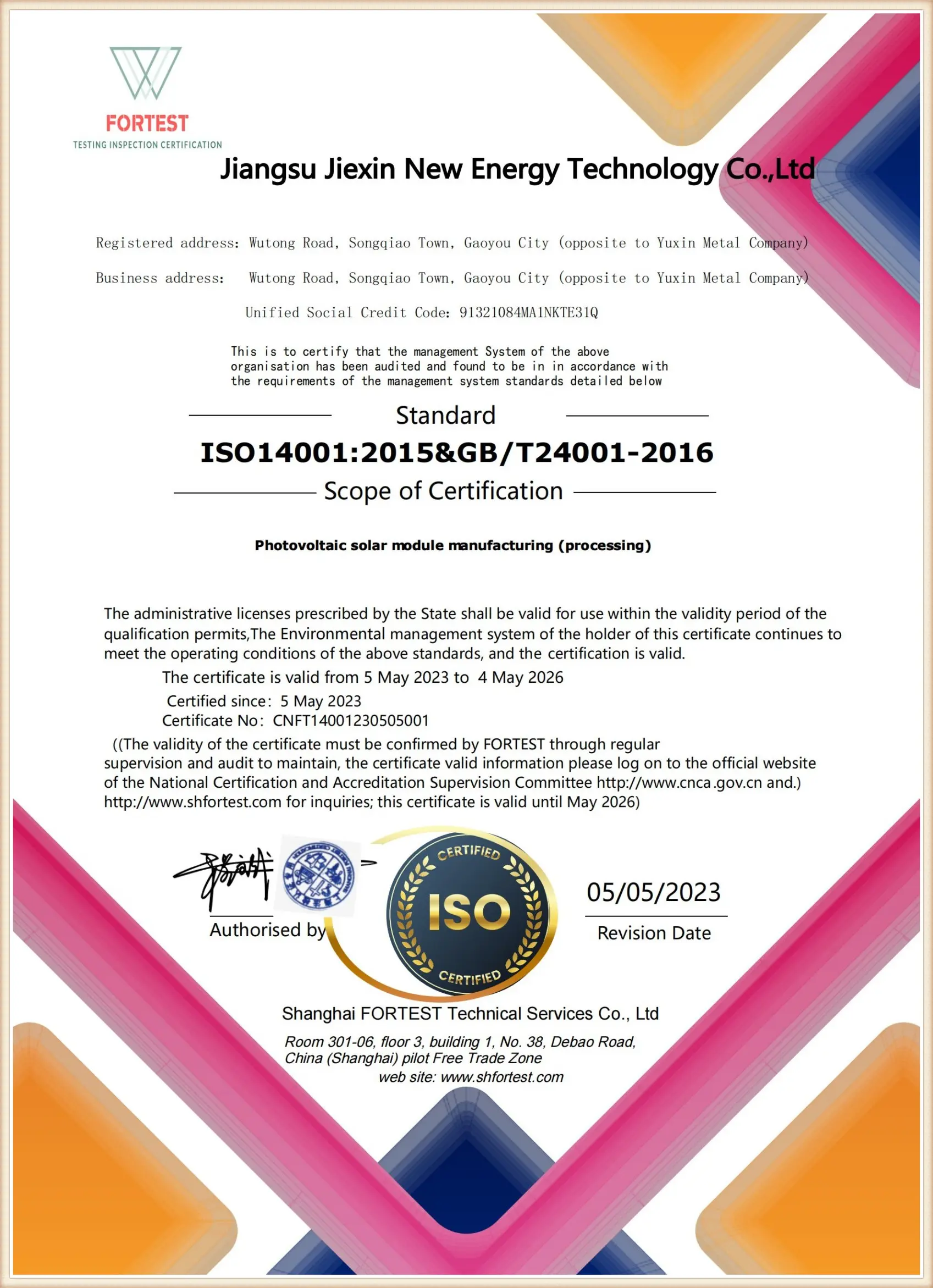
Our internal Quality Management System aligns with ISO 9001, ISO 14001, and ISO 45001 standards. Every product batch undergoes rigorous testing, including thermal cycling tests (-40°C to +85°C), damp heat tests (85% relative humidity at 85°C for 1,000 hours), mechanical load tests (up to 5400 Pa), and electroluminescence (EL) imaging to identify micro-cracks before shipping. This focus on quality ensures that our products perform reliably in harsh off-grid environments.

Certified Quality & Global Partnerships

Our products comply with international standards and are trusted by leading system integrators worldwide.

Compliance Certifications

TÜV/CE Quality Certification 1
ISO Certification 2
Quality Compliance Certificate 3
Product Compliance Certificate 4
Environmental System Certificate 5

Strategic Industrial Partners

Partner Logo 1 Partner Logo 2 Partner Logo 3 Partner Logo 4 Partner Logo 5

4. Technical Roadmap & Future Outlook (2026-2035)

The off-grid solar industry is moving rapidly toward intelligent energy orchestration and advanced materials. Over the next decade, the industry expects to see Perovskite-Silicon Tandem cells reach commercial scale. These tandem cells promise conversion efficiencies exceeding 30%, which will significantly increase the power output of small cabin roofs. At the same time, solid-state batteries are expected to enter the market, offering twice the energy density of current LiFePO4 batteries and improved safety in extreme climates.

On the software side, artificial intelligence is being integrated into off-grid Energy Management Systems (EMS). Next-generation controllers will use local weather forecasts and historical energy consumption patterns to optimize battery usage, manage loads dynamically, and control backup generator run times. This transition from passive power components to smart, self-healing microgrids will make off-grid systems even more reliable, making autonomous power kits a viable primary energy source for remote communities and industrial installations globally.

Expert Q&A: Off-Grid Solar Kits & Manufacturing

Highly detailed engineering answers to the most common procurement and technical questions.

Q1: What are the primary differences between N-type TOPCon and P-type PERC solar cells in off-grid applications?

N-type TOPCon cells use phosphorus-doped silicon, which eliminates Light-Induced Degradation (LID) compared to boron-doped P-type PERC cells. TOPCon cells also feature a better temperature coefficient (-0.30%/°C vs. -0.35%/°C for PERC) and a higher bifaciality factor (up to 85% vs. 70% for PERC). This results in higher energy yields, especially in high-temperature environments and when dual-glass modules capture ground reflections.

Q2: How do sustainable polyurethane pultruded composite frames compare to traditional anodized aluminum?

Polyurethane pultruded composite frames are non-conductive, which eliminates Potential Induced Degradation (PID) without requiring system grounding. They have a thermal expansion coefficient similar to silicon, which reduces stress at the frame-glass interface during temperature swings. Additionally, they offer high resistance to salt mist and corrosive chemicals, making them ideal for coastal or industrial environments.

Q3: What are the main benefits of dual-glass solar modules for off-grid cabin installations?

Dual-glass modules replace the plastic backsheet with a second layer of tempered glass. This improves structural strength against wind and snow loads, provides excellent moisture barrier properties, and enables bifacial power generation to capture light reflected from the ground or surrounding snow.

Q4: How should a procurement manager evaluate the quality of structural solar frames?

Key metrics include the alloy grade (e.g., 6063-T5 or 6005-T6), the anodizing film thickness (Class II, ≥15μm), and the frame's mechanical load rating (supporting up to 5400 Pa snow load). Look for certified test reports from third parties like TÜV or UL to verify compliance with international structural standards.

Q5: Why is battery chemistry selection critical for remote off-grid cabins?

Remote systems require low maintenance and long service lifespans. Lithium Iron Phosphate (LiFePO4) chemistry offers over 6,000 charge cycles at 80% depth of discharge, has no memory effect, and does not require periodic water replenishment. This reduces the total cost of ownership and avoids the maintenance issues associated with traditional lead-acid batteries.

Q6: How does the Yuxin Group ensure product quality and supply chain stability?

Yuxin maintains full vertical integration at our Yangzhou facilities, operating 21+ automated production lines. We control the process from raw material inspection through extrusion, pultrusion, panel assembly, and testing. This integration keeps quality consistent, reduces costs, and helps buffer our clients against market supply fluctuations.

Latest Industry News & Updates

Stay informed about technological advancements and supply chain trends in the off-grid solar sector.

What Makes a High-Quality Solar Panel Frame
2026-06-16

What Makes a High-Quality Solar Panel Frame?

An in-depth analysis of aluminum alloys, anodization standards, and structural designs that protect modules under extreme wind and snow loads.

Read Article
How to Choose a Reliable OEM Solar Frame Manufacturer
2026-06-15

How to Choose a Reliable OEM Solar Frame Manufacturer in China

Key procurement checklist items: factory automation, quality management systems (ISO), testing capabilities, and logistics networks in China.

Read Article
Solar Panel Frame Quality Control
2026-06-14

Solar Panel Frame Quality Control: Key Inspection Standards Explained

Explaining testing protocols including salt spray testing, cross-cut adhesion tests, tensile strength tests, and dimensional tolerance inspections.

Read Article

Premium Energy Storage & Portable Solar Solutions

Explore our field-tested portable power systems, high-capacity batteries, and residential kits.

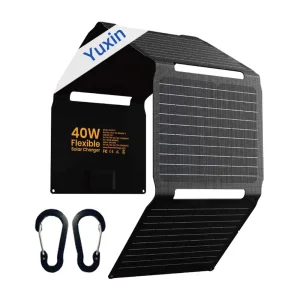
ODM 40W Waterproof Camping Backpack

ODM 40W High Efficiency Waterproof Camping Backpacking Hiking for Cell Phone Power Banks Manufacturer

Ergonomic backpacks with integrated high-power solar arrays, designed for field operations, remote engineering, and long hikes.

View Product Specifications
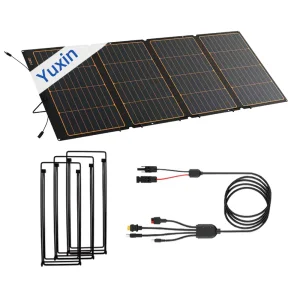
Cheap 240W Waterproof Power Generator

Cheap 240W High Efficiency Waterproof Power Emergency Camping for Small Power Station Generator

Portable solar generator and charge pack designed to power communication devices, laptops, and critical tools in remote field environments.

View Product Specifications
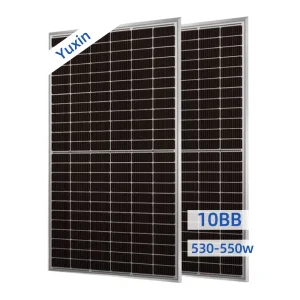
CE Certification PERC Solar Panel

CE Certification 144 Half-Cell 10BB 530W-550W PERC Solar Panel Mono Silicon Products, Service

High-capacity PERC solar panel featuring 144 half-cells. Optimized to maintain power output even under partial shade from trees or cabin structures.

View Product Specifications
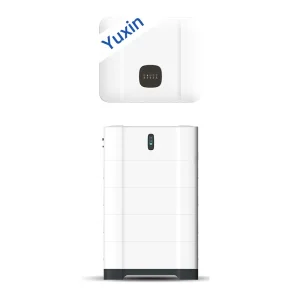
Household Energy Storage Solar System

High-Quality 8000T~15KT-10HS~30HS Household Energy Storage Solar System Suppliers, Exporters

Integrated home and cabin storage solution combining battery modules, control software, and hybrid inverter into a single pre-tested package.

View Product Specifications
Wholesale 60W Waterproof Backpack

Wholesale 60W High Efficiency Waterproof Camping Backpacking Hiking for Cell Phone Power Banks

High-output 60W solar charging backpack designed for field operations, disaster relief, and extended off-grid research work.

View Product Specifications
Custom 10W Waterproof Camping Backpack

Custom 10W High Efficiency Waterproof Camping Backpacking Hiking for Cell Phone Power Banks

Lightweight 10W solar charger backpack designed for day trips, remote data logging, and keeping personal communication devices powered.

View Product Specifications
Modular Commercial Energy Storage System

China Modular Commercial Energy Storage System P01- EC60-30K Supplier, Quotes

Utility-grade modular LiFePO4 commercial energy storage system designed to manage peak loads and ensure persistent off-grid power continuity.

View Product Specifications
N-type Bifacial TOPCon Solar Panel

Discount N-type Half-cell Bifacial Dual Glass TOPCon 16BB 565W-590W Solar Panel Mono Silicon

State-of-the-art tunnel oxide passivated contact (TOPCon) solar cells delivering exceptional power temperature coefficients and maximized energy density.

View Product Specifications