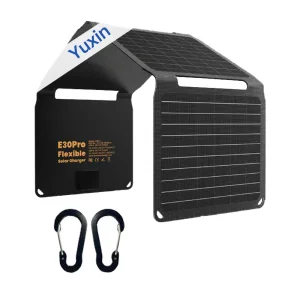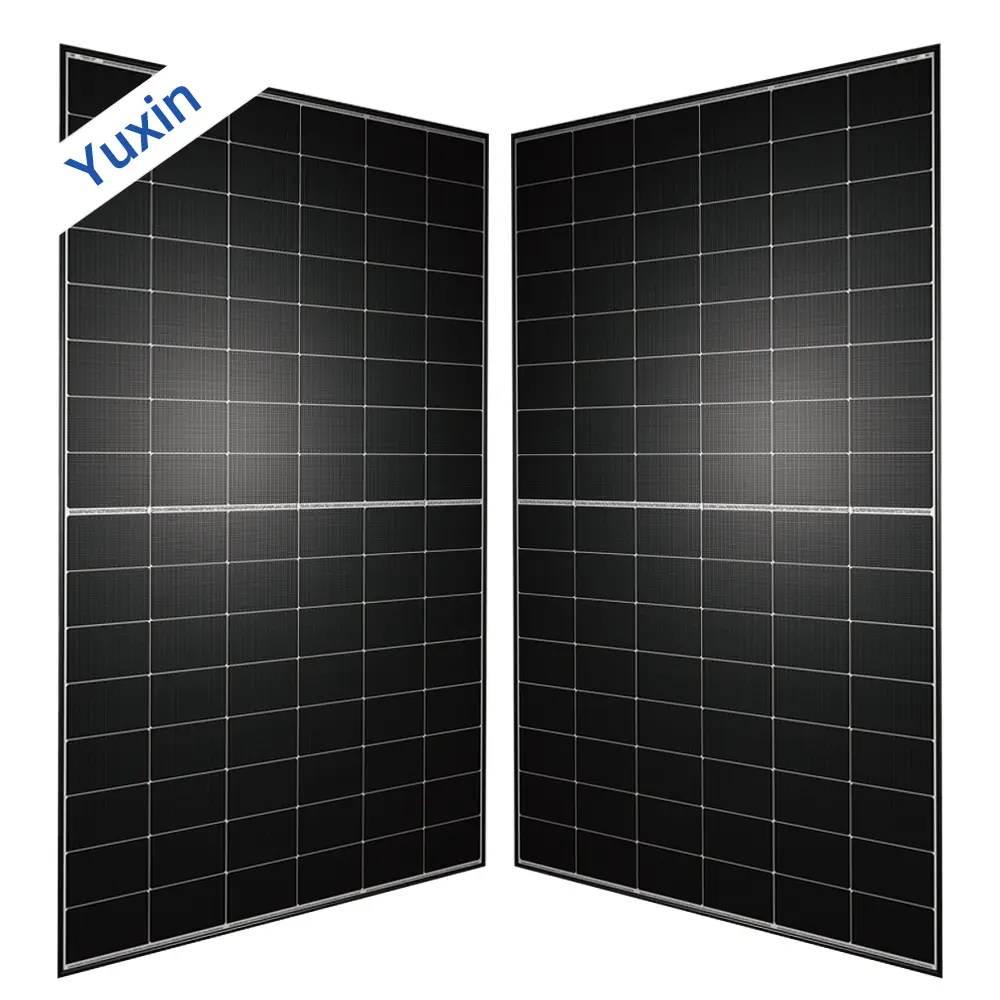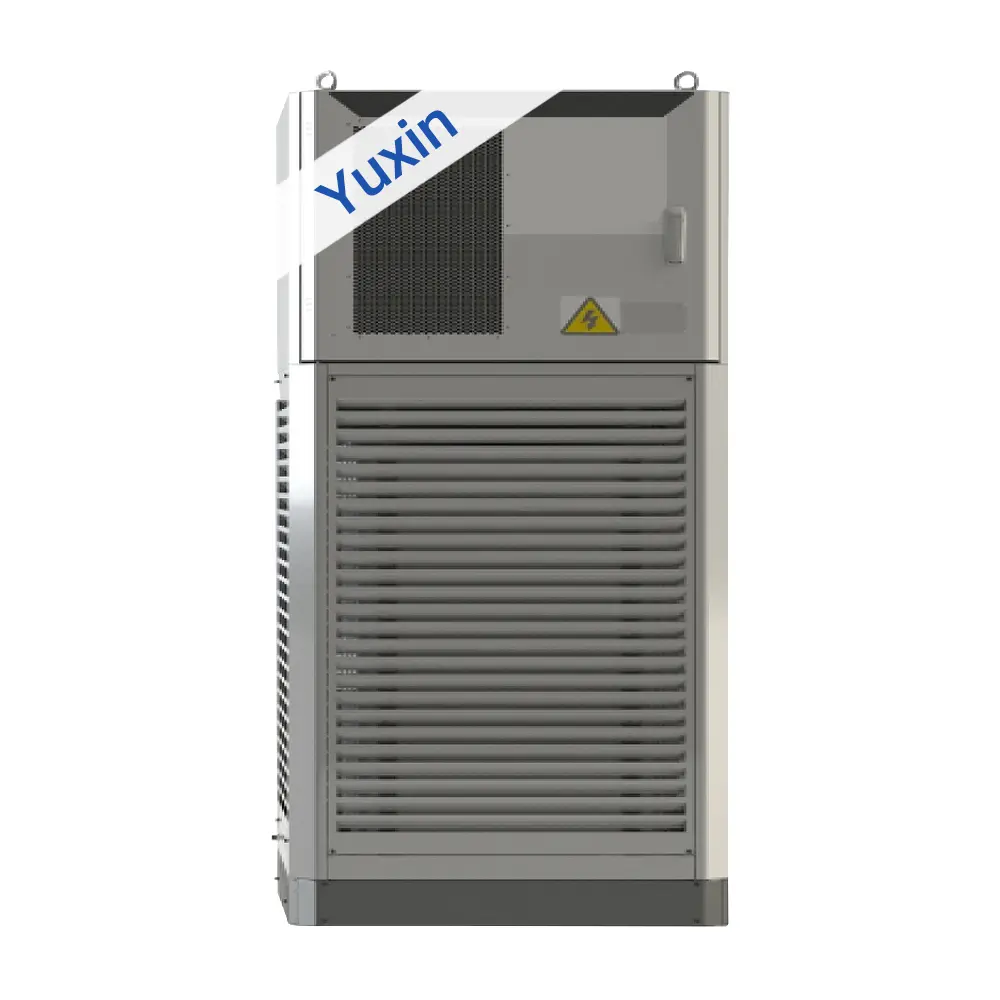
Discover premium components engineered to mitigate loadshedding, boost grid independence, and support high-efficiency power management systems.
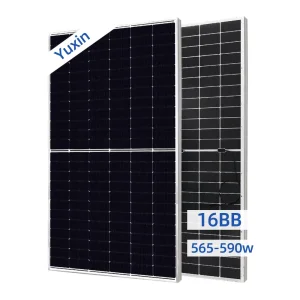
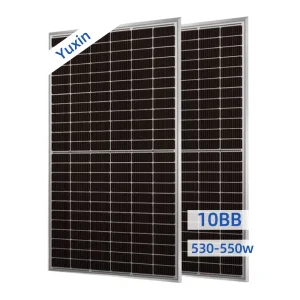
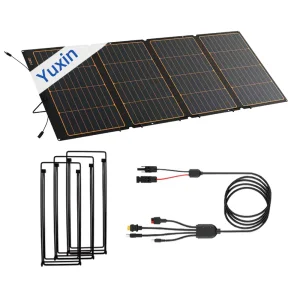
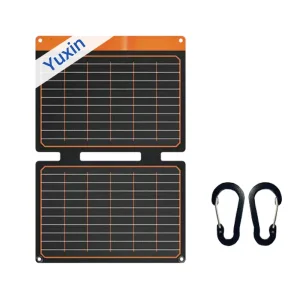
A deep semantic overview of energy transition, manufacturing resilience, and engineering protocols for modern power continuity.
In an era defined by accelerating industrialization and digitization, the reliability of the public electric grid has surfaced as a core vulnerability. In regions like South Africa, parts of Southern Asia, and seasonal peak zones in North America, grid stabilization mandates call for structured electricity outages—widely known as loadshedding. For industrial enterprises, commercial hubs, and agricultural operations, every moment of blackout corresponds directly to fiscal loss, mechanical wear, and operational vulnerability.
To overcome this challenge, businesses are shifting from simple, fossil-fuel-reliant emergency generators to intelligent, lithium-integrated, hybrid energy backup ecosystems. This shift is not just about keeping the lights on; it is a fundamental reconfiguration of the local levelized cost of energy (LCOE), peak-shaving strategies, and carbon offset integration.
A primary failure in traditional backup systems is generic system sizing. Modern procurement officers analyze systems based on highly localized industrial and environmental use-cases:
Choosing the correct equipment requires evaluating key hardware layers that determine system lifespan under cyclical load stress:
| Technology Layer | Legacy Standards | Advanced Implementations | Strategic Advantage |
|---|---|---|---|
| PV Cell Architecture | p-Type PERC Cells | n-Type TOPCon & Heterojunction (HJT) | Lower degradation rate, higher bifaciality factor, superior temperature coefficient. |
| Battery Chemistry | Lead-Acid / Gel Batteries | Lithium Iron Phosphate (LiFePO4) | 6000+ lifecycles at 80% DoD, thermal stability, zero environmental emissions. |
| Structural Engineering | Untreated Alloys | Anodized 6063-T5 / Polyurethane Composites | Superior corrosion resistance in saline/coastal areas, structural durability against wind loads. |
| Control Systems | Basic Off-grid Inverters | AI-driven EMS & Multi-port Hybrid Converters | Real-time tariff tracking, load peak-shaving, microsecond grid-to-battery switches. |
As grid instability intensifies worldwide, the speed of hardware delivery and supply-chain continuity is essential. Chinese clean energy manufacturers, particularly within Yangtze River Delta clusters like Yangzhou and Jiangsu, offer distinct global advantages. These advantages allow developers to access complete, high-quality kits without shipping delays or component mismatches:
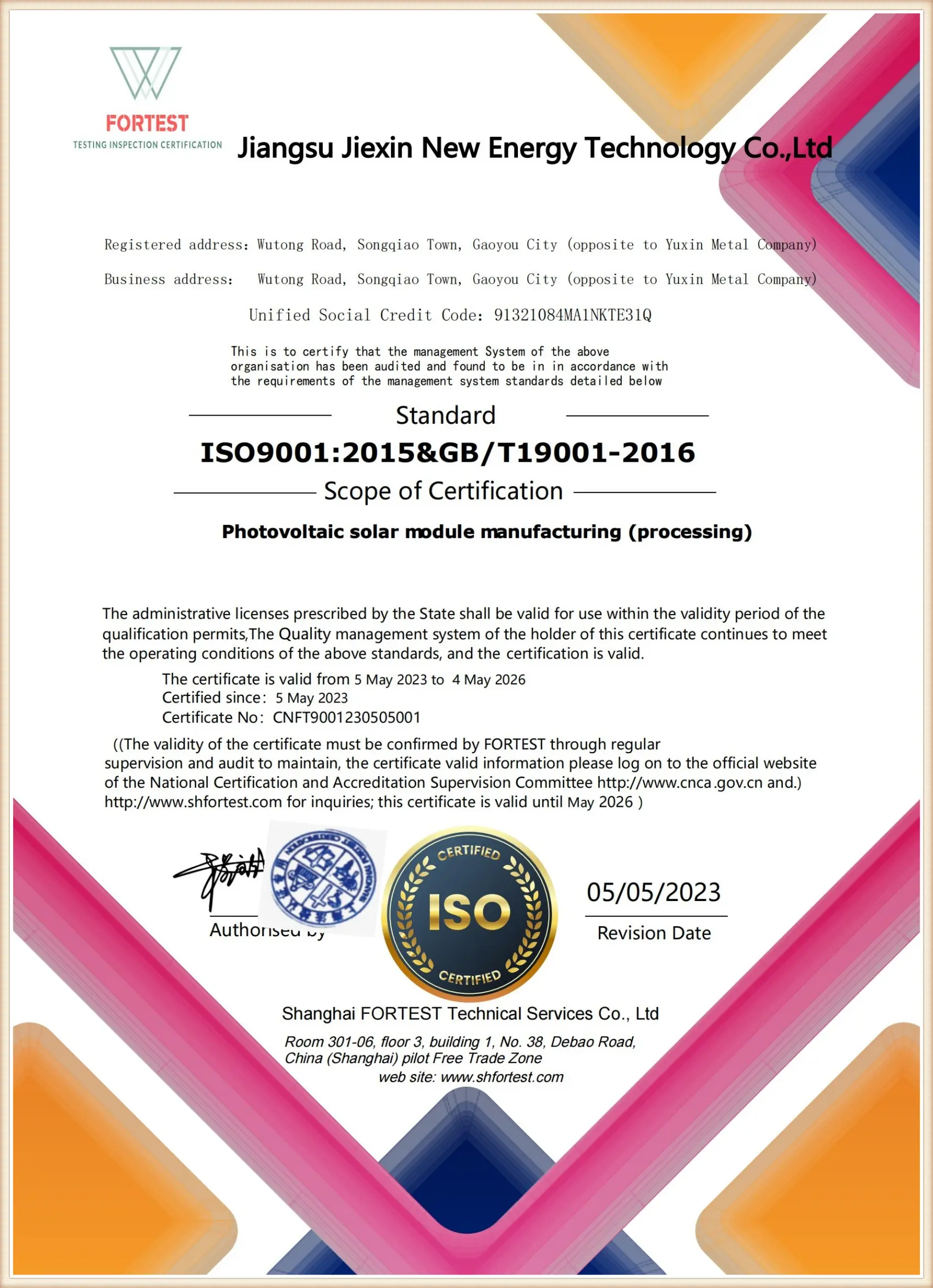
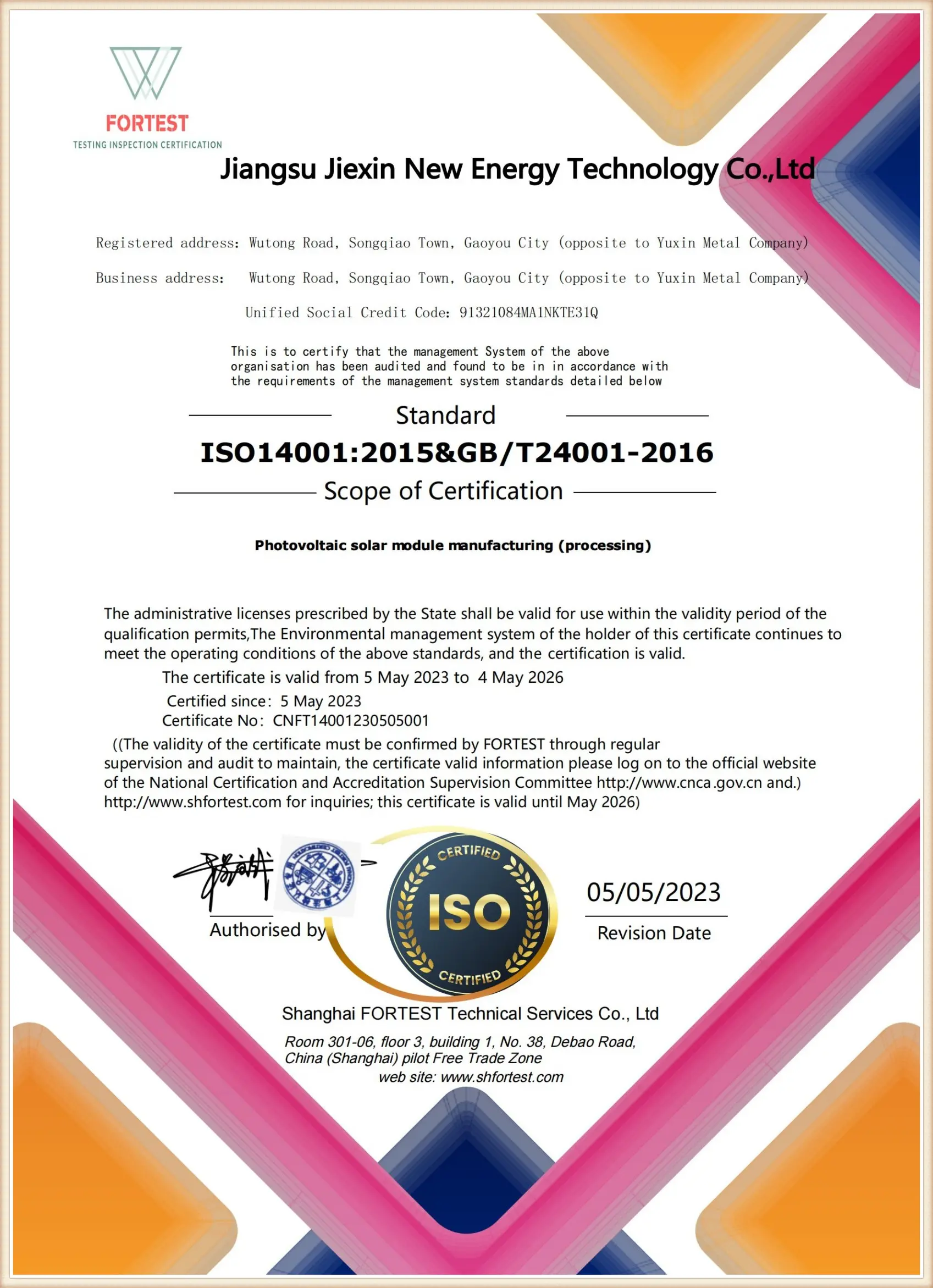
Deploying energy infrastructure in regions experiencing high grid stress requires adherence to global grid codes and safety norms. Certifications such as CE, IEC 61215, ISO9001, and local grid authorization forms ensure that backup equipment does not present hazard risks during grid sync events. High-voltage installations require robust, flame-retardant battery enclosures, advanced battery management systems (BMS) with cell-level temperature tracking, and robust structural frames to withstand extreme environmental challenges.
Precision, Quality, and Safety - Your Photovoltaic Materials Expert. Established in 2008, our group maintains 14 specialized multi-field companies, including Jiangsu Yuxin New Energy Technology Co., Ltd. Located near Yangzhou's logistics arteries, we have built a reputation as a National High-tech Enterprise and a Top 100 Private Enterprise in Gaoyou City.
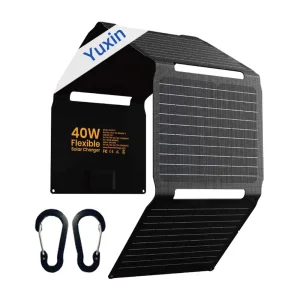
With decades of experience supplying industrial aluminum frames, portable chargers, solar PV panels, and modular battery solutions, we integrate R&D, manufacturing, and global compliance under one roof.
Providing standard-compliant engineering services, specialized hardware designs, and localized project support worldwide.
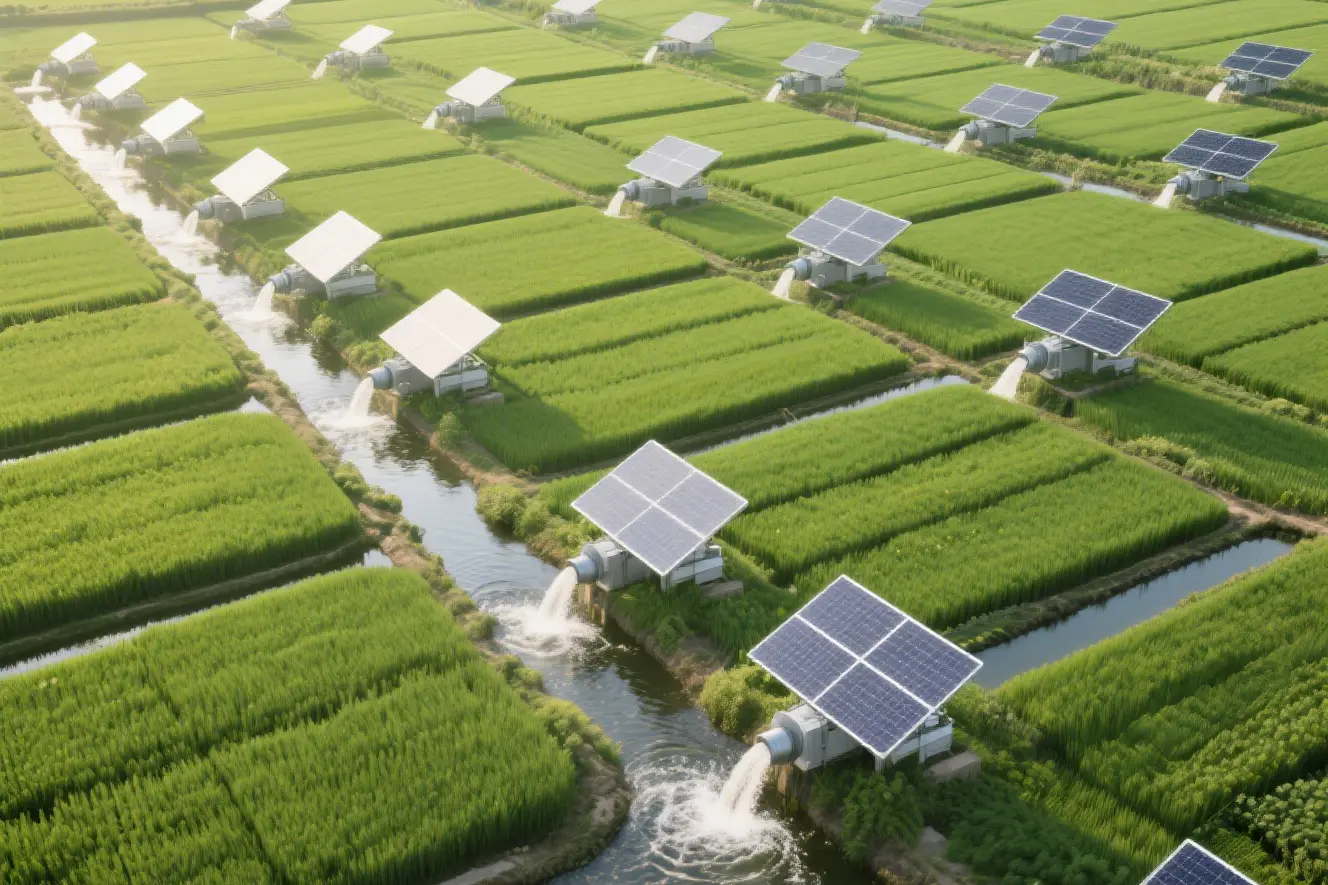
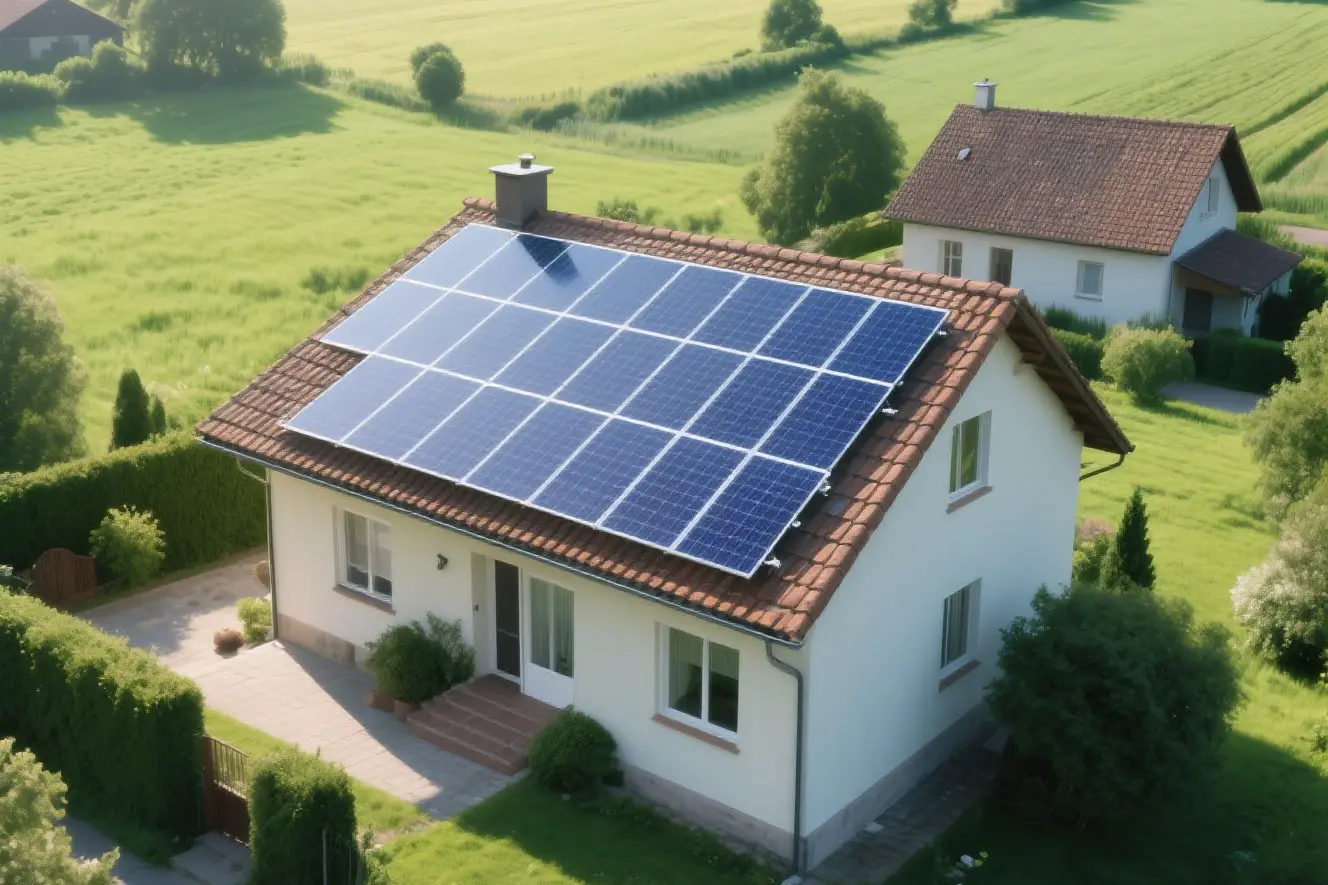
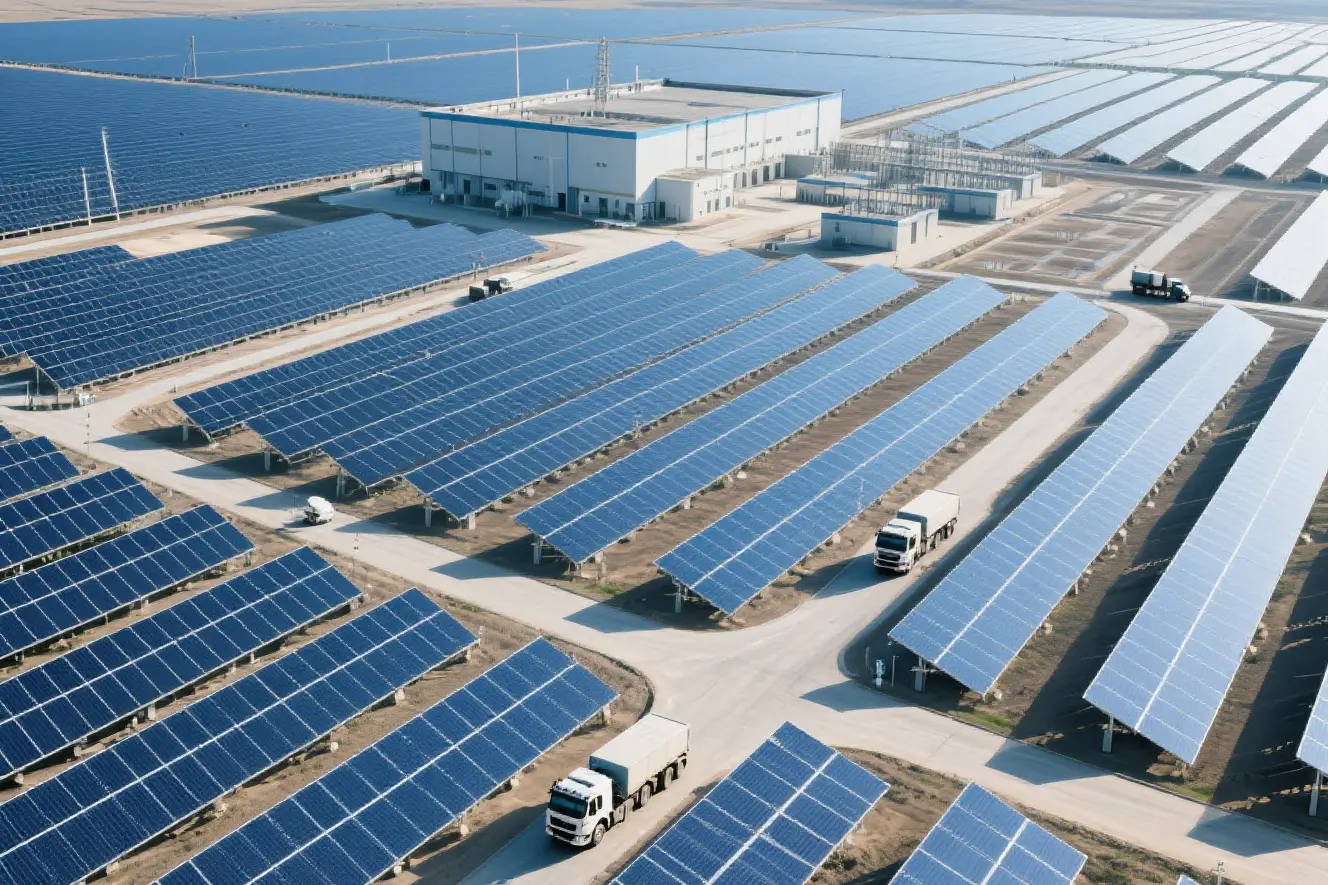
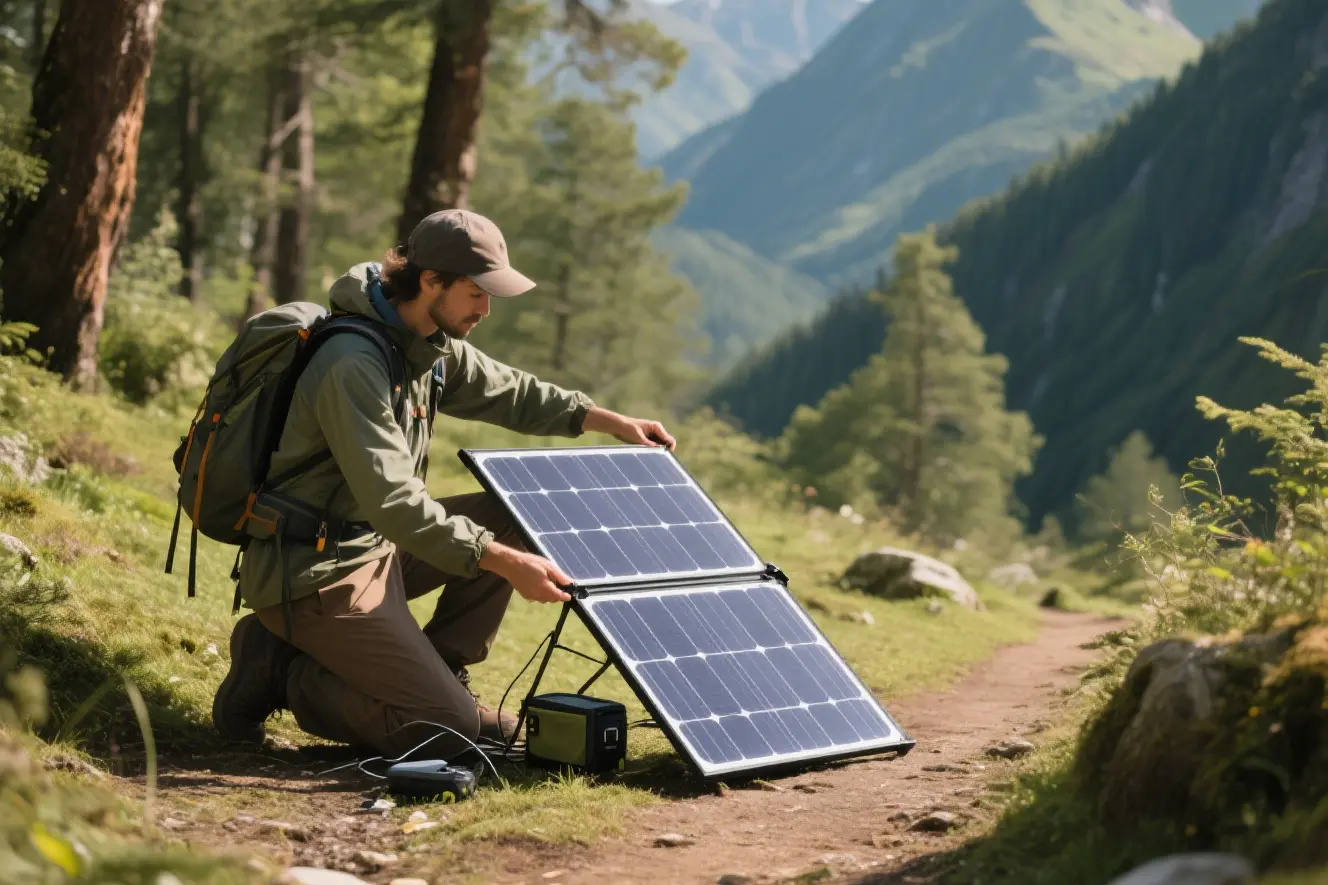
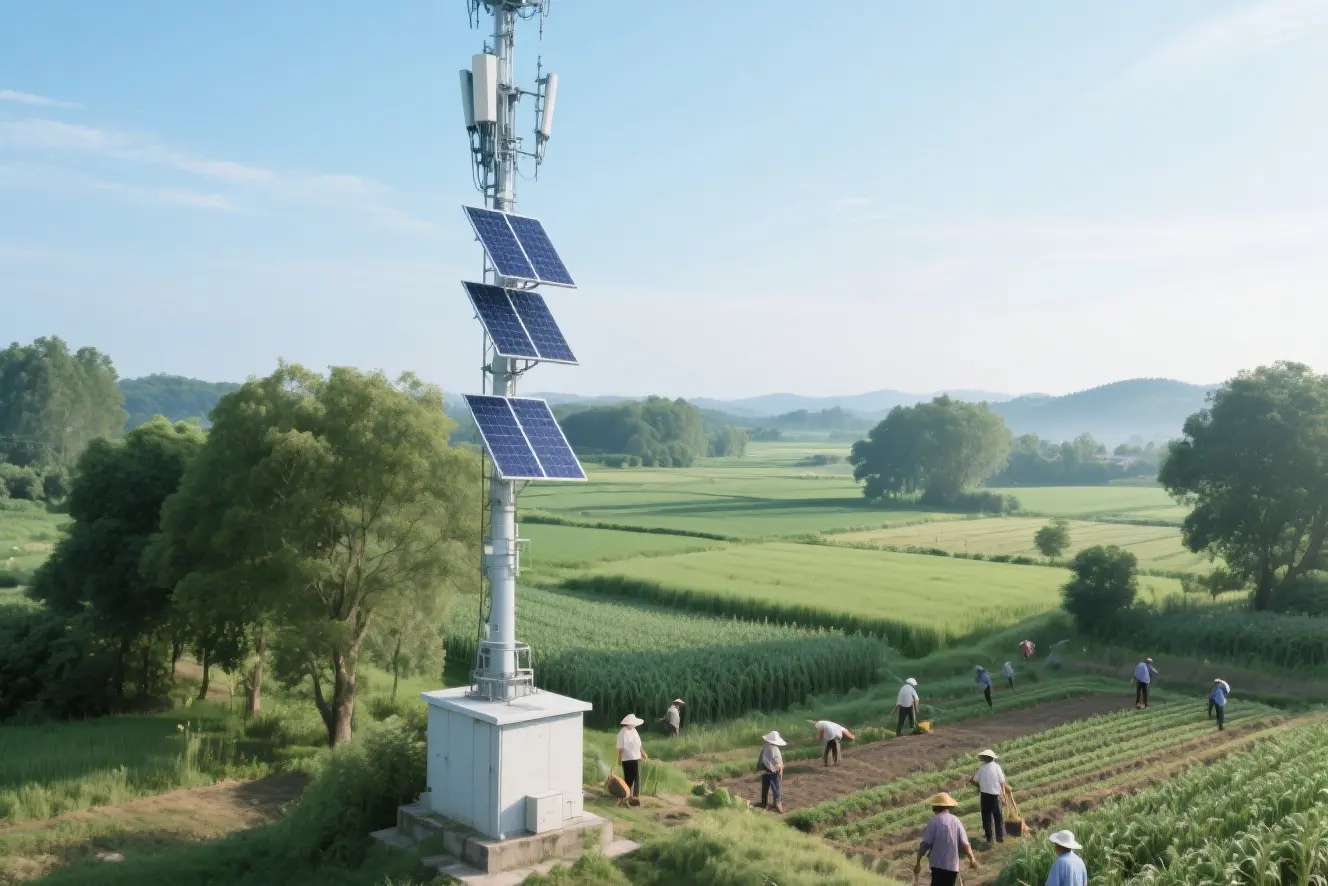
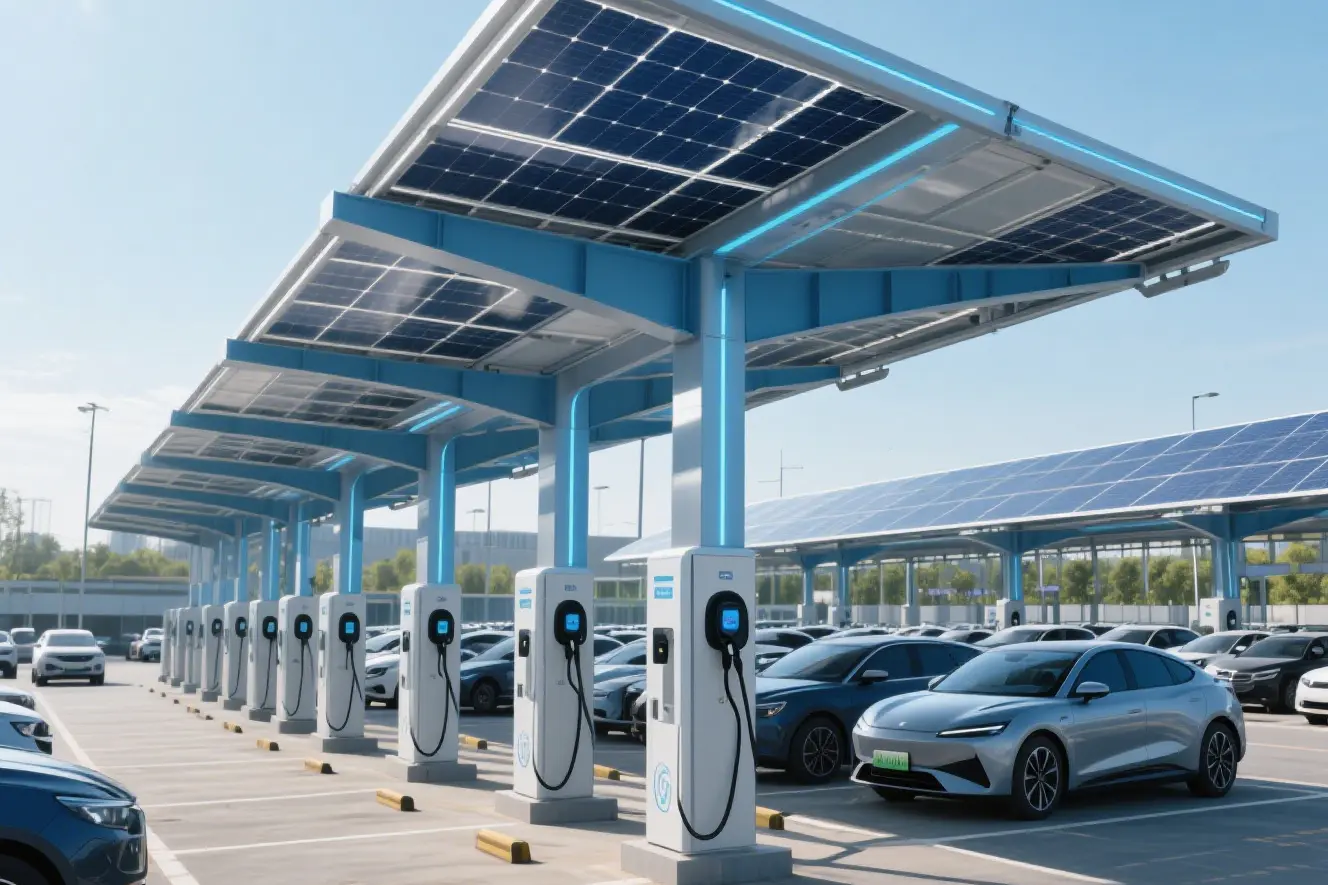
Where our backup power systems and structural solar components deploy to keep local grids active and productive.
Our materials comply with international mechanical, environmental, and electrical safety standards.
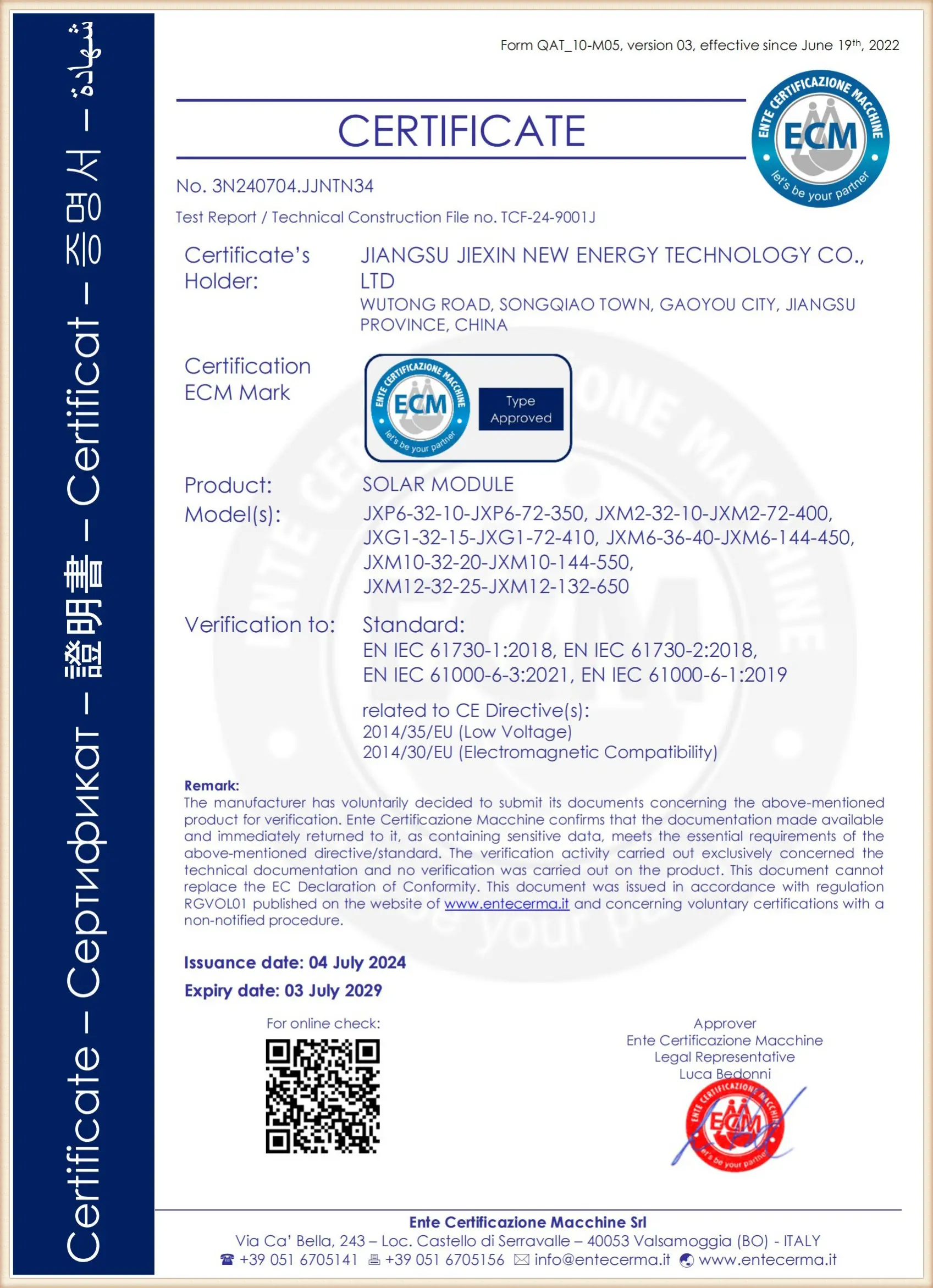
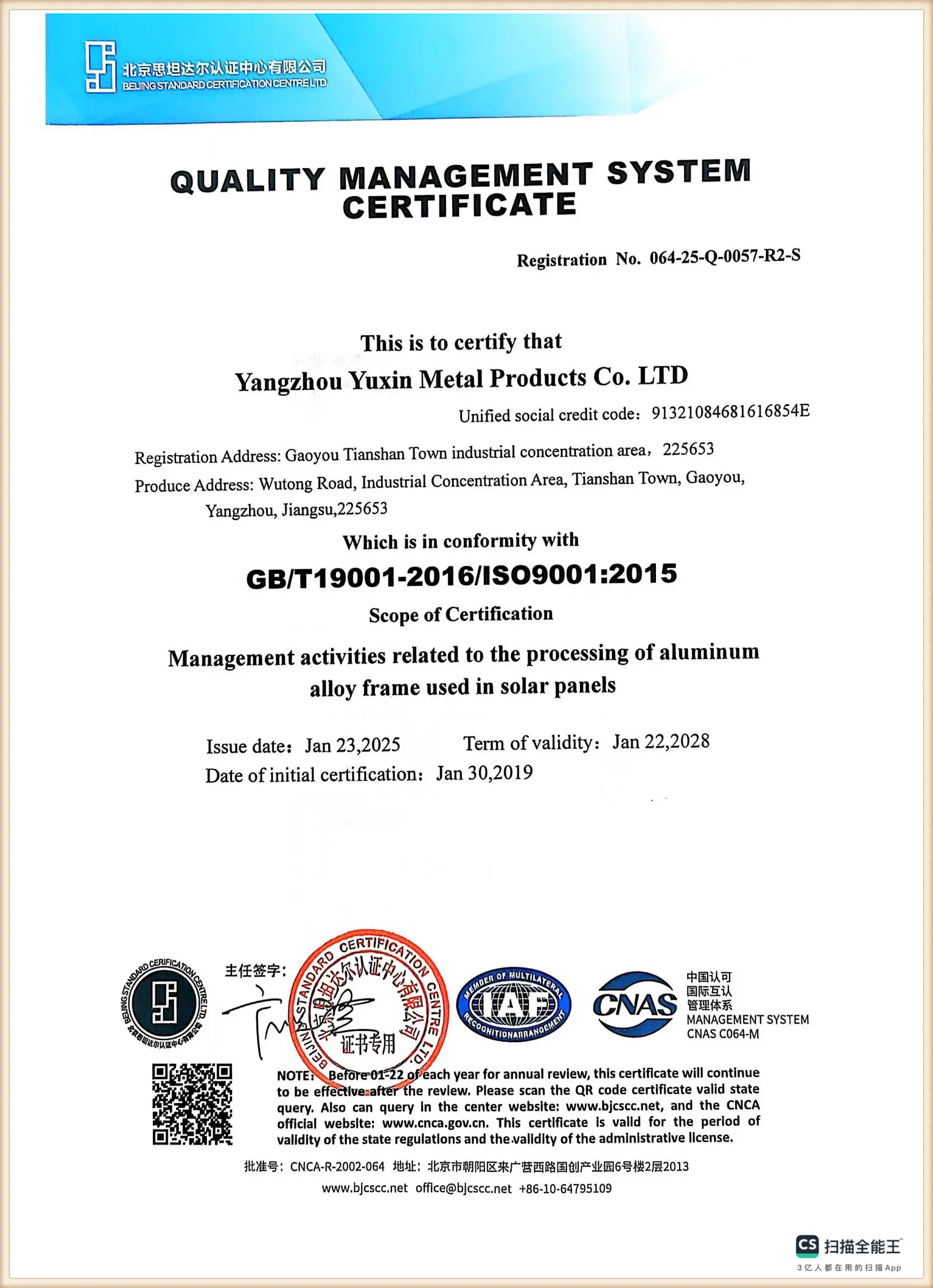
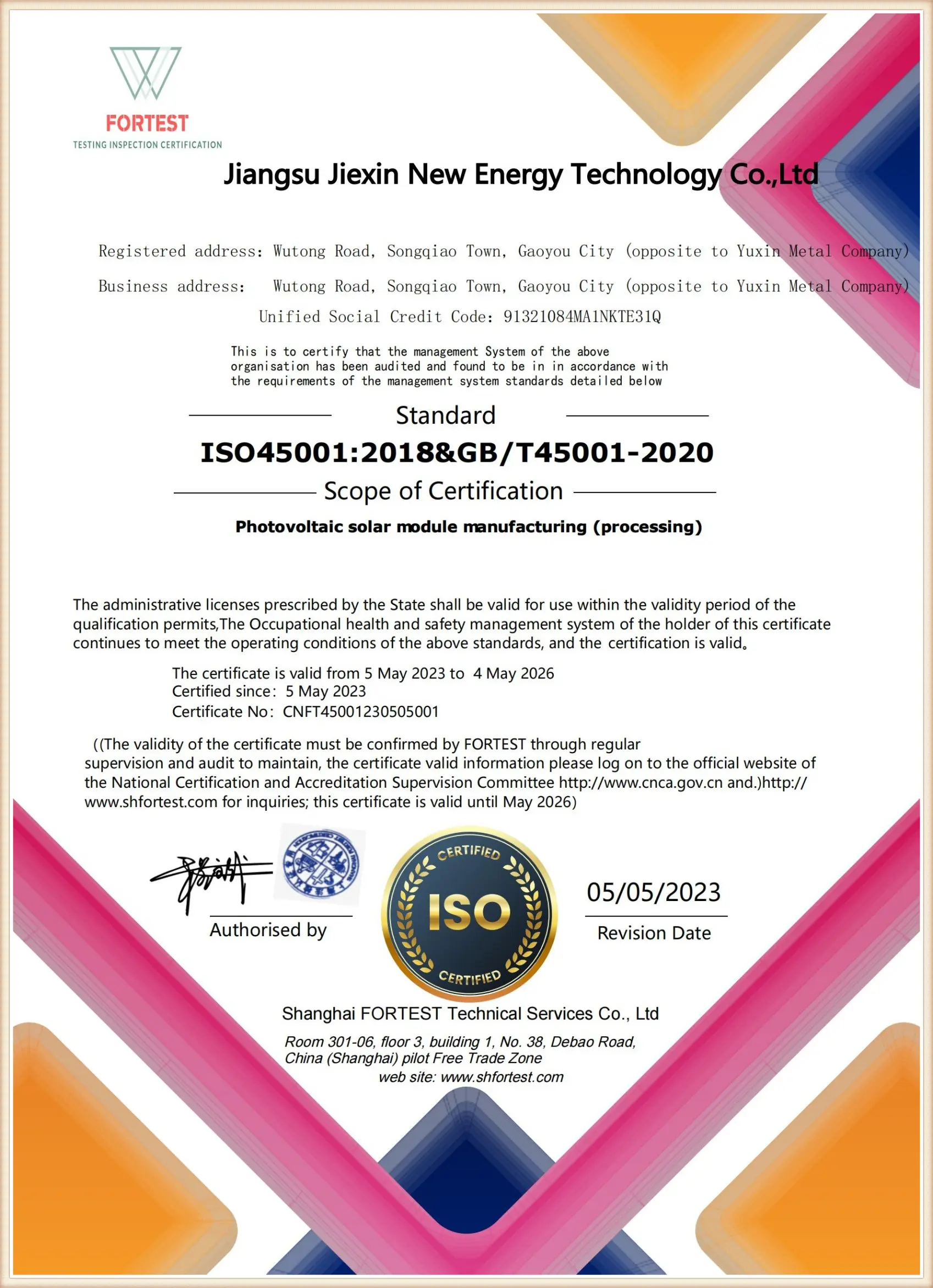
Technical explanations to help you choose the right configuration for your backup energy needs.
Under frequent charging and discharging cycles typical of Level 4 to 6 loadshedding, Lithium Iron Phosphate (LiFePO4) chemistry is highly recommended. It typically sustains between 4,000 and 6,000 cycles at 80% Depth of Discharge (DoD) before its capacity drops below 80% of its original rating.
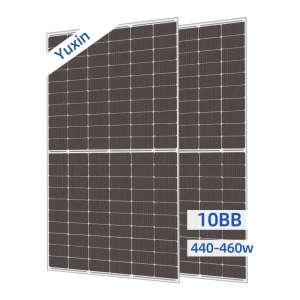
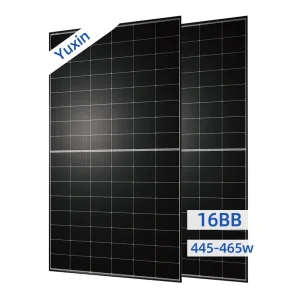
N-Type TOPCon technology achieves higher efficiency rates (often exceeding 22.5%) and offers an improved temperature coefficient. Because it features dual-glass bifaciality, it collects additional light reflected from the ground (albedo), increasing overall yield by up to 10%–25% depending on installation site parameters.
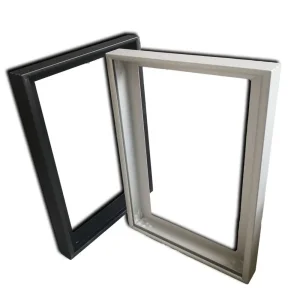
Using structural aluminum grades like 6063-T5 or 6005-T6 with anodized surface protection ensures that panels remain securely mounted during high winds. Anodizing shields the framing from oxidation, preserving system integrity over a 25-year operational lifespan.
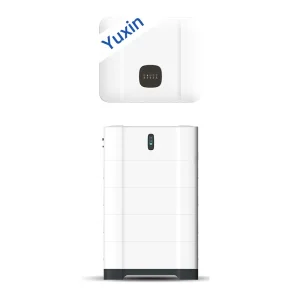
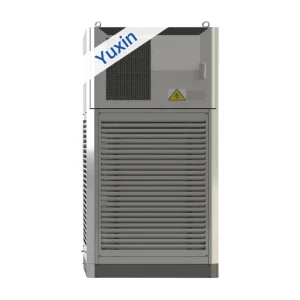
Modular architectures (such as the P01-EC60-30K) allow systems to grow with changing energy demands. Users can stack battery units to increase storage capacity, simplifying installation, maintenance, and system customization.
Working together globally to design, build, and support resilient energy ecosystems.

Technical guides and news updates from Yuxin's engineering teams.
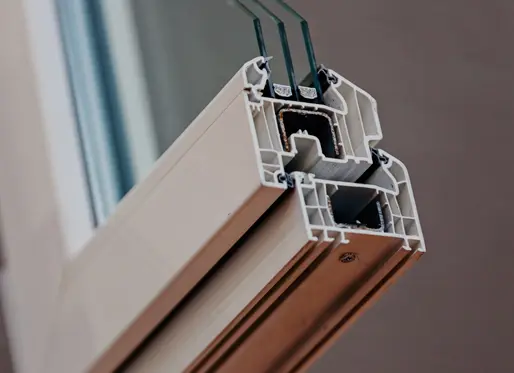
Discover the engineering parameters required to resist extreme wind pressure and oxidation.
Read Article →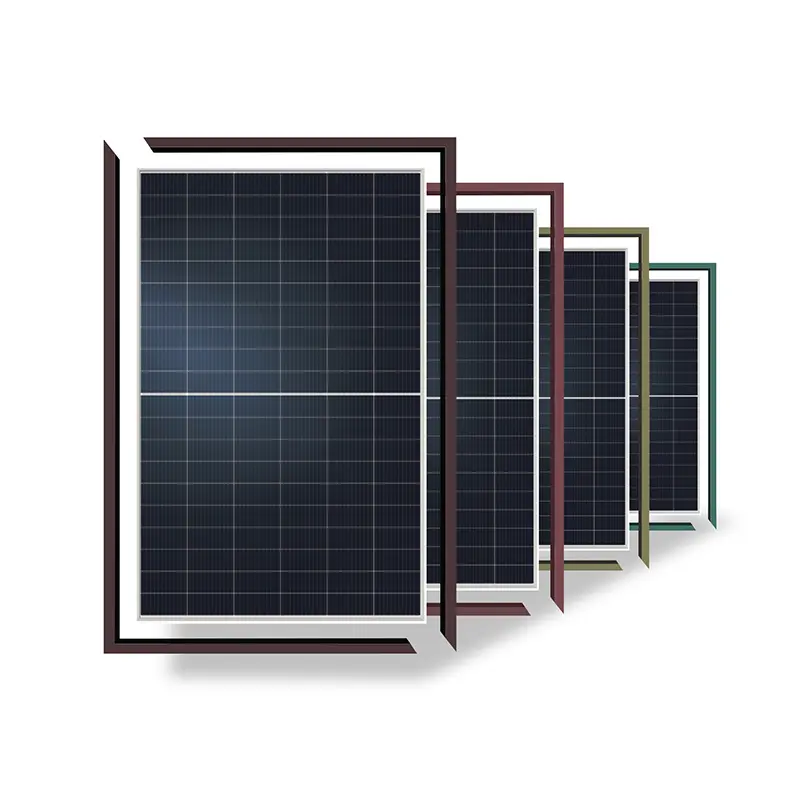
Key considerations including factory production lines, testing labs, and compliance pathways.
Read Article →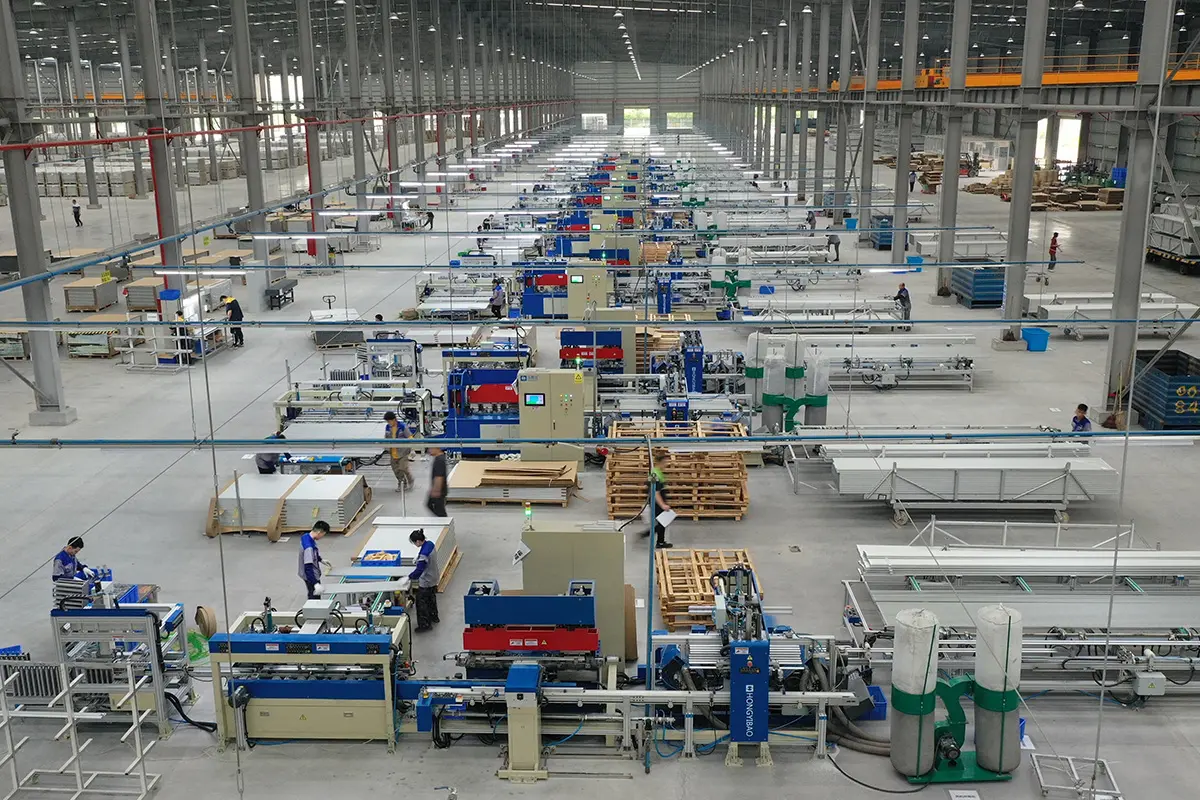
A detailed breakdown of dimension tolerances, anodizing thickness, and stress test methodologies.
Read Article →High-performance auxiliary components designed to support and scale global backup power installations.