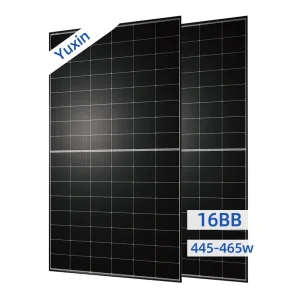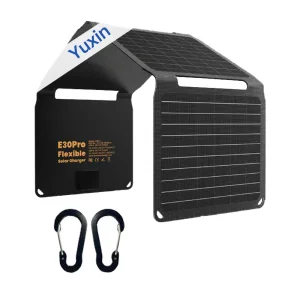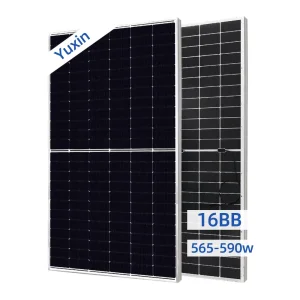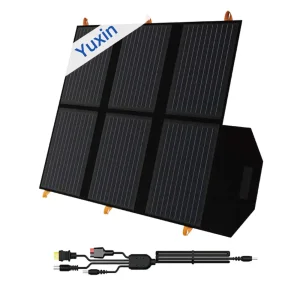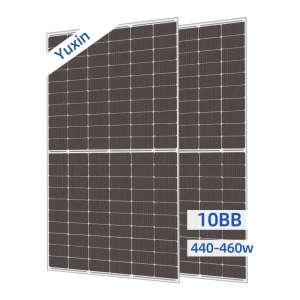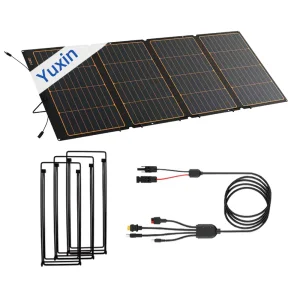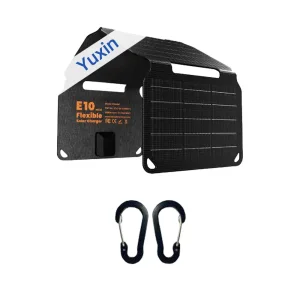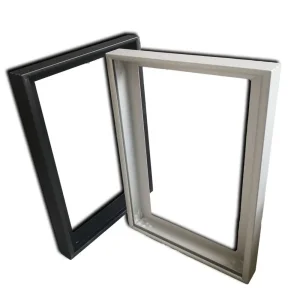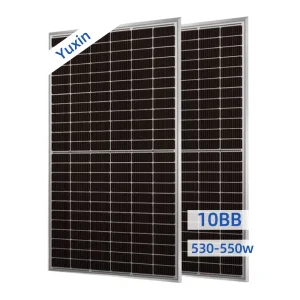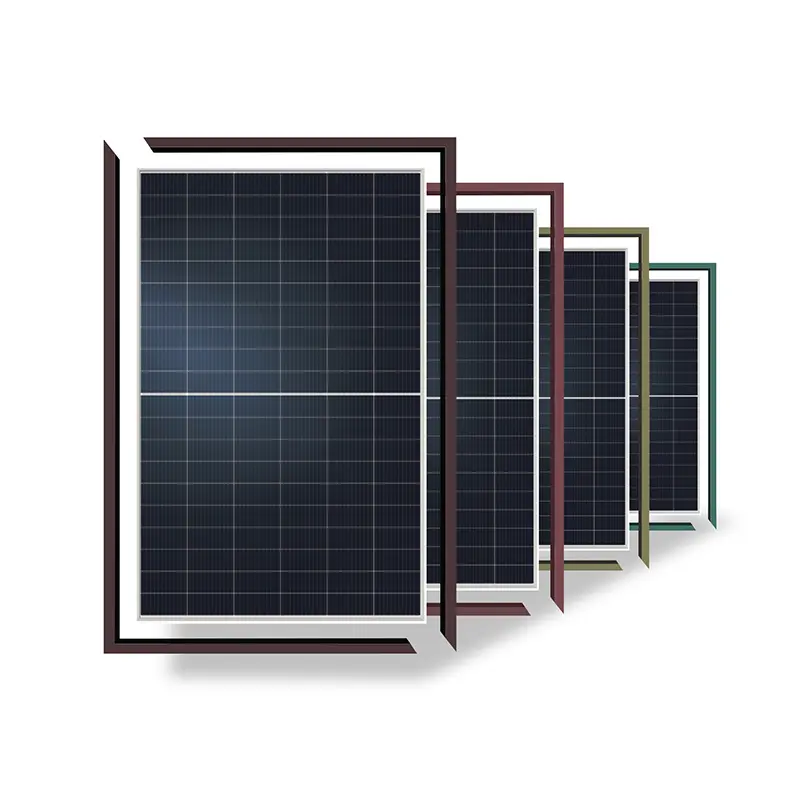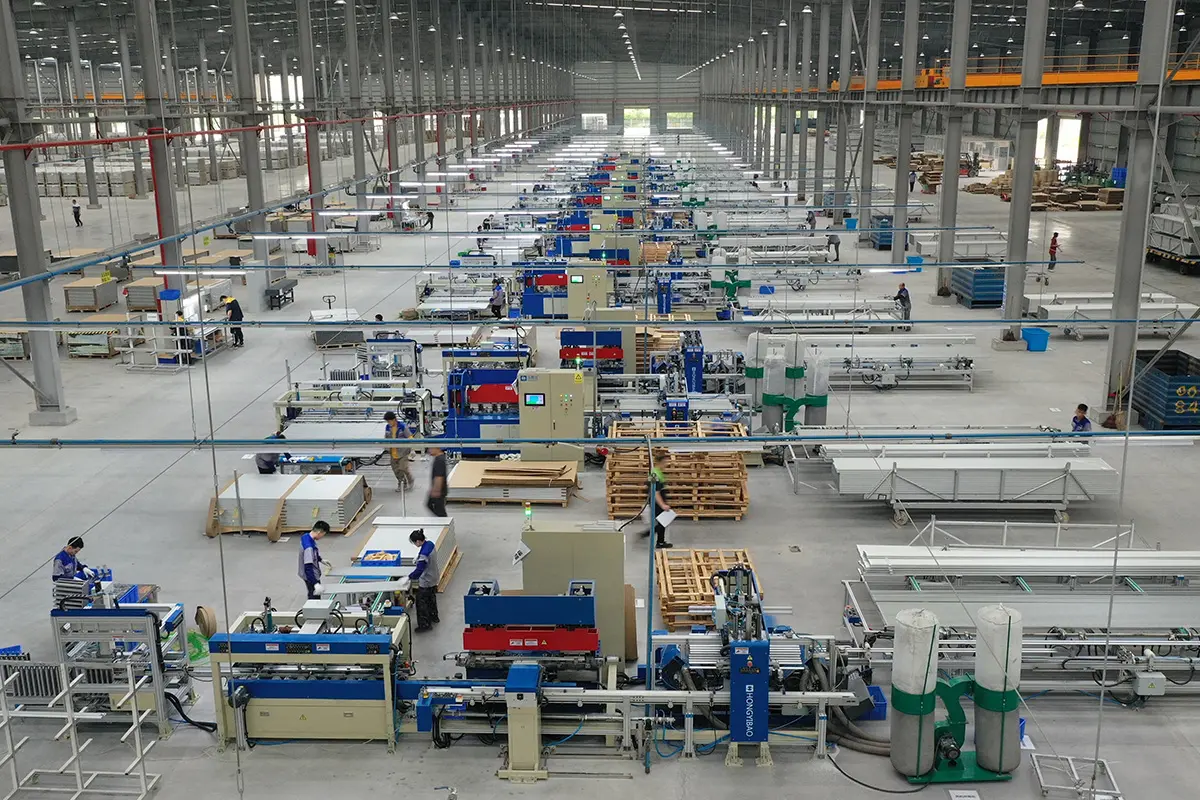
High-efficiency monocrystalline PV modules, portable storage arrays, and precision frames optimized for zero-emission smart controllers.
The global shift toward resource-efficient urban and agricultural management has driven rapid advancements in smart water management infrastructure. Historically, automated sprinkler systems relied heavily on grid-tied AC power, which imposed restrictive cabling layout architectures, elevated installation costs in remote locations, and vulnerability to grid failures. Today, the integration of Solar-Powered Lawn Sprinkler Controllers represents a critical evolution, merging photovoltaic energy generation, ultra-low-power microcontrollers (MCUs), and wireless IoT connectivity.
Leading manufacturers utilize advanced monocrystalline PV cells paired with rugged lithium iron phosphate (LiFePO4) or solid-state batteries to guarantee operational resilience under localized climatic strains. Under Google's E-E-A-T framework, this whitepaper evaluates the engineering frameworks, manufacturing supply chains, localized deployments, and future technological roadmaps governing the design of modern off-grid smart controllers.
From large-scale municipal turf environments to high-precision agricultural farms, commercial entities are adopting off-grid sprinkler controllers. Traditional systems require sub-surface trenching to run AC lines, costing between $15 to $50 per linear foot depending on terrain. In contrast, self-powered solar controllers bypass grid-dependency, allowing instant modular installations. The target architecture typically involves:
Smart solar controllers are engineered to adapt to diverse localized geological, regulatory, and atmospheric criteria:
In environments characterized by extreme heat (exceeding 45°C/113°F) and high UV exposure, controllers must feature thermal mitigation strategies. Solar modules are designed with high heat-tolerance coefficients, and the outer enclosure is formulated with UV-stabilized polycarbonate or powder-coated anodized aluminum to prevent degradation.
For remote reforestation zones where grid electricity is unavailable, the systems utilize deep-penetrating LoRaWAN nodes to relay telemetry back to a centralized portal over a 15 km radius. Power management is optimized to run irrigation cycles purely based on dynamic localized evapotranspiration (ET) algorithms.
Modern municipalities require integration with cloud APIs that fetch hyper-local weather predictions. If rainfall is imminent within a localized zip code, the controller automatically suspends the schedule, conserving water reserves and battery life.
Mapping the engineering developments shaping the next decade of off-grid irrigation management.
Processing sensor data (soil moisture, leaf wetness, ambient temp) locally on low-power ARM Cortex MCUs rather than relying entirely on cloud computations, minimizing transmission energy consumption.
Transitioning to TOPCon and Perovskite-Silicon tandem microcells. These cells boast efficiencies above 28%, ensuring sufficient charge collection even on overcast winter days.
Replacing traditional lithium-ion formulations with solid-state cells that operate reliably in extreme ranges (-30°C to 75°C) without the risk of thermal runaway or capacity loss.
Precision, Quality, and Safety - Your Photovoltaic Materials Expert
Located in the scenic historical and cultural ancient city of Yangzhou, close to the Beijing-Shanghai Expressway, Runyang Yangtze River Bridge, and Ningqi Railway, the group has a superior geographical location and convenient transportation. The group was established in 2008 and has 14 multi-field companies under its jurisdiction, including Jiangsu Yuxin New Energy Technology Co., Ltd.
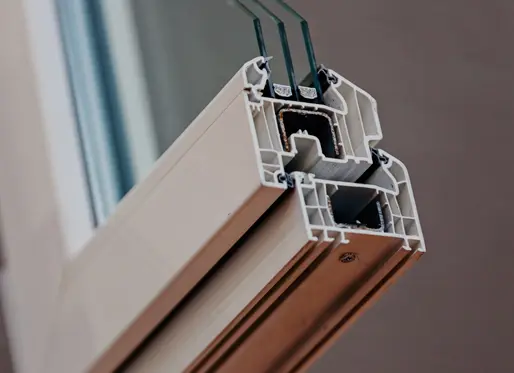
As a national High-tech Enterprise and a prominent player within Gaoyou City's Top 100 Private Enterprises, Yuxin Group specializes in the manufacture of high-durability frames, off-grid materials, and structural supports for solar applications, ensuring maximum longevity for harsh external outdoor setups.
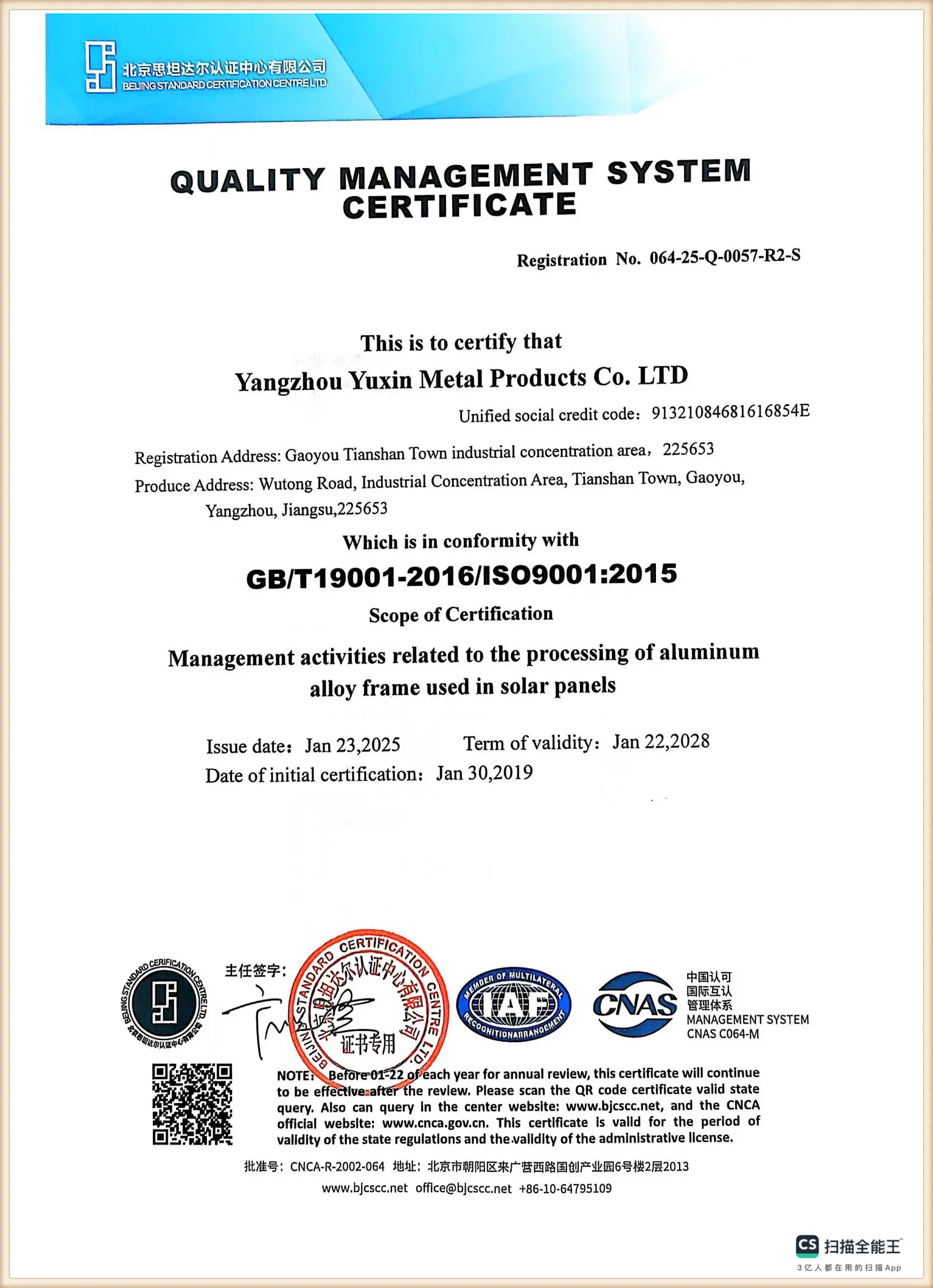
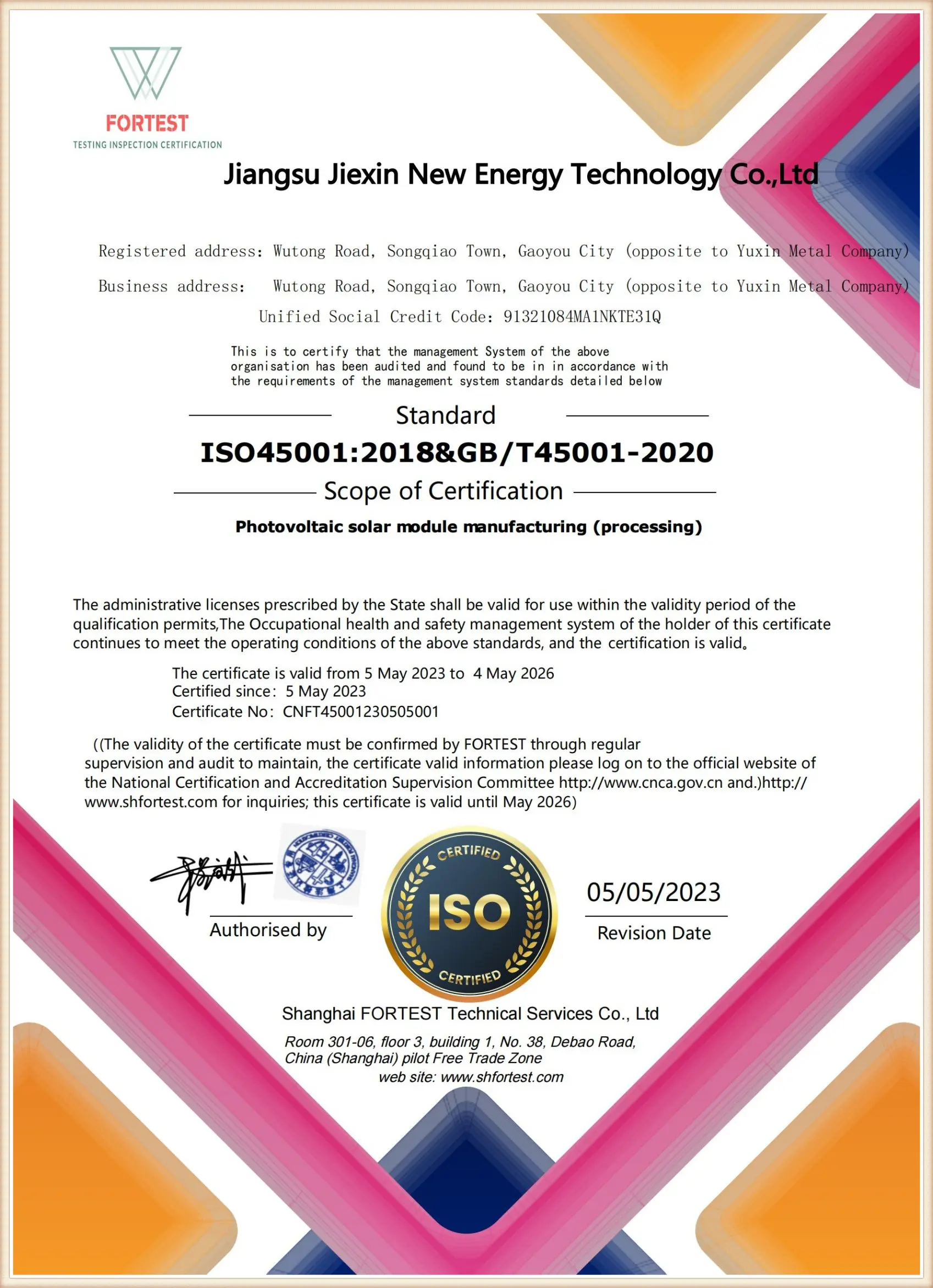
Our materials comply with rigorous international PV standards ensuring prolonged operation in harsh outdoors.
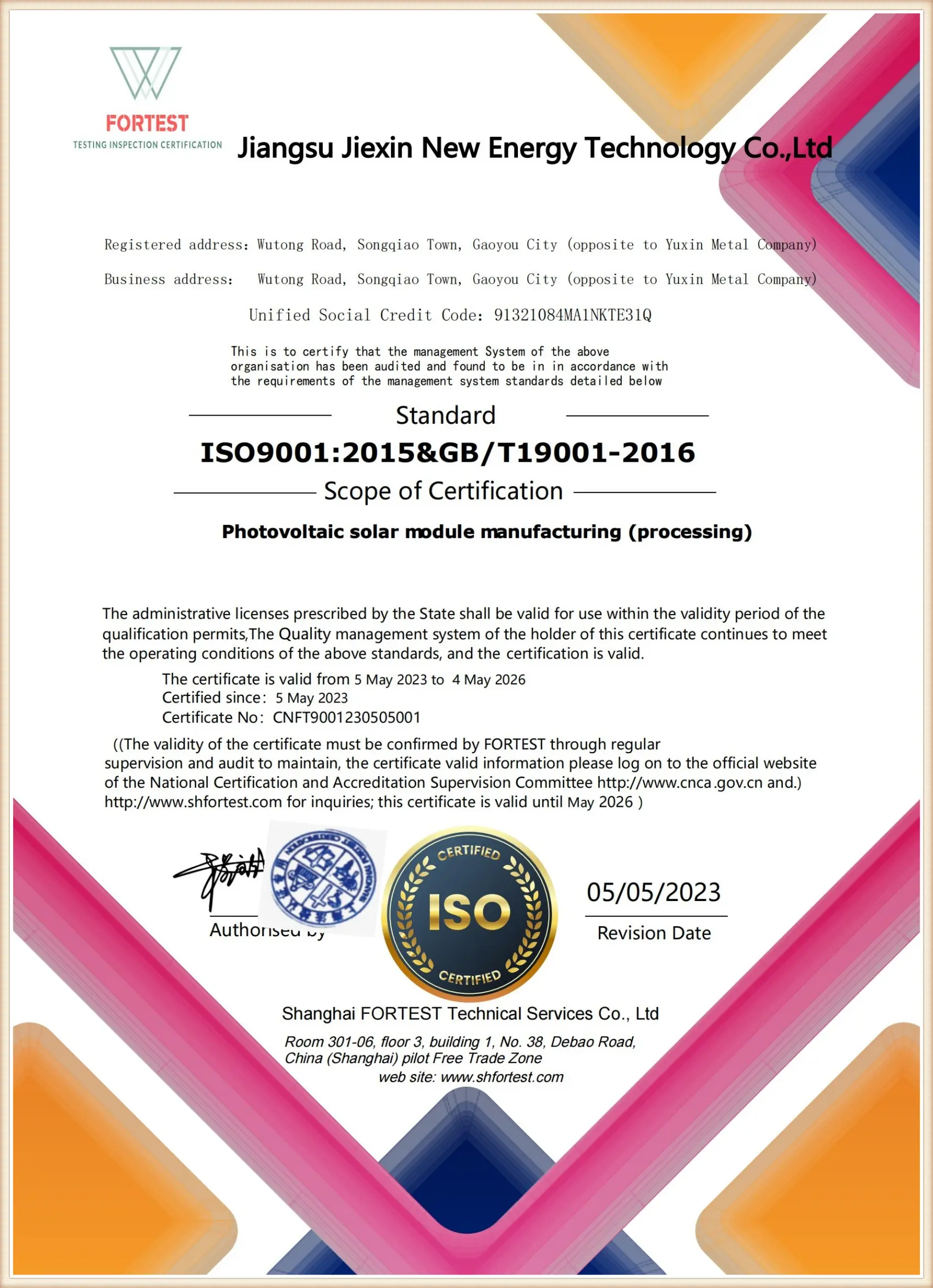
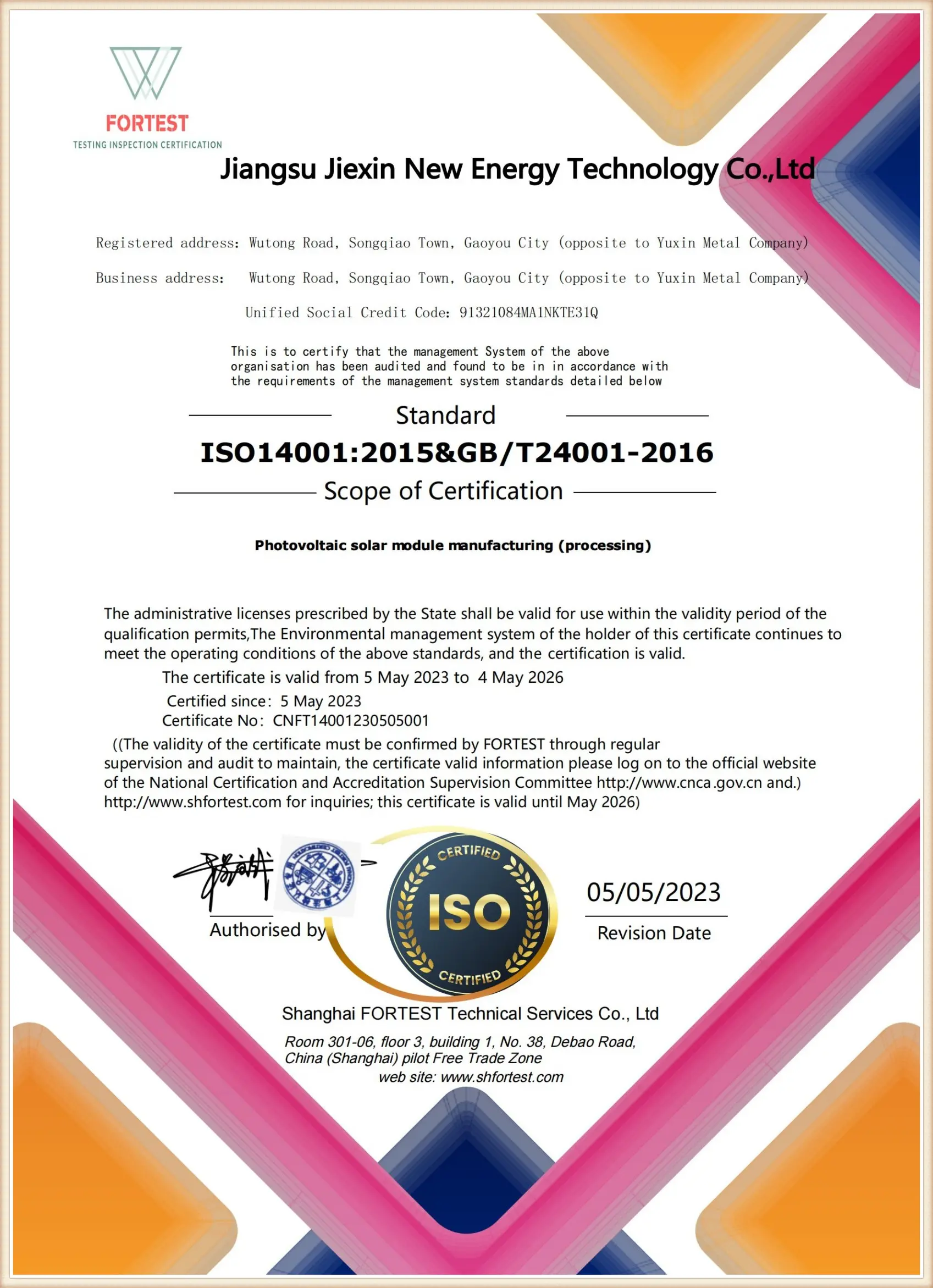
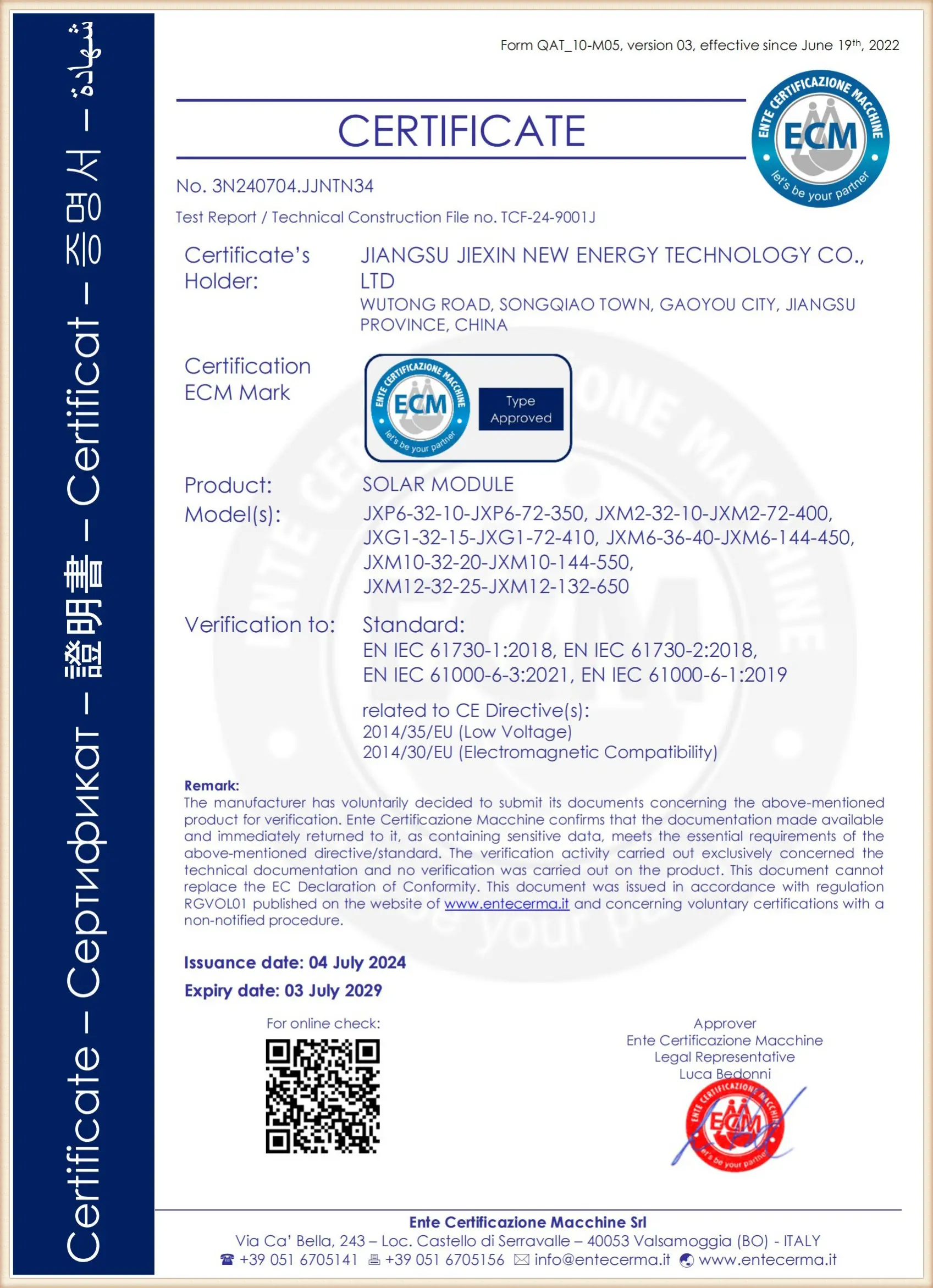
The manufacturing cluster located in the Jiangsu province provides unparalleled supply chain integration. Crucial factors enabling this cost-to-performance efficiency include:
Deploying smart infrastructure globally requires adherence to rigorous testing parameters and legal frameworks:
Our hardware applications stretch across crucial industrial and infrastructure sectors.
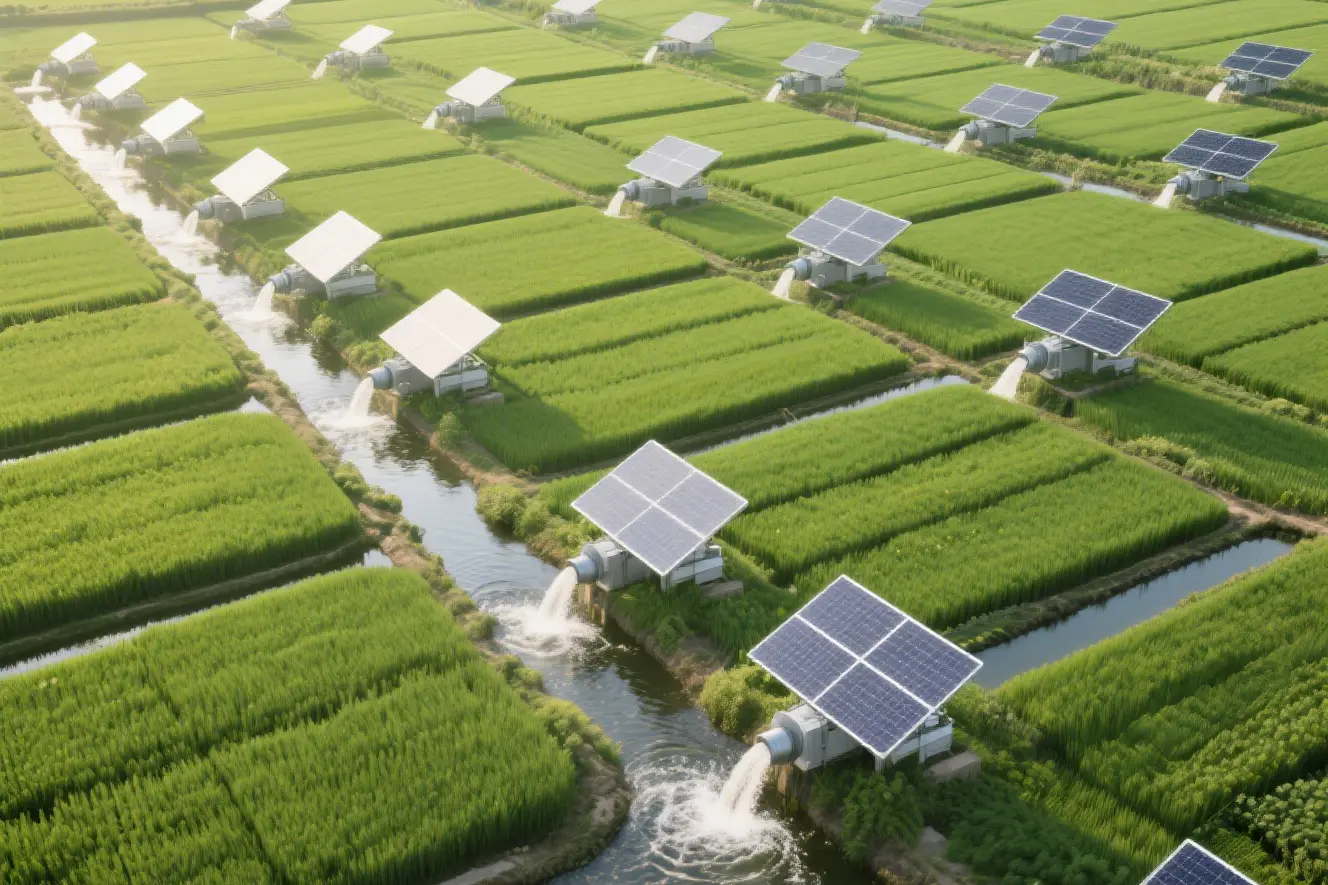
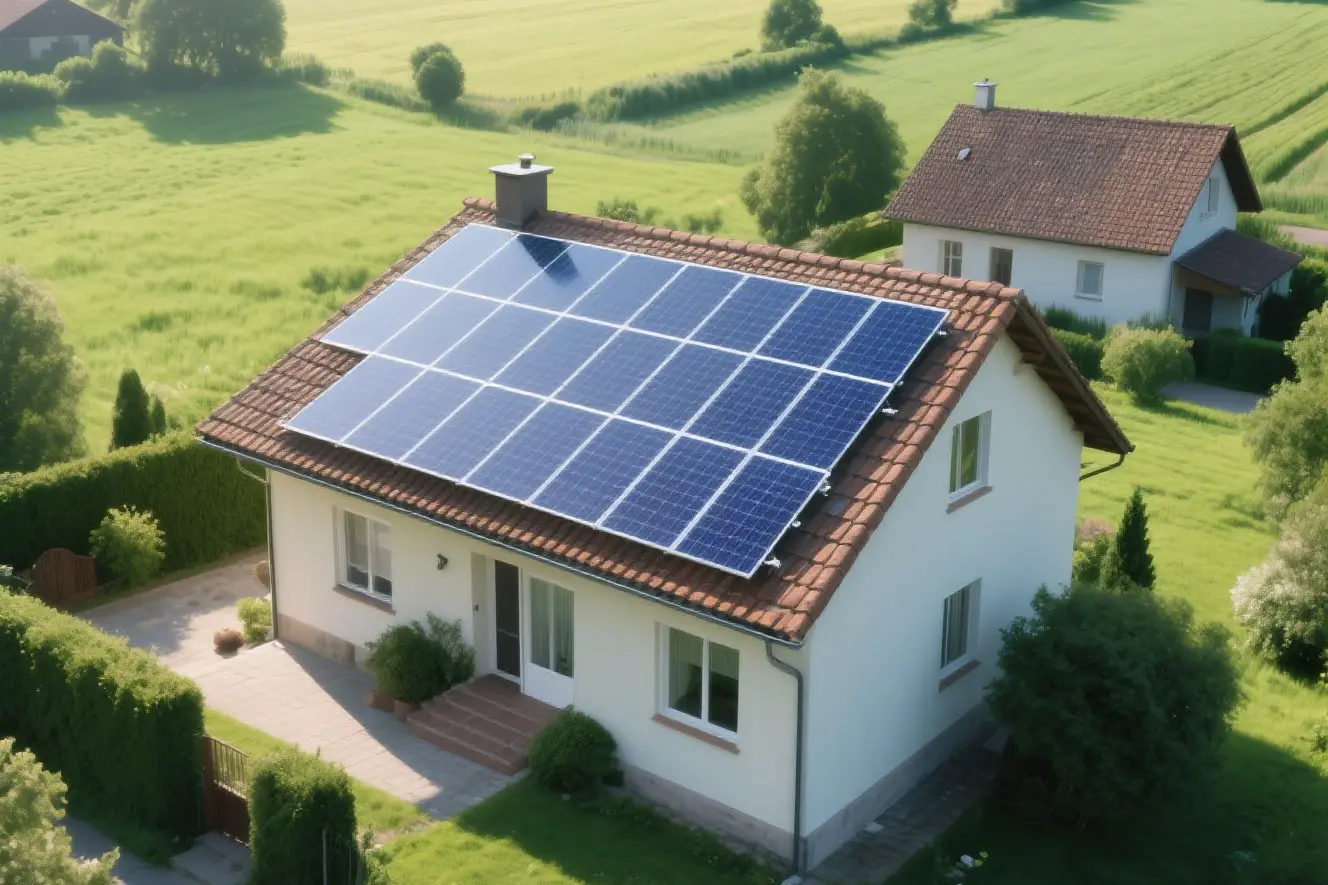
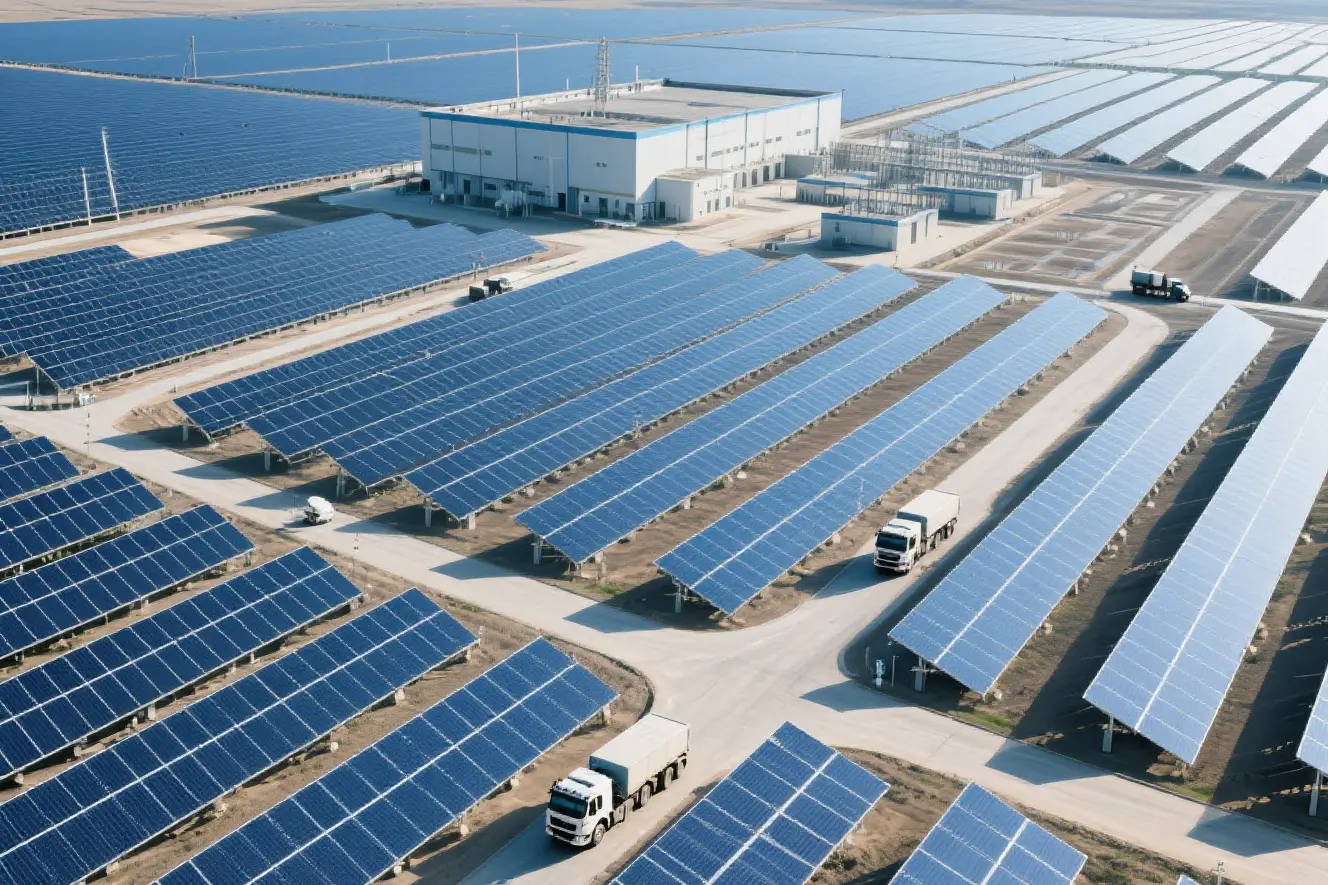
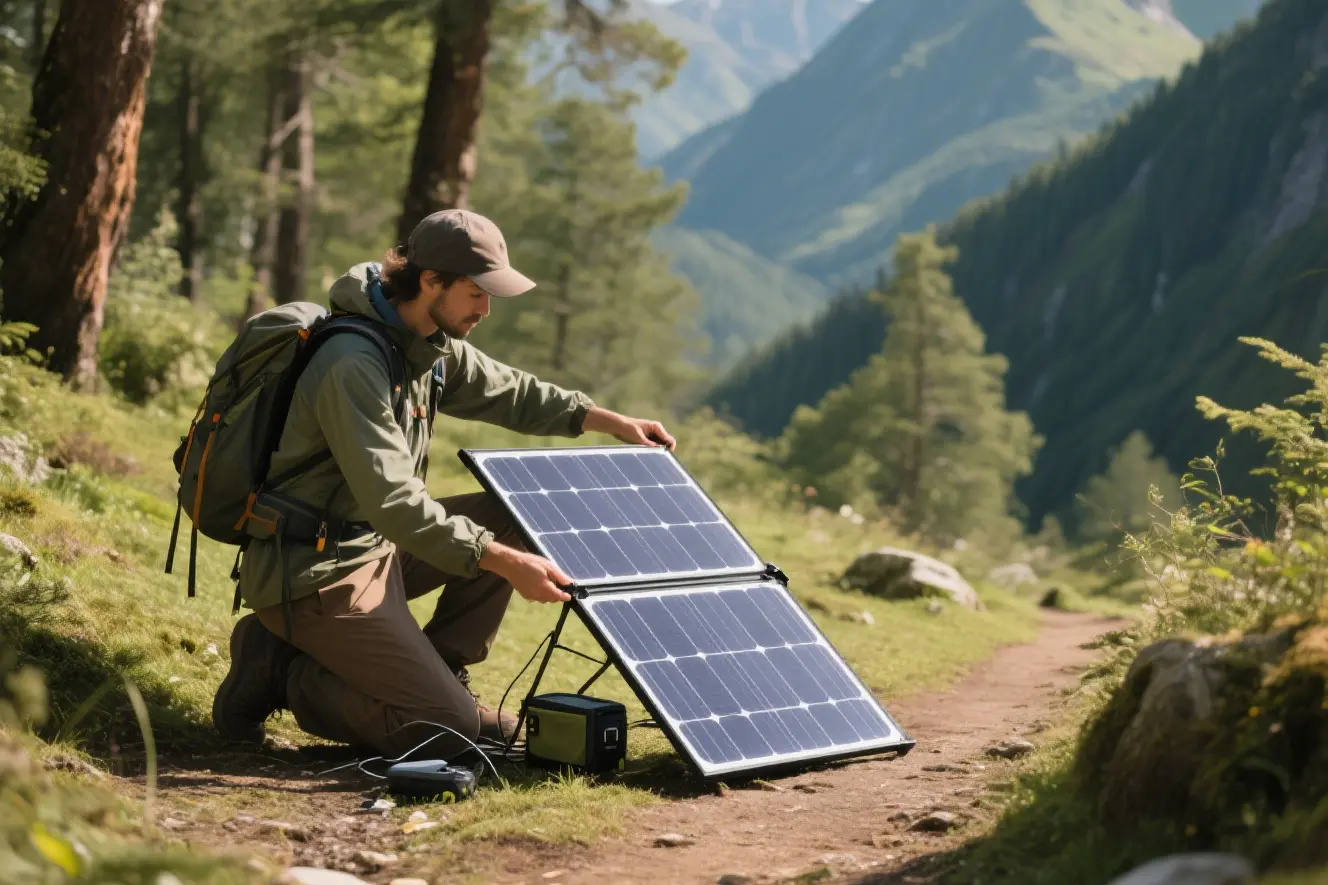
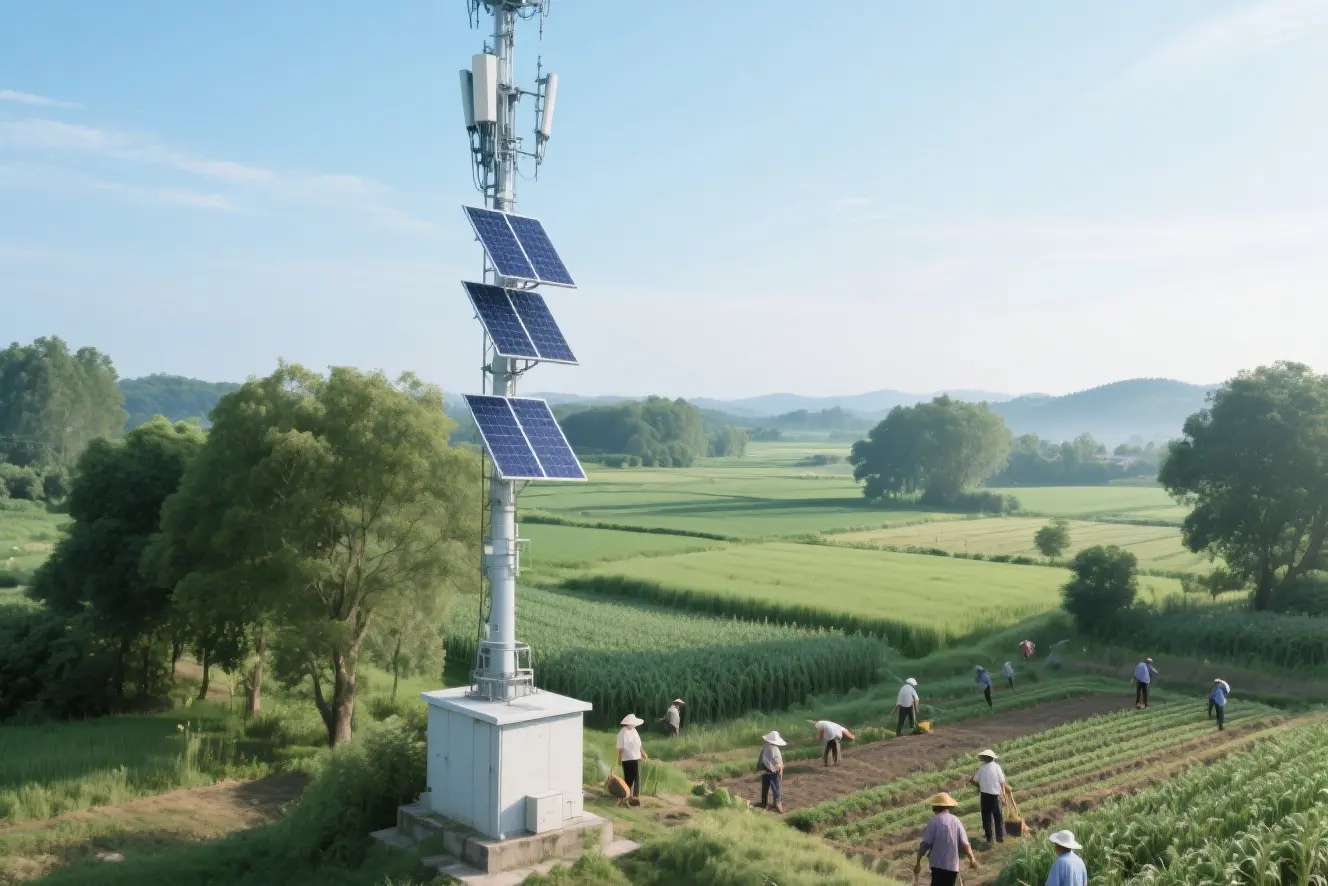
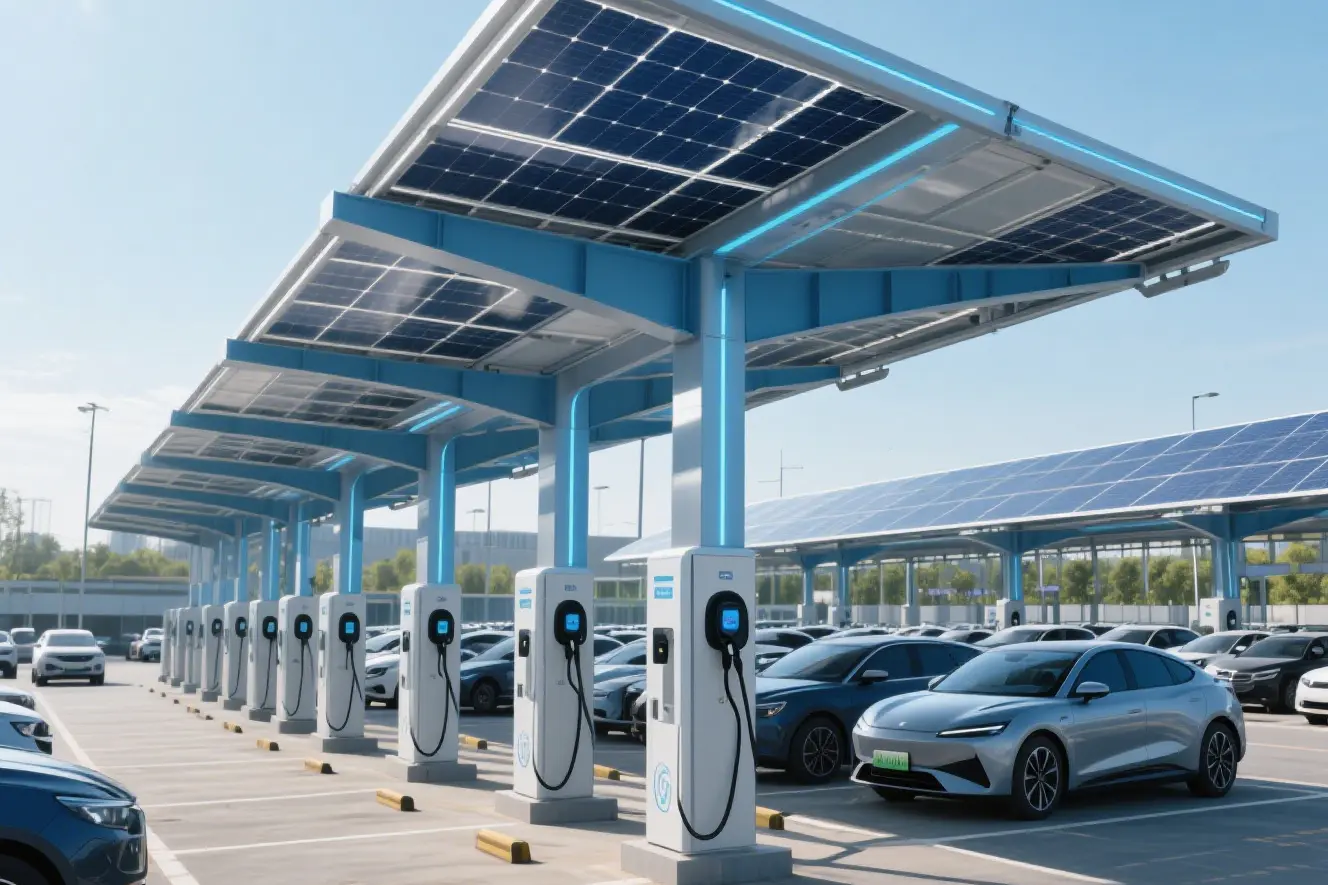
Industrial components and frame kits designed for durable off-grid deployments.
After years of hard work by Yuxin people, it has gradually formed a collectivist and diversified advantage.

Expert answers on power budgeting, valve compatibility, and installation integrity.
Modern solar controllers utilize highly efficient monocrystalline or TOPCon cells that generate power even in low-intensity diffuse lighting. Combined with battery power management system (BMS) software, the system retains enough power for up to 30 days of continuous overcast operation without requiring grid replenishment.
Grid-tied systems rely on constant 24V AC currents to keep solenoid valves open. Solar-powered controllers use 9V or 12V DC latching solenoids, which only require a brief pulse of energy to open and another to close. This minimizes power consumption, making them highly compatible with small-scale solar panels and battery packs.
The controller connects to wind and rain sensors via dry contact inputs or wireless RF links. When wind speeds exceed safe spraying parameters or rain is detected, the controller halts operations, preventing overspray and evaporation loss.
For industrial deployments, enclosures should feature marine-grade anodized aluminum frames (6063-T5) or high-impact polycarbonate materials. These protect inner circuits against UV, extreme heat, moisture, and dust (minimum IP67 protection rating).
Stay updated with Yuxin's technological developments and optimization strategies.