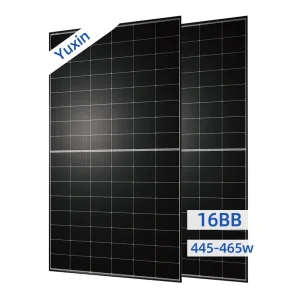
Engineered for high power yield, stability under shading, and robust resistance to extreme environment forces.
Monocrystalline Black Frame module offering high rear-side yield and low degradation coefficients.
View Details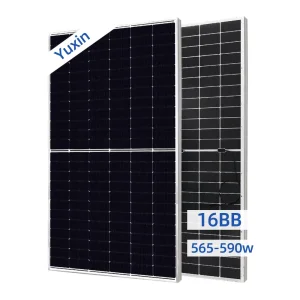
High-power TOPCon mono silicon modules optimized for maximum albedo performance and ground snow reflection.
View Details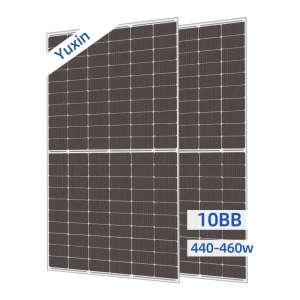
Cost-efficient PERC solar panels optimized for utility scale off-grid applications and modular arrays.
View Details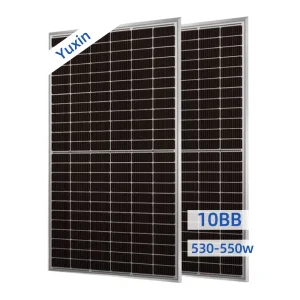
Reliable monocrystalline PV module featuring anti-PID protection and low-light environmental performance.
View Details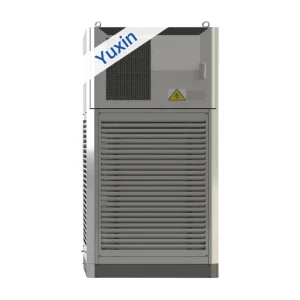
Scalable energy storage architecture offering seamless grid-switching and industrial cabin power backup.
View Details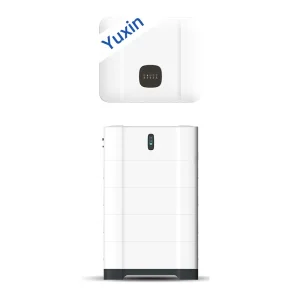
All-in-one residential and cabin storage system integrating hybrid inverter and lithium battery bank.
View Details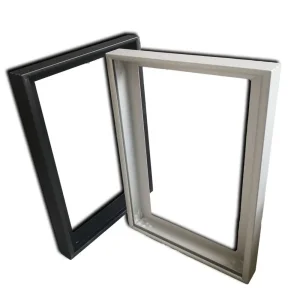
Precision-extruded structural aluminum frames for high mechanical load support in winter conditions.
View Details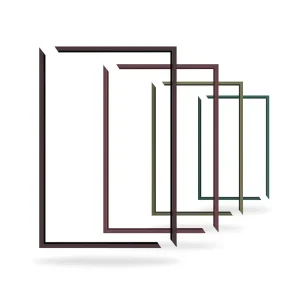
Corrosion-resistant and electrically insulated frames engineered for high salt-spray and acid-rain environments.
View DetailsIn modern off-grid architecture, the quest for self-sufficient power in remote locations has shifted from carbon-emitting diesel generators to high-efficiency solar photovoltaic (PV) setups. Hunting cabins, forestry outposts, and high-altitude research camps present unique operational challenges: severe seasonal weather patterns, persistent shading from dense tree canopies, and long periods of unmanned operation. Deploying highly durable, efficient solar panel systems is no longer a luxury but an infrastructure imperative. This whitepaper analyzes the technological developments, material properties, and supply chain mechanics that position leading Chinese factories as global leaders in delivering modular energy systems for off-grid architectures.
The demand for off-grid hunting cabin solar setups is expanding rapidly across North America, Scandinavia, and Northern Europe. In these regions, cabins are built in wilderness areas far from municipal utility grids. Traditional grid extension costs can exceed $10,000 to $50,000 per mile, making distributed solar power systems highly cost-effective.
In addition, global environmental regulations are restricting noise and carbon emissions in protected state forests and national park borders. Users require silent, maintenance-free power solutions that run key appliances—such as water pumps, refrigeration, heating controllers, and cellular signal boosters—without disturbing local wildlife. Advanced monocrystalline modules equipped with bifacial technology and N-Type cells have emerged as the industry standard, ensuring high conversion rates even in low-sunlight winter seasons.
By pairing dual-glass bifacial modules with highly reflective ground surfaces (like snow or gravel surrounding hunting cabins), operators can achieve a 10% to 30% increase in power generation from the rear side of the panel, compensating for shorter winter daylight hours.
For hunting cabins, winter performance is a critical factor. Traditional P-type PERC cells often experience light-induced degradation (LID) and show lower conversion efficiencies under diffuse light. N-type TOPCon (Tunnel Oxide Passivated Contact) technology addresses these issues by using a thin tunnel oxide layer to reduce carrier recombination, resulting in cell efficiencies exceeding 25%.
Furthermore, N-type cells feature a superior temperature coefficient of -0.30%/°C, meaning they perform efficiently during cold, sunny winter days. The absence of boron-oxygen complexes eliminates Light-Induced Degradation (LID), extending the system's operational lifespan to over 30 years. When protected by specialized aluminum or polyurethane composite frames, these systems can withstand heavy snow loads up to 5400 Pa and high wind speeds up to 2400 Pa.
Explore our core engineering categories, designed for heavy-duty off-grid structural integrity.
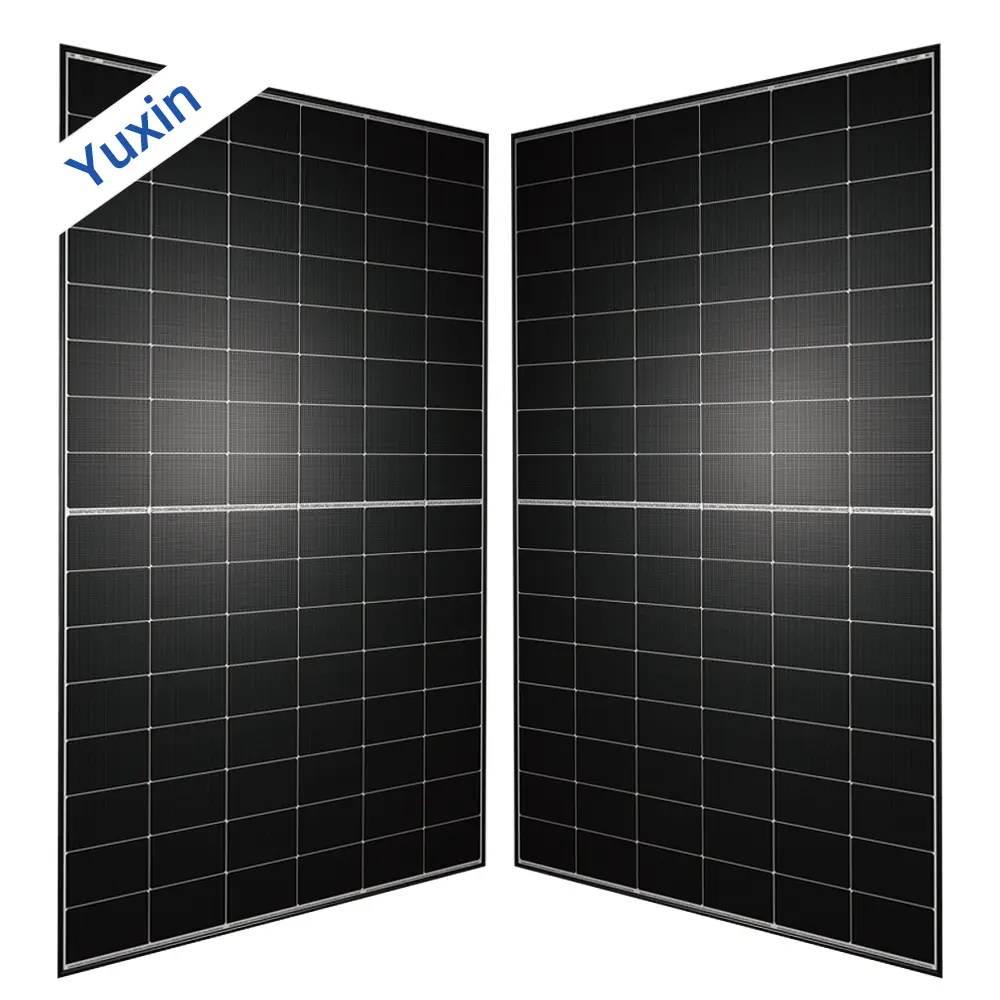
Lightweight design with transparent back panel for easy installation and reduced BOS costs.
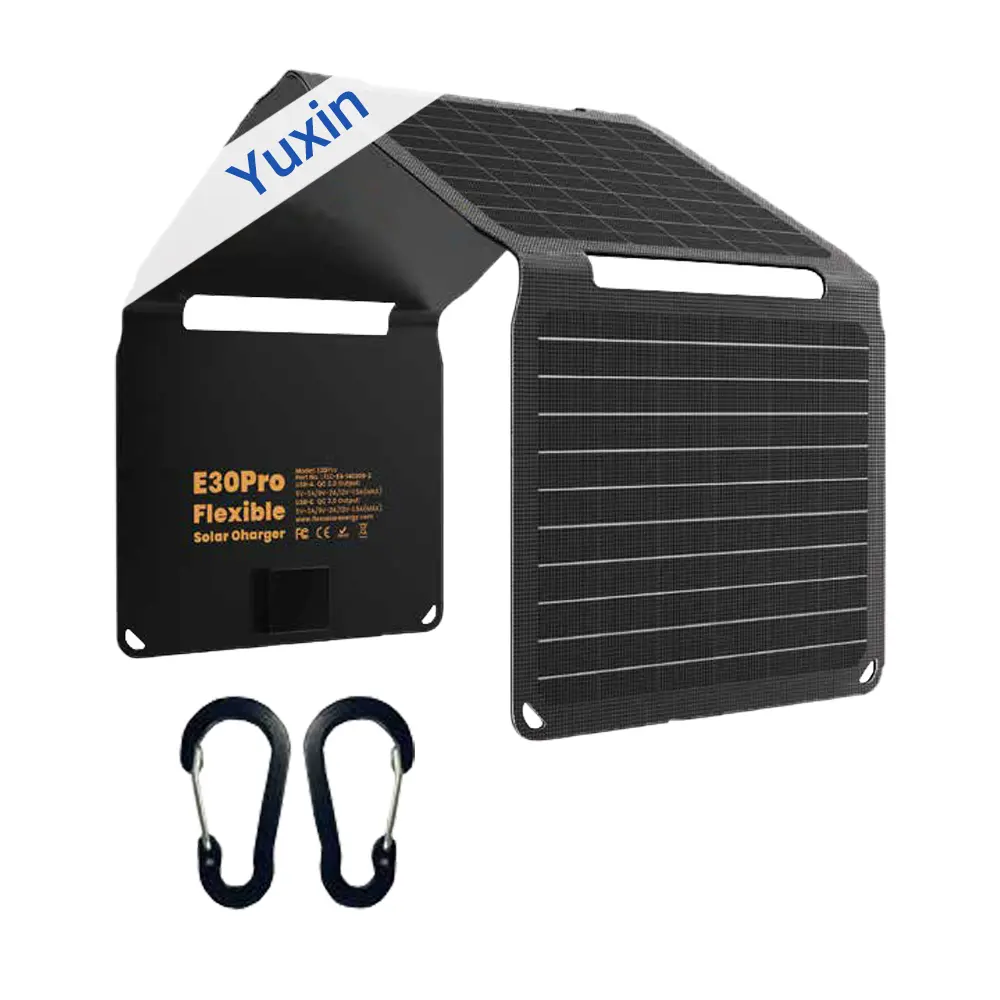
Utilizing advanced monocrystalline silicon cells, it achieves a high energy conversion efficiency of 24%.
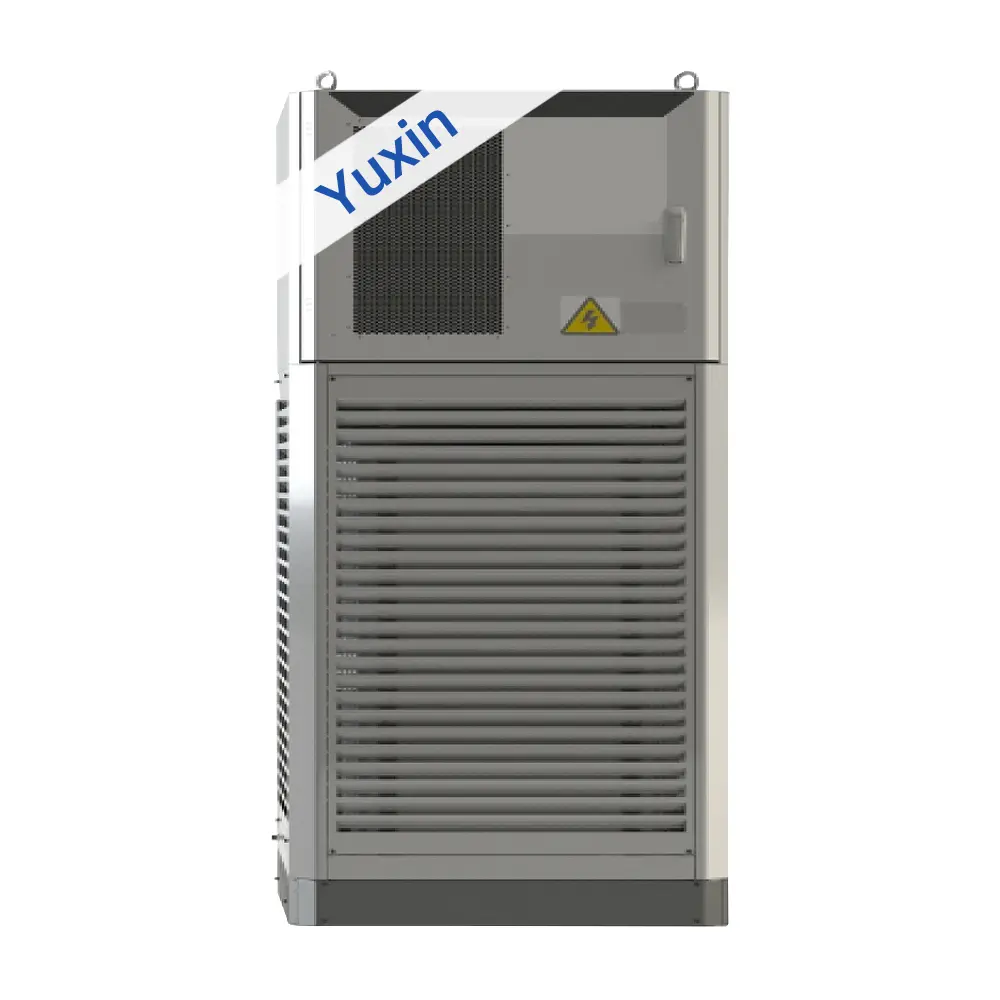
Application modes include grid-connected mode, off-grid mode, and integrated grid-connected/off-grid mode.
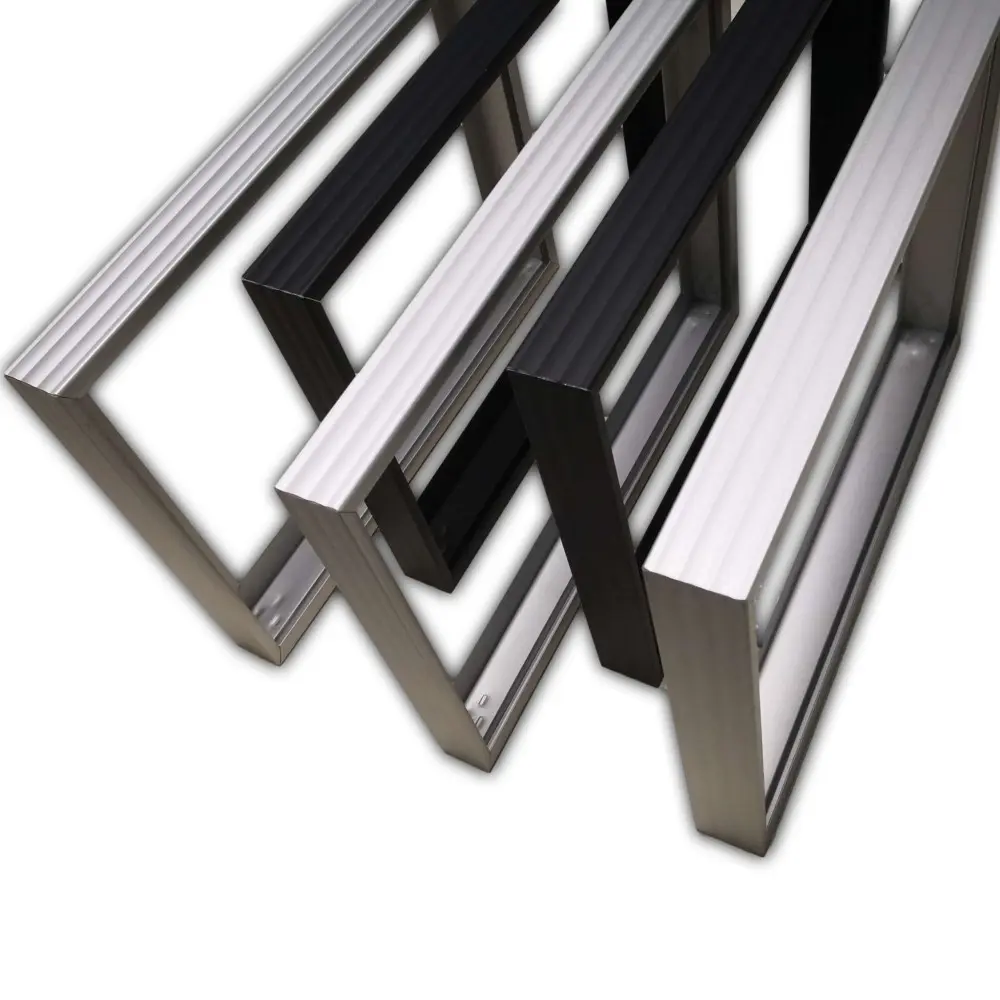
Made of high-quality anodized aluminum, it ensures superior weather resistance and a smooth, long-lasting finish.
Precision, Quality, and Safety - Your Photovoltaic Materials Expert
Located in the scenic historical and cultural ancient city of Yangzhou, close to the Beijing-Shanghai Expressway, Runyang Yangtze River Bridge, and Ningqi Railway, the group has a superior geographical location and convenient transportation. The group was established in 2008 and has 14 multi-field companies under its jurisdiction, including Jiangsu Yuxin New Energy Technology Co., Ltd., and has won many titles such as National High-tech Enterprise, Technology-based Enterprise, and Gaoyou City Top 100 Private Enterprises.
Watch our smart production floor, structural extrusion workshops, and automatic EL testing line in action.
A solar panel system is only as strong as its mounting frame. In remote hunting cabins, panels must withstand heavy snow loads, falling tree branches, and high winds. Traditional aluminum frames are made from anodized 6063-T5 or 6005-T6 alloys. Anodization adds a protective layer that prevents corrosion in damp forests and coastal zones.
A major advancement in the industry is the use of polyurethane pultruded composite frames. Unlike metal, polyurethane composites provide excellent thermal insulation and are completely rustproof. They feature a tensile strength that matches or exceeds steel, and their low thermal expansion coefficient matches that of silicon glass. This reduces mechanical stress on the cells during extreme temperature swings between day and night, virtually eliminating the risk of micro-cracks.
Polyurethane composites are naturally non-conductive, eliminating Potential Induced Degradation (PID) caused by leakage currents, and they do not require electrical grounding, which simplifies installation for off-grid DIYers.
China's PV manufacturing dominance is driven by deep vertical integration. Factories like YUXIN handle the entire supply chain, from raw aluminum extrusion and polyurethane pultrusion to precision cell cutting and automated module encapsulation. This close integration reduces shipping delays and lowers material waste.
Yangzhou's logistics network connects local factories to deep-water shipping lanes, allowing for prompt delivery to international markets. With 21+ automated production lines, Yuxin ensures consistent quality through AI-driven EL (electroluminescence) inspection systems. These scanners detect internal cell damage before modules are packaged, ensuring reliable performance in off-grid locations.
Our manufacturing and structural components are verified by leading global quality registries.
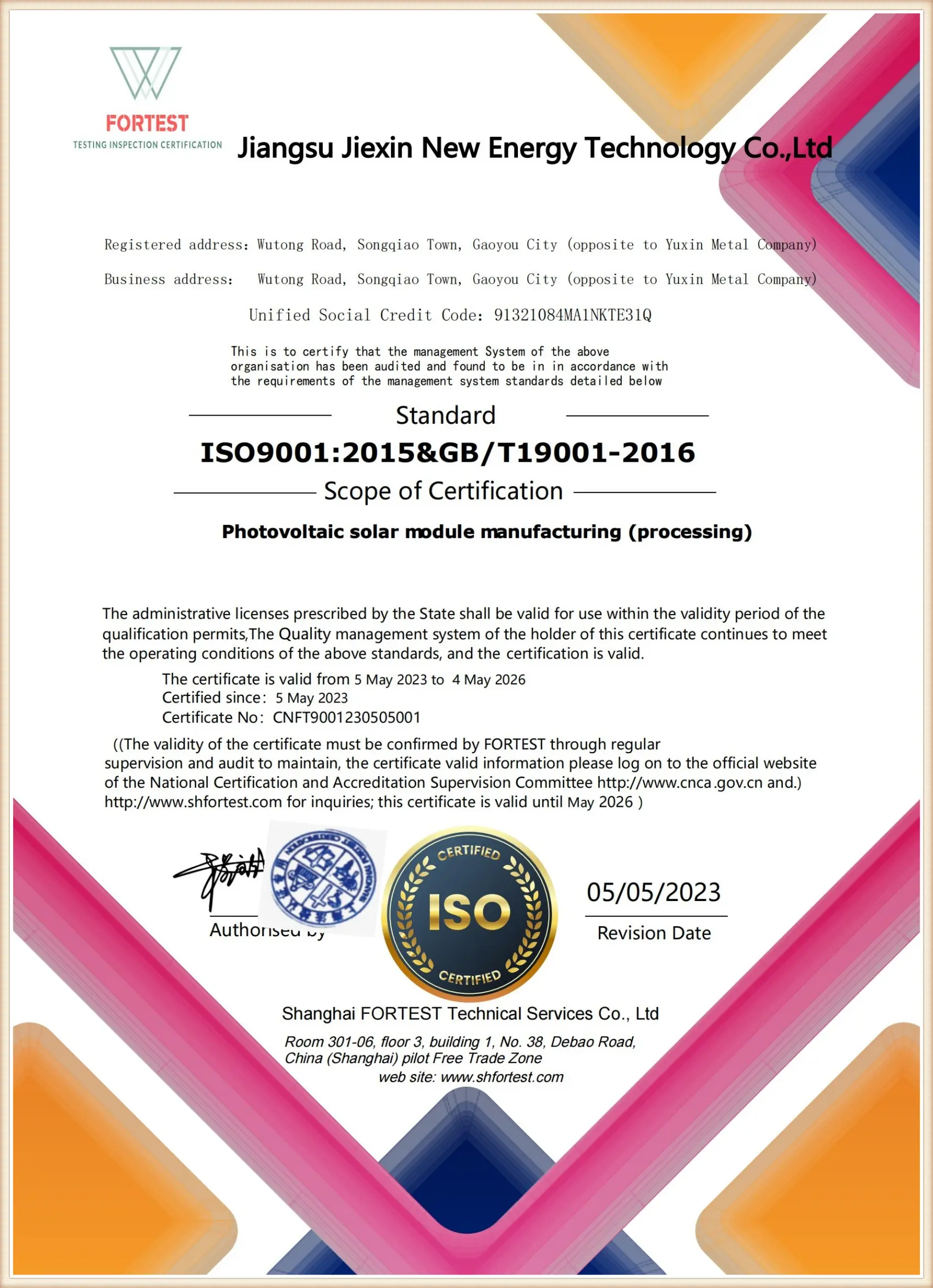
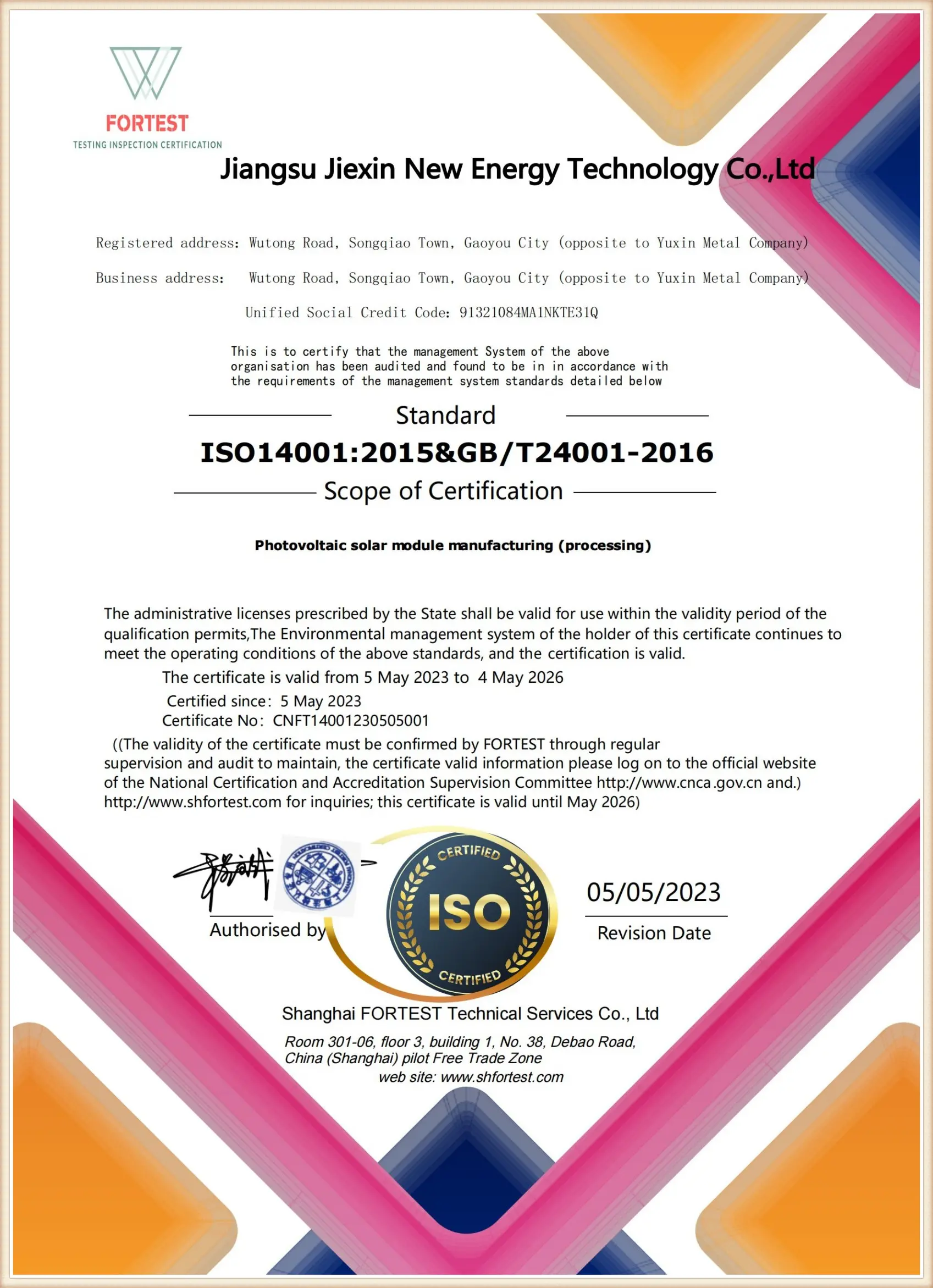
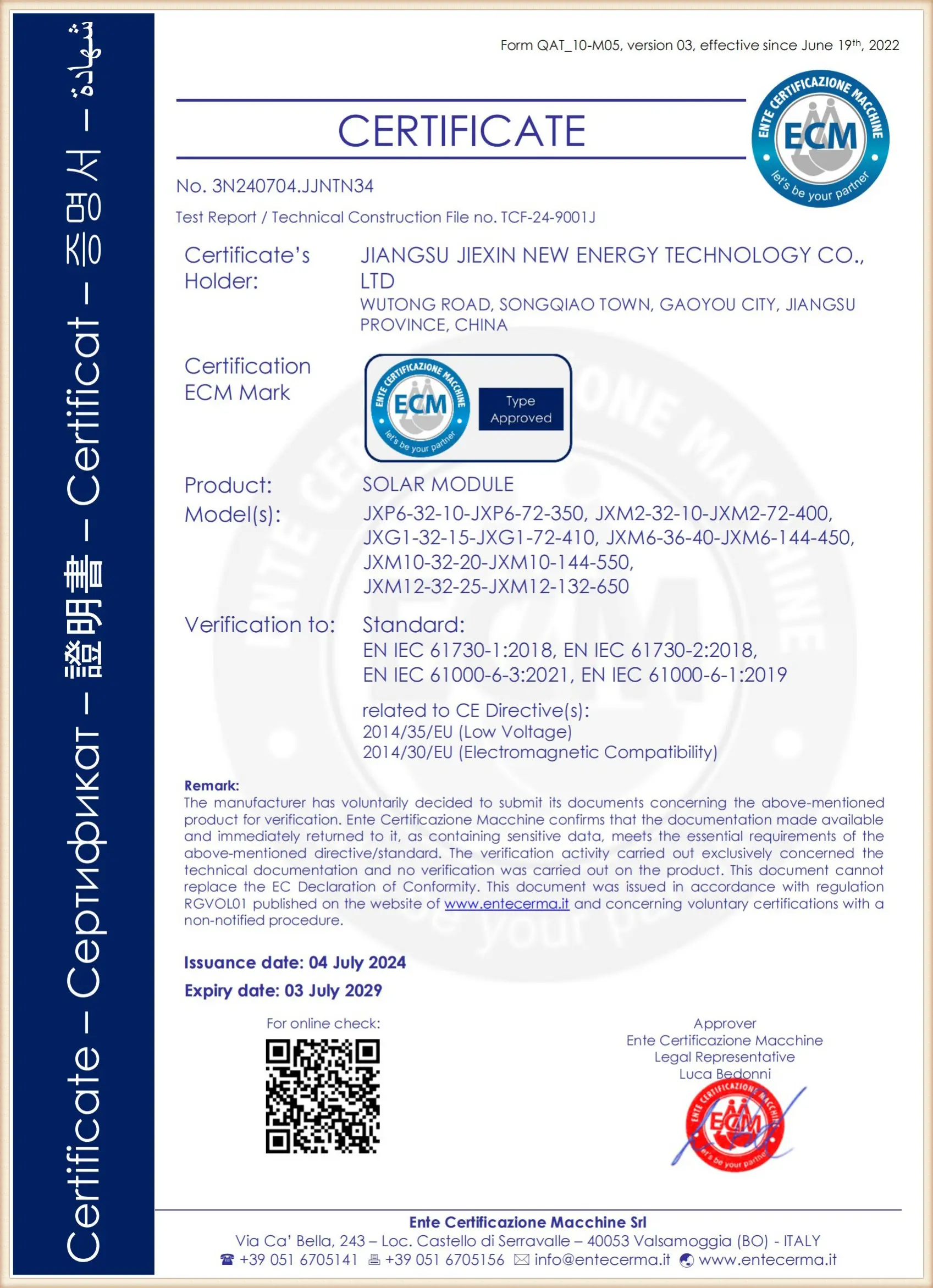
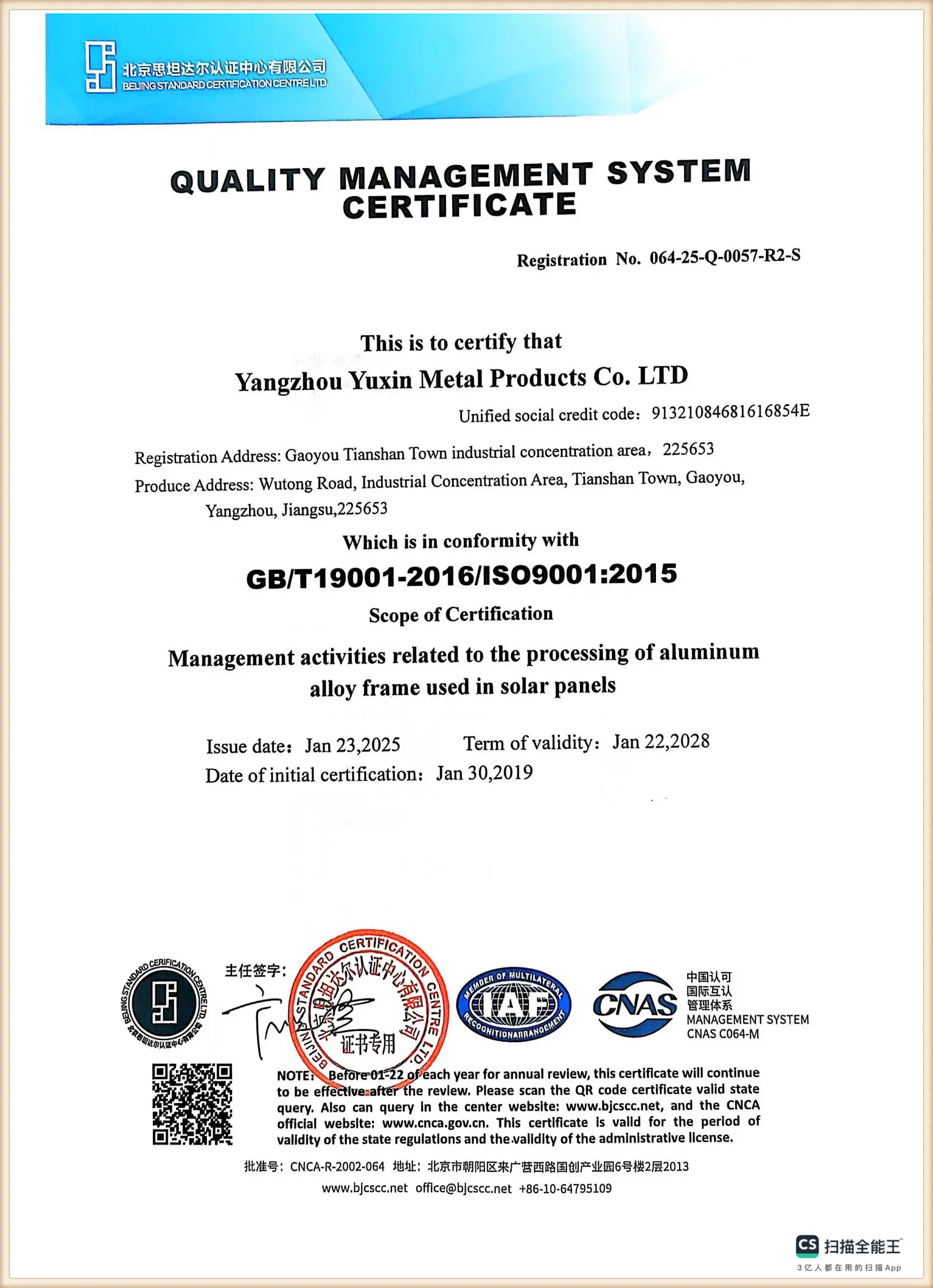
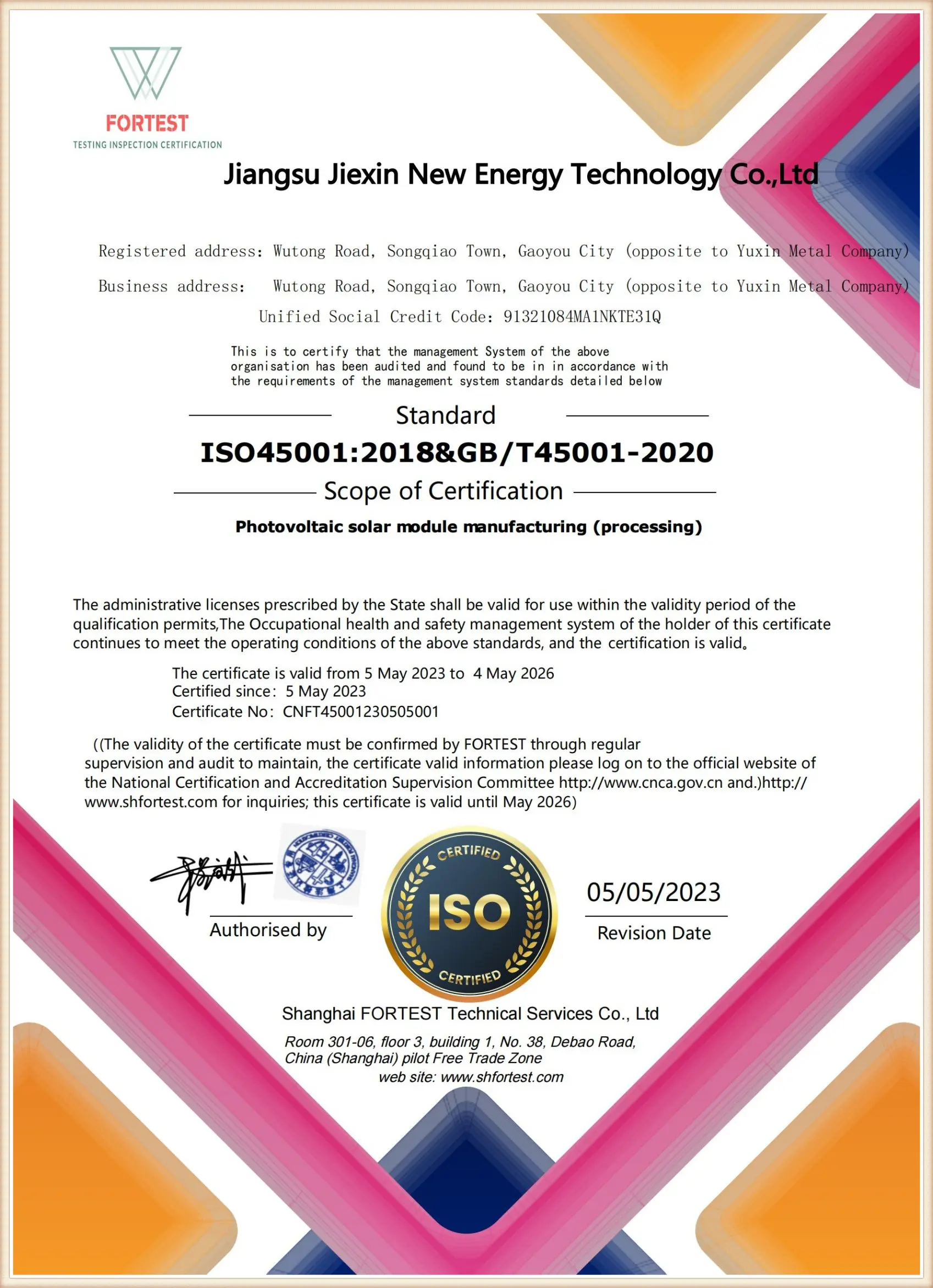
Our high-strength modules and mounting components are engineered for heavy-duty use across multiple sectors.
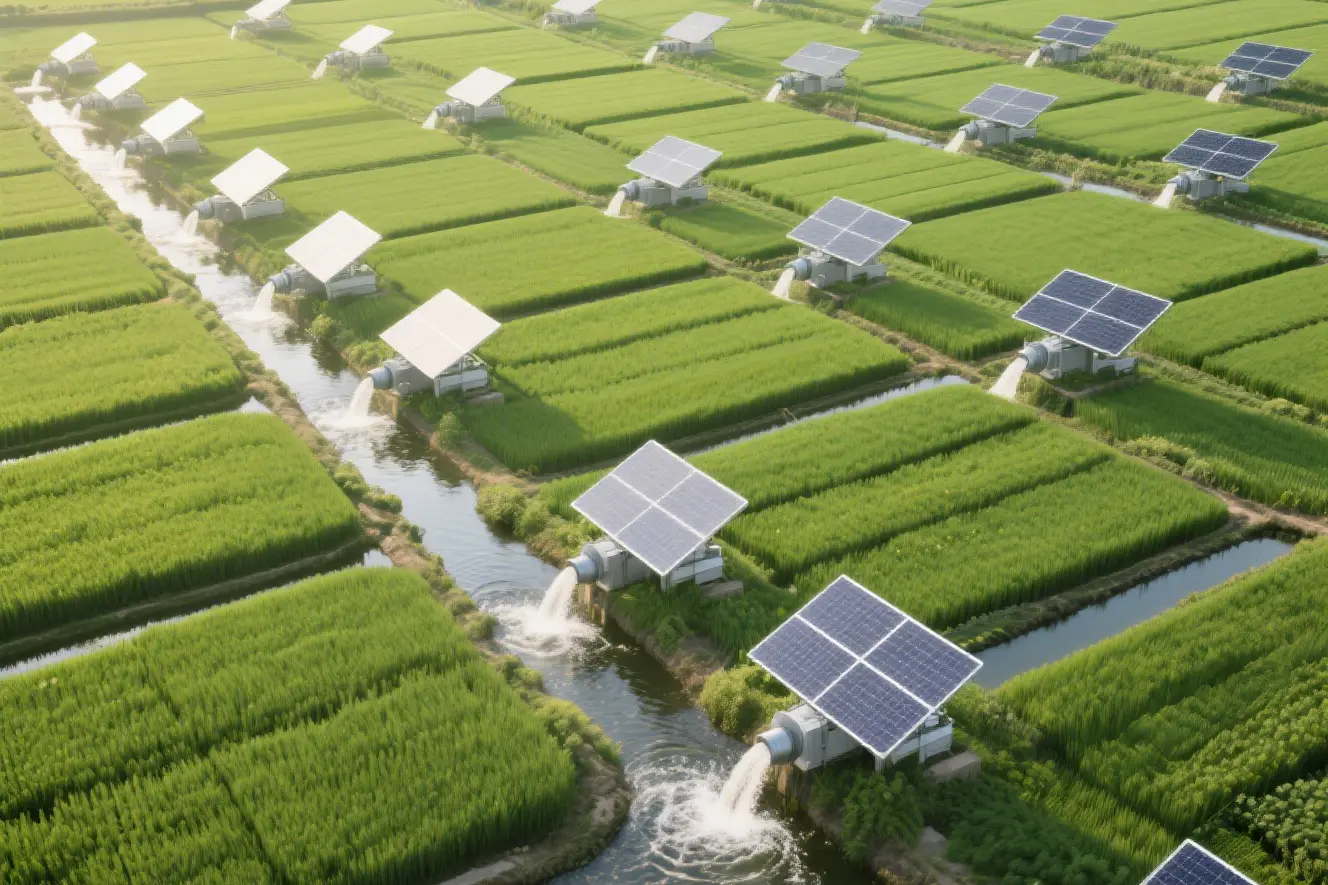
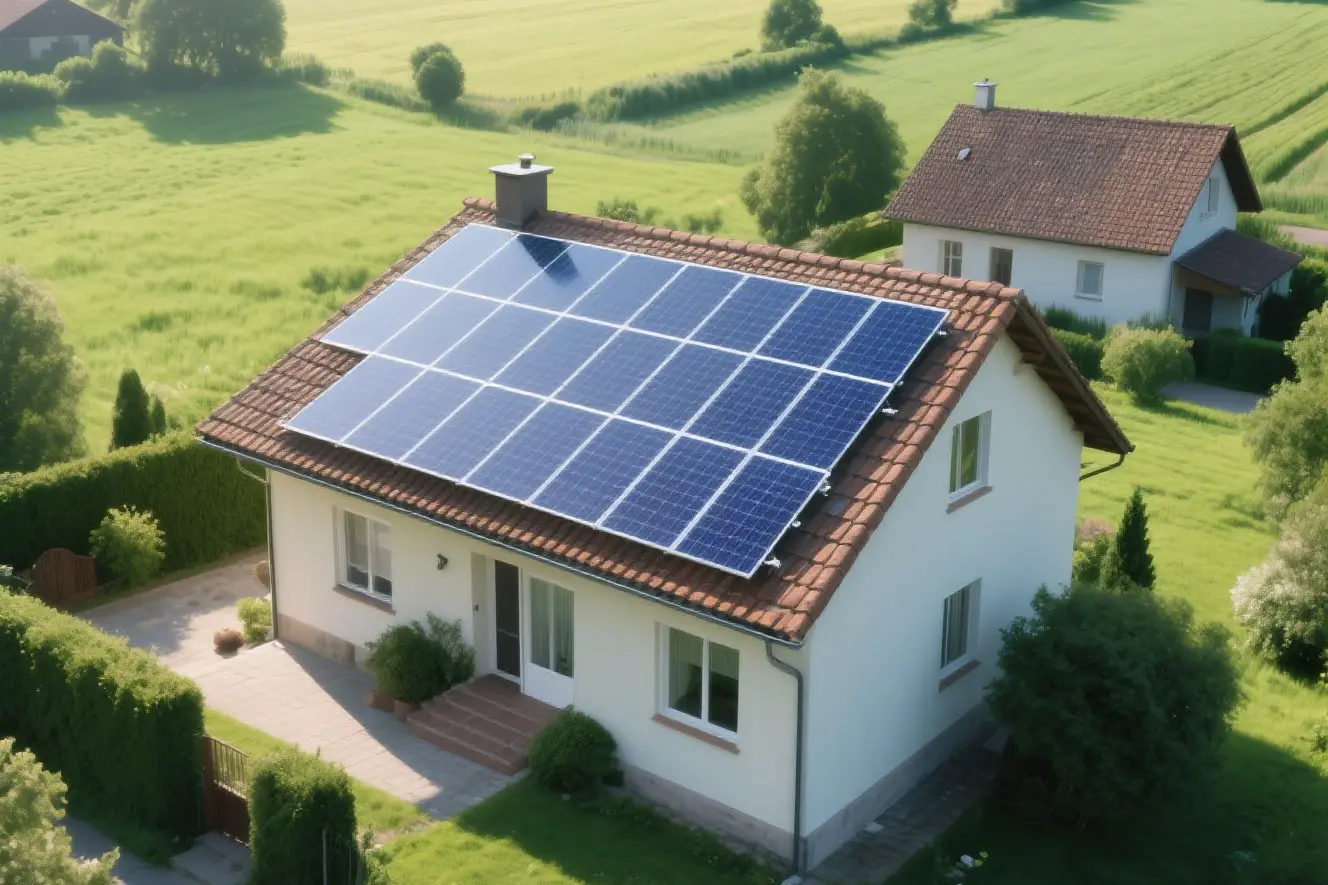
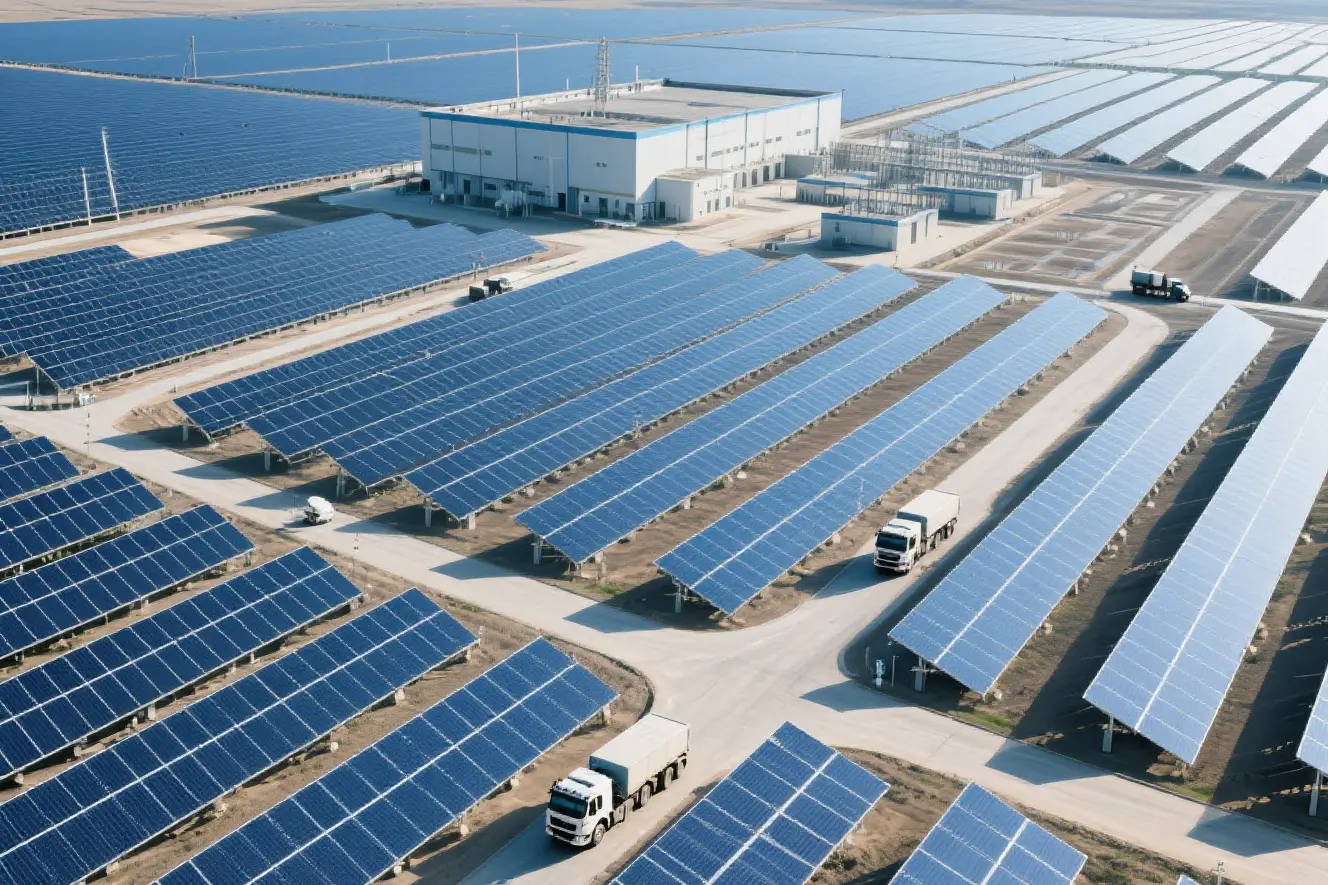
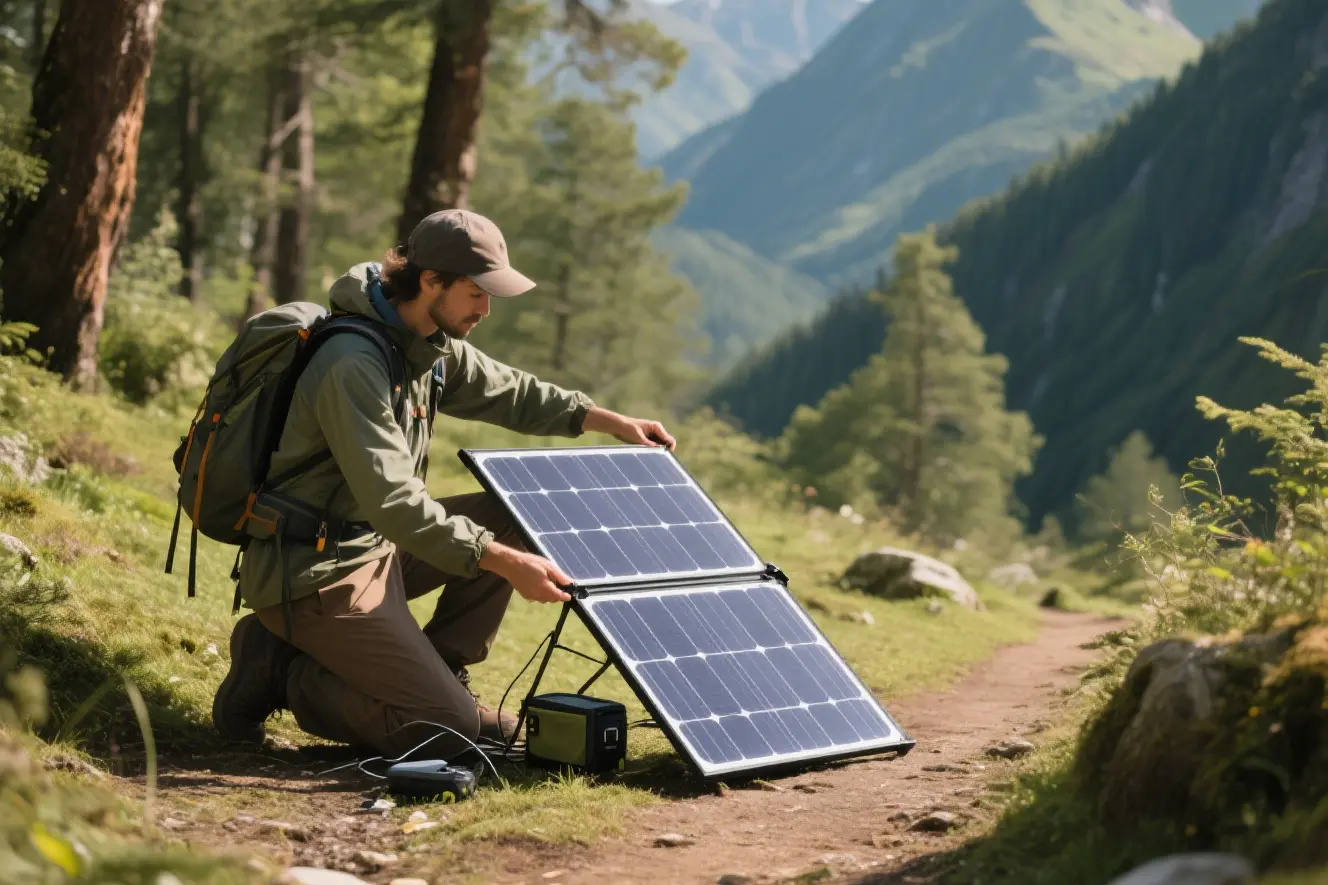
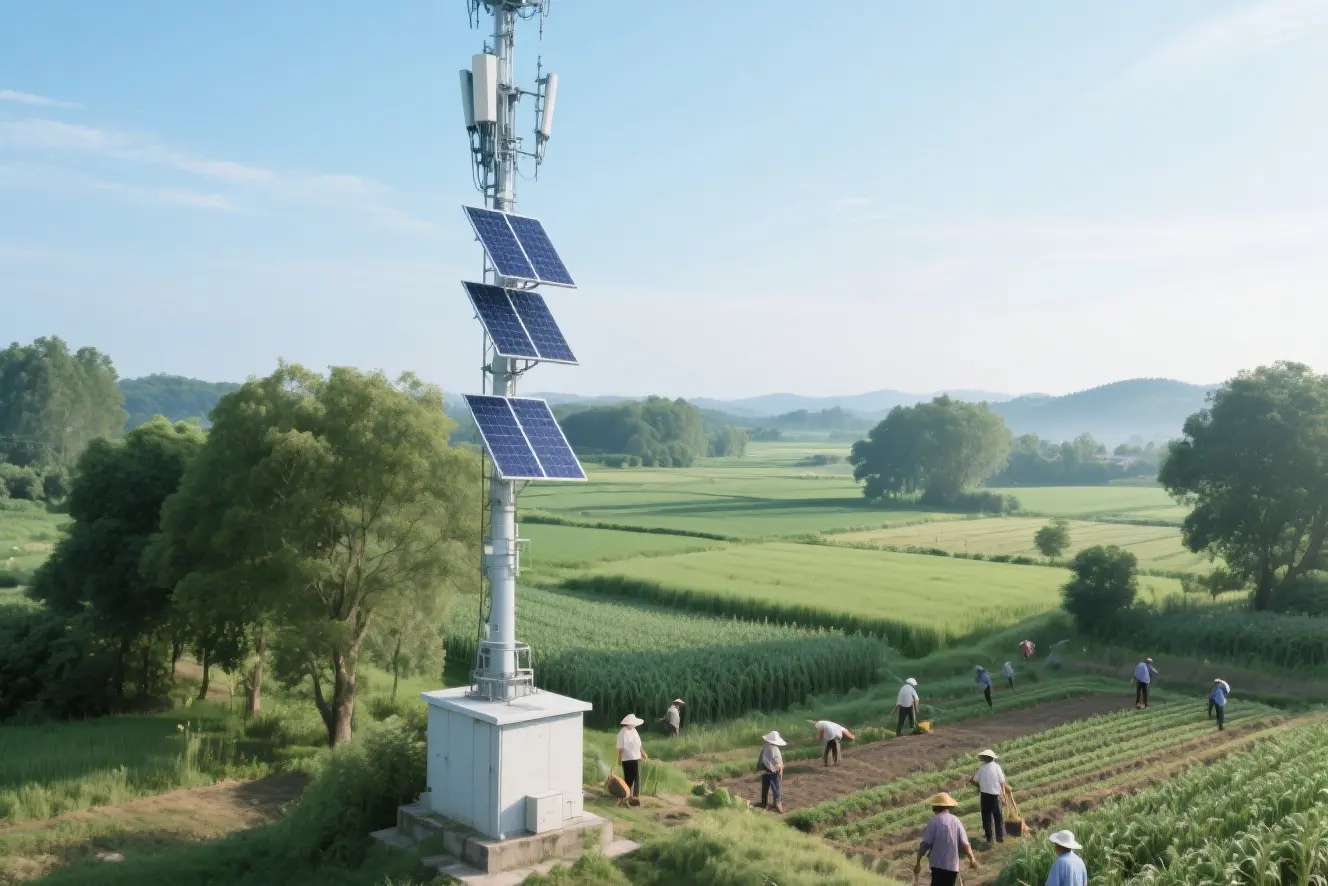
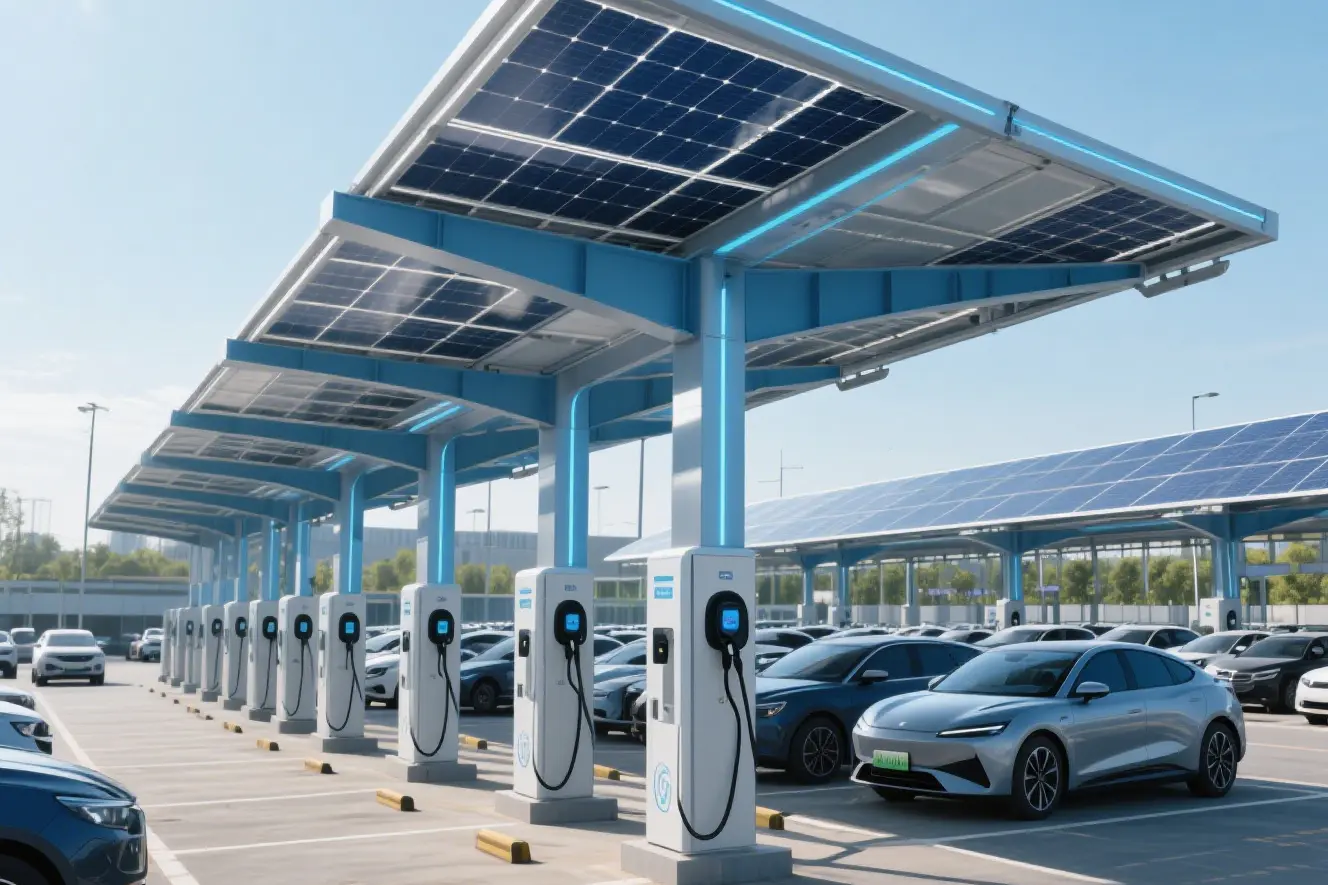
Collaborating with leading global enterprises to deliver integrated solar energy projects.

Calculating the correct system size is essential for ensuring reliable off-grid power. Most hunting cabins operate under a "fractional load" profile, where power consumption peaks on weekends and drops during the week. This makes the storage system's capacity just as critical as the panels' peak wattage.
A standard setup typically includes 1.2 kW to 3 kW of solar panels (using either high-efficiency half-cell monocrystalline or dual-glass TOPCon modules) paired with a 5 kWh to 15 kWh lithium iron phosphate (LiFePO4) battery bank. LiFePO4 batteries are preferred for remote cabins because they can handle deep discharge cycles down to 80% or 90% without rapid cell degradation. Integrating a smart hybrid inverter allows users to monitor energy storage levels remotely via cellular networks or satellite links.
The off-grid solar industry is moving toward smarter, more durable materials. In frame design, polyurethane composite materials are replacing traditional metal profiles in areas with harsh weather. These composites provide excellent electrical insulation, reducing grounding requirements and simplifying remote installations.
On the electrical side, microinverters are becoming more popular for small off-grid setups. Traditional string inverters can suffer significant power drops if even a small section of the panel is shaded by trees. Microinverters operate at the individual panel level, ensuring that shading on one module does not reduce the performance of the rest of the array. When paired with smart energy management software, cabin owners can optimize their power usage in real time.
Technical answers to common questions about selecting, importing, and installing remote solar systems.
Stay informed with technical developments, manufacturing updates, and structural material insights from YUXIN.
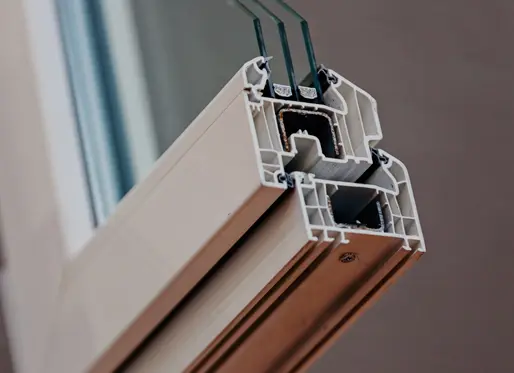
An in-depth look at how anodized aluminum and pultruded composite materials protect solar cells from mechanical stress and weather damage.
Read More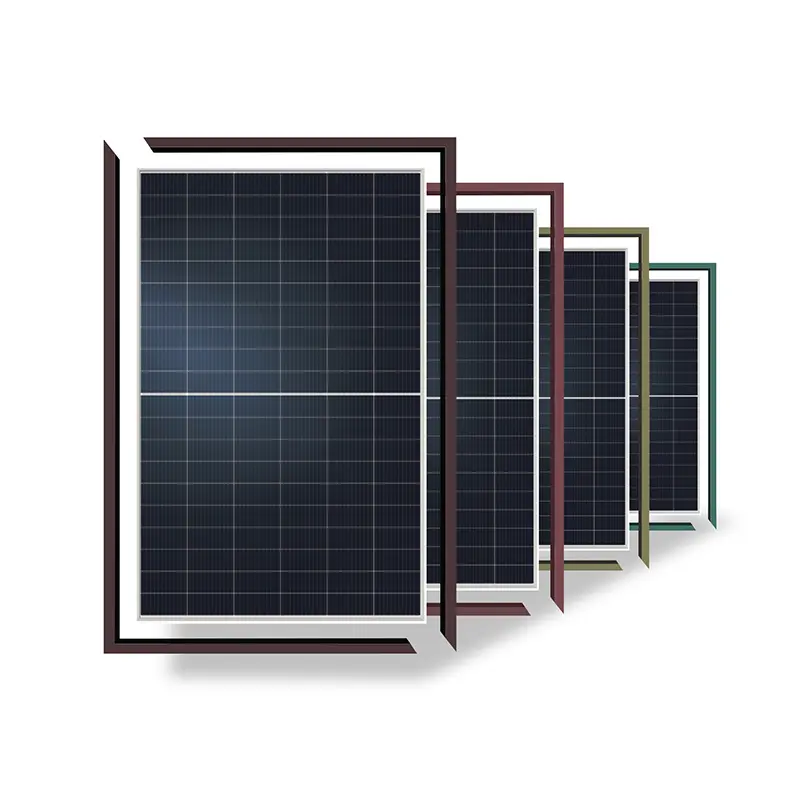
A sourcing guide for global solar distributors looking to partner with certified factories that offer custom extrusion and composite solutions.
Read More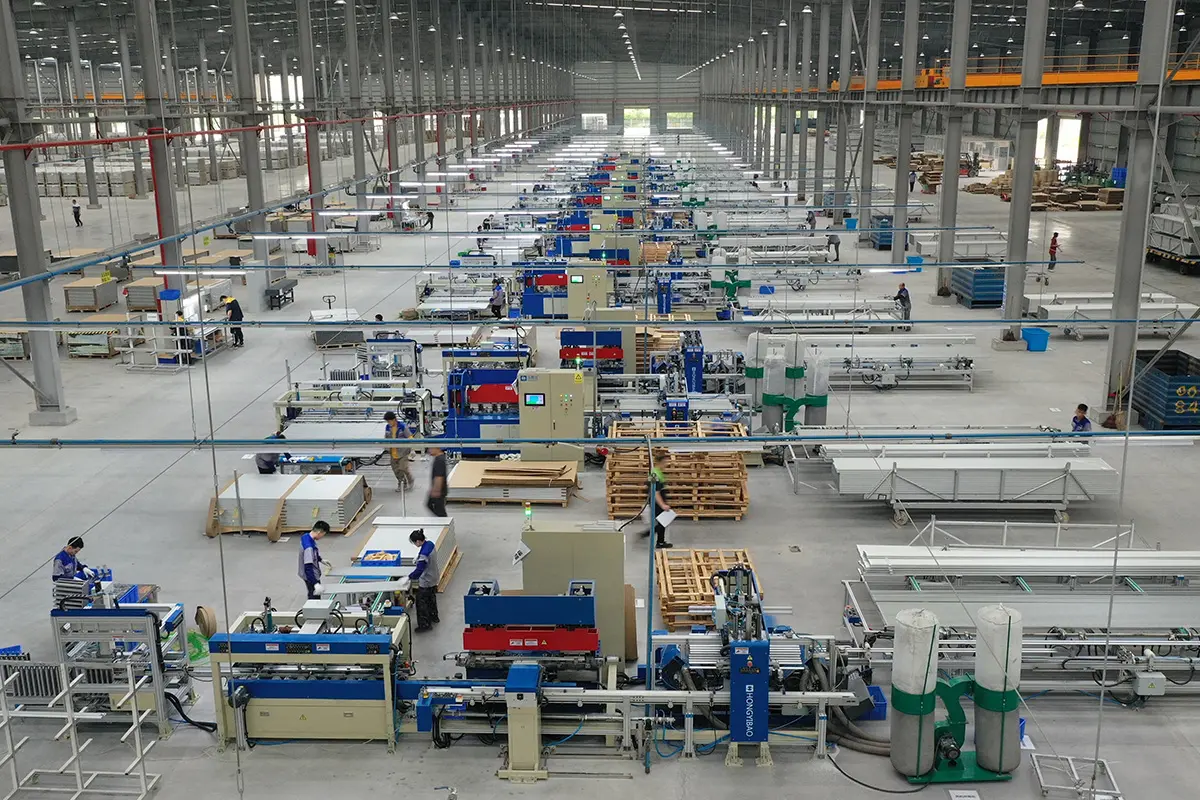
An overview of our quality control processes, including wind tunnel simulations, mechanical stress tests, and salt-spray testing for harsh environments.
Read MoreExplore portable off-grid components and durable mounting solutions for mobile base camps.
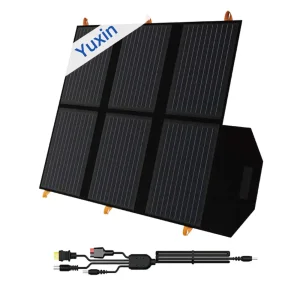
Durable solar charging backpack for camping, hiking, and remote off-grid travel.
View Details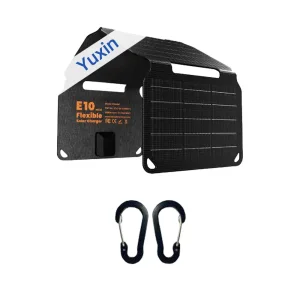
Compact solar charging pack designed to power phones, GPS systems, and small USB devices.
View Details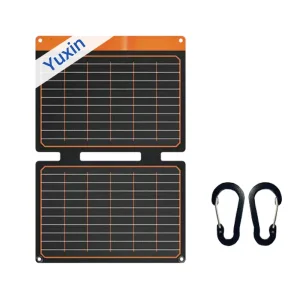
Equipped with highly efficient monocrystalline solar cells to keep emergency devices powered on the go.
View Details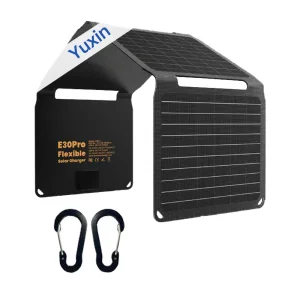
A heavy-duty solar backpack designed for multi-day treks and remote field operations.
View Details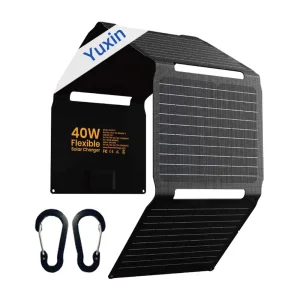
Features a weather-resistant fabric shell and integrated monocrystalline charger for remote reliability.
View Details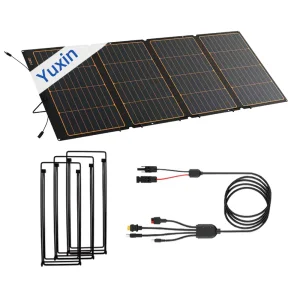
A portable power station designed to charge phones, tablets, and light equipment in base camps.
View Details
Structural-grade aluminum frames designed to support heavy snow and wind loads in high-altitude environments.
View Details
Corrosion-resistant frames that do not require grounding, making them ideal for high-humidity forest locations.
View Details