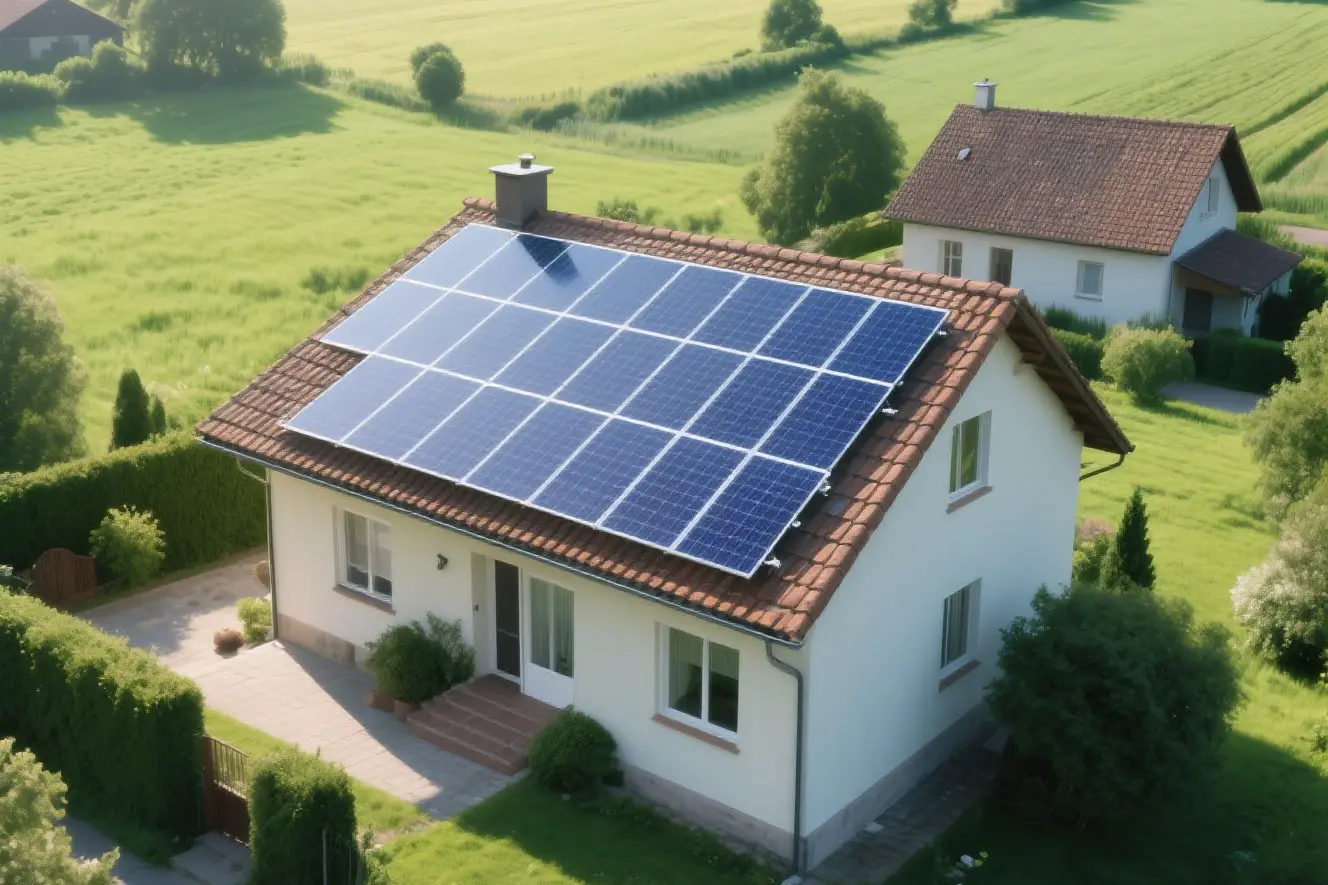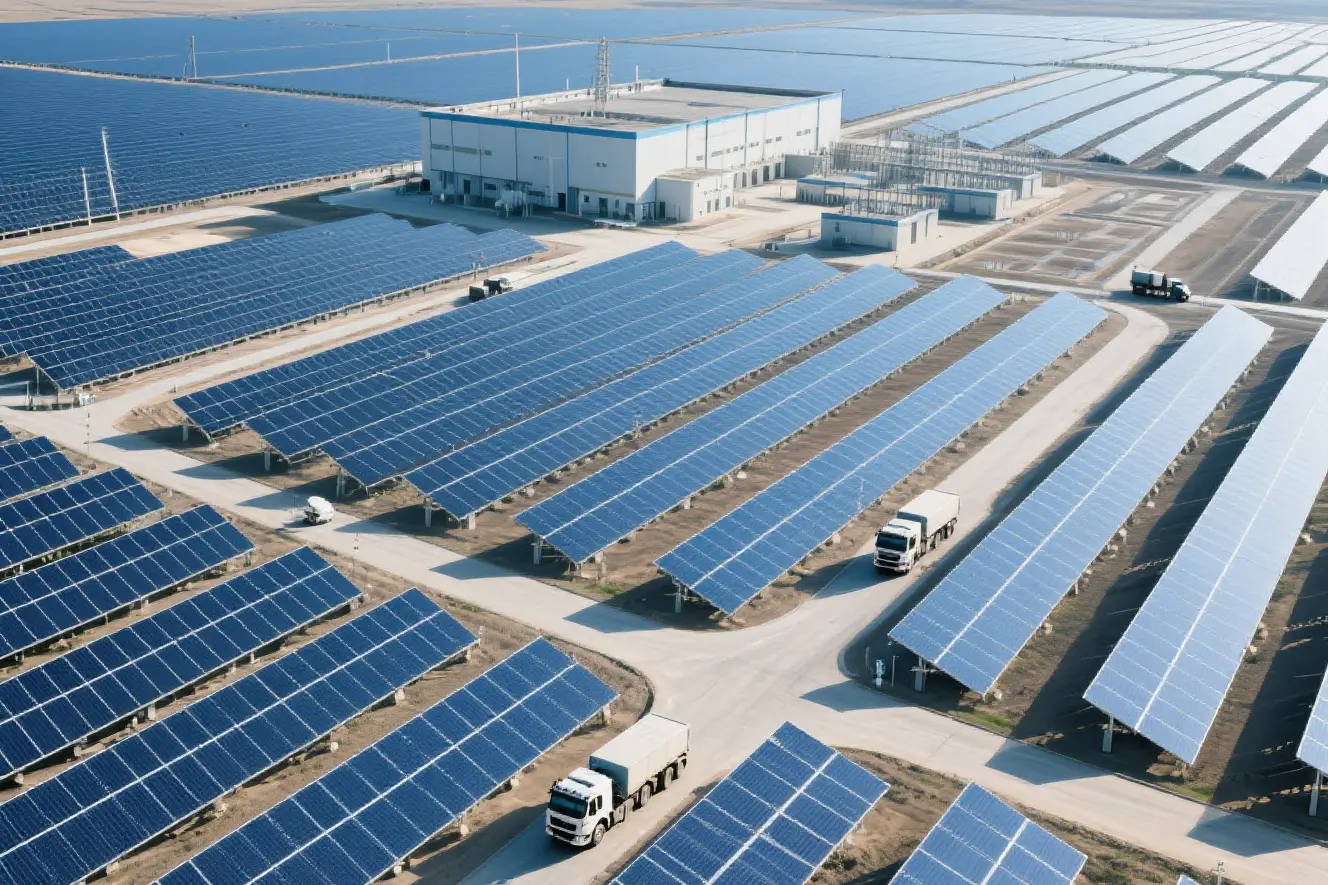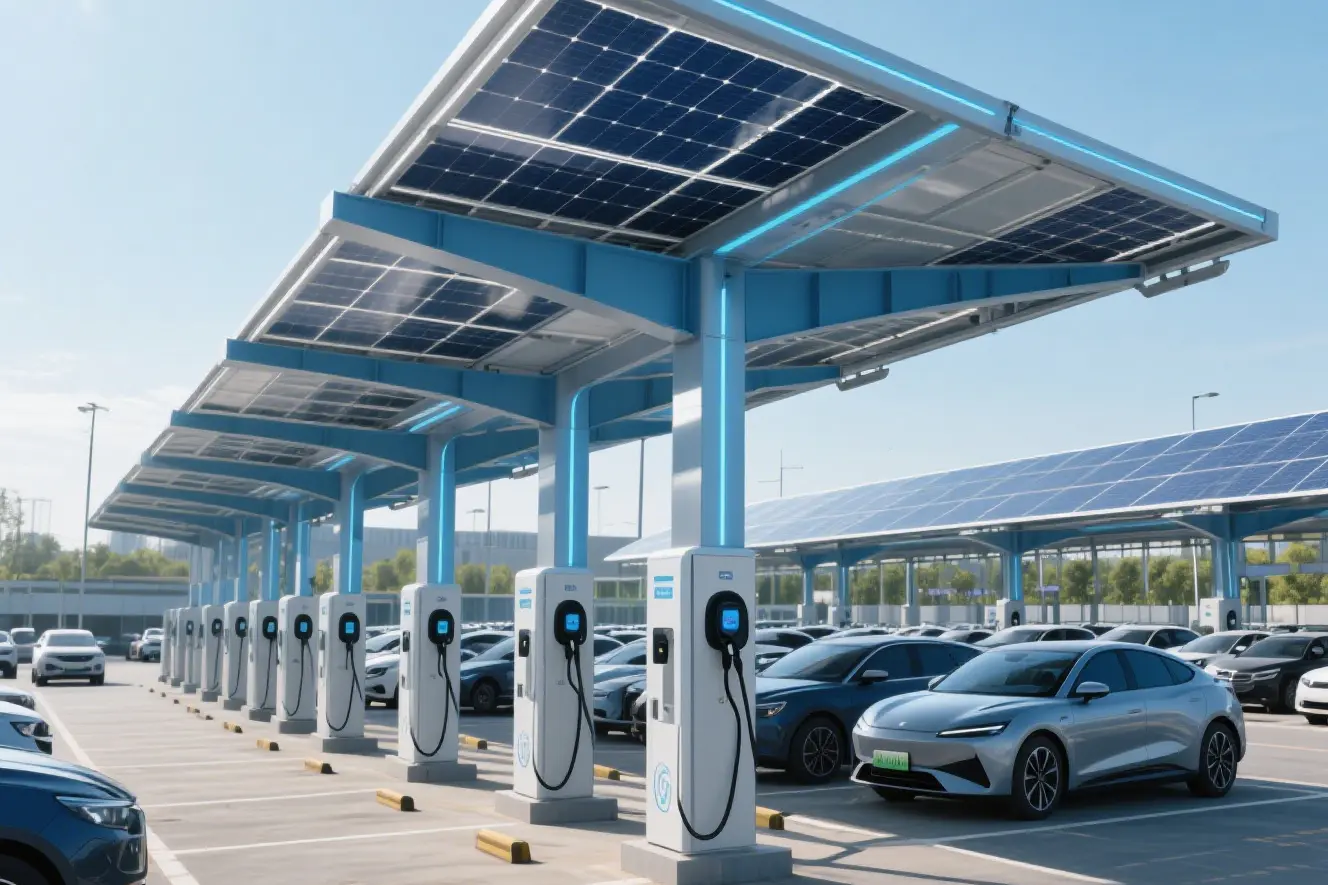
Select from our premium Tier-1 manufactured monocrystalline solar modules, lightweight polyurethane frames, and deployable portable charging solutions designed for emergency power generation.
In an era characterized by escalating climate volatility, grid vulnerability, and the imperative for absolute business continuity, the deployment of rapid-response photovoltaic (PV) generation is no longer optional. Emergency solar power stands as the primary decentralized shield against long-term blackouts, localized disasters, and grid isolation. Selecting the correct solar panel systems, resilient structural framing materials, and optimized energy storage modules requires deep technical foresight and an understanding of system topology under stress.
From an engineering standpoint, emergency solar system design must satisfy strict criteria: rapid deployability, extreme wind and snow load resistance, stable power output under diffuse light conditions, and chemical resistance to harsh operational environments. This technical document explores the integration of high-efficiency N-type and PERC monocrystalline panels, cutting-edge polyurethane and aluminum framing technologies, and modular lithium battery storage arrays, serving as a comprehensive blueprint for procurement teams, emergency services, and C&I operators globally.
Emergency solar systems differ significantly from standard grid-tied residential PV setups. These systems are typically deployed as standalone off-grid microgrids, requiring specialized power conversion hardware. To ensure immediate generation capability when grid assets fail, systems must integrate high-efficiency mono-crystalline modules with MPPT (Maximum Power Point Tracking) controllers, robust structural framing to withstand high-velocity winds, and high-density electrochemical storage. By using dual-glass configurations, we eliminate the thermal-stress failures associated with plastic backsheets, significantly boosting fire safety and structural performance in high-hazard areas.
How public services, military logistics, telecom providers, and remote agricultural projects leverage emergency solar systems to maintain continuous operations.
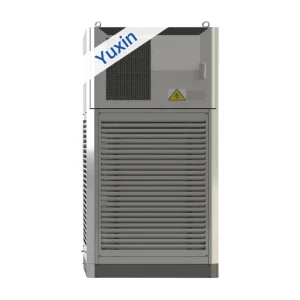
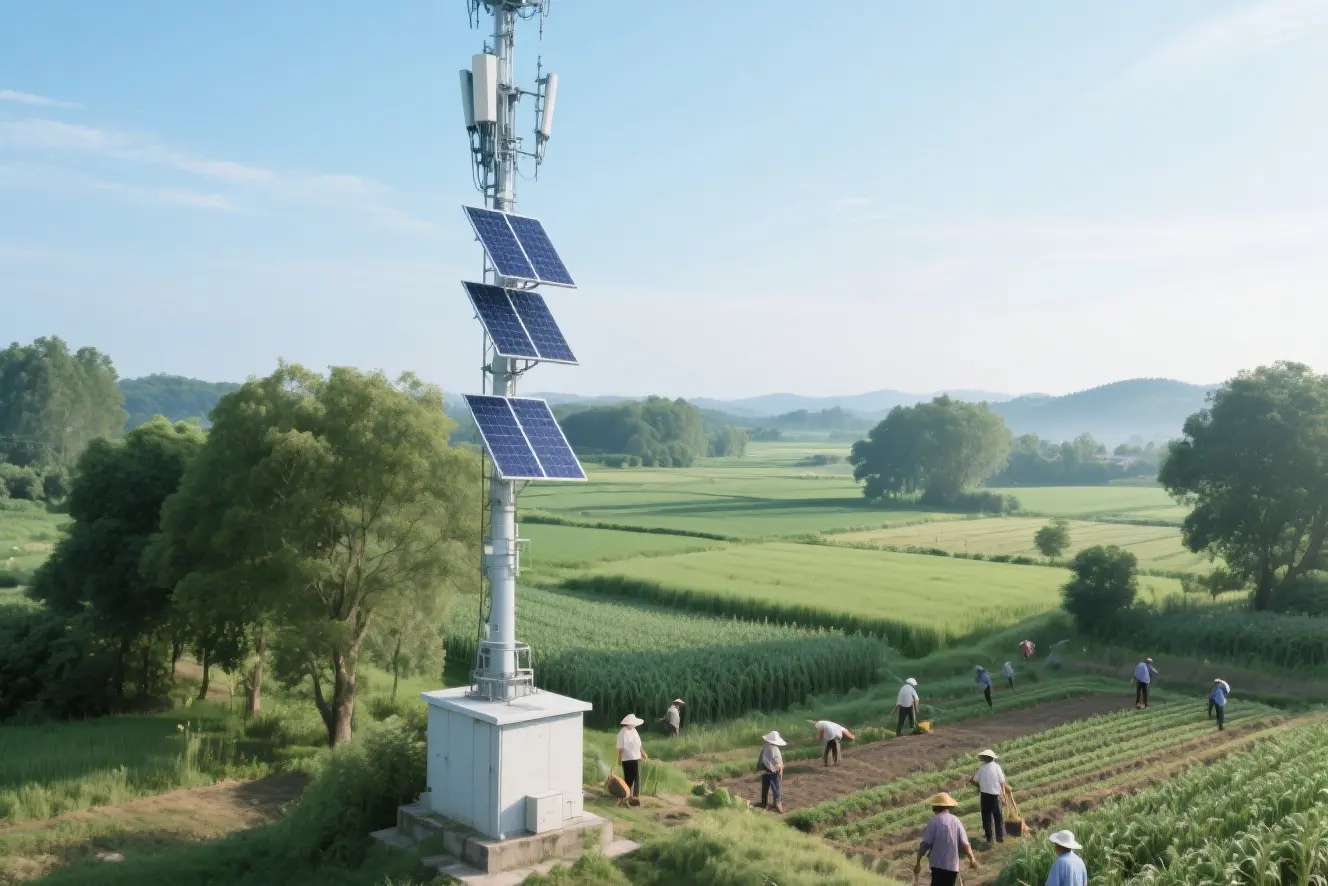
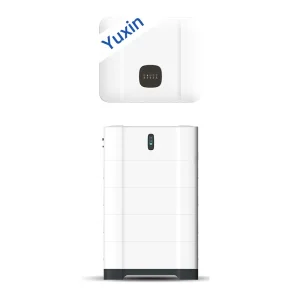
Remote telecommunication towers and fiber-optic relay stations require 99.999% uptime. During grid outages, high-efficiency TOPCon solar panels combined with modular commercial energy storage systems (such as the Y01-EC60-30K) keep local cellular networks online, enabling vital emergency communication channels during disasters.
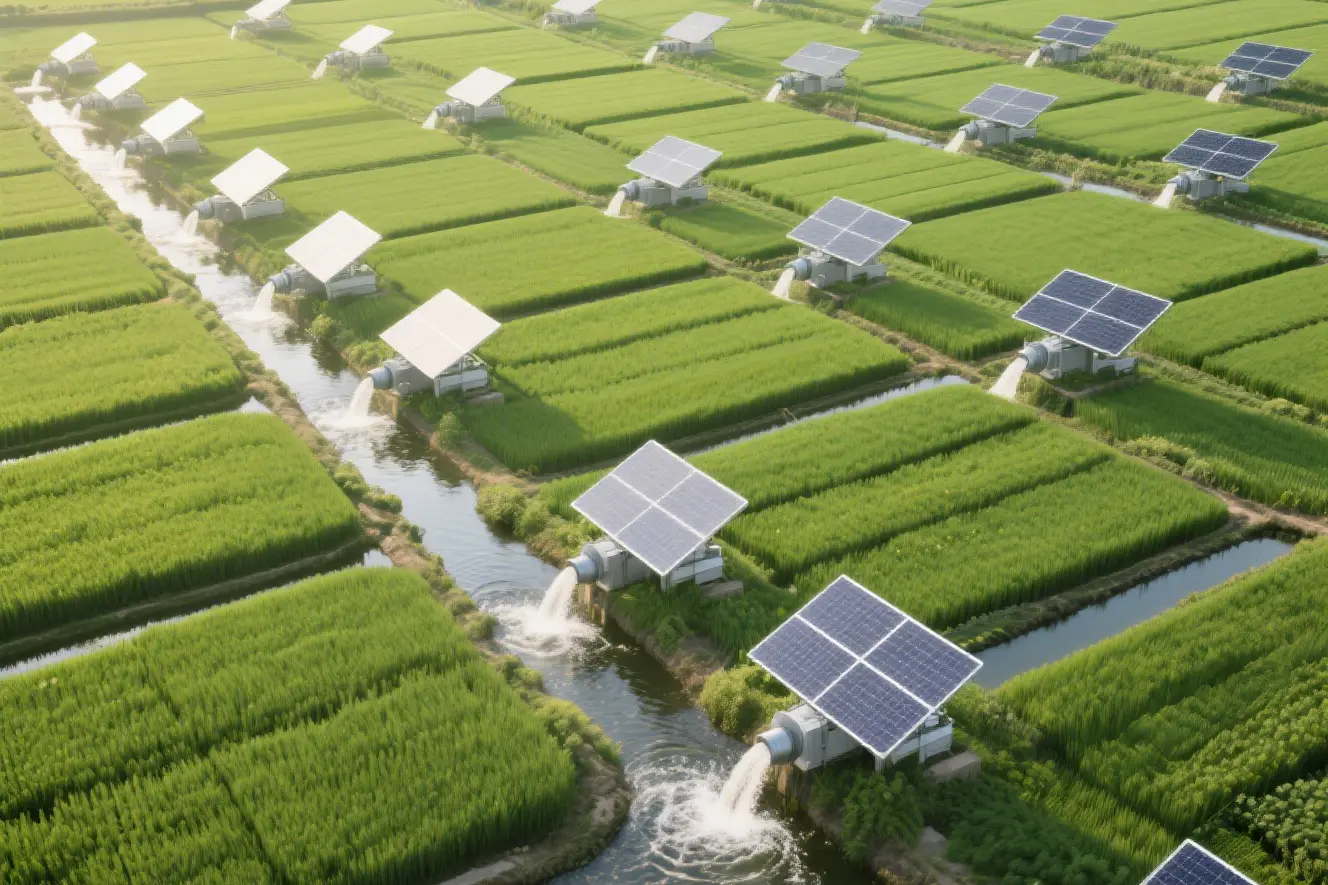
Off-grid agricultural operations rely on consistent water management. In emergency blackout scenarios or fuel shortages, solar-powered irrigation pumps and monitoring sensors powered by half-cell monocrystalline arrays ensure crop preservation and soil moisture management without relying on diesel generators.
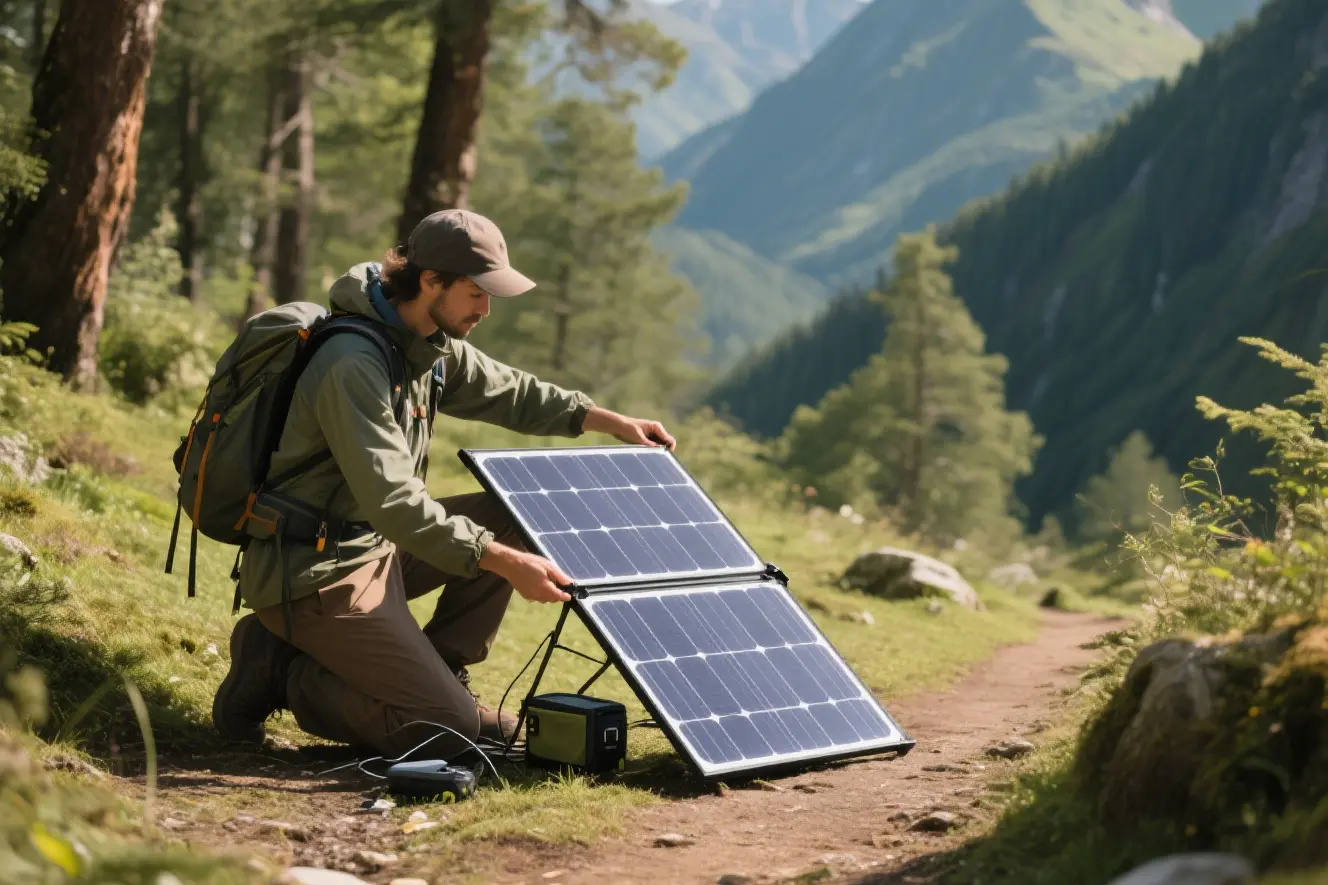
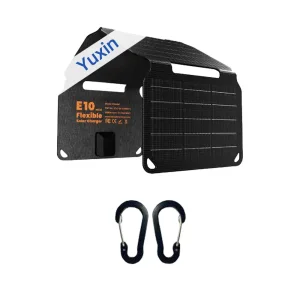
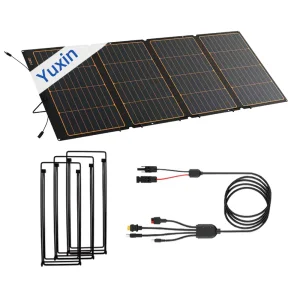
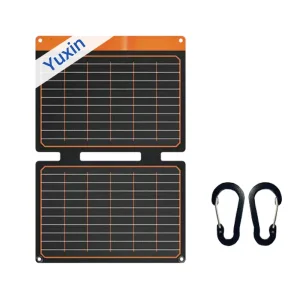
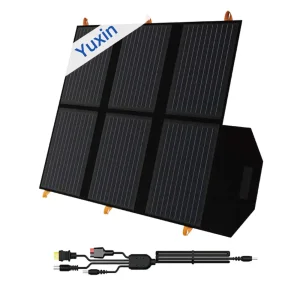
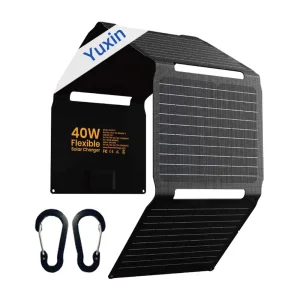
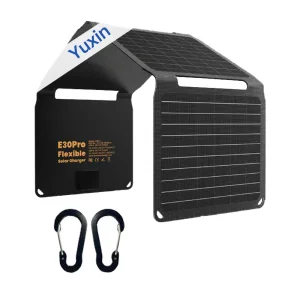
Field clinics, disaster response camps, and wilderness search teams utilize lightweight, waterproof solar backpacks (ranging from 10W to 60W output) to charge satellite communications, drone systems, and portable medical tools. These setups deliver immediate, localized power whenever and wherever it is needed.
The photovoltaic industry is undergoing a structural transition from P-type PERC (Passivated Emitter and Rear Cell) structures to N-type TOPCon (Tunnel Oxide Passivated Contact) and HJT (Heterojunction Technology) cell layouts. This shift is crucial for emergency power applications where solar collection area is often constrained. N-type TOPCon technology offers a cell efficiency limit exceeding 28.7%, translating to significantly more energy yield per square meter.
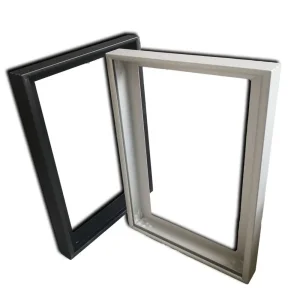
A major reliability bottleneck for solar modules deployed in harsh emergency environments (such as coastal areas, salt deserts, or chemical plants) has been the corrosion of traditional anodized aluminum frames. The industry is responding with sustainable polyurethane (PU) pultruded composite frames. These frames offer a zero-thermal-bridge solution, higher electrical resistivity (reducing PID - Potential Induced Degradation to near zero), and exceptional resistance to salt-mist, ammonia, and chemical corrosion.
Furthermore, the mechanical strength of polyurethane pultruded composites exceeds that of traditional aluminum, allowing panels to withstand extreme front loads of up to 6000 Pa (equivalent to major snow accumulation) and rear wind loads of up to 3600 Pa. This structural resilience ensures that emergency solar arrays remain operational when other infrastructure fails.
| Framing Material Property | Traditional 6063-T5 Aluminum | Polyurethane (PU) Pultruded Composite | Emergency Power Advantage |
|---|---|---|---|
| Tensile Strength (MPa) | ~180 - 220 | ~600 - 800 | Extreme wind/snow load tolerance |
| Electrical Resistivity (Ω·m) | Low (Conductor) | Extremely High (Insulator) | Zero risk of system-level PID |
| Thermal Conductivity (W/m·K) | ~200 | ~0.3 | Eliminates hot-spots at frame edge |
| Corrosion Resistance | Moderate (Susceptible to acid/salt) | Outstanding (Immune to chemical attack) | Decade-long marine & industrial survival |
YUXIN New Energy Technology Co., Ltd., established in 2008, operates at the heart of the world's most advanced photovoltaic manufacturing cluster in Yangzhou, Jiangsu Province. Positioned near major logistical channels including the Beijing-Shanghai Expressway, the Runyang Yangtze River Bridge, and the Ningqi Railway, we guarantee seamless transport of raw materials and finished products to global ports.
With 14 specialized subsidiaries under management, YUXIN has evolved into a vertically integrated PV materials specialist. Recognized as a National High-tech Enterprise and a Top 100 Private Enterprise in Gaoyou City, the group ensures the quality of every component—from raw material extrusion and anodized aluminum processing to dual-glass module lamination and modular battery assembly. This direct control over the supply chain insulates our clients from pricing volatility and component shortages during global supply disruptions.
Commercial and Industrial (C&I) facilities face increasing exposure to grid instability, leading to significant financial losses during outages. Establishing an on-site emergency solar microgrid helps mitigate this risk, offering a reliable backup system that protects critical operations. However, deploying these solutions globally requires navigating complex local grid codes and international standards.
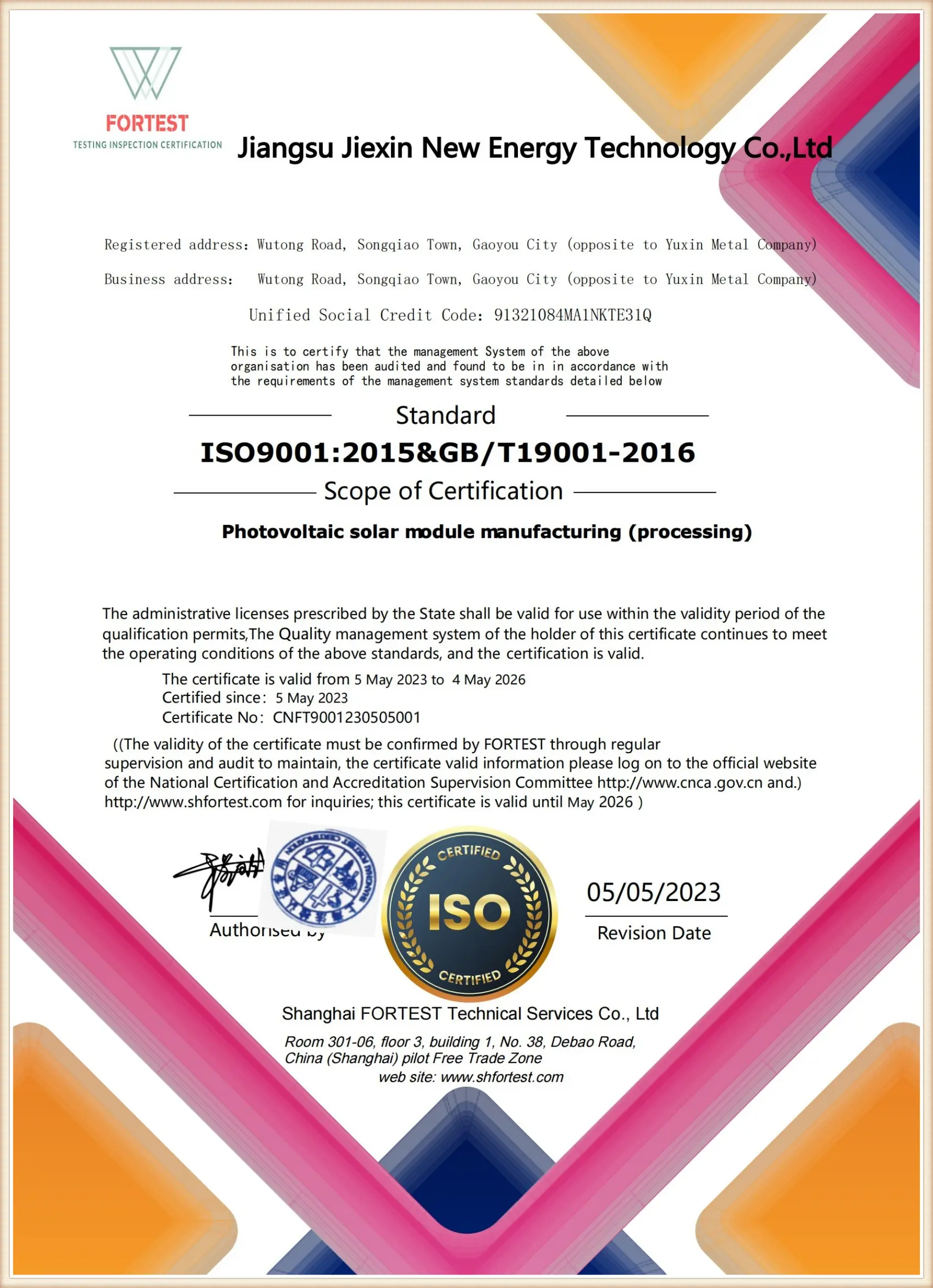
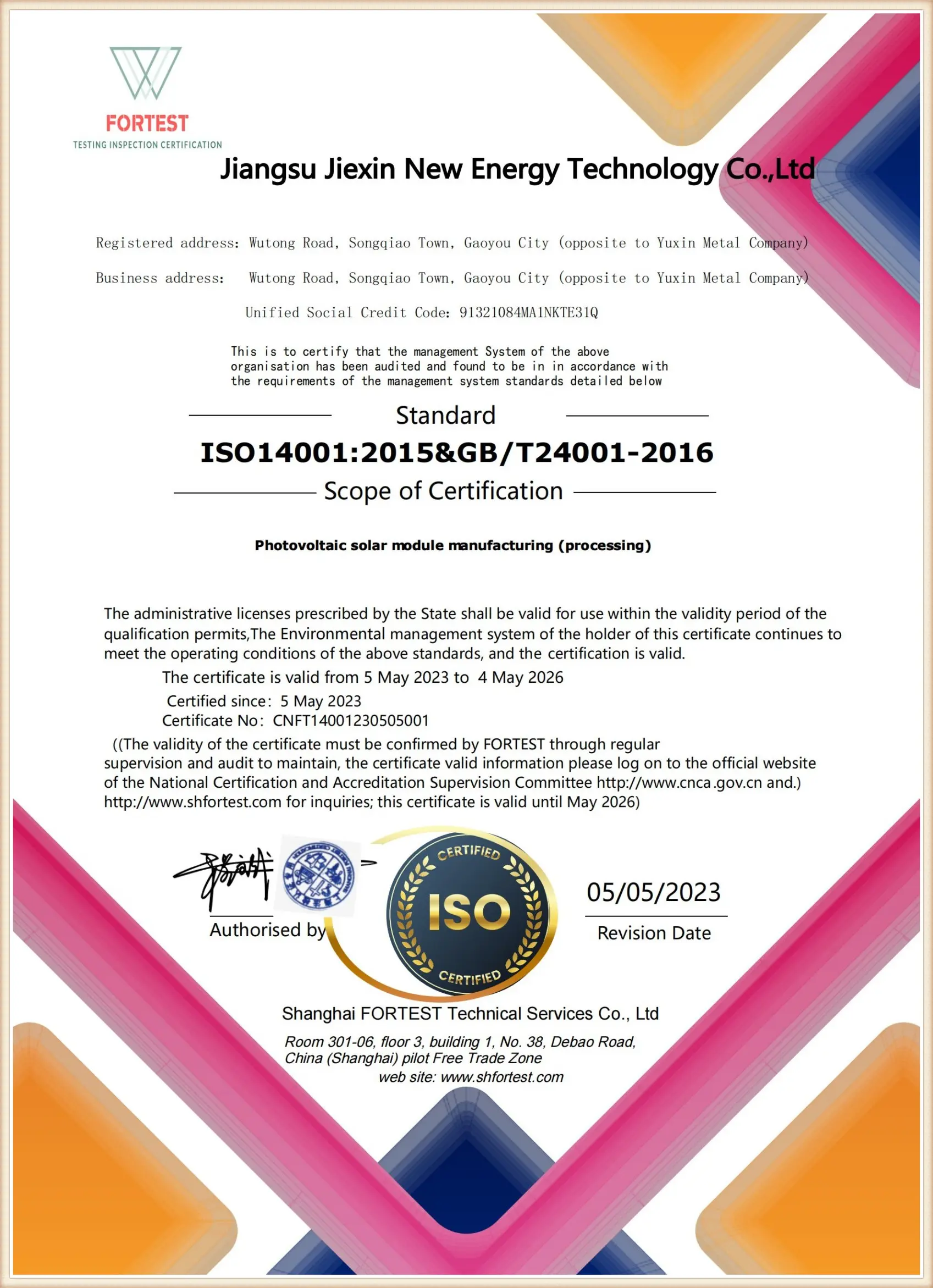
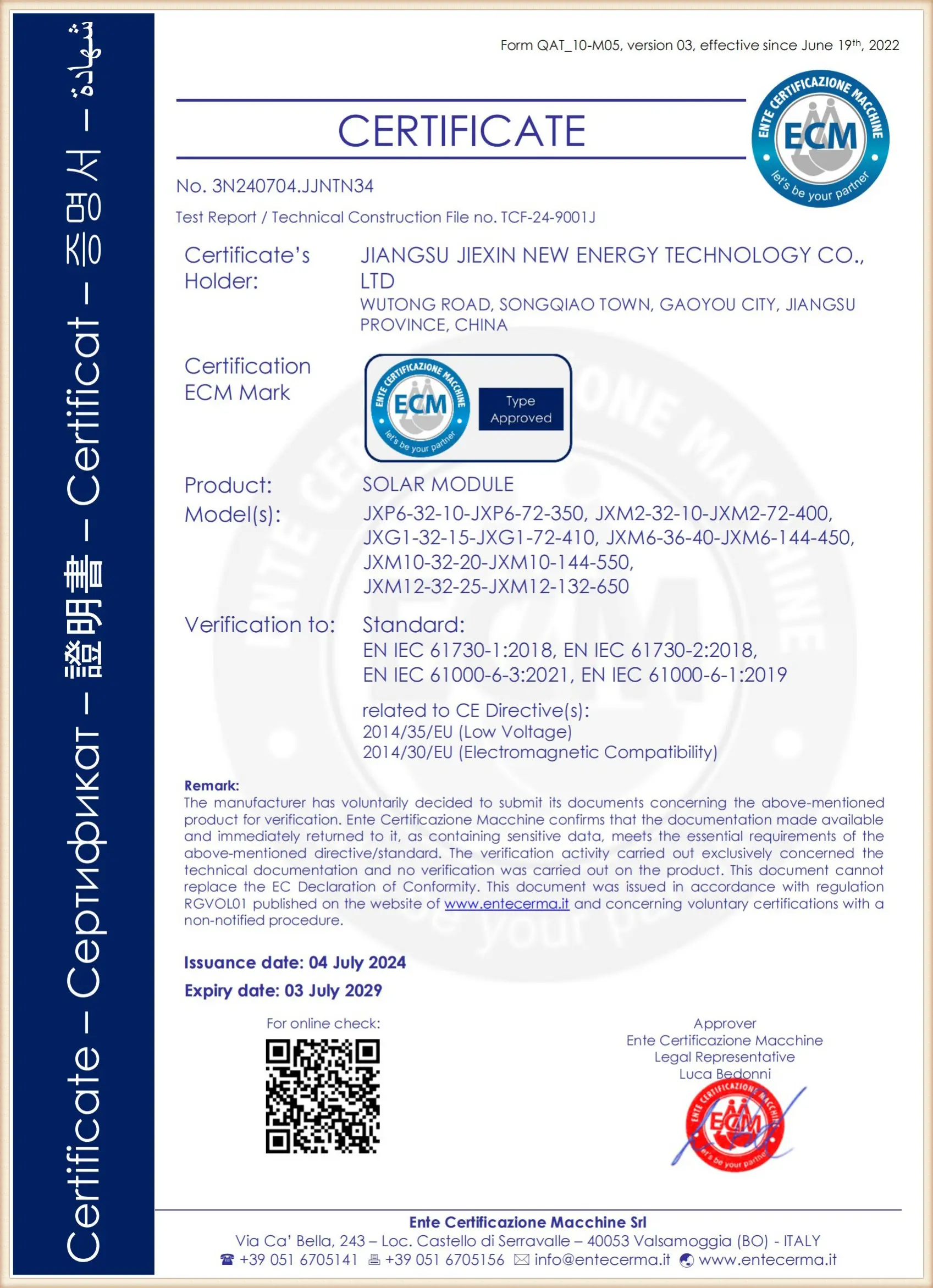
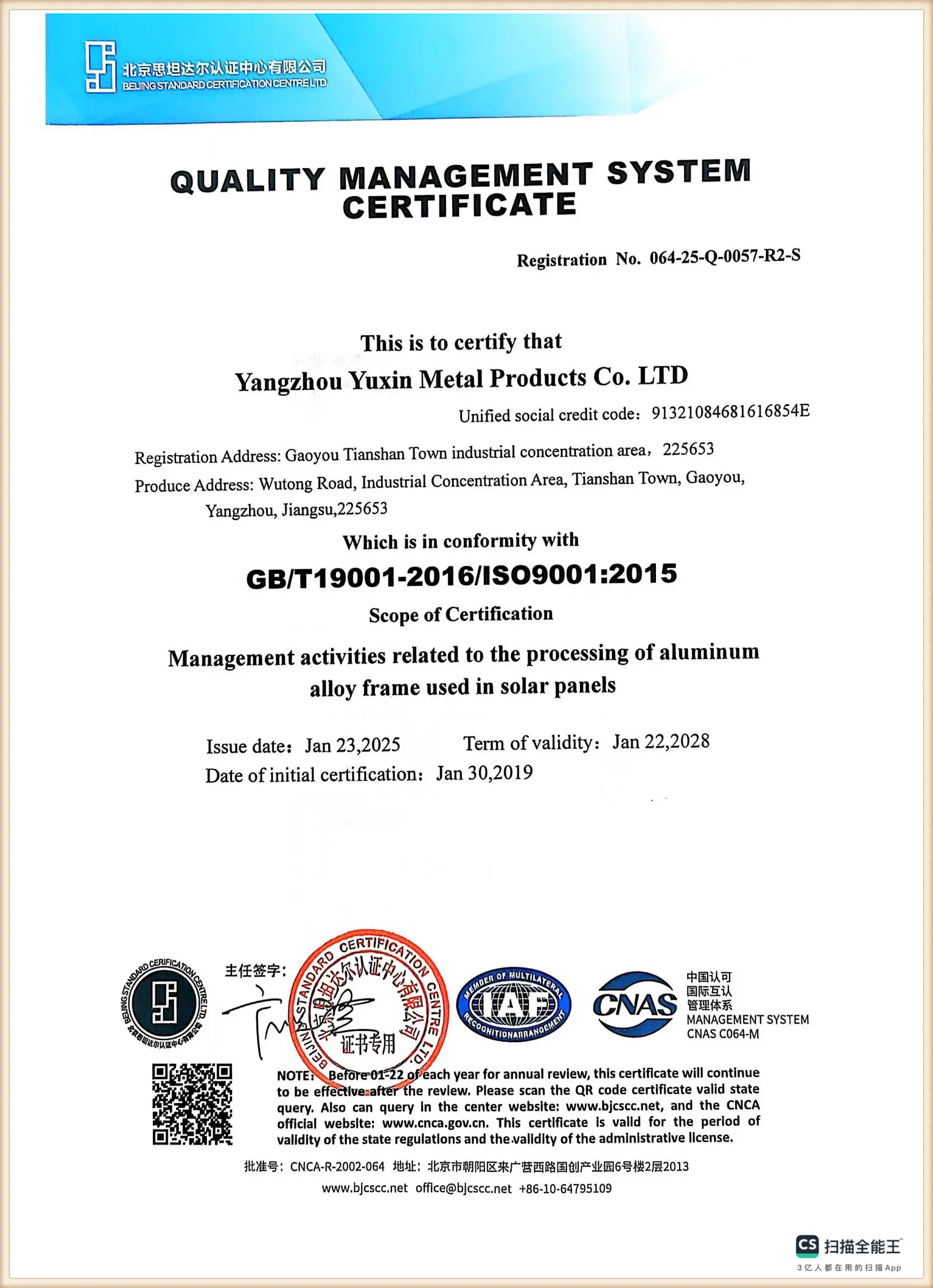
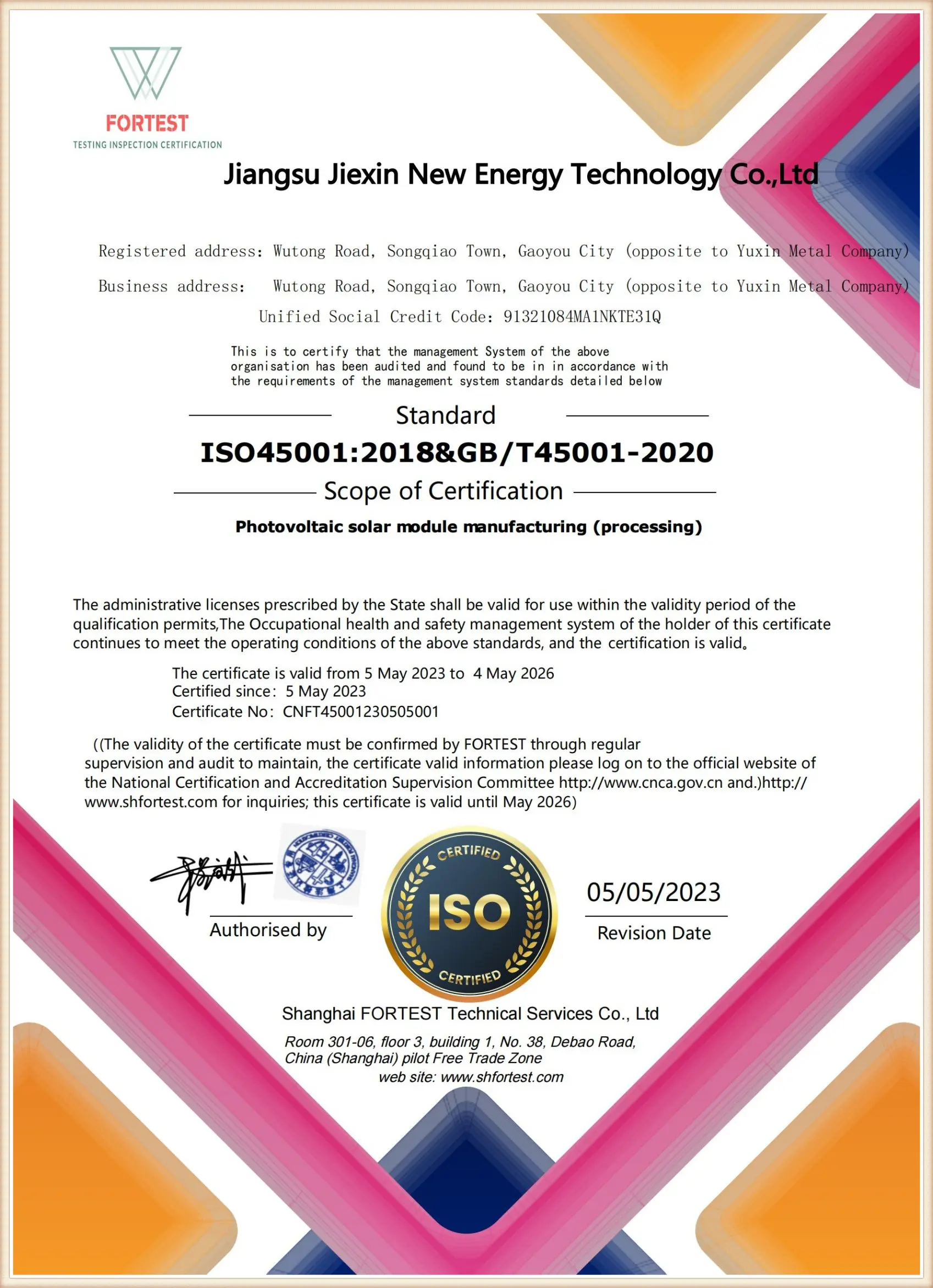
To ensure global compatibility, YUXIN's entire product range is engineered to meet strict international compliance standards. From mechanical load criteria to electrical safety, our systems carry globally recognized certifications, assuring developers of smooth permitting and safe grid-interconnection processes.
Designing cost-effective emergency power systems requires balancing initial capital expenditure (CAPEX) with long-term operational costs (OPEX). While cheaper components might lower upfront costs, they often lead to higher system-level failures when grid power is lost. The following pricelist framework outlines estimated costs for Tier-1 modules, structural components, and storage systems, helping procurement teams project accurate budgets.
| Component Classification | Technical Specifications | Estimated FOB Price Range (USD) | Deployment Capacity | |
|---|---|---|---|---|
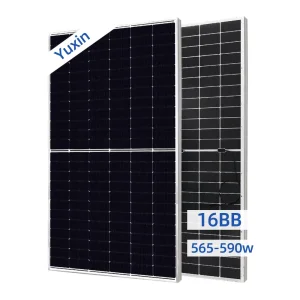
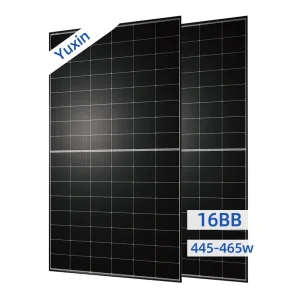
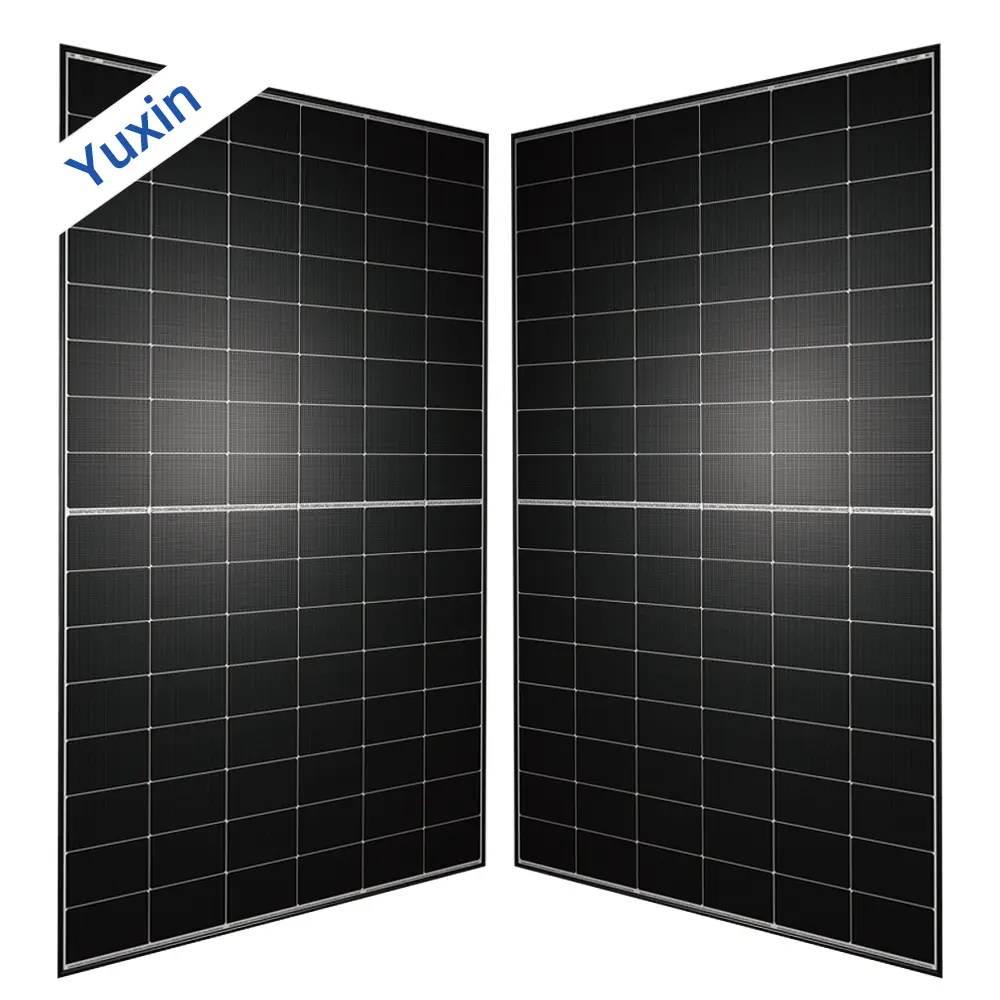
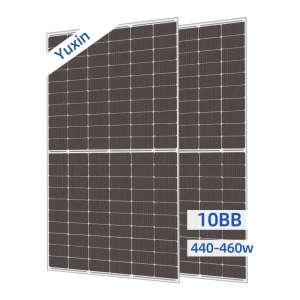
| N-type Dual Glass Module | 16BB, 445W - 465W, Black Frame | $0.105 - $0.125 / Watt | High-density C&I / Telecom backup arrays | |
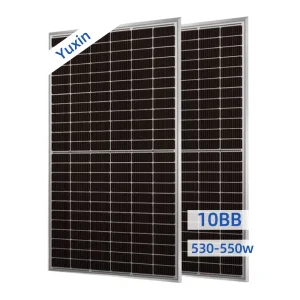
| PERC Monocrystalline Panel | 144 Half-cell, 530W - 550W | $0.098 - $0.115 / Watt | Utility-scale backup & agricultural microgrids | |
| Modular Energy Storage (ESS) | P01-EC60-30K Commercial Array | $8,500 - $11,200 / Unit | Critical corporate and facility power supply | |
| Polyurethane Composite Frames | Pultruded Profile, Custom Lengths | $1.85 - $2.40 / Meter | Corrosive environments, coastal setups | |
| Tactical Portable Charging Kit | 30W - 60W Foldable Waterproof Units | $28 - $65 / Unit | Mobile field workers and relief operations |
*Note: Prices are estimated based on bulk order volumes (min 1x20GP container load) and may fluctuate with raw material indices (Silicon/Aluminum) and shipping costs. Contact YUXIN sales engineers for a formalized project quotation.*
Equip your operations with mobile power banks, tactical backpacks, and residential energy storage systems to secure energy independence during power grid disruptions.
Through years of dedicated development, YUXIN New Energy has established strong, long-term partnerships with leading global distributors and installers, ensuring reliable system integration and local service delivery.

Our engineering configurations support key industries globally, ensuring stable power delivery across critical sectors.
Read the latest technical guidance and industry news from our research and design team.
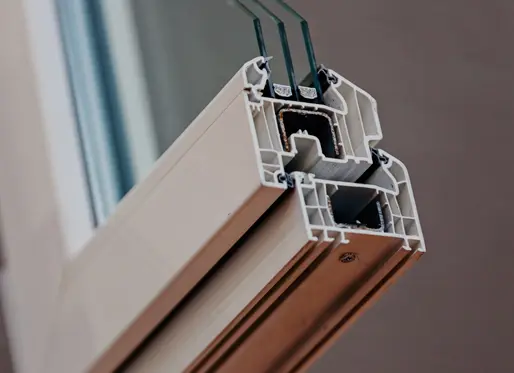
Discover the engineering differences between structural anodization and material composite profiles under high-load stress test conditions.
View Article →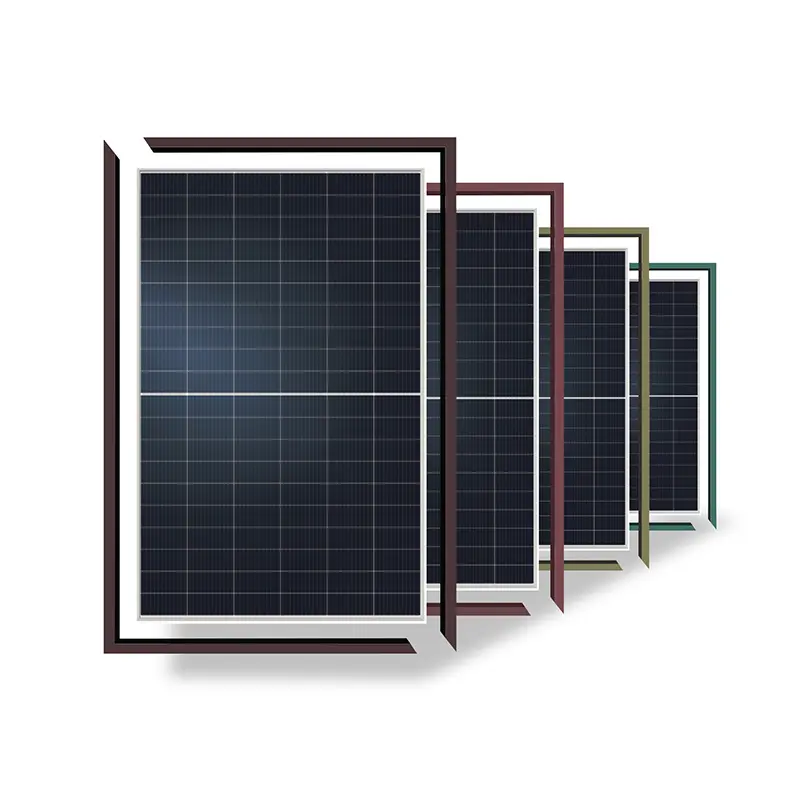
A procurement guide examining supplier capability, chemical raw materials validation, and export quality controls.
View Article →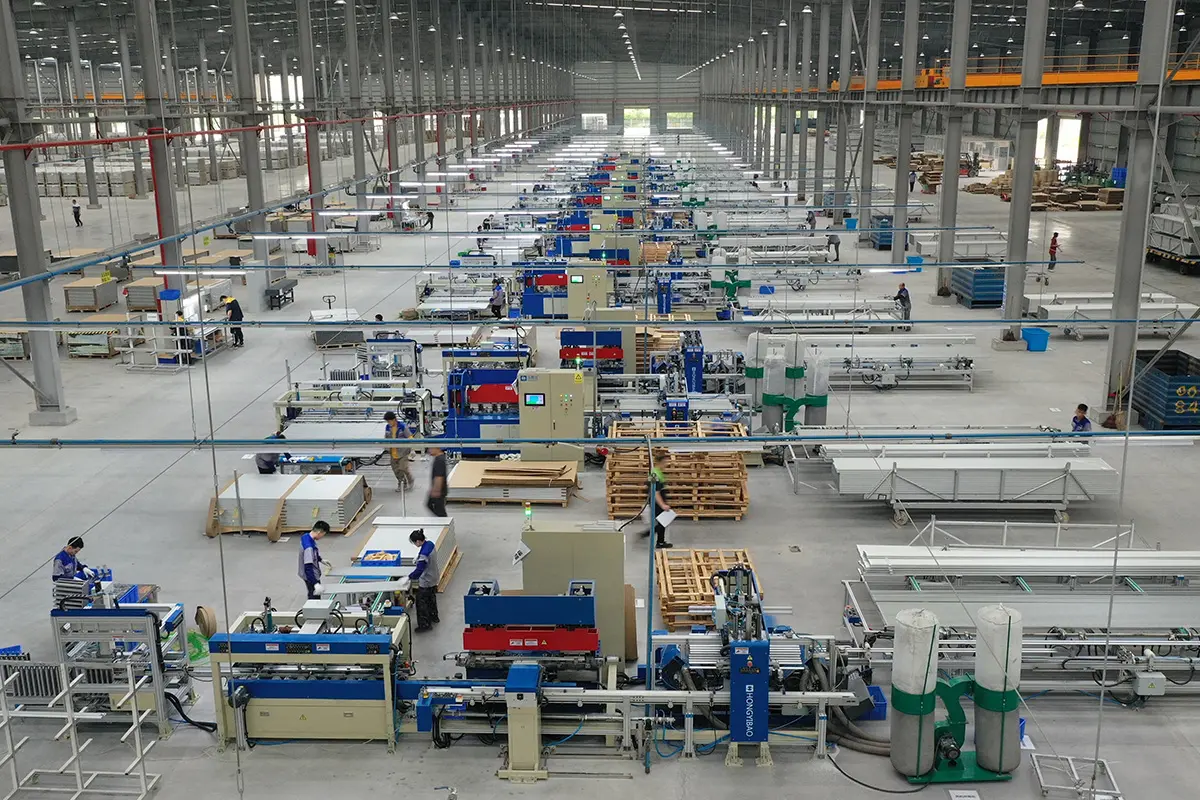
An in-depth look at testing tolerances for cross-sectional dimensions, coating thickness, and structural load limits.
View Article →Answers to key technical, structural, and commercial questions to assist engineering and procurement teams.