Industrial-grade microgrid components, high-wattage monocrystalline assemblies, and resilient off-grid modules.
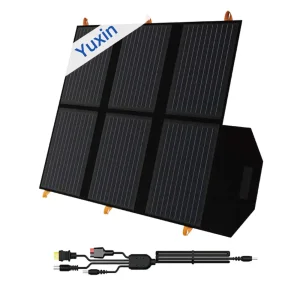
Analyzing semantic requirements, structural vulnerabilities, and the technological evolution of hurricane-resilient solar generators.
In an era of shifting global weather patterns and heightened weather volatility, the reliability of centralized power grids during extreme weather events is increasingly compromised. Hurricanes, typhoons, and localized convective storms present severe challenges to transmission lines and transformer substations. Consequently, industrial, commercial, and residential sectors are pivoting toward modular, localized renewable generation systems. High-capacity Solar Generators for Hurricanes have transitioned from optional outdoor accessories to critical infrastructure components necessary for business continuity and disaster relief.
Standard residential solar arrays are often vulnerable during severe storms due to frame failures and mechanical lifting forces. Modern engineering addresses this vulnerability in three key areas:
Enterprise procurement departments must design fallback power systems around rigorous regulatory compliance. When sourcing high-capacity emergency systems, critical points include:
Established in 2008 in Yangzhou, China, delivering precision-engineered solar frames, modules, and commercial battery backups globally.
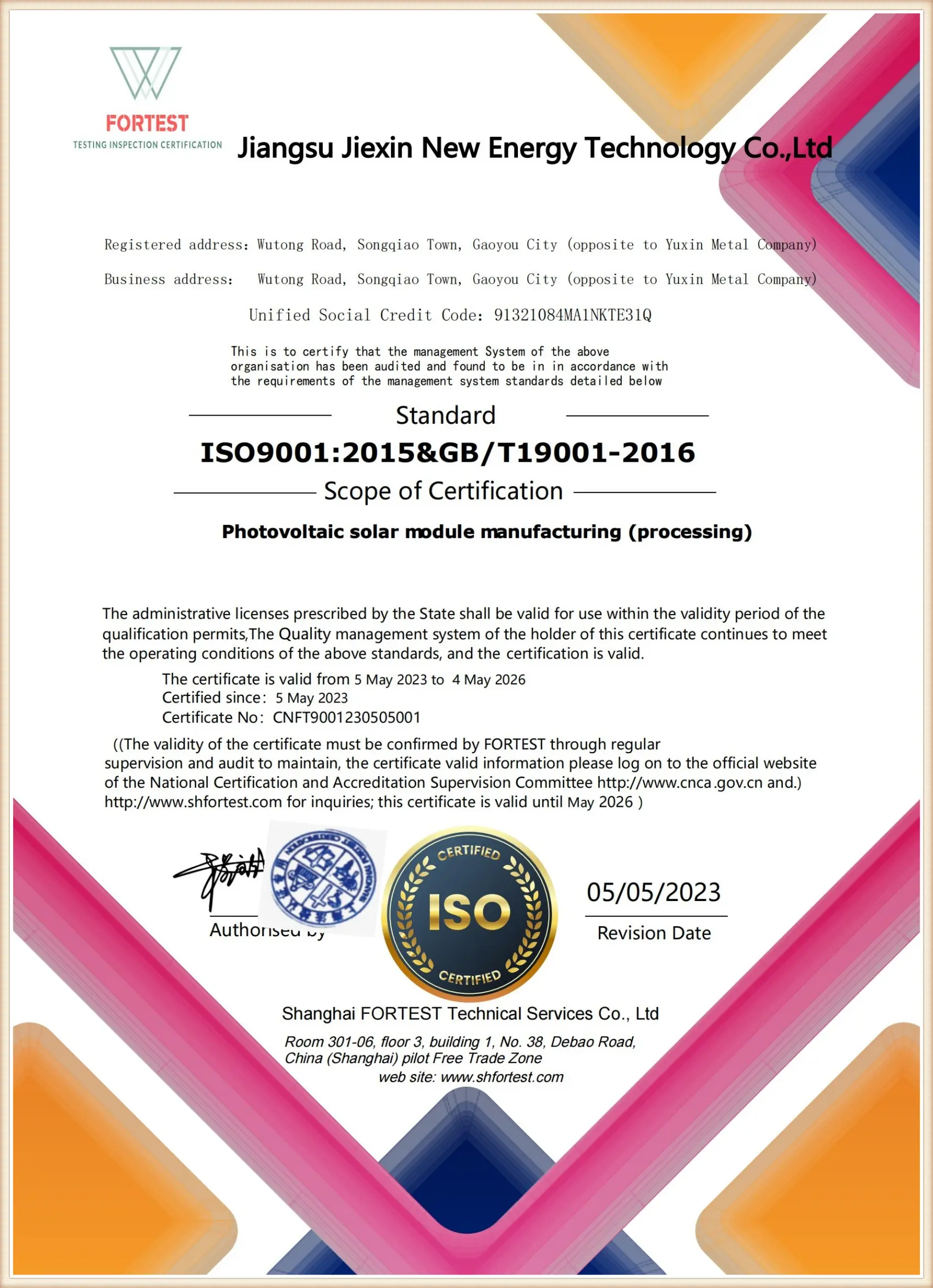
Jiangsu Yuxin New Energy Technology Co., Ltd. operates as a key manufacturer of advanced solar sub-assemblies. Situated strategically near the Beijing-Shanghai Expressway and the Runyang Yangtze River Bridge, our manufacturing complex facilitates direct transport links to global ports. Over the last decade and a half, the group has developed 14 dedicated industrial companies and earned recognition as a National High-Tech Enterprise and an elite private manufacturing enterprise in Gaoyou City. Our facility specializes in high-tolerance anodized aluminum profiles, composite pultrusion, and industrial energy storage systems.
How automation and advanced logistics protect production schedules from external disruption.
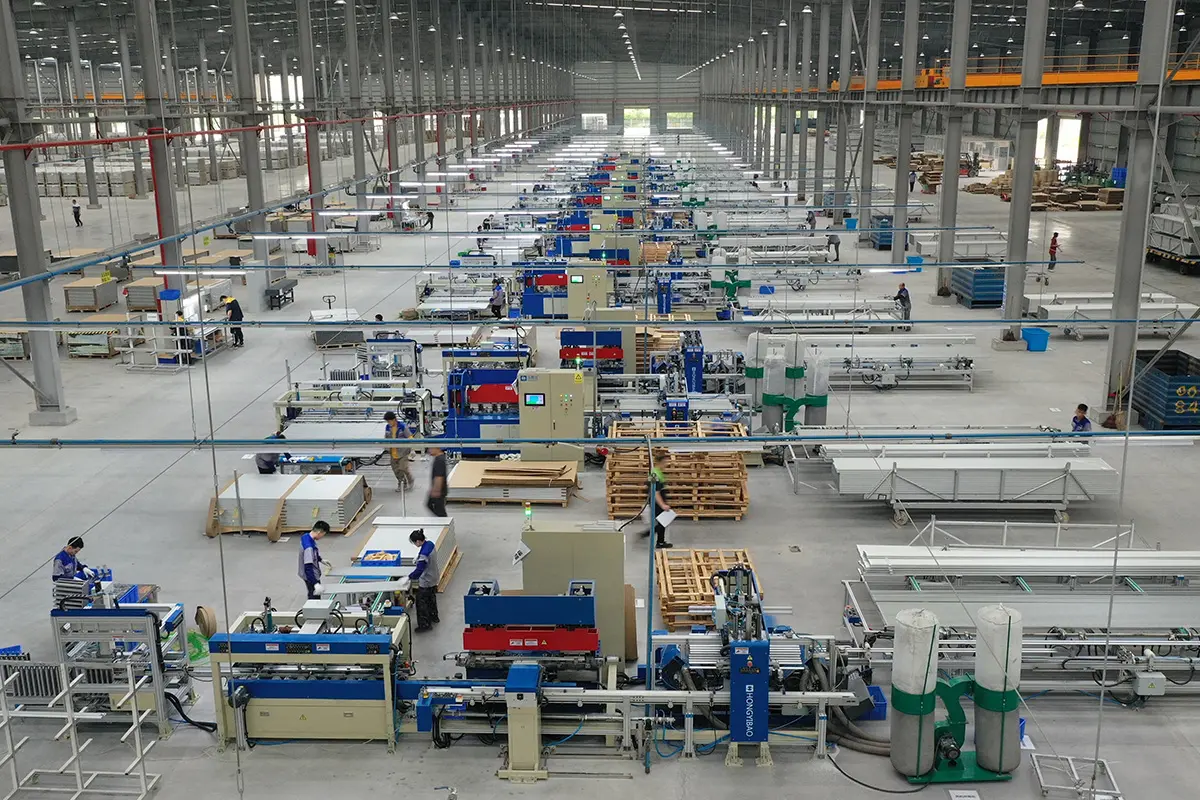
To support global supply chains against systemic disruption, the YUXIN manufacturing ecosystem integrates Factory 4.0 principles. Computer-controlled pultrusion and automated anodizing lines reduce dimensional variances to sub-millimeter tolerances. By tracking metallurgy, chemical baths, cell sorting, and pack testing within a unified system, we provide complete transparency for international buyers.
This level of integration is essential for emergency backup manufacturing. A solar system intended for hurricane recovery must perform reliably upon deployment. Our facilities use automated optical inspection (AOI) to analyze silicon wafers, ensuring that micro-cracks—which can lead to catastrophic module failure under high storm wind loads—are identified and rejected before frame integration.
Specialized structural and electrical PV components designed for severe-weather applications.
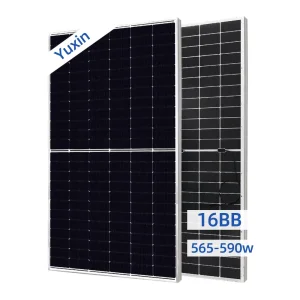
Lightweight design with transparent back panel for easy installation and reduced balance of system (BOS) costs.
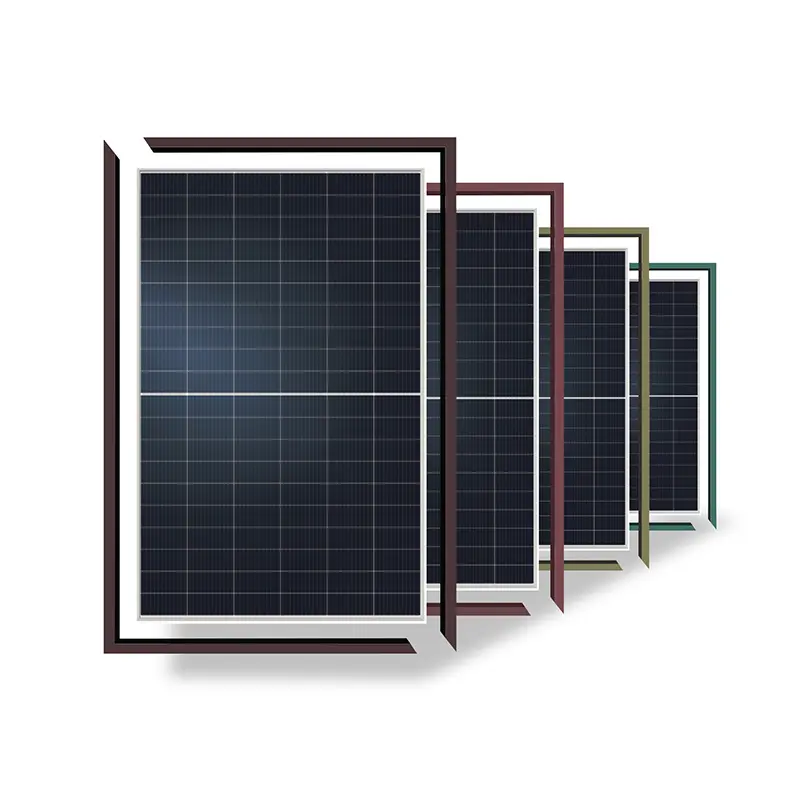
Utilizing advanced monocrystalline silicon cells, it achieves a high energy conversion efficiency of 24% for remote emergency deployments.
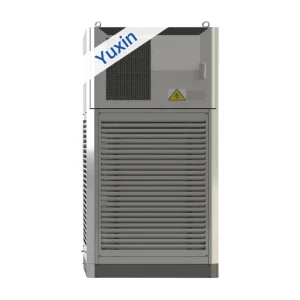
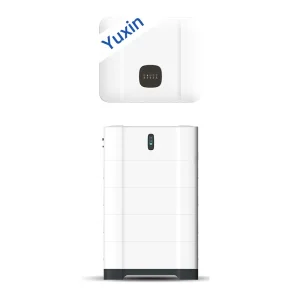
Application modes include grid-connected mode, off-grid mode, and integrated grid-connected/off-grid mode for seamless storm backup.
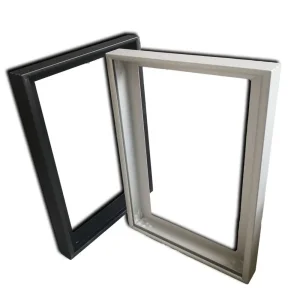
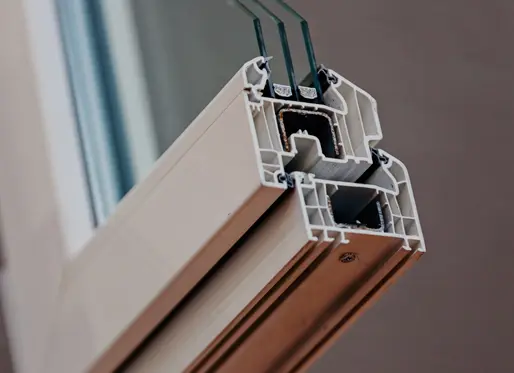
Made of high-quality anodized aluminum, it ensures superior weather resistance and a smooth, long-lasting finish.
Our structures and solar sub-assemblies undergo testing to comply with international mechanical load and wind resistance standards.
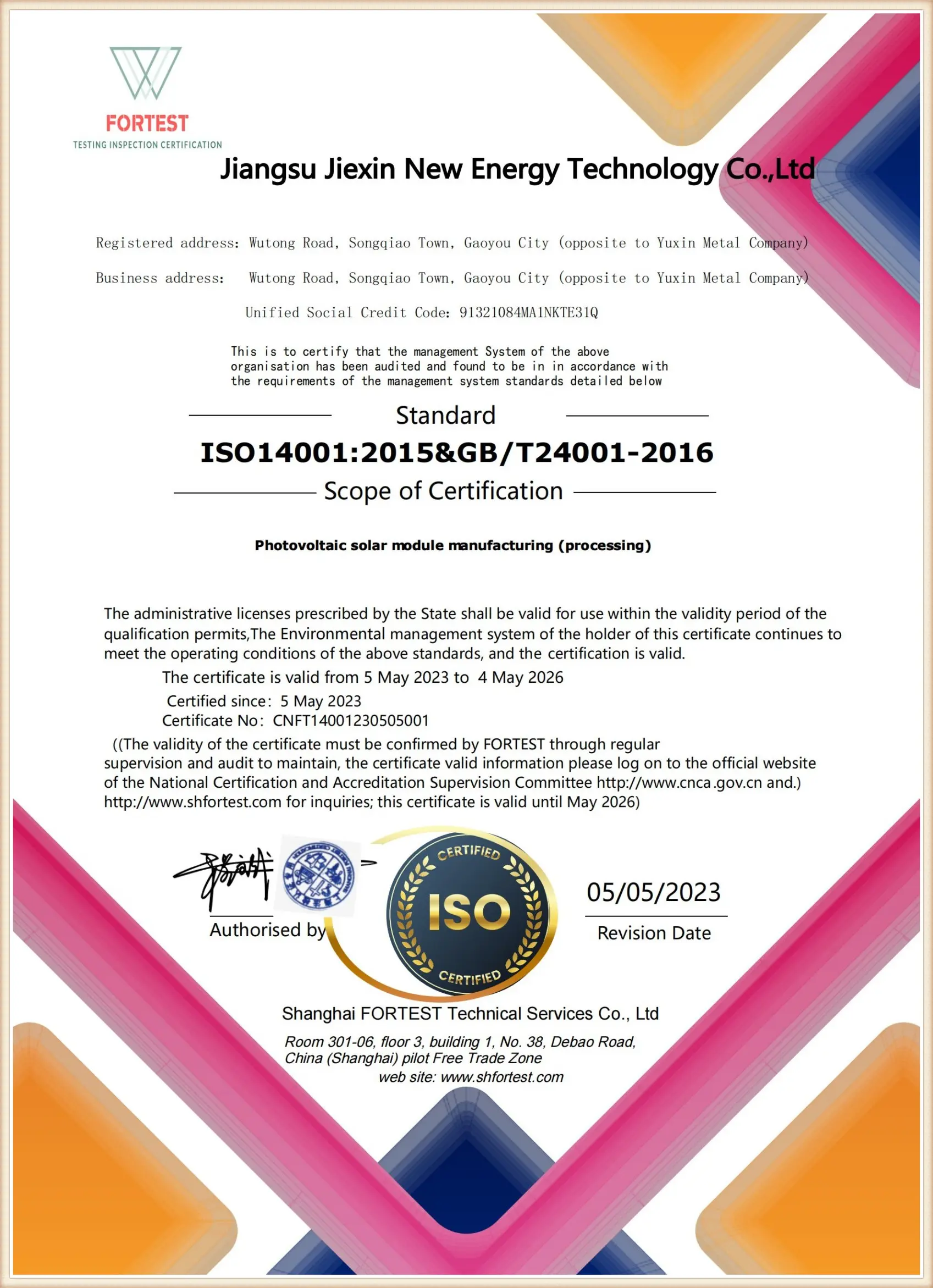
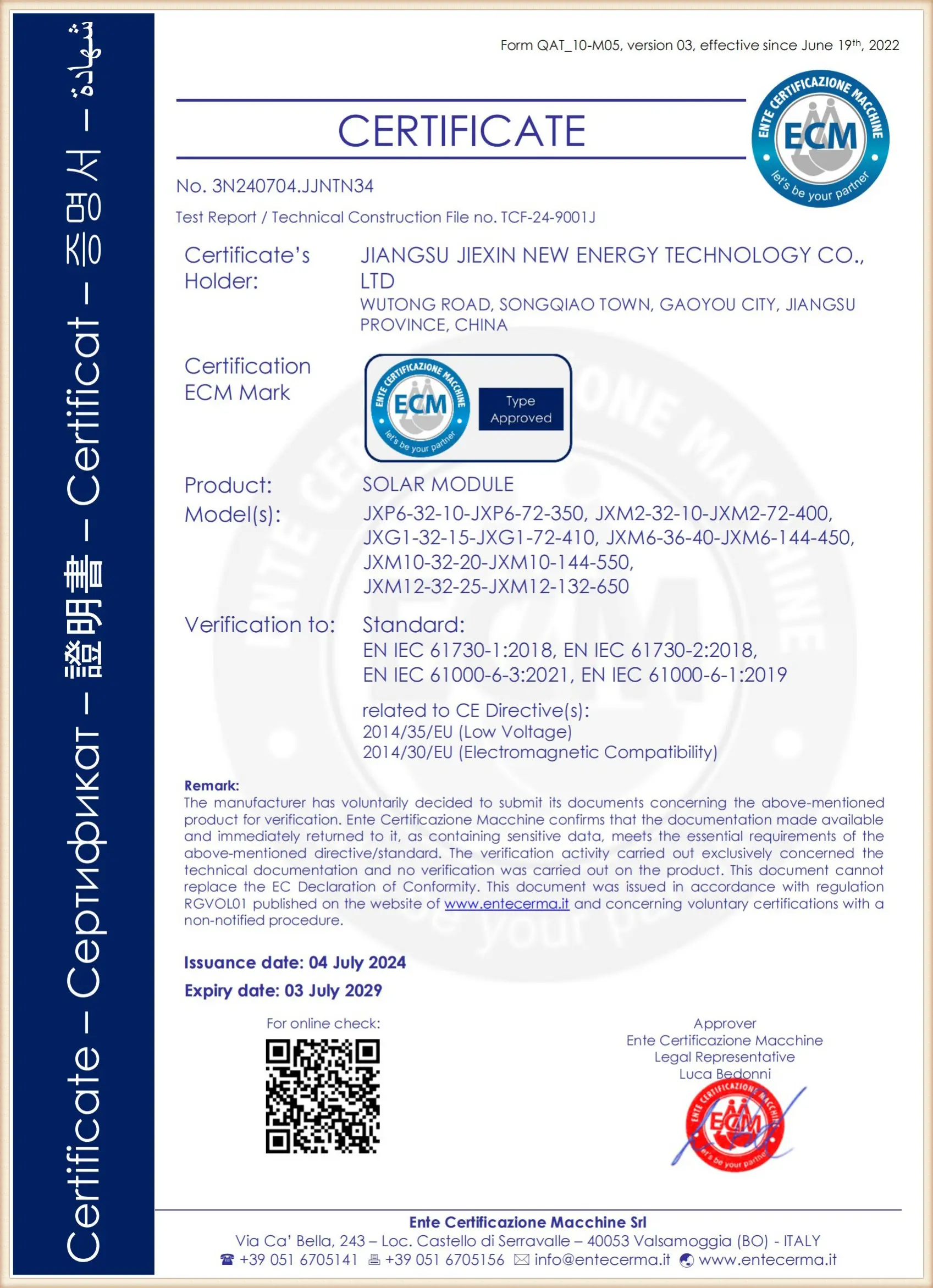
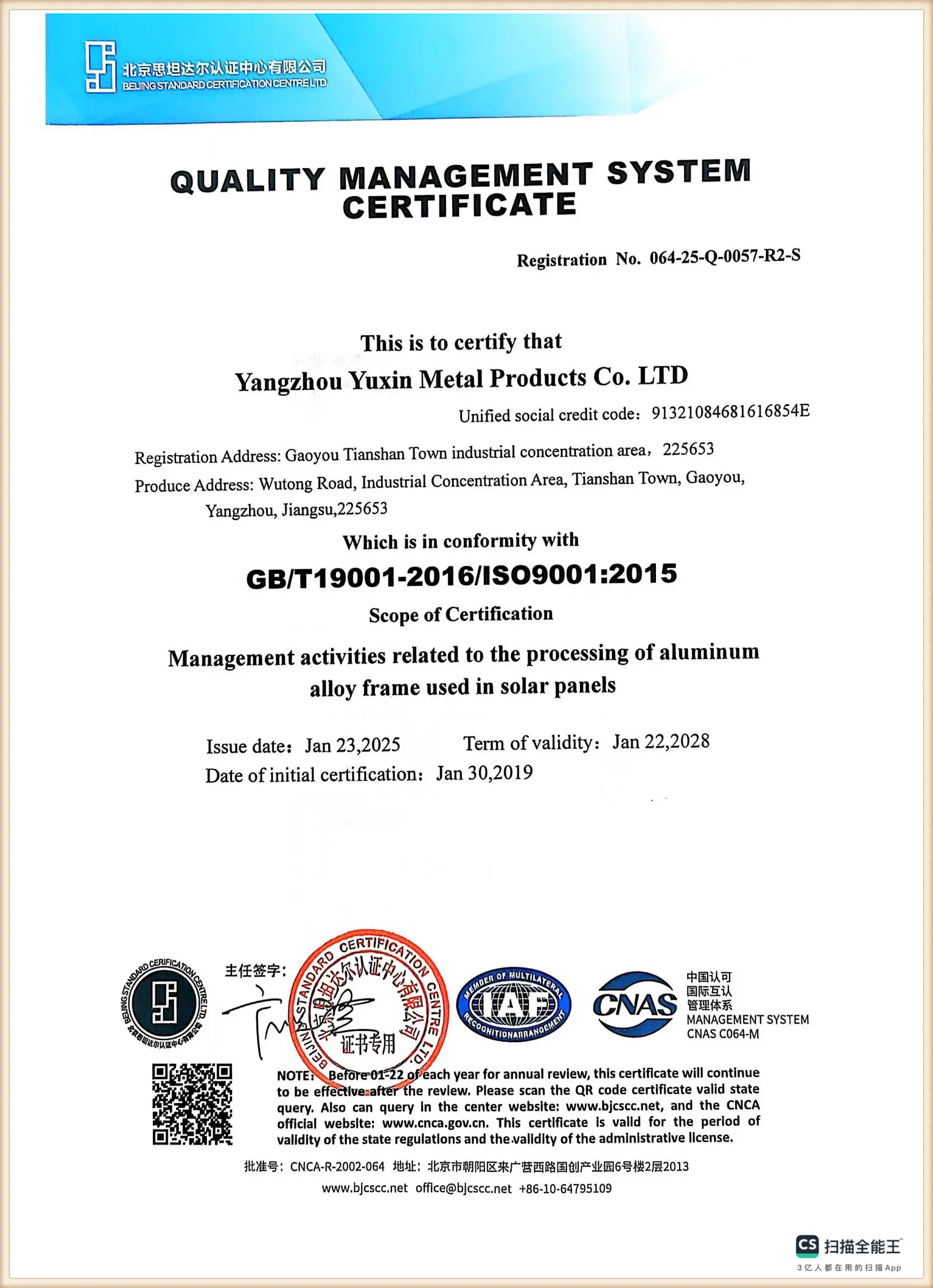
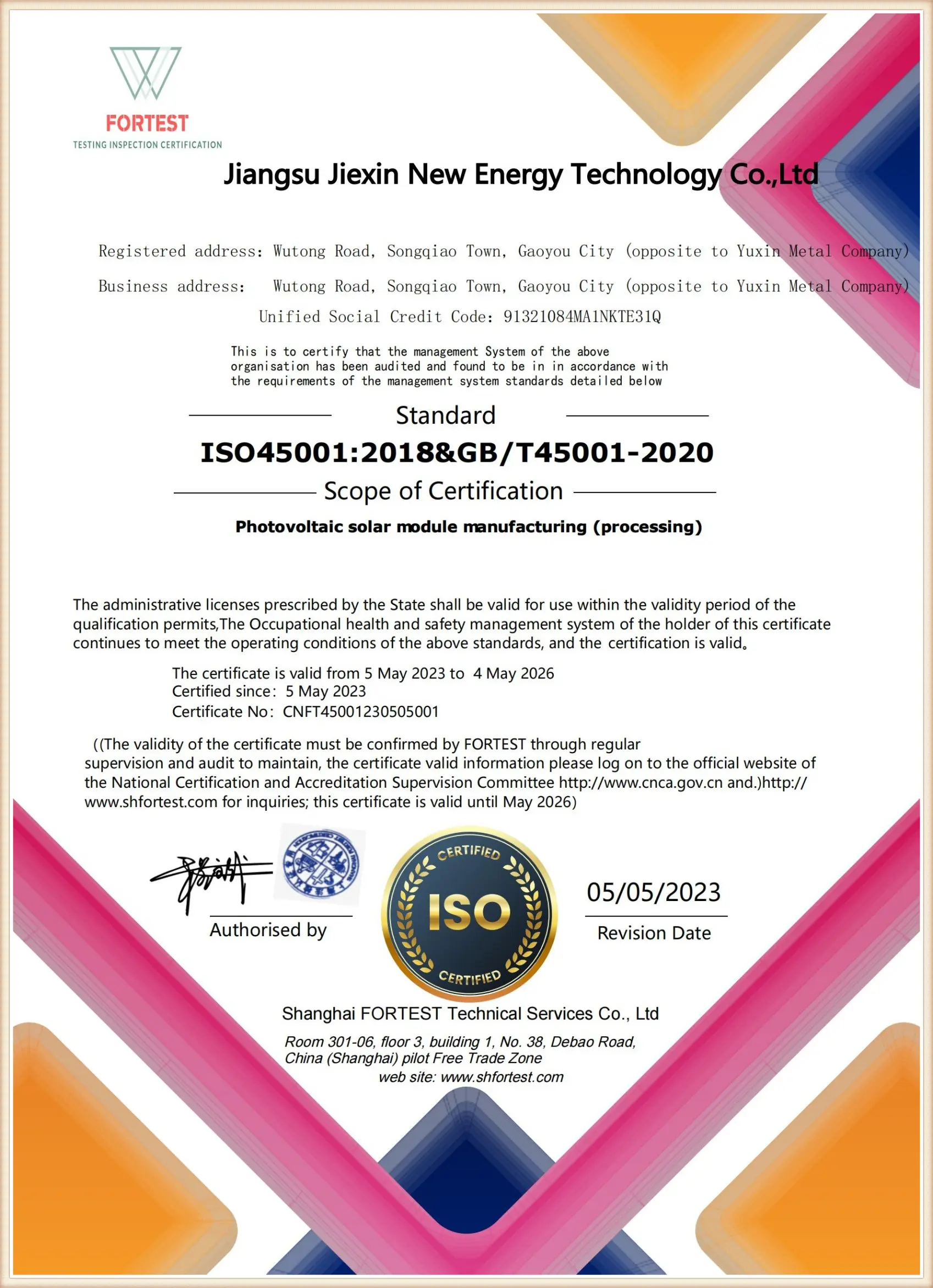
Providing off-grid power, structural durability, and energy recovery across diverse operational landscapes.
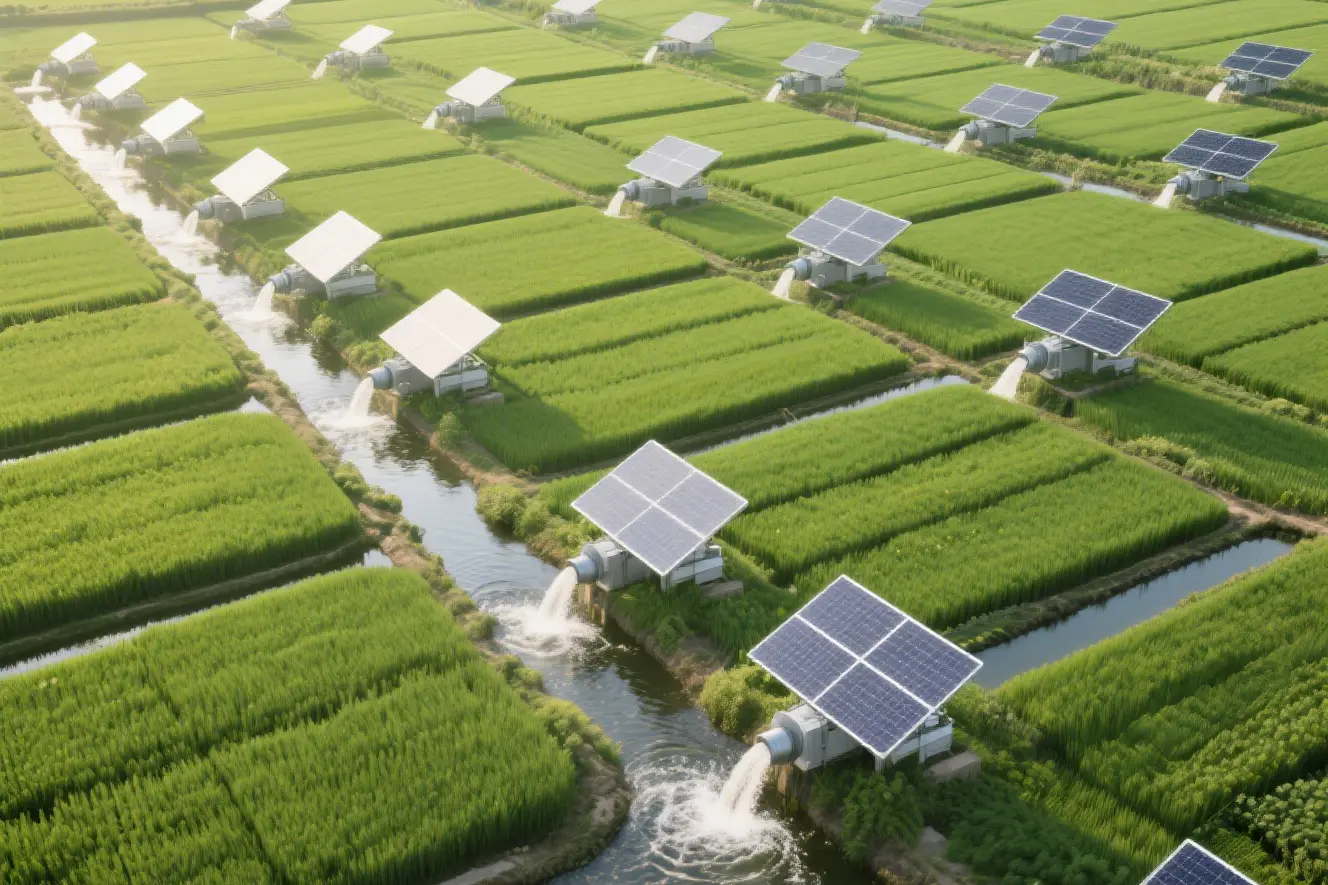
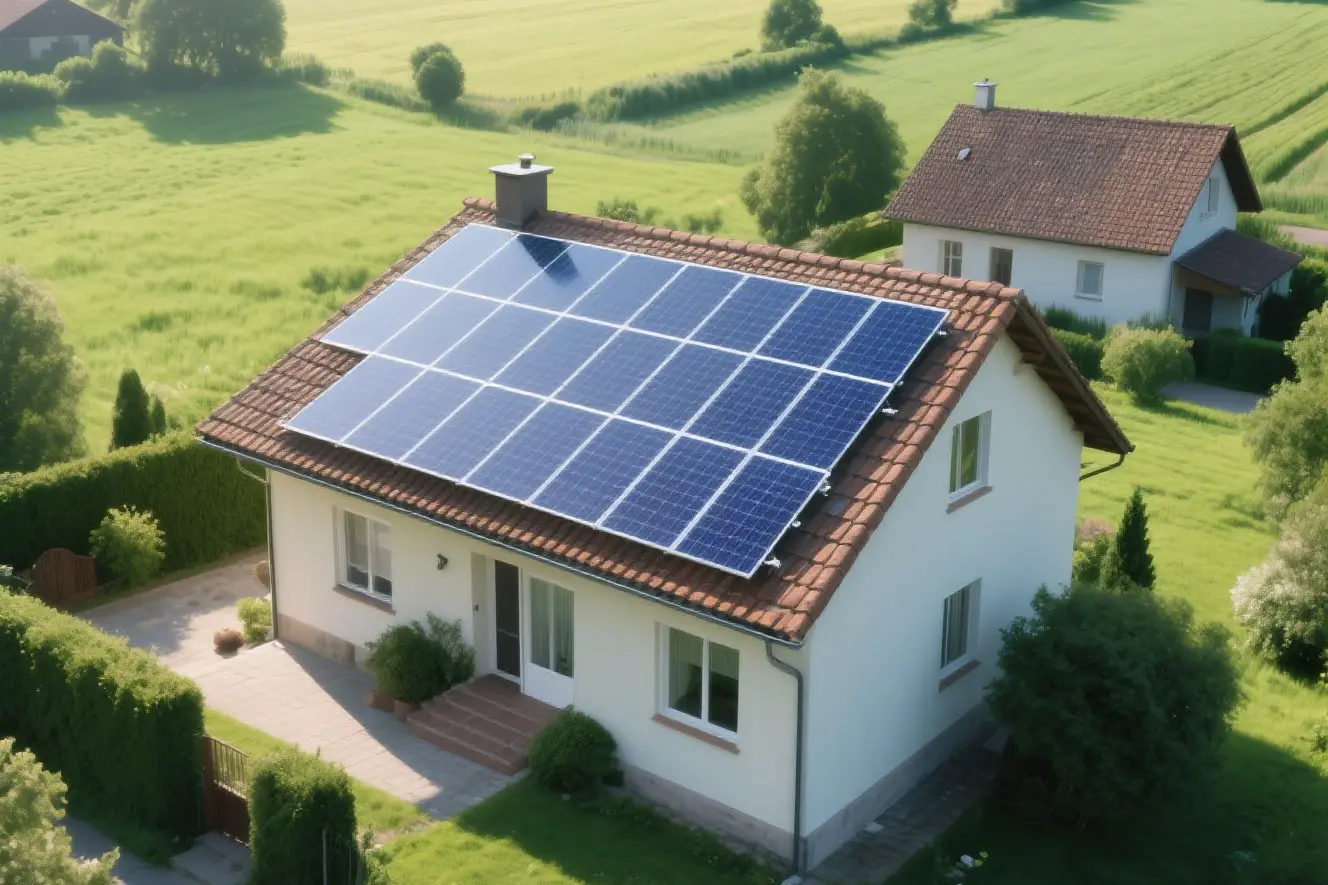
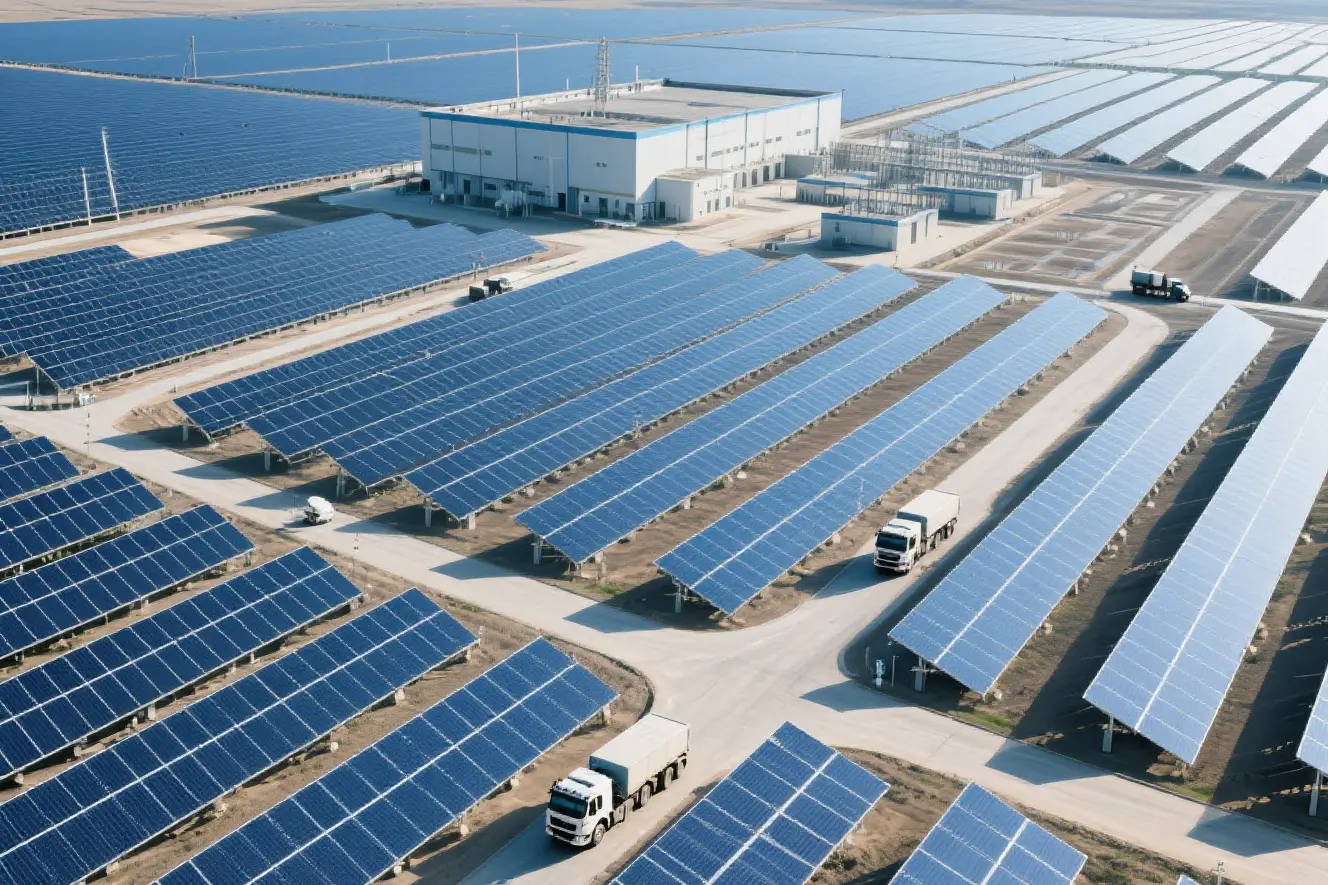
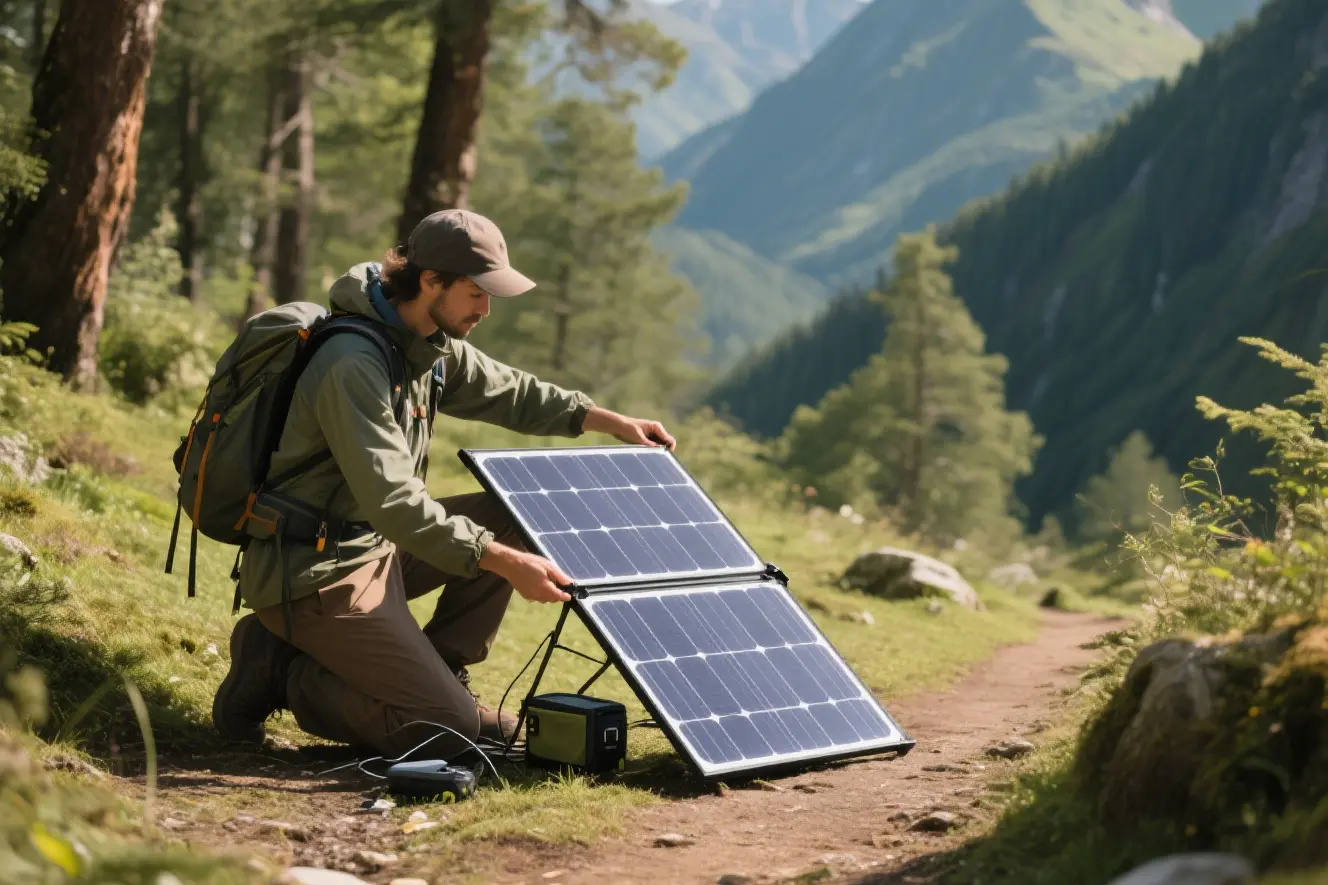
Forming strategic supply networks to ensure reliable PV material delivery across markets.
Answers to technical questions regarding modular generators, PV structural loads, and deployment dynamics during storm situations.
A storm-resilient solar generator system must feature an IP65 or higher ingress protection rating on power electronics, use impact-resistant solar cells (e.g., dual-glass monocrystalline structures), and utilize mechanical supports (such as pultruded polyurethane composite frames) designed to withstand high wind lifting forces. Additionally, the integrated energy storage system (ESS) must support flexible operations, including off-grid and black-start modes.
Pultruded polyurethane composite materials provide higher shear strength and chemical resistance compared to traditional aluminum. In coastal areas exposed to storms, salt-mist can accelerate galvanic corrosion where metal frames contact structural mounts. Composite frames act as electrical insulators, reducing PID (Potential Induced Degradation) and preventing corrosion under wet conditions.
Hurricanes are typically accompanied by prolonged cloud cover and low solar irradiance. N-type TOPCon monocrystalline cells feature low temperature coefficients and low-light response characteristics. This allows the system to begin charging battery banks under diffuse light and overcast skies sooner than legacy p-type cells.
Under Factory 4.0, every stage of production—from the raw pultrusion of support channels to the final testing of energy storage system battery modules—is monitored by automated inspection systems. This reduces mechanical defects and micro-cracks in cells, helping ensure the systems deploy reliably during critical grid outages.
Stay updated with our technical team's assessments of PV framework developments and manufacturing standards.
Portable systems, structural profiles, and high-efficiency backup integrations.