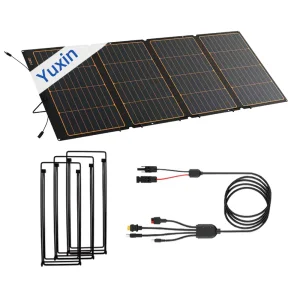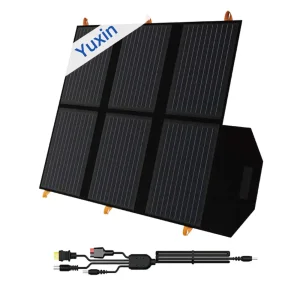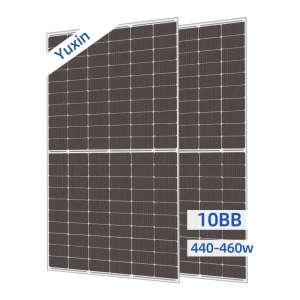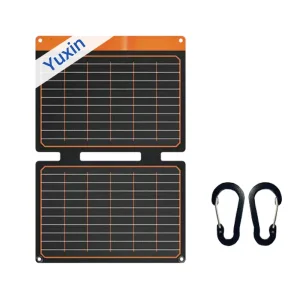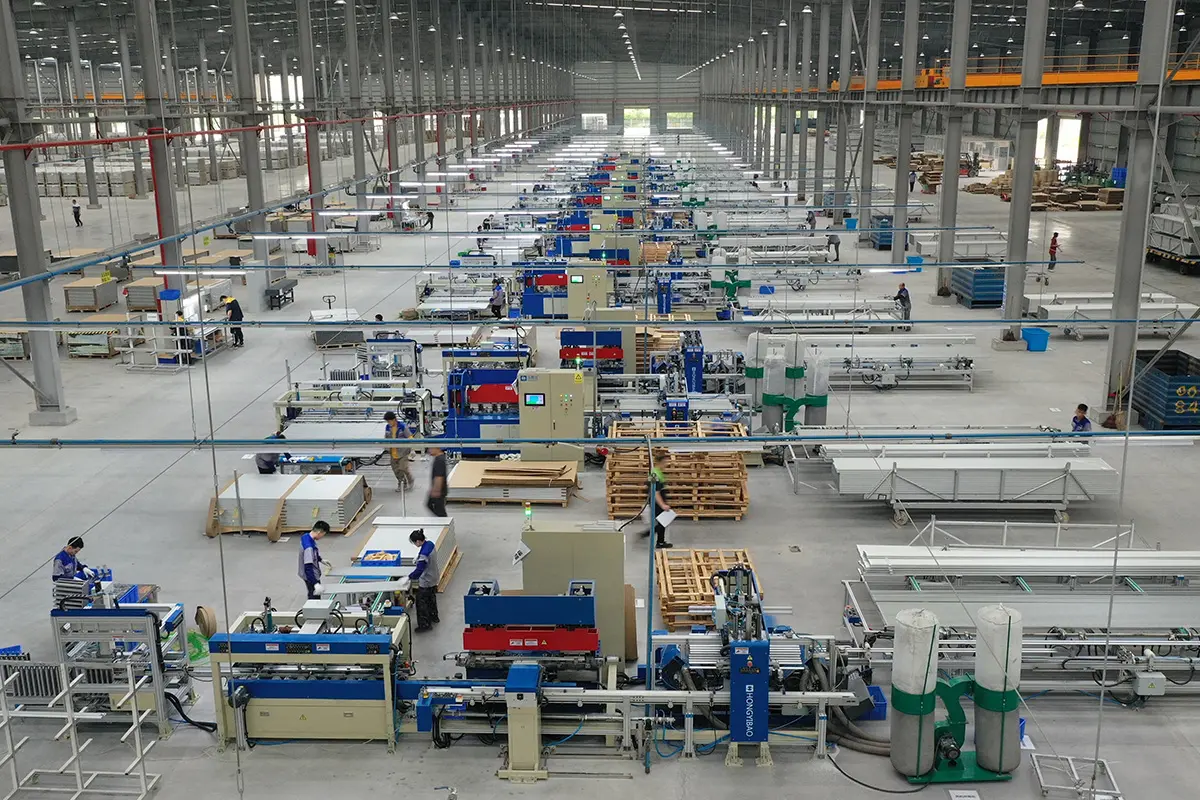
Explore our industrial-grade off-grid equipment engineered for high-efficiency mobile power generation, severe weather resilience, and structural integrity.
The global energy landscape is undergoing a monumental paradigm shift, transitioning rapidly from centralized grids to decentralized, resilient energy systems. At the vanguard of this revolution is the commercialization of advanced off-grid photovoltaic (PV) materials and mobile solar systems. In regions where infrastructure development lags behind demographic expansions—or in modern markets experiencing extreme weather events—portable solar power kits have matured from recreational novelties to critical municipal and commercial infrastructure.
As prominent global exporters, manufacturers like Jiangsu Yuxin New Energy Technology Co., Ltd. bridge the gap between high-volume materials engineering and modular mobile power needs. Industrial operators require off-grid frameworks that withstand high wind shears, extreme temperature differentials, and high salinity environments. Standard consumer-grade solar accessories are inadequate under these demands; hence, the B2B supply chain relies heavily on rugged composite materials, anodized aluminum frames, and certified smart power management technologies to ensure multi-decade operational lifetimes.
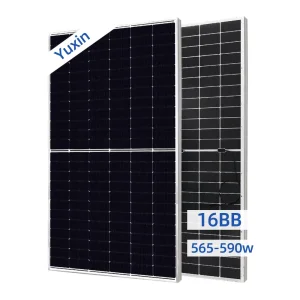
Precision-engineered components developed at the YUXIN industrial facilities.
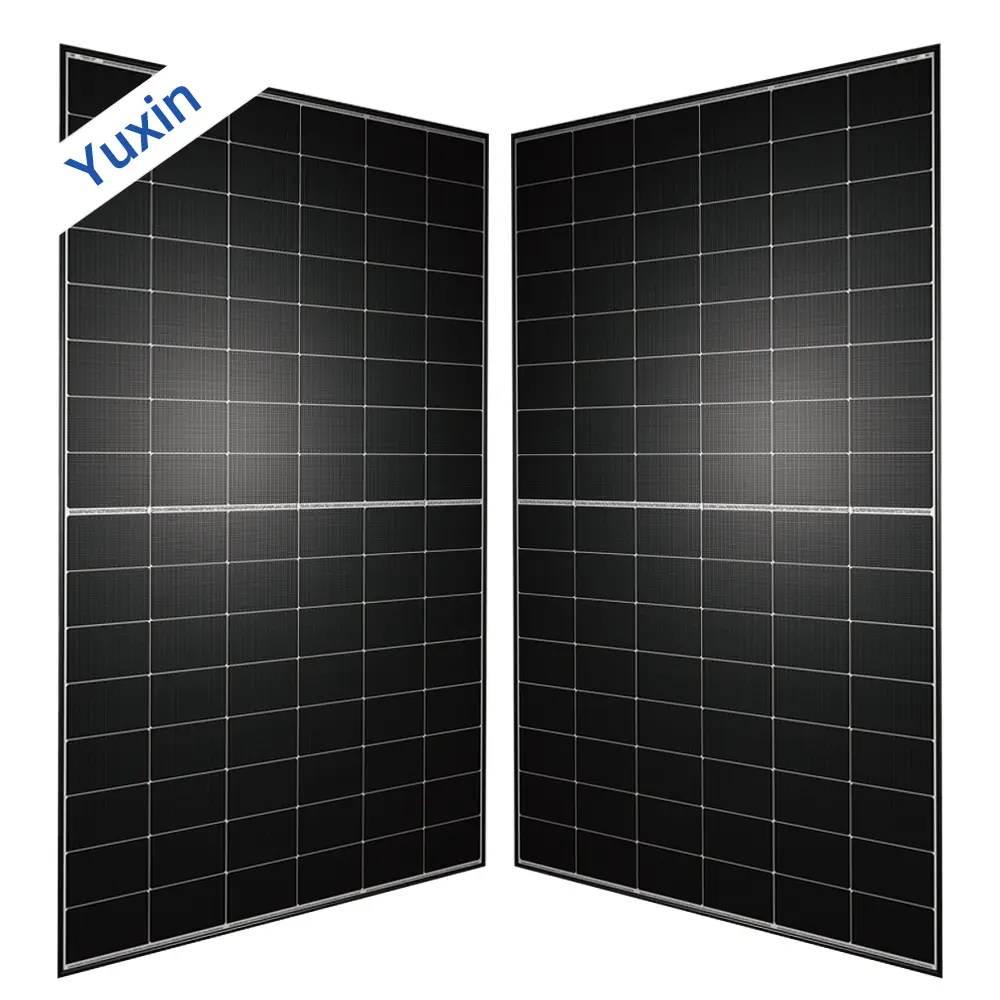
Lightweight design with transparent back panel for easy installation and reduced BOS costs.
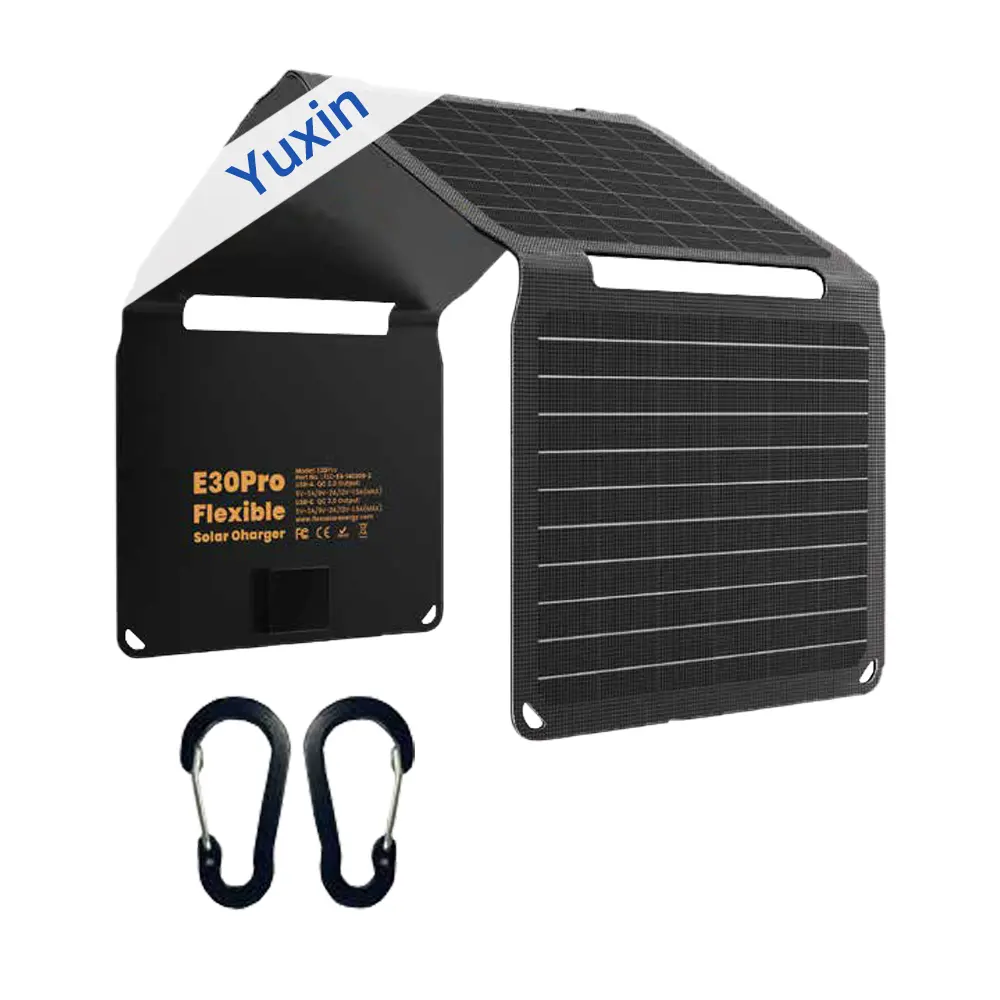
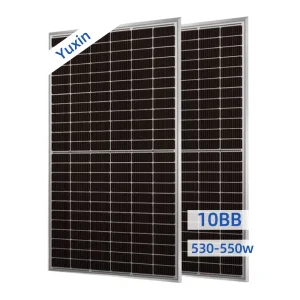
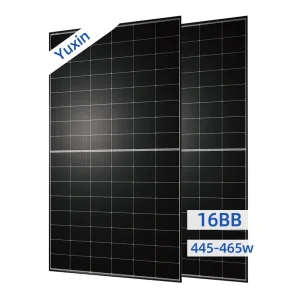
Utilizing advanced monocrystalline silicon cells, it achieves a high energy conversion efficiency of 24%.
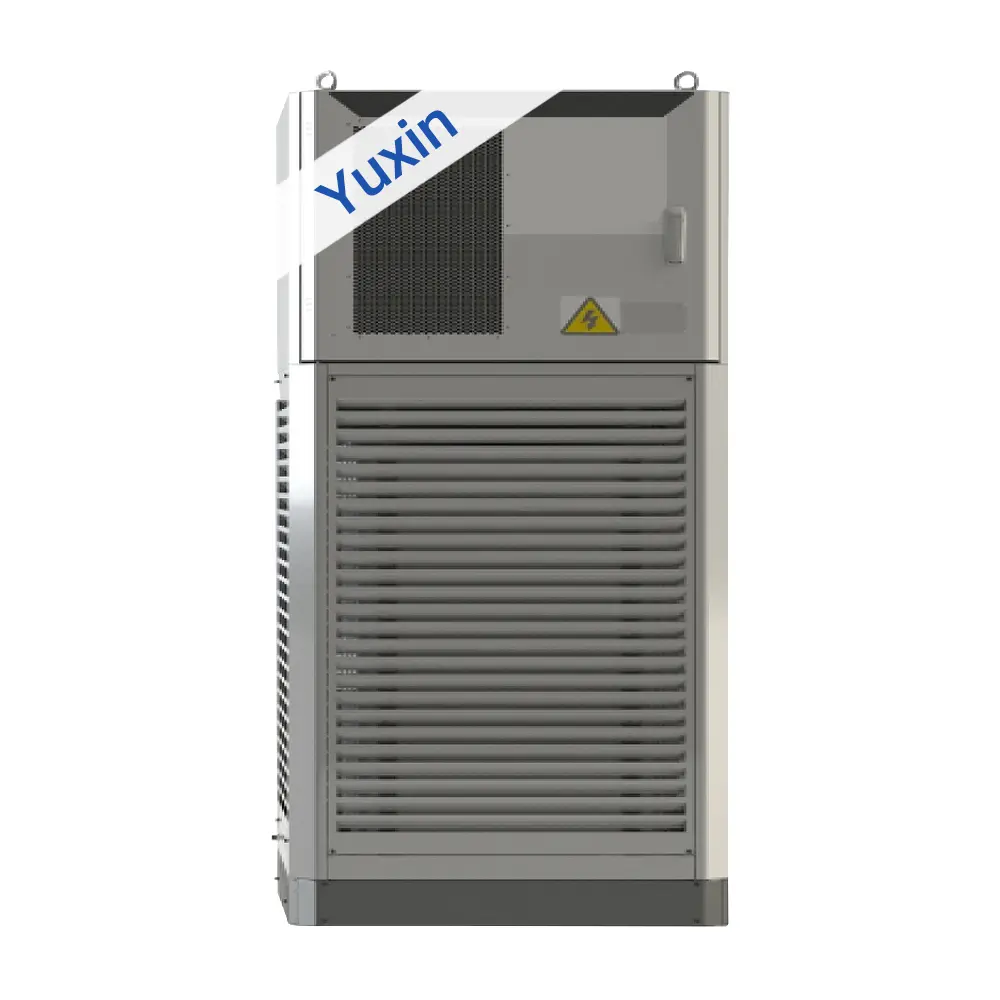
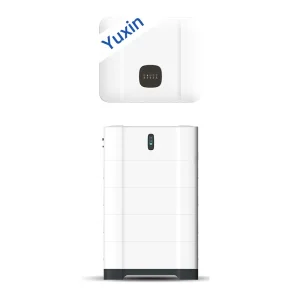
Application modes include grid-connected mode, off-grid mode, and integrated grid-connected/off-grid mode.
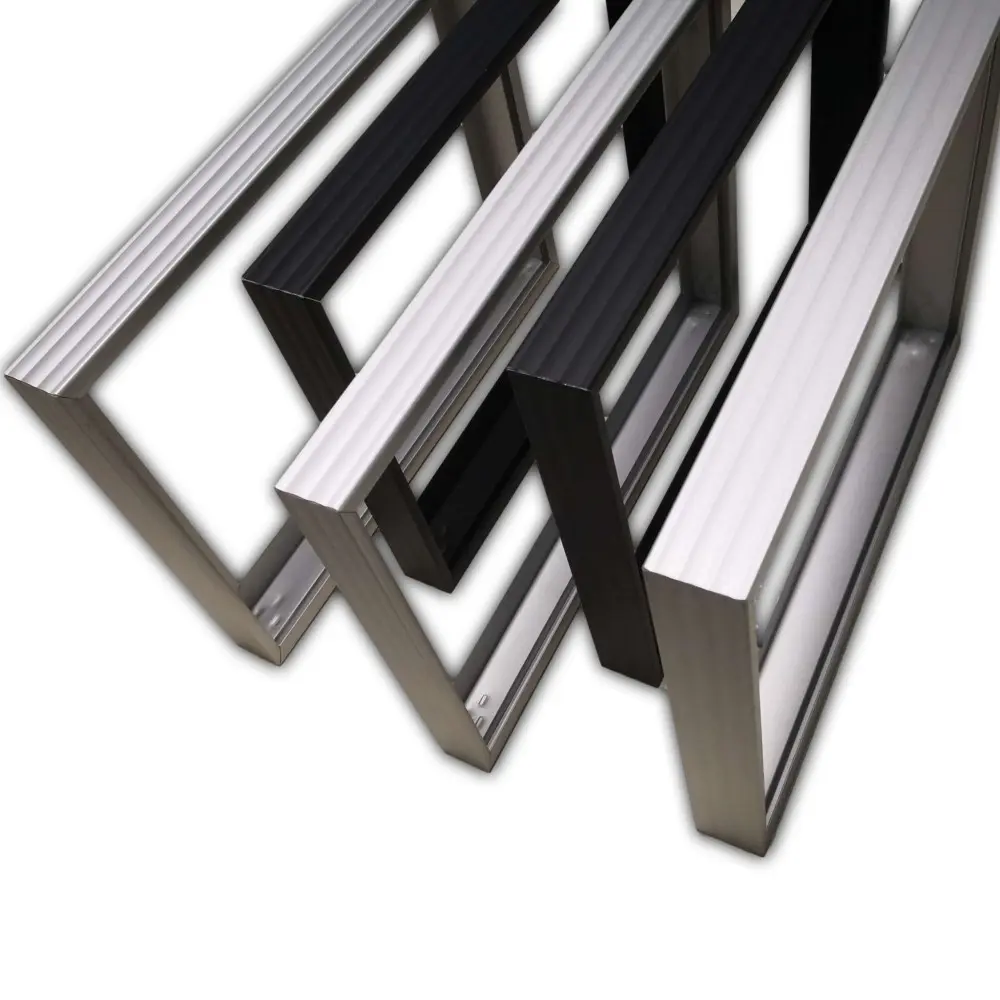
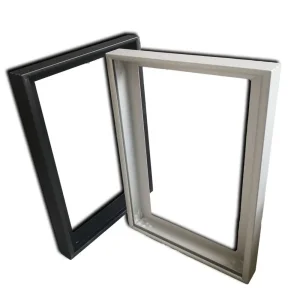
Made of high-quality anodized aluminum, it ensures superior weather resistance and a smooth, long-lasting finish.
To understand the performance ceiling of mobile solar energy systems, one must look at cell architecture. The industry has largely transitioned from standard Poly-Silicon to highly advanced Monocrystalline PERC (Passivated Emitter and Rear Cell) and N-Type TOPCon (Tunnel Oxide Passivated Contact) arrays. The N-Type architecture is particularly notable for off-grid operations due to its lower temperature coefficient (-0.30%/°C) and near-zero Light Induced Degradation (LID).
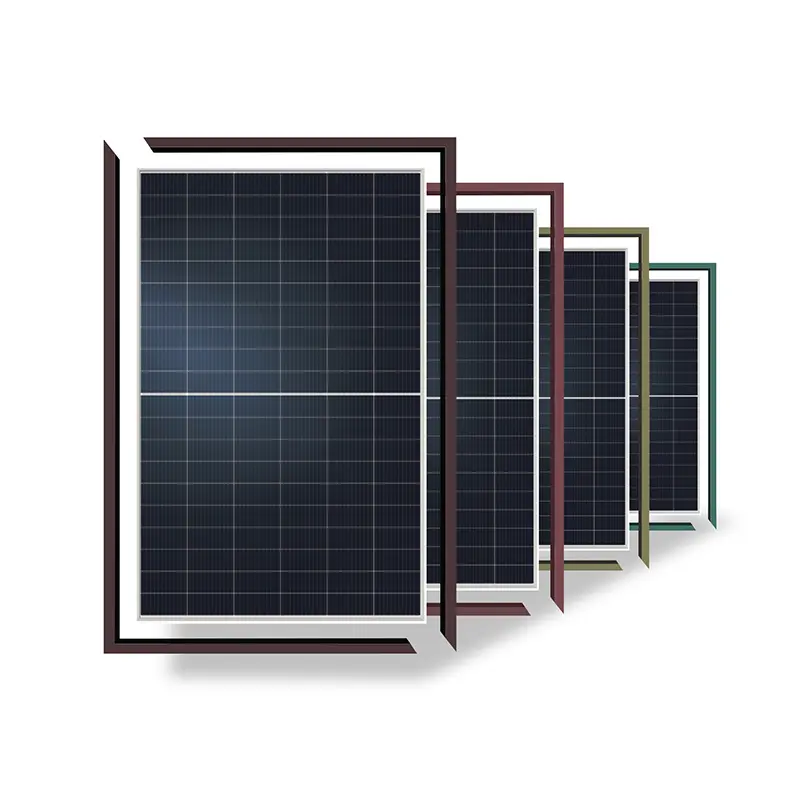
When camping or deploying off-grid kits, shadows from trees, mountain ranges, or tents represent significant losses. Yuxin's use of multi-busbar (10BB to 16BB) layouts and half-cell slicing mitigates these challenges. In a half-cell module, the internal current is halved, reducing Joule losses (I²R) internally and ensuring the panel continues operating at over 50% capacity even when the upper or lower half is completely shaded.
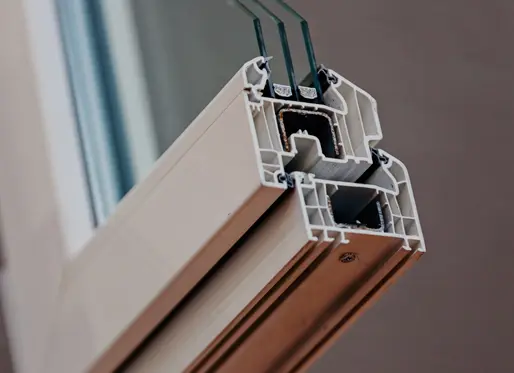
Equally crucial is structural longevity. Frame profiles engineered out of anodized 6063-T5/6005-T6 aluminum or pultruded polyurethane composite materials provide the structural spine. These materials must survive intense mechanical loading (up to 5400 Pa snow load and 2400 Pa wind load) to ensure that whether a kit is mounted permanently on an RV roof or deployed in rugged backcountry terrain, the delicate internal silicon wafers remain protected from micro-cracking.
Precision, Quality, and Safety - Your Photovoltaic Materials Expert
Located in the scenic historical and cultural ancient city of Yangzhou, close to the Beijing-Shanghai Expressway, Runyang Yangtze River Bridge, and Ningqi Railway, the group has a superior geographical location and convenient transportation. The group was established in 2008 and has 14 multi-field companies under its jurisdiction, including Jiangsu Yuxin New Energy Technology Co., Ltd. We have won many titles such as National High-tech Enterprise, Technology-based Enterprise, and Gaoyou City Top 100 Private Enterprises.
Our dedication to material science innovations in aluminum frame anodization and composite pultrusion has made us a trusted manufacturer for leading global solar brands.
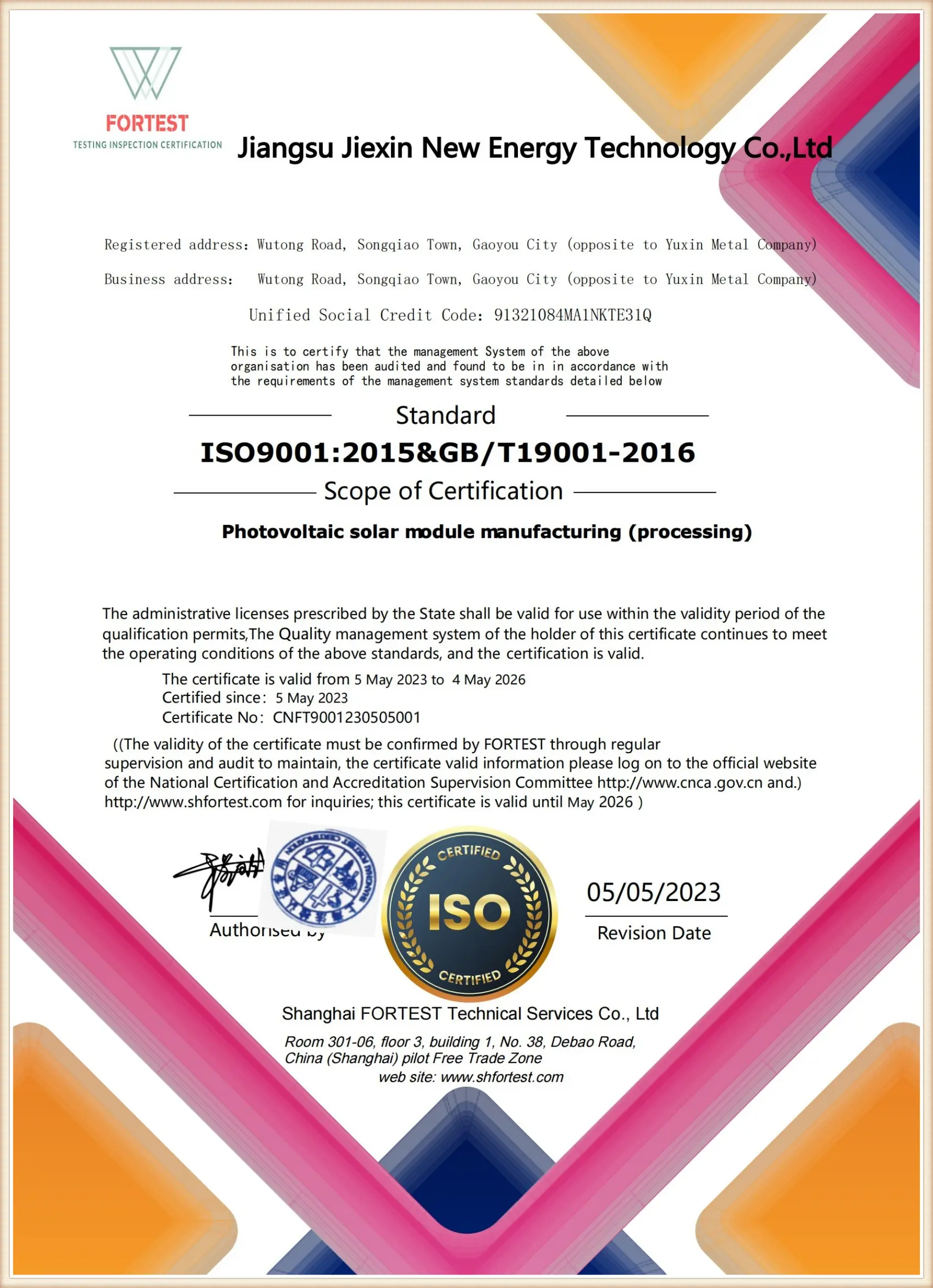
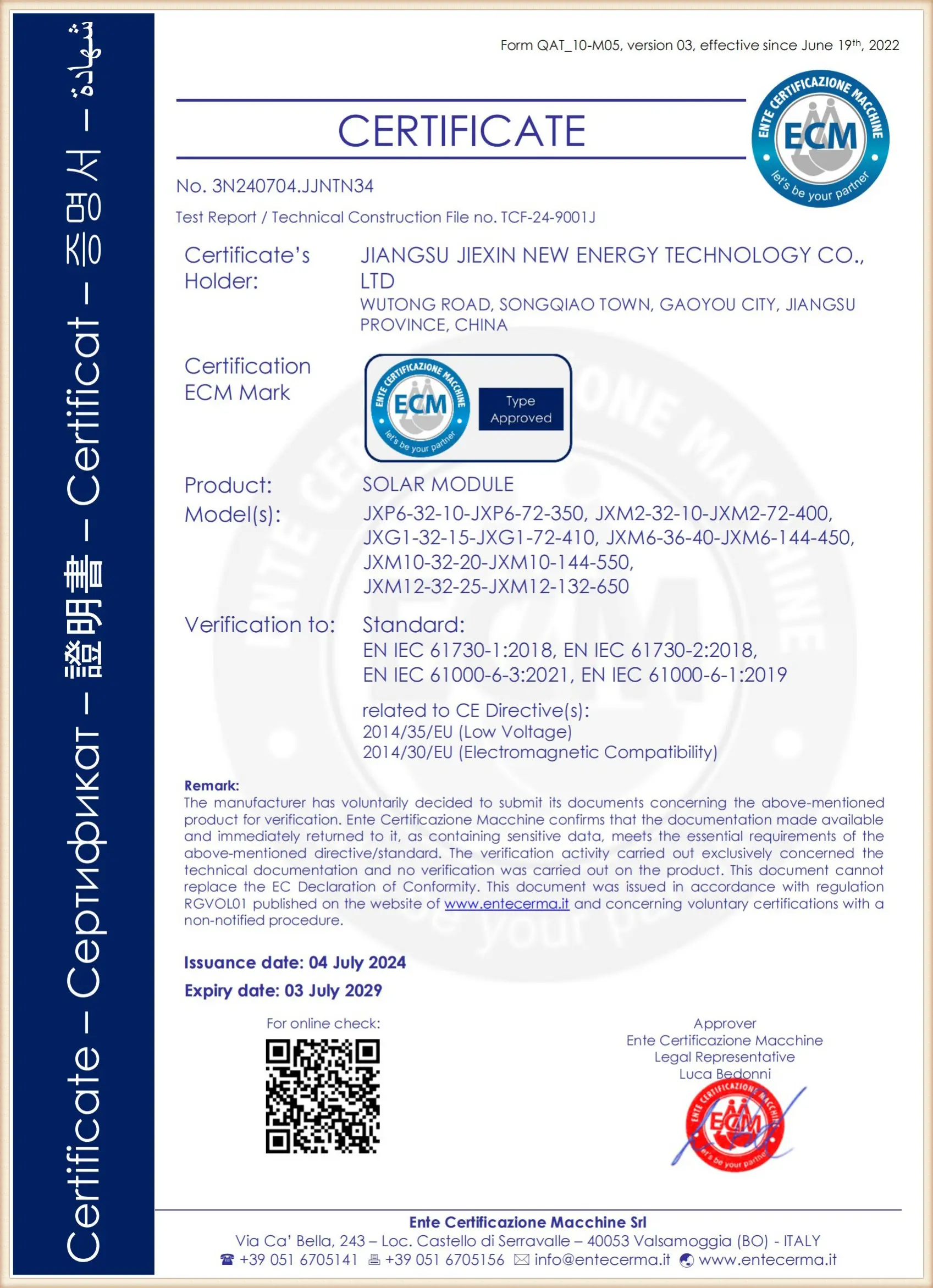
Navigating international trade laws and technical standards requires rigorous adherence to regional safety and quality certifications. For B2B importers, buying non-compliant solar goods is a major financial risk. For instance, European Union destinations mandate strict CE Certification, conforming to LVD (Low Voltage Directive) and EMC (Electromagnetic Compatibility) directives.
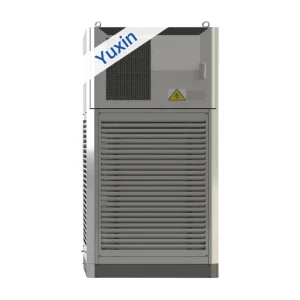
In North America, complying with UL 1703 (for flat-plate PV modules) and UL 62109 (for power converters used in PV power systems) is vital for commercial approvals. Our compliance portfolio ensures that every solar panel, whether integrated into a 10W-60W waterproof backpack or a modular commercial hybrid energy storage setup (like our P01-EC60-30K), adheres to precise testing protocols. This guarantees seamless integration into public utilities or localized industrial microgrids.
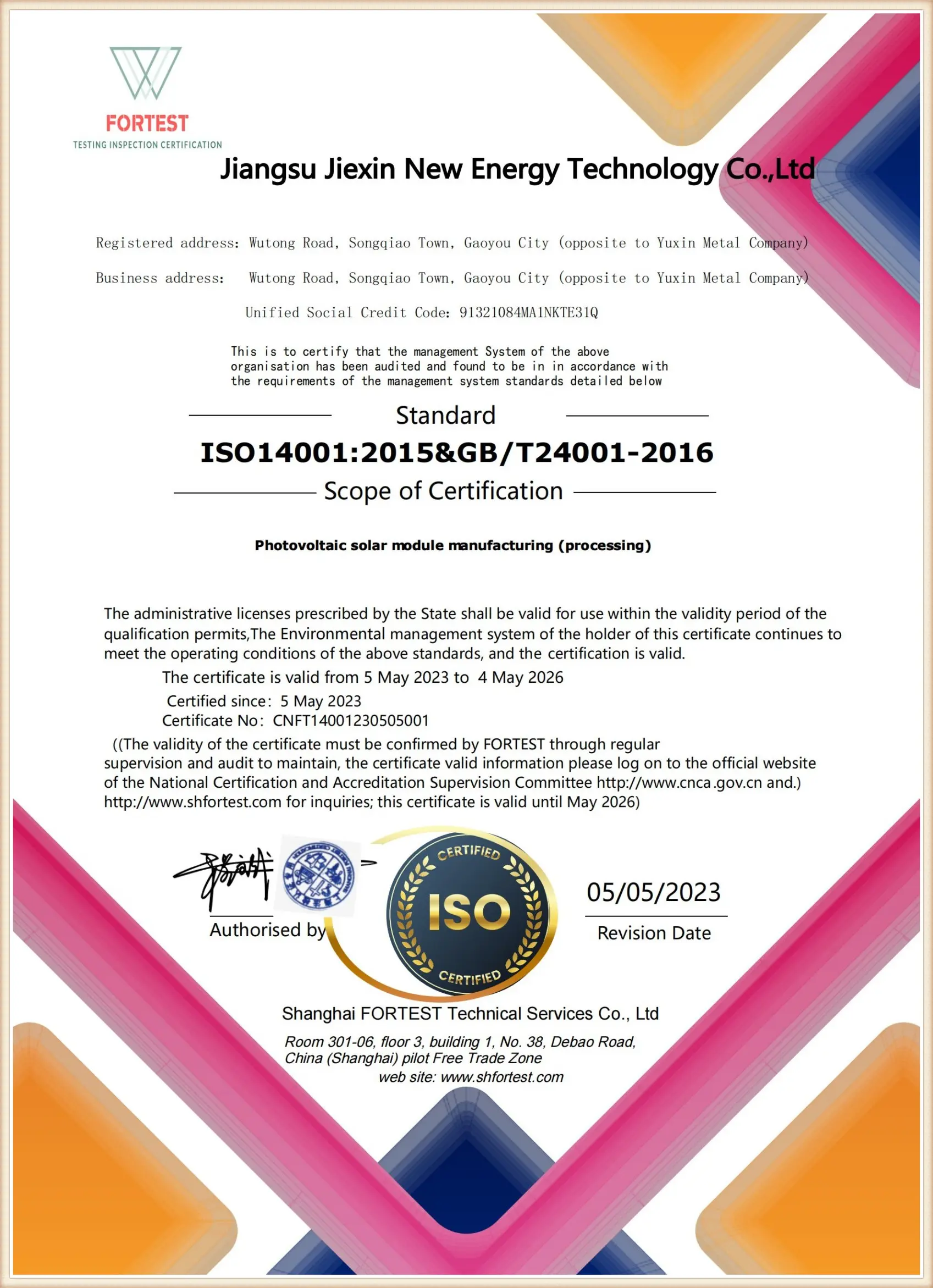
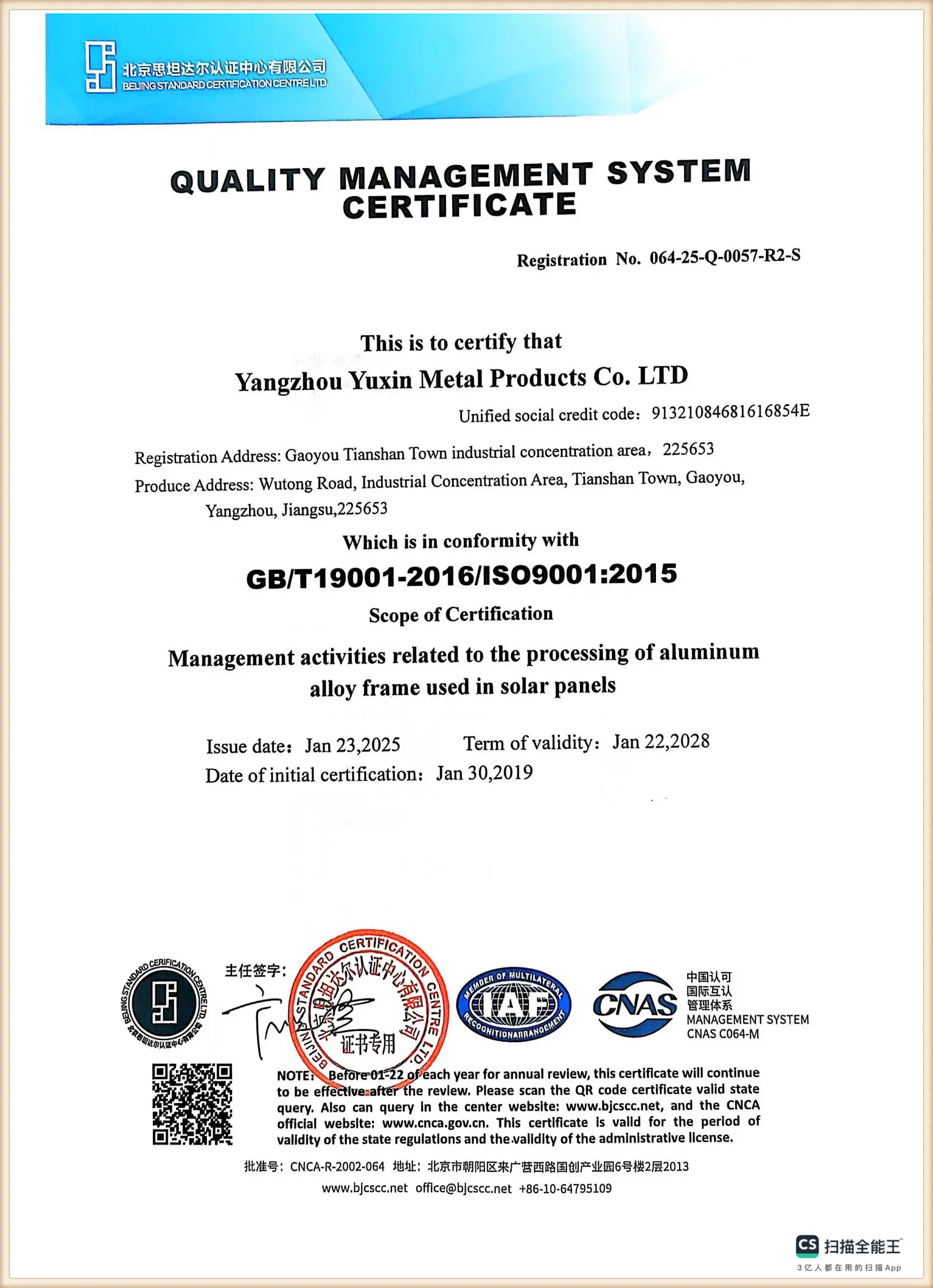
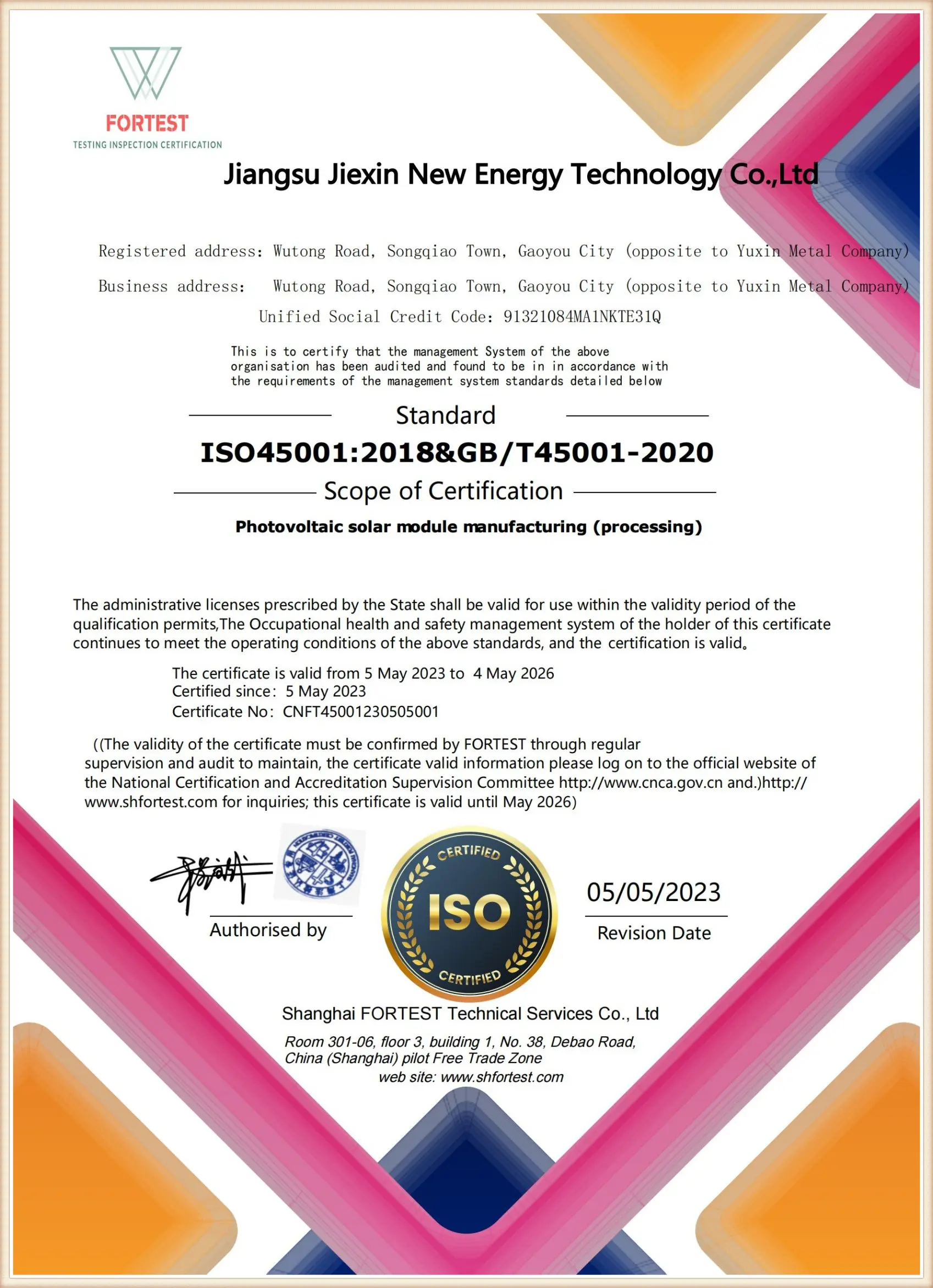
Our products undergo rigorous testing and international quality management verifications.
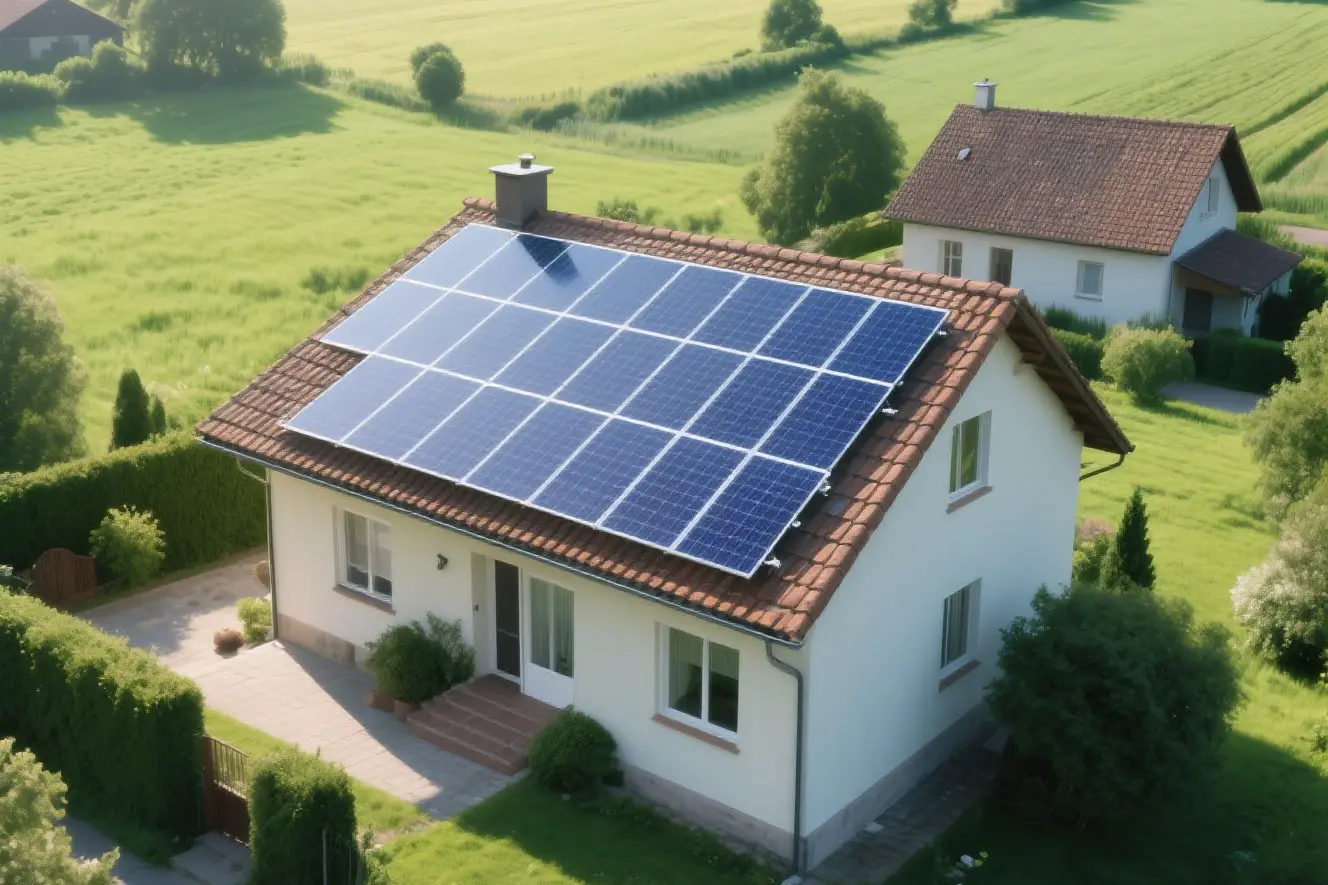
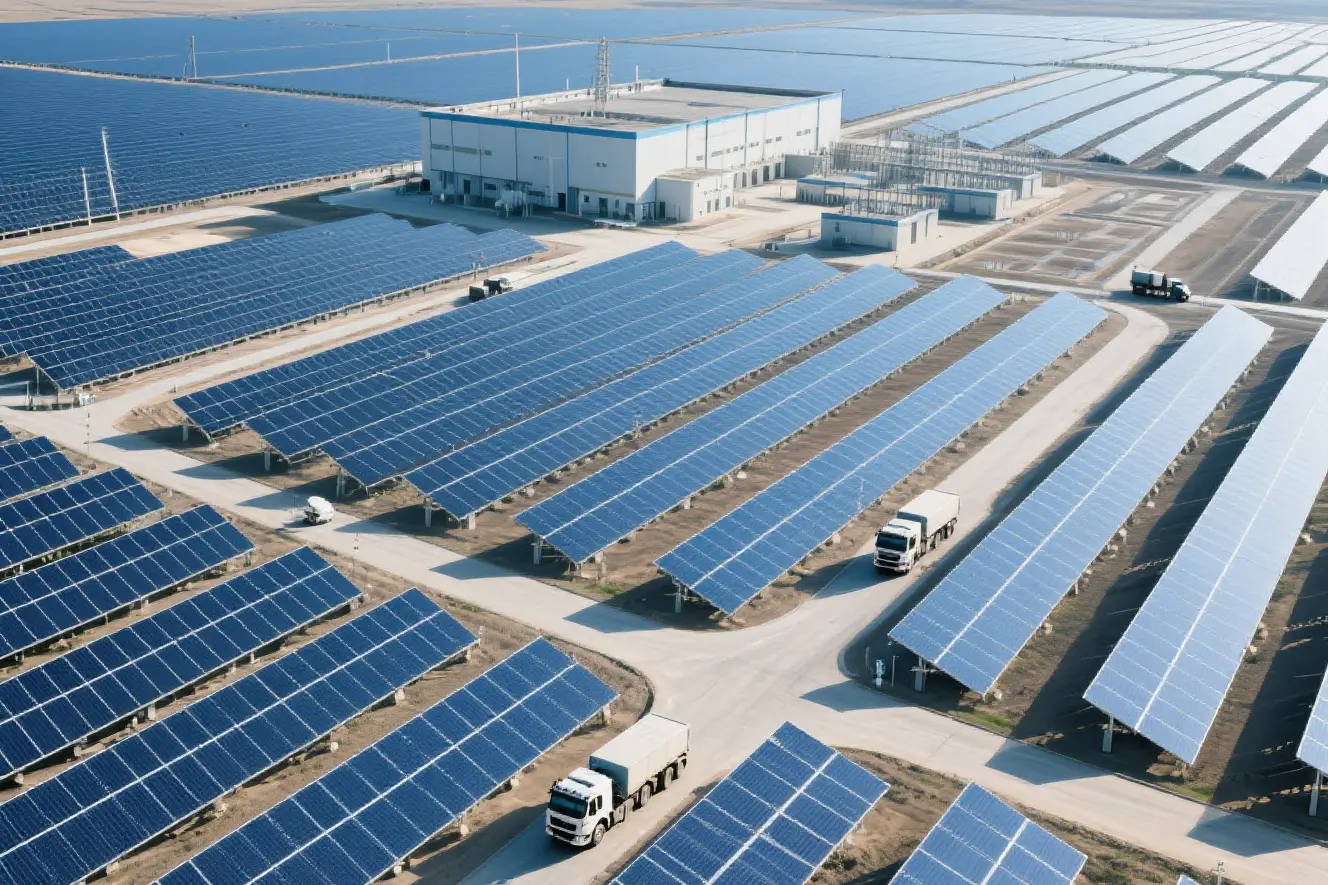
Solar technology is highly versatile, operating far beyond just residential rooftops. The demand for localized, application-specific solar configurations has grown significantly across various key sectors:
Agriculture: Solar energy drives automated precision irrigation, remote environmental sensors, and livestock management telemetry. By utilizing lightweight, rugged mobile systems, modern farmers can deploy monitoring networks without costly trenching or grid extensions.
Construction: Temporary construction trailers, tower cranes, and safety warning networks increasingly run on N-type half-cell modules. Using durable materials like pultruded polyurethane composite frames ensures these installations resist physical impacts and vibrations common on active building sites.
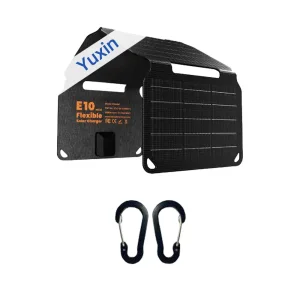
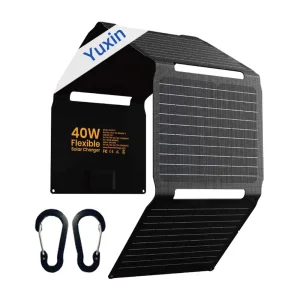
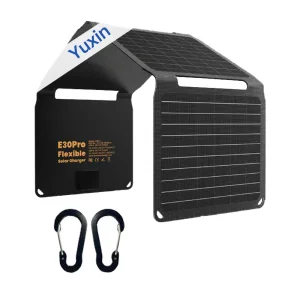
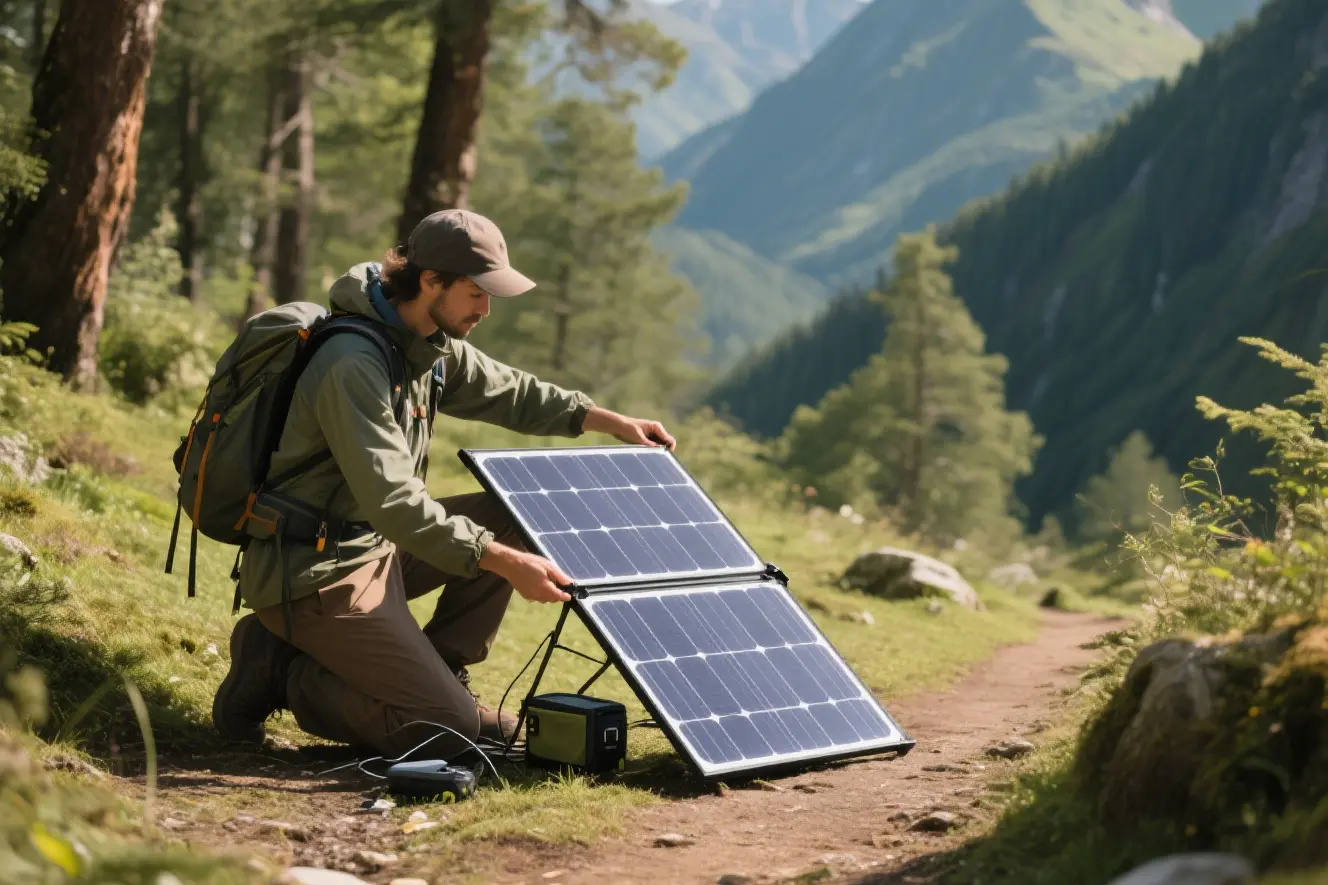
Outdoors & Expeditionary Teams: Geological surveyors, search-and-rescue teams, and extreme environment campers rely on heavy-duty solar backpacks (ranging from 10W to 60W). These devices keep satellite communicators, GPS devices, and life-safety equipment operational under severe weather conditions.
Our PV technology is deployed across multiple global industries with customized solutions.


Over the years, we have forged strategic partnerships with top-tier players in the global energy sector.


The next phase of off-grid solar technology centers on three pillars: increased cell efficiency, smart power integration, and carbon-neutral manufacturing.
Efficiency is projected to rise with the commercial introduction of Perovskite-Silicon Tandem Cells. By layering perovskite materials over silicon bases, modules will capture a wider spectrum of sunlight, pushing commercial module efficiencies past 28%. This leap will allow portable kits to generate more power from a smaller physical footprint.
Additionally, integrating Bluetooth and IoT-enabled Micro-Inverters directly into portable arrays lets operators monitor panel performance, heat dissipation, and energy storage levels in real-time via mobile apps. Combined with eco-friendly pultruded composite frames, the next generation of portable kits will offer greater durability and a significantly lower carbon footprint.
Stay up to date with the latest technical discussions and quality standards in the PV frame manufacturing sector.
In-depth responses from our engineering and export compliance teams.
Detailed overview of our off-grid components, including modular battery storage, durable mounting structures, and camping accessories.