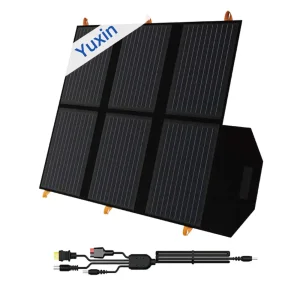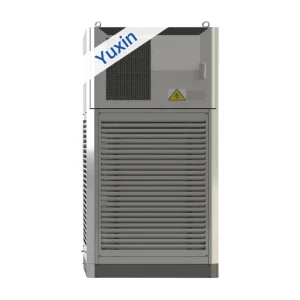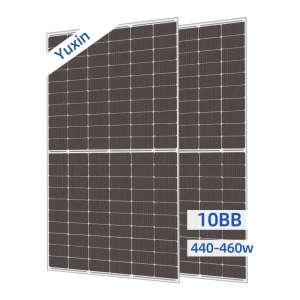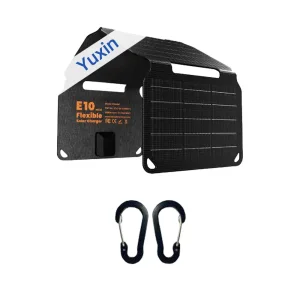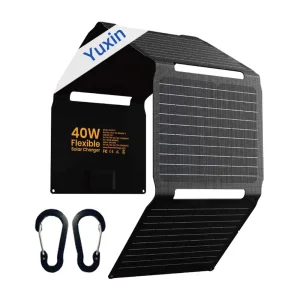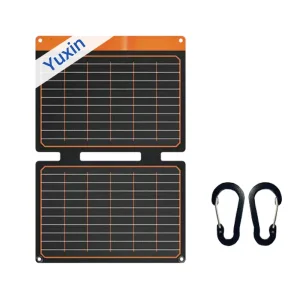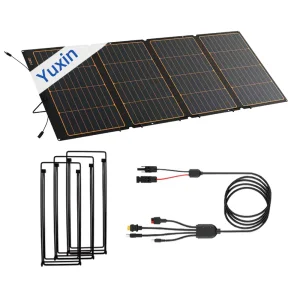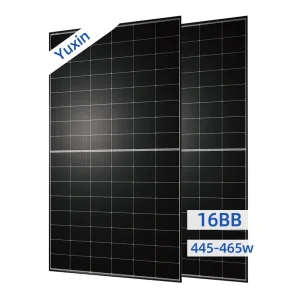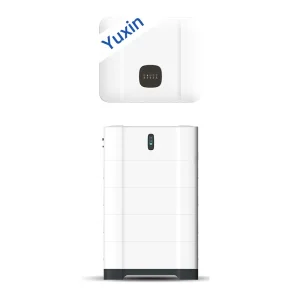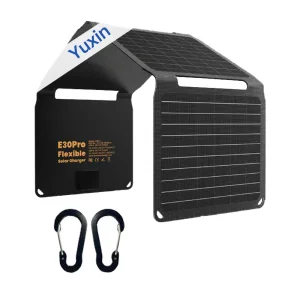
Engineered for high reliability, maximum mechanical load capacity, and outstanding thermal stability in off-grid environments.
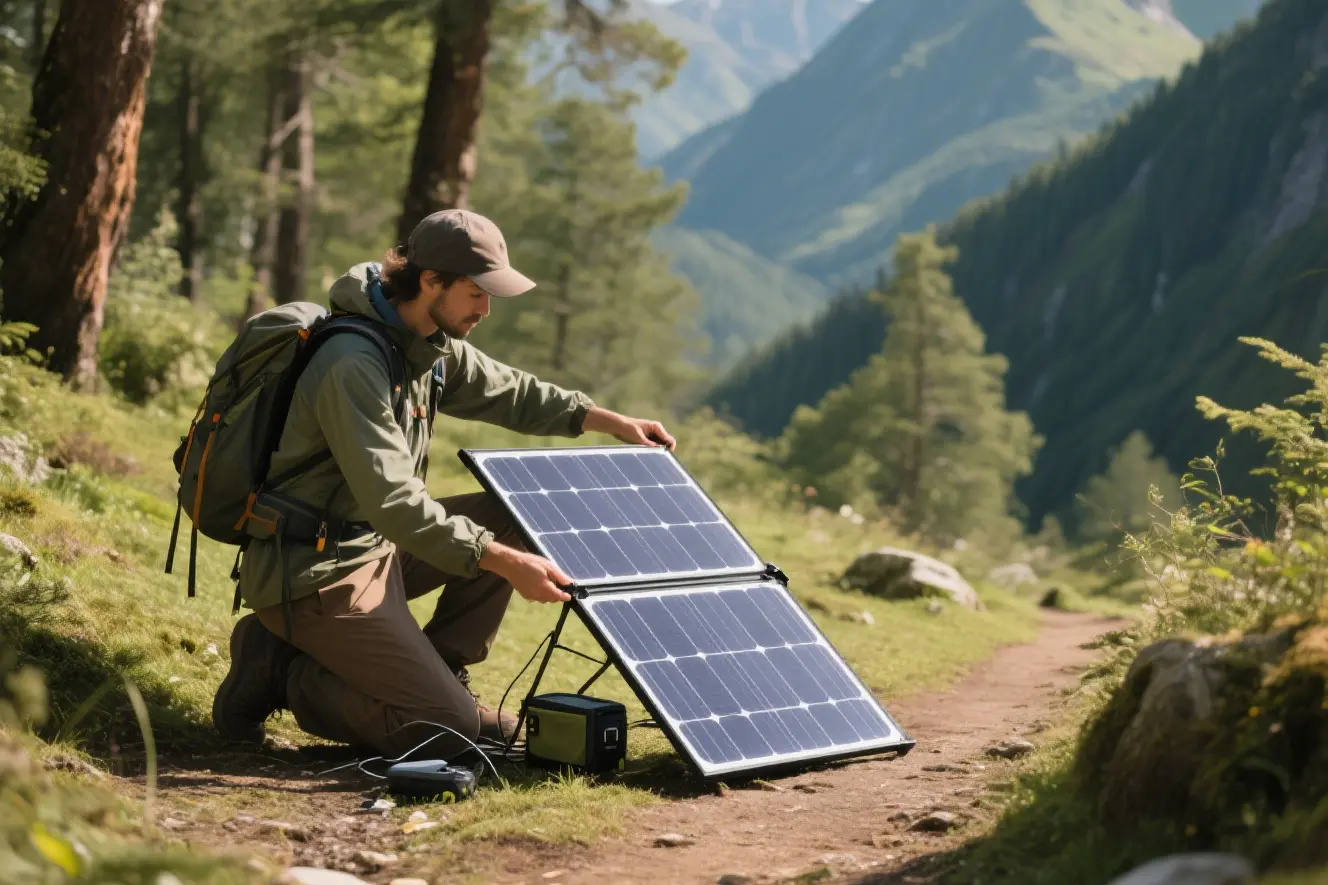
For RV camping and off-grid utility vehicles, selecting a PV generator requires looking beyond basic output metrics. Traditional systems featured heavy, rigid modules that increased vehicle aerodynamic drag and dead weight. Today’s market demands high-conversion efficiency within lightweight and portable frameworks.
Technological convergence has introduced PERC (Passivated Emitter and Rear Cell) and N-Type TOPCon (Tunnel Oxide Passivated Contact) silicon technologies into the mobile solar sector. These cells boast advanced thin-film passivation layers that reduce surface recombination, allowing portable modules to reach energy conversion efficiencies between 22.5% and 24.5%.
Furthermore, structural optimization is key. Portable solar systems designed for camping rely heavily on robust encapsulation. Using Ethylene Vinyl Acetate (EVA) combined with high-grade Fluoropolymer backsheets or dual-glass architecture protects cells against moisture and micro-fractures caused by continuous transport vibrations.
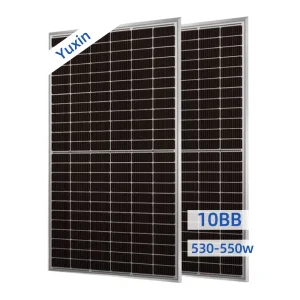
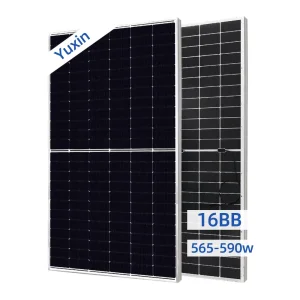
Explore YUXIN's multi-functional system capabilities, from cell integration to structural support frames.
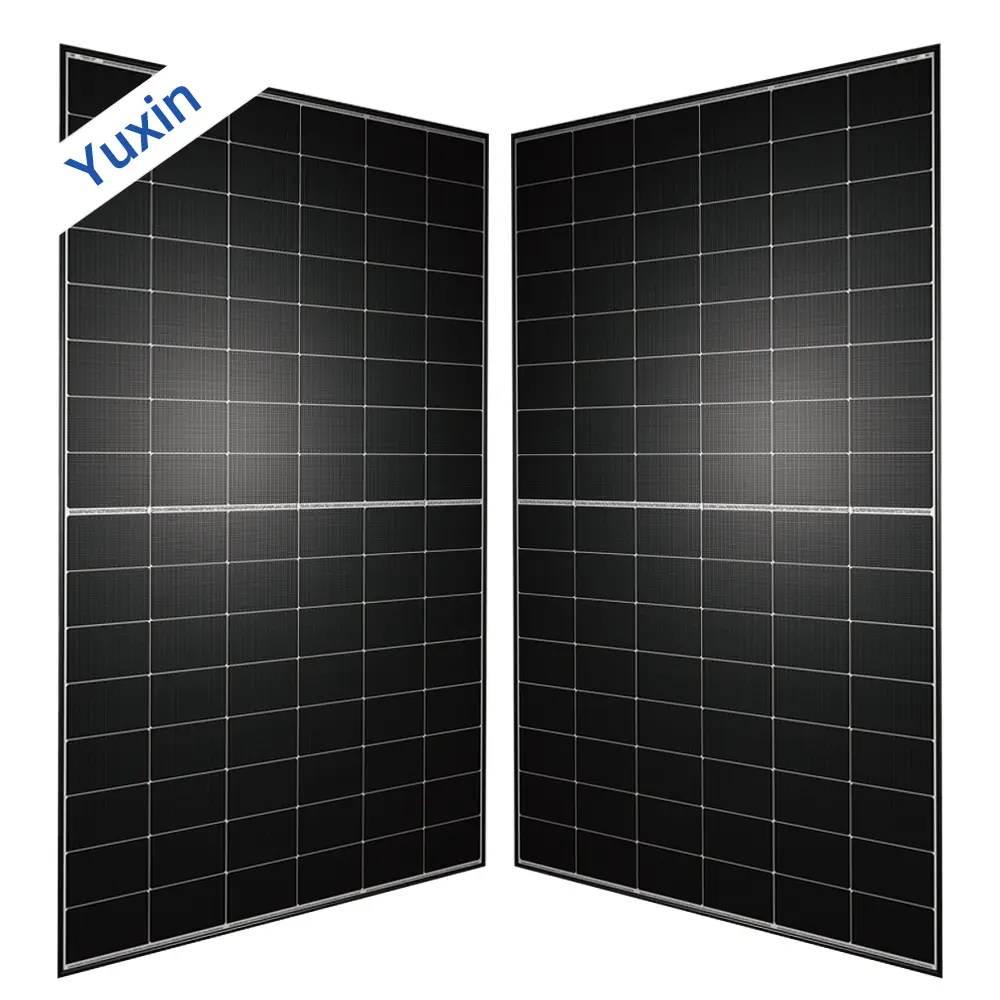
Lightweight design with transparent back panel for easy installation and reduced BOS costs.
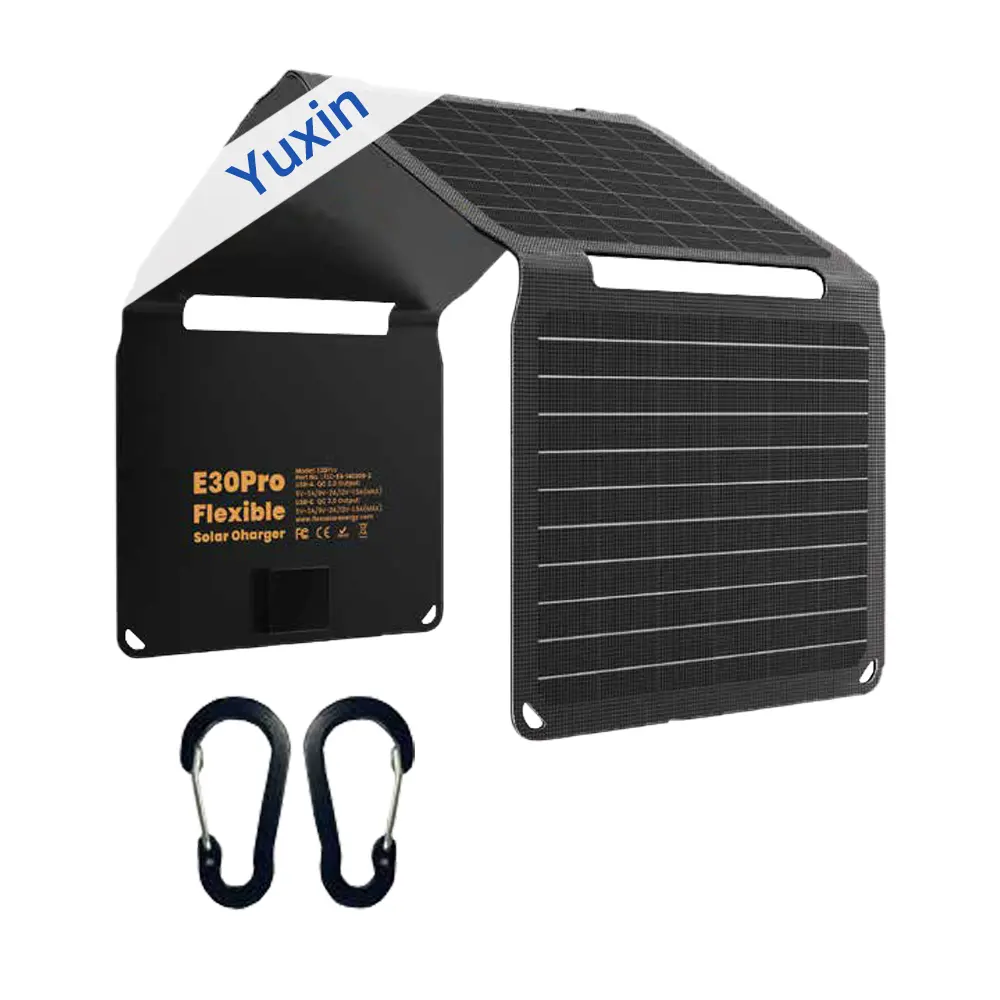
Utilizing advanced monocrystalline silicon cells, it achieves a high energy conversion efficiency of 24%.
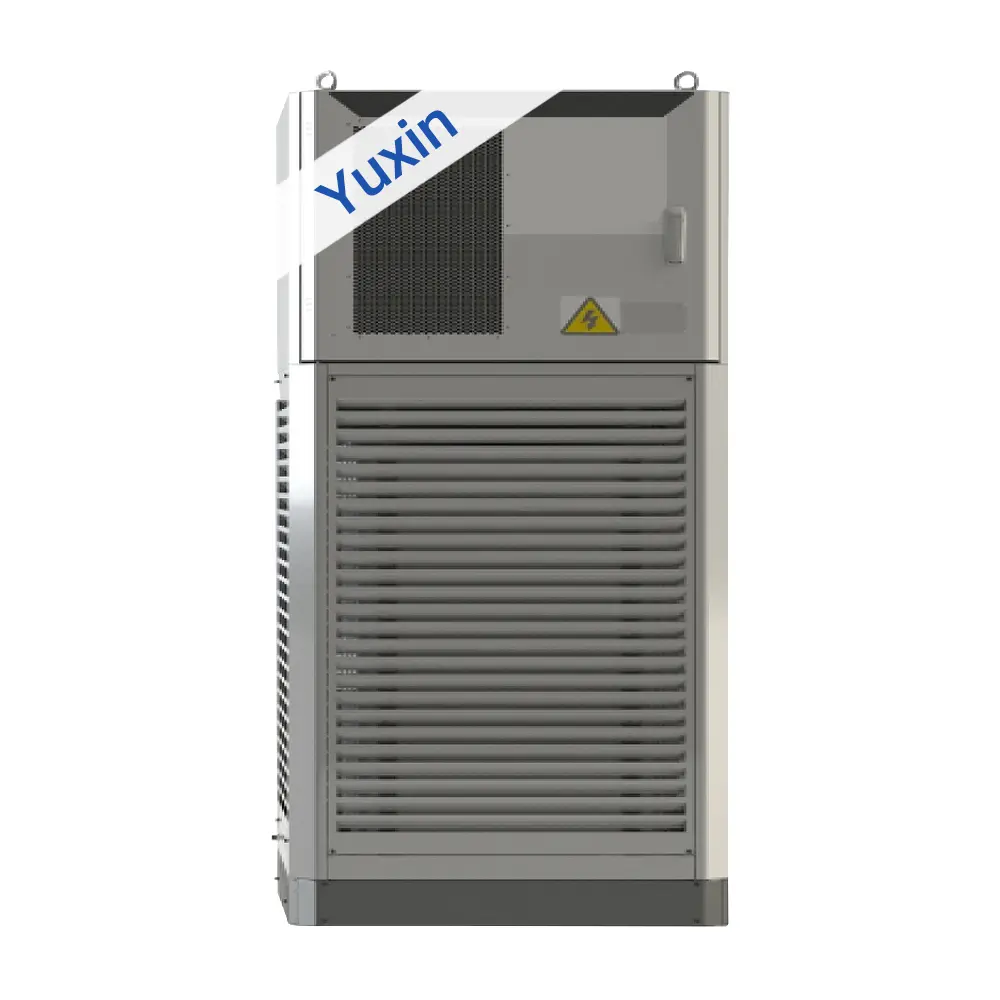
Application modes include grid-connected mode, off-grid mode, and integrated grid-connected/off-grid mode.
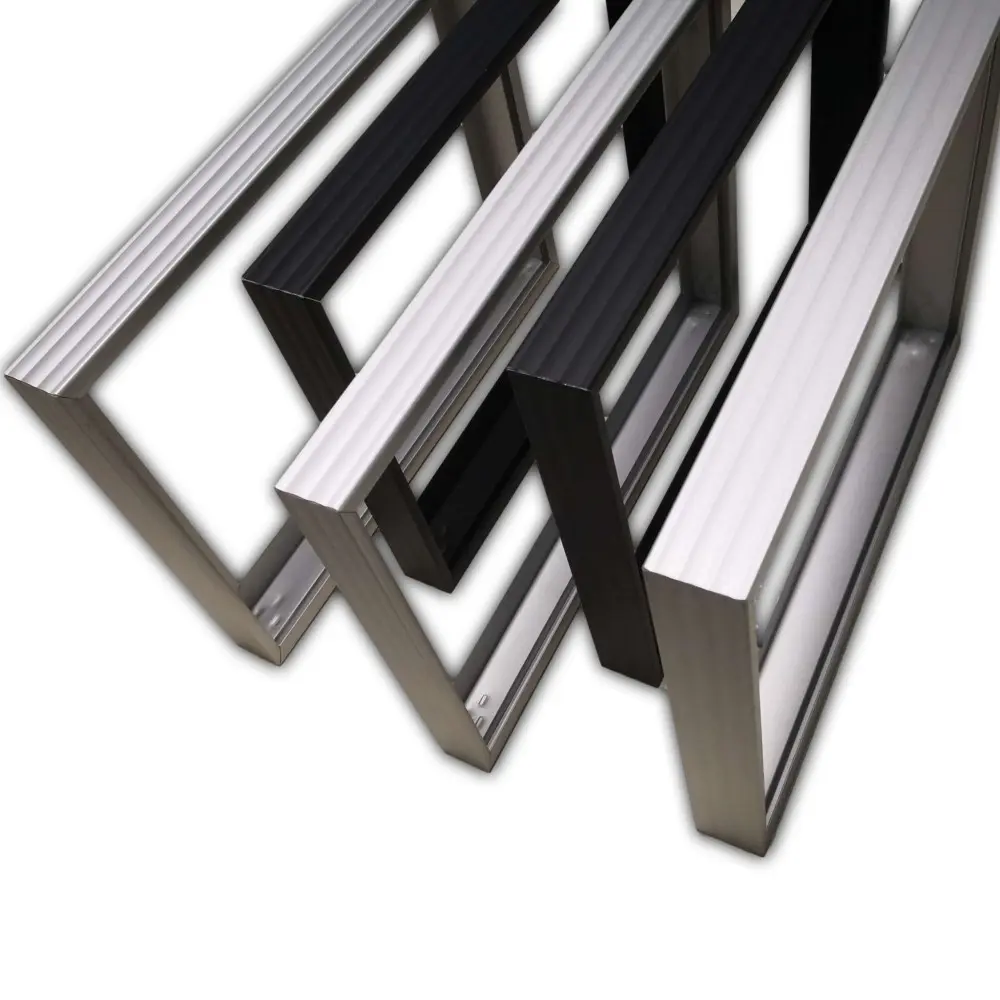
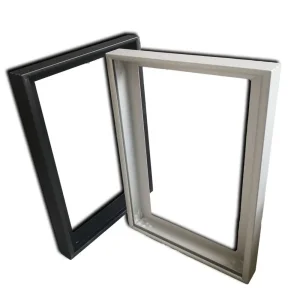
Made of high-quality anodized aluminum, it ensures superior weather resistance and a smooth, long-lasting finish.
Precision, Quality, and Safety - Your Photovoltaic Materials Expert
Located in the scenic historical and cultural ancient city of Yangzhou, close to the Beijing-Shanghai Expressway, Runyang Yangtze River Bridge, and Ningqi Railway, the group has a superior geographical location and convenient transportation. The group was established in 2008 and has 14 multi-field companies under its jurisdiction, including Jiangsu Yuxin New Energy Technology Co., Ltd.
YUXIN has earned multiple state awards, including National High-tech Enterprise, Technology-based Enterprise, and Gaoyou City Top 100 Private Enterprises. We integrate advanced structural materials with efficient monocrystalline designs to deliver durable portable PV systems for RV camping, marine deployment, and municipal off-grid applications globally.
Understanding cost allocation, materials procurement, and export logistics for commercial B2B contracts.
Wholesale costs of portable solar panels are determined by cell materials (M10/G12 monocrystalline vs PERC), the type of protective covering used (durable fluoropolymer ETFE vs PET), and the frame profile. In volume contracts, prices are categorized by dollar-per-watt ($/W) metrics, influenced by batch size and raw material costs.
China is home to the world's most complete PV supply chain. Operating from Gaoyou, Yangzhou, YUXIN leverages local access to raw silicon refining, ingot drawing, cell slicing, structural aluminum extrusion, and automated assembly plants. This reduces material handling costs and improves delivery times for international shipments.
Exporting global solar technologies requires strict adherence to international electrical codes. Our high-efficiency modules are certified with CE, TUV, and IEC marks, ensuring compliance with grid codes, fire-resistance criteria, and mechanical stress tolerances required for road travel.
Traditional rigid aluminum profiles (6063-T5) are the industry standard. However, pultruded polyurethane composite frames are gaining ground. These advanced materials combine glass fiber reinforcement with polyurethane resin, providing excellent electrical insulation, lower weight, and matching thermal expansion characteristics to the silicon laminate. This reduces stress on cells during temperature changes, preventing micro-cracking and extending the lifespan of panels in extreme weather.
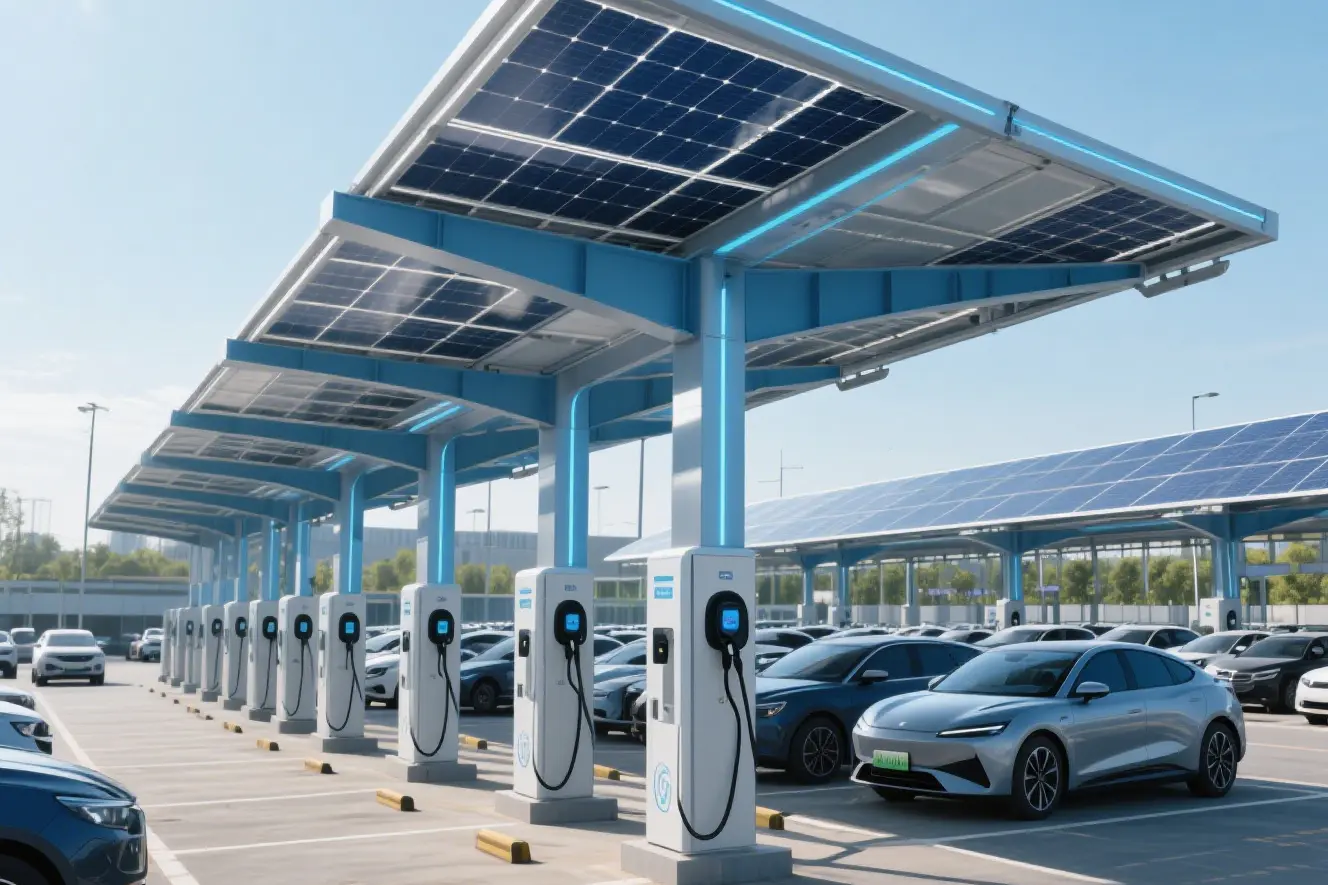
Ensuring safety and compliance for cross-border shipping, wholesale distribution, and grid connections.
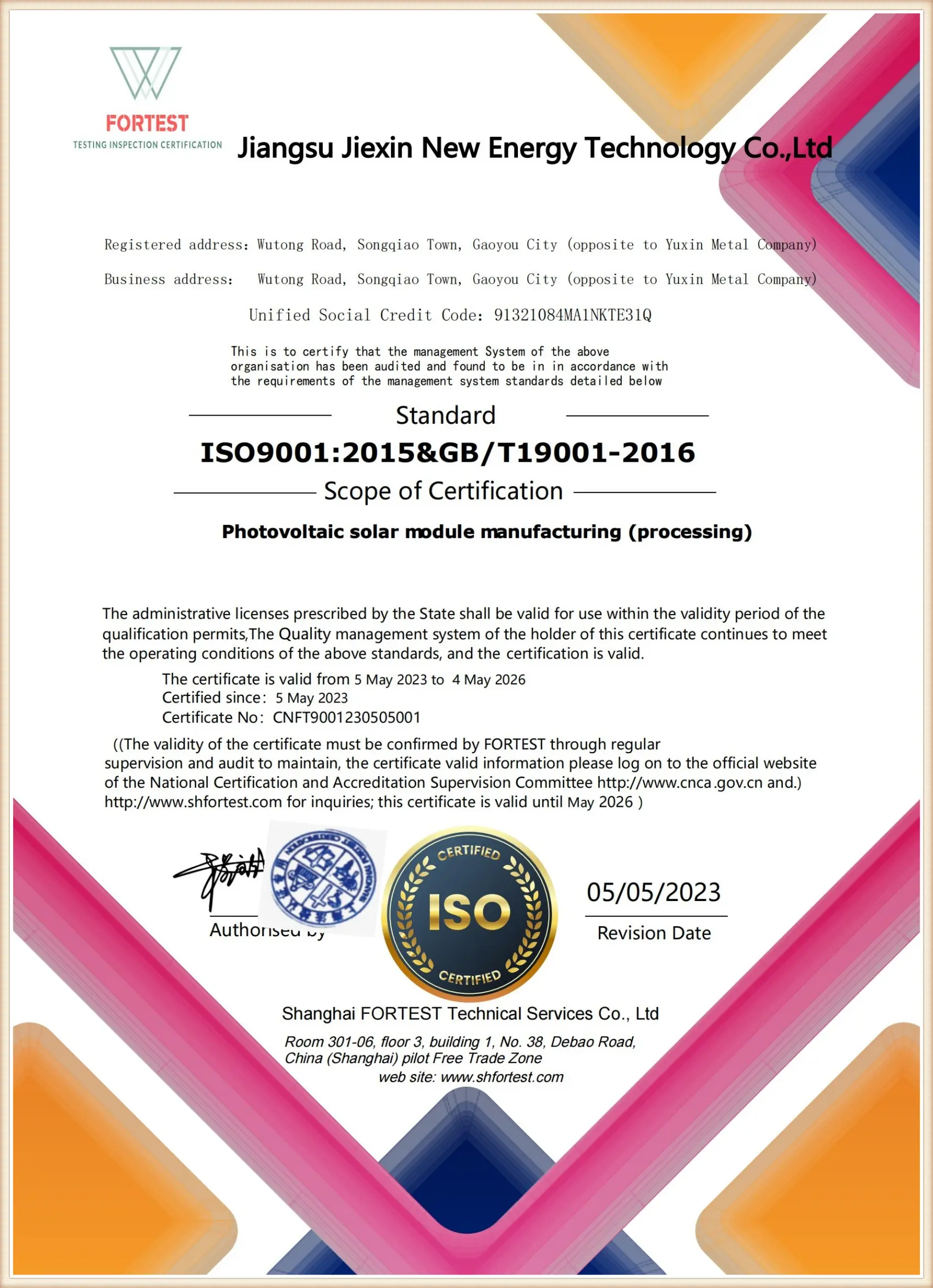
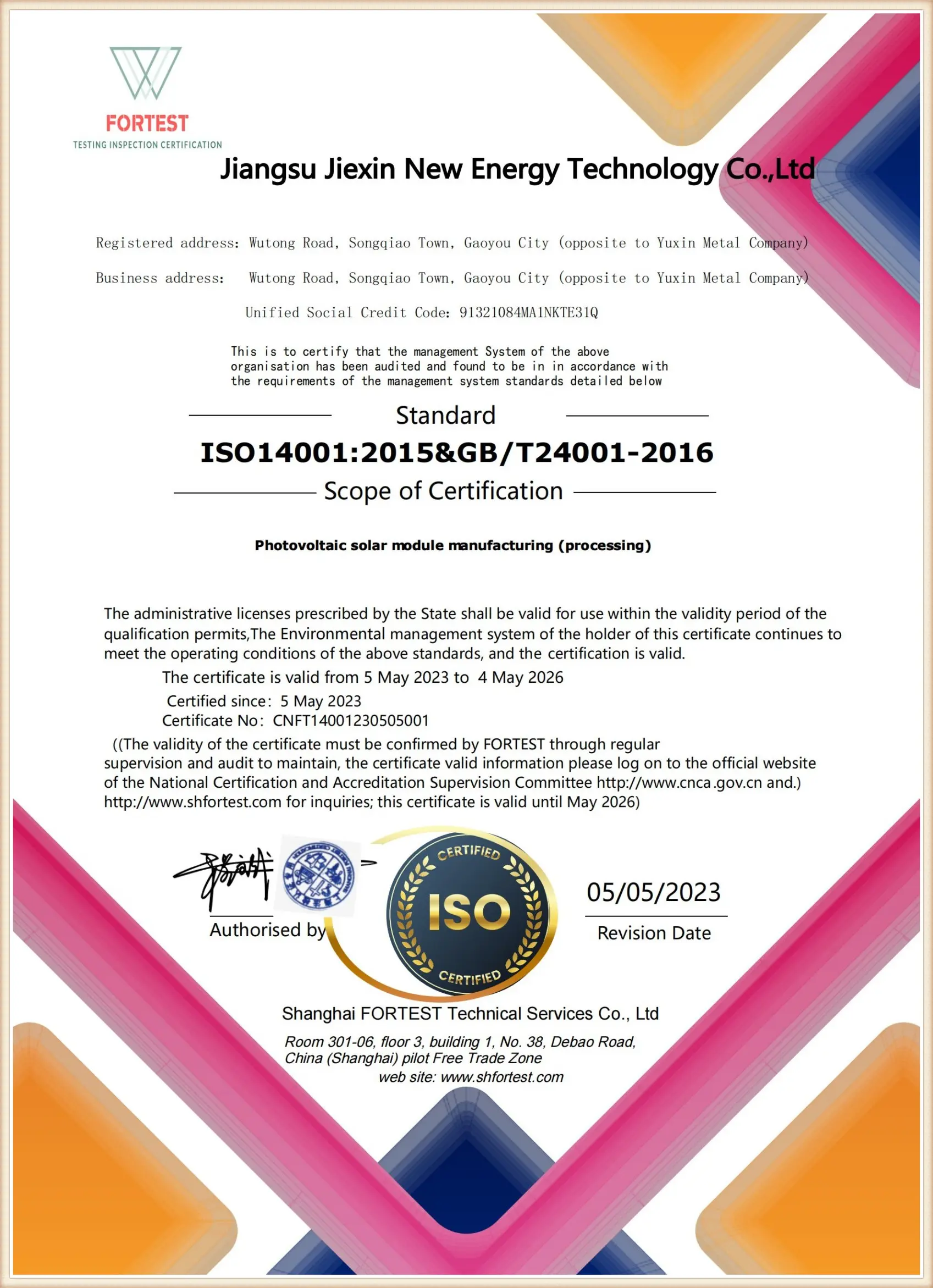
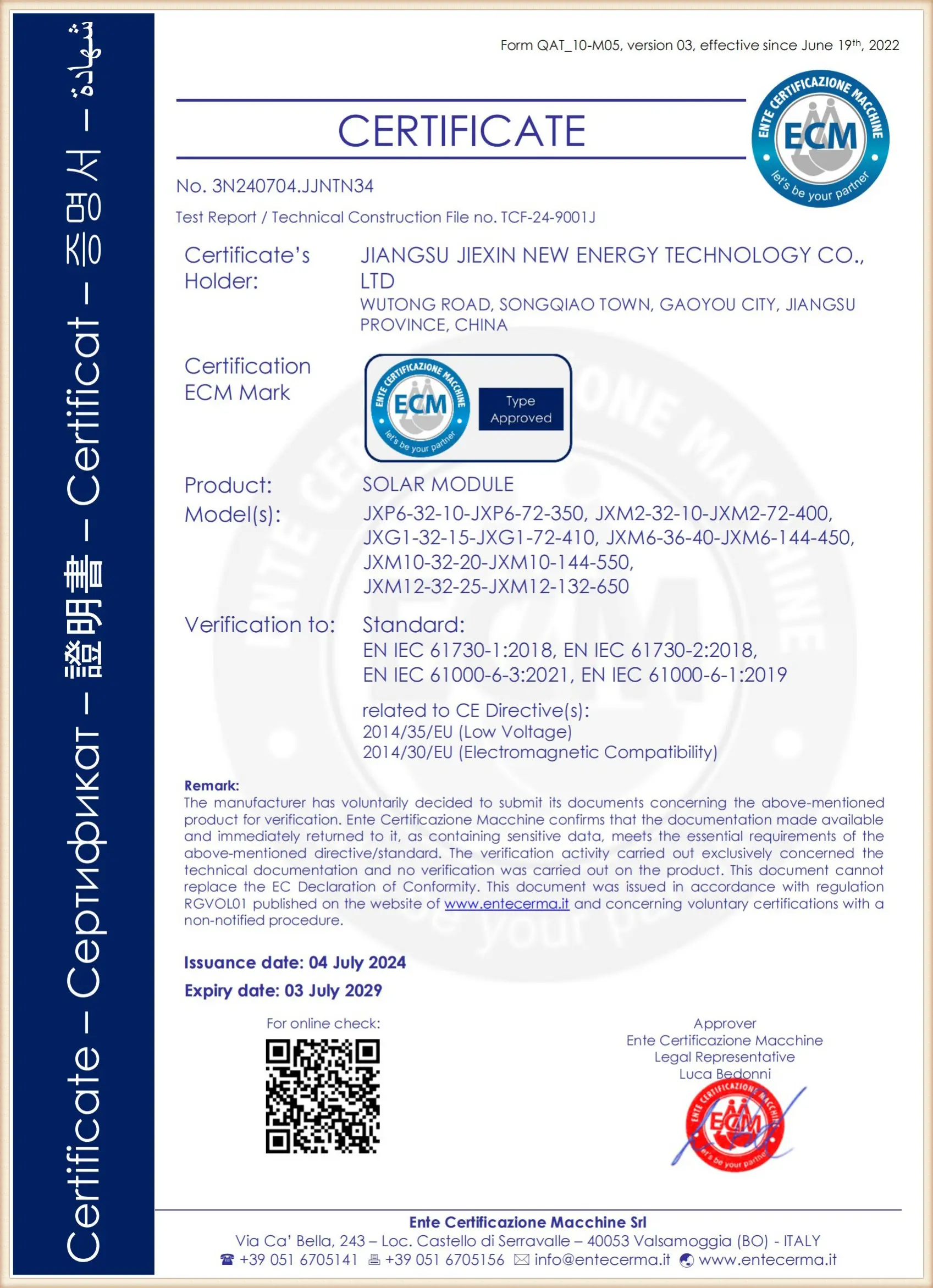
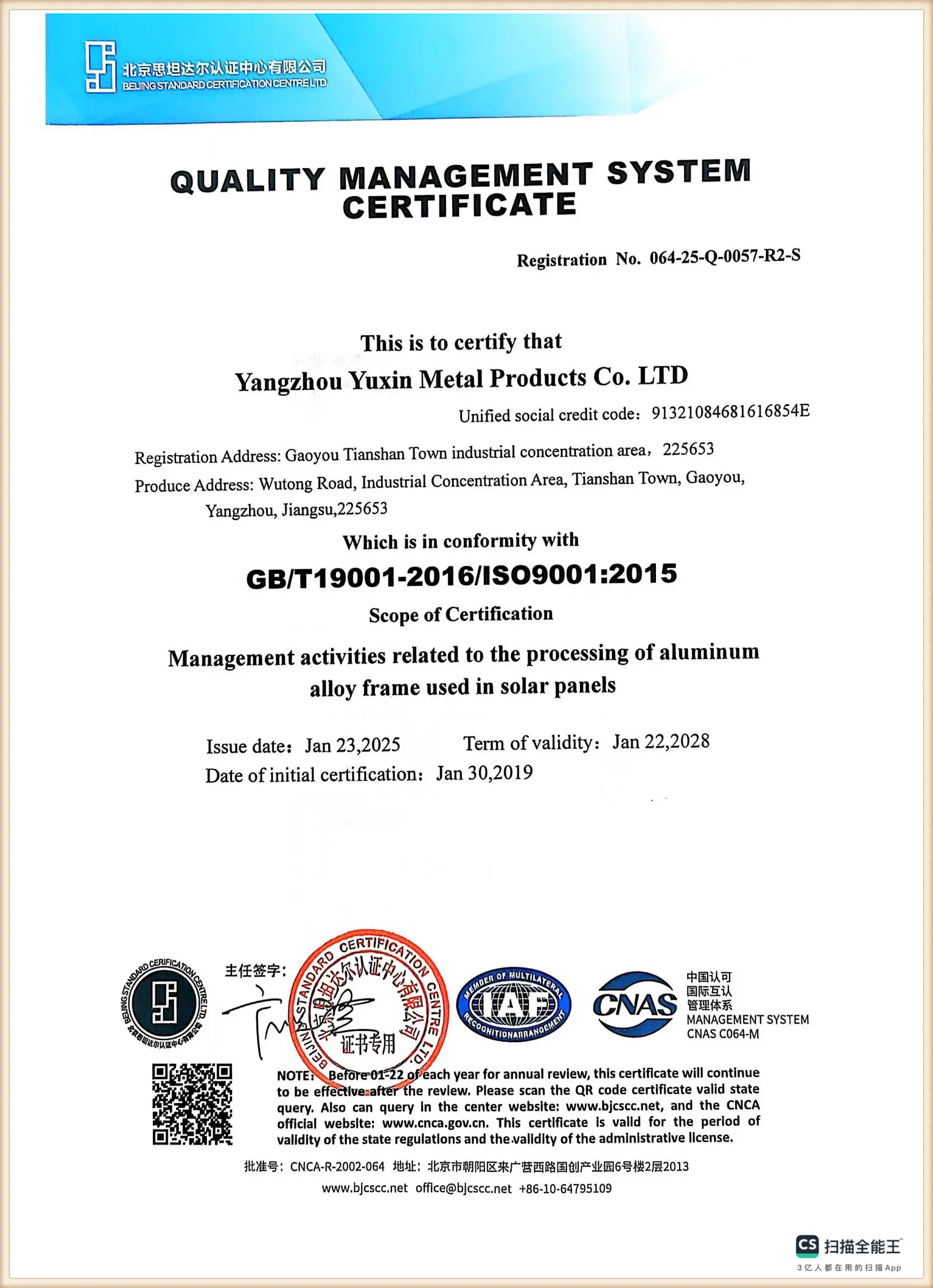
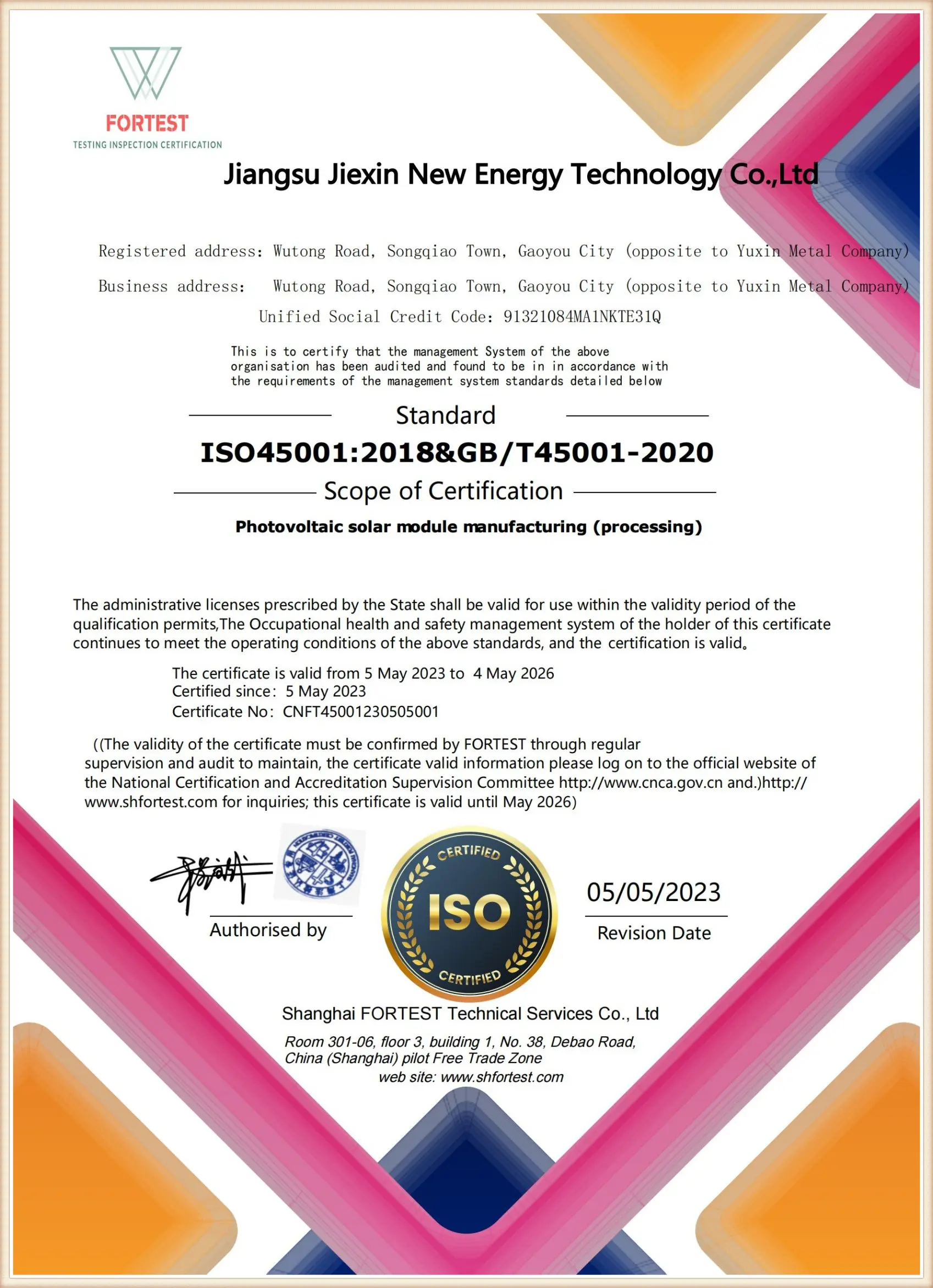
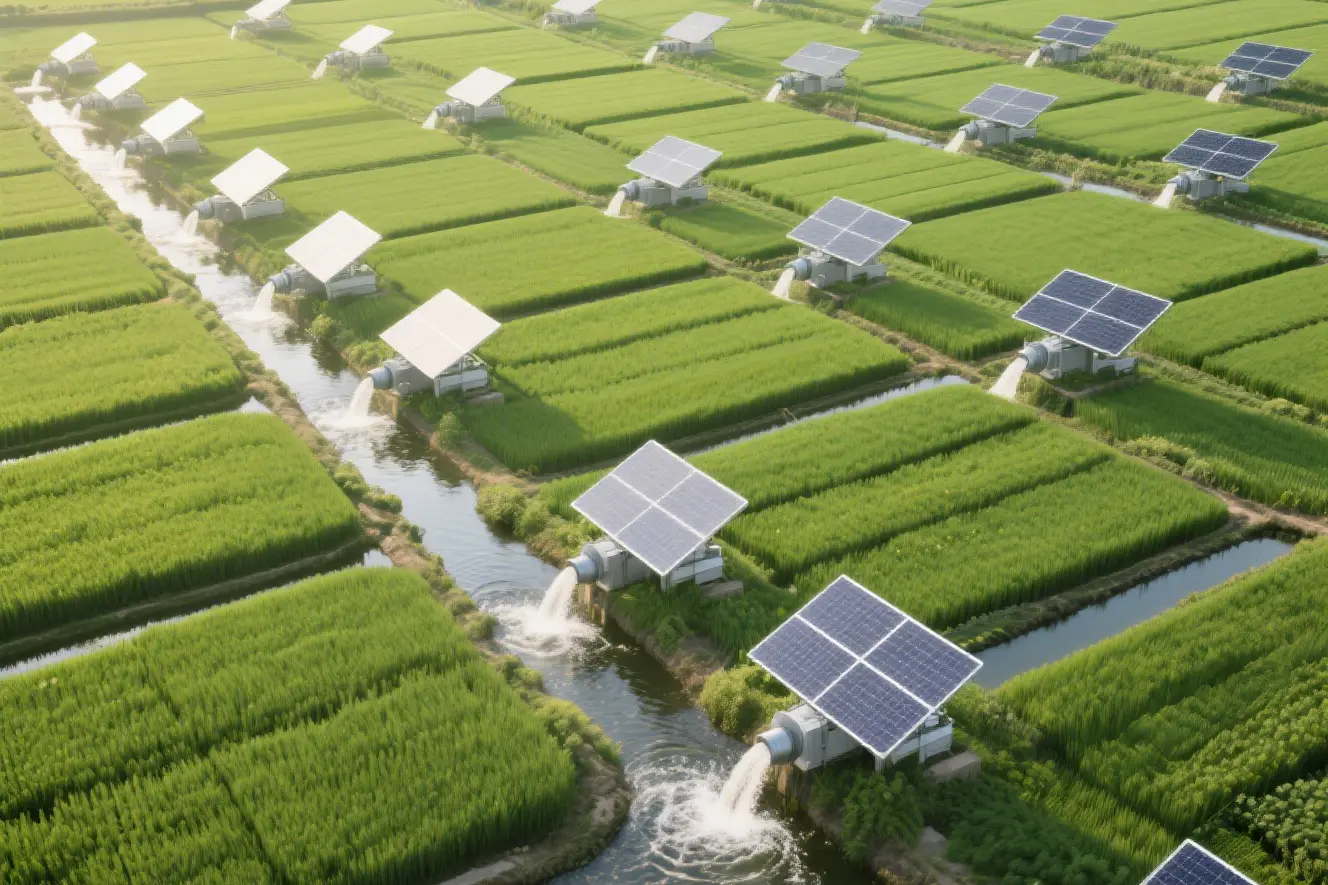
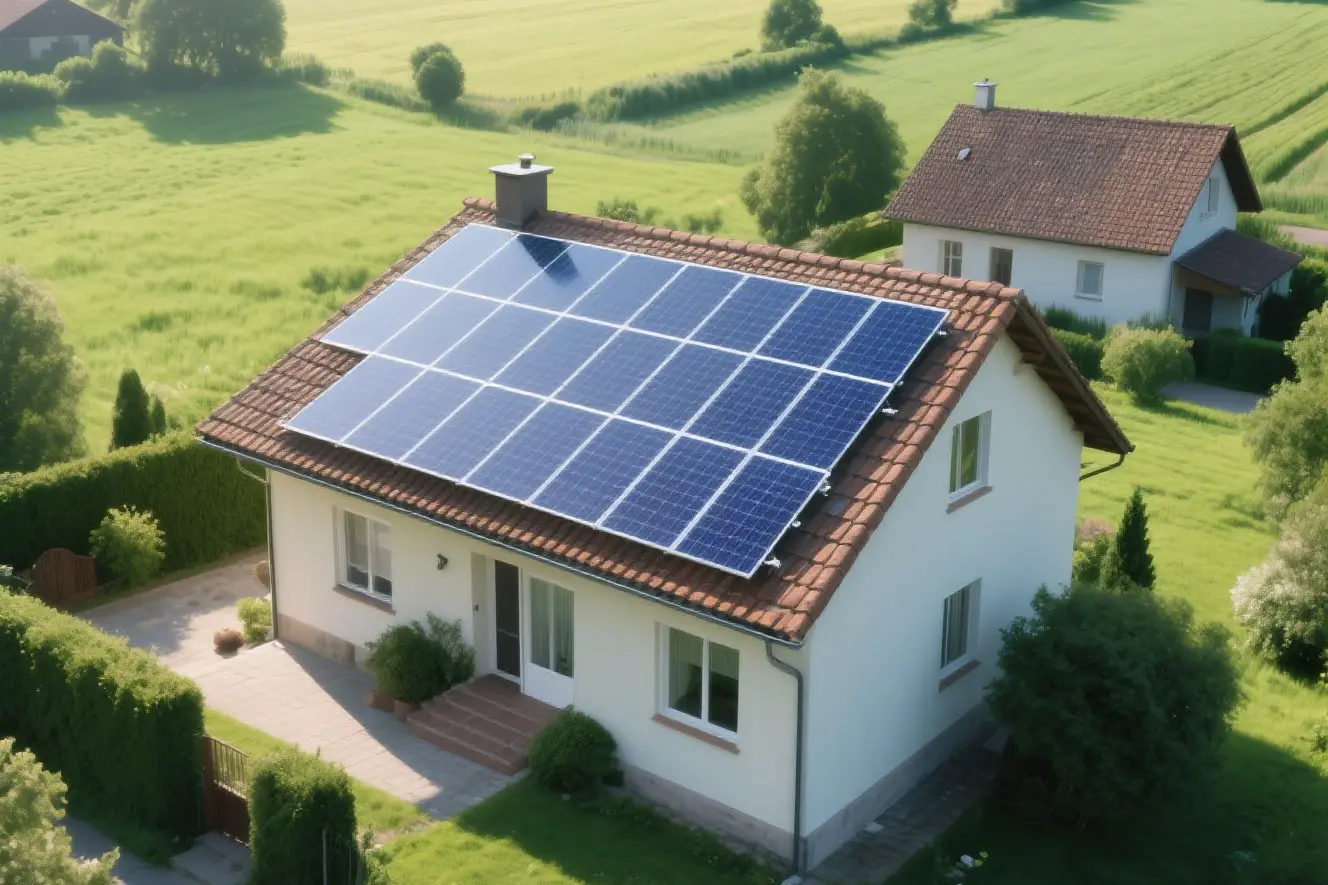
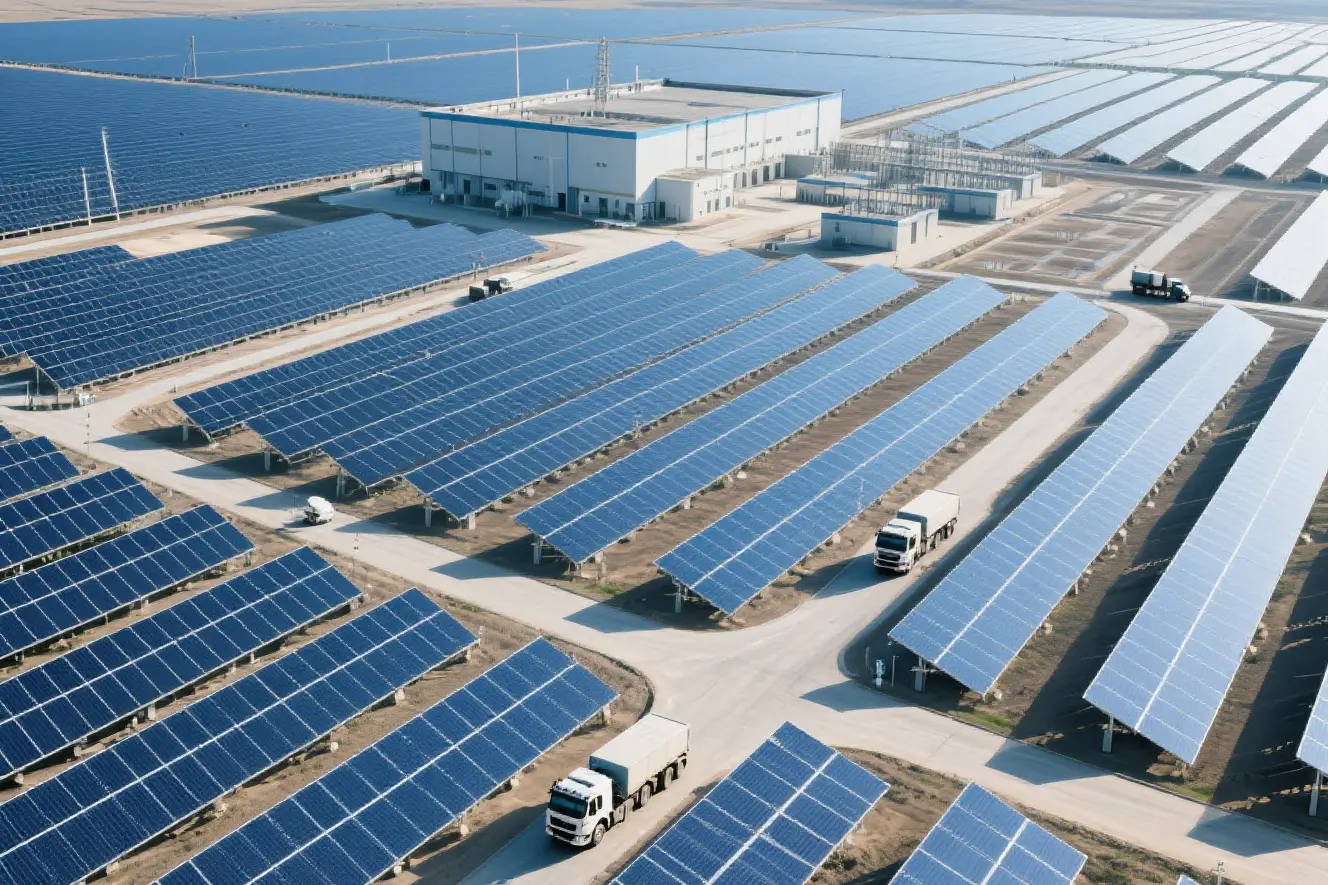
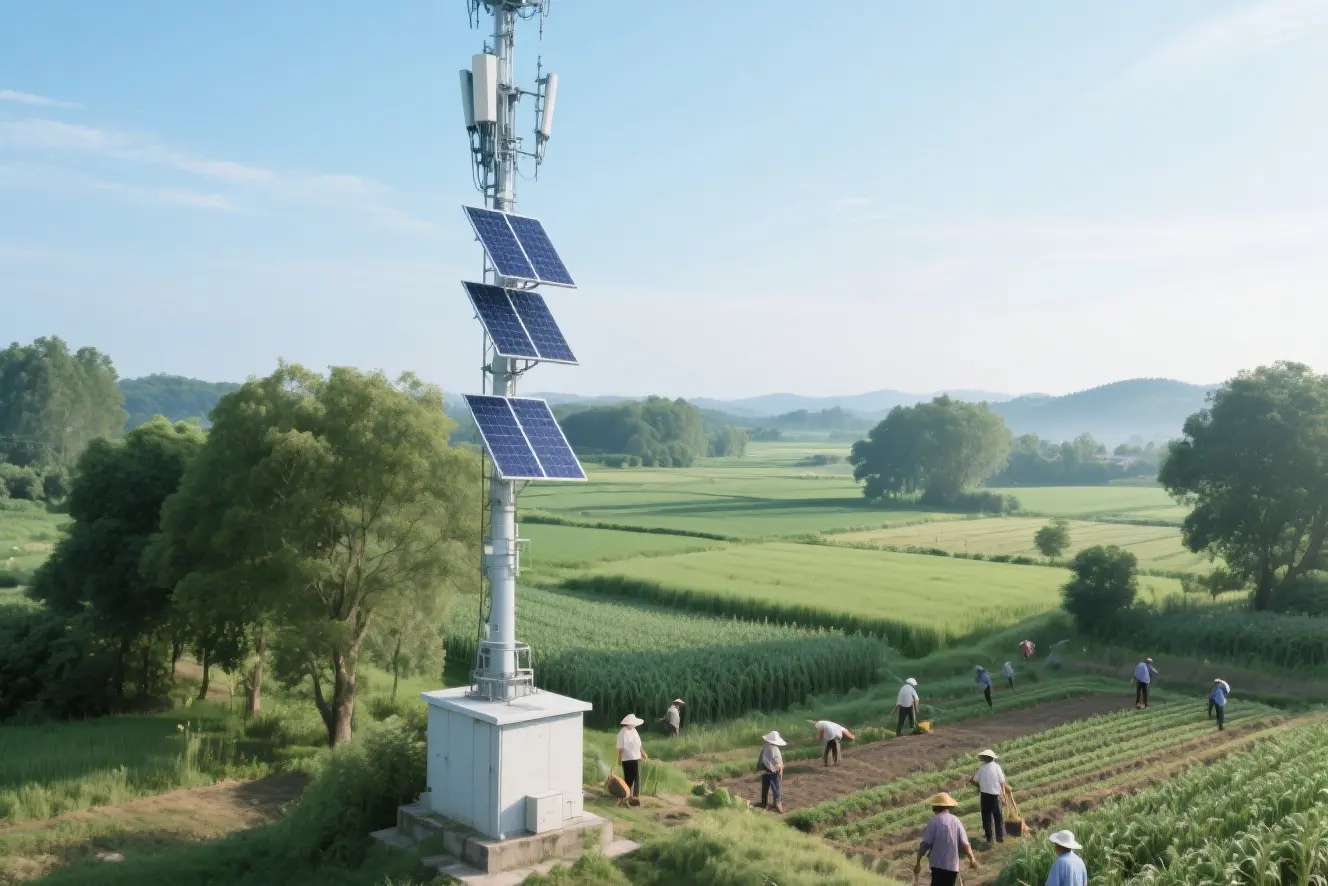
Delivering solar solutions for recreational, industrial, agricultural, and municipal projects worldwide.
Collaborating with global brands to drive research, product design, and clean energy distribution.
Insights on clean energy policy, factory production methods, and advancements in solar frame engineering.
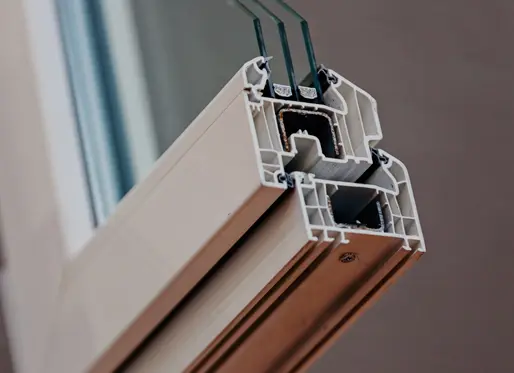
An in-depth look at alloy configurations, anodizing thicknesses, and load test compliance for B2B procurement teams.
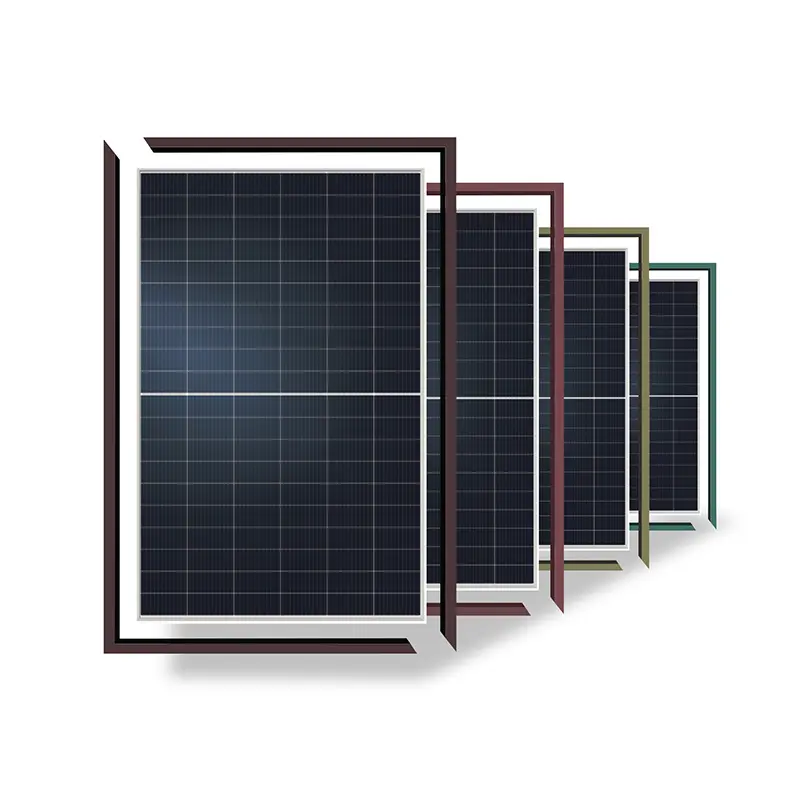
Evaluating factory capacity, tooling precision, quality control protocols, and supply-chain logistics.
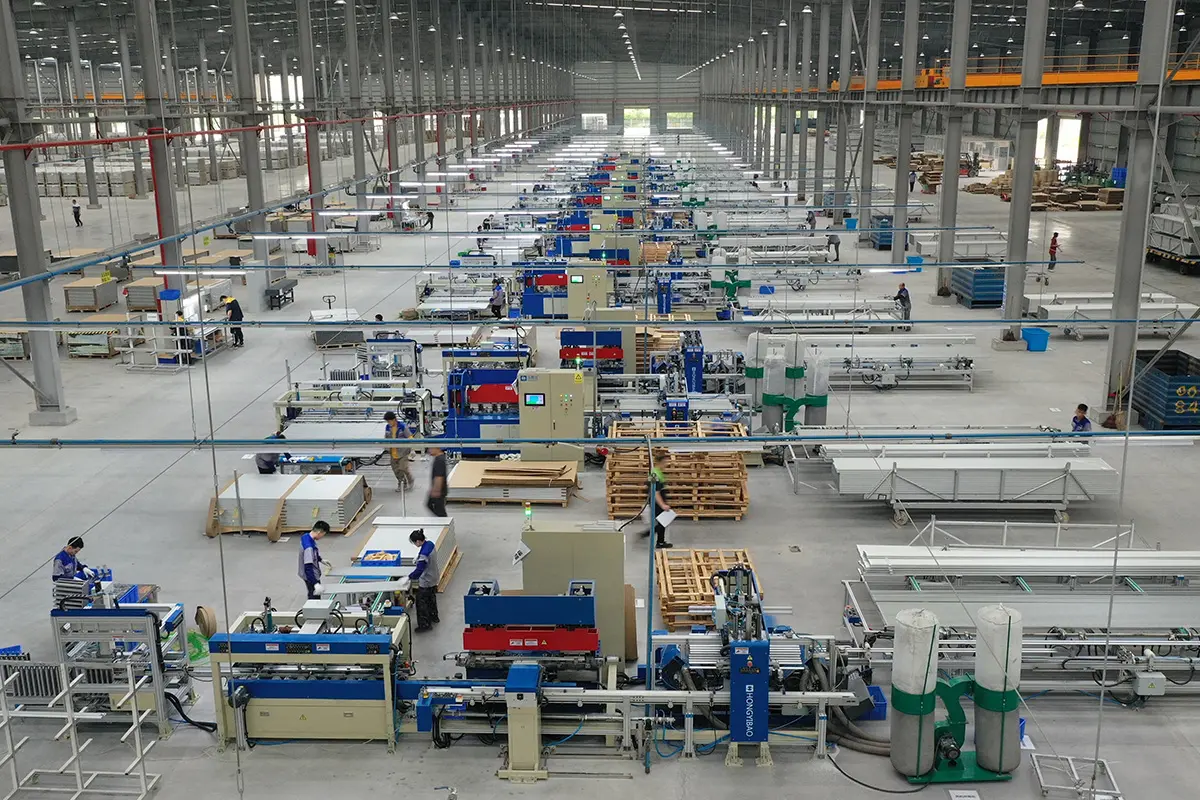
Analyzing tolerances, tensile tests, corrosion protection, and mechanical reliability standards for harsh environments.
B2B technical support and procurement insights from our engineering and sales teams.
Standard P-type PERC cells use boron-doped silicon substrates, which can be susceptible to Light-Induced Degradation (LID). In contrast, N-type TOPCon (Tunnel Oxide Passivated Contact) cells use phosphorus-doped silicon. They feature an ultra-thin silicon oxide tunnel layer combined with highly doped polycrystalline silicon, reducing recombination losses. This results in higher conversion efficiency (often exceeding 24%), lower temperature coefficients, and virtually no LID, making them highly efficient over long lifespans.
Portable panels are constantly moved, folded, and set up in varied terrain, exposing them to physical stress. High-grade anodized aluminum frames (such as 6063-T5) protect the delicate edges of the PV laminate from impacts, twist stress, and water ingress. For ultralight arrays, composite materials like pultruded polyurethane offer high tensile strength, resistance to corrosion, and electrical insulation without the weight of metals.
Pricing is determined by: volume requirements (measured in Megawatts or total units), the choice of cells (e.g., Mono-crystalline PERC vs N-type TOPCon), raw frame material pricing (current aluminum or polyurethane market index), junction box ratings (IP67 vs IP68 with MC4 compatible cables), and customization requirements (such as OEM branding, custom dimensions, or custom carrying bags). Long-term supply contracts help lock in raw material prices to protect buyers from market volatility.
Established exporters like YUXIN ensure compliance with target market regulations. We provide documentation for CE (LVD/EMC), TUV, RoHS, and UL testing. Product packaging uses heavy-duty, reinforced honeycomb cartons with anti-static corner protection to prevent micro-cracks during sea and land transit. Our close proximity to Yangzhou and Shanghai ports allows for efficient container transport and customs clearance.
Explore more specialized products, from backpack-integrated solar chargers to high-power off-grid modules.