Famous Off Grid Solar Panel Kits For Home Companies & Service

High-Yield Photovoltaic Engineering, Smart Energy Storage, and Resilient Global Supply Chains

Engineering Paradigm of Residential Off-Grid Solar Kits

A technical treatise on structural efficiency, module chemistry, and power integration architectures.

Understanding Photovoltaic Off-Grid Systems

Off-grid solar energy systems represent the pinnacle of decentralized energy generation. Unlike traditional grid-tied architectures, an off-grid residential configuration must act as a self-sustaining utility. The system relies on precise synchronization between solar generation, battery chemistry management, and active power conversion processes.

To design an off-grid system with high operational continuity, engineers calculate local peak sun hours, daily load margins, and storage sizing thresholds. The integration of N-type TOPCon and Mono-crystalline PERC modules has pushed system efficiencies beyond 22%, allowing homeowners to maximize energy generation per square meter.

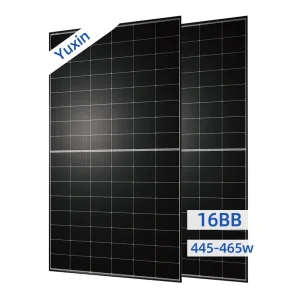
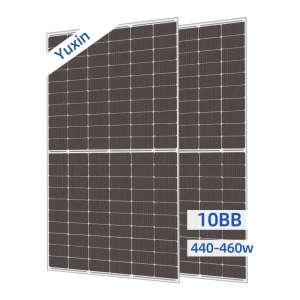
Key Engineering Metric: Energy conversion losses are minimized using Multi-Busbar (MBB) configurations (such as 10BB and 16BB patterns). This technology reduces electron recombination rates and maintains low operational temperatures under heavy thermal load conditions.
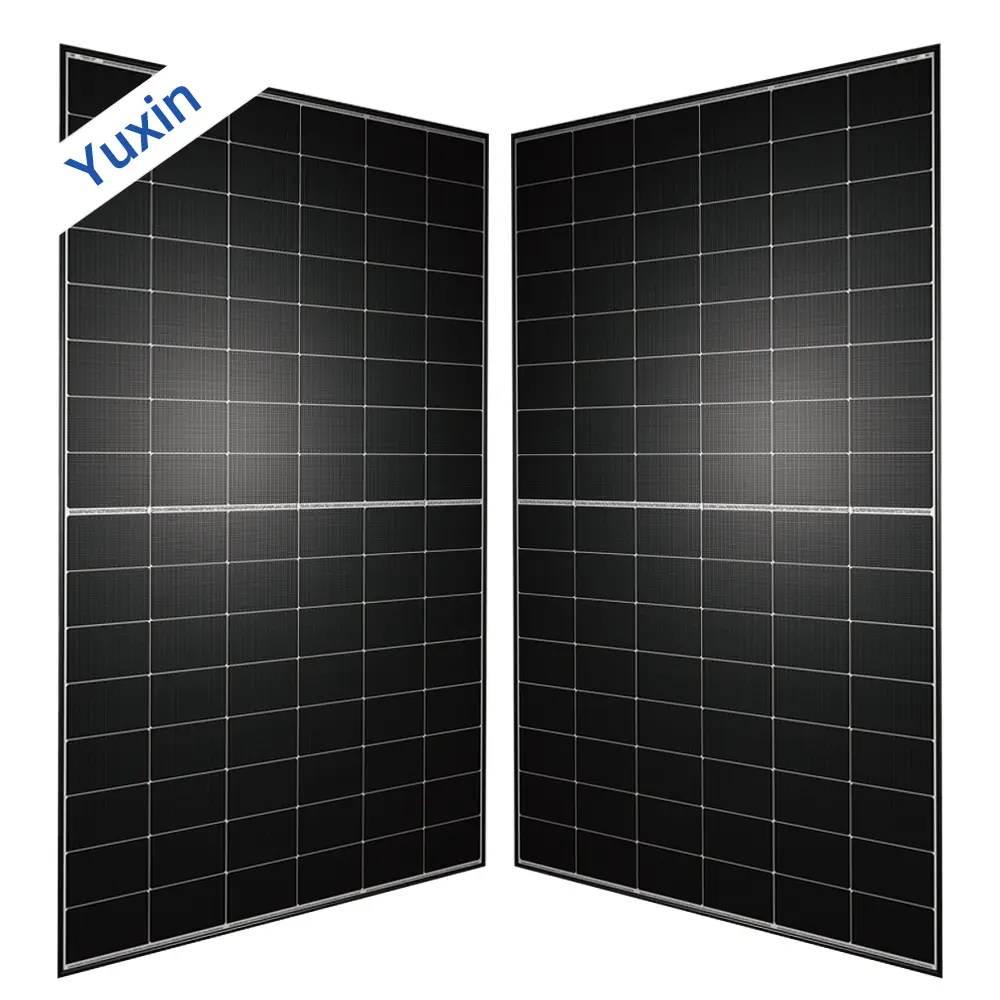
High Quality Solar Panel Engineering
Cell Technology Typical Efficiency Range Temperature Coefficient Bifaciality Factor Expected Degradation (Year 1)
N-Type TOPCon (Bifacial) 22.5% - 24.5% -0.30% / °C 80% - 85% < 1.0%
P-Type PERC (Monocrystalline) 20.5% - 22.0% -0.35% / °C 70% - 75% < 2.0%
Polycrystalline Classic 16.0% - 18.5% -0.41% / °C N/A < 3.0%

About YUXIN

Precision, Quality, and Safety - Your Photovoltaic Materials Expert

Located in the scenic historical and cultural ancient city of Yangzhou, close to the Beijing-Shanghai Expressway, Runyang Yangtze River Bridge, and Ningqi Railway, the group has a superior geographical location and convenient transportation.

Established in 2008, the group has 14 multi-field companies under its jurisdiction, including Jiangsu Yuxin New Energy Technology Co., Ltd. It has won many titles such as National High-tech Enterprise, Technology-based Enterprise, and Gaoyou City Top 100 Private Enterprises.

21+
Production Lines
$86M
Sales Revenue (USD)
12K+
Export Volume (Tons)
25K
Annual Output (Tons)

Core Component Specializations

From solar panels to structurally resilient frames and portable consumer electronics, we power every link.

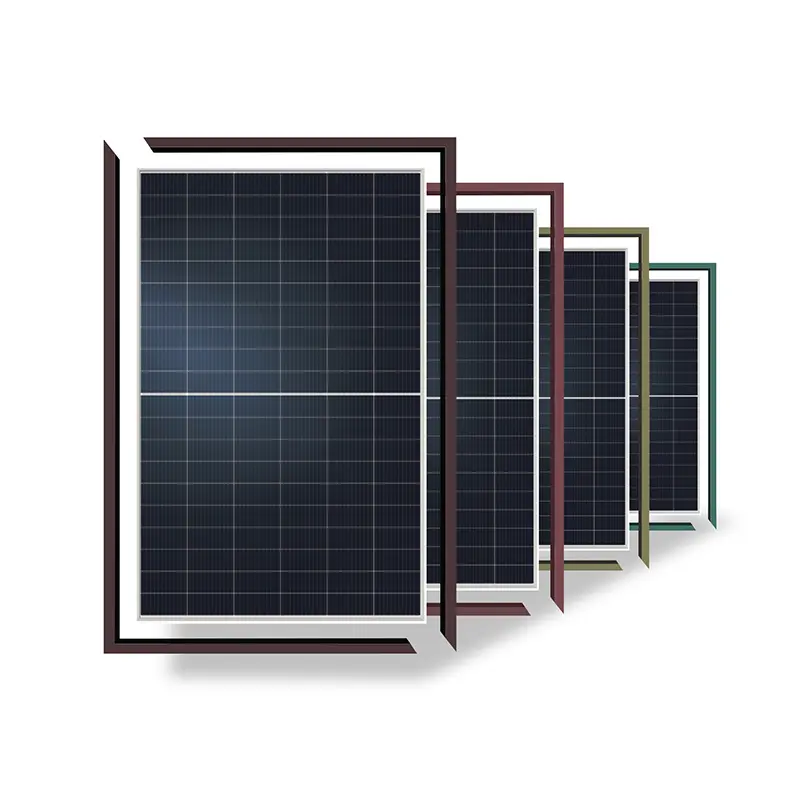
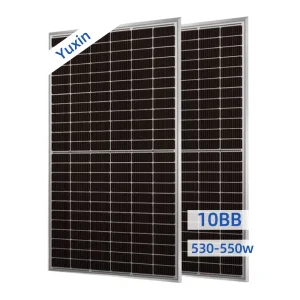
Solar Panel

Solar Panel

Lightweight design with transparent back panel for easy installation and reduced BOS costs.

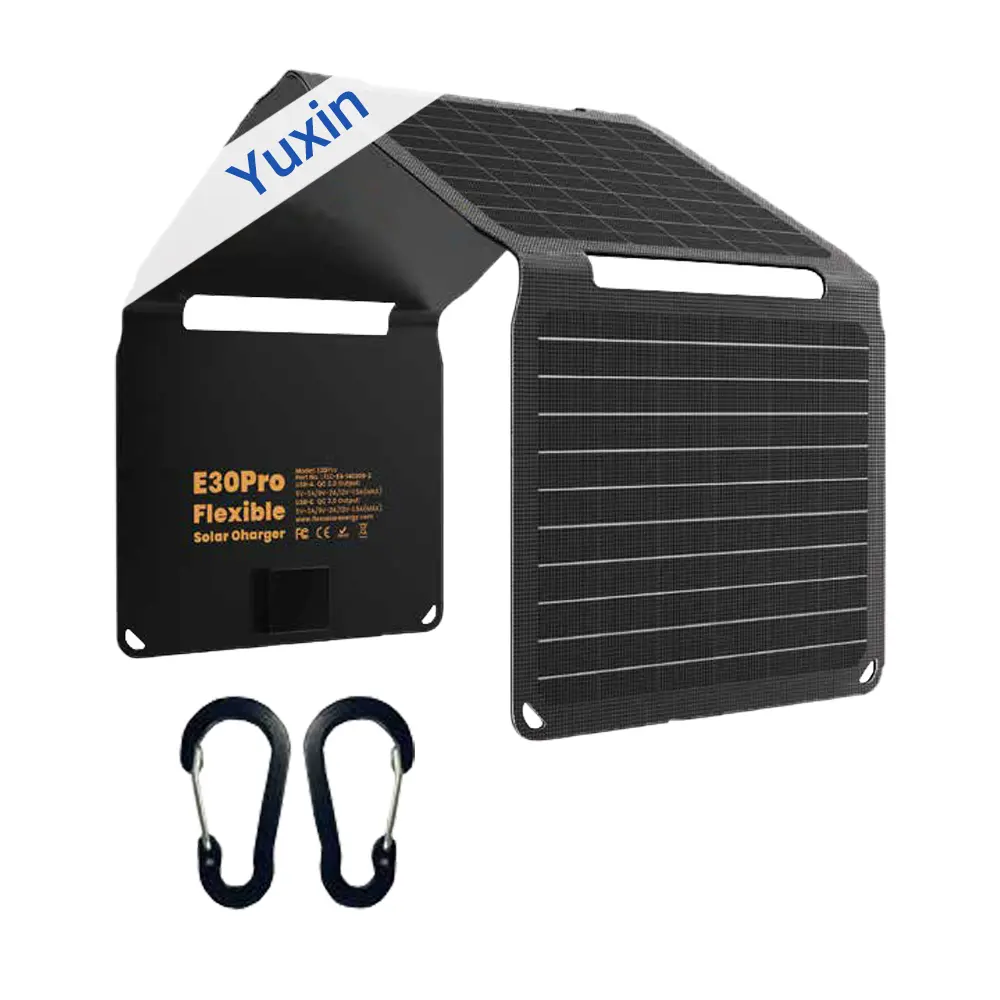
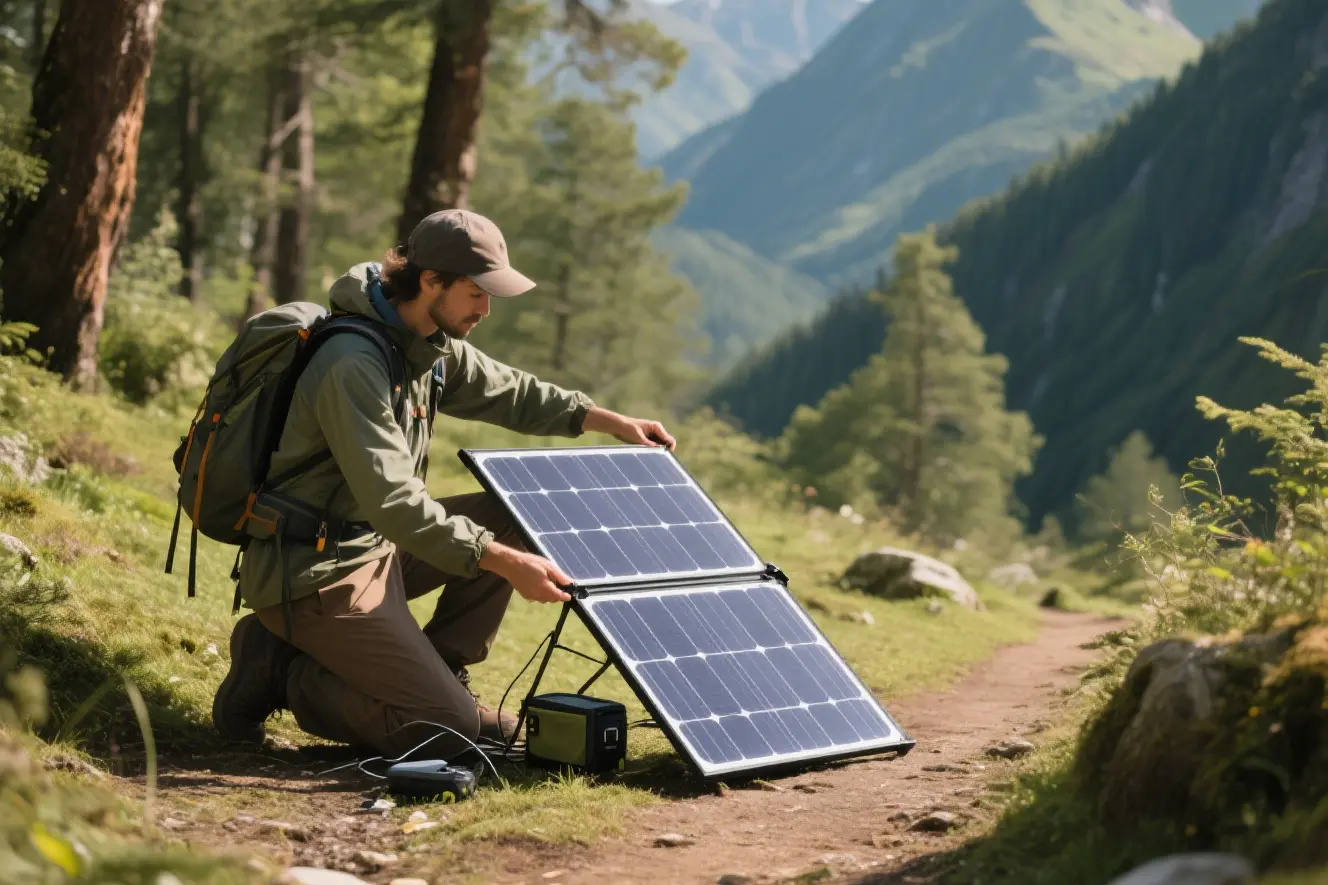
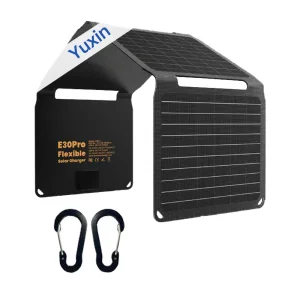
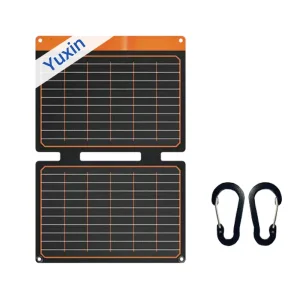
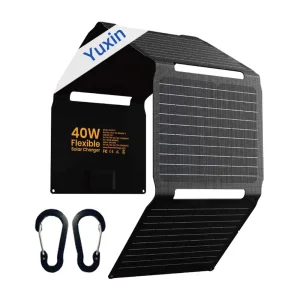
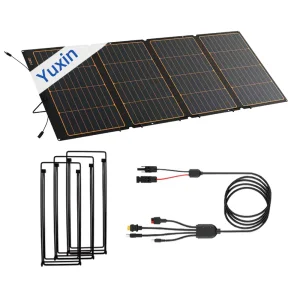
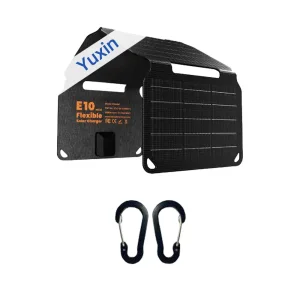
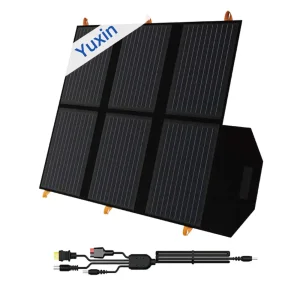
Portable Solar Charger

Portable Solar Charger

Utilizing advanced monocrystalline silicon cells, it achieves a high energy conversion efficiency of 24%.

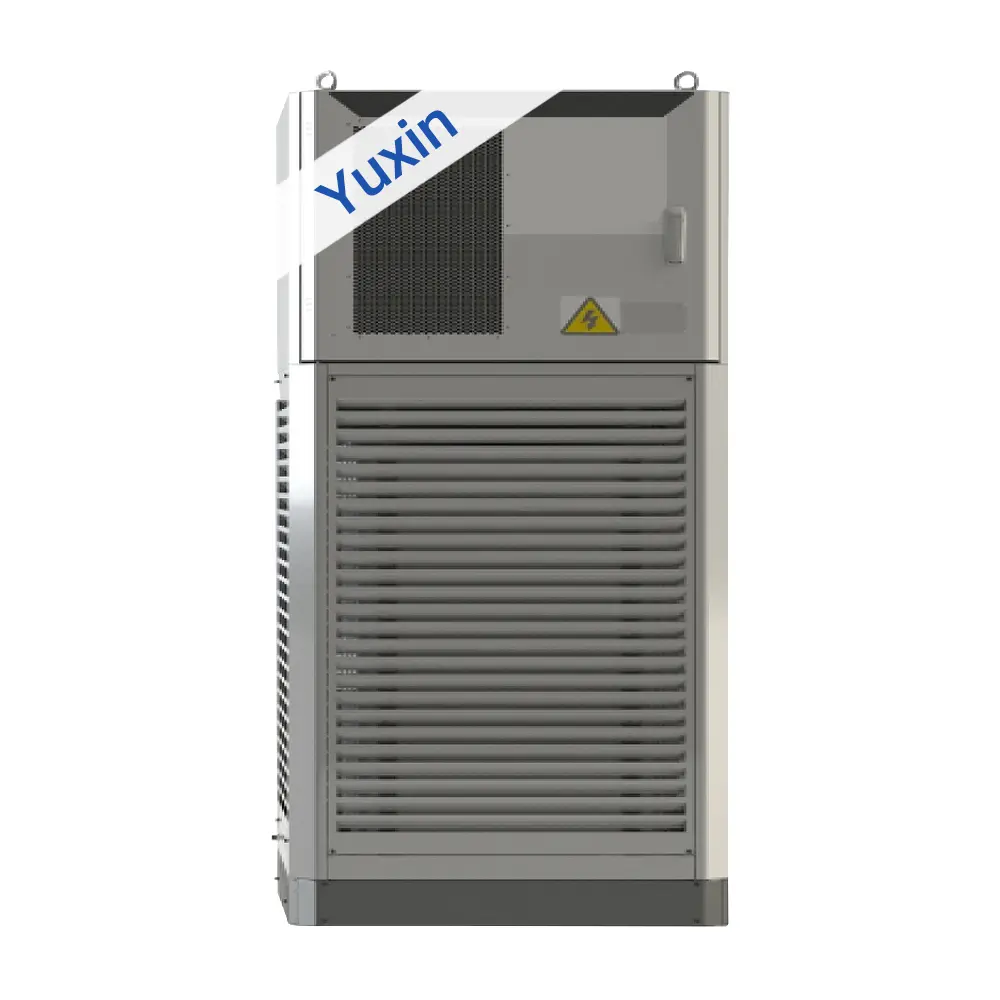
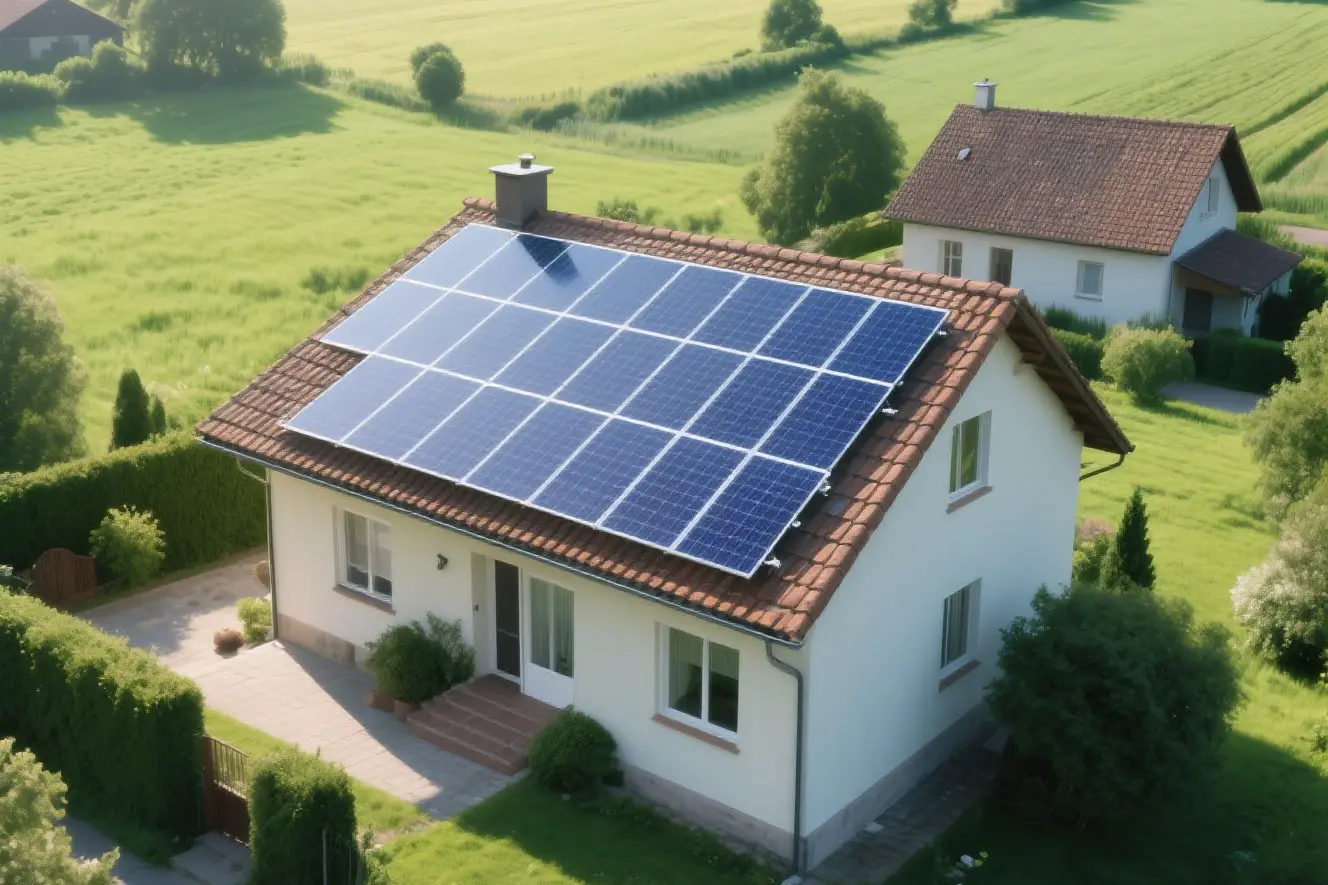
Solar System For Home

Solar System For Home

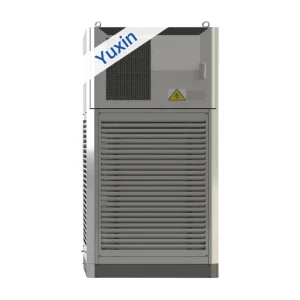
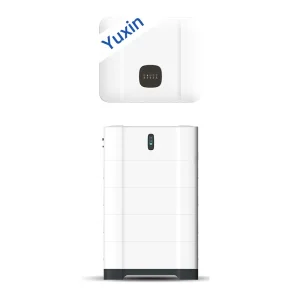
Application modes include grid-connected mode, off-grid mode, and integrated grid-connected/off-grid mode.

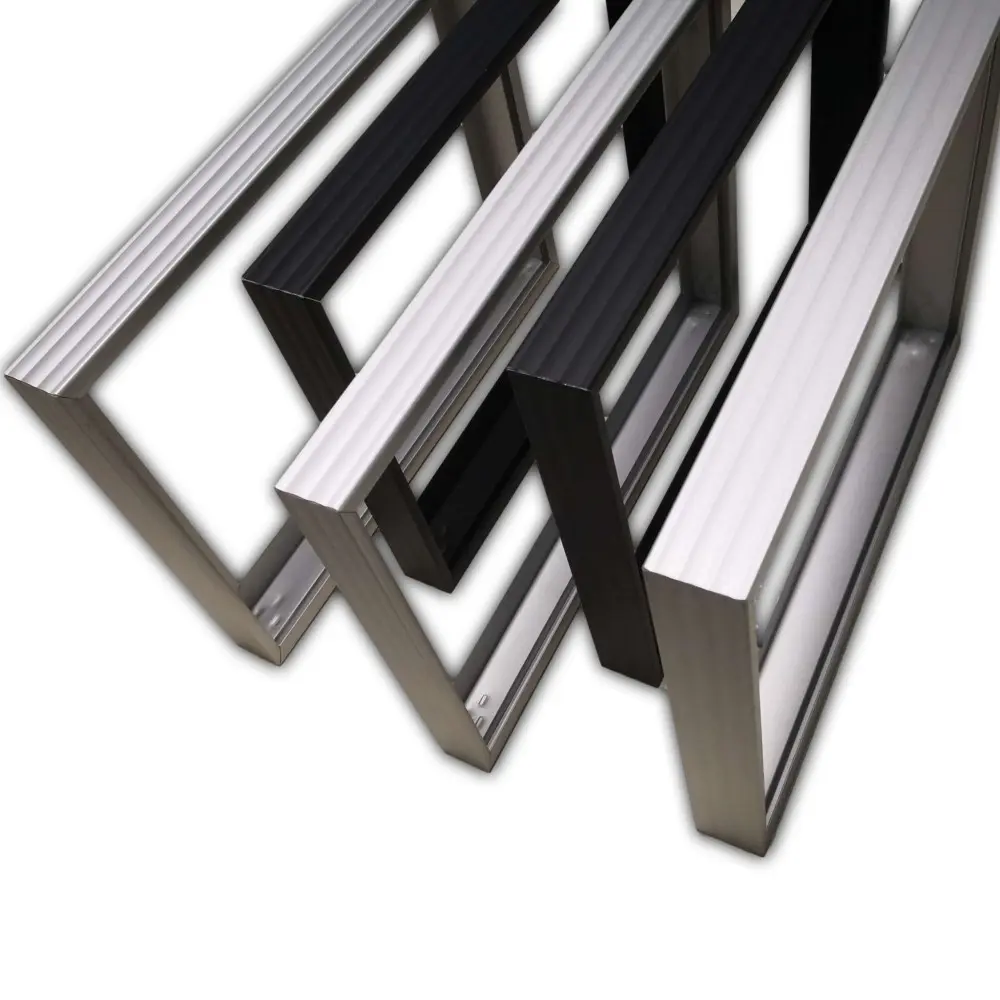
Aluminum Frames

Aluminum Frames

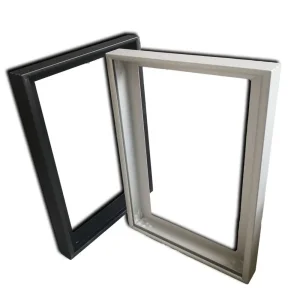
Made of high-quality anodized aluminum, it ensures superior weather resistance and a smooth, long-lasting finish.

Technology Roadmap & Material Frontiers

Pioneering advancements in structural materials, conversion efficiency, and hardware durability.

R&D laboratory solar testing

Polyurethane Composite vs. Aluminum Frames

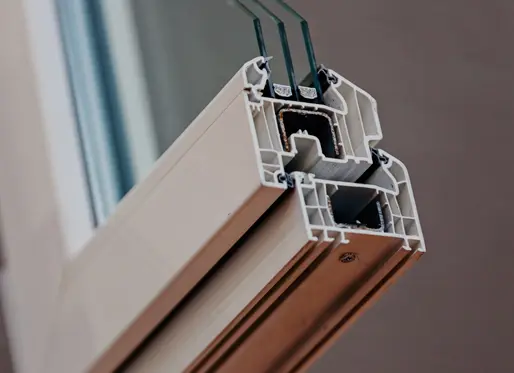
Traditional structural frames for solar panels rely primarily on anodized aluminum alloys, such as the 6063-T5 and 6005-T6 grades. However, as large-scale utility and marine-environment installations expand, the industry is shifting toward next-generation frame materials.

The introduction of Polyurethane (PU) Pultruded Composite Materials is a significant milestone. These composites offer excellent mechanical properties, including high tensile strength, resistance to chemical corrosion, and high thermal insulation, which eliminates the risks of Potential Induced Degradation (PID) caused by metallic frame grounding paths.

This material change, combined with N-Type TOPCon dual-glass architectures, creates a durable system design that can withstand wind loads of up to 5400 Pa and snow loads of 2400 Pa, with an expected operating lifespan of over 30 years.

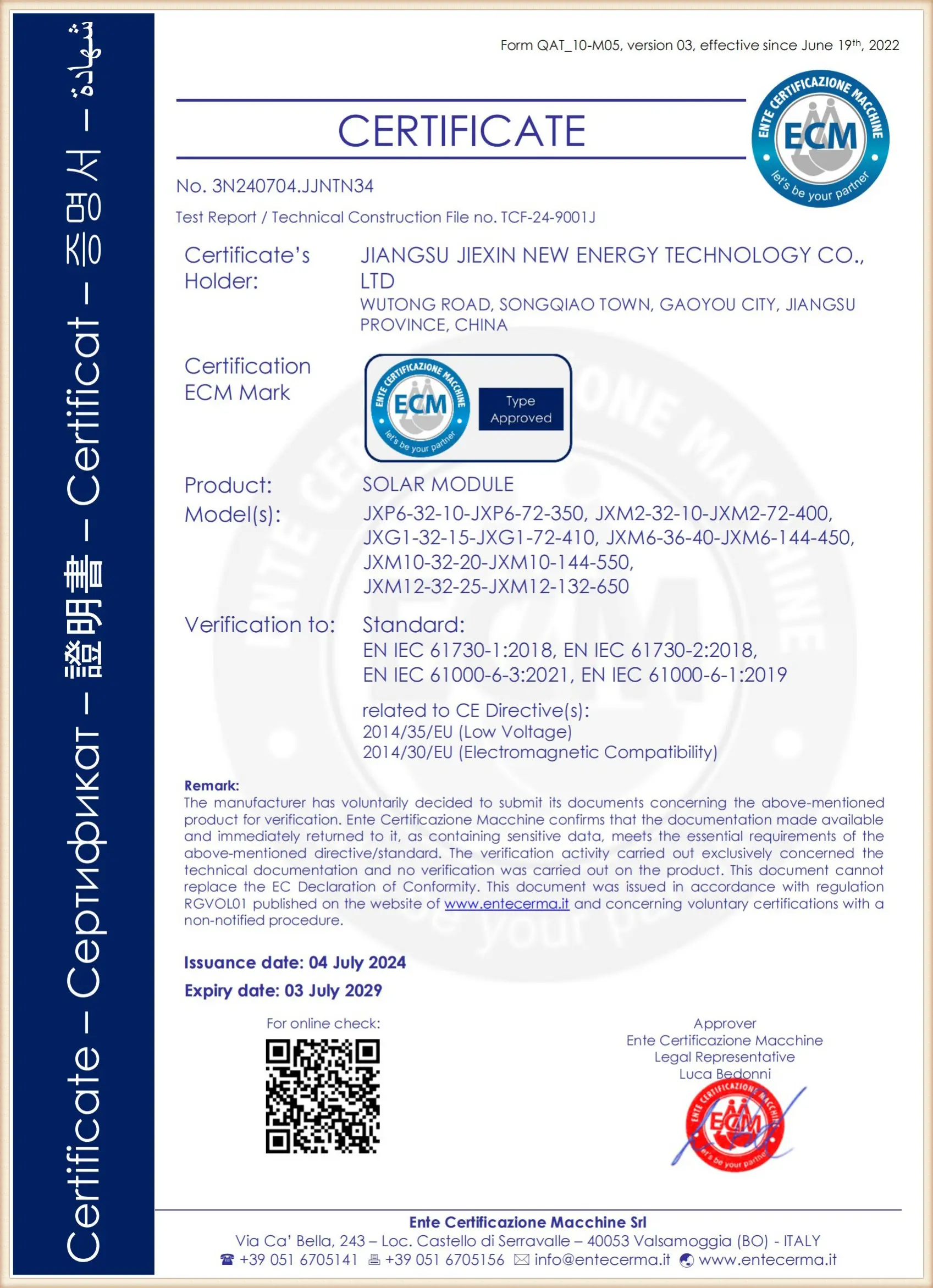
Global Standards & Quality Certifications

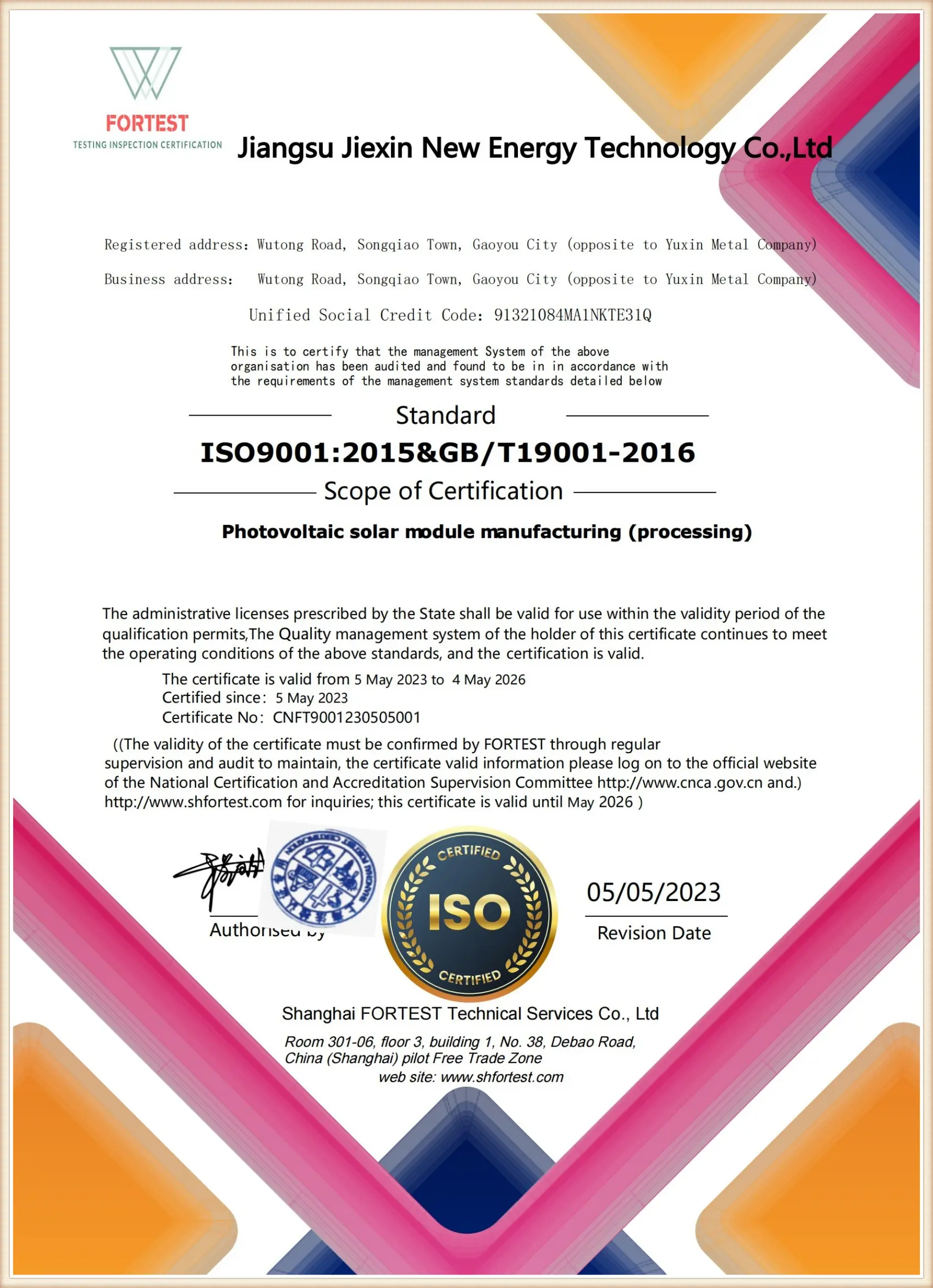
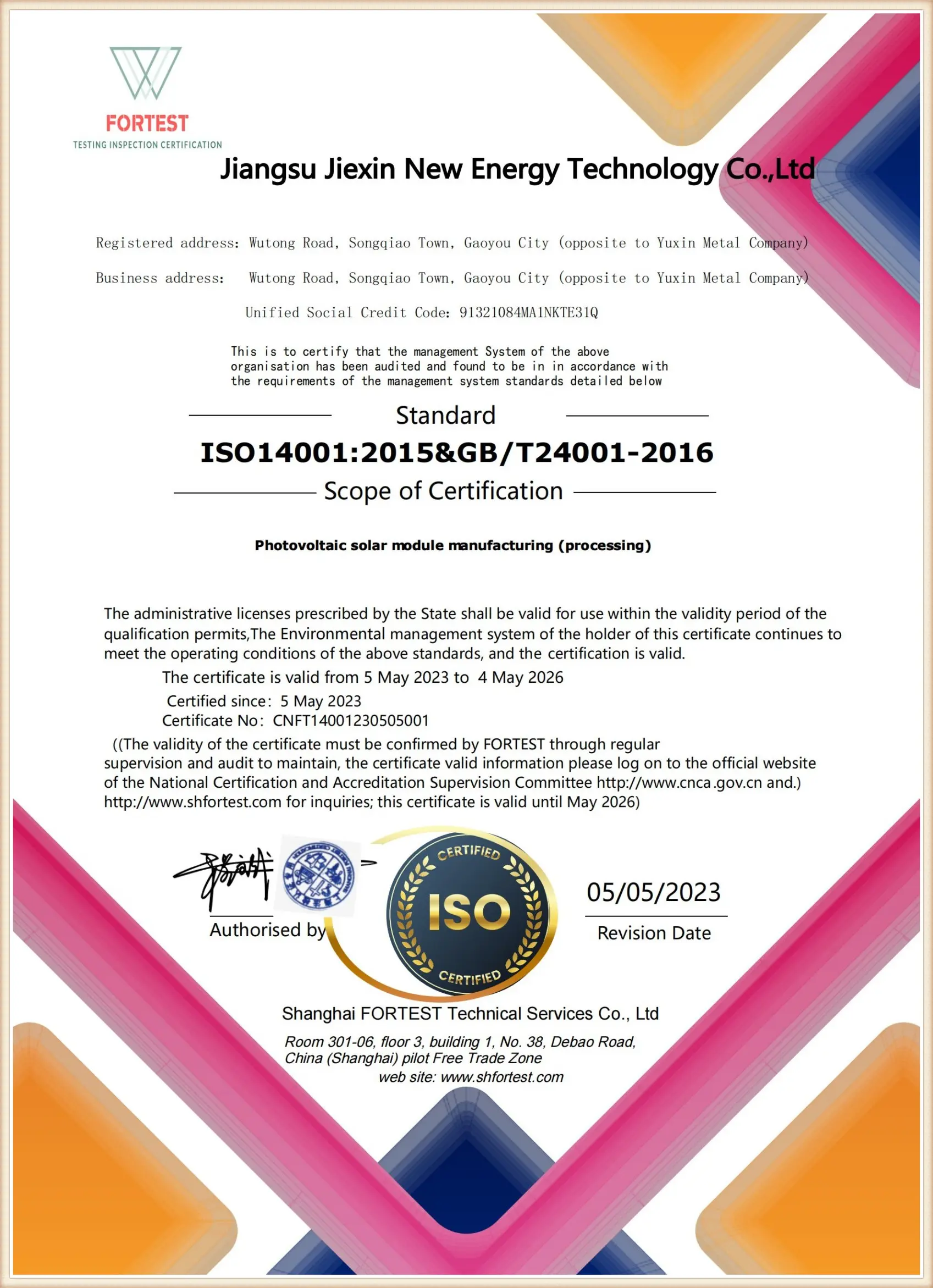
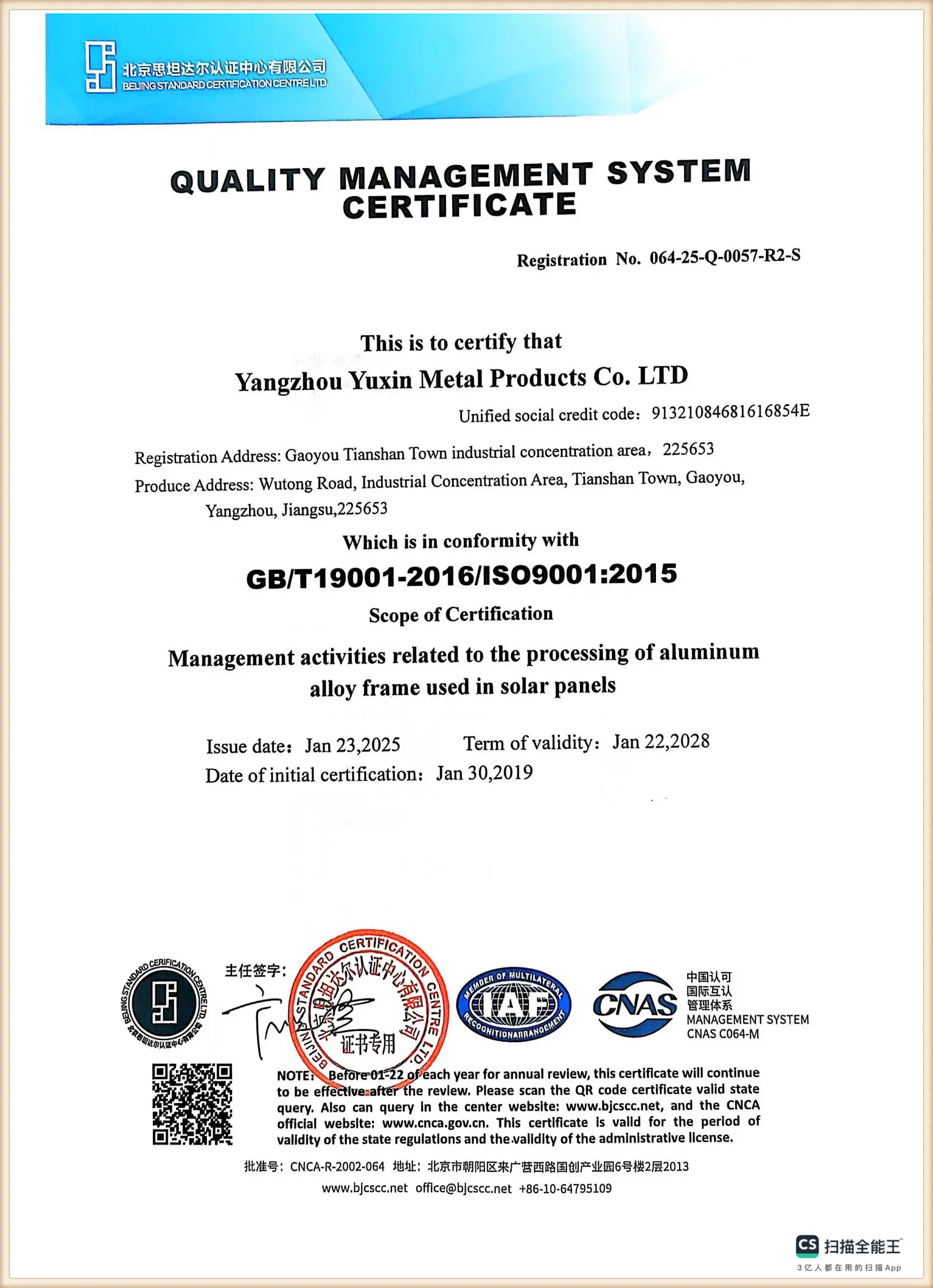
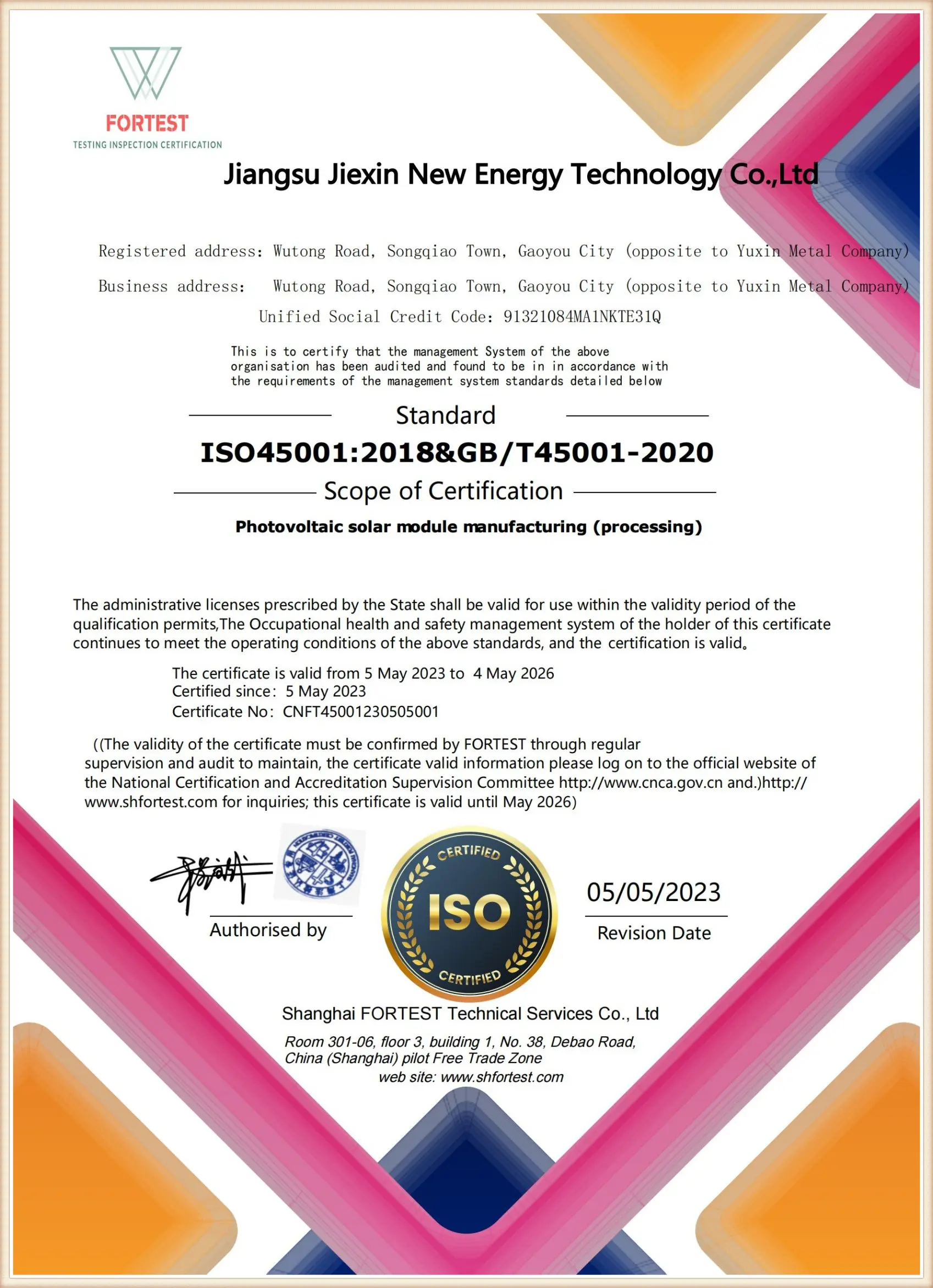
Our manufacturing and environmental management standards are certified by major international bodies.

ISO Certification
CE Certificate
TUV Quality Mark
Compliance Approval
SGS Standards Certificate

Diversified Industry Applications

Decentralized solar generation solutions designed for critical infrastructure, rural utilities, and harsh environments.

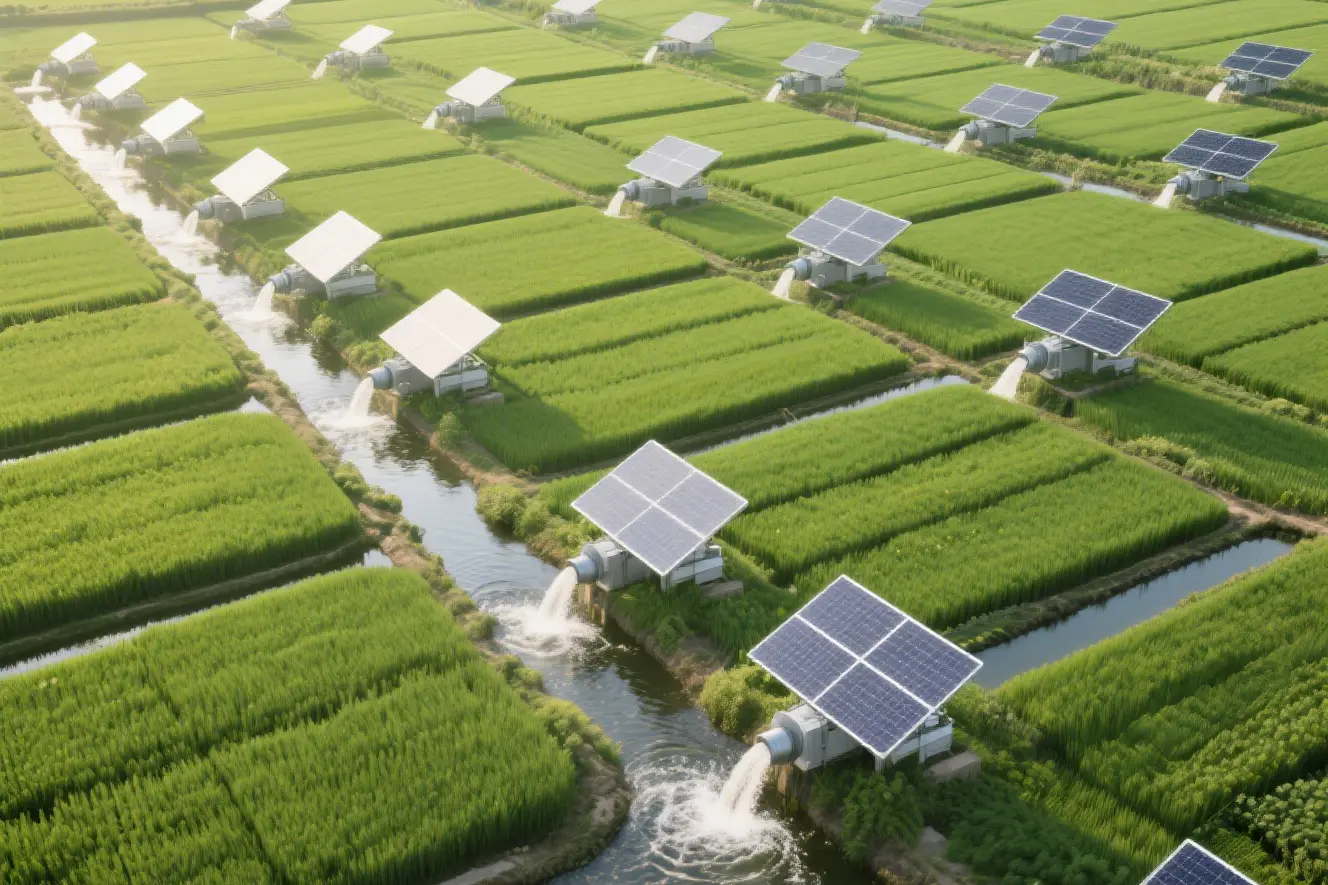
Agriculture solar application

Agriculture

Powering solar pump irrigation systems, livestock monitoring, and off-grid greenhouse ventilation systems.

Construction industry solar integration

Construction Industry

Integrating zero-emission temporary site power, solar structural frames, and building-integrated PV (BIPV).

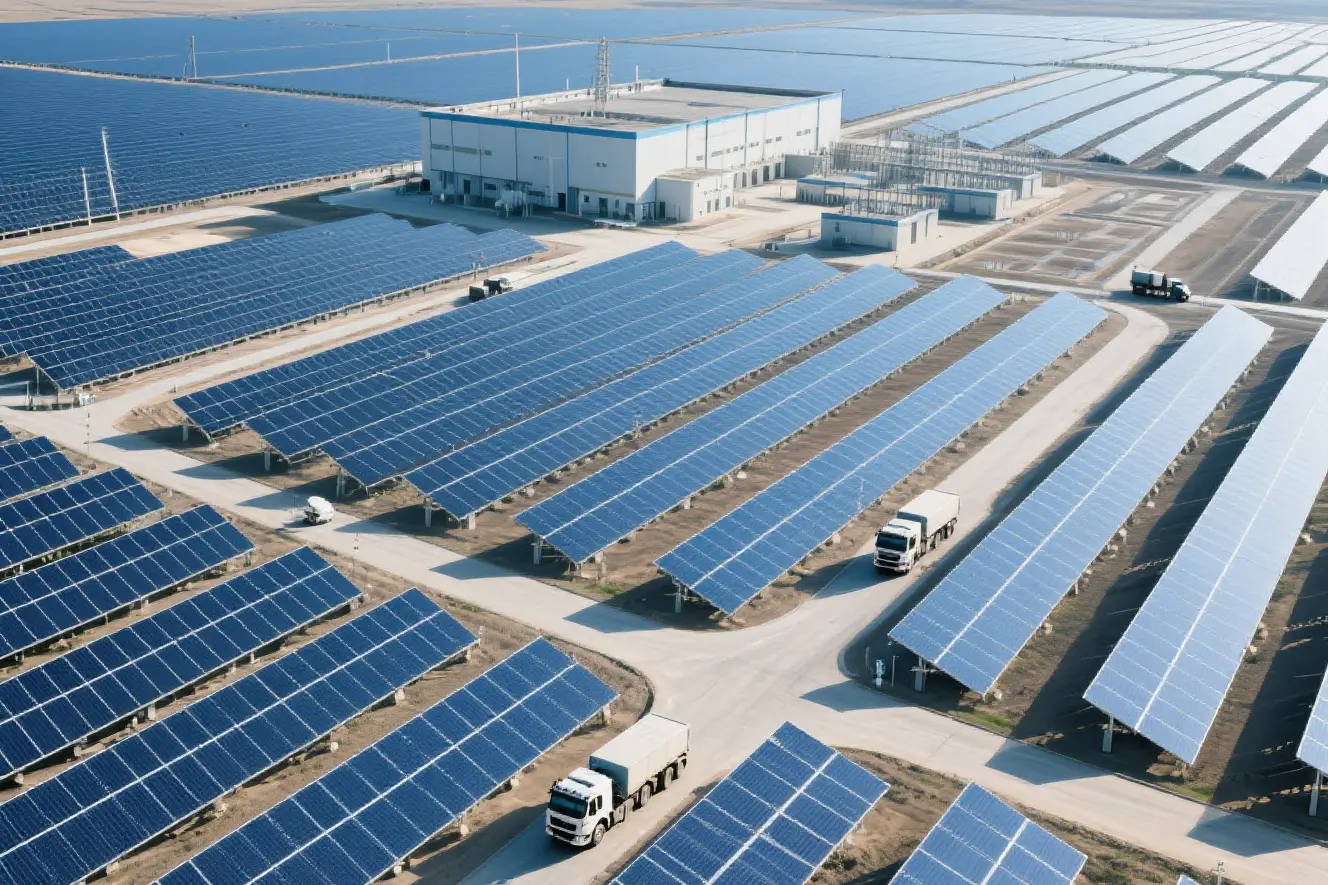
Electric power industry transmission and generation

Electric Power Industry

Providing microgrid ancillary services, distributed generation networks, and storage management configurations.
Outdoors and portable energy gear

Outdoors

Supplying high-efficiency outdoor solar backpacks, portable power stations, and lightweight camping panels.

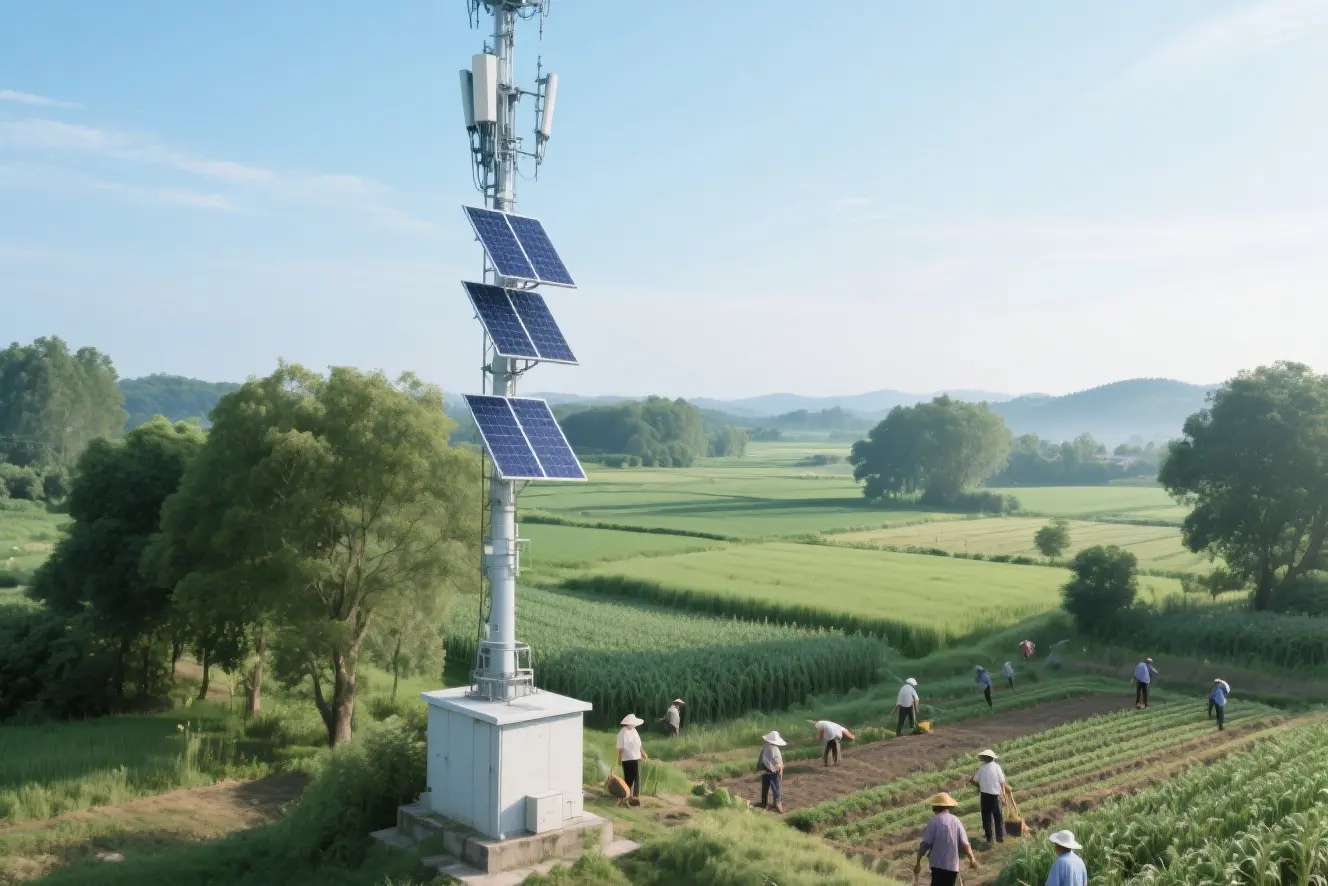
Telecommunications field base stations

Telecommunications Field

Providing backup power supply solutions for isolated base stations, transponders, and fiber optic repeating hubs.

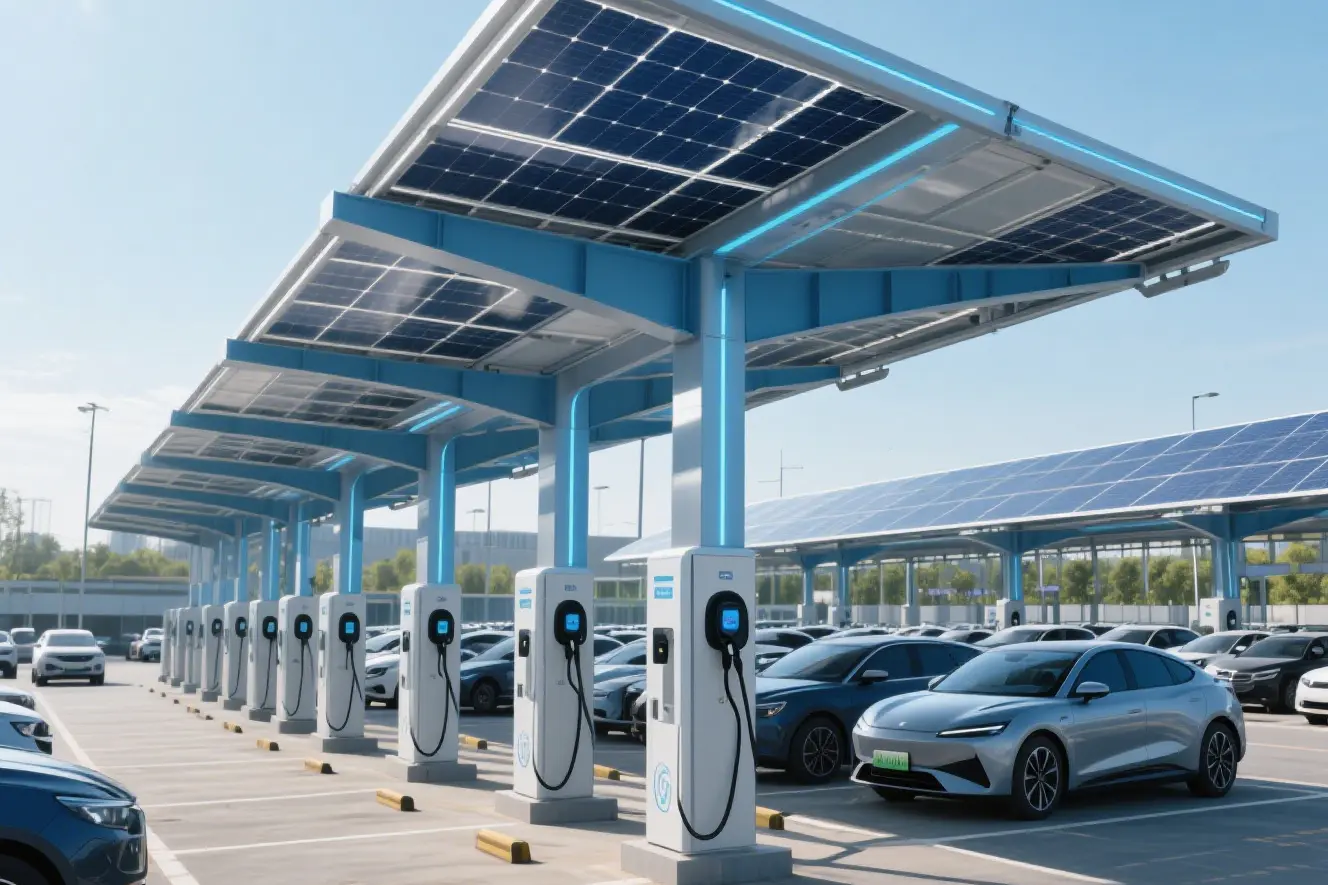
Transportation industry infrastructure

Transportation Industry

Supplying renewable energy for signal systems, highway signage, emergency lighting, and EV charging stations.
Supply Chain Resilience & Yangzhou Manufacturing Strengths

The global energy transition requires reliable, high-yield manufacturing supply chains. Jiangsu Yuxin’s factories are strategically located in Yangzhou, at the core of East China’s solar technology corridor. This location provides access to raw materials and convenient logistics routes, including direct links to maritime shipping hubs through the Port of Shanghai.
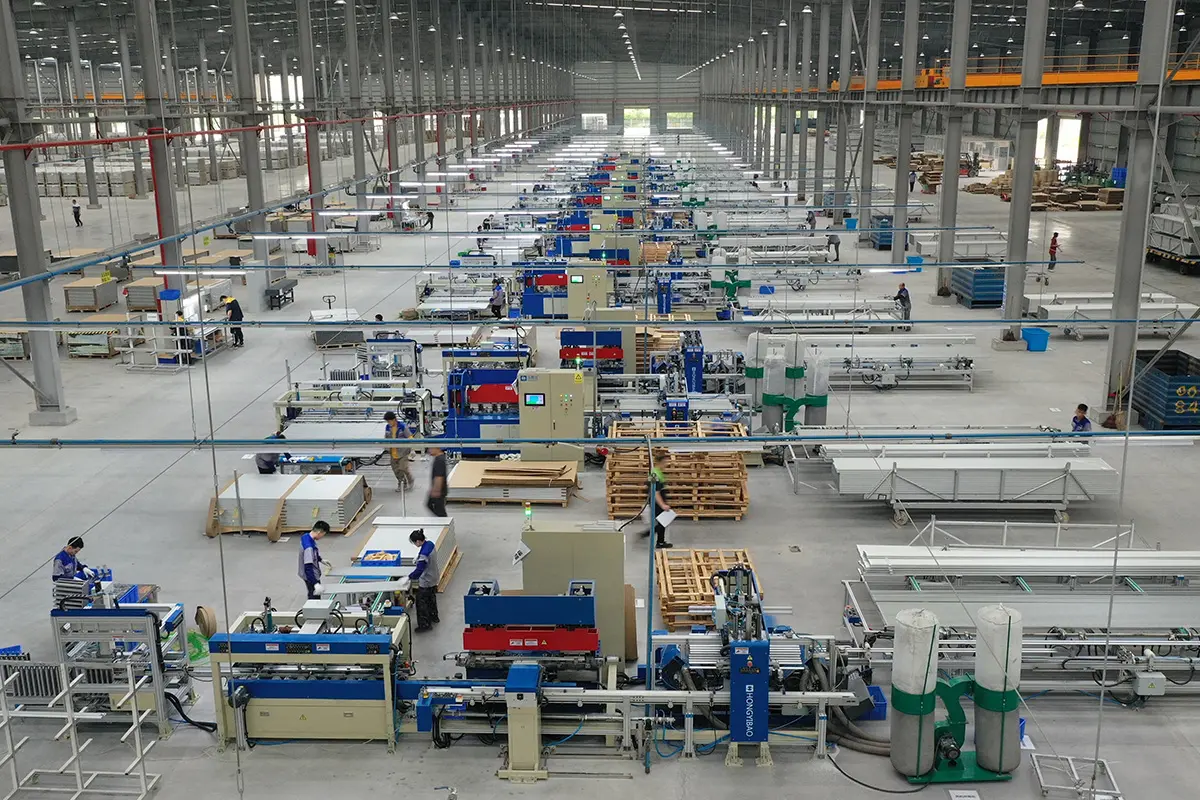
By using fully automated production lines for solar cell slicing, module assembly, and aluminum extrusion, YUXIN maintains strict quality control and cost efficiencies. Our vertically integrated manufacturing model covers every step from silicon ingot processing to anodized frame fabrication, ensuring product consistency and traceablity.
Our raw material sourcing undergoes strict quality control checks, such as using high-purity aluminum alloys and advanced EVA encapsulation materials. This focus on component quality ensures that every solar system can withstand harsh weather and operate reliably for decades.

Yangzhou solar component manufacturing factory floor

Business Partners

Working alongside global leaders to build reliable solar energy ecosystems.

Partner Logo
Partner Logo
Partner Logo
Partner Logo
Partner Logo
Partner Logo
Partner Logo
Partner Logo
Partner Logo
Partner Logo
Partner Logo
Partner Logo
Partner Logo
Partner Logo

Latest Industry News & Insights

Technical publications and industry updates from our engineering department.

Solar frame construction analysis
Jun 16, 2026

What Makes a High-Quality Solar Panel Frame?

Read Technical Paper →
OEM Solar Frame sourcing processes
Jun 15, 2026

How to Choose a Reliable OEM Solar Frame Manufacturer in China

Read Technical Paper →
Quality control inspections for PV frames
Jun 14, 2026

Solar Panel Frame Quality Control: Key Inspection Standards Explained

Read Technical Paper →

Expert Q&A: Sizing, Installation & Technology Selection

Engineering answers to common questions about residential off-grid solar kits.

Q1: What are the differences between N-Type TOPCon and PERC solar cells in residential off-grid applications?
N-Type TOPCon (Tunnel Oxide Passivated Contact) cells offer several advantages over traditional P-Type PERC cells. TOPCon technology features a higher cell efficiency (often exceeding 24%), a lower temperature coefficient (-0.30%/°C), and significantly lower degradation rates in the first year. In off-grid systems, where space is limited and daily yield is critical, TOPCon panels generate more power in low-light conditions and hot climates, providing better system reliability.
Q2: Why is the choice of solar panel frame material important for long-term reliability?
The solar panel frame provides structural support against wind and snow loads while protecting the laminate edge. While anodized aluminum alloy (such as 6063-T5 or 6005-T6) remains the industry standard due to its lightweight durability, polyurethane pultruded composites are emerging as a high-performance alternative. Polyurethane composites offer excellent corrosion resistance, high tensile strength, and do not conduct electricity, which eliminates the risks of Potential Induced Degradation (PID).
Q3: How do I size an off-grid battery bank for a standard family home?
Sizing an off-grid battery bank involves calculating the total daily energy consumption in watt-hours (Wh) and factoring in desired autonomy days (typically 2 to 3 days to account for cloudy weather). For example, if a home consumes 10 kWh daily, a battery bank with 20 to 30 kWh of storage capacity is recommended. Using modern Lithium Iron Phosphate (LiFePO4) chemistry allows for a 90% Depth of Discharge (DoD) and a cycle life of over 6,000 cycles, outperforming traditional lead-acid alternatives.
Q4: What is the function of an MPPT charge controller in an off-grid solar system?
An MPPT (Maximum Power Point Tracking) charge controller optimizes the electrical match between the solar array and the battery bank. It actively tracks the maximum power voltage of the panels, which varies with temperature and sunlight conditions, and down-converts it to the battery charging voltage. This process increases charging efficiency by up to 30% compared to traditional PWM (Pulse Width Modulation) controllers.
Q5: Can I run high-inductive loads like air conditioners on an off-grid inverter?
Yes, you can run high-inductive loads on an off-grid system, provided the inverter is a Pure Sine Wave type and sized correctly. Inductive loads like air conditioners, water pumps, and refrigerators require a high startup surge current (often 3 to 5 times their running wattage). The inverter must have a surge capacity rating capable of handling these initial startup loads without voltage drops.
Q6: How do local environmental conditions affect the installation tilt angle of solar panels?
The tilt angle of solar panels should be adjusted based on the latitude of the installation site to optimize year-round energy capture. For off-grid systems, it is common to tilt the panels slightly steeper (typically latitude plus 10 to 15 degrees) to maximize winter energy generation, when sun angles are lower and daylight hours are shorter.
Q7: What maintenance is required for a residential off-grid solar energy system?
Off-grid solar systems require minimal but regular maintenance. This includes cleaning dust and debris from the panels, inspecting structural mounts and frames for tightness, checking electrical connections for corrosion, and monitoring battery state-of-health and state-of-charge metrics via the system's Energy Management Software (EMS).