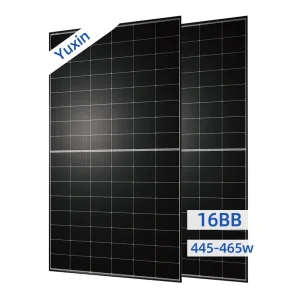
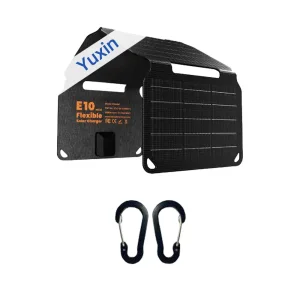
Modern outdoor activities and expeditionary operations require power solutions that are lightweight, durable, and highly efficient. The global market for off-grid camping solar setups has shifted from basic low-output solar chargers to comprehensive micro-grid systems. The transition is driven by developments in photovoltaic cell efficiency, battery storage density, and lightweight structural frames.
Historically, off-grid camping was limited by heavy lead-acid batteries and low-efficiency polycrystalline solar panels. Today, high-efficiency monocrystalline silicon technologies, such as PASSIVATED EMITTER AND REAR CELL (PERC) and Tunnel Oxide Passivated Contact (TOPCon), support reliable mobile power stations. This whitepaper analyzes the engineering advancements, manufacturing standards, and supply chain efficiencies that define current off-grid solar equipment production.
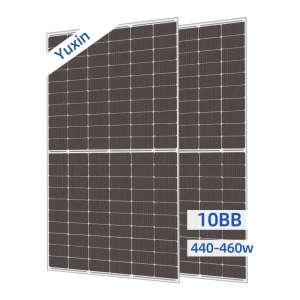
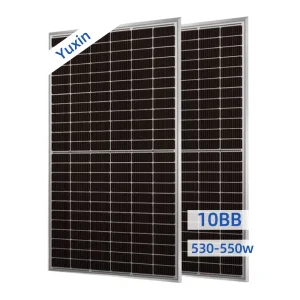
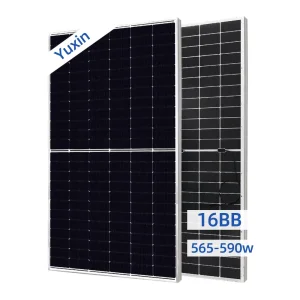
Using 10BB/16BB busbar layouts to reduce electrical losses, enabling conversion efficiencies over 24.5%.
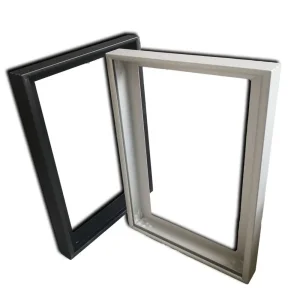
Polyurethane pultruded composite and anodized aluminum frames provide structural support in harsh environments.
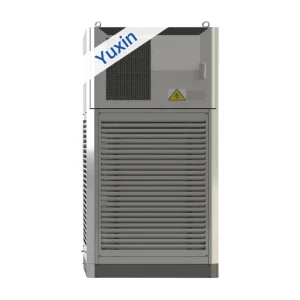
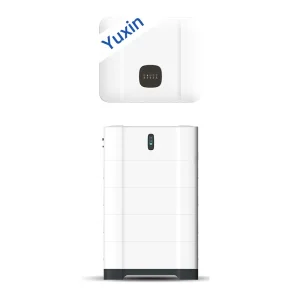
Integrated commercial and residential energy storage systems link solar panels with lithium iron phosphate batteries.
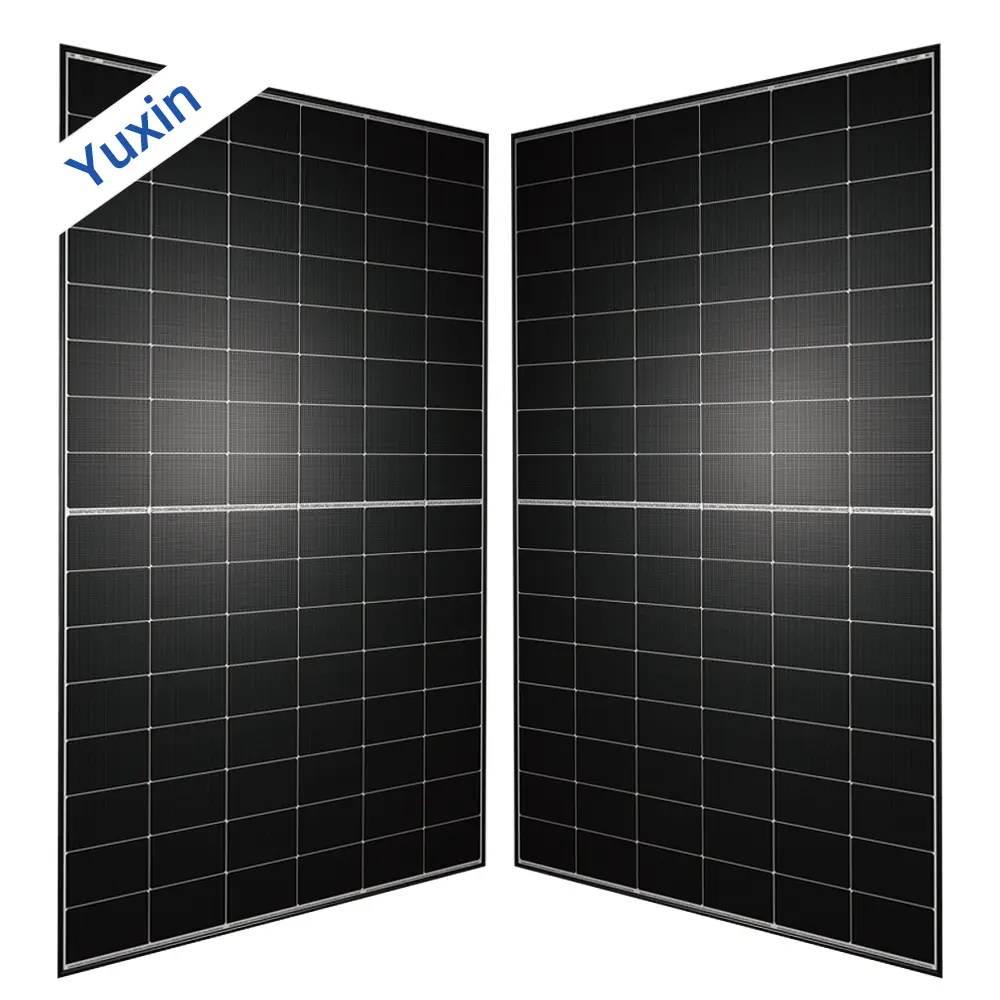
Lightweight design with transparent back panel for easy installation and reduced BOS costs.
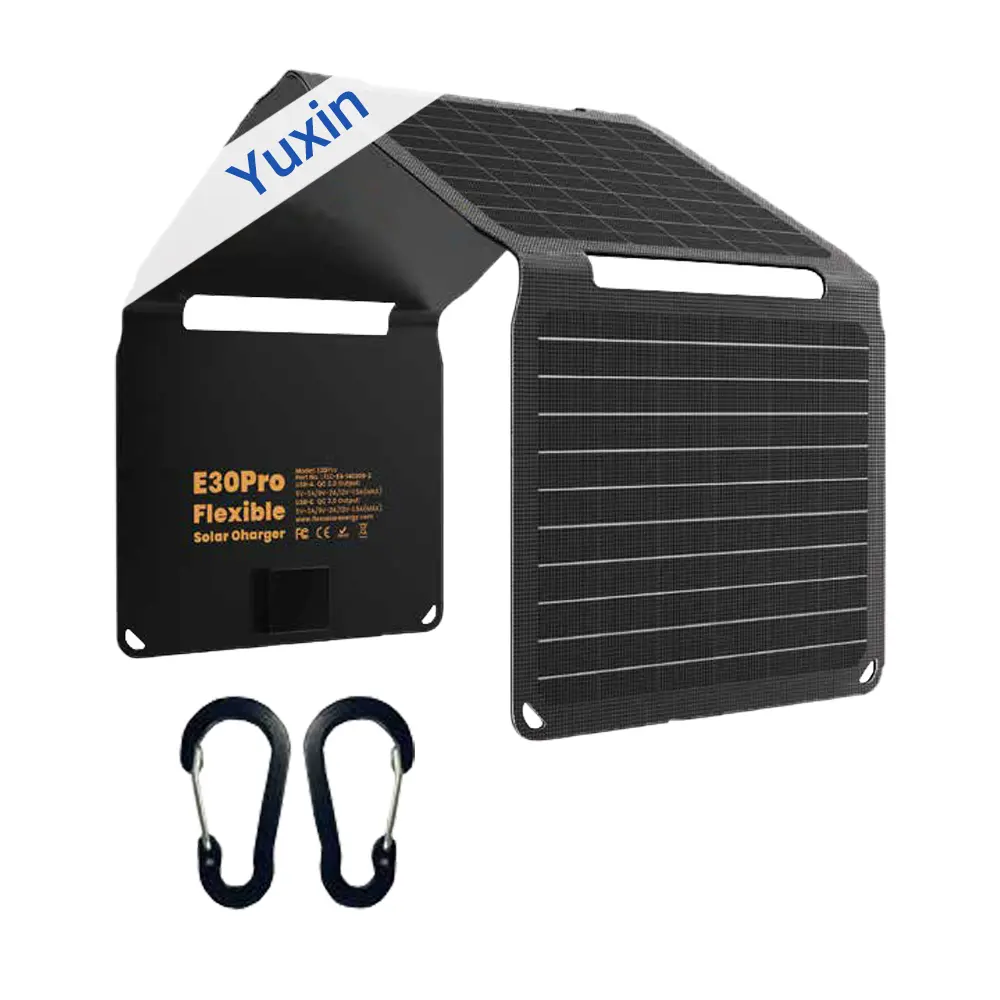
Utilizing advanced monocrystalline silicon cells, it achieves a high energy conversion efficiency of 24%.
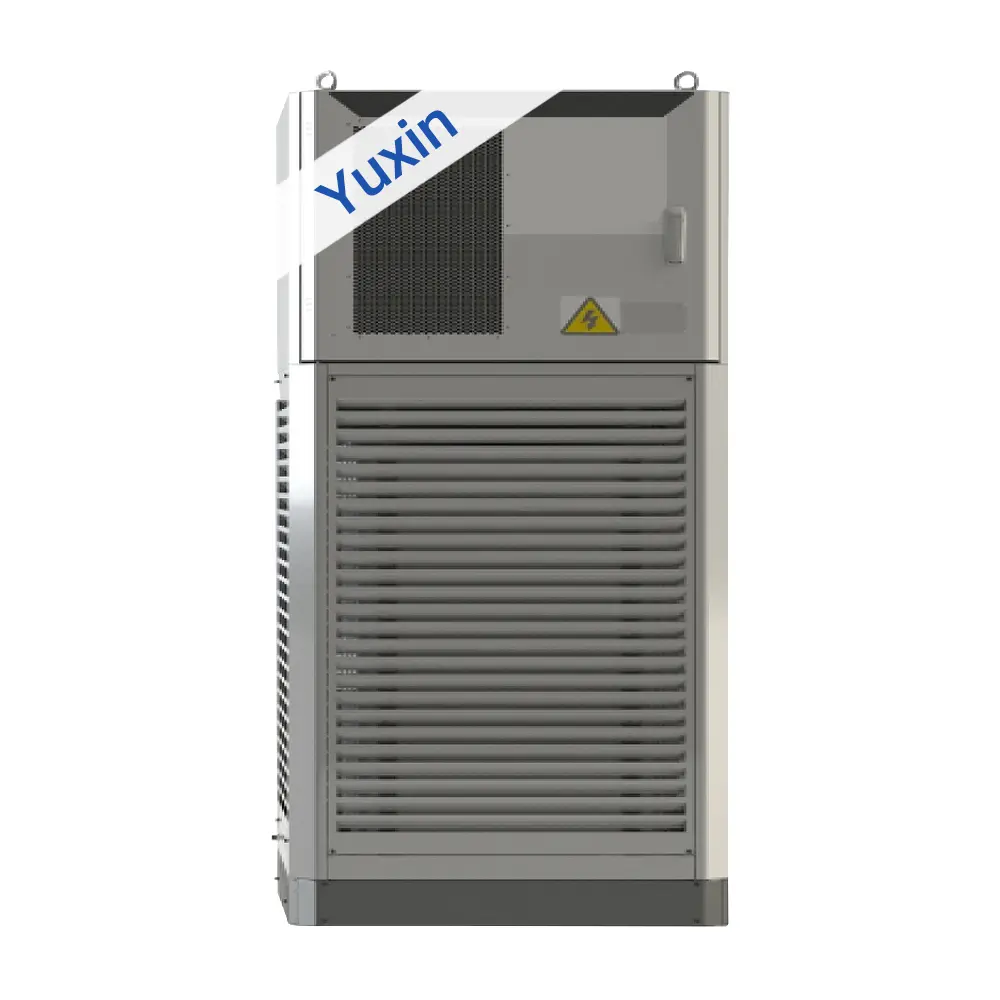
Application modes include grid-connected mode, off-grid mode, and integrated grid-connected/off-grid mode.
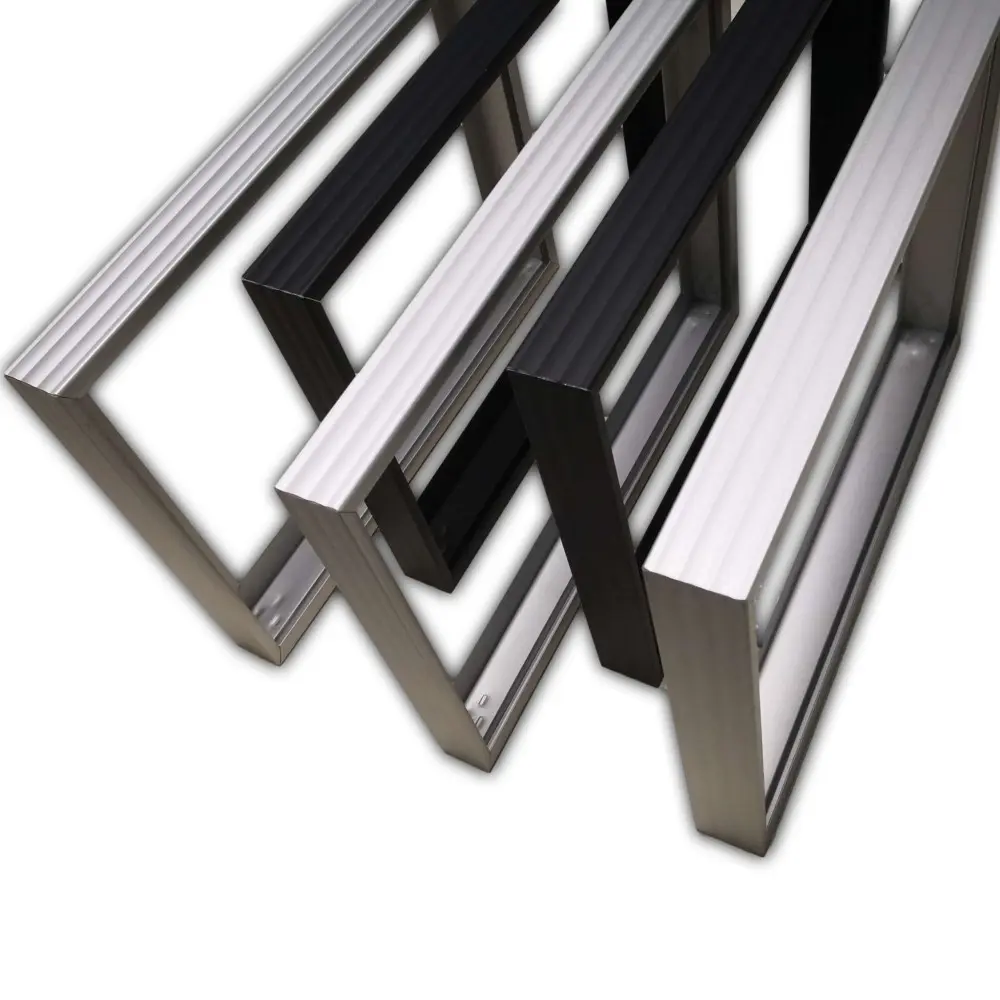
Made of high-quality anodized aluminum, it ensures superior weather resistance and a smooth, long-lasting finish.
The development of off-grid solar equipment is guided by a commitment to material innovation and electronic refinement. To maintain a competitive edge, manufacturers are pursuing key technological shifts:
While PERC (Passivated Emitter and Rear Cell) and TOPCon remain industry standards, Heterojunction (HJT) and Perovskite-Silicon tandem structures are emerging. Tandem configurations are projected to achieve cell conversion efficiencies over 30%, increasing the power output of mobile solar setups without expanding their physical footprint.
Traditional aluminum frames are being replaced or enhanced by pultruded polyurethane composites. These materials have low thermal conductivity, high tensile strength, and resist galvanic corrosion in marine and humid environments, making them suitable for coastal and heavy-precipitation camping conditions.
Future off-grid kits will feature integrated Bluetooth/LoRa IoT micro-inverters and MPPT controllers. Users can monitor cell temperature, degradation rates, and load curves in real time via mobile applications, optimizing charging efficiency in partially shaded conditions.
Additionally, structural design is shifting toward textile-integrated solar skins and ultra-flexible glassless modules. These developments aim to reduce transport weight while maintaining impact resistance against hail, sandstorms, and mechanical pressure.
Precision, Quality, and Safety form the core of our manufacturing philosophy. Located in the historical city of Yangzhou, near major transit routes including the Beijing-Shanghai Expressway and Ningqi Railway, the YUXIN Group offers logistics advantages and manufacturing capabilities. Established in 2008, the group operates 14 specialized subsidiaries, including Jiangsu Yuxin New Energy Technology Co., Ltd.
Beyond individual consumer camping kits, industrial off-grid solar setups serve critical roles in telecommunications, emergency response, and commercial agriculture. Yuxin provides system-level solutions designed for diverse, demanding environments.
Water conservation initiatives utilize off-grid solar installations to power DC brushless water pumps, providing automated watering in remote locations without grid access.
Remote 5G micro-base stations use bifacial dual-glass TOPCon solar panels combined with battery storage systems to maintain uptime in mountainous areas.
Following natural disasters, portable solar generators, including 240W and 500W modules, provide immediate power for medical equipment, satellite comms, and base camps.
Solar panels power highway monitoring systems, dynamic traffic signaling, and safety lights, reducing grid installation and maintenance costs.
Our production processes comply with global quality standards, ensuring safety, reliability, and weather resistance.
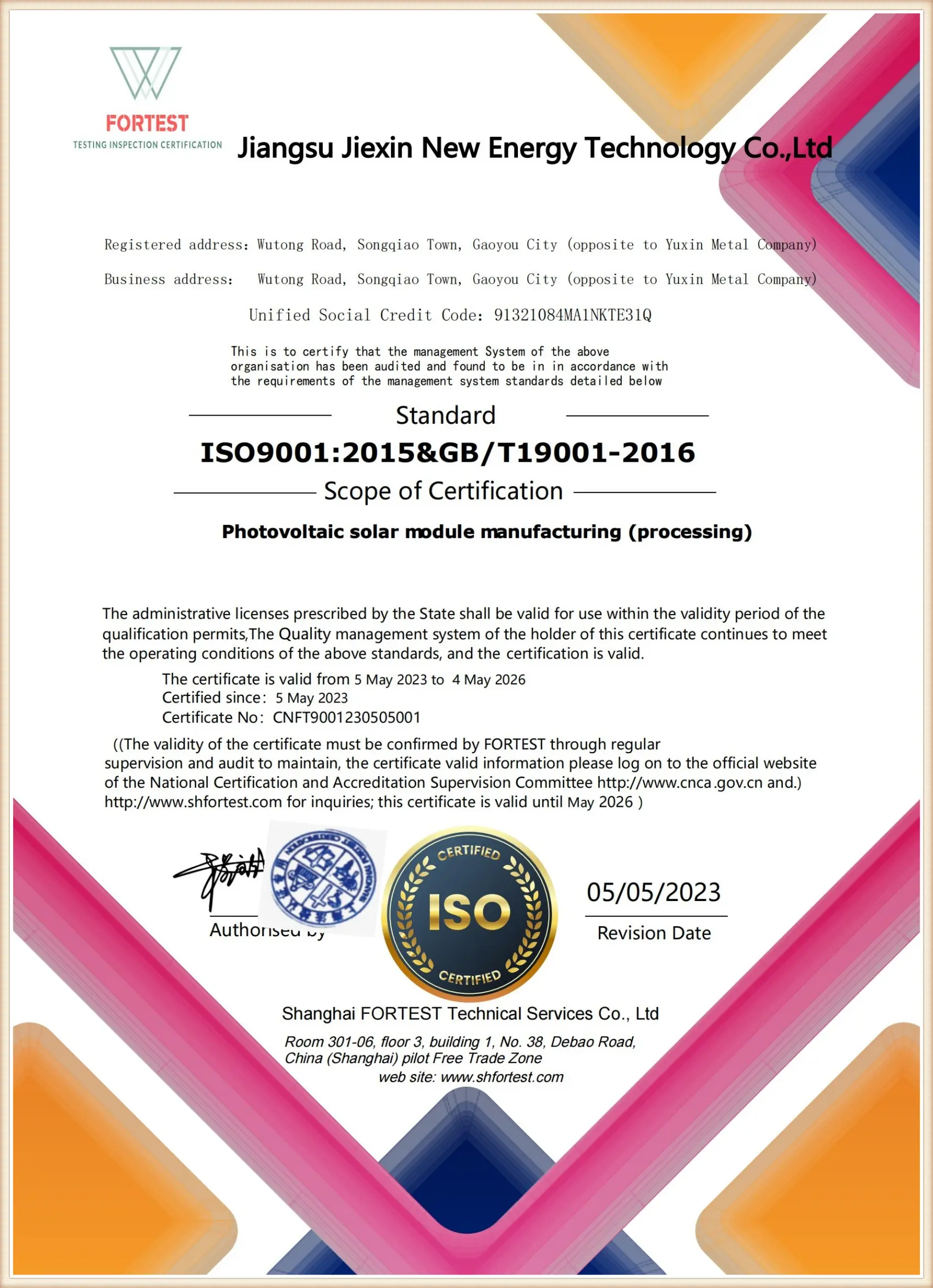
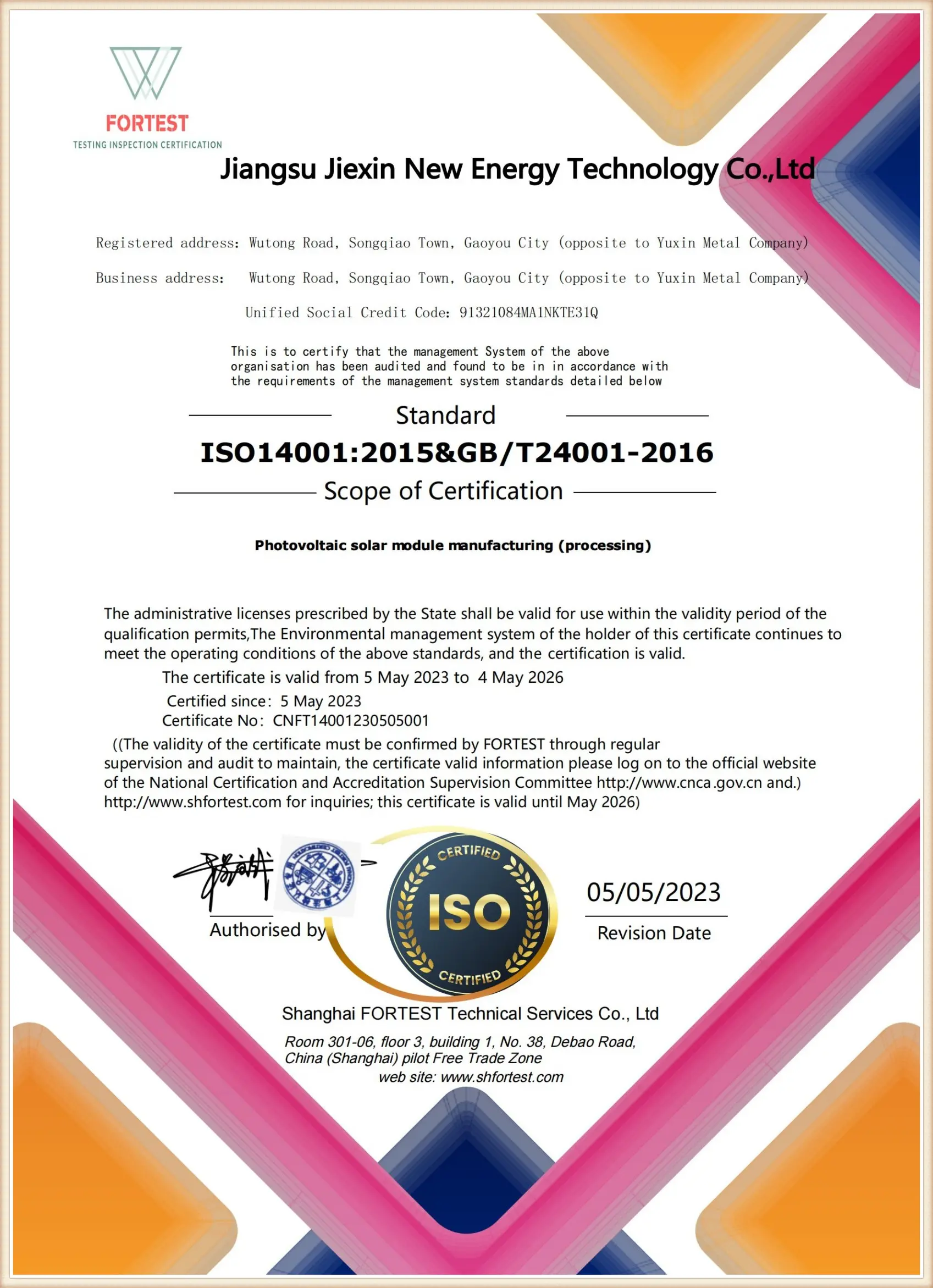
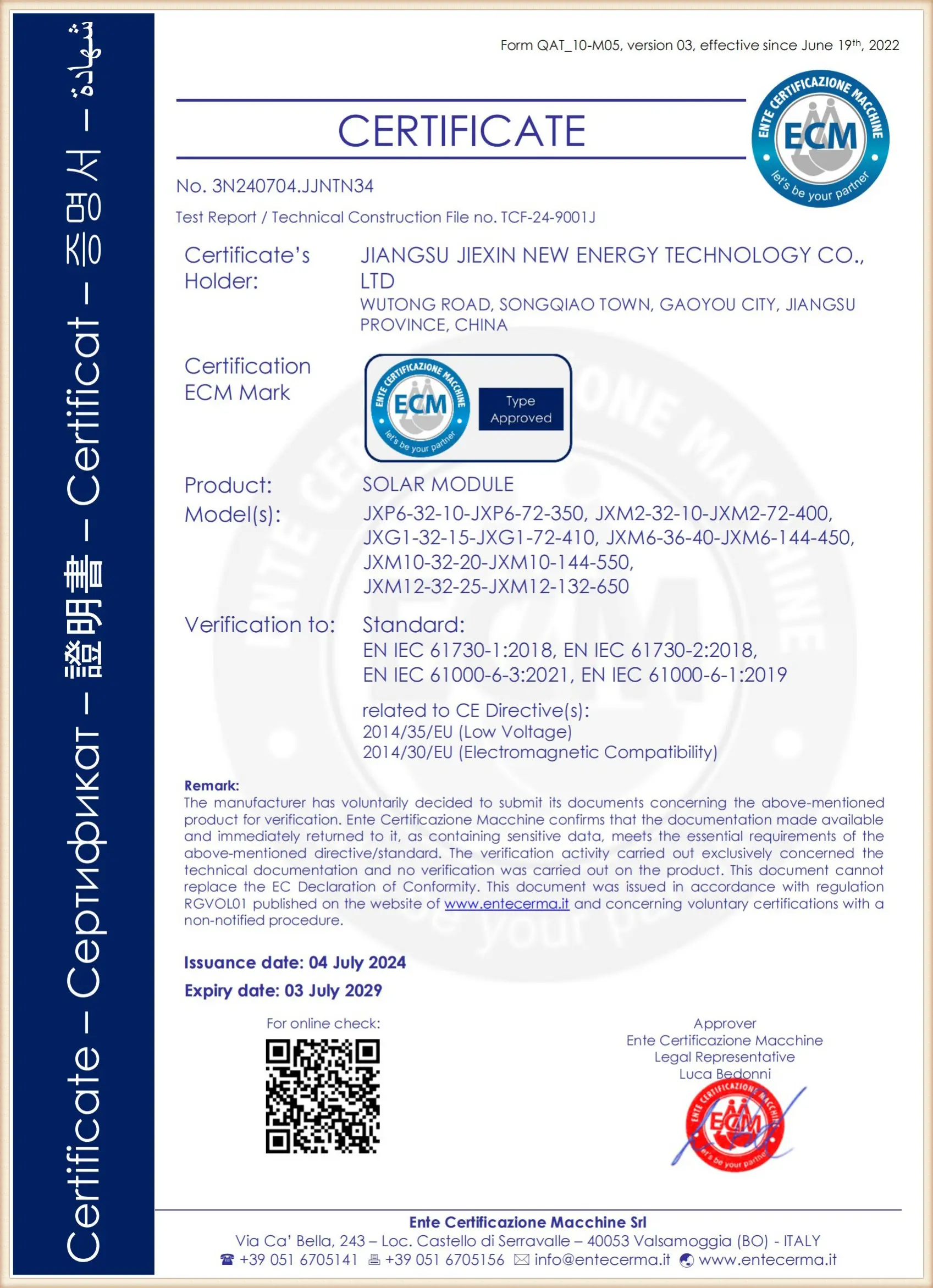
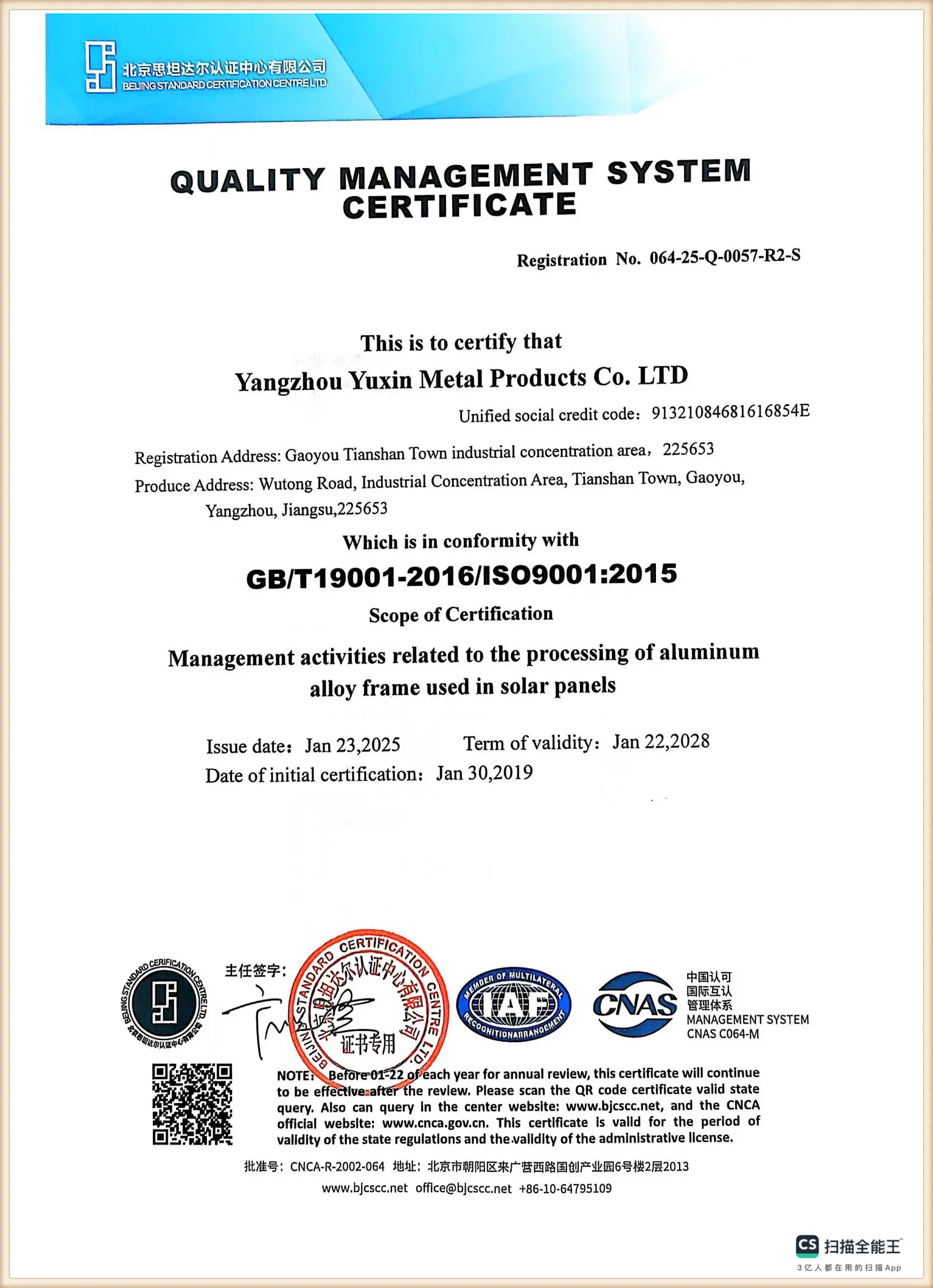
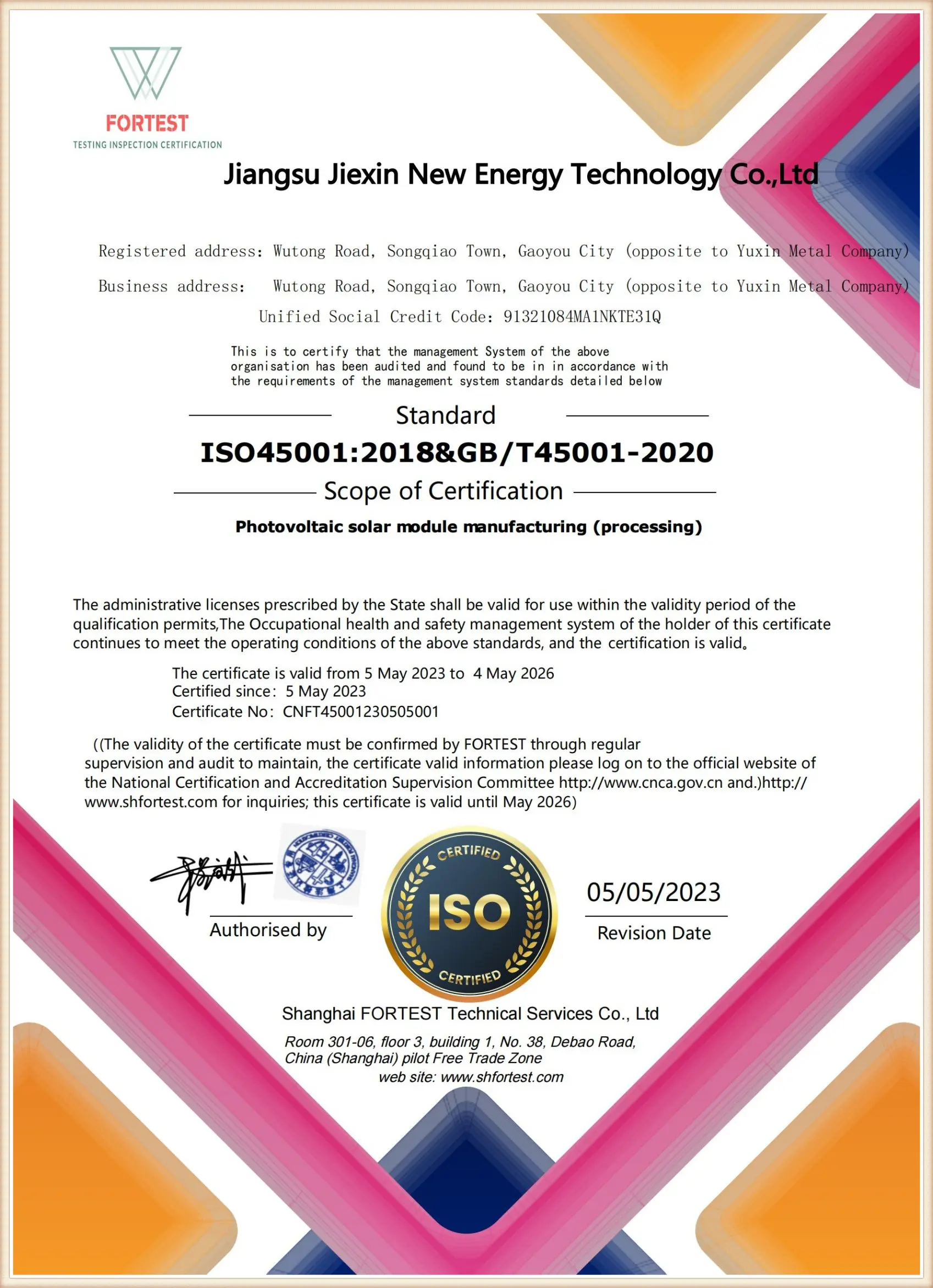
Our manufacturing facilities in Jiangsu utilize Industry 4.0 standards, integrating automated material handling, laser cutting, and robotic assembly lines. The Yangzhou industrial cluster provides a localized supply chain from raw silicon ingots and aluminum alloys to finished solar panels and mounting kits.

Solar systems supply reliable energy for remote monitoring stations, electric fencing, and smart irrigation pumps.
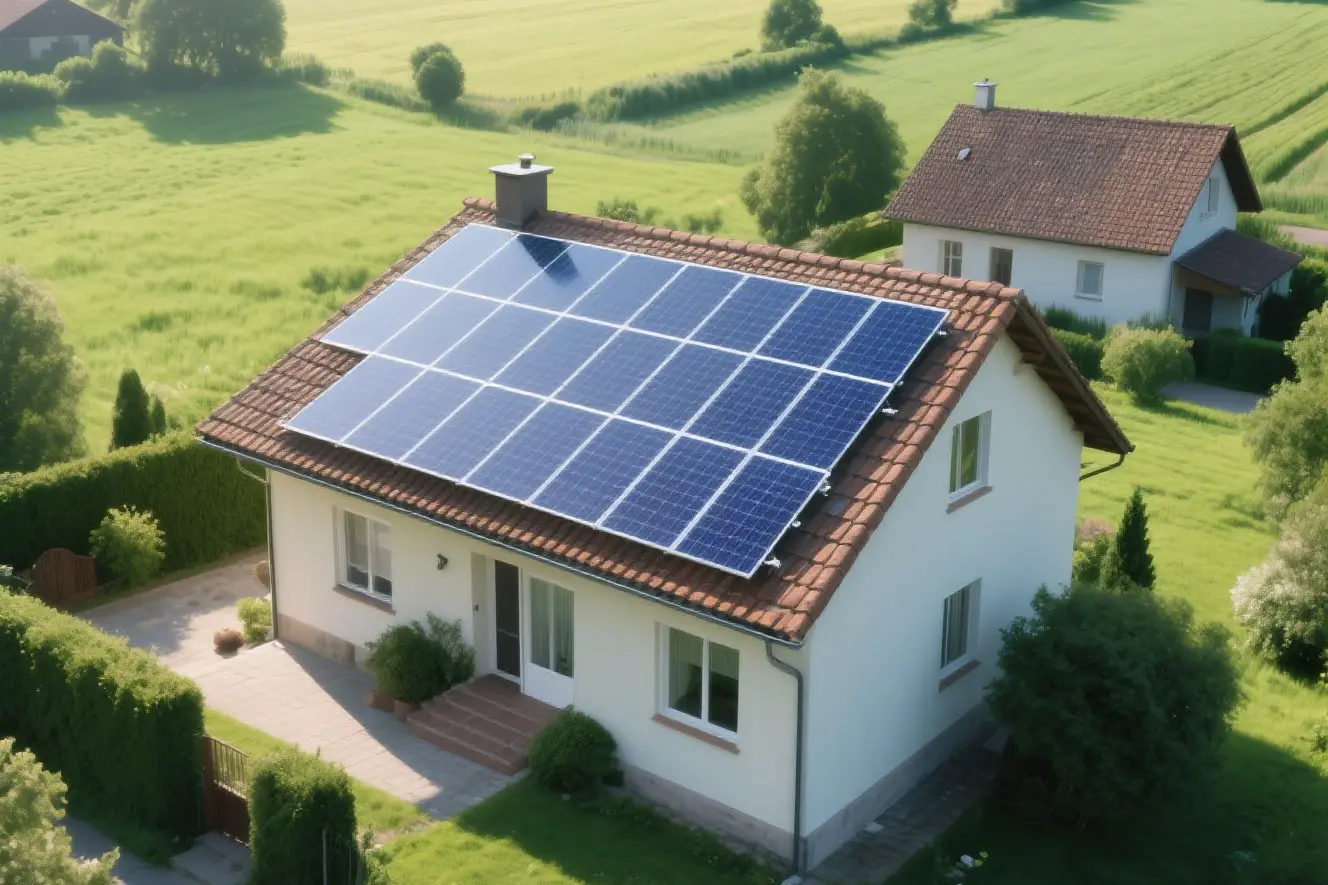
Temporary power stations and rugged solar arrays supply electricity to remote job sites, reducing fuel generator use.
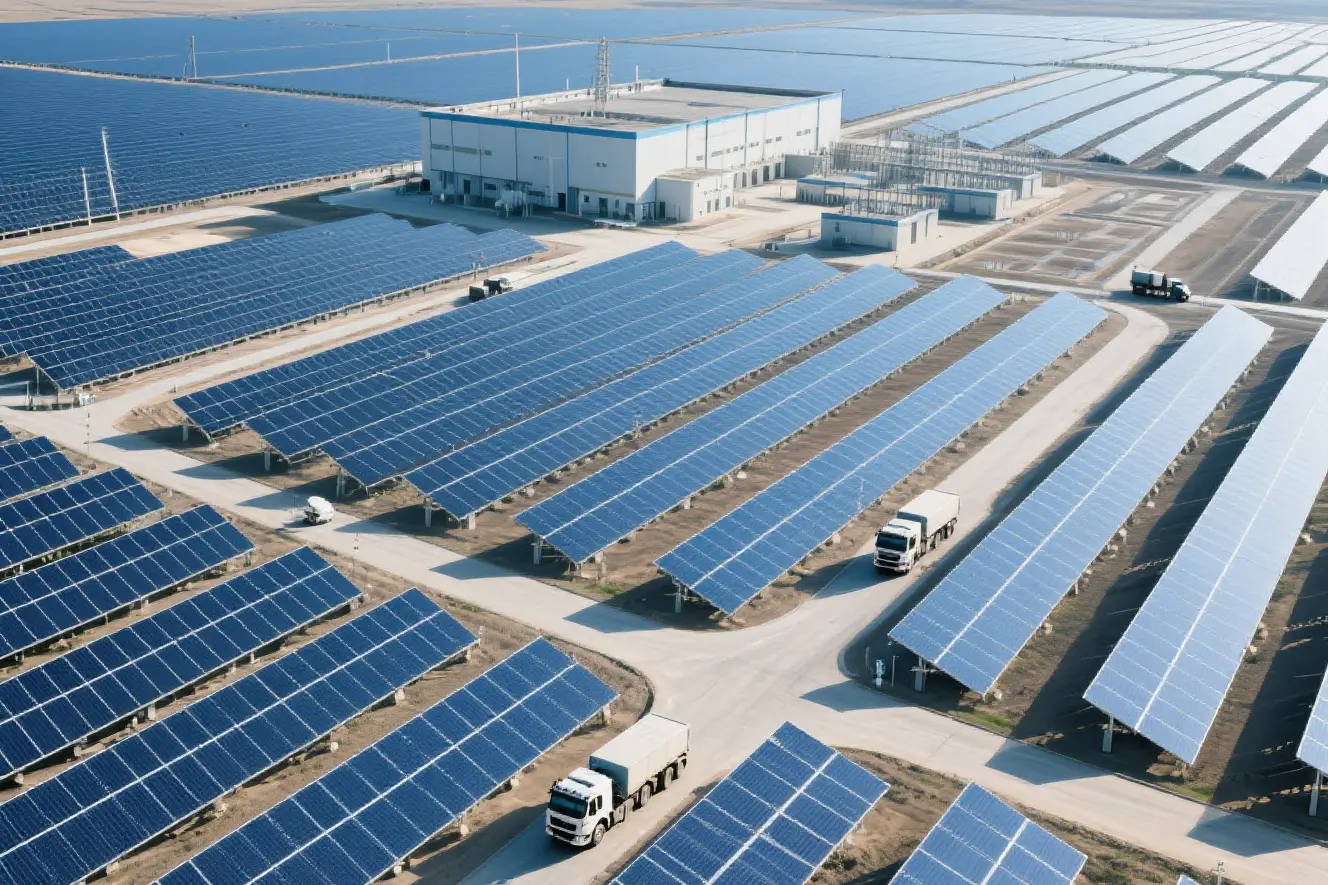
Grid-tied and hybrid energy storage facilities manage peak loads, balance supply, and improve network reliability.
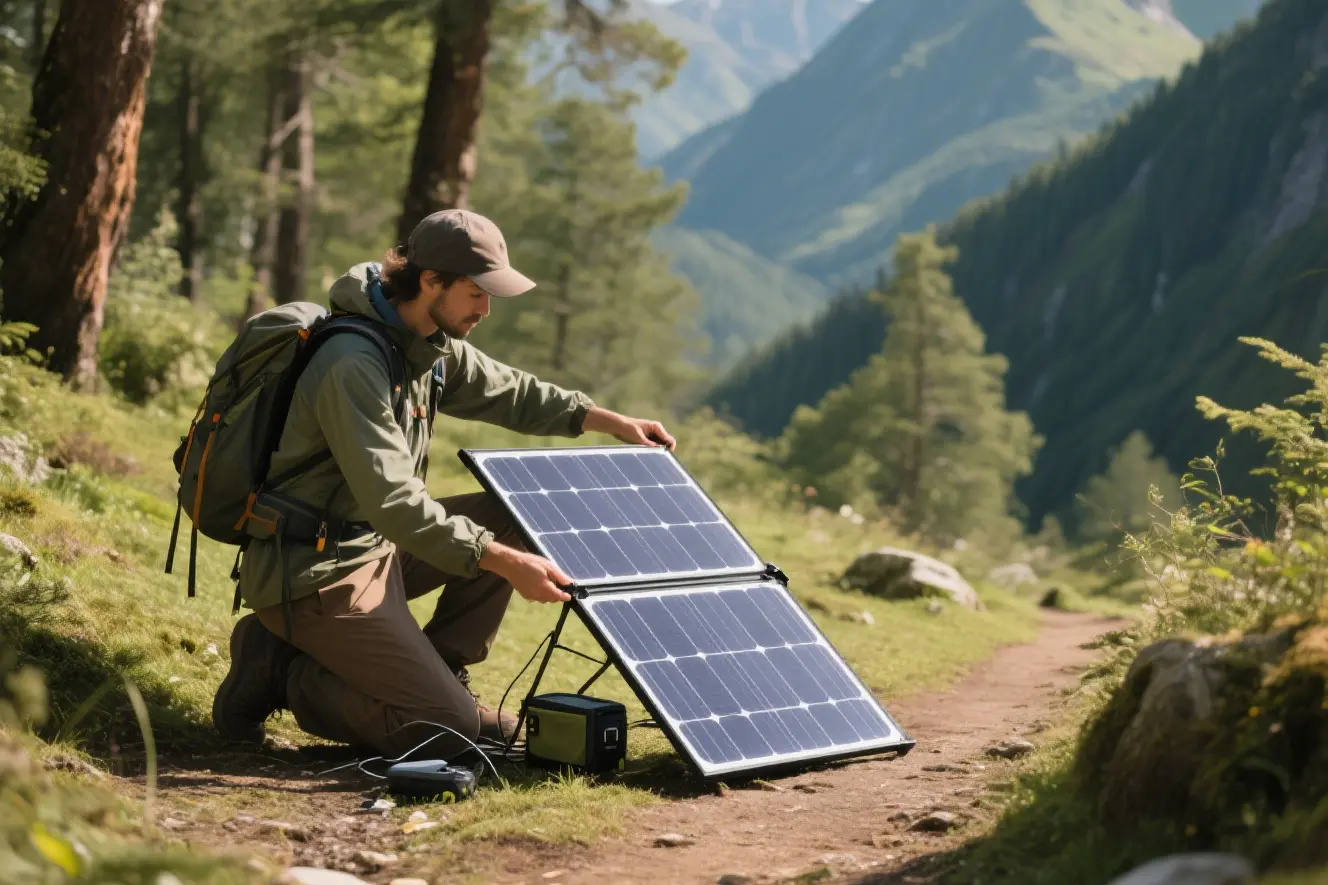
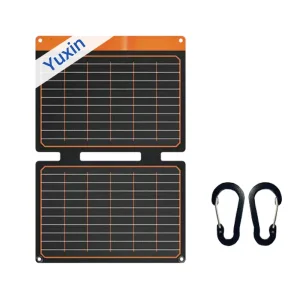
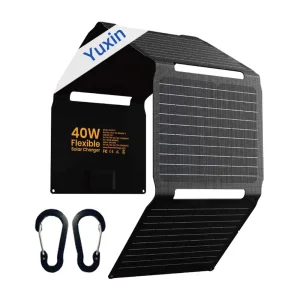
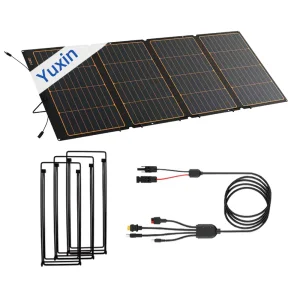
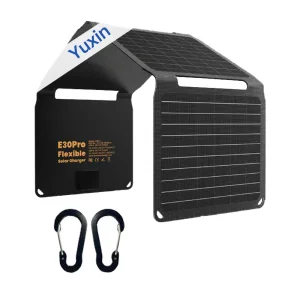
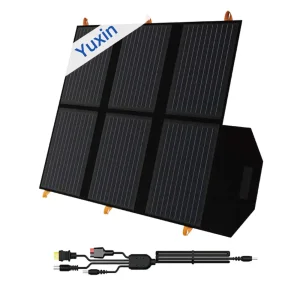
Lightweight solar backpacks, portable generators, and folding panels provide power for off-grid travel and remote camping.
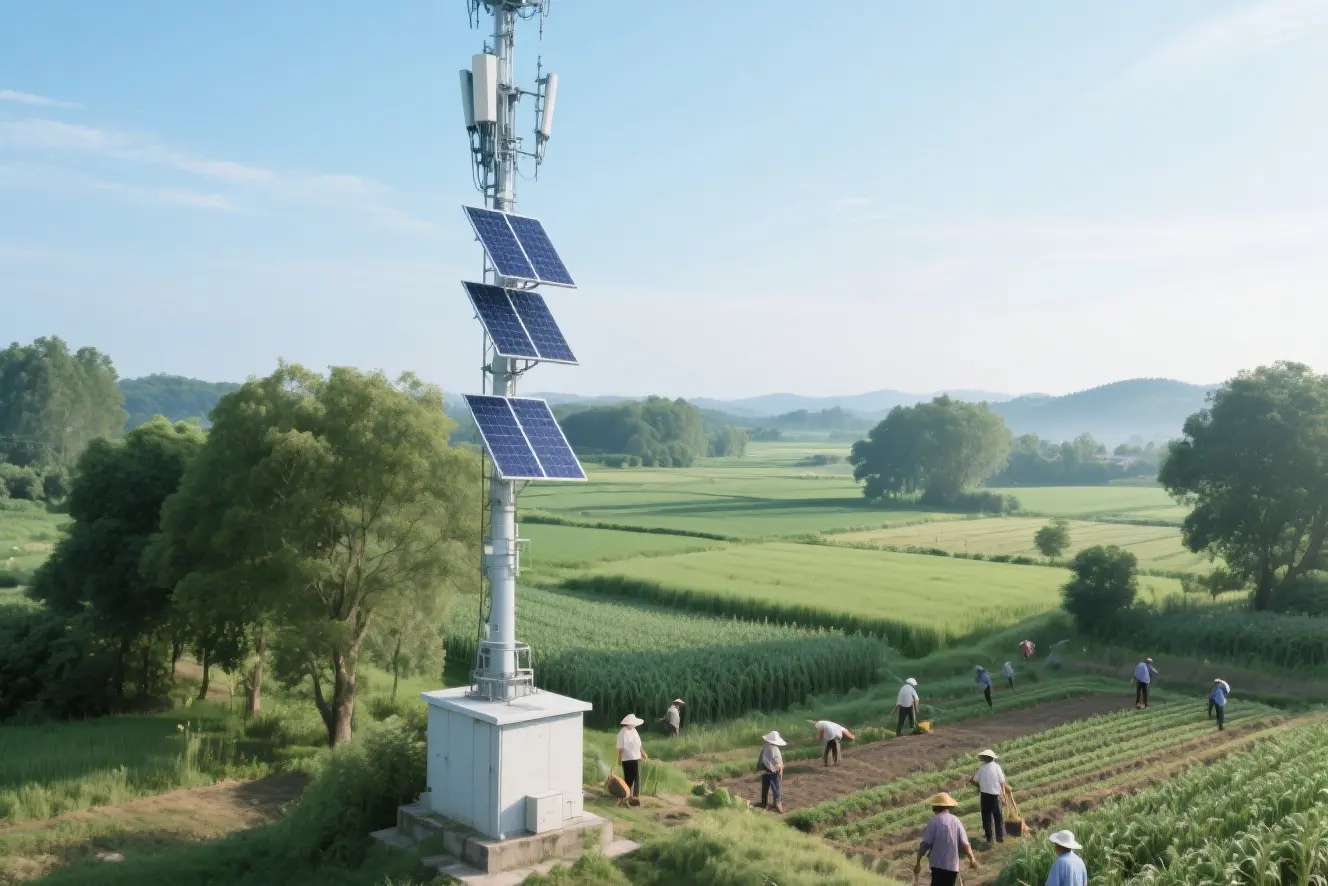
Reliable solar configurations provide off-grid power to transmission stations and microwave relays in remote locations.
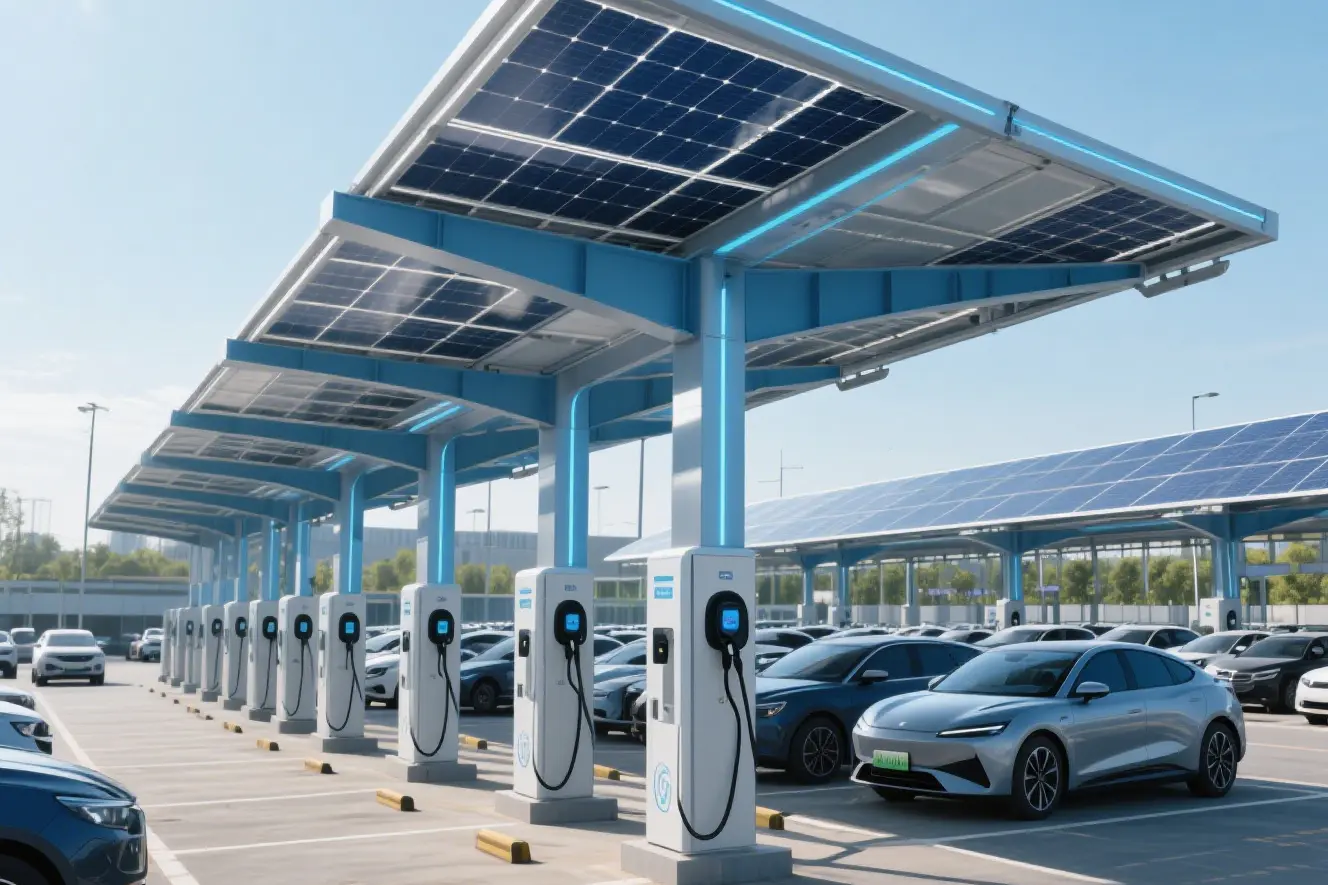
Powering remote signalling devices, toll plazas, and roadside weather stations using modular solar designs.
Exporting solar modules globally requires adherence to international standards and regional electrical regulations. Yuxin maintains product compliance through rigorous certification testing:
All modules feature full CE Markings and satisfy RoHS (Restriction of Hazardous Substances) criteria. This makes them suitable for residential, commercial, and recreational applications across the EEA.
Designs conform to UL 1703 and UL 61730 certifications, which evaluate wind loading, fire resistance, and electrical safety under high voltage limits.
Our logistics team works with global shipping partners to provide transparent Customs Clearance, DDP terms, and documentation to manage import tariffs.
Furthermore, our local service agents across major markets in Europe, North America, and Australia provide technical assistance, product training, warranty processing, and replacement parts dispatch.
We partner with leading distributors, installers, and system integrators globally to support transition to clean energy.



For global distributors, purchasing managers, and B2B buyers, securing a reliable supply of off-grid solar equipment is critical. We provide flexible OEM and ODM services to meet diverse regional requirements. Our customized solutions include:
June 16, 2026
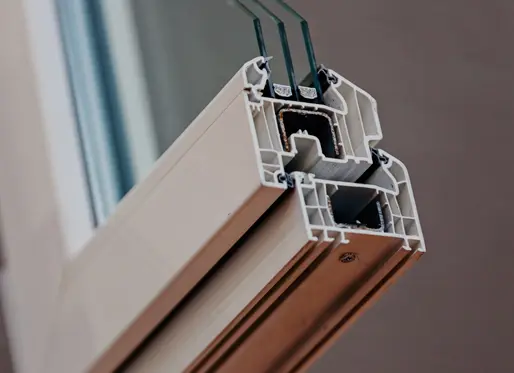
An in-depth analysis of aluminum anodization thicknesses and structural load tolerances required for harsh climates.
Read Full Report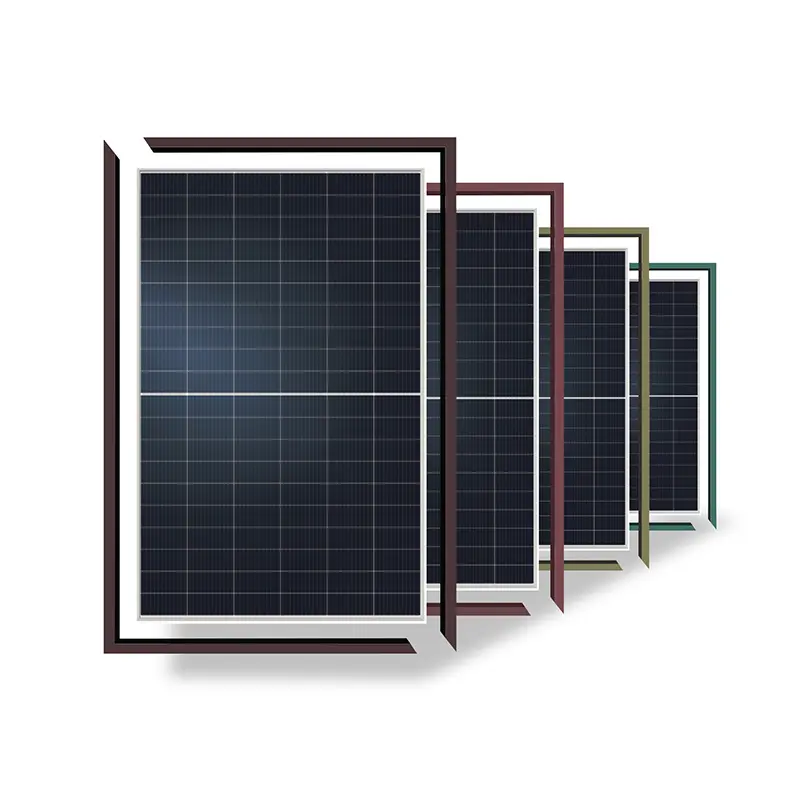
June 15, 2026
A guide to evaluating factory capacity, tooling setups, and quality management protocols in Chinese manufacturing hubs.
Read Full Report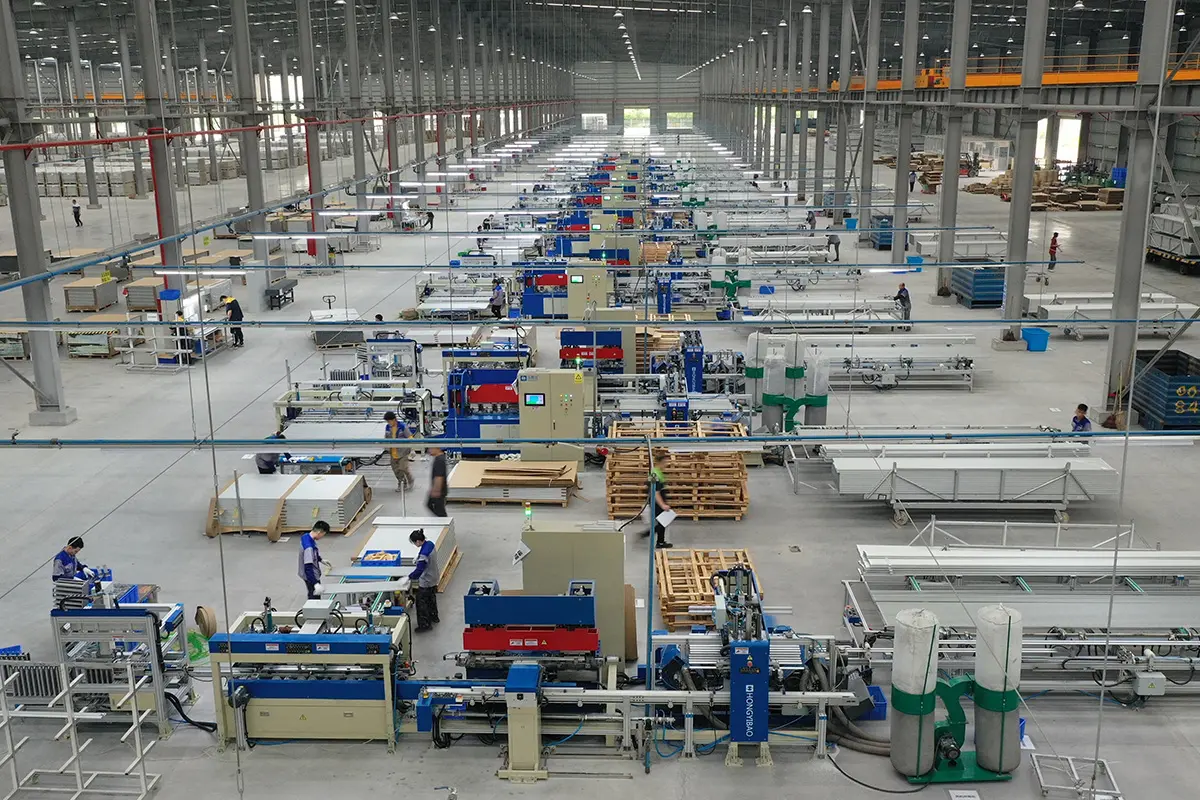
June 14, 2026
Explaining the inspection methods used to identify manufacturing defects, including micro-cracks and profile misalignments.
Read Full Report