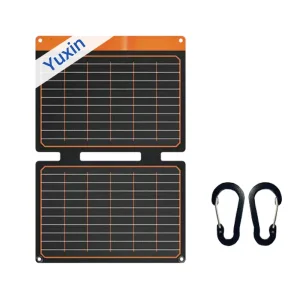
Explore our premium range of solar panels, aluminum frames, camping generators, and portable power systems configured for optimal grid-independence.
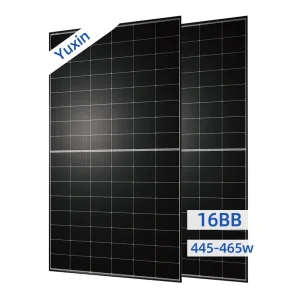
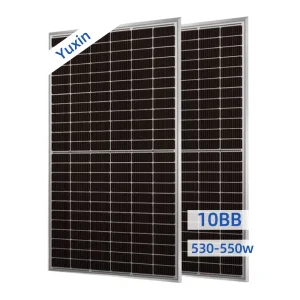
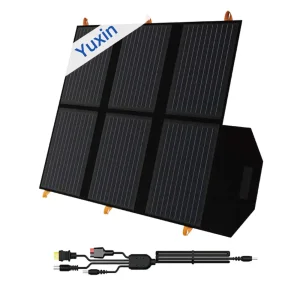
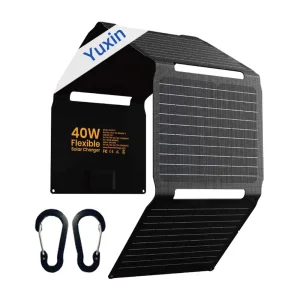
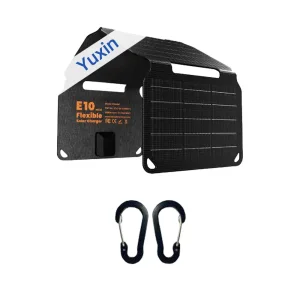
In utility-scale off-grid installations, commercial telecommunication grids, and rural electrification networks, the efficiency of solar energy harvesting is strictly limited by the charge controller's capability. The Leit Solar Controller stands as a benchmark of technology in the clean energy sector. It acts as the brain of off-grid solar systems, managing the power flow from photovoltaic arrays to battery banks while preventing overcharging and deep discharging. By employing advanced Maximum Power Point Tracking (MPPT) logic, modern Leit controllers dynamically map the current-voltage (I-V) curves of multi-junction modules, optimizing power transfer even under challenging atmospheric conditions like partial shading, heavy cloud cover, and seasonal shifts.
Unlike primitive Pulse Width Modulation (PWM) designs, which drag the operating voltage of PV panels down to match the battery voltage, the MPPT technology in Leit Solar Controllers decouples the array voltage from the battery voltage. This allows the PV array to run at its optimal peak power point (Vmp), boosting total power generation efficiency by up to 30%. In addition, the integrated buck-boost conversion topology enables users to design high-voltage PV arrays, which decreases cable thickness requirements, curtails power loss across long wiring runs (I²R losses), and lowers overall Balance of System (BOS) installation costs.
Furthermore, Leit charge controllers are engineered to accommodate multiple battery chemistries, including traditional Lead-Acid, Gel, AGM, and modern Lithium Iron Phosphate (LiFePO4) storage systems. They feature smart multi-stage charging algorithms—Bulk, Absorption, Float, and Equalize—ensuring the chemical safety, capacity retention, and structural longevity of battery cells. Built-in electronic protection guards against reverse polarity, short circuits, over-current, and thermal runaway, making Leit controllers a highly dependable and safe choice for modern industrial energy applications.
Advanced MPPT tracking speeds combined with synchronous rectification technology ensure tracking efficiency of over 99.5% and peak power conversion efficiency up to 98%.
Supports RS485 communication protocols, Modbus RTU, and optional Bluetooth/Wi-Fi modules, allowing real-time cloud data visualization and remote configuration.
Housed in IP67/IP68 dustproof and waterproof anodized aluminum frames, designed to operate in extreme ambient temperatures ranging from -35°C to +60°C.
A closer look at supply chain integration, rigorous QA testing, automated assembly lines, and cost advantages in YangZhou's photovoltaic manufacturing hub.
China's photovoltaic industrial landscape has evolved from a simple assembly hub to a global leader in high-tech research, manufacturing, and supply chain management. When sourcing Leit Solar Controllers, partnering directly with tier-one Chinese factories provides distinct business advantages for international EPC contractors, solar distributors, and system integrators. Key manufacturing hubs in Jiangsu, particularly around Yangzhou, host highly integrated solar ecosystems. From raw silicon wafers and advanced pultruded polyurethane composite frames to microcontrollers and high-durability capacitors, the local supply chain drastically reduces lead times and logistics costs.
Modern Chinese solar factories employ advanced Surface Mount Technology (SMT) assembly, automated wave soldering, and computerized optoelectronic testing. These steps help prevent human assembly errors and ensure uniform quality across high-volume production runs. In addition, these facilities operate under ISO 9001, ISO 14001, and OHSAS 18001 standards. This structured approach to manufacturing guarantees that every charge controller meets international compliance benchmarks, including CE, TÜV, RoHS, and FCC certifications.
By consolidating localized R&D with vertical manufacturing integration, Chinese factories are able to offer competitive pricing structures without compromising reliability. This allows global businesses to receive highly customized OEM and ODM solutions—such as modified charge curve profiles, custom brand labeling, and specialized communication ports—at a fraction of the cost of regional suppliers, maximizing profit margins and ROI for large-scale energy projects.
| Performance Comparison Parameter | Chinese Tier-1 Factory Specifications | Western Traditional Brands | Industry Standard Requirements |
|---|---|---|---|
| MPPT Tracking Efficiency | ≥ 99.5% (Real-time dynamic tracking) | 99.0% - 99.3% | ≥ 98.0% |
| Thermal Dissipation Design | Die-cast Aluminum Fin Heat Sink | Passive Extruded Aluminum Heat Sink | Standard Passive Dissipation |
| OEM/ODM Customization Capability | Highly flexible (Minimum Order Quantity based) | Limited, expensive modifications | N/A |
| Direct Procurement Cost Index | 100% (Baseline - Optimized Pricing) | 160% - 210% (Markup due to licensing) | N/A |
| Standard Lead Time (10k units) | 3 - 4 Weeks | 6 - 8 Weeks | Varies |
Understanding where the charge controller industry is heading: from basic power regulation to intelligent energy orchestration systems.
The solar charge controller landscape is transitioning from passive voltage regulation to smart grid interaction and machine-learning-driven optimization. The adoption of the internet of things (IoT) has led to the development of connected solar charge controllers that operate as network nodes within a smart grid framework. Cloud-based telemetry platforms now permit operators to monitor and control parameters like voltage, battery status, and daily yields remotely from anywhere in the world.
Moreover, the rapid emergence of high-voltage battery storage systems has pushed manufacturers to design high-voltage MPPT solar controllers. Traditional low-voltage systems (12V, 24V, and 48V) are now being supplemented by 96V, 192V, and even 380V DC architectures. Working with higher operating voltages reduces current flow for the same power output, which decreases cable sizing and limits power loss across long wiring runs. This approach is particularly beneficial for large industrial solar setups and remote commercial stations.
Another major trend is the integration of predictive maintenance capabilities. By analyzing voltage deviations, internal temperature cycles, and charging efficiency variations, the system can predict component degradation—such as capacitor drying or terminal oxidation—before a failure occurs. This capability reduces operational downtime, lowers field maintenance costs, and ensures long-term operational stability.
Delivering precision, safety, and innovation from the cultural city of Yangzhou since 2008.
YUXIN is a leader in PV manufacturing and industrial energy design. Strategically located in the ancient cultural city of Yangzhou, Jiangsu Province, near the Beijing-Shanghai Expressway and the Runyang Yangtze River Bridge, Yuxin benefits from a central location with convenient logistics and transport links. Established in 2008, the group operates 14 specialized companies, including Jiangsu Yuxin New Energy Technology Co., Ltd.
Yuxin has earned accolades as a National High-tech Enterprise, a Technology-based Enterprise, and one of Gaoyou City's Top 100 Private Enterprises. Our manufacturing base utilizes advanced SMT lines, automated assembly facilities, and rigorous inspection systems. We produce a wide range of products, from solar charge controllers and modular storage units to high-performance anodized aluminum frames (6063-T5/6005-T6) and composite mounting systems. This diverse product line makes Yuxin a key manufacturer of complete, integrated solar solutions.
Explore Yuxin's high-durability products designed to meet demanding quality and performance standards.
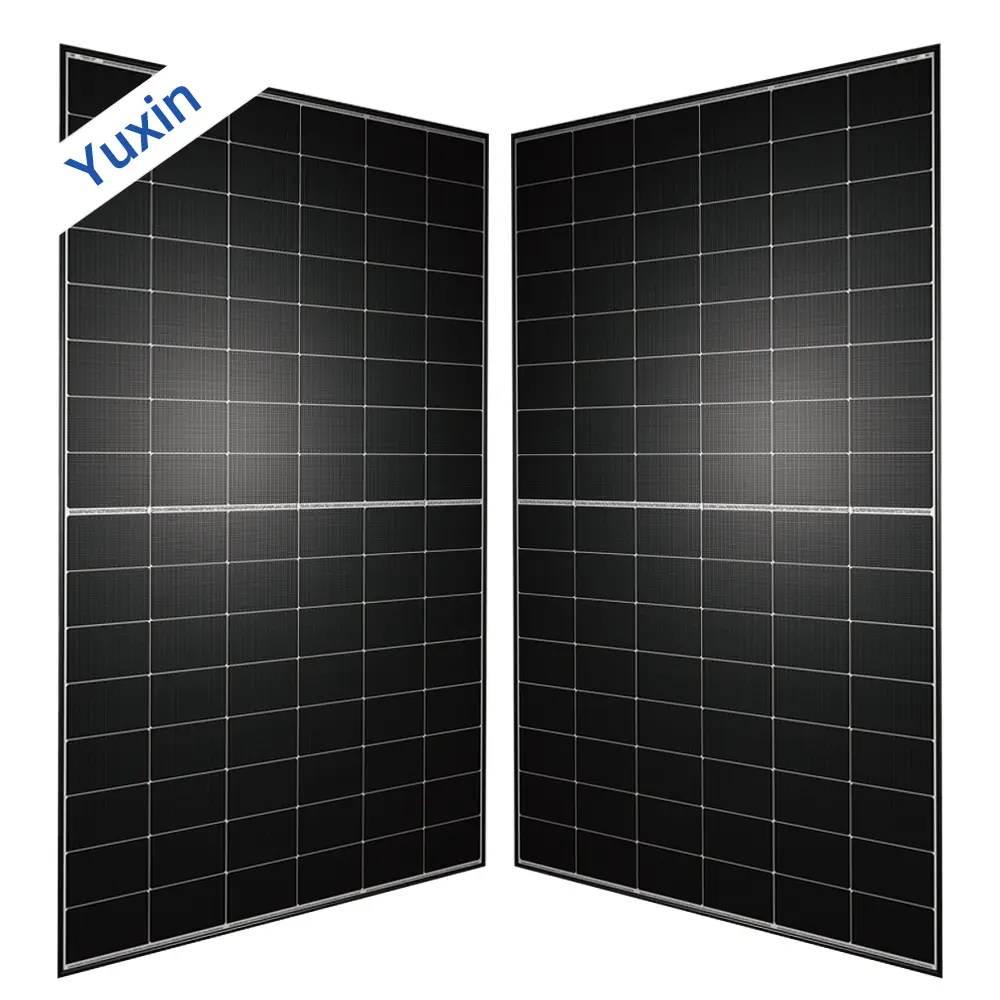
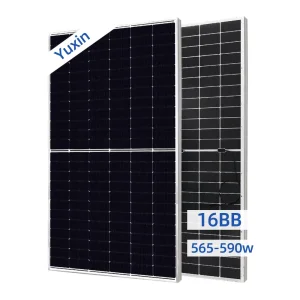
Lightweight design with transparent back panel for easy installation and reduced BOS costs.
Details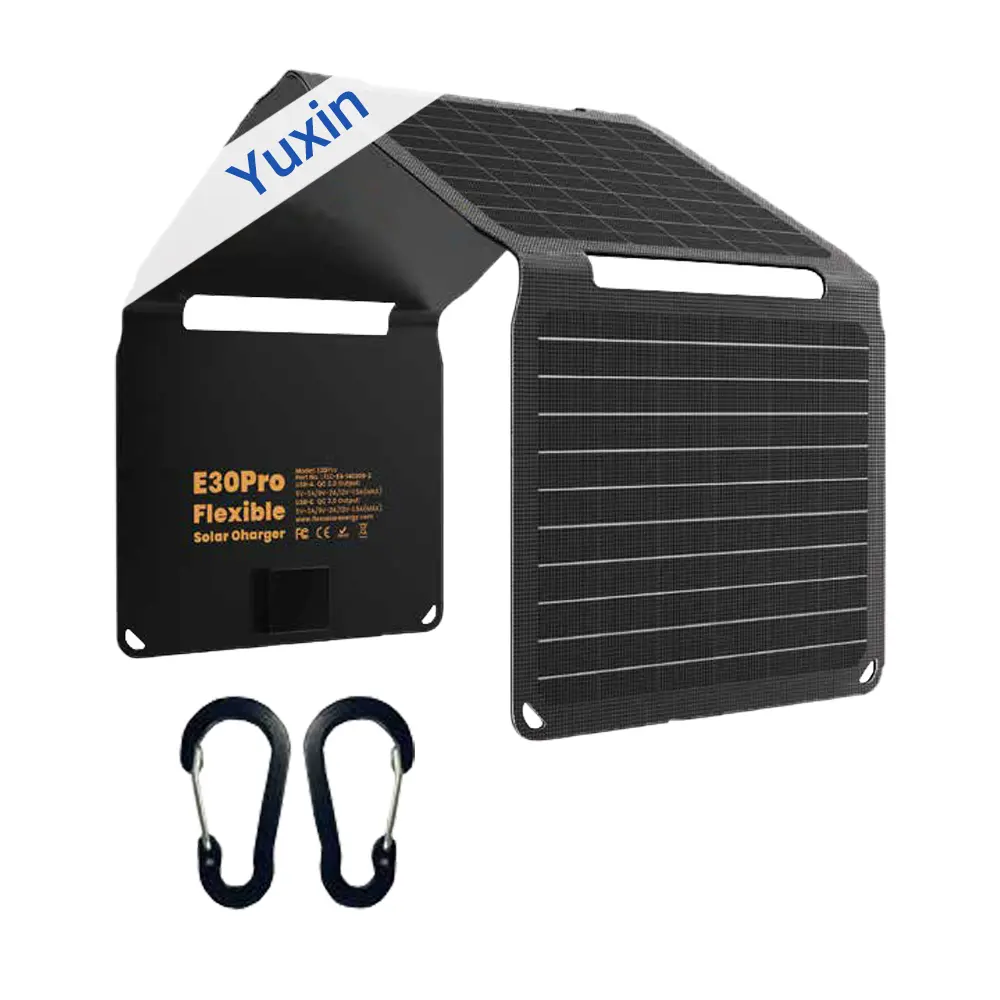
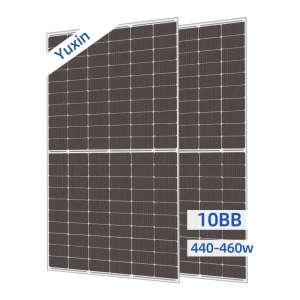
Utilizing advanced monocrystalline silicon cells, it achieves a high energy conversion efficiency of 24%.
Details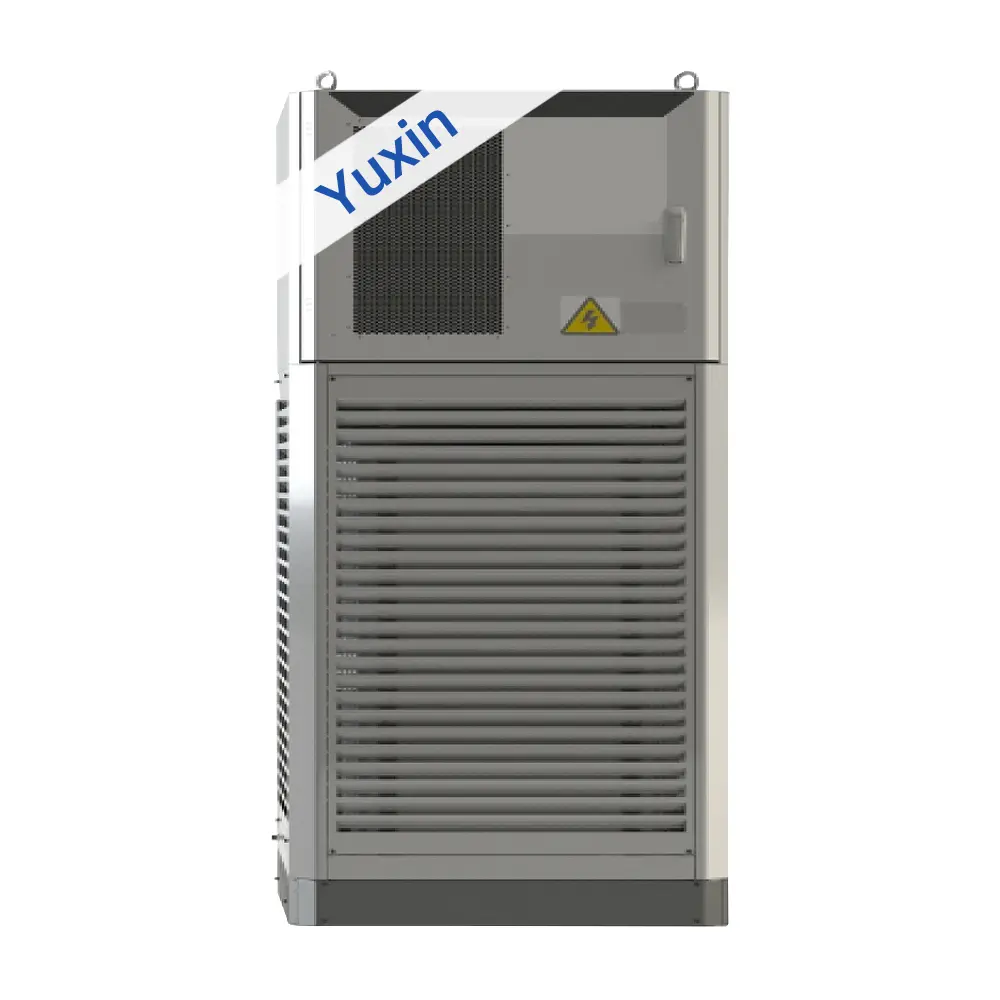
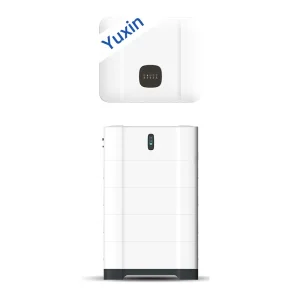
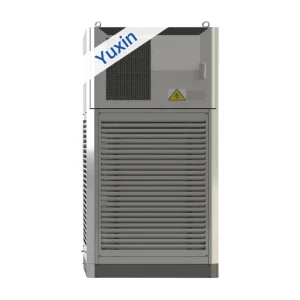
Application modes include grid-connected mode, off-grid mode, and integrated grid-connected/off-grid mode.
Details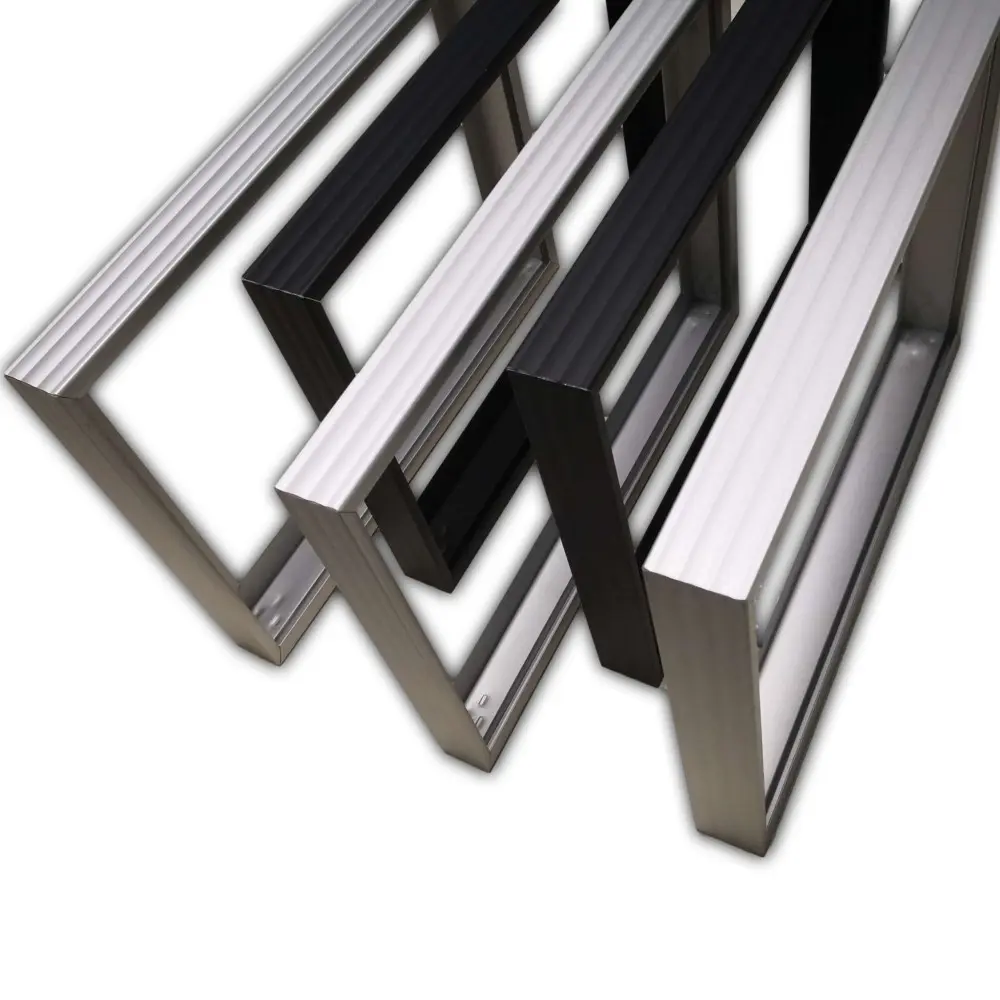
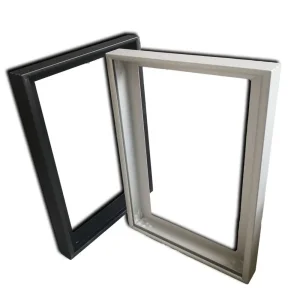
Made of high-quality anodized aluminum, it ensures superior weather resistance and a smooth, long-lasting finish.
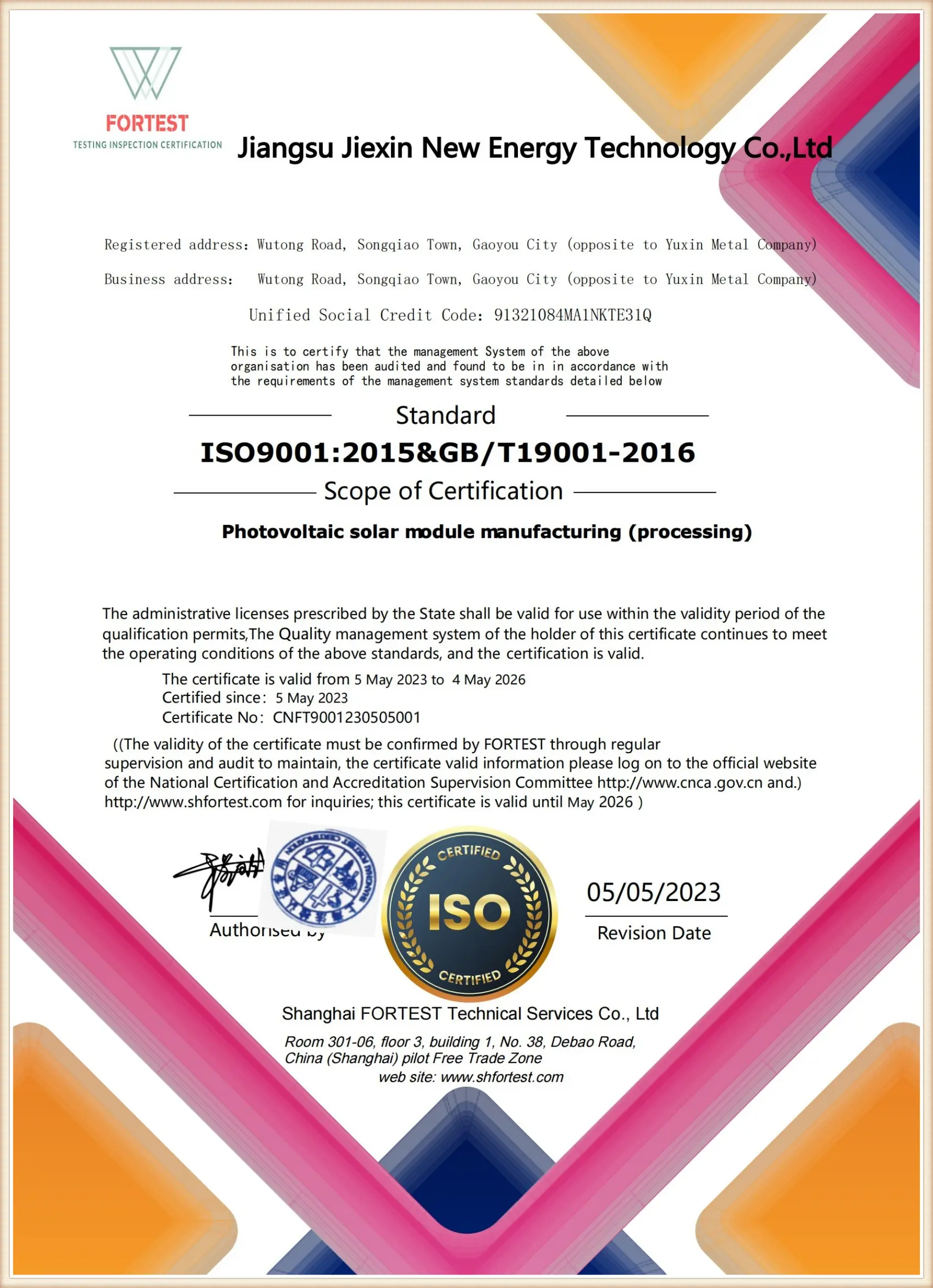
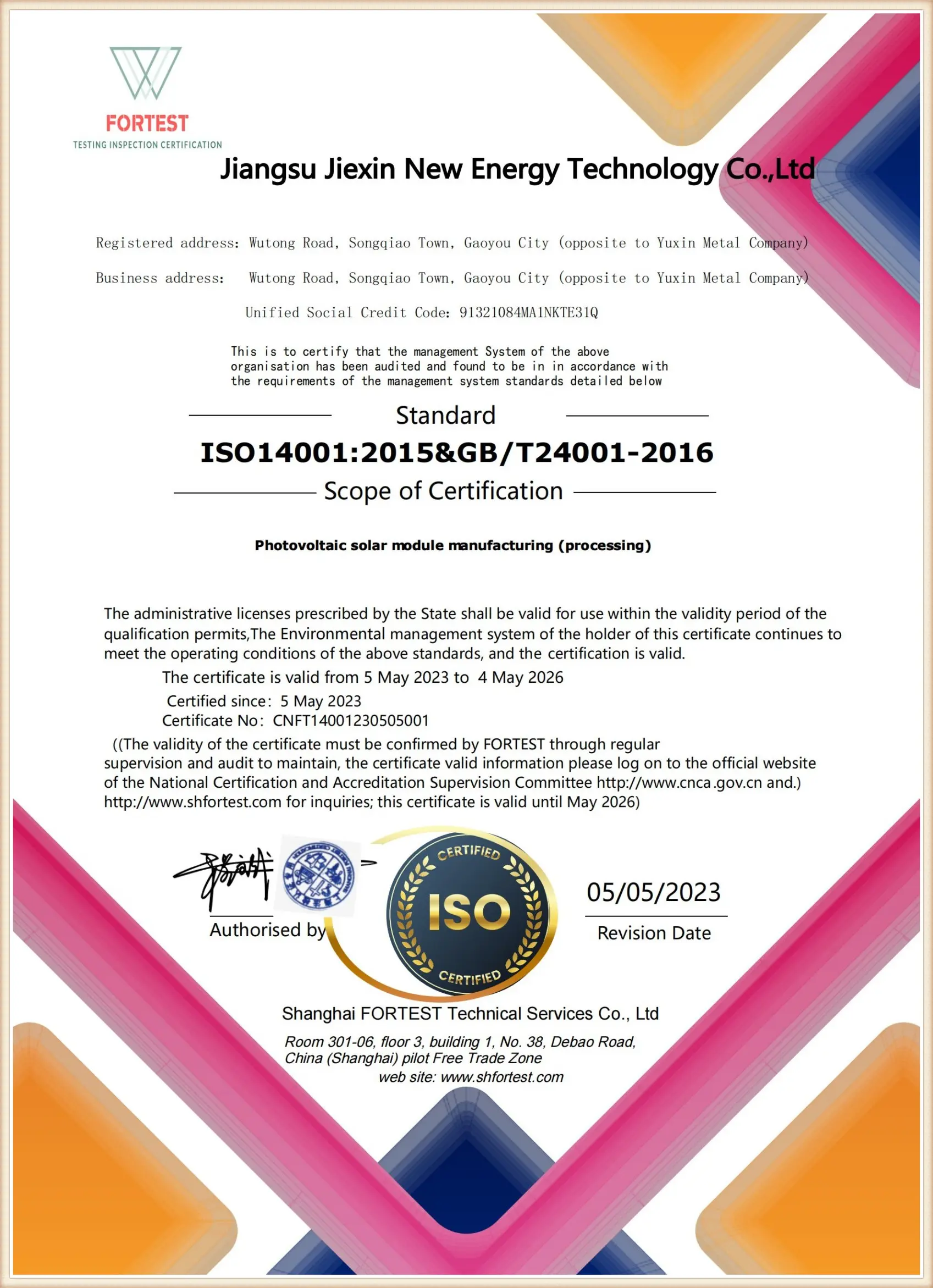
DetailsYuxin maintains a comprehensive quality management system, verified by major international accreditation bodies.
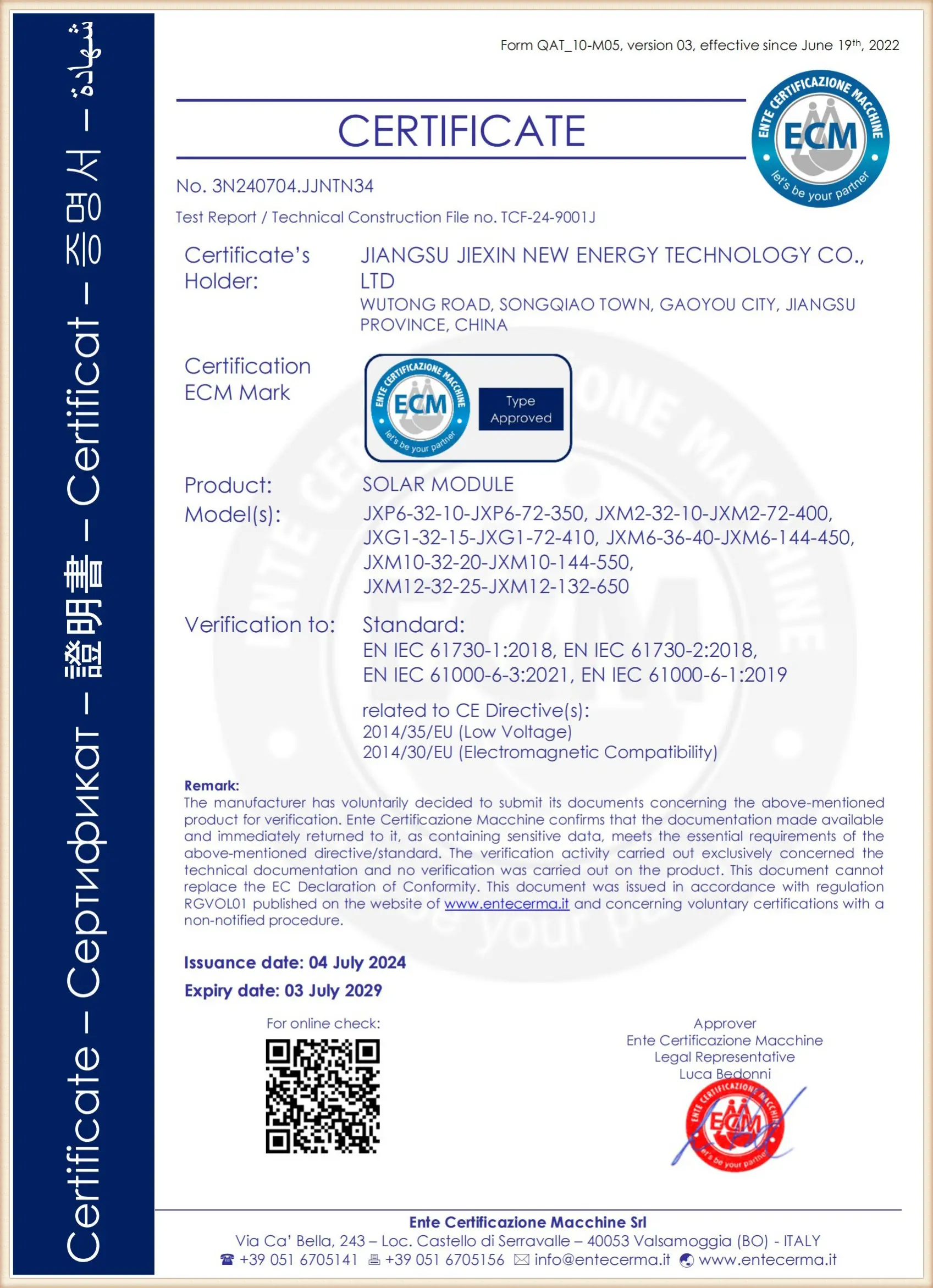
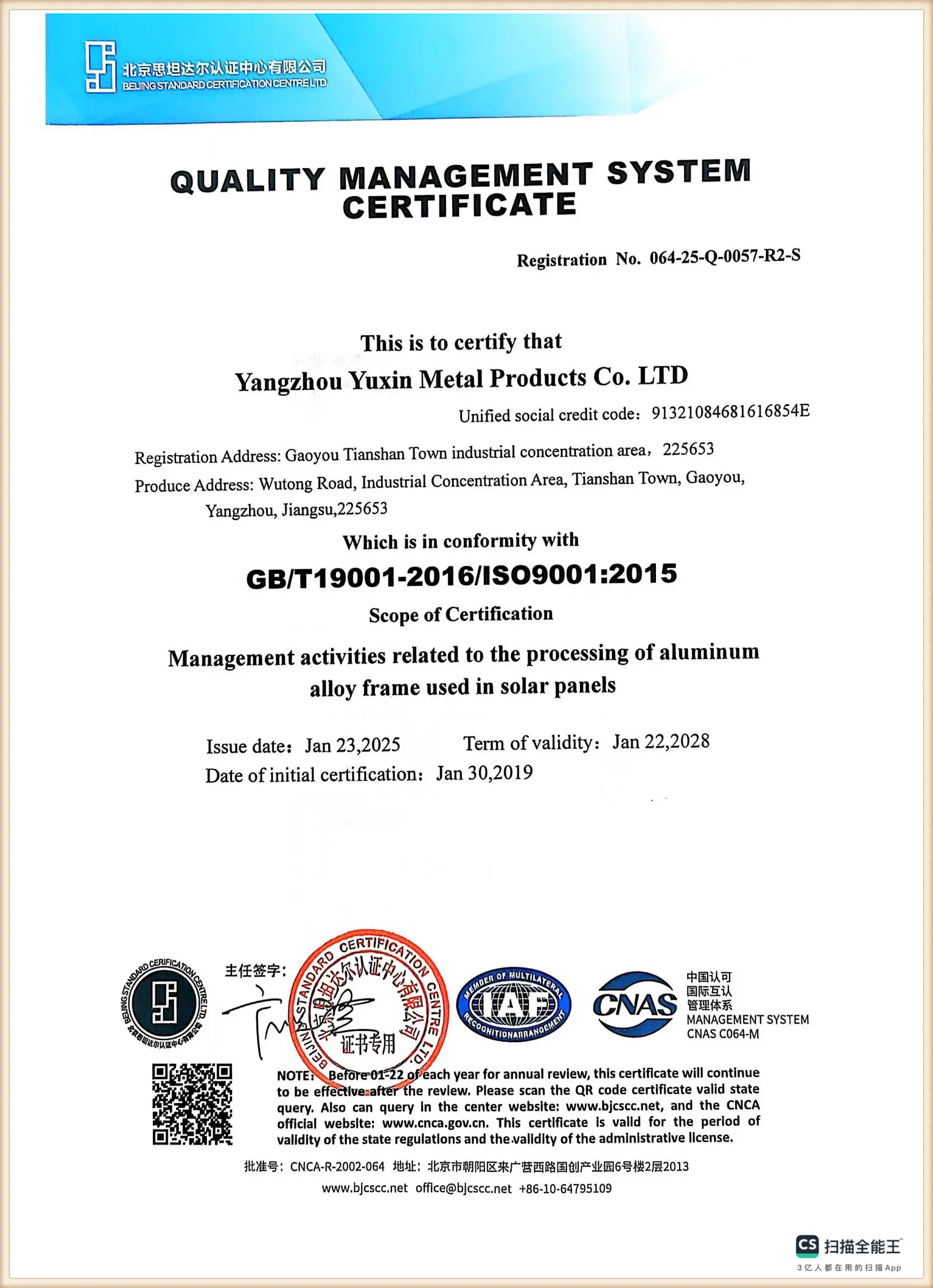
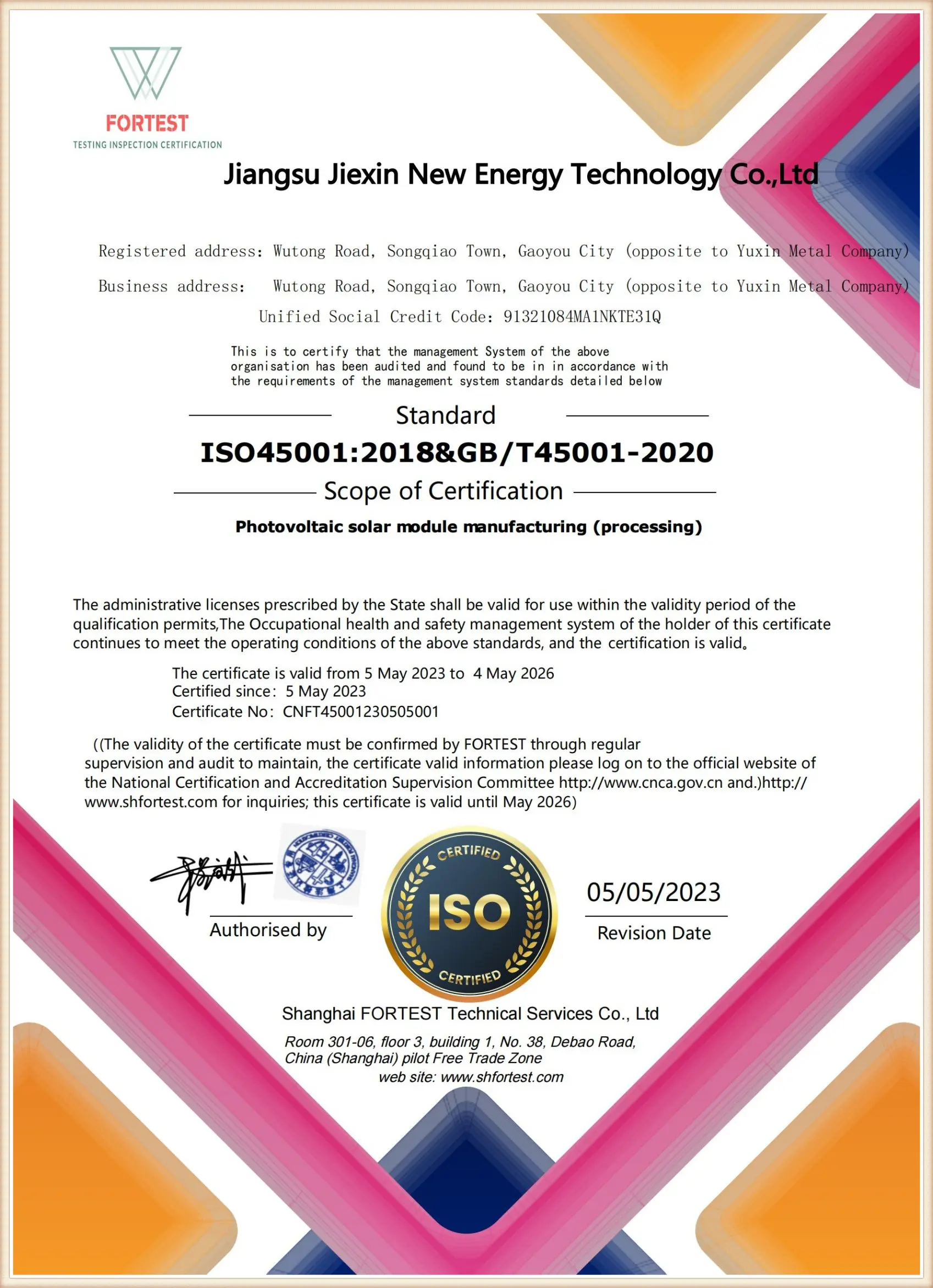
Providing steady, clean energy management for diverse sectors, from urban infrastructure to remote off-grid industrial installations.

Powering automated solar water pumps and smart greenhouse systems with intelligent battery charging.
Read More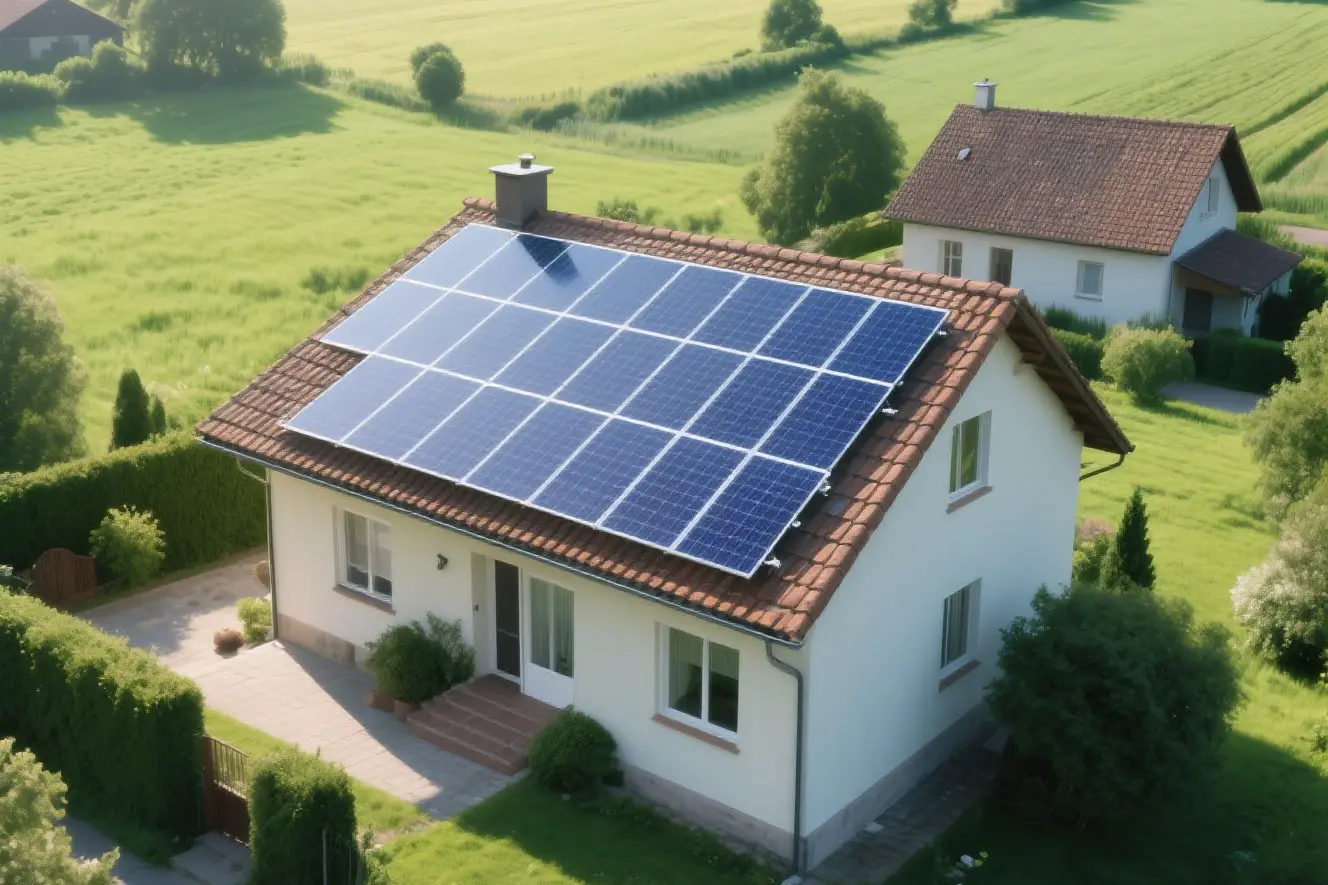
Building integrated photovoltaic (BIPV) framing systems and high-durability backup power arrays.
Read More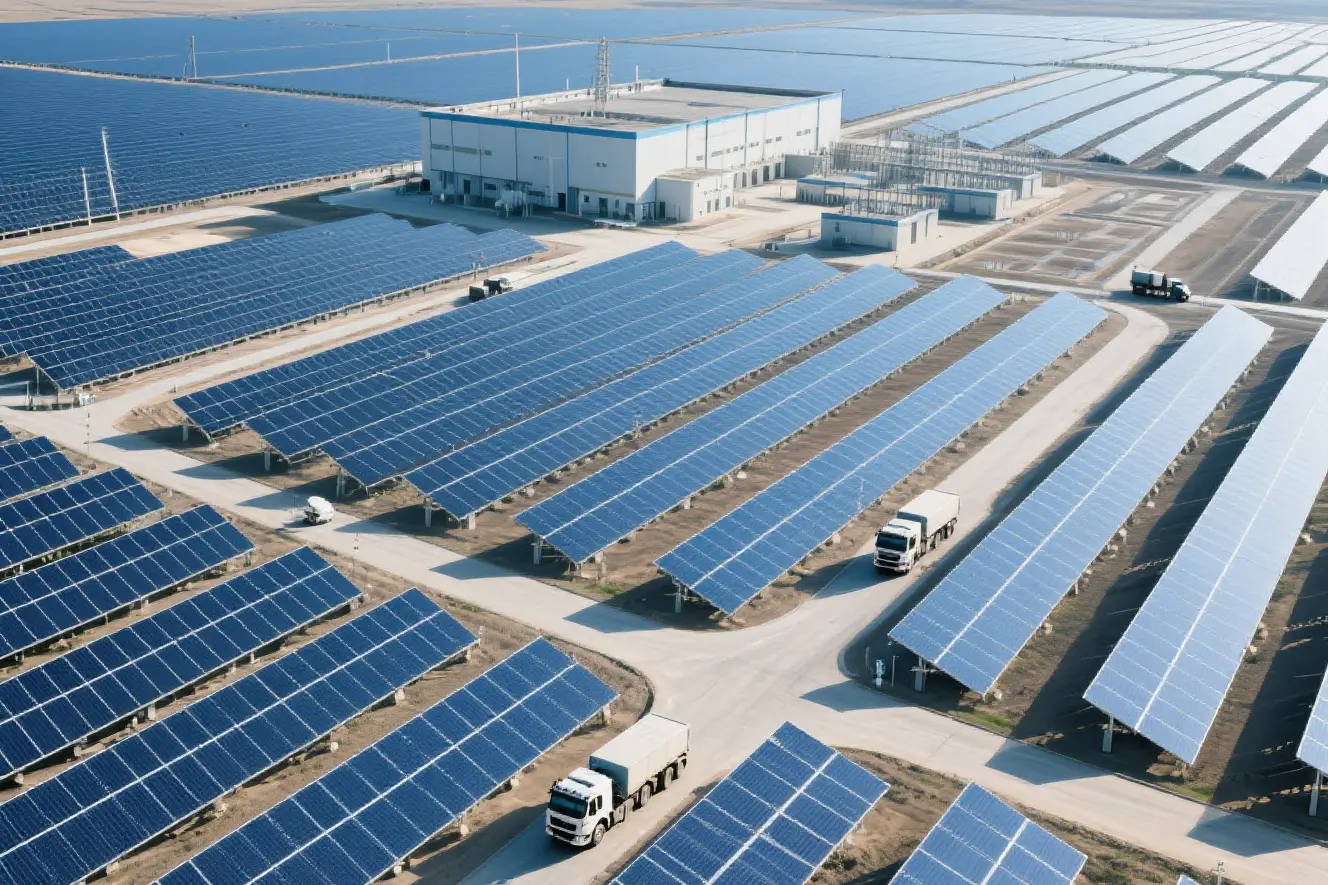
Integrating commercial-scale storage, voltage stabilization, and modular sub-station power management.
Read More
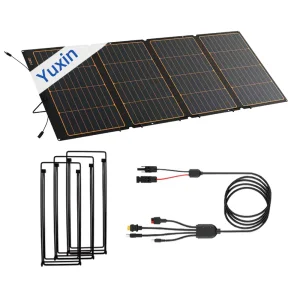
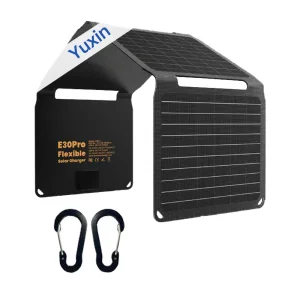
Compact, waterproof backpacks, portable solar cells, and lightweight emergency camping power equipment.
Read More
Stabilizing raw PV energy for remote 5G base stations, microwave repeaters, and off-grid communication networks.
Read More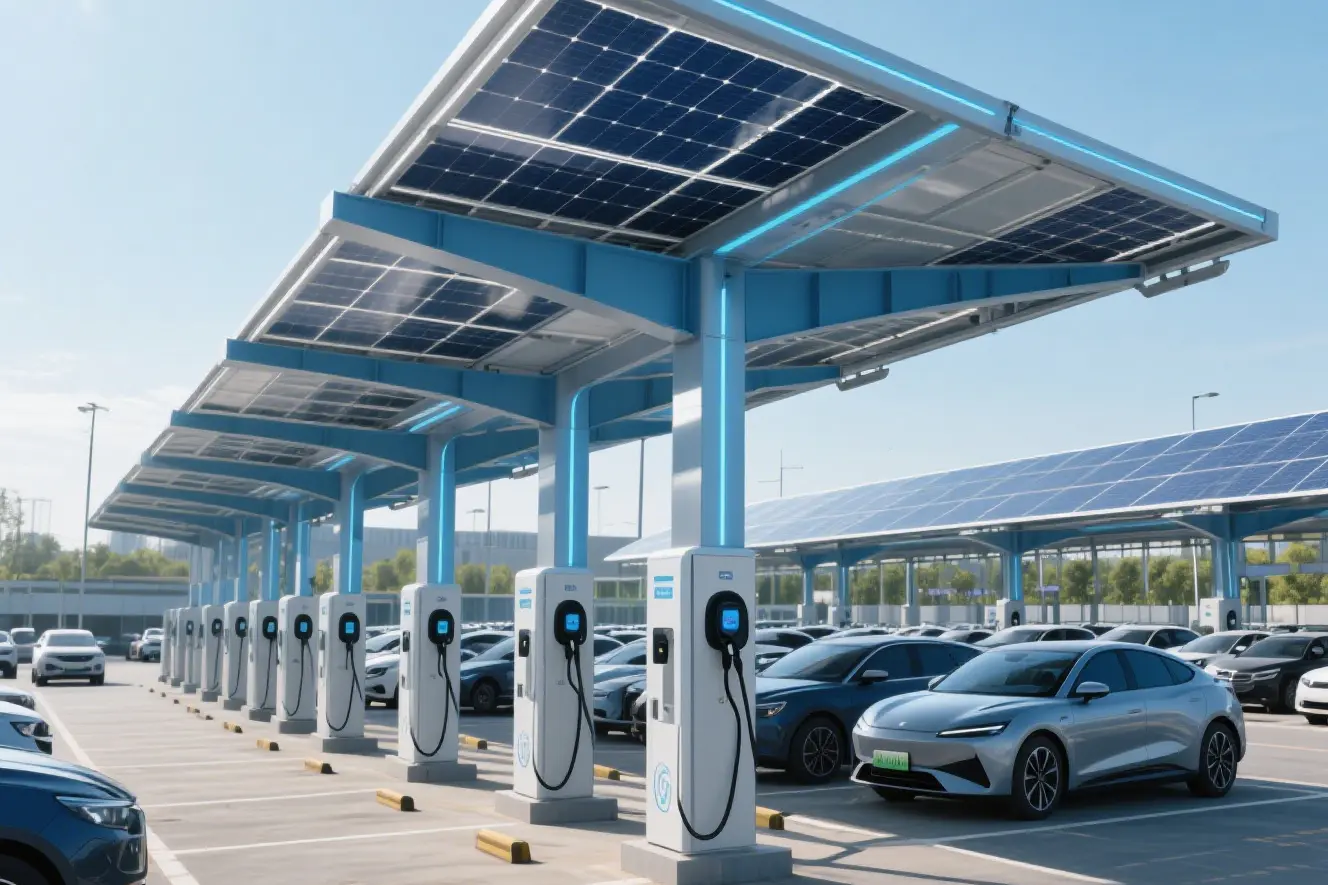
Powering solar-assisted highway signaling, intelligent public transit hubs, and marine telemetry beacons.
Read MoreOver years of hard work, Yuxin has built strong collaborative relationships with top tier manufacturers and distributors worldwide.

Keep up with technical standards, inspection protocols, and material advancements in global photovoltaics.
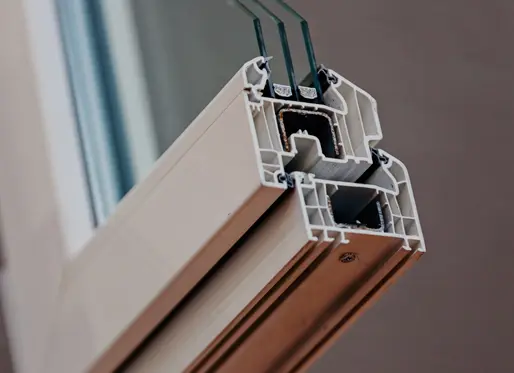
Discover the key differences between 6063-T5 aluminum, structural composite frames, and basic steel mounts for photovoltaic arrays.
Read Article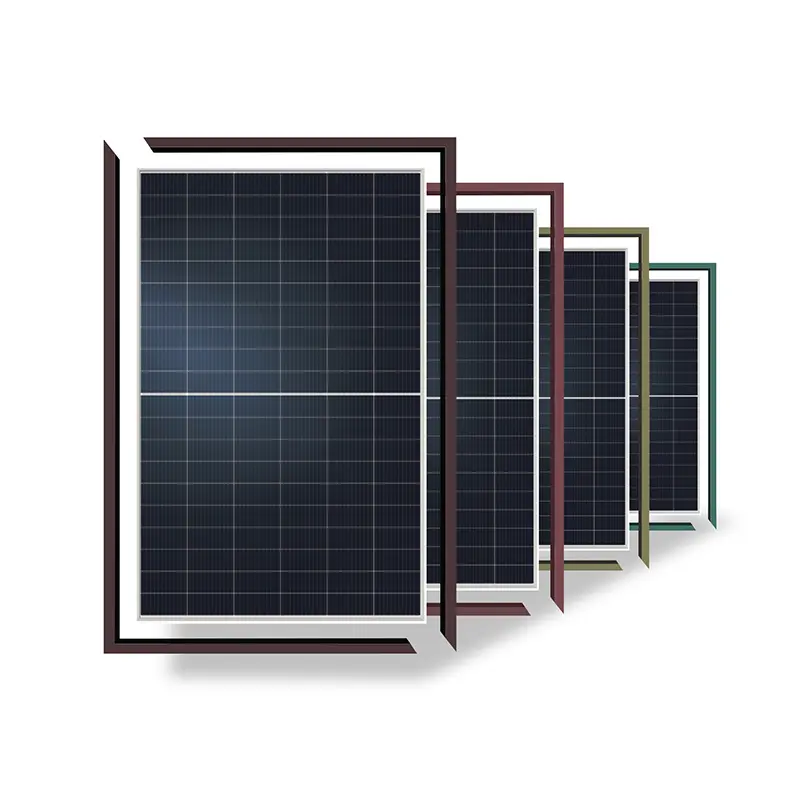
A procurement checklist for sourcing custom solar frames and components from Chinese factories with minimal lead times.
Read Article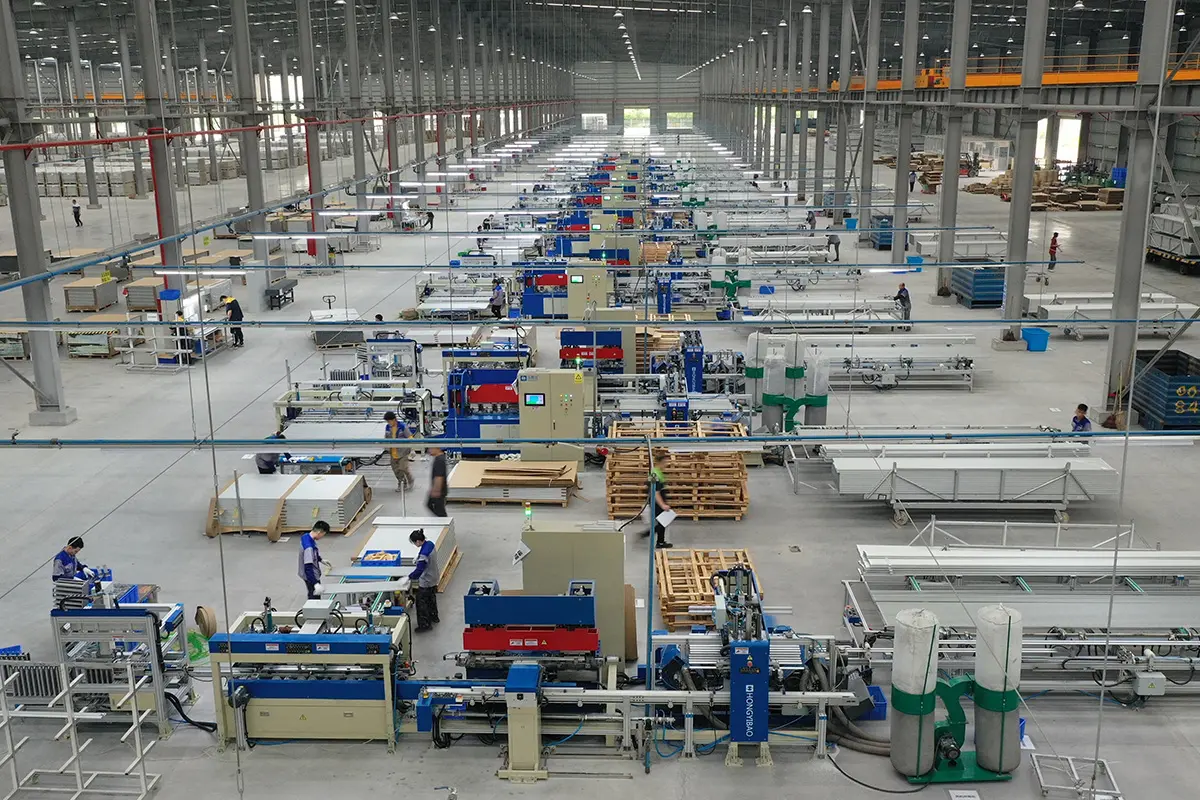
An overview of testing standards, including anodization thickness measurements, mechanical load testing, and corrosion resistance audits.
Read ArticleFind authoritative answers to common inquiries regarding technology, operation, procurement, and system integration.
An MPPT (Maximum Power Point Tracking) controller actively adjusts its internal operating voltage to match the maximum power point of the solar panels, converting excess voltage into additional charging current. This process yields up to 30% higher overall efficiency compared to a PWM controller, which operates at the battery's voltage and runs the solar panel at a less efficient level.
Yes. Modern Leit controllers support multiple battery chemistries, including LiFePO4, Gel, AGM, and flooded lead-acid batteries. The charging profile parameters can be configured through the display panel, RS485 connection, or mobile app to match the target battery manufacturer's charging recommendations.
Batteries are sensitive to temperature shifts. In high ambient temperatures, the controller lowers the target charge voltage to prevent overcharging and gassing. In cold temperatures, it raises the voltage to ensure a full charge. The Leit controller uses a remote temperature sensor (RTS) to continuously monitor the battery bank and adjust the charging profile accordingly.
To determine the proper controller size, verify that the total open-circuit voltage (Voc) of the solar array—adjusted for the coldest local design temperature—does not exceed the controller's maximum input voltage rating. Additionally, ensure the array's short-circuit current (Isc) is within the controller's maximum input current limit to prevent damage.
Most Leit controllers feature an RJ12 or RJ45 communication port using the Modbus RTU protocol over an RS485 interface. This design allows integration with external monitors, Wi-Fi or Bluetooth dongles, and industrial programmable logic controllers (PLCs) for remote system management.
Quality factories certify their products to international standards, including CE, FCC, RoHS, and often TÜV or UL compliance. These certifications verify that the product has undergone rigorous electrical safety and electromagnetic compatibility (EMC) testing.
By locating factories in regional solar hubs (such as Yangzhou), manufacturers benefit from a complete local supply chain for aluminum frames, microprocessors, capacitors, and mounting hardware. This vertical integration, along with automated assembly and testing, lowers production costs while maintaining consistent product quality.
Select from our range of energy storage systems, PERC modules, TOPCon solar panels, and camping generators with direct factory support.