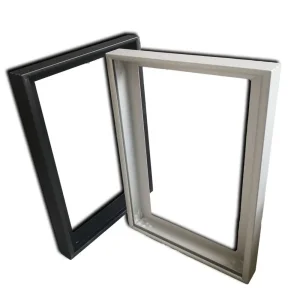
Explore our industrial range of high-efficiency solar modules, off-grid power solutions, and structural frameworks.
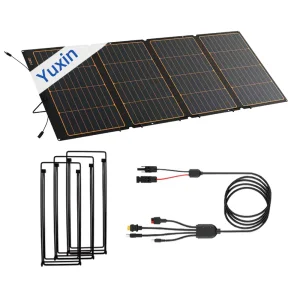
As off-grid recreation, tactical missions, and emergency preparedness demand higher power inputs, the segment of portable solar technology has experienced a substantial paradigm shift. The conventional target for camping and outdoor activities used to be small-scale 50W to 100W panels. However, the energy density required to sustain modern mobile setups—such as compressor refrigerators, high-definition camera gear, portable CPAP devices, satellite communication terminals, and portable power stations (LiFePO4-based generators)—has rendered lower-wattage options obsolete. The 300 Watt Solar Panel For Camping has emerged as the definitive sweet spot, balancing mechanical portability with the raw electrical output required to sustain off-grid micro-grids.
From a mechanical perspective, producing 300 watts of peak power requires highly refined materials engineering. Photovoltaic cells must utilize monocrystalline structures with high conversion efficiencies, typically exceeding 22% to 24%. This guarantees that the overall surface area of the panel is minimized, keeping transport size practical. Furthermore, the structural framework supporting these panels must resist thermal expansion, mechanical deformation under high wind loads, and moisture ingress.
In solar engineering, the average daily output is calculated using standard peak sun hours. In an area receiving an average of 4.5 peak sun hours per day, a 300W panel yields approximately 1,350 watt-hours (Wh) of energy, adjusting for real-world inefficiencies such as angle divergence, temperature degradation, and charge controller losses. This easily supplies an energy budget that can sustain an active camp, avoiding deep discharge of connected battery systems.
Choosing a solar panel requires a fundamental understanding of the underlying cell architecture. Modern portable panels utilize either Passivated Emitter and Rear Cell (PERC) technology or Tunnel Oxide Passivated Contact (TOPCon) systems.
PERC cells have long been the industry workhorse due to their cost-efficiency. By introducing a passivation layer on the rear of the cell, PERC reduces electron recombination and reflects unabsorbed light back into the cell, yielding efficiencies between 21% and 23%. However, TOPCon technology represents the newer frontier. Utilizing a thin tunnel oxide layer and highly doped polycrystalline silicon, TOPCon reduces surface recombination velocity and increases efficiency potential past 25%. For portable applications like camping, where shading from trees or tents is common, TOPCon's superior low-light response and better temperature coefficient (less power loss as the panel heats up in the sun) make it the optimal choice for high-end camping modules.
| Technology Type | Cell Efficiency Range | Temperature Coefficient | Low-Light Response | Bifacial Potential |
|---|---|---|---|---|
| Mono-crystalline PERC | 21.0% - 23.2% | -0.35% / °C | Moderate | Up to 70% |
| N-Type TOPCon | 24.5% - 26.2% | -0.30% / °C | Excellent | Up to 85% |
| Polycrystalline (Legacy) | 16.0% - 18.5% | -0.42% / °C | Poor | N/A |
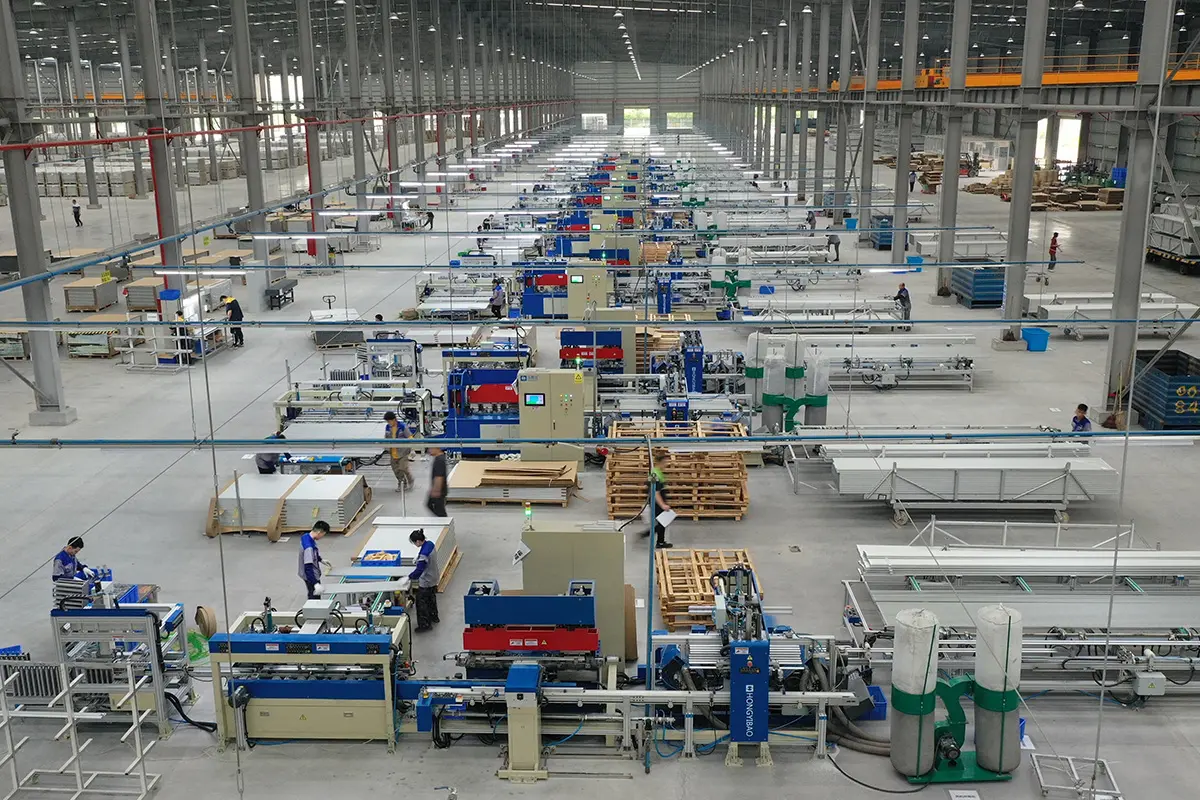
The global supply chain of photovoltaics is anchored by advanced production clusters. Yangzhou, China, has established itself as an epicentre for both structural solar components and cell assembly. Companies located in this hub leverage close proximity to highway systems and major deep-water ports to control logistics costs and guarantee rapid delivery of raw components.
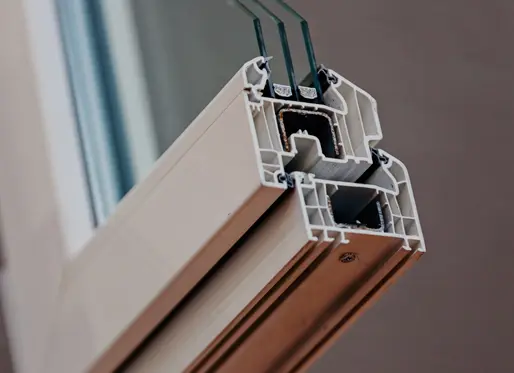
Moreover, structural framing plays a critical role in the lifespan of portable solar systems. Portable panels are subjected to physical handling, dropping, and vibrations during transit. Utilizing premium grade materials such as anodized 6063-T5 or 6005-T6 aluminum frames ensures that the delicate monocrystalline wafers are protected against micro-cracking. In recent years, composite materials like pultrude polyurethane have also emerged, offering high insulation values and extreme resistance to corrosion in salty marine or coastal camping environments.
A high-quality 300W camping solar panel is more than just PV cells; it must feature robust localization and compliance engineering. For instance, panels deployed in Northern Europe must withstand structural loads from snow and ice, requiring specialized wind-tunnel testing. Conversely, modules used in arid regions of Australia or the southwestern United States require superior UV stabilization to prevent encapsulation yellowing (delamination of the EVA sheet).
To meet international requirements, these products must be certified to standards such as CE, IEC 61215, and IEC 61730. These compliance documents ensure the electrical safety of the junction box (with a minimum of IP67/IP68 ingress protection) and ensure that the bypass diodes can handle localized heat spikes without posing a fire hazard to dry forest floor environments.
Precision, Quality, and Safety - Your Leading Photovoltaic Materials and Systems Expert.
Our structural components and solar products comply with international standards for safety and high-stress durability.
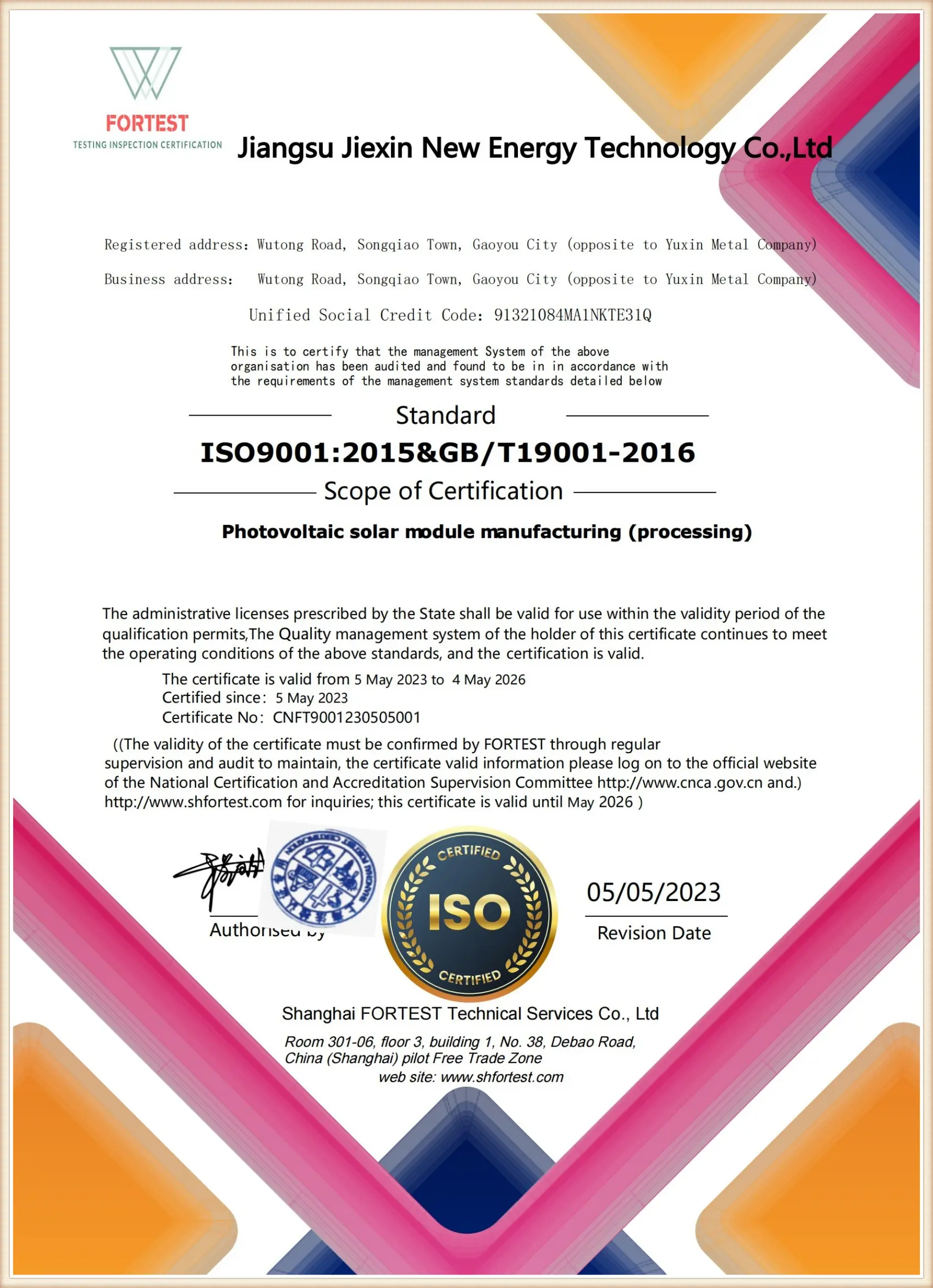
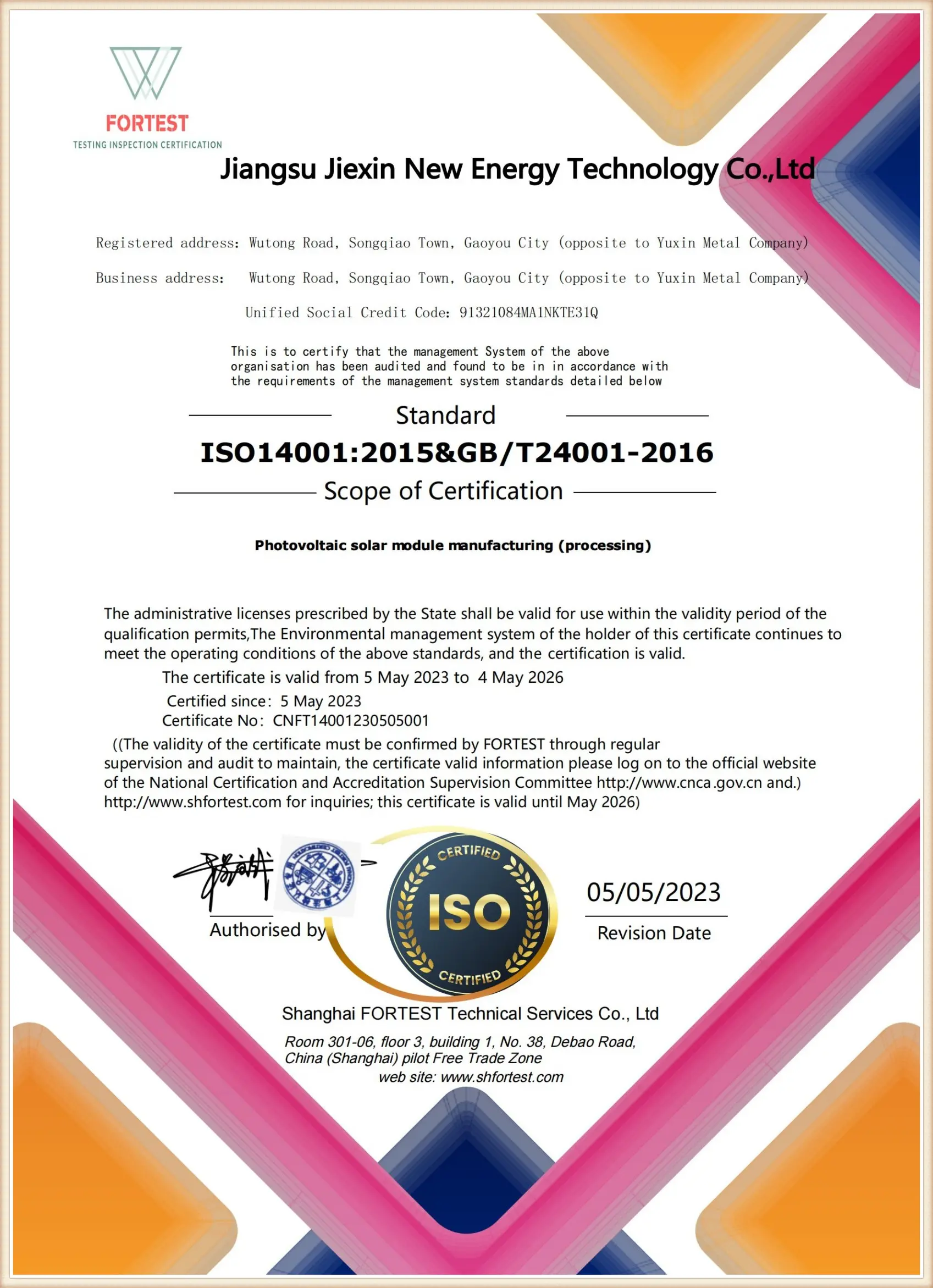
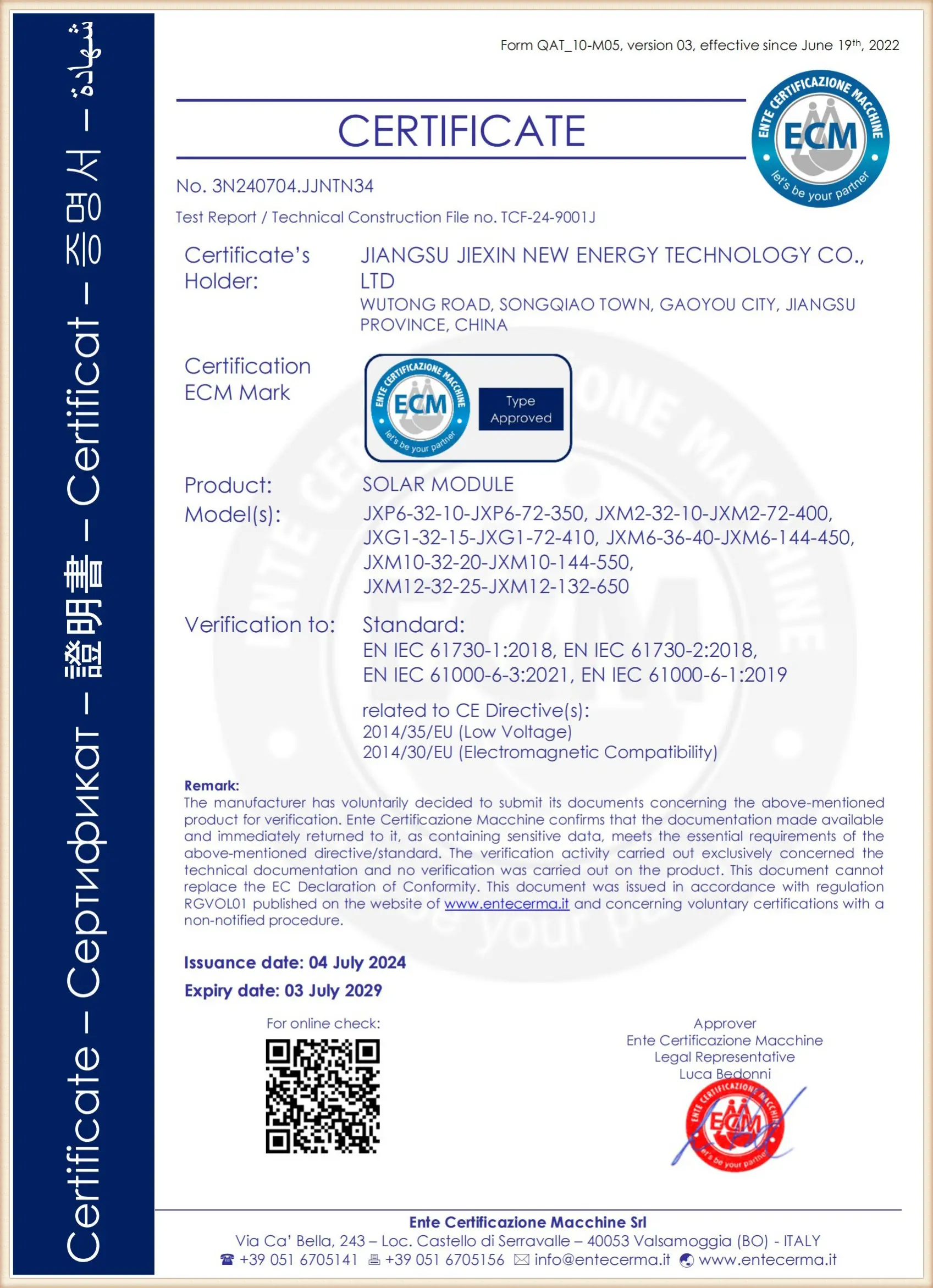
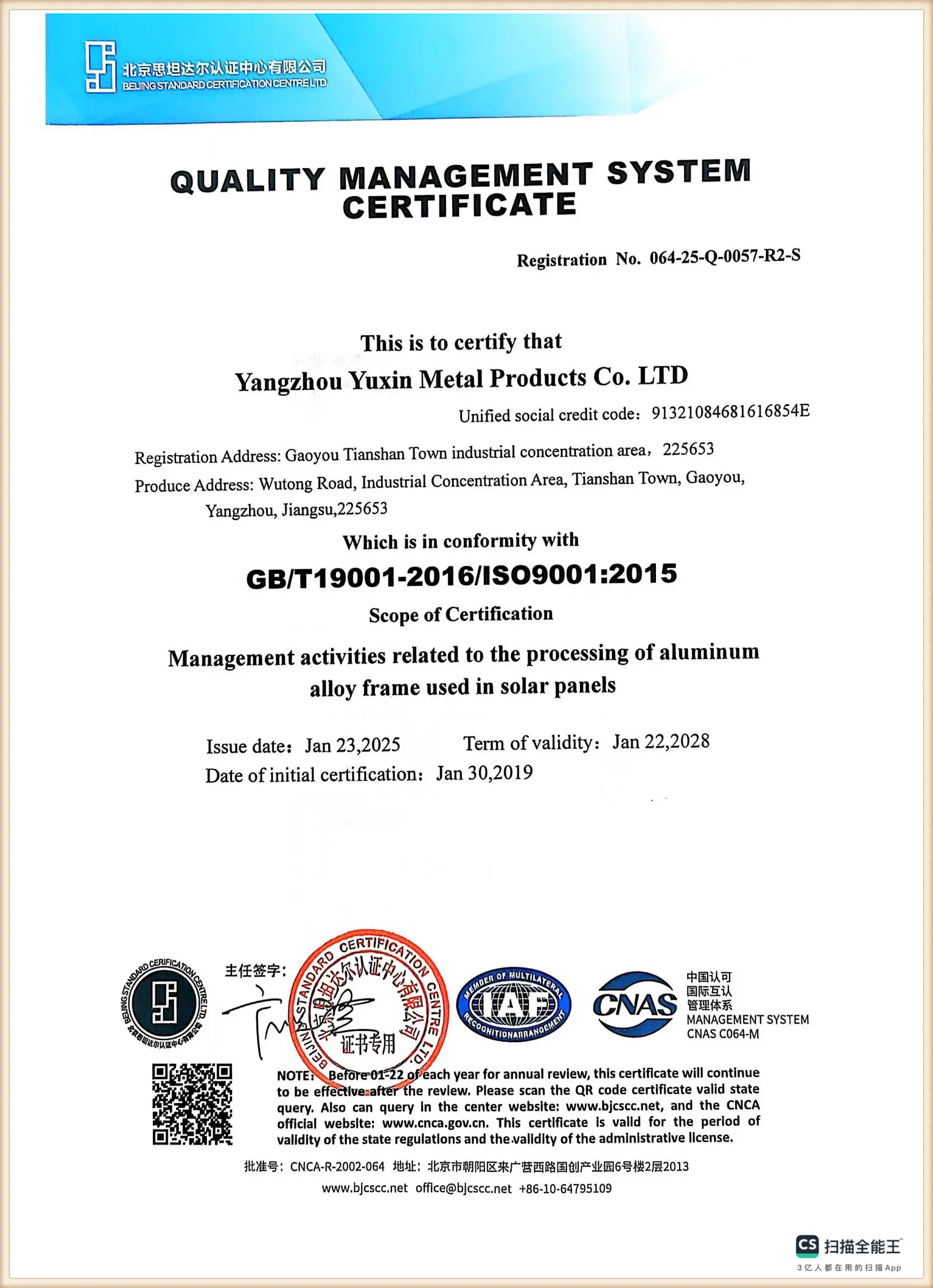
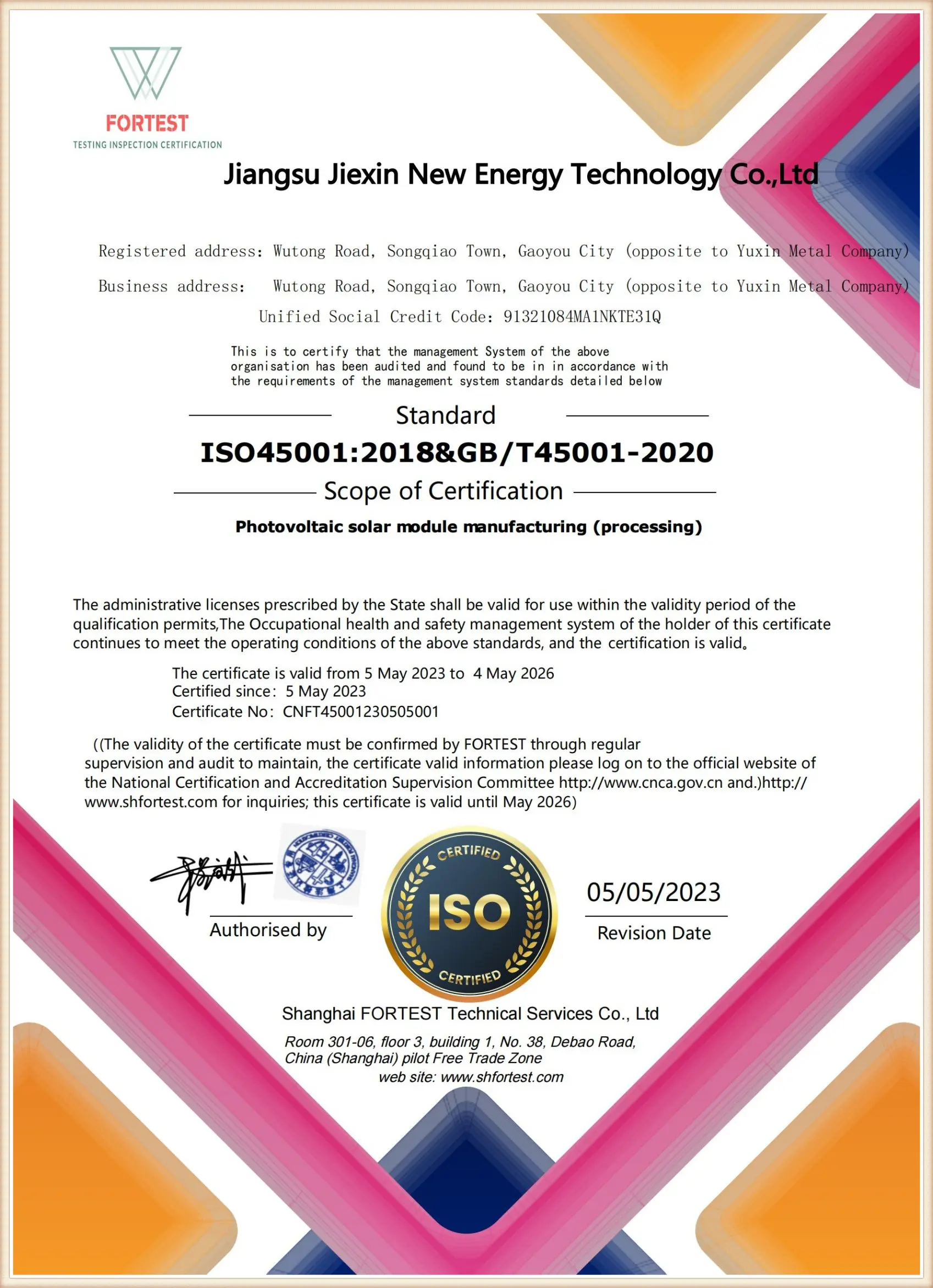
From tactical military outdoor installations to civilian agricultural off-grid pumps and systems.

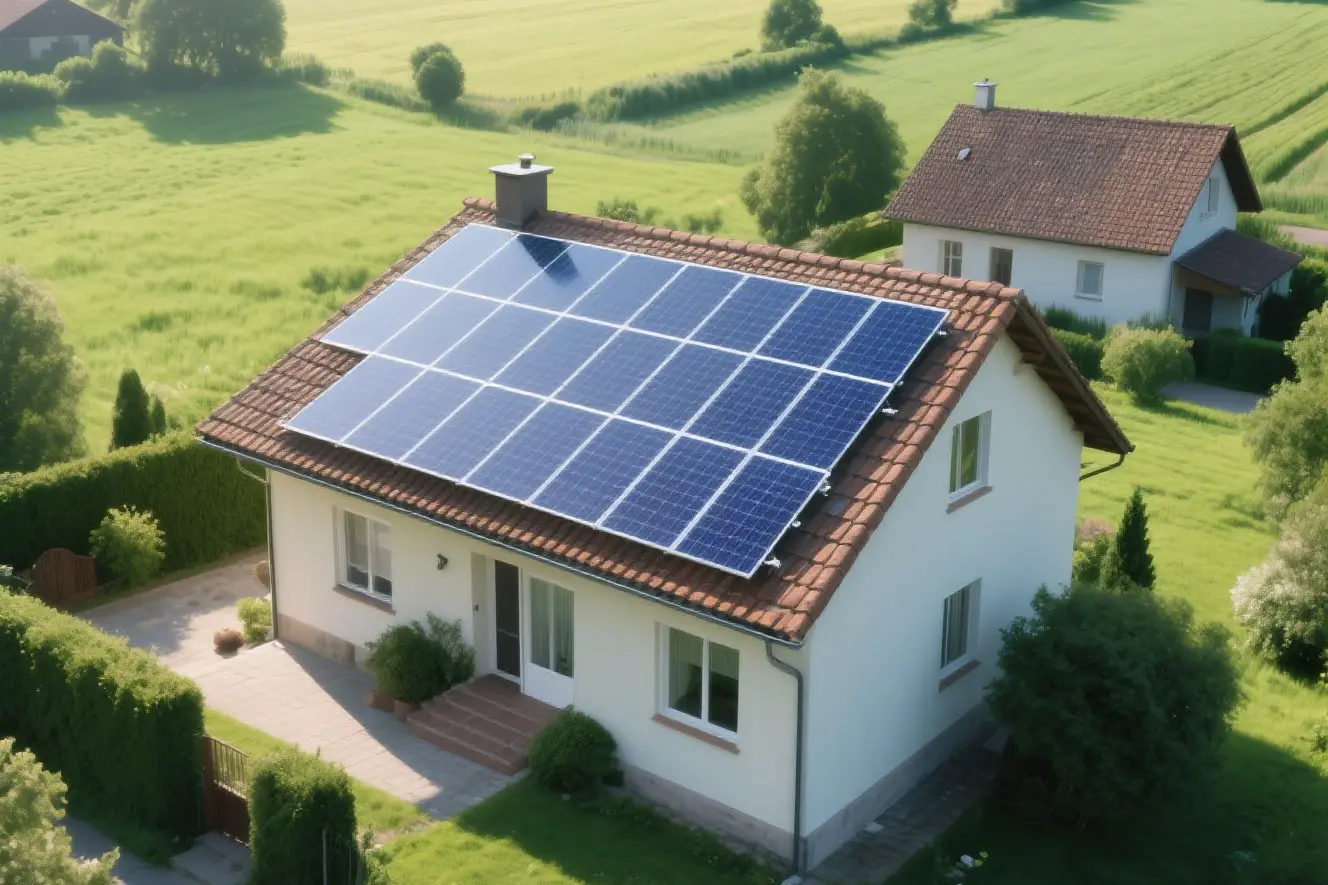
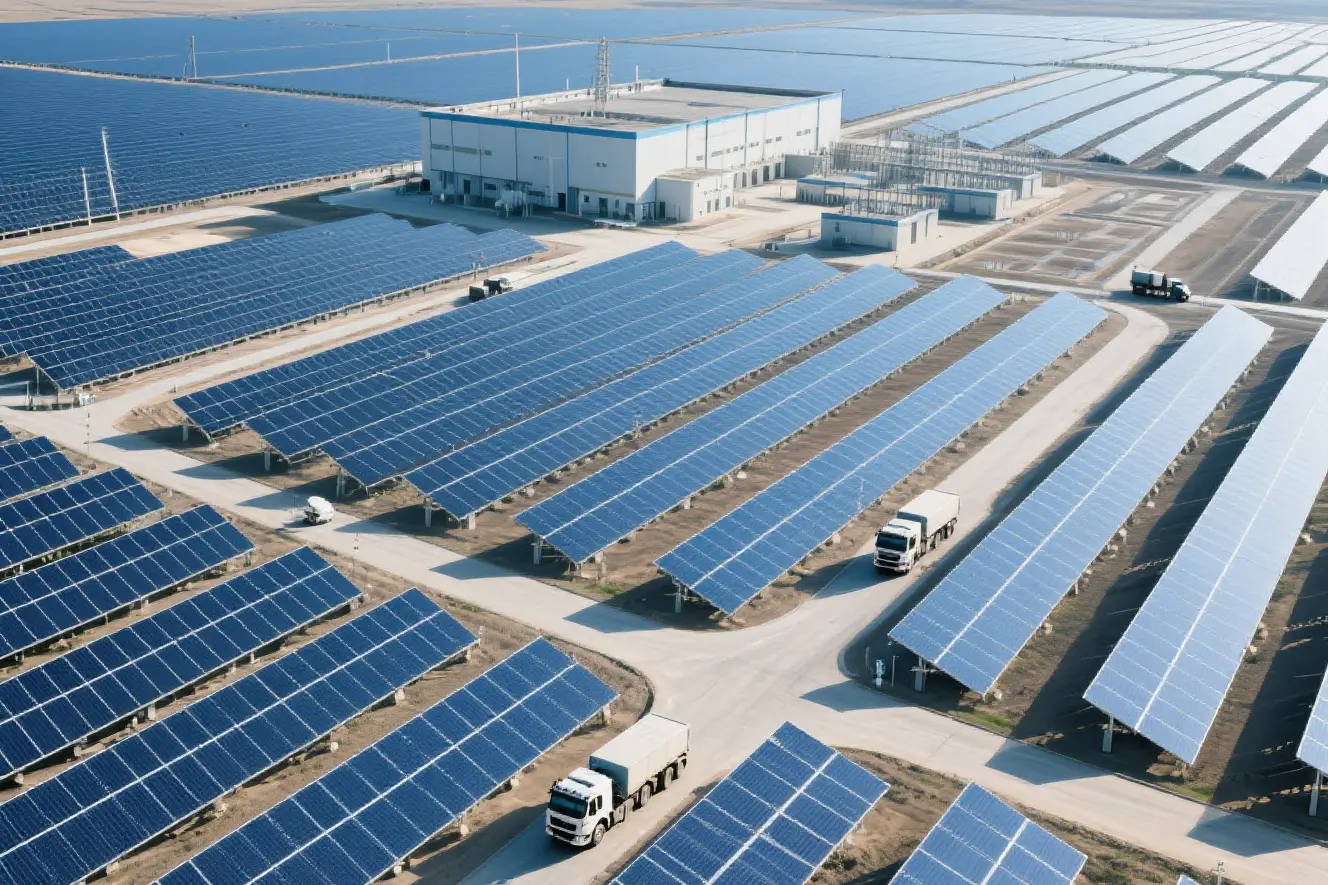
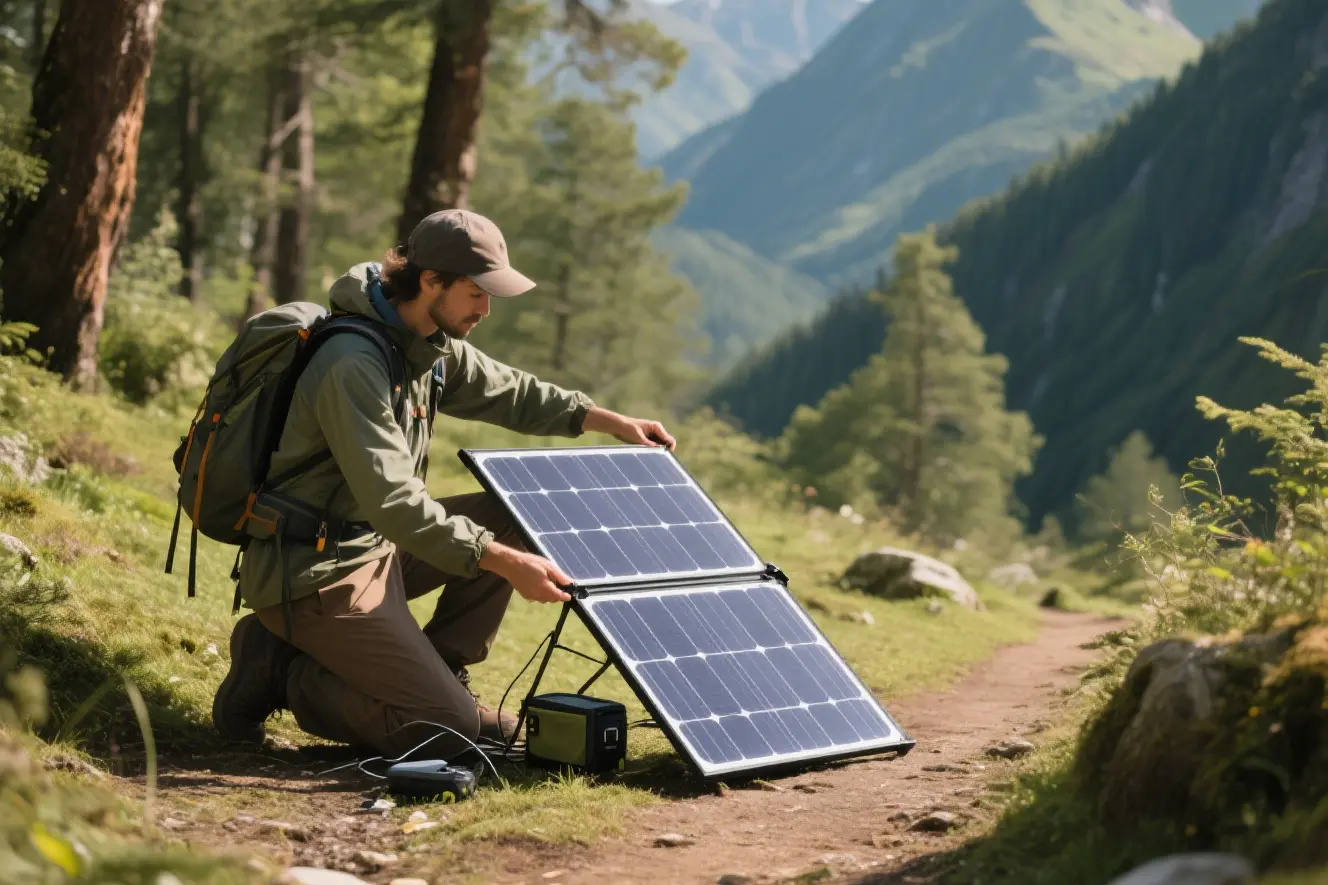
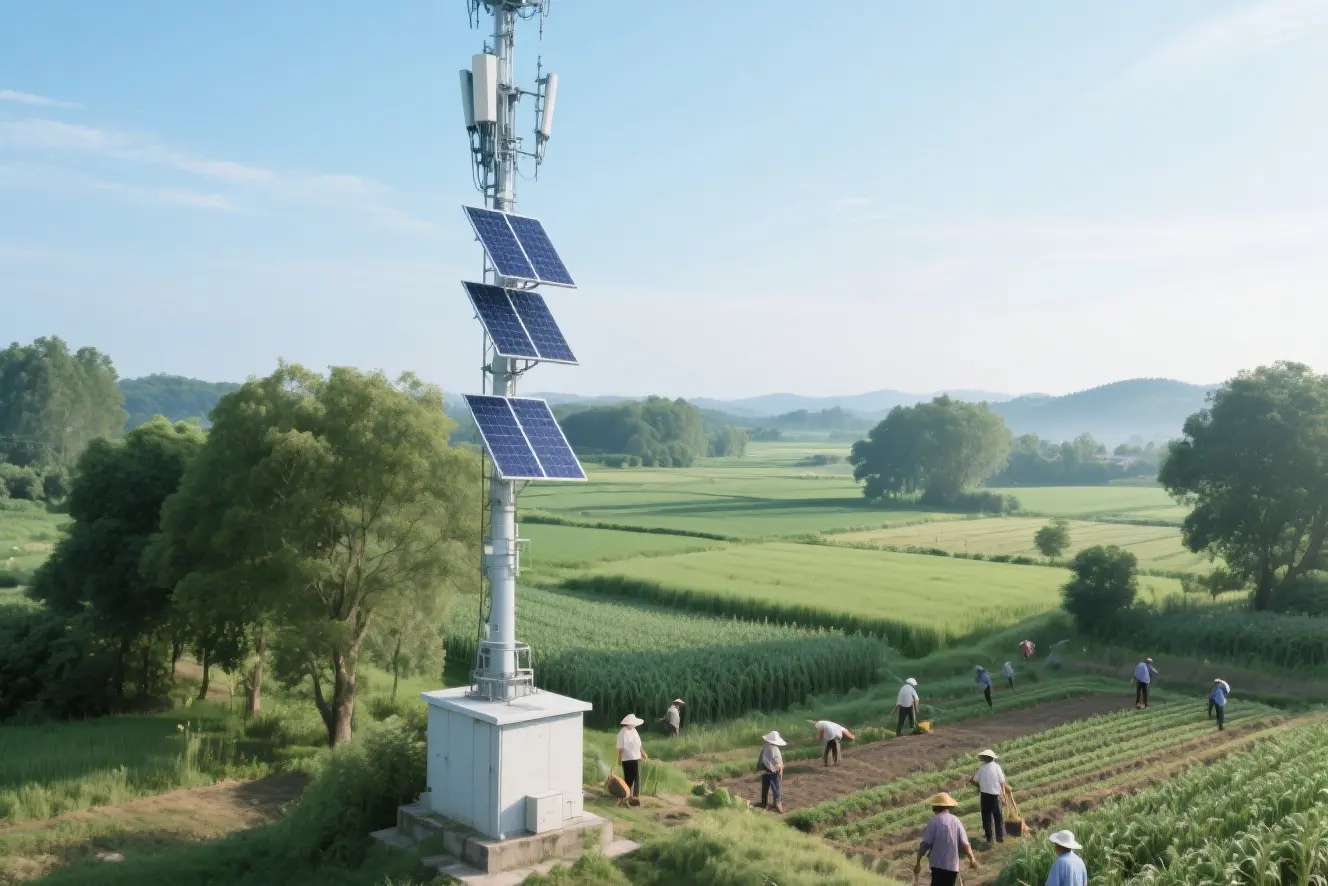
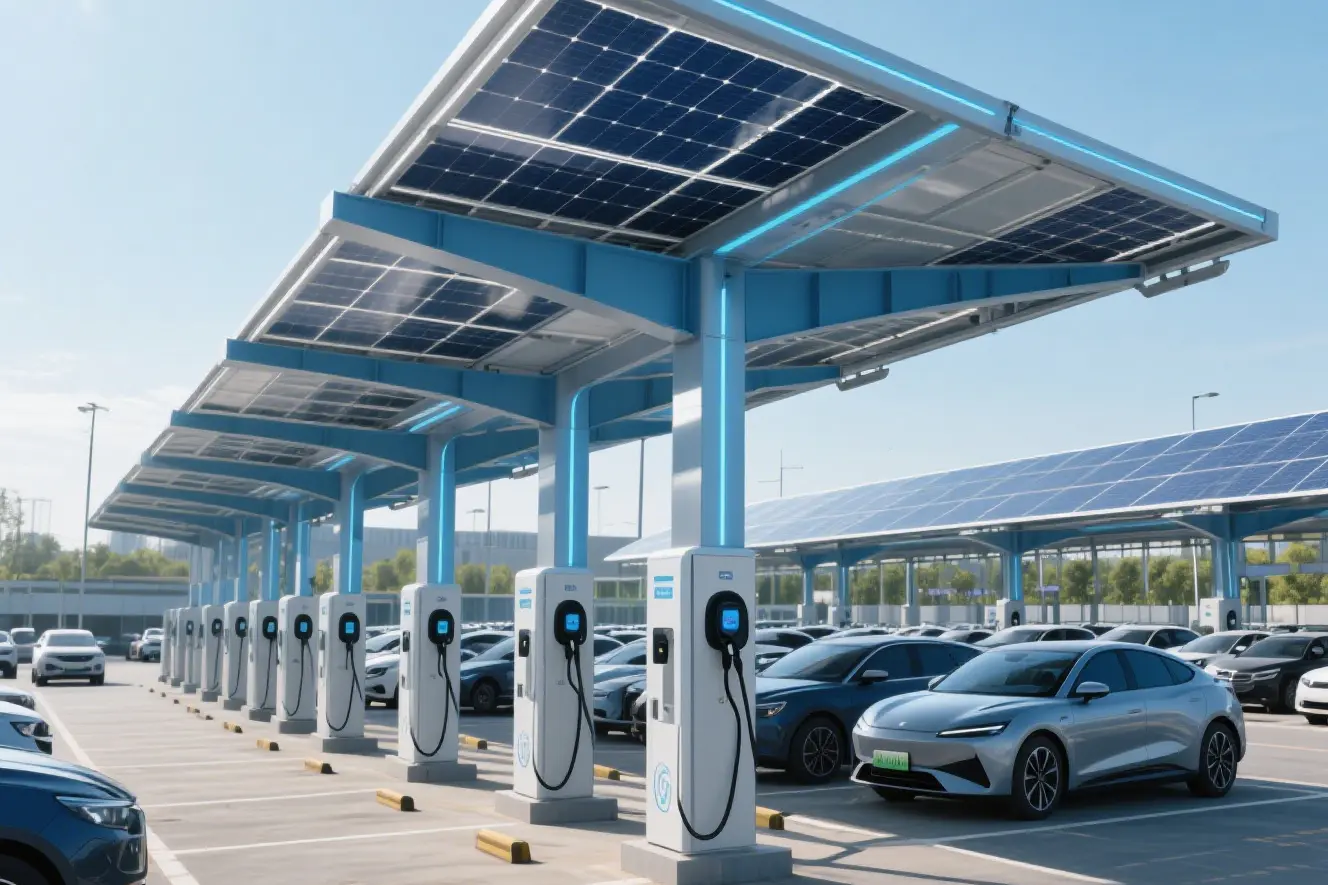
Engineered design concepts developed for extreme reliability and optimized electrical output.
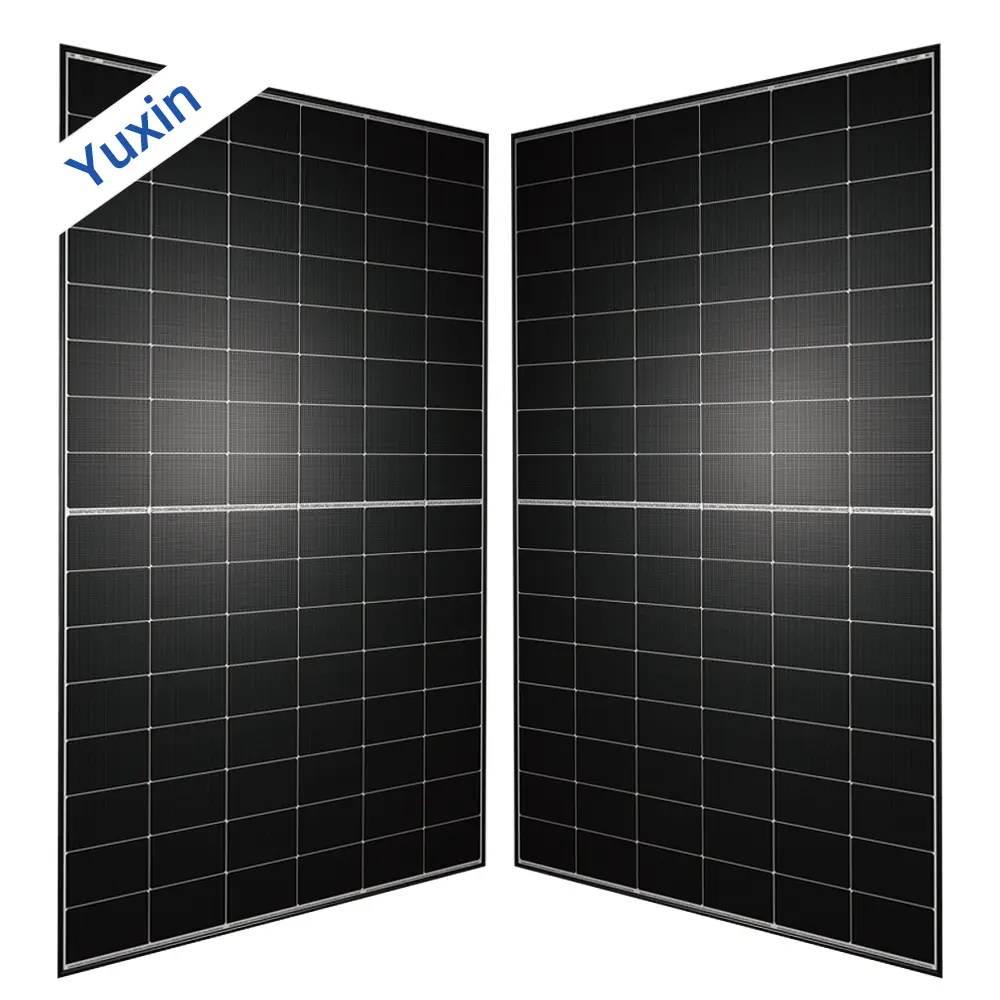
Lightweight design with transparent back panel for easy installation and reduced Balance of System (BOS) costs.
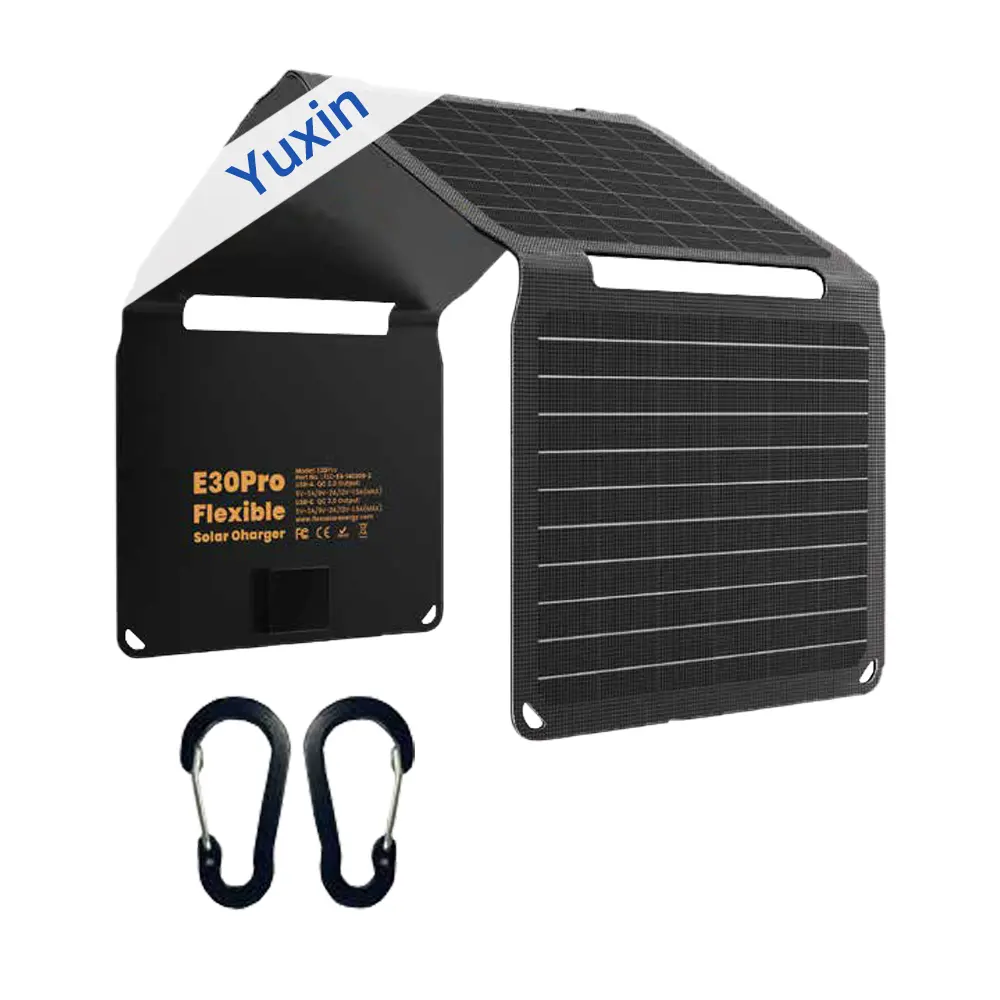
Utilizing advanced monocrystalline silicon cells, it achieves a high energy conversion efficiency of 24%.
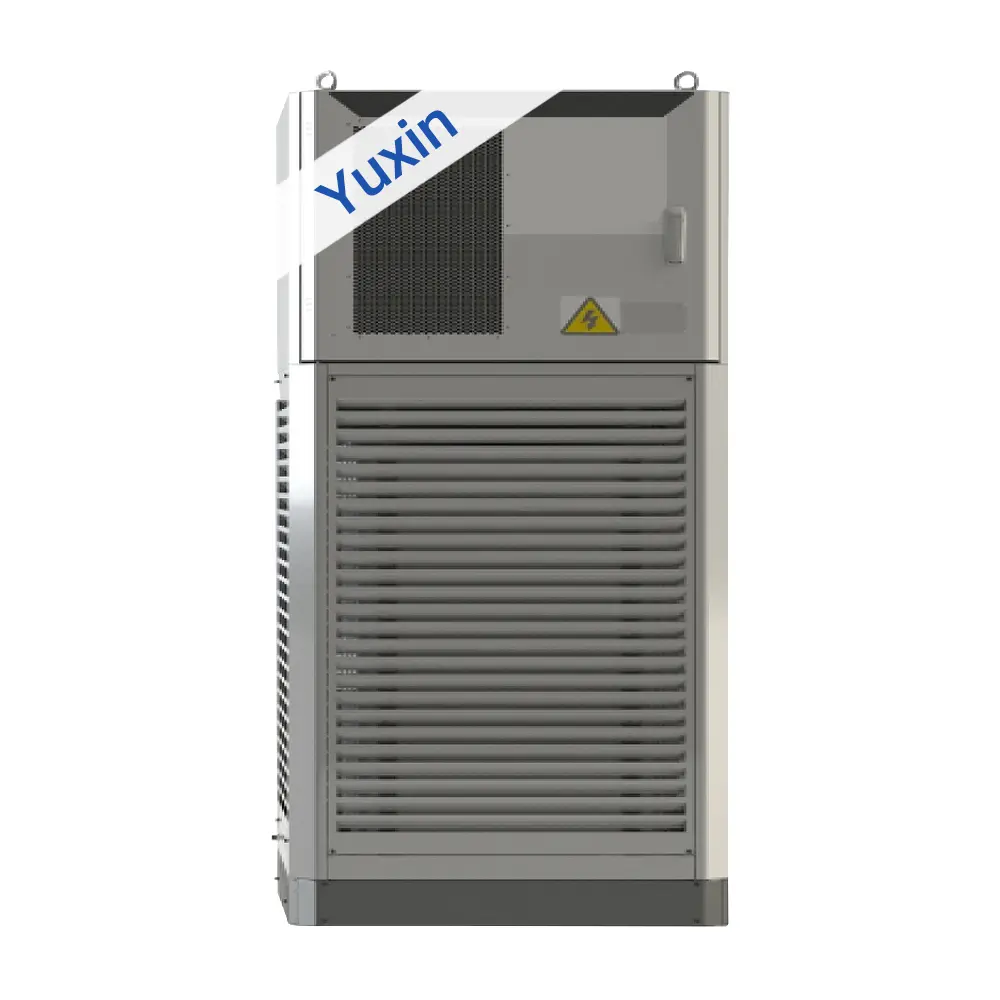
Application modes include grid-connected mode, off-grid mode, and integrated grid-connected/off-grid mode.
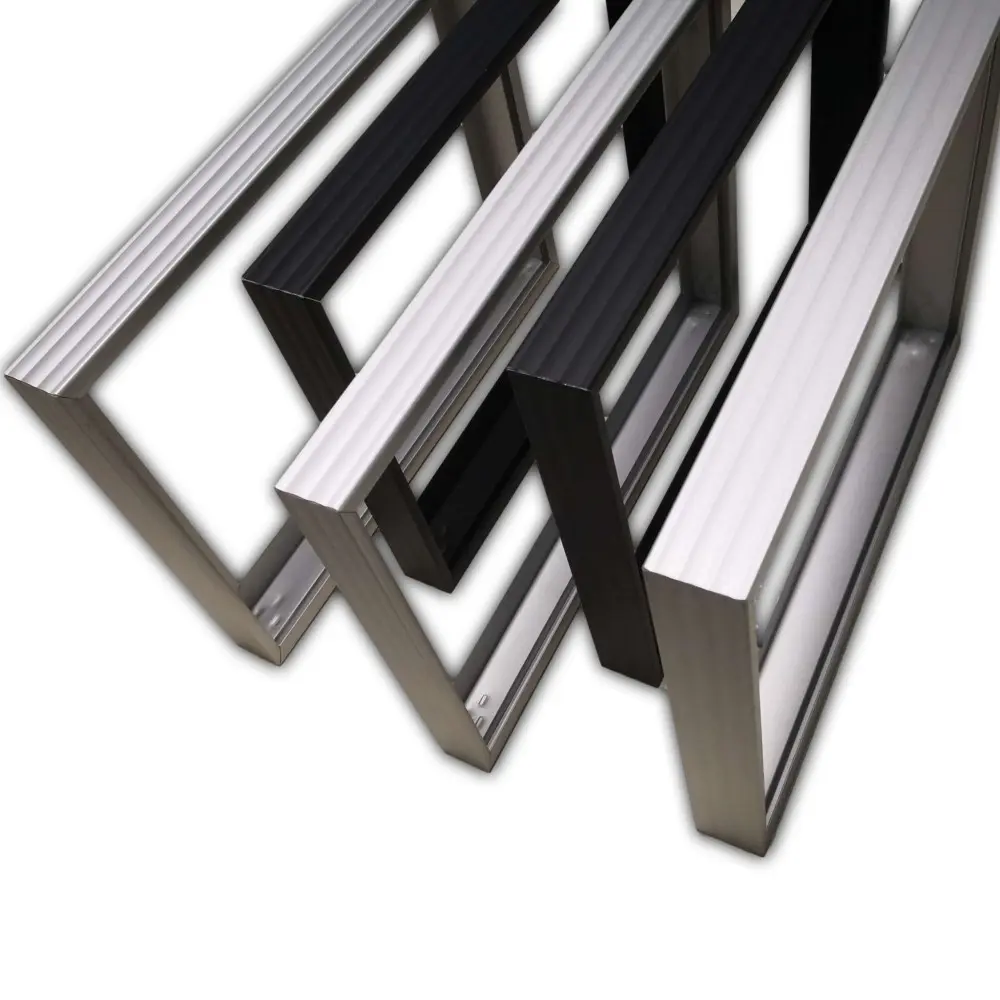
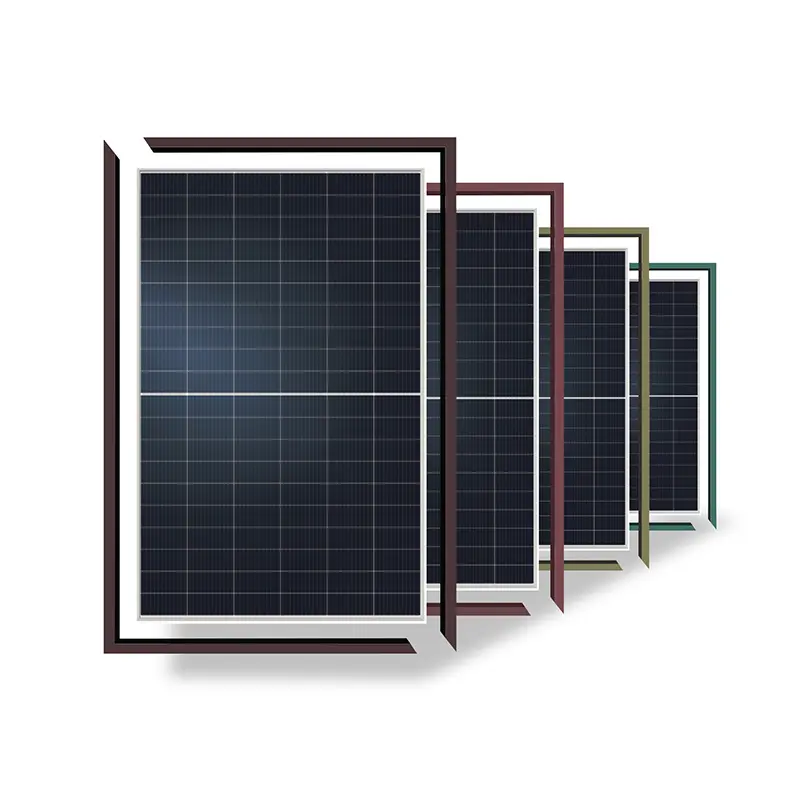
Made of high-quality anodized aluminum, it ensures superior weather resistance and a smooth, long-lasting finish.
After years of hard work by Yuxin people, it has gradually formed a collectivist and diversified advantage.







The portable photovoltaic industry is transitioning to highly integrated smart networks. Future roadmaps indicate a shift towards Perovskite-Silicon Tandem Cells, which combine the high short-wavelength light absorption of perovskites with the infrared absorption of monocrystalline silicon. This technology could push the energy output of standard 300W physical-sized modules to over 400W without increasing the structural footprint.
Additionally, IoT integration via Bluetooth and LoRaWAN embedded into junction boxes is becoming a key development. Campers and industrial field technicians will soon be able to monitor individual string efficiency, temperature coefficients, and battery storage charge metrics remotely on micro-grid networks.
Circularity in materials sourcing is also gaining traction. Yuxin's leadership in manufacturing sustainable polyurethane composites and pultruded structures demonstrates a dedication to reducing structural carbon footprints. Modern composite materials consume significantly less energy to produce than primary aluminum extrusion, while retaining equivalent mechanical tensile strengths.
Answering high-intent questions from solar engineers, system buyers, and off-grid camping coordinators.
Stay up to date with manufacturing standards, frame design specifications, and quality assurance processes.
Discover our comprehensive inventory of hardware frames, high-power modules, and off-grid camping products.