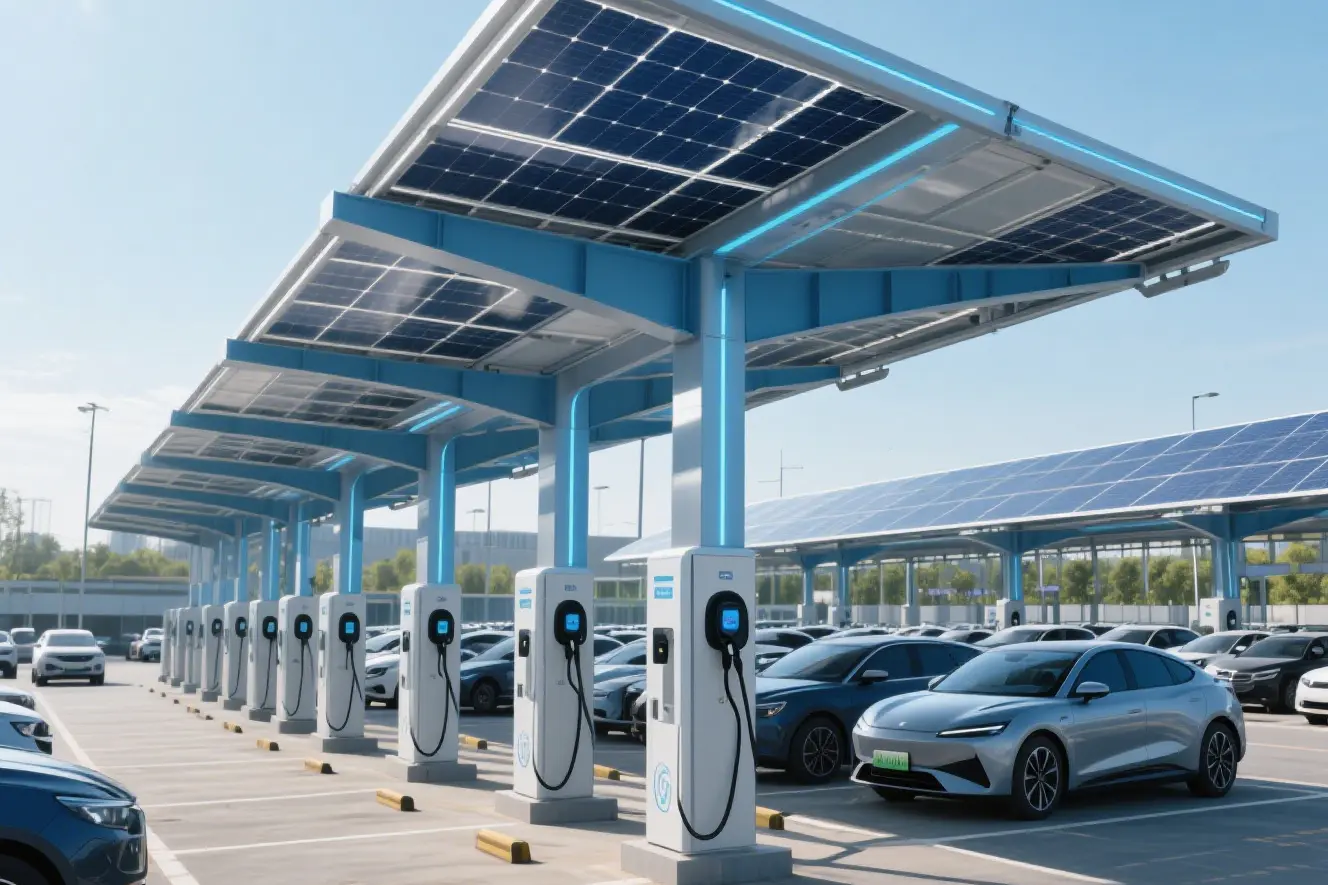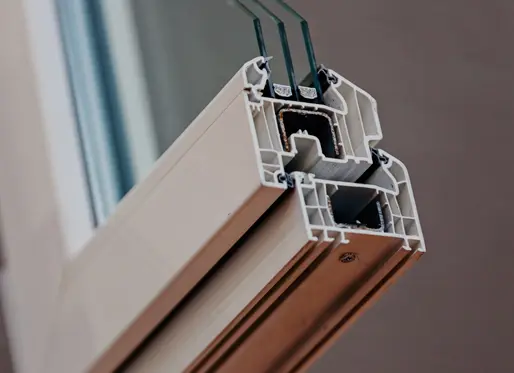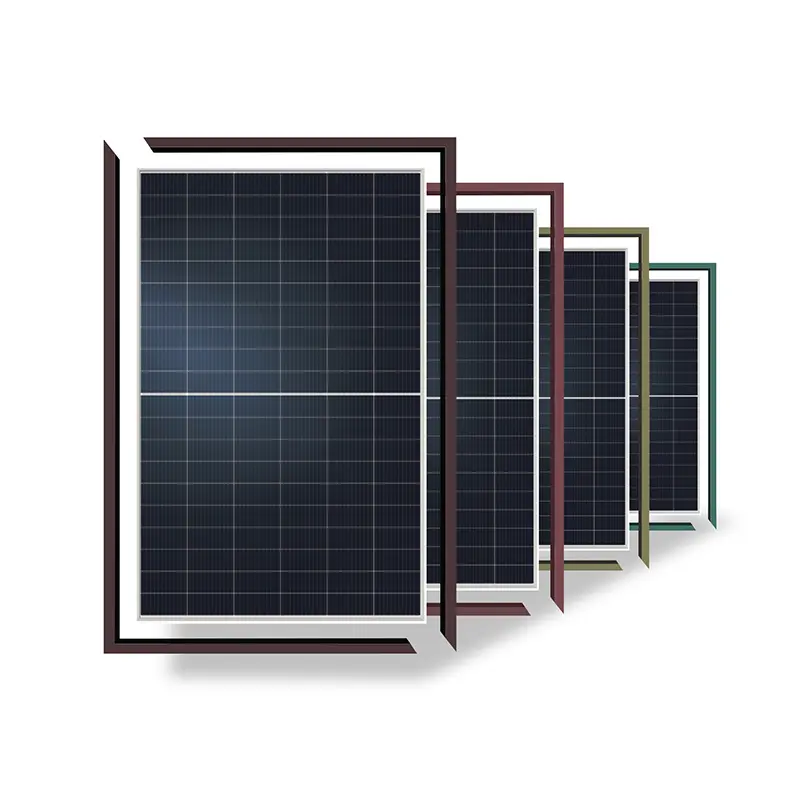
Explore our industrial-grade photovoltaic configurations and modular solar generators designed for deployment in global commercial, utility, and outdoor spaces.
Understanding the transition to localized off-grid micro-generation and 12V DC ecosystem deployments.
In the contemporary landscape of clean energy distribution, the demand for off-grid 12V solar configurations has experienced a massive paradigm shift. No longer limited to casual outdoor recreation, the utility of modular, low-voltage solar kits has expanded into vital telecommunication, infrastructure backup, and precision agriculture applications across North America, the European Union, and the Asia-Pacific region. As utilities face increasing grid instability and rising peak tariff structures, industrial buyers and municipal entities are turning to micro-solar units. These setups offer highly localized, resilient energy harvesting pathways that require zero integration into complex grid interfaces.
From a global market perspective, the transition to decentralized power has led to strict verification mandates. Exporters of 12V DC outdoor solar kits must now align production standards with internationally recognized quality benchmarks. Systems must comply with CE, IEC, and UL certifications to guarantee safe operation in fluctuating weather conditions. Professional procurers prioritize manufacturing processes that employ advanced cell division architectures, high-durability polymer encapsulants, and robust mechanical structures. This level of quality ensures long-term operational resilience and provides a reliable return on investment for large-scale outdoor infrastructure projects.
“Industry Analysis: The global portable and micro-grid solar market is projected to grow at a CAGR of 14.8% between 2026 and 2030, driven by the expansion of IoT telemetry, precision farming, and mobile telecommunications.”
By establishing localized 12V power stations, operators eliminate distribution loss and bypass complex utility permissions, creating a highly resilient local power loop.
Unlike megawatt-scale ground installations, 12V modules are designed for plug-and-play assembly, reducing layout timelines and minimizing field setup costs.
Equipped with IP67 junction boxes, bypass diodes, and specialized structural frames, these units withstand high mechanical stress and salt spray conditions.
Reviewing the transition to TOPCon cell architectures, composite frames, and smart charging telemetry.
The core technology behind portable solar kit design is changing rapidly. The industry is transitioning from standard P-type PERC cells to N-type TOPCon (Tunnel Oxide Passivated Contact) cell configurations. This update provides significant structural advantages for outdoor equipment. N-type TOPCon technology yields a lower temperature coefficient (-0.30%/°C) and shows zero Light-Induced Degradation (LID). This ensures stable power output even during high-temperature midday exposure in arid regions. As a result, small-format panels can generate higher energy yields per square meter, allowing designers to reduce the overall physical footprint of 12V kits while maintaining standard performance ratings.
In addition to cell advancements, material science has reshaped panel construction. Heavy, traditional aluminum structural components are being replaced with pultruded polyurethane composite frames. These composites combine the mechanical stability of metals with high chemical resistance and electrical insulation. This prevents Potential Induced Degradation (PID) without requiring complex ground loops. Combined with advanced dual-glass encapsulation and ethylene tetrafluoroethylene (ETFE) surface layers, these modern laminates deliver superior scratch resistance, high light transmittance, and reliable protection against impact damage in rugged field environments.
Utilizing high-purity monocrystalline silicon to achieve high performance in low-light and shaded conditions.
Integrated micro-controllers feature real-time tracking algorithms to maximize panel output during fast-moving cloud cover.
Pultruded composite structures offer high tensile strength, lower weight, and resist chemical and salt-water corrosion.
Hermetically sealed junction boxes protect electrical connection points from dust ingress and pressurized water contact.
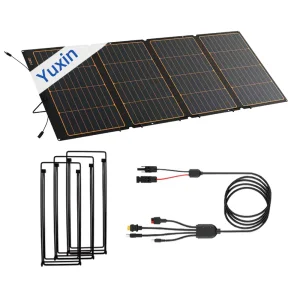
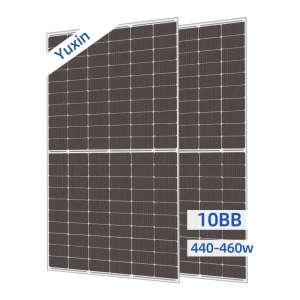
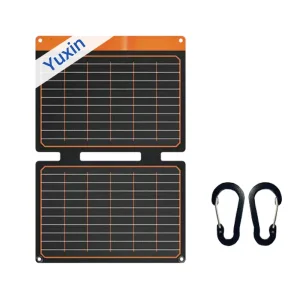
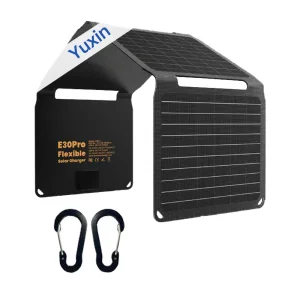
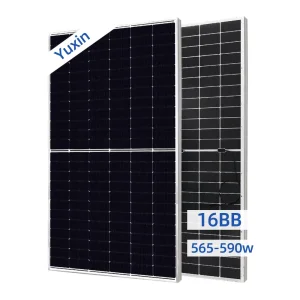
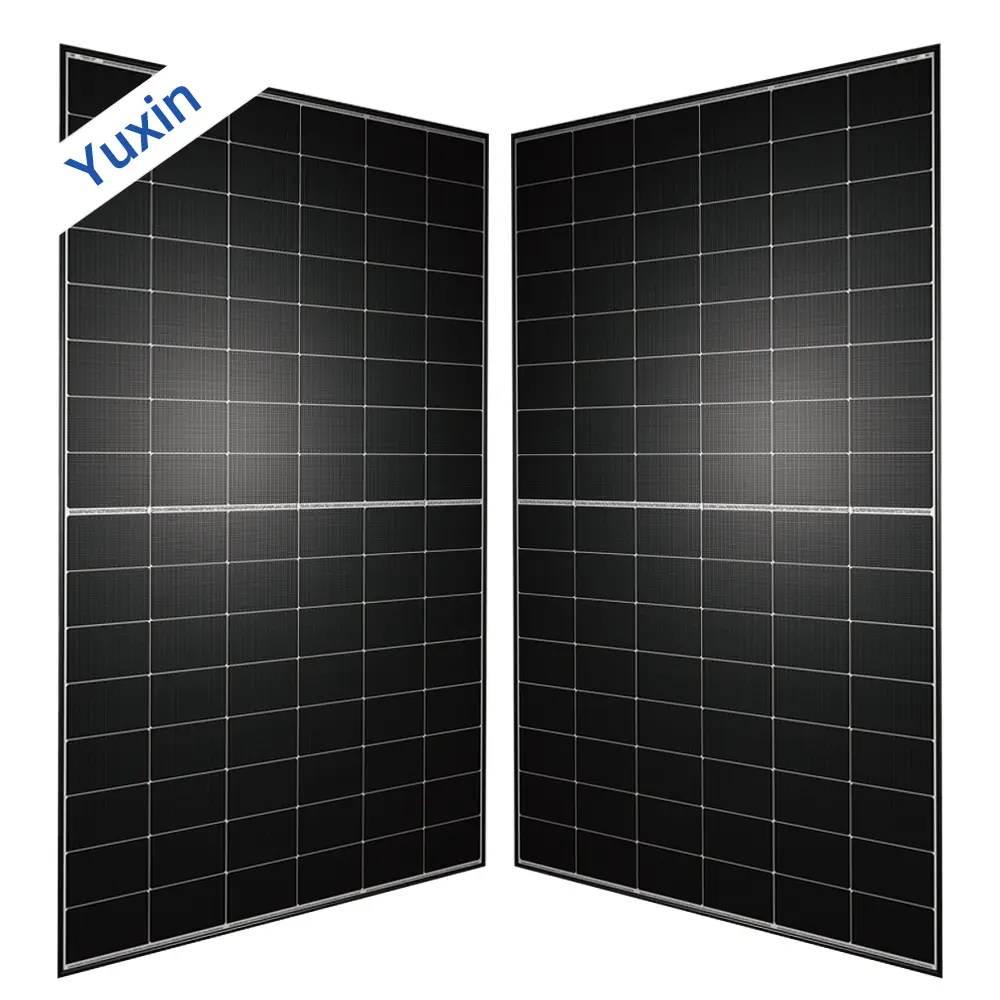
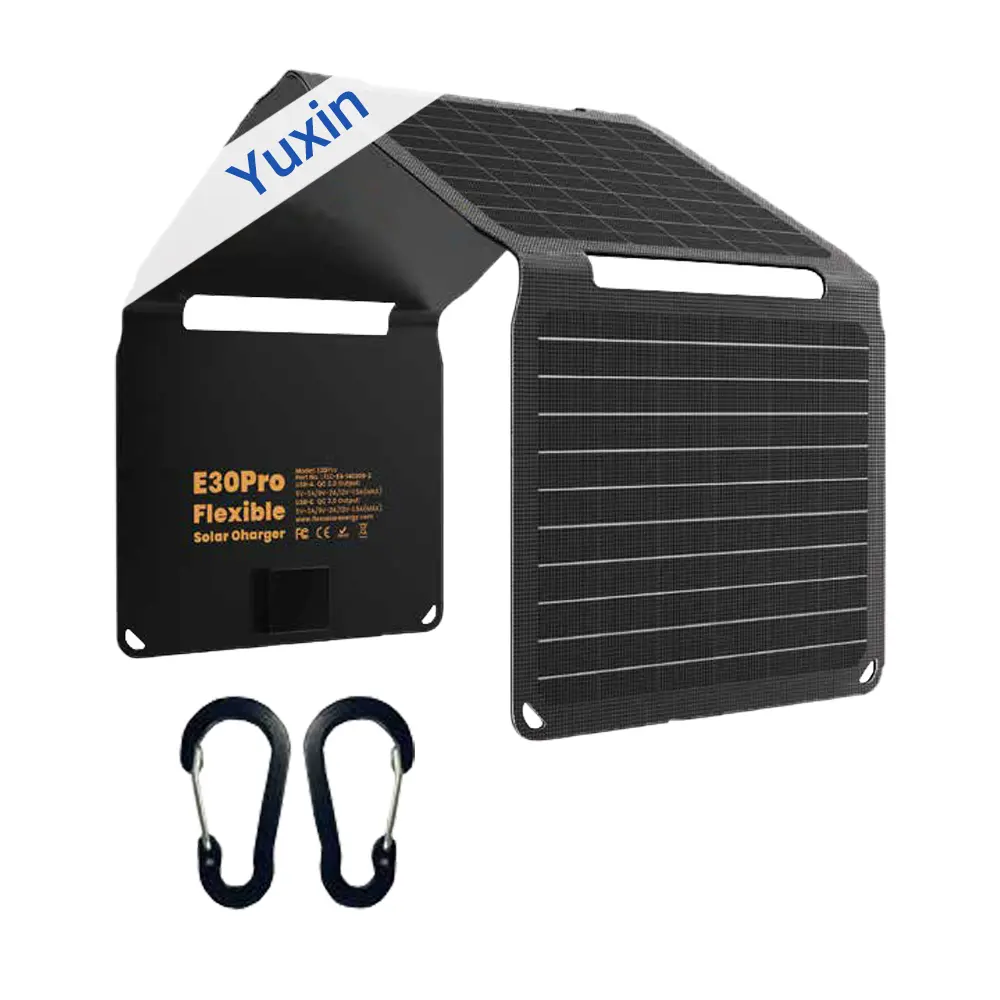
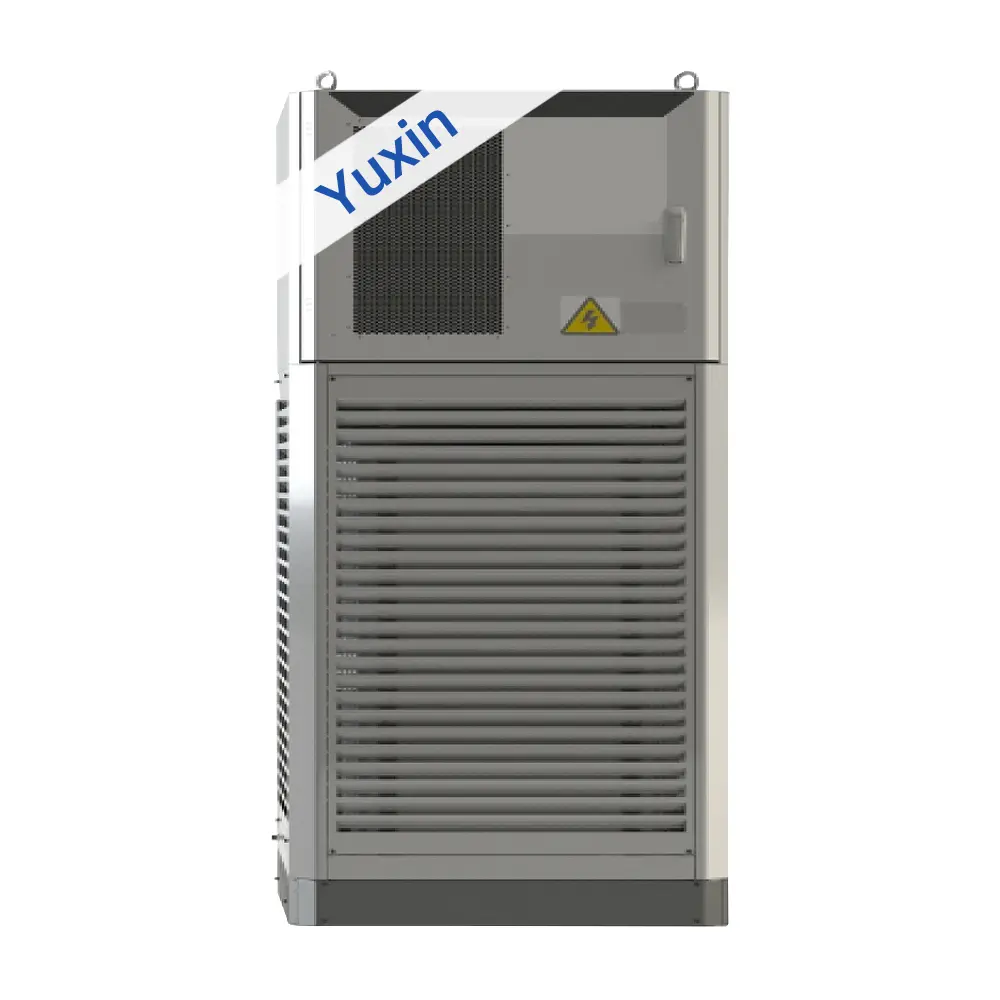
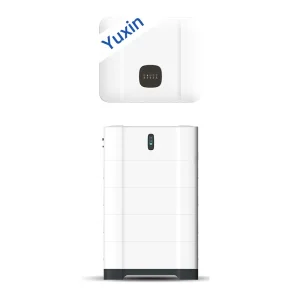
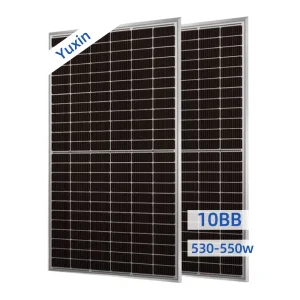
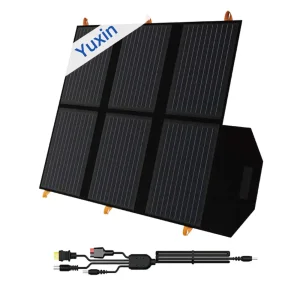
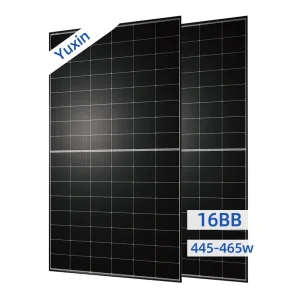
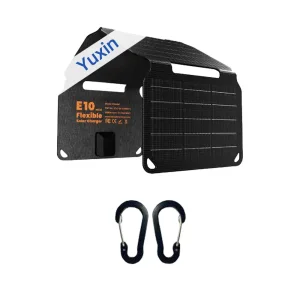
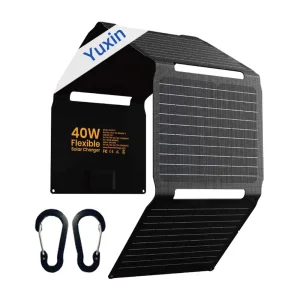
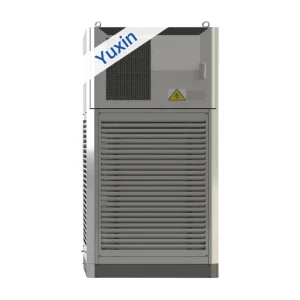
Featuring key architectural components and portable devices engineered by YUXIN New Energy.
Lightweight design with transparent back panel for easy installation and reduced balance-of-system (BOS) costs.
Utilizing advanced monocrystalline silicon cells, it achieves an energy conversion efficiency of 24% for compact applications.
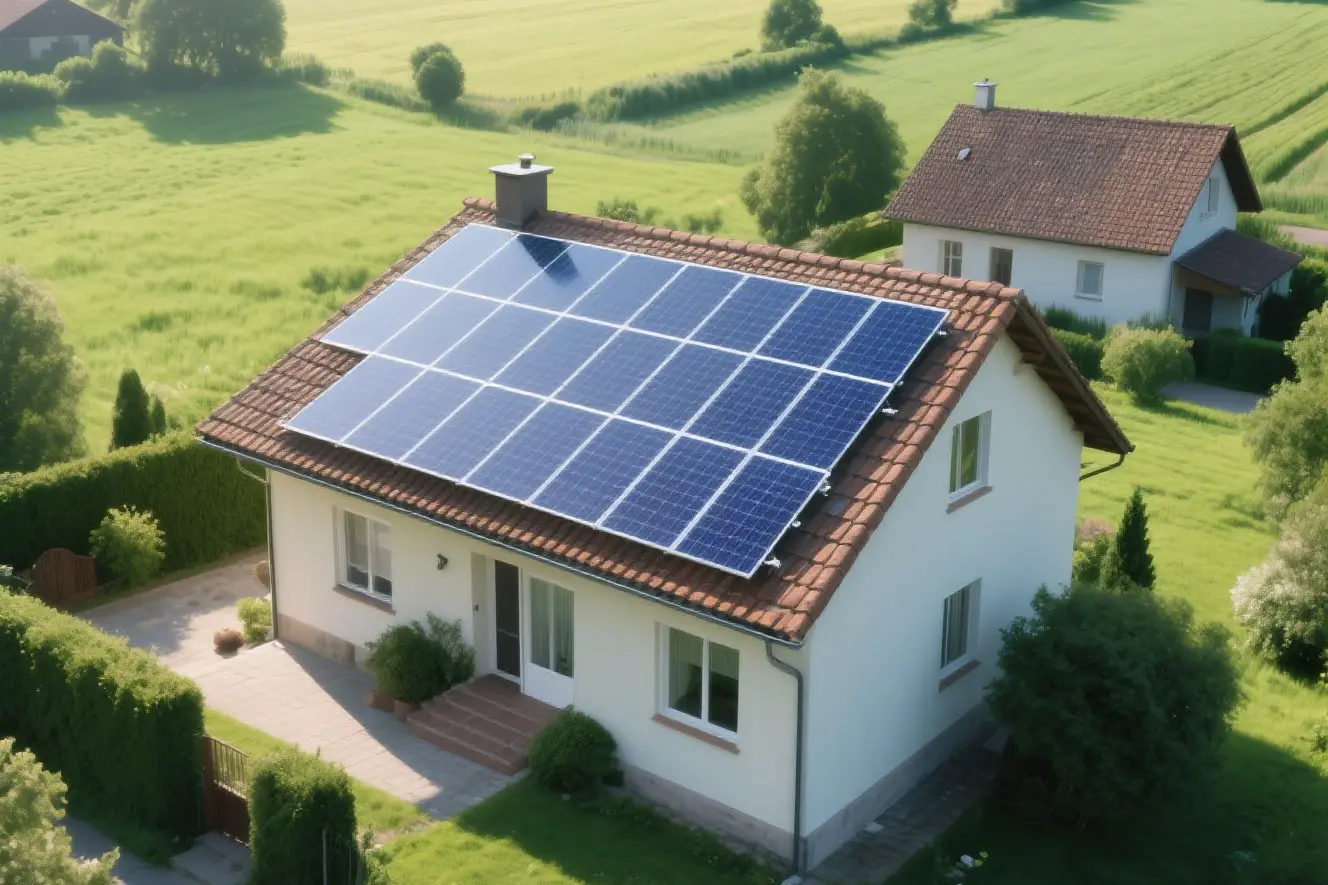
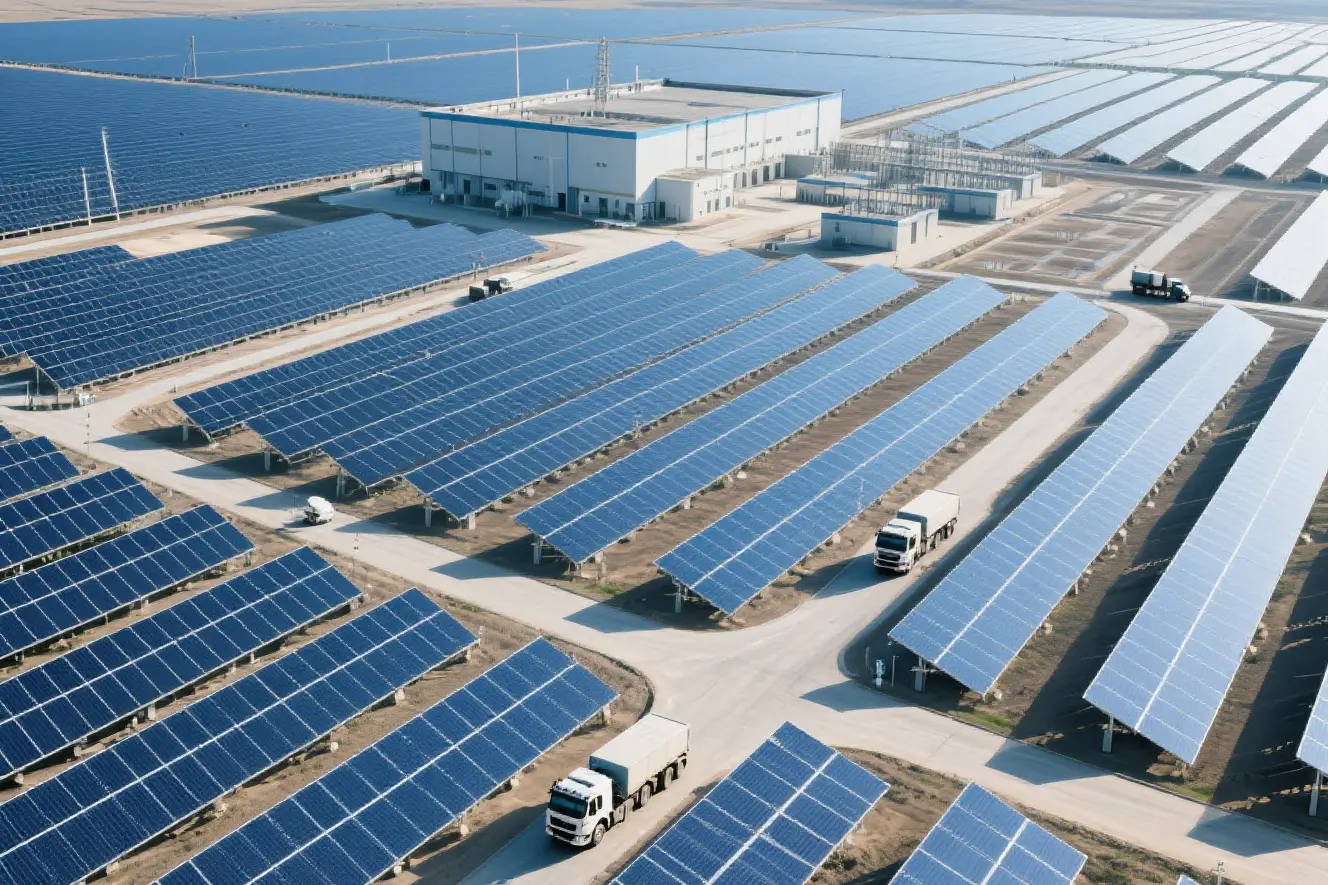
Application modes include grid-connected mode, off-grid mode, and integrated grid-connected/off-grid configurations.
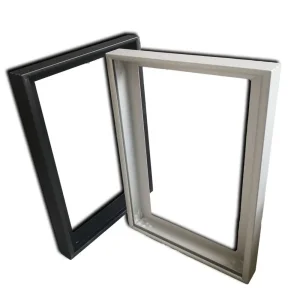
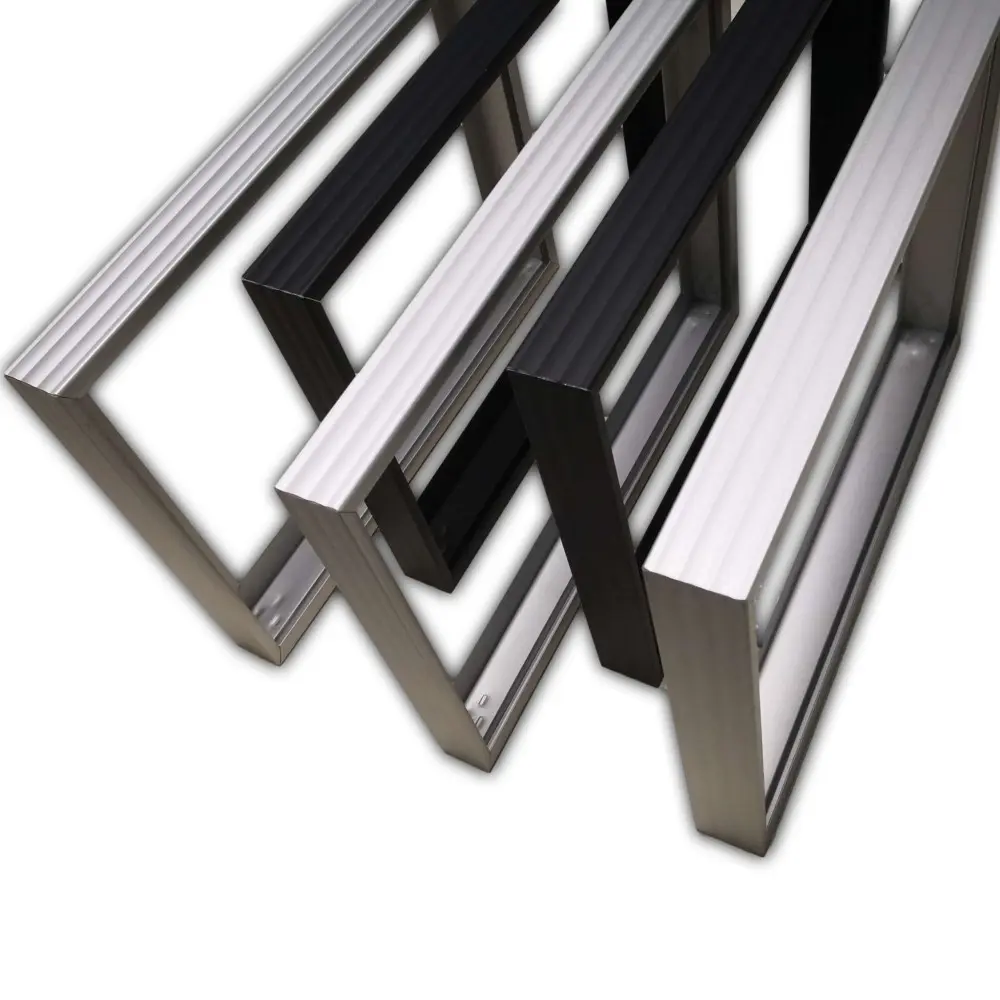
Made of high-quality anodized aluminum, ensuring superior weather resistance and a smooth, long-lasting surface finish.
Precision, Quality, and Safety - Your Photovoltaic Materials Expert
Located in the scenic historical and cultural ancient city of Yangzhou, close to the Beijing-Shanghai Expressway, Runyang Yangtze River Bridge, and Ningqi Railway, the group has a superior geographical location and convenient transportation. The group was established in 2008 and has 14 multi-field companies under its jurisdiction, including Jiangsu Yuxin New Energy Technology Co., Ltd. Over the years, we have earned multiple titles, including National High-tech Enterprise, Technology-based Enterprise, and Gaoyou City Top 100 Private Enterprises.
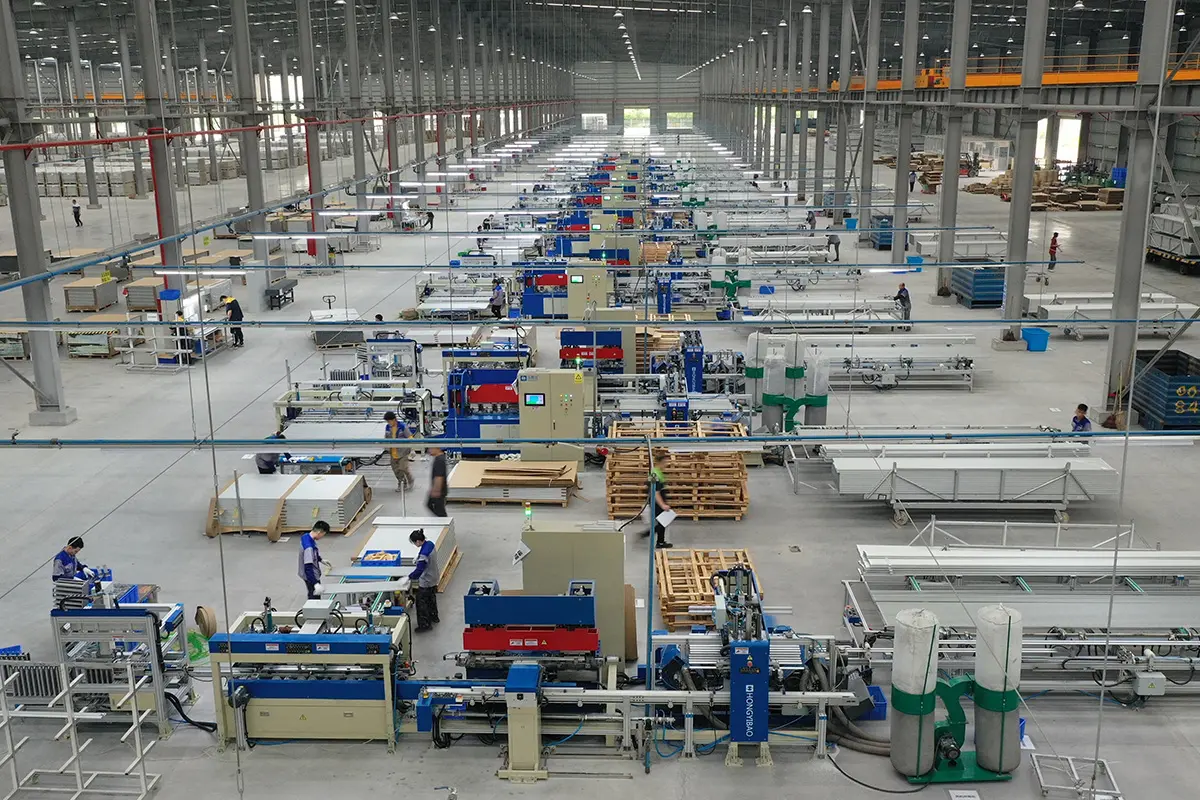
By integrating automated extrusion, surface treatment, and precision packaging facilities, YUXIN maintains strict quality control from raw materials to finished products, ensuring consistent performance for major solar operators worldwide.
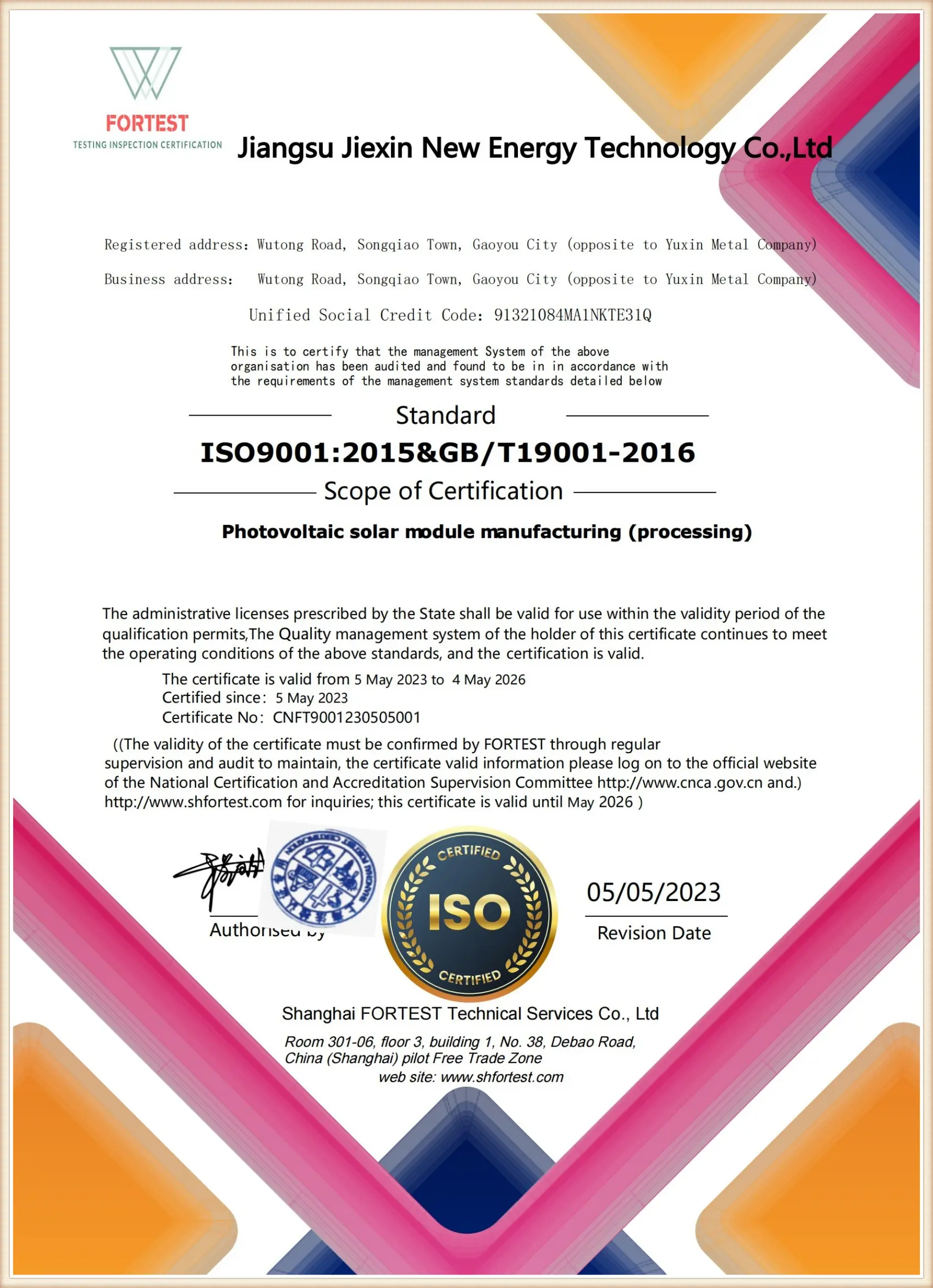
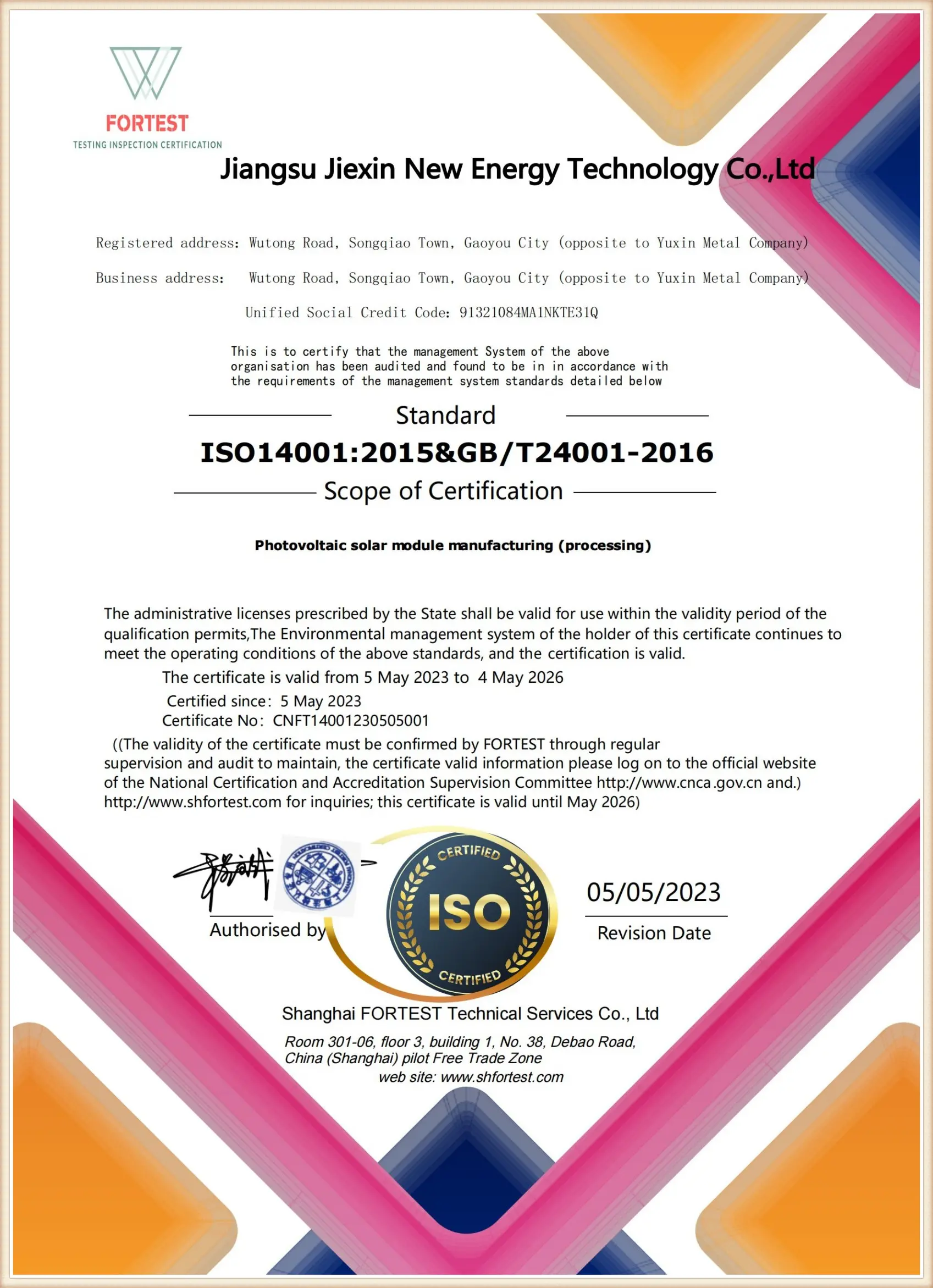
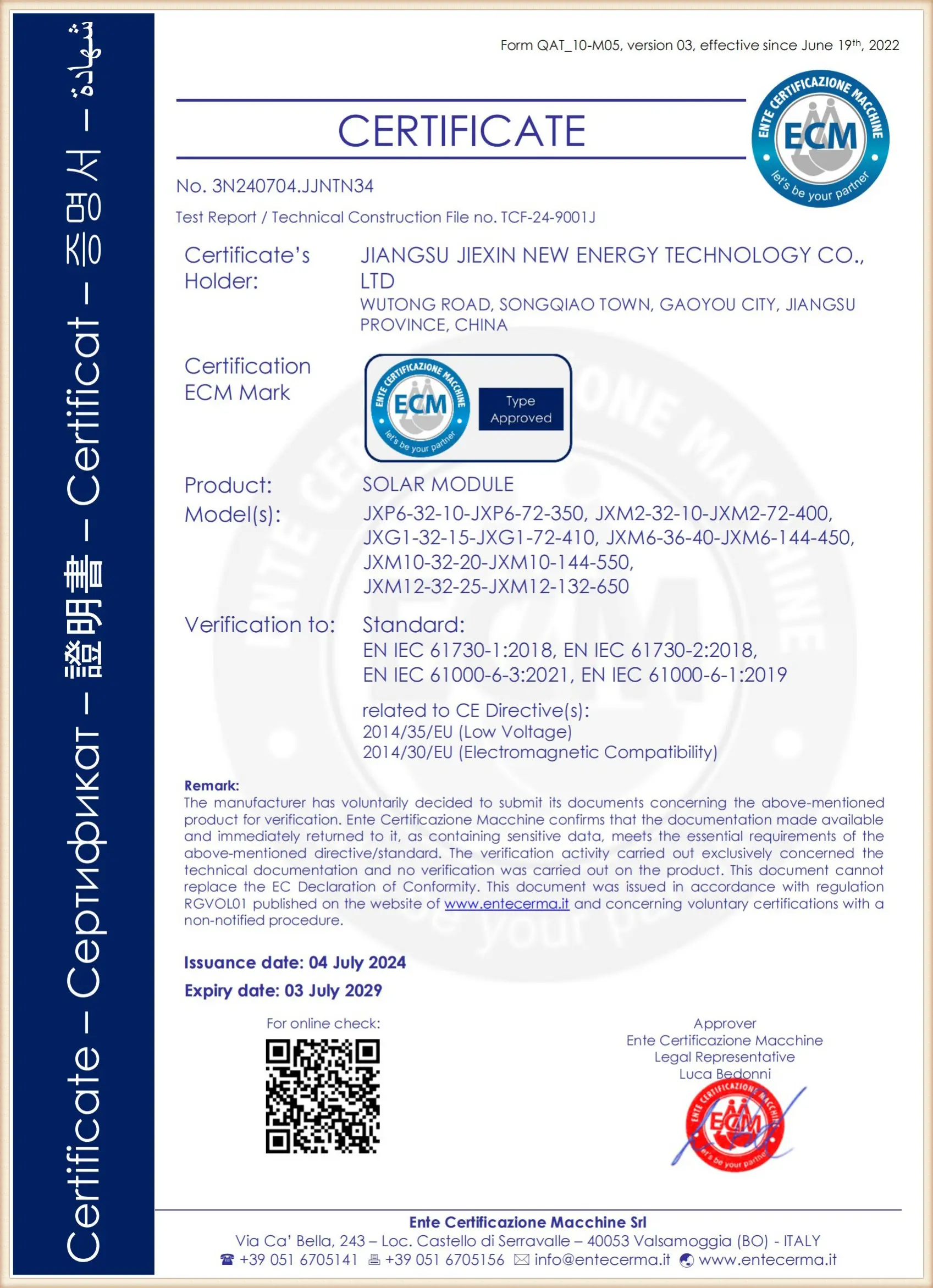
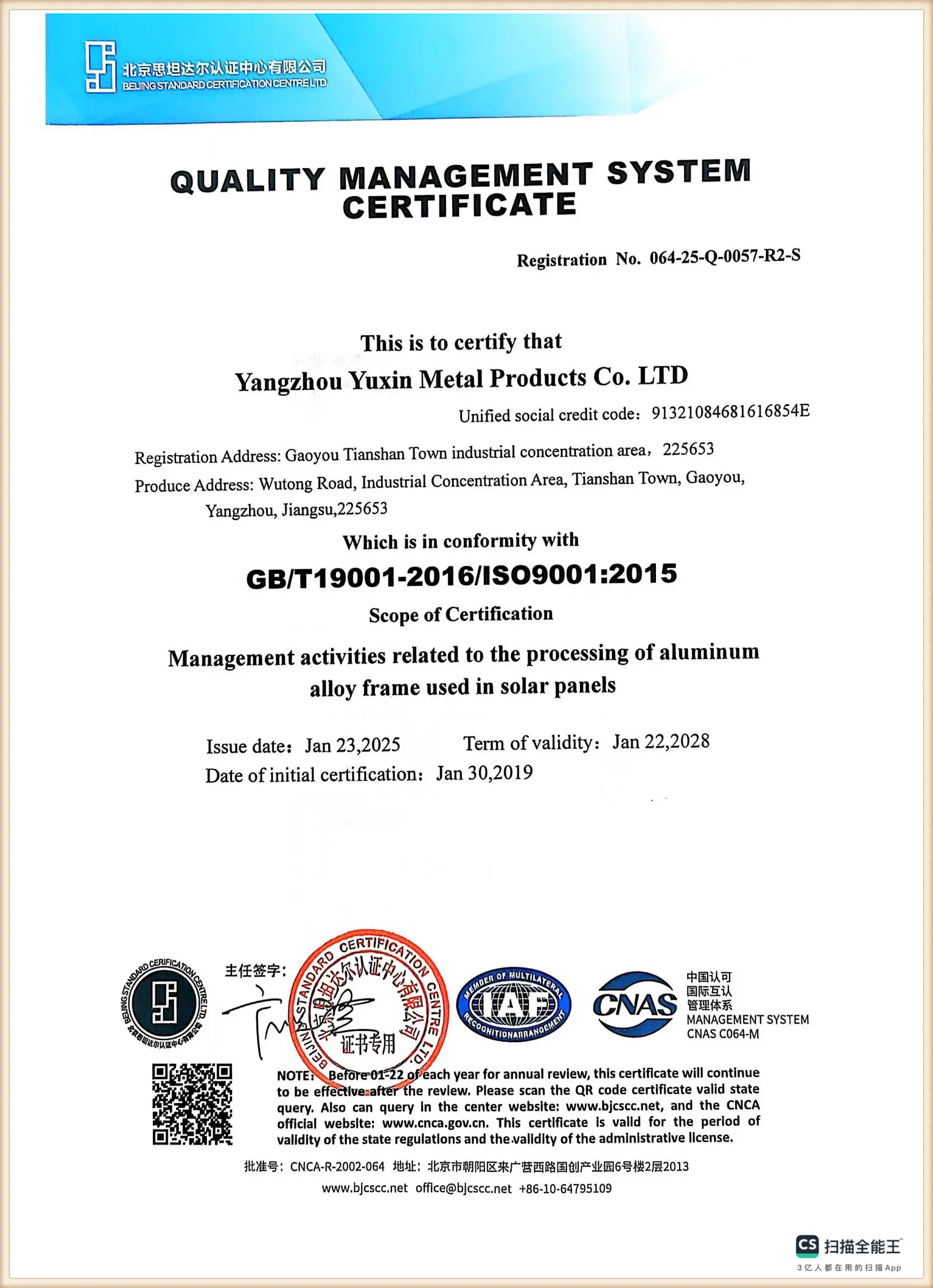
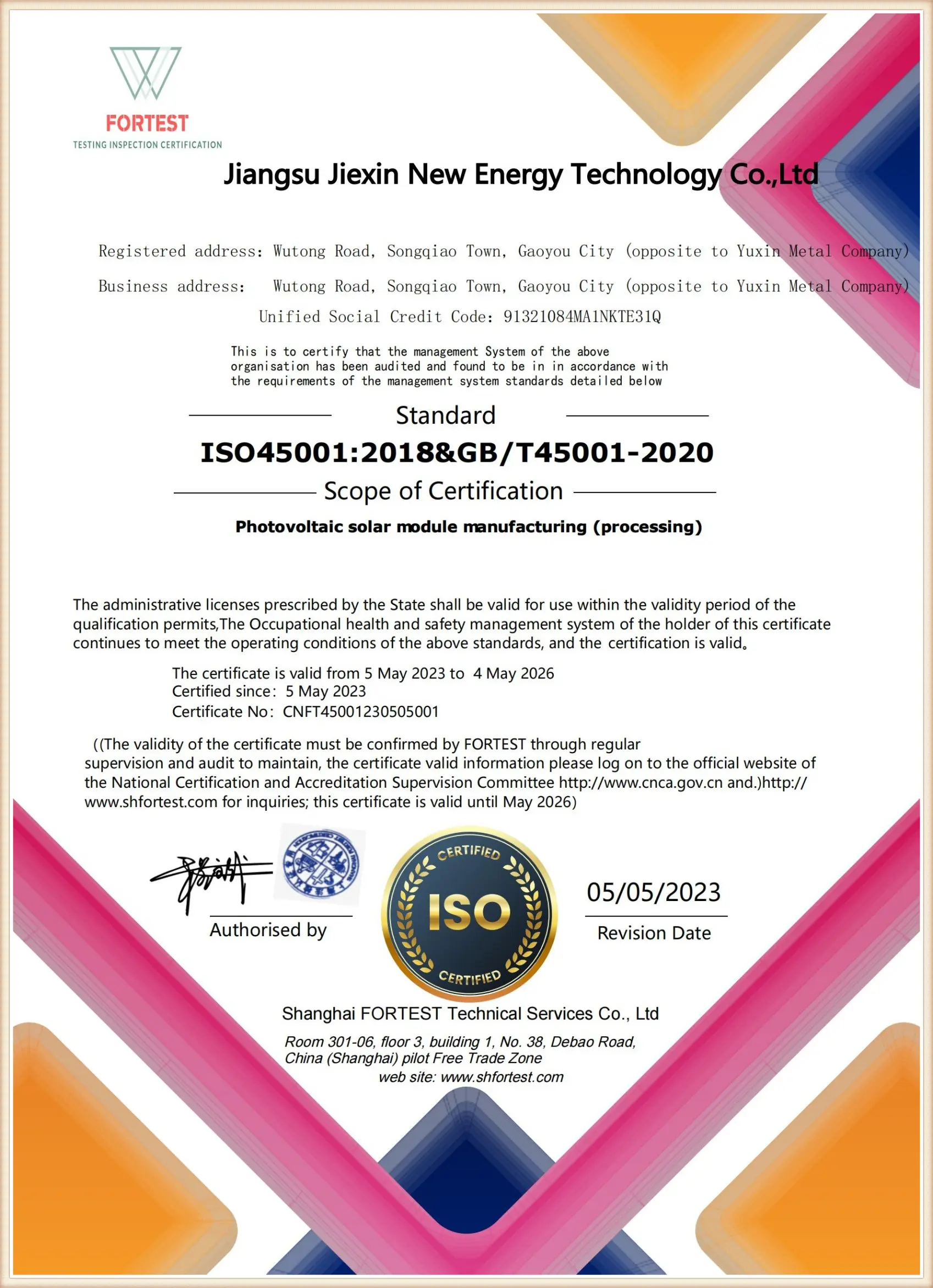
Our production facilities maintain international compliance certifications to ensure seamless cross-border logistics and regulatory approval.
Building mutually beneficial relationships with leading global enterprises to expand clean energy access.






Addressing key technical specifications and integration inquiries for off-grid power assemblies.
Stay updated on the latest research and developments in solar frame manufacturing, material selection, and quality control.
Explore our heavy-duty anodized frames, high-output TOPCon panels, and localized battery systems for off-grid integration.