Premium high-efficiency solar modules, integrated backpacks, and structural frameworks engineered for severe field conditions.
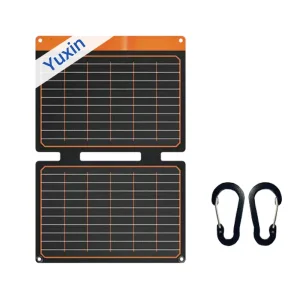
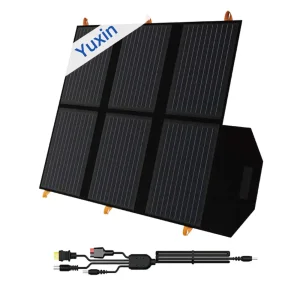
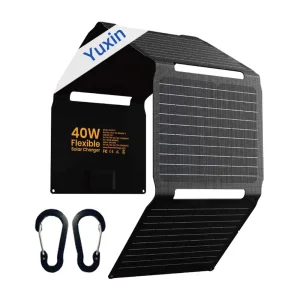
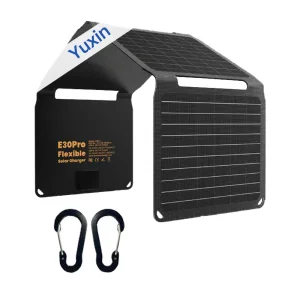
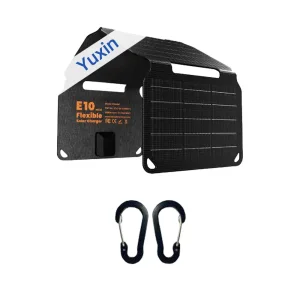
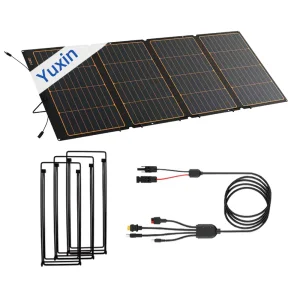
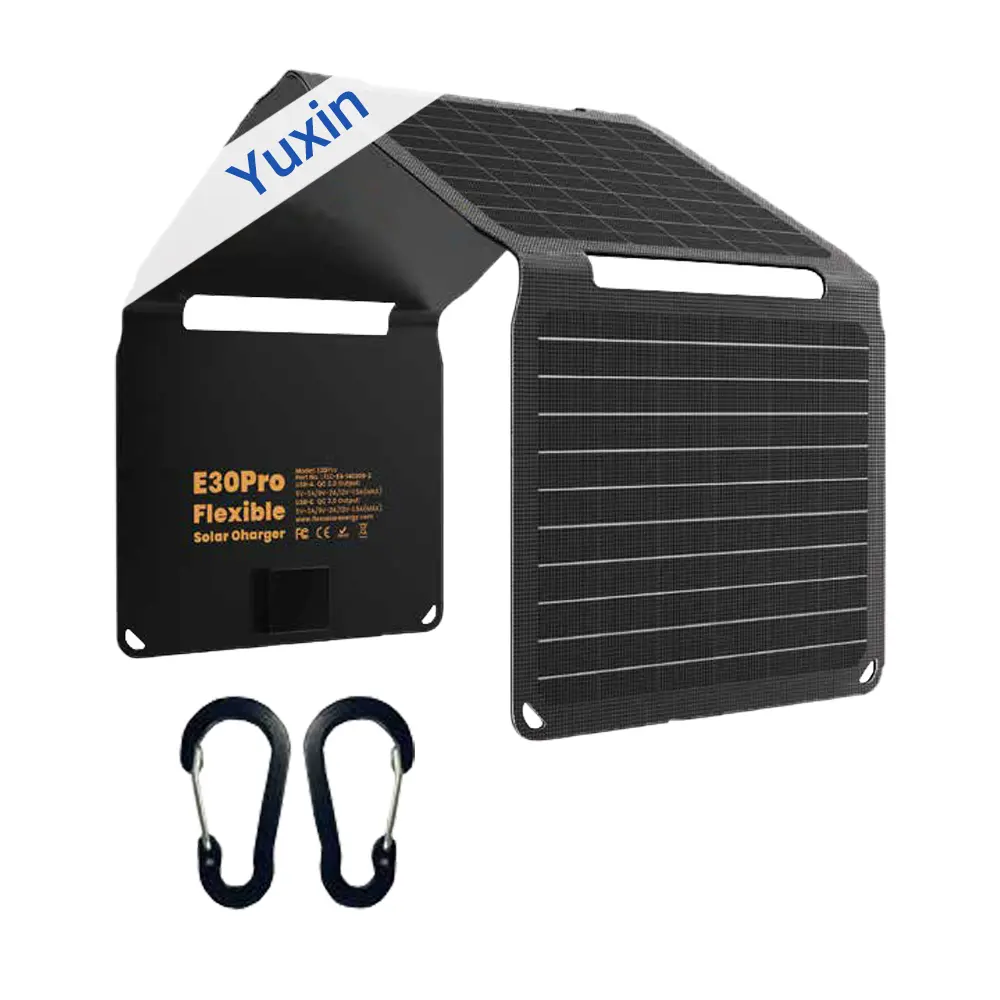
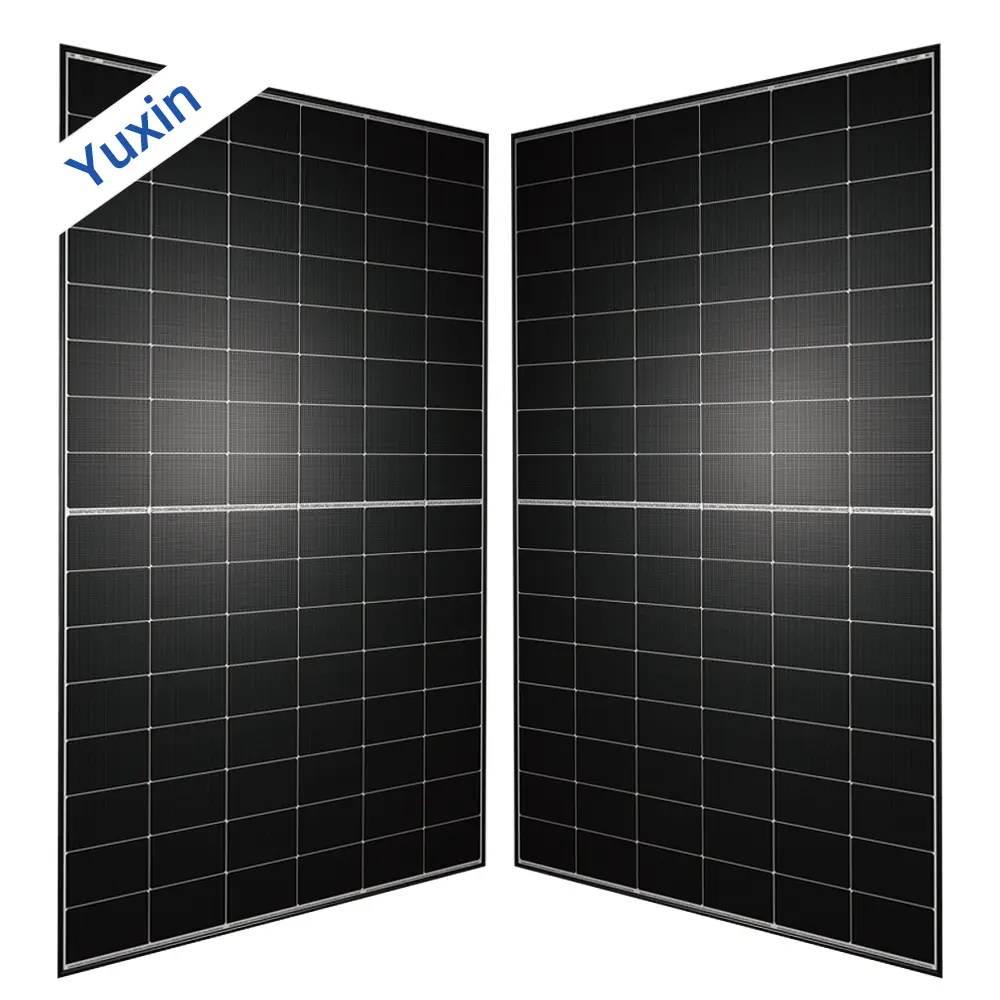
In the modern outdoor and commercial off-grid ecosystems, energy independence is no longer a luxury—it is an operational imperative. The market for 100w solar panels for camping represents a critical crossroads in mobile photovoltaics. It bridges the gap between lightweight, personal wearable solar systems (such as 10W to 40W backpacks) and heavy-duty, commercial-grade microgrids. According to semantic research on search intent patterns, global buyers look beyond simple wattage; they query module longevity, structural integrity under mechanical shear, and electronic protection circuits.
This whitepaper provides an in-depth exploration of the material science, supply chain complexities, and architectural advancements driving portable solar development. Specifically, we analyze how leading developers configure 100W portable systems using high-grade Monocrystalline, PERC, and N-Type TOPCon cells. Furthermore, we examine the structural underpinnings—like anodized aluminum and polyurethane pultruded composite frames—that allow these components to withstand decades of environmental stress.
"The ultimate metric for premium camping solar equipment is not just nominal output under Standard Test Conditions (STC), but sustained yield under partial shading, high thermal coefficients, and rugged physical transit."
To achieve a high energy output from a small physical footprint, manufacturers focus heavily on cell efficiency and encapsulant composition. A classic 100W panel typically covers an area of roughly 0.5 to 0.7 square meters. However, achieving this output within such compact dimensions requires advanced monocrystalline cell architectures:
For remote camping, backpacking, and tactical deployments, the electrical integration is as critical as the cell chemistry. A premium 100W panel utilizes multi-busbar (MBB) cell layouts to shorten current pathways, reducing internal resistance and lowering the risk of hot spots caused by localized leaf or dirt shading.
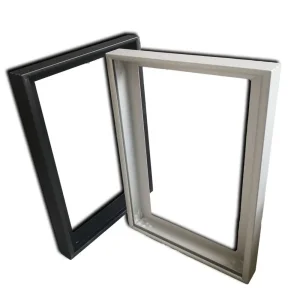
A solar panel is only as durable as its frame. Portable camping modules face constant stress: they are packed into vehicles, set up on uneven terrain, and exposed to high winds. To combat these forces, manufacturers like Jiangsu Yuxin specialize in advanced metallurgy and composite structures.
Anodized Aluminum Frames (6063-T5 / 6005-T6): Standard industry practice demands frames with a minimum anodization thickness of 15 microns. This coating prevents atmospheric corrosion and surface scratching, while maintaining a high strength-to-weight ratio.
Polyurethane Pultruded Composites: A major modern breakthrough is the substitution of aluminum with polyurethane composite frames. These composites deliver incredible mechanical load resistance, zero electrical conductivity (eliminating the need for system grounding), and superior thermal insulation properties. They represent the cutting edge for marine and coastal camping deployments where salt spray degrades traditional metals.
For distributors, outdoor brands, and humanitarian organizations sourcing camping solar systems, procurement is a multi-dimensional challenge. It requires balancing unit economics, certifications, and customization (OEM/ODM). Modern procurement teams analyze:
Looking forward, the industry is transitioning toward smarter, more integrated off-grid energy ecosystems. Expected breakthroughs over the next five years include:
Precision, Quality, and Safety - Your Photovoltaic Materials Expert
Established in 2008 in the historic city of Yangzhou, Jiangsu Yuxin New Energy Technology Co., Ltd. has grown into a leading multi-field conglomerate. With 14 specialized subsidiaries, we have earned prestigious designations as a National High-tech Enterprise and a Top 100 Private Enterprise. Our strategic location near major railways, expressways, and deep-water ports allows us to seamlessly ship high-quality photovoltaic materials, specialized solar frames, and portable charging solutions worldwide.
Rigorous physical and structural inspection ensuring maximum durability in extreme environments.
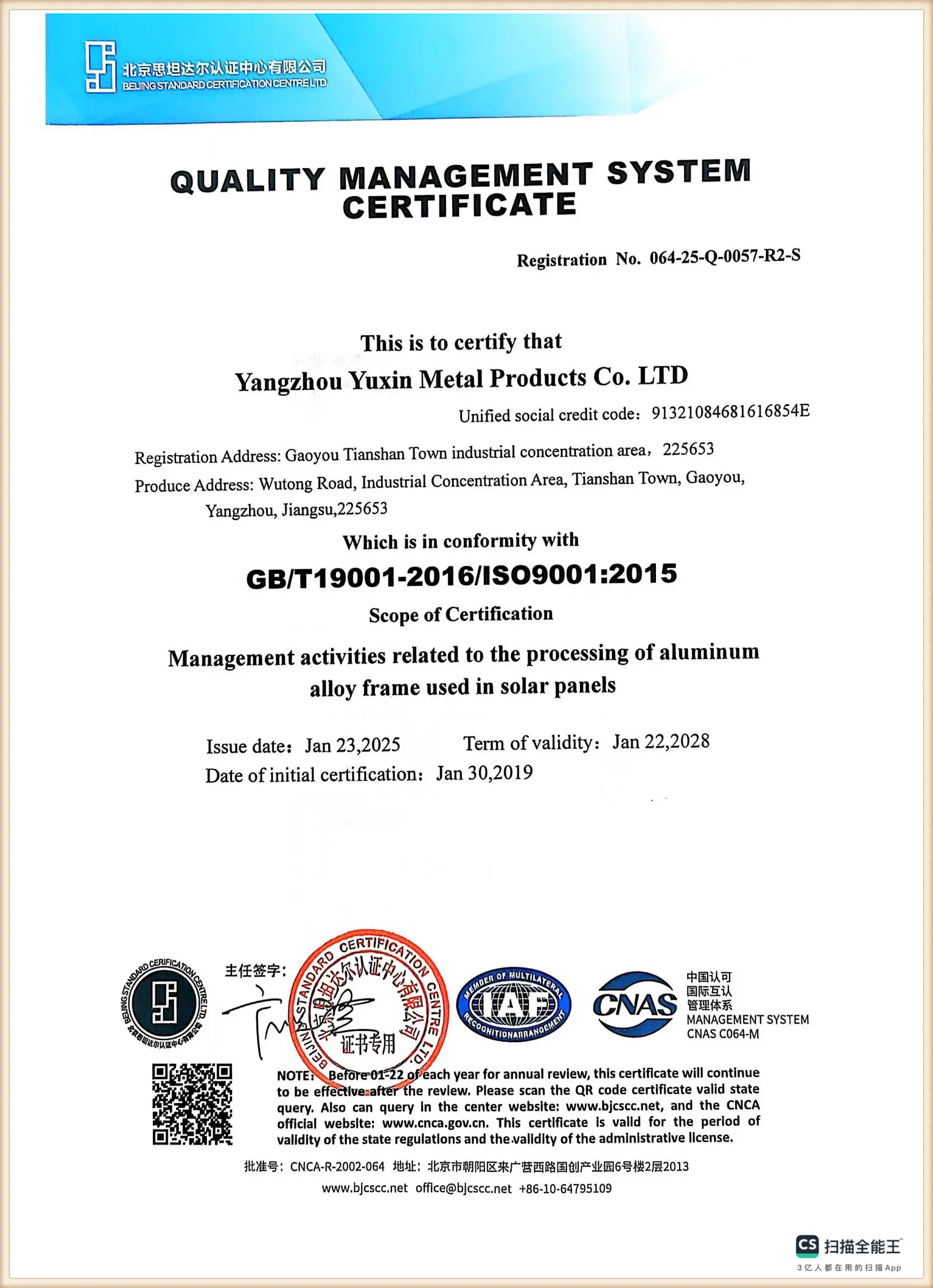
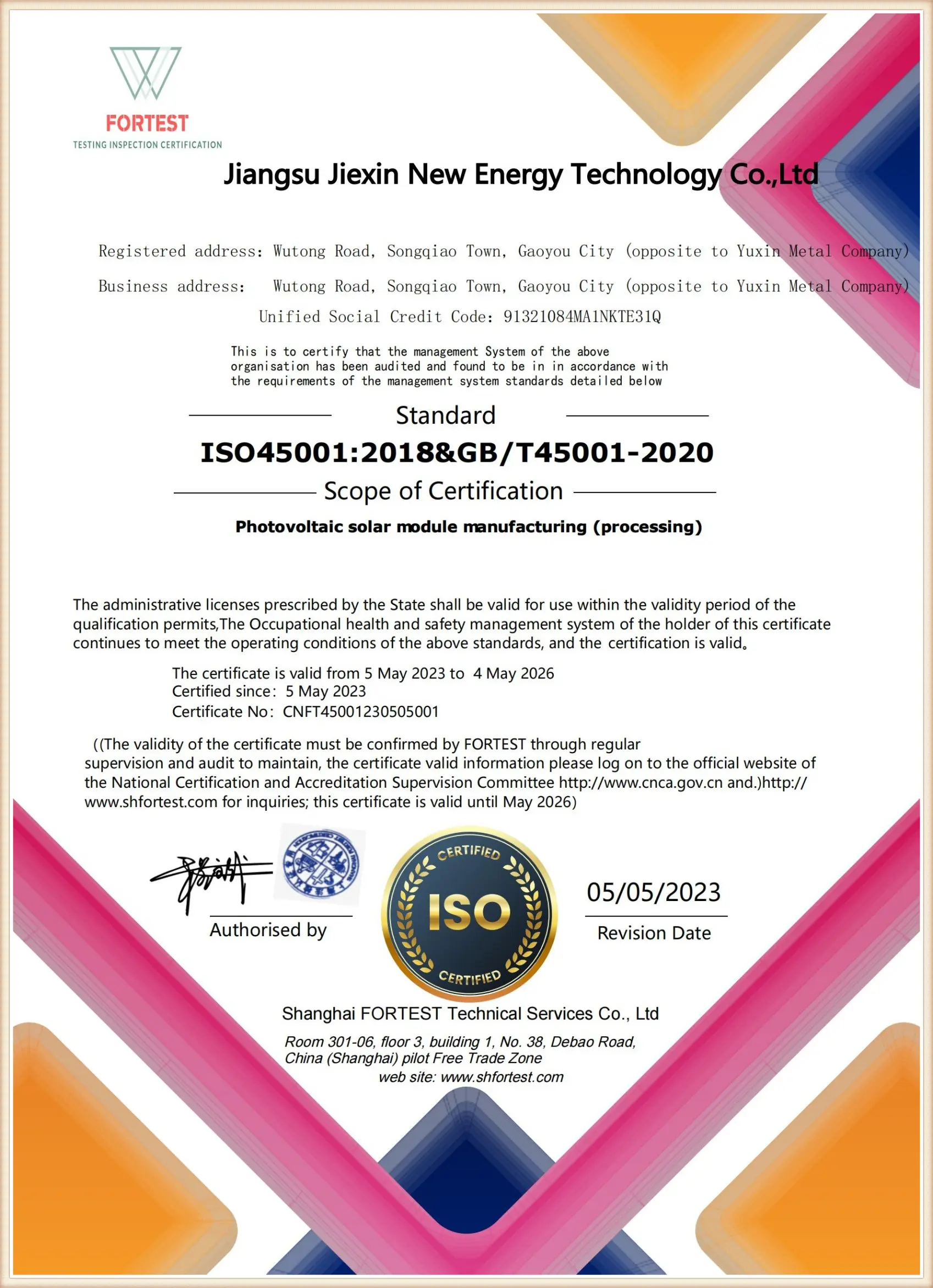
Guaranteed compliance, certified performance, and industry-grade quality assurance metrics.
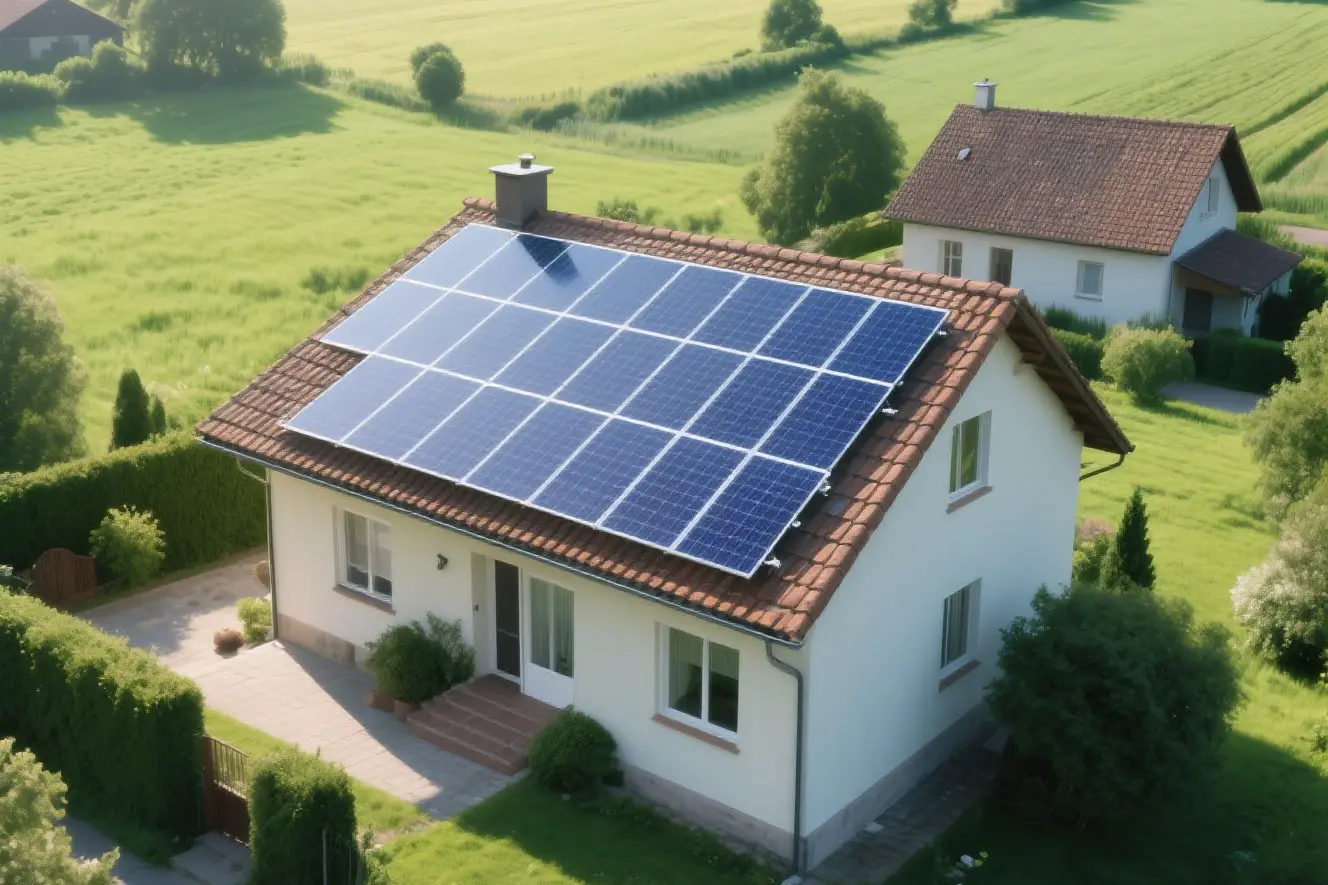
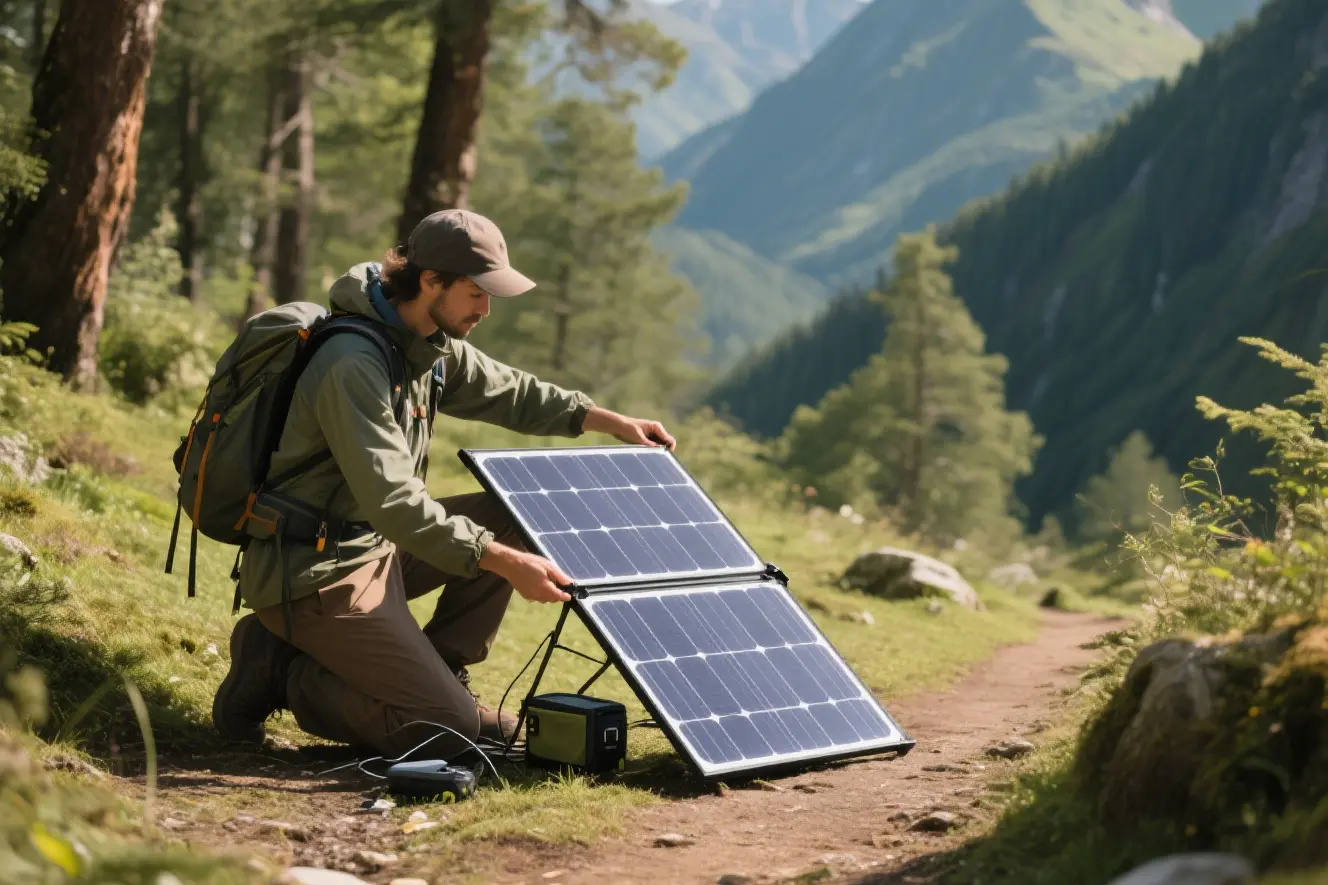
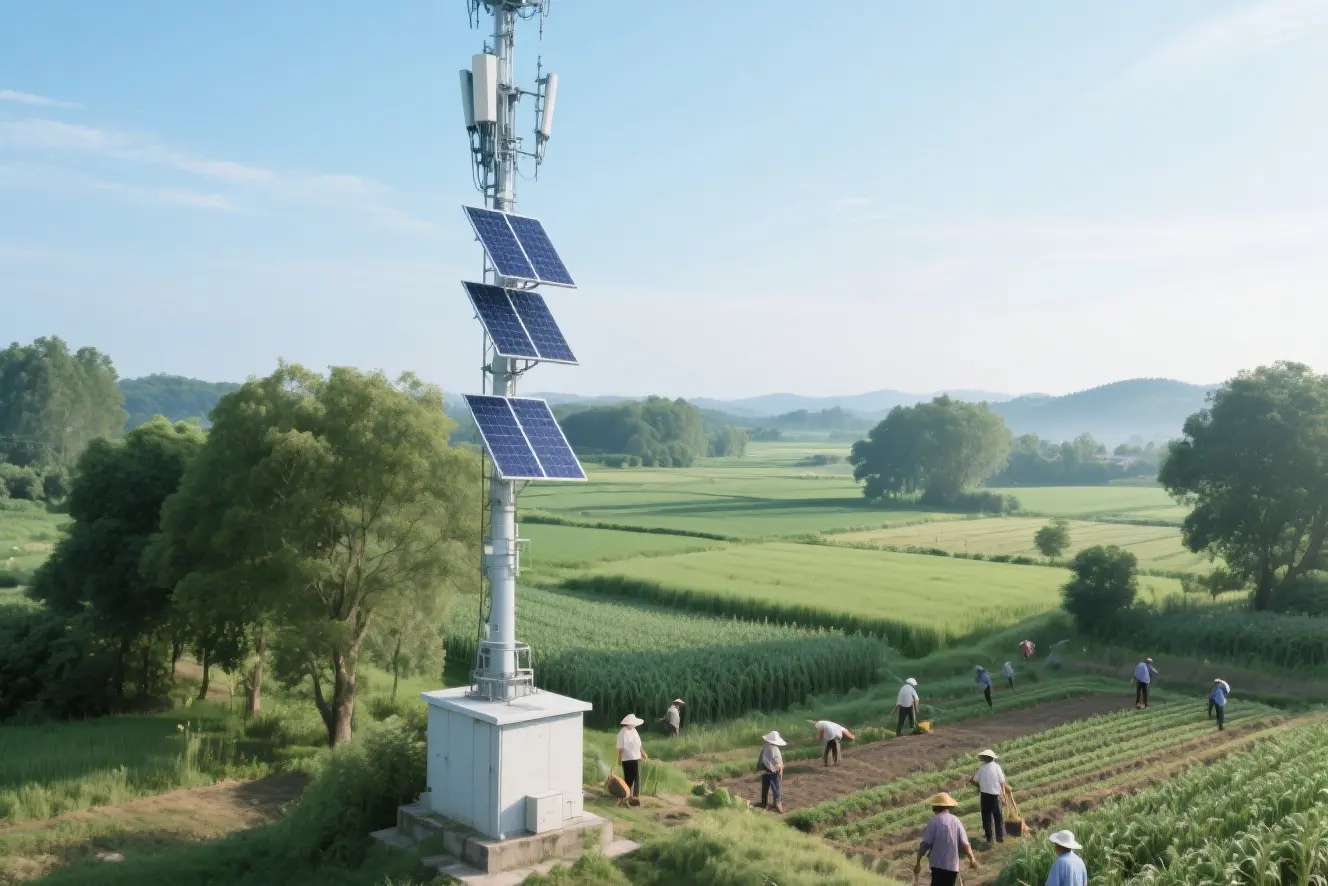
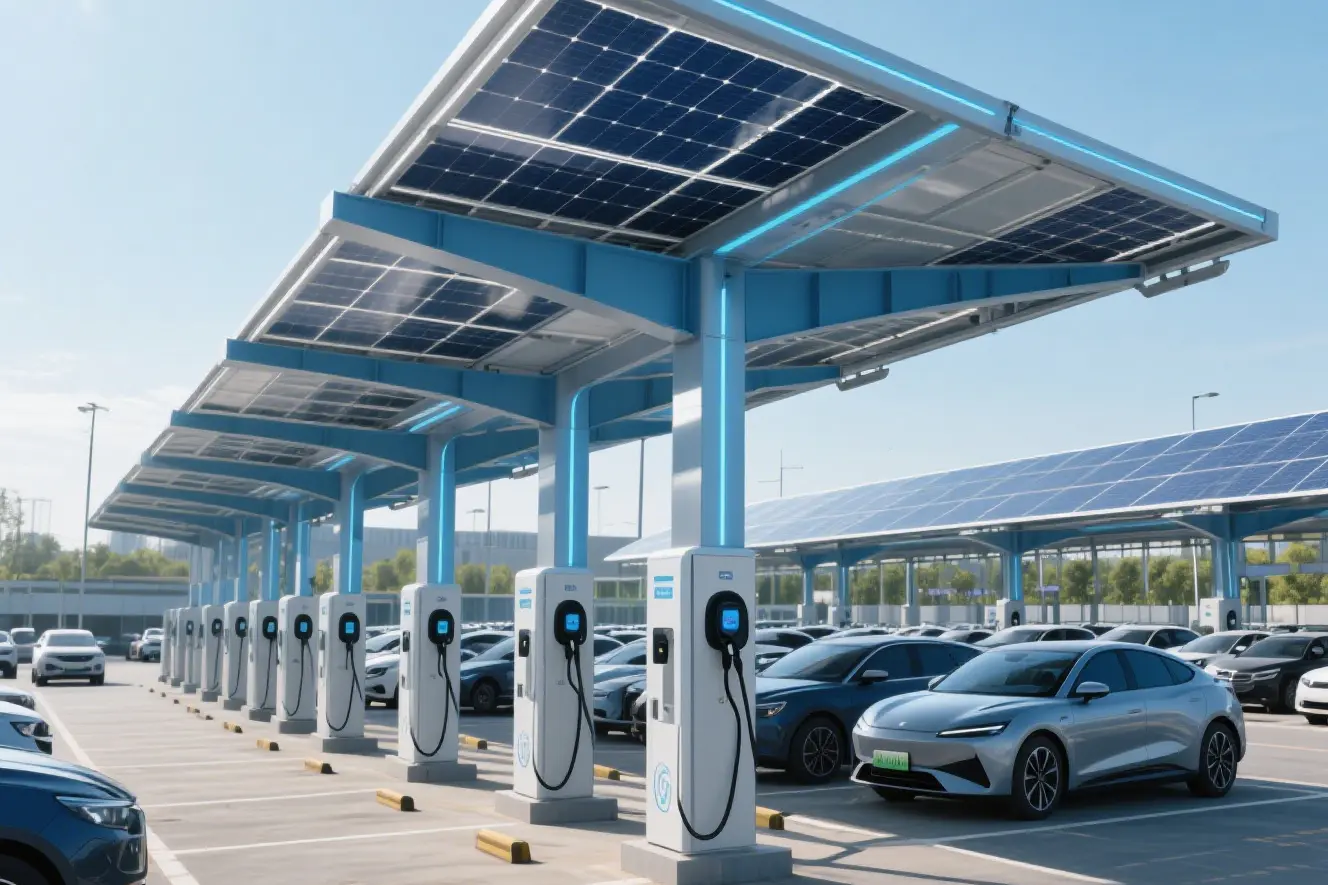
From remote agricultural monitoring stations to tactical communication links and outdoor recreation.

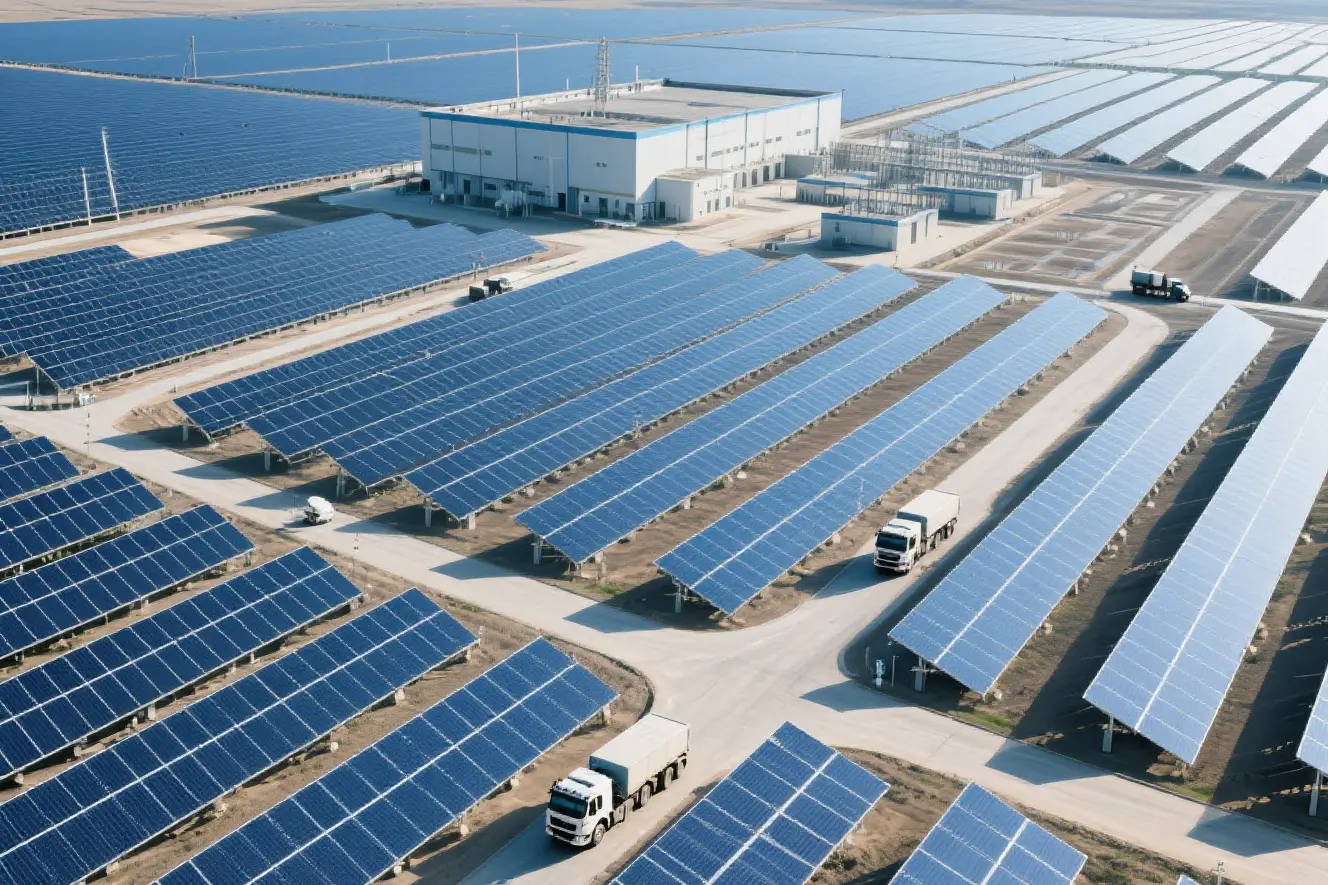
Collaborating with global pioneers to deliver highly integrated clean energy solutions.


Keep pace with industry breakthroughs, design standards, and materials science research.
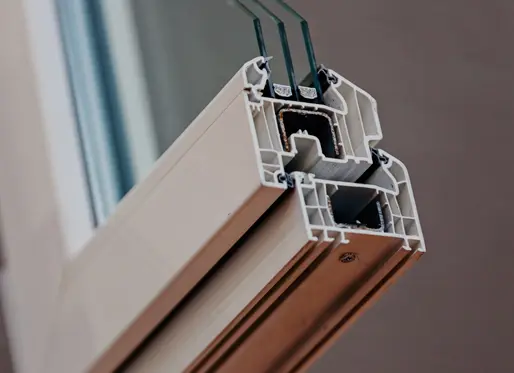
Explore the metallurgical properties, extrusion tolerances, and structural load ratings required to protect photovoltaic cells from mechanical micro-cracks during off-grid transit.
Read Article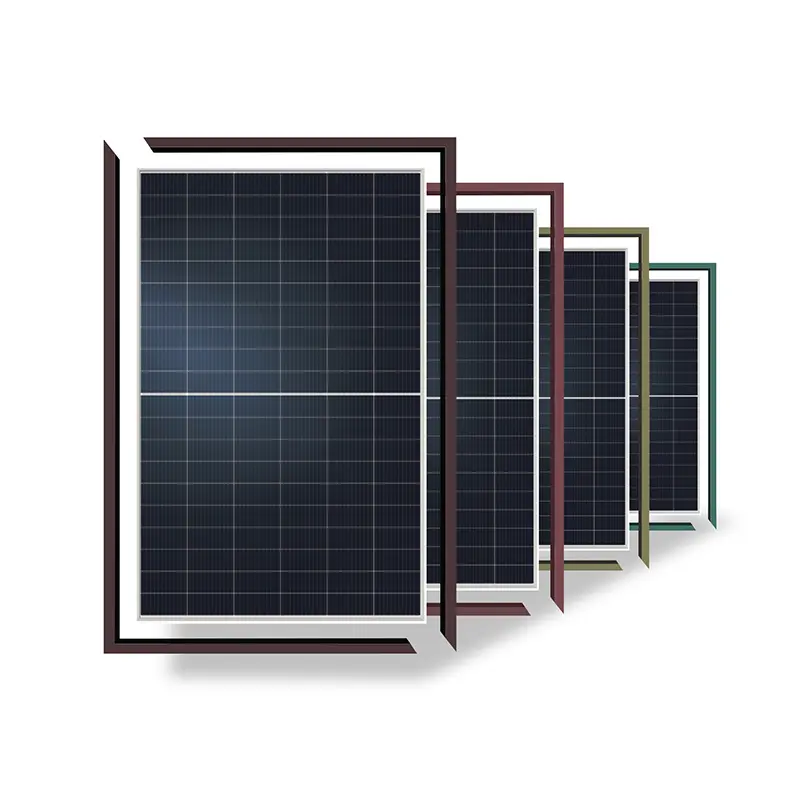
A detailed framework analyzing manufacturing capabilities, anodization standards, supply chain reliability, and localized warehousing logistics for B2B brands.
Read Article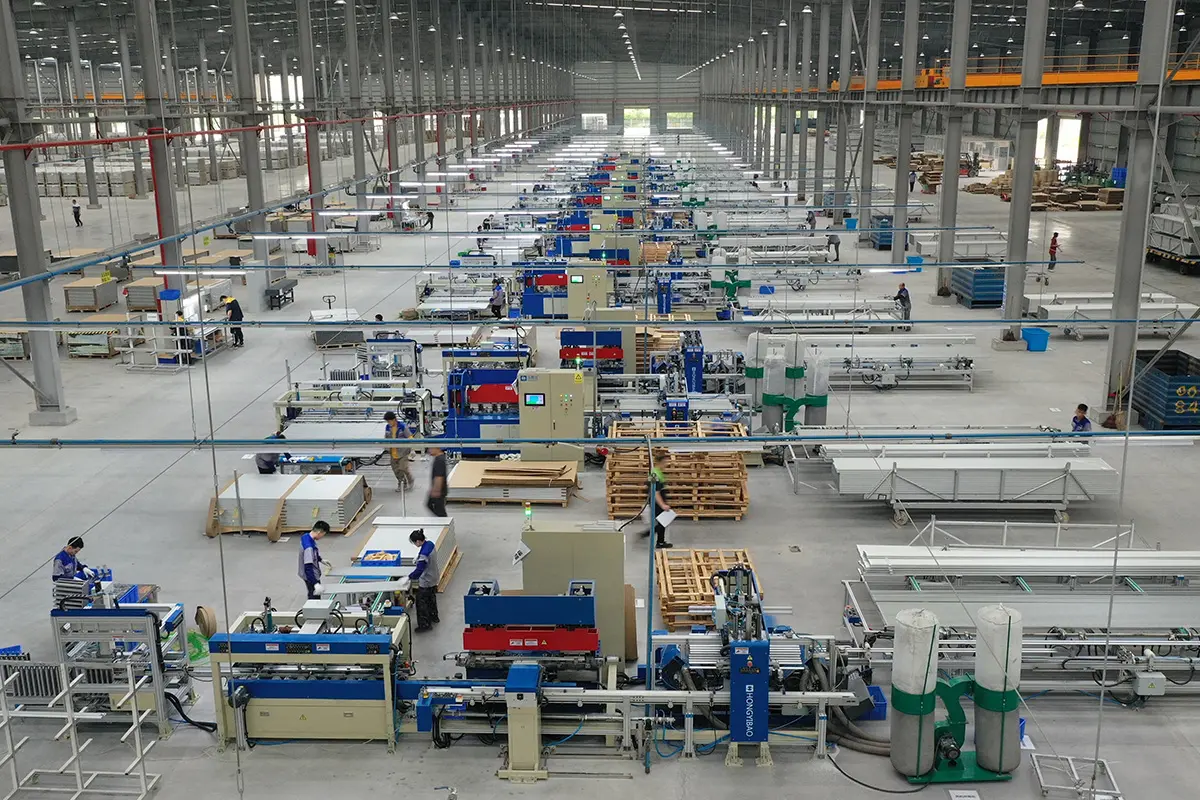
An engineering breakdown of modern non-destructive testing (NDT), stress analysis, and weatherproofing criteria for solar mounting systems.
Read ArticleAnswering critical technical, sourcing, and operational queries from global buyers and engineers.
A 100W solar panel generates approximately 400 to 500 Watt-hours (Wh) of energy per day under standard sunlight conditions (assuming 4-5 hours of peak sun). This is sufficient to continuously run a small 45W 12V portable compressor camping fridge, charge a 500Wh portable power station, recharge up to 10 smartphones, or power LED camp lights and laptops. For systems with higher loads, cascading multiple modules in series or parallel is recommended.
Polyurethane pultruded composite material is a non-conductive, high-strength alternative to aluminum. It offers complete immunity to electrochemical corrosion and galvanic corrosion, which is common in marine and humid coastal camping setups. Structurally, it exhibits low thermal expansion, excellent insulation, and high shear resistance, allowing manufacturers to reduce structural weight without sacrificing load-bearing capacity.
N-Type TOPCon cells utilize a tunnel oxide passivated contact layer to minimize recombination losses. As a result, they offer higher conversion efficiency (often exceeding 24.5%), a superior temperature coefficient (-0.30%/°C compared to PERC's -0.35%/°C), and virtually zero Light Induced Degradation (LID). For end-users, this means higher power output during hot midday periods and long-term output retention over the module's lifespan.
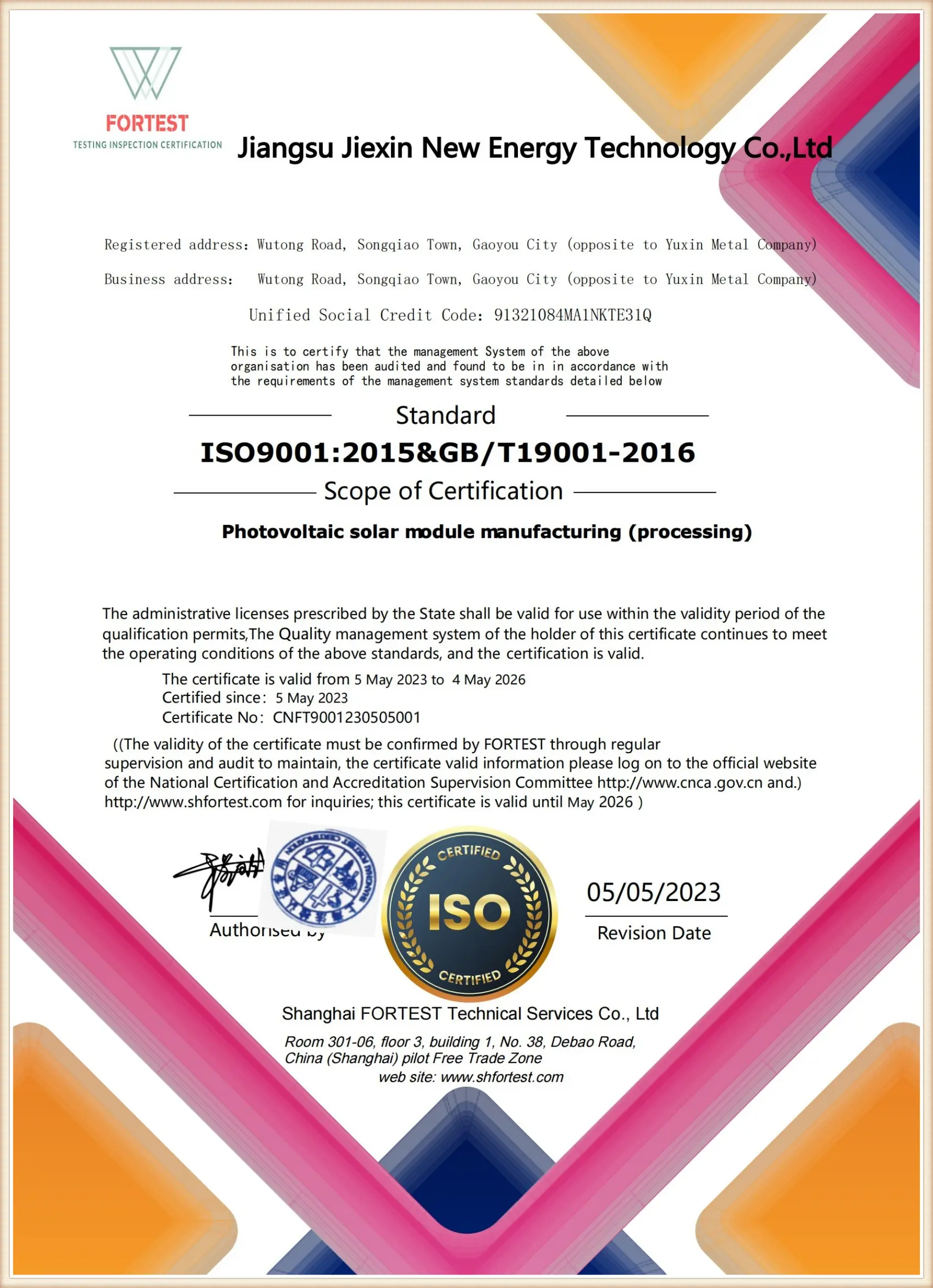
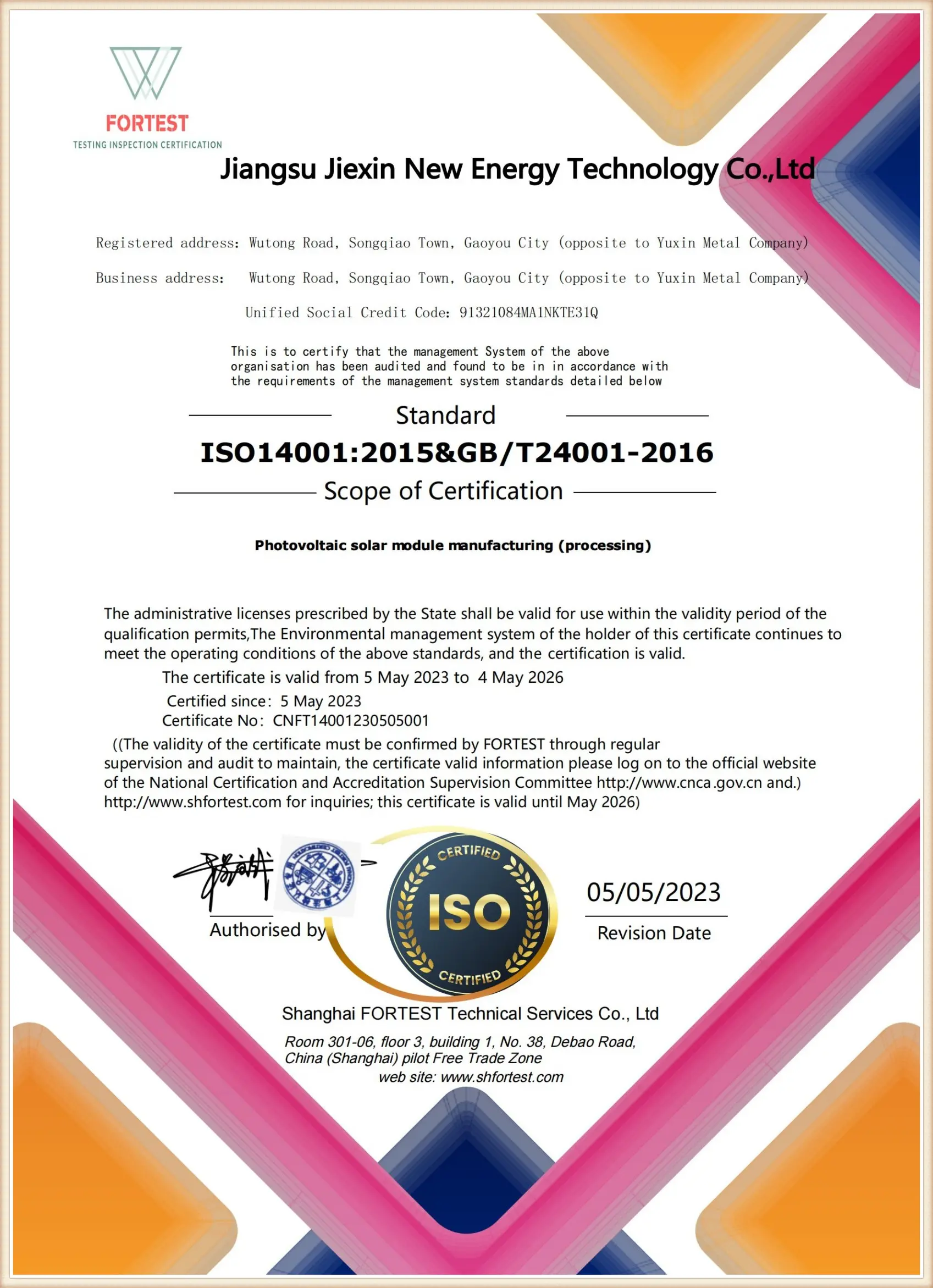
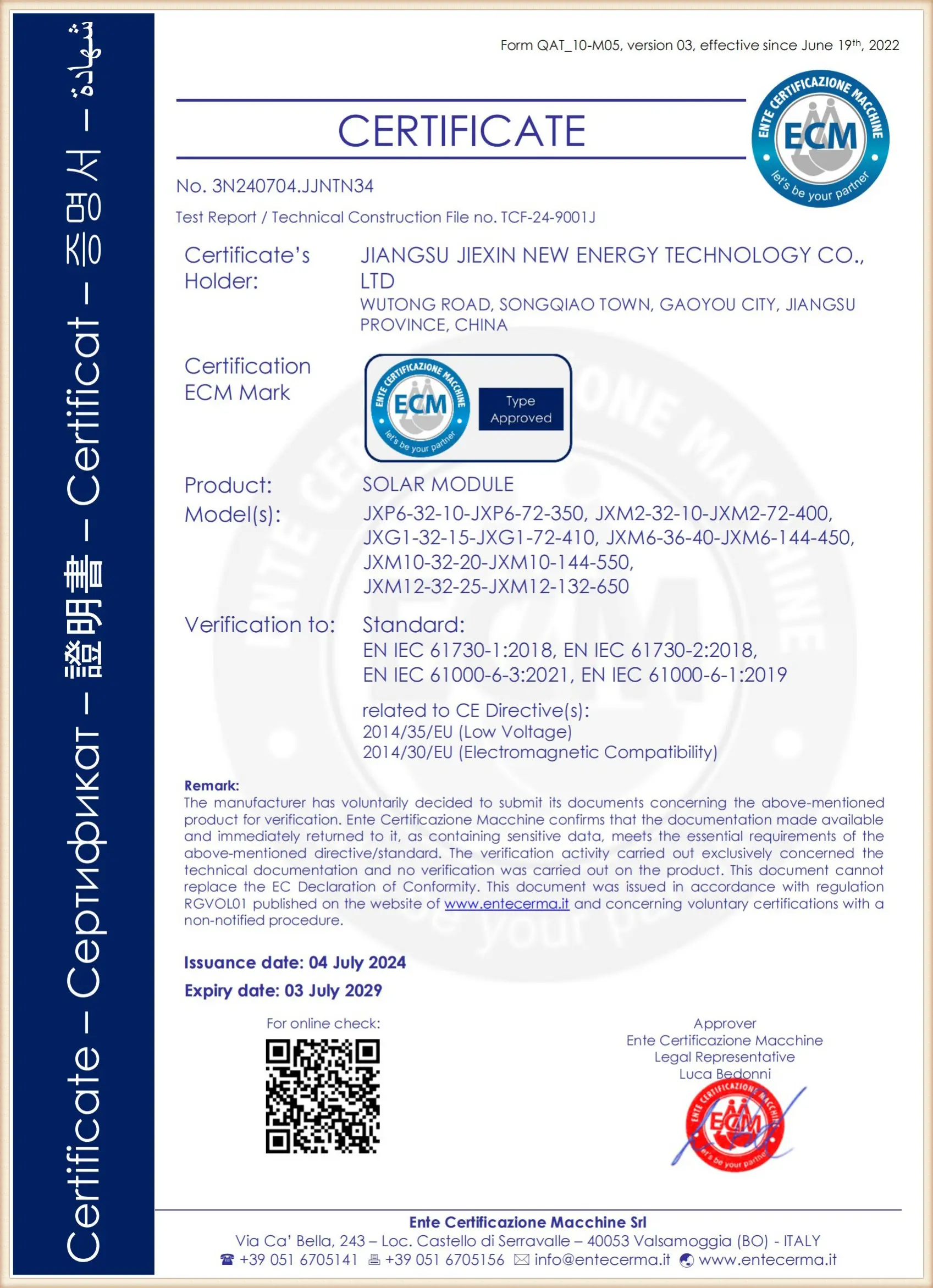
For global import compliance, panels must meet IEC 61215 and IEC 61730 safety and performance standards. In addition, CE marking is required for the European Union, FCC/UL listings for North America, and RoHS compliance to ensure no hazardous materials are used in the circuit boards, junction boxes, or solder joints. Sourcing from factories with ISO 9001 and ISO 14001 certifications guarantees consistent product quality and environmental standards.
Yes. Premium waterproof camping backpacks (ranging from 10W to 60W options) are laminated with durable ETFE layers and wrapped in polyurethane-coated nylon or Cordura fabrics. The integrated junction boxes are rated IP67 or IP68, which means they can withstand heavy downpours and dust ingress. However, while the panel itself is waterproof, the output ports (USB, DC terminals) should remain covered and dry during operation.
Utility-scale frameworks, high-voltage monocrystalline arrays, and heavy-duty battery backup networks.